Results for "cheval+|+6+>+176"
11928 results found.
Que pensez vous de St Marie en Camargue? (France) English translation pending
Bonjours à 😉tous
Je reviens de St maries de la mer, j'y ai fait quelques activitées, canoé, bateau sur le Rhone(le TIKI) pmd à cheval dans une manade, petit train de megeane, parc ornithologique ou j'ai été déçu, hors mis les flaments roses et les ragondins tout les animaux sont en cages méme les aigrettes, les oies etc....
ceci en 1 semaine en camping au clo du rhone pour au total à deux, tout frais compris(de l'autoroute aux cadeaux)à900 euros.
M'en suis je bien sortis, oubien vous pensez que pour le prix, j'aurais put faire des choses en plus?Qu'ai je manqué?????????
Merci pour vos commentéres😎 PetitePlume alias KATHY😊 A+
Je reviens de St maries de la mer, j'y ai fait quelques activitées, canoé, bateau sur le Rhone(le TIKI) pmd à cheval dans une manade, petit train de megeane, parc ornithologique ou j'ai été déçu, hors mis les flaments roses et les ragondins tout les animaux sont en cages méme les aigrettes, les oies etc....
ceci en 1 semaine en camping au clo du rhone pour au total à deux, tout frais compris(de l'autoroute aux cadeaux)à900 euros.
M'en suis je bien sortis, oubien vous pensez que pour le prix, j'aurais put faire des choses en plus?Qu'ai je manqué?????????
Merci pour vos commentéres😎 PetitePlume alias KATHY😊 A+
Rando en Cappadoce (Turquie) English translation pending
Dsl mais g encore qqs questions.et oui encore.
si la mongolfière c trop cher est-ce que c bien de faire la Cappadoce en VTT ou à cheval sachant qu'on est pas des cavaliers champions olympiques et même amateur tout court ?
merci.
si la mongolfière c trop cher est-ce que c bien de faire la Cappadoce en VTT ou à cheval sachant qu'on est pas des cavaliers champions olympiques et même amateur tout court ?
merci.
Aukland-Christchurch (Nouvelle-Zélane) English translation pending
une petite question :
combien de temps faut-il pour relier ces deux villes ?
Merci
Mathieu htttp://perso.wanadoo.fr/surlaroutedumonde/
Merci
Mathieu htttp://perso.wanadoo.fr/surlaroutedumonde/
Nomadisme: modes de vie? English translation pending
salut à vous,
quelques réflexions dont j'aimerais faire part
Selon vous, quel est le meilleur moyen de voyager et vivre en se déplaçant sur la planète, entre le vélo, le cheval et le voilier ? (sachant que c'est les 3 principaux modes de déplacement écologiques, simples et "naturels" qui me conviennent )
Personnellement j'ai pratiqué le premier et un peu le 3 ème sur la cote atlantique, mais je doute de l'idéal, avec ses avantages et inconvénients
les défauts du VTT, je trouve, c'est l'effort physique (les montées, le transport des bagages, l'inconfort ), surtout quand notre but n'est pas le coté sportif de l'aventure, ce qui est mon cas, et puis les vélos roulent surtout sur les routes, ou les pistes, donc toujours au contact d'un certain trafic, voies routières, villes etc..., ce qui est l'opposé de ce que j'aime dans la vie : je recherche surtout la paix, la contemplation, vivre en pleine nature, et la liberté, ce que j'ai retrouvé dans la pratique de la voile (mais biensur un voilier coute plus cher qu'un vélo), et qui existe certainement aussi dans le voyage à cheval, plus "paisible" surement que de mouliner toute la journée (sauf pour les chevaux biensur.. ) mais n'oublions pas que les premiers "nomades" du monde etaient des cavaliers, comme les indiens d'amerique du nord, ou les mongols acturls, avant l'invention des machines modernes
Pourtant il existe apparemment beaucoup moins de voyageurs à cheval (les plus connus sont Emile Brager, philippe Frey...), et encore moins qui ont fait le tour du monde de cette façon, pour quelle raison selon vous ?
d'après vous quel est la meilleur façon de "vagabonder" sur la terre, entre le voyage à vélo et à cheval ? quels sont les avantages et inconvénients de chacun ?
Si vous pardonnez la naive simplicité de ma question, merci d'avance s'il y a des réponses 🙂
Amicalement
quelques réflexions dont j'aimerais faire part
Selon vous, quel est le meilleur moyen de voyager et vivre en se déplaçant sur la planète, entre le vélo, le cheval et le voilier ? (sachant que c'est les 3 principaux modes de déplacement écologiques, simples et "naturels" qui me conviennent )
Personnellement j'ai pratiqué le premier et un peu le 3 ème sur la cote atlantique, mais je doute de l'idéal, avec ses avantages et inconvénients
les défauts du VTT, je trouve, c'est l'effort physique (les montées, le transport des bagages, l'inconfort ), surtout quand notre but n'est pas le coté sportif de l'aventure, ce qui est mon cas, et puis les vélos roulent surtout sur les routes, ou les pistes, donc toujours au contact d'un certain trafic, voies routières, villes etc..., ce qui est l'opposé de ce que j'aime dans la vie : je recherche surtout la paix, la contemplation, vivre en pleine nature, et la liberté, ce que j'ai retrouvé dans la pratique de la voile (mais biensur un voilier coute plus cher qu'un vélo), et qui existe certainement aussi dans le voyage à cheval, plus "paisible" surement que de mouliner toute la journée (sauf pour les chevaux biensur.. ) mais n'oublions pas que les premiers "nomades" du monde etaient des cavaliers, comme les indiens d'amerique du nord, ou les mongols acturls, avant l'invention des machines modernes
Pourtant il existe apparemment beaucoup moins de voyageurs à cheval (les plus connus sont Emile Brager, philippe Frey...), et encore moins qui ont fait le tour du monde de cette façon, pour quelle raison selon vous ?
d'après vous quel est la meilleur façon de "vagabonder" sur la terre, entre le voyage à vélo et à cheval ? quels sont les avantages et inconvénients de chacun ?
Si vous pardonnez la naive simplicité de ma question, merci d'avance s'il y a des réponses 🙂
Amicalement
Livres sur l'Ouzbékistan English translation pending
BONJOUR, et des conseils de lecture sur l'ouzbekistan ... à part la longue marche de B OLLIVIER et Samarcande de Maalouf, , ?? MERCI
Madagascar et la région Morondave English translation pending
Tcho tcho,
Y'a un moment qu'on a plus trainé dans le coin, l'un perdu au fin fond de la Maurienne l'autre entre deux bouquins de physiopath ....Terrain hasardeux mais ô cobiem remplis de richesses, la montagne est venue a la rencontre de la plate terre ou la bière coule a flot direction immédiate la culotte de cheval... Mais ces retrouvailles furent fructueuses et le rêve devient enfin réalité: a la porte un programme de développment autonome direction Madagascar pour deux ans!!!!!😎
Alors a vos bout de doigt pour nous conseiller, la region Morondave!!!!
Quelqu'un s'y connait? On y trouve quoi? La culture? Ils sont animiste mais encore? La plage accessible? On prend quoi avec nous? On part deux ans, il n'y aura ni eau courante ni électricité, le soleil ce couche a 18 heures parait-il? Quelqu'un a des idées? Elles sont les bienvenues parce qu'on part un peu dans le néant malgré les recherches internet....
Bonne route
Nous deux...
Y'a un moment qu'on a plus trainé dans le coin, l'un perdu au fin fond de la Maurienne l'autre entre deux bouquins de physiopath ....Terrain hasardeux mais ô cobiem remplis de richesses, la montagne est venue a la rencontre de la plate terre ou la bière coule a flot direction immédiate la culotte de cheval... Mais ces retrouvailles furent fructueuses et le rêve devient enfin réalité: a la porte un programme de développment autonome direction Madagascar pour deux ans!!!!!😎
Alors a vos bout de doigt pour nous conseiller, la region Morondave!!!!
Quelqu'un s'y connait? On y trouve quoi? La culture? Ils sont animiste mais encore? La plage accessible? On prend quoi avec nous? On part deux ans, il n'y aura ni eau courante ni électricité, le soleil ce couche a 18 heures parait-il? Quelqu'un a des idées? Elles sont les bienvenues parce qu'on part un peu dans le néant malgré les recherches internet....
Bonne route
Nous deux...
Jusqu'en Mongolie en bateau ou par la terre? English translation pending
bonjour tout le monde !
J'ai le projet avec 3 amis d'aller explorer l'Asie de l'Est (Chine, Monglie, Inde...) l'année prochaine. Nous avons plusieurs idées. Soit aller en Russie en vélo (ou autre mais cette perspective nous plaît bien pour le moment), puis le transmonglien, puis aller à cheval jusqu'en chine; soit aller en bateau en mongolie puis acheter des chevaux et se diriger vers la Chine. Nous n'avons pas de gros moyens et avons beaucoup besoins de vos precieux conseils, et toutes vos idées (d itineraires ou autres) et trucs seront les bienvenus naturellement ! ! ! ! 🙂
A bientôt
J'ai le projet avec 3 amis d'aller explorer l'Asie de l'Est (Chine, Monglie, Inde...) l'année prochaine. Nous avons plusieurs idées. Soit aller en Russie en vélo (ou autre mais cette perspective nous plaît bien pour le moment), puis le transmonglien, puis aller à cheval jusqu'en chine; soit aller en bateau en mongolie puis acheter des chevaux et se diriger vers la Chine. Nous n'avons pas de gros moyens et avons beaucoup besoins de vos precieux conseils, et toutes vos idées (d itineraires ou autres) et trucs seront les bienvenus naturellement ! ! ! ! 🙂
A bientôt
Mongolie à vélo (septembre) English translation pending
salut à tous!!!
je pars en septembre en mongolie à vélo, pour un mois... y a t il des voyageurs qui ont prévu de découvrir ce beau pays à cette même période? je cherche des compagnons de route pour faire un bout de chemin ensemble (si vous êtes à vélo ou à cheval)... ou pour simplement se croiser!
à bientôt!
je pars en septembre en mongolie à vélo, pour un mois... y a t il des voyageurs qui ont prévu de découvrir ce beau pays à cette même période? je cherche des compagnons de route pour faire un bout de chemin ensemble (si vous êtes à vélo ou à cheval)... ou pour simplement se croiser!
à bientôt!
Hôtel Viva Tangerine (Cabarete) English translation pending
BONJOUR
NOUS PARTONS A CABARETE HOTEL VIVA TANGERINE AU MOIS D AVIL AVEC UN ADO DE 13ANS QUE PENSEZ VOUS DE CET HOTEL
NOUS VOULONS FAIRE DU KITE SURF Y A T IL DES ECOLES PAS TROP LOING QUE POUVEZ VOUS NOUS CONSEILLER A CE SUJET MADAME PEU T EL FAIRE DU CHEVAL OU AUTRE ACTIVITEES ?
MERCI
NOUS PARTONS A CABARETE HOTEL VIVA TANGERINE AU MOIS D AVIL AVEC UN ADO DE 13ANS QUE PENSEZ VOUS DE CET HOTEL
NOUS VOULONS FAIRE DU KITE SURF Y A T IL DES ECOLES PAS TROP LOING QUE POUVEZ VOUS NOUS CONSEILLER A CE SUJET MADAME PEU T EL FAIRE DU CHEVAL OU AUTRE ACTIVITEES ?
MERCI
Trek 3000m avec enfant de trois ans en Inde English translation pending
Nous envisageons un trek dans le nord de l'Inde avec notre petite fille Aruni, qui aura 3 ans à ce moment là.
Le profil du voyage est : 2 semaines entre 2000 et 4000 m d'altitude avec un cheval pour le portage.
Nous aimerions avoir des échanges avec des familles ayant eu ce type d'expérience ( particulièrement concernant l'effet de l'altitude sur un petit enfant ).
merci, patrice&sheela
😏
Costa Rica: voyage organisé ou individuel? English translation pending
Bonjour 😎 je voudrais partir au costa rica mi juillet pour une durée de 15 jours. J'hésite entre un circuit aventure (15 participants maximum + tour opérator) avec visites des réserves par le biais de différentes activités : marche, VTT, rafting, cheval, parcours à la cime des arbres ... ou partir sans tour opérator et donc trouver un vol abordable + hébergement sur place + déplacement (bus locaux ou location de voiture ?). Nous serions 3 ou 4 personnes à partir mais nous ne parlons pas espagnol. Selon vous quelle est la formule la plus intéressante financièrement parlant ? Dans l'attente de vos conseils. Laurence
Safety for solo travelers using public transport in Mexico (Yucatan, Quintana Roo, Campeche)
Hi,
We’re planning a trip to Mexico this summer (loop through Yucatan, Quintana Roo, Campeche). We’re thinking of using public transport or possibly renting a car. The French Ministry of Foreign Affairs website has a lot of recommendations. Are these states safe for solo travelers? Are there any precautions we should take or areas to avoid?
Thanks,
Unlikely California and Nevada Spots for Artists
Hi there, after 5 trips to the American West, where should we go in May 2025? My last stay in SF ended badly for me (diabetes flare-up, hospitalization after returning to France), but my wife insists on SF and places we haven’t seen yet... so I’ve decided to skip the big parks and head for some offbeat spots instead...
So, SF, then south to the crossroads where James Dean died. No luck—roadworks everywhere, impossible to stop—but I’d noted we could check out the San Andreas Fault near Parkfield and its bar before heading to Bakersfield.
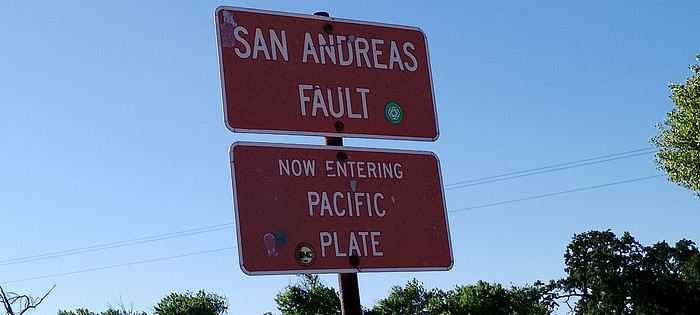
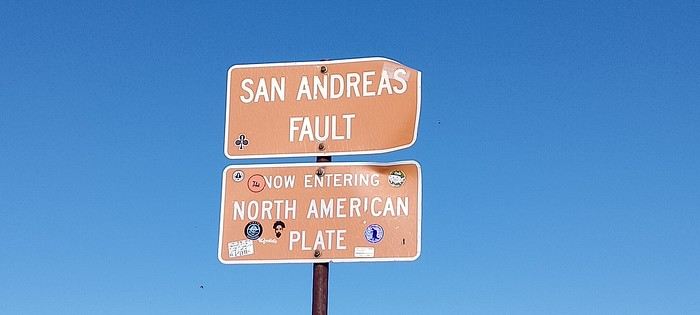
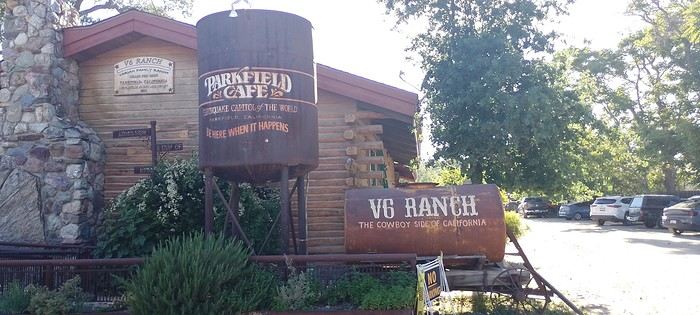
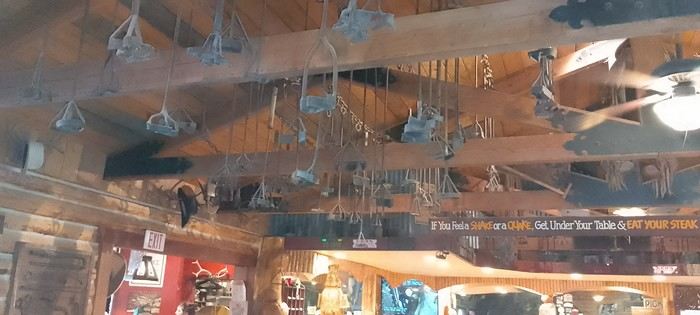
Looking for information for a travel project in Georgia and Armenia
Hey everyone!
A comeback after so many years... but my question is simple:
"Has anyone wandered around these two countries recently? (The posts and travel journals I’ve read are a bit dated.) I’m planning a trip for late spring—one I had mapped out for 2023 but never got to do.
For any info on transportation, border crossings, cost of living, and interesting hostel/GH addresses, thanks in advance! 😉
What are some unusual discoveries in Marrakech?
Hi everyone,
Last-minute trip to Marrakech for a week—what unusual discoveries can you recommend in the city?
Thanks for your quick tips!
Feedback for a southern Morocco trip in summer
Hi there,
I’m planning my next trip outside Europe for next year, but unfortunately, I don’t have a choice with the dates—it’ll be late June to early July. Last year, I went to Japan for three weeks, and it was a constant 36-37°C with over 90% humidity. It wasn’t easy, but it wasn’t impossible either.
For southern Morocco, I know it’s a period to avoid if possible, but for those who’ve been there in early July, did it cause any major issues? Otherwise, I’ll start thinking of another destination.
Here’s the rough itinerary I had in mind, renting a car for the whole trip:
Day 1: Arrival in Marrakech late morning Day 2: Marrakech Day 3: Marrakech -> Aït Ben Haddou -> Ouarzazate Day 4: Ouarzazate -> Vallée des Roses -> Dadès Gorges Day 5: Dadès Gorges -> Tinghir -> Todra Gorges -> Erfoud Day 6: Erfoud -> Merzouga (Erg Chebbi desert) Day 7: Merzouga -> Ouarzazate Day 8: Ouarzazate -> seaside? Agadir or Essaouira Day 9: ?? Day 10: ?? Day 11: Return to Marrakech and flight back late afternoon
Is this schedule too rushed? Does Ouarzazate deserve an extra night? The seaside isn’t a must, as long as we can swim somewhere—pool or lake. We’re planning activities like horseback riding, camel treks, quad biking, and jeep tours.
Thanks for your input
I’m planning my next trip outside Europe for next year, but unfortunately, I don’t have a choice with the dates—it’ll be late June to early July. Last year, I went to Japan for three weeks, and it was a constant 36-37°C with over 90% humidity. It wasn’t easy, but it wasn’t impossible either.
For southern Morocco, I know it’s a period to avoid if possible, but for those who’ve been there in early July, did it cause any major issues? Otherwise, I’ll start thinking of another destination.
Here’s the rough itinerary I had in mind, renting a car for the whole trip:
Day 1: Arrival in Marrakech late morning Day 2: Marrakech Day 3: Marrakech -> Aït Ben Haddou -> Ouarzazate Day 4: Ouarzazate -> Vallée des Roses -> Dadès Gorges Day 5: Dadès Gorges -> Tinghir -> Todra Gorges -> Erfoud Day 6: Erfoud -> Merzouga (Erg Chebbi desert) Day 7: Merzouga -> Ouarzazate Day 8: Ouarzazate -> seaside? Agadir or Essaouira Day 9: ?? Day 10: ?? Day 11: Return to Marrakech and flight back late afternoon
Is this schedule too rushed? Does Ouarzazate deserve an extra night? The seaside isn’t a must, as long as we can swim somewhere—pool or lake. We’re planning activities like horseback riding, camel treks, quad biking, and jeep tours.
Thanks for your input
What to visit in Chengdu using public transport?
hi, I’ll be staying a few days in Chengdu or nearby and it wasn’t planned, so I don’t have much time to figure things out. Could someone suggest some nice places to visit that I can organize on my own, preferably using local transport? I know China has changed a lot since my last visit in 2000... thanks and have a great day, Aichatou
What to see in Madagascar in 10 days with kids?
Hello,
A few months ago, I posted a message in the Southern Africa section about a family trip in July/August. In the end, since I had too much trouble deciding on the destination and procrastinated too much with the planning 😎, I changed my mind and we’re going for a completely different trip—to Madagascar, a country we already know a bit since we’ve traveled there several times for 4 to 6 months each time, though our last visit was back in 2012!
The tickets are booked: 19 days on the ground (excluding arrival and departure days in Tana), spanning July and August.
We’re not looking to rack up landscapes (and kilometers). The kids really want to see lots of animals, while we mostly want to show them what daily life is like in Malagasy villages. So ideally, we’d like a trip split into two parts: - For 8/10 days, a hiking portion. The idea isn’t to do a tough trek in very remote areas but rather to walk from one village to another. Let’s say 3-4 hours a day. And when we arrive in each village, we’d have time to explore a bit, chat with the locals, let our kids play with the village children, etc. Stay with locals when possible. Move to a new village every day or every 2-3 days. - A few days visiting 1 or 2 national parks (with lemurs if possible to keep everyone happy!) - With the inevitable travel days, we’ll quickly hit 19 days.
Does this kind of trip sound doable (and fun) to you? Do you know of any villages that would fit our hiking plans?
I don’t have a preferred region yet, except that very dry landscapes appeal to me less. My real love from past trips was the highlands and their bright green rice paddies against red earth, but I’m a bit worried about the cold at this time of year.
After my initial research (thanks to this forum), I get the impression that the Ambalavao/Ambohimahamasina area might meet our criteria. I saw there are "accueil paysan" (farm stays) in that area, which could match what we’re looking for and would let us visit Andringitra National Park and Ranomafana on the way there or back.
But I’m open to all your more original ideas!
For logistical questions (transport, guides, accommodations, etc.), I’ll tackle those later—it’ll depend on the area we choose.
Thanks in advance for your suggestions
A few months ago, I posted a message in the Southern Africa section about a family trip in July/August. In the end, since I had too much trouble deciding on the destination and procrastinated too much with the planning 😎, I changed my mind and we’re going for a completely different trip—to Madagascar, a country we already know a bit since we’ve traveled there several times for 4 to 6 months each time, though our last visit was back in 2012!
The tickets are booked: 19 days on the ground (excluding arrival and departure days in Tana), spanning July and August.
We’re not looking to rack up landscapes (and kilometers). The kids really want to see lots of animals, while we mostly want to show them what daily life is like in Malagasy villages. So ideally, we’d like a trip split into two parts: - For 8/10 days, a hiking portion. The idea isn’t to do a tough trek in very remote areas but rather to walk from one village to another. Let’s say 3-4 hours a day. And when we arrive in each village, we’d have time to explore a bit, chat with the locals, let our kids play with the village children, etc. Stay with locals when possible. Move to a new village every day or every 2-3 days. - A few days visiting 1 or 2 national parks (with lemurs if possible to keep everyone happy!) - With the inevitable travel days, we’ll quickly hit 19 days.
Does this kind of trip sound doable (and fun) to you? Do you know of any villages that would fit our hiking plans?
I don’t have a preferred region yet, except that very dry landscapes appeal to me less. My real love from past trips was the highlands and their bright green rice paddies against red earth, but I’m a bit worried about the cold at this time of year.
After my initial research (thanks to this forum), I get the impression that the Ambalavao/Ambohimahamasina area might meet our criteria. I saw there are "accueil paysan" (farm stays) in that area, which could match what we’re looking for and would let us visit Andringitra National Park and Ranomafana on the way there or back.
But I’m open to all your more original ideas!
For logistical questions (transport, guides, accommodations, etc.), I’ll tackle those later—it’ll depend on the area we choose.
Thanks in advance for your suggestions
The Cedar Forest and the Carpentras Canal
Good evening everyone,
Since the forum came back, it's been a bit quiet—no one's sharing their adventures yet. I know it's the start of the season, so let's hope it picks up!
Last Saturday, my buddy Jean Paul (who’ll be 84 next month) and I rode through the cedar forest between Cavaillon and Bonnieux—I highly recommend it! I already knew the area. We started from Pont Royal: me on my latest women’s FUN RIDE SOLO mountain bike (kept it as simple as possible), and him on a road bike with gravel tires. The road starting near Cheval Blanc, called the Vidauque route, is paved but completely wrecked—full of potholes, abandoned for ages, and technically off-limits to cars (though 4x4s still use it). The views over the Cavaillon plain are stunning, but we had to push our bikes a few times. After that, we did 10 km through the gorgeous cedar forest, followed by all downhill and flat terrain through the Lourmarin valley, then Cadenet, before heading toward La Roque-d'Anthéron. From there, we tackled the dirt paths of Provence by bike—beautiful trails—and made our way back to Mallemort and Pont Royal. A great loop: 81.51 km with 908 m of elevation gain. And Jean Paul? Fresh as a daisy at the finish—what an impressive guy!
Now, the real reason for this post: At the start, we followed the Carpentras Canal, which runs from Mallemort to Travaillan (69 km total). I’ve seen some photos on Komoot, and it looks amazing—apparently, there’s always a towpath.
**HAS ANYONE DONE THIS BY BIKE BEFORE? COULD YOU SHARE YOUR EXPERIENCE? THANKS IN ADVANCE!** Serge
Since the forum came back, it's been a bit quiet—no one's sharing their adventures yet. I know it's the start of the season, so let's hope it picks up!
Last Saturday, my buddy Jean Paul (who’ll be 84 next month) and I rode through the cedar forest between Cavaillon and Bonnieux—I highly recommend it! I already knew the area. We started from Pont Royal: me on my latest women’s FUN RIDE SOLO mountain bike (kept it as simple as possible), and him on a road bike with gravel tires. The road starting near Cheval Blanc, called the Vidauque route, is paved but completely wrecked—full of potholes, abandoned for ages, and technically off-limits to cars (though 4x4s still use it). The views over the Cavaillon plain are stunning, but we had to push our bikes a few times. After that, we did 10 km through the gorgeous cedar forest, followed by all downhill and flat terrain through the Lourmarin valley, then Cadenet, before heading toward La Roque-d'Anthéron. From there, we tackled the dirt paths of Provence by bike—beautiful trails—and made our way back to Mallemort and Pont Royal. A great loop: 81.51 km with 908 m of elevation gain. And Jean Paul? Fresh as a daisy at the finish—what an impressive guy!
Now, the real reason for this post: At the start, we followed the Carpentras Canal, which runs from Mallemort to Travaillan (69 km total). I’ve seen some photos on Komoot, and it looks amazing—apparently, there’s always a towpath.
**HAS ANYONE DONE THIS BY BIKE BEFORE? COULD YOU SHARE YOUR EXPERIENCE? THANKS IN ADVANCE!** Serge
What to visit in Koh Samui, Thailand?
Ideas for things to see and do
Nicoya Peninsula: which villages should I prioritize?
Hi everyone,
I’m planning to spend 15 days on the beaches of the Nicoya Peninsula but I’m having trouble picturing the villages and the vibe.
Since I don’t want to rent a car and would rather base myself somewhere and get around by bus, I think I’ll need to stay a bit in the center of a village. I could also move around—spend a week in two different villages.
I don’t surf but I’m not opposed to trying it, and otherwise, I’m really into yoga and horses.
Any other must-sees in Costa Rica? I’m thinking of visiting a volcano and a national park; I’ll be there for a total of 3 weeks.
Thanks!!!
Any other must-sees in Costa Rica? I’m thinking of visiting a volcano and a national park; I’ll be there for a total of 3 weeks.
Thanks!!!
A week in Basilicata (Italy): transport, sights, accommodations
Hi there, I’m wondering about spending a week in Basilicata in southern Italy in mid-to-late March. Initially, I was talking about Puglia, but I realize that in my imagination it was actually Puglia—but no, it’s really the timeless charm of Basilicata that I want to discover.
We’d be leaving from Nice. Do any of you have any tips? People who’ve been there recently—how about transport? Accommodations? A possible itinerary? Maybe fly into Naples and rent a car? Thanks for your feedback!
Have a great day,
Barbara
We’d be leaving from Nice. Do any of you have any tips? People who’ve been there recently—how about transport? Accommodations? A possible itinerary? Maybe fly into Naples and rent a car? Thanks for your feedback!
Have a great day,
Barbara
Slow Travel or the Illusion of Authenticity
“Slow travel” is a concept that some tout as a philosophical revolution in travel. But on closer inspection, it’s nothing more than a marketing repackaging of an age-old practice.
This term is wrapped in an aura of intellectualism. It promises to reinvent the experience of travel by valuing slowness, contemplation, and cultural immersion.
The term “slow travel” claims to bring depth to travel, but it often relies on clichés.
Taking your time, meeting locals, avoiding quick visits—these practices have always existed and are nothing revolutionary.
Before the era of airplanes, high-speed trains, and express stays, traveling necessarily meant taking your time. Pilgrims, merchants, and explorers already practiced a form of “slow travel,” without hashtags or self-proclaimed spiritual guides.
Crossing lands on foot or by horse required total immersion in the landscapes, cultures, and unpredictability of the journey. Yet, no one attributed philosophical intentions to them: it was a necessity.
Slow travel, in its current version, may be less a philosophy than a reflection of the contradictions of an affluent class searching for meaning in a world they help overload.
So-called “slow” travel is presented as a privileged way to understand a culture, but this claim is debatable. A region never represents an entire country.
Immersing yourself in a community doesn’t guarantee a complete or more authentic understanding than any other way of traveling.
Slowness in itself doesn’t guarantee depth or ethics. You can immerse yourself in a place over a weekend, just as you can spend months in a country without grasping its subtleties.
By positioning itself as an antidote to “fast” tourism, slow travel fetishizes a temporality that only makes sense if it’s accompanied by real openness and an effort to integrate.
But this over-intellectualization often masks a desire to belong to a trend or a need to stand out socially.
Behind this posture sometimes lies a whim: the urge to reinvent one’s life elsewhere in an idealized form. But this quest for elsewhere remains fundamentally a way to escape or respond to unease, rather than a true commitment to the cultures visited.
When we talk about “encounters” while traveling, we often forget that these exchanges are facilitated by biased contexts. As a traveler, you’re seen as a temporary visitor, unattached, and that changes the dynamic.
Locals, whether curious or used to tourists, adopt a different stance than they would with a neighbor they see daily.
This interaction is also tinged with asymmetry: the traveler has the luxury of time and availability, while in daily life, personal concerns often take precedence over the desire to connect.
The flip side is that the openness displayed while traveling is often a facade. We boast about chatting with a fisherman or sharing a meal with a local family, but how many of these encounters lead to a real understanding of cultural differences or sincere reflection?
Once home, these moments become anecdotes, social trophies to show off, without fundamentally changing our relationship with others in our daily lives.
By imposing a definition, we push people to adapt their practices to fit an idealized model. This can lead to a paradoxical standardization: “slow travel” becomes a checklist of behaviors (meetings, immersion, slowness).
The “bobos” (bourgeois-bohemians), often in search of meaning in a world saturated with options, believe that giving a name to a practice grants it legitimacy or moral value. But this obsession with framing and theorizing travel only drains it of its spontaneity.
Someone who grew up at the crossroads of multiple cultures, on the other hand, doesn’t feel this need. For them, traveling isn’t a philosophical project but an intrinsic part of their life.
The very concept of “slow travel” can seem absurd: why glorify what’s simply natural?
Why try to turn into an ideology what should be a personal, intimate experience, free from semantic constraints?
Ultimately, this need for labeling, this frantic quest to name every gesture, reveals a society craving simplicity.
Travel, in its purest form, doesn’t need justification or slogans. It doesn’t need slowness or speed: it’s simply lived.
Perhaps the real challenge is to unlearn this Western habit of conceptualizing everything that should simply be felt.
For many, travel is a parenthesis, a temporary break from daily life. But if we reject this distinction between “home” and “elsewhere,” every human life becomes a continuous journey through varied environments.
From this perspective, “slow travel” loses all meaning, because living somewhere—whether for a week or five years—is part of the same experience of adaptation.
So, we ask the fans of marketing slogans: is travel a parenthesis or a journey?
“Slow travel” is often driven by a Western eco-bobo ideology, tinged with post-colonial guilt. This discourse promotes a supposedly virtuous way of traveling while forgetting that these practices remain a privilege.
Far from deconstructing power dynamics, it sometimes reinforces them by glorifying a different kind of consumption, still centered on comfort.
There’s also a condescending side to this rhetoric. By idealizing slowness, slow travel advocates imply that those who travel quickly or on a budget are less “authentic” in their approach.
Yet, isn’t that a form of contempt? Do those who leave for a well-deserved week after months of hard work deserve less consideration?
Concepts like “slow travel” or “sustainable tourism” seem hollow when reduced to marketing slogans or standardized behaviors. They confine travel to preconceived frameworks, stripping it of its spontaneous and unpredictable dimension.
Instead of categorizing, it would be more relevant to recognize the plurality of human experiences without trying to define them.
Slow travel doesn’t invent anything. It simply puts into words—and often slogans—what travel has always been for those who practice it with intention.
Maybe we should stop trying to theorize every movement and simply rediscover travel for what it is: a human experience, sometimes slow, sometimes fast, but always personal.
More info on our site
This term is wrapped in an aura of intellectualism. It promises to reinvent the experience of travel by valuing slowness, contemplation, and cultural immersion.
The term “slow travel” claims to bring depth to travel, but it often relies on clichés.
Taking your time, meeting locals, avoiding quick visits—these practices have always existed and are nothing revolutionary.
Before the era of airplanes, high-speed trains, and express stays, traveling necessarily meant taking your time. Pilgrims, merchants, and explorers already practiced a form of “slow travel,” without hashtags or self-proclaimed spiritual guides.
Crossing lands on foot or by horse required total immersion in the landscapes, cultures, and unpredictability of the journey. Yet, no one attributed philosophical intentions to them: it was a necessity.
Slow travel, in its current version, may be less a philosophy than a reflection of the contradictions of an affluent class searching for meaning in a world they help overload.
So-called “slow” travel is presented as a privileged way to understand a culture, but this claim is debatable. A region never represents an entire country.
Immersing yourself in a community doesn’t guarantee a complete or more authentic understanding than any other way of traveling.
Slowness in itself doesn’t guarantee depth or ethics. You can immerse yourself in a place over a weekend, just as you can spend months in a country without grasping its subtleties.
By positioning itself as an antidote to “fast” tourism, slow travel fetishizes a temporality that only makes sense if it’s accompanied by real openness and an effort to integrate.
But this over-intellectualization often masks a desire to belong to a trend or a need to stand out socially.
Behind this posture sometimes lies a whim: the urge to reinvent one’s life elsewhere in an idealized form. But this quest for elsewhere remains fundamentally a way to escape or respond to unease, rather than a true commitment to the cultures visited.
When we talk about “encounters” while traveling, we often forget that these exchanges are facilitated by biased contexts. As a traveler, you’re seen as a temporary visitor, unattached, and that changes the dynamic.
Locals, whether curious or used to tourists, adopt a different stance than they would with a neighbor they see daily.
This interaction is also tinged with asymmetry: the traveler has the luxury of time and availability, while in daily life, personal concerns often take precedence over the desire to connect.
The flip side is that the openness displayed while traveling is often a facade. We boast about chatting with a fisherman or sharing a meal with a local family, but how many of these encounters lead to a real understanding of cultural differences or sincere reflection?
Once home, these moments become anecdotes, social trophies to show off, without fundamentally changing our relationship with others in our daily lives.
By imposing a definition, we push people to adapt their practices to fit an idealized model. This can lead to a paradoxical standardization: “slow travel” becomes a checklist of behaviors (meetings, immersion, slowness).
The “bobos” (bourgeois-bohemians), often in search of meaning in a world saturated with options, believe that giving a name to a practice grants it legitimacy or moral value. But this obsession with framing and theorizing travel only drains it of its spontaneity.
Someone who grew up at the crossroads of multiple cultures, on the other hand, doesn’t feel this need. For them, traveling isn’t a philosophical project but an intrinsic part of their life.
The very concept of “slow travel” can seem absurd: why glorify what’s simply natural?
Why try to turn into an ideology what should be a personal, intimate experience, free from semantic constraints?
Ultimately, this need for labeling, this frantic quest to name every gesture, reveals a society craving simplicity.
Travel, in its purest form, doesn’t need justification or slogans. It doesn’t need slowness or speed: it’s simply lived.
Perhaps the real challenge is to unlearn this Western habit of conceptualizing everything that should simply be felt.
For many, travel is a parenthesis, a temporary break from daily life. But if we reject this distinction between “home” and “elsewhere,” every human life becomes a continuous journey through varied environments.
From this perspective, “slow travel” loses all meaning, because living somewhere—whether for a week or five years—is part of the same experience of adaptation.
So, we ask the fans of marketing slogans: is travel a parenthesis or a journey?
“Slow travel” is often driven by a Western eco-bobo ideology, tinged with post-colonial guilt. This discourse promotes a supposedly virtuous way of traveling while forgetting that these practices remain a privilege.
Far from deconstructing power dynamics, it sometimes reinforces them by glorifying a different kind of consumption, still centered on comfort.
There’s also a condescending side to this rhetoric. By idealizing slowness, slow travel advocates imply that those who travel quickly or on a budget are less “authentic” in their approach.
Yet, isn’t that a form of contempt? Do those who leave for a well-deserved week after months of hard work deserve less consideration?
Concepts like “slow travel” or “sustainable tourism” seem hollow when reduced to marketing slogans or standardized behaviors. They confine travel to preconceived frameworks, stripping it of its spontaneous and unpredictable dimension.
Instead of categorizing, it would be more relevant to recognize the plurality of human experiences without trying to define them.
Slow travel doesn’t invent anything. It simply puts into words—and often slogans—what travel has always been for those who practice it with intention.
Maybe we should stop trying to theorize every movement and simply rediscover travel for what it is: a human experience, sometimes slow, sometimes fast, but always personal.
More info on our site
Discovering Mongolia authentically: your tips
Hi everyone,
Happy to be back on our travel exchange and advice site.
There are four of us heading to Mongolia from June 22 to July 15, 2025.
We’ve wanted to visit Mongolia for a long time, but for various reasons, the trip kept getting postponed.
This year is the one. The flight tickets are booked, and we’re in touch with several agencies to organize what seems like a classic itinerary (Gobi, Khangai, and Lake Khuvsgul), including attending a Naadam festival outside the capital.
Yes, but here’s the thing—with so much hope riding on this destination, I’m afraid of being disappointed by what we’ll find.
Let me explain. The way we travel has changed over time. Discovering a country these days seems to be more about influencers than travel guides. Consumer-focused travel seems to have taken over from genuine exploration.
So, if you have any tips for helping us discover authentic sites and avoid certain mistakes… we’re all ears.
Thanks in advance for your replies, and happy holidays to everyone.
3 days in Milan: sights, hotels, restaurants, etc.
Hello, VoyageForum friends, and happy holidays!
I’m planning a trip with my 19-year-old grandson to Milan for Easter Saturday, Sunday, and Monday in 2025.
I’d love your insights on what we can visit in Milan that would interest both my grandson and me (I’m 75). Of course, I’m thinking of the must-sees, but not just those—cozy little restaurants, trendy neighborhoods, and anything else you’d recommend. I’m also looking for a comfortable hotel in the city center that isn’t too expensive!
I’m sure the VoyageForum community will help me uncover some hidden gems! Looking forward to your replies.
I’m sure the VoyageForum community will help me uncover some hidden gems! Looking forward to your replies.
Where to stay for summer vacation in the Jura?
Hello,
I’m starting to plan my summer vacation.
I’ve decided on the Jura.
I’m looking for a pleasant place to stay for three weeks.
My criteria are a pretty little village, easy hiking opportunities with beautiful viewpoints (around Lake Vouglans or elsewhere), and nice swimming spots.
For info, I’ll be traveling with my wife (no kids).
Thanks for your help—I’m really curious and interested in any tips or advice you can share.
Have a great day,
Thierry
Medical insurance for the United States
.hi there
I'm looking for travel insurance for the USA for a 1-month trip as a tourist.
Could anyone give me some advice?
Thanks so much
Two weeks with a host family in Mongolia
Hey everyone!
So, I’m planning to head to Mongolia in April 2025 for two weeks (I know, it’s pretty short, but work leaves me no choice!). That’s why I don’t want to waste any time! It’s not a big deal if I can’t see the whole country or miss some must-see spots—my main goal for my trips is meeting families, staying with locals, discovering the culture, the way of life, and everything else! That’s what travel is all about for me.
So if you know of any families (preferably nomadic) who’d be open to hosting me, I’m all ears! I never go through guides or agencies—usually, I connect with locals who need a little extra money and know their region well. They’re happy to spend the day showing me around!
Thanks so much for your help!
Fabrice.
Thaï Airways convoque ses créanciers English translation pending
Bonjour,
Pour ceux qui sont dans le lot ...
http://www.gavroche-thailande.com/actualites/conomie/112975-tha-lande-conomie-la-justice-accepte-la-restructuration-de-thai-airways-et-convoque-ses-creanciers
Pour ceux qui sont dans le lot ...
http://www.gavroche-thailande.com/actualites/conomie/112975-tha-lande-conomie-la-justice-accepte-la-restructuration-de-thai-airways-et-convoque-ses-creanciers
Flânerie le long de la rivière Luangwa English translation pending
Bonjour à toutes et tous,
En avril dernier, à la suite de Régis puis de Claire, nous avions partagé sur ce forum notre pérégrination atypique au Kenya dans la réserve du Masaï-Mara. A l'issue de ce récit, nous avions imaginé repartir soit en randonnée sur les plus hautes terres d'Ethiopie (une dizaine de jours dans les montagnes du Simien lors d'un long séjour en 2009), soit de suivre le cours tranquille de la rivière Luangwa, dans sa partie sud (deux semaines à cheval sur octobre et novembre 2019). Dans le but d'animer les colonnes désertées de Voyage Forum en raison d'une sournoise pandémie, nous avons choisi l'Afrique Australe, précisant que ce texte, destiné à notre entourage ne correspond pas tout à fait à l'esprit "Carnets de Voyages" du site, vous nous en excuserez. Comme la précédente, cette escapade est l'une des rares que nous ayons réalisée avec une agence : y prendrait-on goût ou vieillirait-on ? Pour agrémenter ses longues pages d'écriture (une trentaine pour la partie South Luangwa N P et une dizaine pour la visite de Mosi-oa-Tunya et alentours), Yolande a sélectionné les photos les plus représentatives de cette vadrouille zambienne, dont cette magnifique panthère, rencontrée dès notre entrée dans le sanctuaire.
En route pour le rêve, seule frontière encore ouverte. Bien amicalement. Jety 34.
Impossible de joindre la photo (au secours !), ci-joint le message de VF (??????)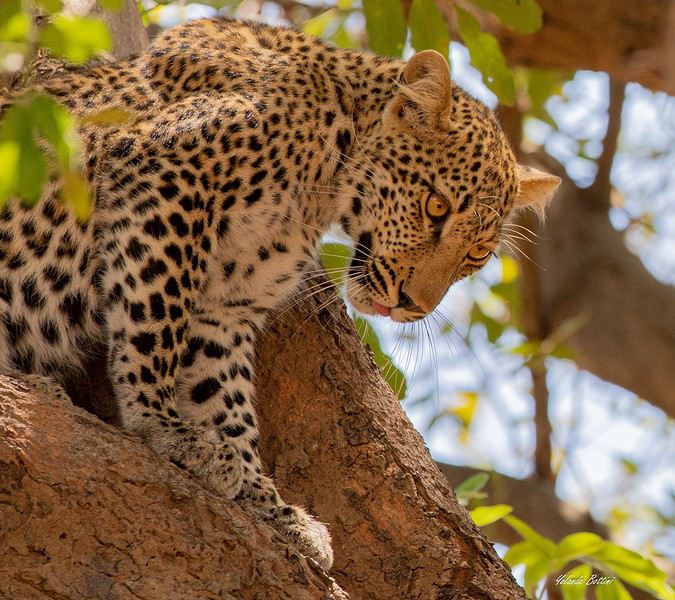
En avril dernier, à la suite de Régis puis de Claire, nous avions partagé sur ce forum notre pérégrination atypique au Kenya dans la réserve du Masaï-Mara. A l'issue de ce récit, nous avions imaginé repartir soit en randonnée sur les plus hautes terres d'Ethiopie (une dizaine de jours dans les montagnes du Simien lors d'un long séjour en 2009), soit de suivre le cours tranquille de la rivière Luangwa, dans sa partie sud (deux semaines à cheval sur octobre et novembre 2019). Dans le but d'animer les colonnes désertées de Voyage Forum en raison d'une sournoise pandémie, nous avons choisi l'Afrique Australe, précisant que ce texte, destiné à notre entourage ne correspond pas tout à fait à l'esprit "Carnets de Voyages" du site, vous nous en excuserez. Comme la précédente, cette escapade est l'une des rares que nous ayons réalisée avec une agence : y prendrait-on goût ou vieillirait-on ? Pour agrémenter ses longues pages d'écriture (une trentaine pour la partie South Luangwa N P et une dizaine pour la visite de Mosi-oa-Tunya et alentours), Yolande a sélectionné les photos les plus représentatives de cette vadrouille zambienne, dont cette magnifique panthère, rencontrée dès notre entrée dans le sanctuaire.
En route pour le rêve, seule frontière encore ouverte. Bien amicalement. Jety 34.
Impossible de joindre la photo (au secours !), ci-joint le message de VF (??????)