Results for "Pont-Audemer+|+127"
26371 results found.
Dancing a Siem Reap? English translation pending
Quel est la boîte la plus sympa avec de la chouette musique pour aller danser à Siem Reap ???
Thu
Thu
Hong Kong Macao en bateau English translation pending
Peut on rejoindre directement (donc sans passer par la chine) Macao a Hong Kong .
Existe t.il un bateau assurant la liaison? ou un pont entre les deux villes tout simplement.
A quel prix?
Merci de vos reponses
Existe t.il un bateau assurant la liaison? ou un pont entre les deux villes tout simplement.
A quel prix?
Merci de vos reponses
Bonnes adresses à Venise English translation pending
resto :
Cannaregio
Pizzeria ai tre archi : dans cannregio le long du canal di cannaregio en venant de la gare ne pas passé sur le pont Guglie c'est juste à l'arrêt du vaporetto à tre archi lignes
On y mange de délicieuses pizzas pour un prix abordable (apéro+ pizza + 1/4 litre de vin ou 1/2 litre coca + café pour 15 € service compris)
Cannaregio
Pizzeria ai tre archi : dans cannregio le long du canal di cannaregio en venant de la gare ne pas passé sur le pont Guglie c'est juste à l'arrêt du vaporetto à tre archi lignes
On y mange de délicieuses pizzas pour un prix abordable (apéro+ pizza + 1/4 litre de vin ou 1/2 litre coca + café pour 15 € service compris)
Visite de Prague en 3 jours English translation pending
Bonjour, beaucoup de personnes disent que Prague est une ville très agréable. Je pense y aller 3 jours, que me conseillez-vous ? Merci
747-200 d'European Charter English translation pending
slt est ce qu'il y a une classe supérieur a la classe economique sur les 747-200 d'european charter
si oui ou et quel est le confort?(pont superieur devant etc)
je vous explique le prob je vais surement avoir un avion affrété par cette compagnie au lieu de corsair en grand large
merci de m'aider au mmaximum
si oui ou et quel est le confort?(pont superieur devant etc)
je vous explique le prob je vais surement avoir un avion affrété par cette compagnie au lieu de corsair en grand large
merci de m'aider au mmaximum
Transmission avant ou arrière pour l'Afrique? English translation pending
Bonjour,
Je n'arrive pas à avoir de réponse claire sur un point précis, avant d'acheter la camionnette avec laquelle on veut descendre du Maroc au Togo (sûrement un Renault Master qu'on aménagera pour dormir dedans de temps en temps...) :
Vaut-il mieux une transmission arrière (véhicule à pont) ou avant (véhicule à triangle) : certains me disent que la première est plus solide et plus facile à réparer; et d'autres qu'une transmission arrière rend plus probables les risques d'ensablement. Qu'en pensez-vous ?
En tout état de cause, est-ce que cette caractéristique du véhicule est vraiment déterminante ? Et pensez-vous qu'il puisse être possible de descendre, quelle que soit le type de transmission du véhicule ?
Merci de vos réponses !
José.
Conseil itinéraire pour le sud de la Chine English translation pending
Je compte aller au sud de la Chine pour un mois en mai, juin 2005.
J'ai déjà un billet pour Hongkong.
Pourriez-vous me conseiller un itinéraire ?
Merci d'avance
Jozefa😉
J'ai déjà un billet pour Hongkong.
Pourriez-vous me conseiller un itinéraire ?
Merci d'avance
Jozefa😉
Birmanie: Bagan - Pyay en bateau English translation pending
😛Je pars dans peu de temps en Birmanie et envisage de descendre de Bagan à Pyay en bateau (pas toutou, 2 jours de voyage et couchage sur le pont).Ceci à la mi-février. Etant donné que ce sera là bas la saison sèche donc basses eaux, quelqu'un peut il me dire si ça en vaut quand même la peine ou faut mieux y renoncer ?
Egalement qu'y a t-il à ne pas manquer à Pyay ou aux environs, quelque guest house sympa aussi ?
Merci pour vos infos.
DOUMI
Egalement qu'y a t-il à ne pas manquer à Pyay ou aux environs, quelque guest house sympa aussi ?
Merci pour vos infos.
DOUMI
Cayo guillermo English translation pending
j ai choisi cayo guillermo hotel melia en janvier est ce un bon choix
j aimerai avoir quelques avis et surtout des photos. merci
j aimerai avoir quelques avis et surtout des photos. merci
Plus belles photos de montagne! English translation pending
Bonjour à toutes et à tous !
Je n'ai pas encore vu de sujet des photographes amoureux de la montagne =) ! Je vous propose quelques photos prises dans les Pyrénées (Pont d'Espagne, Cirque de Gavarnie...), ma chaîne de montagne préférée (il y fait si doux et c'est si joli, et de plus je suis née là-bas 😉 !!), et à vous de faire partager vos plus beaux clichés montagneux !
@+
Passage Inde/Sri Lanka? English translation pending
Salut,
Bon je part en INDE dans 2 mois et je me demandais comment on fait pour rejoindre le sri lanka ? Il y a un pont, non?
Est ce que ca vaut vraiment le coup d'y aller?
Merci,
Silvere.
Bon je part en INDE dans 2 mois et je me demandais comment on fait pour rejoindre le sri lanka ? Il y a un pont, non?
Est ce que ca vaut vraiment le coup d'y aller?
Merci,
Silvere.
Algues sur l'île de Djerba? English translation pending
Salut à tous,
Je souhaiterais savoir si quelqu'un a déjà entendu parler des problèmes d'algues (dans l'eau et sur la plage) sur l'île de Djerba (Djerba plage, côte est, au nod du pont El Quantara).
S'agit-il d'un problème saisonnier (printemps) ou est-ce comme cela toute l'année ?
Merci d'avance pour vos infos.
P.S. Nous allons à l'hôtel Karthago.
Je souhaiterais savoir si quelqu'un a déjà entendu parler des problèmes d'algues (dans l'eau et sur la plage) sur l'île de Djerba (Djerba plage, côte est, au nod du pont El Quantara).
S'agit-il d'un problème saisonnier (printemps) ou est-ce comme cela toute l'année ?
Merci d'avance pour vos infos.
P.S. Nous allons à l'hôtel Karthago.
Laos English translation pending
Je viens de lire un livre que j'ai adoré :
Ant Egg Soup - the adventures of a food tourist in Laos, de Natacha Du Pont De Bie. Excellent, vraiment. Une approche très originale du voyage puisque tout tourne autour de la cuisine locale, mais l'auteur n'oublie pas de décrire les endroits visités, les gens rencontrés, les coutumes locales ...
Je vous le recommande chaudement !
Ant Egg Soup - the adventures of a food tourist in Laos, de Natacha Du Pont De Bie. Excellent, vraiment. Une approche très originale du voyage puisque tout tourne autour de la cuisine locale, mais l'auteur n'oublie pas de décrire les endroits visités, les gens rencontrés, les coutumes locales ...
Je vous le recommande chaudement !
Retour de Prague en Répubique Tchèque English translation pending
Salut 😉
Bonjour à tous!
Je suis rentrée hier de Prague. Je vous livre donc mes impressions...
Nous avons logé à l'hotel Kampa. Hotel 4 étoiles (je me serais bien contentée d'une auberge de jeunnesse. Mais bon...). L'hotel est très bien situé, central... à quelques mètres du pont Saint-Charles. Peut être (surement!) qu'une auberge de jeunnesse aurait été plus "vivante", dynamique!Ce que je trouve dommage, c'est qu'avec le français, on ne va nulle part. Si on n'a pas quelques notions d'anglaius, on est perdu!!! C'est fou! Même dans les restos, rares sont les menus en français. Tout est en tchèques, allemand et anglais.
J'y suis allée hors saison et malgré ça, c'est plein de touristes: des petits vieux qui se croient tout permis, et des jeunes en voyage scolaire qui se foutent pas mal de ces visites! Je ne vous conseille pas de vous y rendre en pleine saison!
C'est étrange mais il est très difficile, voire impossible, de trouver un snack pour manger un dago sur le chemin. La ville est pleine de resto à des prix très raisonnable. Le service y est, en général, assez expéditif.
Je conseillerai de vous rendre à Prague avec un guide (un bouquin). La ville est un véritable musé à elle toute seule. Chaque maison a une histoire, une architecture particulière...
Il est possible de tout faire à pied car tout est concentré et l'orientation y ets très aisée. Le Lonely Planet est très bien fait. Je ne connais pas le Routard! La ville est très belle. Le pont Saint Charles, le quartier juif, la place de la vieille ville, le chateau... Ce que je regrette, c'est de ne pas avoir vu un spectacle de marrionnette.
Même si mon impression semble quelque peu négative, je me suis bien amusée à Prague. Ville magnifique mais ces 4 jours auront été fatiguants!!!
Bon voyage à tous...
Marie.
Train des nuages en Argentine English translation pending
qui pourrait nous donner des renseignements sur le train des nuages qui part de salta? merci...
sibille
sibille
Bostwana: Réserve de Moremi (Delta de l'Okavango) English translation pending
Bonjour
je recherche l'avis de voyageur ayant circulé en 4*4 dans la reserve de moremi dans le delta de l'okavango
je pense partir camper près du pont que l'on nomme Third bridge. Il y a, parait-il, de nombreux animaux sauvages dont des lions.
Si une personne a des conseils à me donner pour circuler dans ce lieu, ils sont les bienvenus
merci
seb
http://afrique.waika9.com
je recherche l'avis de voyageur ayant circulé en 4*4 dans la reserve de moremi dans le delta de l'okavango
je pense partir camper près du pont que l'on nomme Third bridge. Il y a, parait-il, de nombreux animaux sauvages dont des lions.
Si une personne a des conseils à me donner pour circuler dans ce lieu, ils sont les bienvenus
merci
seb
http://afrique.waika9.com
Have you heard of the Yacht Club on the MSC Magnifica?
Hi there,
I’m considering a cruise on this ship in the recently introduced Yacht Club category.
Have any forum members tried it?
What are your thoughts? Positive or negative? Which cabins should we go for—or avoid?
We’re already familiar with the Yacht Clubs on the Splendida, Fantasia, Preziosa, and Divina series.
We weren’t as keen on the one on the Seashore—we found it too big.
Thanks in advance for your feedback!
Best,
Claudine
Daydreams in Corsica.
...
Hi everyone,
For those who can’t travel right now, I thought I’d offer a little escape—maybe!—through some images of Corsica (where I’ve lived for 48 years). This won’t be a structured travel journal or a step-by-step story, just a mishmash of landscapes and more... Through these photos, we’ll jump from one place to another, one season to the next, with no real order.
I debated adding details to each image but decided that for daydreaming, you don’t need much chatter—maybe just a place name.
....
Around Ajaccio:
-1-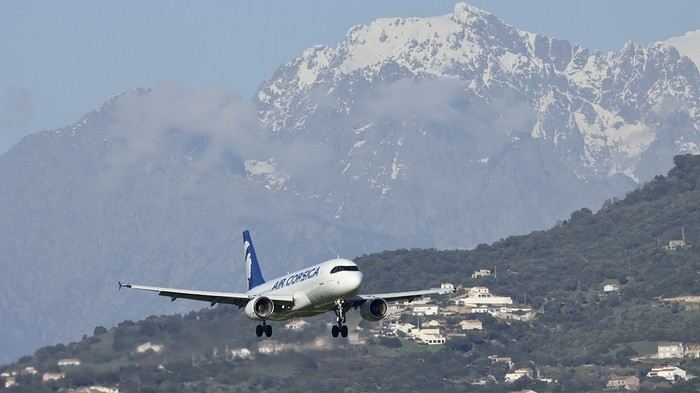 .
.
-2-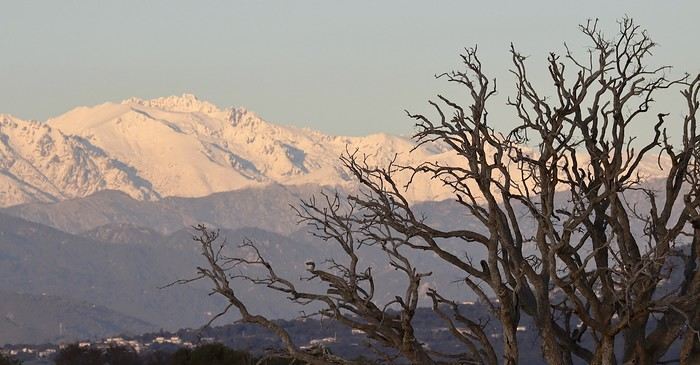 .
.
-3-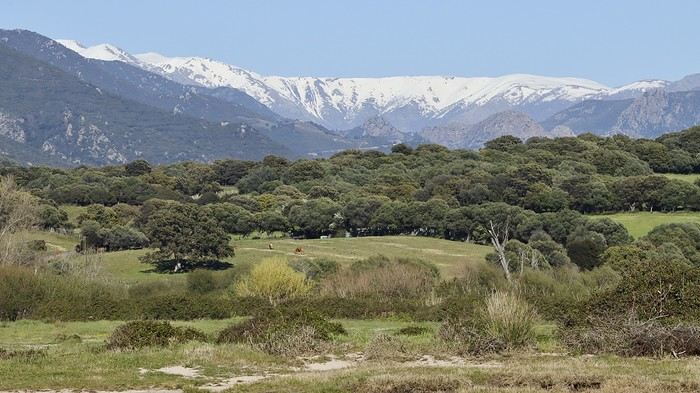 .
.
-4-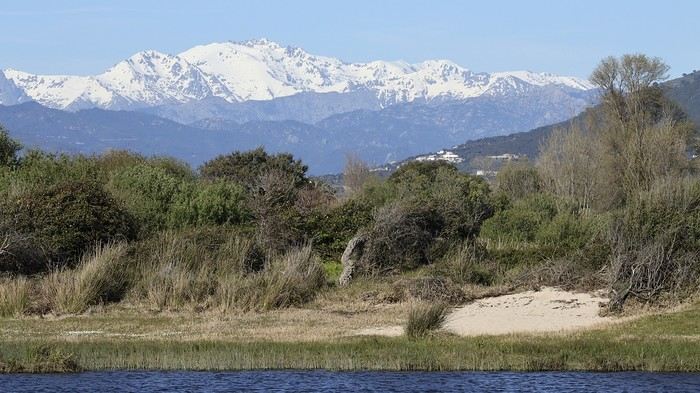 .
.
The last sunset of 2025 over the Gulf of Ajaccio. -5-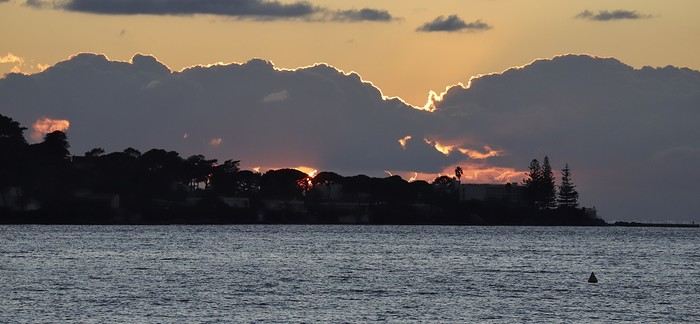 .
.
-6-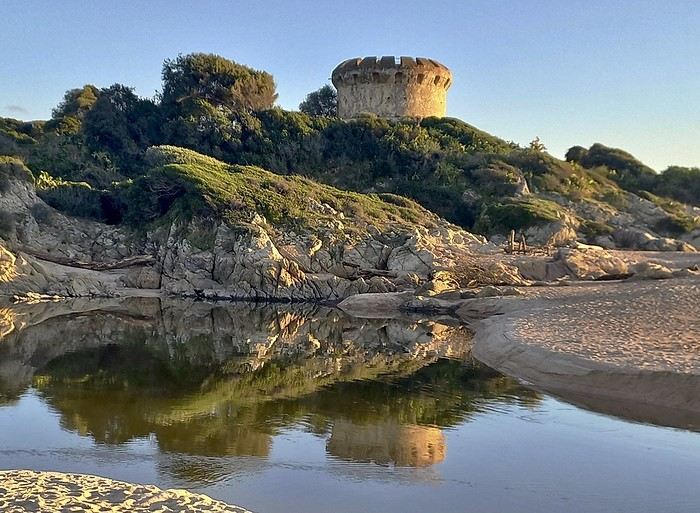 .
.
-7-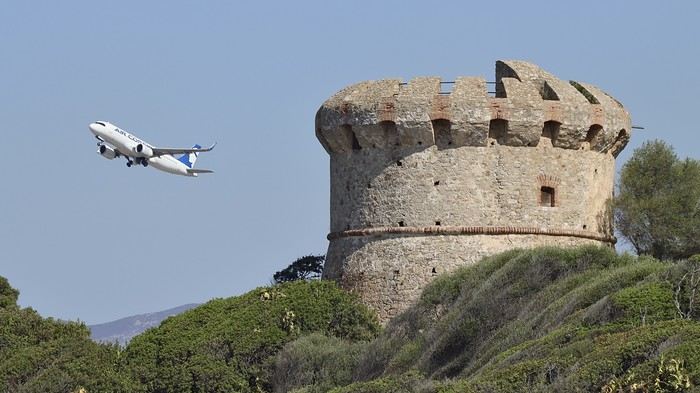 .
.
-8-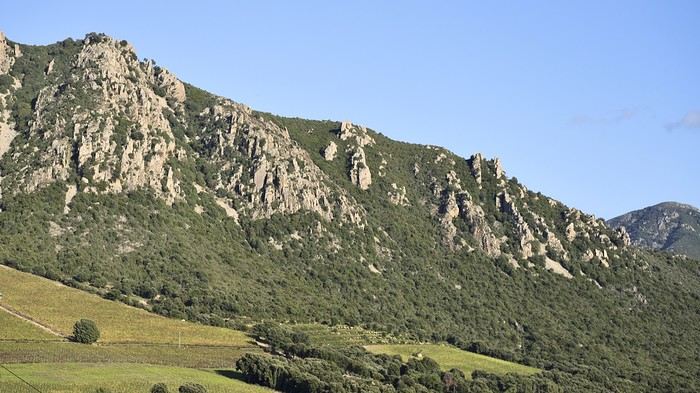 .
.
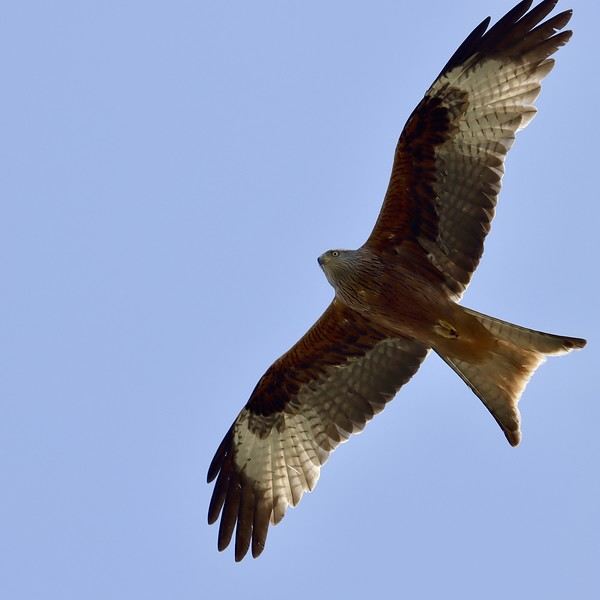
-9- Red kite (fairly common on the island)
 .
.
...
Hi everyone,
For those who can’t travel right now, I thought I’d offer a little escape—maybe!—through some images of Corsica (where I’ve lived for 48 years). This won’t be a structured travel journal or a step-by-step story, just a mishmash of landscapes and more... Through these photos, we’ll jump from one place to another, one season to the next, with no real order.
I debated adding details to each image but decided that for daydreaming, you don’t need much chatter—maybe just a place name.
....
Around Ajaccio:
-1-
.-2-
.-3-
.-4-
.The last sunset of 2025 over the Gulf of Ajaccio. -5-
.-6-
.-7-
.-8-
.-9- Red kite (fairly common on the island)
....
Late January or February 2027: Central Highlands of VIETNAM, circuit with guide and driver
I’m heading to Vietnam for the 3rd time for a 6-week stay.
Who’s planning a trip to the central region in 2027? And who’d like to share a few days with me? The idea is a circuit of several days with a guide and driver around BUON MA THUOT, PLEIKU, and KONTUM—or just a driver, or even a circuit with two easy riders, though they’re hard to find in this area.
And if we hit it off (check my profile), why not spend even more time together?
What I’m looking for: - Parks, nature reserves, or wildlife sanctuaries - BUON MA THUOT and surroundings: pagodas and traditional villages—Konklor village and the suspension bridge - PLEIKU: Bahnar villages and the ethnographic museum - KON TUM: cathedral, market, and traditional villages
Interested in: - Local markets, handicrafts (gongs, weaving, and basketry) - Ceremonies or performances with gongs - Pagodas - Museums - Street food
I’m not planning to travel long distances for waterfalls (unless they’re exceptional), or visits to farms . However, I’m open to any other suggestions for this trip to the Central Highlands, which are less touristy.
With prices rising, I’ve just bought my Paris/Danang and Ho Chi Minh/Paris flight ticket.
What I’m looking for: - Parks, nature reserves, or wildlife sanctuaries - BUON MA THUOT and surroundings: pagodas and traditional villages—Konklor village and the suspension bridge - PLEIKU: Bahnar villages and the ethnographic museum - KON TUM: cathedral, market, and traditional villages
Interested in: - Local markets, handicrafts (gongs, weaving, and basketry) - Ceremonies or performances with gongs - Pagodas - Museums - Street food
I’m not planning to travel long distances for waterfalls (unless they’re exceptional), or visits to farms . However, I’m open to any other suggestions for this trip to the Central Highlands, which are less touristy.
With prices rising, I’ve just bought my Paris/Danang and Ho Chi Minh/Paris flight ticket.
A day in Bratislava
Hi everyone,
I’m just passing through Bratislava quickly (one afternoon, one night, one morning) and I’d love to see the highlights of the city. I’ve put together a little itinerary—feel free to let me know what you think!
Start at the castle and its beautiful viewpoint Visit the Baroque gardens St. Martin’s Cathedral, quick visit National Theatre Discover the Cumil statues Primatial Palace via Hlavné Namestie Michael’s Gate Grassalkovich Palace via Obchodna Walk across Namesti Slobody to head back to the upside-down pyramid Head down to the Blue Church Cross the Danube to see Sad Janka Krala, then return via the UFO Bridge There you go—10 km and a packed day! What do you think?
Thanks, Stéphane.
I’m just passing through Bratislava quickly (one afternoon, one night, one morning) and I’d love to see the highlights of the city. I’ve put together a little itinerary—feel free to let me know what you think!
Start at the castle and its beautiful viewpoint Visit the Baroque gardens St. Martin’s Cathedral, quick visit National Theatre Discover the Cumil statues Primatial Palace via Hlavné Namestie Michael’s Gate Grassalkovich Palace via Obchodna Walk across Namesti Slobody to head back to the upside-down pyramid Head down to the Blue Church Cross the Danube to see Sad Janka Krala, then return via the UFO Bridge There you go—10 km and a packed day! What do you think?
Thanks, Stéphane.
One-day itinerary for Prague
Hi everyone,
I'm on my way to Slovakia, where I'll be spending about ten days on vacation in the High Tatras. I've decided to stop in Prague for 24 hours with my two teens (arriving around noon, leaving the next day). We don’t know the city at all. I know a single day is way too short to discover everything, so I’d like to plan a small circuit to see the must-see spots.
Here’s what I’ve planned:
Walk through Nový Svět street Visit the castle, St. Vitus Cathedral, and Golden Lane Quick stop at Vojanovy Sady gardens Malá Strana Square Maltese Square Kampa Island Then the iconic Charles Bridge and a short tour of the Jewish Quarter We’ll head back down to visit Old Town Square (Malé Náměstí, St. Nicholas Church, and the Church of Our Lady before Týn) Head to Wenceslas Square and the Church of Our Lady of the Snows Then to the Church of Saints Cyril and Methodius and the Dancing House And finally, back to the starting point.
Estimated distance: 10 km
I was thinking of a little evening stroll up Petřín Hill... what do you think? Are there things that aren’t really worth it, or other spots that are must-sees?
Thanks for your thoughts and feedback!
Stéphane.
I'm on my way to Slovakia, where I'll be spending about ten days on vacation in the High Tatras. I've decided to stop in Prague for 24 hours with my two teens (arriving around noon, leaving the next day). We don’t know the city at all. I know a single day is way too short to discover everything, so I’d like to plan a small circuit to see the must-see spots.
Here’s what I’ve planned:
Walk through Nový Svět street Visit the castle, St. Vitus Cathedral, and Golden Lane Quick stop at Vojanovy Sady gardens Malá Strana Square Maltese Square Kampa Island Then the iconic Charles Bridge and a short tour of the Jewish Quarter We’ll head back down to visit Old Town Square (Malé Náměstí, St. Nicholas Church, and the Church of Our Lady before Týn) Head to Wenceslas Square and the Church of Our Lady of the Snows Then to the Church of Saints Cyril and Methodius and the Dancing House And finally, back to the starting point.
Estimated distance: 10 km
I was thinking of a little evening stroll up Petřín Hill... what do you think? Are there things that aren’t really worth it, or other spots that are must-sees?
Thanks for your thoughts and feedback!
Stéphane.
Recent CFC Reviews
Hi
Has anyone taken the CFC recently?
Thoughts?
Thanks
Thoughts?
Thanks
2 weeks in northern Portugal: what to see with the Douro Valley and Porto?
Hi there,
We’re traveling in our camper van from Haute-Savoie.
We’ve got 2 weeks in April and want to explore northern Portugal.
We’re thinking of:
- Peneda-Gerês National Park - the Douro Valley - Porto
We love nature, hiking, and culture (and also good food and wine).😉
Do you have an itinerary to suggest?
Thanks in advance for your replies
We’re traveling in our camper van from Haute-Savoie.
We’ve got 2 weeks in April and want to explore northern Portugal.
We’re thinking of:
- Peneda-Gerês National Park - the Douro Valley - Porto
We love nature, hiking, and culture (and also good food and wine).😉
Do you have an itinerary to suggest?
Thanks in advance for your replies
Is two and a half days enough to visit Prague?
Hi there, I was wondering if it's possible to see the highlights of Prague in two and a half days? My flight arrives on a Sunday evening at 9 PM, so we’d have Monday, Tuesday, and Wednesday morning to explore. Return flight is on Wednesday at 4:30 PM. Best regards, Christophe
Shows and facilities on the MSC World Europa
Hi everyone,
I’m leaving at the end of March 2026 with 8 friends to celebrate an event on the MSC World Europa. I’ve been cruising for over 20 years with all kinds of companies and under many skies, but I’ve never traveled on a ship this size (6,800 people), and some specific info about this ship would be really helpful.
So, to those who’ve been on this boat before—thanks in advance!
SHOWS: Is it true that you have to book the evening show?... Just to secure a spot, or is it an internal rule?
THE SPA: Are the saunas and hammams mixed-gender? Are there several of them? Which pools are available?
SPORTS: Are there any “spaces” where ball sports like volleyball or basketball can be played?
Finally, is the management of passengers flexible and friendly, or quite strict?
Thanks!
Happy cruising.
Francis.
What to pack for a trip to New Zealand in March?
hi
After reading quite a few posts and buying a guidebook, I’m still struggling to finalize my suitcase.
Given that we’ll be visiting both islands during our road trip and suitcases aren’t exactly expandable,
I’ve noted that temperatures can be changeable—but should I pack more winter clothes than summer ones?
Thanks for your help
Biker companion for Nepal & Kailash trip
I'm seriously considering heading to Nepal to do some nice motorcycle loops... my goal is also to do the Kailash Yatra round trip from Kathmandu, in a small group with a guide, in May '26... but here's the thing—I'm solo! So if you're up for sharing a similar adventure, hit me up... Cheers, Frankoys
Nisyros: Greece’s most beautiful island?
Hi everyone,
I hesitated for a long time before publishing this travel journal since it’s been 8 months now since I left Nisyros. But in the end, I found it too beautiful to keep quiet about. So here we go—I finally got around to writing it. Nisyros is a stunning little Greek island, and luckily, it’s well hidden. Located a good twenty hours by boat from Athens, its distance from the Greek mainland deters most tourists from visiting. That’s what makes it an off-the-beaten-path destination. So much for the general info.
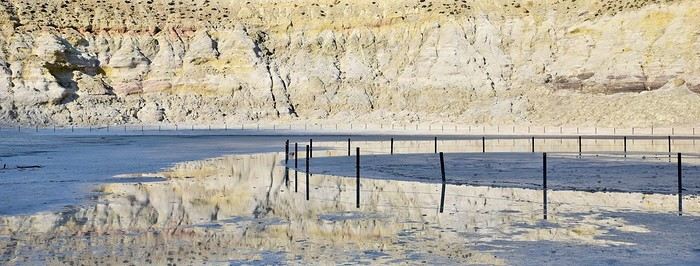
Before diving into the details, I should mention that I visited by bike (despite its severe and constant volcanic elevation) as part of a solo trip from France to Turkey. Why this detail? Because out of the ten countries I crossed and the dozens of sites I saw, Nisyros is one of my top three favorites (along with Pag Island, off-season, in Croatia, and Albania for its overall beauty—stunning natural landscapes and the incredible hospitality of its people). Anyway, welcome to this travel journal dedicated to the lovely little volcanic island of Nisyros…
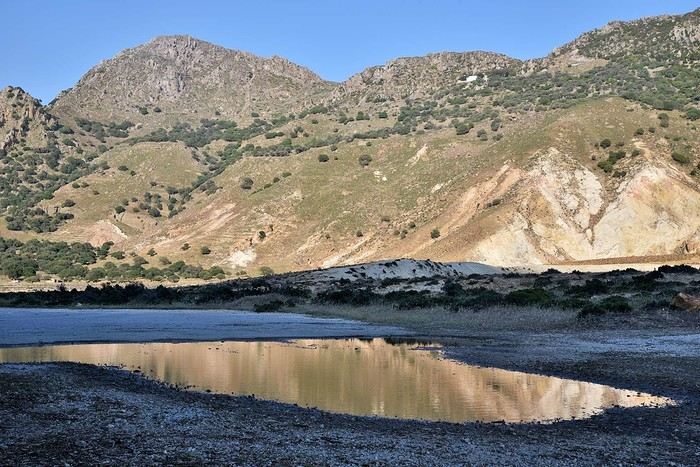
I arrived one beautiful morning in Mandraki, the island’s main port. The twenty-hour boat ride from Athens went by like a breeze. I slept on the deck for three or four hours, sprawled on a bench that was more or less sheltered from the wind. At this time of year (it’s May 2nd), tourists aren’t exactly flocking here, so the boat was far from full. My first glimpse of Nisyros is classic Greek island scenery: blazing sun, an azure sky, and an even deeper blue sea. The trip is off to a great start. I quickly found a small, out-of-the-way hotel (I’m one of those people who avoids crowds as much as possible when traveling, which is getting harder and harder to do). While everyone else from the boat turned right out of the port toward the center of Mandraki, I went left! My nice little hotel was just a hundred meters away, facing a pretty little Orthodox church whose red color contrasted beautifully with the deep blue sea.
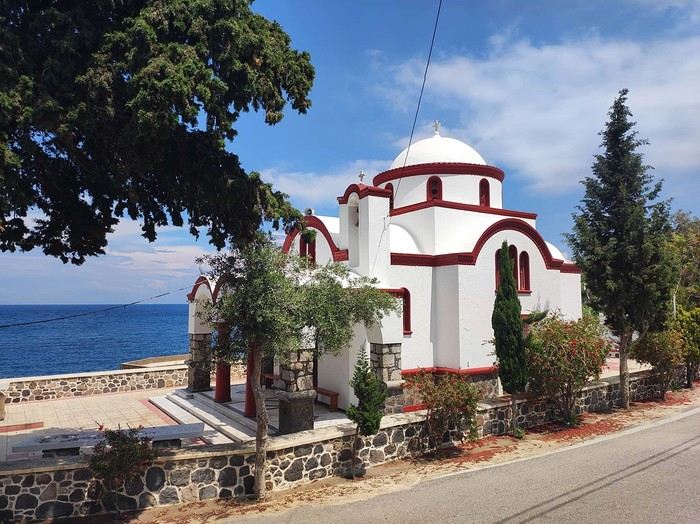
I dropped off my panniers in my room so I could ride light for once, then headed toward the next village: Pali. It’s a small fishing village that apparently comes to life a bit in the summer with a few tourists.
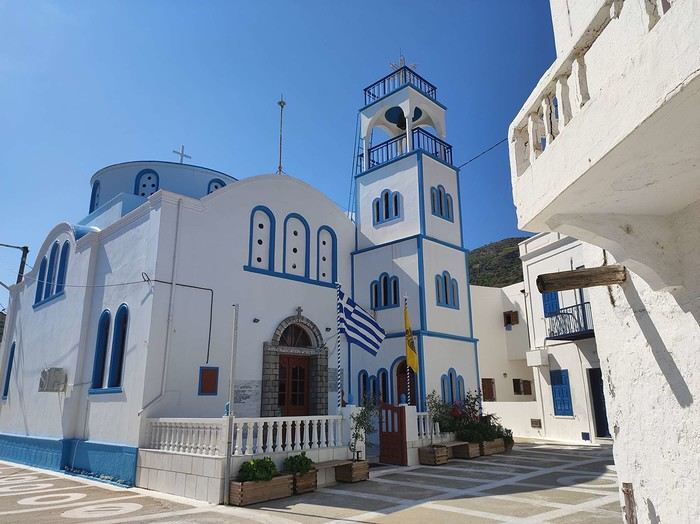
As I pedaled along the dock, I passed right by a guy sitting in a chair in full sun. Unfazed despite the sweat pouring down his forehead, he untangled his fishing net with a precision that commanded respect. I gave him the obligatory kalimera (good morning), but he reacted like a deaf-mute—no response at all. On the other hand, his employee answered me kindly from the trawler docked right next to him. Standing on deck, he was also untangling a mess of nets and invited me aboard to chat. That’s Mohamed.
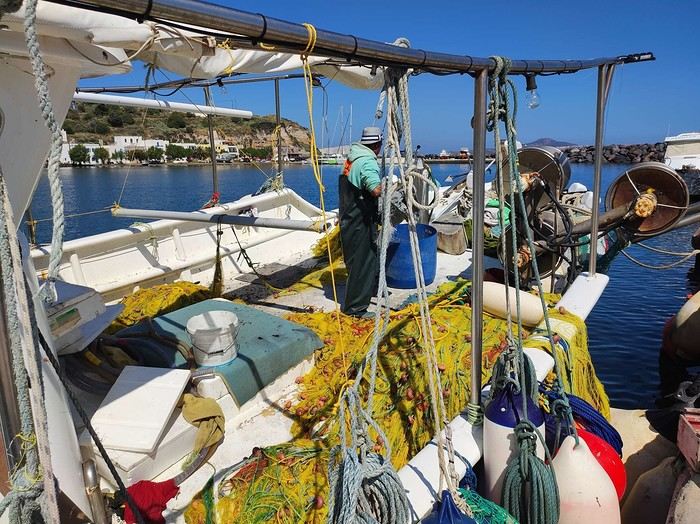
Communication wasn’t easy since he only spoke Greek and I didn’t, but he was cheerful, and his joy was contagious. He proudly showed off their catch of the day: two beautiful rays and a few brightly colored fish. We chatted like that for about fifteen minutes.
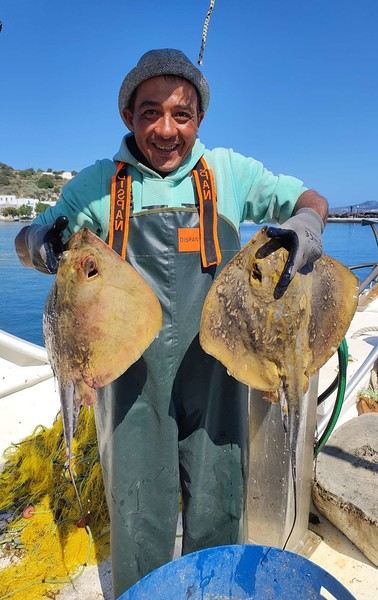
When it was time to hit the road again, I said goodbye to Mohamed, who smiled back. But this time, his boss—still dripping sweat in his chair under the scorching sun—greeted me too. Turns out he wasn’t deaf or mute after all.
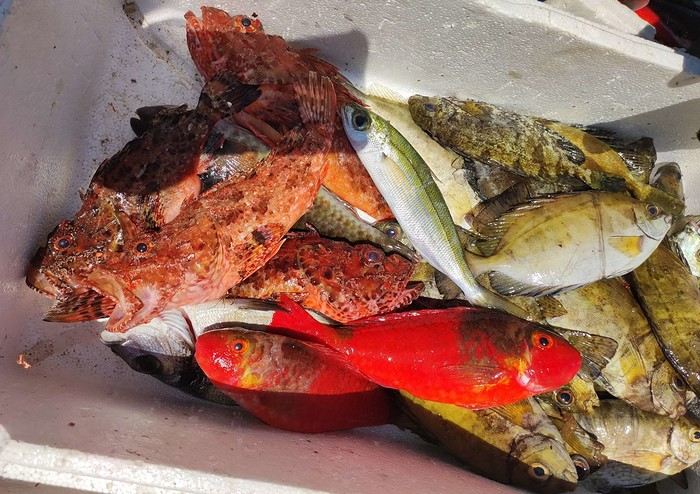
I continued along the coast since that’s where most of Nisyros’ beaches are. They start lining up just outside Pali. These are black sand beaches, which can’t hide their volcanic origins.
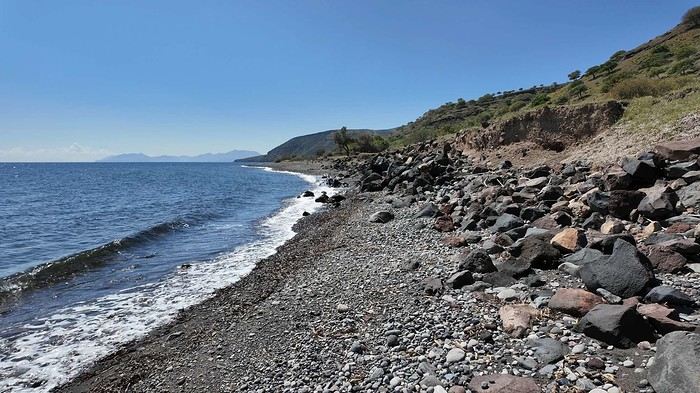
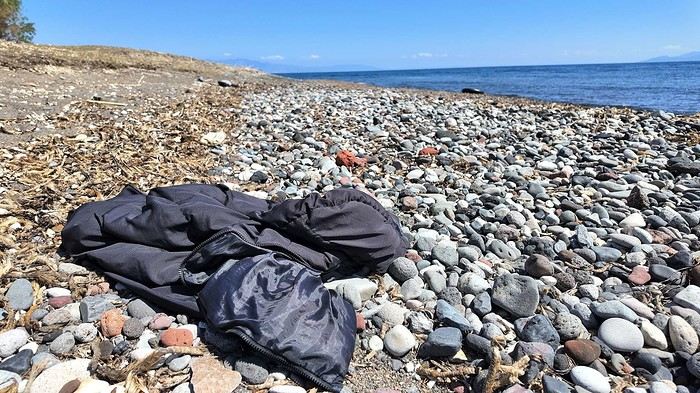
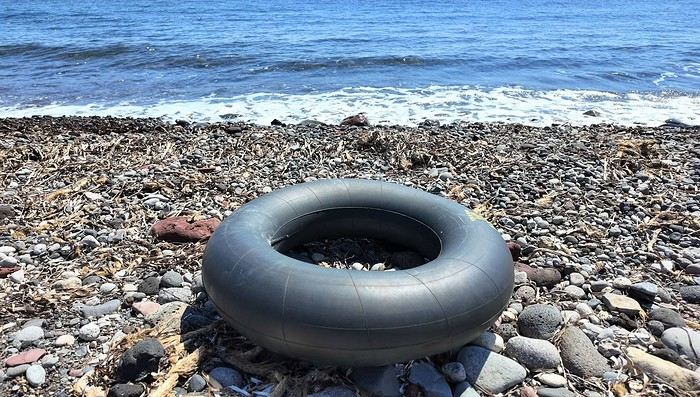
Yesterday afternoon in Athens, I met Peter and Michelle, a Dutch-French couple, while we were waiting for the ferry to depart. The Greek sailors were on strike, so we ended up waiting about twelve hours before setting off. Anyway, we had plenty of time to chat, and Peter, who’s lived on Tilos—a small island near Nisyros—for about twenty years, told me that many migrants pass through these two islands. Most come from Afghanistan and Syria, fleeing authoritarian regimes and the massacres that come with them. They’re looking for *anywhere* else where the future can’t possibly be worse. Peter explained that you often find their belongings on the local beaches. And sure enough, I didn’t have to look far to spot some—clothes, life jackets…
I glanced around, hoping to see one of them to maybe exchange a few words, but no—no one. I was completely alone.
I got back on my bike and spent the rest of the day wandering aimlessly, just exploring this beautiful part of Nisyros. I also picked up some supplies because tomorrow, I’d be heading inland for two days, deep into its four-kilometer-wide caldera to explore the volcano. I’d be sleeping in a tent, so I needed to stock up on food. After a restful night in a real bed—something rare on this bike trip (and I won’t even mention the shower…)—I finally set off for the volcano (I’ll share details about that charming little hotel with the amazing breakfasts at the end of the journal). To reach Stefanos (the name of the main crater), I had to climb to the top of the caldera. It was hot, and some of the slopes were between 10 and 15%, which is steep, especially with a 54 kg bike. But who cares? I was admiring the scenery, and I have to say, I was surprised by how green it was. The higher I climbed, the more beautiful the vegetation became. It stood out against the blue of the sea, and the landscapes inside the island were truly stunning. So, I stopped every five minutes to take photos. Every now and then, I’d come across cows in the middle of the road—or goats in the trees! They climbed with the agility of monkeys to munch on the leaves. I couldn’t get a photo of them because they’d all scatter before I got close. It was actually the noise they made climbing down that tipped me off to their presence. Two villages sit at the top of the caldera: Emporios and Nikia. I passed the first one without climbing up to it, then continued to the second. And let me tell you, Nikia was love at first sight! I found myself pedaling through tiny streets, some barely wider than my bike with its panniers. The walls were white, and the doors were painted in all sorts of colors—green, blue, red… The streets were empty, and silence reigned. But it wasn’t a dead silence. It was more like the kind you find in small, secret, peaceful places. The village exuded tranquility, calm, and well-being. I leaned my bike—with all its gear—against a wall without locking it. It was the first time on this trip that I’d done that. Sure, its weight made it more like a tank than a bike, so you’d have to be *really* motivated to steal it, but here, for some reason, I felt completely at ease. Maybe it wasn’t the smartest move, but I go a lot by instinct, and here, it felt right. So I left my bike there and went to eat a little farther away, at a small restaurant on the village’s main square. It’s famous all over Greece for the beautiful mosaic that covers and decorates the floor. Once I’d eaten and drunk my fill, I hopped back on my bike, which had waited patiently without running off. And the best part? After riding uphill all morning to reach the top of the caldera, all I had to do now was coast downhill to the volcano. Pure bliss in such breathtaking scenery.
I hesitated for a long time before publishing this travel journal since it’s been 8 months now since I left Nisyros. But in the end, I found it too beautiful to keep quiet about. So here we go—I finally got around to writing it. Nisyros is a stunning little Greek island, and luckily, it’s well hidden. Located a good twenty hours by boat from Athens, its distance from the Greek mainland deters most tourists from visiting. That’s what makes it an off-the-beaten-path destination. So much for the general info.
Before diving into the details, I should mention that I visited by bike (despite its severe and constant volcanic elevation) as part of a solo trip from France to Turkey. Why this detail? Because out of the ten countries I crossed and the dozens of sites I saw, Nisyros is one of my top three favorites (along with Pag Island, off-season, in Croatia, and Albania for its overall beauty—stunning natural landscapes and the incredible hospitality of its people). Anyway, welcome to this travel journal dedicated to the lovely little volcanic island of Nisyros…
I arrived one beautiful morning in Mandraki, the island’s main port. The twenty-hour boat ride from Athens went by like a breeze. I slept on the deck for three or four hours, sprawled on a bench that was more or less sheltered from the wind. At this time of year (it’s May 2nd), tourists aren’t exactly flocking here, so the boat was far from full. My first glimpse of Nisyros is classic Greek island scenery: blazing sun, an azure sky, and an even deeper blue sea. The trip is off to a great start. I quickly found a small, out-of-the-way hotel (I’m one of those people who avoids crowds as much as possible when traveling, which is getting harder and harder to do). While everyone else from the boat turned right out of the port toward the center of Mandraki, I went left! My nice little hotel was just a hundred meters away, facing a pretty little Orthodox church whose red color contrasted beautifully with the deep blue sea.
I dropped off my panniers in my room so I could ride light for once, then headed toward the next village: Pali. It’s a small fishing village that apparently comes to life a bit in the summer with a few tourists.
As I pedaled along the dock, I passed right by a guy sitting in a chair in full sun. Unfazed despite the sweat pouring down his forehead, he untangled his fishing net with a precision that commanded respect. I gave him the obligatory kalimera (good morning), but he reacted like a deaf-mute—no response at all. On the other hand, his employee answered me kindly from the trawler docked right next to him. Standing on deck, he was also untangling a mess of nets and invited me aboard to chat. That’s Mohamed.
Communication wasn’t easy since he only spoke Greek and I didn’t, but he was cheerful, and his joy was contagious. He proudly showed off their catch of the day: two beautiful rays and a few brightly colored fish. We chatted like that for about fifteen minutes.
When it was time to hit the road again, I said goodbye to Mohamed, who smiled back. But this time, his boss—still dripping sweat in his chair under the scorching sun—greeted me too. Turns out he wasn’t deaf or mute after all.
I continued along the coast since that’s where most of Nisyros’ beaches are. They start lining up just outside Pali. These are black sand beaches, which can’t hide their volcanic origins.
Yesterday afternoon in Athens, I met Peter and Michelle, a Dutch-French couple, while we were waiting for the ferry to depart. The Greek sailors were on strike, so we ended up waiting about twelve hours before setting off. Anyway, we had plenty of time to chat, and Peter, who’s lived on Tilos—a small island near Nisyros—for about twenty years, told me that many migrants pass through these two islands. Most come from Afghanistan and Syria, fleeing authoritarian regimes and the massacres that come with them. They’re looking for *anywhere* else where the future can’t possibly be worse. Peter explained that you often find their belongings on the local beaches. And sure enough, I didn’t have to look far to spot some—clothes, life jackets…
I glanced around, hoping to see one of them to maybe exchange a few words, but no—no one. I was completely alone.
I got back on my bike and spent the rest of the day wandering aimlessly, just exploring this beautiful part of Nisyros. I also picked up some supplies because tomorrow, I’d be heading inland for two days, deep into its four-kilometer-wide caldera to explore the volcano. I’d be sleeping in a tent, so I needed to stock up on food. After a restful night in a real bed—something rare on this bike trip (and I won’t even mention the shower…)—I finally set off for the volcano (I’ll share details about that charming little hotel with the amazing breakfasts at the end of the journal). To reach Stefanos (the name of the main crater), I had to climb to the top of the caldera. It was hot, and some of the slopes were between 10 and 15%, which is steep, especially with a 54 kg bike. But who cares? I was admiring the scenery, and I have to say, I was surprised by how green it was. The higher I climbed, the more beautiful the vegetation became. It stood out against the blue of the sea, and the landscapes inside the island were truly stunning. So, I stopped every five minutes to take photos. Every now and then, I’d come across cows in the middle of the road—or goats in the trees! They climbed with the agility of monkeys to munch on the leaves. I couldn’t get a photo of them because they’d all scatter before I got close. It was actually the noise they made climbing down that tipped me off to their presence. Two villages sit at the top of the caldera: Emporios and Nikia. I passed the first one without climbing up to it, then continued to the second. And let me tell you, Nikia was love at first sight! I found myself pedaling through tiny streets, some barely wider than my bike with its panniers. The walls were white, and the doors were painted in all sorts of colors—green, blue, red… The streets were empty, and silence reigned. But it wasn’t a dead silence. It was more like the kind you find in small, secret, peaceful places. The village exuded tranquility, calm, and well-being. I leaned my bike—with all its gear—against a wall without locking it. It was the first time on this trip that I’d done that. Sure, its weight made it more like a tank than a bike, so you’d have to be *really* motivated to steal it, but here, for some reason, I felt completely at ease. Maybe it wasn’t the smartest move, but I go a lot by instinct, and here, it felt right. So I left my bike there and went to eat a little farther away, at a small restaurant on the village’s main square. It’s famous all over Greece for the beautiful mosaic that covers and decorates the floor. Once I’d eaten and drunk my fill, I hopped back on my bike, which had waited patiently without running off. And the best part? After riding uphill all morning to reach the top of the caldera, all I had to do now was coast downhill to the volcano. Pure bliss in such breathtaking scenery.
Booking Timing for the Marquesas Islands and Shuttle Schedules
Hello! We’re heading to the Marquesas in July-August and I’d love to know if it’s possible, for a fee, to do a leg of the journey on the Aranui—like from Hiva Oa to Fatu Hiva, or Nuku Hiva to Ua Pou, or even Ua Pou to Ua Huka? Sure, there are shuttles twice a week with Codim connecting these islands, but the schedules won’t be known until two months in advance, and I need to book flights and hotels much earlier than that. So, what’s the best way to handle this?
Looking forward to your replies—thanks in advance! Elisabeth Marcel babeth.marcel@yahoo.fr
Looking forward to your replies—thanks in advance! Elisabeth Marcel babeth.marcel@yahoo.fr
Spitsbergen – A Night with the Walruses on Lågøya
Spitsbergen, 80° North latitude. A lost archipelago on the edge of the world, northeast of Greenland, the last lands before the pole. I’m aboard the *Grigoriy Mikheev*, a Russian ship from the Murmansk Polar Research Institute. Russian flag, Russian crew. Chartered by OceanWide Expeditions.
Last night, we were stuck in drifting pack ice in the long Hinlopen Strait. This incident led to an unforgettable barbecue and party on the ship’s foredeck, but we had to abandon our plan to head south and circle Spitsbergen. This summer, there’s too much ice in the strait, and it’s too thick. At dawn, the tide turned, allowing us to break free and head north again. The ship is now moving slowly through sea ice density that satellite maps estimate at around five-tenths. Our progress is punctuated by dull thuds: the ship’s bow constantly shoves and fractures enormous ice floes.
At breakfast, Tarik, our expedition leader, informs us that our program will be significantly altered. Since we can’t cross the strait, we’ll turn back and head north. To kick off our Plan B, Tarik plans a landing tonight on the small island of Låg (Lågøya), at 80°10' North. Last summer, he saw a large walrus colony there and hopes we’ll find them again. The weather is perfect—glorious sunshine—and walruses are truly addicted to sunbathing on the beaches.
We’ve now exited the strait and are sailing far from the coast. In case the walrus colony is there, we don’t want the ship’s approach to scare them into the water before we even see them. So, we scan the shore methodically with binoculars. We pass several bays, round a cape, and examine several shorelines littered with driftwood, but no walruses in sight. Several times, clusters of large rounded rocks trigger false alarms… but no, they’re just rocks…
Suddenly, Tarik spots them through his binoculars! On an isolated peninsula, our expedition leader’s highly trained eye has picked out, among those brown masses, the shape and white color of the enormous tusks of what he calls "the heavyweights of the Arctic!" Now, fifteen or twenty pairs of binoculars are pointed in the indicated direction… Sure enough, I see them now! They’re there, huge, sprawled in the sun on the beach. Without Tarik’s sharp eye, we might have missed them. They’re so tightly packed together that they really look like a mass of brown rocks. Only the white, saber-shaped tusks and the occasional furtive movements hint that they’re animals.
It’s 11 PM, and on the deck of the *Grigoriy Mikheev*, as you can imagine, excitement has ramped up several notches. Several of us have already rushed to our cabins to gear up, pulling on boots and life jackets in anticipation of a landing that promises to be absolutely amazing. Tarik reins in our enthusiasm a bit: Okay, so we were lucky to find them, but now we need to think about how to approach them. Not that they’re dangerous—at least not on land… Their enormous bulk and their pseudo-feet (flippers) only allow for very limited mobility. But when they feel threatened, their first instinct is to head for the water, where their perfect ease keeps them safe. So, the challenge will be not to scare them off, to avoid them bolting into the water in the first few seconds! That’s exactly what would happen if we arrived by Zodiac right in front of them.
So, Tarik decides we’ll make a wide detour to land on the other side of the peninsula where they are. From there, we’ll leave the Zodiacs on the beach and cross the peninsula on foot, about a kilometer and a half. That way, we’ll approach the herd from behind. This approach will also keep us downwind of them. There you go—with a few precautions, they shouldn’t hear us coming or catch our scent.
Everyone is geared up now and practically bursting with impatience… While the Zodiacs are being lowered into the water, Tarik and Delphine recap the approach rules: absolute silence, communication only by signs, no dragging feet on the rocks, watch your step, and strict coordination with slow movements.
Here we go… we’re off now! Spray flying from the Zodiac’s bow, icy air whipping our faces, gloves gripping the side ropes, freezing splashes, pure emotion… Ahh, I love this! We describe a wide curve offshore to round the peninsula. Ahead of us, the magnificent landscape of this intensely blue sea unfolds, with the hills of Lågøya and, in the distance, the ice-covered mountains of Nordaustlandet under the sun. It’s midnight now. In July, at 80 degrees North, the sun is just like midday.
This navigation takes us far from the walruses, on the other side of the cape. Easy landing on a shoreline of large pebbles covered in giant seaweed brought in by the currents. They look like long strips of plastic—sometimes translucent, sometimes white, beige, or orange. In places, there are huge tangled layers of it. Our boots sink into this material, which gives off a strong iodine smell. Unfortunately, there’s also some plastic waste—fishing floats and net debris. Seeing this here is crazy… A little farther on, in a cove, tides and storms have piled up numerous tree trunks from Siberia.
We begin crossing the peninsula on foot, staying close together. We’re walking on a nearly deserted polar tundra. We’re only ten degrees of latitude from the North Pole here. The violent winds and extreme temperatures that dominate this island for nine months of the year allow only a few rare plants to grow, close to the ground, between the rocks. In places, rocks are covered with large patches of black lichen.
Gérard, rifle slung over his shoulder, constantly scans the terrain. Tarik and Delphine are also very vigilant. We know no one ever lands here, and although this environment isn’t ideal for bears, you never know—better to be cautious. The terrain is mostly flat, but whenever a small rise blocks our view, Gérard moves ahead and only signals us to proceed when he’s sure there’s no "big man in fur" (tradition dictates we don’t name the polar bear).
After a few hundred meters, we find an enormous whale vertebra. Judging by the state of the bone, it’s likely a relic from the whaling era that ravaged this area in the 17th century and all over northern Spitsbergen. A little farther on, the remains of a grave catch our attention. The only human trace on this remote island, this burial is surely very old, also likely dating from the whalers’ time. But this whaler’s final resting place didn’t shelter him for long—there’s not much left, just a piece of skull and a few broken bones. Due to the permafrost, the body could only be buried a few dozen centimeters deep, between some planks held in place by large stones. This makeshift grave was probably ravaged by a bear shortly after the burial. Several stone blocks are overturned, the planks are broken open. We only linger for a minute to pay our respects to this whaler, whose poor remains now merge with the mineral landscape.
A slight rise bulges in the center of the peninsula, and here we are at the highest point. If our orientation is correct, we’re heading straight for the walrus colony. A moment of emotion… my heart’s pounding. Yes, they’re there, about three hundred meters ahead of us! They haven’t moved since we spotted them from the *Grigoriy Mikheev*’s deck. They’re sprawled in a heap, packed tightly together in the sun, on the shingle beach. The light breeze blowing in our faces confirms we’re on the right track—not to be sniffed out from afar by the big beasts.
By signs, Tarik tells us we’ll approach slowly, in stages, moving about thirty meters at a time, making as little noise as possible with our boots, then freezing completely for a minute or two, crouching down to let them forget us. This strategy proves excellent. We’re now less than a hundred meters away, and it doesn’t seem like our presence is perceived as a threat by the "heavyweights of the Arctic." At this distance, let’s not kid ourselves: we’re certainly spotted, but our way of approaching must seem reassuring—or at least manageable—since they’re only a few meters from the water and know they could dash into it in seconds if they felt the need.
We now advance in shorter stages—twenty meters at a time, then just ten, crouching, then freezing like statues, our breathing nearly held from emotion and concentration. We’re now thirty meters from the mastodons. Our presence must be starting to stress them because they’re moving more. While still sprawled against each other, some suddenly rear up on their flipper-feet, grunting and snorting like monstrous pigs. Their head shakes make their two enormous ivory sabers sway. They jab them into the fat of their neighbors, who in turn stir and emit irritated snorts.
At Tarik’s signal, we move a few more meters, "on velvet paws"… We’re right there now. I hold my breath, throat tight… Intense emotion, a fantastic spectacle—these enormous Arctic animals sprawled in the sun, with the magnificent backdrop of snow-covered mountains across the sound. I think to myself: *I’m here… this can’t be real!* It’s nearly 2 AM now, the air is crystal clear, and the Arctic sun bathes this scene in what might be the most beautiful light I’ve ever seen. We’re about fifteen meters away now. Tarik signals that we won’t go any closer. The walruses are still lying down, but occasionally, our close presence and the clicking of cameras trigger bouts of agitation that ripple through the herd, causing some jostling. They’re so tightly packed and tangled that it’s a bit hard to count them. In the end, we tally sixteen, plus one "little one," half-crushed in the general mass.
Seen from here, they’re truly impressive! The "sumo wrestlers of the Arctic!" According to Tarik, they must weigh about a ton—slightly more for the males than the females—and the "little one" must already be around 200 kg. When the weather’s nice like today, they love sprawling on the beaches to soak up the sun.
Walruses are marvels of Arctic adaptation. They can modify their blood circulation depending on thermal conditions. They withstand extreme cold by directing most of their circulation to vital organs (heart, lungs) and minimizing peripheral blood flow (skin and limbs) to prevent heat loss. Conversely, when they sunbathe, they direct most of their blood flow to the skin, turning themselves into true solar collectors.
At this latitude, there’s practically no difference in sunlight between day and night. Noon or midnight, the sun’s angle barely changes. Walruses make the most of these fair-weather phases by sprawling in the sun 23 hours out of 24… Enough to make siesta lovers dream, right? Twenty-three hours of lounging… and the twenty-fourth for eating!
And when we say "eating," what a feast! The proverb *"Who sleeps dines"* is fully justified here: when a walrus decides to feed, it gulps down between 50 and 60 kg of shellfish in an hour! Its food consists of large bivalve mollusks, which it tears from the seabed with its tusks and sucks up nonstop! A 50 kg meal certainly justifies a 23-hour nap for digestion, right? And speaking of digestion—it’s what the "big guys" in front of us are doing right now! You might wonder how we know this… Well, I’ll tell you: if you were here, downwind (or should I say *down the winds!*) of these marine giants, you’d have no doubt! Pfft… what flatulence! I can confirm that today’s scent is called *"Morsanus, from the North"* (*"Because I’m worth it!"*). Mmm, yeah… Tarik, you had a great idea putting us upwind… at least *they* can’t smell us, but we sure can!
But… heepp! Delphine discreetly signals to get our attention—she’s just spotted something: in the smooth water of the bay, a small V-shaped ripple runs along the beach, then turns toward the shore… So the colony wasn’t complete on the beach… Here’s an 800 kg bather stepping ashore now, right before our astonished eyes! She lifts her head and stays like that for a long moment, her enormous tusks half out of the water. She looks exhausted, resting a bit before coming out. Or more likely, she’s hesitating to climb onto the beach because she’s seen us… The shapeless head stays still for a moment, then violently snorts like a clogged drain! A misshapen head where you can’t make out anything that usually makes a head! No eyes, no ears, no mouth… A sort of monstrous cabbage! But the temptation to join the warmth of the "sunbathers" is too strong! Here’s our pachyderm bather climbing the few meters of the shore and sprawling right in the middle of her companions, who greet her with jostling, grunts, and tusk jabs! Then everything settles back into order—800 kg of fat and flesh added to the fifteen or so tons of local biomass. Welcome to the club!
It seems the walruses have gotten a bit used to us now. They’re moving and grunting much less. I realize it wasn’t obvious to approach them like this without scaring them into the water… It’s thanks to Tarik and Delphine’s advice that we managed it. It’s also, let’s be honest, because we’re all passionate here, and there’s been total discipline and cohesion from the start of this approach.
It’s past 2 AM now—time to head back… We’ll leave them to their wild world, to their life at the beginning of the world. We’re happy to have disturbed them as little as possible and not to have disrupted their nap too much. We leave stealthily, first backing up a few meters, then turning around and crossing the peninsula again, walking slowly, avoiding making noise with our boots as long as we’re still close.
We find the Zodiacs on the shoreline with the giant kelp. The sea is like a lake—easy boarding. We make another wide loop to round the cape, passing offshore. The sharp cold stings my cheeks and ears again—I put my hat back on. The cold—I hadn’t thought about it at all during our encounter with the walruses. In the Zodiac, with the engine noise, no one speaks. The faces and smiles are those of men and women who’ve just crossed an inner frontier—the one that separates dream from reality. But tonight, that frontier was porous, and the dream entered reality.
We return to the *Grigoriy Mikheev*, waiting at anchor. It’s past 3 AM, but I don’t feel any fatigue. A few minutes later, I’m in my bunk, rocked by a gentle swell and the hum of the engines. In the soft warmth of the blanket, a strange sleep overtakes me… A sleep filled with luminous, icy landscapes, with large beasts bearing saber-like tusks. Large beasts that sleep, snore, snort, grunt, and jostle in their sleep… in *my* sleep. An unforgettable memory. It was July 2004, in Spitsbergen.
Chris51.
Last night, we were stuck in drifting pack ice in the long Hinlopen Strait. This incident led to an unforgettable barbecue and party on the ship’s foredeck, but we had to abandon our plan to head south and circle Spitsbergen. This summer, there’s too much ice in the strait, and it’s too thick. At dawn, the tide turned, allowing us to break free and head north again. The ship is now moving slowly through sea ice density that satellite maps estimate at around five-tenths. Our progress is punctuated by dull thuds: the ship’s bow constantly shoves and fractures enormous ice floes.
At breakfast, Tarik, our expedition leader, informs us that our program will be significantly altered. Since we can’t cross the strait, we’ll turn back and head north. To kick off our Plan B, Tarik plans a landing tonight on the small island of Låg (Lågøya), at 80°10' North. Last summer, he saw a large walrus colony there and hopes we’ll find them again. The weather is perfect—glorious sunshine—and walruses are truly addicted to sunbathing on the beaches.
We’ve now exited the strait and are sailing far from the coast. In case the walrus colony is there, we don’t want the ship’s approach to scare them into the water before we even see them. So, we scan the shore methodically with binoculars. We pass several bays, round a cape, and examine several shorelines littered with driftwood, but no walruses in sight. Several times, clusters of large rounded rocks trigger false alarms… but no, they’re just rocks…
Suddenly, Tarik spots them through his binoculars! On an isolated peninsula, our expedition leader’s highly trained eye has picked out, among those brown masses, the shape and white color of the enormous tusks of what he calls "the heavyweights of the Arctic!" Now, fifteen or twenty pairs of binoculars are pointed in the indicated direction… Sure enough, I see them now! They’re there, huge, sprawled in the sun on the beach. Without Tarik’s sharp eye, we might have missed them. They’re so tightly packed together that they really look like a mass of brown rocks. Only the white, saber-shaped tusks and the occasional furtive movements hint that they’re animals.
It’s 11 PM, and on the deck of the *Grigoriy Mikheev*, as you can imagine, excitement has ramped up several notches. Several of us have already rushed to our cabins to gear up, pulling on boots and life jackets in anticipation of a landing that promises to be absolutely amazing. Tarik reins in our enthusiasm a bit: Okay, so we were lucky to find them, but now we need to think about how to approach them. Not that they’re dangerous—at least not on land… Their enormous bulk and their pseudo-feet (flippers) only allow for very limited mobility. But when they feel threatened, their first instinct is to head for the water, where their perfect ease keeps them safe. So, the challenge will be not to scare them off, to avoid them bolting into the water in the first few seconds! That’s exactly what would happen if we arrived by Zodiac right in front of them.
So, Tarik decides we’ll make a wide detour to land on the other side of the peninsula where they are. From there, we’ll leave the Zodiacs on the beach and cross the peninsula on foot, about a kilometer and a half. That way, we’ll approach the herd from behind. This approach will also keep us downwind of them. There you go—with a few precautions, they shouldn’t hear us coming or catch our scent.
Everyone is geared up now and practically bursting with impatience… While the Zodiacs are being lowered into the water, Tarik and Delphine recap the approach rules: absolute silence, communication only by signs, no dragging feet on the rocks, watch your step, and strict coordination with slow movements.
Here we go… we’re off now! Spray flying from the Zodiac’s bow, icy air whipping our faces, gloves gripping the side ropes, freezing splashes, pure emotion… Ahh, I love this! We describe a wide curve offshore to round the peninsula. Ahead of us, the magnificent landscape of this intensely blue sea unfolds, with the hills of Lågøya and, in the distance, the ice-covered mountains of Nordaustlandet under the sun. It’s midnight now. In July, at 80 degrees North, the sun is just like midday.
This navigation takes us far from the walruses, on the other side of the cape. Easy landing on a shoreline of large pebbles covered in giant seaweed brought in by the currents. They look like long strips of plastic—sometimes translucent, sometimes white, beige, or orange. In places, there are huge tangled layers of it. Our boots sink into this material, which gives off a strong iodine smell. Unfortunately, there’s also some plastic waste—fishing floats and net debris. Seeing this here is crazy… A little farther on, in a cove, tides and storms have piled up numerous tree trunks from Siberia.
We begin crossing the peninsula on foot, staying close together. We’re walking on a nearly deserted polar tundra. We’re only ten degrees of latitude from the North Pole here. The violent winds and extreme temperatures that dominate this island for nine months of the year allow only a few rare plants to grow, close to the ground, between the rocks. In places, rocks are covered with large patches of black lichen.
Gérard, rifle slung over his shoulder, constantly scans the terrain. Tarik and Delphine are also very vigilant. We know no one ever lands here, and although this environment isn’t ideal for bears, you never know—better to be cautious. The terrain is mostly flat, but whenever a small rise blocks our view, Gérard moves ahead and only signals us to proceed when he’s sure there’s no "big man in fur" (tradition dictates we don’t name the polar bear).
After a few hundred meters, we find an enormous whale vertebra. Judging by the state of the bone, it’s likely a relic from the whaling era that ravaged this area in the 17th century and all over northern Spitsbergen. A little farther on, the remains of a grave catch our attention. The only human trace on this remote island, this burial is surely very old, also likely dating from the whalers’ time. But this whaler’s final resting place didn’t shelter him for long—there’s not much left, just a piece of skull and a few broken bones. Due to the permafrost, the body could only be buried a few dozen centimeters deep, between some planks held in place by large stones. This makeshift grave was probably ravaged by a bear shortly after the burial. Several stone blocks are overturned, the planks are broken open. We only linger for a minute to pay our respects to this whaler, whose poor remains now merge with the mineral landscape.
A slight rise bulges in the center of the peninsula, and here we are at the highest point. If our orientation is correct, we’re heading straight for the walrus colony. A moment of emotion… my heart’s pounding. Yes, they’re there, about three hundred meters ahead of us! They haven’t moved since we spotted them from the *Grigoriy Mikheev*’s deck. They’re sprawled in a heap, packed tightly together in the sun, on the shingle beach. The light breeze blowing in our faces confirms we’re on the right track—not to be sniffed out from afar by the big beasts.
By signs, Tarik tells us we’ll approach slowly, in stages, moving about thirty meters at a time, making as little noise as possible with our boots, then freezing completely for a minute or two, crouching down to let them forget us. This strategy proves excellent. We’re now less than a hundred meters away, and it doesn’t seem like our presence is perceived as a threat by the "heavyweights of the Arctic." At this distance, let’s not kid ourselves: we’re certainly spotted, but our way of approaching must seem reassuring—or at least manageable—since they’re only a few meters from the water and know they could dash into it in seconds if they felt the need.
We now advance in shorter stages—twenty meters at a time, then just ten, crouching, then freezing like statues, our breathing nearly held from emotion and concentration. We’re now thirty meters from the mastodons. Our presence must be starting to stress them because they’re moving more. While still sprawled against each other, some suddenly rear up on their flipper-feet, grunting and snorting like monstrous pigs. Their head shakes make their two enormous ivory sabers sway. They jab them into the fat of their neighbors, who in turn stir and emit irritated snorts.
At Tarik’s signal, we move a few more meters, "on velvet paws"… We’re right there now. I hold my breath, throat tight… Intense emotion, a fantastic spectacle—these enormous Arctic animals sprawled in the sun, with the magnificent backdrop of snow-covered mountains across the sound. I think to myself: *I’m here… this can’t be real!* It’s nearly 2 AM now, the air is crystal clear, and the Arctic sun bathes this scene in what might be the most beautiful light I’ve ever seen. We’re about fifteen meters away now. Tarik signals that we won’t go any closer. The walruses are still lying down, but occasionally, our close presence and the clicking of cameras trigger bouts of agitation that ripple through the herd, causing some jostling. They’re so tightly packed and tangled that it’s a bit hard to count them. In the end, we tally sixteen, plus one "little one," half-crushed in the general mass.
Seen from here, they’re truly impressive! The "sumo wrestlers of the Arctic!" According to Tarik, they must weigh about a ton—slightly more for the males than the females—and the "little one" must already be around 200 kg. When the weather’s nice like today, they love sprawling on the beaches to soak up the sun.
Walruses are marvels of Arctic adaptation. They can modify their blood circulation depending on thermal conditions. They withstand extreme cold by directing most of their circulation to vital organs (heart, lungs) and minimizing peripheral blood flow (skin and limbs) to prevent heat loss. Conversely, when they sunbathe, they direct most of their blood flow to the skin, turning themselves into true solar collectors.
At this latitude, there’s practically no difference in sunlight between day and night. Noon or midnight, the sun’s angle barely changes. Walruses make the most of these fair-weather phases by sprawling in the sun 23 hours out of 24… Enough to make siesta lovers dream, right? Twenty-three hours of lounging… and the twenty-fourth for eating!
And when we say "eating," what a feast! The proverb *"Who sleeps dines"* is fully justified here: when a walrus decides to feed, it gulps down between 50 and 60 kg of shellfish in an hour! Its food consists of large bivalve mollusks, which it tears from the seabed with its tusks and sucks up nonstop! A 50 kg meal certainly justifies a 23-hour nap for digestion, right? And speaking of digestion—it’s what the "big guys" in front of us are doing right now! You might wonder how we know this… Well, I’ll tell you: if you were here, downwind (or should I say *down the winds!*) of these marine giants, you’d have no doubt! Pfft… what flatulence! I can confirm that today’s scent is called *"Morsanus, from the North"* (*"Because I’m worth it!"*). Mmm, yeah… Tarik, you had a great idea putting us upwind… at least *they* can’t smell us, but we sure can!
But… heepp! Delphine discreetly signals to get our attention—she’s just spotted something: in the smooth water of the bay, a small V-shaped ripple runs along the beach, then turns toward the shore… So the colony wasn’t complete on the beach… Here’s an 800 kg bather stepping ashore now, right before our astonished eyes! She lifts her head and stays like that for a long moment, her enormous tusks half out of the water. She looks exhausted, resting a bit before coming out. Or more likely, she’s hesitating to climb onto the beach because she’s seen us… The shapeless head stays still for a moment, then violently snorts like a clogged drain! A misshapen head where you can’t make out anything that usually makes a head! No eyes, no ears, no mouth… A sort of monstrous cabbage! But the temptation to join the warmth of the "sunbathers" is too strong! Here’s our pachyderm bather climbing the few meters of the shore and sprawling right in the middle of her companions, who greet her with jostling, grunts, and tusk jabs! Then everything settles back into order—800 kg of fat and flesh added to the fifteen or so tons of local biomass. Welcome to the club!
It seems the walruses have gotten a bit used to us now. They’re moving and grunting much less. I realize it wasn’t obvious to approach them like this without scaring them into the water… It’s thanks to Tarik and Delphine’s advice that we managed it. It’s also, let’s be honest, because we’re all passionate here, and there’s been total discipline and cohesion from the start of this approach.
It’s past 2 AM now—time to head back… We’ll leave them to their wild world, to their life at the beginning of the world. We’re happy to have disturbed them as little as possible and not to have disrupted their nap too much. We leave stealthily, first backing up a few meters, then turning around and crossing the peninsula again, walking slowly, avoiding making noise with our boots as long as we’re still close.
We find the Zodiacs on the shoreline with the giant kelp. The sea is like a lake—easy boarding. We make another wide loop to round the cape, passing offshore. The sharp cold stings my cheeks and ears again—I put my hat back on. The cold—I hadn’t thought about it at all during our encounter with the walruses. In the Zodiac, with the engine noise, no one speaks. The faces and smiles are those of men and women who’ve just crossed an inner frontier—the one that separates dream from reality. But tonight, that frontier was porous, and the dream entered reality.
We return to the *Grigoriy Mikheev*, waiting at anchor. It’s past 3 AM, but I don’t feel any fatigue. A few minutes later, I’m in my bunk, rocked by a gentle swell and the hum of the engines. In the soft warmth of the blanket, a strange sleep overtakes me… A sleep filled with luminous, icy landscapes, with large beasts bearing saber-like tusks. Large beasts that sleep, snore, snort, grunt, and jostle in their sleep… in *my* sleep. An unforgettable memory. It was July 2004, in Spitsbergen.
Chris51.