Results for "Subic+|+8+>+191"
9944 results found.
Traveling Against the Grain in 2026: 8 Alternatives to Overcrowded Destinations
In 2026, traveling becomes a choice. While the same destinations are buckling under mass tourism, there are still preserved alternatives, often just a few hours away from the beaten path. This guide doesn’t ban any countries but suggests different practices and destinations that still breathe.
Here are 8 experiences to reinvent for better travel this year.
1. Tanzania: Swap the jeep safari for a walking safari The classic: Setting off to see the "Big Five" and the vast savanna from a 4x4. Why rethink this: You don’t go to see wild animals just to end up in a traffic jam of Toyota Land Cruisers. The noise of engines and exhaust fumes stress the wildlife. Some observation points look like parking lots. The alternative: A walking safari in the Ngorongoro Highlands or the Serengeti, accompanied by Maasai guides. On foot, your senses sharpen: it’s an immersion that a car window blocks.
Practical tip: Opt for mobile bush camps rather than fixed lodges. Look into walking safaris that include bivouacs.
2. India: Skip Kerala’s houseboats for kayaking on secret lagoons The classic: Cruising the famous Backwaters in a houseboat. Why rethink this: Houseboats pollute and destroy the fragile ecosystem of the lagoons. Overcrowding in Alleppey drains the experience of its magic. Not to mention the noise of the engines. The alternative: Munroe Island or Valiyaparamba by canoe or kayak. These northern lagoons remain preserved. You can organize trips with local fishermen, spend a day with families from the area, and sleep in the heart of biodiversity instead of floating resorts.
Good to know: The famous Kettuvallams (houseboats) aren’t that old. Originally, they were rice transport barges. It was only in the 1990s that someone had the idea to add rooms. Authenticity is sometimes a marketing invention!
3. Portugal: Forget Lisbon and the Algarve for the Alentejo The classic: The charm of Lisbon’s azulejos and the golden beaches of the Algarve. Why rethink this: Lisbon is suffocating under Airbnbs, and the Algarve has become a forest of umbrellas and tourist complexes. The Portuguese soul is fading under mass tourism. The alternative: The Alentejo region, between Lisbon and the Algarve. Stay in a *Herdade* (traditional farm), taste amphora wine, and explore wild beaches where cliffs replace concrete. This is Portugal at a slower pace—the one with white villages and endless plains.
Good to know: The Alentejo is the world’s largest cork producer. Cork oaks are harvested only once every 9 years. It’s a region that sets its own rhythm, slow and respectful of nature.
4. Indonesia: Less Bali, more Sulawesi, Java, or Lombok The classic: Spirituality, rice terraces, and Bali’s beaches. Why rethink this: Between water shortages, "spiritual" traffic jams in Ubud, and beaches turned into clubs, Bali needs a break. The island is suffocating. The alternative: Sulawesi for the ancestral rites of the Toraja people, Java for the lunar volcanoes of the East and lost temples, or Lombok for a quieter version of Bali. You’ll rediscover Indonesia’s wild origins.
Good to know: Bali is the only predominantly Hindu island in the world’s largest Muslim country. Exploring Java or Sulawesi reveals a cultural diversity that Bali’s tourist bubble often overshadows.
5. South Korea: Shorten Seoul for Gyeongju and Suncheon Bay The classic: Futuristic modernity and K-Culture in Seoul. Why rethink this: Seoul is experiencing the "Kyoto effect." Historic neighborhoods like Bukchon are closing streets to protect residents’ privacy from the influx of tourists in rented hanboks. The alternative: Gyeongju and Suncheon Bay in the authentic south. Between Gyeongju’s millennia-old temples (the ancient capital) and Suncheon’s biosphere reserve, you’ll discover the real Korea—without the lines.
Good to know: Gyeongju is often called "the museum without walls." You’ll find tumuli (royal tombs shaped like grassy hills) right in the middle of the modern city. Ancient history coexists with the present.
6. Thailand: Escape Bangkok and the southern islands for Isan The classic: Bangkok, then off to Phuket, Phi Phi, or Koh Samui. Why rethink this: The southern islands are suffocating: marine pollution, crowded beaches, authenticity diluted in standardized resorts. The experience feels more like Ibiza than traditional Thailand. The alternative: The Northeast (Isan), the unknown region. Forgotten Khmer temples, authentic villages, colorful local markets, and preserved nature in parks like Phu Kradueng. Few Westerners, lots of authenticity.
Good to know: Isan makes up a third of Thailand but receives less than 5% of tourists. Yet it’s the birthplace of authentic Thai cuisine and preserved traditions. Prices are also two to three times lower.
7. Peru: Skip Machu Picchu for Kuelap and northern Peru The classic: Machu Picchu and the Sacred Valley. Why rethink this: Strict quotas, mandatory bookings months in advance, sky-high prices, and timed tourist flows. The experience has become administrative before it’s spiritual. The alternative: Northern Peru with Kuelap, the "Machu Picchu of the north" without the crowds. The Gocta Canyon, the Chachapoyas region, and lesser-known but equally fascinating pre-Inca cultures. The modern cable car makes access easy without the hordes.
Good to know: Kuelap is larger and older than Machu Picchu but receives 100 times fewer visitors. Its cyclopean walls reach 20 meters high, and the fortress remains shrouded in mystery.
8. Iceland: Ditch the Golden Circle for the northern fjords The classic: The Iceland tour via the Ring Road and the famous Golden Circle. Why rethink this: The Ring Road has become a single-file line of rental vans. Iconic sites (Golden Circle, Solheimasandur plane wreck, Reynisfjara Beach) are saturated, turning the quest for Icelandic solitude into a crowded parking lot experience. The alternative: The Tröllaskagi Peninsula and the northern fjords. Forget the clock to rediscover the Iceland of the sagas. This is the kingdom of mountains plunging into the sea, secret hot springs accessible only on foot, and fjords where silence reigns.
Good to know: In Iceland, you don’t "own" nature—you borrow it. Over 50% of Icelanders still believe in the existence of *Huldufólk* (the hidden people), elves who live in the rocks. To catch a glimpse of them, they say, you must leave the noise of Route 1’s engines and learn to listen to the silence of the fjords.
1. Tanzania: Swap the jeep safari for a walking safari The classic: Setting off to see the "Big Five" and the vast savanna from a 4x4. Why rethink this: You don’t go to see wild animals just to end up in a traffic jam of Toyota Land Cruisers. The noise of engines and exhaust fumes stress the wildlife. Some observation points look like parking lots. The alternative: A walking safari in the Ngorongoro Highlands or the Serengeti, accompanied by Maasai guides. On foot, your senses sharpen: it’s an immersion that a car window blocks.
Practical tip: Opt for mobile bush camps rather than fixed lodges. Look into walking safaris that include bivouacs.
2. India: Skip Kerala’s houseboats for kayaking on secret lagoons The classic: Cruising the famous Backwaters in a houseboat. Why rethink this: Houseboats pollute and destroy the fragile ecosystem of the lagoons. Overcrowding in Alleppey drains the experience of its magic. Not to mention the noise of the engines. The alternative: Munroe Island or Valiyaparamba by canoe or kayak. These northern lagoons remain preserved. You can organize trips with local fishermen, spend a day with families from the area, and sleep in the heart of biodiversity instead of floating resorts.
Good to know: The famous Kettuvallams (houseboats) aren’t that old. Originally, they were rice transport barges. It was only in the 1990s that someone had the idea to add rooms. Authenticity is sometimes a marketing invention!
3. Portugal: Forget Lisbon and the Algarve for the Alentejo The classic: The charm of Lisbon’s azulejos and the golden beaches of the Algarve. Why rethink this: Lisbon is suffocating under Airbnbs, and the Algarve has become a forest of umbrellas and tourist complexes. The Portuguese soul is fading under mass tourism. The alternative: The Alentejo region, between Lisbon and the Algarve. Stay in a *Herdade* (traditional farm), taste amphora wine, and explore wild beaches where cliffs replace concrete. This is Portugal at a slower pace—the one with white villages and endless plains.
Good to know: The Alentejo is the world’s largest cork producer. Cork oaks are harvested only once every 9 years. It’s a region that sets its own rhythm, slow and respectful of nature.
4. Indonesia: Less Bali, more Sulawesi, Java, or Lombok The classic: Spirituality, rice terraces, and Bali’s beaches. Why rethink this: Between water shortages, "spiritual" traffic jams in Ubud, and beaches turned into clubs, Bali needs a break. The island is suffocating. The alternative: Sulawesi for the ancestral rites of the Toraja people, Java for the lunar volcanoes of the East and lost temples, or Lombok for a quieter version of Bali. You’ll rediscover Indonesia’s wild origins.
Good to know: Bali is the only predominantly Hindu island in the world’s largest Muslim country. Exploring Java or Sulawesi reveals a cultural diversity that Bali’s tourist bubble often overshadows.
5. South Korea: Shorten Seoul for Gyeongju and Suncheon Bay The classic: Futuristic modernity and K-Culture in Seoul. Why rethink this: Seoul is experiencing the "Kyoto effect." Historic neighborhoods like Bukchon are closing streets to protect residents’ privacy from the influx of tourists in rented hanboks. The alternative: Gyeongju and Suncheon Bay in the authentic south. Between Gyeongju’s millennia-old temples (the ancient capital) and Suncheon’s biosphere reserve, you’ll discover the real Korea—without the lines.
Good to know: Gyeongju is often called "the museum without walls." You’ll find tumuli (royal tombs shaped like grassy hills) right in the middle of the modern city. Ancient history coexists with the present.
6. Thailand: Escape Bangkok and the southern islands for Isan The classic: Bangkok, then off to Phuket, Phi Phi, or Koh Samui. Why rethink this: The southern islands are suffocating: marine pollution, crowded beaches, authenticity diluted in standardized resorts. The experience feels more like Ibiza than traditional Thailand. The alternative: The Northeast (Isan), the unknown region. Forgotten Khmer temples, authentic villages, colorful local markets, and preserved nature in parks like Phu Kradueng. Few Westerners, lots of authenticity.
Good to know: Isan makes up a third of Thailand but receives less than 5% of tourists. Yet it’s the birthplace of authentic Thai cuisine and preserved traditions. Prices are also two to three times lower.
7. Peru: Skip Machu Picchu for Kuelap and northern Peru The classic: Machu Picchu and the Sacred Valley. Why rethink this: Strict quotas, mandatory bookings months in advance, sky-high prices, and timed tourist flows. The experience has become administrative before it’s spiritual. The alternative: Northern Peru with Kuelap, the "Machu Picchu of the north" without the crowds. The Gocta Canyon, the Chachapoyas region, and lesser-known but equally fascinating pre-Inca cultures. The modern cable car makes access easy without the hordes.
Good to know: Kuelap is larger and older than Machu Picchu but receives 100 times fewer visitors. Its cyclopean walls reach 20 meters high, and the fortress remains shrouded in mystery.
8. Iceland: Ditch the Golden Circle for the northern fjords The classic: The Iceland tour via the Ring Road and the famous Golden Circle. Why rethink this: The Ring Road has become a single-file line of rental vans. Iconic sites (Golden Circle, Solheimasandur plane wreck, Reynisfjara Beach) are saturated, turning the quest for Icelandic solitude into a crowded parking lot experience. The alternative: The Tröllaskagi Peninsula and the northern fjords. Forget the clock to rediscover the Iceland of the sagas. This is the kingdom of mountains plunging into the sea, secret hot springs accessible only on foot, and fjords where silence reigns.
Good to know: In Iceland, you don’t "own" nature—you borrow it. Over 50% of Icelanders still believe in the existence of *Huldufólk* (the hidden people), elves who live in the rocks. To catch a glimpse of them, they say, you must leave the noise of Route 1’s engines and learn to listen to the silence of the fjords.
Road and sightseeing questions for a 60-day van trip in Albania
hi,
I’m planning a trip to Albania in a camper van, most likely between May, June, and early July (2027), for about 60 days. On the way down, I’ll go as far as Bari (or Brindisi) and cross by ferry, and on the way back, I’ll go through the former Yugoslavia (or maybe take the return ferry?).
Has anyone been there recently? What are the roads like, the must-see spots, and any general tips you can share?
There’ll probably be two of us traveling together.
Thanks
Thailand via Kuala Lumpur
Here’s my account of our trip to Thailand with my partner from November 22 to December 5, 2025.
First off, I’d like to wish all Voyageforum.com users a very happy 2026, full of happiness and amazing discoveries on your travels!
It’s thanks to the tips I gathered on this site that I planned the trip.
We traveled with Malaysia Airlines (the flight price was great, but no movies in French, not even subtitled) because we wanted to explore Kuala Lumpur and visit southern Thailand.
Our departure from Roissy was delayed because the plane had to go through the robotic de-icing trucks—pretty impressive!
After a 12-hour flight, we arrived at the beautiful Kuala Lumpur airport around 7 AM.
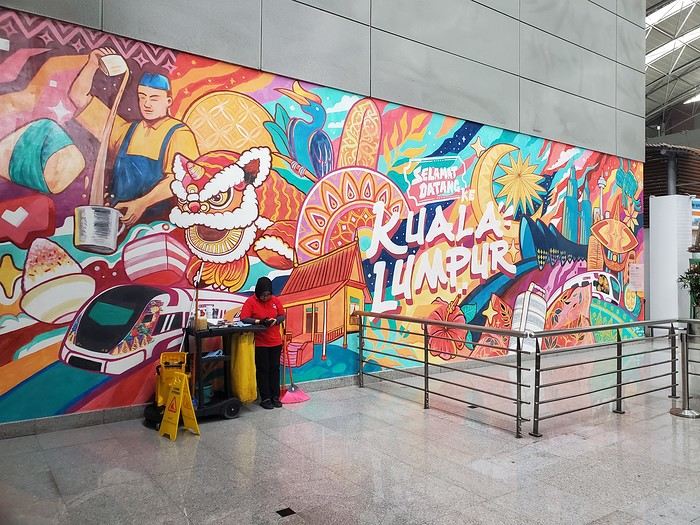
Don’t forget to fill out the immigration form requested by Malaysia 3 days before arrival. We left without any issues and took the Klia Ekspress train to KL Sentral station (30 minutes, 10 €). We’d booked accommodation in a tower near the station and had to communicate with the landlord to get the keys. But while we thought there’d be Wi-Fi at the station, there wasn’t—we asked the tourism office, and they said there wasn’t any. We didn’t want to buy a local SIM card since we were leaving the next day. Eventually, we went to a Starbucks to get online, but just as we decided to head to our place, a torrential downpour hit, and we couldn’t find a sidewalk to reach our destination. We went back to the station, took the elevated metro, and finally made it to our landlord and the room on the 45th floor.
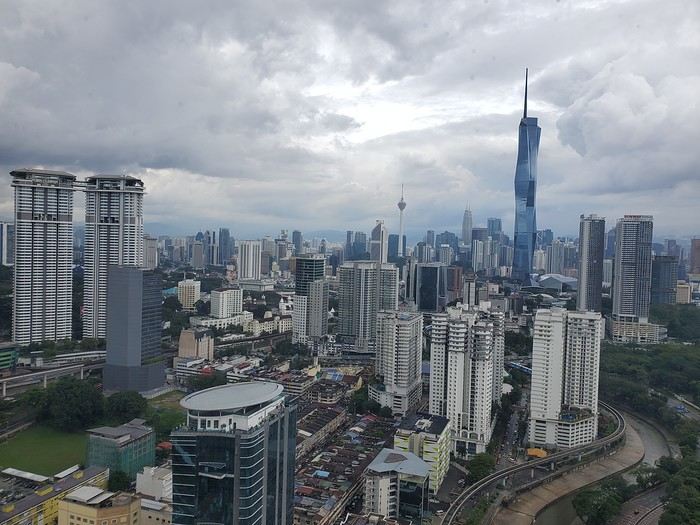
Don’t forget to fill out the immigration form requested by Malaysia 3 days before arrival. We left without any issues and took the Klia Ekspress train to KL Sentral station (30 minutes, 10 €). We’d booked accommodation in a tower near the station and had to communicate with the landlord to get the keys. But while we thought there’d be Wi-Fi at the station, there wasn’t—we asked the tourism office, and they said there wasn’t any. We didn’t want to buy a local SIM card since we were leaving the next day. Eventually, we went to a Starbucks to get online, but just as we decided to head to our place, a torrential downpour hit, and we couldn’t find a sidewalk to reach our destination. We went back to the station, took the elevated metro, and finally made it to our landlord and the room on the 45th floor.
Best order to explore Normandy without spending too much time on the road?
Hi everyone,
I’m planning a trip to Normandy and, after reading quite a few posts here, I still have some questions about the most logical order to avoid spending too much time on the road.
The idea is to have a fairly smooth itinerary, taking the time to enjoy the places, over about ten days (possibly a little more), combining the coast and the inland areas.
I’m particularly wondering about: – The best starting point (starting with Mont-Saint-Michel or saving it for the end) – The balance between the coastline and more inland areas – The areas where it’s really worth slowing down the pace
If any of you have done a route that felt particularly coherent, your feedback would really help me fine-tune the planning.
Thanks in advance for your tips!
I’m planning a trip to Normandy and, after reading quite a few posts here, I still have some questions about the most logical order to avoid spending too much time on the road.
The idea is to have a fairly smooth itinerary, taking the time to enjoy the places, over about ten days (possibly a little more), combining the coast and the inland areas.
I’m particularly wondering about: – The best starting point (starting with Mont-Saint-Michel or saving it for the end) – The balance between the coastline and more inland areas – The areas where it’s really worth slowing down the pace
If any of you have done a route that felt particularly coherent, your feedback would really help me fine-tune the planning.
Thanks in advance for your tips!
Back from Albania (1,000km by car)
At the risk of drawing some harsh criticism, I’ll admit we were really disappointed: sure, this trip—taken at the end of September—was short (a week), but we’d planned this little road trip (1,000km by car) as a first scouting mission. We won’t be going back anytime soon!
First mistake: we flew into Tirana (from Marseille) when it would’ve been better to fly to Corfu and rent a car in the south of the country instead of staying in the capital, which frankly isn’t all that interesting. From Tirana, we headed east toward Lin, by Lake Ohrid (a very poor region facing Macedonia), then to Korça, which guidebooks call "the most pleasant city in Albania." From there, we drove to Gjirokastra, an old Ottoman town (170km of mountain roads that took us nearly 5 hours...), then further south to Butrint, near Greece. The goal of these stops? To visit UNESCO World Heritage sites. In Lin, 6th-century mosaics; in Korça, a remarkable icon museum; in Gjirokastra, the citadel. At Butrint, we fled at the sight of all the tour buses parked in front of "this major archaeological site in the Mediterranean" and headed back north! The entire Adriatic coast is undergoing severe overdevelopment: developers are destroying the coastline to attract even more tourists (11 million visited in 2024, while Albania only has 3 million residents). We preferred to leave the coastal road (in excellent condition, a future highway) to visit Berat, an Ottoman town topped by a citadel. Our favorite spot. Why were we so disappointed? Villages without charm, outskirts of major cities in advanced decay, trash along the roads... The weight of the communist dictatorship and forced industrialization over forty years is still felt everywhere. The country is recovering but betting on tourism. The result? Newly built villas for the newly rich, beaches near the capital already polluted... Too bad, because the natural landscapes are often stunning, the locals are welcoming (young people learn English, though their parents speak little), and prices remain very reasonable—except in the capital. We’d chosen to stay with locals as much as possible, but like in Croatia, families are turning their homes into guest houses (~35 € per night, hearty breakfast included). Renting the car cost us 312 € for a week (with an international rental company—it’s probably cheaper with a local one, but I prefer understanding the contract I sign), and we cautiously took the optional insurance. Just so you know: Albanians drive fast, seem unfamiliar with traffic rules, overtake before curves, ignore yellow lines, and rarely use turn signals...)
First mistake: we flew into Tirana (from Marseille) when it would’ve been better to fly to Corfu and rent a car in the south of the country instead of staying in the capital, which frankly isn’t all that interesting. From Tirana, we headed east toward Lin, by Lake Ohrid (a very poor region facing Macedonia), then to Korça, which guidebooks call "the most pleasant city in Albania." From there, we drove to Gjirokastra, an old Ottoman town (170km of mountain roads that took us nearly 5 hours...), then further south to Butrint, near Greece. The goal of these stops? To visit UNESCO World Heritage sites. In Lin, 6th-century mosaics; in Korça, a remarkable icon museum; in Gjirokastra, the citadel. At Butrint, we fled at the sight of all the tour buses parked in front of "this major archaeological site in the Mediterranean" and headed back north! The entire Adriatic coast is undergoing severe overdevelopment: developers are destroying the coastline to attract even more tourists (11 million visited in 2024, while Albania only has 3 million residents). We preferred to leave the coastal road (in excellent condition, a future highway) to visit Berat, an Ottoman town topped by a citadel. Our favorite spot. Why were we so disappointed? Villages without charm, outskirts of major cities in advanced decay, trash along the roads... The weight of the communist dictatorship and forced industrialization over forty years is still felt everywhere. The country is recovering but betting on tourism. The result? Newly built villas for the newly rich, beaches near the capital already polluted... Too bad, because the natural landscapes are often stunning, the locals are welcoming (young people learn English, though their parents speak little), and prices remain very reasonable—except in the capital. We’d chosen to stay with locals as much as possible, but like in Croatia, families are turning their homes into guest houses (~35 € per night, hearty breakfast included). Renting the car cost us 312 € for a week (with an international rental company—it’s probably cheaper with a local one, but I prefer understanding the contract I sign), and we cautiously took the optional insurance. Just so you know: Albanians drive fast, seem unfamiliar with traffic rules, overtake before curves, ignore yellow lines, and rarely use turn signals...)
Very short layover at Doha Airport
Hi there
I completely forgot the transit procedure at Doha Airport and I’m a bit worried because I only have 1h30 to change planes, since my first flight was rescheduled. My flights: Barcelona/Doha: arrival at 6:15 AM Doha/Bangkok: departure at 7:50 AM
We only have carry-on luggage. Will they be checked again? Do we have to go through security again? Are the connections smooth and well signposted? Finally, is it common in this situation to ask a flight attendant for help?
Thanks! 🙂
I completely forgot the transit procedure at Doha Airport and I’m a bit worried because I only have 1h30 to change planes, since my first flight was rescheduled. My flights: Barcelona/Doha: arrival at 6:15 AM Doha/Bangkok: departure at 7:50 AM
We only have carry-on luggage. Will they be checked again? Do we have to go through security again? Are the connections smooth and well signposted? Finally, is it common in this situation to ask a flight attendant for help?
Thanks! 🙂
Feedback on first-time Brazil itinerary using public transport
Hello,
We’re planning our first trip to Brazil from October 10 to November 7, 2025.
We’re a couple traveling with light backpacks using local transport.
Here’s our planned route:
Arrival in Rio de Janeiro, 5 days,
Tiradentes, Ouro Preto, Belo Horizonte, 7 days,
Flight from Belo Horizonte to Recife,
Recife, Olinda, 4 days,
Maceió, Penedo, 3 days,
Aracaju, 3 days,
Salvador de Bahia and surrounding areas, 5 days
Departure from Salvador de Bahia to Paris
Thanks in advance for any feedback you can share!
Of course, everything is flexible except for our arrival in Rio and departure from Salvador de Bahia.
Could you also recommend a neighborhood to stay in Rio? Alod
Thanks in advance for any feedback you can share!
Of course, everything is flexible except for our arrival in Rio and departure from Salvador de Bahia.
Could you also recommend a neighborhood to stay in Rio? Alod
Tips for beginners on a 3-month trip to South America
Hi everyone,
With a friend, we’re planning a big trip to South America from January to mid-April 2026.
Our planned itinerary:
Argentina Chile Brazil (for Rio’s Carnival) Peru Then heading to Costa Rica to wrap up the trip.
We don’t have a precise route yet, but here are the key stops we’d absolutely love to include:
Iguazu Falls (Foz de Iguaçu) Patagonia (especially the Perito Moreno Glacier) Atacama Desert Rio Carnival Machu Picchu
This is our first time taking a trip of this scale, and we’d love some advice from more experienced travelers. To narrow it down, here are the main things we’re worried about:
1. Travel agency
For a trip this big, do you think a travel agency is helpful, or is it better to organize everything ourselves? If so, which ones would you recommend for a tight budget? We were considering G Adventures for parts of the trip. Any feedback on them?
2. Practical tips and money
For luggage, would you recommend a small rolling suitcase or a big backpack?
About payments: Is it easy to pay by card, or is cash the way to go? If cash is king, how do you manage your budget—do you use services like Western Union for transfers? Currency exchange: Is it easy to exchange money on the spot? Which places are best for that? For costs, what’s a reasonable monthly budget for average travelers?
3. Accommodation
Is it easy to find hotels/hostels on the fly, or is it better to book a few days/weeks in advance (especially in high season)?
4. Transportation
Same question for buses: Can you buy tickets the same day, or should you book a few days/weeks (or even months) ahead for certain routes? Any recommendations for reliable companies between these countries and within them?
5. Phone service
How do you handle mobile networks, especially when crossing borders? Do you need a SIM card per country? Are there plans that cover multiple countries? Are eSIMs available? What’s the best way to set it up? Thanks in advance for your tips and experiences! We’re all ears for any great tips, hacks, or pitfalls to avoid.
Argentina Chile Brazil (for Rio’s Carnival) Peru Then heading to Costa Rica to wrap up the trip.
We don’t have a precise route yet, but here are the key stops we’d absolutely love to include:
Iguazu Falls (Foz de Iguaçu) Patagonia (especially the Perito Moreno Glacier) Atacama Desert Rio Carnival Machu Picchu
This is our first time taking a trip of this scale, and we’d love some advice from more experienced travelers. To narrow it down, here are the main things we’re worried about:
1. Travel agency
For a trip this big, do you think a travel agency is helpful, or is it better to organize everything ourselves? If so, which ones would you recommend for a tight budget? We were considering G Adventures for parts of the trip. Any feedback on them?
2. Practical tips and money
For luggage, would you recommend a small rolling suitcase or a big backpack?
About payments: Is it easy to pay by card, or is cash the way to go? If cash is king, how do you manage your budget—do you use services like Western Union for transfers? Currency exchange: Is it easy to exchange money on the spot? Which places are best for that? For costs, what’s a reasonable monthly budget for average travelers?
3. Accommodation
Is it easy to find hotels/hostels on the fly, or is it better to book a few days/weeks in advance (especially in high season)?
4. Transportation
Same question for buses: Can you buy tickets the same day, or should you book a few days/weeks (or even months) ahead for certain routes? Any recommendations for reliable companies between these countries and within them?
5. Phone service
How do you handle mobile networks, especially when crossing borders? Do you need a SIM card per country? Are there plans that cover multiple countries? Are eSIMs available? What’s the best way to set it up? Thanks in advance for your tips and experiences! We’re all ears for any great tips, hacks, or pitfalls to avoid.
May 2025 Theme Discussion: Reflection(s)
This is the place for chit-chat on this month’s theme—reflections! I’m sure you’ve got some amazing ones to share. 😄
Scam: Cathay Pacific Refuses to Comply with European Law
On February 19, 2025, we traveled on Cathay Pacific flight CX702, which was supposed to take us from Bangkok to Paris Charles de Gaulle, with a transfer via their Hong Kong hub.
The departure from Bangkok was scheduled for 7:15 PM, with an arrival in Hong Kong at 11:05 PM local time.
The layover was supposed to last 1 hour and 10 minutes, and we were due to take off for Paris on flight CX261 at 12:15 AM, with a scheduled arrival at CDG at 7:35 AM local time.
From Bangkok, flight CX702 took off over an hour late. The scraps of information provided didn’t give us any real idea of the reason for the delay or whether we’d make our connection in Hong Kong on flight CX261.
Then, on the plane, the CX702 crew couldn’t tell us anything about the connection or confirm that our luggage would be transferred to Paris (we were pretty worried, as our bags contained research materials and results).
Upon arrival in Hong Kong, we were immediately told—without any explanation—that we wouldn’t be taking flight CX261!
The staff then rushed us through the airport corridors, past Chinese police checks, after handing us two non-regulation flight tickets for CX289 to Frankfurt instead of Paris.
These tickets were scribbled in ballpoint pen, with a departure time that had already passed and no gate information.
The plane took off on February 20, 2025, well after the scheduled 12:15 AM departure. We landed in Frankfurt around 7:00 AM local time.
From there, after going through additional security checks and completely exhausted from the journey, we had to walk through Frankfurt Airport’s endless corridors—only to find out we’d been dropped off at the opposite end from the gate for flights to CDG.
Not to mention, when we reached gate A01, we were told we had to backtrack to gate A24. And as if that wasn’t enough after 15 hours of travel, the gate changed again without any announcement or email.
You’d think Cathay Pacific’s management would know how long these walks are...
In the end, we arrived at Paris CDG at 1:30 PM—six hours later than scheduled, with an extra layover in Frankfurt.
Discussion: Cathay Pacific informed us via email on February 19—while we were already in the air—that our connection had been canceled for "commercial and operational reasons."
Yet, the plane for flight CX289 was full of passengers, so there was no reason the original flight CX261 couldn’t have been delayed. We concluded we were victims of overbooking—without being told!
Especially since the rerouting to Frankfurt seemed well-rehearsed...
Regarding the overbooking, our tickets were flexible, and we paid an extra 220 € for that.
We should *never* have been overbooked!!!
I also want to let other travelers know that Cathay Pacific initially told us via email that our delayed arrival in Paris would be at 10:30 AM instead of 7:35 AM.
We immediately arranged for colleagues in Paris to pick us up at that time.
Except the arrival time was changed *again* to 1:30 PM. And by then, we couldn’t get home before the evening of February 21, with all the extra costs that entailed.
Back in Frankfurt, we were stuck waiting from 7:00 AM to 12:15 PM on some of the most uncomfortable seats, with no refreshments, snacks, or assistance—right in the middle of the constant flow of travelers heading for short- and medium-haul flights. The least they could’ve done was let us into the international lounge, which would’ve been far more suitable for exhausted, freezing travelers. Right?
On this point, European law states that if an airline fails in its obligations, passengers can claim full compensation for material and moral damages without a cap. Moral damages can also be compensated (CJEU, October 13, 2011, case C-83/10).
And whether Cathay Pacific’s management likes it or not, commercial or technical issues causing flight cancellations or delays *do not* count as "extraordinary circumstances" that would exempt the airline from liability (CJEU ruling, November 19, 2009).
Most importantly, due to the over 6-hour delay and the distance between the departure airport and CDG, we should have been compensated at least 600 € per passenger under European law (Article 7 of Regulation (EC) 261/2004).
But that’s not possible because Cathay Pacific refuses to comply with European legislation guaranteeing compensation for travelers affected by such delays.
To bypass passenger rights, Cathay Pacific evades responsibility by claiming that, as a Chinese company headquartered in Hong Kong, it isn’t bound by European laws.
Yet that doesn’t stop them from enjoying commercial advantages by operating a French subsidiary for passenger transport, registered in the trade register and based in Neuilly-sur-Seine.
So it *is* subject to European law!!!
Air travelers are thus victims of Cathay Pacific’s strategies to circumvent European law...
In our case, we had to endure the cancellation of our access to flight CX261, an imposed layover in Frankfurt, no minimal assistance during the 5-hour wait in Germany, a delay of over 6 hours upon arrival, and the costs of an extra day to get home.
And as if that weren’t enough, we also suffered moral and financial damages due to the airline’s blatant disregard for its customers!
The fact is, Cathay Pacific and its executives subjected us to these damages because of an overbooking policy hidden from customers. We weren’t informed of our rights, the reasons for the delay or rerouting, or given any assistance during the imposed layover. We weren’t even refunded the extra we paid for flexible tickets—what was the point of that when overbooking was clearly planned?
And on top of it all, they excluded us from European law, which would’ve allowed us to be compensated 600 € each for the delay—totaling 1,200 €.
We wrote three times by registered mail with acknowledgment of receipt to Cathay Pacific’s Group CEO, the France Regional Director, and the head of the French-registered subsidiary.
No response—except an email refusing to comply with European legislation!
Given this policy of circumventing European law and passenger protections, Cathay Pacific’s online and in-agency flight offers *must* clearly inform customers that in case of delays, cancellations, or rerouting, they won’t be compensated by the Chinese airline!!!
The departure from Bangkok was scheduled for 7:15 PM, with an arrival in Hong Kong at 11:05 PM local time.
The layover was supposed to last 1 hour and 10 minutes, and we were due to take off for Paris on flight CX261 at 12:15 AM, with a scheduled arrival at CDG at 7:35 AM local time.
From Bangkok, flight CX702 took off over an hour late. The scraps of information provided didn’t give us any real idea of the reason for the delay or whether we’d make our connection in Hong Kong on flight CX261.
Then, on the plane, the CX702 crew couldn’t tell us anything about the connection or confirm that our luggage would be transferred to Paris (we were pretty worried, as our bags contained research materials and results).
Upon arrival in Hong Kong, we were immediately told—without any explanation—that we wouldn’t be taking flight CX261!
The staff then rushed us through the airport corridors, past Chinese police checks, after handing us two non-regulation flight tickets for CX289 to Frankfurt instead of Paris.
These tickets were scribbled in ballpoint pen, with a departure time that had already passed and no gate information.
The plane took off on February 20, 2025, well after the scheduled 12:15 AM departure. We landed in Frankfurt around 7:00 AM local time.
From there, after going through additional security checks and completely exhausted from the journey, we had to walk through Frankfurt Airport’s endless corridors—only to find out we’d been dropped off at the opposite end from the gate for flights to CDG.
Not to mention, when we reached gate A01, we were told we had to backtrack to gate A24. And as if that wasn’t enough after 15 hours of travel, the gate changed again without any announcement or email.
You’d think Cathay Pacific’s management would know how long these walks are...
In the end, we arrived at Paris CDG at 1:30 PM—six hours later than scheduled, with an extra layover in Frankfurt.
Discussion: Cathay Pacific informed us via email on February 19—while we were already in the air—that our connection had been canceled for "commercial and operational reasons."
Yet, the plane for flight CX289 was full of passengers, so there was no reason the original flight CX261 couldn’t have been delayed. We concluded we were victims of overbooking—without being told!
Especially since the rerouting to Frankfurt seemed well-rehearsed...
Regarding the overbooking, our tickets were flexible, and we paid an extra 220 € for that.
We should *never* have been overbooked!!!
I also want to let other travelers know that Cathay Pacific initially told us via email that our delayed arrival in Paris would be at 10:30 AM instead of 7:35 AM.
We immediately arranged for colleagues in Paris to pick us up at that time.
Except the arrival time was changed *again* to 1:30 PM. And by then, we couldn’t get home before the evening of February 21, with all the extra costs that entailed.
Back in Frankfurt, we were stuck waiting from 7:00 AM to 12:15 PM on some of the most uncomfortable seats, with no refreshments, snacks, or assistance—right in the middle of the constant flow of travelers heading for short- and medium-haul flights. The least they could’ve done was let us into the international lounge, which would’ve been far more suitable for exhausted, freezing travelers. Right?
On this point, European law states that if an airline fails in its obligations, passengers can claim full compensation for material and moral damages without a cap. Moral damages can also be compensated (CJEU, October 13, 2011, case C-83/10).
And whether Cathay Pacific’s management likes it or not, commercial or technical issues causing flight cancellations or delays *do not* count as "extraordinary circumstances" that would exempt the airline from liability (CJEU ruling, November 19, 2009).
Most importantly, due to the over 6-hour delay and the distance between the departure airport and CDG, we should have been compensated at least 600 € per passenger under European law (Article 7 of Regulation (EC) 261/2004).
But that’s not possible because Cathay Pacific refuses to comply with European legislation guaranteeing compensation for travelers affected by such delays.
To bypass passenger rights, Cathay Pacific evades responsibility by claiming that, as a Chinese company headquartered in Hong Kong, it isn’t bound by European laws.
Yet that doesn’t stop them from enjoying commercial advantages by operating a French subsidiary for passenger transport, registered in the trade register and based in Neuilly-sur-Seine.
So it *is* subject to European law!!!
Air travelers are thus victims of Cathay Pacific’s strategies to circumvent European law...
In our case, we had to endure the cancellation of our access to flight CX261, an imposed layover in Frankfurt, no minimal assistance during the 5-hour wait in Germany, a delay of over 6 hours upon arrival, and the costs of an extra day to get home.
And as if that weren’t enough, we also suffered moral and financial damages due to the airline’s blatant disregard for its customers!
The fact is, Cathay Pacific and its executives subjected us to these damages because of an overbooking policy hidden from customers. We weren’t informed of our rights, the reasons for the delay or rerouting, or given any assistance during the imposed layover. We weren’t even refunded the extra we paid for flexible tickets—what was the point of that when overbooking was clearly planned?
And on top of it all, they excluded us from European law, which would’ve allowed us to be compensated 600 € each for the delay—totaling 1,200 €.
We wrote three times by registered mail with acknowledgment of receipt to Cathay Pacific’s Group CEO, the France Regional Director, and the head of the French-registered subsidiary.
No response—except an email refusing to comply with European legislation!
Given this policy of circumventing European law and passenger protections, Cathay Pacific’s online and in-agency flight offers *must* clearly inform customers that in case of delays, cancellations, or rerouting, they won’t be compensated by the Chinese airline!!!
Comfort while camping has never been easier with the AirFlex 3.0 mattress
Whether you're a beginner or an experienced trekker, choosing an effective camping mattress can often be complicated. Between comfort, weight, and bulk, the ideal compromise is hard to find. After testing the USKOO AirFlex 3.0 mattress in real conditions, here’s why it clearly deserves a spot in your backpack—despite being slightly heavier than some ultra-light competitors.
Compact and easy to transport despite its weight
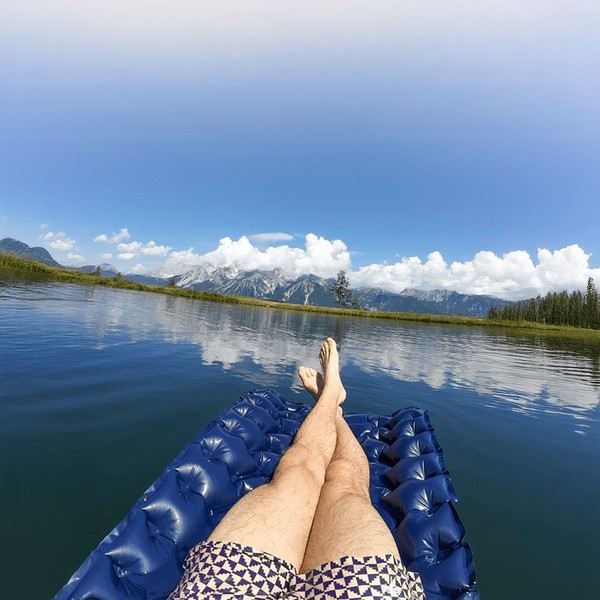
The AirFlex 3.0 mattress weighs 839 grams. It’s true—if you're chasing ultra-lightweight gear at all costs, this might seem heavy. However, the real advantage of this mattress lies elsewhere: its ability to be ultra-compact when packed. It fits easily into a standard backpack, freeing up precious space for your other gear. Personally, after several self-sufficient hikes, I love how easily I can stow my mattress without struggling at every stop.
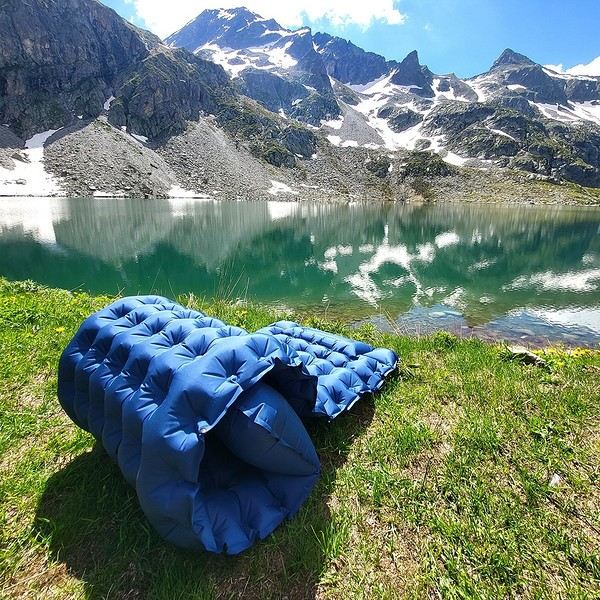
Unmatched comfort for restful nights
While the AirFlex 3.0’s weight isn’t its strongest point, its comfort definitely is. Its generous 7 cm thickness lets you forget about uneven terrain, delivering exceptional sleep quality even after weeks of trekking. I’ve tested it on various surfaces—rocky, damp, or uneven—and every time, the mattress provided unparalleled sleep. Plus, its design includes an integrated pillow and modularity that lets you easily switch to couch mode or a lounge chair. Whether you're reading, stargazing, or just resting, its comfort remains intact.
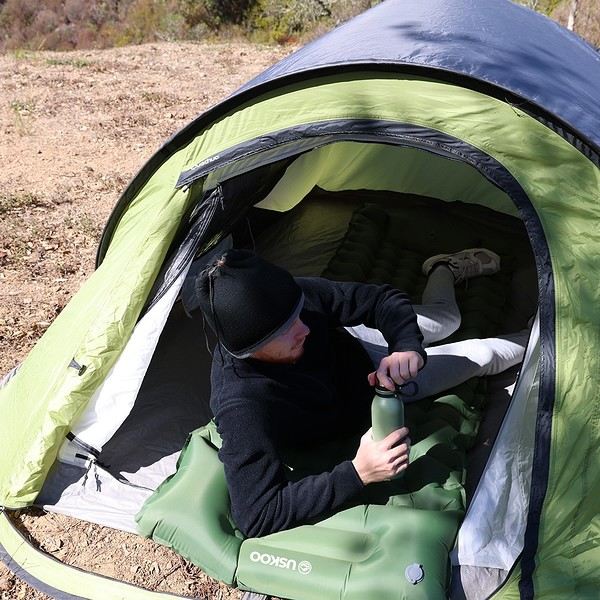
Durability and reliability on all terrains
After enduring the challenges of high-altitude campsites or spots near water, I can confirm the AirFlex 3.0 lives up to its durability promises. Its 100% waterproof and abrasion-resistant coating lets it handle the toughest conditions without puncturing. That’s a crucial feature when you know how much a leaky mattress can ruin a self-sufficient camping trip.
Quick and easy inflation
Another major plus: the built-in pump. No more spending ages blowing it up or using an external manual pump. It only takes 30 seconds to fully inflate the mattress. This often-overlooked feature is a game-changer after a long day of hiking.
Verdict: Is it right for you?
The USKOO AirFlex 3.0 mattress is a smart investment for those who prioritize absolute comfort without sacrificing minimal bulk. Yes, it’s a bit heavier than some ultra-light models on the market, but this small trade-off is more than made up for by its many strengths: durability, versatility, quick inflation, and above all, unmatched comfort while camping. In short, if you're one of those demanding trekkers who no longer want to sacrifice sleep for the sake of absolute lightness, then the AirFlex 3.0 mattress is undoubtedly for you.
Compact and easy to transport despite its weight
The AirFlex 3.0 mattress weighs 839 grams. It’s true—if you're chasing ultra-lightweight gear at all costs, this might seem heavy. However, the real advantage of this mattress lies elsewhere: its ability to be ultra-compact when packed. It fits easily into a standard backpack, freeing up precious space for your other gear. Personally, after several self-sufficient hikes, I love how easily I can stow my mattress without struggling at every stop.
Unmatched comfort for restful nights
While the AirFlex 3.0’s weight isn’t its strongest point, its comfort definitely is. Its generous 7 cm thickness lets you forget about uneven terrain, delivering exceptional sleep quality even after weeks of trekking. I’ve tested it on various surfaces—rocky, damp, or uneven—and every time, the mattress provided unparalleled sleep. Plus, its design includes an integrated pillow and modularity that lets you easily switch to couch mode or a lounge chair. Whether you're reading, stargazing, or just resting, its comfort remains intact.
Durability and reliability on all terrains
After enduring the challenges of high-altitude campsites or spots near water, I can confirm the AirFlex 3.0 lives up to its durability promises. Its 100% waterproof and abrasion-resistant coating lets it handle the toughest conditions without puncturing. That’s a crucial feature when you know how much a leaky mattress can ruin a self-sufficient camping trip.
Quick and easy inflation
Another major plus: the built-in pump. No more spending ages blowing it up or using an external manual pump. It only takes 30 seconds to fully inflate the mattress. This often-overlooked feature is a game-changer after a long day of hiking.
Verdict: Is it right for you?
The USKOO AirFlex 3.0 mattress is a smart investment for those who prioritize absolute comfort without sacrificing minimal bulk. Yes, it’s a bit heavier than some ultra-light models on the market, but this small trade-off is more than made up for by its many strengths: durability, versatility, quick inflation, and above all, unmatched comfort while camping. In short, if you're one of those demanding trekkers who no longer want to sacrifice sleep for the sake of absolute lightness, then the AirFlex 3.0 mattress is undoubtedly for you.
Khao Sok - Hiking guide and lake tour
Hi everyone,
So happy to discover by chance that VoyageForum is back! We’re leaving in a few days for Thailand with our two kids, aged 12 and 15. We’re considering stopping by Khao Sok but don’t want to do a typical 2D/1N or 3D/2N excursion with an overnight stay on the lake—it’s way out of our budget 🤪. Still, the place seems worth the detour. We’ve planned to spend 2 nights there (arriving in the late afternoon on the first day) and I’d love to do a full-day private boat tour on the lake and a hike (half-day or full-day). Do you think it’s doable to book on the spot if we arrive a bit late on the first day? Or is it better to book in advance? None of the websites for booking these services inspire confidence—I get the feeling it’s a real lottery afterward for getting an interesting and friendly guide. But I’m worried it’ll be the same on-site since everything seems so standardized. Do you have any firsthand experience? Maybe even a Facebook contact or something for a guide? Are the prices still really that expensive if we don’t stay overnight on the lake? I’ll admit I’m not sure if we should even stop there anymore...
Thanks in advance!
Marmite
So happy to discover by chance that VoyageForum is back! We’re leaving in a few days for Thailand with our two kids, aged 12 and 15. We’re considering stopping by Khao Sok but don’t want to do a typical 2D/1N or 3D/2N excursion with an overnight stay on the lake—it’s way out of our budget 🤪. Still, the place seems worth the detour. We’ve planned to spend 2 nights there (arriving in the late afternoon on the first day) and I’d love to do a full-day private boat tour on the lake and a hike (half-day or full-day). Do you think it’s doable to book on the spot if we arrive a bit late on the first day? Or is it better to book in advance? None of the websites for booking these services inspire confidence—I get the feeling it’s a real lottery afterward for getting an interesting and friendly guide. But I’m worried it’ll be the same on-site since everything seems so standardized. Do you have any firsthand experience? Maybe even a Facebook contact or something for a guide? Are the prices still really that expensive if we don’t stay overnight on the lake? I’ll admit I’m not sure if we should even stop there anymore...
Thanks in advance!
Marmite
Denied compensation for over 3-hour delay on American Airlines
Hi Voyage Forum members,
My wife and I took American Airlines flight no. 63 on Tuesday, February 18, 2025, at 9:30 AM, with a scheduled arrival in Miami at 1:30 PM local time.
After about half an hour of flight, a young passenger had a medical emergency. They were given care, and a flight attendant went to get an oxygen bottle. Then, an announcement over the loudspeakers informed passengers that the plane was diverting to London.
Once at London Heathrow (LHR), we were waiting to depart again. But a new announcement asked us to disembark because the plane wouldn’t be able to take off until the next day. (American responded to my follow-up, saying they’re required to limit their staff’s working hours to a certain number per day.)
A crowd of travelers gathered at the American Airlines counter, where they were told to follow instructions to get to a hotel. Meanwhile, I called the airline’s customer service to find a replacement flight that same day, since I couldn’t afford to leave the next day. If I had, I would’ve lost my hotel and car rental reservations due to late cancellation, which would’ve cost me a significant amount.
After discussing in English with customer service and the counter staff (who I handed my phone to), we managed to get two seats on British Airways flight BA 0209, which was leaving about 2 hours later.
That’s how, after a stressful wait unsure if we’d get our luggage back, and once we did, we hurried—heavily loaded—to reach the far-off terminal for our new boarding on foot and by train shuttle.
We finally took off for Miami and landed around 7:30 PM, which was 6 hours later than the originally scheduled arrival time of American Airlines flight 63.
On top of the stress, there were the costs of meals in the meantime, and I had to notify the hotel and car rental company about our delay.
As a result, I requested compensation for a flight delay of at least 3 hours (and I’ve involved my insurance’s legal protection to pursue this claim). American Airlines argued that exceptional circumstances prevented them from compensating me.
What do you think? Is my request unreasonable?
My wife and I took American Airlines flight no. 63 on Tuesday, February 18, 2025, at 9:30 AM, with a scheduled arrival in Miami at 1:30 PM local time.
After about half an hour of flight, a young passenger had a medical emergency. They were given care, and a flight attendant went to get an oxygen bottle. Then, an announcement over the loudspeakers informed passengers that the plane was diverting to London.
Once at London Heathrow (LHR), we were waiting to depart again. But a new announcement asked us to disembark because the plane wouldn’t be able to take off until the next day. (American responded to my follow-up, saying they’re required to limit their staff’s working hours to a certain number per day.)
A crowd of travelers gathered at the American Airlines counter, where they were told to follow instructions to get to a hotel. Meanwhile, I called the airline’s customer service to find a replacement flight that same day, since I couldn’t afford to leave the next day. If I had, I would’ve lost my hotel and car rental reservations due to late cancellation, which would’ve cost me a significant amount.
After discussing in English with customer service and the counter staff (who I handed my phone to), we managed to get two seats on British Airways flight BA 0209, which was leaving about 2 hours later.
That’s how, after a stressful wait unsure if we’d get our luggage back, and once we did, we hurried—heavily loaded—to reach the far-off terminal for our new boarding on foot and by train shuttle.
We finally took off for Miami and landed around 7:30 PM, which was 6 hours later than the originally scheduled arrival time of American Airlines flight 63.
On top of the stress, there were the costs of meals in the meantime, and I had to notify the hotel and car rental company about our delay.
As a result, I requested compensation for a flight delay of at least 3 hours (and I’ve involved my insurance’s legal protection to pursue this claim). American Airlines argued that exceptional circumstances prevented them from compensating me.
What do you think? Is my request unreasonable?
Visa for transit in India en route to Sri Lanka
Hi there,
I’ve been reading conflicting info about whether an Indian visa might be required for a few-hour layover in Mumbai.
Do we need anything besides the Sri Lankan ETA if we’re just transiting through India without leaving Terminal 2 at the airport? We’re flying from Brussels via Frankfurt and then Mumbai with Lufthansa.
Thanks so much—I’m totally lost here! 😅
I’ve been reading conflicting info about whether an Indian visa might be required for a few-hour layover in Mumbai.
Do we need anything besides the Sri Lankan ETA if we’re just transiting through India without leaving Terminal 2 at the airport? We’re flying from Brussels via Frankfurt and then Mumbai with Lufthansa.
Thanks so much—I’m totally lost here! 😅
CFC Cruises Reviews
Hi everyone,
I'm really tempted by the idea of French-style cruises on smaller vessels, and I'm looking into CFC. I’d love to hear your experiences and feedback.
Thanks, and have a great day!
Gulf Airlines
Hi there,
Lately, when I check Skyscanner (sorted by price low to high 😛), I don’t see Gulf airlines at the top of the list anymore. Instead, Air India dominates (I flew with them a few years ago, and my experience was pretty mixed). After that, there’s Royal Jordanian… and the first Gulf Air, Etihad, and others only show up at 7XX € or more (with endless layovers). What’s going on with these airlines? Did they change their target market? I really like these routes for Southeast Asia trips because they give you a perfect midway break.
Lately, when I check Skyscanner (sorted by price low to high 😛), I don’t see Gulf airlines at the top of the list anymore. Instead, Air India dominates (I flew with them a few years ago, and my experience was pretty mixed). After that, there’s Royal Jordanian… and the first Gulf Air, Etihad, and others only show up at 7XX € or more (with endless layovers). What’s going on with these airlines? Did they change their target market? I really like these routes for Southeast Asia trips because they give you a perfect midway break.
Reliable operators around San Pedro de Atacama
Hi there,
Not wanting to go through a traditional travel agency—often based in France and only offering "items pulled from an internet catalog"—I’ve decided to plan this trip to Chile on my own this year, in March-April.
However, I’m overwhelmed by the number of options online.
I’ll be staying in San Pedro de Atacama for 4 nights. I’d love to explore San Pedro de Atacama and its surroundings.
Since I won’t have a vehicle, I’ll likely need to rely on group transfers. What do you recommend as must-see places and activities? And most importantly, which trustworthy providers should I turn to?
Thanks in advance!
Jamet JC
Premium Economy classes
Hi everyone,
You’re probably aware that Premium Economy classes are becoming more and more common among regular airlines. I wanted to get your thoughts—do you think the value for money is good? Personally, I’ve tried British Airways and Emirates Premium Economy, and I absolutely loved them! I do wish we had access to Fast Track and/or the lounge, but otherwise, I really think it’s an excellent alternative. Photos of Emirates PE
You’re probably aware that Premium Economy classes are becoming more and more common among regular airlines. I wanted to get your thoughts—do you think the value for money is good? Personally, I’ve tried British Airways and Emirates Premium Economy, and I absolutely loved them! I do wish we had access to Fast Track and/or the lounge, but otherwise, I really think it’s an excellent alternative. Photos of Emirates PE
Maasai Safari Guide in Tanzania
Hi,
I went on a safari with a Maasai guide in several national parks in Tanzania (Serengeti, Ngorongoro, Arusha National Park, etc.). There are very few Maasai guides, so it’s pretty special to be able to do a safari with one of them. He doesn’t just explain the animals but also the Maasai culture and can even take you to villages where the Maasai live—not those where you pay $50 to see three Maasai jumping around.
I’ll leave his contact details here, and you can reach him on WhatsApp: +255 69 219 0474 Just a heads-up: all communication is in English
I’ll leave his contact details here, and you can reach him on WhatsApp: +255 69 219 0474 Just a heads-up: all communication is in English
Choosing a Museum Pass for Istanbul
Hi everyone,
In spring 2025, we’re planning a 10-day trip to Istanbul.
There are several museum passes (PASS) available. I’m torn between the Istanbul Welcome Card, Istanbul E-pass, and Istanbul Museum Pass.
We’ll be visiting Topkapi, Hagia Sophia, Galata Tower, etc...
Based on your experiences, which of these passes would you recommend?
Thanks so much!
Editing our posts and blocking members in discussions we've started
Hello!
I’m a former VF lover (and, incidentally, an explorer of my Atlas 😊) and I’m genuinely thrilled the forum is reopening, but I have two little questions.
Over the past four years, I’ve put together a few travel journals that I’d love to share, but there are two things that bother me: - How can I edit my post after a few hours? (Because sometimes I need to correct mistakes even two days later.)
- At the end of VF’s previous run, there were a few members who were really unpleasant and enjoyed derailing certain discussions. As a result, I know several people who stopped coming to VF because of that. So, for MY travel journals, I’d really like to keep the vibe positive and kind. Is there any way to set something up so the person who starts a discussion can block them?
Thanks, and long live VF!
Over the past four years, I’ve put together a few travel journals that I’d love to share, but there are two things that bother me: - How can I edit my post after a few hours? (Because sometimes I need to correct mistakes even two days later.)
- At the end of VF’s previous run, there were a few members who were really unpleasant and enjoyed derailing certain discussions. As a result, I know several people who stopped coming to VF because of that. So, for MY travel journals, I’d really like to keep the vibe positive and kind. Is there any way to set something up so the person who starts a discussion can block them?
Thanks, and long live VF!
Conseils pour la Grande Traversée du Massif Central en tandem English translation pending
Bonjour,
Nous allons partir dans quelques jours pour la GTMC à partir de Clermont-ferrand. Pour cela, nous allons roulé sur un tandem lapierre VTT (2014) et y accrocher une remorque.
J'aurais besoin de conseil pour les pneumatiques. Quand on a acheté le vélo (occasion), il était équipé de pneus Geax Saguaro 2,0". Ils sont quelques peu abimés. J'ai récupéré la paire d'origine qui sont des Continental Rubber Queen 2,4". J'ai également, d'un autre vélo, un pneu Michelin with Grip'R 2,1" ainsi qu'un autre Michelin en 2,0".
Que me conseillez-vous de mettre? Je m'interroge sur le meilleur mix rendement/confort. Sachant qu'on ne veut pas faire un chrono mais que la route est longue donc que le rendement est quand même très important..
En vous remerciant par avance !
Tim
Nous allons partir dans quelques jours pour la GTMC à partir de Clermont-ferrand. Pour cela, nous allons roulé sur un tandem lapierre VTT (2014) et y accrocher une remorque.
J'aurais besoin de conseil pour les pneumatiques. Quand on a acheté le vélo (occasion), il était équipé de pneus Geax Saguaro 2,0". Ils sont quelques peu abimés. J'ai récupéré la paire d'origine qui sont des Continental Rubber Queen 2,4". J'ai également, d'un autre vélo, un pneu Michelin with Grip'R 2,1" ainsi qu'un autre Michelin en 2,0".
Que me conseillez-vous de mettre? Je m'interroge sur le meilleur mix rendement/confort. Sachant qu'on ne veut pas faire un chrono mais que la route est longue donc que le rendement est quand même très important..
En vous remerciant par avance !
Tim
République Dominicaine: au fil de la route... et autres souvenirs English translation pending
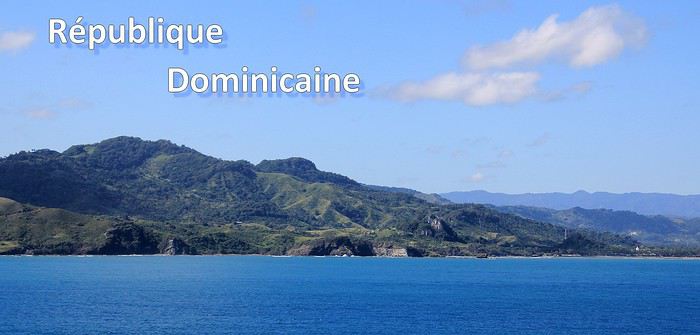
Ce sont mes derniers souvenirs de voyage à l'étranger, c'était avant … avant que la pandémie de la Covid-19 ne s'abatte sur notre planète et contrarie (en autre !) nos désirs de voyages loin de chez nous. Un récit à propos d'une dernière escale dans les Caraïbes, elle date du début mars et c'était donc en République Dominicaine. Ce carnet aborde principalement le souvenir d'une échappée le long d'une « route » hors des sentiers battus, dans le nord de l'île. Une région bien moins fréquentée et donc moins connue que les très courus sites balnéaires de cette grande île tropicale. Un récit qui est également l'occasion pour moi de partager dans une seconde partie quelques autres souvenirs de voyage en Rep. Dom. Ils sont un peu plus anciens et concernent quelques uns des incontournables sites à visiter de la destination.
--
L'escale approche. Peu à peu, la côte se fait plus nette, le soleil a fait disparaître la nébulosité et la plage d'Amber Cove apparaît dans toute sa beauté.
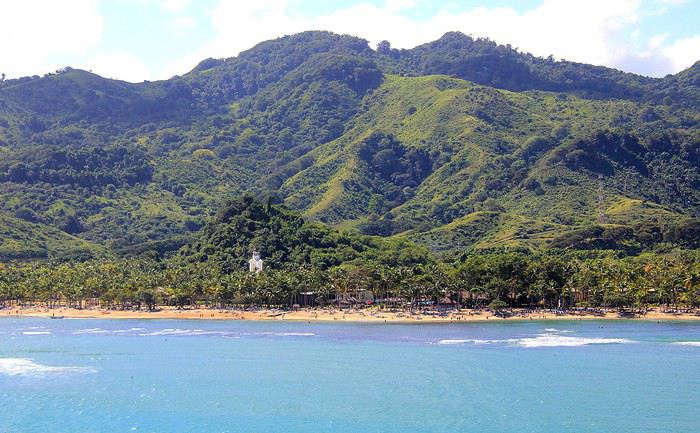
Le trio qui fait le charme des îles tropicales est bien présent sous nos yeux : des eaux bleues, du sable clair bordé d'une palmeraie et un versant verdoyant qui en impose en surplomb du rivage. Un coquet clocher aux tonalités jaune et rose bonbon émerge au-dessus de cette étendue de palmes. Pour afficher la nationalité de l'île, les couleurs sont hissées haut. On reconnaît les carrés rouge et bleu séparés d'une croix blanche du drapeau de la République Dominicaine.
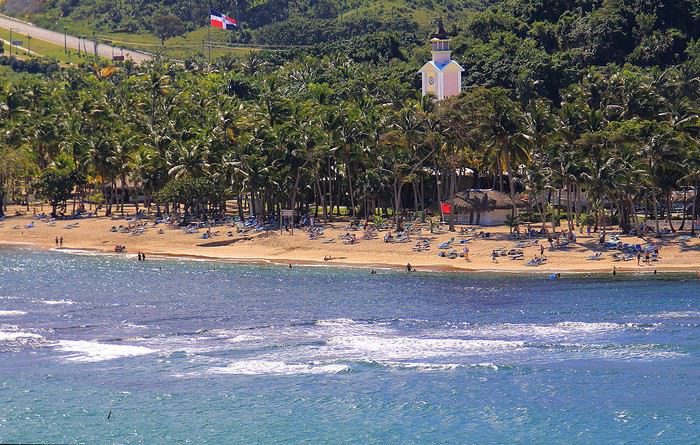
Nous sommes précisément sur la côte nord de l'île, dans la région de l'ancienne ville coloniale espagnole de Puerto Plata.
Un dernier coup d’œil sur la jolie baie encadrée de promontoires rocheux en fond de décor et bordée d'une langue de terre au vert lumineux qui défile juste sous nos yeux.
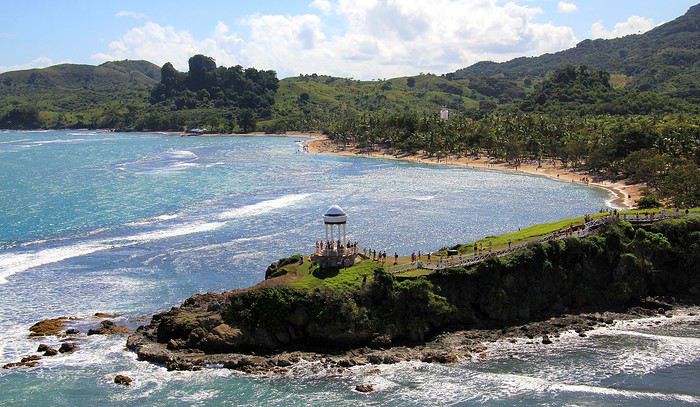
A peine débarqués du navire, on embarque à nouveau … mais sur un tout autre moyen de transport, finie la navigation, on prend place maintenant sur un drôle de véhicule hybride. Un genre de machine à grosses roues, dans un style intermédiaire entre camion et bus d'aventures tout-terrain. De simples banquettes font offices de sièges, quant aux dossiers et aux montants métalliques, ils sont tous rembourrés et capitonnés … On le comprend vite, la route, enfin la piste qui s'annonce pour cette virée risque d'être chaotique. Pas de doute, il ne doit pas s'agir d'un long ruban de bitume très tranquille !
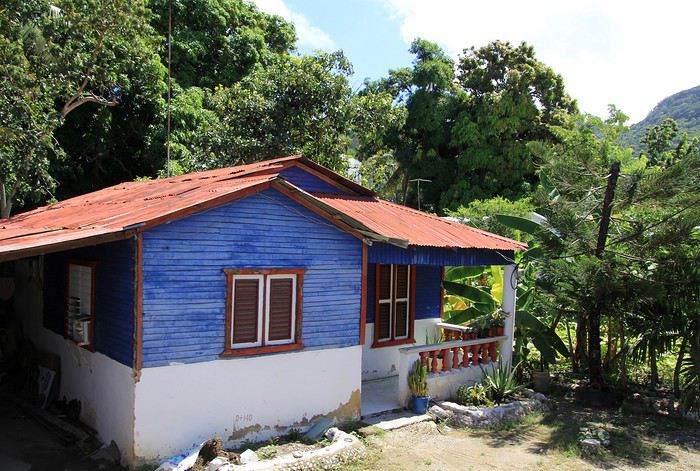
Pour l'instant nous traversons la paisible petite ville de Maimon. Une agglomération sans grand intérêt si ce n'est d'avoir un aperçu de la vie quotidienne locale. Des enfants bruyants jouent dans la cour de l'école et quelques habitantes font leurs achats dans les boutiques, la plupart sont de simples maisons/cases comme d'ailleurs beaucoup d'habitations. En voici deux exemples assez représentatifs du style de l'habitat local. Une simple maison recouverte de tôles ondulées mais dont les murs extérieurs sont agrémentés d'une teinte bleutée. C'est un aspect des plus courants dans la petite cité.
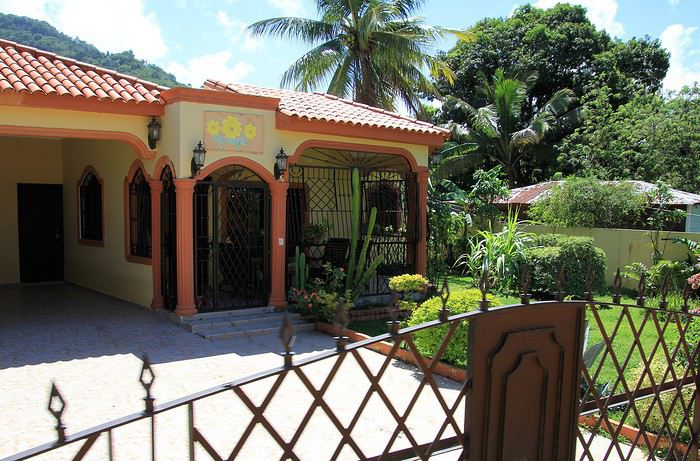
Plus loin, nous passons devant une maison un peu plus cossue : un propret jardinet et des grilles ouvragées entourent cette demeure plus élaborée et dont on imagine le meilleur confort intérieur.
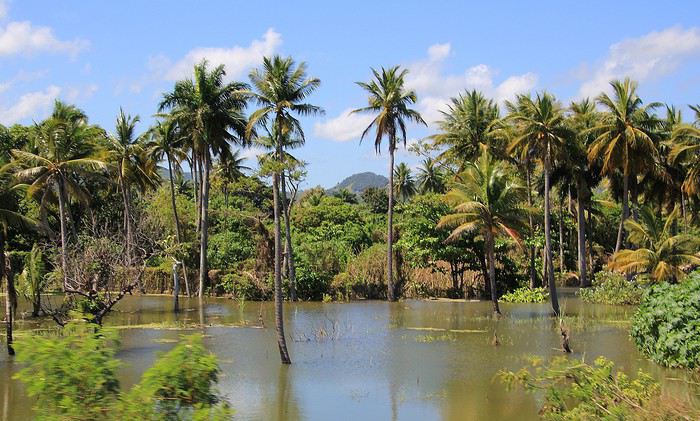
Passons la périphérie urbaine, place à la campagne. On le constate dès le début du trajet, les terrains aux abords de la voie sont détrempés voire inondés. Le chauffeur, sympa, nous informe que de récentes et fortes intempéries ont quelque peu endommagé la piste que nous devons emprunter … Au fond de cette baie, le courant et les torrents ont charrié des quantités de branchages, certains sont encore là, amassés au bord du rivage bordé de mangrove.
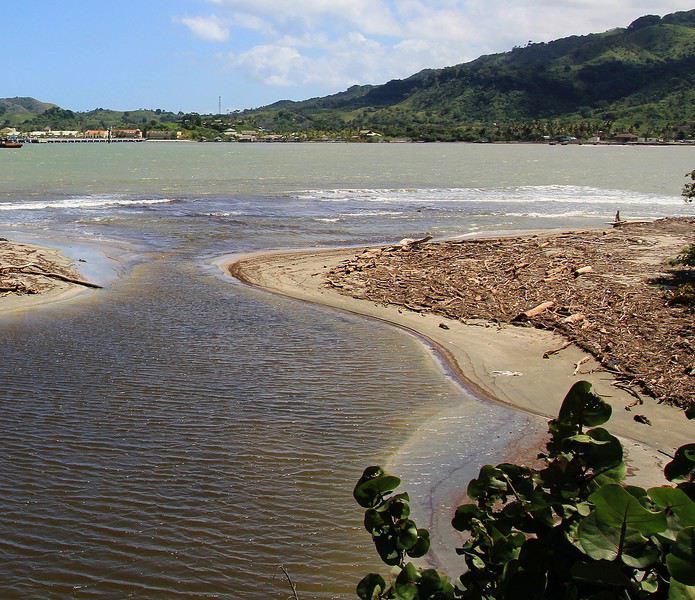
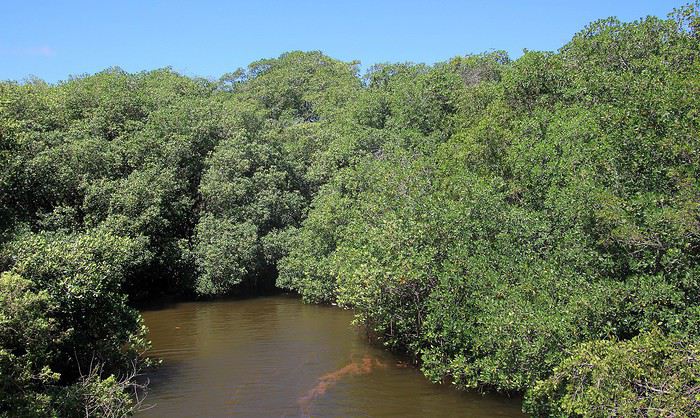
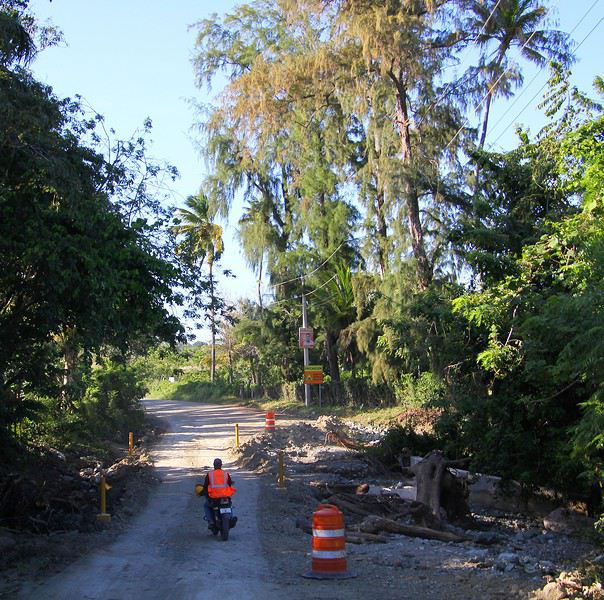
Sur ce tronçon, un torrent a emporté une partie de la route, le passage se fait désormais sur une seule voie constituée de terre battue.
Les joies du e-commerce! English translation pending
Mésaventure avec Probikeshop, ou les joies du commerce en ligne:
Je précise que je n'ai pas l'habitude d'utiliser ce genre de service mais la marque n'étant pas distribuée près de chez moi j'ai opté pour la commande par internet .
J'ai passé commande le 11 aout, le 12 Probikeshop m'informe que le colis vient d'être confié à Chronopost qui doit livrer sous 48h. Jusque la tout va bien ... Le 19 aout, soit une semaine plus tard ! Chronopost m'informe que le colis ne sera pas livré ou cela était prévu (la boulangerie à deux pas de chez moi) mais à un autre point relais à 40km ! (pour quelle raison ? aucune explication) J'informe par mail Probikeshop que je ne suis pas en mesure de me déplacer jusque la et qu'en outre si je dois faire 80km AR pour un colis je ne vois pas l'intérêt de commander par internet , donc soit ils font le nécessaire pour que le colis arrive à mon domicile soit je demande le remboursement. Probikeshop me répond prés d'une semaine plus tard ! (27 aout)que le colis va etre retourné chez eux et que je recevrais le remboursement total des qu'ils l'auront reçu . On est le 11 septembre et je n'ai toujours pas été remboursé ! Voila un site qui n'assume pas ces fautes, je comprends qu'en l'occurence ce soit le transporteur qui est le fautif mais dans ce cas Probikeshop aurait du premièrement s'excuser du préjudice et deuxièmement se débrouiller pour ré acheminer ma commande d'une autre manière et à leur frais ! Donc que tout le monde soit au courant avec ce revendeur ne comptez pas sur lui en cas de probleme !
J'ai passé commande le 11 aout, le 12 Probikeshop m'informe que le colis vient d'être confié à Chronopost qui doit livrer sous 48h. Jusque la tout va bien ... Le 19 aout, soit une semaine plus tard ! Chronopost m'informe que le colis ne sera pas livré ou cela était prévu (la boulangerie à deux pas de chez moi) mais à un autre point relais à 40km ! (pour quelle raison ? aucune explication) J'informe par mail Probikeshop que je ne suis pas en mesure de me déplacer jusque la et qu'en outre si je dois faire 80km AR pour un colis je ne vois pas l'intérêt de commander par internet , donc soit ils font le nécessaire pour que le colis arrive à mon domicile soit je demande le remboursement. Probikeshop me répond prés d'une semaine plus tard ! (27 aout)que le colis va etre retourné chez eux et que je recevrais le remboursement total des qu'ils l'auront reçu . On est le 11 septembre et je n'ai toujours pas été remboursé ! Voila un site qui n'assume pas ces fautes, je comprends qu'en l'occurence ce soit le transporteur qui est le fautif mais dans ce cas Probikeshop aurait du premièrement s'excuser du préjudice et deuxièmement se débrouiller pour ré acheminer ma commande d'une autre manière et à leur frais ! Donc que tout le monde soit au courant avec ce revendeur ne comptez pas sur lui en cas de probleme !
Circuit en Sardaigne au départ de Cagliari English translation pending
Bonjour à tous, bien qu'on ne sache pas trop si on pourra voyager à l'étranger, nous avons décidé de nous renseigner pour un séjour en Sardaigne . 2 ou 3 semaines. Nous aimons bcp bouger d'endroits et nous sommes plongeurs. Le voyage serait prévu vers le 10 avril et nous arriverions à Calgari, d'où nous répartitions....
Merci pour vos retours
Été Covid, un ferry pour la Grèce (en famille) English translation pending
Bonjour à tous,
Voici mon carnet de voyage lors de cet été un peu spécial. Je limite volontairement sur vf à une ou deux photos par jour (certains trouveront que c'est encore trop...) C'est parti 🙂
Les billets étaient pris depuis novembre. Très incertain depuis ce printemps marqué par l'épidémie, ce voyage en Grèce est une bouffée d'air (chaud) après cette période de confinement et d'immobilisme. Nous reprenons donc la route en camion, vers la Grèce continentale. Routes montagneuses, sites antiques, eaux cristallines et ports de pêche, voici en quelques mots les contours d'un voyage riche en couleurs et en saveurs... Les cigales ? Elles ne s'arrêtent qu'à la nuit tombée...
18/07/2020 Jour : 478 km Total : 478 km Départ traditionnel et tardif de Vendée après une quinzaine de jours de vacances.
La cathédrale de Nantes est en feu, le périphérique est bloqué. Challans, Niort, Montluçon, nous prenons la poudre d'escampette en dehors des sentiers battus afin d'éviter le coût exorbitant des péages français. Petit parking très au calme à Rocles quelque part dans l'Allier entre La Prugnole et Blanchetière. Pour celles et ceux qui ne visualisent pas, nous sommes à une trentaine de kilomètres au sud-ouest de Moulins. Les enfants ramassent des bâtons qu'ils jettent dans le lac tandis que mes talents de bricoleur se confirment: le mitigeur nouvellement installé inonde le camion.
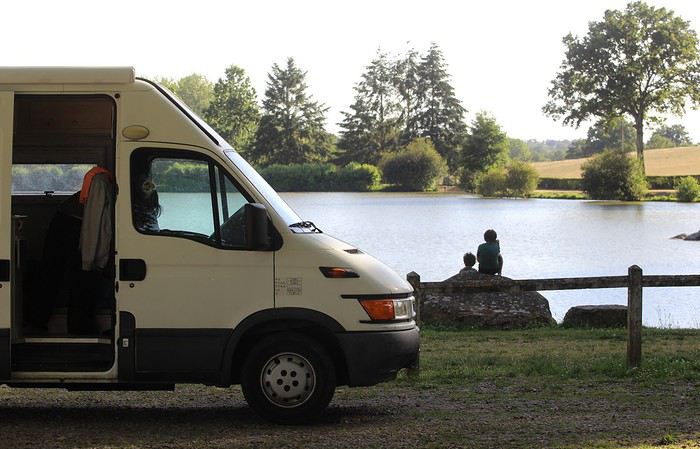
Voici mon carnet de voyage lors de cet été un peu spécial. Je limite volontairement sur vf à une ou deux photos par jour (certains trouveront que c'est encore trop...) C'est parti 🙂
Les billets étaient pris depuis novembre. Très incertain depuis ce printemps marqué par l'épidémie, ce voyage en Grèce est une bouffée d'air (chaud) après cette période de confinement et d'immobilisme. Nous reprenons donc la route en camion, vers la Grèce continentale. Routes montagneuses, sites antiques, eaux cristallines et ports de pêche, voici en quelques mots les contours d'un voyage riche en couleurs et en saveurs... Les cigales ? Elles ne s'arrêtent qu'à la nuit tombée...
18/07/2020 Jour : 478 km Total : 478 km Départ traditionnel et tardif de Vendée après une quinzaine de jours de vacances.
La cathédrale de Nantes est en feu, le périphérique est bloqué. Challans, Niort, Montluçon, nous prenons la poudre d'escampette en dehors des sentiers battus afin d'éviter le coût exorbitant des péages français. Petit parking très au calme à Rocles quelque part dans l'Allier entre La Prugnole et Blanchetière. Pour celles et ceux qui ne visualisent pas, nous sommes à une trentaine de kilomètres au sud-ouest de Moulins. Les enfants ramassent des bâtons qu'ils jettent dans le lac tandis que mes talents de bricoleur se confirment: le mitigeur nouvellement installé inonde le camion.
Choix de cadre acier cause douleur aux cervicales (à vélo) English translation pending
Bonjour,
Lors de mes recherches sur le net je suis tombé plusieurs fois sur ce forum donc je me suis dit que ce serait intéressant d'y demander de bons conseils.
Après 3 années à partir en vacances avec nos Peugeot ns pliant et la volonté d'utiliser le moins possible la voiture nous avons décidé d'investir dans des vélos un peux plus sérieux, histoire d'aller encore plus loin avec plus d'efficacité !
Je trouve en occaz un ktm pour ma femme, cadre alu roues de 700 et fourche télescopique avec tous les œillets qui vont bien pour recevoir de l'équipement plus tard. Pour moi je trouve un bmc alpen challenge à 40mn de chez moi à un bon prix et sur place je succombe à cette beauté. Frein à disque hydraulique, cadre alu, roue 700, Shimano 105.... Bref une belle bête !
Sauf que finalement c'est un bout de bois et qu'après chaque sortie je ressent des douleurs aux cervicales. J'ai joué sur tout ce que j'ai pu pour m'y faire, raccourcie la potence avec un angle plus grand, ajouté des cornes, joué sur différents réglages de selle mais rien n'y fait. J'en conclue donc que le soucis ne vient peut être pas de la position plutôt sportive sur ce vélo mais bien le retour des chocs dans directement dans mes cervicales !
Nous envisageons de faire une partie de la Loire à vélo l'année prochaine et je ne me voit pas partir avec le bmc.
Maintenant ce que j'en pense : à 43 ans j'ai été un peu prétentieux de prendre ce type de vélo hyper urbain pour finalement faire un peu de chemin.
Maintenant les solutions et c'est là que j'ai besoin de vos conseils : soit je revend le bmc et je me retrouve un vélo moins typé sportif, soit je trouve un kit cadre et je dépouille le bmc qui est bien équipé.
Cahier des charges : pour une utilisation mixte chemin + ou- roulant/ petite route à 20km/h maxi. En priorité je veux du confort, de bons freins car j'ai ma petite derrière moi, de quoi poser des sacoches avant par la suite, et un budget plutôt serré (disons 300/400e pour un kit cadre que je retrouverai en partie en revendant le bmc) ou 600/700e pour un vélo complet.
Voilà vous savez tout, j'attends vos avis et vos expériences pour m'aider dans mes choix.... Merci !
Litige avec une agence pour un vol à destination de Chicago English translation pending
Réservé un AR pour Chicago en janvier acompte de 30 % l’agence me demande de payer le solde début septembre mais frontière tj ferme y a t il un texte de lois qui me dit que je peux annuler et me faire rembourser mon acompte merci de me renseigner si quelqu’un le connait
Do you ever feel jaded when you travel?
I find myself feeling more and more jaded when I travel these days.
Boredom sets in. I’m not saying I don’t like boredom, but long-term...
So, I end up thinking traveling doesn’t really make much sense anymore.
Do you ever feel this way?
Nat
Nat
Pays basque, nouvelles mesures à partir du lundi 17 août English translation pending
Hola 😉
Le gouvernement espagnol ayant décidé de laisser à chaque région autonome (17) le soin de déterminer les mesures à prendre pour évider la propagation du coronavirus, c'est donc demain (lundi 17/08) que nous devrions connaître ces décisions, même si nous savons d'ores et déjà que rien de "spectaculaire" n'est dans les tuyaux !!
Pour le pays basque (là ou je suis) il se murmure que l'essentiel résidera dans la manière d'appliquer et de faire respecter ces mesures.
Deux particulièrement seront sans doute confirmée pour l'une et nouvelle pour l'autre. Confirmation du port du masque obligatoire dans TOUS les lieux publics, quelle que soit l'affluence (rues, places, marchés, transports, magasins, etc...)
La deuxième mesure si elle est confirmée sera une nouveauté : interdiction totale de fumer dans les lieux publics (les mêmes que précédents)
Les services de sécurité, municipaux, provinciaux ou nationaux seront chargés du contrôle du respect de ces règles, et la grande différence sera que le temps de la bienveillance à l'égard des contrevenants semble appartenir au passé, ce sera directement la sanction pécuniaire !!
Pour la prochaine rentrée scolaire ou universitaire, le port du masque sera obligatoire à tous moments, à l'extérieur comme à l'intérieur des salles de cours ou des amphis. Cette obligation de porter un masque s'applique à tous dés l'âge de 11 ans.
Bien sûr, seront également reprécisées les règles de distanciation.
Toujours selon "radio-couloirs", un re-confinement n'est pas à l'ordre du jour, du moins pour l'immédiat avenir !! Mais si la propagation du virus s'amplifie, l'autorité politique autonome n'hésitera pas à revenir à cette mesure si lourde de conséquences.
Dernier "potin du jour", il ne semble pas qu'une quelconque restriction de la circulation à la frontière avec la France soit envisagée.
Voilà ce qui se raconte du côté des services du Lehendakari (président de la communauté autonome du pays basque). Ceci n'est valable que pour le pays basque !!
Chaque région autonome a la liberté d'énoncer les mesures qu'elle jugerait utiles, sans que Madrid n'intervienne. Même si la majorité des décisions évoquées seront vraisemblablement prises par toutes les régions, il ne serait pas surprenant que certaines de ces autonomies, en fonction de leurs situations particulières, annoncent des mesures plus "sévères" pour les unes ou plus "libérales" pour d'autres !! Demain, Lundi 17 Août, nous devrions être fixés quel que soit le coin d'Espagne qui nous intéresse.
Cette procédure de délégation totale aux régions, de la prise de décisions pour enrayer la pandémie, fait suite au "torrent" de critiques qu'avait subi les gouvernement central à l'occasion des mesures adoptées, au moment du déclenchement de l'épidémie au printemps dernier. Ces critiques étaient plus souvent fondées sur des arguments "politico-politicien", la plupart du temps bien éloignés de la réalité sanitaire des régions. C'est pour cela que le gouvernement de Pedro Sanchez a adopté ce modus operandi, afin de mettre chaque région, donc les différents partis politiques qui les dirigent, devant leurs responsabilités en leur coupant la possibilité de se retrancher derrière le centralisme étatique!!!
Mañana sabremos como van a comernos !! Vivos o cocidos ... 😄 Hasta luego 😎
Le gouvernement espagnol ayant décidé de laisser à chaque région autonome (17) le soin de déterminer les mesures à prendre pour évider la propagation du coronavirus, c'est donc demain (lundi 17/08) que nous devrions connaître ces décisions, même si nous savons d'ores et déjà que rien de "spectaculaire" n'est dans les tuyaux !!
Pour le pays basque (là ou je suis) il se murmure que l'essentiel résidera dans la manière d'appliquer et de faire respecter ces mesures.
Deux particulièrement seront sans doute confirmée pour l'une et nouvelle pour l'autre. Confirmation du port du masque obligatoire dans TOUS les lieux publics, quelle que soit l'affluence (rues, places, marchés, transports, magasins, etc...)
La deuxième mesure si elle est confirmée sera une nouveauté : interdiction totale de fumer dans les lieux publics (les mêmes que précédents)
Les services de sécurité, municipaux, provinciaux ou nationaux seront chargés du contrôle du respect de ces règles, et la grande différence sera que le temps de la bienveillance à l'égard des contrevenants semble appartenir au passé, ce sera directement la sanction pécuniaire !!
Pour la prochaine rentrée scolaire ou universitaire, le port du masque sera obligatoire à tous moments, à l'extérieur comme à l'intérieur des salles de cours ou des amphis. Cette obligation de porter un masque s'applique à tous dés l'âge de 11 ans.
Bien sûr, seront également reprécisées les règles de distanciation.
Toujours selon "radio-couloirs", un re-confinement n'est pas à l'ordre du jour, du moins pour l'immédiat avenir !! Mais si la propagation du virus s'amplifie, l'autorité politique autonome n'hésitera pas à revenir à cette mesure si lourde de conséquences.
Dernier "potin du jour", il ne semble pas qu'une quelconque restriction de la circulation à la frontière avec la France soit envisagée.
Voilà ce qui se raconte du côté des services du Lehendakari (président de la communauté autonome du pays basque). Ceci n'est valable que pour le pays basque !!
Chaque région autonome a la liberté d'énoncer les mesures qu'elle jugerait utiles, sans que Madrid n'intervienne. Même si la majorité des décisions évoquées seront vraisemblablement prises par toutes les régions, il ne serait pas surprenant que certaines de ces autonomies, en fonction de leurs situations particulières, annoncent des mesures plus "sévères" pour les unes ou plus "libérales" pour d'autres !! Demain, Lundi 17 Août, nous devrions être fixés quel que soit le coin d'Espagne qui nous intéresse.
Cette procédure de délégation totale aux régions, de la prise de décisions pour enrayer la pandémie, fait suite au "torrent" de critiques qu'avait subi les gouvernement central à l'occasion des mesures adoptées, au moment du déclenchement de l'épidémie au printemps dernier. Ces critiques étaient plus souvent fondées sur des arguments "politico-politicien", la plupart du temps bien éloignés de la réalité sanitaire des régions. C'est pour cela que le gouvernement de Pedro Sanchez a adopté ce modus operandi, afin de mettre chaque région, donc les différents partis politiques qui les dirigent, devant leurs responsabilités en leur coupant la possibilité de se retrancher derrière le centralisme étatique!!!
Mañana sabremos como van a comernos !! Vivos o cocidos ... 😄 Hasta luego 😎