Results for "Seville+|+101+>+206"
2877 results found.
Logement petit prix en Espagne? English translation pending
bonjour !! enfait je viens d'arriver sur ce site qui a lair plutot sympa et je my trouve un peu perdue pour l'instant ! a vrai dire je voudrais aller en espagne cet été jy pense beaucoup car ça me motive pour passer l'hiver, les exams... et je me demandais ce qui reviendrait le moins cher là bas pour l'hébergement, jai pensé à des auberges de jeunesse mais je ne sais pas où regarder, comment réserver, quand, et surtout je ne parle pas beaucoup d'espagnol, je commence à peine..
si il y des âmes pleines de générosité qui veulent bien m'éclairer, me donner des conseils, des astuces, enfin nimporte koi, jen serai ravie ! merci davance, fanny !
si il y des âmes pleines de générosité qui veulent bien m'éclairer, me donner des conseils, des astuces, enfin nimporte koi, jen serai ravie ! merci davance, fanny !
Idées de week-end Europe English translation pending
Salut tout le monde,
Bien que j'ai fait un voyage superbe en 2004 de trois semaines au Botswana, j'ai décidé cette année de faire plutôt de petites escapades de 3, 4 jours (week-ends prolongés), ce qui me permettra de me 'visiter' un peu plus et de profiter de petites pauses vacances tout au long de l'année.
Je me rends à Londres pour 3 jours dans deux semaines mais j'aimerai également bientôt visiter l'Ecosse ou l'Irlande par exemple et bien d'autres pays du continent européen en priorité.
Si vous connaissez de bons plans pas trop chers et de superbes endroits à voir absolument, toutes les propositions sont les bienvenues, ainsi que les compagnons de voyage.
A bientôt j'espère.
Christelle
Bien que j'ai fait un voyage superbe en 2004 de trois semaines au Botswana, j'ai décidé cette année de faire plutôt de petites escapades de 3, 4 jours (week-ends prolongés), ce qui me permettra de me 'visiter' un peu plus et de profiter de petites pauses vacances tout au long de l'année.
Je me rends à Londres pour 3 jours dans deux semaines mais j'aimerai également bientôt visiter l'Ecosse ou l'Irlande par exemple et bien d'autres pays du continent européen en priorité.
Si vous connaissez de bons plans pas trop chers et de superbes endroits à voir absolument, toutes les propositions sont les bienvenues, ainsi que les compagnons de voyage.
A bientôt j'espère.
Christelle
Hôtels économiques Espagne English translation pending
Bonjour,
Nous sommes deux québécoises qui prévoyons voyager en Espagne à la fin de mai 2005. Nous aimerions connaître des sites de références concernant les hôtels sécuritaires à prix économiques.
Merci beaucoup.
Nous sommes deux québécoises qui prévoyons voyager en Espagne à la fin de mai 2005. Nous aimerions connaître des sites de références concernant les hôtels sécuritaires à prix économiques.
Merci beaucoup.
Aller au Maroc avec un budget très serré English translation pending
Bonjour,
je désire aller au maroc pour la fin dde l'année mais avec un budget très serré. Est ce possible?
A bientôt
luc
je désire aller au maroc pour la fin dde l'année mais avec un budget très serré. Est ce possible?
A bientôt
luc
Quelles villes d'Allemagne et d'Espagne visiter? English translation pending
Je vais voyager en Allemagne et en Espagne cette été. Je voudrais savoir quelle ville je devrais visiter et pourquoi. (Festivals, paysages, urbanité, culture, attractions, architecture, bars)
* *J'aimerais également me faire quelques contacts... si vous êtes intéressez, ajoutez-moi votre msn : mr_beebee@hotmail.com
Merci!
* *J'aimerais également me faire quelques contacts... si vous êtes intéressez, ajoutez-moi votre msn : mr_beebee@hotmail.com
Merci!
Barcelone pour apprendre espagnol? English translation pending
Salut tous le monde, je veux partir a Barcelone et pas autre part pour apprendre l espagnol et passer qqles mois agréable, ok bcn c est une ville ki bouge ca je le sais, j ai été une journéee mais bon, si qqlun connait une bonne école pas trop chere mais pas la plus nul non plus, alorsca pourrait m aider, bien sur je v chercher un logement et avant quel auberges de jeunesse choisir pour les 1eres semaines ?? j aimerais aussi savoir le temps qu il fait en janvier févirier mars, merci d avance les petits loups
Pierre
Pierre
Quelle compagnie pour les Canaries? English translation pending
Bonjour à tous,
Voila, je vais partir aux Canaries la dernière semaine d'octobre.
J'ai pris une location sur place et la je suis à la recherche de vols secs. Est ce que vous avez une compagnie à me conseillez ?
Pour l'instant, j'ai trouver Iberia (et le moins cher aussi).
Merci de votre aide
Voila, je vais partir aux Canaries la dernière semaine d'octobre.
J'ai pris une location sur place et la je suis à la recherche de vols secs. Est ce que vous avez une compagnie à me conseillez ?
Pour l'instant, j'ai trouver Iberia (et le moins cher aussi).
Merci de votre aide
L'Europe au mois de novembre English translation pending
Bonjour
Je suis nouveau sur le forum et je le trouve déjà très pratique.
Je cherche une destination pour la mi-novembre pour une durée 1 semaine.
On va partir à 2 couples d'environ 25 ans.
On a pas envie de dépenser des milles et des milles et pas forcément envie de passer la moitié des vacances à voyager.
Que nous conseillez-vous? (Très certainement en Europe...)
Merci
Je suis nouveau sur le forum et je le trouve déjà très pratique.
Je cherche une destination pour la mi-novembre pour une durée 1 semaine.
On va partir à 2 couples d'environ 25 ans.
On a pas envie de dépenser des milles et des milles et pas forcément envie de passer la moitié des vacances à voyager.
Que nous conseillez-vous? (Très certainement en Europe...)
Merci
Espagne...quelle ville? English translation pending
Nous aimerions visiter l'Espagne à la mi-décembre prochain, pour un séjour d'environ 1 semaine. Nous ne savons pas quelle (s) ville(s) choisir...que me conseillez-vous? Merci d'avance pour vos impressions! 🙂
100 jours/20 villes (régions) en Europe de l'ouest English translation pending
Bonjour,
J'ai 26 ans et je pars pour l'Europe de l'Ouest du 22 aout au 30 novembre avec un Eurail pass qui me permet de voyager à volonté en France, Espagne, Portugal, Italie, Belgique, Allemagne, Hollande, Autriche...
J'aimerais savoir ce que vous visiteriez en 20 coups de coeurs. Soyez diversifiez, c'est surement ma seule chance d'y aller...
MErci
Nancy
J'ai 26 ans et je pars pour l'Europe de l'Ouest du 22 aout au 30 novembre avec un Eurail pass qui me permet de voyager à volonté en France, Espagne, Portugal, Italie, Belgique, Allemagne, Hollande, Autriche...
J'aimerais savoir ce que vous visiteriez en 20 coups de coeurs. Soyez diversifiez, c'est surement ma seule chance d'y aller...
MErci
Nancy
Budget et plages d'Espagne English translation pending
L'Espagne est un pays...et un sujet intéressant!
Est-ce que parmi nos amis voyageurs, il y en a qui y sont allé? et si oui.....a combien on peut s'attendre a payer pour un séjour de 3 semaines, par exemple? (je suis québécoise).
Quelles sont les plus belles villes a visiter....et quels sont les meilleurs mois pour profiter d'une belle température?
Comment sont les plages de la Costa Del Sol.....et peut-on s'attendre a voyager dans ce pays avec un forfait tout-inclus comme dans les îles???
Merci!
Diama
Est-ce que parmi nos amis voyageurs, il y en a qui y sont allé? et si oui.....a combien on peut s'attendre a payer pour un séjour de 3 semaines, par exemple? (je suis québécoise).
Quelles sont les plus belles villes a visiter....et quels sont les meilleurs mois pour profiter d'une belle température?
Comment sont les plages de la Costa Del Sol.....et peut-on s'attendre a voyager dans ce pays avec un forfait tout-inclus comme dans les îles???
Merci!
Diama
2 femmes en Espagne English translation pending
Bonjour a tous.......je pars en Espagne et au Portugal avec une amie....est-ce que c'est quand meme "safe" de voyager entre filles la-bas?
Merci pour l'information!!!
Dominique
Conseils sur belles régions en Espagne English translation pending
Bonjour à tous,
Mon ami et moi partons dans quelques jours pour une promenade autour du monde; Pour l'instant, direction l'espagne et le portugal... (Nous partons de Bretagne) Je pense que nous passerons par l'Italie, la Grèce, la Bulgarie, la Roumanie, la Hongrie, l'ukraine, la République tchèque...Et puis il nous faudra choisir entre le Nord et l'Est, mais pour ça, nous avons encore le temps...
Nous sommes en combi Wolkswagen aménagé pour l'ocasion en petite maison sur pattes; l'avantage, c'est que nous n'avons pas trop de problème pour l'hébergement, l'inconvénient (et oui, il en faut bien un) c'est que ça consomme beaucoup... En fait, nous n'avons pas d'itinéraire très précis, nous irons où le vent nous mènera. Pour cela, aucune limite de temps, nous n'avions pas envie de commencer à penser à une date de retour alors que nous ne sommes pas encore sur les routes.
Si vous connaissez des petits coins sympas où il fait bon vivre, n'hésiter surtout pas à m'envoyer tout cela, on se fera un grand plaisir d'y passer...
A bientôt.
PS: Merci à tous pour ce super forum, ça donne des ailes...
Mon ami et moi partons dans quelques jours pour une promenade autour du monde; Pour l'instant, direction l'espagne et le portugal... (Nous partons de Bretagne) Je pense que nous passerons par l'Italie, la Grèce, la Bulgarie, la Roumanie, la Hongrie, l'ukraine, la République tchèque...Et puis il nous faudra choisir entre le Nord et l'Est, mais pour ça, nous avons encore le temps...
Nous sommes en combi Wolkswagen aménagé pour l'ocasion en petite maison sur pattes; l'avantage, c'est que nous n'avons pas trop de problème pour l'hébergement, l'inconvénient (et oui, il en faut bien un) c'est que ça consomme beaucoup... En fait, nous n'avons pas d'itinéraire très précis, nous irons où le vent nous mènera. Pour cela, aucune limite de temps, nous n'avions pas envie de commencer à penser à une date de retour alors que nous ne sommes pas encore sur les routes.
Si vous connaissez des petits coins sympas où il fait bon vivre, n'hésiter surtout pas à m'envoyer tout cela, on se fera un grand plaisir d'y passer...
A bientôt.
PS: Merci à tous pour ce super forum, ça donne des ailes...
Tout savoir sur Barcelone! English translation pending
Bonjour vous tous,
j'ai comme projet de quitter la terre québécoise pour l'Espagne en septembre 2004...j'ai évidement plusieurs interrogations car je quitterais seule....enfin si vous avez des suggestions pour dormir...des visites à faire absolument etc etc ...ca serait énormément apprécié.
J'aimerais aussi savoir si la température est agréable est Septembre ou si je dois m'apporter des vêtements plus chaud....
Je vous TOUT TOUT TOUT savoir sur l'Espagne et les endroits à visiter. Je quitte 1 mois alors je vais avoir du temps pour visiter en masse...j'aimerais aussi voir le Portugale et p-e finir par Paris alors si vous avez des suggestions...
j'attends de vos nouvelles
aux plaisirs
ariane
j'ai comme projet de quitter la terre québécoise pour l'Espagne en septembre 2004...j'ai évidement plusieurs interrogations car je quitterais seule....enfin si vous avez des suggestions pour dormir...des visites à faire absolument etc etc ...ca serait énormément apprécié.
J'aimerais aussi savoir si la température est agréable est Septembre ou si je dois m'apporter des vêtements plus chaud....
Je vous TOUT TOUT TOUT savoir sur l'Espagne et les endroits à visiter. Je quitte 1 mois alors je vais avoir du temps pour visiter en masse...j'aimerais aussi voir le Portugale et p-e finir par Paris alors si vous avez des suggestions...
j'attends de vos nouvelles
aux plaisirs
ariane
Où sont les fêtes en Espagne? English translation pending
Salut a tous j'aimerais savoir les meilleurs fetes en espagne, celle de l'andalousie et de la galice ainsi que le pays basque plus particulierement. Si vous connaissez les dates ou les sites qui s'en raprochent je suis preneur😉
a+ et bon vent!!!!! julien
a+ et bon vent!!!!! julien
Où aller au sud de l'Europe pour chaleur et soleil? English translation pending
j'hesite entre l'Andalousie, la Sicille, et la Croatie pour le mois de Fevrier Mars pas beaucoup de moyens financiers et recherche une déstination, ou je suis sure d'avoir un peu de chaleur et de soleil merci d'avance pour une réponse
Vivre en Andalousie English translation pending
Revenant d'Andalousie et étant tombée amoureuse de cette région, j'aimerais trouver des plans boulots et apparts (ou squatts) afin de m'y "installer" dès septembre. J'aimerais en effet travailler sur place pour essayer de visiter entièrement cette région qui, d'un point de vue historique (et esthétique!!) est d'un e richesse inouïe!!
J'espère que vous pourrez m'aider, Merci et à bientôt.
J'espère que vous pourrez m'aider, Merci et à bientôt.
Où aller dans le sud de l'Espagne? English translation pending
bonjour,
voilà je vais partir dans le sud de l'Espagne mais j'aimerais reçevoir les choses qui vous à le plus marqué, les endroits paradisiaques, ls belles plages, les lieux ou l'on peut s'amuser et les endroits à visiter.Que pensez vous de Bénidorm, marbella, malaga etc...tous vos conseils seront les biens venus.merci.@+
En partance du Québec à petit prix English translation pending
Quel conseil vous me proposer en partance du Quebec pour toute destinations pour avoir des petits prix ???😎
Espagne et portugual... English translation pending
🙂 Voila je pars pour madrid le 20 mars pour 1 mois je veut faire le tour de la peninsule ibérique, quel moyen de transport est le mieux approprier pour mes deplacements?
Je planifie faire le portugual de porto jusqua faro, ensuite peut-etre le maroc qques jours, pour ensuite faire la costa del sol et remonter jusqu'a barcelone et retourner a madrid si qqn a deja fait ce trip j'aimerais bien avoir vos impressions et pour ce qui est de l'hébergement les auberges de jeunesses espagnole comment sont elles?
P.S:je pars seul donc bienvenue a tous ceux qui veut se joindre a moi😇...
Je planifie faire le portugual de porto jusqua faro, ensuite peut-etre le maroc qques jours, pour ensuite faire la costa del sol et remonter jusqu'a barcelone et retourner a madrid si qqn a deja fait ce trip j'aimerais bien avoir vos impressions et pour ce qui est de l'hébergement les auberges de jeunesses espagnole comment sont elles?
P.S:je pars seul donc bienvenue a tous ceux qui veut se joindre a moi😇...
Conseils et bons plans pour la Croatie? English translation pending
Qui peut me donner quelques infos sur cette destination genre itinéraires découverte sympas, bons plans d'hébergement, location de voitures, lieux à éviter, etc...?
Merci d'avance.
Merci d'avance.
What’s a great European travel idea for Christmas magic?
Hello! 👋
I’m new to this site and feeling a little desperate. 😢 My boyfriend’s birthday is in 4 days, and I wanted to surprise him with a New Year’s trip to London... except I just found out he’s already been there as a kid. Well, there goes my surprise! 😅
Since we both love Christmas and winter, I’m looking for a destination where we can really feel the holiday magic—with a budget of around 500 € for transport + accommodation for two (yes, I know, I might be asking for a Christmas miracle here 😇).
We’ve already been to Bucharest, Prague, Vienna, and Budapest, so I’d love to find something a little more offbeat, not too expensive, and with a beautiful Christmas atmosphere.
Please help me! 🙏 On social media, it’s always the same ultra-touristy cities... I’m sure there are hidden gems I haven’t discovered yet!
Please help me! 🙏 On social media, it’s always the same ultra-touristy cities... I’m sure there are hidden gems I haven’t discovered yet!
From Avignon to Casamance Without Flying
Hi there,
Last February, I made a trip using "public transport" from France to southern Senegal via Spain, Morocco, Western Sahara, and Mauritania.
It’s a journey of about 5,000 km, where I took trains (as far as Marrakech), ferries (to cross Gibraltar and then to reach Casamance from Dakar), and mostly buses on the long desert straightaways. I hadn’t planned any stops in advance or booked any hotels, except for the very first train to Spain, which left plenty of room for the unexpected. Why travel by land and sea? In recent years, flight-free travel has been gaining popularity. On social media, posts explaining how to cross Europe by train as quickly as possible go viral. Traveling without flying—and making sure people know about it—has become a great way to earn a badge of eco-responsibility: an essential totem for anyone wanting to prove both their dedication to the ecological cause and the wisdom of slow travel. I haven’t flown in years, and this journey to West Africa could easily be filed under "responsible travel." But it wouldn’t be honest to say that: in reality, it wasn’t really my aversion to flying that motivated this long trek. I see overland travel primarily as a way to experience the world’s geography at a grounded, earthly pace—the pace of the locals. Besides, I’ll be flying back, which disqualifies any claim to being a model of sustainability. So no eco-badge, and no adventurer’s badge either: you won’t find any heroic tales of camel rides in lost lands or mineral train wagons in this account (popular with influencers, the Mauritania iron ore train now attracts tourists from all over the world, turning "the experience" into something you "have to do at least once in your life"). This five-part story, written on the road, has no other ambition than to recount a journey through places and people, and to share the thoughts they inspire in me. As simply and, I hope, as humbly as possible.
I’m posting the episodes here, which you can also find on my blog (with more photos) at the following links:
Episode 1: Spain, from Avignon to Algeciras
Episode 2: Morocco, from Tangier to Tarfaya
Episode 3: Western Sahara, from Tarfaya to Guerguerat
Episode 4: Mauritania, from Guerguerat to Nouakchott
Episode 5: Senegal, from Rosso to Saloulou
To help those who might want to make the same trip, I’ve also put together a summary of the route with recommendations—you can read it at the end of the story and on the blog: From France to Senegal Without Flying: Route and Itinerary Recommendations
Happy reading, and safe travels!
Last February, I made a trip using "public transport" from France to southern Senegal via Spain, Morocco, Western Sahara, and Mauritania.
It’s a journey of about 5,000 km, where I took trains (as far as Marrakech), ferries (to cross Gibraltar and then to reach Casamance from Dakar), and mostly buses on the long desert straightaways. I hadn’t planned any stops in advance or booked any hotels, except for the very first train to Spain, which left plenty of room for the unexpected. Why travel by land and sea? In recent years, flight-free travel has been gaining popularity. On social media, posts explaining how to cross Europe by train as quickly as possible go viral. Traveling without flying—and making sure people know about it—has become a great way to earn a badge of eco-responsibility: an essential totem for anyone wanting to prove both their dedication to the ecological cause and the wisdom of slow travel. I haven’t flown in years, and this journey to West Africa could easily be filed under "responsible travel." But it wouldn’t be honest to say that: in reality, it wasn’t really my aversion to flying that motivated this long trek. I see overland travel primarily as a way to experience the world’s geography at a grounded, earthly pace—the pace of the locals. Besides, I’ll be flying back, which disqualifies any claim to being a model of sustainability. So no eco-badge, and no adventurer’s badge either: you won’t find any heroic tales of camel rides in lost lands or mineral train wagons in this account (popular with influencers, the Mauritania iron ore train now attracts tourists from all over the world, turning "the experience" into something you "have to do at least once in your life"). This five-part story, written on the road, has no other ambition than to recount a journey through places and people, and to share the thoughts they inspire in me. As simply and, I hope, as humbly as possible.
I’m posting the episodes here, which you can also find on my blog (with more photos) at the following links:
Episode 1: Spain, from Avignon to Algeciras
Episode 2: Morocco, from Tangier to Tarfaya
Episode 3: Western Sahara, from Tarfaya to Guerguerat
Episode 4: Mauritania, from Guerguerat to Nouakchott
Episode 5: Senegal, from Rosso to Saloulou
To help those who might want to make the same trip, I’ve also put together a summary of the route with recommendations—you can read it at the end of the story and on the blog: From France to Senegal Without Flying: Route and Itinerary Recommendations
Happy reading, and safe travels!
World gardens and parks, chatter goes here.
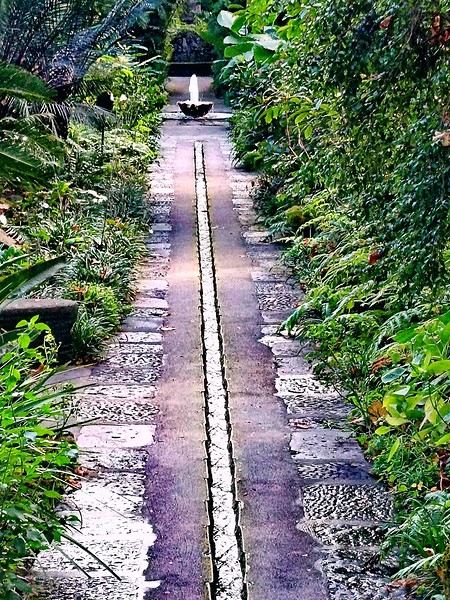
Good evening everyone,
This is where we chat and post non-competition photos. Happy wandering (jogging is also welcome).
See you soon.
Cat
The (Almost) Tour of the Dominican Republic - April 2025
Another fresh travel journal!
The context: For my 60th birthday, I had planned to take my family (kids + partners) for a week in Gran Canaria, at an all-inclusive hotel, but with the firm intention of exploring and hiking. The deal was to meet up at least in the evenings to spend time together, if my pace didn’t suit them. Personally, I’m not into beaches and lazing around, but my daughter-in-law is pretty cool. We were going to be together, do what we liked, and all would be well. Unfortunately, five days before departure, my mother-in-law passed away, and of course, we had to cancel everything. I was able to get a refund for a lot of things, including the hotel despite missing the free cancellation deadline (really cool of them), and I got a one-year credit for the full price of the flight tickets. So, we tried to plan the same thing for my kids, but with their schedules, we couldn’t find a date. I had to find a destination served by Iberia, far enough to use up my credit. We don’t know the Caribbean, we needed sun and a bit of rest, so the Dominican Republic won out. But no way were we going to mess up by staying in an all-inclusive hotel and only visiting the island’s paradise beaches… (we’ll get back to that). So, as usual, I put together a little road trip with a rental car.
Here we go!!!!
Day 1: Crossing the Atlantic Super early departure for Lyon-Saint Exupéry Airport. A 3-hour layover in Madrid (my wife’s had enough of flight delays, so I played it safe). Flight to Santo Domingo without any issues. The luggage arrived, the driver I’d booked was there, everything went smoothly. We got to our hotel in the Zona Colonial around 4 PM. Bad luck—it’s on a cute little square where there was supposed to be neighborhood activity in the evening. It’s completely under construction! Too bad! We decided to head to the Malecón, a sort of local Promenade des Anglais, except there are no English people. It’s nice, safe, spacious, and by the ocean. We walked for a while, and as happy hour rolled around, I started my training as an intern in rum-based cocktails. A mojito, classic, but it’s amazing to be sipping the drink in the warmth, right by the big blue. On the way back to the hotel, we grabbed some bananas, ate them in the room, and then bedtime.
The plus: We actually left! The minus: There isn’t one
The context: For my 60th birthday, I had planned to take my family (kids + partners) for a week in Gran Canaria, at an all-inclusive hotel, but with the firm intention of exploring and hiking. The deal was to meet up at least in the evenings to spend time together, if my pace didn’t suit them. Personally, I’m not into beaches and lazing around, but my daughter-in-law is pretty cool. We were going to be together, do what we liked, and all would be well. Unfortunately, five days before departure, my mother-in-law passed away, and of course, we had to cancel everything. I was able to get a refund for a lot of things, including the hotel despite missing the free cancellation deadline (really cool of them), and I got a one-year credit for the full price of the flight tickets. So, we tried to plan the same thing for my kids, but with their schedules, we couldn’t find a date. I had to find a destination served by Iberia, far enough to use up my credit. We don’t know the Caribbean, we needed sun and a bit of rest, so the Dominican Republic won out. But no way were we going to mess up by staying in an all-inclusive hotel and only visiting the island’s paradise beaches… (we’ll get back to that). So, as usual, I put together a little road trip with a rental car.
Here we go!!!!
Day 1: Crossing the Atlantic Super early departure for Lyon-Saint Exupéry Airport. A 3-hour layover in Madrid (my wife’s had enough of flight delays, so I played it safe). Flight to Santo Domingo without any issues. The luggage arrived, the driver I’d booked was there, everything went smoothly. We got to our hotel in the Zona Colonial around 4 PM. Bad luck—it’s on a cute little square where there was supposed to be neighborhood activity in the evening. It’s completely under construction! Too bad! We decided to head to the Malecón, a sort of local Promenade des Anglais, except there are no English people. It’s nice, safe, spacious, and by the ocean. We walked for a while, and as happy hour rolled around, I started my training as an intern in rum-based cocktails. A mojito, classic, but it’s amazing to be sipping the drink in the warmth, right by the big blue. On the way back to the hotel, we grabbed some bananas, ate them in the room, and then bedtime.
The plus: We actually left! The minus: There isn’t one
Slow Travel or the Illusion of Authenticity
“Slow travel” is a concept that some tout as a philosophical revolution in travel. But on closer inspection, it’s nothing more than a marketing repackaging of an age-old practice.
This term is wrapped in an aura of intellectualism. It promises to reinvent the experience of travel by valuing slowness, contemplation, and cultural immersion.
The term “slow travel” claims to bring depth to travel, but it often relies on clichés.
Taking your time, meeting locals, avoiding quick visits—these practices have always existed and are nothing revolutionary.
Before the era of airplanes, high-speed trains, and express stays, traveling necessarily meant taking your time. Pilgrims, merchants, and explorers already practiced a form of “slow travel,” without hashtags or self-proclaimed spiritual guides.
Crossing lands on foot or by horse required total immersion in the landscapes, cultures, and unpredictability of the journey. Yet, no one attributed philosophical intentions to them: it was a necessity.
Slow travel, in its current version, may be less a philosophy than a reflection of the contradictions of an affluent class searching for meaning in a world they help overload.
So-called “slow” travel is presented as a privileged way to understand a culture, but this claim is debatable. A region never represents an entire country.
Immersing yourself in a community doesn’t guarantee a complete or more authentic understanding than any other way of traveling.
Slowness in itself doesn’t guarantee depth or ethics. You can immerse yourself in a place over a weekend, just as you can spend months in a country without grasping its subtleties.
By positioning itself as an antidote to “fast” tourism, slow travel fetishizes a temporality that only makes sense if it’s accompanied by real openness and an effort to integrate.
But this over-intellectualization often masks a desire to belong to a trend or a need to stand out socially.
Behind this posture sometimes lies a whim: the urge to reinvent one’s life elsewhere in an idealized form. But this quest for elsewhere remains fundamentally a way to escape or respond to unease, rather than a true commitment to the cultures visited.
When we talk about “encounters” while traveling, we often forget that these exchanges are facilitated by biased contexts. As a traveler, you’re seen as a temporary visitor, unattached, and that changes the dynamic.
Locals, whether curious or used to tourists, adopt a different stance than they would with a neighbor they see daily.
This interaction is also tinged with asymmetry: the traveler has the luxury of time and availability, while in daily life, personal concerns often take precedence over the desire to connect.
The flip side is that the openness displayed while traveling is often a facade. We boast about chatting with a fisherman or sharing a meal with a local family, but how many of these encounters lead to a real understanding of cultural differences or sincere reflection?
Once home, these moments become anecdotes, social trophies to show off, without fundamentally changing our relationship with others in our daily lives.
By imposing a definition, we push people to adapt their practices to fit an idealized model. This can lead to a paradoxical standardization: “slow travel” becomes a checklist of behaviors (meetings, immersion, slowness).
The “bobos” (bourgeois-bohemians), often in search of meaning in a world saturated with options, believe that giving a name to a practice grants it legitimacy or moral value. But this obsession with framing and theorizing travel only drains it of its spontaneity.
Someone who grew up at the crossroads of multiple cultures, on the other hand, doesn’t feel this need. For them, traveling isn’t a philosophical project but an intrinsic part of their life.
The very concept of “slow travel” can seem absurd: why glorify what’s simply natural?
Why try to turn into an ideology what should be a personal, intimate experience, free from semantic constraints?
Ultimately, this need for labeling, this frantic quest to name every gesture, reveals a society craving simplicity.
Travel, in its purest form, doesn’t need justification or slogans. It doesn’t need slowness or speed: it’s simply lived.
Perhaps the real challenge is to unlearn this Western habit of conceptualizing everything that should simply be felt.
For many, travel is a parenthesis, a temporary break from daily life. But if we reject this distinction between “home” and “elsewhere,” every human life becomes a continuous journey through varied environments.
From this perspective, “slow travel” loses all meaning, because living somewhere—whether for a week or five years—is part of the same experience of adaptation.
So, we ask the fans of marketing slogans: is travel a parenthesis or a journey?
“Slow travel” is often driven by a Western eco-bobo ideology, tinged with post-colonial guilt. This discourse promotes a supposedly virtuous way of traveling while forgetting that these practices remain a privilege.
Far from deconstructing power dynamics, it sometimes reinforces them by glorifying a different kind of consumption, still centered on comfort.
There’s also a condescending side to this rhetoric. By idealizing slowness, slow travel advocates imply that those who travel quickly or on a budget are less “authentic” in their approach.
Yet, isn’t that a form of contempt? Do those who leave for a well-deserved week after months of hard work deserve less consideration?
Concepts like “slow travel” or “sustainable tourism” seem hollow when reduced to marketing slogans or standardized behaviors. They confine travel to preconceived frameworks, stripping it of its spontaneous and unpredictable dimension.
Instead of categorizing, it would be more relevant to recognize the plurality of human experiences without trying to define them.
Slow travel doesn’t invent anything. It simply puts into words—and often slogans—what travel has always been for those who practice it with intention.
Maybe we should stop trying to theorize every movement and simply rediscover travel for what it is: a human experience, sometimes slow, sometimes fast, but always personal.
More info on our site
This term is wrapped in an aura of intellectualism. It promises to reinvent the experience of travel by valuing slowness, contemplation, and cultural immersion.
The term “slow travel” claims to bring depth to travel, but it often relies on clichés.
Taking your time, meeting locals, avoiding quick visits—these practices have always existed and are nothing revolutionary.
Before the era of airplanes, high-speed trains, and express stays, traveling necessarily meant taking your time. Pilgrims, merchants, and explorers already practiced a form of “slow travel,” without hashtags or self-proclaimed spiritual guides.
Crossing lands on foot or by horse required total immersion in the landscapes, cultures, and unpredictability of the journey. Yet, no one attributed philosophical intentions to them: it was a necessity.
Slow travel, in its current version, may be less a philosophy than a reflection of the contradictions of an affluent class searching for meaning in a world they help overload.
So-called “slow” travel is presented as a privileged way to understand a culture, but this claim is debatable. A region never represents an entire country.
Immersing yourself in a community doesn’t guarantee a complete or more authentic understanding than any other way of traveling.
Slowness in itself doesn’t guarantee depth or ethics. You can immerse yourself in a place over a weekend, just as you can spend months in a country without grasping its subtleties.
By positioning itself as an antidote to “fast” tourism, slow travel fetishizes a temporality that only makes sense if it’s accompanied by real openness and an effort to integrate.
But this over-intellectualization often masks a desire to belong to a trend or a need to stand out socially.
Behind this posture sometimes lies a whim: the urge to reinvent one’s life elsewhere in an idealized form. But this quest for elsewhere remains fundamentally a way to escape or respond to unease, rather than a true commitment to the cultures visited.
When we talk about “encounters” while traveling, we often forget that these exchanges are facilitated by biased contexts. As a traveler, you’re seen as a temporary visitor, unattached, and that changes the dynamic.
Locals, whether curious or used to tourists, adopt a different stance than they would with a neighbor they see daily.
This interaction is also tinged with asymmetry: the traveler has the luxury of time and availability, while in daily life, personal concerns often take precedence over the desire to connect.
The flip side is that the openness displayed while traveling is often a facade. We boast about chatting with a fisherman or sharing a meal with a local family, but how many of these encounters lead to a real understanding of cultural differences or sincere reflection?
Once home, these moments become anecdotes, social trophies to show off, without fundamentally changing our relationship with others in our daily lives.
By imposing a definition, we push people to adapt their practices to fit an idealized model. This can lead to a paradoxical standardization: “slow travel” becomes a checklist of behaviors (meetings, immersion, slowness).
The “bobos” (bourgeois-bohemians), often in search of meaning in a world saturated with options, believe that giving a name to a practice grants it legitimacy or moral value. But this obsession with framing and theorizing travel only drains it of its spontaneity.
Someone who grew up at the crossroads of multiple cultures, on the other hand, doesn’t feel this need. For them, traveling isn’t a philosophical project but an intrinsic part of their life.
The very concept of “slow travel” can seem absurd: why glorify what’s simply natural?
Why try to turn into an ideology what should be a personal, intimate experience, free from semantic constraints?
Ultimately, this need for labeling, this frantic quest to name every gesture, reveals a society craving simplicity.
Travel, in its purest form, doesn’t need justification or slogans. It doesn’t need slowness or speed: it’s simply lived.
Perhaps the real challenge is to unlearn this Western habit of conceptualizing everything that should simply be felt.
For many, travel is a parenthesis, a temporary break from daily life. But if we reject this distinction between “home” and “elsewhere,” every human life becomes a continuous journey through varied environments.
From this perspective, “slow travel” loses all meaning, because living somewhere—whether for a week or five years—is part of the same experience of adaptation.
So, we ask the fans of marketing slogans: is travel a parenthesis or a journey?
“Slow travel” is often driven by a Western eco-bobo ideology, tinged with post-colonial guilt. This discourse promotes a supposedly virtuous way of traveling while forgetting that these practices remain a privilege.
Far from deconstructing power dynamics, it sometimes reinforces them by glorifying a different kind of consumption, still centered on comfort.
There’s also a condescending side to this rhetoric. By idealizing slowness, slow travel advocates imply that those who travel quickly or on a budget are less “authentic” in their approach.
Yet, isn’t that a form of contempt? Do those who leave for a well-deserved week after months of hard work deserve less consideration?
Concepts like “slow travel” or “sustainable tourism” seem hollow when reduced to marketing slogans or standardized behaviors. They confine travel to preconceived frameworks, stripping it of its spontaneous and unpredictable dimension.
Instead of categorizing, it would be more relevant to recognize the plurality of human experiences without trying to define them.
Slow travel doesn’t invent anything. It simply puts into words—and often slogans—what travel has always been for those who practice it with intention.
Maybe we should stop trying to theorize every movement and simply rediscover travel for what it is: a human experience, sometimes slow, sometimes fast, but always personal.
More info on our site
First trips after...
A turbulent period came to an end around 2022.
Many of us have returned to big trips after making only very small ones—or none at all. For a little anecdote, my dentist told me that due to the lack of travel, a lot of clients treated themselves to implants they would’ve otherwise skipped. The joy of traveling again probably gave some vacationers smiles they hadn’t dared to show before!
Here, you can share what’s on your mind: Have these new, real trips disappointed you, rejuvenated you, or just relieved a long frustration?
For my part, not being so young anymore, there was definitely relief but no explosion of joy. I just had the feeling of picking up the thread of life after a foggy pause, with the bitter taste that 2 or 3 years of my life had been partly stolen from me.
Many of us have returned to big trips after making only very small ones—or none at all. For a little anecdote, my dentist told me that due to the lack of travel, a lot of clients treated themselves to implants they would’ve otherwise skipped. The joy of traveling again probably gave some vacationers smiles they hadn’t dared to show before!
Here, you can share what’s on your mind: Have these new, real trips disappointed you, rejuvenated you, or just relieved a long frustration?
For my part, not being so young anymore, there was definitely relief but no explosion of joy. I just had the feeling of picking up the thread of life after a foggy pause, with the bitter taste that 2 or 3 years of my life had been partly stolen from me.
Identité de genre et orientations sexuelles en voyage English translation pending
Bonjour à toutes et à tous!
J'aimerais bien avoir votre opinion sur la façon dont les questions du genre et de l'orientation sexuelle sont perçues dans les différentes régions du monde que vous avez visitées.
En Occident, ces questions sont débattues et les différences de mieux en mieux acceptées, même s'il y a encore beaucoup de chemin à faire. Mais comment ça se passe ailleurs ? En Afrique par exemple, ou en Asie ?
Si je pose ma question sur ce forum c'est parce que j'aimerais avoir des avis de première main. Par exemple, qui d'entre vous a parlé à des hijras (Inde) ou à des Katoï (Thaïlande) de leurs conditions de vie? Savez-vous comment elles/ils sont vu.e.s par leurs compatriotes? Sont-elles/ils admis.e.s ou rejeté.e.s?
Une autre de mes questions tourne autour des touristes occidentales/aux LGBT. Y a-t-il des pays ou des régions où on peut en toute tranquillité afficher ses préférences? Par exemple, est-ce que deux lesbiennes peuvent marcher main dans la main dans le centre de Marrakech ou est-ce qu'il y a des bars LGBT en Chine?
Si vous êtes vous-même concerné.e.s par ces questions, pouvez-vous raconter des anecdotes et bien entendu donner des conseils sur où aller et où ne pas aller?
Merci d'avance 😎
PS:Pourquoi n'a-t-on le choix qu'entre deux sexes dans le formulaire d'inscription du site ?

PS:Pourquoi n'a-t-on le choix qu'entre deux sexes dans le formulaire d'inscription du site ?
Avez-vous changé votre rapport aux voyages à cause du Covid? English translation pending
Bonsoir à tous,
Etant en train de réfléchir à d'éventuels futurs voyages, je me heurte bien sûr à la situation de la crise sanitaire.
Cela a-t-il affecté votre façon de voyager et prévoir vos voyages ?
Là par ex, je regarde les destinations où le masque n'est pas obligatoire à l'extérieur, où il n'y a pas (trop) de risque de quarantaine, etc.
Mais aussi les conditions d'annulations/report selon les pays.
Je vois qu'Airbnb ne remboursera pas les voyageurs en cas de confinement ou quarantaine. C'est donc la course aux logement flexibles, il y en a peu... pour l'avion cela dépend de la compagnie.
Mon prochain voyage prévu et payé, c'est avec Wizz Air pour la Pologne. Pas de remboursement (sauf si vol annulé bien sûr) mais les prix étant faibles, je prends le risque ! L'hébergement est annulable également.
Ces paramètres influent sur le choix des futurs destinations.
Et vous, comment procédez-vous ?
Etant en train de réfléchir à d'éventuels futurs voyages, je me heurte bien sûr à la situation de la crise sanitaire.
Cela a-t-il affecté votre façon de voyager et prévoir vos voyages ?
Là par ex, je regarde les destinations où le masque n'est pas obligatoire à l'extérieur, où il n'y a pas (trop) de risque de quarantaine, etc.
Mais aussi les conditions d'annulations/report selon les pays.
Je vois qu'Airbnb ne remboursera pas les voyageurs en cas de confinement ou quarantaine. C'est donc la course aux logement flexibles, il y en a peu... pour l'avion cela dépend de la compagnie.
Mon prochain voyage prévu et payé, c'est avec Wizz Air pour la Pologne. Pas de remboursement (sauf si vol annulé bien sûr) mais les prix étant faibles, je prends le risque ! L'hébergement est annulable également.
Ces paramètres influent sur le choix des futurs destinations.
Et vous, comment procédez-vous ?
Chorizo ou pas dans la paëlla? English translation pending
Tout fout le camp...
Chorizo ou pas ? Un illustre chef espagnol ravive le «paellagate»
(Mais moi j'en ai toujours mis... 😛 )