Results for "Outer+Banks+|+3+>+99"
22947 results found.
Kenya et Tanzanie avec petit budget English translation pending
Bonjour,
Je souhaite visiter le Kenya (principalement la Rift Valley) et la Tanzanie (principalement le Ngorongonro et l'ascension du Kili + Zanzibar) entre début Juin et mi-Juillet, mais à la lecture de guides comme le Footprint ou le Lonely, je suis septique par rapport à mon budget.
Je voyage seul et apparemment les visites de parc, outre leur taxe d'entrée, nécessitent au moins la location d'un véhicule. Bien sûr, je peux trouver des gens sur place pour partager la location, mais je n'ai aucune idée des tarifs.
Je suis prêt à payer les 500 ou 600 $ nécessaires à l'ascension du Kili, mais j'aimerais à côté dépenser grand maxi 25$ par jour (transports locaux, logement et nourriture).😕
Ma question est simple : est-ce possible sans se fermer l'accès à tous les "beaux spots" et... comment ????
Merci beaucoup pour votre réponse !
Sebastien
Je souhaite visiter le Kenya (principalement la Rift Valley) et la Tanzanie (principalement le Ngorongonro et l'ascension du Kili + Zanzibar) entre début Juin et mi-Juillet, mais à la lecture de guides comme le Footprint ou le Lonely, je suis septique par rapport à mon budget.
Je voyage seul et apparemment les visites de parc, outre leur taxe d'entrée, nécessitent au moins la location d'un véhicule. Bien sûr, je peux trouver des gens sur place pour partager la location, mais je n'ai aucune idée des tarifs.
Je suis prêt à payer les 500 ou 600 $ nécessaires à l'ascension du Kili, mais j'aimerais à côté dépenser grand maxi 25$ par jour (transports locaux, logement et nourriture).😕
Ma question est simple : est-ce possible sans se fermer l'accès à tous les "beaux spots" et... comment ????
Merci beaucoup pour votre réponse !
Sebastien
Egypte: climat en juillet et conseils sur croisière et le Caire? English translation pending
bonjour
je projette de partir en famille avec 2 enfants ado en juillet, compte tenu des températures est-ce bien raisonnable?
en fait si nous nous décidons pour cette période, vaut-il mieux privilégier une croisière de 7 nuits + 3 jours au Caire
ou vaut-il mieux opter pour une mini croisière de 5 jours + 1 nuit Louxor + 2 nuits Assouan + 3 nuits au Caire
d'autre part, combien de temps faut-il prévoir pour le musée du Caire pour une visite intéressante sans être exhaustive hélas! question pratique : le musée est-il climatisé ceci peut influencer le temps de visite!
combien coûte le taxi pour 4 d'un hôtel près des pyramides au musée?
merci beaucoup
je projette de partir en famille avec 2 enfants ado en juillet, compte tenu des températures est-ce bien raisonnable?
en fait si nous nous décidons pour cette période, vaut-il mieux privilégier une croisière de 7 nuits + 3 jours au Caire
ou vaut-il mieux opter pour une mini croisière de 5 jours + 1 nuit Louxor + 2 nuits Assouan + 3 nuits au Caire
d'autre part, combien de temps faut-il prévoir pour le musée du Caire pour une visite intéressante sans être exhaustive hélas! question pratique : le musée est-il climatisé ceci peut influencer le temps de visite!
combien coûte le taxi pour 4 d'un hôtel près des pyramides au musée?
merci beaucoup
Travailler au Costa Rica en tant que professeur de français English translation pending
Est-ce que quelqu'un a des renseignements sur le travail de prof de francais au CR? Toutes les infos m'interessent....
6 mois en Asie Sud Est: emmener les Lonely Planet? English translation pending
Bonjour à tous,
Je pars 6 mois en Asie à compter d'avril. Au programme, Népal, Tibet, Chine, Vietnam, Cambodge, Laos, Thaïlande, Birmanie. Petite question : faut-il emmener les guides LP avec soi (mine de rien, ça fait lourd tout ça), ou peut-on en acheter facilement (et pas trop périmés) sur place ? J'ai tendance à opter pour la solution 1, mais j'attends vos avis !!
Merci d'avance Manu
Je pars 6 mois en Asie à compter d'avril. Au programme, Népal, Tibet, Chine, Vietnam, Cambodge, Laos, Thaïlande, Birmanie. Petite question : faut-il emmener les guides LP avec soi (mine de rien, ça fait lourd tout ça), ou peut-on en acheter facilement (et pas trop périmés) sur place ? J'ai tendance à opter pour la solution 1, mais j'attends vos avis !!
Merci d'avance Manu
Villa Cojimar Cayo Guillermo English translation pending
🙂Bonjour tout le monde,
J'ai fait des p'tites recherches sur le site ces dernières semaines et je me pose de petites questions sur la qualité du resort Villa Cojimar🤪...je me demande si je ferais une gaffe d'opter pour cette destination. Je trippe sur les plages et j'aime la bonne bouffe mais je suis pas super tannante!!! 😎Je suis allée au Cayo Santa Maria (Sol) et j'ai capoté, c'était super! Est-ce que vous me conseiller d'éviter et d'aller absolument au Sol C.G. ou au Ibérostar Daiquiri ou si Villa Cojimar vaut bien son 3* et plus???😕 Car je dois dire que mes infos recueillies sont contradictoires et ce qui me fait tendre vers cet hotel est sans contredit son prix...je veux partir 2 semaines le 12, 13 14, ou 15 février...avez-vous des conseils ou d'autres destinations à me donner???
Merci gros gros...Rox xxx 😉
J'ai fait des p'tites recherches sur le site ces dernières semaines et je me pose de petites questions sur la qualité du resort Villa Cojimar🤪...je me demande si je ferais une gaffe d'opter pour cette destination. Je trippe sur les plages et j'aime la bonne bouffe mais je suis pas super tannante!!! 😎Je suis allée au Cayo Santa Maria (Sol) et j'ai capoté, c'était super! Est-ce que vous me conseiller d'éviter et d'aller absolument au Sol C.G. ou au Ibérostar Daiquiri ou si Villa Cojimar vaut bien son 3* et plus???😕 Car je dois dire que mes infos recueillies sont contradictoires et ce qui me fait tendre vers cet hotel est sans contredit son prix...je veux partir 2 semaines le 12, 13 14, ou 15 février...avez-vous des conseils ou d'autres destinations à me donner???
Merci gros gros...Rox xxx 😉
Partir vivre en Australie English translation pending
je voudrai savoir comment faire pour aller en australie dans une famille d acceuille sans faire d etude .sa serai pour habiter .changer de vie quoi. je ne suis pas tres d ouer en langue.merci a toussi vous me repondè
L'hiber hac dom - loisirs payants? English translation pending
salut tous !
qq'un saurait-il le prix des activités en supp à l'hiber hac dom ?
je pense à tous les sports nautiques motorisés...
peut-on également y faire du jet ski ???
merci
bye
qq'un saurait-il le prix des activités en supp à l'hiber hac dom ?
je pense à tous les sports nautiques motorisés...
peut-on également y faire du jet ski ???
merci
bye
Tempréature en septembre en Afrique du sud English translation pending
Je pars là-bas le 15 septembre 03 .
Y-t-il quelqu'un qui puisse me dire quelles seront les températures que je vais rencontrer à travers cet immense pays?
Autrement polaire ou débardeur dans la valise.
Merci pour les réponses...
Voyage de noces en Thaïlande, quel TO et quel circuit? English translation pending
Bonjour à tous!
Je viens de parcourir le forum sur les sujets concernant la thailande et je le trouve très interesant. En effet, je dois partir en THAILANDE au mois de novembre (voyage de noce) et je souhaiterais opter pour une formule de type circuit proposer par les TOURS OPERATOR de type JET TOURS, ASIA, FRAM ou encore KUONI. Néanmoins, je ne vois pas trop de différence à part les prestations d'hôtels aussi, je souhaiterais avoir votre avis sur ce genre de circuit et vers qui dois-je m'orienter afin de faire un voyage inoubliable. Je me doute que ce genre de circuit est un peu conventionnel et assez touristique et qu'il vaut mieux partir seul. Néanmoins, je recherche également le comfort.
N'hésitez pas à me donner votre opinion sur ces circuits (organisations, prestations, visites, interet) car je ne sais pas vers qui m'orienter? Que faut t'il visiter impérativement? Y-a t'il des circuits mieux que d'autres?
Merci de vos réponses!
Je viens de parcourir le forum sur les sujets concernant la thailande et je le trouve très interesant. En effet, je dois partir en THAILANDE au mois de novembre (voyage de noce) et je souhaiterais opter pour une formule de type circuit proposer par les TOURS OPERATOR de type JET TOURS, ASIA, FRAM ou encore KUONI. Néanmoins, je ne vois pas trop de différence à part les prestations d'hôtels aussi, je souhaiterais avoir votre avis sur ce genre de circuit et vers qui dois-je m'orienter afin de faire un voyage inoubliable. Je me doute que ce genre de circuit est un peu conventionnel et assez touristique et qu'il vaut mieux partir seul. Néanmoins, je recherche également le comfort.
N'hésitez pas à me donner votre opinion sur ces circuits (organisations, prestations, visites, interet) car je ne sais pas vers qui m'orienter? Que faut t'il visiter impérativement? Y-a t'il des circuits mieux que d'autres?
Merci de vos réponses!
L'hôtel Coralia playa de Oro à Varadero English translation pending
Salut,
J'aimerais bcp avoir vos commentaires sur cette Hôtel, je suis une habituer des sol club ou sol mélia esque j, aurais le même genre de service et l'animation ???comment son les chambres? j'ai vue que c'étais sur 5 étages ! merci au plaisir de vous lires!
Kachama😊
J'aimerais bcp avoir vos commentaires sur cette Hôtel, je suis une habituer des sol club ou sol mélia esque j, aurais le même genre de service et l'animation ???comment son les chambres? j'ai vue que c'étais sur 5 étages ! merci au plaisir de vous lires!
Kachama😊
Climat à Cuba en février? Hôtel El Senador English translation pending
Pour la première fois de ma petite vie, je vais à Cuba la semaine débutant le 8 février. On me dit cependant que je devrais plutôt opter pour la République ou le Mexique puisque la température à Cuba est risqué.
D'autre part, une de mes amies m, a conseillé d'aller au El Senador. Certains ont des commentaires?🤪
D'autre part, une de mes amies m, a conseillé d'aller au El Senador. Certains ont des commentaires?🤪
Revision of Regulation 261/2004 (passenger rights in Europe)
Hello,
Since it came into force, Regulation 261/2004 of the European Parliament and Council, which defines air passenger rights, has faced fierce resistance from airlines, backed by IATA (the association representing almost all passenger airlines).
Beyond the airlines' often abusive—and even frequently bad-faith—resistance to passenger rights, IATA has been lobbying EU institutions for years, with the Council paying close attention for a long time.
As a result, the Council and the Commission have been proposing revisions to Regulation 261/2004 for years that are particularly unfavorable to passengers. The latest attempt nearly eliminated the right to compensation for delays of 3 hours or more upon arrival at the final destination.
However, since this is a regulation of both the European Parliament AND the Council, the two bodies had to agree.
But the European Parliament has always stood firm, consistently responding that passenger rights must be preserved.
After 11 years of struggle, it seems likely that we’re finally nearing the end of the match between the European Commission, the Council (the 27 heads of state or government), and the European Parliament.
Indeed, the Commission and the European Parliament have agreed on a text that will be debated again on Monday, July 6, 2026, with a vote scheduled for July 7, 2026. It’s very likely that this text, which would come into force in a year, will be adopted.
The main changes would be as follows: - Families with children will no longer be forced to pay to sit together on planes; - A flight will be considered canceled (not just delayed) if it departs more than one hour late; - Right to compensation for arrival at the final destination if the delay exceeds 3 hours (no longer "3 hours OR more"). The arrival time will be when the plane, having reached its parking spot, engages its parking brakes (no longer when the aircraft door opens); - Airlines can no longer refuse boarding or charge extra on the return flight for a passenger who didn’t take the outbound flight; - If a flight is canceled, the airline must, at the same time as informing passengers of the event, offer the choice between a refund and re-routing, and inform them of their rights to assistance and, if applicable, compensation; - The airline must, without undue delay, inform passengers of the reason; - In the case of a connecting flight, if the connection is missed and the delay at the final destination entitles the passenger to compensation, the responsible airline will be liable. This is very different from the current situation, where, under the KLM ruling, any airline operating a segment of the flight is liable for compensation. This promises more disputes that the Court of Justice of the European Union will have to resolve if two separate airlines operating segments of a connecting flight are both responsible for the delay. See this case for an example: https://retardimportantavion.wordpress.com/2026/04/18/swiss-international-air-lines-la-mauvaise-foi/ Moreover, this case demonstrates in advance another potential dispute: It could be argued that it wasn’t a missed connection since the flight was canceled before the first leg even departed. - Within 96 hours of a flight that could entitle passengers to compensation, the airline must contact them to inform them of their rights and explain the next steps. - Passengers must claim their right to compensation within 9 months. This is very different from the current situation, as Regulation 261/2004 sets no time limit. Currently, national law applies—in France, the limit is 5 years. The airline must respond within 30 days. If the airline refuses compensation on the grounds of "extraordinary circumstances," it must specify which type of case it refers to from the list in the annex of the new regulation. If the case isn’t on the list, the airline must explain what the event was, why it qualifies as extraordinary circumstances with "clear, substantial, and concise" explanations, and why it’s directly linked to the reason given. It must also declare what "reasonable measures" were taken to mitigate the issue. This is, of course, a huge change in the regulation, with the clear goal of preventing airlines from declaring just anything as "extraordinary circumstances" to avoid compensation. - If, within 3 hours of a last-minute canceled or delayed flight, the airline hasn’t offered re-routing under comparable transport conditions and as soon as possible—whether on one of its own flights or another airline’s—the passenger will have the right to arrange their own re-routing and demand a refund for the new ticket, up to 400% of the original ticket price. This is a significant improvement that would have likely prevented the case described here: https://retardimportantavion.wordpress.com/2024/01/12/reacheminement-catastrophique-droit-indemnisation-meme-circonstances-extraordinaires-2/ - If a flight is canceled due to "extraordinary circumstances," the airline will only be required to offer up to 3 nights in a hotel. This is a major change, as there’s currently no limit. Expect disputes if the extraordinary circumstances end while the passenger hasn’t been re-routed. - The price of a flight, as first displayed, must obligatorily include a cabin bag. This doesn’t prevent the airline from offering a price reduction if the passenger waives the cabin bag. This will put an end to abnormal practices, such as (just one example) Condor charging extra for a cabin bag on long-haul flights like Frankfurt (Germany)–Puerto Plata (Dominican Republic)–Santo Domingo (Dominican Republic)–Frankfurt. - Free correction of a passenger’s name if requested 48 hours before departure. Note: This can’t be used to replace one passenger with another—just to correct a typo, e.g., Dupont instead of Dpont. - Airlines’ websites and apps must include information on how to file a claim.
It’s clear that, despite a few details, these changes are very positive for upholding passenger rights. It remains to be seen whether this text will be definitively adopted on July 7, 2026, as is very likely, and, more importantly, whether IATA will encourage airlines to loyally respect these new rules or persist in their old habits.
Best regards,
Since it came into force, Regulation 261/2004 of the European Parliament and Council, which defines air passenger rights, has faced fierce resistance from airlines, backed by IATA (the association representing almost all passenger airlines).
Beyond the airlines' often abusive—and even frequently bad-faith—resistance to passenger rights, IATA has been lobbying EU institutions for years, with the Council paying close attention for a long time.
As a result, the Council and the Commission have been proposing revisions to Regulation 261/2004 for years that are particularly unfavorable to passengers. The latest attempt nearly eliminated the right to compensation for delays of 3 hours or more upon arrival at the final destination.
However, since this is a regulation of both the European Parliament AND the Council, the two bodies had to agree.
But the European Parliament has always stood firm, consistently responding that passenger rights must be preserved.
After 11 years of struggle, it seems likely that we’re finally nearing the end of the match between the European Commission, the Council (the 27 heads of state or government), and the European Parliament.
Indeed, the Commission and the European Parliament have agreed on a text that will be debated again on Monday, July 6, 2026, with a vote scheduled for July 7, 2026. It’s very likely that this text, which would come into force in a year, will be adopted.
The main changes would be as follows: - Families with children will no longer be forced to pay to sit together on planes; - A flight will be considered canceled (not just delayed) if it departs more than one hour late; - Right to compensation for arrival at the final destination if the delay exceeds 3 hours (no longer "3 hours OR more"). The arrival time will be when the plane, having reached its parking spot, engages its parking brakes (no longer when the aircraft door opens); - Airlines can no longer refuse boarding or charge extra on the return flight for a passenger who didn’t take the outbound flight; - If a flight is canceled, the airline must, at the same time as informing passengers of the event, offer the choice between a refund and re-routing, and inform them of their rights to assistance and, if applicable, compensation; - The airline must, without undue delay, inform passengers of the reason; - In the case of a connecting flight, if the connection is missed and the delay at the final destination entitles the passenger to compensation, the responsible airline will be liable. This is very different from the current situation, where, under the KLM ruling, any airline operating a segment of the flight is liable for compensation. This promises more disputes that the Court of Justice of the European Union will have to resolve if two separate airlines operating segments of a connecting flight are both responsible for the delay. See this case for an example: https://retardimportantavion.wordpress.com/2026/04/18/swiss-international-air-lines-la-mauvaise-foi/ Moreover, this case demonstrates in advance another potential dispute: It could be argued that it wasn’t a missed connection since the flight was canceled before the first leg even departed. - Within 96 hours of a flight that could entitle passengers to compensation, the airline must contact them to inform them of their rights and explain the next steps. - Passengers must claim their right to compensation within 9 months. This is very different from the current situation, as Regulation 261/2004 sets no time limit. Currently, national law applies—in France, the limit is 5 years. The airline must respond within 30 days. If the airline refuses compensation on the grounds of "extraordinary circumstances," it must specify which type of case it refers to from the list in the annex of the new regulation. If the case isn’t on the list, the airline must explain what the event was, why it qualifies as extraordinary circumstances with "clear, substantial, and concise" explanations, and why it’s directly linked to the reason given. It must also declare what "reasonable measures" were taken to mitigate the issue. This is, of course, a huge change in the regulation, with the clear goal of preventing airlines from declaring just anything as "extraordinary circumstances" to avoid compensation. - If, within 3 hours of a last-minute canceled or delayed flight, the airline hasn’t offered re-routing under comparable transport conditions and as soon as possible—whether on one of its own flights or another airline’s—the passenger will have the right to arrange their own re-routing and demand a refund for the new ticket, up to 400% of the original ticket price. This is a significant improvement that would have likely prevented the case described here: https://retardimportantavion.wordpress.com/2024/01/12/reacheminement-catastrophique-droit-indemnisation-meme-circonstances-extraordinaires-2/ - If a flight is canceled due to "extraordinary circumstances," the airline will only be required to offer up to 3 nights in a hotel. This is a major change, as there’s currently no limit. Expect disputes if the extraordinary circumstances end while the passenger hasn’t been re-routed. - The price of a flight, as first displayed, must obligatorily include a cabin bag. This doesn’t prevent the airline from offering a price reduction if the passenger waives the cabin bag. This will put an end to abnormal practices, such as (just one example) Condor charging extra for a cabin bag on long-haul flights like Frankfurt (Germany)–Puerto Plata (Dominican Republic)–Santo Domingo (Dominican Republic)–Frankfurt. - Free correction of a passenger’s name if requested 48 hours before departure. Note: This can’t be used to replace one passenger with another—just to correct a typo, e.g., Dupont instead of Dpont. - Airlines’ websites and apps must include information on how to file a claim.
It’s clear that, despite a few details, these changes are very positive for upholding passenger rights. It remains to be seen whether this text will be definitively adopted on July 7, 2026, as is very likely, and, more importantly, whether IATA will encourage airlines to loyally respect these new rules or persist in their old habits.
Best regards,
What's the situation in Jordan for travel in October 2026?
Hi everyone,
We had planned a road trip to Jordan in March 2026. Unfortunately, the Americans decided otherwise the week before. Since Jordanian Airlines wasn’t canceling flights, we were able to reschedule ours (for up to one year max). I opted for October 2026, hoping for the best... Since then, I’ve been scouring forums for info but haven’t found anything. So, has anyone traveled to Jordan recently? Can anyone currently there give us an update on the situation? Basically, I’m looking for any info. Looking forward to hearing from you.
We had planned a road trip to Jordan in March 2026. Unfortunately, the Americans decided otherwise the week before. Since Jordanian Airlines wasn’t canceling flights, we were able to reschedule ours (for up to one year max). I opted for October 2026, hoping for the best... Since then, I’ve been scouring forums for info but haven’t found anything. So, has anyone traveled to Jordan recently? Can anyone currently there give us an update on the situation? Basically, I’m looking for any info. Looking forward to hearing from you.
Vilanculos-Beira route: road conditions or possible public transport?
Hi there, we’ll be in Mozambique in early December 2026 and we’d like to travel from Vilanculos to Beira by car or bus to reach Beira airport. After that, we’re planning to visit Gorongosa National Park before flying back to France from Beira. From what we’ve heard, the road to Beira is tricky, especially at this time of year (start of the rainy season). Could anyone share their thoughts or suggest a solution? Thanks so much for your help!
Anne
Another evolution of society, version II.
Hello everyone,
I’m sharing the menu posted at the entrance of a bar at the foot of the Porto Tower in Southern Corsica. . .
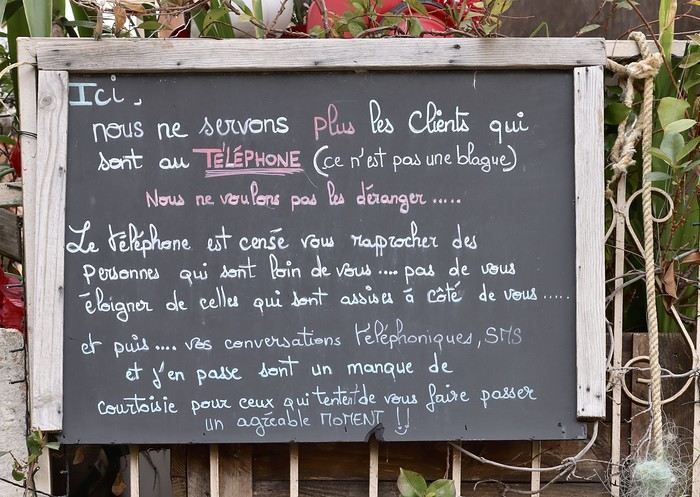 .
.
.
.
Greetings and have a great Sunday.
Puma2A . .
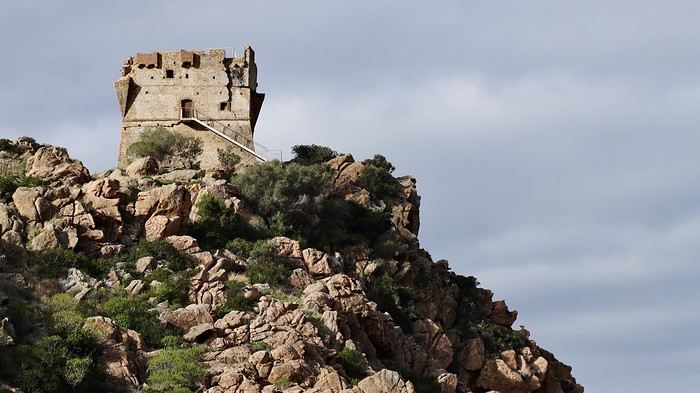
...
I’m sharing the menu posted at the entrance of a bar at the foot of the Porto Tower in Southern Corsica. . .
.
.Greetings and have a great Sunday.
Puma2A . .
...
Best destinations for a first solo trip?
Hi there! I’m in the middle of planning my first solo trip (as a woman). Do you have any ideal destinations with activities like hiking, diving, sightseeing, and easy ways to meet locals—all on a small budget?
I’d love to hear from anyone who’s had this experience before! :)
I’d love to hear from anyone who’s had this experience before! :)
Travel companions for sharing a vehicle to visit U.S. Western parks
Hello, we’re a French couple, aged 69 and 74, and we’d like to visit several national parks in the American West, including the Grand Canyon, Zion, Bryce Canyon, Monument Valley, Valley of Fire, Arches National Park, Canyonlands National Park, Yosemite National Park, and Yellowstone National Park, during a flexible period of 15 to 20 days between April and June 2027. One of us will purchase the America the Beautiful pass for $250, and we’ll of course share the gas expenses. I’ll answer two questions you’re probably asking about us: Why aren’t we renting a vehicle ourselves? Because we’ve hardly ever driven. And why not opt for a guided tour? Most organized trips only visit a few parks at a rushed pace with round-trip flights from France. Instead, we’d like to use this trip to explore iconic U.S. cities and sites for an additional month and a half. If you’d like to visit some of these parks (not necessarily all) and for a shorter duration with us, feel free to let me know. As I mentioned, our dates are very flexible. Thanks in advance. Elisabeth
babeth.marcel@yahoo.fr
Flying with a knee brace
Hi there,
This might be a silly question, but I’m traveling to Japan from CDG and returning via Osaka with EVA Air, and I have a pretty bulky aluminum knee brace. It’s this model: https://enovis-medtech.eu/fr_FR/OA-FullForce-74358.html
Has anyone had any experience with airport security checks or flying with one of these?
Thanks in advance! Best regards,
This might be a silly question, but I’m traveling to Japan from CDG and returning via Osaka with EVA Air, and I have a pretty bulky aluminum knee brace. It’s this model: https://enovis-medtech.eu/fr_FR/OA-FullForce-74358.html
Has anyone had any experience with airport security checks or flying with one of these?
Thanks in advance! Best regards,
Biking in Madagascar: What loop route from Antananarivo?
hey everyone,
I’m landing in Madagascar with a buddy before the end of April 2026. We’re planning to bike around for about twenty days or so. We don’t have a specific goal other than exploring the country and meeting the locals.
Ideally, we’d prefer a loop route starting from Antananarivo with a good chunk of it along the coast. On the bike side, we’re used to riding 6 to 8 hours a day, depending on the needs, encounters, and mood 😉 Any feedback or tips from trips around this length?
Thanks in advance, Jérôme
I’m landing in Madagascar with a buddy before the end of April 2026. We’re planning to bike around for about twenty days or so. We don’t have a specific goal other than exploring the country and meeting the locals.
Ideally, we’d prefer a loop route starting from Antananarivo with a good chunk of it along the coast. On the bike side, we’re used to riding 6 to 8 hours a day, depending on the needs, encounters, and mood 😉 Any feedback or tips from trips around this length?
Thanks in advance, Jérôme
Water and stove for backcountry hiking in Yellowstone
hi
we’re planning a trip to Yellowstone and hoping to do a three-day backcountry hike if we get a permit. if any of you have done this before, could you let me know if it’s possible to find water along the way? And if we can transport it, are we allowed to use a stove?
thanks for any tips!
sandra
we’re planning a trip to Yellowstone and hoping to do a three-day backcountry hike if we get a permit. if any of you have done this before, could you let me know if it’s possible to find water along the way? And if we can transport it, are we allowed to use a stove?
thanks for any tips!
sandra
Getting a taxi in Saint Petersburg
Hi there,
We’re heading to Saint Petersburg from June 30 to July 7, 2026, and we’ll be arriving late (9 PM) at our hotel on June 30. Unfortunately, the hotel can’t pick us up from the train station. Is it easy to get a taxi at Saint Petersburg coach station?
Thanks for your help!
Currency on Île aux Nattes
Hi everyone, I’m heading to Île aux Nattes in a few weeks and I’d like to know if euros are accepted in the island’s restaurants.
At the hotel where I’ll be staying, they take card payments, but for activities, I can’t find any reliable info.
Could anyone tell me the approximate cost in euros and/or ariary for a week (food outside the hotel) on the island for two people?
Also, has anyone ever exchanged money at the Paris Magenta exchange bureau? Thanks!
Also, has anyone ever exchanged money at the Paris Magenta exchange bureau? Thanks!
Veneto: Dolomites and Opera
I'm starting a new travel journal in Italy.
It's about a month-long trip (from September 3, 2025, to October 4, 2025), or rather a part of it. This section matches the title: an opera festival in Verona (one evening) and the Dolomites in the Veneto region.
I'm posting the part of the trip I think will interest French-speaking readers the most (since this is where I saw the most French travelers).
Here’s a quick summary:
- Trip in September 2025
- Solo travel with camping (caravan)
- Small geographic area: besides Verona, the surroundings of the Marmolada massif and Cortina d'Ampezzo.
- Main but not exclusive activity: hiking.
Since I have limited internet access where I am now, I’ll be writing slowly. Here we go!
Day 1: Thursday, September 4, 2025
I arrived in Veneto under the sun and with warm weather. I drove to Verona and tried to find a spot at the campsite (Verona Village) located south of the city. Unfortunately, it was full. Booking on the website was mandatory, but when I tried to reserve a few days ago, the site never moved from the "reservation" step to the "payment" step (I don’t know why—it’s always like that in these cases). I found another solution over the phone; the drive from southern Verona to the northeast was a bit long, but I finally settled at the "Oro Verde" campsite. It’s an "agricampeggio" (farm camping or rural campsite) on the outskirts of the city, and its name (green gold) suggests they produce olives there. Since it wasn’t late, I biked to the Adige River, following the recommended route into the city.
Since I have limited internet access where I am now, I’ll be writing slowly. Here we go!
Day 1: Thursday, September 4, 2025
I arrived in Veneto under the sun and with warm weather. I drove to Verona and tried to find a spot at the campsite (Verona Village) located south of the city. Unfortunately, it was full. Booking on the website was mandatory, but when I tried to reserve a few days ago, the site never moved from the "reservation" step to the "payment" step (I don’t know why—it’s always like that in these cases). I found another solution over the phone; the drive from southern Verona to the northeast was a bit long, but I finally settled at the "Oro Verde" campsite. It’s an "agricampeggio" (farm camping or rural campsite) on the outskirts of the city, and its name (green gold) suggests they produce olives there. Since it wasn’t late, I biked to the Adige River, following the recommended route into the city.
EBC trek early April: should we book lodges in advance?
Hi everyone,
We’re a group of 5 heading to the Everest Base Camp trek in early April. We won’t have a porter or guide—we’re used to hiking independently and have already done the Langtang trek and the Annapurna Circuit (back in 2003!).
I’d love to know if it’s necessary to book lodges in advance or if we’ll easily find availability during this busy season. Also, will we find lodges all along the route between the main stopover villages, or only in those villages? I remember there were plenty everywhere on the Annapurna Circuit. We want to stay as flexible as possible.
Thanks for your feedback!
We’re a group of 5 heading to the Everest Base Camp trek in early April. We won’t have a porter or guide—we’re used to hiking independently and have already done the Langtang trek and the Annapurna Circuit (back in 2003!).
I’d love to know if it’s necessary to book lodges in advance or if we’ll easily find availability during this busy season. Also, will we find lodges all along the route between the main stopover villages, or only in those villages? I remember there were plenty everywhere on the Annapurna Circuit. We want to stay as flexible as possible.
Thanks for your feedback!
Transport questions for a 9-day Northern/Central Vietnam itinerary
Hi everyone,
We’re heading to Vietnam in February as a family (2 adults and 2 kids) for 9 full days, and I was thinking of this itinerary:
Day 1: Hanoi Day 2: Halong Bay (Lan Ha) Day 3: Halong Bay (Lan Ha) Day 4: Hue Day 5: Danang Day 6: Danang Day 7: Hoi An Day 8: Hoi An/My Son Day 9: Hanoi
After reading almost all the discussions about Vietnam, I don’t see anything about transportation options for getting from Hue to Danang, then from Danang to Hoi An. Any ideas (train, bus)? From the map, it looks like Danang is close to Hoi An—easily accessible by taxi, right?
Also, after reading lots of comments and websites, I’ve noticed that Danang, aside from being a big developing city, seems to be more about hotels for relaxing on the beach—very laid-back, isn’t it? Not really a place to visit like Hanoi or Hoi An.
Generally speaking, if you have any recommendations for the itinerary or tips, I’d love to hear them.
I’ll post a trip report when we get back.
Merry Christmas to all!
Alex
We’re heading to Vietnam in February as a family (2 adults and 2 kids) for 9 full days, and I was thinking of this itinerary:
Day 1: Hanoi Day 2: Halong Bay (Lan Ha) Day 3: Halong Bay (Lan Ha) Day 4: Hue Day 5: Danang Day 6: Danang Day 7: Hoi An Day 8: Hoi An/My Son Day 9: Hanoi
After reading almost all the discussions about Vietnam, I don’t see anything about transportation options for getting from Hue to Danang, then from Danang to Hoi An. Any ideas (train, bus)? From the map, it looks like Danang is close to Hoi An—easily accessible by taxi, right?
Also, after reading lots of comments and websites, I’ve noticed that Danang, aside from being a big developing city, seems to be more about hotels for relaxing on the beach—very laid-back, isn’t it? Not really a place to visit like Hanoi or Hoi An.
Generally speaking, if you have any recommendations for the itinerary or tips, I’d love to hear them.
I’ll post a trip report when we get back.
Merry Christmas to all!
Alex
Back from two months in Guatemala
Hi there,
I spent two months alone in Guatemala this summer, without a guide or agency, and I’d love to share a quick recap of my impressions.
● First off, it’s really easy to travel without a guide or agency. If you want a guide for excursions, you can easily find one through the many agencies in Antigua or Panajachel. In Flores, there are also plenty of agencies offering multi-day jungle treks.
● I got around by shuttle for part of the "classic" and more touristy route. To step off that path, I took "camionetas" (chicken buses) or minibuses.
For me, "camionetas" are the best way to get around Guatemala. They let you travel everywhere, fully immersed, at the local pace. They run all the time and are even an adventure in themselves.
Shuttles are direct, but local buses aren’t. No matter how you travel, trips take a while because roads are often in bad shape, and in the mountains, you can’t overtake.
● As for safety, there’s nothing unusual compared to other Latin American countries. Just keep in mind it’s not Europe. As a solo woman, I try not to draw too much attention—though traveling alone already does that. Like in other countries, I was often asked where my kids and husband were, and I just gave whatever answer I felt like.
● Budget-wise, Guatemala isn’t too expensive for French tourists, but Antigua and Panajachel—two very touristy spots—are pricier.
● Guatemala is a small country but incredibly rich in culture and nature (volcanoes, mountains, beaches, etc.). You can easily spend several days (or even weeks) in each region.
● My top picks ❤️:
- The Mayan markets, especially the one in San Francisco El Alto - The Ixil Triangle: Nebaj, Chajul, Acul - The stunning landscapes around Todos Santos Cuchumatán - Antigua, very touristy but beautiful - Lake Atitlán, also touristy but gorgeous
I planned to climb Pacaya Volcano, but early in my trip, there was an earthquake in Antigua, and by the end, I wasn’t in the mood. Climbing Acatenango is more spectacular but also more challenging.
● Biggest highlights ❤️ ❤️:
- Tikal—it’s THE must-see site, an incredible mix of archaeology and nature!
- The Joyabaj Fair, which I hadn’t planned to visit but ended up spending a week at: Mayan ceremonies, equestrian parades, diverse dances, processions with Mayan priests, and especially the "palo volador"—the highlight of the festival!
● Small letdown 👎:
- Ranchitos del Quetzal, where I went hoping to spot the quetzal. I knew it wasn’t the right season, but I was still disappointed—I didn’t see any other birds either, and the hiking options were limited. It also took me a slight detour from Cobán.
If you have any questions, I’d be happy to answer them.
● If you’re interested, I kept a more detailed travel journal, and I’m working on another one just about the Joyabaj Fair:
https://www.myatlas.com/borboleta/guatemala-deux-mois-au-pays-de-la-couleur
I spent two months alone in Guatemala this summer, without a guide or agency, and I’d love to share a quick recap of my impressions.
● First off, it’s really easy to travel without a guide or agency. If you want a guide for excursions, you can easily find one through the many agencies in Antigua or Panajachel. In Flores, there are also plenty of agencies offering multi-day jungle treks.
● I got around by shuttle for part of the "classic" and more touristy route. To step off that path, I took "camionetas" (chicken buses) or minibuses.
For me, "camionetas" are the best way to get around Guatemala. They let you travel everywhere, fully immersed, at the local pace. They run all the time and are even an adventure in themselves.
Shuttles are direct, but local buses aren’t. No matter how you travel, trips take a while because roads are often in bad shape, and in the mountains, you can’t overtake.
● As for safety, there’s nothing unusual compared to other Latin American countries. Just keep in mind it’s not Europe. As a solo woman, I try not to draw too much attention—though traveling alone already does that. Like in other countries, I was often asked where my kids and husband were, and I just gave whatever answer I felt like.
● Budget-wise, Guatemala isn’t too expensive for French tourists, but Antigua and Panajachel—two very touristy spots—are pricier.
● Guatemala is a small country but incredibly rich in culture and nature (volcanoes, mountains, beaches, etc.). You can easily spend several days (or even weeks) in each region.
● My top picks ❤️:
- The Mayan markets, especially the one in San Francisco El Alto - The Ixil Triangle: Nebaj, Chajul, Acul - The stunning landscapes around Todos Santos Cuchumatán - Antigua, very touristy but beautiful - Lake Atitlán, also touristy but gorgeous
I planned to climb Pacaya Volcano, but early in my trip, there was an earthquake in Antigua, and by the end, I wasn’t in the mood. Climbing Acatenango is more spectacular but also more challenging.
● Biggest highlights ❤️ ❤️:
- Tikal—it’s THE must-see site, an incredible mix of archaeology and nature!
- The Joyabaj Fair, which I hadn’t planned to visit but ended up spending a week at: Mayan ceremonies, equestrian parades, diverse dances, processions with Mayan priests, and especially the "palo volador"—the highlight of the festival!
● Small letdown 👎:
- Ranchitos del Quetzal, where I went hoping to spot the quetzal. I knew it wasn’t the right season, but I was still disappointed—I didn’t see any other birds either, and the hiking options were limited. It also took me a slight detour from Cobán.
If you have any questions, I’d be happy to answer them.
● If you’re interested, I kept a more detailed travel journal, and I’m working on another one just about the Joyabaj Fair:
https://www.myatlas.com/borboleta/guatemala-deux-mois-au-pays-de-la-couleur
Back from my first trip to Cuba
Hi everyone,
I’ve just returned from 15 days in Cuba and wanted to share my experience along with some practical tips for those planning a trip there.
1. Formalities:
- Passport valid for at least 6 months after your return. - E-visa: apply online (payment by bank transfer only via the embassy of your choice): evisacuba.cu or through an agency novelacuba.com (card payment on their site—I had to go with this option and recommend it because the Cuban embassy in Brussels apparently never received my transfer...) - Digital D’Viajeros form to fill out a few days before departure - Mandatory health insurance
2. Currency/budget - Plan your entire budget in cash; card payments are rare, and withdrawals at the official rate aren’t great. Local currency: CUP (Cuban Peso)
Official rate: ~1 € = 120 CUP → state-run restaurants and shops.
Current unofficial rate: ~1 € = 490 CUP → private restaurants, local bars, Cuban-owned shops.
For exchanging money: The easiest way: ask at your *casa particular* or a local restaurant.
3. My itinerary (15 days)
Havana: 3 nights Viñales: 3 nights Cienfuegos: 1 night Trinidad: 3 nights Varadero: 3 nights Havana: 1 night
Flights: Air Europa from Brussels, with a layover in Madrid. Smooth and pleasant service. Accommodations: *casas particulares* booked on Airbnb except for Varadero (Iberostar Playa Alameda hotel).
Practical tips
Install a VPN before departure (many blocked sites like Instagram and Airbnb).
Download the El Toque app to check the updated CUP exchange rate.
Internet via ETECSA SIM card (~30 € for 10 GB) or Wi-Fi in hotels/*casas*.
Download Maps.me for offline maps.
Intercity travel: shared taxi, Viazul bus, or private transfer through your *casa*.
Electricity: 110 V, sometimes 220 V.
Bring basic supplies and medications—hard to find there.
Cuba requires flexibility and openness: regular power outages, unstable internet (especially in Trinidad).
Finally, my personal take:
I loved my trip to Cuba! It’s a disorienting yet deeply charming country. Poverty is visible, especially in Havana: crumbling buildings, many people asking for help (but no safety concerns!). Bringing some essentials for locals is a good idea (soap, toothpaste, medications, clothes...). Cubans are incredibly welcoming and friendly. A few basics in Spanish help a lot! The vibe is unique: music in every street, musicians everywhere, salsa all around. The variety of landscapes is amazing: colonial architecture, paradise beaches, mountains, waterfalls, lush valleys—you’ll never get bored. Only downside: Varadero, less authentic than the rest of the country, but I expected that! Overall, it was a wonderful trip, and I’d love to go back!
Don’t hesitate if you have any questions! 😉
I’ve just returned from 15 days in Cuba and wanted to share my experience along with some practical tips for those planning a trip there.
1. Formalities:
- Passport valid for at least 6 months after your return. - E-visa: apply online (payment by bank transfer only via the embassy of your choice): evisacuba.cu or through an agency novelacuba.com (card payment on their site—I had to go with this option and recommend it because the Cuban embassy in Brussels apparently never received my transfer...) - Digital D’Viajeros form to fill out a few days before departure - Mandatory health insurance
2. Currency/budget - Plan your entire budget in cash; card payments are rare, and withdrawals at the official rate aren’t great. Local currency: CUP (Cuban Peso)
Official rate: ~1 € = 120 CUP → state-run restaurants and shops.
Current unofficial rate: ~1 € = 490 CUP → private restaurants, local bars, Cuban-owned shops.
For exchanging money: The easiest way: ask at your *casa particular* or a local restaurant.
3. My itinerary (15 days)
Havana: 3 nights Viñales: 3 nights Cienfuegos: 1 night Trinidad: 3 nights Varadero: 3 nights Havana: 1 night
Flights: Air Europa from Brussels, with a layover in Madrid. Smooth and pleasant service. Accommodations: *casas particulares* booked on Airbnb except for Varadero (Iberostar Playa Alameda hotel).
Practical tips
Install a VPN before departure (many blocked sites like Instagram and Airbnb).
Download the El Toque app to check the updated CUP exchange rate.
Internet via ETECSA SIM card (~30 € for 10 GB) or Wi-Fi in hotels/*casas*.
Download Maps.me for offline maps.
Intercity travel: shared taxi, Viazul bus, or private transfer through your *casa*.
Electricity: 110 V, sometimes 220 V.
Bring basic supplies and medications—hard to find there.
Cuba requires flexibility and openness: regular power outages, unstable internet (especially in Trinidad).
Finally, my personal take:
I loved my trip to Cuba! It’s a disorienting yet deeply charming country. Poverty is visible, especially in Havana: crumbling buildings, many people asking for help (but no safety concerns!). Bringing some essentials for locals is a good idea (soap, toothpaste, medications, clothes...). Cubans are incredibly welcoming and friendly. A few basics in Spanish help a lot! The vibe is unique: music in every street, musicians everywhere, salsa all around. The variety of landscapes is amazing: colonial architecture, paradise beaches, mountains, waterfalls, lush valleys—you’ll never get bored. Only downside: Varadero, less authentic than the rest of the country, but I expected that! Overall, it was a wonderful trip, and I’d love to go back!
Don’t hesitate if you have any questions! 😉
Warnings About the Vosges Massif Crossing with TopoGuide ref. 502
Hi there,
This August, I hiked the Vosges section (Vosges massif) of the GR5 (Lauterbourg-Wissembourg-gr53-gr5-Belfort) using the TopoGuide "Traversée du Massif des Vosges" (ref 502, April 2024 edition). My experience was partly ruined by a few things I feel I should share here to help others avoid the same pitfalls—or at least disappointments.
Having used "TopoGuide" books before, I’d always trusted them for organizing treks lasting several weeks, or even months.
Beyond the satisfactory mapping (reproductions of IGN 1:25,000 maps), these guides include route descriptions that are usually enough to find your way. On that point, I have no serious criticism of the Vosges crossing guide.
In addition to the route details, the guide provides "average" time estimates for traveling from point A to point B—useful info for gauging effort and planning likely stages. However, I eventually realized I couldn’t rely on these time estimates. I’d assumed they were calculated by the FFRP, considering that 100m of positive elevation gain roughly equals 1km on flat terrain, with an average walking speed of 4km/h. So, I’d recommend anyone using this guide to recalculate all the time estimates to avoid nasty surprises on tight stages. 🤪
Another key feature of the guide, in my opinion, is its info on accommodation options—especially budget-friendly ones suited for long-distance hikers on a tight budget. A section called "préparation des étapes" includes a table with a column meant to highlight "refuges" and "gîtes d'étapes." That column had me feeling optimistic: these budget accommodations were listed as plentiful along the route. After all, we were in the territory of the famous Club Vosgien—it made sense there’d be plenty of hiker-friendly lodging options. The reality on the ground was quite different. The TopoGuide wasn’t really to blame here, except that a serious warning wouldn’t have hurt. First, regarding the "refuges," most were run by associations. With rare exceptions, the volunteers only opened them on weekends. You can’t really blame people for not volunteering on weekdays, but it makes things tricky when the info about weekend-only openings often turns out to be wrong. As for the "gîtes d'étape," I was mostly disappointed when I was told that a place was booked for weeks: the vast majority of what was listed as a "gîte d'étape" turned out to be "gîtes ruraux." The advice here? If you don’t want to—or can’t—camp, double-check all the accommodation details before you set off. It’s time-consuming and tedious, but if you can, camping is still the best option. 😐 On a brighter note, during the first part of my trip, I came across several cabins that offered alternatives to camping. 🙂
P.S.: Even the youth hostel in Saverne was closed in the middle of August... 😕
Having used "TopoGuide" books before, I’d always trusted them for organizing treks lasting several weeks, or even months.
Beyond the satisfactory mapping (reproductions of IGN 1:25,000 maps), these guides include route descriptions that are usually enough to find your way. On that point, I have no serious criticism of the Vosges crossing guide.
In addition to the route details, the guide provides "average" time estimates for traveling from point A to point B—useful info for gauging effort and planning likely stages. However, I eventually realized I couldn’t rely on these time estimates. I’d assumed they were calculated by the FFRP, considering that 100m of positive elevation gain roughly equals 1km on flat terrain, with an average walking speed of 4km/h. So, I’d recommend anyone using this guide to recalculate all the time estimates to avoid nasty surprises on tight stages. 🤪
Another key feature of the guide, in my opinion, is its info on accommodation options—especially budget-friendly ones suited for long-distance hikers on a tight budget. A section called "préparation des étapes" includes a table with a column meant to highlight "refuges" and "gîtes d'étapes." That column had me feeling optimistic: these budget accommodations were listed as plentiful along the route. After all, we were in the territory of the famous Club Vosgien—it made sense there’d be plenty of hiker-friendly lodging options. The reality on the ground was quite different. The TopoGuide wasn’t really to blame here, except that a serious warning wouldn’t have hurt. First, regarding the "refuges," most were run by associations. With rare exceptions, the volunteers only opened them on weekends. You can’t really blame people for not volunteering on weekdays, but it makes things tricky when the info about weekend-only openings often turns out to be wrong. As for the "gîtes d'étape," I was mostly disappointed when I was told that a place was booked for weeks: the vast majority of what was listed as a "gîte d'étape" turned out to be "gîtes ruraux." The advice here? If you don’t want to—or can’t—camp, double-check all the accommodation details before you set off. It’s time-consuming and tedious, but if you can, camping is still the best option. 😐 On a brighter note, during the first part of my trip, I came across several cabins that offered alternatives to camping. 🙂
P.S.: Even the youth hostel in Saverne was closed in the middle of August... 😕
Trip to Chile: pesos or dollars?
Hi there,
Our departure is coming up soon... Since we’ll be mostly in the San Pedro de Atacama area and Chilean Patagonia, is it better to bring only Chilean pesos or is it wise to also take some US dollars?
Thanks!
Odile
Cheap flights to La Paz, Mexico
Hi there, we're planning a trip to La Paz, Mexico at the end of December for a family of four.
Which airline should we take? Where should we fly from? Are there any "layover countries" that are cheaper than others?
Thanks in advance for your feedback!