★ 2 · last edited Dec 11, 2019
Mediterranean Coast of Morocco
Contributionsversion #1created Dec 11, 2019Report this pageLatest contributions in this guideContributors to this guide
Location verified location
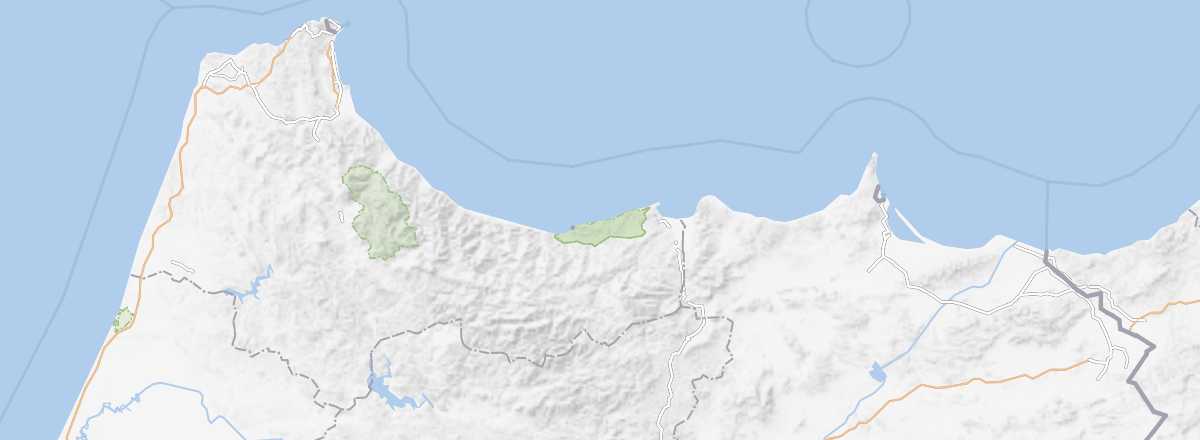 Mediterranean Coast of Morocco
Open the interactive map
Mediterranean Coast of Morocco
Open the interactive map
The Mediterranean part of Morocco consists of a coastal zone and a mountainous hinterland (the Rif), which is quite lush and can exceed 2,000 m in elevation.
Overview
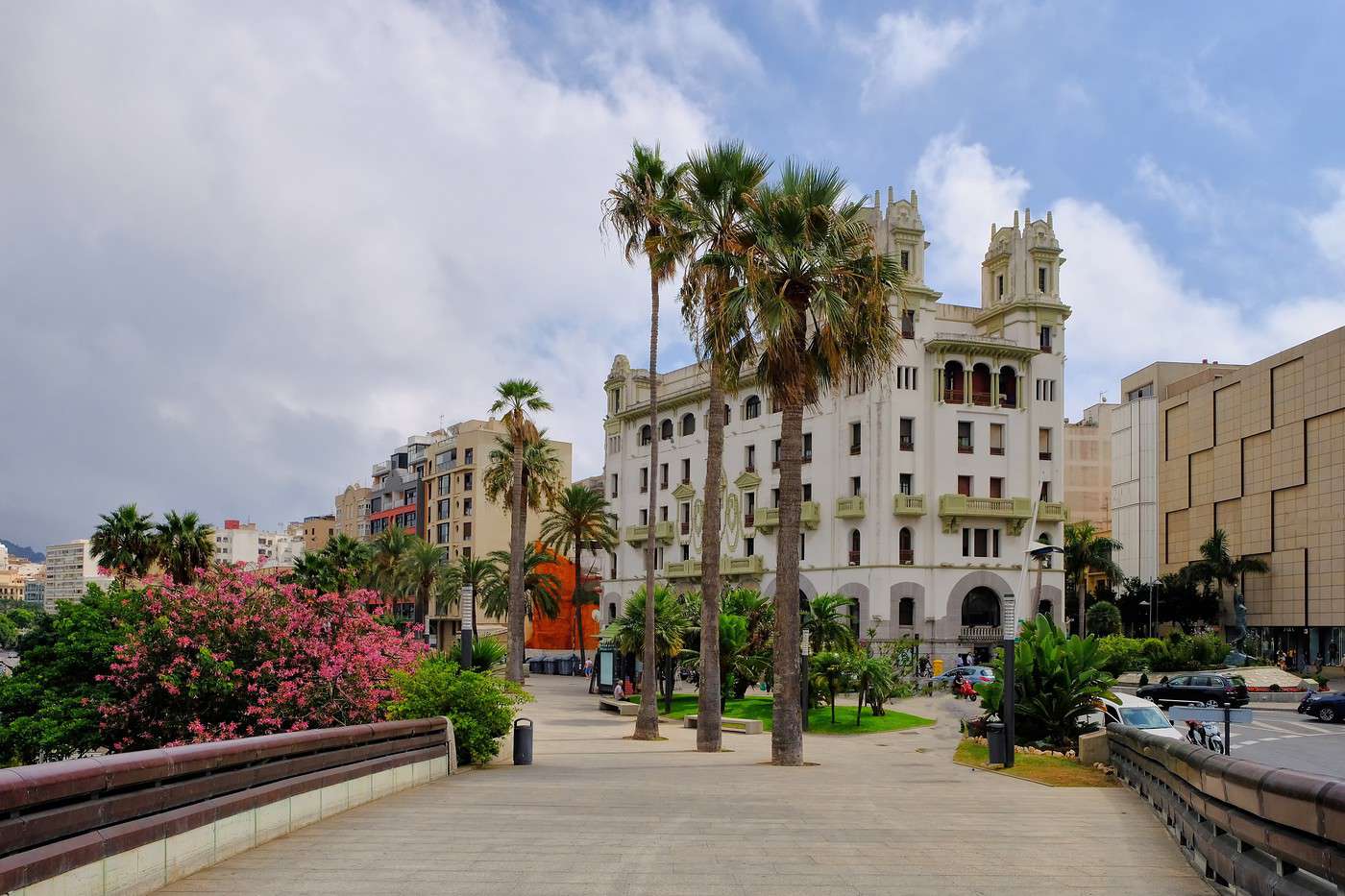
The Mediterranean part of Morocco consists of a coastal zone and a mountainous hinterland (the Rif), which is quite lush and can exceed 2,000 m in elevation. For a long time, this Berber land was "overlooked" by its capital. Perhaps for this reason, the region is not the most visited, even though new tourist projects have emerged in recent years, such as in Saïdia or around the former Ketama.
Main Cities
The northern coast has several major cities, foremost among them Tangier, which is the country’s main maritime gateway. Others include Tetouan, Al Hoceima, Nador, and Oujda, not to mention the Spanish enclaves of Ceuta and Melilla.
Tourist Attractions
In terms of tourism, the Mediterranean coast can be summed up by three main points of interest:
Cities and Their Heritage
Three cities stand out as the most interesting: Tetouan with its UNESCO-listed medina, Tangier with its rich history spanning from antiquity to its period as an "international zone," and Chefchaouen for its setting and charming architecture. These three locations are quite close to one another.
Wealthier and far more visited, the imperial cities of Fez and Meknes are just a little over 250 km from Tangier.
Beaches and Seaside
Beyond the new seaside resort of Saïdia near the Algerian border, you can also enjoy the sea around Tetouan-Chefchaouen and near Al Hoceima.
For those who prefer the Atlantic, Asilah and the area around Larache are not far from Tangier or Tetouan.
Nature and Activities
This is the region’s primary draw, with all the opportunities offered by the Rif mountain range and, secondarily, the coastline. There’s plenty to do (starting with hiking) and see around Chefchaouen and the Talassemtane National Park, as well as near Issaguen and, along the coast, the Al Hoceima National Park next to the city of the same name. Alongside the natural environment, you can also discover Berber culture and traditions, which remain very much alive in certain areas.
Climate and Weather
The coast enjoys a typically Mediterranean climate, with mild, slightly rainy winters and (pleasantly) hot, dry summers. The mountainous area, however, is much rainier, with snow and low temperatures in some places during winter. Generally, the western part (closer to the Atlantic) is much more humid than the more sheltered east.