last edited Mar 22, 2026
Money, Budget, and Shopping in Ecuador
Location Map of Ecuador
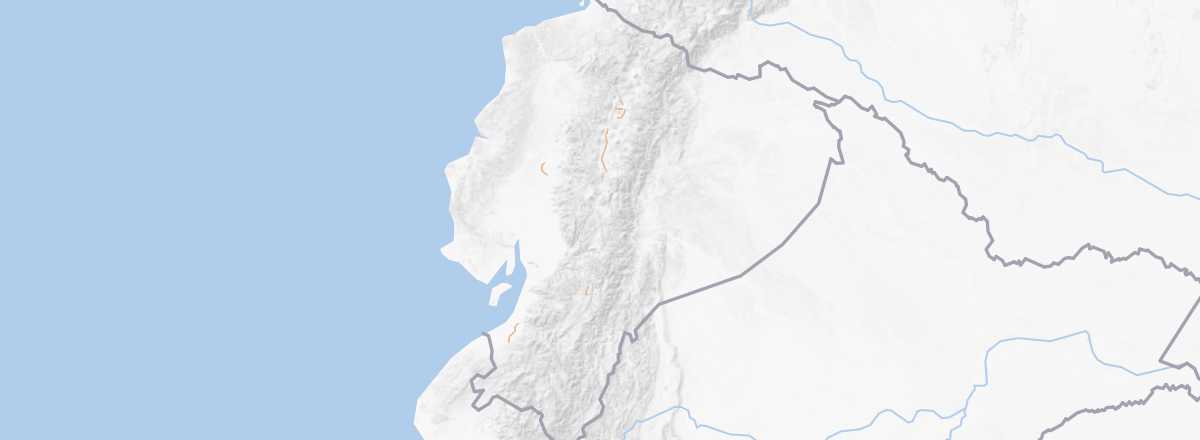 Ecuador
Open the interactive map
Ecuador
Open the interactive map
Money
Currency
- Currency: US dollar (100 cents).
- Banknotes: $1, $5, $10, $20, $50, and $100.
- Coins: 1, 5, 10, 25, and 50 cents + $1.
- Exchange:
It was in 2000 that the US dollar replaced Ecuador’s former currency, the Sucre (named after a 19th-century South American general). In addition to US coins and banknotes, there are 1, 5, 10, 25, and 50-cent coins issued directly by Ecuador’s central bank.
Exchange
Exchanging foreign currencies in Ecuador isn’t always easy. The best approach is to bring a supply of US dollars in cash (small denominations) before departure, or simply use ATMs, which are widely available. Banks and the few exchange bureaus are generally open on weekdays until late afternoon and sometimes on Saturday mornings.
Payment Methods
Card payments are possible and common in mid-range and upscale hotels, restaurants, and tourist shops. However, watch out for bank fees if you make too many small purchases or withdrawals. For everyday expenses, it’s best to carry US dollars in cash, preferably in $20 bills or smaller, as larger bills are often refused due to counterfeit concerns or lack of change.
Upon Return
Since you’ll be using US dollars during your trip, there’s no issue with exchanging any leftover cash afterward—or simply saving it for another trip.
Budget
Ecuador remains a relatively affordable destination for travelers, though "dollarization" in the 2000s did push prices up slightly. If you use local transport, eat at small restaurants or markets, and stay in budget accommodations, you can get by (outside the Galápagos) on $35–$50 per day, or even less if you stick to the basics for two people. However, for more comfort and convenience, a slightly higher budget is realistic. Generally, the Galápagos, followed by the Amazon and then the rest of the country, are the most expensive regions.
Note that, as with all countries using the US dollar, exchange rate fluctuations—especially against the euro—can make the destination more or less expensive depending on the time of year and the current rate.
What Can Be Expensive
- Flights during high season.
- The Amazon and especially the Galápagos.
- Climbing Andean peaks.
- Repeated outdoor activities.
What Can Be Affordable
- Eating, sleeping, and traveling locally.
Price Range
- Budget double room: from under $15 (dorm) to $25–$30 for a private double in many cases.
- Mid-range double room: $35–$40 for a decent option.
- Snacks/meals at local eateries: under $2 at markets to $4–$5 in local restaurants.
- Meals at tourist-oriented restaurants: around $15 for a full meal.
- Budget car rental: around $40/day for a basic vehicle, at least double for a 4x4.
- Bus fare: roughly $2–$3 per 100 km on local buses.
- Urban taxi: roughly $1 (short trip) to $5 (longer trip).
Bargaining and Tipping
Bargaining is common in Ecuador, especially in markets or with street vendors. Tipping isn’t mandatory, but leaving a small amount for good service is appreciated, given local wages.
Shopping and Souvenirs
Like Guatemala, Ecuador is known for its rural markets, mostly found in the Andean region. From Otavalo, one of the most famous north of the capital, to smaller village markets in the central highlands, you’ll experience a way of life that’s still refreshingly authentic.
While not all markets offer a wide selection of souvenirs—since they primarily serve local needs—you can still find unique items to bargain for. Otherwise, tourist areas and cities have plenty of shops where you can find what you’re looking for, from alpaca sweaters, scarves, and ponchos to traditional textiles, local crafts, wooden items, and jewelry sold almost everywhere.