last edited Aug 13, 2020
Provinces and Islands of the Canary Islands
Contributionsversion #2created Aug 13, 2020Report this pageLatest contributions in this guideContributors to this guide
Location Map of Canary Islands
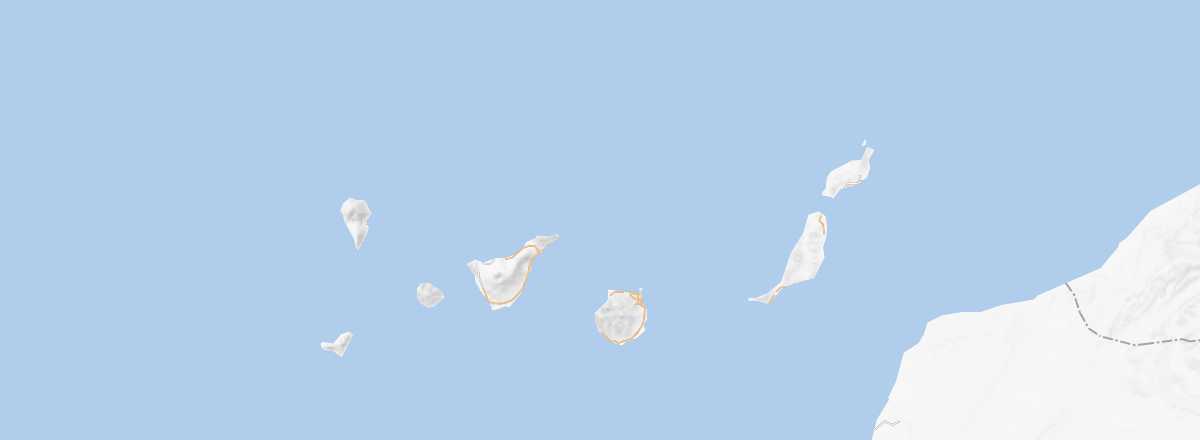 Canary Islands
Open the interactive map
Canary Islands
Open the interactive map
Province of Las Palmas
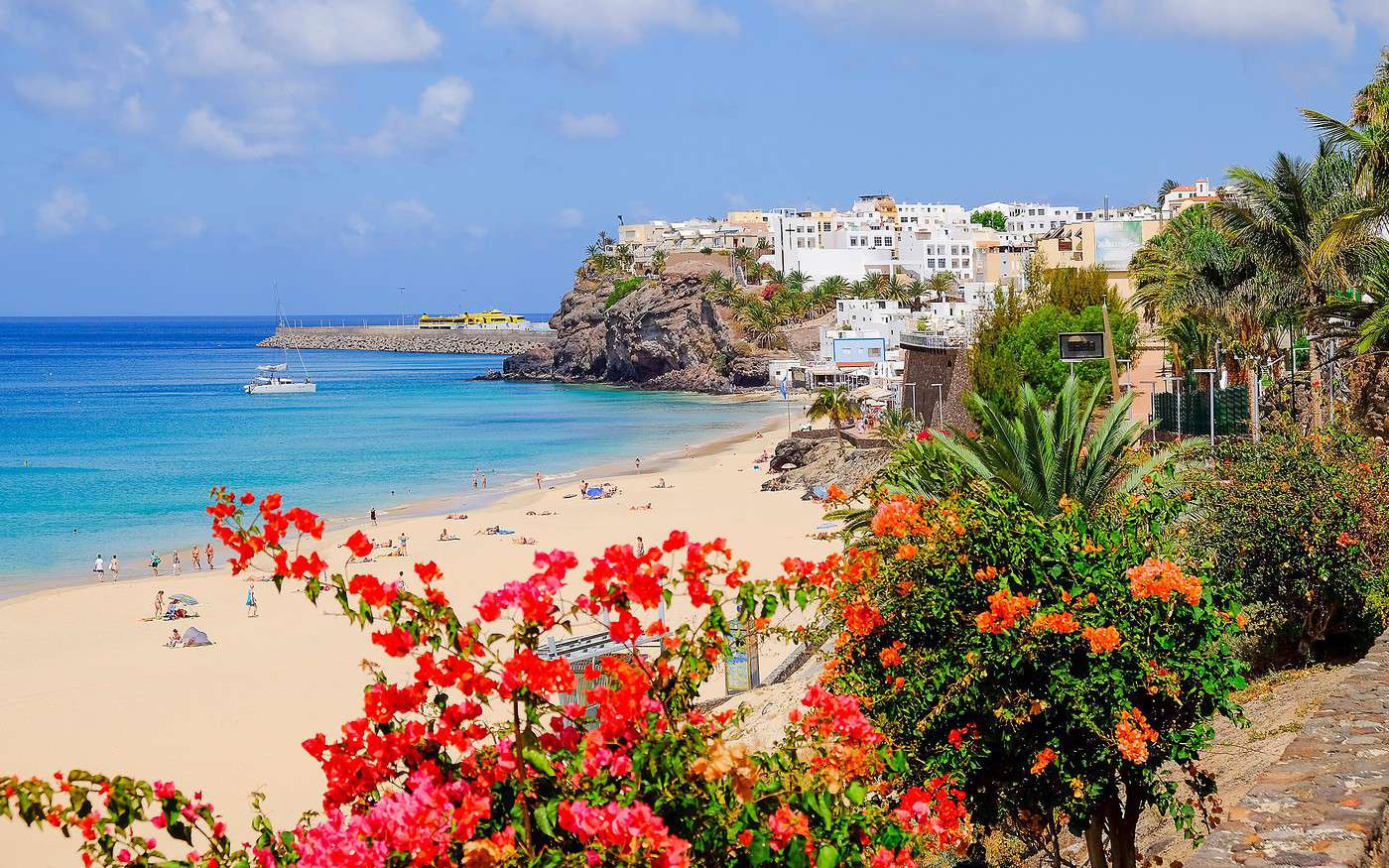
The province consists of the eastern islands of the Canaries. That is, Gran Canaria, Fuerteventura, and Lanzarote, plus the Chinijo Archipelago, which groups five small islands near Lanzarote, of which La Graciosa is the only inhabited one. The capital of the province is the city of Las Palmas de Gran Canaria.
Fuerteventura
Less than a hundred kilometers from the Moroccan coast, Fuerteventura is the second-largest island in the Canaries. It is also where most low-cost flights serving the archipelago arrive.
Gran Canaria
After Tenerife, it is the most populous island in the Canaries. It boasts a wide variety of landscapes and is home to the provincial capital, Las Palmas, as well as the archipelago’s most important tourist zone.
Lanzarote
This is the easternmost island. Of volcanic origin, it offers a very rich natural heritage, notably the Timanfaya National Park.
Province of Santa Cruz de Tenerife
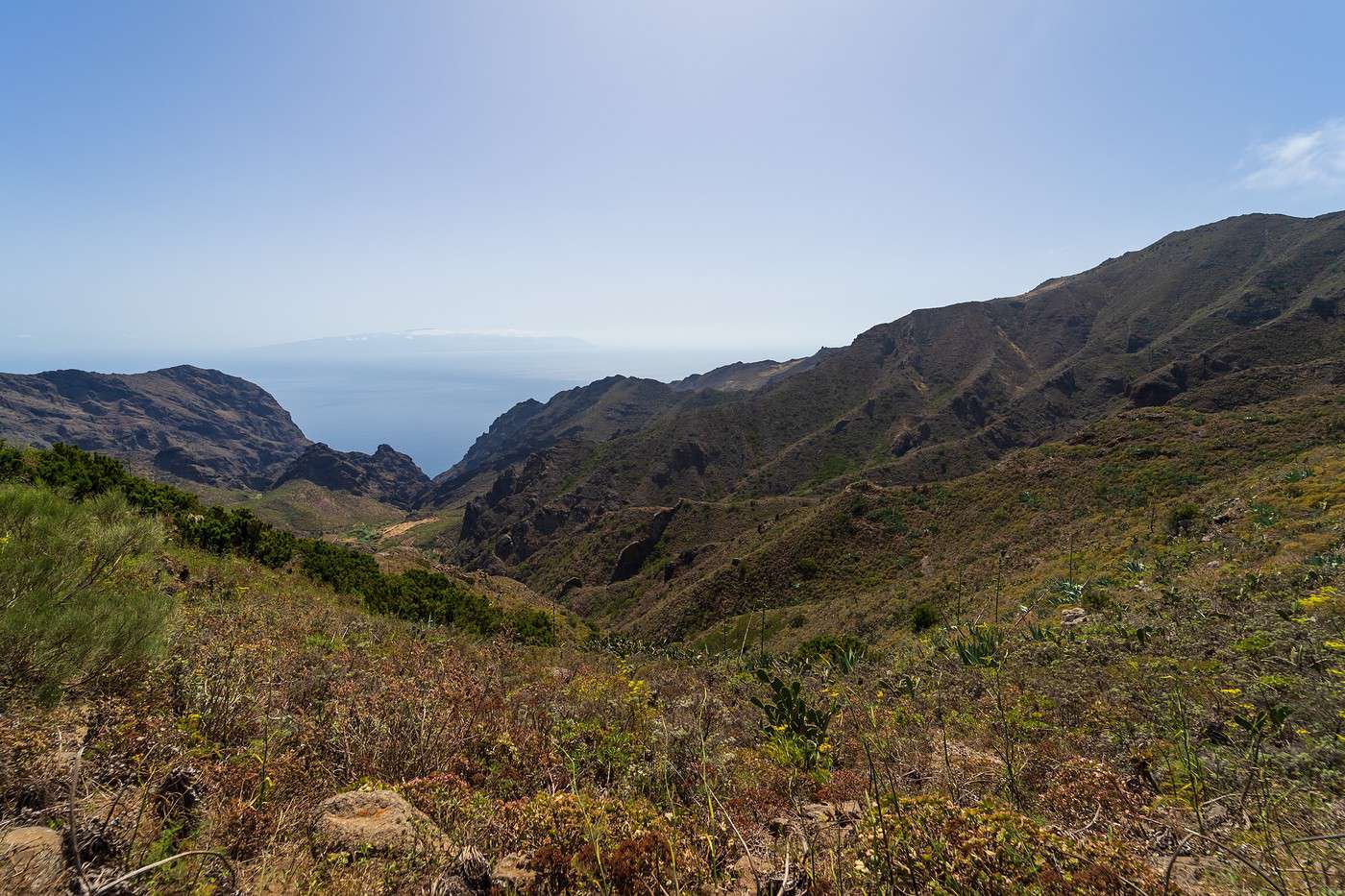
Located in the west of the Canaries, the province includes the islands of Tenerife, La Gomera, La Palma, and El Hierro. Its capital is Santa Cruz de Tenerife.
El Hierro
Small, isolated, and sparsely populated, El Hierro—the "Island of Iron"—has a peaceful atmosphere quite different from the rest of the Canaries. It is the wildest in terms of landscapes but also the least visited of all the "main islands" in the archipelago.
La Gomera
Just a few kilometers west of Tenerife, this volcanic island features some of the most spectacular and surprising landscapes in the archipelago. The Garajonay National Park, which occupies its center, is a UNESCO World Heritage site.
La Palma
This is the most forested island in the Canaries, with a rather beautiful natural heritage, part of which is a national park. In scientific circles, it is known for hosting several telescopes and space observation instruments.
Tenerife
The largest, tallest, most populous, most visited, and home to the provincial capital as well as the co-capital of the Canary Islands autonomous community. In short, it is the main island, which also hosts Teide National Park, with its summit being the highest point in the archipelago.