last edited Dec 11, 2019
What to See in Spain
Location Map of Spain
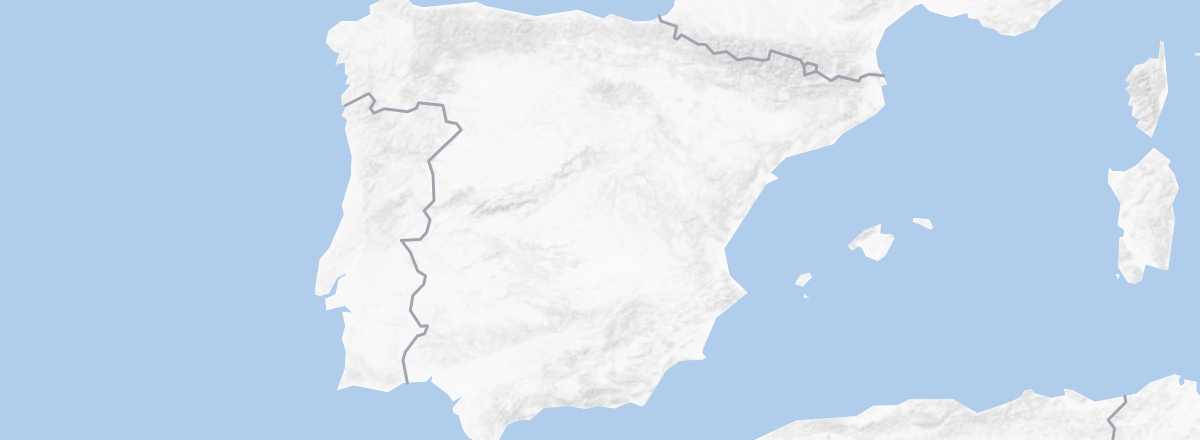 Spain
Open the interactive map
Spain
Open the interactive map
UNESCO World Heritage Sites
With 46 sites inscribed on the UNESCO World Heritage list, Spain is the third country in the world by number of entries, behind Italy and China and just ahead of France. Reflecting the destination’s diversity, the listed sites range widely. They include cities with remarkable heritage such as Salamanca, Toledo, Granada and Segovia, natural areas like Mont Perdu Massif, as well as sites like Altamira Cave or Camino de Santiago for their "symbolic" value.
By Region
Every region of Spain is rich in sites and other places to discover:
- What to See in Andalusia: Featuring Cádiz, Córdoba, Granada, Seville, Sierra Nevada National Park, Málaga and the Costa del Sol.
- What to See in the Balearic Islands: The islands of Formentera, Ibiza, Majorca and Menorca.
- What to See in Catalonia: Featuring Barcelona, Cadaqués, Montserrat, Tarragona, the Val d'Aran, the Costa Brava and the Costa Daurada.
- What to See on Spain’s East Coast: The regions of Valencia and Murcia, including Alicante, Benidorm, Murcia, Valencia and the Costa Blanca.
- What to See in Central Spain: Castile and León, Castile-La Mancha, Extremadura and the Community of Madrid, featuring the capital, El Escorial, Salamanca, Segovia, the Sierra de Guadarrama and Toledo.
- What to See in Northern Spain: Aragon, La Rioja and Navarre, featuring Pamplona, Zaragoza and Ordesa y Monte Perdido National Park.
- What to See in Northwestern Spain: Asturias, Cantabria and Galicia, featuring A Coruña, Oviedo, Santiago de Compostela and the famous Camino de Santiago, Santander.
- What to See in the Spanish Basque Country: Featuring Bilbao, Hondarribia, Getaria, Guernica and San Sebastián.