Bangkok. La communauté du Fort Mahakan, vieille de plus d'un siècle, est sur le point de disparaître.
Derrière l'un des vieux murs de la forteresse de Bangkok se trouve une communauté historique que
l'Administration métropolitaine de Bangkok (BMA) est sur le point d'expulser, de force si nécessaire, pour la remplacer par une attraction touristique. (...)
Certains pourraient voir la communauté comme un bidonville délabré et surpeuplé, comme une verrue sur la carte de la ville. C'est ce que considère la BMA. Mais si l'on cherche un peu plus loin, bat un cœur vivant au milieu du bois fissuré des classiques maisons siamoises érigées il y a un siècle.
M. Thawatchai Voramahakun, leader communautaire explique que c'est plus qu'un domicile pour les résidents. C'est un lien entre le Bangkok moderne et son passé plus calme, plus sociable.
(...)
«Ma famille a fait des instruments pendant de nombreuses générations (…) "Tous les gens de cette communauté ont leurs propres histoires à partager...Ce sont des histoires sur la manière dont les gens vivaient ici dans le passé."
(...)
Au projet de la BMA de déménager la communauté (deux autres quartiers de la ville ont été réservés), M. Thawatchai répond :
«Nous ne voulons pas aller n'importe où. Nos maisons et notre histoire sont ici. Si nous sommes expulsés, nous serons coupés de nos racines », ajoutant que sa communauté existe depuis près de 200 ans et couvre la zone des murs de la forteresse du canal qui entourait Bangkok à l'aube de l'ère Rattanakosin, quand les intrusions ennemies venues de l'aval et de l'est étaient encore une possibilité fréquente.
Une fois cette menace disparue c'est la noblesse qui occupa la zone, emplacement idyllique sur le canal environnant, Rop Krung, et près de l'entrée du Klong Saen Saep.
"Beaucoup de gens dans la communauté aujourd'hui sont les descendants des serviteurs et esclaves de cette noblesse», indique M. Thawatchai.
"Après que le roi Rama V eut aboli l'esclavage, beaucoup des affranchis n'avaient aucun endroit où aller, alors ils bâtirent des maisons proches de leurs anciens maîtres. C'est ainsi que la communauté naquit".
Aujourd'hui, ses maisons en bois et ses métiers traditionnels comme des fabriquants de volières sont en voie de disparition.
« Je sais que la BMA veut réaménager le terrain en parc historique afin que les touristes puissent en apprendre davantage sur la ville», dit Ratchanee, une des ces artisans. «Mais je me demande pourquoi elle ne se contente pas de protéger notre communauté : elle-même est un musée vivant, et les touristes peuvent apprendre l'histoire directement de la bouche de ses descendants!"
Précisant que les opérations ont commencé dès 1992, M. Asawin Kwanmuang, général de Police ajoute "Nous allons certainement reprendre les terrains le mois prochain, après le Festival de Songkran ».
L'adjoint de Sukhumbhand Paribatra, gouverneur de Bangkok, ajoute que ce dernier tient fermement à cette opération qui fera du Rop Krung Canal une nouvelle attraction touristique.
(…)
D'après l'article complet en anglais :
http://www.nationmultimedia.com/life/Seeing-history-as-it-fades-30282547.html
Bangkok. La communauté du Fort Mahakan, vieille de plus d'un siècle, est sur le point de disparaître.
Derrière l'un des vieux murs de la forteresse de Bangkok se trouve une communauté historique que
l'Administration métropolitaine de Bangkok (BMA) est sur le point d'expulser, de force si nécessaire, pour la remplacer par une attraction touristique. (...)
Bin, ce serai plus facile de faire tomber le mur, ce serai aussi une attraction pour les touristes. Mais voila, cela ne rapporterai rien, une attraction payante est plus interessante. Le pognon contre le moyen age. Ce serai pour construire une station d'epuration en lieu et place d'une attraction, je ne dirai pas non.
Des centaines de personnes vivant dans la vieille communauté adossée au Fort Mahakan à Bangkok ont refusé de quitter les lieux, même après que les fonctionnaires de la ville leur ont dit qu'aujourd'hui était le dernier délai.
Au contraire, ils ont présenté le «Modèle Mahakan», qui préconise le développement mutuel de la zone qui va du fort multiséculaire au canal Ong Ang.
"Nous attendons d'entendre la réponse de l'Administration métropolitaine de Bangkok" (BMA) a déclaré hier Tawatchai Woramaha-khun, en sa qualité de président de la communauté du Fort Mahakan.
«Recherchons une coexistence mutuelle. Laissez-nous vivre ici. Nous prendrons soin du parc public que la BMA est sur le point de créer."
La communauté du Fort Mahakan abrite environ 300 habitants. Ceux-ci ont promis de prendre soin du parc gratuitement, si l'administration de la ville leur alloue une petite parcelle afin qu'ils puissent continuer à vivre sur la terre où ils ont grandi.
"Nous voulons vivre dans nos vieilles maisons. Ensemble, toute notre communauté aura besoin de juste un peu plus d'un rai (0,16 hectares)», a déclaré Tawatchai.
M. Tawatchai ajoute que si la BMA permettait à la communauté de rester, l'endroit pourrait devenir une nouvelle attraction culturelle.
Les résidents ont expliqué qu'ils pourraient enseigner aux visiteurs comment faire des sculptures et des volières en céramique, leurs principaux moyens de subsistance.
«Je peux aussi prendre en charge la sécurité des visiteurs, "a ajouté Thongpoon Tularak, 74 ans.
M. Tawatchai a soumis une lettre au Bureau des ressources naturelles et de la politique de l'environnement et de la planification, ainsi qu'au secrétaire du Comité de l'île Rattanakosin, appelant à un réexamen du plan de développement du quartier par les autorités.
Défenseurs civils et écologistes viennent de déposer une proposition au Conseil municipal de Bangkok, en lui demandant d'arrêter son projet d'expulsion de la communauté du Fort Mahakan.
Les défenseurs, avec à leur tête Paranee Sawasdirak, un urbaniste indépendant, ont présenté leur contre-projet jeudi dernier.
Celui-ci propose un plan de gestion pour la communauté et un compromis entre les besoins des autorités et ceux des résidents, notamment la mise en place d'une Commission mixte et la présence d'universitaires ou encore le recensement des très rares maisons en bois construites pendant le règne du roi Rama III, ainsi que celles des formes de vie traditionnelle qui subsistent dans ce quartier de la capitale.
Il est aussi demandé le report des expulsions pendant les travaux de cette commission. (...)
La ville a annoncé qu'elle mettra à exécution son plan initial à partir du 3 septembre prochain, avec une démolition de 56 maisons qui devrait s'achever vers la fin de l'année afin de laisser place au développement du parc public prévu.(...)
Selon la Ville, tous les ménages dont l'expulsion est prévue ont reçu une compensation, à l'exception de 10 d'entre eux.
Bonsoir Barefoot !
Ne croyez pas que ça n'intéresse personne, simplement que certains font des recherches ailleurs et non sur un forum de voyage(s)...
Maintenant, si les habitants de Bangkok ne peuvent rien faire pour changer certaines situations, que pouvons-nous faire en tant que touristes, expatriés ou autres ?!
Le pouvoir ainsi que l'argent font parfois des "miracles" surtout en Thaïlande...
Pourtant, il semblerait que personne ne soit interpellé par trois lois des plus importantes en Thaïlande et en plus très facile à respecter !
1) Ne jamais critiquer le Roi et toute la Famille Royale ainsi que son système choisi.
2) Ne jamais critiquer le Bouddhisme et venir dans les Temples avec une tenue respectueuse ou adéquate aux lieux à visiter.
3) Ne jamais acheter, consommer, transporter, vendre, etc des DROGUES quels soient liquides ou solides. (Voir certains médicaments)
C'est pourtant assez simple, non ?!
Bonne continuation et week-end à Tous
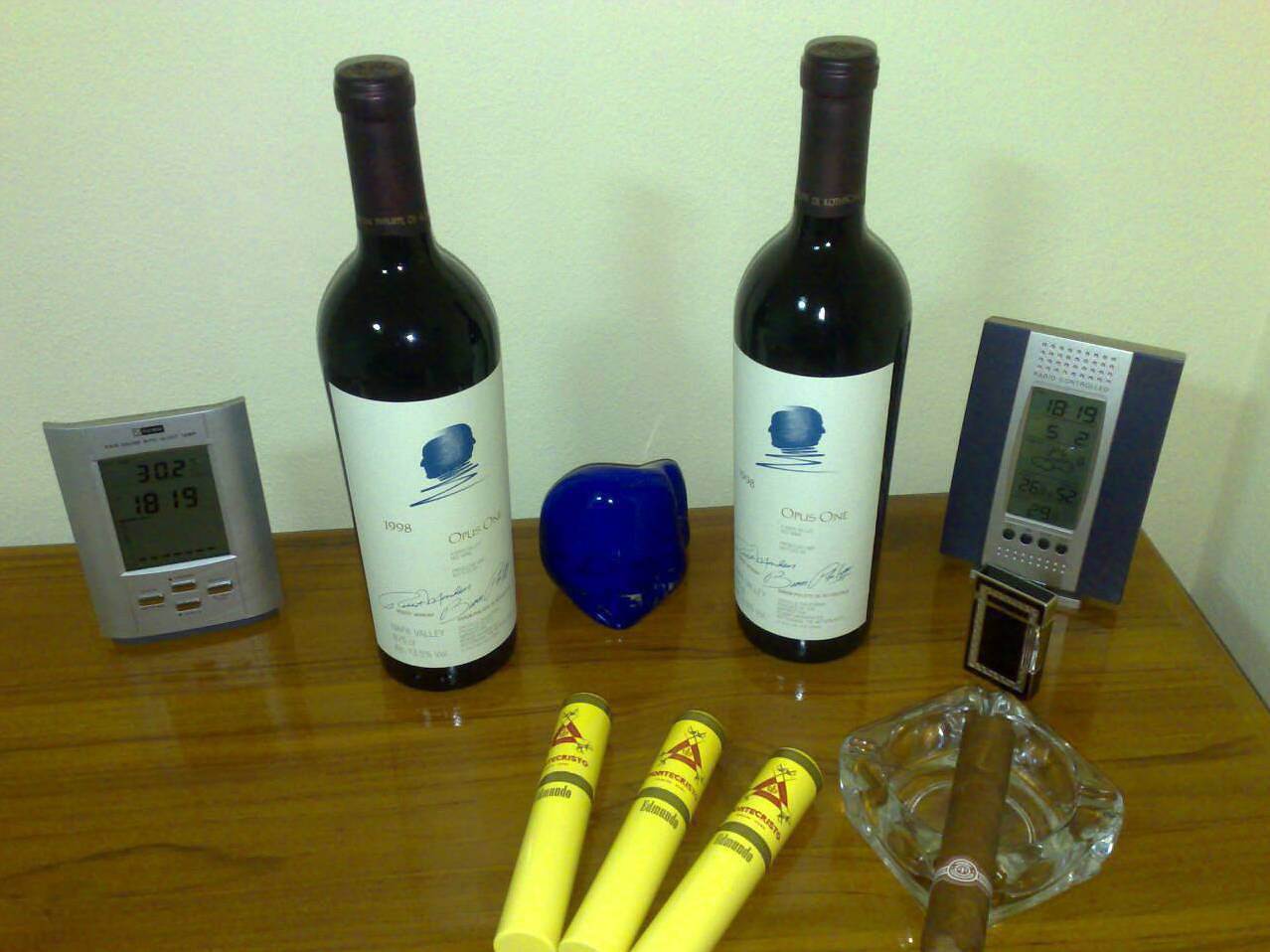
Photos - même la cigarette électronique est interdite, mais pas partout... (idem pour la chicha)
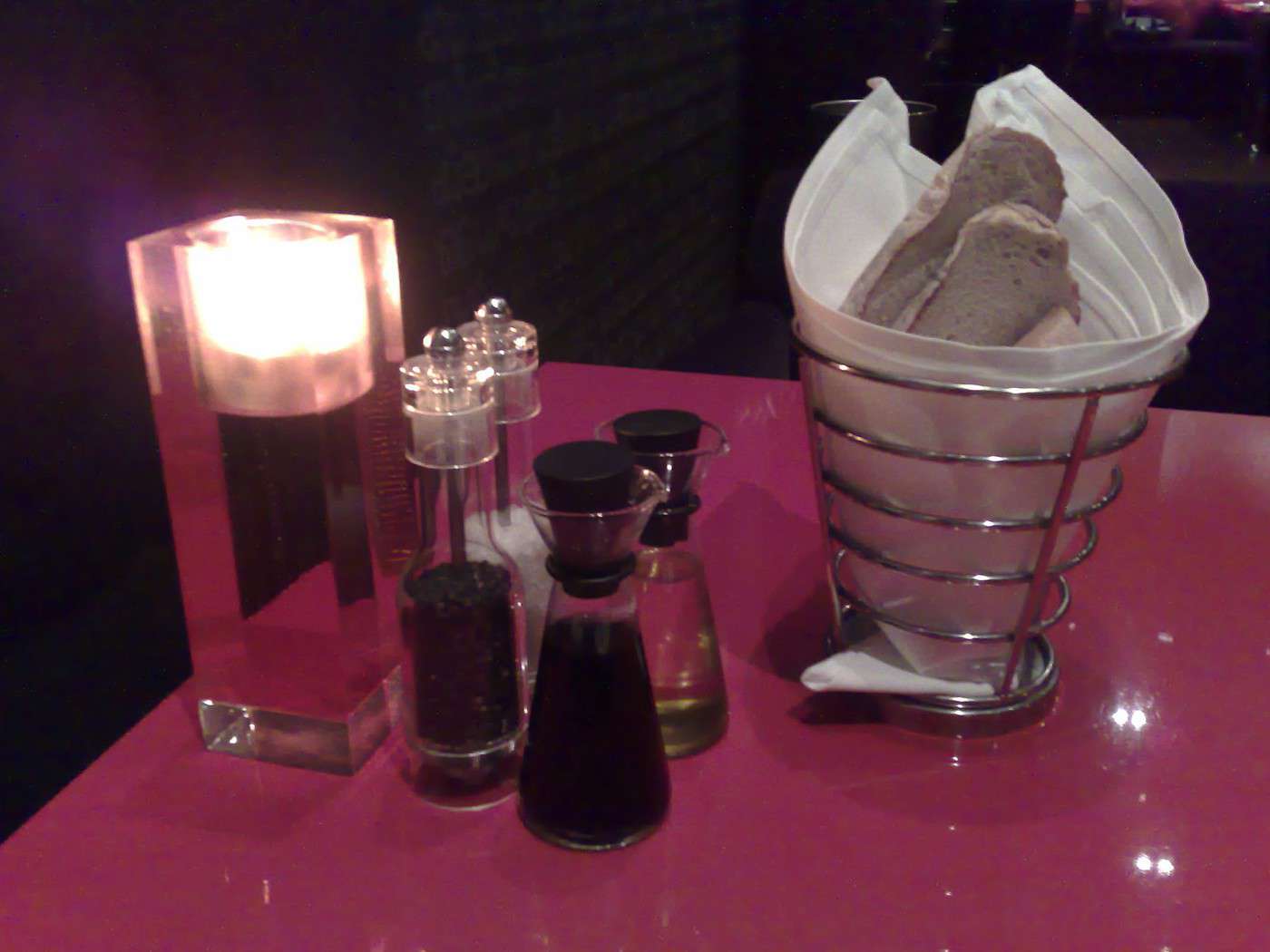
Par contre, aucune interdiction pour du bon vin (même du mauvais 😂), des bons cigares et sans oublier un excellent repas avec le chariot de fromages !
Photos 5,6 et 7 prises au restaurant Déjà Vu à Bangkok
PS - désolé pour le hors sujet et la Communauté du Fort Mahakan ainsi que pour la Communauté de Voyage Forum ! 😉
" La Liberté, si elle est illimitée, conduit à son contraire, car si elle n'est pas protégée et restreinte par la Loi, la Liberté conduit nécessairement à la tyrannie du plus fort sur le plus faible " Karl Popper
Maintenant, si les habitants de Bangkok ne peuvent rien faire pour changer certaines situations, que pouvons-nous faire en tant que touristes, expatriés ou autres ?!
Bonjour,
Les "Bangkokians", qui ne critiquent jamais le "système choisi", se sont soulevé contre quelques gouvernements, et parfois des dizaines de vies ont été perdues.
On considère souvent ce peuple comme docile, soumis (voire abruti): se fier aux apparences peut être trompeur, notamment en Asie.
Quant à nous, en tant que touristes, expatriés ou autres, nous pouvons faire bien des choses, telles qu'adopter les modes de vie locaux positifs, et à l'inverse ne pas céder à la corruption, au travail au noir, ni adopter une attitude néocolonialiste (vous savez, condescendance, prétention, mépris...)
Même un simple touriste peut se rendre utile, par ce qu'il fait, mais aussi par ce qu'il ne fait pas.
Montrer de l'intérêt et de la solidarité envers le petit peuple est d'une grande simplicité et très apprécié.
Aller se promener au Fort Mahakan est peut être plus juste qu'aller dans un gogobar?
Aller à Koh Kret et acheter une petite poterie est peut-être plus juste qu'aller au MBK acheter un polo contrefait?
Mais je crois surtout que nous avons un autre sujet d'intérêt bien plus important, et qui occupe l'essentiel de notre intellect: nous-mêmes.
PS - désolé pour le hors sujet et la Communauté du Fort Mahakan ainsi que pour la Communauté de Voyage Forum ! 😉
Je ne vois pas en effet le moindre rapport entre ce sujet et votre message, mais le HS a des vertus surréalistes bien connues.😉
Même un simple touriste peut se rendre utile, par ce qu'il fait, mais aussi par ce qu'il ne fait pas.Aller se promener au Fort Mahakan est peut être plus juste qu'aller dans un gogobar?
Aller à Koh Kret et acheter une petite poterie est peut-être plus juste qu'aller au MBK acheter un polo contrefait?
Merci, André, de porter cette parole de la responsabilité individuelle et de l'altruisme sur VF.
Un hors sujet (sans pinard, ni fromage) avec un exemple de ce qui pourrait être appliqué au fort Mahakan
avec une maîtrise des lieux pour qu'ils ne soient pas victimes des tours operators
Les Hakka des Tulou
Ceci est l’histoire de la communauté chinoise hakka qui s'accroche désespérément à leur clan,
où les familles vivent ensemble dans de grandes maisons en pisé de terre appelé Tulou.
Comment le clan peut il survivre lorsque tous les membres jeunes commencent à partir en direction de la ville?
Beaucoup ont déjà quitté et ne reviennent à la Tulou uniquement au moment du festival.
Pour survivre, les derniers résidents restants se tournent vers le tourisme
pour attirer l'argent et ainsi amener leurs fils et leurs filles
youtu.be/Tt8WgqS45H4
En 2008, 46 Tulou de la province du Fujian ont été inscrits sur la liste du patrimoine mondial de l'UNESCO.
Ce type d'architecture a été inscrit en tant qu' : "exemples de bâtiments exceptionnels
de par leur taille, leur tradition de construction et leur fonction,
ils constituent un exemple unique de peuplement humain, fondé sur une vie en communauté
et des besoins défensifs tout en maintenant une relation harmonieuse avec leur environnement
La ville a annoncé qu'elle mettra à exécution son plan initial à partir du 3 septembre prochain, avec une démolition de 56 maisons qui devrait s'achever vers la fin de l'année afin de laisser place au développement du parc public prévu. (...)
Je viens d'arriver sur Bangkok (pour la 4ème fois) rejoindre ma tendre et douce...J'ai plusieurs questions à vous soumettre et en particulier ceux qui vivent…
Travailler, étudier et vivre à l'étranger › Thaïlande · 7 replies
Voila j'arrive faire mes études a Bangkok fin septembre et j'aurais aimé savoir si il y a gens qui sont installés la bas présents sur ce site. Autre question,…
Je suis une Francaise expatriee aux Etats-Unis et serai a Bangkok le jour du 2eme tour des elections presidentielles (le 6 Mai). Ce sera seulement mon 2eme…
Hi everyone,
I’m currently working on a 30-day itinerary for May/June 2027.
10 days in eastern Java (Malang, Bromo, waterfalls, Meru Beriti Park, Banyuwangi, and Ijen), a short transit in Ubud for a few days, then Flores before heading back to Jakarta.
We’ll spend 15 days in Flores (the classic route: Moni, Bajawa, Riung, Ruteng, ending in Labuan Bajo).
I’d love some firsthand feedback on flights to Maumere or Ende from Bali Denpasar. I know there are no direct routes and that you have to connect through Labuan Bajo or Timor (I think), which isn’t an issue in itself.
But I’ve read here and there that flights to these destinations can be delayed—or worse, canceled—and that it’s better to fly in and out of Labuan Bajo, which isn’t exactly ideal...
Thanks for any tips or experiences you can share!
hi everyone,
I want to travel in the north for 3 weeks in September-October 2026 to meet ethnic minorities, photograph mountain rice terraces and their harvest, and revisit Halong Bay—but maybe Lan Ha Bay instead. Can you recommend one or more local agencies?
Thanks, and happy holidays!
Bonjour ,
nombreux conseils et avis trouvés sur le forum , c'est donc à mon tour de contribuer modestement .
Nous avons passé en famille un peu plus de 2 semaines avec comme programme Hanoi 5 jours
Baie d'Halong 3 jours et 2 nuits
Tam coc 3 jours
Mai Chau 2 jours
Sapa 3 jours
Vélos , scooters, grab et bus pour les déplacements.
Hébergements principaux en homestay et hôtels sur Hanoi.
Nombreux musées , temples et quartiers sur Hanoi visités
Trek de 2 jours et 1 nuit sur Sapa avec May de la minorité Hmong en direct et sans agence .
Plusieurs petits regrets , temps couvert et pas de possibilité d'aller au Fansipan mais rien de grave 😉, pas pu trouver de transport pour rejoindre Mu Cang Chai de Sapa .
À part cela , ce voyage restera gravé dans nos mémoires pour la gentillesse des vietnamiens , les rencontres faites , la nourriture ( rue , homestays...) , les cafés 😋, les paysages , la facilité pour se déplacer ....
Notre volonté était de prendre notre temps et de nous consacrer uniquement à une petite partie du Nord Vietnam.
Si vous avez besoins de conseils ou d'adresse n'hésitez pas.
Au plaisir .
Cédric .
Hi there, we’re landing at Hanoi Airport and would like to head straight to Cao Bang without going into Hanoi. Does anyone know if there are buses that go directly from the airport to Cao Bang (especially in the early afternoon)? Thanks in advance!
I need some expert advice on these two destinations for a 15-day trip. We land in KL and plan to stay for 2 days before heading to Borneo and finishing with an island for snorkeling.
For those who’ve been, what are your must-sees?
We were thinking of spending the last 3 days on the Perhentian Islands, unless you’ve got another island to recommend near Borneo.
Thanks for your tips and help!
Hi everyone,
Could you share your thoughts on my 3-week itinerary?
We’re a small group (family + friends) of 12 people, planning to leave around January 21, 2027.
Here’s my itinerary:
3 nights in Bangkok
4 nights in Chiang Mai
3 nights on Koh Samui
3 nights on Koh Phangan
4 nights in Krabi
4 nights in Phuket
I’m also open to any great tips you might have...
Thanks, everyone! Alain.
I’d love to get some feedback on our itinerary—it’s probably pretty basic! This is our second trip to Asia and our first to Indonesia. We have three kids aged 20, 18, and 12. We land in Jakarta at 4 PM, spend 3 nights/2 days there, then take the train to Yogyakarta for 3 nights/2 days, followed by the train to Surabaya for 2 nights/1 day, then the train to Bromo for 1 day/1 night, a private driver to Ijen for 2 nights/2 days, then on to Bali (Ubud) for 4 nights/3 days, followed by Gili Air for 3 nights/2 days, Senggigi (Lombok) for 2 nights, and finally 5 nights in Kuta. I’m considering cutting the 2 nights in Senggigi to just keep Kuta and extend it to 7 nights. In Lombok, I’m not sure how to get around since I’m not comfortable with scooters... Your thoughts on all of this, and any advice, are more than welcome—don’t hesitate!
For those wondering why cities like Jakarta and Surabaya: we don’t often get the chance to visit big Asian cities, so we wanted to include that discovery in our trip. The trains between Jakarta and Yogyakarta, Surabaya and Probolinggo are booked. The return flight from Lombok to Jakarta is also set. Accommodations are booked but flexible (same for the trains).
Hi! I’m planning a 15-day trip to Malaysia. The idea is to visit KL for 2 or 3 days, then Borneo, and I’m wondering what to do with the rest of the time. I’d like to finish with the Perhentian Islands... What do you think? Any tips or advice would be great—I’d really appreciate it!
Hi everyone,
I’m looking for addresses for guesthouses or, even better, houseboats or rafting houses on the River Kwai, between Kanchanaburi and Sangkhlaburi, to spend a few weeks contemplating this beautiful river.
Thanks for your suggestions!
Premaria
Hi there,
we’re currently in Mai Chau and tomorrow we’re hitting the road back to Hanoi to head up toward Bac Ha and Sapa.
We haven’t really had a set plan since we arrived—we’ve already done the Halong Bay on land and by sea.
I’ve got 2 free days before heading to Bac Ha and Sapa.
Any tips?
Thanks, and looking forward to hearing from you.
Hi fellow travelers,
First trip to Vietnam.
We’ll be arriving in Ho Chi Minh City during Tet.
Is it complicated to find accommodation and get around during this period?
Any tips would be welcome.
Thanks for your replies.
Silly question—backpack or hard-shell suitcase for the Sepilok, Kinabatangan, Tioman, KL trip?
I’m struggling to fit all my son’s and my stuff into the 70L backpack... and I’m thinking a suitcase would be easier, but I’m not sure if it’ll work for getting around.
Hi there,
I didn’t plan to return to Thailand this year, but my health conditions mean it’ll be the best place for me to stay between two trips to India. The tourism setup there is so well-organized that it’s the most "comfortable" country for a short visit. Thailand feels too sanitized for my taste, and there’s too much religion, Buddha, and the King, but it’s still the best option given how my health has been evolving. I’d considered two weeks in ThaTon for hiking, but I got too sick from the burn-offs during my trips to the mountains around Chiang Rai. So I’m not sure where to go this year. Definitely not the sea, touristy spots, or the mountains with burn-offs...
Hello.
In 1996, we crossed Vietnam from Saigon to Hanoi by motorbike—Minsk bikes we bought in Saigon. I haven’t been back since, and it seems like a lot has changed.
- We’re heading to the south (well, the north and center) with the family in July-August (3 people).
- Is the road network more developed now? Back then, there was only National Route 1 from south to north. I’m thinking of renting a car this time (no motorbike with the family—though in ’96, they had a Jawa sidecar for sale, and we hesitated… maybe it’s for the best).
- Is Halong Bay really something to avoid because of overtourism? Even back then, it was pretty crowded. Is there a less touristy alternative?
- We’ll be traveling from Hanoi down to Danang (the only city we didn’t stop in back in ’96). Even though it’s a bit overhyped in a Chinese-tourist kind of way (from what I’ve read), we’re only going for the beach—pure relaxation for 7 days. The beaches are stunning, and I know the South China Sea is warm like coffee.
- Then, we’ll visit Hoi An, where I stopped in ’96. It was already popular with backpackers back then, but no glowing boats or all the touristy fuss!
- After that, Hue, where I have great memories—it’s a beautiful city.
- And also the nature around Ninh Binh, followed by 2-3 days in Hanoi.
That’s the plan. I’d love to hear any tips to avoid mass tourism, and if anyone’s done this before:
- Is it possible to rent a car in Danang and drop it off in Hanoi?
Hey everyone,
I’m over in East Borneo in mid-July.
I’m struggling to wrap up the end of my itinerary, even though it’s pretty straightforward (long but simple).
Last year, we did Malaysia (KL and the mainland + around Kuching).
Day 1 – Arrive in Kota Kinabalu early, stroll around town and hit the must-sees.
Day 2 – Excursion to Tunku Abdul Rahman Park, snorkeling at 3 islands.
Day 3 – Hike around Mount Kinabalu without summiting (450 per person, no way).
Day 4 – Poring Hot Springs + evening flight to Sandakan.
Day 5-6-7 – Kinabatangan River (still looking for the right guide).
Day 8 – Sepilok for the orangutans, the Sun Bear Centre, and Rainforest Discovery Centre.
Day 9 – Selingan, turtle island.
Day 10 – Head to Semporna.
Day 11-12-13-14 – Sipadan, Mabul, Kapalai.
Day 15 – Bohey Dulang.
Day 16 to Day 25: I’M STUCK.
I looked into Danum Valley, but for 3 days/2 nights, they’re quoting 650 € per person—come on, that’s ridiculous.
I checked out a detour into Indonesia (still East Borneo), but I’m having trouble deciding what would be amazing.
I read about Sangalaki + Kakaban (2 islands, 1 base) / Mahakam Delta - Kutai (orangutans and river) / Sungai Boh (Dayak Kayan) – jungle & culture.
But honestly, I’m struggling to finalize this itinerary.
If we venture that way, we’d head back to KK from Balikpapan.
For a 4-month stay in Egypt, I had ENORMOUS problems. The regulations are very bureaucratic and extremely nitpicky there. For a 4-month stay in the Philippines, I was wondering if the procedures are just as complicated? I’m bringing my cell phone with an eSIM. Should I choose a plan from Canada for use in the Philippines, or should I get a plan only once I arrive? After 30 days, do I renew with the Canadian provider I chose before leaving, or do I switch to a local company? Do I need to register my phone with the authorities in the Philippines? (That was the case in Egypt.) For the 3rd and 4th months, will it be just as simple—renewing with a Canadian or local provider—or should I expect problems?
Hello,
I’ll be in Malaysia with my wife, mainly in Langkawi and Penang for Christmas and New Year’s at the end of 2026.
If you’ve had the experience—and since I’ve read (though it’s not very clear) that these two islands get quite crowded during this period—would you recommend booking accommodation well in advance, or is it easy to find something on the spot?
Hotels or Airbnb?
Do you have any great tips for accommodation or any practical info to share?
We’ll be staying 5 to 7 days on each island.
Thanks in advance for your replies
Hi there. To make the most of Lake Toba, is it better to find accommodation on the lake’s shores (which one?) or on Samosir Island? Thanks for your tips!
Hi there,
We’re heading to Vietnam as a family on July 8th for a little over 3 weeks (north and center). We’ve only booked the first 3 nights in Hanoi, and nothing else after that. We like to decide things on the spot and go with the flow, without rushing everywhere. But I’m still a bit unsure: when heading down to the center (Hue), is it better to book the overnight trains in advance? We don’t want to take any flights while we’re there—just use the overnight train for the long trips. But I’m worried we won’t get seats if we buy the tickets on the spot, say, 2 days before. What do the experts here think? And which website can we use to book the tickets? Thanks in advance for your tips!
Hi everyone!
I’m heading back to Thailand in July 2026 with a stopover in Cambodia to visit the Angkor site.
After Angkor, I’ve booked a stay on Ko Chang island. Does anyone know if there are direct transport options from Cambodia to Ko Chang without having to go back through Bangkok? That would be amazing!!
I think there are, but I’d need more details!!
I went to Thailand in February 2025 and don’t remember having to apply for a visa—is that still the case now? And for Cambodia too?
Thanks so much!!!
Laurence from Bayonne
Hi,
After our trip to China, we want to spend a week in the Philippines for some beach time and snorkeling.
We're looking for the best spot to settle in—nice beaches, great marine life, and short transfer times.
Thanks for your suggestions!
Does anyone know of a private transfer or taxi company that organizes transfers from the Sukhothai area to Chiang Mai?
Our routes are Sukhothai-Lampang, Lampang-Chom Thong, and Chom Thong-Chiang Mai.
My searches on Google Maps, 12Go, and others haven’t turned up much...
For our Bangkok-Sukhothai trips, I use a company I’ve already tried, but they don’t have a fleet available from Sukhothai and have to go through third-party companies—which, understandably, take their commission. This nearly doubles the prices...
There are four of us, and we’re not traveling light, so a minibus isn’t an option. ;-)
Hello,
While traveling in Thailand, I’m looking for a Buddhist kumlai reed bracelet.
Does anyone know where I can find one?
In Bangkok, I visited a few temples but didn’t see any in the nearby shops.
If you have any ideas, I’d love to hear them! Have a great day! :-)
My trip’s coming up, and I’m having a bit of trouble with three bus/minivan routes. Usually, I find everything at this time of year, but this time—yikes!
Sandakan → Sepilok:
No app for this one—you just hop on bus #14 at the local terminal (pay cash on board). But where do I catch it, and where’s the stop??
Sandakan → Semporna:
From what I’ve heard, it’s the Sida Express company (great name, right? 😄).
Can’t book online, but apparently, you *have* to because there’s only one bus at 8 AM.
Where do I board, and where does it drop me off?
Semporna → Tawau:
Found this via AI—is it legit?
No online booking, as far as I can tell.
Minivans leave from a stop in the Jalan Hospital area, near the Milimewa supermarket, supposedly????
And when you arrive, does it drop you at **Sabindo Square** in Tawau?????
Hi there,
we’ll be in Mai Chau in June and we’re thinking of heading to Sapa, but first spending a few days in Bac Ha to do some hiking and explore the area.
Is this a good idea for those who’ve been there?
How do you get there?
Thanks for your feedback.
Looking forward to hearing from you.
Cédric.
Hi there,
I’m planning an itinerary and would love some feedback on whether it’s doable and if the number of days per destination is enough—or too much. I was also debating whether to add an extra night on an island or spend an extra night in Kampot to visit Kep or Battambang.
March 23: Arrival in Phnom Penh in the morning
March 24: Phnom Penh
March 25: Phnom Penh
March 26: Depart for Kampot
March 27: Kampot
March 28: Depart for Battambang
March 29: Battambang
March 30: Tonlé SAP to Siem Reap
March 31: Siem Reap
April 1: Siem Reap
April 2: Siem Reap
April 3: Siem Reap
April 4: Siem Reap
April 5: Departure