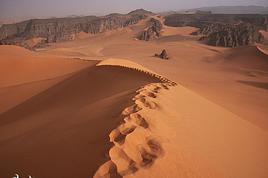
Bjr je pars avec un nikon d 80 28*135mm dans le sahara algerien
quelles sont les techniques pour faire de belles photos
sinon est ce que j emmene aussi l argentique nikon f 65 avec un 75/240
mais alors quelle marque de pellicules photo et combien d iso
merci pour toutes vos info asyade ::-7
Pour le numérique je n'ai pas de conseil à donner.
En revanche pour le classique…
Règle numéro 1 dans le désert et la Sahara en particulier : lutter farouchement contre le sable. Possibilité de protèger son boitier (pas l'objectif) avec du film transparent destiné à l'alimentation, c'est très souple et se tend parfaitement bien. Bien entendau ne pas oublier de faire des trous pour accèder aux commandes essentielles (essentielles seulement).
Afin de saturer les couleurs, notamment le bleu du ciel utiliser un filtre polarisant de bonne qualité. Pour les lumières chaudes du matin et les couchers de soleil le polarisant n'est pas utile. Mais toujours conserver un filtre UV sur les objectifs pour protèger les lentilles frontales des rayures dues au sable.
ATTENTION pour une bonne utilisation du polarisant, il est important de débrayer la mesure automatique et de passer en manuel. Comme le polarisant fait perdre un bon " diaf ", la mesure matricielle (automatique si tu préfères et pour faire simple), va compenser en éclaircissant et tu auras des images aux couleurs légèrement délavées. L'inverse de l'effet recherché.
Autre technique si tu n'a pas de polarisant, surexposer d'un demi diaf (surtout les diapos) tout le film (il y a des règlages pour ça, si tu travailles en automatique). Sinon en manuel, tu fermes ton diaf légèrement par rapport à ce que t'indique ta cellule.
Bon, les film argentiques maintenant. Fuji et Kodak sont des marques connues et dont la qualité est constante dans le temps. Moi je préconise la diapo, car les laboratoires tirent de plus en plus mal les versions papier. À partir d'une diapo, tu peux toujours faire des tirages de tes meilleures images.
Le top c'est la kodachrome 125, voire 200 (mais attention un grain léger apparaît pour cette dernière). Ce film, surtout s'il est professionnel peut sembler un peu cher, mais son développement est compris dans le prix. Avec la version professionnelle, le développement est fait dans les 48 heures par courrier.
En règle général dans le désert pour un film 100 asa (maintenant on dit iso) dans la journée, tu travailles au 125 ème /f : 11 ou 250 ème f : 8 etc. C'est une base en fonction du dégré de luminosité. Ca te permets de voir si la cellule de ton appareil s'en approche ou si elle part tout simplement en vrille en affichant 125 ème f : 2, 8 par exemple. Là, tu as le droit de t'inquiéter. Sauf si un énorme nuage passe au moment où tu prends ta photo, là c'est normal. Mais rare dans le Sahara.
De toute façon dans le desert comme ailleurs, on évite de prendre des photos quand le soleil est au zenith. On préfère travailler tôt le matin avec de sublimes lumières rasantes, et en fin de journée, quand les lumières sont plus douces et les ombres moins prononcées.
Attention aussi aux films, éviter qu'ils ne chauffent sous peine de se retrouver avec une dominante magenta (rougeâtre), du plus mauvais effet. L'idéal est de les conserver dans une glacière ou au fond de son sac à dos enveloppé dans un linge rouge. Cette couleur - contrairement au noir - retient peu la chaleur. Enfin, tout est relatif surtout en plein Sahara.
Enfin, tout ça ce ne sont que des principes de base. Et tout principe est fait pour être interprété.
PS : je vois que pour l'argentique tu n'as pas de grand-angle, c'est dommage, un 35 mm au moins, serait sympa.
Bjr et merci infiniment de tes conseils ils sont riches et complet
pour l argentique j ai un 28-80 ouverture a 3.5 mais je pensai pas l emmener car je vais prendre le num d 80 cela m evitera de changer d objectif a cause dela poussiere du sable
voila je vais bien etudier tes reponses mais me demande si je ne vais pas favoriser plutot en regle generale l automatique enfin ne sais pas encore je vais d abord bien lire tes explications et surtout le manuel dutilisation car je ne maitrise pas trop la photo
a bientot merci encore asyade
Je n'ai pas de conseils à donner, car ce n'est malheureusement pas moi qui vais faire ce magnifique voyage au pays des sables, mais l'intérêt d'un 28/80 pour reflex réside dans la qualité du traitement des lentilles, même si les numériques font de rapides progrès. De plus, ce zoom est assez universel pour ne pas à avoir en changer. Personnellement j'ai fait un voyage de 5 semaines dans le Sud algérien, avec un Leica M6, monté avec un unique 35 mm. J'ai coutume de dire qu'avec cet objectif on peut faire le tour du monde. Pour un portrait en plan américain, il suffit de se rapprocher. Même si les téléobjectifs ont l'avantage de "tasser les perspectives" et de détacher le premier plan. Personnellement mon regard préfère naturellement les plans nets du début à l'infini, plus épurés et moins spéctaculaires au premier abord. C'est la raison pour laquelle que suis également adepte du 20 mm. Mais c'est ma vision. De toute façon mieux vaut savoir se servir d'un objectif, quel qu'il soit, plutôt que de jongler de façon aléatoire avec une débauche de matériel que finalement on met des années à maîtriser.
Le matériel doit être au service de ton regard, de ce que tu veux dire ; et non l'inverse.
Rien n'empêche d'emporter d'autres matériels, mais effectivement les 28/80 mm me semble assez conseillé. À toi de voir si le poids est un facteur important en fonction de ton mode de déplacement.
Et bien tu m endiras tant je vais faire un treck et le poids compte car deux appareils photo ce galere
donc le minimum me conviendrait
par contre je viens juste d acheter le numerique 10m de pixel rien que de penser que je ne vais pas l emener ca me fruste je pense que tu comprends
en tout cas tu es pro de photo ca se voit et j admire les personnes comme toi qui savent bien de quoi elles parlent
si ta dautres idee n hesite pas car moi je suis plutot inculte
Photographie et vidéo en voyage › Algérie · 4 replies
De belles photos de la ville de Constantine en Algérie pendant les 4 saisons appelée la ville du vieux rocher ou bien la ville des ponts suspendus! au plaisir…
Photographie et vidéo en voyage › Algérie · 8 replies
Je tenais a partager ces photos d'un village qui s'appelle chrea, en montagne, dans l'atlas blidéen qui est en pleine metamorphose, (telepheriques, stations de…
Photographie et vidéo en voyage › Algérie · 2 replies
Je suis de nationalité française et j'ai été visiter alger il y a un bout de temps depuis aujourd'hui je ne peux plus y rentrer, il y a beaucoup de coin de…
This isn’t a travel journal. I’m borrowing an idea from someone else who, a few years ago, thought of starting a thread to share their archived photos of this country.
I’ll be posting here from time to time—some less old, let’s say more or less recent, images.
With little or no commentary. Just for the fun of it.
Hello,
My name’s Thierry; I’m a Belgian filmmaker trilingual in French, Dutch, and English, specializing in filming dance and movement.
On September 3rd, I’m flying to Hanoi for a month and a half to start scouting for a documentary portrait project of a movement or dance professional in Vietnam.
To do this, I’m currently looking for all kinds of contacts on the ground and beyond to help me with this ambitious task. Whether it’s Vietnamese individuals practicing movement arts, institutions in tourism or dance, or partners in the audiovisual world.
I have Magix Deluxe and I’m wondering if there are others that are easy to use where, of course, you can add your own music to the edit. If it’s free, that’s even better so I can test it out 😊
Hi everyone,
here are two (long) videos about some of Paris’s hidden gems—some well-known, others less so. Perfect for travelers or locals who want to discover the "villages" of Paris!
Hello everyone!
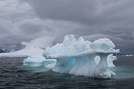
Photo taken at the end of August off the coast of Tasiilaq (eastern Greenland).
This is that kind of halo surrounding the top of this iceberg (it’s the only one I saw like this out of thousands).
It’s apparently a light diffraction effect combined with moisture freezing above the iceberg.
Estimated height of the iceberg: 30 m.
Have a great day!
Does anyone have recent info on the camera fee amount at Tadoba-Moharli?
We spent 8 days there in the second half of February, and the local tour operator (The Wild Cat Eyes) collected 2000 rupees per camera per safari without any receipt—totaling 240,000 rupees (~265 €) for 12 safaris (9 in core zones and 3 in buffer zones).
The signs at the park entrance listed 250 rupees, and the tour operator ignored our requests for an official park receipt.
I’d like to buy a camera to take with me everywhere while traveling and hiking. My use case: automatic mode only, for travel photos and family moments (meals, etc.).
I currently have a Lumix FZ300, which has really let me down—especially in low light. I got some pretty mediocre shots from my last trip, and I definitely won’t be going back there...
So, I’d like to replace it. Here’s what I’m ideally looking for:
A compact camera, large sensor, decent zoom, and weather-sealed if possible.
Any recommendations?
I traveled for a long time with a DSLR equipped with an 18-250mm zoom, but I gave it up two years ago and replaced it with my smartphone, which is lighter and less "intimidating" for street photography. The photo quality is good enough for nice enlargements (up to 80 cm).
Following up on my post "Dubai on a budget," here are a few photos to give you an idea of the atmosphere...
Mamzar Park
Kite Beach – Solemio section
Waterfront Market, fish side
Fruit and vegetable side
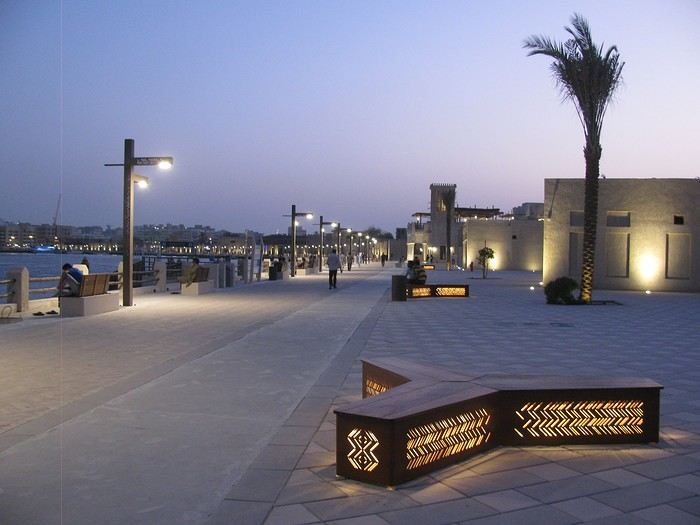
Bur Dubai... a peaceful stroll along the creek
Iranian mosque right in the city
Indian thali
Afghan bakery
It’s tough to pick what seems the most iconic, so I went with what reflects the tranquility... for a relaxing holiday, you know?!!
Yes, Dubai isn’t just a crowded place with an influencer on every corner!!!
Laurence
Since I had a fantastic week in Puglia, and it's such a nearby and easily accessible destination from France,
I invite you to check out the article I wrote about it on my blog: www.philippebasset.com/puglia.html
I highly recommend visiting this coastal region along the Adriatic Sea for so many reasons: diverse landscapes, refined and varied cuisine, a very pleasant climate, a discreet and welcoming population, no mafia (it’s sad to say, but many Italian cities are plagued by this scourge, which brings insecurity, filth, and extortion...), and apart from July-August, there’s no risk of mass tourism!
*Dolce vita* guaranteed!
I’m happy to help if you’d like tips or recommendations :)
And plenty more photos to discover—hopefully, it’ll make you want to book a flight to Bari!
I spent a couple of weeks in the Shetlands (Unst, Yell, and Mainland) last October in the north of Scotland. I’m sharing my discoveries from this rarely talked-about destination.
I’m sharing a slightly unusual travel journal with three goals. To make it work, this discussion should stay in the travel journal section so we can find it easily and keep adding info to existing posts.
This journal is meant to help "newbies" discover these magical places.
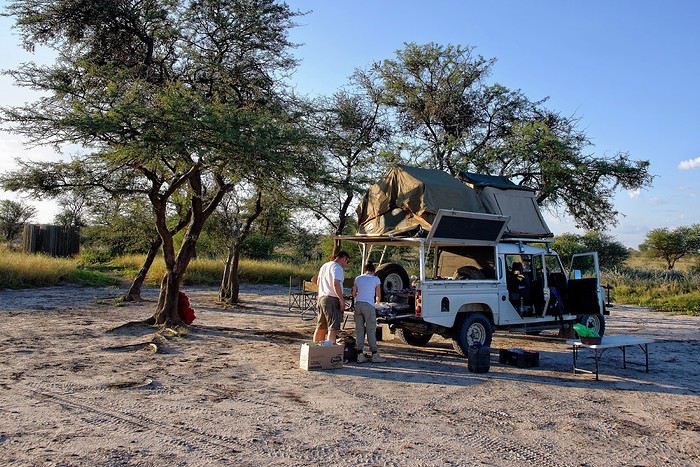
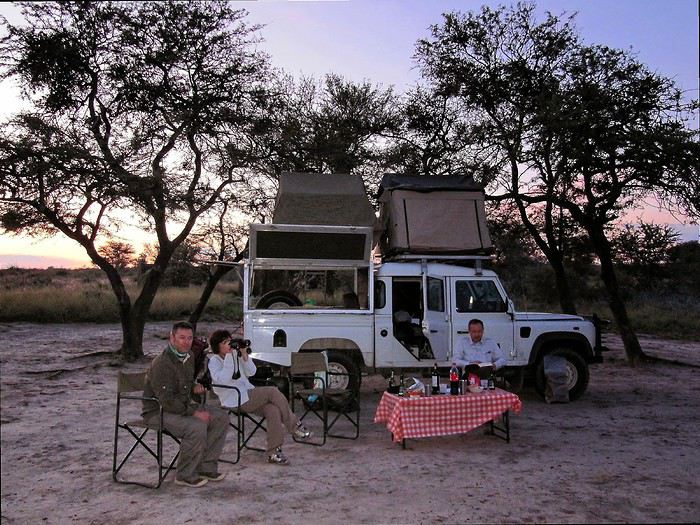
We go to Southern Africa not just for the animals, but also for that soft light, the atmosphere, and those incredible wild campsites where you feel so at home... I’d love for you all to share your favorite spots here—those we miss so much.
The last goal is figuring out how to photograph them. Honestly, I’m not happy with my photos because they don’t capture the feeling I get when I’m there or that unique atmosphere.
I’ll start with one of the first spots that, for me, is one of the most beautiful in Southern Africa: Passarge Valley 2 in the Central Kalahari.
There, you’re alone—completely alone. The next campsite is over 25 km away, and that’s a half-day of 4x4 driving. In front of you, there’s nothing but the CKGR plains with herds of springboks... absolutely stunning 😎
I didn’t know the area before, but the Camargue is packed with "experiences":
- Taking the ferry
- Walking on the beaches and watching the kitesurfers
- Crossing the dike on an electric bike
- Horseback riding along the shore
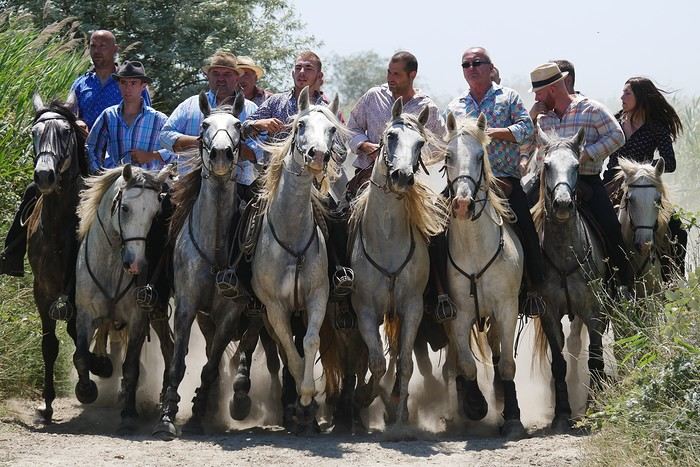
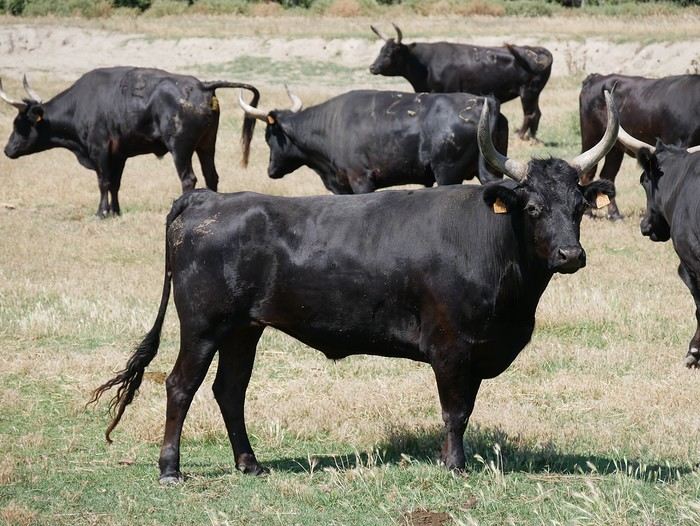
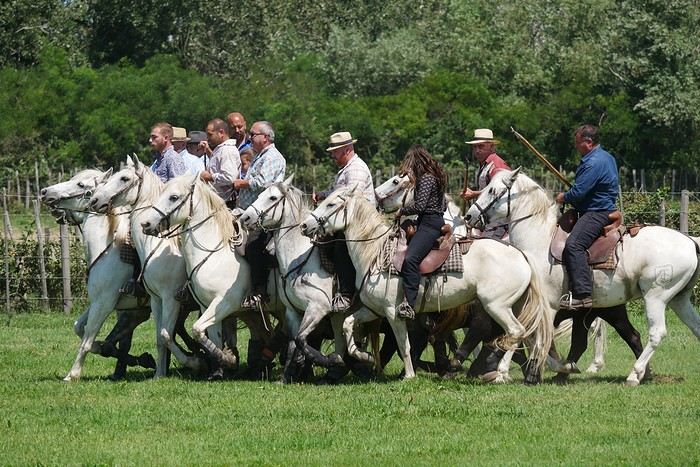
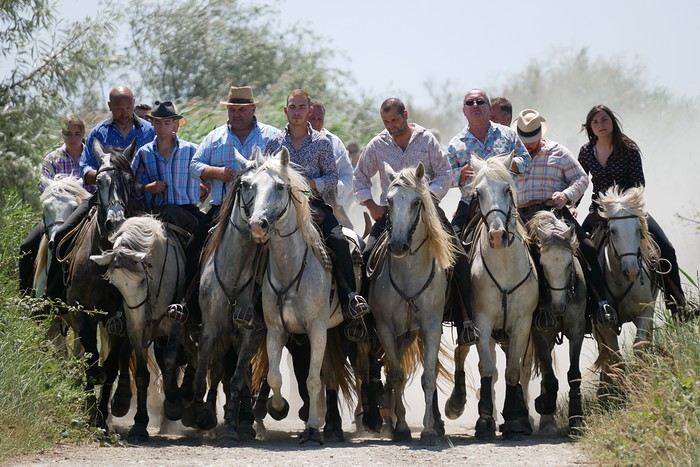
- Visiting a *manade* and attending an *abrivade* (cattle roundup)
- Exploring Les Saintes-Maries-de-la-Mer, Aigues-Mortes, or Arles
- Touring the salt flats of Giraud or Aigues
- Photographing birds at the Parc du Pont de Gau
- Watching a bull race and cheering on the *razeteurs* (bull-chasers)
- Experiencing a Gypsy evening
- Hiking "flat" among the reeds
- Tasting bull meat
- Relaxing in a peaceful haven
- Testing mosquito repellent
- ...
Needless to say, we didn’t have time to do it all in 3 days.
We’ll be back!
A few tips:
- For relaxation: a gorgeous guesthouse, *Le Mas de Bouvet*
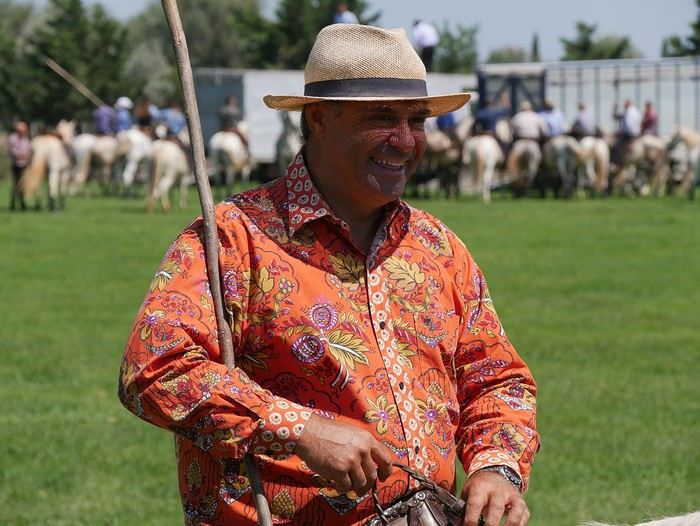
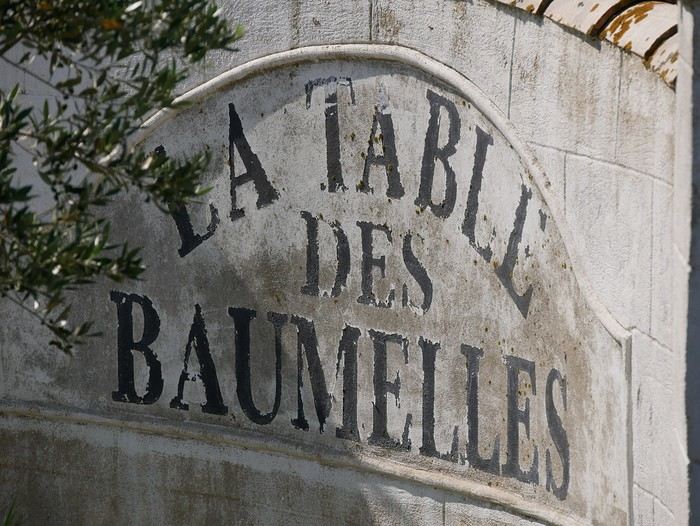
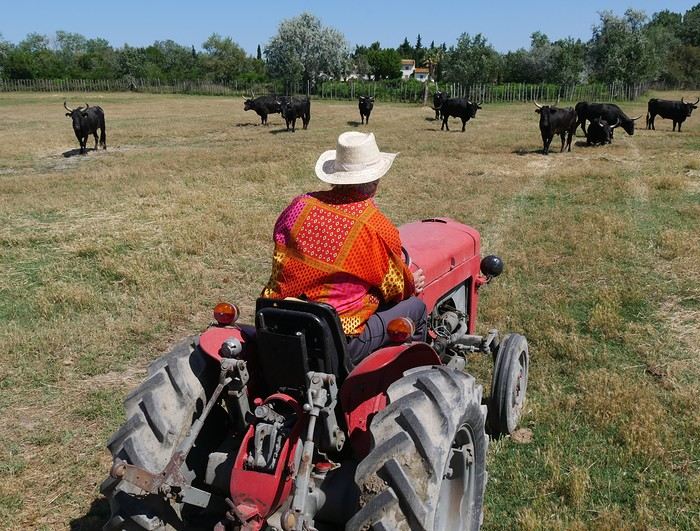
- For *manades*: the one at Baumelles, with a *Guytou* (herdsman) as warm as he is passionate
- For tasting bull meat: *Le Chante Clair* in Les Saintes-Maries
- And for birds: the Parc du Pont de Gau
If you’re a photographer, the park lets you stay until 6:00 PM, and afterward, you’re free to leave whenever you want.
Those are the best hours for observing and photographing birds.
But it’s also where you’ll see massive telephoto lenses that’ll make you feel small if all you’ve got is a small hybrid camera (like my Lumix G80) with a 100-300mm lens.
A few photo memories—starting with the *Manade de Baumelles*:
I suggest we take a little visual trip around the world while we wait to experience some of these destinations on your future travels. 😉
The concept is simple: one country, 5 photos that, for you, capture the essence of that country. The same country can be shared by multiple participants.
Everything goes, and the thread is open to anyone who wants to join—budding photographers, pros, or complete newbies...
Bonjour les amis…on revient d’un petit voyage au Québec, le Bas St Laurent, la Gaspésie, le Charlevoix,
Le traversier, l’Isle au Coudres….etc. Je vous envoie la première partie, assez longue ( 12 min….!!! )
Si vous les avez ( le 12 min )….click sur le lien….
A la prochaine
Hello à tous,
je pars en voyage en Angleterre et envisage de remonter toute l'écosse en voiture / stop. Je suis photographe semi pro et ayant déjà eu pas mal de déboires en voyage avec mon matériel, j'aimerais bien l'assurer contre notamment les dommages accidentels etc.
deux questions:
- est ce que vous le feriez avec votre assurance maison?
- est ce que vous prendriez une assurance dédiée? et si oui, directement dans le pays concerné?
j'ai vu ce site https://hello-safe.co.uk/camera-insurance
avec des assureurs dédies comme photoguard et assetsure qui m'ont l'air bien surtout pour un voyage longue durée. vous en pensez quoi?
merci bcp
Bonjour,
Je suis allé en Syrie il y a quelques mois, et oui les touristes sont de retour !
Un peuple très accueillant, beaucoup d'histoire et des beaux paysages 🙂
 Gongshan, Nu Jiang Valley (Yunnan)




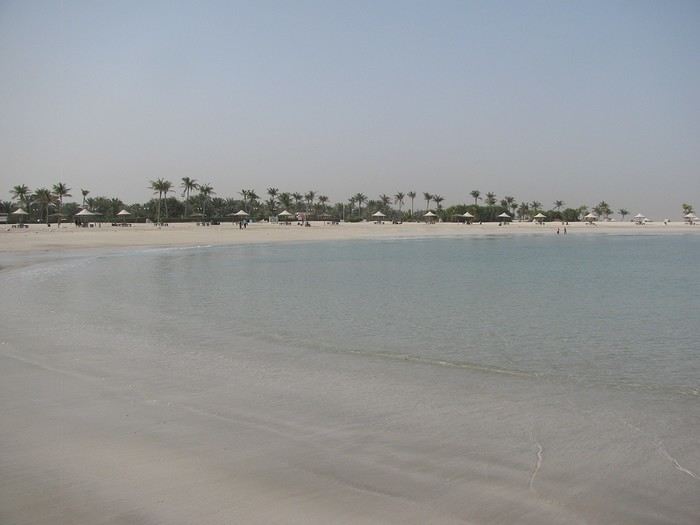 Mamzar Park
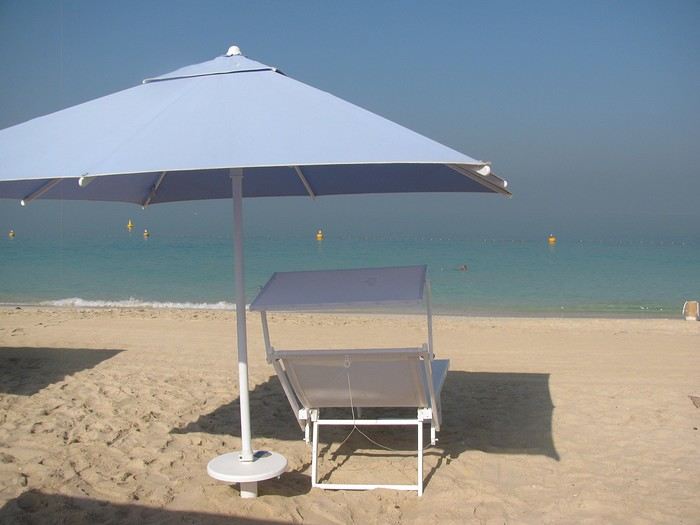 Kite Beach – Solemio section
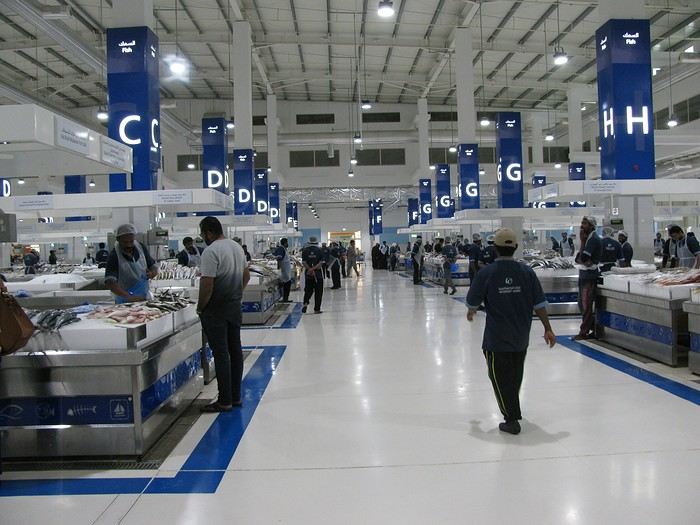 Waterfront Market, fish side
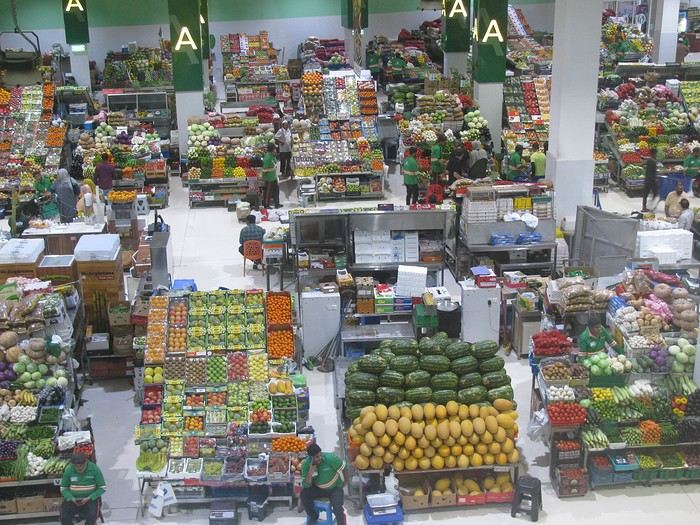 Fruit and vegetable side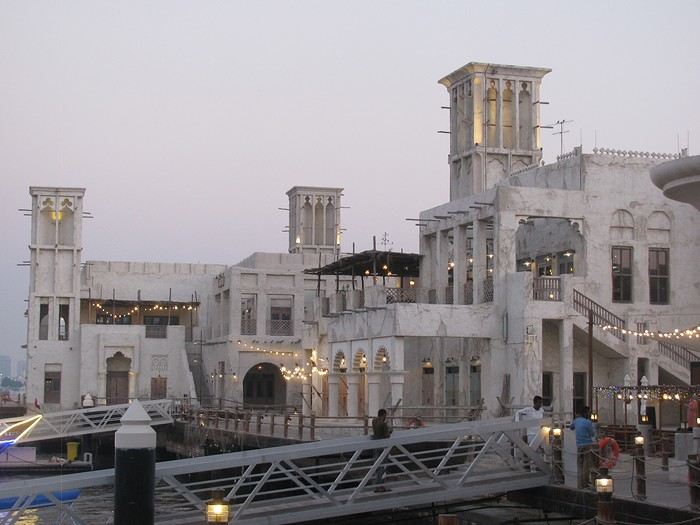
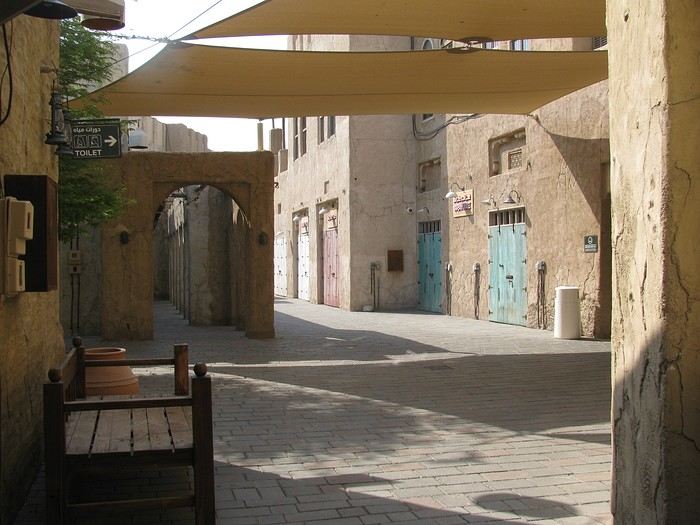
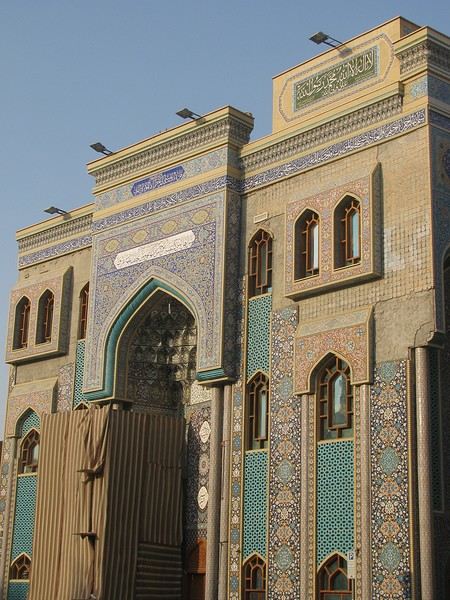 Iranian mosque right in the city
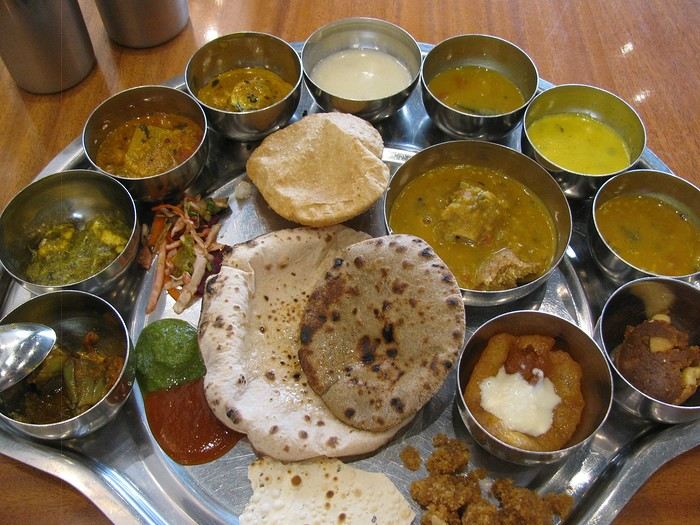 Indian thali
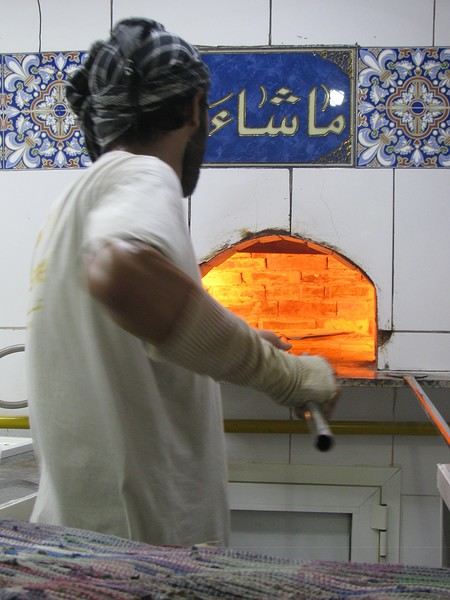 Afghan bakery