Foreword
This text has been proofread many times.
Sorry if some points in this A to Z have already been covered on this forum.
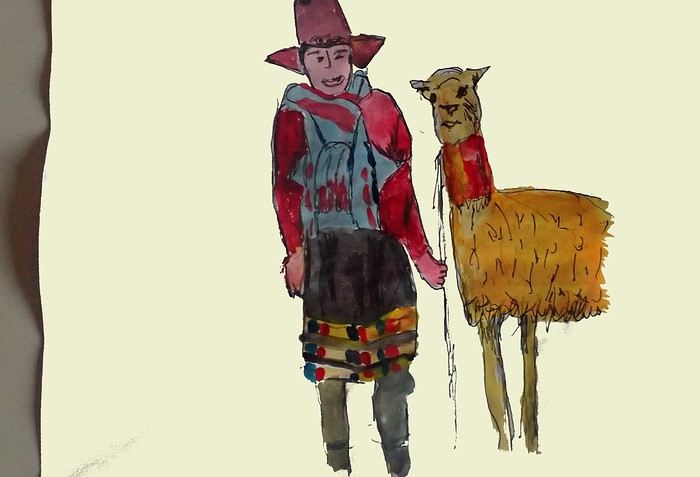
Text and drawings by the author.
Peru is still a very vast country, with so much to see, and obviously this text can't list all the attractions of the country.
*Abiseo (River)
A national park that's very hard to access and doesn’t seem open to visitors.
Includes the Gran Pajaten site (see below).
Personally, it really sparks my imagination
(not visited personally)
*Aguas Calientes
the town next to Machu Picchu, more precisely below the archaeological site.
As far as I know, you can only get there by train.
Reminds me of the market where stalls line both sides of the tracks near Bangkok.
I love it
*Altiplano: somewhere the "heart" of the Andes.
I was able to trek across it on foot, starting from Caracollo in Bolivia, and of course, it’s vast plains to explore.
This is where people live in a very rural way.
Andean populations are quite austere compared to those in the lowlands or on the coast.
You really have to appreciate the harshness of life to live there.
Life is anything but superficial.
I set a compass heading and found myself walking west toward the expanse of water near a place called La Joya.
For pitching the tent, the nights were still chilly
*Canyon del Colca
One of the deepest canyons in the world.
Personally, I hiked down and back up on foot.
The toughest stretch I’ve ever covered in my life.
*Ceviche
More or less the national dish.
A marinade of fish, shellfish, and lime.
But you can find it in some restaurants in Europe, France, and certainly in Belgium or Switzerland.
In the small restaurants of Pisco, you can eat excellent ceviche
*Cerro Sechín:
Mostly bas-reliefs. A site little known to travelers in the Casma province.
The first vestiges of a pre-Inca civilization with iconography similar to that of Chavín
(not visited personally)
*Chan Chan
A large city of the Chimú civilization and relatively vast to visit.
You can see adobe walls with bas-reliefs.
Visit from Trujillo, take a colectivo.
Plan for the whole day
*Charango: a small guitar widely used in Andean music
*Chauchilla
A necropolis near Nazca where you can see mummies exposed on the ground.
YouTubers can do paranormal experiments there.
And for anyone wondering about the fate of the soul and body after death, here’s the answer: the body remains after death.
You can imagine your own flesh and body exposed to the winds of the Pampa and before eternity...
(not visited personally)
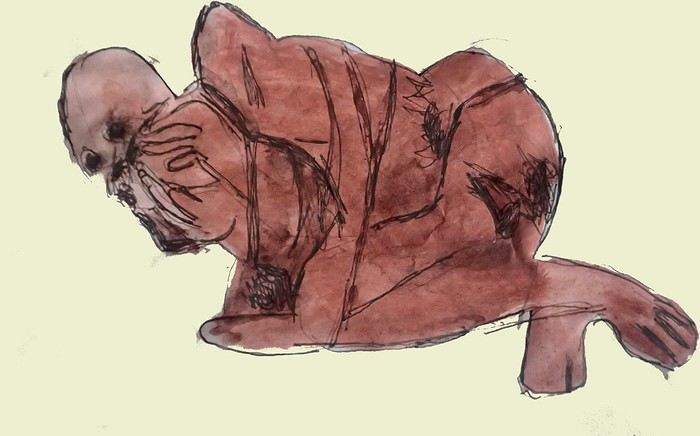
*Chavín de Huántar (Lanzón) The site’s appeal lies in its mountainous surroundings, the Lanzón stela, and the sculpted heads on the façades.
What few people know is that the Chavín civilization began its expansion centuries before the Incas.
Unfortunately, you can’t get too close to see the Lanzón—the day I was there, it was protected by grilles.
To get there: minibus from Huaraz or trek from Olleros.
Then cross a high pass (over 5,000m). If you do it solo on foot, be careful—the path isn’t obvious from Olleros
*Chullpa: funerary tower, notably at Sillustani in the Lake Titicaca region
*Chimú: pre-Inca civilization whose center was Chan Chan.
*Chola/Cholitas (Bolivia): typical clothing style of women from the Andean plateaus
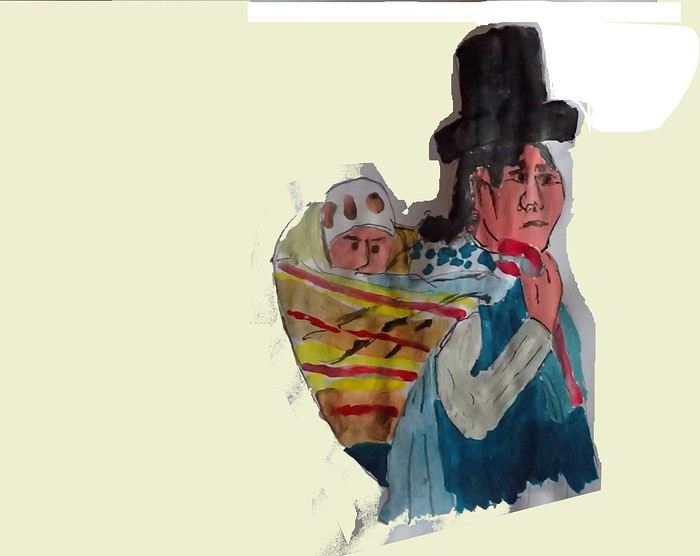
*Chompa: pronounce it *Chompaaa!* A common term for a wool sweater with vicuña patterns, often knitted from alpaca wool.
If you dress like this, it’s a bit kitschy around the edges
*Cuy That one isn’t a guinea pig like in Guyana but an actual guinea pig.
During a trip to Peru, I was hiking near a village north of Quillabamba (the terminus of the train line that passes through Aguas Calientes), and I was invited to stay in a house.
The family raised a few of these pets. Apparently, the locals eat them.
Since I’m not much of a meat-eater, it doesn’t really tempt me. How about you?
*Pacific Coast or how to talk about a place you haven’t visited?
Except for the coast near Pisco and San Andrés, I haven’t visited any coastal cities.
But that doesn’t mean these places lack interest or poetry.
For fans of clichéd images, pelicans, seabirds, and fishing boats appear by the sea.
*Gran Pajaten: also closed to the public. Features anthropomorphic bas-reliefs.
(not visited personally)
*Huaca.
Visit the Huaca del Sol and Huaca de la Luna, especially near Trujillo.
However, you can skip them—Chan Chan is still more interesting.
Don’t forget to spend time visiting Chan Chan
*Huacachina
A small oasis in the desert near Ica.
Yes, we’re talking about an oasis because for those who’ve never traveled to Peru, the coastal strip along the Pacific is almost entirely desert, from north to south.
Peru is territorially made up of three different regions: the desert coast, the Altiplano stretching north to south with mountain ranges (the Cordilleras), and the Amazon basin to the east.
(not visited personally)
*Inca Kola
It’s neither Coca-Cola nor Pepsi but a unique cola with a slightly orange color.
Tastes like bubble gum
*Intiwatana: a carved rock shaped like a parallelepiped.
Is it a sundial?
*Ballestas Islands: a highlight in Peru, though very touristy.
You can only get there by boat from the port of San Andrés, a few kilometers from Pisco.
It’s a surreal place to me—actually islets with cavities where sea lions and fur seals live.
Since it’s a protected area, you’re not allowed to disembark.
Guano is harvested there, which can be used as fertilizer.
*Kuelap: a fortress built by the Chachapoyas people.
Rarely visited by travelers.
(not visited personally)
*Larco Museum: an iconic museum in Lima with a large collection of pieces from archaeological and pre-Columbian sites.
From what I remember, it has many pieces from the Moche civilization.
As for the Moche statuettes, the prudish might look away.
Probably a veneration of the god Priapus without knowing it.
*Nazca Lines
Discovered by German archaeologist Maria Reiche, they stretch for kilometers.
The designs in the desert around Nazca depict animals and cabalistic signs.
The question I ask myself is why the creators of these lines represented a monkey and a hummingbird—species endemic to the tropical forest, not the desert plains around Nazca.
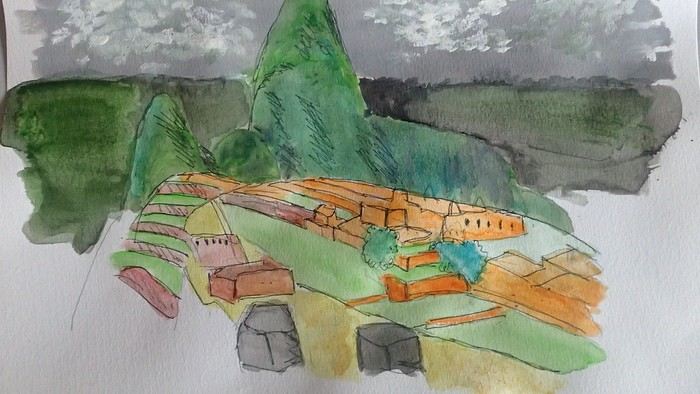
*Machu Picchu: means "old mountain" in Quechua.
There’s also Wayna Picchu.
The ruins of the site emerge from a sort of small plateau above Aguas Calientes.
When the mist rises above the site and the bend of the Urubamba River, it’s truly magical...
Also the starting point of the Inca Trail.
*Coca tea
A decoction/infusion of the coca plant, meant to ease altitude sickness or *soroche*
*Chullo A rough translation would be a Peruvian wool hat.
*Moche: a civilization established in the Moche Valley, hence the term *Mochica*.
What characterizes this civilization are the distinctive clay pieces representing faces and erotic statuettes
*Papa a la Huancaína
A local potato dish
*Pisac: a typical market near Cusco
*Pisco Sour: perhaps the Peruvian equivalent of the *caipirinha* you drink in Brazil.
*Puya Raimondii
A Bromeliaceae that still looks like a cactus, endemic to the Altiplano
*Quechua
The language spoken by the indigenous people of the high plateaus (as well as Aymara in Bolivia)
*Quipu A knotted string used for counting. Widely used by the Inca administration.
*Sacsayhuamán (Q’enqo, Inca Bath)
From Cusco’s Plaza de Armas, take the streets that climb above the city.
Sacsayhuamán is called a fortress and is made up of large stone blocks. You wonder how the Incas could cut such huge blocks to assemble them—just like some streets in Cusco.
The Q’enqo block is enigmatic; no one really knows what it represents.
*Savia Andina An Andean folk group.
*Tambo (=> Ollantaytambo)
The Inca emperor (Atahualpa, Manco Capac) had the mission of controlling a vast empire.
An empire that was still very extensive.
Hence the importance of these *tambos* or relay stations.
Napoleon created the civil code; the Incas invented the *tambos* and *quipus*.
*Tawantinsuyu: the Inca Empire
*Tinku: a warrior dance practiced mainly in Bolivia
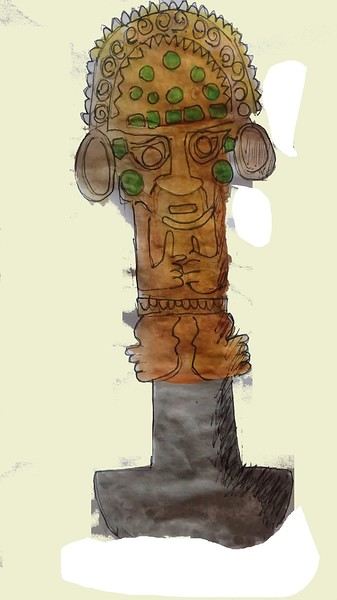
*Golden Tumi: a sacrificial weapon. Often featured in Peru travel guides.
See illustration
*Terra X: a documentary series from the German TV channel that aired on Arte.
Some episodes focused on pre-Inca and Inca Peru.
I must have some old recording tapes.
In memory of Gottfried Kirchner as a source of inspiration.
*Uros: I checked—it actually refers to the people who live on these floating islands.
Even if it’s touristy, it’s a must-visit because it’s incredible how people can live on islets made from nothing.
Take the boat from Puno
*Vicuña, llama, guanaco: camelids characteristic of the Altiplano
*Wayna Picchu The young Picchu mountain.
In the first minutes of *Aguirre, the Wrath of God*, you see Klaus Kinski—well, Aguirre—making his way along the Inca Trail. Werner Herzog must have broken his back filming those sequences.
*Zampoña: pan flute

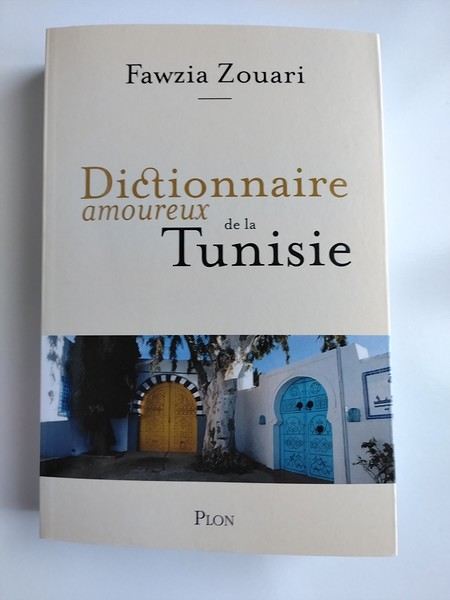

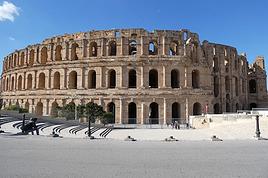
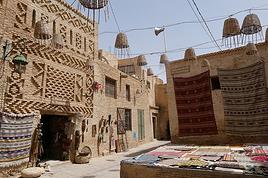
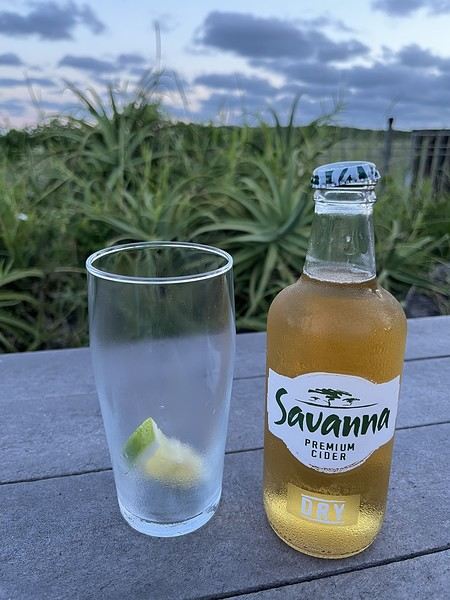
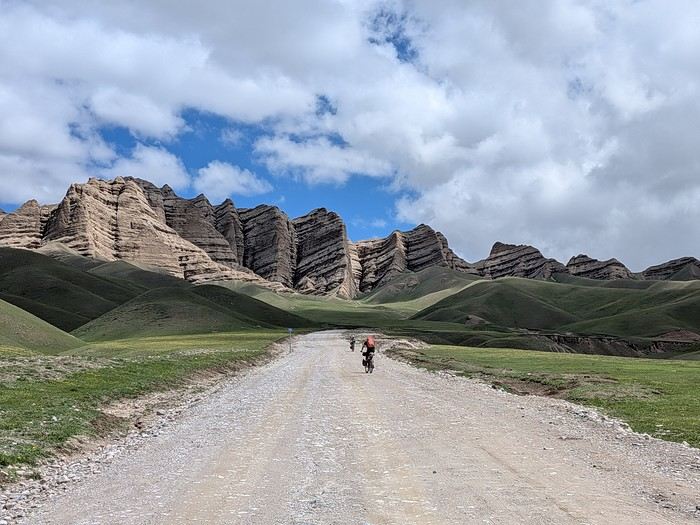

 A little sneak peek?
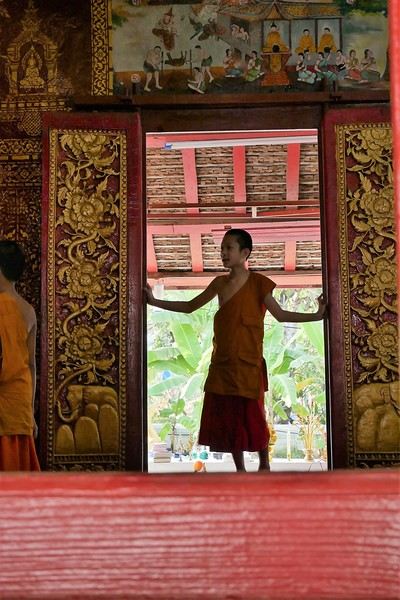
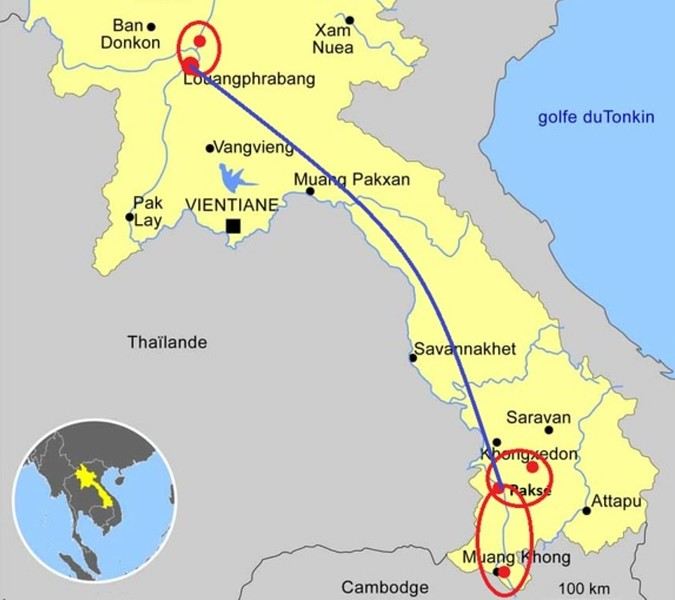
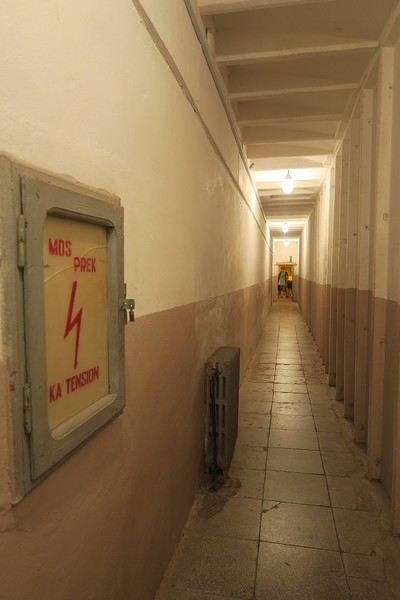
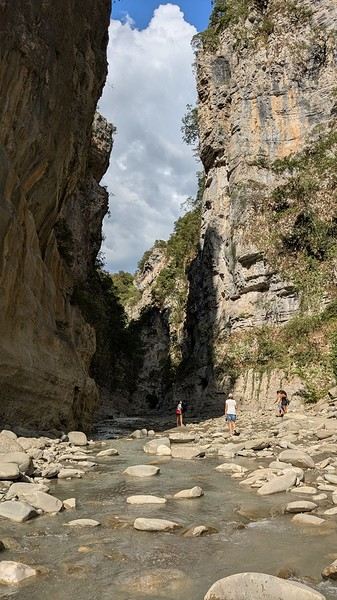
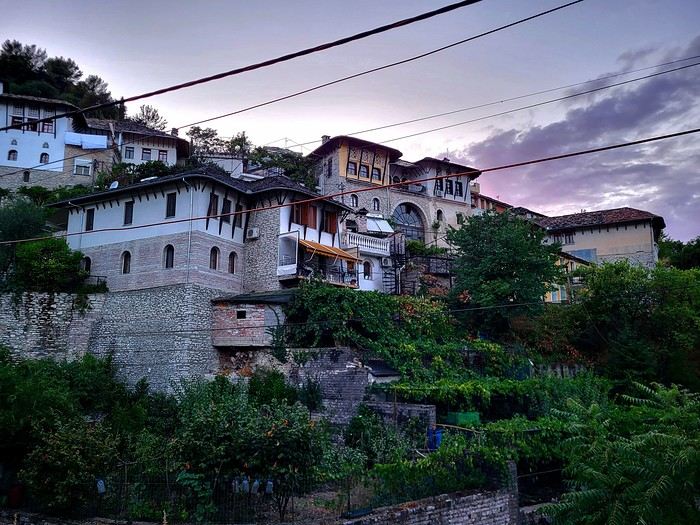
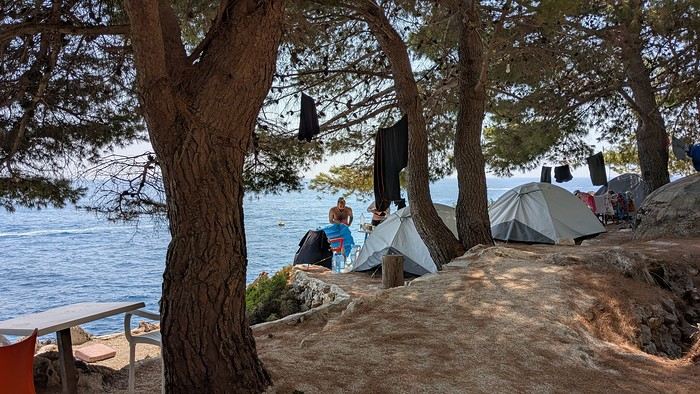
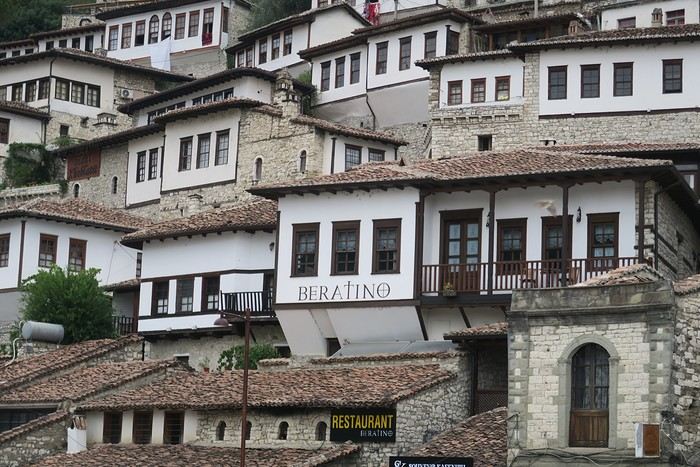
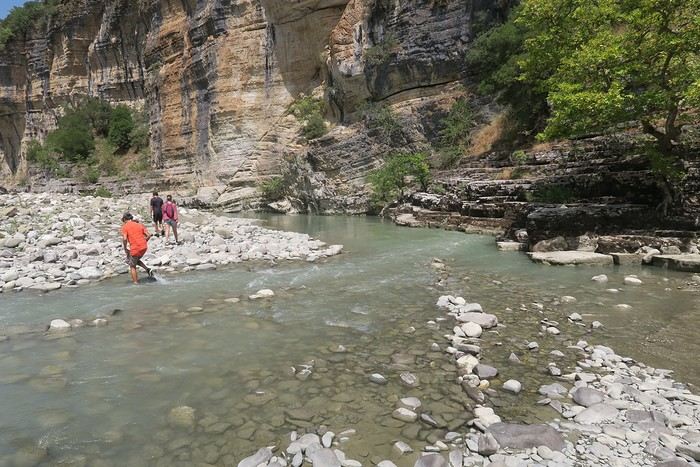
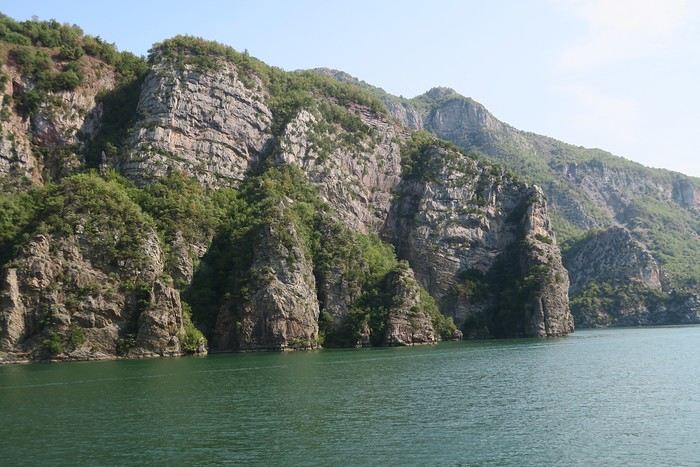
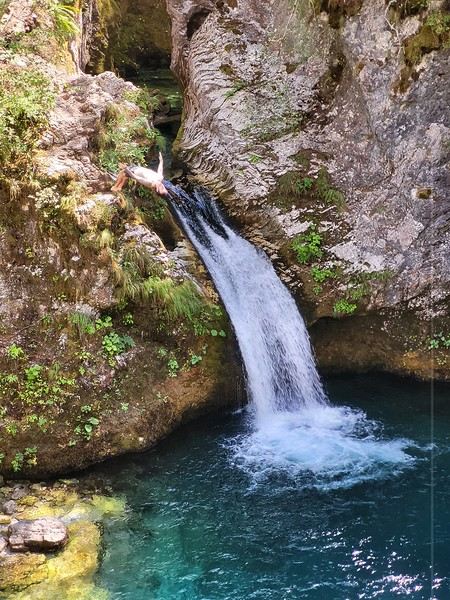
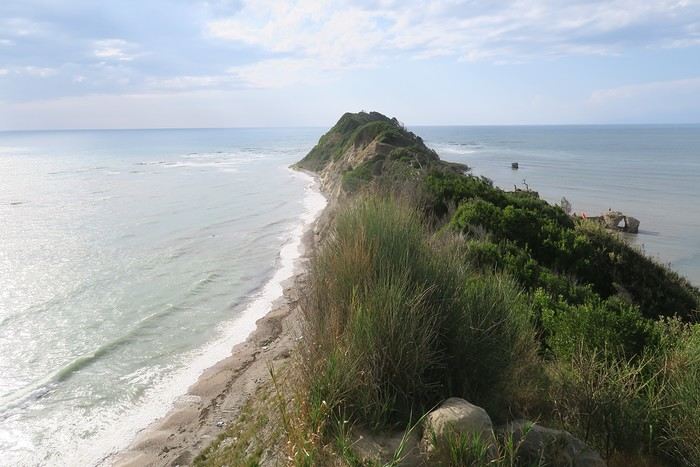
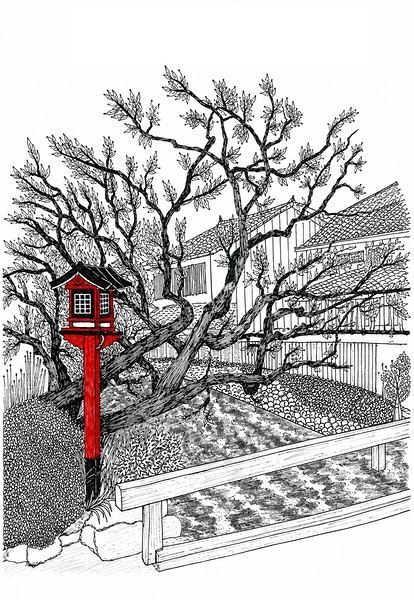 I’m inviting you on a stroll through my drawings—a completely subjective, far-from-exhaustive, and totally personal take, since it’s based on my own sketches. I put this travel journal together after returning in late 2024, mostly using felt-tip pens and pencils, with a few collages thrown in. I worked from our personal photos.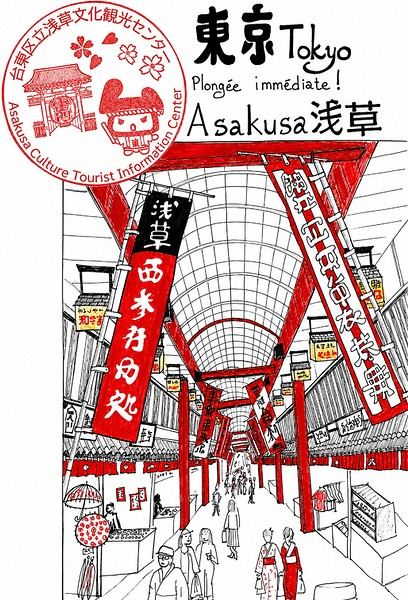
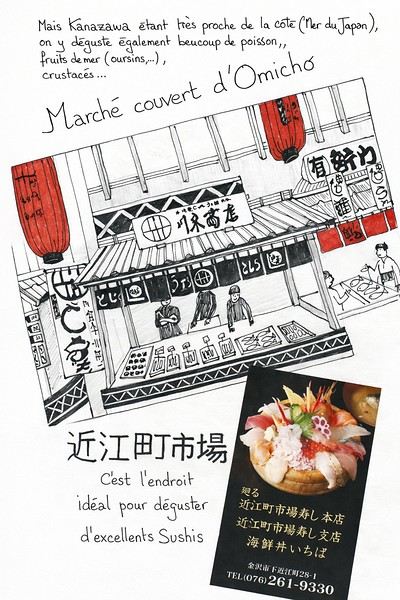 And in Kyoto, the Nishiki Market:


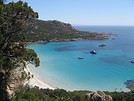
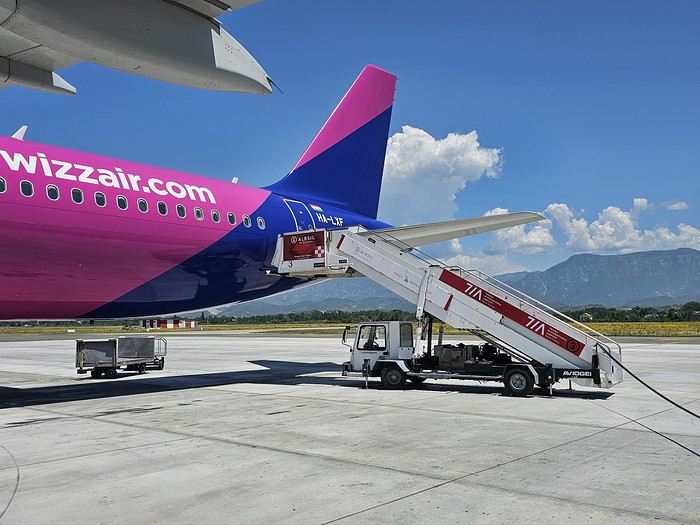 Since Albania isn’t part of Europe when it comes to phone service (at least not yet! :-)), we had to buy a physical SIM card—otherwise, the bill would’ve been sky-high if we’d used our French plan! We got one from Vodafone AL at the airport. You can buy online before leaving with a virtual SIM (e-SIM) for compatible phones, so you don’t have to swap cards. But given the uncertainty about choosing a plan online, we preferred buying one directly at Tirana Airport. Cost: 31 € for 100 GB. That’s way too much—100 GB is overkill. For 40 GB, it’s 27 €, and the plan lasts 21 days. The price difference isn’t huge, and it was cheaper than online. This plan covers all the countries along the Balkan range.
Money tip: All guesthouses and accommodations accept euros. The local currency in Albania is the LEK. In Montenegro, it’s the euro. Bank fees for withdrawing money from an ATM in Albania are pretty steep: 8 € for a withdrawal of 600–700 LEK (about 200 €)! So it’s better to withdraw cash (euros) in France. Oh, and we booked all our accommodations before leaving, but payment is always in cash. Budget around 400–500 € for 9 days of trekking.
Since Albania isn’t part of Europe when it comes to phone service (at least not yet! :-)), we had to buy a physical SIM card—otherwise, the bill would’ve been sky-high if we’d used our French plan! We got one from Vodafone AL at the airport. You can buy online before leaving with a virtual SIM (e-SIM) for compatible phones, so you don’t have to swap cards. But given the uncertainty about choosing a plan online, we preferred buying one directly at Tirana Airport. Cost: 31 € for 100 GB. That’s way too much—100 GB is overkill. For 40 GB, it’s 27 €, and the plan lasts 21 days. The price difference isn’t huge, and it was cheaper than online. This plan covers all the countries along the Balkan range.
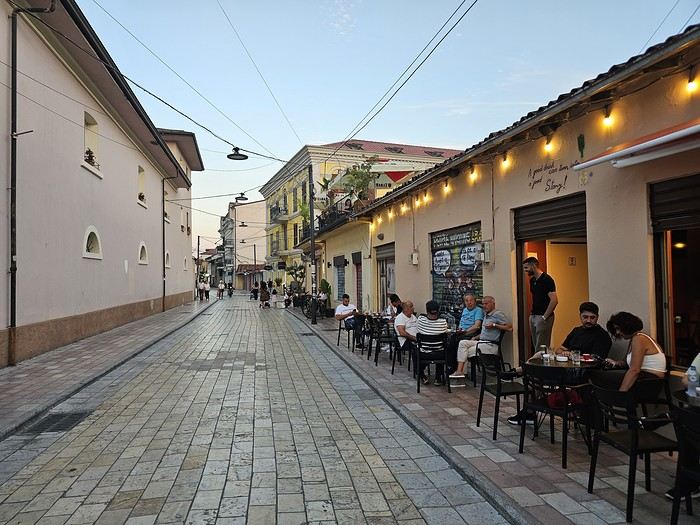
Money tip: All guesthouses and accommodations accept euros. The local currency in Albania is the LEK. In Montenegro, it’s the euro. Bank fees for withdrawing money from an ATM in Albania are pretty steep: 8 € for a withdrawal of 600–700 LEK (about 200 €)! So it’s better to withdraw cash (euros) in France. Oh, and we booked all our accommodations before leaving, but payment is always in cash. Budget around 400–500 € for 9 days of trekking.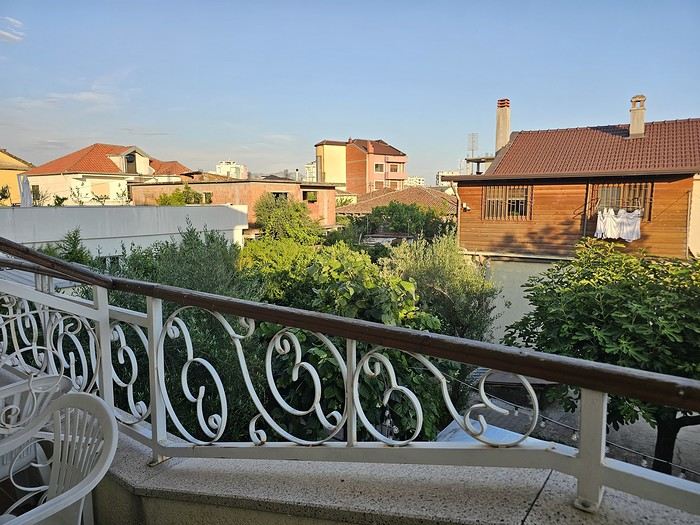 I really liked Shköder, especially its pedestrian street lined with restaurants and lit up at night. It’s a great place to stroll and eat. The food isn’t expensive—two big salads and two beers: 14 € :-) . Fruit prices are also very reasonable: 3 € for a kilo of cherries, compared to 9–10 € in France.
Religions coexist peacefully in these countries—Catholics and Muslims. From our balcony, my friend heard the call to prayer for the first time, coming from one of the city’s mosques.
I really liked Shköder, especially its pedestrian street lined with restaurants and lit up at night. It’s a great place to stroll and eat. The food isn’t expensive—two big salads and two beers: 14 € :-) . Fruit prices are also very reasonable: 3 € for a kilo of cherries, compared to 9–10 € in France.
Religions coexist peacefully in these countries—Catholics and Muslims. From our balcony, my friend heard the call to prayer for the first time, coming from one of the city’s mosques.
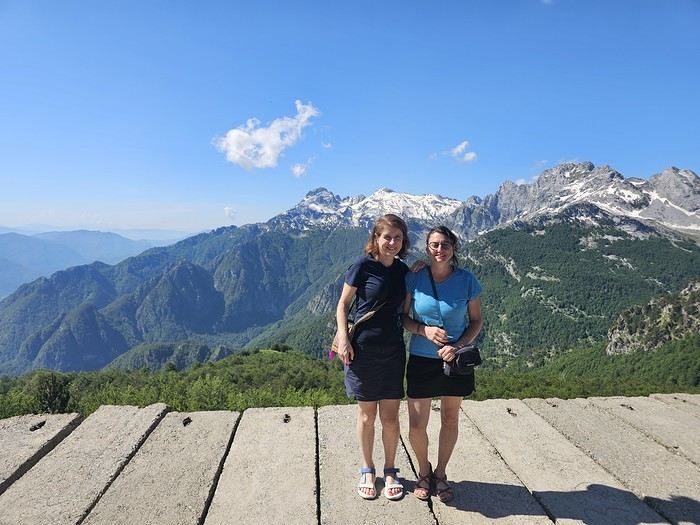
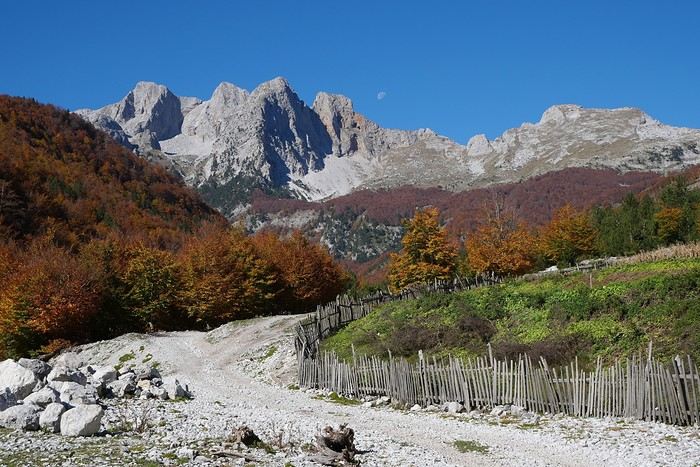
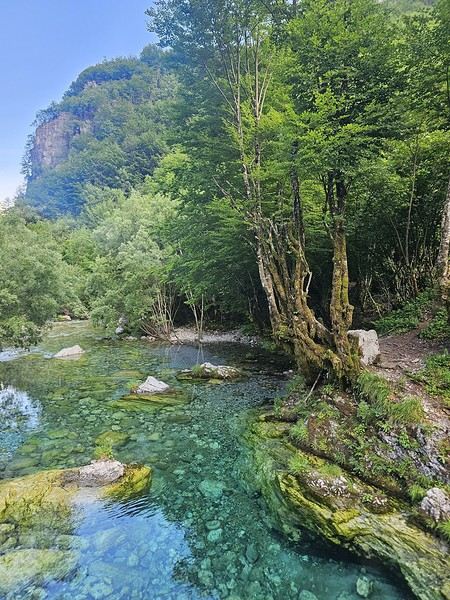
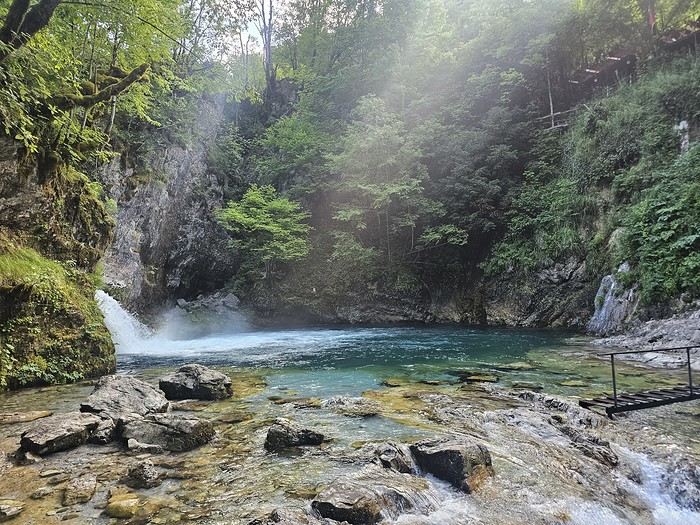
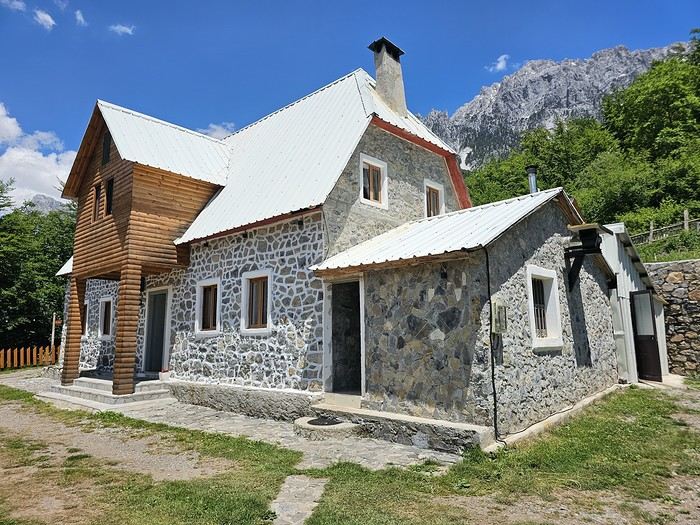 We slept in the heights of Theth at a new guesthouse, "Mountain Vista Shkafi," with an amazing view.


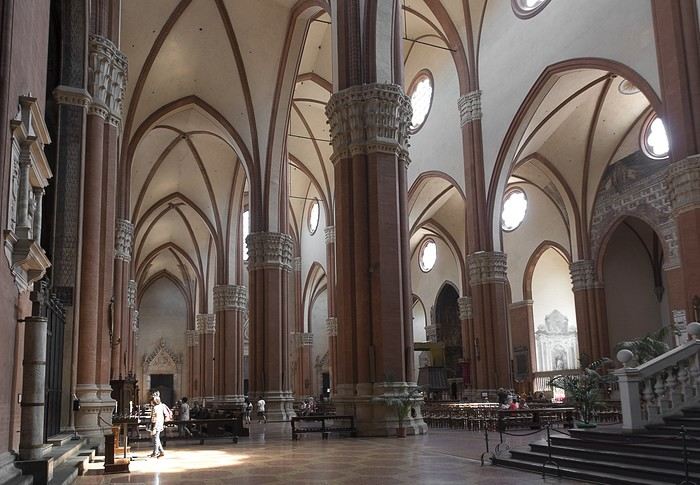
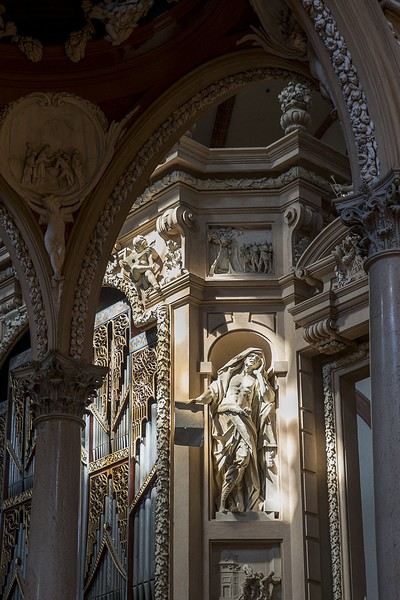
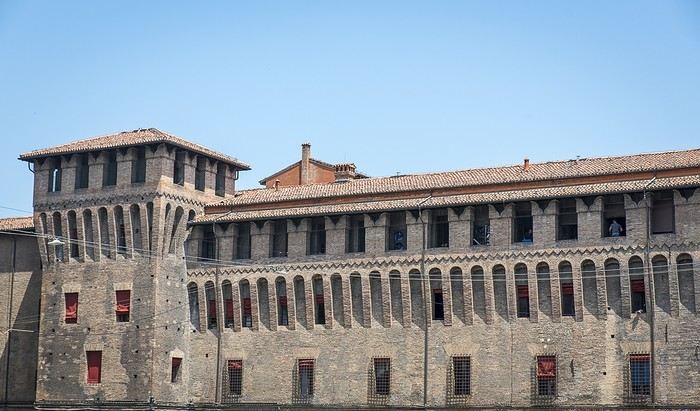 But Bologna’s real charm lies in its porticoes, which were added to the UNESCO World Heritage list in 2021: 62 km of arcades running along buildings, letting you walk sheltered from the sun or rain. Back in 1288, the city required houses to include private arcades for public use. In the city center, you can stroll under 32 km of porticoes in all sorts of styles—some plain, some ornate—with a strong presence of red tones.


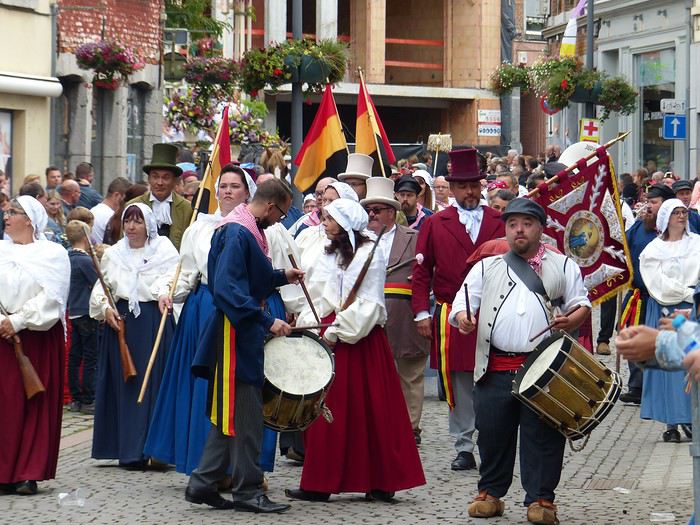
 Ooooooooh, giants!
Oh, how I love them! In the North, we have lots of these giants, like Reuze Papa and Reuze Maman in Cassel, or Gayant, Marie, and their children Binbin, Jacquot, and Fillon in Douai, and many more.
Ooooooooh, giants!
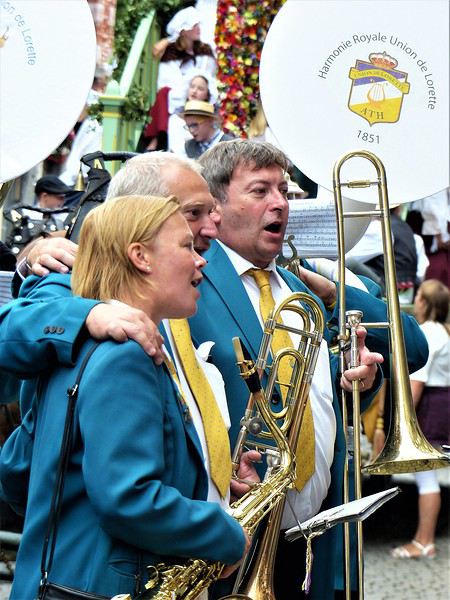
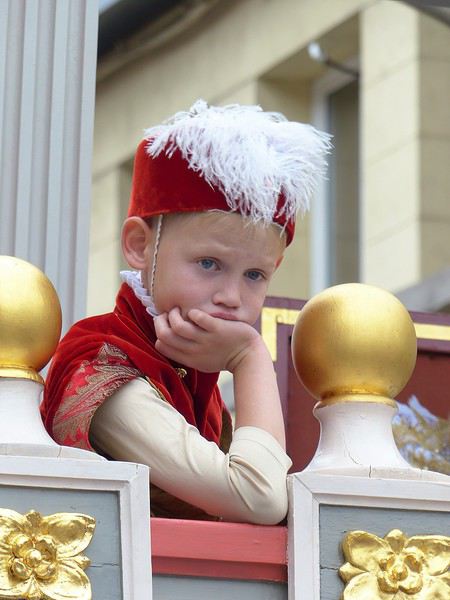
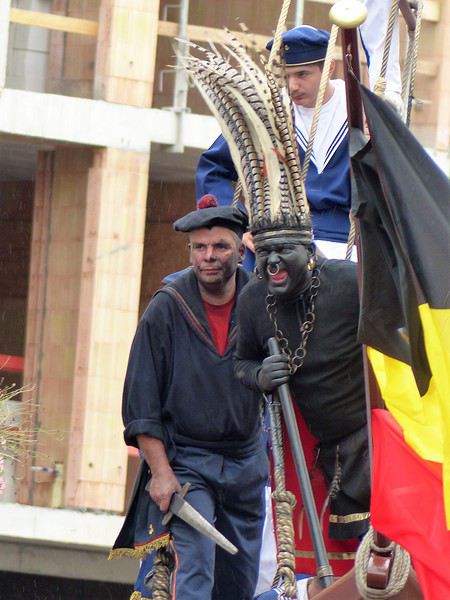
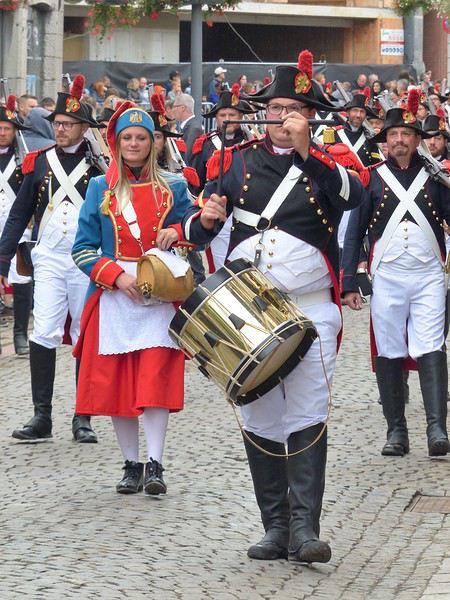
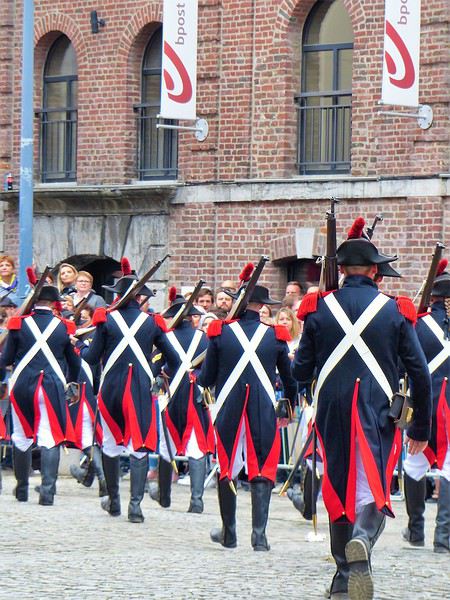
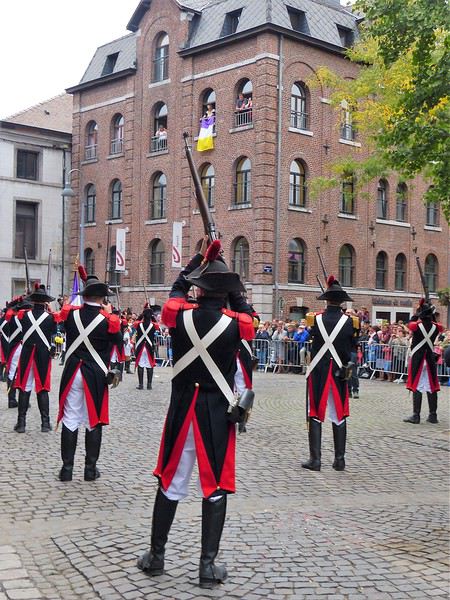
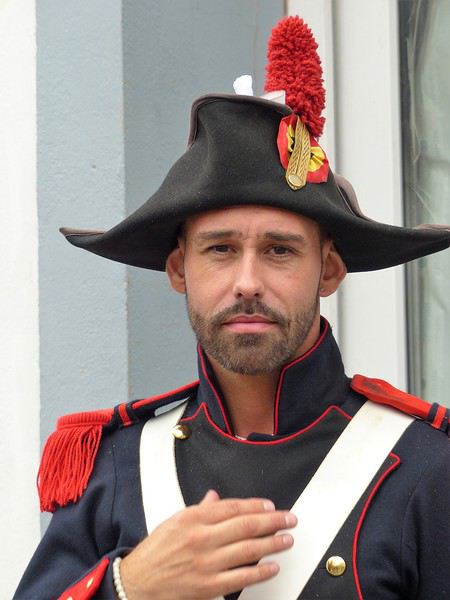
Oh, how I love them! In the North, we have lots of these giants, like Reuze Papa and Reuze Maman in Cassel, or Gayant, Marie, and their children Binbin, Jacquot, and Fillon in Douai, and many more.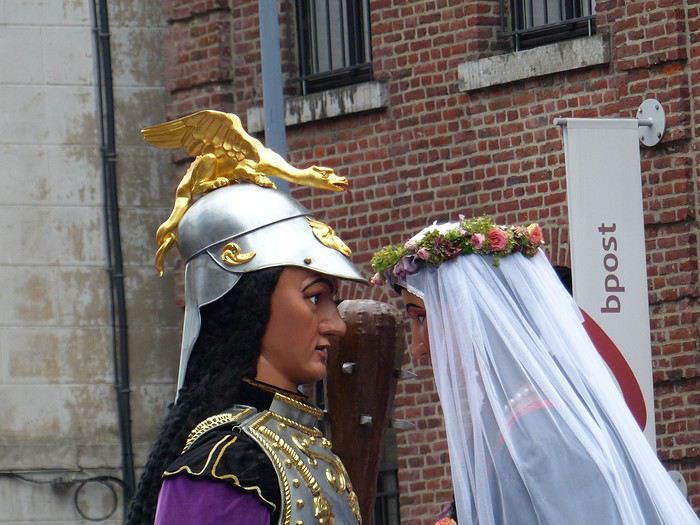 What’s more, the Ducasse of Ath is remarkable for its age and local roots; a procession was first mentioned in 1399, and today the many musical groups are still local (Ath and surrounding towns). The event is extremely popular: a good part of the population is there, all generations mixed together. Everyone knows the groups, floats, and giants, and each has their favorite! Originally, religious groups paraded, illustrating episodes from the Bible or the Golden Legend. Gradually, the parade became secular and kept evolving by adding new giants, historical figures, or allegories linked to local history (Ath, Belgian Hainaut, Belgium).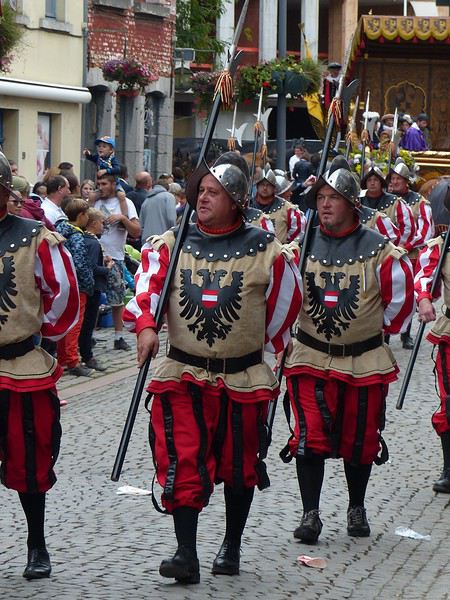
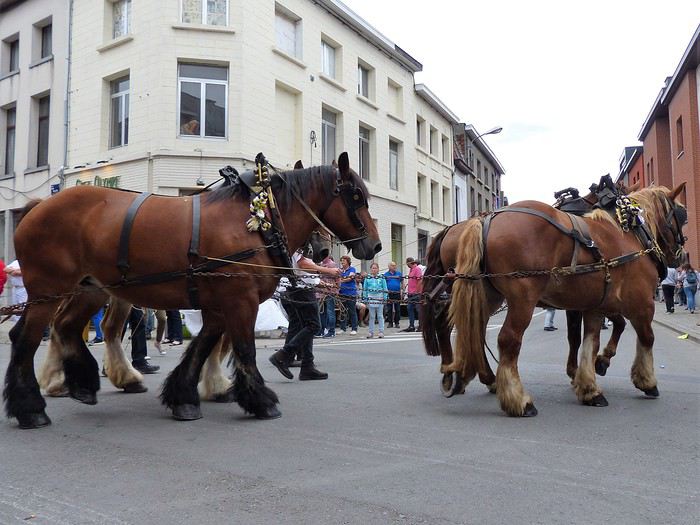 To wrap up this long introduction, know that the Ducasse of Ath lasts several days, but the highlight is the highly codified procession that takes place on the 4th Sunday of August (actually, the procession passes twice, once in the morning and once in the afternoon).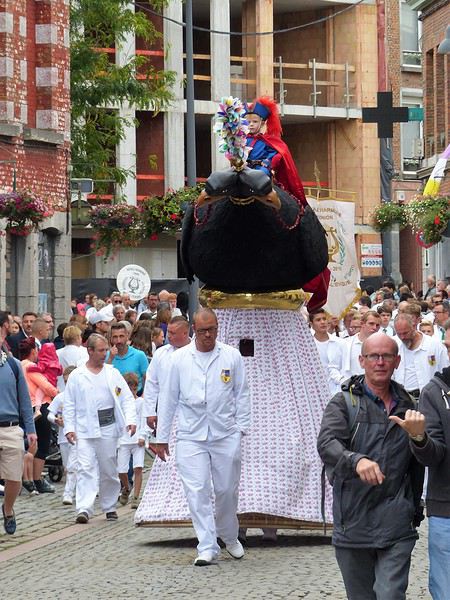
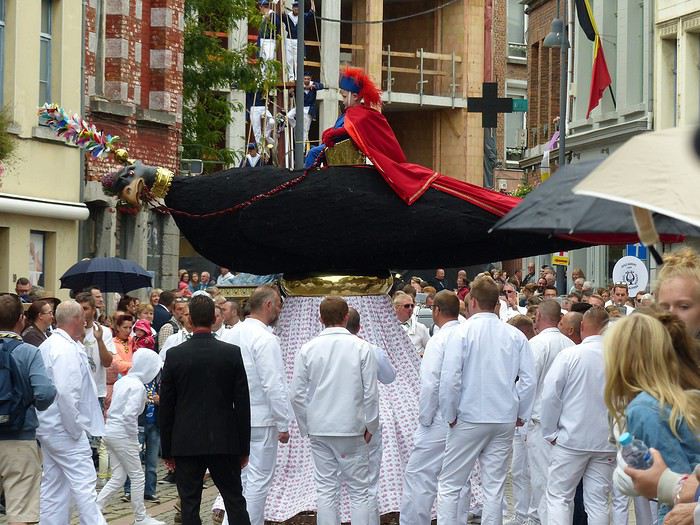
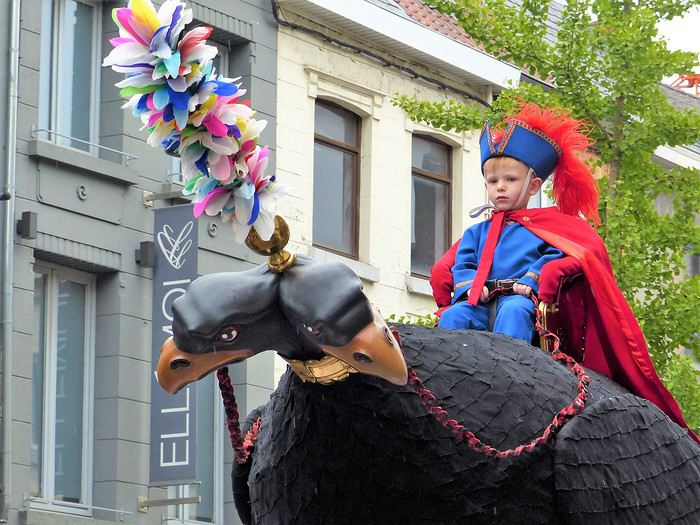
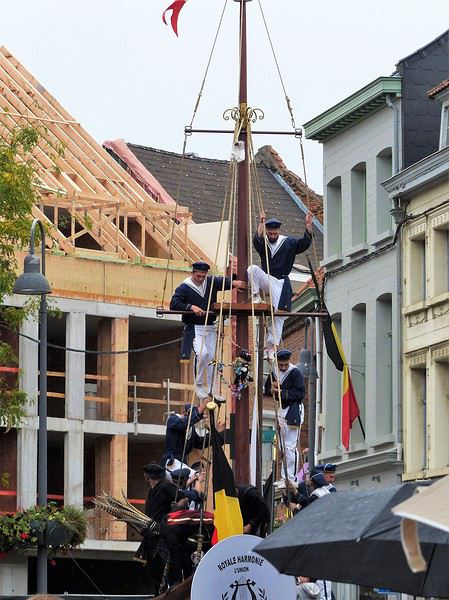
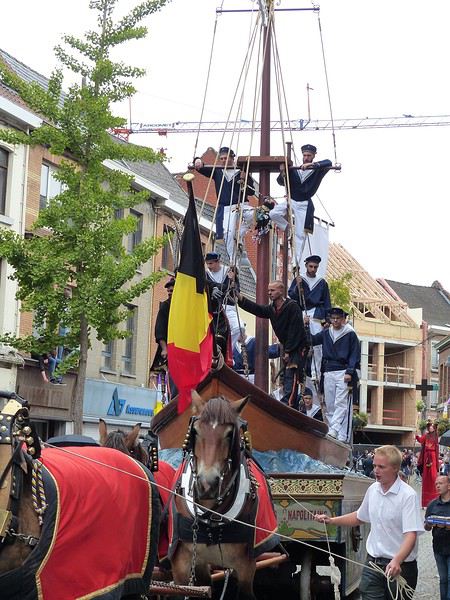
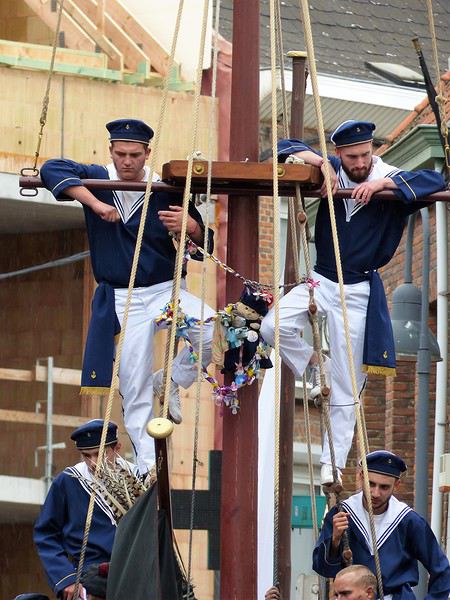
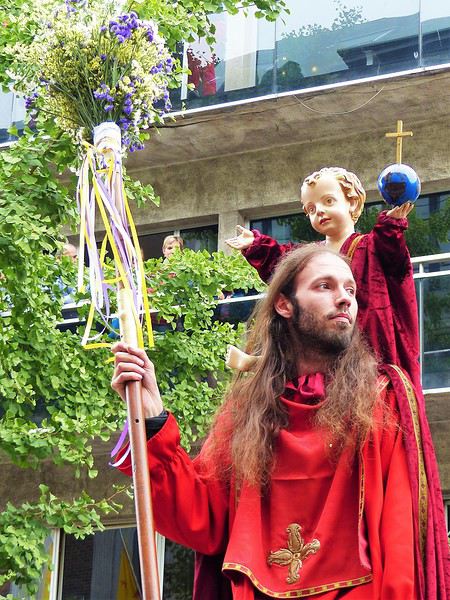
 It’s followed by a human giant on stilts: "Saint Christopher of Flobecq," holding a flowered staff and carrying Christ on his shoulders (this time, not a real child!). It appeared in the 19th century, then disappeared from the procession before being reintroduced in 1976.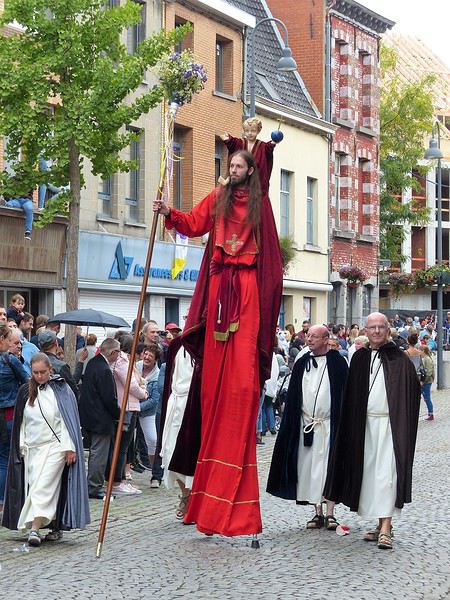

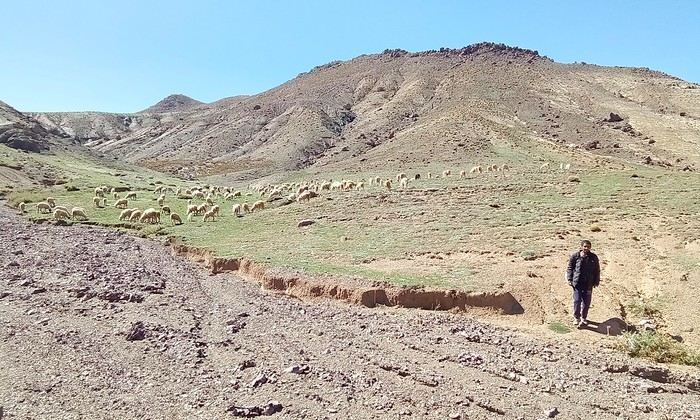
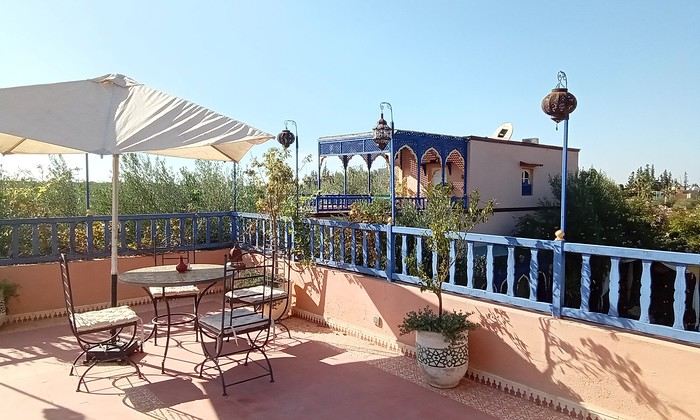
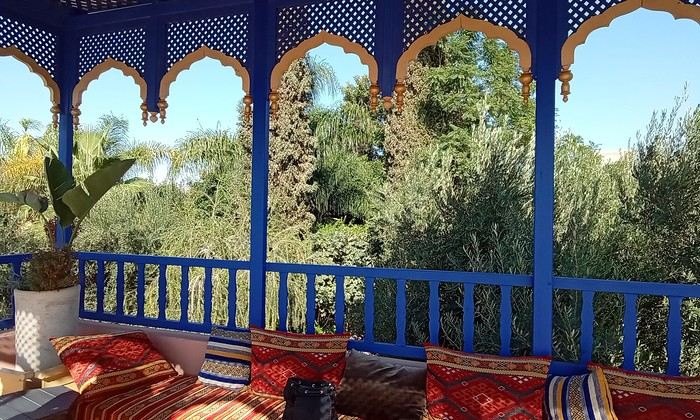 Last October, we landed in Marrakech to spend a few days with family exploring Morocco’s roads.
Transport: a rented Dacia.
Accommodations: small guesthouses.
Last October, we landed in Marrakech to spend a few days with family exploring Morocco’s roads.
Transport: a rented Dacia.
Accommodations: small guesthouses.