Lanzarote Travel Journal
Trip Planning
My partner and I are heading to the Canary Islands for a week at the end of September, specifically to Lanzarote. We chose this island over the more crowded ones for its volcanic landscape and the variety of hikes it offers.
I booked everything through Expedia: our hotel stay, car rental, and Ryanair flight tickets departing from Marseille. It was the only way to get a direct flight. To make getting around easier during our stay, I picked a hotel located in the center of the island from the wide selection available. It’s part of the Barceló chain, specifically the "Barceló Teguise Beach Adults Only" in Teguise Beach, which turned out to be an excellent choice.
The Trip
Sunday, September 21 - Monday, September 22
Departure
It’s 2:15 PM, and we’re at the Avignon TGV station. Danielle picked us up earlier due to the weather—thunderstorms and heavy rain all the way to the station. The TGV was on time, and it only took 30 minutes to reach Marseille Saint-Charles. The shuttle to the airport is quick and convenient, right behind the station.
The bus leaves for the airport in the middle of the storm, with flooded roads and cars stuck in some spots.
We get soaked making our way to the terminal. Two hours to wait before the flight. The plane finally takes off at midnight, but just before landing, the pilot announces that the destination airport is closed, and we’re being diverted to Tenerife. Ryanair will re-route us as soon as possible.
We end up waiting 2 hours, and Ryanair kindly gives us a 4 € voucher.
We re-board around 5:15 AM and take off at 6:00 AM. About 45 minutes to reach Lanzarote. After collecting our luggage, we head to the car rental desk. The counter in the terminal is closed, and we’re directed to parking lot P4—it takes us a while to find it.
I’m a bit worried about the rental company’s reaction since the car was supposed to be picked up 7 hours earlier, but it’s not a problem. A woman next to us is furious because she’s in the same situation, and her rental was canceled. Anne-Marie translates for her, but nothing changes.
We pick up a brand-new Toyota Aigo and head to the hotel.
After checking in, we cross the garden, walking alongside the large pool to reach our room.
A lovely first-floor room with a jacuzzi and a sea view.
It’s early, so we head to breakfast—a generously stocked and varied buffet with everything you could want.
Afterward, we drive to Cueva de los Verdes, but it’s packed with people and a long wait. We decide to come back another day.
Next, we visit Mirador Del Rio. This rocky viewpoint at the edge of the island has breathtaking cliffs plunging 500 meters into the ocean. The view is stunning and impressive.
A panoramic bar lets you cool off while enjoying the scenery.
We return to the hotel for a short walk around the neighborhood and enjoy the beautiful pool with its pleasant water temperature. Relaxing by the pool, sun loungers, and all.
In the evening, a very varied buffet at the restaurant. Then early to bed to recover from the sleepless night before.
Tuesday, September 23
After a restful night, we enjoy another varied and hearty breakfast. The terrace seating is very pleasant. We take an inland road leading to Timanfaya National Park.
The road near the park runs alongside vineyards where the vines are surrounded by lava stone walls to protect them from the prevailing winds.
Our first stop is at the visitor center, where the island’s volcanic activity is well-documented. Next, we stop at an area where you can take a short camel ride—two seats are installed on either side of the camel’s hump. This little ride offers a great view of the volcanic landscape from a higher vantage point. A fair price of 11 € per seat for a 20-minute ride.
We then head to the park entrance via the road leading to the parking lot, where only authorized buses can take the winding route inside the park.
It’s crowded, and we wait about 45 minutes with several stops before reaching the parking lot.
We board the bus, and the route offers beautiful views of this volcanic area and its many craters. The journey is very interesting, with several stops for photos.
At the parking lot, a guide shows us how the heat from the rocks beneath the surface can ignite dry vegetation. Water poured into holes in the ground immediately creates geysers and jets of steam.
The building next to the parking lot has a restaurant where meat is cooked using the heat from a well dug into the volcanic rock.
On our way back, we drive to Playa Blanca, a seaside town with a small sandy beach.
Back at the hotel in the late afternoon for dinner.
Wednesday, September 24
We wake up early and have a quick breakfast—few people are around at this hour. Two days ago, we booked a 10:00 AM visit to Los Verdes, lava tunnels created by eruptions and lava flows from the La Corona volcano, which extended all the way to the coast.
When the lava came into contact with the air, it solidified on the surface while continuing to flow underneath. The lava tunnels stretch for 8 kilometers to the volcano, but we only walk one kilometer.
The inside of the tunnel is impressive, with narrow passages and larger chambers.
You can see traces left by the flowing liquid lava—varied colors and twisted shapes.
At the end of the path, a large chamber has been turned into a concert hall with perfect acoustics.
Next, we visit Jameo Del Agua.
This is a continuation of the lava tunnel, developed by Manrique.
There are beautifully designed bar and restaurant areas, as well as an underground lake where you can see small blind white crabs—a protected species in this very pure water.
Higher up, there’s a lovely space with a central pool that could double as a swimming area, surrounded by beautifully designed white pathways that contrast with the blue water.
Further on, you reach a large space inside the lava tunnel, set up as a performance hall with perfect acoustics.
Stairs let you view this beautiful space from above. A gap in the lava landscape reveals the ocean on the horizon.
We head back toward the village of Yé, at the foot of the La Corona volcano.
A 160-meter walk from the church, a path crosses vineyard plots and then climbs to the top of the volcano’s crater in about 30 minutes. It’s the island’s highest volcano.
When you reach the edge of the crater, you see how deep it is, with steep slopes inside forming a large circular opening. The place is breathtaking and awe-inspiring.
We drive back to the hotel via a road that climbs quickly, offering a beautiful view of the island’s northern part.
Thursday, September 25
After another enjoyable and varied breakfast, we head to the center of the island toward the volcano park and stop at a roadside parking lot where a path leads to the Montana Cuervo volcano.
This is a crater that opened on one side. During an eruption, an explosion created a breach in the crater.
Huge blocks of rock were thrown dozens of meters away. The path goes through the breach and descends into the crater, allowing you to walk around it. It’s impressive, and you really feel small and fragile in this environment.
The crater walls, with their different colors, highlight the rock formations. The crater is surrounded by a sea of lava with sharp, jagged rocks.
You can walk around the outside of the crater, but it’s not very interesting. We then head to the west coast, stopping at a spot with a small green lake next to a beautiful black sand beach.
Next, we stop at Salinas de Janubio, a lovely viewpoint overlooking the salt marshes with different water colors. A small shop sells various local products.
We then head to the famous Papagayo beach.
The road ends at a booth where they charge 3 € to continue.
From here, the land is private, and you have to pay to drive down a 3-kilometer rocky dirt road.
Quite a few cars are driving along it, kicking up clouds of dust. The car gets a dusty makeover.
We arrive at a large parking area, with several paths leading to different small beaches.
We go to Papagayo, a small blonde sand beach surrounded by red rocks.
The beach slopes gently into the water, which is a pleasant temperature. The setting is charming and peaceful.
We stay for a while before heading back to the hotel.
Friday, September 26
We start with a visit to the César Manrique Foundation in Tahiche. This was originally one of his homes. The modern construction spans several levels and is integrated into the lava flow, using the gaps to create living spaces. Large windows make the rooms bright and open to the scenery. The place is pleasant, with flower-filled gardens outside. It’s well worth a visit.
Next, we drive to Las Grietas, where a path leads to a narrow crack in the volcanic rock, forming a tight passage where only one person can walk at a time.
The passage isn’t very long, but progress is slow due to the endless selfies being taken here.
We then stop at Casa Del Camposino, a renovated farm that houses several artisan shops.
We taste a local wine recommended by a charming woman and buy two bottles of Lanzarote red wine on her advice.
Now, we head to Tamara beach, a beautiful and wide beach at the foot of high cliffs. There are always great waves here, making it a surfer’s paradise.
On the way back to the hotel, we stop at the cactus garden, César Manrique’s final creation. Designed with a great sense of aesthetics around an old windmill, it features 4,500 varieties of cacti in various shapes, all in a beautiful setting.
We return to the hotel in the late afternoon for the evening.
Saturday, September 27
After another hearty breakfast, we head north to Haria. We stumble upon another of César Manrique’s homes, where he lived for a long time. This house is more traditional than the previous one but still has large, modern, and very pleasant rooms. At the back of the garden is his large studio, where he created his works.
Next, we visit the craft market—this was our original plan. Various stalls offer local items, and it’s very crowded. No room at the café terraces to sit down.
We then return to Famara beach for a long stay. There are always great waves here, much to the surfers’ delight. The water temperature is pleasant, and we enjoy it.
On the way back to the hotel, we stop at a gas station to refill the car, which has been very fuel-efficient. Gas is also much cheaper here than in France—1.16 € per liter of SP95.
We also wash the car, which was very dusty after the long dirt road to Papagayo beach.
At the hotel, we enjoy a farewell cocktail before dinner.
Sunday, September 28
We spend the morning by the hotel pool before checking out at noon. For lunch, we go to a restaurant called "Dona Lola," near the hotel, with a terrace offering a view of the coast. We order tuna carpaccio, which is delicious.
We then head to the airport, just 15 minutes away.
We return the rental car and go to the airport.
A long line to check in our luggage.
The return flight is on time.
A shuttle bus takes us to Saint-Charles station.
We then head to our overnight rental. The boulevard slopes down, making it easier with the suitcases.
The rental is between the old port and the train station.
Once there, we pick up the keys and make one last effort to carry the luggage up to the third floor.
The studio is nice, clean, and simply equipped—perfect for one night.
Original post







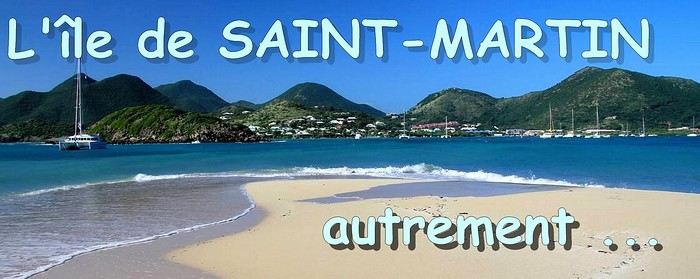 When it comes to the Caribbean island of Saint-Martin, it's customary to praise its coastline and dreamy beaches—and they certainly deserve it.
But in this story, I’d like to highlight other memories, aspects, and impressions for a slightly different change of scenery.
Enjoy the read—some text and, above all, lots of photos.
« Byenveni sou zile Sen Maten! » (Welcome to the island of Saint-Martin)
When it comes to the Caribbean island of Saint-Martin, it's customary to praise its coastline and dreamy beaches—and they certainly deserve it.
But in this story, I’d like to highlight other memories, aspects, and impressions for a slightly different change of scenery.
Enjoy the read—some text and, above all, lots of photos.
« Byenveni sou zile Sen Maten! » (Welcome to the island of Saint-Martin)
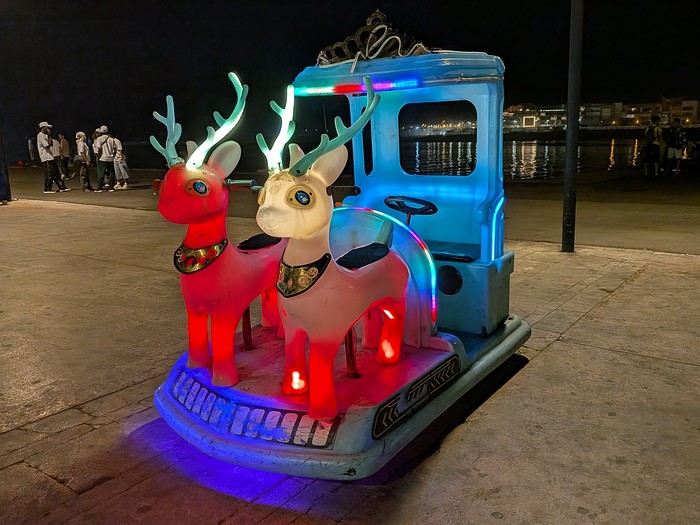

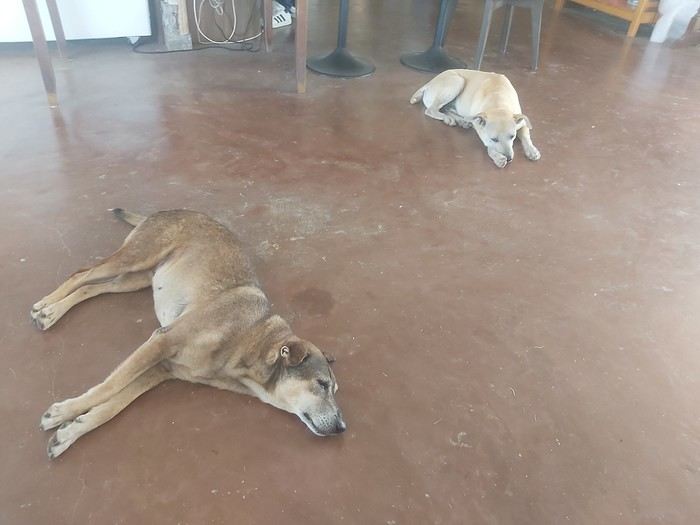



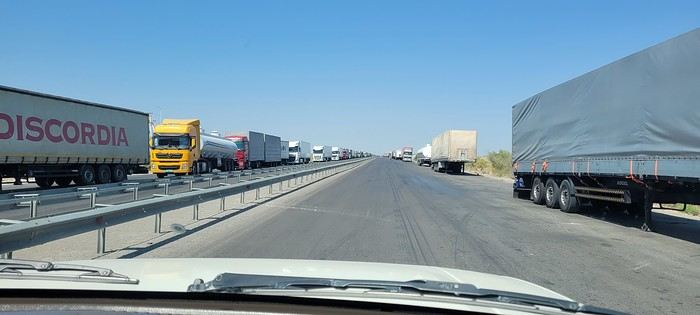
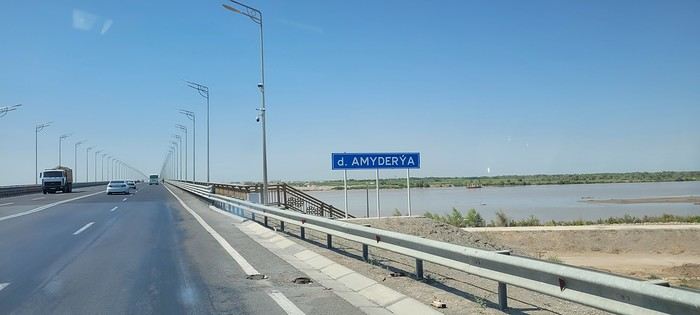
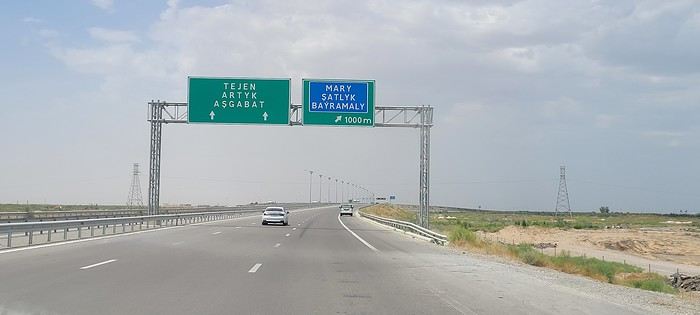
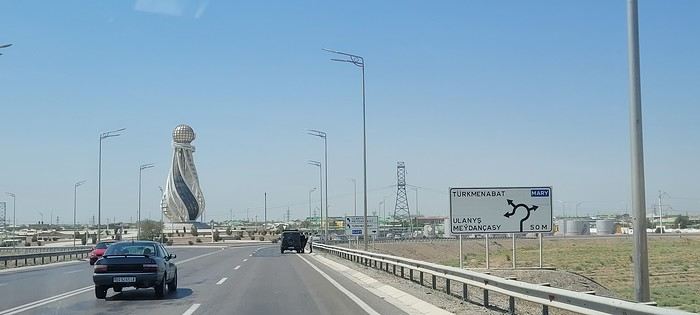
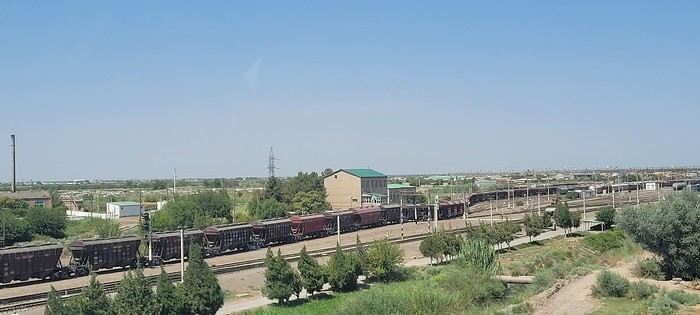
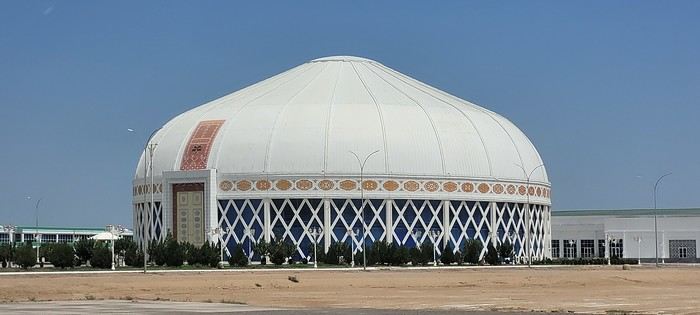
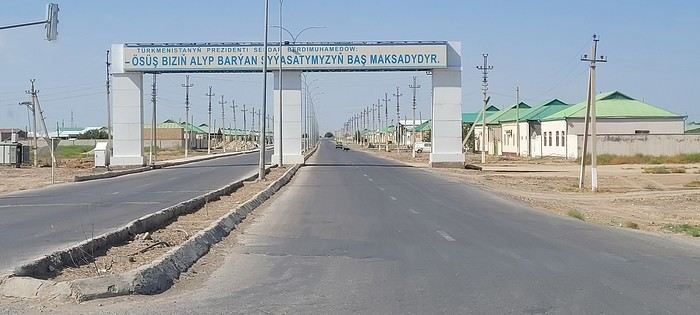
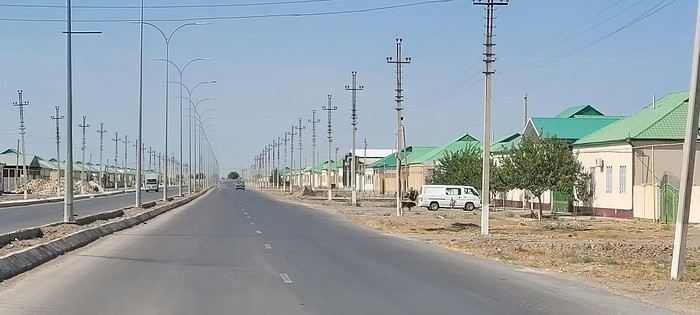 Roundabouts are particularly interesting because they feature emblems of Turkmen culture, like the dog, a carpet, the Ahal Teke horse, or Muslim symbols, even though the presence of Islamic artifacts is quite limited.
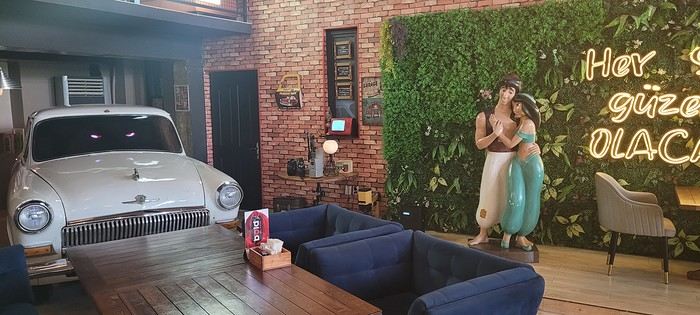

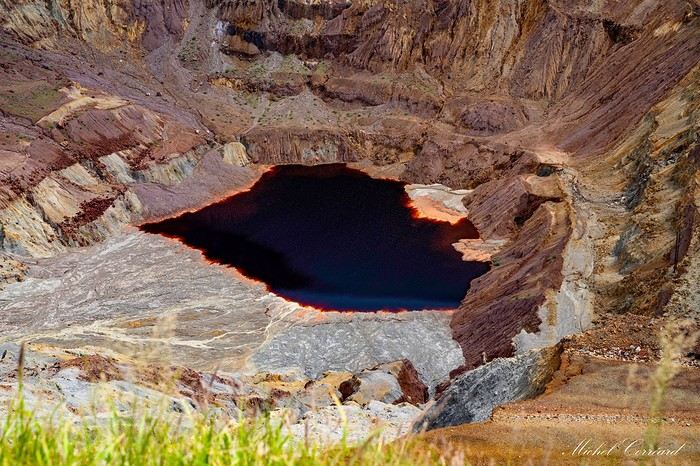
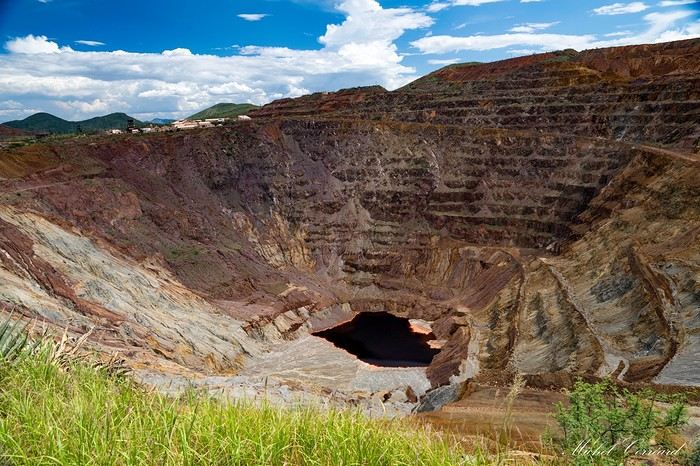
 Come along, I'm taking you to this country where it's so nice to wander and slow down...

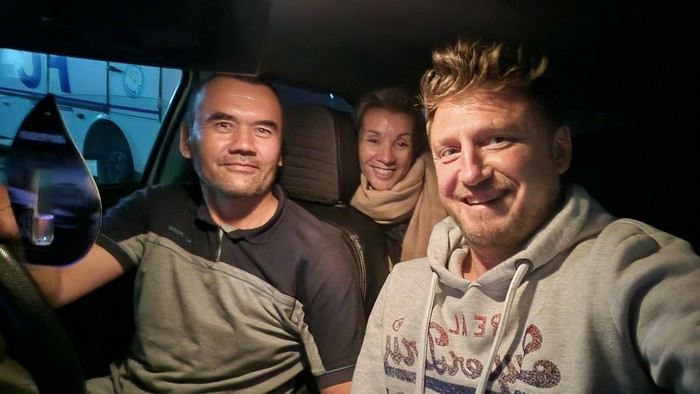
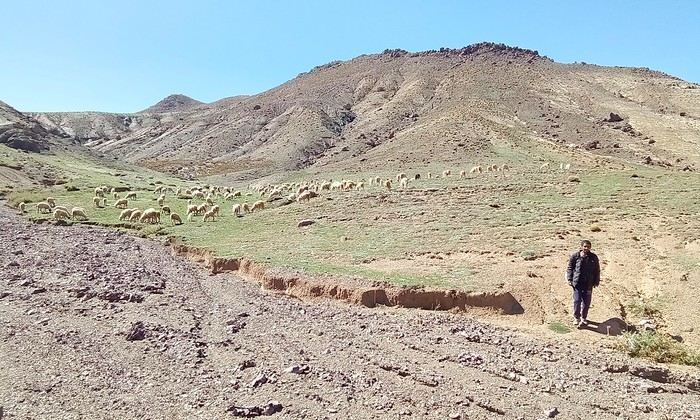
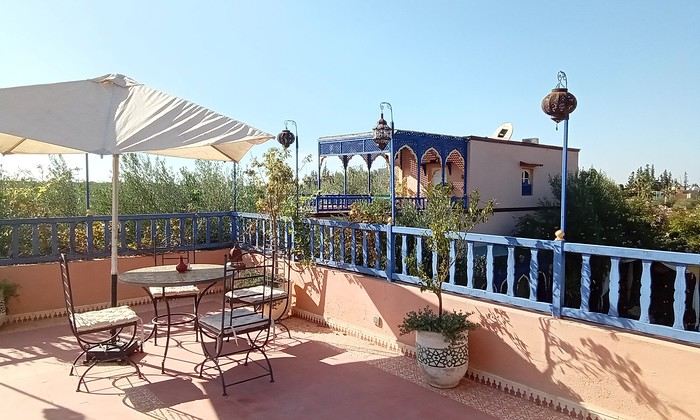
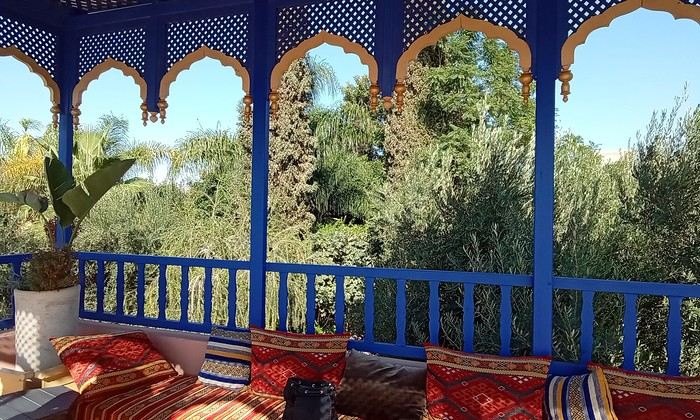 Last October, we landed in Marrakech to spend a few days with family exploring Morocco’s roads.
Transport: a rented Dacia.
Accommodations: small guesthouses.
Last October, we landed in Marrakech to spend a few days with family exploring Morocco’s roads.
Transport: a rented Dacia.
Accommodations: small guesthouses.
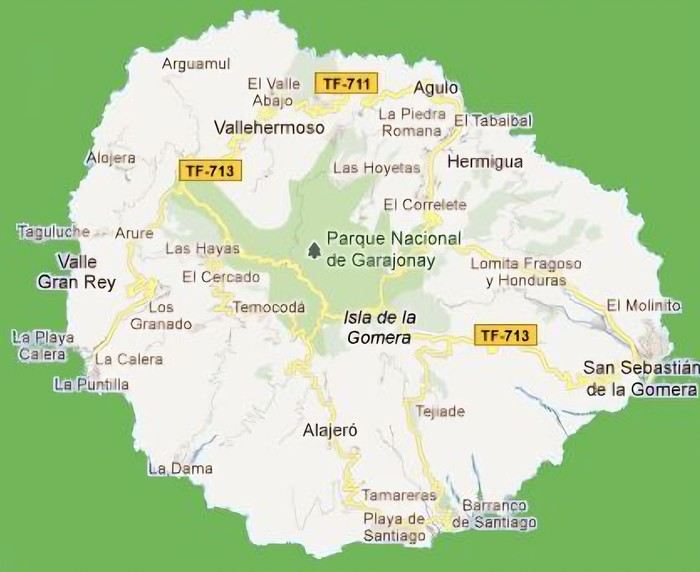 The large solidified magma massifs that shape the heart of the island have created a large depression more protected from the sun at its center, allowing the growth of a vast laurel forest, today grouped within the Garajonay National Park, La Gomera’s green lung, which has earned it the status of a World Biosphere Reserve. Its completely European appearance contrasts sharply with the rocky and tropical landscapes of the rest of the island. Thus, the climate varies greatly from one point to another on the island: in summer, you can quickly go from a dry and sunny valley at 35°C to a humid forest area at altitude at 18°C.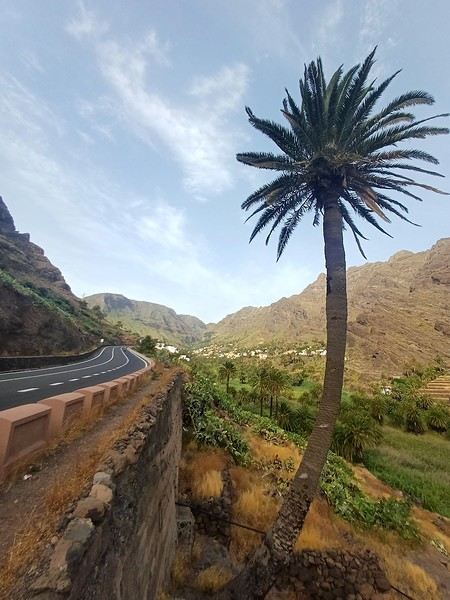
 A little sneak peek?