Bonjour!
J'ai lu plusieurs discussions interessante à ce sujet mais j'ai encore et encore des questions.
Nous prévoyons aller à Cuba, au Brisas Guardalavaca en Avril prochain avec notre petite puce qui aura alors 6 mois.
Présentement, elle boit son lait (en poudre mélangé) et je commence les céréales.
Ce que je me demande, c'est...
Les biberons, comment faites-vous pour les stériliser? J'utilise les biberons AVENT donc sans sac, et chaque fois que je les laves, je les stérilise avant de lui donner. Alors qu'à Cuba, je crois pas pouvoir le faire.
Au moment ou nous irons à Cuba, elle mangeras surement des céréales, légumes et fruits.
Est-ce que vous aviez apporté des petits pots? Si oui, combien environ de chaque?
Pour ce qui est du carosse, de la couchette, des chaises-hautes, je n'ai pas trop d'inquiétude, c'est vraiment pour la nourrir que je me pose tout pleins de question et que je me sens insécure.
Je remercie d'avance toute les personnes qui répondront à mon message.
Bonjour à tous et toutes,
J'aimerais savoir comment vous faisiez pour nettoyer vos biberons, tétines, etc à Cuba ?
Si on prend l'eau du robinet, mais qu'on la fait bouillir avec leur machine à café, est-ce que cela rend l'eau ok ?
Ou je sais que certains parlent de sachets spéciaux de stérilisation... connaissez-vous les marques ici au Québec ? J'imagine que c'est bon pour les biberons de bébé ?
Je pensais aussi prendre des biberons à sac... donc moins de lavage à faire... mais reste encore les tétines...
Merci beaucoup pour votre aide !
Capucine26
J'aimerais savoir comment vous faisiez pour nettoyer vos biberons, tétines, etc à Cuba ?
Si on prend l'eau du robinet, mais qu'on la fait bouillir avec leur machine à café, est-ce que cela rend l'eau ok ?
Ou je sais que certains parlent de sachets spéciaux de stérilisation... connaissez-vous les marques ici au Québec ? J'imagine que c'est bon pour les biberons de bébé ?
Je pensais aussi prendre des biberons à sac... donc moins de lavage à faire... mais reste encore les tétines...
Merci beaucoup pour votre aide !
Capucine26
Bonjour à vous tous!!
Nous partons à Cayo Guillermo pour 2 semaines avec 2 enfants de 7 et 16 mois. Nous nous posions des questions par rapport au lait là-bas. Quelqu'un a dit d'apporter du lait Grand pré. Mais pour 2 semaines, ça en fait beaucoup!🤪 Est-ce que le lait de Cuba est sans risque pour eux? Pour le reste de la nourriture, nous n'avons pas trop d'inquiétude, c'est surtout pour les produits laitiers. Et avec quoi laviez-vous les bouteilles des petits? Aviez-vous apporté une bouilloire pour faire bouillir l'eau ? Si on ne doit pas se brosser les dents avec l'eau du robinet, on ne doit sêrement pas l'utiliser pour laver les bouteilles. On peut toujours utiliser l'eau en bouteille, mais elle sera froide, pas idéale pour nettoyer des biberons!! C'est beaucoup de questions, mais c'est la première fois que nous voyagerons avec nos bébés! On s'inquiète toujours peur eux!!!😛
Merci d'avance pour vos réponses!!
Nous partons à Cayo Guillermo pour 2 semaines avec 2 enfants de 7 et 16 mois. Nous nous posions des questions par rapport au lait là-bas. Quelqu'un a dit d'apporter du lait Grand pré. Mais pour 2 semaines, ça en fait beaucoup!🤪 Est-ce que le lait de Cuba est sans risque pour eux? Pour le reste de la nourriture, nous n'avons pas trop d'inquiétude, c'est surtout pour les produits laitiers. Et avec quoi laviez-vous les bouteilles des petits? Aviez-vous apporté une bouilloire pour faire bouillir l'eau ? Si on ne doit pas se brosser les dents avec l'eau du robinet, on ne doit sêrement pas l'utiliser pour laver les bouteilles. On peut toujours utiliser l'eau en bouteille, mais elle sera froide, pas idéale pour nettoyer des biberons!! C'est beaucoup de questions, mais c'est la première fois que nous voyagerons avec nos bébés! On s'inquiète toujours peur eux!!!😛
Merci d'avance pour vos réponses!!
bonjour j aimerais savoir si il en a parmit vous qui avez deja fait affaire avec une clinique dentaire a cuba a trinidad si on peut se fiera la proprete et l hygiene et la sterilisation des aiquiles et instrument vous risquerier vous de faire affaire avec eu claude
Bonjour à tous!
Je désire partir 2 mois à Cuba avec mes 3 chiens et afin d'alléger les dépenses j'aurais aimé y aller en pack-sac!
Voici les questions que je me pose; 1. Est-il possible de dormir dans les bois à Cuba (tente)? 2. Les Pit-bulls sont-ils accetpé à Cuba? 3. Mes chiens peuvent-ils contracter des maladies ? 4. Ou puis-je me procurer de la moulée à chiens (croquettes) à Cuba? 5. Quels sont les procédures à suivre et à remplir pour mon voyage?
Merci beaucoup d'avance pour vos réponses, commentaires et suggestions !!
Voici les questions que je me pose; 1. Est-il possible de dormir dans les bois à Cuba (tente)? 2. Les Pit-bulls sont-ils accetpé à Cuba? 3. Mes chiens peuvent-ils contracter des maladies ? 4. Ou puis-je me procurer de la moulée à chiens (croquettes) à Cuba? 5. Quels sont les procédures à suivre et à remplir pour mon voyage?
Merci beaucoup d'avance pour vos réponses, commentaires et suggestions !!
Coucou
Nous revenons de varadero à l hôtel Iberostar Tainos et voici notre résumé...
Voyage du 6 au 14 oct. 2014 Prix 2x 745.00 adultes 1x 455.00 enfant Avec sunwing
Nous sommes parti de Québec avec quelques appréhensions sur la température a cuba en octobre vu la saison des pluies. Et bien je vous rassure tout de suite sur 8 jours. Au total 10 minutes de pluie a 22h00 un seul soir et le reste du temps un gros soleil radieux avec presque pas de vent et en moyenne 33 degrés...
Je commence par le vol sur sunwing. Pour l aller grosse déception. Je suis tombé sur le seul siège complètement fini de l avion. Le Siege ne tenais pas en place il était arraché donc j ai passé mon 4h30 de vol à essayer de ne pas me ramasser sur les fesses par terre ou sur le métal du banc. De plus mon bouton pour abaisser le Siege était arraché donc impossible de baisse de dossier et en plus le son pour la télé ne fonctionnais pas. Comme l avion était plein impossible de changer. J ai dailleur porté plainte a sunwing et a voyage a rabais. À suivre.
Bon je passe au voyage
Arrivé a l hôtel nous avions réservé pour une chambre supérieur avec 2 lits. On nous a placé dans un bungalow au première étage qui ne sentait pas bon du tout et le bain tout rouillé, de la moisissure sur les murs et la porte du balcon n ouvrais pas et ne barrais pas. ca part mal.
retour a l accueil on nous dit que c est complet de revenir demain.( en passant la gerante Annelys est tres gentille) le lendemain on nous transfert dans une chambre superieur comme demandé et la... parfait... tout est beau, bien situé a coté de la plage. Chambre 3813 pour les intéressés.beau lit douche italienne, rien à redire.
Le terrain de l hôtel est très propre bien entretenu avec un service appelé catcafé. C est à dire que l hôtel adopte des chats (il y en 5) qui se promène partout sur le site et qui sont très docile et qu’on a le droit de nourrir modérément. Ils sont facile a reconnaitre il on un bout d oreilles de coupé (cruel mais bon au moins ils sont heureux) selon les dires de la réceptionniste plusieurs personnes les gardes pour la nuit dans leur chambre et c est permis.
Coté plage, super propre et nous sommes difficile sur tout lol. Des chaises a profusion, pas trop de vendeur, on peu marcher prés de 100m avant d avoir de l eau au épaules. Parfait.
Coté animation a la plage et a la piscine c est tres bien, on s occupe de nous et tout les G.O se souviennent de nos noms après seulement une fois. ca commence à 11h00 sur la plage et 12h00 à la piscine, mini golf, volley ball, bingo, loterie, fléchette, tir carabine et flèche, danse, aérobie (plus tôt) etc.
Chapeau a ELVIS. Un G.O extraordinaire facile a reconnaitre il est gay et tres efféminé mais c est ce qui fait son charme on aurait voulu l adopter lol Si vous voulez lui faire plaisir amener lui des light stick ou baton de lumiere qu on casses pour qu il brille comme dans les Raves. il va etre fou de joie.
La nourriture maintenant.... au buffet c est tres varié. Pour cuba c était vraiment tres bien et différent tout les soirs et le buffet du samedi (que j ai manqué du a un souper a la carte) génial et 2 fois plus grand que normal. Service courtois en général et on a manqué de rien.
Coté à la carte... humm un peu différente. Le japonais. C est super comme ambiance table en carré tout le monde au tour et le chef fait tout au milieu sur des plaques et donne un tres bon spectacle. Les bémols. Je n ai jamais rien vu d aussi salé de ma vie. Il vide une salière sur chaque chose qu’il fait cuire et ajoute en plus du glutamate mono sodique. Moi j ai une grosse intolérance au sel alors j ai été malade durant 3 jours après. Et un couple à coté de nous qui aime le sel n n’en revenait pas. Autre point négatif le vin n est pas inclut. Bisard. 25.00 La bouteille du vin qu’ils vendent a la boutique à 4.00. De plus on doit manger en 35 minutes et partir. Super quand tu as acheté une bouteille. Donc a voir pour le plaisir mais bon pas un samedi...
Deuxième à la carte. Le cubain. vin inclut mais ils ne le disent pas donc pas bu mais du mousseux en masse. Nourriture pas si mal. Jambe d agneau tres bon mais encore une fois il capote sur le sel sans bon sens. Et oublié les dessert ils sont exécrable et le service aussi. On dirait qu’on les dérange contrairement a partout sur le site ou c est tres bien. Donc à y aller en dernier recours.
Les spectacles les soirs sont pas si mal quelques soirs meilleurs que d autre mais un peut tard. Ils disent 9h30 mais a cette heure c est la remise des certificats pour ceux qui on participé et gagné les activités de la journée donc ca commence a 22h00 ne manquez pas les préstations de ELVIS le G.O il est fou..
Pour ceux comme nous qui ont un enfant il y a service de garde le jour tres bien. Et le soir a 20h00 un mini disco pour les enfants au même endroit où a lieu le spectacle. Laissez-y vos enfants sans crainte.
Pour cette fois nous n avons PS fait d excursions puisqu’ avec l enfants ca coutais un peut cher et que de toute façon on les a déjà toute faite a nos autre voyage a cuba. Nous sommes par contre allé voir les dauphins au delphinarium qui est juste a coté a 5 minutes a pied mais du pont de la route ou on les voyait tres bien sans payer...
Et un ti tour au centre ville boire un pina colada au parc Josone et un arrêt au bar de l autre coté de la rue de notre hôtel sur le bord de la marina boire une bière et péché du bord du qu’ay pour le plaisir :)
Donc en résumé je conseil cette hôtel sans problème a 1000.00 et moins
Pour d autres questions ou conseil n hésitez pas revenez moi :)
Bon voyage
Nous revenons de varadero à l hôtel Iberostar Tainos et voici notre résumé...
Voyage du 6 au 14 oct. 2014 Prix 2x 745.00 adultes 1x 455.00 enfant Avec sunwing
Nous sommes parti de Québec avec quelques appréhensions sur la température a cuba en octobre vu la saison des pluies. Et bien je vous rassure tout de suite sur 8 jours. Au total 10 minutes de pluie a 22h00 un seul soir et le reste du temps un gros soleil radieux avec presque pas de vent et en moyenne 33 degrés...
Je commence par le vol sur sunwing. Pour l aller grosse déception. Je suis tombé sur le seul siège complètement fini de l avion. Le Siege ne tenais pas en place il était arraché donc j ai passé mon 4h30 de vol à essayer de ne pas me ramasser sur les fesses par terre ou sur le métal du banc. De plus mon bouton pour abaisser le Siege était arraché donc impossible de baisse de dossier et en plus le son pour la télé ne fonctionnais pas. Comme l avion était plein impossible de changer. J ai dailleur porté plainte a sunwing et a voyage a rabais. À suivre.
Bon je passe au voyage
Arrivé a l hôtel nous avions réservé pour une chambre supérieur avec 2 lits. On nous a placé dans un bungalow au première étage qui ne sentait pas bon du tout et le bain tout rouillé, de la moisissure sur les murs et la porte du balcon n ouvrais pas et ne barrais pas. ca part mal.
retour a l accueil on nous dit que c est complet de revenir demain.( en passant la gerante Annelys est tres gentille) le lendemain on nous transfert dans une chambre superieur comme demandé et la... parfait... tout est beau, bien situé a coté de la plage. Chambre 3813 pour les intéressés.beau lit douche italienne, rien à redire.
Le terrain de l hôtel est très propre bien entretenu avec un service appelé catcafé. C est à dire que l hôtel adopte des chats (il y en 5) qui se promène partout sur le site et qui sont très docile et qu’on a le droit de nourrir modérément. Ils sont facile a reconnaitre il on un bout d oreilles de coupé (cruel mais bon au moins ils sont heureux) selon les dires de la réceptionniste plusieurs personnes les gardes pour la nuit dans leur chambre et c est permis.
Coté plage, super propre et nous sommes difficile sur tout lol. Des chaises a profusion, pas trop de vendeur, on peu marcher prés de 100m avant d avoir de l eau au épaules. Parfait.
Coté animation a la plage et a la piscine c est tres bien, on s occupe de nous et tout les G.O se souviennent de nos noms après seulement une fois. ca commence à 11h00 sur la plage et 12h00 à la piscine, mini golf, volley ball, bingo, loterie, fléchette, tir carabine et flèche, danse, aérobie (plus tôt) etc.
Chapeau a ELVIS. Un G.O extraordinaire facile a reconnaitre il est gay et tres efféminé mais c est ce qui fait son charme on aurait voulu l adopter lol Si vous voulez lui faire plaisir amener lui des light stick ou baton de lumiere qu on casses pour qu il brille comme dans les Raves. il va etre fou de joie.
La nourriture maintenant.... au buffet c est tres varié. Pour cuba c était vraiment tres bien et différent tout les soirs et le buffet du samedi (que j ai manqué du a un souper a la carte) génial et 2 fois plus grand que normal. Service courtois en général et on a manqué de rien.
Coté à la carte... humm un peu différente. Le japonais. C est super comme ambiance table en carré tout le monde au tour et le chef fait tout au milieu sur des plaques et donne un tres bon spectacle. Les bémols. Je n ai jamais rien vu d aussi salé de ma vie. Il vide une salière sur chaque chose qu’il fait cuire et ajoute en plus du glutamate mono sodique. Moi j ai une grosse intolérance au sel alors j ai été malade durant 3 jours après. Et un couple à coté de nous qui aime le sel n n’en revenait pas. Autre point négatif le vin n est pas inclut. Bisard. 25.00 La bouteille du vin qu’ils vendent a la boutique à 4.00. De plus on doit manger en 35 minutes et partir. Super quand tu as acheté une bouteille. Donc a voir pour le plaisir mais bon pas un samedi...
Deuxième à la carte. Le cubain. vin inclut mais ils ne le disent pas donc pas bu mais du mousseux en masse. Nourriture pas si mal. Jambe d agneau tres bon mais encore une fois il capote sur le sel sans bon sens. Et oublié les dessert ils sont exécrable et le service aussi. On dirait qu’on les dérange contrairement a partout sur le site ou c est tres bien. Donc à y aller en dernier recours.
Les spectacles les soirs sont pas si mal quelques soirs meilleurs que d autre mais un peut tard. Ils disent 9h30 mais a cette heure c est la remise des certificats pour ceux qui on participé et gagné les activités de la journée donc ca commence a 22h00 ne manquez pas les préstations de ELVIS le G.O il est fou..
Pour ceux comme nous qui ont un enfant il y a service de garde le jour tres bien. Et le soir a 20h00 un mini disco pour les enfants au même endroit où a lieu le spectacle. Laissez-y vos enfants sans crainte.
Pour cette fois nous n avons PS fait d excursions puisqu’ avec l enfants ca coutais un peut cher et que de toute façon on les a déjà toute faite a nos autre voyage a cuba. Nous sommes par contre allé voir les dauphins au delphinarium qui est juste a coté a 5 minutes a pied mais du pont de la route ou on les voyait tres bien sans payer...
Et un ti tour au centre ville boire un pina colada au parc Josone et un arrêt au bar de l autre coté de la rue de notre hôtel sur le bord de la marina boire une bière et péché du bord du qu’ay pour le plaisir :)
Donc en résumé je conseil cette hôtel sans problème a 1000.00 et moins
Pour d autres questions ou conseil n hésitez pas revenez moi :)
Bon voyage
Bonjour à tous, nous partons à Varadero avec un bébé de 15 mois. Nous voulons louer une voiture là-bas pour une journéee. Savez-vous si les compagnies de location cubaine ont des sièges d'auto pour enfants? Nous ne voulons pas partir du Québec avec notre siège d'auto (je sais que les compagnies aériennes le permettent) car nous sommes déjà très chargé avec la poussette et les valises.
😎
Pour les connaisseurs de Cuba (Varadero), y'a t-il des endroits a la Havane ou a Varadero meme qui tattoo? Étant une amateure de tatouage, j'aimerais me faire "barbouiller" la bas en souvenir de mon voyage. Au plaisir d'avoir des nouvelles bientot! baby_boo987@hotmail.com merci a lavance!! 🙂🙂
Bonsoir à tous,
Est-ce que quelqu'un d'entre vous connaît la "valise humaitaire"? APPAREMMENT, certaines compagnies aériennes accordent le droit aux passagers à destination de Cubà d'apporter une valise supplémentaire et cela sans frais, communément apellée " valise humanitaire" avec des biens de nécessité...
Merci!
Est-ce que quelqu'un d'entre vous connaît la "valise humaitaire"? APPAREMMENT, certaines compagnies aériennes accordent le droit aux passagers à destination de Cubà d'apporter une valise supplémentaire et cela sans frais, communément apellée " valise humanitaire" avec des biens de nécessité...
Merci!
Hier c’était le 1er avril avec sa coutume presque mondiale de faire des mauvais coups et de faire marcher les gens sans méchanceté.
Il faudra que je me reprenne l’an prochain car je dois admettre que je suis le ‘’dindon de la farce’ moi qui croyait soulever une polémique et une discussion à ne plus finir.
Je m'excuse😕 ..............................................Mais je me reprend l’an prochain 😉
Le mauvais Canular: Je viens d’entendre à Radio-canada (RDI) avec Simon Durivage Un reportage sur la fameuse rencontre à Cancun avec les autorités Américaine et les représentants du gouvernement Cubain les 24, 25 et 26 mars. Le gouvernement Américains s’apprêterait à autoriser tout les américains sans exceptions comme les américains d’origine Cubaine qui à l’heure actuel ont le droit d’effectuer un voyage par année dans l’ile de Cuba avec un visas touriste et ce à compter du premier novembre 2010 La condition que les Américains auraient exigés serait que des infrastructures d’accueils nécessaires soient construite dans un délai de 2 ans à auxquelles ceux-ci auraient soit les américains une participation de 60% et les Cubains 40% Semble-t-il que les représentants Cubains auraient accueillis cette exigence favorablement.
Je m'excuse😕 ..............................................Mais je me reprend l’an prochain 😉
Le mauvais Canular: Je viens d’entendre à Radio-canada (RDI) avec Simon Durivage Un reportage sur la fameuse rencontre à Cancun avec les autorités Américaine et les représentants du gouvernement Cubain les 24, 25 et 26 mars. Le gouvernement Américains s’apprêterait à autoriser tout les américains sans exceptions comme les américains d’origine Cubaine qui à l’heure actuel ont le droit d’effectuer un voyage par année dans l’ile de Cuba avec un visas touriste et ce à compter du premier novembre 2010 La condition que les Américains auraient exigés serait que des infrastructures d’accueils nécessaires soient construite dans un délai de 2 ans à auxquelles ceux-ci auraient soit les américains une participation de 60% et les Cubains 40% Semble-t-il que les représentants Cubains auraient accueillis cette exigence favorablement.
Bonjour !!
Déjà je voudrais remercier ceux et celles qui ont pris la peine de me répondre, avec l'expérience que vous avez de ce forum vous avez probablement apporter un grand nombre d'explications à ma première censure.
Pour la deuxième censure, je comprend, c'est un post pas très constructif cependant Monsieur le modérateur quand un membre prend la peine d'écrire un post dans un francais de qualité, sans insultes etc etc... et dans le seul but de conseiller, la moindre des politesse serait tout de même de lui répondre, ne serait-ce qu'une petite phrase... Sinon j'ai quand même eu le temps de lire vos post et je vais tenter de donner mon point de vue (en vrac car je les ai lu ce matin ! lol).
Ce qui est resorti c'est le côté pub, ce qui est hallucinant ! je m'explique. Avant de partir à Cuba j'ai consulté le forum et vous remarquerez que l'on trouve à peu près tout ce qu'on veut savoir sur tous les hotels de Cuba mais que très peu de choses sur les casas particulares (mis à part JDSDF qui fait un boulot impressionnant)... Je suis sûr que dans un post on trouve la couleur du papier toilette du Sofitel à la havane... alors je pensais utile de donner une bonne adresse chez l'habitant... en 15 jrs nous avons fait 6 casas ... je n'ai qu'une adresse à vraiment conseiller... parce que cette famille en vaut la peine, tant pour leur accueil, leur gentillesse, leur générosité... parce que c'est la seule casa ou je me suis pratiquement senti chez moi... parce qu'ils donnaient beaucoup sans en faire trop, sans tomber dans le "commercial"... ils aimaient recevoir les étrangers et ça ça se sent.... parce que juste avant de partir ils nous ont fait écrire sur un livre d'or..... etc etc..... alors de la pub, oui c'est de la pub mais dans ce cas là une bonne partie des posts en sont !!
Pour les commissions ou autres, LOL j'suis dégouté, dans un village de 20000 hab, à 15$ de salaire/mois, je débarque avec mes 1500$/mois et je lui demande quoi comme com à ce cubain???? franchement comment peut on penser un truc pareil ?? le père de famille m'a demandé une seule chose (et encore il était gêné) c'est d'envoyer une lettre en France à mon retour en Guadeloupe...
Dans les réponses, était evoqué le fait que ce soit mon 1er post, oui c'est vrai mais je suis enregistré depuis le 2 janvier, je n'avais pratiquement pas voyager donc je venais plus pour prendre des conseils que pour en donner. Pour cela j'utilise la fonction rechercher qui évite bien d'encombrer le forum .... Donc oui c'était mon 1er post pour justement "passer de l'autre coté" dans ce forum... mais aussi surement mon dernier car je suis vraiment écoeuré par cette modération..... (pour l'anecdocte c'est mon 3eme post avec 1 au compteur !)
Le pire c'est que j'ai l'infime sentiment que si j'avais parlé d'un hotel le post serait toujours la..... J'aurais encore beaucoup de choses à dire tant Cuba n'est pas très loin dans ma tête et tant ce peuple est humble et fier, c'est pourquoi je suis consterné? choqué? ecoeuré? par cette censure... qui sert à quoi? Maintenant Monsieur le modérateur ayez au moins l'obligeance de répondre à mes questions.........
Pour finir, nous avons encore beaucoup de leçon à apprendre et je dirais même que nous sommes bien bien loin des valeurs humaines qui illusionnent notre société... En espérant qu' au moins quelques personnes verront ce message avant qu'il ne soit jeté à la poubelle comme les autres..... c'est facile.... un petit click... et il ne reste plus rien ...
Rémy
Déjà je voudrais remercier ceux et celles qui ont pris la peine de me répondre, avec l'expérience que vous avez de ce forum vous avez probablement apporter un grand nombre d'explications à ma première censure.
Pour la deuxième censure, je comprend, c'est un post pas très constructif cependant Monsieur le modérateur quand un membre prend la peine d'écrire un post dans un francais de qualité, sans insultes etc etc... et dans le seul but de conseiller, la moindre des politesse serait tout de même de lui répondre, ne serait-ce qu'une petite phrase... Sinon j'ai quand même eu le temps de lire vos post et je vais tenter de donner mon point de vue (en vrac car je les ai lu ce matin ! lol).
Ce qui est resorti c'est le côté pub, ce qui est hallucinant ! je m'explique. Avant de partir à Cuba j'ai consulté le forum et vous remarquerez que l'on trouve à peu près tout ce qu'on veut savoir sur tous les hotels de Cuba mais que très peu de choses sur les casas particulares (mis à part JDSDF qui fait un boulot impressionnant)... Je suis sûr que dans un post on trouve la couleur du papier toilette du Sofitel à la havane... alors je pensais utile de donner une bonne adresse chez l'habitant... en 15 jrs nous avons fait 6 casas ... je n'ai qu'une adresse à vraiment conseiller... parce que cette famille en vaut la peine, tant pour leur accueil, leur gentillesse, leur générosité... parce que c'est la seule casa ou je me suis pratiquement senti chez moi... parce qu'ils donnaient beaucoup sans en faire trop, sans tomber dans le "commercial"... ils aimaient recevoir les étrangers et ça ça se sent.... parce que juste avant de partir ils nous ont fait écrire sur un livre d'or..... etc etc..... alors de la pub, oui c'est de la pub mais dans ce cas là une bonne partie des posts en sont !!
Pour les commissions ou autres, LOL j'suis dégouté, dans un village de 20000 hab, à 15$ de salaire/mois, je débarque avec mes 1500$/mois et je lui demande quoi comme com à ce cubain???? franchement comment peut on penser un truc pareil ?? le père de famille m'a demandé une seule chose (et encore il était gêné) c'est d'envoyer une lettre en France à mon retour en Guadeloupe...
Dans les réponses, était evoqué le fait que ce soit mon 1er post, oui c'est vrai mais je suis enregistré depuis le 2 janvier, je n'avais pratiquement pas voyager donc je venais plus pour prendre des conseils que pour en donner. Pour cela j'utilise la fonction rechercher qui évite bien d'encombrer le forum .... Donc oui c'était mon 1er post pour justement "passer de l'autre coté" dans ce forum... mais aussi surement mon dernier car je suis vraiment écoeuré par cette modération..... (pour l'anecdocte c'est mon 3eme post avec 1 au compteur !)
Le pire c'est que j'ai l'infime sentiment que si j'avais parlé d'un hotel le post serait toujours la..... J'aurais encore beaucoup de choses à dire tant Cuba n'est pas très loin dans ma tête et tant ce peuple est humble et fier, c'est pourquoi je suis consterné? choqué? ecoeuré? par cette censure... qui sert à quoi? Maintenant Monsieur le modérateur ayez au moins l'obligeance de répondre à mes questions.........
Pour finir, nous avons encore beaucoup de leçon à apprendre et je dirais même que nous sommes bien bien loin des valeurs humaines qui illusionnent notre société... En espérant qu' au moins quelques personnes verront ce message avant qu'il ne soit jeté à la poubelle comme les autres..... c'est facile.... un petit click... et il ne reste plus rien ...
Rémy
Un petit coup de main S.V.P. Nous devons réserver notre voyage de février demain sans faute. Nous avions déjà choisi Varadero mais avons demandé de changer pour Manzanillo ou Santiago de Cuba.
D'après vous laquelle de ces 2 destinations serait la meilleur pour la plongée en apnée et bouteille, la bouffe et les cubains?
Merci de bien vouloir nous répondre rapidement.
D'après vous laquelle de ces 2 destinations serait la meilleur pour la plongée en apnée et bouteille, la bouffe et les cubains?
Merci de bien vouloir nous répondre rapidement.
Il me parait que les Francais ne connaissent de Cuba que Varadero, La Havane et Santiago.
D'apres France-Presse cuba se prépare a imposer une nouvelle taxe de 10% pour remplacer dorénavant le $US par le peso convertible.....!!!!
C'est à dire qu, il faudra 1$10 pour avoir 1 peso convertible .Le peso convertible deviendra sous peu la monnaie officielle de Cuba pour certaines transactions qui jusque la se faisaient en $US...
France Presse ne précise pas sur quelle monnaie va s, ajuster la valeur de son peso convertible qui jusqu'à présent valait exactement 1$US....
Mais la vraie question qu, on devrait se poser est celle-ci;
Quel pays va accepter le peso convertible en paiement de fourniture puisqu, on ne sait tjs pas si Cuba possede la "couverture or" pour garantir sa monnaie.........!!!!
A suivre....
C'est à dire qu, il faudra 1$10 pour avoir 1 peso convertible .Le peso convertible deviendra sous peu la monnaie officielle de Cuba pour certaines transactions qui jusque la se faisaient en $US...
France Presse ne précise pas sur quelle monnaie va s, ajuster la valeur de son peso convertible qui jusqu'à présent valait exactement 1$US....
Mais la vraie question qu, on devrait se poser est celle-ci;
Quel pays va accepter le peso convertible en paiement de fourniture puisqu, on ne sait tjs pas si Cuba possede la "couverture or" pour garantir sa monnaie.........!!!!
A suivre....
I got into music with the will
To light up many hearths like Che could do,
To circulate ideas, to advance utopia
Alternating barricades, sharp thought, and poetry.
Mc Solaar, Guérilla
Subscribing without a fight to the slightest line of my itinerary sometimes feels like an illusion. Because there are countries where, despite the fever and enthusiasm, despite the triumphant revolution, certain elements block my path. And if I had planned, for F. and me, a beautiful ascent up Tabouret Hill (Loma del Taburete, 453m), it was without accounting for vegetation as dense as it was thorny, which barred our way after just a few quarters of an hour of walking. Exhausted, I had to face the facts: we wouldn’t go any further. I needed to come up with some kind of Plan B.
But what is this country, an unwitting laboratory of the worst that white civilization has done during its reign? What is this magnificent place—yet another—entrusted to the care of oblivion, just 150 km from the land of freedom? According to Donald Trump, a country supporting terrorism; according to the locals, the vast battlefield of 20th-century ideologies; according to the average tourist, a hot country, a beautiful country, a country where the last illusions of a lost paradise are dying.
On the other side of Havana Bay, we love that statue of Christ blessing the city. There’s something gentle, soothing, in that patriarchal gesture. You’d almost be tempted to forget that at the dawn of the 16th century, those who claimed to represent the Church had no scruples about eradicating the Ciboney and Taíno populations. Worse, you’ll find magnificent this cathedral dedicated to the Virgin Mary, right in the heart of the old city. Under the guise of a civilizing necessity, Havana became, like so many other places, the gilded seat of European pretensions, at the expense of local populations doomed to extermination, then enslaved populations—more or less indigenous—who, you can imagine, didn’t often set foot in this holy place.
Lost in my thoughts, I try to push through this tangled vegetation. Nature reclaims its rights; nature abhors a vacuum. Yes, the well-trodden path of revolution couldn’t stay free of weeds! The road is buried. We give up and turn back, until that fork I’d noted before leaving, which would let us reach the top of the hill by skirting its northern slope.
So the white man arrives, settles, and gets rid of everything that bothers him. He has two unstoppable forces at his disposal: gunpowder and the spiritual certainty of being on the side of an all-powerful god. While the first gives him an unmatched material advantage over his new enemy, the second lets him use the first without feeling too guilty. That’s the magic of this supreme Church: it condemns all forms of pleasure—calling them impurity—while promoting plunder and crime under the cover of evangelization.
Walking through the city, you find a bit of Algiers, except that here, the decay is almost irreversible. You feel the splendor of the past, a disconcerting image of all vanity, from an era when men knew how to build beauty—especially if they didn’t have to share it. We’ll debate the benefits of colonialism for a long time, while glossing over the fact that those benefits often stopped at the city limits, limits all too obvious to the indigenous people. Havana isn’t just one or a few buildings; it’s an impressive collection of works of art built one after another, in what I think was a spirit of healthy competition. Yes, you find Algiers in this exuberance. As if these distant cities were the receptacle of everything that was best in the lands of origin. Atlantes and lintels, golds, blues, ogives, and monumental windows—exceptional architecture in an exceptional place.
Some streets are clean, swept with care; others are not, scattered here and there with potholes filled with water. A rather persistent smell of urine invades us regularly. We move on. And we look up: Havana is visited with your nose in the air. Because the beauty is truly up there, on those magnificent balconies and terracotta arches. Also because it’s not impossible that a piece of that balcony might suddenly detach, hurling our ends into an overseas tragedy we’d rather avoid. On the ground, here and there, rubble. Inexorably, this city is returning to dust.
My Plan B turns out to be no more successful than the first attempt. After a cheerful progression of a few hundred meters, same outcome, same struggle—the vegetation opposes any revolution: impossible to go around the hill! Once again, we have to turn back. We’ll try Plan C. I reassure myself by convincing myself to stay in the logic of this country: Cuba has been searching for itself for five centuries.
Coffee, tobacco, and sugarcane—the green gold of the colonies—so that money could flow and Europe could enjoy itself. Cuba’s history isn’t original. In reality, all the hot lands at these latitudes suffer the same fate: to serve the white man. While waiting for the awakening of consciences, UN Resolution 1514 and more or less affirmed revolutionary desires. Except that—and this reflection is just my own—if the awakening of consciences and the revolutionary will don’t play into what Resolution 1514 hides, there’s a good chance the said state will become a pariah. Those who don’t follow the American doctrine risk a lot; those who decide to follow Moscow risk everything. Independence was only the barely discreet instrument of American views. Patrice Lumumba will gladly enlighten us on the subject.
Turning back is good. Setting up Plan C is better. I won’t deviate from my goal: we will reach the top of Tabouret, whatever the cost! Near a small country road, I hesitate to change the program. Time is ticking—is it really reasonable to attempt the ascent? Then a tricycle taxi appears, a kind of tuk-tuk powered by an electric moped. I take it as a sign from fate, and we board for the starting point of Plan C.
In Cuba, even before Resolution 1514, independence was assured by a pawn of the United States, Fulgencio Batista. There’s no need to go over the whole history here; we’ll just remember that if you know how to give without counting to your former masters, you can enjoy a facade of freedom. Fidel Castro, on the other hand, didn’t know how to give. It never even occurred to him. That’s why the United States harbors such terrible hatred for this rebellious state, opposed to capitalist values and political prostitution. From there to slowly killing its people for nearly seventy years, one can legitimately cry injustice. But there are other priorities. Oh yes! Greenland...
Do Cubans eat their fill? Does seeing overweight people mean opulence? Food grows, no doubt about it. The soil is fertile, the climate favorable. No, what shocks here is the absolute precarity, the feeling of a people living in survival mode, and the decay of both goods and hope. Where to go? What’s the point? The stubbornness of the United States in wanting to impose its views on the Cuban government is felt much more by an overwhelmed people than by those few elites—caricatures of communism—who instill their vision of happiness with a crowbar. The embargo imposed in 1960; the false-flag attacks—American planes flying the colors of the Cuban revolution during the Bay of Pigs invasion in 1961—the exasperation of placing Cuba on the list of countries supporting terrorism. More recently, Donald Trump decided to heavily tax countries supplying Cuba with fuel. The last time I saw such long lines near gas stations was during my first trip to Romania... in 1991. It’s not for me to judge whether Raúl and his clique are playing fair by thumbing their noses at the West. I don’t hold the ins and outs of this war of egos that keeps the world’s great powers awake. I only caught a glimpse of the poverty of an island in 2026, while we in Europe are buried under an avalanche of the useless and superficial.
At the start of the San Juan baths, we find the trailhead. It climbs steeply. But the weather is relatively mild, thanks to a cold wave hitting higher up in the United States. Dallas is under snow; we’re walking in 16°C, a stroke of luck. We climb over rocks, under fairly decent vegetation, sometimes low but passable. And we succeed in the ascent in an hour. Up there, the top of the hill is somewhat maintained, at a minimum, but maintained, as if to honor Che through an awful monument erected in his glory—a stubborn specimen from those years when good taste was inversely proportional to the delusional ideas of those being honored. Birds of prey (raptors?) circle overhead; the monument is dying, crumbling, falling into ruin. *Hasta siempre*—forever—will be for the words. Nature, erosion, life itself will have the last word over all revolutions.
Back at the foot of the hill, just before a memorable swim, we talk with a family living there in miserable shacks whose stability wasn’t unlike that of the Leaning Tower of Pisa. The grandmother holds an animal, a rodent, by its feet. The grandfather has just killed it; she’s plucking its fur. A few steps away, water boils in a pot. She plunges the beast into the container. Tonight, the family will eat ragondin stew. Further on, another shack where, in a disorder rivaling the filth, a mother breastfeeds while sitting on the edge of a bed. Then, on the way down, we’ll meet a middle-aged man carrying a large jerrycan of water on his shoulder. Are these people happy here, far from the cities and their stakes? Is it too much to ask that they at least have access to electricity, running water, and decent, safe housing?
Outside the old city, Havana reveals wide avenues serving imposing institutions here and there. But whether in the colorful alleys of the old town or on the majestic and austere Plaza de la Revolución, the same feeling moves me: sadness. Seeing that only chaos has come from ideas crushes me. We praise, we sing the revolution—above all, we impose it in people’s minds as a necessity, when it’s nothing of the sort. Revolution is just the fruit of a few tortured minds who, once in power, do nothing better than all those before them. Enjoy power. Impose their views. It’s just a matter of color. Fidel saw red and knew how to persuade—or silence forever—his many detractors. The West sees everything in white, through the prism of human rights, and also knows how to persuade and silence its slightest detractors forever.
Paradoxically, Cuba survives largely thanks to tourism, a key element—let’s not be afraid to say it—of capitalism. And when a few players pick up the crumbs from transactions, the lion’s share and the foreign currency go to the government. So we won’t go to Varadero, the high place of relaxation overrun by Canadians. Instead, we’ll limit ourselves to crossing the ocean 30 minutes from the capital, at Santa María del Mar, to get an idea of cheaper tourism and to splash around for a few minutes in turquoise water invaded by sargassum. At the heart of the tourist season, we’ll meet few people. Like Havana, and according to its inhabitants, the high season is rather dead. But we won’t have come for nothing: we particularly love this return where, feverish, the taxi driver pushes his Moskvitch 2140 to the max on the highway, singing karaoke versions of hits at the top of his lungs from an onboard DVD player. East/West, the culture clash with a hint of Latino.
It’s time to leave this country of resourcefulness where extremes are very present. We’re leaving a 5-star hotel in front of yet another crumbling building. We’ve known restaurants at 40,000 pesos while in the street people eat for 400. We’ve seen those countless cars from another era and another culture—Pontiac, Lada, Chevrolet, Moskvitch—being overtaken by gleaming Mercedes and other Porsche Cayennes, the prerogative—if it still needed to be demonstrated—of the newly rich in search of recognition. Boarding the plane, we also understand that we’re not just traveling with tourists: there’s undoubtedly a rich and prosperous diaspora, just as there are relatively wealthy Cubans—well, wealthy enough to travel comfortably in the front of the aircraft. Meanwhile, on all the country’s roads, other Cubans try hitchhiking, their wives and children perched on a suitcase by the roadside. The father holds out his arm and holds a few bills in his hand like a card game. Where are they going? Who will pick them up?
Behind me, the gold of the Capitol. I’m told this gold comes from Russia. Like Marx and Lenin’s smoky theories? Like Stalin’s subtle and delicate paternalism? Let’s bet that, like the other buildings crumbling around it, the Capitol will also collapse one day, to avenge the Indians who perished from the diseases and guns of the whites, to avenge the Africans who obliterated their lives so Europeans could enjoy themselves, finally, to avenge all this abandoned people, left to the arbitrariness of democratic or non-democratic elections.
A sign in the street: We understand history. This is the revolution! We understand history. That’s the revolution.
No comment.
Subscribing without a fight to the slightest line of my itinerary sometimes feels like an illusion. Because there are countries where, despite the fever and enthusiasm, despite the triumphant revolution, certain elements block my path. And if I had planned, for F. and me, a beautiful ascent up Tabouret Hill (Loma del Taburete, 453m), it was without accounting for vegetation as dense as it was thorny, which barred our way after just a few quarters of an hour of walking. Exhausted, I had to face the facts: we wouldn’t go any further. I needed to come up with some kind of Plan B.
But what is this country, an unwitting laboratory of the worst that white civilization has done during its reign? What is this magnificent place—yet another—entrusted to the care of oblivion, just 150 km from the land of freedom? According to Donald Trump, a country supporting terrorism; according to the locals, the vast battlefield of 20th-century ideologies; according to the average tourist, a hot country, a beautiful country, a country where the last illusions of a lost paradise are dying.
On the other side of Havana Bay, we love that statue of Christ blessing the city. There’s something gentle, soothing, in that patriarchal gesture. You’d almost be tempted to forget that at the dawn of the 16th century, those who claimed to represent the Church had no scruples about eradicating the Ciboney and Taíno populations. Worse, you’ll find magnificent this cathedral dedicated to the Virgin Mary, right in the heart of the old city. Under the guise of a civilizing necessity, Havana became, like so many other places, the gilded seat of European pretensions, at the expense of local populations doomed to extermination, then enslaved populations—more or less indigenous—who, you can imagine, didn’t often set foot in this holy place.
Lost in my thoughts, I try to push through this tangled vegetation. Nature reclaims its rights; nature abhors a vacuum. Yes, the well-trodden path of revolution couldn’t stay free of weeds! The road is buried. We give up and turn back, until that fork I’d noted before leaving, which would let us reach the top of the hill by skirting its northern slope.
So the white man arrives, settles, and gets rid of everything that bothers him. He has two unstoppable forces at his disposal: gunpowder and the spiritual certainty of being on the side of an all-powerful god. While the first gives him an unmatched material advantage over his new enemy, the second lets him use the first without feeling too guilty. That’s the magic of this supreme Church: it condemns all forms of pleasure—calling them impurity—while promoting plunder and crime under the cover of evangelization.
Walking through the city, you find a bit of Algiers, except that here, the decay is almost irreversible. You feel the splendor of the past, a disconcerting image of all vanity, from an era when men knew how to build beauty—especially if they didn’t have to share it. We’ll debate the benefits of colonialism for a long time, while glossing over the fact that those benefits often stopped at the city limits, limits all too obvious to the indigenous people. Havana isn’t just one or a few buildings; it’s an impressive collection of works of art built one after another, in what I think was a spirit of healthy competition. Yes, you find Algiers in this exuberance. As if these distant cities were the receptacle of everything that was best in the lands of origin. Atlantes and lintels, golds, blues, ogives, and monumental windows—exceptional architecture in an exceptional place.
Some streets are clean, swept with care; others are not, scattered here and there with potholes filled with water. A rather persistent smell of urine invades us regularly. We move on. And we look up: Havana is visited with your nose in the air. Because the beauty is truly up there, on those magnificent balconies and terracotta arches. Also because it’s not impossible that a piece of that balcony might suddenly detach, hurling our ends into an overseas tragedy we’d rather avoid. On the ground, here and there, rubble. Inexorably, this city is returning to dust.
My Plan B turns out to be no more successful than the first attempt. After a cheerful progression of a few hundred meters, same outcome, same struggle—the vegetation opposes any revolution: impossible to go around the hill! Once again, we have to turn back. We’ll try Plan C. I reassure myself by convincing myself to stay in the logic of this country: Cuba has been searching for itself for five centuries.
Coffee, tobacco, and sugarcane—the green gold of the colonies—so that money could flow and Europe could enjoy itself. Cuba’s history isn’t original. In reality, all the hot lands at these latitudes suffer the same fate: to serve the white man. While waiting for the awakening of consciences, UN Resolution 1514 and more or less affirmed revolutionary desires. Except that—and this reflection is just my own—if the awakening of consciences and the revolutionary will don’t play into what Resolution 1514 hides, there’s a good chance the said state will become a pariah. Those who don’t follow the American doctrine risk a lot; those who decide to follow Moscow risk everything. Independence was only the barely discreet instrument of American views. Patrice Lumumba will gladly enlighten us on the subject.
Turning back is good. Setting up Plan C is better. I won’t deviate from my goal: we will reach the top of Tabouret, whatever the cost! Near a small country road, I hesitate to change the program. Time is ticking—is it really reasonable to attempt the ascent? Then a tricycle taxi appears, a kind of tuk-tuk powered by an electric moped. I take it as a sign from fate, and we board for the starting point of Plan C.
In Cuba, even before Resolution 1514, independence was assured by a pawn of the United States, Fulgencio Batista. There’s no need to go over the whole history here; we’ll just remember that if you know how to give without counting to your former masters, you can enjoy a facade of freedom. Fidel Castro, on the other hand, didn’t know how to give. It never even occurred to him. That’s why the United States harbors such terrible hatred for this rebellious state, opposed to capitalist values and political prostitution. From there to slowly killing its people for nearly seventy years, one can legitimately cry injustice. But there are other priorities. Oh yes! Greenland...
Do Cubans eat their fill? Does seeing overweight people mean opulence? Food grows, no doubt about it. The soil is fertile, the climate favorable. No, what shocks here is the absolute precarity, the feeling of a people living in survival mode, and the decay of both goods and hope. Where to go? What’s the point? The stubbornness of the United States in wanting to impose its views on the Cuban government is felt much more by an overwhelmed people than by those few elites—caricatures of communism—who instill their vision of happiness with a crowbar. The embargo imposed in 1960; the false-flag attacks—American planes flying the colors of the Cuban revolution during the Bay of Pigs invasion in 1961—the exasperation of placing Cuba on the list of countries supporting terrorism. More recently, Donald Trump decided to heavily tax countries supplying Cuba with fuel. The last time I saw such long lines near gas stations was during my first trip to Romania... in 1991. It’s not for me to judge whether Raúl and his clique are playing fair by thumbing their noses at the West. I don’t hold the ins and outs of this war of egos that keeps the world’s great powers awake. I only caught a glimpse of the poverty of an island in 2026, while we in Europe are buried under an avalanche of the useless and superficial.
At the start of the San Juan baths, we find the trailhead. It climbs steeply. But the weather is relatively mild, thanks to a cold wave hitting higher up in the United States. Dallas is under snow; we’re walking in 16°C, a stroke of luck. We climb over rocks, under fairly decent vegetation, sometimes low but passable. And we succeed in the ascent in an hour. Up there, the top of the hill is somewhat maintained, at a minimum, but maintained, as if to honor Che through an awful monument erected in his glory—a stubborn specimen from those years when good taste was inversely proportional to the delusional ideas of those being honored. Birds of prey (raptors?) circle overhead; the monument is dying, crumbling, falling into ruin. *Hasta siempre*—forever—will be for the words. Nature, erosion, life itself will have the last word over all revolutions.
Back at the foot of the hill, just before a memorable swim, we talk with a family living there in miserable shacks whose stability wasn’t unlike that of the Leaning Tower of Pisa. The grandmother holds an animal, a rodent, by its feet. The grandfather has just killed it; she’s plucking its fur. A few steps away, water boils in a pot. She plunges the beast into the container. Tonight, the family will eat ragondin stew. Further on, another shack where, in a disorder rivaling the filth, a mother breastfeeds while sitting on the edge of a bed. Then, on the way down, we’ll meet a middle-aged man carrying a large jerrycan of water on his shoulder. Are these people happy here, far from the cities and their stakes? Is it too much to ask that they at least have access to electricity, running water, and decent, safe housing?
Outside the old city, Havana reveals wide avenues serving imposing institutions here and there. But whether in the colorful alleys of the old town or on the majestic and austere Plaza de la Revolución, the same feeling moves me: sadness. Seeing that only chaos has come from ideas crushes me. We praise, we sing the revolution—above all, we impose it in people’s minds as a necessity, when it’s nothing of the sort. Revolution is just the fruit of a few tortured minds who, once in power, do nothing better than all those before them. Enjoy power. Impose their views. It’s just a matter of color. Fidel saw red and knew how to persuade—or silence forever—his many detractors. The West sees everything in white, through the prism of human rights, and also knows how to persuade and silence its slightest detractors forever.
Paradoxically, Cuba survives largely thanks to tourism, a key element—let’s not be afraid to say it—of capitalism. And when a few players pick up the crumbs from transactions, the lion’s share and the foreign currency go to the government. So we won’t go to Varadero, the high place of relaxation overrun by Canadians. Instead, we’ll limit ourselves to crossing the ocean 30 minutes from the capital, at Santa María del Mar, to get an idea of cheaper tourism and to splash around for a few minutes in turquoise water invaded by sargassum. At the heart of the tourist season, we’ll meet few people. Like Havana, and according to its inhabitants, the high season is rather dead. But we won’t have come for nothing: we particularly love this return where, feverish, the taxi driver pushes his Moskvitch 2140 to the max on the highway, singing karaoke versions of hits at the top of his lungs from an onboard DVD player. East/West, the culture clash with a hint of Latino.
It’s time to leave this country of resourcefulness where extremes are very present. We’re leaving a 5-star hotel in front of yet another crumbling building. We’ve known restaurants at 40,000 pesos while in the street people eat for 400. We’ve seen those countless cars from another era and another culture—Pontiac, Lada, Chevrolet, Moskvitch—being overtaken by gleaming Mercedes and other Porsche Cayennes, the prerogative—if it still needed to be demonstrated—of the newly rich in search of recognition. Boarding the plane, we also understand that we’re not just traveling with tourists: there’s undoubtedly a rich and prosperous diaspora, just as there are relatively wealthy Cubans—well, wealthy enough to travel comfortably in the front of the aircraft. Meanwhile, on all the country’s roads, other Cubans try hitchhiking, their wives and children perched on a suitcase by the roadside. The father holds out his arm and holds a few bills in his hand like a card game. Where are they going? Who will pick them up?
Behind me, the gold of the Capitol. I’m told this gold comes from Russia. Like Marx and Lenin’s smoky theories? Like Stalin’s subtle and delicate paternalism? Let’s bet that, like the other buildings crumbling around it, the Capitol will also collapse one day, to avenge the Indians who perished from the diseases and guns of the whites, to avenge the Africans who obliterated their lives so Europeans could enjoy themselves, finally, to avenge all this abandoned people, left to the arbitrariness of democratic or non-democratic elections.
A sign in the street: We understand history. This is the revolution! We understand history. That’s the revolution.
No comment.
Hi everyone,
I’ve just returned from 15 days in Cuba and wanted to share my experience along with some practical tips for those planning a trip there.
1. Formalities:
- Passport valid for at least 6 months after your return. - E-visa: apply online (payment by bank transfer only via the embassy of your choice): evisacuba.cu or through an agency novelacuba.com (card payment on their site—I had to go with this option and recommend it because the Cuban embassy in Brussels apparently never received my transfer...) - Digital D’Viajeros form to fill out a few days before departure - Mandatory health insurance
2. Currency/budget - Plan your entire budget in cash; card payments are rare, and withdrawals at the official rate aren’t great. Local currency: CUP (Cuban Peso)
Official rate: ~1 € = 120 CUP → state-run restaurants and shops.
Current unofficial rate: ~1 € = 490 CUP → private restaurants, local bars, Cuban-owned shops.
For exchanging money: The easiest way: ask at your *casa particular* or a local restaurant.
3. My itinerary (15 days)
Havana: 3 nights Viñales: 3 nights Cienfuegos: 1 night Trinidad: 3 nights Varadero: 3 nights Havana: 1 night
Flights: Air Europa from Brussels, with a layover in Madrid. Smooth and pleasant service. Accommodations: *casas particulares* booked on Airbnb except for Varadero (Iberostar Playa Alameda hotel).
Practical tips
Install a VPN before departure (many blocked sites like Instagram and Airbnb).
Download the El Toque app to check the updated CUP exchange rate.
Internet via ETECSA SIM card (~30 € for 10 GB) or Wi-Fi in hotels/*casas*.
Download Maps.me for offline maps.
Intercity travel: shared taxi, Viazul bus, or private transfer through your *casa*.
Electricity: 110 V, sometimes 220 V.
Bring basic supplies and medications—hard to find there.
Cuba requires flexibility and openness: regular power outages, unstable internet (especially in Trinidad).
Finally, my personal take:
I loved my trip to Cuba! It’s a disorienting yet deeply charming country. Poverty is visible, especially in Havana: crumbling buildings, many people asking for help (but no safety concerns!). Bringing some essentials for locals is a good idea (soap, toothpaste, medications, clothes...). Cubans are incredibly welcoming and friendly. A few basics in Spanish help a lot! The vibe is unique: music in every street, musicians everywhere, salsa all around. The variety of landscapes is amazing: colonial architecture, paradise beaches, mountains, waterfalls, lush valleys—you’ll never get bored. Only downside: Varadero, less authentic than the rest of the country, but I expected that! Overall, it was a wonderful trip, and I’d love to go back!
Don’t hesitate if you have any questions! 😉
I’ve just returned from 15 days in Cuba and wanted to share my experience along with some practical tips for those planning a trip there.
1. Formalities:
- Passport valid for at least 6 months after your return. - E-visa: apply online (payment by bank transfer only via the embassy of your choice): evisacuba.cu or through an agency novelacuba.com (card payment on their site—I had to go with this option and recommend it because the Cuban embassy in Brussels apparently never received my transfer...) - Digital D’Viajeros form to fill out a few days before departure - Mandatory health insurance
2. Currency/budget - Plan your entire budget in cash; card payments are rare, and withdrawals at the official rate aren’t great. Local currency: CUP (Cuban Peso)
Official rate: ~1 € = 120 CUP → state-run restaurants and shops.
Current unofficial rate: ~1 € = 490 CUP → private restaurants, local bars, Cuban-owned shops.
For exchanging money: The easiest way: ask at your *casa particular* or a local restaurant.
3. My itinerary (15 days)
Havana: 3 nights Viñales: 3 nights Cienfuegos: 1 night Trinidad: 3 nights Varadero: 3 nights Havana: 1 night
Flights: Air Europa from Brussels, with a layover in Madrid. Smooth and pleasant service. Accommodations: *casas particulares* booked on Airbnb except for Varadero (Iberostar Playa Alameda hotel).
Practical tips
Install a VPN before departure (many blocked sites like Instagram and Airbnb).
Download the El Toque app to check the updated CUP exchange rate.
Internet via ETECSA SIM card (~30 € for 10 GB) or Wi-Fi in hotels/*casas*.
Download Maps.me for offline maps.
Intercity travel: shared taxi, Viazul bus, or private transfer through your *casa*.
Electricity: 110 V, sometimes 220 V.
Bring basic supplies and medications—hard to find there.
Cuba requires flexibility and openness: regular power outages, unstable internet (especially in Trinidad).
Finally, my personal take:
I loved my trip to Cuba! It’s a disorienting yet deeply charming country. Poverty is visible, especially in Havana: crumbling buildings, many people asking for help (but no safety concerns!). Bringing some essentials for locals is a good idea (soap, toothpaste, medications, clothes...). Cubans are incredibly welcoming and friendly. A few basics in Spanish help a lot! The vibe is unique: music in every street, musicians everywhere, salsa all around. The variety of landscapes is amazing: colonial architecture, paradise beaches, mountains, waterfalls, lush valleys—you’ll never get bored. Only downside: Varadero, less authentic than the rest of the country, but I expected that! Overall, it was a wonderful trip, and I’d love to go back!
Don’t hesitate if you have any questions! 😉
Hi,
Several comments recommend bringing mosquito repellent. Got it. Are there a lot of them during the day? And by the seaside? Or are they more present (and voracious) in the evening? Thanks.
So I’m gonna try to pick up posting travel journals again, starting with destinations where there aren’t many recent stories. I’ll kick things off with our 2-week trip exploring the western part of Cuba.
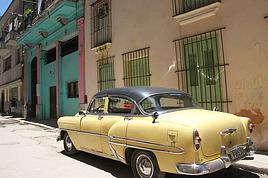
Our itinerary, covered in a 1954 classic American car with our driver Yoan, who spoke excellent French.
Hi everyone,
I’ve just returned from Havana after an 18-day stay from October 8th to 26th.
From Montreal, you have to go through Varadero Airport. I now break up the airport-to-Havana transfer with a SUPER pleasant stopover halfway, in the historic village of Hershey (Camilo Cienfuegos). Quebecer Anne-Marie has renovated a century-old house there, and every stay of mine feels like a peaceful oasis. Amazing food, a pool, impeccable hospitality—I highly recommend it! Casa Cub'Anita.
Life for Cubans remains just as tough, made even harder right now by tropical viruses spread by mosquitoes. It’s absolutely essential to protect yourself properly. That said, the purchasing power of foreign currency hasn’t changed much, despite skyrocketing inflation. As of today, the US dollar exchanges for nearly 500 pesos on the "informal market."
This was my first time staying in Vieja, in the non-touristy part. I discovered some great little restaurants run by the younger generation. Affordable, excellent food, and remarkably friendly service: El Chanchulero (it was about time I checked it out—unbeatable value for money!), El Café, Jibaro...
Cubans are still as warm and welcoming as ever—bicitaxis, servers, markets. Speaking the language is a huge plus.
Essentials to download from abroad before you leave: the maps.me offline maps app, and the La Nave taxi/motorcycle taxi app, which is super efficient for getting around the capital.
Sending my best to all my friends in Oriente as the hurricane passes, especially to Baracoa. I’m planning to visit this winter.
Cheers!
renaldito
I’ve just returned from Havana after an 18-day stay from October 8th to 26th.
From Montreal, you have to go through Varadero Airport. I now break up the airport-to-Havana transfer with a SUPER pleasant stopover halfway, in the historic village of Hershey (Camilo Cienfuegos). Quebecer Anne-Marie has renovated a century-old house there, and every stay of mine feels like a peaceful oasis. Amazing food, a pool, impeccable hospitality—I highly recommend it! Casa Cub'Anita.
Life for Cubans remains just as tough, made even harder right now by tropical viruses spread by mosquitoes. It’s absolutely essential to protect yourself properly. That said, the purchasing power of foreign currency hasn’t changed much, despite skyrocketing inflation. As of today, the US dollar exchanges for nearly 500 pesos on the "informal market."
This was my first time staying in Vieja, in the non-touristy part. I discovered some great little restaurants run by the younger generation. Affordable, excellent food, and remarkably friendly service: El Chanchulero (it was about time I checked it out—unbeatable value for money!), El Café, Jibaro...
Cubans are still as warm and welcoming as ever—bicitaxis, servers, markets. Speaking the language is a huge plus.
Essentials to download from abroad before you leave: the maps.me offline maps app, and the La Nave taxi/motorcycle taxi app, which is super efficient for getting around the capital.
Sending my best to all my friends in Oriente as the hurricane passes, especially to Baracoa. I’m planning to visit this winter.
Cheers!
renaldito
Hi everyone.
Here’s my personal account (just my own opinion, of course):
My trip lasted 2 months (January to March 2025). Backpacking, solo, and on a very tight budget (15 € per day on average). I traveled from Havana to: Viñales, Santa Marta/Varadero, Cienfuegos, Trinidad, Sancti Spíritus, Camagüey, Bayamo, Santiago de Cuba, Guantánamo, Baracoa, Moa, Holguín, Santa Clara, Cienfuegos, and back to Havana.
In Cuba, if you stay in *casas particulares*, you’ll have plenty of options. They’re everywhere. When I did door-to-door, I negotiated prices based on my small budget. Not always accepted, but I still managed to find families willing to host me. The island has fewer and fewer tourists each year, so many now prefer to rent a room at a low price rather than leave it empty. Inflation is insane, and Cubans struggle to get by day to day.
Door-to-door works really well (look for the blue logo of a roof on the house, which means it’s licensed to rent to foreigners)—you’ll see them everywhere. If it makes you feel more secure, you can also book through Airb’n’b, but you won’t be able to negotiate there. Important: make sure to get a VPN subscription on your phone, otherwise you won’t be able to book anything (since Airbnb is a U.S. site).
Now, for the West:
- Viñales: very pretty but *super* touristy! So, food prices are a bit high… but it’s the cheapest place to stay I found in the whole country (3 €-4 per night!!!), because there’s so much competition with *casas* (you’ll find them on every street!).
- Cienfuegos: a human-scale city, I really liked it because it’s so peaceful. Waterfront, pretty square, good prices, wide and well-lit streets—very pleasant…
- Trinidad: very expensive and very touristy. Pretty (cobblestone streets, historic center, natural surroundings), but packed with people…
- Havana: easy to find cheap accommodation if you look in Chinatown. However, you shouldn’t mind the noise and street prostitution (getting approached every 10 meters)… Central Havana is the only well-maintained and upscale part of the city (so very expensive, for tourists with money). Outside of that, everything is run-down, in ruins, or very poor (and cheap as a result).
- Varadero: no interest at all. Very expensive, superficial, and ultra-touristy. Absolutely nothing Cuban about the place. If you still want to go, stay 3 km before in Santa Marta—it’s cheaper, and you can easily walk there.
- Santa Clara: a very pretty small city with its central square. Hard to find a good place to eat with electricity—if you can afford it, go to *El Sol* restaurant, no hesitation! Great welcome and a charming spot to enjoy a meal. For accommodation, I recommend a wonderful person, Juan Carlos. *Casa San Lorenzo* on Calle Martí! Always attentive, a great spirit, and good advice…
For the Center:
- Sancti Spíritus: nothing special… just a stopover city.
- Camagüey: a nice city with welcoming people (like everywhere else), but nothing particularly noteworthy.
For the Southeast:
- Bayamo: very small, nothing special.
- Santiago de Cuba: I loved it! It felt like San Francisco with its hilly layout! Lots of street life, musicians, affordable *casas*, easy to make friendly connections, quiet spots by the water, and lively areas downtown (despite the downside of being approached every 2 minutes). And always, a warm welcome from locals (shoutout to the adorable Erika, Souleydis, and her partner—I’m giving a shoutout to *Casa San Pedro* on Calle Princesa!).
- Guantánamo: no interest. Hard to find accommodation or even food. Nothing special and not very pretty either…
- Baracoa: very pretty, though! Kept in its own juice, very typical, authentic, a peaceful waterfront, and stunning natural surroundings… Easy to find cheap accommodation.
- Moa: the only small town where I stayed 3 days and couldn’t find bottled water… Not much interest, except to rest before hitting the road again.
- Holguín: one of the cities I loved! I stayed over 10 days. Human-scale, lots of places to stay and sleep. No one bothers you in the street (except money changers). It’s a great place to live, and the people are very friendly.
Overall positives: no need to worry—Cuba is ultra-safe, no aggression, no risks. Cubans are very welcoming, smiling, and always ready to help. Public transport everywhere—buses, trucks, *collectivos*, *taxi wha-wha*… The ice cream is to die for (just watch out for power outages and freezers). Great breakfasts in *casas*—hearty and delicious… Movie theaters are practically free (in Cuban pesos), so cheap it’d be a shame to skip them (they’re often empty, by the way). Chess clubs in every city, open to everyone and free (they’re really good!). The general vibe is warm and joyful despite the hardships…
Overall negatives: lots of scams, theft, and prostitution. Except in Havana, the rest of the island has no electricity for most of the day. Hard to find good cheap food (without going to big restaurants or hotels). Often mediocre: pasta or pizza usually have no taste. Paranoia among many people who fear crime, even though the country is very safe… Inflation is so bad that many Cubans struggle to eat or get healthcare (medicine is rare and expensive).
That’s a lot to say, but that’s the gist of it… 😊
Here’s my personal account (just my own opinion, of course):
My trip lasted 2 months (January to March 2025). Backpacking, solo, and on a very tight budget (15 € per day on average). I traveled from Havana to: Viñales, Santa Marta/Varadero, Cienfuegos, Trinidad, Sancti Spíritus, Camagüey, Bayamo, Santiago de Cuba, Guantánamo, Baracoa, Moa, Holguín, Santa Clara, Cienfuegos, and back to Havana.
In Cuba, if you stay in *casas particulares*, you’ll have plenty of options. They’re everywhere. When I did door-to-door, I negotiated prices based on my small budget. Not always accepted, but I still managed to find families willing to host me. The island has fewer and fewer tourists each year, so many now prefer to rent a room at a low price rather than leave it empty. Inflation is insane, and Cubans struggle to get by day to day.
Door-to-door works really well (look for the blue logo of a roof on the house, which means it’s licensed to rent to foreigners)—you’ll see them everywhere. If it makes you feel more secure, you can also book through Airb’n’b, but you won’t be able to negotiate there. Important: make sure to get a VPN subscription on your phone, otherwise you won’t be able to book anything (since Airbnb is a U.S. site).
Now, for the West:
- Viñales: very pretty but *super* touristy! So, food prices are a bit high… but it’s the cheapest place to stay I found in the whole country (3 €-4 per night!!!), because there’s so much competition with *casas* (you’ll find them on every street!).
- Cienfuegos: a human-scale city, I really liked it because it’s so peaceful. Waterfront, pretty square, good prices, wide and well-lit streets—very pleasant…
- Trinidad: very expensive and very touristy. Pretty (cobblestone streets, historic center, natural surroundings), but packed with people…
- Havana: easy to find cheap accommodation if you look in Chinatown. However, you shouldn’t mind the noise and street prostitution (getting approached every 10 meters)… Central Havana is the only well-maintained and upscale part of the city (so very expensive, for tourists with money). Outside of that, everything is run-down, in ruins, or very poor (and cheap as a result).
- Varadero: no interest at all. Very expensive, superficial, and ultra-touristy. Absolutely nothing Cuban about the place. If you still want to go, stay 3 km before in Santa Marta—it’s cheaper, and you can easily walk there.
- Santa Clara: a very pretty small city with its central square. Hard to find a good place to eat with electricity—if you can afford it, go to *El Sol* restaurant, no hesitation! Great welcome and a charming spot to enjoy a meal. For accommodation, I recommend a wonderful person, Juan Carlos. *Casa San Lorenzo* on Calle Martí! Always attentive, a great spirit, and good advice…
For the Center:
- Sancti Spíritus: nothing special… just a stopover city.
- Camagüey: a nice city with welcoming people (like everywhere else), but nothing particularly noteworthy.
For the Southeast:
- Bayamo: very small, nothing special.
- Santiago de Cuba: I loved it! It felt like San Francisco with its hilly layout! Lots of street life, musicians, affordable *casas*, easy to make friendly connections, quiet spots by the water, and lively areas downtown (despite the downside of being approached every 2 minutes). And always, a warm welcome from locals (shoutout to the adorable Erika, Souleydis, and her partner—I’m giving a shoutout to *Casa San Pedro* on Calle Princesa!).
- Guantánamo: no interest. Hard to find accommodation or even food. Nothing special and not very pretty either…
- Baracoa: very pretty, though! Kept in its own juice, very typical, authentic, a peaceful waterfront, and stunning natural surroundings… Easy to find cheap accommodation.
- Moa: the only small town where I stayed 3 days and couldn’t find bottled water… Not much interest, except to rest before hitting the road again.
- Holguín: one of the cities I loved! I stayed over 10 days. Human-scale, lots of places to stay and sleep. No one bothers you in the street (except money changers). It’s a great place to live, and the people are very friendly.
Overall positives: no need to worry—Cuba is ultra-safe, no aggression, no risks. Cubans are very welcoming, smiling, and always ready to help. Public transport everywhere—buses, trucks, *collectivos*, *taxi wha-wha*… The ice cream is to die for (just watch out for power outages and freezers). Great breakfasts in *casas*—hearty and delicious… Movie theaters are practically free (in Cuban pesos), so cheap it’d be a shame to skip them (they’re often empty, by the way). Chess clubs in every city, open to everyone and free (they’re really good!). The general vibe is warm and joyful despite the hardships…
Overall negatives: lots of scams, theft, and prostitution. Except in Havana, the rest of the island has no electricity for most of the day. Hard to find good cheap food (without going to big restaurants or hotels). Often mediocre: pasta or pizza usually have no taste. Paranoia among many people who fear crime, even though the country is very safe… Inflation is so bad that many Cubans struggle to eat or get healthcare (medicine is rare and expensive).
That’s a lot to say, but that’s the gist of it… 😊
Hi everyone,
I’m planning a road trip in Cuba and was wondering if there are any bike rental places (125/500cc) with reasonable rates—not the Harley rental places!
Thanks for your help. Wave of headlights! !
I’m planning a road trip in Cuba and was wondering if there are any bike rental places (125/500cc) with reasonable rates—not the Harley rental places!
Thanks for your help. Wave of headlights! !
Hi there,
After our first trip ten years ago, we’d love to return to Cuba in February 2026 to explore the eastern part this time.
With only about twelve days, we’re ruling out traveling hundreds of kilometers from Havana, but finding a flight to Santiago de Cuba or Holguín from Paris is proving to be a real challenge.
If anyone has any tips, advice, or opinions, I’d be so grateful!
Thanks in advance,
Joséphine.
Hi everyone.
For those traveling to Cuba and then planning to go to the USA, you won’t be able to get your ESTA for the United States (same applies) if you’ve been to Cuba after 2021 due to a law passed by Donald Trump (a law that Biden later repealed).
You’ll have no choice but to apply for a visa, which costs 200 € (and approval isn’t guaranteed even after payment).
If you’re in this situation, the process to get this visa will be a real hassle—you’ll need to book an appointment at the U.S. Embassy in Paris. It’s the only embassy in France authorized to handle your application after you’ve filled out the visa request on the official website.
If you try to cheat by applying for an ESTA for the USA, just know that the American administration has ways of finding out if you’ve been to Cuba. 😉
Hi,
I’d like to know if anyone has ever tried using coconut oil
before applying sunscreen to avoid sand fleas.
Lots of positive comments online about it.
Looking forward to your feedback!
Nathalie 978
Lots of positive comments online about it.
Looking forward to your feedback!
Nathalie 978
Hi,
I’ll be staying at Playa Pesquero in Holguin and I’d like to rent a bike or scooter to explore the area. Do you know how I can do that? Thanks
Hi there,
I’m planning a trip to Cuba this summer and I’d love some info: Is travel insurance really necessary? Can you easily get online by buying a local SIM card or internet card? Apparently, there’s only one currency now—is it better to exchange money with your *casa particular* host? Thanks for all these valuable tips!
I’m planning a trip to Cuba this summer and I’d love some info: Is travel insurance really necessary? Can you easily get online by buying a local SIM card or internet card? Apparently, there’s only one currency now—is it better to exchange money with your *casa particular* host? Thanks for all these valuable tips!
Hey everyone,
A lot has happened in 4 years when it comes to travel. It wasn’t a little virus that would stop us from traveling, even if we sometimes had to adjust our destinations. So, I’m going to try to get back into posting travel journals, starting with destinations where there aren’t many recent stories.
I’ll begin with our trip of 2 weeks exploring the western part of Cuba. For those eager to read the story, I invite you to check out MyAtlas, where I started writing my travel journals during VoyageForum’s long hiatus: https://www.myatlas.com/Lofwyra/cuba-petit-detour-au-pays-du-mojito
Our itinerary, traveled in a 1954 classic American car with our driver Yoan, who spoke excellent French. I’ll add links to the posts as I write them.
2 nights in Habana Vieja - <<click here to go directly to the post>> 2 nights in Playa Larga** 2 nights in Cienfuegos** 3 nights in Trinidad*** 2 nights in Matanzas*** 3 nights in Viñales**** 1 night in Havana, downtown and Vedado
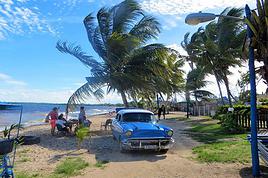
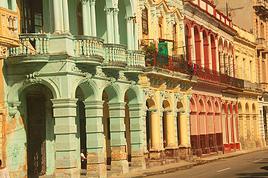
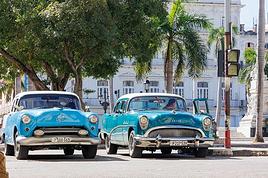
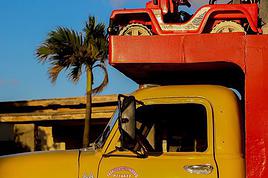
Before diving into the story, here are a few photos of what stood out to us beyond the usual sights of this country:
🙂 The birds, in large numbers—hummingbirds, pink flamingos, pelicans, and especially the tocororo, Cuba’s endemic bird, considered the national bird because the colors of its plumage match the Cuban flag.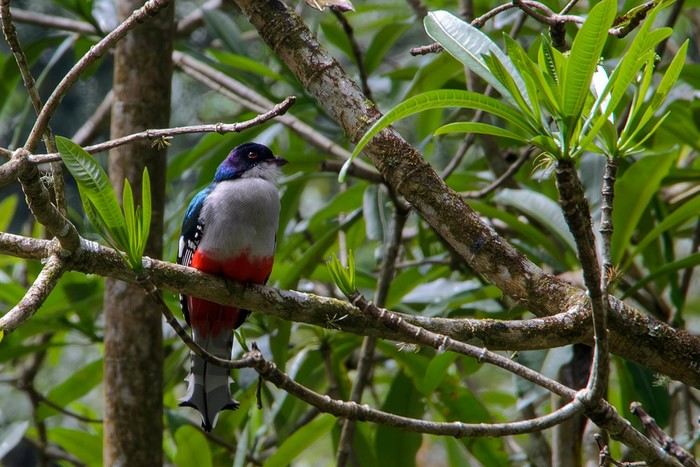
🙂 Matanzas, a city that doesn’t get much attention, sandwiched between Varadero and Havana. It doesn’t have the architectural splendor of Trinidad or Cienfuegos, some streets are really dirty, but it has a dynamic, lively vibe that really touched us.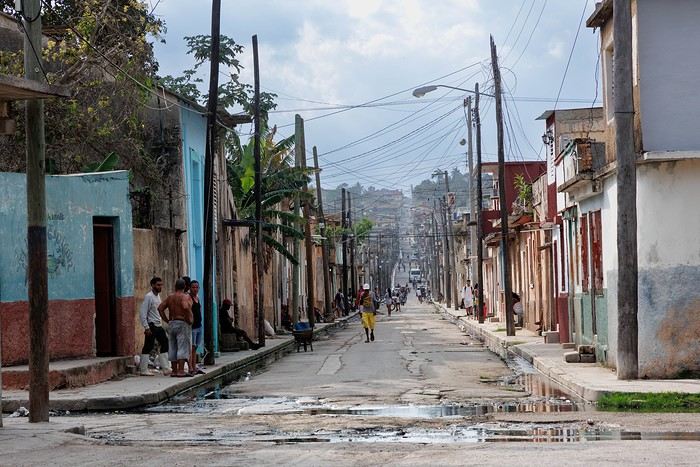
🙂 The ever-present blue, in the architecture, the cars, and the natural surroundings.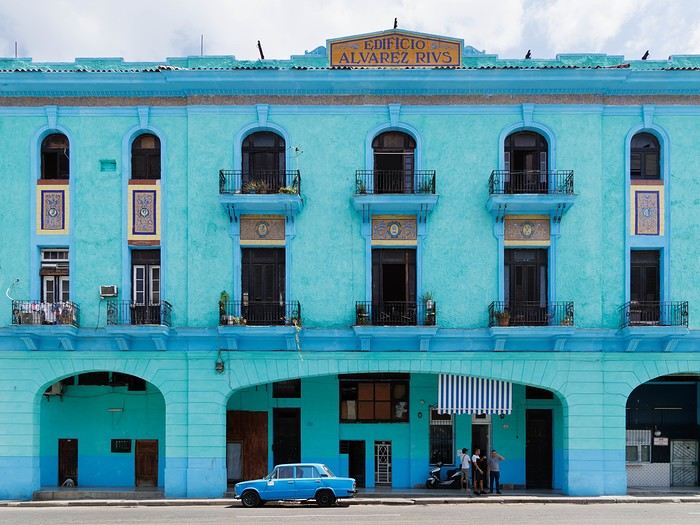
...and what we called the "Cuban style": rum and cigars in the company of Che 😎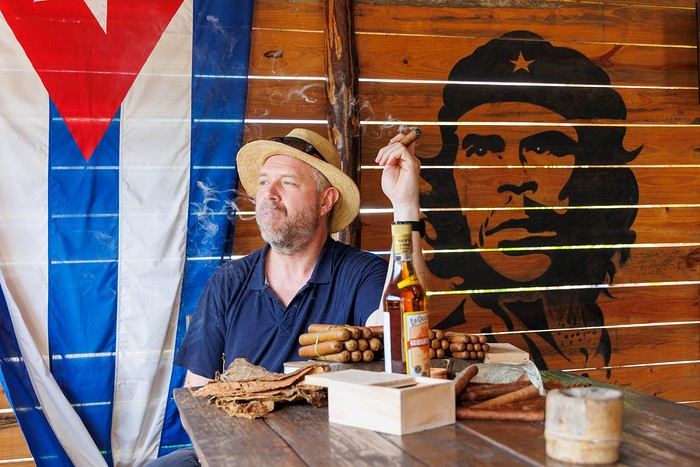
There’s still so much more to remember about this captivating and vibrant country, despite the economic crisis hitting Cubans hard... to be continued in the story.
Happy reading, Pascale
A lot has happened in 4 years when it comes to travel. It wasn’t a little virus that would stop us from traveling, even if we sometimes had to adjust our destinations. So, I’m going to try to get back into posting travel journals, starting with destinations where there aren’t many recent stories.
I’ll begin with our trip of 2 weeks exploring the western part of Cuba. For those eager to read the story, I invite you to check out MyAtlas, where I started writing my travel journals during VoyageForum’s long hiatus: https://www.myatlas.com/Lofwyra/cuba-petit-detour-au-pays-du-mojito
Our itinerary, traveled in a 1954 classic American car with our driver Yoan, who spoke excellent French. I’ll add links to the posts as I write them.
2 nights in Habana Vieja - <<click here to go directly to the post>> 2 nights in Playa Larga** 2 nights in Cienfuegos** 3 nights in Trinidad*** 2 nights in Matanzas*** 3 nights in Viñales**** 1 night in Havana, downtown and Vedado
Before diving into the story, here are a few photos of what stood out to us beyond the usual sights of this country:
🙂 The birds, in large numbers—hummingbirds, pink flamingos, pelicans, and especially the tocororo, Cuba’s endemic bird, considered the national bird because the colors of its plumage match the Cuban flag.
🙂 Matanzas, a city that doesn’t get much attention, sandwiched between Varadero and Havana. It doesn’t have the architectural splendor of Trinidad or Cienfuegos, some streets are really dirty, but it has a dynamic, lively vibe that really touched us.
🙂 The ever-present blue, in the architecture, the cars, and the natural surroundings.
...and what we called the "Cuban style": rum and cigars in the company of Che 😎
There’s still so much more to remember about this captivating and vibrant country, despite the economic crisis hitting Cubans hard... to be continued in the story.
Happy reading, Pascale
Hi there! I’m a 43-year-old woman planning to travel solo in early March. I’m not into commercial resorts, so I’m looking for places like youth hostels or *casas particulares* where I can meet other travelers. I’d love to do a mix of activities—ideally snorkeling, hiking, Latin dance, group tours, biking, etc. Mostly, I want to meet people (not necessarily a man, just folks in general!). My dream spot would be somewhere I can do Latin dance almost every night, but I’m open to other suggestions. Thanks!
Hi there,
Just a quick update on the state of this road: the unpaved section has been significantly improved. You can now complete the journey in about 4 to 4.5 hours instead of 6. Great news! For me, the most hazardous part is actually the paved section before and after Sagua. It encourages higher speeds, but there are deep, dangerous potholes that appear without warning. Be careful!
I’d also note that despite occasional power outages—which casas and paladares know how to handle—tourism remains perfectly doable. Cuba is still magical! I was just told, with a touch of humor, that the official German government website suggests bringing your own toilet paper and candles… Hmm, maybe an update on rechargeable gear would be in order…
Best,
renaldito
Just a quick update on the state of this road: the unpaved section has been significantly improved. You can now complete the journey in about 4 to 4.5 hours instead of 6. Great news! For me, the most hazardous part is actually the paved section before and after Sagua. It encourages higher speeds, but there are deep, dangerous potholes that appear without warning. Be careful!
I’d also note that despite occasional power outages—which casas and paladares know how to handle—tourism remains perfectly doable. Cuba is still magical! I was just told, with a touch of humor, that the official German government website suggests bringing your own toilet paper and candles… Hmm, maybe an update on rechargeable gear would be in order…
Best,
renaldito