Bonjour à tous
Je désire organiser un petit voyage de 12 jours a Madagascar fin avril début mai 2020.
Je cherche des conseils et circuits à faire, on sera un couple..
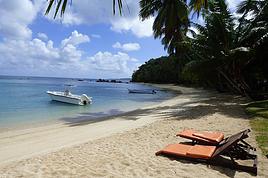
On y va pour la faune et le farniente. Les paysages paradisiaque et un peu d aventure.
Merci d'avance pour votre aide
Bonjour à tous,
Nous projettons de faire un circuit assez classique à Madagascar avec guide et chauffeur :
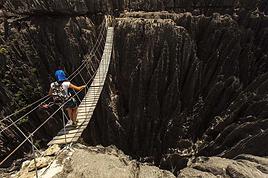
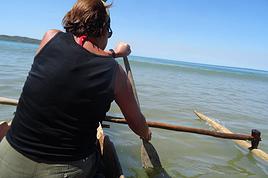
v Arrivée Antananarivo v Jour 2: Antananarivo - Antsirabe v Jour 3: Antsirabe – Miandrivazo v Jour 4: Miandrivazo – Masiakampy (Début de la descente) v Jour 5: Tsiribihina v Jour 6: Fin descente et transfert Bekopaka v Jour 7: Visite du grand et petit Tsingy v Jour 8: Bekopaka – Morondava v Jour 9 : Morondava – Belo sur mer v Jour 10:Belo sur mer – Manja v Jour 11: Manja -Morombe v Jour 12: Morombe–Andavadoaka v Jour 13 :Andavadoaka – Salary v Jour 14: Salary - Mangily Ifaty v Jour 15: Mangily Ifaty (Plongée et ballade en pirogue) v Jour 16:Ifaty-Tuléar – Ranohira v Jour 17: Visite du parc national de l’Isalo v Jour 18: Ranohira – Anja - Ambalavao v Jour 19: Ambalavao – Fianarantsoa v Jour 20: Fianarantsoa – Manakara (en train) v Jour 21: Le canal de Pangalane) v Jour 22: Manakara – Ranomafana v Jour 23 : Visite du parc national de Ranomafana v Jour 24: Ranomafana – Ambositra v Jour 25 :Ambositra – Antsirabe v Jour 26 : Antsirabe v Jour 27 : Antsirabe- Antananarivo v Jour 28 : Transfert aéroportJe serais tentée de rajouter quelques jours dans le nord, pour découvrir les Tsingy rouges, la montagne d'ambre et faire une plongée quelque part. Est-ce que ça vaut le coup? Le meilleur moyen pour y aller est-ce l'avion? Où faire de la plongée? L'ile Sainte Marie n'est-elle pas hyper touristique? Merci pour votre aide et vos réponses!
Nous projettons de faire un circuit assez classique à Madagascar avec guide et chauffeur :
v Arrivée Antananarivo v Jour 2: Antananarivo - Antsirabe v Jour 3: Antsirabe – Miandrivazo v Jour 4: Miandrivazo – Masiakampy (Début de la descente) v Jour 5: Tsiribihina v Jour 6: Fin descente et transfert Bekopaka v Jour 7: Visite du grand et petit Tsingy v Jour 8: Bekopaka – Morondava v Jour 9 : Morondava – Belo sur mer v Jour 10:Belo sur mer – Manja v Jour 11: Manja -Morombe v Jour 12: Morombe–Andavadoaka v Jour 13 :Andavadoaka – Salary v Jour 14: Salary - Mangily Ifaty v Jour 15: Mangily Ifaty (Plongée et ballade en pirogue) v Jour 16:Ifaty-Tuléar – Ranohira v Jour 17: Visite du parc national de l’Isalo v Jour 18: Ranohira – Anja - Ambalavao v Jour 19: Ambalavao – Fianarantsoa v Jour 20: Fianarantsoa – Manakara (en train) v Jour 21: Le canal de Pangalane) v Jour 22: Manakara – Ranomafana v Jour 23 : Visite du parc national de Ranomafana v Jour 24: Ranomafana – Ambositra v Jour 25 :Ambositra – Antsirabe v Jour 26 : Antsirabe v Jour 27 : Antsirabe- Antananarivo v Jour 28 : Transfert aéroportJe serais tentée de rajouter quelques jours dans le nord, pour découvrir les Tsingy rouges, la montagne d'ambre et faire une plongée quelque part. Est-ce que ça vaut le coup? Le meilleur moyen pour y aller est-ce l'avion? Où faire de la plongée? L'ile Sainte Marie n'est-elle pas hyper touristique? Merci pour votre aide et vos réponses!
During these three big weeks in Madagascar, one week in Sainte Marie, a few days for a little loop in the west/south, and the rest in Tana.
This loop I’m talking about covers an area I’d never taken the time to visit before. A recent road in good condition, the chance to pass through beautiful highland landscapes, and a few free days made it the perfect opportunity. Destination: Ampefy, west of Tana via the RN1, then a turn south onto the recently rehabilitated RN43 to reach Antsirabe before heading back to Tana. Four days planned—perfect, since an extra day wouldn’t have been a problem given all the activities in Ampefy.
First day: a relaxed and fairly late departure for Ampefy. We weren’t in a rush and took our time. Traffic leaving Tana to get back on the RN1 cost us the head start we had on our original schedule. An hour and a half bumper-to-bumper with the *buxis*, inching painfully toward the roundabout and then the bridge that acts as a bottleneck—we dove in like all our fellow sufferers. It’s not our everyday reality, and we were early, so no big deal, but man, it’s long and slow. Once past that obstacle, traffic flowed smoothly, and the road was good (all the way to Ampefy). We moved through highland landscapes, bustling villages full of activity, and countless agricultural supply shops—clear proof, if any were needed, that we were crossing a prime farming region. Around Arivonimamo, we passed through a forest with a Mediterranean vibe: a single-species forest of stout little trees with glossy, elongated light-green leaves—these are *tapia*. An endemic tree in Madagascar, and a pretty unique forest as a result (you can see them elsewhere, like between Antsirabe and Ambositra). There are efforts to protect it from illegal logging because the wood is fire-resistant, which helps shield the forest from wildfires. Beyond its biodiversity value, the *tapia* hosts silkworms, giving it economic and cultural importance.
As we kept going, we started spotting a lake and mountains with the rounded shapes typical of extinct volcanoes worn down by time and the elements. We were approaching Lake Itasy and, by extension, Ampefy. We stopped at a *hotely* for a plate of *tongon’kisoa*—pig’s trotters caramelized by cooking, with thick, flavorful skin—along with the obligatory portion of rice, which we took the time to drizzle with cooking juices to make it a bit more appetizing. Full, we turned left to reach Ampefy and our hotel. The landscape was dotted with collapsed, dormant volcanic cones, and suddenly, the view opened up onto the lake. Shallow and expansive, we followed it, losing sight of it now and then before finding it again in Ampefy itself, which we entered after crossing the Lily, a beautiful river that drains the lake. Lots of hotels and restaurants, with plenty of options at all price points. We chose the *Farihy*, about 5 km past Ampefy. A gorgeous spot by the lake, with a pool and lovely bungalows—some with picture windows overlooking the lake. Really nice. In the evening, a drink and some *sak sak* for aperitif on the terrace. It wasn’t warm, there was a lot of wind, and a storm was brewing. Off to bed quickly to start the next day’s visits.
After buying some lychees—we hadn’t seen many this year, and these were fresh from the field, picked in Ampefy—we headed to the Lily Falls. Well signposted, with a paved road in great condition, we stopped at the kiosk for the entrance fee and parking (1 euro for one *vahiny* and 10 cents for one Malagasy). We set off down the path and quickly reached the first waterfall, then continued for maybe 1 km on a well-marked trail to the second. A guide led us to the third, which is harder to spot and isn’t actually on the Lily itself. Beautiful countryside scenery: fishermen straight out of *Tom Sawyer*, straw hats on their heads, lying down with one foot hooked to a fragile bamboo rod, their line dipping into the calm river. Men preparing rice paddies with their *angady*, women transplanting rice, bent over the water. At some points, we walked along the dikes between paddies almost ready for harvest. It’s peaceful and beautiful when you’re strolling or fishing, but working the paddies is grueling, especially under that beating sun. A really nice walk—2 hours and a bit, going at a leisurely pace. A guide isn’t mandatory; only the entrance fee is. We took one because it provides a bit of work and puts money in the hands of locals, giving them more incentive to protect the site. But you can easily skip it, like most people do. Lots of visitors since it was the weekend—Tananarivians with family or groups of young people, scout groups organized under their chaperones’ direction. Very few foreign tourists, though—that’s a general observation. It’s great to see this growth in domestic tourism, giving Malagasy people the chance to discover their own country and allowing those in the sector to rely less on foreign visitors, who’ve been scarce for years.
Next, we headed to the "geysers" (which aren’t actually geysers, but whatever). We had to go back to the RN1, head toward Tsiroanomandidy, and a few kilometers later, a well-marked sign and a newly paved track led us to a pretty site. Again, lots of people, another kiosk, more fees to pay, and guides available. This time, we skipped the guide. A downpour caught us in front of the "geysers," so we took shelter under a little shop, grabbing an ice cream and some drinks. We didn’t stay long—we weren’t interested in a massage or a dip in the thermal water. The countryside and barren mountain landscapes were stunning on the way back to the hotel. We noticed you could go paragliding right in front of the bungalow, so we booked a session for the next morning. After eating at the *Auberge* in the town center (it was good), we headed back to the hotel to turn in early. Once again, a storm rolled in during the afternoon, and the temperature dropped significantly.
The next morning, around 8 a.m., we walked to the takeoff zone near the hotel. Towed by a small boat, we took off for a flight over the lake and the volcanic domes before landing back at the same spot. Two companies handle this. I’m no expert, but it seemed safe and well-organized.
To be continued...
First day: a relaxed and fairly late departure for Ampefy. We weren’t in a rush and took our time. Traffic leaving Tana to get back on the RN1 cost us the head start we had on our original schedule. An hour and a half bumper-to-bumper with the *buxis*, inching painfully toward the roundabout and then the bridge that acts as a bottleneck—we dove in like all our fellow sufferers. It’s not our everyday reality, and we were early, so no big deal, but man, it’s long and slow. Once past that obstacle, traffic flowed smoothly, and the road was good (all the way to Ampefy). We moved through highland landscapes, bustling villages full of activity, and countless agricultural supply shops—clear proof, if any were needed, that we were crossing a prime farming region. Around Arivonimamo, we passed through a forest with a Mediterranean vibe: a single-species forest of stout little trees with glossy, elongated light-green leaves—these are *tapia*. An endemic tree in Madagascar, and a pretty unique forest as a result (you can see them elsewhere, like between Antsirabe and Ambositra). There are efforts to protect it from illegal logging because the wood is fire-resistant, which helps shield the forest from wildfires. Beyond its biodiversity value, the *tapia* hosts silkworms, giving it economic and cultural importance.
As we kept going, we started spotting a lake and mountains with the rounded shapes typical of extinct volcanoes worn down by time and the elements. We were approaching Lake Itasy and, by extension, Ampefy. We stopped at a *hotely* for a plate of *tongon’kisoa*—pig’s trotters caramelized by cooking, with thick, flavorful skin—along with the obligatory portion of rice, which we took the time to drizzle with cooking juices to make it a bit more appetizing. Full, we turned left to reach Ampefy and our hotel. The landscape was dotted with collapsed, dormant volcanic cones, and suddenly, the view opened up onto the lake. Shallow and expansive, we followed it, losing sight of it now and then before finding it again in Ampefy itself, which we entered after crossing the Lily, a beautiful river that drains the lake. Lots of hotels and restaurants, with plenty of options at all price points. We chose the *Farihy*, about 5 km past Ampefy. A gorgeous spot by the lake, with a pool and lovely bungalows—some with picture windows overlooking the lake. Really nice. In the evening, a drink and some *sak sak* for aperitif on the terrace. It wasn’t warm, there was a lot of wind, and a storm was brewing. Off to bed quickly to start the next day’s visits.
After buying some lychees—we hadn’t seen many this year, and these were fresh from the field, picked in Ampefy—we headed to the Lily Falls. Well signposted, with a paved road in great condition, we stopped at the kiosk for the entrance fee and parking (1 euro for one *vahiny* and 10 cents for one Malagasy). We set off down the path and quickly reached the first waterfall, then continued for maybe 1 km on a well-marked trail to the second. A guide led us to the third, which is harder to spot and isn’t actually on the Lily itself. Beautiful countryside scenery: fishermen straight out of *Tom Sawyer*, straw hats on their heads, lying down with one foot hooked to a fragile bamboo rod, their line dipping into the calm river. Men preparing rice paddies with their *angady*, women transplanting rice, bent over the water. At some points, we walked along the dikes between paddies almost ready for harvest. It’s peaceful and beautiful when you’re strolling or fishing, but working the paddies is grueling, especially under that beating sun. A really nice walk—2 hours and a bit, going at a leisurely pace. A guide isn’t mandatory; only the entrance fee is. We took one because it provides a bit of work and puts money in the hands of locals, giving them more incentive to protect the site. But you can easily skip it, like most people do. Lots of visitors since it was the weekend—Tananarivians with family or groups of young people, scout groups organized under their chaperones’ direction. Very few foreign tourists, though—that’s a general observation. It’s great to see this growth in domestic tourism, giving Malagasy people the chance to discover their own country and allowing those in the sector to rely less on foreign visitors, who’ve been scarce for years.
Next, we headed to the "geysers" (which aren’t actually geysers, but whatever). We had to go back to the RN1, head toward Tsiroanomandidy, and a few kilometers later, a well-marked sign and a newly paved track led us to a pretty site. Again, lots of people, another kiosk, more fees to pay, and guides available. This time, we skipped the guide. A downpour caught us in front of the "geysers," so we took shelter under a little shop, grabbing an ice cream and some drinks. We didn’t stay long—we weren’t interested in a massage or a dip in the thermal water. The countryside and barren mountain landscapes were stunning on the way back to the hotel. We noticed you could go paragliding right in front of the bungalow, so we booked a session for the next morning. After eating at the *Auberge* in the town center (it was good), we headed back to the hotel to turn in early. Once again, a storm rolled in during the afternoon, and the temperature dropped significantly.
The next morning, around 8 a.m., we walked to the takeoff zone near the hotel. Towed by a small boat, we took off for a flight over the lake and the volcanic domes before landing back at the same spot. Two companies handle this. I’m no expert, but it seemed safe and well-organized.
To be continued...
Bonjour, nous envisageons de partir 3 semaines à Mada. Nous sommes 3 couples de potes. Après avoir fait des devis près d'agences, nous avons abandonné nos recherches.Nous avons rencontré une personne qui nous a conseillé de prendre un chauffeur guide. Nous comptons partir les 15 derniers jours d'aout et 1ere de sept 2020. Qui pourrait nous orienter dans notre itinéraire pour 3 semaines sachant que nous souhaitons terminer par l'île ste Marie ?. Quel budget doit on prévoir pour les 3 semaines sans compter le vol aller retour ? Merci
Bonjour
Projetant avec mon mari un périple de 15 jours sur Madagascar en mai 2020, pouvez vous me conseiller des agences locales sérieuses pour établir avec eux, le parcours.
Si quelqu'un connait Mi-Voyages, suis preneuse de renseignements
Merci pour vos réponses
Bonne journée
Hi there, following a work trip, I’ll have 4.5 days left to get a quick overview of Madagascar during the last week of February. I’ll already have had a good look around Tana (3 days of work and 1.5 days beforehand to see 1 or 2 points of interest 2-3 hours from Tana).
Is it feasible to spend the remaining 4.5 days like this:
- Day 1 & 2 (and maybe the morning of Day 3): relaxing on a coast with a pleasant climate, for example, a one-way flight to Tuléar (there’s a flight on Day 1 at 3 AM) and heading to a nice beach. Ideally, I’d have liked to go toward Morondava (baobabs, beautiful beaches near Belo), but the flight schedules don’t really work, and it wouldn’t let me visit Isalo.
- Then 2 days to head back up via the RN7, ideally with a stop in Isalo, which really appeals to me (I’m an experienced hiker in France), and/or Ranomafana. But do the weather conditions allow for long hikes in that area? Ideally, I’d like to do Tuléar–Tana by public transport up to my first road stop (shared bus? To Isalo?), then find a local hiking guide for the day. And take another transport to another point of interest before returning to Tana, where I have my return flight to France on Day 5 at noon.
My questions: - How to travel from Day 3 to Day 5 from the west coast (Tuléar? Morondava?) back to Tana? I’d prefer not to depend on a guide the whole way, but if I have to 🤷🏽♂️) If I choose Morondava, will I miss out on really interesting spots I could’ve seen along the RN7?
I’m open to any suggestions or ideas to make the most of these 4.5 days, like another beach destination I might not have considered (I ruled out Nosy Bé because of the February weather—maybe I was wrong?)
Is it feasible to spend the remaining 4.5 days like this:
- Day 1 & 2 (and maybe the morning of Day 3): relaxing on a coast with a pleasant climate, for example, a one-way flight to Tuléar (there’s a flight on Day 1 at 3 AM) and heading to a nice beach. Ideally, I’d have liked to go toward Morondava (baobabs, beautiful beaches near Belo), but the flight schedules don’t really work, and it wouldn’t let me visit Isalo.
- Then 2 days to head back up via the RN7, ideally with a stop in Isalo, which really appeals to me (I’m an experienced hiker in France), and/or Ranomafana. But do the weather conditions allow for long hikes in that area? Ideally, I’d like to do Tuléar–Tana by public transport up to my first road stop (shared bus? To Isalo?), then find a local hiking guide for the day. And take another transport to another point of interest before returning to Tana, where I have my return flight to France on Day 5 at noon.
My questions: - How to travel from Day 3 to Day 5 from the west coast (Tuléar? Morondava?) back to Tana? I’d prefer not to depend on a guide the whole way, but if I have to 🤷🏽♂️) If I choose Morondava, will I miss out on really interesting spots I could’ve seen along the RN7?
I’m open to any suggestions or ideas to make the most of these 4.5 days, like another beach destination I might not have considered (I ruled out Nosy Bé because of the February weather—maybe I was wrong?)
Bonjour!
Nous nous rendons en famille (avec 2 ados de 13 et 15 ans) pour la 3eme fois à Madagascar à l'été 2020, et j'ai besoin d'un peu d'aide pour ce nouveau périple! Voici ce que nous aimerions voir:
Arrivée dans la nuit du 30 au 31 juillet -31 juillet route de Tana à Antsirabe -1er août Antsirabe- Morondava -2 août Morondava-Bekopaka (Nuit au camp croco ?) -3 août Tsingy -4 août Tsingy -5 août Bekopaka- Morondava -6 août Morondava-Belo sur mer ( nuit à l’entremer ou dauphin vezo ?) -7 août Belo sur mer -8 août Belo sur mer -9 août Belo sur mer- Andavadoaka (nuit chez Pierrot le Suisse) -10 août Pierrot -11 août Pierrot -12 août Andavadoaka-Ifaty (nuit « un peu plus au nord » ?) -13 août Un peu plus au nord -14 août Un peu plus au nord -15 août Ifaty-Isalo (Isalo Ranch) -16 août Isalo -17 août Isalo -18 août Isalo- Ambalavao (chez l’habitant ?) -19 août Ambalavao (Anja) -20 août Ambalavao- Antsirabe (lac Tritriva) -21 août Antsirabe Tana -22 août Tana -23 août -Nuit du 23 au 24 vol retour…
Nous aimons bien prendre notre temps, sommes assez rodés pour la piste (Piste Bac+10 il y a 4 ans...), mais je ne sais pas si les étapes choisies sont réalisables, ou s'il faut en rajouter?? Pour l'instant, il y a une nuit supplémentaire que je ne sais pas ou placer... Nous serons avec un guide et un 4*4... Merci pour vos conseils!
Arrivée dans la nuit du 30 au 31 juillet -31 juillet route de Tana à Antsirabe -1er août Antsirabe- Morondava -2 août Morondava-Bekopaka (Nuit au camp croco ?) -3 août Tsingy -4 août Tsingy -5 août Bekopaka- Morondava -6 août Morondava-Belo sur mer ( nuit à l’entremer ou dauphin vezo ?) -7 août Belo sur mer -8 août Belo sur mer -9 août Belo sur mer- Andavadoaka (nuit chez Pierrot le Suisse) -10 août Pierrot -11 août Pierrot -12 août Andavadoaka-Ifaty (nuit « un peu plus au nord » ?) -13 août Un peu plus au nord -14 août Un peu plus au nord -15 août Ifaty-Isalo (Isalo Ranch) -16 août Isalo -17 août Isalo -18 août Isalo- Ambalavao (chez l’habitant ?) -19 août Ambalavao (Anja) -20 août Ambalavao- Antsirabe (lac Tritriva) -21 août Antsirabe Tana -22 août Tana -23 août -Nuit du 23 au 24 vol retour…
Nous aimons bien prendre notre temps, sommes assez rodés pour la piste (Piste Bac+10 il y a 4 ans...), mais je ne sais pas si les étapes choisies sont réalisables, ou s'il faut en rajouter?? Pour l'instant, il y a une nuit supplémentaire que je ne sais pas ou placer... Nous serons avec un guide et un 4*4... Merci pour vos conseils!
Hi there,
How do you get from Tamatave or Foulpointe to Sainte Marie Island? We’re heading to Madagascar from July 16 to 29, 2025.
How many days should we stay to explore the area?
What’s there to do in Tamatave, Foulpointe, or Sainte Marie Island?
What should we visit?
Thanks everyone!
Article de la tribune sur le tourisme à Mada et son avnir:
https://afrique.latribune.fr/economie/strategies/2019-09-23/wave-madagascar-le-tourisme-relancera-t-il-la-croissance-de-l-archipel-828694.html#xtor=--%5Bla-tribune-afrique-l-actualite-economique-du-continent%5D-20190923-%5B%5D-0@3075-20190923190000
First trip to Madagascar (couple + 2 older teens). We’ve read quite a few posts and watched traveler videos, which helped us figure out what we could do in 3 weeks. We’d like to travel with a driver-guide. You’ll probably be able to help us with the overall duration... Are we being too ambitious, or is this reasonable? In this itinerary, are there any must-see places we shouldn’t miss?
Here’s our first draft:
Departure from Tana to the east via the RN2. Stop at the Analamazoatra Reserve RN11 to reach the Pangalanes Canal 3 or 4 days to travel south along the canal (taxi boat) The train from Manakara to Fiana RN7 toward Tulear Time for a short trek in Andringitra? I’m not sure... Isalo Park From Tulear, head north or south by pirogue to relax somewhere To get back to Tana and stay within our vacation time, I think we’ll need to fly... Will we have time left for Ampefy?
What do you think?
Departure from Tana to the east via the RN2. Stop at the Analamazoatra Reserve RN11 to reach the Pangalanes Canal 3 or 4 days to travel south along the canal (taxi boat) The train from Manakara to Fiana RN7 toward Tulear Time for a short trek in Andringitra? I’m not sure... Isalo Park From Tulear, head north or south by pirogue to relax somewhere To get back to Tana and stay within our vacation time, I think we’ll need to fly... Will we have time left for Ampefy?
What do you think?
Salut les voyageurs,
Nous partons à Madagascar les 20 premiers jours d'octobre prochain avec ma copine :) Destination qui nous donnait envie depuis un moment. Après s'être renseignés a droite a gauche sur les différents coins à cibler, notre dilemme est enfin la : l'ouest, ou le nord.
Peut-être certains d'entre vous connaissent les deux régions et pourraient nous donner leur(s) avis ? Peut-être aussi qu'il est jouable de visiter les deux en 2/3 semaines, mais on préfère ne pas courir (et on a bien compris que les temps de trajets ne sont pas les mêmes que chez nous), en prenant le temps d'en voir seule à la cool.
Du coup, on hésite entre :
LE NORD : Diego - trois baies, baie de sakalava, montagnes des francais, d'ambre - mer d'émeraude (iles autour ? kitesurf ? balaines ?) - parc d'Ankara - Ambaja - Finir une petite semaine nosy be et ses iles (des spots à ne pas louper ?)
L'OUEST : Antsirabé -Miandrivazo - belo sur Tsiribihina, Tsingy de Bemahara, Morondova - Puis descente jusqu'à Tulear la dernière semaine pour profiter des belles plages !
Vous l'avez compris, on est pas originaux : on aimerait de la jungle de la terre et du lagon , alors si quelqu'un a parcouru de près (ou d'un peu plus loin) l'un de ces deux circuits, on ��couterai avec attention vos expériences ! Même des conseils ou choses auxquelles ont ne pense pas forcément en partant la bas :)
Comme par exemple, ce point qui nous taraude : chauffeur en 4x4 qui nous suit H24 (pas fan), ou taxi et taxi brousse en avisant selon nos déplacements ?
En espérant un mini écho,
Nous partons à Madagascar les 20 premiers jours d'octobre prochain avec ma copine :) Destination qui nous donnait envie depuis un moment. Après s'être renseignés a droite a gauche sur les différents coins à cibler, notre dilemme est enfin la : l'ouest, ou le nord.
Peut-être certains d'entre vous connaissent les deux régions et pourraient nous donner leur(s) avis ? Peut-être aussi qu'il est jouable de visiter les deux en 2/3 semaines, mais on préfère ne pas courir (et on a bien compris que les temps de trajets ne sont pas les mêmes que chez nous), en prenant le temps d'en voir seule à la cool.
Du coup, on hésite entre :
LE NORD : Diego - trois baies, baie de sakalava, montagnes des francais, d'ambre - mer d'émeraude (iles autour ? kitesurf ? balaines ?) - parc d'Ankara - Ambaja - Finir une petite semaine nosy be et ses iles (des spots à ne pas louper ?)
L'OUEST : Antsirabé -Miandrivazo - belo sur Tsiribihina, Tsingy de Bemahara, Morondova - Puis descente jusqu'à Tulear la dernière semaine pour profiter des belles plages !
Vous l'avez compris, on est pas originaux : on aimerait de la jungle de la terre et du lagon , alors si quelqu'un a parcouru de près (ou d'un peu plus loin) l'un de ces deux circuits, on ��couterai avec attention vos expériences ! Même des conseils ou choses auxquelles ont ne pense pas forcément en partant la bas :)
Comme par exemple, ce point qui nous taraude : chauffeur en 4x4 qui nous suit H24 (pas fan), ou taxi et taxi brousse en avisant selon nos déplacements ?
En espérant un mini écho,
Hi everyone! I’ve put together an itinerary for Madagascar and would love to get your feedback if you can help—thanks!
December 6–9: Antananarivo 3 nights, sightseeing Andasibe-Mantadia National Park Rova of Antananarivo (Ambohimanga Fort) Lemurs’ Park
December 9–11: Fianarantsoa, 2 nights Ranomafana National Park
Ambalavao, December 11–13, 2 nights Andringitra National Park
December 13–15: Ranohira or Ilakaka, 2 nights Monkey Canyon visit Isalo National Park
December 15–18: Tulear, 3 nights Reniala Reserve visit Beach time, possible diving Antsokay Arboretum Ifaty Forest
December 18–19: Full day—take a flight to the capital and stay overnight Then on December 19, take the bus to Morondava
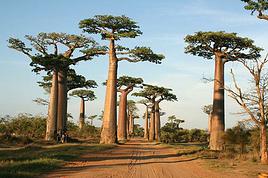
December 19–23: Morondava, 4 nights Kirindy Mitea National Park Avenue of the Baobabs Tsingy de Bemaraha National Park
12:30-hour bus ride from Morondava to the capital
Antananarivo, December 23–24 11:30-hour trip from the capital to Mahajanga
Mahajanga/Majunga, December 24–27, 3 nights Ankarafantsika National Park visit
Ambanja District, 3 nights December 27–30 Tsaratanana Nature Reserve visit Maromokotro trek
Nosy Be Island, December 30–January 7, 2026, 8 nights diving, beach time, relaxation, walks, hiking, snorkeling
Antsiranana, January 7–11, 4 nights Ambavanibe Bay visit Montagne d’Ambre National Park
Return to the capital for a flight home or a 28-hour bus ride
1 or 2 nights in Antananarivo depending on the return trip
January 13: Departure for France Arrival in Paris, France the next day
December 6–9: Antananarivo 3 nights, sightseeing Andasibe-Mantadia National Park Rova of Antananarivo (Ambohimanga Fort) Lemurs’ Park
December 9–11: Fianarantsoa, 2 nights Ranomafana National Park
Ambalavao, December 11–13, 2 nights Andringitra National Park
December 13–15: Ranohira or Ilakaka, 2 nights Monkey Canyon visit Isalo National Park
December 15–18: Tulear, 3 nights Reniala Reserve visit Beach time, possible diving Antsokay Arboretum Ifaty Forest
December 18–19: Full day—take a flight to the capital and stay overnight Then on December 19, take the bus to Morondava
December 19–23: Morondava, 4 nights Kirindy Mitea National Park Avenue of the Baobabs Tsingy de Bemaraha National Park
12:30-hour bus ride from Morondava to the capital
Antananarivo, December 23–24 11:30-hour trip from the capital to Mahajanga
Mahajanga/Majunga, December 24–27, 3 nights Ankarafantsika National Park visit
Ambanja District, 3 nights December 27–30 Tsaratanana Nature Reserve visit Maromokotro trek
Nosy Be Island, December 30–January 7, 2026, 8 nights diving, beach time, relaxation, walks, hiking, snorkeling
Antsiranana, January 7–11, 4 nights Ambavanibe Bay visit Montagne d’Ambre National Park
Return to the capital for a flight home or a 28-hour bus ride
1 or 2 nights in Antananarivo depending on the return trip
January 13: Departure for France Arrival in Paris, France the next day
bonjour j aimerai partir en voyage a madagsacar avec ma femme et mes enfants
j aimerai decouvrir et leur faire decouvrir ces joli paysages MAIS AUSSI les endroits locaux les lieux moins touristiques et aussi les coins defavorisés , en effet voir des endroits ou la richesse n est pas la car j aimerai avec mes enfants faire des dons d affaires et de fournitures scolaires , montrer a mes enfants comment ils vivent labas
si quel qu un pourai m aiguiller m indiquer
merci beaucoup
Hi everyone, I’m heading to Île aux Nattes in a few weeks and I’d like to know if euros are accepted in the island’s restaurants.
At the hotel where I’ll be staying, they take card payments, but for activities, I can’t find any reliable info.
Could anyone tell me the approximate cost in euros and/or ariary for a week (food outside the hotel) on the island for two people?
Also, has anyone ever exchanged money at the Paris Magenta exchange bureau? Thanks!
Also, has anyone ever exchanged money at the Paris Magenta exchange bureau? Thanks!
hi there
I’ll be in Antalaha in October and need to get to Maroantsetra. I’ve heard it’s possible by boat, but I can’t find any info about it. So I’m wondering if I’ll have to arrange something with local fishing boats or something else, and whether it’s a risky trip since the sea can get rough on Madagascar’s east coast. Has anyone done this before, or just know anything about it? What do you think?
I’ll be in Antalaha in October and need to get to Maroantsetra. I’ve heard it’s possible by boat, but I can’t find any info about it. So I’m wondering if I’ll have to arrange something with local fishing boats or something else, and whether it’s a risky trip since the sea can get rough on Madagascar’s east coast. Has anyone done this before, or just know anything about it? What do you think?
hey everyone,
I’m planning a trip in July: I’d like to take a minibus from Tana to Mahajanga, then continue on to Antsohihy and Narinda Bay, take time to explore the area (Nosy Lava), and then head back down to Mahajanga if possible by boutre or, if not, by the track if it exists. Just to clarify, I’ve got a bike and all the time in the world.
Has anyone done this or have any info?
Thanks in advance!!
Oh, the good news—the site is back up after such a long closure. I think many of us were really missing it, though some have moved on to other forums like Routard.
Hopefully, activity will pick up little by little. Travel habits have probably changed post-Covid, and some regulars won’t be coming back for all sorts of reasons.
But for the rest of us, the forum is here for travel journals and pre-trip questions. Anyway…
Back to the main point: my last trip to Madagascar was a while ago now—about a year—on the High Plateaus during the austral winter. It was really chilly, and to be honest, my feelings were mixed between the joy of returning to Madagascar and the sadness of seeing the state of the country. The infrastructure is crumbling, and the population is sinking into poverty at unprecedented levels. The country’s closure likely had immeasurable consequences, compounded by destructive cyclones. Even secondary cities have seen large numbers of rural people arriving in search of work, while some rural areas barely allow survival. I’ve never felt such despair over the situation in 20 years.
From Tana to Fianar, it was nothing but heartbreaking observations. Probably made worse by the drizzle and cold typical of that season in the region.
In a few weeks, I’m planning to return to the High Plateaus and also Sainte Marie. On that note, a few questions: has anyone stayed at Samaria Cosy Lodge, and what did you think of it? On Île aux Nattes, which hotel would you recommend for a few peaceful days, ideally on the coast best suited for snorkeling?
Thanks in advance
Back to the main point: my last trip to Madagascar was a while ago now—about a year—on the High Plateaus during the austral winter. It was really chilly, and to be honest, my feelings were mixed between the joy of returning to Madagascar and the sadness of seeing the state of the country. The infrastructure is crumbling, and the population is sinking into poverty at unprecedented levels. The country’s closure likely had immeasurable consequences, compounded by destructive cyclones. Even secondary cities have seen large numbers of rural people arriving in search of work, while some rural areas barely allow survival. I’ve never felt such despair over the situation in 20 years.
From Tana to Fianar, it was nothing but heartbreaking observations. Probably made worse by the drizzle and cold typical of that season in the region.
In a few weeks, I’m planning to return to the High Plateaus and also Sainte Marie. On that note, a few questions: has anyone stayed at Samaria Cosy Lodge, and what did you think of it? On Île aux Nattes, which hotel would you recommend for a few peaceful days, ideally on the coast best suited for snorkeling?
Thanks in advance
Bonjour à tous,
La nouvelle trotte dans notre tête depuis cette semaine. Pourquoi pas Madagascar comme destination ! Avant de faire des recherches, j'ai une question toute simple. Est-il trop tard pour organiser 3 semaines de voyage en juillet/août ? Nous viendrons du Canada. J'imagine que les européens y vont beaucoup durant les grandes vacances...
Merci
La nouvelle trotte dans notre tête depuis cette semaine. Pourquoi pas Madagascar comme destination ! Avant de faire des recherches, j'ai une question toute simple. Est-il trop tard pour organiser 3 semaines de voyage en juillet/août ? Nous viendrons du Canada. J'imagine que les européens y vont beaucoup durant les grandes vacances...
Merci
Bonjour à tous
Je relance une discussion pour une mise à jour sur le route entre Tulear et Morondava.
Quels sont les moyens de transports, etc. pour ce trajet, soit par la côte, soit en passant par les terres (Maja, Mandabe)?
Bonjour a tous,
Voila après 25 ans passé en Chine Je vais faire le grand pas en début Aout (10 je pense) pour Diego Suarez, si vous pouviez me répondre sur les questions que je me pose cela serait un gagne temps énorme pour moi quand et vous en remercie par avance
1. Combien de temps je peu rester avec un E visa sur Mada? Donc comment je fais si je dois prendre un billet d’avion retour pour la Réunion car je ne connais pas encore la date a laquelle je vais y aller a la Réunion?
2. Peut-on utiliser une carte ATM carte banque, j’ai regardé et apparemment il y a
3. Comment rejoindre de l’Aéroport jusqu’au centre ville, bus, navette ?
4. Dollars pas de problème pour changer ?
5. Trouver un appartement (studio) dois-je passer par une agence ?
6. J’ai vu un hôtel pas trop cher le temps de trouver un appartement le Valiha, quelqu’un connait ?
7. Y a-t-il une visite médicale ou peut-on l’acheter pour le permis de résidence?
8. Toutes autres informations sont évidemment la bienvenue de votre part.
Désolé de vous embêter avec toutes mes questions mais j’aimerai être briffé avant de partir
Merci a vous,
8. Toutes autres informations sont évidemment la bienvenue de votre part.
Désolé de vous embêter avec toutes mes questions mais j’aimerai être briffé avant de partir
Merci a vous,
Hi,
We're heading to Madagascar in just over a month. Our flight arrives at Nosy Be, and I was wondering if there are any currency exchange offices at that airport since it doesn’t seem very big?
I’d like to exchange 500 € for incidentals (souvenirs, vanilla purchases, etc.). Our hotel is already paid for (half-board) as well as the excursions. What do you think? Thanks for your help!
Hello,
After asking questions on the site, here’s a little feedback on our trip in March and April.
Marseille/Antananarivo flight with Ethiopian Airlines was great both ways. I’d recommend it.
Domestic flights with Madagascar Airlines were just as smooth.
We had to change our plans because I was the victim of a snatch-theft attempt at Ivato... patellar fracture... so I ended up with a brace and more rest than hikes.
This let us spend more time in the same areas and make some connections.
We loved Tulear. Stayed with Alain—excellent value for money.
Mangily, where we stayed for 15 days. Hotel Bella Dona due to my little handicap. The pool replaced sea swims.
Mangily gets a bad rap for being very touristy. True, you get approached a lot on the beach—you have to play along and buy some trinkets, but after that, you get royal peace and lots of exchanges with locals. The village and its lively street are nice too. Don’t hesitate to eat with fishermen or at local bars.
Anakao, a big favorite. Just the journey there is worth it. Watching dozens of pirogues set off between 5 and 6 AM is a magical moment.
Stayed at Peter Pan’s place. Lots of chats with Dario since we were the only guests.
Planned a 4-day Antananarivo–Soniara–Ivango road trip with a driver.
Cut to 2 days because the boat to Sainte Marie was moved up due to weather. I don’t remember the company’s name, but it wasn’t great for safety—plus, we brought back fleas.
Visited Andasibe Park along the way. Quick tip: go in the morning.
A little over 2 weeks on Sainte Marie at Hôtel Mantis Soanambo—total luxury negotiated at a price that defied all competition because it was low season.
Meals were at little local eateries nearby.
We chose not to sleep on Île aux Nattes but went there several times during the day (crossing: 4000 ariary for 2).
You have to take a pirogue tour—it’s like stepping into a postcard.
Sainte Marie is a special place. A tropical island that feels like the Caribbean ones we’ve lived on. No security issues at all. We rented a scooter because we found tuk-tuk prices a bit steep. You can leave the scooter with helmet and keys and come back 4 hours later.
More amazing encounters here too.
Last part of our trip in Ampefy, a beautiful volcanic region with a very welcoming population.
Stayed with a friend of our driver.
Hotels in Ivato are plentiful and vary a lot in quality.
Les 12 Collines is a bit out of the way but only 21 € per night.
La Chato... very expensive for what you get.
I tried to keep it short.
Madagascar is a wonderful island with so many facets. Always so many emotions when I think back on this trip.
The extreme poverty... don’t hesitate to buy food for the kids on the beach, for example. It doesn’t cost much, but it means a lot to them.
The kindness of the people and, above all, those SMILES.
We’re hooked—we’re going back in November for 6 months... because yes, you can buy a 3-month visa at the airport (a question I’d asked), and you can extend it for another 3 months... if you apply in time at a police station.
We didn’t take Malarone either. We’d brought some, but there were few mosquitoes, and "Insect Écran" worked really well.
Hi
Are there any boat connections between Mananara and Sambava in September 2026?
Thanks for your replies
Are there any boat connections between Mananara and Sambava in September 2026?
Thanks for your replies
Bonsoir,
Je viens faire appel à celles et ceux qui connaissent bien les Malgaches, pour avoir vécu au pays ou fréquenter la diaspora.
Je fréquente depuis peu un Malgache et sans vouloir tomber dans des généralités de bas étage, j'aimerais mieux comprendre sa culture et notamment certains "traits culturels", ou tout du moins m'aider à distinguer ce qui relève de sa personnalité propre et de nos différences culturelles...
1- Avez-vous un peu de lecture à me conseiller pour avancer dans ma réflexion ? Dans une approche disons ethno/socio.
2- Vos retours d'expérience m'intéressent aussi, bien entendu. En tout respect, vous aurez compris ma démarche : mieux comprendre l'autre :)
Merci!
Merci!
Bonjour à tous, je vois de nombreuses questions à ce sujet sans jamais avoir pu y trouver de réponses précises, quelqu'un pourrait-il me renseigner au sujet de la traditionnelle descente du fleuve de la Tsiribihina en pirogue. Je souhaiterais le faire en sens inverse, c'est à dire depuis Belo-sur-Tsiribihina jusqu'à Miandrivazo. Est-ce possible ? Si oui, avez vous de bonnes recommandations/contact à me partager ?
Je l'ai fait !, ,
A mananjary j'ai dormi au patio que je vous recommande. Pierre Jean a vendu à Claude un lyonnais et sa charmante femme . Tres agreable 47000Ar et ils vous aideront pour le bateau
-1er jour on a mis 11h pour Nosy varika car on a dépanné un bateau en panne donc pris tous les passage.rs et chargement. Ça nous a perdu 2 h. Mais dans une bonne ambiance
Paysage magnifique et arrêts colorés dans les villages
A Noisy varika il y a la petite oasis mais il y avait un mariage bruyant alors je suis allée au Volazara pas terrible mais 25000 Ar et la douché au seau est un grand plaisir
-2e jour 14h pour Mahanoro ...un peu long oui mais toujours l'ambiance et j'ai pu m'allonger sur les bancs en bois et somnole, lire, sudoku Le temps passe au rythme des pirogues Et surtout la chance d'arriver et de ne pas coucher sur le bateau A Mahanoro l'hôtel Prestige est une agréable surprise. Il est loin du port, tâchez de trouver un pousse pousse -3e jour taxi brousse de Mahanoro à tamatave. 18000Ar Chance d'avoir la place.devant que 2 plus le chauffeur avec transexpress, le luxe !, , Calme ton délire Line, panne au bout de 2h, bloqués 3h à Ilaka est, animé, j' ai pu y manger , papoter...le temps à passé à la malgache personne ne s'énerve, râle, perd l'humour et le sourire Total 11h pour arriver Bon courage , si je l'ai fait vous pouvez tous le faire. Fatiguant mais je ne vais garder que des bons souvenirs Et la douceur malgache. ..
-2e jour 14h pour Mahanoro ...un peu long oui mais toujours l'ambiance et j'ai pu m'allonger sur les bancs en bois et somnole, lire, sudoku Le temps passe au rythme des pirogues Et surtout la chance d'arriver et de ne pas coucher sur le bateau A Mahanoro l'hôtel Prestige est une agréable surprise. Il est loin du port, tâchez de trouver un pousse pousse -3e jour taxi brousse de Mahanoro à tamatave. 18000Ar Chance d'avoir la place.devant que 2 plus le chauffeur avec transexpress, le luxe !, , Calme ton délire Line, panne au bout de 2h, bloqués 3h à Ilaka est, animé, j' ai pu y manger , papoter...le temps à passé à la malgache personne ne s'énerve, râle, perd l'humour et le sourire Total 11h pour arriver Bon courage , si je l'ai fait vous pouvez tous le faire. Fatiguant mais je ne vais garder que des bons souvenirs Et la douceur malgache. ..
Hi there,
I’m heading to Madagascar for 15 days next March, specifically to Nosy Be, and I’d like to buy some vanilla. Where can I buy it in Nosy Be, and what’s the current price of vanilla? I’ve heard that the price of vanilla has skyrocketed (like everything else, to be honest). If anyone has bought some recently, that would be a huge help.
Thanks in advance!
Hi there,
I’m looking for information about the island of Madagascar and Nosy Be. I’d like to spend 10 days there in February. Could you recommend some hotels and must-see places? Is it better to rent a car or a motorbike? What budget should I plan for? We’ll be a group of 4 people.
Thanks in advance for your tips!
I’m looking for information about the island of Madagascar and Nosy Be. I’d like to spend 10 days there in February. Could you recommend some hotels and must-see places? Is it better to rent a car or a motorbike? What budget should I plan for? We’ll be a group of 4 people.
Thanks in advance for your tips!
Bonjour,
Je sollicite souvent les voyageurs pour préparer mes circuits quand je pars découvrir un pays. Je fais un retour extrêmement bref, pour ne vous donner que mes 3 coups de cœur sur ce voyage qui faisait une boucle :Tana, Miandrivazo, Morandava, Belo sur Mer, Morombe, Ifaty, PN Isalo, PN Andringita, Ambalavao, Finarantsoa, Manakara, Ambositra, Antsirabe, PN Analmayaotra soit 4000km en 29 jours.
Nos must ont été : PN Andringita, pas trop de touristes (pas de groupe), belle nature aux sentiers non balisés, contacts très agréables et faciles avec les locaux. Notre guide Jean Baptiste, alias Fanou de son vrai prénom, était super.
Manakara, ville au passé riche, endormi dans son état d'abandon avec de très beaux bâtiments décrépis anciens, ballades sur le canal des Pangalanes (aller chercher des piroguiers au Nord de Manakara, les canaux sont plus étroits et plus sauvages, à trouver aux abords de Éden Sidi hôtel), contact avec les locaux simple et très agréables.
Antsirabe, avec l'association Baliaka (voir sur internet l'adresse http://associationbaliaka.over-blog.com/2019/01/association-baliaka.html) , super ballade d'une journée à la rencontre des paysans des hautes terres. On est parti avec eux de Betafo pour se ballader. Paysage superbe, terres très cultivées, contact avec les locaux. On a assisté à la cérémonie de retournement des morts, il faut dire que septembre est la saison. Leur mél rakotomamonjyj@yahoo.fr ou associationbaliaka.atj@gmail.com notre guide Arsène était génial
Bon voyage
Nos must ont été : PN Andringita, pas trop de touristes (pas de groupe), belle nature aux sentiers non balisés, contacts très agréables et faciles avec les locaux. Notre guide Jean Baptiste, alias Fanou de son vrai prénom, était super.
Manakara, ville au passé riche, endormi dans son état d'abandon avec de très beaux bâtiments décrépis anciens, ballades sur le canal des Pangalanes (aller chercher des piroguiers au Nord de Manakara, les canaux sont plus étroits et plus sauvages, à trouver aux abords de Éden Sidi hôtel), contact avec les locaux simple et très agréables.
Antsirabe, avec l'association Baliaka (voir sur internet l'adresse http://associationbaliaka.over-blog.com/2019/01/association-baliaka.html) , super ballade d'une journée à la rencontre des paysans des hautes terres. On est parti avec eux de Betafo pour se ballader. Paysage superbe, terres très cultivées, contact avec les locaux. On a assisté à la cérémonie de retournement des morts, il faut dire que septembre est la saison. Leur mél rakotomamonjyj@yahoo.fr ou associationbaliaka.atj@gmail.com notre guide Arsène était génial
Bon voyage
Hi,
I traveled to Madagascar from May 16 to June 3 with a group (10 people), accompanied by our guide/driver Adrien and his two sons (or "Adrien and Co," already mentioned in previous posts on this forum).
We were absolutely satisfied with the services provided. While other guides we contacted only offered ready-made itineraries with no flexibility, Adrien crafted a highly varied program for us, blending hikes, landscapes, crafts, and interactions with locals. It was an intense but well-optimized schedule that met all our wishes.
The accommodations—sometimes very rustic, sometimes very comfortable—were all very clean. We were on a half-board plan, and our lunches were at small, typical restaurants recommended by Adrien.
Adrien and his sons were super friendly, helpful, and always in a good mood (even when both vehicles got flat tires 10 minutes apart, for example!).
We had plenty of breaks every day, and every special request was accommodated!
We got a great rate: 1300 € per person. On top of that, we added tips for the drivers, pirogue guides, and cooks, as well as our lunches and any personal expenses.
We were lucky with the lemurs—we saw a lot of them!
At no point did we feel unsafe.
Day-by-day details on my Polarstep: https://www.polarsteps.com/moietlechatTraveller/25173082-madagascar-2027
Trip details: Day 1: Flight from Réunion to Madagascar – night at IVATO HOTEL Day 2: Antsirabe - Miandrivazo 220 km, about 7 hours
Day 3: Descent of the Tsiribihina in a traditional pirogue, village encounters, swim in the waterfall, bivouac. Lunch in the pirogue. Day 4: Descent of the Tsiribihina in a traditional pirogue, visit to a village and school, bivouac; lunch in the pirogue. Day 5: Tsarahotana - Bekopaka End of the river descent. At 9 AM, 4x4, 45 km, 3 hours, ferry across the Tsiribihina. Day 6: Visits to Parc Grand Tsingy de Benahara (sporty level) and Petit Tsingy (for all walkers) Day 7: Bekopaka - Belo/Tsiribihina. Nighttime visit to Kirindy Reserve 135 km, 6 hours Day 8: Kirindy Reserve, daytime visit in the morning – drive to Morondava 100 km, 5 hours on a sandy track; "Baobabs Amoureux" and sunset at the "Avenue of the Baobabs" Day 9: Morondava - Belo sur Mer by motorized pirogue, 3 hours Day 10: Belo sur Mer, visit to a fishing village, pirogue ride through the mangroves, meal on the beach Day 11: Belo sur Mer - Morondava - Miandrivazo 3 hours by motorized pirogue, then 280 km, 7 hours by minibus Day 12: Miandrivazo - Antsirabe – Ambositra; crafts 310 km, 9 hours by minibus Day 13: Ambositra - Antoetra, 45 km, 3 hours / Arrival in the Zafimaniry region via a difficult track. Start of hike to Sakaevo; 9 km; overnight with a local family. Day 14: Loop hike: Sakaevo, Faliarivo, Ambohimiadana, Sakaevo, picnic at a waterfall, several possible routes. 2nd night with a local family. Day 15: Return hike, then track from Sakaevo to Antoetra. Day 16: Drive from Antsirabe to the outskirts of Antananarivo (about 4 hours) – nighttime visit to Andasibe National Park (mouse lemurs and more) Day 17: Daytime visit to Andasibe National Park, observation hike, many lemur species including the indri indri Day 18: Visit to the old town, return to the airport. Don’t hesitate to give him a call.
Trip details: Day 1: Flight from Réunion to Madagascar – night at IVATO HOTEL Day 2: Antsirabe - Miandrivazo 220 km, about 7 hours
Day 3: Descent of the Tsiribihina in a traditional pirogue, village encounters, swim in the waterfall, bivouac. Lunch in the pirogue. Day 4: Descent of the Tsiribihina in a traditional pirogue, visit to a village and school, bivouac; lunch in the pirogue. Day 5: Tsarahotana - Bekopaka End of the river descent. At 9 AM, 4x4, 45 km, 3 hours, ferry across the Tsiribihina. Day 6: Visits to Parc Grand Tsingy de Benahara (sporty level) and Petit Tsingy (for all walkers) Day 7: Bekopaka - Belo/Tsiribihina. Nighttime visit to Kirindy Reserve 135 km, 6 hours Day 8: Kirindy Reserve, daytime visit in the morning – drive to Morondava 100 km, 5 hours on a sandy track; "Baobabs Amoureux" and sunset at the "Avenue of the Baobabs" Day 9: Morondava - Belo sur Mer by motorized pirogue, 3 hours Day 10: Belo sur Mer, visit to a fishing village, pirogue ride through the mangroves, meal on the beach Day 11: Belo sur Mer - Morondava - Miandrivazo 3 hours by motorized pirogue, then 280 km, 7 hours by minibus Day 12: Miandrivazo - Antsirabe – Ambositra; crafts 310 km, 9 hours by minibus Day 13: Ambositra - Antoetra, 45 km, 3 hours / Arrival in the Zafimaniry region via a difficult track. Start of hike to Sakaevo; 9 km; overnight with a local family. Day 14: Loop hike: Sakaevo, Faliarivo, Ambohimiadana, Sakaevo, picnic at a waterfall, several possible routes. 2nd night with a local family. Day 15: Return hike, then track from Sakaevo to Antoetra. Day 16: Drive from Antsirabe to the outskirts of Antananarivo (about 4 hours) – nighttime visit to Andasibe National Park (mouse lemurs and more) Day 17: Daytime visit to Andasibe National Park, observation hike, many lemur species including the indri indri Day 18: Visit to the old town, return to the airport. Don’t hesitate to give him a call.