Namaste everyone,
We went to Nepal last October and literally fell in love with this country (like so many others, it seems). During our trek, we had the chance to meet and travel with an incredible independent local guide, Apsara Luitel. She told us about a unique project she’s organizing starting mid-May, and we wanted to share it in case it interests anyone. We mentioned it on another travel forum, but just in case, we’re posting it here too to reach as many people as possible.
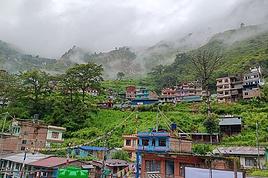
Apsara, who knows the Api mountain valley (a name as joyful as it is intriguing!) in Nepal’s Far West (on the border between India and Tibet, at the edge of the world) perfectly, is offering an off-the-beaten-path trek for a group of 3 to 8 people max. The program? An authentic and preserved itinerary combining homestays and small mountain lodges, all the way to the Api base camp. Once at base camp, locals will guide us to secret spots only they know, where we’ll harvest yarsagumba (those famous caterpillar-fungi, rare and prized for their medicinal properties in traditional Chinese medicine—they were going for $20,000 per kilo last year!).
Mid-May is the ideal time to discover this almost unexplored region and take part in harvesting these natural treasures. This kind of adventure, led by an inspiring young woman like Apsara, is rare, and we think it could appeal to Nepal lovers and those who enjoy authentic treks far from the usual tourist routes.
No matter how many participants there are (between 3 and 8), there will always be two guides: Apsara, who speaks English (and is learning French!), and a French-speaking guide. The dates are flexible around May 15th, depending on the availability of those who’d like to take on the adventure.
De retour d’un premier séjour au Ladakh…je me décide enfin à écrire quelques lignes.
En effet le voyage date déjà de quelques mois, l’été 2019. Mieux vaut tard que jamais…
Beaucoup de montagnards chevronnés sur cette destination (il y a peut être une certaine logique à cela), je dois avouer que je n’entre pas dans cette catégorie… ce qui ne m’empêche pas d’apprécier de grandioses paysages de montagne !! Mes motivations premières pour cette destination étaient donc : la découverte de la région et des ses habitants, bien entendu ; l’Himalaya bien sûr, mais sans forcément penser à faire de grandes marches / de grands escalades ; les monastères bouddhistes, cela va sans dire ; et les routes mythiques, en particulier la route ralliant Leh à Manali qui est bien haut dans ma wish-list depuis un certain nombre d’années…
Avant de rentrer dans le vif du sujet, un grand merci à tous ceux qui ont répondu à mes messages et m’ont aidé à dans ma préparation. Et des very special thanks au grand spécialiste de la destination, Djullé84, qui, m’a grandement aidé dans mon itinéraire, et qui a aussi influé sur le contenu de mon voyage. On en reparlera !
Donc, les grandes lignes de ce voyage ont été : - Leh (inévitablement) et les monastères de la vallée de l’Indus - Le festival de Lamayuru - Le trek de la Markha - Une virée dans la vallée de la Nubra - Le trajet de retour en bus de Leh à Delhi. Pour les déplacements, les transports publics sont privilégiés, autant que possible.
Durée / période : ~3 semaines, fin juin / mi-juillet
Le voyage jusqu'à Leh : vol jusqu’à Delhi sur Lufthansa via Munich (Lufthansa est très concurrentiel vers les destinations asiatiques depuis ma province). Arrivée Delhi peu avant minuit, passage à l’immigration sans problème pour valider mon visa à entrées multiples sur un an obtenu sur internet. Je traîne quelques heures dans l’aéroport puis je m’aperçois qu’il me faut changer de terminal pour prendre mon vol SpiceJet du petit matin. Le terminal 1D est loin, la navette en bus est gratuite en montrant sa carte d’embarquement du vol précédent et sa réservation du vol suivant (à prendre près du pilier 10 accessible par la sortie 4, le monsieur dans la cabane donne le ticket). Heureusement, j’avais été attentif lors de ma réservation et je n’avais pas acheté mon billet avec une CB virtuelle : il faut effectivement montrer la CB avec laquelle on a fait l’achat pour obtenir sa boarding card…(Spicejet) Vol sans histoire, mais… le ciel très couvert ne permet aucun spectacle, c’est une déception car ça aurait pu être pire : le vol n’a pas été annulé… Avion jusqu'à Leh, donc : d'une part en juin, c'est encore tôt dans la saison pour prendre la route ; et d'autre part, la route Delhi-Manali-Leh me paraît très haute pour l'emprunter sans aucune acclimatation, je la réserve pour le retour... Et l'autre possibilité par Amritsar et Srinagar était très tentante, mais d'une part elle exigeait beaucoup de temps, et d'autre part cet itinéraire fait emprunter des trajets qui se situent dans la zone rouge du ministère des affaires étrangères...
Depuis l'aéroport, le taxi pour le centre de Leh coûte 450 Rs (flat price), installation à la GH, réservée sur booking, dans le vieux Leh, entre le terrain de polo et la rue principale.
La 1ère journée se passe au ralenti, sous un ciel couvert, il me faut récupérer du voyage et de la nuit dans l’aéroport de Delhi, et m’acclimater à l’altitude. Premières découvertes de Leh qui au premier abord et sous le ciel gris, n’est pas vraiment enthousiasmante (ça me rassure un peu d’avoir lu quelque part (n’est ce pas, Djullé84) que « chaque journée passée à Leh est une journée de moins passée au Ladakh »…). Ah tous ces toutous en train de roupiller… La première nuit est un peu difficile, mal de tête avec l’altitude… Et les chiens donnent un concert dès le coucher du soleil. Je comprends pourquoi les chiens dormaient dans la journée : à Leh, le chien est un animal nocturne, qui dort le jour et qui passe ses nuits à aboyer… Ah, il y a le chant du muezzin aussi…
Temps pluvieux le matin (et j’apprends qu’il n’y a aucun vol depuis/vers Leh aujourd’hui…), il me faut récupérer des infos pratiques pour organiser la suite du voyage (les jours et heures des bus, en particulier …). Le temps s’arrange, location de scooter l’après midi, je parviens à en obtenir un bien que je n’aie pas pu avoir mon permis de conduire international en temps et en heure. Je vais aller jusqu’à Phyang. Une fois sorti des embouteillages et du bazar de Leh, la ballade permet les premières vues spectaculaires sur les montagnes himalayennes et sur l’Indus. Et les premiers convois militaires à croiser aussi, ils seront omniprésents sur les routes…Et la possibilité de voir de près le 1er monastère ! (mais pas de le visiter à l’heure de mon arrivée) Côté organisation, j’ai pu planifier les choses : dans les prochains jours, ce sera une virée Alchi – Likir – Lamayuru et retour sur Leh : le lendemain je prendrai un premier bus pour Alchi ; mon périple continuera en prenant le bus qui repart pour Leh ; en descendant à la bifurcation pour Likir, je pourrai ensuite monter à pied pour la fin d’après-midi et la nuit à Likir. Le jour suivant je redescendrai à pied à la highway prendre le bus pour Lamayuru, où je resterai deux jours et demi (dont une pleine journée de festival) avant de rentrer en bus pour Leh. J’en repartirai le lendemain pour la vallée de la Markha. Leh sera donc ma plaque tournante, ce qui me permet de m’alléger en demandant à la GH de garder une partie de mes affaires lors de chacune de mes escapades.
(à suivre)
En effet le voyage date déjà de quelques mois, l’été 2019. Mieux vaut tard que jamais…
Beaucoup de montagnards chevronnés sur cette destination (il y a peut être une certaine logique à cela), je dois avouer que je n’entre pas dans cette catégorie… ce qui ne m’empêche pas d’apprécier de grandioses paysages de montagne !! Mes motivations premières pour cette destination étaient donc : la découverte de la région et des ses habitants, bien entendu ; l’Himalaya bien sûr, mais sans forcément penser à faire de grandes marches / de grands escalades ; les monastères bouddhistes, cela va sans dire ; et les routes mythiques, en particulier la route ralliant Leh à Manali qui est bien haut dans ma wish-list depuis un certain nombre d’années…
Avant de rentrer dans le vif du sujet, un grand merci à tous ceux qui ont répondu à mes messages et m’ont aidé à dans ma préparation. Et des very special thanks au grand spécialiste de la destination, Djullé84, qui, m’a grandement aidé dans mon itinéraire, et qui a aussi influé sur le contenu de mon voyage. On en reparlera !
Donc, les grandes lignes de ce voyage ont été : - Leh (inévitablement) et les monastères de la vallée de l’Indus - Le festival de Lamayuru - Le trek de la Markha - Une virée dans la vallée de la Nubra - Le trajet de retour en bus de Leh à Delhi. Pour les déplacements, les transports publics sont privilégiés, autant que possible.
Durée / période : ~3 semaines, fin juin / mi-juillet
Le voyage jusqu'à Leh : vol jusqu’à Delhi sur Lufthansa via Munich (Lufthansa est très concurrentiel vers les destinations asiatiques depuis ma province). Arrivée Delhi peu avant minuit, passage à l’immigration sans problème pour valider mon visa à entrées multiples sur un an obtenu sur internet. Je traîne quelques heures dans l’aéroport puis je m’aperçois qu’il me faut changer de terminal pour prendre mon vol SpiceJet du petit matin. Le terminal 1D est loin, la navette en bus est gratuite en montrant sa carte d’embarquement du vol précédent et sa réservation du vol suivant (à prendre près du pilier 10 accessible par la sortie 4, le monsieur dans la cabane donne le ticket). Heureusement, j’avais été attentif lors de ma réservation et je n’avais pas acheté mon billet avec une CB virtuelle : il faut effectivement montrer la CB avec laquelle on a fait l’achat pour obtenir sa boarding card…(Spicejet) Vol sans histoire, mais… le ciel très couvert ne permet aucun spectacle, c’est une déception car ça aurait pu être pire : le vol n’a pas été annulé… Avion jusqu'à Leh, donc : d'une part en juin, c'est encore tôt dans la saison pour prendre la route ; et d'autre part, la route Delhi-Manali-Leh me paraît très haute pour l'emprunter sans aucune acclimatation, je la réserve pour le retour... Et l'autre possibilité par Amritsar et Srinagar était très tentante, mais d'une part elle exigeait beaucoup de temps, et d'autre part cet itinéraire fait emprunter des trajets qui se situent dans la zone rouge du ministère des affaires étrangères...
Depuis l'aéroport, le taxi pour le centre de Leh coûte 450 Rs (flat price), installation à la GH, réservée sur booking, dans le vieux Leh, entre le terrain de polo et la rue principale.
La 1ère journée se passe au ralenti, sous un ciel couvert, il me faut récupérer du voyage et de la nuit dans l’aéroport de Delhi, et m’acclimater à l’altitude. Premières découvertes de Leh qui au premier abord et sous le ciel gris, n’est pas vraiment enthousiasmante (ça me rassure un peu d’avoir lu quelque part (n’est ce pas, Djullé84) que « chaque journée passée à Leh est une journée de moins passée au Ladakh »…). Ah tous ces toutous en train de roupiller… La première nuit est un peu difficile, mal de tête avec l’altitude… Et les chiens donnent un concert dès le coucher du soleil. Je comprends pourquoi les chiens dormaient dans la journée : à Leh, le chien est un animal nocturne, qui dort le jour et qui passe ses nuits à aboyer… Ah, il y a le chant du muezzin aussi…
Temps pluvieux le matin (et j’apprends qu’il n’y a aucun vol depuis/vers Leh aujourd’hui…), il me faut récupérer des infos pratiques pour organiser la suite du voyage (les jours et heures des bus, en particulier …). Le temps s’arrange, location de scooter l’après midi, je parviens à en obtenir un bien que je n’aie pas pu avoir mon permis de conduire international en temps et en heure. Je vais aller jusqu’à Phyang. Une fois sorti des embouteillages et du bazar de Leh, la ballade permet les premières vues spectaculaires sur les montagnes himalayennes et sur l’Indus. Et les premiers convois militaires à croiser aussi, ils seront omniprésents sur les routes…Et la possibilité de voir de près le 1er monastère ! (mais pas de le visiter à l’heure de mon arrivée) Côté organisation, j’ai pu planifier les choses : dans les prochains jours, ce sera une virée Alchi – Likir – Lamayuru et retour sur Leh : le lendemain je prendrai un premier bus pour Alchi ; mon périple continuera en prenant le bus qui repart pour Leh ; en descendant à la bifurcation pour Likir, je pourrai ensuite monter à pied pour la fin d’après-midi et la nuit à Likir. Le jour suivant je redescendrai à pied à la highway prendre le bus pour Lamayuru, où je resterai deux jours et demi (dont une pleine journée de festival) avant de rentrer en bus pour Leh. J’en repartirai le lendemain pour la vallée de la Markha. Leh sera donc ma plaque tournante, ce qui me permet de m’alléger en demandant à la GH de garder une partie de mes affaires lors de chacune de mes escapades.
(à suivre)
Hi everyone!
So great to be back on this Forum!
My question is in the title: is it possible to reach Bhutan from Kolkata by entering through the Phuntsholing border crossing? If anyone has already done this route, it would really put my mind at ease... 😉
Thanks in advance for all your replies! 🤪
Lydie
Bonjour à tous,
Cela fait longtemps que je lorgne du côté de l'Inde mais je ne me suis jamais senti prêt ... mais là ce serait peut-être le moment.😊 Après avoir hésité entre le Radjastan et l'Inde du Sud c'est finalement le centre qui a retenu mon attention. Je l'imagine moins touristique et je suis tombé sur des photos d'Ellora qui m'ont énormément plu 🙂.
En cherchant j'ai trouvé un axe, une logique: faire Mumbay - Delhi, avec de multiples arrêts.
Voici ce que cela donnerait, j'ai mis en gras les lieux qui m'inspirent le plus. Mumbay Ellora Ajanta Mandleshwar mandu Sanchi Khajuraho Panna NP pour faire un safari ... avec l'espoir de croiser un tigre Orchhad Gwalior Agra New Delhi (plus pour rejoindre un aéroport international)
Qu'en pensez-vous ? Je dispose de 13/14 jours max. J'aurais bien aimé glisser quelques trajets en train, entre quelles étapes est-ce possible? intéressant ?
Au niveau climat: Octobre, février ou Avril selon vous ?
Comme je ne connais pas du tout, tout autre conseil, renseignement sera le bienvenu
Merci d'avance Max
Cela fait longtemps que je lorgne du côté de l'Inde mais je ne me suis jamais senti prêt ... mais là ce serait peut-être le moment.😊 Après avoir hésité entre le Radjastan et l'Inde du Sud c'est finalement le centre qui a retenu mon attention. Je l'imagine moins touristique et je suis tombé sur des photos d'Ellora qui m'ont énormément plu 🙂.
En cherchant j'ai trouvé un axe, une logique: faire Mumbay - Delhi, avec de multiples arrêts.
Voici ce que cela donnerait, j'ai mis en gras les lieux qui m'inspirent le plus. Mumbay Ellora Ajanta Mandleshwar mandu Sanchi Khajuraho Panna NP pour faire un safari ... avec l'espoir de croiser un tigre Orchhad Gwalior Agra New Delhi (plus pour rejoindre un aéroport international)
Qu'en pensez-vous ? Je dispose de 13/14 jours max. J'aurais bien aimé glisser quelques trajets en train, entre quelles étapes est-ce possible? intéressant ?
Au niveau climat: Octobre, février ou Avril selon vous ?
Comme je ne connais pas du tout, tout autre conseil, renseignement sera le bienvenu
Merci d'avance Max
Bonjour à tous,
Je vais partir en mars dans le Tamil Nadu, j'y resterai 16 jours. peut-être 17.
Pouvez m'aidez sachant que le critère numéro 1 n'est pas de faire la course. ce qui m'oblige à faire des choix entre les merveilleux sites... j'aime aussi visiter les villes, me perdre dans les rues, ...
ITINERAIRE:
CHENAI le 15/03 : arrivée à 2 h du matin et départ le soir même : bus de nuit direction Madurai
- MADURAI le 16/03 matin - départ le 20 matin - KODAIKANNAL le 20/03 fin milieu d'après midi - départ le 24 - THANJAVUR Entre le 24 et le 28 visite de Tirichirapalli / Tajore /Kumbakonam est il possible de voir traquillement ces sites en si peu de jours? je préfère voir que 2 sites et prendre mon temps que voir tout et bâcler les visites... dans quelle ville séjourner ? Thanjavur ou trichy? le choix de ces sites est il un bon choix ou il y a mieux? le site de mahabalipuram m'a l'air pas mal non plus. - FIN DU VOYAGE A PONDICHERY le 28 /03 et retour le 01/04 (avion le soir à Chenai)- envie de flâner à Pudu.... ou peut être le retour le 02/04 le soir
QUESTION Quel est le tarif moyen d'entrée de ces sites?
Merci de votre aide. Sibylle
Je vais partir en mars dans le Tamil Nadu, j'y resterai 16 jours. peut-être 17.
Pouvez m'aidez sachant que le critère numéro 1 n'est pas de faire la course. ce qui m'oblige à faire des choix entre les merveilleux sites... j'aime aussi visiter les villes, me perdre dans les rues, ...
ITINERAIRE:
CHENAI le 15/03 : arrivée à 2 h du matin et départ le soir même : bus de nuit direction Madurai
- MADURAI le 16/03 matin - départ le 20 matin - KODAIKANNAL le 20/03 fin milieu d'après midi - départ le 24 - THANJAVUR Entre le 24 et le 28 visite de Tirichirapalli / Tajore /Kumbakonam est il possible de voir traquillement ces sites en si peu de jours? je préfère voir que 2 sites et prendre mon temps que voir tout et bâcler les visites... dans quelle ville séjourner ? Thanjavur ou trichy? le choix de ces sites est il un bon choix ou il y a mieux? le site de mahabalipuram m'a l'air pas mal non plus. - FIN DU VOYAGE A PONDICHERY le 28 /03 et retour le 01/04 (avion le soir à Chenai)- envie de flâner à Pudu.... ou peut être le retour le 02/04 le soir
QUESTION Quel est le tarif moyen d'entrée de ces sites?
Merci de votre aide. Sibylle
Bonjour 🙂🙂
Je voyage beaucoup ces derniers temps, et mon prochain voyage sera en Inde.
J'aurais aimé avoir des renseignements sur la culture des habitants. J'ai déjà lu par-ci par-là que c'était un peuple très ouvert d'esprit, qui prône la bienveillance, le contact et la joie de vivre.
La richesse de la vie et de l'amour est t'elle quelque chose d'important pour les indiens?
J'aurais également voulu des infos sur la langue hindi?
Merci d'avance!!!
Merci d'avance!!!
Bonsoir Bonsoir,
je pars en Inde fin novembre pour un peu plus de trois mois :) ce sera mon deuxième voyage en Asie j'ai déjà été en Thaïlande mais j'ai bien conscience que l'Inde et le Thaïlande sont des pays très différents.
Je me renseigne à fond sur les forums pour trouver un maximum d'informations, et j'essaye aussi surtout de préparer mon budget approximatif pour mon voyage! Au niveau des guest house c'est facile de savoir le montant et de dormir pour pas très cher mais la ou j'ai du mal c'est savoir quels sont les transports à favoriser: par exemple pour aller d'un aéroport à ma guest house c'est mieux si je prends un bus, ou un rickshaw ? Combien coûte une course moyenne en rickshaw car sur pleins de sites il est dit de négocier sa course mais je ne sais même pas les prix de base pour les étrangers...
Sinon pour les longues distances je vais prendre les trains j'ai trouvé comment réserver en ligne à l'avance, mais d'ailleurs est ce que c'est vraiment nécessaire de réserver à l'avance? Les trains fonctionnent bien ou est-ce vraiment chaotique aux niveaux des horaires?
Voilà si quelqu'un est allé en Inde il y a peu de temps et peut m'aider sur les prix des transports, et les transports à favoriser, cela m'aiderait bien, et ce serait très cool de votre part :)
bonne et douce soirée à tout le monde
Eléonore
je pars en Inde fin novembre pour un peu plus de trois mois :) ce sera mon deuxième voyage en Asie j'ai déjà été en Thaïlande mais j'ai bien conscience que l'Inde et le Thaïlande sont des pays très différents.
Je me renseigne à fond sur les forums pour trouver un maximum d'informations, et j'essaye aussi surtout de préparer mon budget approximatif pour mon voyage! Au niveau des guest house c'est facile de savoir le montant et de dormir pour pas très cher mais la ou j'ai du mal c'est savoir quels sont les transports à favoriser: par exemple pour aller d'un aéroport à ma guest house c'est mieux si je prends un bus, ou un rickshaw ? Combien coûte une course moyenne en rickshaw car sur pleins de sites il est dit de négocier sa course mais je ne sais même pas les prix de base pour les étrangers...
Sinon pour les longues distances je vais prendre les trains j'ai trouvé comment réserver en ligne à l'avance, mais d'ailleurs est ce que c'est vraiment nécessaire de réserver à l'avance? Les trains fonctionnent bien ou est-ce vraiment chaotique aux niveaux des horaires?
Voilà si quelqu'un est allé en Inde il y a peu de temps et peut m'aider sur les prix des transports, et les transports à favoriser, cela m'aiderait bien, et ce serait très cool de votre part :)
bonne et douce soirée à tout le monde
Eléonore
Hi there.
We’re heading to India at the end of December for a month.
I planned an itinerary: Delhi, Nawalgarh, Sikar, Jodhpur, Udaipur, Chittaurgarh, Bundi, Jaipur, Bharatpur, and back to Delhi.
Our driver told us it’s not possible because there are no roads.
He’s suggesting the usual tourist circuit, which we don’t want to do.
What do you think of my route?
Any tips?
Thanks, community!
Comme promis voici le retour des 10 jours passés dans le Telangana et l'Andhra Pradesh.
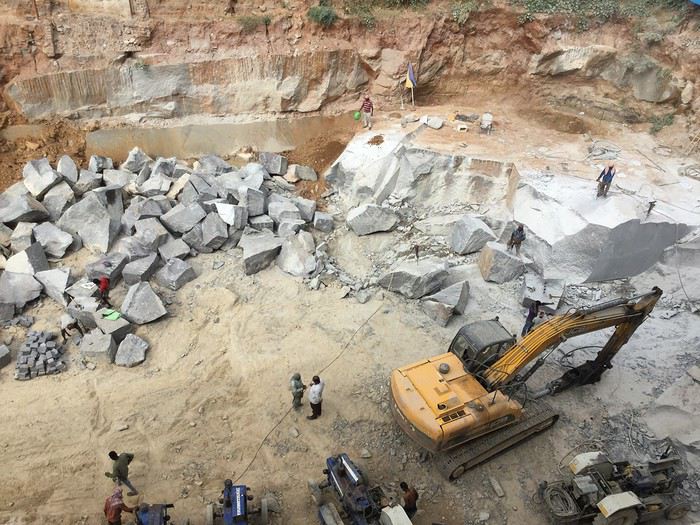
Hyderabad 1er jour. Partis de Mysore à 14h50 , nous arrivons à Hyderabad à 5h50 . Comme tous les trains que nous aurons pris celui a été à l'heure à 20 minutes près. J'ai hâte de découvrir cette région. La gare est très propre et bien sûr très animée. On cherche le comptoir des autoricshaws prepaid, qui se trouve à gauche en sortant de la gare. Des chauffeurs nous proposent la course a 50 r quel que soit l'hôtel, un autre 20 r si on va dans le sien. Non, on veut le prepaid. On nous indique le comptoir, fermé à cette heure ci. Je ne sais pas à quelle heure il ouvre. Un jeune homme demande si on a besoin d'aide. Il cherche notre hôtel, le Geetanjani, quartier Habid, sur son portable et traduit a un chauffeur l'adresse exacte. Merci. J'avais lu que les gens sont particulièrement sympas et aidants à Hyderabad. J'ai bien une carte SIm indienne dans mon portable mais pas de connexion internet. En plus Je n'arrive pas à l'utiliser ici. Elle m'a été donnée à Pondicherry. Habids road est immense. Notre hôtel est dans une impasse donnant sur une rue perpendiculaire. Nous serons plus au calme. Enfin c'est ce que nous croyons jusqu'à ce qu'on voit la chambre qui donne sur une carrière. Nous pensons nous accommoder du bruit des burins, nous regardons les gars tailler les pierres, encore une fois les conditions de travail nous effarent. Zéro protection dans ces nuages de poussières, les projections des éclats de pierre. Quand les machines outils se mettent en marche nous demandons à changer de chambre. De celle d'en face nous n'entendons plus rien.
Chambre a 1000 r la nuit. Très confortable et propre. Literie super. Pas de supplément pour le early check in nous marmonne le gars bougon de l'accueil mal réveillé. J'ai rdv dans la matinée avec une jeune expat qui travaille avec des associations locales. Nous passons la journée ensemble et rencontrons des gens formidables. Le midi elle nous emmène dans un resto goûter le fameux Hyderabad biryani. Il paraît que ce sont les meilleurs de toute l'Inde. Mon ami se régale, moi qui ne supporte pas les épices, je ne prends qu'un aloo paratha. Le traffic est intense le matin entre 9h et 11h, et l'a.midi à partir de 16h. Nous rentrons dans les embouteillages, ce qui nous donne tout le temps de bien observer la vie dans les rues, et de laisser décanter toutes les émotions de cette journée, de ces rencontres. Cette ville nous plait, bien qu'elle soit fatigante. Je trouve que ça klaxonne un peu moins qu'ailleurs.Je ressens un peu la même chose qu'à ma première arrivée à Ahmedabad. Le contact avec les gens est facile, agréable, ils sont particulièrement aidants, nous ne sommes pas sollicités, sauf par les chauffeurs et encore, ils insistent peu. Demain nous visitons Fort Golgonde.
Hyderabad 1er jour. Partis de Mysore à 14h50 , nous arrivons à Hyderabad à 5h50 . Comme tous les trains que nous aurons pris celui a été à l'heure à 20 minutes près. J'ai hâte de découvrir cette région. La gare est très propre et bien sûr très animée. On cherche le comptoir des autoricshaws prepaid, qui se trouve à gauche en sortant de la gare. Des chauffeurs nous proposent la course a 50 r quel que soit l'hôtel, un autre 20 r si on va dans le sien. Non, on veut le prepaid. On nous indique le comptoir, fermé à cette heure ci. Je ne sais pas à quelle heure il ouvre. Un jeune homme demande si on a besoin d'aide. Il cherche notre hôtel, le Geetanjani, quartier Habid, sur son portable et traduit a un chauffeur l'adresse exacte. Merci. J'avais lu que les gens sont particulièrement sympas et aidants à Hyderabad. J'ai bien une carte SIm indienne dans mon portable mais pas de connexion internet. En plus Je n'arrive pas à l'utiliser ici. Elle m'a été donnée à Pondicherry. Habids road est immense. Notre hôtel est dans une impasse donnant sur une rue perpendiculaire. Nous serons plus au calme. Enfin c'est ce que nous croyons jusqu'à ce qu'on voit la chambre qui donne sur une carrière. Nous pensons nous accommoder du bruit des burins, nous regardons les gars tailler les pierres, encore une fois les conditions de travail nous effarent. Zéro protection dans ces nuages de poussières, les projections des éclats de pierre. Quand les machines outils se mettent en marche nous demandons à changer de chambre. De celle d'en face nous n'entendons plus rien.
Chambre a 1000 r la nuit. Très confortable et propre. Literie super. Pas de supplément pour le early check in nous marmonne le gars bougon de l'accueil mal réveillé. J'ai rdv dans la matinée avec une jeune expat qui travaille avec des associations locales. Nous passons la journée ensemble et rencontrons des gens formidables. Le midi elle nous emmène dans un resto goûter le fameux Hyderabad biryani. Il paraît que ce sont les meilleurs de toute l'Inde. Mon ami se régale, moi qui ne supporte pas les épices, je ne prends qu'un aloo paratha. Le traffic est intense le matin entre 9h et 11h, et l'a.midi à partir de 16h. Nous rentrons dans les embouteillages, ce qui nous donne tout le temps de bien observer la vie dans les rues, et de laisser décanter toutes les émotions de cette journée, de ces rencontres. Cette ville nous plait, bien qu'elle soit fatigante. Je trouve que ça klaxonne un peu moins qu'ailleurs.Je ressens un peu la même chose qu'à ma première arrivée à Ahmedabad. Le contact avec les gens est facile, agréable, ils sont particulièrement aidants, nous ne sommes pas sollicités, sauf par les chauffeurs et encore, ils insistent peu. Demain nous visitons Fort Golgonde.
Hi,
I traveled to India and Nepal in March 2024 and hired a driver through an online agency. No issues—the agency was great, nothing to complain about—but it turns out that booking directly with the driver is much cheaper. Based on my conversations with him, I’m not paid or commissioned in any way; I’m just sharing this to help you save some money and recommend a good driver. So don’t hesitate to DM me if you want his contact info. I’m doing this for you and for the driver, who’d also prefer to keep a little more of the margin instead of it going to the agency.
I used his services for 10 days, and I can only recommend him—he was my guardian angel in India, gave great advice, was super reliable, and very professional. So feel free to ask me for his contact if you’re interested; otherwise, no worries! ^^
Here’s my trip if you’re curious :stuck_out_tongue:
https://www.youtube.com/watch?v=0lutuFfkKz4
I traveled to India and Nepal in March 2024 and hired a driver through an online agency. No issues—the agency was great, nothing to complain about—but it turns out that booking directly with the driver is much cheaper. Based on my conversations with him, I’m not paid or commissioned in any way; I’m just sharing this to help you save some money and recommend a good driver. So don’t hesitate to DM me if you want his contact info. I’m doing this for you and for the driver, who’d also prefer to keep a little more of the margin instead of it going to the agency.
I used his services for 10 days, and I can only recommend him—he was my guardian angel in India, gave great advice, was super reliable, and very professional. So feel free to ask me for his contact if you’re interested; otherwise, no worries! ^^
Here’s my trip if you’re curious :stuck_out_tongue:
https://www.youtube.com/watch?v=0lutuFfkKz4
bonjour, avec ma copine nous avons prévu d'aller au népal puis rejoindre la birmanie par la partie nord est de l'inde.
Nous avons 2 mois et demi pour faire ça, janvier, février et mars.
Il est très difficile de trouver des infos sur cette partie car apparement pas très touristique ce que j'adore. Mes questions seraient surtout sur l'inde du nord est.
Il y a t il besoin de permis que ce soit pour le nagaland, mizoram, nagaland, Tripura ou manipur??
N'est il pas trop compliquer de faire de la route là-bas sans guide, trouver des bus ou autre transport, faire du stop éventuellement??
Est il possible d'aller se ballader librement dans les villages environnant sans embéter les gens??
Ou sont les endroits que vous nous conseilleriez d'aller sur cette itineraire??
Ma copine et moi tenont un restaurant végétarien et nous aimerions aller à la rencontre des gens pour cuisiner les spécialités locales avec les gens.
Après si vous avez des endroit à nous conseillé que se soit au Népal ou dans la partie de l'Inde qu'on doit visité ou la Birmanie nous sommes prenneurs.
Robin et Sabrina
Robin et Sabrina
Bonjour
Pour un prochain voyage en octobre/novembre, j'hésite entre le Sikkim et l'Arunachal Pradesh.
Je suis déjà allé 3 fois au Ladhak et je cherche une destination en Inde qui s'en rapproche au niveau de la majesté des paysages.
En regardant des vidéos et des photos sur le net je ne suis pas émerveillé par la beauté des paysages de ces deux destinations.
Je serais ravi de connaitre vos expériences pour ces deux destinations
Merci !
Pour un prochain voyage en octobre/novembre, j'hésite entre le Sikkim et l'Arunachal Pradesh.
Je suis déjà allé 3 fois au Ladhak et je cherche une destination en Inde qui s'en rapproche au niveau de la majesté des paysages.
En regardant des vidéos et des photos sur le net je ne suis pas émerveillé par la beauté des paysages de ces deux destinations.
Je serais ravi de connaitre vos expériences pour ces deux destinations
Merci !
bonjour à tous,
10 jours en inde kernataka (banglore, train de nuit vers hampi, hampi, belur/hallebib, Mysore)
c'est court et je me demandais comment optimiser un peu le trajet à partir d'hampi
serait-il facile de trouver un taxi ou mini bus touristique pour rejoindre belur ou hallebib à partir d'hampi ? qui a déjà réalisé cette option ? et quel tarif faut-il envisager ?
merci d'avance
carpediem
Bonjour à tous, avec mon copain nous partons pour 15 jours au KERALA du 31 janvier 2019 au 14 janvier 2020.
J'ai quelques questions sur les moyens de TRANSPORT entre chaque ville, nous avons envie d'éviter les chauffeurs privés ( pour une question de budget et aussi avec l'envie de découvrir les transports publics indiens notamment le train). Quels sont vos conseils pour aller d'une ville à l'autre ? Si quelqu'un a une idée des prix avec un chauffeur privé je suis également interessée. Merci d'avance de vos réponses !
1. KOCHI : 2 JOURS (Arrivée le 1er janvier à 3h du matin, nuit dans un hôtel proche aéroport, puis lendemain et nuit du 1er janvier dans un hôtel à Fort Cochin)
Question : Le moyen le plus rapide et moins cher pour rejoindre Varkala semble être le train, mais réserver un billet depuis la France semble impossible.. Pensez-vous qu'il est possible en arrivant à Kochi d'aller à la gare d'Ernakulam et de pouvoir obtenir un billet de train pour Varkala? J'ai lu des post concernant les billets Taktall ouvert 24h à l'avance, est-ce que cela est facile d'en obtenir ? Je souhaite me rendre en gare le 1er janvier et obtenir un billet pour le lendemain .. J'ai peur qu'un trajet en taxi nous coûte bien trop chez vu la distance Kochi-Varkala ...
2. VARKALA : 4 JOURS
Même question pour Varkala pour rejoindre Munroe Island en passant par la gare de Quilon
3. MUNROE ISLAND : 2 JOURS
Même question concernant le trajet en train, ou peut être existe-t-il des bus ? Je n'ai pas réussi à trouver beaucoup d'informations sur les bus est-ce qu'il faut réserver en avance comme les trains ? Ou bien venir le jour même en gare permet d'obtenir un billet de bus pour le jour même ?
4. ALLEPEY : 1 JOUR
On pense faire la liaison en bus d'Allepey à Munnar, avez-vous une ligne de bus à nous conseiller s'il vous plaît ? Afin d'avoir le trajet le plus rapide possible ?
Ou bien pour ce trajet là prendre un chauffeur est recommandé ? J'ai en effet lu certains post qui décrivaient des chauffeurs de bus un peu fou du volant ... Ou bien des bus avec des vitres teintées ... Avez-vous une idée du prix ?
5. MUNNAR : 3 JOURS
Même question mais avec pour trajet Munnar Kochi.
6. KOCHI : 2 JOURS (départ)
>> On hésitait à remplacer les 2 derniers jours à Kochi par 2 jours à Kumily, j'ai lu de nombreux avis mitigés, qu'en est-il en 2019 ? Si nous y allons c'est pour aller dans une cabane dans les bois et profiter de la nature et non participer à toutes les excursions touristiques proposées..
Merci des réponses que vous allez pouvoir m'apporter afin d'organiser au mieux ce premier voyage en Inde !!
J'ai quelques questions sur les moyens de TRANSPORT entre chaque ville, nous avons envie d'éviter les chauffeurs privés ( pour une question de budget et aussi avec l'envie de découvrir les transports publics indiens notamment le train). Quels sont vos conseils pour aller d'une ville à l'autre ? Si quelqu'un a une idée des prix avec un chauffeur privé je suis également interessée. Merci d'avance de vos réponses !
1. KOCHI : 2 JOURS (Arrivée le 1er janvier à 3h du matin, nuit dans un hôtel proche aéroport, puis lendemain et nuit du 1er janvier dans un hôtel à Fort Cochin)
Question : Le moyen le plus rapide et moins cher pour rejoindre Varkala semble être le train, mais réserver un billet depuis la France semble impossible.. Pensez-vous qu'il est possible en arrivant à Kochi d'aller à la gare d'Ernakulam et de pouvoir obtenir un billet de train pour Varkala? J'ai lu des post concernant les billets Taktall ouvert 24h à l'avance, est-ce que cela est facile d'en obtenir ? Je souhaite me rendre en gare le 1er janvier et obtenir un billet pour le lendemain .. J'ai peur qu'un trajet en taxi nous coûte bien trop chez vu la distance Kochi-Varkala ...
2. VARKALA : 4 JOURS
Même question pour Varkala pour rejoindre Munroe Island en passant par la gare de Quilon
3. MUNROE ISLAND : 2 JOURS
Même question concernant le trajet en train, ou peut être existe-t-il des bus ? Je n'ai pas réussi à trouver beaucoup d'informations sur les bus est-ce qu'il faut réserver en avance comme les trains ? Ou bien venir le jour même en gare permet d'obtenir un billet de bus pour le jour même ?
4. ALLEPEY : 1 JOUR
On pense faire la liaison en bus d'Allepey à Munnar, avez-vous une ligne de bus à nous conseiller s'il vous plaît ? Afin d'avoir le trajet le plus rapide possible ?
Ou bien pour ce trajet là prendre un chauffeur est recommandé ? J'ai en effet lu certains post qui décrivaient des chauffeurs de bus un peu fou du volant ... Ou bien des bus avec des vitres teintées ... Avez-vous une idée du prix ?
5. MUNNAR : 3 JOURS
Même question mais avec pour trajet Munnar Kochi.
6. KOCHI : 2 JOURS (départ)
>> On hésitait à remplacer les 2 derniers jours à Kochi par 2 jours à Kumily, j'ai lu de nombreux avis mitigés, qu'en est-il en 2019 ? Si nous y allons c'est pour aller dans une cabane dans les bois et profiter de la nature et non participer à toutes les excursions touristiques proposées..
Merci des réponses que vous allez pouvoir m'apporter afin d'organiser au mieux ce premier voyage en Inde !!
Bonjour tout le monde,
Je pars dans le Karnataka cet hiver pour 19 jours et j'aurais besoin de conseils et suggestions pour mon itinéraire.
J'atterris à Bangalore dans la matinée de là je prends un bus Pour Mysore ou je reste 3 nuit afin de visiter la ville et les temples à proximités.
De là, direction Hassan ou autre pour une nuit? En route je m'arrêterai à Melukote et Shravanabelagola ensuite Belur et Halebidu.
Ensuite je ne sais pas si j'iraisdirectement sur Gokarna ou Agonda ou si ça vaut le coup de passer par Madikeri pour une ou deux nuits. Sinon peut être passer par la côte et dormir à Udupi une nuit avant de rejoindre Gokarna ou je resterai une semaine.
Ensuite Hampi pour 3 nuits je partirai tôt le matin des plages comme ça je passerai par Badami et Aihole est ce suffisant ?
Et pour finir je redescends sur Bangalore, en route je ferai un stop à Chitradurga.
A savoir que je prendrai un chauffeur pour les longs trajets afin de ne pas perdre trop de temps, j'aimerais surtout bloquer le début pour que je puisse booker la guesthouse du bord de mer car beaucoup sont déjà complètes.
Voilà qu'en pensez vous?
Je pars dans le Karnataka cet hiver pour 19 jours et j'aurais besoin de conseils et suggestions pour mon itinéraire.
J'atterris à Bangalore dans la matinée de là je prends un bus Pour Mysore ou je reste 3 nuit afin de visiter la ville et les temples à proximités.
De là, direction Hassan ou autre pour une nuit? En route je m'arrêterai à Melukote et Shravanabelagola ensuite Belur et Halebidu.
Ensuite je ne sais pas si j'iraisdirectement sur Gokarna ou Agonda ou si ça vaut le coup de passer par Madikeri pour une ou deux nuits. Sinon peut être passer par la côte et dormir à Udupi une nuit avant de rejoindre Gokarna ou je resterai une semaine.
Ensuite Hampi pour 3 nuits je partirai tôt le matin des plages comme ça je passerai par Badami et Aihole est ce suffisant ?
Et pour finir je redescends sur Bangalore, en route je ferai un stop à Chitradurga.
A savoir que je prendrai un chauffeur pour les longs trajets afin de ne pas perdre trop de temps, j'aimerais surtout bloquer le début pour que je puisse booker la guesthouse du bord de mer car beaucoup sont déjà complètes.
Voilà qu'en pensez vous?
Hello everyone,
we got back from our trip to Kashmir and Ladakh three weeks ago.
We spent 4 weeks there, including one in Kashmir.
We’re really happy with our stay in Srinagar and Sonamarg. The Kashmiris gave us a very warm welcome and seemed pleased to see tourists who weren’t Indian. In fact, over the 4 days we spent in Srinagar, we only saw 4 people who looked European... Srinagar is stunning with its lakes and the lively Mughal gardens. No trouble getting around, whether by shikara, rickshaw, taxi, or on foot. The houseboats are gorgeous, unfortunately controlled by consortiums. We took a taxi to Sonamarg (20 €).
Sonamarg (two nights) and its glacier are easy to explore, either on horseback or on foot, but it’s becoming a leisure spot for Indians. To get to Ladakh afterward, we opted for a private taxi (quite expensive at 100 €, but the road is long). Since we’re a couple, it allowed us to stop whenever we wanted... and the route is beautiful all the way to Lamayuru, with our first snow-covered pass under snow when we crossed around May 21st. Then we stopped in Mulbek and Kargil before arriving in Lamayuru (three nights). We took another taxi to Alchi (26 €), spent one night there, and took the local bus at around 8 AM to Leh (3 €, a comfortable one-hour ride). We arrived in Leh around 9:30 AM, and Gyatsel from Tsarap Guesthouse came to pick us up with our backpacks. His guesthouse is located 500 meters from the market square in Leh, in a quiet little alley with no traffic. We highly recommend it because Gyatsel is invaluable for arranging taxis and organizing off-agency circuits...
His accommodation is super comfortable, and he cooks with vegetables from his garden. His wife also helps out... It’s Gyatsel’s mother who tends the garden. Through him, we arranged permits for the Nubra Valley up to Turtuk, then the Pangong and Tso Moriri lakes (we didn’t do the latter due to snow overnight!). We also crossed the Changtang (magnificent) to reach Thiksey, Stakna, Hemis, and returned to Leh. Six days in a private taxi (400 €). Since the roads were clear, we headed to Zanskar for 5 days in a shared taxi (28 € round trip for both of us). The route from Leh to Zangla follows the Zanskar gorges (impressive!).
We discovered Padum, Pibiting, Karsha, and Puktal, which you can reach via a small 7 km road and a 45-minute walk to finish, plus the sacred summit on the way to Manali.
Back in Leh, we extended our permit to visit the Aryan Valley by taxi (round trip, two days, 90 €). We spent our last two days resting in Leh—the altitude is really tiring...
I’m sharing these taxi prices as a guide for a couple. Accommodation ranged from 12 € in Leh to 30 € at Pangong Lake (the most expensive), but averaged around 15-17 € per night.
We’re not trekkers, but we love walks, discovery, and meeting people along the way. It was an amazing trip, and we even discovered a very old monastery a few kilometers before Lamayuru, where a monk took us—timeless...
I’m sharing these details because it’s hard to find precise information about Kashmir.
Sonamarg (two nights) and its glacier are easy to explore, either on horseback or on foot, but it’s becoming a leisure spot for Indians. To get to Ladakh afterward, we opted for a private taxi (quite expensive at 100 €, but the road is long). Since we’re a couple, it allowed us to stop whenever we wanted... and the route is beautiful all the way to Lamayuru, with our first snow-covered pass under snow when we crossed around May 21st. Then we stopped in Mulbek and Kargil before arriving in Lamayuru (three nights). We took another taxi to Alchi (26 €), spent one night there, and took the local bus at around 8 AM to Leh (3 €, a comfortable one-hour ride). We arrived in Leh around 9:30 AM, and Gyatsel from Tsarap Guesthouse came to pick us up with our backpacks. His guesthouse is located 500 meters from the market square in Leh, in a quiet little alley with no traffic. We highly recommend it because Gyatsel is invaluable for arranging taxis and organizing off-agency circuits...
His accommodation is super comfortable, and he cooks with vegetables from his garden. His wife also helps out... It’s Gyatsel’s mother who tends the garden. Through him, we arranged permits for the Nubra Valley up to Turtuk, then the Pangong and Tso Moriri lakes (we didn’t do the latter due to snow overnight!). We also crossed the Changtang (magnificent) to reach Thiksey, Stakna, Hemis, and returned to Leh. Six days in a private taxi (400 €). Since the roads were clear, we headed to Zanskar for 5 days in a shared taxi (28 € round trip for both of us). The route from Leh to Zangla follows the Zanskar gorges (impressive!).
We discovered Padum, Pibiting, Karsha, and Puktal, which you can reach via a small 7 km road and a 45-minute walk to finish, plus the sacred summit on the way to Manali.
Back in Leh, we extended our permit to visit the Aryan Valley by taxi (round trip, two days, 90 €). We spent our last two days resting in Leh—the altitude is really tiring...
I’m sharing these taxi prices as a guide for a couple. Accommodation ranged from 12 € in Leh to 30 € at Pangong Lake (the most expensive), but averaged around 15-17 € per night.
We’re not trekkers, but we love walks, discovery, and meeting people along the way. It was an amazing trip, and we even discovered a very old monastery a few kilometers before Lamayuru, where a monk took us—timeless...
I’m sharing these details because it’s hard to find precise information about Kashmir.
Hi,
I’m leaving this Saturday for Northern India from 15/02 to 27/02. I’m planning to visit New Delhi, Agra, Chand Baori, Jaipur, Ranthambore, Bundi, Udaipur, and Jodhpur.
What’s the best way to get around? I was thinking of doing everything by train. Maybe taking the bus for some stretches?
As for renting a car with a driver, it seems expensive, so I’ve pretty much ruled that out. Unless someone’s got space for the same dates?
Thanks for your insights!
What’s the best way to get around? I was thinking of doing everything by train. Maybe taking the bus for some stretches?
As for renting a car with a driver, it seems expensive, so I’ve pretty much ruled that out. Unless someone’s got space for the same dates?
Thanks for your insights!
Hi there,
We’re heading to Gujarat at the end of January for a month, traveling by local transport, and I’m currently trying to figure out how to get from PATAN to BHUJ by train or bus. On the IRTC website, I only found overnight trains, which doesn’t work for us. Do you know if there are any daytime buses leaving from Patan or Palanpur?
We’re also wondering if there’s a ferry service between Mandvi and Okha.
Thanks for your help!
Alod
Hello everyone,
Here’s a little recap of our 3-week trip to India (retired couple) in January 2024. This is our personal experience and how we felt at the time. This is the 7th time we’ve been to India, and after experiencing public transport day and night—and with age catching up—we opted for a more "chill" pace this time, prioritizing flights and taxis while slightly increasing our accommodation budget. Regarding that accommodation budget (double room), we chose a range between 30 and 40 €, and we didn’t really notice much difference compared to the lower range we used to book on previous trips (between 20 and 30 €). But prices have likely gone up since my last visit in 2018.
So here are some personal tips and opinions, good addresses, and others to avoid. Exchange rate: In January 2024, 100 rupees were worth about 1.12 euros (1 euro = 89 INR at exchange bureaus). To convert rupees to euros: X rupees divided by 89 = X euros. For simplicity, we divided the price in rupees by 100 and added about 10% to get the equivalent in euros.
Our itinerary: Mumbai/Aurangabad (Ellora and Ajanta) / Badami / Hampi / Goa (Agonda) / Mumbai Flight: With British Airways—very (too) short layover in London (2 hours in theory...) for the connection to Mumbai, but a 1-hour delay on the flight from CDG, so we had to rush in London with two shuttles to take and security to clear before reaching the departure gate. We had a 15-minute margin by speeding... same stress on the way back...
Mumbai: On the day we arrived in Mumbai, we took a flight to Aurangabad with Indigo. **Note:** Terminal change for this flight. Free buses connect T2 to T1. The flight was fine, even with a 2-hour delay...
Aurangabad: Accommodation: Hotel JP International (35 €/night): Large, "decorated" room with comfortable bedding. But the hotel is showing its age. The air conditioning is a bit noisy, and the faucets and shower have seen better days... Breakfast is included in the price with a buffet—it’s decent. You just have to ask for toast, jam, and eggs, as it’s mostly an Indian buffet... The rooftop restaurant is okay. The hotel is a bit pricey for what it is... The owner, a bit gruff at first, was helpful and assisted us with taxis for visiting the Ellora and Ajanta sites, as it’s hard to find taxis for those trips on the street—no travel agencies in this area. Restaurant: Le Great Sagar (on the main street): Close to the hotel, good food, and plenty of choices. Exchange: We struggled to exchange euros in Aurangabad. No banks exchange money (we tried five...). Only Thomas Cook does: Jalna Road near the Ramgiri Hotel.
Ellora: A magnificent site 25 km from Aurangabad. **Tip:** Arrive early (by 9 AM max) and visit the Kailasha Temple first—it’s the world’s largest monolithic structure—and it gets much busier later.
Ajanta: About a 2-hour drive. **Great tip for this visit:** Ask your taxi to drop you off at the Ajanta View Point. Not only do you get a beautiful overview of the cliff and caves, but you can also walk down gently to the site. The descent is easy with stairs and paths, and you approach the site with stunning views. Cross the bridge, and you’re there (start from the end, as it’s less crowded: after crossing the bridge and paying at the ticket counter, turn left and go to the far end to begin your visit). The taxi waited for us at the "official" entrance after we finished exploring the caves.
Badami: To get to Badami, we took an early-morning flight from Aurangabad to Hubli with Indigo (scheduled takeoff at 6:20 AM...) to arrive in Hubli in the early afternoon and find a taxi to Badami. We found a taxi quickly at Hubli Airport. About 2.5 hours (3,400 INR). Hotel: KSTDC Hotel Mayura Chalukya (38 €/night): A state-run hotel that’s a bit dated, located 15 minutes from the center but quiet compared to the chaotic main street in Badami. Large room, a bit dark, slightly worn walls, rustic bathroom... The air conditioning is very noisy. The owner was very friendly and helped with transport. The staff was also very nice. The hotel restaurant is decent, which saves you from going back "into town." A bit pricey for the quality, but it’s peaceful... The visit to the sculpted caves is worth it, as is a walk around the lake. The short climb to the top of the hill from the museum is also worth it—you pass through small gorges. A relaxing atmosphere in these places.
Hampi: Trip from Badami to Hampi by taxi (3,500 INR) – 3 hours. Booked through the Badami hotel, as we couldn’t find taxis on the street or at reasonable prices... Accommodation: Thilak Home Stay (33 €/night): Located in Hampi Bazaar, a small guesthouse with 4 rooms. Simple room with two single beds and a nightstand. The owner was very helpful, making our stay easier with services like tuk-tuks for sightseeing, laundry, bus booking to Goa, and a tuk-tuk to Hospet. A bit pricey for the room quality, but recommended for the owner’s kindness. It was hard to find accommodation in Hampi Bazaar through booking platforms, as they all offer places outside the city, several kilometers away—which is a shame. But we realized you can find places directly on-site. **You must stay in Hampi Bazaar**—the atmosphere changes from morning to night (in the evening, around 9 PM, go into the courtyard of the main temple in Hampi Bazaar, which turns into a huge dormitory—it’s impressive...). Restaurant: Archana Roof Restaurant: Small restaurant on the 1st floor overlooking a banana field with the Hampi rocks in the background. Very friendly welcome, quiet, and excellent thalis. The Hampi site is in a magical natural setting among temples, pilgrims, ochre rocks, and rice fields. We did a one-day circuit with a tuk-tuk to visit the main sites (1,500 INR). We also rented a scooter on the other side of the river (to avoid a long detour from Hampi Bazaar) for a day trip around the area. Some places we visited: Anegondi village, Durga Temple, Hanuman Temple (go early—it’s a climb...), Sanapur Lake. The accommodations on the other side of the river, called "Hippie Island," have been completely destroyed.
Goa (Agonda Beach): Trip from Hampi to Agonda: Booked a sleeper bus with two beds! (1,300 INR/person). Departure at 9 PM from Hospet, theoretical arrival at 4 AM (for us, it was 6 AM) in Canacona, then a 20-minute tuk-tuk ride to Agonda. Comfortable bus with real berths, but the many speed bumps made sleep difficult... The train would have been much longer and more complicated to reach Agonda.
Agonda: Accommodation: New Common Home (35 €/night): Business-like welcome. Decent and fairly large room, rustic bathroom. Breakfast included in the price—it was okay. We only booked one night to choose accommodation afterward, right on the beach. But we didn’t account for the Indian national holiday at the end of the week—everything was fully booked... We found Saxony (44 €/night) at the far end of the beach (left when facing the sea), but only for 2 nights—after that, it was reserved... Decent room, average bathroom, but a beautiful terrace facing the sea. Then 2 nights at Agonda Holiday Home Stay (36 €/night), not on the beach: Very average, bathroom in poor condition, almost no view—but it was all that was left... Restaurant: The Rhino for dinner (not on the beach): Excellent tandoori, chicken tikka, and masala. Great value for money. Cool and friendly atmosphere. Agonda is a beautiful, long, quiet, and family-friendly beach for relaxing, with lovely walks to take. Beautiful sunset!
Mumbai: Trip from Agonda to Mumbai: Flight: We chose Vistara because the departure was in the late afternoon, while Indigo offered flights very early or very late. Bad choice... because this Vistara flight leaves from Mopa Airport, at the very north of Goa state. And from Agonda, it’s a 3-hour taxi ride... (3,700 INR...) **Always check which airport your flight leaves from to reach Mumbai!**
Mumbai: Accommodation: Broadway Hotel Bombay (39 €/night): Very well-located hotel in Colaba, on a street perpendicular to the busy main road. Ask for quiet rooms... Friendly, helpful, and accommodating staff. Very small room with a tiny window and little space to put bags or move around... Small but clean bathroom. Mumbai is expensive for accommodation, and cleanliness often leaves something to be desired... Restaurant: Delhi Darbar, very close to the hotel on the main street. Good, clean, not too noisy... and good value for money. Sightseeing: Mumbai is a bustling city, but the traffic is completely chaotic, and the horn often replaces the brake... The architecture is quite unique and worth a look, with some must-see visits: Crawford Market and its surroundings... Null Bazar and Chor Bazar, where poverty and dirt are quite present... Mani Bhavan: Gandhi’s house in Mumbai, with a very special atmosphere... Balbunath Temple, with its religious fervor. The beautiful Jain temple (Walkeshwar Mandir), where the atmosphere is very different from other temples and full of serenity. The Dhobi Ghats, the laundry district—very impressive. For a few hundred rupees, a "guide" will take you through these washhouses and thousands of clothes. Banganga Tank: A basin surrounded by ghats with a village-like (but quite poor) atmosphere, where Indians come to pray. The dabbawallahs: Their departure around 11 AM and the transport by bicycle of hundreds of lunchboxes from Churchgate Station. **Note:** It’s not easy to find them—we almost missed them, as it seems to be disappearing. They’re on the other side of the road where taxis usually drop you off for Churchgate Station, under some trees. They’re recognizable by their white attire and a crowd. Few passersby seemed to know about them... All these visits can be done easily by taking taxis, which are really cheap—**as long as they agree to use the meter.**
So here are some great tips to share, knowing that every trip is unique, and India remains a magnificent, often disconcerting, elusive country that challenges you. It’s unlike any other country we’ve visited but so fascinating... Good luck with your preparations, and if you need more info, don’t hesitate! I really regret that the new 2024/2025 South India GDR only includes Mumbai for Maharashtra and nothing else... and nothing on Karnataka or Goa. These states don’t seem to be selling points for the GDR anymore... Guy
Here’s a little recap of our 3-week trip to India (retired couple) in January 2024. This is our personal experience and how we felt at the time. This is the 7th time we’ve been to India, and after experiencing public transport day and night—and with age catching up—we opted for a more "chill" pace this time, prioritizing flights and taxis while slightly increasing our accommodation budget. Regarding that accommodation budget (double room), we chose a range between 30 and 40 €, and we didn’t really notice much difference compared to the lower range we used to book on previous trips (between 20 and 30 €). But prices have likely gone up since my last visit in 2018.
So here are some personal tips and opinions, good addresses, and others to avoid. Exchange rate: In January 2024, 100 rupees were worth about 1.12 euros (1 euro = 89 INR at exchange bureaus). To convert rupees to euros: X rupees divided by 89 = X euros. For simplicity, we divided the price in rupees by 100 and added about 10% to get the equivalent in euros.
Our itinerary: Mumbai/Aurangabad (Ellora and Ajanta) / Badami / Hampi / Goa (Agonda) / Mumbai Flight: With British Airways—very (too) short layover in London (2 hours in theory...) for the connection to Mumbai, but a 1-hour delay on the flight from CDG, so we had to rush in London with two shuttles to take and security to clear before reaching the departure gate. We had a 15-minute margin by speeding... same stress on the way back...
Mumbai: On the day we arrived in Mumbai, we took a flight to Aurangabad with Indigo. **Note:** Terminal change for this flight. Free buses connect T2 to T1. The flight was fine, even with a 2-hour delay...
Aurangabad: Accommodation: Hotel JP International (35 €/night): Large, "decorated" room with comfortable bedding. But the hotel is showing its age. The air conditioning is a bit noisy, and the faucets and shower have seen better days... Breakfast is included in the price with a buffet—it’s decent. You just have to ask for toast, jam, and eggs, as it’s mostly an Indian buffet... The rooftop restaurant is okay. The hotel is a bit pricey for what it is... The owner, a bit gruff at first, was helpful and assisted us with taxis for visiting the Ellora and Ajanta sites, as it’s hard to find taxis for those trips on the street—no travel agencies in this area. Restaurant: Le Great Sagar (on the main street): Close to the hotel, good food, and plenty of choices. Exchange: We struggled to exchange euros in Aurangabad. No banks exchange money (we tried five...). Only Thomas Cook does: Jalna Road near the Ramgiri Hotel.
Ellora: A magnificent site 25 km from Aurangabad. **Tip:** Arrive early (by 9 AM max) and visit the Kailasha Temple first—it’s the world’s largest monolithic structure—and it gets much busier later.
Ajanta: About a 2-hour drive. **Great tip for this visit:** Ask your taxi to drop you off at the Ajanta View Point. Not only do you get a beautiful overview of the cliff and caves, but you can also walk down gently to the site. The descent is easy with stairs and paths, and you approach the site with stunning views. Cross the bridge, and you’re there (start from the end, as it’s less crowded: after crossing the bridge and paying at the ticket counter, turn left and go to the far end to begin your visit). The taxi waited for us at the "official" entrance after we finished exploring the caves.
Badami: To get to Badami, we took an early-morning flight from Aurangabad to Hubli with Indigo (scheduled takeoff at 6:20 AM...) to arrive in Hubli in the early afternoon and find a taxi to Badami. We found a taxi quickly at Hubli Airport. About 2.5 hours (3,400 INR). Hotel: KSTDC Hotel Mayura Chalukya (38 €/night): A state-run hotel that’s a bit dated, located 15 minutes from the center but quiet compared to the chaotic main street in Badami. Large room, a bit dark, slightly worn walls, rustic bathroom... The air conditioning is very noisy. The owner was very friendly and helped with transport. The staff was also very nice. The hotel restaurant is decent, which saves you from going back "into town." A bit pricey for the quality, but it’s peaceful... The visit to the sculpted caves is worth it, as is a walk around the lake. The short climb to the top of the hill from the museum is also worth it—you pass through small gorges. A relaxing atmosphere in these places.
Hampi: Trip from Badami to Hampi by taxi (3,500 INR) – 3 hours. Booked through the Badami hotel, as we couldn’t find taxis on the street or at reasonable prices... Accommodation: Thilak Home Stay (33 €/night): Located in Hampi Bazaar, a small guesthouse with 4 rooms. Simple room with two single beds and a nightstand. The owner was very helpful, making our stay easier with services like tuk-tuks for sightseeing, laundry, bus booking to Goa, and a tuk-tuk to Hospet. A bit pricey for the room quality, but recommended for the owner’s kindness. It was hard to find accommodation in Hampi Bazaar through booking platforms, as they all offer places outside the city, several kilometers away—which is a shame. But we realized you can find places directly on-site. **You must stay in Hampi Bazaar**—the atmosphere changes from morning to night (in the evening, around 9 PM, go into the courtyard of the main temple in Hampi Bazaar, which turns into a huge dormitory—it’s impressive...). Restaurant: Archana Roof Restaurant: Small restaurant on the 1st floor overlooking a banana field with the Hampi rocks in the background. Very friendly welcome, quiet, and excellent thalis. The Hampi site is in a magical natural setting among temples, pilgrims, ochre rocks, and rice fields. We did a one-day circuit with a tuk-tuk to visit the main sites (1,500 INR). We also rented a scooter on the other side of the river (to avoid a long detour from Hampi Bazaar) for a day trip around the area. Some places we visited: Anegondi village, Durga Temple, Hanuman Temple (go early—it’s a climb...), Sanapur Lake. The accommodations on the other side of the river, called "Hippie Island," have been completely destroyed.
Goa (Agonda Beach): Trip from Hampi to Agonda: Booked a sleeper bus with two beds! (1,300 INR/person). Departure at 9 PM from Hospet, theoretical arrival at 4 AM (for us, it was 6 AM) in Canacona, then a 20-minute tuk-tuk ride to Agonda. Comfortable bus with real berths, but the many speed bumps made sleep difficult... The train would have been much longer and more complicated to reach Agonda.
Agonda: Accommodation: New Common Home (35 €/night): Business-like welcome. Decent and fairly large room, rustic bathroom. Breakfast included in the price—it was okay. We only booked one night to choose accommodation afterward, right on the beach. But we didn’t account for the Indian national holiday at the end of the week—everything was fully booked... We found Saxony (44 €/night) at the far end of the beach (left when facing the sea), but only for 2 nights—after that, it was reserved... Decent room, average bathroom, but a beautiful terrace facing the sea. Then 2 nights at Agonda Holiday Home Stay (36 €/night), not on the beach: Very average, bathroom in poor condition, almost no view—but it was all that was left... Restaurant: The Rhino for dinner (not on the beach): Excellent tandoori, chicken tikka, and masala. Great value for money. Cool and friendly atmosphere. Agonda is a beautiful, long, quiet, and family-friendly beach for relaxing, with lovely walks to take. Beautiful sunset!
Mumbai: Trip from Agonda to Mumbai: Flight: We chose Vistara because the departure was in the late afternoon, while Indigo offered flights very early or very late. Bad choice... because this Vistara flight leaves from Mopa Airport, at the very north of Goa state. And from Agonda, it’s a 3-hour taxi ride... (3,700 INR...) **Always check which airport your flight leaves from to reach Mumbai!**
Mumbai: Accommodation: Broadway Hotel Bombay (39 €/night): Very well-located hotel in Colaba, on a street perpendicular to the busy main road. Ask for quiet rooms... Friendly, helpful, and accommodating staff. Very small room with a tiny window and little space to put bags or move around... Small but clean bathroom. Mumbai is expensive for accommodation, and cleanliness often leaves something to be desired... Restaurant: Delhi Darbar, very close to the hotel on the main street. Good, clean, not too noisy... and good value for money. Sightseeing: Mumbai is a bustling city, but the traffic is completely chaotic, and the horn often replaces the brake... The architecture is quite unique and worth a look, with some must-see visits: Crawford Market and its surroundings... Null Bazar and Chor Bazar, where poverty and dirt are quite present... Mani Bhavan: Gandhi’s house in Mumbai, with a very special atmosphere... Balbunath Temple, with its religious fervor. The beautiful Jain temple (Walkeshwar Mandir), where the atmosphere is very different from other temples and full of serenity. The Dhobi Ghats, the laundry district—very impressive. For a few hundred rupees, a "guide" will take you through these washhouses and thousands of clothes. Banganga Tank: A basin surrounded by ghats with a village-like (but quite poor) atmosphere, where Indians come to pray. The dabbawallahs: Their departure around 11 AM and the transport by bicycle of hundreds of lunchboxes from Churchgate Station. **Note:** It’s not easy to find them—we almost missed them, as it seems to be disappearing. They’re on the other side of the road where taxis usually drop you off for Churchgate Station, under some trees. They’re recognizable by their white attire and a crowd. Few passersby seemed to know about them... All these visits can be done easily by taking taxis, which are really cheap—**as long as they agree to use the meter.**
So here are some great tips to share, knowing that every trip is unique, and India remains a magnificent, often disconcerting, elusive country that challenges you. It’s unlike any other country we’ve visited but so fascinating... Good luck with your preparations, and if you need more info, don’t hesitate! I really regret that the new 2024/2025 South India GDR only includes Mumbai for Maharashtra and nothing else... and nothing on Karnataka or Goa. These states don’t seem to be selling points for the GDR anymore... Guy
bonjour,
je projette de revenir en inde sur une boucle Bengalore hampi sur une petite dizaine de jours
périple court donc besoin d'infos pour voir si jouable
avec :
étape 1 : atterrissage Bengalore (apparemment le plus logique)
étape 2 : hampi 3 nuits (surement avec un train de nuit Bengalore-hampi)
étape 3 : ? peut être Mysore ? autre étape ? hassan ?
je suis preneurs d'infos ou d'idées carpe diem
je suis preneurs d'infos ou d'idées carpe diem
Bonjour à toutes et tous,
Je serai à Goa début février 2020, et je souhaite visiter les 3 sites Gadag Badami et Hampi.
Je pense passer 1 jour à Gadag, un jour a Badami et 3 à Hampi.
Cela vous paraît-il plausible ou faut-il prendre plus de temps sur un des site?
Je n’arrive pas à estimer les temps de déplacements et comment faire pour rejoindre chacun des sites. Tout conseil sera le bienvenu.
Peut-être avez-vous le nom d’un chauffeur ou d’une agence à Goa à me transmettre, c’est volontiers
Je vous souhaite à toutes et tous une belle journée et vous remercie d’av Pour vos réponses
Je vous souhaite à toutes et tous une belle journée et vous remercie d’av Pour vos réponses
I'm looking for a small, not-too-touristy restaurant in Fort Kochi. Do you know one not too far from Jacob Road?
Thanks
Bonjour,
J'organise mon séjour en Inde, pour une durée de 20 jours pleins en février prochain. Comme de nombreux voyageurs avant moi, je viens vous demander votre avis sur celui-ci, notamment si vous avez des conseils de choses à voir autour de mes points de chute ou des aménagements à proposer/suggérer.
Ce n'est pas mon premier voyage en Inde, j'avais au cours de précédents voyages pu découvrir Agra, le Shekhawati, Udaipur et Varanasi et une peu plus au centre Ujjain, Mandu, Maheshwar et Omkareshwar, Ellora et Ajanta et Mumbai. J'ai pas mal de "contraintes" pour ce nouveau voyage, notamment parce que je me greffe sur le trajet de certaines de mes connaissances et que j'essaie de faire plaisir à tout le monde.
Voici le "plan" :
J1 : Bhopal J2 : environs de Bhopal => Sanchi et Vidisha J3 : Bhopal - musées J4 : Bimbekta et train pour Gwalior J5 : Gwalior J6 : Trajet pour Orchha J7 : Orchha J8 : Excursion à Datia depuis Orchha J9 : Orchha (ça fait peut être beaucoup ? des excursions à faire dans le coin ?) J10 : Trajet pour Mathura J11 : Mathura / Vrindavan J12 : Delhi J13 Delhi J14 : Départ pour Bundi (via Kota ? ou train de nuit) J15 : Bundi J 16 : Bundi J17 : Kota J 18 : trajet pour Agra. Premières visites à Agra J19 : visite du Taj Mahal - excursion à Fatehpur Sikri et train de retour pour Delhi J20 : dernière journée à Delhi et vol dans la nuit qui suit pour rentrer en France
Mon interrogation principale concerne la fin du voyage : nous sommes obligées de repasser par Delhi aux 2/3 du voyage : je raccompagne mon conjoint qui ne se sent vraiment pas à l'aise à l'idée de voyager en Inde - je voudrais lui épargner Agra qui je le sais peut être assez éprouvant en terme de sollicitations. Mais l'amie avec qui je vais voyager ensuite voudrait vraiment voir le Taj Mahal. En gros, j'essaie de faire plaisir à tout le monde
Du coup, mes 2 principales interrogations concernent : - Mathura ou autre étape de 2 jours entre Jhansi et Delhi - Bundi/Kota ou ailleurs pour 4 jours entre Delhi et Agra. J'avais initialement pensé à un combo Alwar/Bharatpur mais je suis retombée sur des images de Bundi qui font rêver.
Merci d'avance pour les conseils et retours ! Elise
J'organise mon séjour en Inde, pour une durée de 20 jours pleins en février prochain. Comme de nombreux voyageurs avant moi, je viens vous demander votre avis sur celui-ci, notamment si vous avez des conseils de choses à voir autour de mes points de chute ou des aménagements à proposer/suggérer.
Ce n'est pas mon premier voyage en Inde, j'avais au cours de précédents voyages pu découvrir Agra, le Shekhawati, Udaipur et Varanasi et une peu plus au centre Ujjain, Mandu, Maheshwar et Omkareshwar, Ellora et Ajanta et Mumbai. J'ai pas mal de "contraintes" pour ce nouveau voyage, notamment parce que je me greffe sur le trajet de certaines de mes connaissances et que j'essaie de faire plaisir à tout le monde.
Voici le "plan" :
J1 : Bhopal J2 : environs de Bhopal => Sanchi et Vidisha J3 : Bhopal - musées J4 : Bimbekta et train pour Gwalior J5 : Gwalior J6 : Trajet pour Orchha J7 : Orchha J8 : Excursion à Datia depuis Orchha J9 : Orchha (ça fait peut être beaucoup ? des excursions à faire dans le coin ?) J10 : Trajet pour Mathura J11 : Mathura / Vrindavan J12 : Delhi J13 Delhi J14 : Départ pour Bundi (via Kota ? ou train de nuit) J15 : Bundi J 16 : Bundi J17 : Kota J 18 : trajet pour Agra. Premières visites à Agra J19 : visite du Taj Mahal - excursion à Fatehpur Sikri et train de retour pour Delhi J20 : dernière journée à Delhi et vol dans la nuit qui suit pour rentrer en France
Mon interrogation principale concerne la fin du voyage : nous sommes obligées de repasser par Delhi aux 2/3 du voyage : je raccompagne mon conjoint qui ne se sent vraiment pas à l'aise à l'idée de voyager en Inde - je voudrais lui épargner Agra qui je le sais peut être assez éprouvant en terme de sollicitations. Mais l'amie avec qui je vais voyager ensuite voudrait vraiment voir le Taj Mahal. En gros, j'essaie de faire plaisir à tout le monde
Du coup, mes 2 principales interrogations concernent : - Mathura ou autre étape de 2 jours entre Jhansi et Delhi - Bundi/Kota ou ailleurs pour 4 jours entre Delhi et Agra. J'avais initialement pensé à un combo Alwar/Bharatpur mais je suis retombée sur des images de Bundi qui font rêver.
Merci d'avance pour les conseils et retours ! Elise
Lors d'un court séjour à Amritsar en Septembre dernier, je n'ai pu résister à l'envie d'aller voir la cérémonie de descente des drapeaux indiens et pakistanais communément appelée "Wagah border ceremony", Wagah étant le nom de la localité pakistanaise qui fait face à celle d'Attari côté indien.
Cette cérémonie martiale a lieu tous les jours en fin d'après-midi et elle est en soi un spectacle absolument unique et qu'il faut voir au moins une fois si vous êtes dans les parages d'Amritsar.
Lors de cette cérémonie toute militaire, les drapeaux des deux pays ennemis sont descendus simultanément selon un protocole particulier et bien huilé.
A cette occasion les militaires des forces de sécurité indiennes et pakistanaises se toisent du regard et adoptent des postures de défi visant à impressionner l'adversaire. Et que dire de leur pas martial qui rendrait ridicule le pas de l'oie d'un défilé de l'armée nord-coréenne !
Ce cérémonial déplace des foules considérables surtout côté indien et donne lieu à des manifestations patriotiques délirantes. Les gradins sont bondés comme dans un stade lors d'une finale de coupe du monde. Plus drôle : un militaire en treillis camouflage "chauffe la salle" encouragent les spectateurs à crier et agiter les drapeaux indiens.
Conseils pratiques : partir d'Amritsar vers 15h30 de manière à être dans les premiers à arriver. Vous doublerez sur la route en chemin des centaines et des centaines de rickshaws bondés dont les passagers brandissent petits et grands drapeaux.
Les étrangers bénéficient d'un traitement de faveur à l'arrivée et sont dirigés par un accès particulier vers les tribunes qui leur sont réservées (les mieux placées avec celles des VIP !)
Dans les gradins, vous serez placés par un militaire (hors de question de demander un autre emplacement...).
Quand la fin de la cérémonie se profile, n'hésitez pas à quitter la tribune en peu en avance pour éviter l'énorme foule qui va sortir peu après. Cela vous permettra de rejoindre votre taxi et quitter les lieux sans avoir à supporter l'immense bouchon qui se forme à la sortie.
Franchement, cette cérémonie vaut le déplacement. Il faut la voir comme un show à la sauce militaire.
Quelques clichés pour illustrer ce propos.
Hi everyone,
for my 6th trip to India, I’ve chosen Ladakh and Zanskar. I’m planning a 15-day itinerary with a driver (one week in Ladakh and one week in Zanskar).
I’m looking for info and tips from people who’ve recently traveled to these regions—anything that could help me prepare my route, must-see spots (or not!), accommodation advice, etc.
Is it necessary to visit all three main lakes usually included in traditional circuits (Tso Moriri, Pangong, and Tso Kar)?
In the Nubra Valley, the Hunder dunes with the camels don’t really tempt me given the mixed reviews... What do you think?
Big question about altitude sickness—I’ve read that you should take it easy for a full day before hitting the road. Is that enough, or should I plan an extra day?
Is it easy and quick to get the Inner Line Permit for the regions where it’s required?
Thanks in advance for your tips!
Bonjour, je viens visiter le nepal avec ma fille de 18 ans.
Ni elle ni moi ne sommes partant pour des treks de plusieurs jours (ballade à la journée autour des villes visitée)
Nous venons 19 jours mais avec l'envie de profiter de shiva ratri au milieu du sejour que nous pensons passer à Kathmandou. ce qui complique pour faire un grand tour.
Je pensais donc passer les Premiers jours à et autour de kathmandou puis partir un peu plus loin.
que faire donc autour de kathmandou?
Pour un tour de 8 jours? le classique Bandipur - pokhara - lumbini - chitwan ?? ce n'est pas beaucoup de route en si peu de temps?
merci de vos conseils
Ni elle ni moi ne sommes partant pour des treks de plusieurs jours (ballade à la journée autour des villes visitée)
Nous venons 19 jours mais avec l'envie de profiter de shiva ratri au milieu du sejour que nous pensons passer à Kathmandou. ce qui complique pour faire un grand tour.
Je pensais donc passer les Premiers jours à et autour de kathmandou puis partir un peu plus loin.
que faire donc autour de kathmandou?
Pour un tour de 8 jours? le classique Bandipur - pokhara - lumbini - chitwan ?? ce n'est pas beaucoup de route en si peu de temps?
merci de vos conseils
NAMASTE NEPAL! PRACTICAL INFO AND EXPERIENCE FEEDBACK
Stay from March 25 to April 16, 2025
· Flight tickets Air India (via Delhi) (via Skyscanner) = 1130 € per person · Planned budget (and respected without too many restrictions and while buying a few small gifts) = 2000 € for the stay for two. Buses, taxis, and entrance fees to various sites represent a budget to consider. Meals are cheap. Drinks like beer/Coke, however, are not cheap and cost the equivalent of a meal. · Exchange rate of the rupee during our stay = 0.0064 € (the exchange rate is almost identical everywhere, including at the airport). · At the airport, purchase of two SIM cards (phone) = 1000 NPR x 2 for 28 days. · Kathmandu: we had booked the hotel upon arrival: Kathmandu Boutique Hotel (+977 015 357 446 – email: booking@kathmanduboutiquehotel.com), very well located in a quiet alley off the street, south of Thamel, a 10-minute walk from Durbar Square. A hotel like Nepal knows how to do, where tall people will have to duck. Night + breakfast = 18 € for two. Very warm welcome, great location, excellent value for money. · Bhaktapur: we had also booked a hotel for the end of our stay because the chance of the year 2025 made the Nepali New Year and Bisket Jatra particularly festive in Bhaktapur: Manju Baha Hotel School (+977 976 7234014 – email: manjubahahotel@gmail.com) located in an old monastery. "A social enterprise transforming an old monastery into a charming hotel, offering professional hospitality training to underprivileged Nepali youth." Night + breakfast = 32 € for two. Beautifully decorated room. Very warm welcome. Don’t miss the Changunarayan site (near Bhaktapur), it’s amazing. And if you’re lucky enough to be in Bhaktapur in mid-April for 3 days, there’s the Bisket Jatra festivities (Newari festival), joyful, noisy, fun, and wild… · Pokhara (hotel recommended by the Kathmandu hotel): Hotel Green Tara, Lakeside, 10th street, set back, quiet (Tel. +977 61 462698 – email: greentara_67@hotmail.com) · Trek permit (Lower Mustang, no need for an agency or guide, permits checked at Ghasa and Jomsom) = 2000 NPR per person (2 ID photos) · Bus Kathmandu/Pokhara and return = 2000 NPR per person · Bus Pokhara/Jomsom, 2 one-way tickets = 2800 NPR. · Taxi: negotiation with a driver we recommend, Vicky (+977 984 075 599). You explain what you want, negotiate the price, and he waits for you during the visit. Very charming, we used him several times. For example: departure from our hotel at 10 AM -> Boudhanath/Pashupatinath/Patan return at 5 PM to the hotel = 6500 NPR – Swayambhunath (round trip) = 1200 NPR · Site prices: https://ntb.gov.np/plan-your-trip/before-you-come/heritage-site-entry-fees o Visitor Pass for Kathmandu Durbar Square (for the duration of the stay, show your visa) = 1000 NPR per person (1 ID photo) o Bhaktapur Durbar Square (old town) = 1800 NPR per person o Patan = 1000 NPR per person o Swayambhu Stupa = 200 NPR per person o Boudha Stupa = 200 NPR per person o Pashupatinath Temple = 1000 NPR per person (interesting to take a guide) o Changunarayan Temple (6 km north of Bhaktapur) = 400 NPR per person o Mountain Museum in Pokhara = 750 NPR per person · E-cigarettes: e-cigarettes are banned in India and confiscated whether they’re in carry-on or checked luggage. On the way there, we had kept them in our carry-on, they were confiscated in Delhi. On the way back, learning from our previous experience, we put them in our checked luggage. Someone came to get us to take them out of our bags and confiscate them… You can find e-cigarettes and products in Kathmandu.
* * *
I’m 74 years old. I went to Nepal in 1982, 1983, and the last time in 1986. I wanted to introduce this beautiful and endearing country to my husband, and it was… now or never. So we decided it was now.
I knew the trek starting from Pokhara: Naudanda/Birethanti/Ghorepani/Tatopani/Kalopani. There was no way I was going to do that trek, especially the 1000-meter staircase to reach Ghorepani… You have to stay humble with age.
Back then, the road didn’t exist. I didn’t consider, with the construction of this road (NH48) along the western bank of the Kali Gandaki, doing a trek along a windy and dusty road. Was there an alternative hiking trail on the eastern bank? No one answered my question on VoyageForum, so I did my research online. And I found this site: "Andrées de Ruiter and Prem Rai - Trekking the Annapurna Circuit, including the new NATT trails that avoid the road - A guide to one of the most beautiful trekking regions in Nepal and the world (2011) - NATT = New Annapurna Trekking Trail".
Phew! A solution was emerging. This circuit from 2011 wasn’t fully marked. The idea was to go from Jomsom to Tatopani, so we needed to make sure the path was well-marked all the way, which we did, and the path exists, marked in red and white!
So, with the walking times information, we built our 8-day circuit:
· Jomsom/Thinigaon · Thinigaon/Chimang · Chimang/Saura · Saura/Kokhetanti · Rest day or, if in good shape: loop to Sekong Lake · Kokhetanti/Jhipra Deurali · Jhipra Deurali/Kopchepani · Kopchepani/Tatopani
It’s a senior trek, after all. So the walking times noted on the sites indicated 3 hours or even 4 hours for the two longest stages. That pace suited us fine.
On March 29, we left Kathmandu (1400m), after visiting the must-see sites, by bus to Pokhara: 200 km and 8.5 hours on a chaotic road under construction. I had a memory of Pokhara where it was the first city where you could see the Himalayan range, especially Machhapuchhare. But the pollution is such, the dust raised by traffic and construction, that no horizon is visible except the first hills around Pokhara.
We stayed 24 hours in Pokhara (820m), and on March 31, we left our luggage at the hotel and set off with our lightest backpacks: change of clothes, toiletries, first aid kit, anti-chafing cream, water bottle, sleeping bag liner, and light shoes for the stages.
We took the bus to Jomsom: 160 km/7.5 hours including stops for bathroom breaks, tea, and lunch. The road is nothing but a chaos of potholes, landslides, construction, dust, rebuilding, and mudslides. In Ghasa, the bus stops, and we’re told we’re at a checkpoint and that the two foreigners in the bus, my husband and I, need to have our permits checked, which takes a few minutes. The driving is rock-and-roll, surprising, and courteous. The drivers have their codes, and on these improbable roads, they’re virtuosos.
We could have chosen the plane, but several reasons dissuaded us: if there’s too much wind, the planes don’t take off; personally, I wasn’t reassured about landing in Jomsom, and this transport has a cost.
We arrived around 2 PM in Jomsom (2720m), and despite the early wake-up, the nearly 8 hours on the bus, and the altitude, we decided to head straight to Thinigaon (2840m). At the Jomsom checkpoint, they told us it was a 30-minute walk. Great! Except we took an hour and a half on an uphill road, bent over to fight a strong wind. But the Himalayan range is there! The Dhaulagiri, the Nilgiri, the Annapurnas as a reward.
In Thinigaon, we found a room at the "Nilgiri View Hotel" run by a didi (big sister in Nepali). From the lodge’s roof, she proudly showed us the different peaks surrounding the village and told us, worried, that it hadn’t snowed here for 3 years. She said there are very few tourists, that the season is rather in September/October/November. It seems there’s not a soul in this village, yet mules pass through the narrow street paved with large flat stones, their bells ringing. We dine at 6 PM and go to bed… Room = 1200 NPR and dinner, breakfast, and drinks = 2560 NPR.
On April 1, we set off at 9 AM, not for Chimang as planned but for Marpha! The didi from the Thinigaon lodge had said it was a 3-hour walk. The first part of this stage is attractive, the mountains are magnificent and imposing, the landscape is superb, there’s no one around, a feeling of being "alone in the world." We follow Dhumbra Tal, this small green lake. The path is a rocky track that climbs steeply. Then, around a hill, we start the big descent that joins the Kali Gandaki. We face the wind head-on, and the violent gusts take our breath away, throw us off balance, and envelop us in dust. We see the road on the other side of the Kali Gandaki. We arrive in the village of Chhairo at 2 PM, completely exhausted and with blistered feet, after 5 hours of walking instead of the planned 3.5 hours.
We’re welcomed by the village nurse, who tells us there’s a lodge in the village. Chhairo is a Tibetan village, a 20-minute walk from Marpha (according to the locals, multiply by 2 or even 3 for us…). We’re going to revise our trek plan and, first of all, spend the night in Chhairo.
The lodge is quite pleasant, and Karma, the hostess, is very friendly. She asks about our plans and suggests we stay in Chhairo the next day, from where we can visit Marpha and also Chimang, a 1-hour walk away, in light mode, meaning without backpacks. She invites us to participate in a village ceremony the next evening.
We immediately accept the proposal, as our feet need rest and the welcome is so warm… Dinner and bed!
We reworked our trek plan, which was too ambitious for our untrained bodies and, let’s face it… no longer in our first youth. In the initial plan, we thought there wouldn’t be too much elevation gain following the Kali Gandaki, but checking the map, we realize there might be significant elevation changes between Sauru and Sirkung. So we plan:
· Tomorrow: visit Marpha (2670m) and Chimang (2744m) · April 3: bus from Chhairo (2700m) to Kalopani (2530m) and continue on foot to Ghasa (2010m) · April 4: Ghasa/Pairataplo (1940m) · April 5: Pairatapla/Gadpar (1580m) · April 6: Gadpar/Narchyang (1510m) · April 7: Narchyang/Tatopani (1190m) · April 8: return to Pokhara.
Normally, it’s all downhill…
April 2, a rest day then… We set off in the morning to explore Marpha. We have to take a temporary bridge because the suspension bridge is closed due to road construction. We join the road and arrive in Marpha, a village famous for its apple orchards, brandy, cider, and apple juice production. This village is magnificent with its stone houses and monastery clinging to the hillside. The road construction spared it. There are people, but very few Western tourists.
We have lunch in Marpha and go back through Chhairo to take the path to Chimang. We cross a fragrant pine forest and find the rocky path; the landscape is splendid. We walk quietly, passing peaceful buffaloes and cows, and arrive at the foot of a stone staircase… 275 steps (which we counted on the way back) leading us to the village of Chimang. Chimang is an isolated Newari village that seems a bit desolate. Despite the slopes, there are crops on every little bit of land. Thankfully, we changed our initial program because there’s no lodge in this village, contrary to what we saw on a map… We wander through the village, which seems very deserted, have coffee in a house from another world, and then head back to Chhairo.
A rest day? = 5 hours of walking!!
Dinner and village ceremony. From what we understand, this ceremony is in honor of the Dalai Lama. Men, women, and children in traditional costumes gather twice a month; they dance, make, and offer small sweet cakes with Tibetan tea (made from tea, yak butter—often rancid—water, and salt). Surprising for first-timers…
Around 10 PM, we leave the ceremony; tomorrow morning, we need to be on the roadside by 7 AM to catch the bus to Kalopani…
This village of Chhairo is very pleasant and welcoming, no tourists, just two motorcyclists who arrived in the evening, one of whom participated in the ceremony and discreetly poured his Tibetan tea outside.
Lodge: "Norsang Tibetan Guesthouse and Restaurant". Total bill for 2 nights, 2 dinners, 2 breakfasts, and drinks = 8000 NPR.
April 3: bus from Chhairo to Kalopani, about 1.5 hours for the 20 km (200 NPR per person). We descend on the right bank of the Kali Gandaki. We find the red and white markings to resume the trek toward Ghasa. We’re in a fragrant pine forest, the Dhaulagiri on one side and the Annapurnas on the other, magnificent, and the path is pleasant and easy. We get a bit lost in this forest, always looking for the markings. Near Lete, two trekkers pass us, and we meet them again a little further on with two very young children, to whom we give the 2 hard-boiled eggs I didn’t eat this morning. They accepted them without hesitation.
We arrive in a village and ask for directions to Ghasa. The young girls point the way. But we come across a forest being logged, trees cut in all directions. We turn back and ask for confirmation. They confirm… But the two young girls catch up with us and clear the way. We have to step over, go around, and cross the felled trees, with no indication at all. Through this pick-up sticks of felled trees, the girls lead us to the top of a stone staircase, indicating that was the path. It’s the only place where we saw rhododendrons in bloom.
We descend the staircase. At the bottom, to the left, there’s a bridge to go toward Choyo, and to the right, a path to Ghasa. We take the right path and join the road. We should normally find the red and white markings, but we don’t… So we continue on the western bank road of the Kali Gandaki.
A little before the village of Misi, we see fumaroles on the opposite bank that seem to come from the ground. We don’t understand. We stopped to eat in the village of Misi (noodle soup = 600 NPR), but it’s hard to communicate with the elderly people running the guesthouse.
We continued on the road, not finding the marked path parallel to the road. Landslides, both on the left and right banks, seem to have taken over the marked routes. It’s a place where the Kali Gandaki gorge narrows, and on the opposite bank, the mountain smokes more and more, and we now hear the crackling of fire. Across from us, the mountain is burning… Our initial plan had us passing on that burning bank right now…
We arrive in Ghasa at 3:30 PM, a 6.5-hour stage but with a 1-hour stop at noon. We’re at the "Florida Guesthouse and Restaurant." From our room, we see the mountain smoking on the other side of the river, and at night, we see the flames. In this village, posters show Himalayan eagles and vultures that seem to be protected species. Indeed, we saw (and heard) 3 eagles circling today.
April 4 – Today, heading to Pairothapla or Kopchepani depending on our feet, accommodation options, and simply our desires.
No more smoke on the mountain this morning. It’s chilly, 7:45 AM, the sky is clear, just a smell of smoke outside.
Price of the lodge = 1000 NPR for the night + 3580 NPR for meals.
We cross Ghasa, which stretches over more than a kilometer. We have a drink at the last guesthouse in the village, and the didi, when she learns our destination, tells us to be careful because the villages we’re going to aren’t safe. Should we distribute our rupees in different pockets? Nah, we kept going.
At the exit of Ghasa, we find the red and white markings and take the suspension bridge to cross the boiling waters of the Kali Gandaki. The passage is impressive because the river is tumultuous. Lots of climbs and even more descents. We’re back on the eastern bank. It’s hot! On the narrow path, we meet a group of buffaloes. Who has the right of way? We decide to stick as close as possible to the rock wall and move forward calmly. The buffaloes look at us, chewing placidly, with no intention of jumping on us. Phew!
After a 5-hour stage (including stops), we arrive in Pairothapla, with hot feet and firm thighs, and decide we won’t go any further. It’s a good thing because there’s a lodge, the most basic so far, but with a great welcome. We have a meal and a short nap. The buffaloes we met on the way belong to this house. They come to drink at the fountain by the path.
Our host, very pleasant, doesn’t know what to do to please us and is very attentive. He wants to chat. He has two children, a 4-year-old girl and a 7-year-old boy. Where do they go to school? Do they go? He tells us that the fires in the mountain are caused by people, but for what reason? We won’t find out, but it’s illegal. From here, we can still see smoke rising in the distance. The wife is a bit less friendly. Corn kernels dry on a woven straw mat on the ground, and the mom sorts them.
From where we are, we overlook the valley and see the road under construction winding along the mountainside on the other bank.
Dinner on the terrace of the house overlooking the path, windbreaker and fleece on: dal bhat chicken for me and chicken curry for my husband: "organic" products, at least local production. There are small vegetable gardens everywhere with all sorts of vegetables.
April 5 – While we’re having breakfast on the terrace of our lodge, 5 porters, straps on their foreheads, heavily loaded, pass by on the path. A few minutes later, a group of 9 people appears. It must be said that since the beginning of our journey, we’ve met very few hikers. Two backpackers in Chhairo, the two hikers near Lete, two female hikers passed us before Pairothapla, a solo female hiker passed us…
The lodge in Pairothapla is called "Bimala Lodge & Thakali Kitchen" – Price for night + 4 meals + 2 breakfasts = 3000 NPR.
The descent toward the Kali Gandaki involves climbs whose steps we didn’t count. Clearly, the landslides on the mountain cause changes to the official ACAP trek marked in red and white, and the marking updates can’t keep up with the pace of these landslides. It’s almost always by chance that we find the markings. Fortunately, we can follow the power line that guides us somewhat.
Drink stop in Kopchepani, the legs are fine, but the feet don’t like being tightly enclosed. A group of trekkers with porters passes on the path. We met buffaloes that we kindly let pass; the path was wide enough, but it was a staircase going up, and we didn’t want to take any risks.
Across, a view of the magnificent Rupse Waterfall on the other bank of the Kali Gandaki, at the bottom, lots of vehicles and people.
Arrival in Gadpar after crossing a rather unwelcoming small village and cultivated gardens between dry stone walls, each better built than the last.
First lodge spotted, first lodge adopted to answer the call of our feet, and a very warm welcome from the owner. Since we hadn’t eaten at noon, we had Tibetan bread/jam. 6-hour stage including 1 hour of stops. Night + dinner + breakfast + drinks = 5060 NPR
April 6 – Today, heading to Narchyang.
For several days, we’ve seen banana trees with their bunches of fruit and even a prickly pear with large fruits ripening.
This stage is quite peaceful and pleasant. We take a suspension bridge to cross a tributary of the Kali Gandaki. While we’re resting for a moment before crossing the bridge, a couple of porters, a man and a woman, arrive and start across the bridge with their wood load in a basket held by a strap on their forehead, making them bend. We set off too… lighter than them.
On the other side of the bridge… a stone staircase, and it climbs steeply. The porter couple didn’t take this staircase; they went right on the path.
At the top of the staircase, we arrive in Narchyang after a 4-hour stage. A magnificent waterfall overlooks the village. We get lost in this fairly large village looking for a lodge. After wandering around for a while, we ask for directions, and an 84-year-old man takes us through the whole village and accompanies us to a very nice lodge run by a woman.
We chat with our hostess, who asks where we’re from and where we’re going. We explain that we want to reach Tatopani the next day and then return to Pokhara. She tells us there are 4x4s going directly to Pokhara and that it would probably be easier than taking a bus that might be full in Tatopani. After a quick consultation, we decide to return to Pokhara the next day by 4x4. She finds us a 4x4 with 2 seats left, departure at 8 AM – 5 hours on the road and 1500 NPR per person. A charming didi who does everything to be pleasant and helpful.
Narchyang community lodge = night + snacks + dinner + breakfast = 3000 NPR.
There you go, our trek ends tomorrow. Many necessary changes and adaptations to our initial trek, but no regrets, it was superb and a great experience that, for my part, I won’t be able to repeat. Always this encounter with the endearing, welcoming, curious, and very kind Nepali people. It was now or never, and we did it!
* * *
In conclusion, 3 full weeks in Nepal is a duration that allows visiting Kathmandu, Patan, and Bhaktapur, enjoying the various sites, and soaking in the atmosphere and urban Nepali life.
The trek, even revised and corrected, allowed us to get close to the impressive Annapurna and Dhaulagiri peaks. One or two acclimatization days might be necessary to get the body in tune with this magical and extraordinary land.
Stay from March 25 to April 16, 2025
· Flight tickets Air India (via Delhi) (via Skyscanner) = 1130 € per person · Planned budget (and respected without too many restrictions and while buying a few small gifts) = 2000 € for the stay for two. Buses, taxis, and entrance fees to various sites represent a budget to consider. Meals are cheap. Drinks like beer/Coke, however, are not cheap and cost the equivalent of a meal. · Exchange rate of the rupee during our stay = 0.0064 € (the exchange rate is almost identical everywhere, including at the airport). · At the airport, purchase of two SIM cards (phone) = 1000 NPR x 2 for 28 days. · Kathmandu: we had booked the hotel upon arrival: Kathmandu Boutique Hotel (+977 015 357 446 – email: booking@kathmanduboutiquehotel.com), very well located in a quiet alley off the street, south of Thamel, a 10-minute walk from Durbar Square. A hotel like Nepal knows how to do, where tall people will have to duck. Night + breakfast = 18 € for two. Very warm welcome, great location, excellent value for money. · Bhaktapur: we had also booked a hotel for the end of our stay because the chance of the year 2025 made the Nepali New Year and Bisket Jatra particularly festive in Bhaktapur: Manju Baha Hotel School (+977 976 7234014 – email: manjubahahotel@gmail.com) located in an old monastery. "A social enterprise transforming an old monastery into a charming hotel, offering professional hospitality training to underprivileged Nepali youth." Night + breakfast = 32 € for two. Beautifully decorated room. Very warm welcome. Don’t miss the Changunarayan site (near Bhaktapur), it’s amazing. And if you’re lucky enough to be in Bhaktapur in mid-April for 3 days, there’s the Bisket Jatra festivities (Newari festival), joyful, noisy, fun, and wild… · Pokhara (hotel recommended by the Kathmandu hotel): Hotel Green Tara, Lakeside, 10th street, set back, quiet (Tel. +977 61 462698 – email: greentara_67@hotmail.com) · Trek permit (Lower Mustang, no need for an agency or guide, permits checked at Ghasa and Jomsom) = 2000 NPR per person (2 ID photos) · Bus Kathmandu/Pokhara and return = 2000 NPR per person · Bus Pokhara/Jomsom, 2 one-way tickets = 2800 NPR. · Taxi: negotiation with a driver we recommend, Vicky (+977 984 075 599). You explain what you want, negotiate the price, and he waits for you during the visit. Very charming, we used him several times. For example: departure from our hotel at 10 AM -> Boudhanath/Pashupatinath/Patan return at 5 PM to the hotel = 6500 NPR – Swayambhunath (round trip) = 1200 NPR · Site prices: https://ntb.gov.np/plan-your-trip/before-you-come/heritage-site-entry-fees o Visitor Pass for Kathmandu Durbar Square (for the duration of the stay, show your visa) = 1000 NPR per person (1 ID photo) o Bhaktapur Durbar Square (old town) = 1800 NPR per person o Patan = 1000 NPR per person o Swayambhu Stupa = 200 NPR per person o Boudha Stupa = 200 NPR per person o Pashupatinath Temple = 1000 NPR per person (interesting to take a guide) o Changunarayan Temple (6 km north of Bhaktapur) = 400 NPR per person o Mountain Museum in Pokhara = 750 NPR per person · E-cigarettes: e-cigarettes are banned in India and confiscated whether they’re in carry-on or checked luggage. On the way there, we had kept them in our carry-on, they were confiscated in Delhi. On the way back, learning from our previous experience, we put them in our checked luggage. Someone came to get us to take them out of our bags and confiscate them… You can find e-cigarettes and products in Kathmandu.
* * *
I’m 74 years old. I went to Nepal in 1982, 1983, and the last time in 1986. I wanted to introduce this beautiful and endearing country to my husband, and it was… now or never. So we decided it was now.
I knew the trek starting from Pokhara: Naudanda/Birethanti/Ghorepani/Tatopani/Kalopani. There was no way I was going to do that trek, especially the 1000-meter staircase to reach Ghorepani… You have to stay humble with age.
Back then, the road didn’t exist. I didn’t consider, with the construction of this road (NH48) along the western bank of the Kali Gandaki, doing a trek along a windy and dusty road. Was there an alternative hiking trail on the eastern bank? No one answered my question on VoyageForum, so I did my research online. And I found this site: "Andrées de Ruiter and Prem Rai - Trekking the Annapurna Circuit, including the new NATT trails that avoid the road - A guide to one of the most beautiful trekking regions in Nepal and the world (2011) - NATT = New Annapurna Trekking Trail".
Phew! A solution was emerging. This circuit from 2011 wasn’t fully marked. The idea was to go from Jomsom to Tatopani, so we needed to make sure the path was well-marked all the way, which we did, and the path exists, marked in red and white!
So, with the walking times information, we built our 8-day circuit:
· Jomsom/Thinigaon · Thinigaon/Chimang · Chimang/Saura · Saura/Kokhetanti · Rest day or, if in good shape: loop to Sekong Lake · Kokhetanti/Jhipra Deurali · Jhipra Deurali/Kopchepani · Kopchepani/Tatopani
It’s a senior trek, after all. So the walking times noted on the sites indicated 3 hours or even 4 hours for the two longest stages. That pace suited us fine.
On March 29, we left Kathmandu (1400m), after visiting the must-see sites, by bus to Pokhara: 200 km and 8.5 hours on a chaotic road under construction. I had a memory of Pokhara where it was the first city where you could see the Himalayan range, especially Machhapuchhare. But the pollution is such, the dust raised by traffic and construction, that no horizon is visible except the first hills around Pokhara.
We stayed 24 hours in Pokhara (820m), and on March 31, we left our luggage at the hotel and set off with our lightest backpacks: change of clothes, toiletries, first aid kit, anti-chafing cream, water bottle, sleeping bag liner, and light shoes for the stages.
We took the bus to Jomsom: 160 km/7.5 hours including stops for bathroom breaks, tea, and lunch. The road is nothing but a chaos of potholes, landslides, construction, dust, rebuilding, and mudslides. In Ghasa, the bus stops, and we’re told we’re at a checkpoint and that the two foreigners in the bus, my husband and I, need to have our permits checked, which takes a few minutes. The driving is rock-and-roll, surprising, and courteous. The drivers have their codes, and on these improbable roads, they’re virtuosos.
We could have chosen the plane, but several reasons dissuaded us: if there’s too much wind, the planes don’t take off; personally, I wasn’t reassured about landing in Jomsom, and this transport has a cost.
We arrived around 2 PM in Jomsom (2720m), and despite the early wake-up, the nearly 8 hours on the bus, and the altitude, we decided to head straight to Thinigaon (2840m). At the Jomsom checkpoint, they told us it was a 30-minute walk. Great! Except we took an hour and a half on an uphill road, bent over to fight a strong wind. But the Himalayan range is there! The Dhaulagiri, the Nilgiri, the Annapurnas as a reward.
In Thinigaon, we found a room at the "Nilgiri View Hotel" run by a didi (big sister in Nepali). From the lodge’s roof, she proudly showed us the different peaks surrounding the village and told us, worried, that it hadn’t snowed here for 3 years. She said there are very few tourists, that the season is rather in September/October/November. It seems there’s not a soul in this village, yet mules pass through the narrow street paved with large flat stones, their bells ringing. We dine at 6 PM and go to bed… Room = 1200 NPR and dinner, breakfast, and drinks = 2560 NPR.
On April 1, we set off at 9 AM, not for Chimang as planned but for Marpha! The didi from the Thinigaon lodge had said it was a 3-hour walk. The first part of this stage is attractive, the mountains are magnificent and imposing, the landscape is superb, there’s no one around, a feeling of being "alone in the world." We follow Dhumbra Tal, this small green lake. The path is a rocky track that climbs steeply. Then, around a hill, we start the big descent that joins the Kali Gandaki. We face the wind head-on, and the violent gusts take our breath away, throw us off balance, and envelop us in dust. We see the road on the other side of the Kali Gandaki. We arrive in the village of Chhairo at 2 PM, completely exhausted and with blistered feet, after 5 hours of walking instead of the planned 3.5 hours.
We’re welcomed by the village nurse, who tells us there’s a lodge in the village. Chhairo is a Tibetan village, a 20-minute walk from Marpha (according to the locals, multiply by 2 or even 3 for us…). We’re going to revise our trek plan and, first of all, spend the night in Chhairo.
The lodge is quite pleasant, and Karma, the hostess, is very friendly. She asks about our plans and suggests we stay in Chhairo the next day, from where we can visit Marpha and also Chimang, a 1-hour walk away, in light mode, meaning without backpacks. She invites us to participate in a village ceremony the next evening.
We immediately accept the proposal, as our feet need rest and the welcome is so warm… Dinner and bed!
We reworked our trek plan, which was too ambitious for our untrained bodies and, let’s face it… no longer in our first youth. In the initial plan, we thought there wouldn’t be too much elevation gain following the Kali Gandaki, but checking the map, we realize there might be significant elevation changes between Sauru and Sirkung. So we plan:
· Tomorrow: visit Marpha (2670m) and Chimang (2744m) · April 3: bus from Chhairo (2700m) to Kalopani (2530m) and continue on foot to Ghasa (2010m) · April 4: Ghasa/Pairataplo (1940m) · April 5: Pairatapla/Gadpar (1580m) · April 6: Gadpar/Narchyang (1510m) · April 7: Narchyang/Tatopani (1190m) · April 8: return to Pokhara.
Normally, it’s all downhill…
April 2, a rest day then… We set off in the morning to explore Marpha. We have to take a temporary bridge because the suspension bridge is closed due to road construction. We join the road and arrive in Marpha, a village famous for its apple orchards, brandy, cider, and apple juice production. This village is magnificent with its stone houses and monastery clinging to the hillside. The road construction spared it. There are people, but very few Western tourists.
We have lunch in Marpha and go back through Chhairo to take the path to Chimang. We cross a fragrant pine forest and find the rocky path; the landscape is splendid. We walk quietly, passing peaceful buffaloes and cows, and arrive at the foot of a stone staircase… 275 steps (which we counted on the way back) leading us to the village of Chimang. Chimang is an isolated Newari village that seems a bit desolate. Despite the slopes, there are crops on every little bit of land. Thankfully, we changed our initial program because there’s no lodge in this village, contrary to what we saw on a map… We wander through the village, which seems very deserted, have coffee in a house from another world, and then head back to Chhairo.
A rest day? = 5 hours of walking!!
Dinner and village ceremony. From what we understand, this ceremony is in honor of the Dalai Lama. Men, women, and children in traditional costumes gather twice a month; they dance, make, and offer small sweet cakes with Tibetan tea (made from tea, yak butter—often rancid—water, and salt). Surprising for first-timers…
Around 10 PM, we leave the ceremony; tomorrow morning, we need to be on the roadside by 7 AM to catch the bus to Kalopani…
This village of Chhairo is very pleasant and welcoming, no tourists, just two motorcyclists who arrived in the evening, one of whom participated in the ceremony and discreetly poured his Tibetan tea outside.
Lodge: "Norsang Tibetan Guesthouse and Restaurant". Total bill for 2 nights, 2 dinners, 2 breakfasts, and drinks = 8000 NPR.
April 3: bus from Chhairo to Kalopani, about 1.5 hours for the 20 km (200 NPR per person). We descend on the right bank of the Kali Gandaki. We find the red and white markings to resume the trek toward Ghasa. We’re in a fragrant pine forest, the Dhaulagiri on one side and the Annapurnas on the other, magnificent, and the path is pleasant and easy. We get a bit lost in this forest, always looking for the markings. Near Lete, two trekkers pass us, and we meet them again a little further on with two very young children, to whom we give the 2 hard-boiled eggs I didn’t eat this morning. They accepted them without hesitation.
We arrive in a village and ask for directions to Ghasa. The young girls point the way. But we come across a forest being logged, trees cut in all directions. We turn back and ask for confirmation. They confirm… But the two young girls catch up with us and clear the way. We have to step over, go around, and cross the felled trees, with no indication at all. Through this pick-up sticks of felled trees, the girls lead us to the top of a stone staircase, indicating that was the path. It’s the only place where we saw rhododendrons in bloom.
We descend the staircase. At the bottom, to the left, there’s a bridge to go toward Choyo, and to the right, a path to Ghasa. We take the right path and join the road. We should normally find the red and white markings, but we don’t… So we continue on the western bank road of the Kali Gandaki.
A little before the village of Misi, we see fumaroles on the opposite bank that seem to come from the ground. We don’t understand. We stopped to eat in the village of Misi (noodle soup = 600 NPR), but it’s hard to communicate with the elderly people running the guesthouse.
We continued on the road, not finding the marked path parallel to the road. Landslides, both on the left and right banks, seem to have taken over the marked routes. It’s a place where the Kali Gandaki gorge narrows, and on the opposite bank, the mountain smokes more and more, and we now hear the crackling of fire. Across from us, the mountain is burning… Our initial plan had us passing on that burning bank right now…
We arrive in Ghasa at 3:30 PM, a 6.5-hour stage but with a 1-hour stop at noon. We’re at the "Florida Guesthouse and Restaurant." From our room, we see the mountain smoking on the other side of the river, and at night, we see the flames. In this village, posters show Himalayan eagles and vultures that seem to be protected species. Indeed, we saw (and heard) 3 eagles circling today.
April 4 – Today, heading to Pairothapla or Kopchepani depending on our feet, accommodation options, and simply our desires.
No more smoke on the mountain this morning. It’s chilly, 7:45 AM, the sky is clear, just a smell of smoke outside.
Price of the lodge = 1000 NPR for the night + 3580 NPR for meals.
We cross Ghasa, which stretches over more than a kilometer. We have a drink at the last guesthouse in the village, and the didi, when she learns our destination, tells us to be careful because the villages we’re going to aren’t safe. Should we distribute our rupees in different pockets? Nah, we kept going.
At the exit of Ghasa, we find the red and white markings and take the suspension bridge to cross the boiling waters of the Kali Gandaki. The passage is impressive because the river is tumultuous. Lots of climbs and even more descents. We’re back on the eastern bank. It’s hot! On the narrow path, we meet a group of buffaloes. Who has the right of way? We decide to stick as close as possible to the rock wall and move forward calmly. The buffaloes look at us, chewing placidly, with no intention of jumping on us. Phew!
After a 5-hour stage (including stops), we arrive in Pairothapla, with hot feet and firm thighs, and decide we won’t go any further. It’s a good thing because there’s a lodge, the most basic so far, but with a great welcome. We have a meal and a short nap. The buffaloes we met on the way belong to this house. They come to drink at the fountain by the path.
Our host, very pleasant, doesn’t know what to do to please us and is very attentive. He wants to chat. He has two children, a 4-year-old girl and a 7-year-old boy. Where do they go to school? Do they go? He tells us that the fires in the mountain are caused by people, but for what reason? We won’t find out, but it’s illegal. From here, we can still see smoke rising in the distance. The wife is a bit less friendly. Corn kernels dry on a woven straw mat on the ground, and the mom sorts them.
From where we are, we overlook the valley and see the road under construction winding along the mountainside on the other bank.
Dinner on the terrace of the house overlooking the path, windbreaker and fleece on: dal bhat chicken for me and chicken curry for my husband: "organic" products, at least local production. There are small vegetable gardens everywhere with all sorts of vegetables.
April 5 – While we’re having breakfast on the terrace of our lodge, 5 porters, straps on their foreheads, heavily loaded, pass by on the path. A few minutes later, a group of 9 people appears. It must be said that since the beginning of our journey, we’ve met very few hikers. Two backpackers in Chhairo, the two hikers near Lete, two female hikers passed us before Pairothapla, a solo female hiker passed us…
The lodge in Pairothapla is called "Bimala Lodge & Thakali Kitchen" – Price for night + 4 meals + 2 breakfasts = 3000 NPR.
The descent toward the Kali Gandaki involves climbs whose steps we didn’t count. Clearly, the landslides on the mountain cause changes to the official ACAP trek marked in red and white, and the marking updates can’t keep up with the pace of these landslides. It’s almost always by chance that we find the markings. Fortunately, we can follow the power line that guides us somewhat.
Drink stop in Kopchepani, the legs are fine, but the feet don’t like being tightly enclosed. A group of trekkers with porters passes on the path. We met buffaloes that we kindly let pass; the path was wide enough, but it was a staircase going up, and we didn’t want to take any risks.
Across, a view of the magnificent Rupse Waterfall on the other bank of the Kali Gandaki, at the bottom, lots of vehicles and people.
Arrival in Gadpar after crossing a rather unwelcoming small village and cultivated gardens between dry stone walls, each better built than the last.
First lodge spotted, first lodge adopted to answer the call of our feet, and a very warm welcome from the owner. Since we hadn’t eaten at noon, we had Tibetan bread/jam. 6-hour stage including 1 hour of stops. Night + dinner + breakfast + drinks = 5060 NPR
April 6 – Today, heading to Narchyang.
For several days, we’ve seen banana trees with their bunches of fruit and even a prickly pear with large fruits ripening.
This stage is quite peaceful and pleasant. We take a suspension bridge to cross a tributary of the Kali Gandaki. While we’re resting for a moment before crossing the bridge, a couple of porters, a man and a woman, arrive and start across the bridge with their wood load in a basket held by a strap on their forehead, making them bend. We set off too… lighter than them.
On the other side of the bridge… a stone staircase, and it climbs steeply. The porter couple didn’t take this staircase; they went right on the path.
At the top of the staircase, we arrive in Narchyang after a 4-hour stage. A magnificent waterfall overlooks the village. We get lost in this fairly large village looking for a lodge. After wandering around for a while, we ask for directions, and an 84-year-old man takes us through the whole village and accompanies us to a very nice lodge run by a woman.
We chat with our hostess, who asks where we’re from and where we’re going. We explain that we want to reach Tatopani the next day and then return to Pokhara. She tells us there are 4x4s going directly to Pokhara and that it would probably be easier than taking a bus that might be full in Tatopani. After a quick consultation, we decide to return to Pokhara the next day by 4x4. She finds us a 4x4 with 2 seats left, departure at 8 AM – 5 hours on the road and 1500 NPR per person. A charming didi who does everything to be pleasant and helpful.
Narchyang community lodge = night + snacks + dinner + breakfast = 3000 NPR.
There you go, our trek ends tomorrow. Many necessary changes and adaptations to our initial trek, but no regrets, it was superb and a great experience that, for my part, I won’t be able to repeat. Always this encounter with the endearing, welcoming, curious, and very kind Nepali people. It was now or never, and we did it!
* * *
In conclusion, 3 full weeks in Nepal is a duration that allows visiting Kathmandu, Patan, and Bhaktapur, enjoying the various sites, and soaking in the atmosphere and urban Nepali life.
The trek, even revised and corrected, allowed us to get close to the impressive Annapurna and Dhaulagiri peaks. One or two acclimatization days might be necessary to get the body in tune with this magical and extraordinary land.
Hi there,
I’ve got a few questions about my upcoming 3.5-week trip to Tamil Nadu and Kerala (January 2025).
On the itinerary, we’re supposed to spend 3 or 4 days in Thanjavur (Tanjore). I thought the location would let us explore the surrounding area, but I’m realizing everything I want to see won’t fit into the schedule! I’d planned: 1 day to arrive from Pondicherry 1 day to go to Darasuram 1 day to go to Tiruchirappalli 1 day to head to Madurai with a stop in Chettinad Basically, we won’t see anything of Thanjavur itself! Should I skip one of the destinations?
In Kerala, after 3 days in Munnar, I’ve planned to spend a few days in Munroe Island since I didn’t get great feedback about Alleppey. I wanted to "wander" through the backwaters. Has anyone been there?
Finally, we’re ending the trip in Cherai. After booking, I realized the beaches seemed unusable (trash, rough sea...) and I’m pretty frustrated about not being able to swim. Unless there’s a better spot nearby?
Thanks for your input!
I’ve got a few questions about my upcoming 3.5-week trip to Tamil Nadu and Kerala (January 2025).
On the itinerary, we’re supposed to spend 3 or 4 days in Thanjavur (Tanjore). I thought the location would let us explore the surrounding area, but I’m realizing everything I want to see won’t fit into the schedule! I’d planned: 1 day to arrive from Pondicherry 1 day to go to Darasuram 1 day to go to Tiruchirappalli 1 day to head to Madurai with a stop in Chettinad Basically, we won’t see anything of Thanjavur itself! Should I skip one of the destinations?
In Kerala, after 3 days in Munnar, I’ve planned to spend a few days in Munroe Island since I didn’t get great feedback about Alleppey. I wanted to "wander" through the backwaters. Has anyone been there?
Finally, we’re ending the trip in Cherai. After booking, I realized the beaches seemed unusable (trash, rough sea...) and I’m pretty frustrated about not being able to swim. Unless there’s a better spot nearby?
Thanks for your input!
I'm planning a return trip to India next year, and this time I want to check out what's nice on the way up to Manali. Since the bus rides are really long coming from the plains (Chandigarh or even Delhi), I'm looking for a place to stop along the way (my partner and I). I’ve spotted Kullu, about an hour from Manali, but no matter how much I study the map, I can’t tell if there’s an actual town there. We really don’t want to end up in some isolated hotel that’s only convenient for people traveling with their own transport—definitely not our style. We prefer to drop our bags in a room, freshen up a bit, then wander around streets or alleys with at least a little life.
So, I’m wondering if we’d be better off just skipping Kullu altogether.
What do you think, folks who’ve been there before?
So, I’m wondering if we’d be better off just skipping Kullu altogether.
What do you think, folks who’ve been there before?
Bonjour à tous 🙂,
Notre voyage en Inde se précise, nous partons du 13 février au 29 février prochains (nous sommes 4 personnes, mon mari, mes 2 enfants 19 et 15 ans et moi) . Nous avons réservé les billets d'avion et nous partons avec la Lufthansa avec une escale à Francfort. J'ai également contacté un chauffeur qui viendra nous chercher à l'aéroport de Jodhpur le 15/02 et nous conduira jusqu'à Delhi le 19/02. Il possède une Toyota Innova et pour le circuit avec le chauffeur cela me coûte 415 euros.
Voici mon programme, qui j'en ai conscience est très serré : 14/02 : Arrivé à Delhi à 00 h 40, j'ai réservé l’hôtel "Grand Godwin" ce dernier nous envoie une navette pour le trajet aéroport/hôtel. Pendant la journée visite de Delhi (avec Civitatis). 15/02 : Le matin, départ en avion vers Jodhpur. Réservation de l’hôtel DEVIBHAWAN. Le chauffeur nous récupère à l'aéroport. Visite de la ville. 16/02 : Départ pour Jaipur(en voiture). Réservation de l'hôtel Umaid Mahal. 17/02 : Visite de Jaipur 18/02 : Jaipur le matin et l'après-midi direction Agra. Réservation de l'hôtel Crystal Sarovar Première. 19/02 : Matin visite Taj Mahal et direction Delhi. Réservation hôtel Trident Nariman. 20/02 : Départ en avion vers GOA où l'on rejoint des amis qui vivent là-bas. 21/02 au 27/02 : visite GOA et alentours avec nos amis 27/02 : Départ vers Mumbai 28/02 : visite Mumbai 29/002 : Départ vers Paris.
J'ai besoin d'un peu d'aide en ce qui concerne la visite du Taj Mahal. Dois-je faire la visite à l'aube ? et par ailleurs peut-on réserver/acheter les billets pour le Taj en avance. Merci de votre aide Sophie
Notre voyage en Inde se précise, nous partons du 13 février au 29 février prochains (nous sommes 4 personnes, mon mari, mes 2 enfants 19 et 15 ans et moi) . Nous avons réservé les billets d'avion et nous partons avec la Lufthansa avec une escale à Francfort. J'ai également contacté un chauffeur qui viendra nous chercher à l'aéroport de Jodhpur le 15/02 et nous conduira jusqu'à Delhi le 19/02. Il possède une Toyota Innova et pour le circuit avec le chauffeur cela me coûte 415 euros.
Voici mon programme, qui j'en ai conscience est très serré : 14/02 : Arrivé à Delhi à 00 h 40, j'ai réservé l’hôtel "Grand Godwin" ce dernier nous envoie une navette pour le trajet aéroport/hôtel. Pendant la journée visite de Delhi (avec Civitatis). 15/02 : Le matin, départ en avion vers Jodhpur. Réservation de l’hôtel DEVIBHAWAN. Le chauffeur nous récupère à l'aéroport. Visite de la ville. 16/02 : Départ pour Jaipur(en voiture). Réservation de l'hôtel Umaid Mahal. 17/02 : Visite de Jaipur 18/02 : Jaipur le matin et l'après-midi direction Agra. Réservation de l'hôtel Crystal Sarovar Première. 19/02 : Matin visite Taj Mahal et direction Delhi. Réservation hôtel Trident Nariman. 20/02 : Départ en avion vers GOA où l'on rejoint des amis qui vivent là-bas. 21/02 au 27/02 : visite GOA et alentours avec nos amis 27/02 : Départ vers Mumbai 28/02 : visite Mumbai 29/002 : Départ vers Paris.
J'ai besoin d'un peu d'aide en ce qui concerne la visite du Taj Mahal. Dois-je faire la visite à l'aube ? et par ailleurs peut-on réserver/acheter les billets pour le Taj en avance. Merci de votre aide Sophie