Hi everyone,
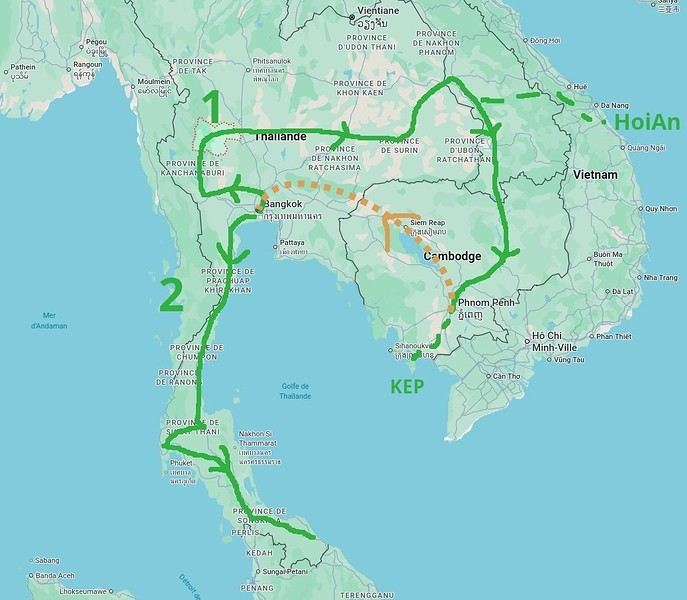
I’m starting to plan my next trip to Southeast Asia this winter (2.5 months, leaving in early December), and here’s a rough outline of my route—I’d love to share it with you and hear your thoughts and tips.
- I’ll start in Bangkok and already have three spots I’ve marked: Ayutthaya, Kanchanaburi, and Uthai Thani (I haven’t been to any of these places yet).
- Next, I’d like to cross the country from west to east to reach the Laos border. I’d love suggestions for any interesting stops along this route—I don’t know this part of Thailand at all...
- Then I’ll head into Laos, probably at Savannakhet (you can usually get a visa at the border).
- > I’m tempted to spend a week in Hoi An, Vietnam, since I loved that city and the area when I visited two years ago. No visa needed for Vietnam now, so it could be a nice little detour. On the map, it doesn’t look too far, but I know you’ve got to be careful with these things, and I’m not sure if it’s a good idea. Any opinions on this?
- Back to Laos (maybe via Dakta), and I’ll head south along the Mekong, probably doing the Bolaven Plateau loop that I missed last time. Then Paksé, the 4,000 Islands... I’ve been before, but I’d happily go back.
- Crossing into Cambodia, I’ll follow the Mekong down to Phnom Penh (I know this area and love how untouristy it is). From there, I’ll probably spend a few days in Kep (quieter than Kampot). Still undecided, though.
- Then back to Thailand (BKK), likely by plane from Phnom Penh since the borders between the two countries are currently closed (plus, let’s be honest, Cambodian roads... ;-). We’ll see how things look when the time comes.
- After that, I’d like to explore southern Thailand, taking it slow with short hops. I’ve got my eye on Khao Sok National Park, and I’ve heard good things about Krabi... Again, I don’t know this region well, so any info or tips would be great.
So, I think this should be doable in 2.5 months, especially since I prefer short hops of 300 km max to avoid getting too tired, and I like staying 2-3 days in each place to explore. Plus, I’ll take a week off to relax if I find a spot I love—maybe by the sea for some real downtime.
Thanks for your feedback and for sharing your favorite spots!
Pascal
Hi there,
After arriving in Ho Chi Minh City at the beginning of March 26, where I think I’ll stay for maybe two days (or more?), we’d like to spend a few days in the Mekong Delta.
Is it better to stay in one place (Vinh Long, Cai Be, My Tho, An Binh, etc.) and take boat trips every day, or split our time between two or three spots, which means changing accommodation and moving our luggage around? Of course, agencies offer 3- or 5-day tours from Ho Chi Minh City, but are they really worth it, both financially and in terms of the visits themselves?
What’s your experience with this? How did you do it, and if you had to do it again? Any tips?
Thanks in advance for your help.
Dominique
Hi everyone,
I’m a die-hard fan of India, but it’s time I discovered Thailand too to broaden my Asian horizons.
I’m heading there on January 19, 2025, for a 46-day trip (no visa needed as I’m French). I’ve pored over a few guidebooks and travel blogs. Based on what caught my interest, I’ve put together a rough itinerary and list of sights. But since I know absolutely nothing about Thailand, I’m kind of flying blind here.
Since I’m not exactly a spring chicken anymore, I’ve opted for a few bases where I’ll stay several days in the same place. That way, I won’t have to change locations and hotels every day or so, packing and unpacking my suitcase constantly. Instead, I plan to explore the surrounding area each day, within a maximum radius of 50 to 70 km.
So, first question: Is that kind of round-trip distance manageable in a day in Thailand?
In India, renting a car for a day—with a driver—currently costs around 35 to 40 € per day. Knowing that 1,300 to 1,500 THB would be my absolute max, and even then, only if I don’t rent a car every single day.
Which brings me to my second question: Am I being unrealistic?
Otherwise—third question—once I’m settled in the city I’ve chosen as my base, can I get around within that 50–70 km radius using public transport?
I’ve already booked all my hotels—with free cancellation—on booking.com at an average price of 950/1,000 THB per night. Does that put me in a good range for value for money? Or am I dreaming?
Bangkok -> Chiang Mai by overnight train in first-class sleeper
CHIANG MAI (6 days/6 nights): Mae Hong Son – Hot springs – Chiang Dao – caves – Lamphun – other places to be decided on the spot based on what’s worth seeing and transport options
Chiang Mai -> Chiang Rai
CHIANG RAI (7 days/8 nights): Fang – Tha Ton – Chiang Saen – Doi Tung – Chiang Khong – Doi Ang Khang, Phu Chi Fah, etc.
Chiang Rai -> Phrae
PHRAE (4 days/5 nights): Lampang and surrounding areas, depending on what’s interesting to see
Phrae -> Loei
LOEI (4 days/5 nights): Phu Kradung – Chiang Khan and surrounding areas, depending on what’s worth seeing
Loei -> Buriram
PHIMAI (Nakhon Ratchasima/Khorat) (5 days/6 nights): Phimai – Prasat Muang Tam – Phanom Rung – Prasat Phanom Wan
Phimai -> Khorat (airport or train station) -> Bangkok (overnight in Bangkok)
After a successful first trip in 2025, with the help of forum members, we’d love to return to this amazing cultural melting pot in 2026 for three weeks (2 adults, 2 kids aged 13 and 16).
We’d like to explore new places in the Northeast: fly into Khon Kaen and explore the region—Loei, Nong Khai, perhaps? A detour to the center to visit Sukhothai would be a great addition.
I’ll admit, planning this itinerary is a bit trickier for me since I’m less familiar with these areas and what they have to offer. The distances also seem longer than our previous transfers (BKK-Kanchanaburi-Kaeng Krachan-Sam Roi Yot...).
Do you have any suggestions or hidden gems to explore in the Northeast and Central regions that keep travel time between stops reasonable (3-4 hours)?
Hi everyone,
Could you share your thoughts on my 3-week itinerary?
We’re a small group (family + friends) of 12 people, planning to leave around January 21, 2027.
Here’s my itinerary:
3 nights in Bangkok
4 nights in Chiang Mai
3 nights on Koh Samui
3 nights on Koh Phangan
4 nights in Krabi
4 nights in Phuket
I’m also open to any great tips you might have...
Thanks, everyone! Alain.
Hey everyone,
We're currently in Thailand. I'm opening this thread to share practical info for those planning their trip. As for impressions and feelings—I love it, but I'll let everyone form their own opinions. The goal here is more about: how to do this or that, how to get there, etc.
Here’s the itinerary I’ve planned for this new trip to Thailand:
Arrival – 2 nights in Bangkok (any hotel recommendations? Very quiet, near Chinatown or by the river)
Train or taxi (which app should I use for Thailand?) to Phetchaburi – 2 nights (any hotel recommendations?)
Daytime train to Surat Thani – 1 night there (any hotel recommendations?)
Pick up the rental car and head to Khao Sok – 1 night there (any hotel recommendations?)
Drive to Ko Kho Khao – 3 nights – relaxation (any hotel recommendations?)
Drive to Phang Nga Bay – 1 night (any base recommendations?)
Excursion in the bay, then drive to Krabi – 2 nights (any hotel recommendations) or any other spot with beautiful, quiet beaches that you might know?
Return to Surat Thani – overnight train to Bangkok, then Ayutthaya (any hotel recommendations?)
Visit the site and transfer to the airport – sniff, time to head back!
If you have other suggestions, keeping in mind the trip’s vibe: beach time without crowds or entertainment, a bit of nature, a bit of culture, no stress...
No domestic flights and charming accommodations (not at 150 € per night, even though the budget is reasonable!)
Not sure I’ll follow them all, but all your ideas are welcome! 😉
Our flights are booked, and we’ll arrive in Thailand at the beginning of January.
Originally, we were supposed to spend 14 days there. But after booking the flights and seeing the prices, we’ll now be there for 20 days instead.
Our initial plan was:
2 days in Bangkok
1 day in Ayutthaya
4 days in Chiang Mai
6 days around Krabi
So we have 7 more days to fill. What do you recommend?
An extra day in Bangkok?
Adding more days in the north? If so, where?
Exploring another region, like Kanchanaburi or Cheow Lan Lake?
Traveling north in stages instead of taking the overnight train?
A few extra details about us:
For us, vacation isn’t about relaxation—we love walking, exploring, and packed days don’t bother us. Hiking for hours and doing active things is what makes us happy. That said, we also enjoy visiting villages and towns if they’re worth the detour. In Thailand, we’d like to visit temples too. We’re early risers, so our days tend to be long. 🙂 In short, we like to keep things moving during our trips. 😉
Unfortunately, seeing terraced rice fields isn’t possible in January. I read there are rice fields around Sukhothai. Are they green in January?
In the north, do you recommend Doi Inthanon, Huai Nam Dang, or Doi Chiang Dao National Parks? Which one is the most beautiful and best for January?
Hi there,
I’m planning a trip to Laos in November 2025.
I’m not really sure what to visit.
I’ve heard there are local festivals around that time.
Open to any suggestions for planning my trip.
There’ll be 4 or 5 of us.
Best,
Hi there,
I’ve found so many tips and reviews on this forum, so it’s my turn to contribute a little.
We spent just over two weeks with our family, with the following itinerary:
- Hanoi: 5 days
- Halong Bay: 3 days and 2 nights
- Tam Coc: 3 days
- Mai Chau: 2 days
- Sapa: 3 days
We got around by bike, scooter, Grab, and bus.
Our main accommodations were homestays and hotels in Hanoi.
We visited lots of museums, temples, and neighborhoods in Hanoi.
We did a 2-day, 1-night trek in Sapa with May, a Hmong local, without going through an agency.
A few small regrets: the weather was overcast, and we couldn’t make it to Fansipan, but nothing major 😅. We also couldn’t find transport to get from Sapa to Mu Cang Chai.
Other than that, this trip will stay in our memories for the kindness of the Vietnamese people, the connections we made, the food (street food, homestays...), the coffee 😋, the landscapes, and how easy it was to get around...
Our goal was to take our time and focus only on a small part of northern Vietnam.
If you need any tips or recommendations, don’t hesitate to ask.
Looking forward to hearing from you.
Cédric.
My mom and I are heading to Indonesia on July 11, 2025, for a month. We’ll spend 15 days in Borneo (Kalimantan) and 15 days in Sulawesi.
We’re traveling with backpacks and really want to meet locals and experience their culture.
We have a layover in Singapore before flying to Borneo, but we’re not sure yet which part of the island we’d like to land in.
I’m looking for the most up-to-date info possible because our research results are pretty confusing. Initially, we wanted to focus on the Indonesian side of the island, but we’re finding way more info on the Malaysian side (better tourist infrastructure). We’re feeling a bit lost...
Our priority is a 4-5 day trek max. We also want to connect with an English-speaking guide to explore Borneo’s primary forest and its wildlife. Ideally, we’d like to venture into the island’s center. But we might not have the time (given the lack of infrastructure and long distances—we don’t have 15 days just for a trek) or the physical stamina to get there. Still, we’d love to get off the beaten path and avoid pricey, touristy excursions.
From our research, we’ve come across 3-day, 2-night trips on longboats or 4x4s (e.g., orangutans in Tanjung Puting) for 400 to 500 €. But that’s way out of our budget, and we think it’s too expensive. We get that as tourists with higher incomes than locals, we should pay more—but there’s a limit, especially compared to the cost of living in Indonesia. We want to avoid tour operators and crowds of tourists. Our goal is to see what’s left of Borneo’s preserved and wild tropical forest and observe animals in their natural habitat. If we don’t see any during a trek, oh well—we’ll take our chances.
On the Malaysian side, there’s Danum Valley, and on the Indonesian side, places like Gunung Palung, Betung Kerihun, and Kayan Mentarang...
What do you think?
Does anyone have any tips?
Has anyone here met indigenous communities on the island?
Does anyone know a friendly local guide?
We’d love any extra info on Borneo and Sulawesi! ;)
Hi there,
I’ve been visiting Thailand for about twenty years now. We’ve been there around 5-6 times, always spending 2-3 days in BKK and then heading to Koh Samui.
This year, we wanted to explore the southeast coast of Thailand for a change—from Hua Hin down to Surat Thani. We were strongly advised against going any further south.
However, we noticed that the beaches in Hua Hin aren’t exactly stunning, and the further south you go, the more beautiful they get—white, fine sand like in Samui. Do you have any recommendations for gorgeous beaches along this coast?
Thanks!
Hello and happy to be back on this forum!
We’re planning our trip to southern Vietnam in February. We visited central Vietnam two years ago. For now, based on reading various posts, we’ve drafted the following itinerary, keeping in mind that we travel by public transport and rent bikes or motorbikes when needed. We also like to take our time!
So far, we’ve only booked our flight tickets:
1 Paris – HO CHI MINH
2 & 3 Visit HO CHI MINH
4 Day trip to Cu Chi
5 Transfer Ho Chi Minh / Cat Tien
6 & 7 Cat Tien
8 Transfer Cat Tien / Cai Be
9 & 10 Cai Be
11 Transfer Cai Be / Vinh Long or Binh Island
12 Vinh Long or Binh Island
13 Day trip to Sa Dec
14 Bus transfer Vinh Long / Can Tho
15 & 16 Can Tho
17 Transfer Can Tho / Chau Doc
18 & 19 Chau Doc
20 Transfer Chau Doc / Ha Tien
21 & 22 Ha Tien
23 Boat transfer to PHU QUOC
24, 25 & 26 PHU QUOC
27 Flight to Paris
Actually, we’re on a rhythm of 1 transfer day and 2 visit days, which doesn’t fully satisfy us. That’s why we’re wondering:
Is it possible to stay in one accommodation for visits to Cai Be, Binh Island, and Vinh Long (including our day trip to Sa Dec)?
Do you see any other ways to adjust the itinerary? Any oversights?
We also still need to look into the transfer details.
Thanks for your tips!
fg
Hi,
I’m traveling with my 13-year-old son in June and July 2025 for 6 weeks—2 weeks in Flores and 4 in Sulawesi. I don’t want a super "roots" trip because long transport times eat up too much time, so I’d prefer to use only private or shared drivers whenever possible since I’ve read that public transport really slows you down. That said, I don’t want to hire the same driver for the whole trip because I think it’d be way over budget.
My first question is about transport times and approximate costs. I’d like to double-check the times I’ve seen because it’s not clear to me whether they’re for private vehicles or public buses:
- Labuan Bajo – Denge (Wae Rebo): 5–6 hours ????
- Denge – Ruteng: 3 hours ????
- Ruteng – Bajawa: 4 hours ????
- Bajawa – Moni (Kelimutu Volcano): 3.5 hours ????
- Moni – Koka Beach: 1.5 hours ????
- Maumere – Koka Beach: 2 hours ????
My second question is about the Maumere–Makassar ferry. It’s impossible to find a clear answer—PELNI’s website shows only about 2 ferries per month, but Rome2Rio mentions a daily departure (with a return the next day, like the Labuan Bajo–Makassar route, I assume). I’d really like to avoid flying since it’s so expensive on this route.
My third question: I’ve read that flight tickets are more expensive when bought from France than from Indonesia. Has anyone else heard this?
Thanks so much for your help! This is my first post on the forum in ages, so I hope the length doesn’t scare anyone off.
Our next trip to Thailand is coming up, and we just can't wait! We talk, eat, drink, and dream Thailand 😏
Our itinerary is mostly set, and we’ve found quite a few new things to explore, but I’d still love to hear your recommendations for Bangkok.
Just so you know: we love this city, and every time we visit, we spend several days there without ever feeling like we’ve seen it all. So this year, we’re staying for 8 days!
Here’s what we have planned this year:
* Exploring Nonthaburi
* A day trip to Nakhon Pathom (to test out our basic Thai skills 😛)
* Khlong Lat Mayom floating market (we went 10 years ago—it’s probably changed a lot!)
* The Erawan Museum (we visited Muang Boran on our last trip)
* Finally taking the time to check out Wat Phra Sri Maha Mariamman and Wat Yannawa (we’ve planned to go several times but never made it—are they worth a visit?)
This is what we’ve picked so far, but I’d love to hear about the favorite spots and recommendations from travelers who, like us, adore Bangkok.
So, my flight tickets have just been booked for a trip to Cambodia from November 4th to 27th, 2025.
I’ll be traveling solo and want to explore this amazing country while getting a bit off the beaten path.
I’m arriving in Phnom Penh and also departing from Phnom Penh.
My goal is to travel as much as possible by bus and scooter.
What itinerary would you recommend?
What are the must-do things?
I’m open to all tips and info.
Thanks in advance for your help and responses.
I’m about to take a trip around the region in March. According to the "experts," which cities are really worth the detour? My key criteria: a slightly lively downtown + walkable. I’ve already been to the region a few years ago, but my memories are pretty mixed (Ubon Ratchathani, Udon Thani, Khon Kaen).
I’m looking for a beach spot within 3 hours max of Bangkok for the end of my trip (January). I know full well I won’t find that postcard-perfect vibe of the more remote islands! But I don’t have a choice.
If you’ve got any ideas... no high-rises, obviously not Pattaya, somewhere quiet, swimming possible, a hotel right on the beach (and not too dirty, the beach itself!)
I’ve looked at hotels around Ko Samet or, across from it, on the mainland. I spotted the Bann Pae Cabana. But nothing really exciting on either side.
New ideas welcome! 🙂
Hi everyone,
I’m looking for addresses for guesthouses or, even better, houseboats or rafting houses on the River Kwai, between Kanchanaburi and Sangkhlaburi, to spend a few weeks contemplating this beautiful river.
Thanks for your suggestions!
Premaria
Hi there,
Yesterday in the Thailand section, 100% of the new threads were just about beach destinations 😕...
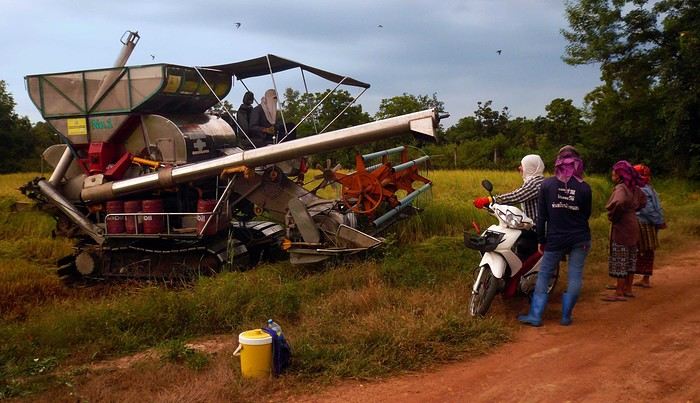
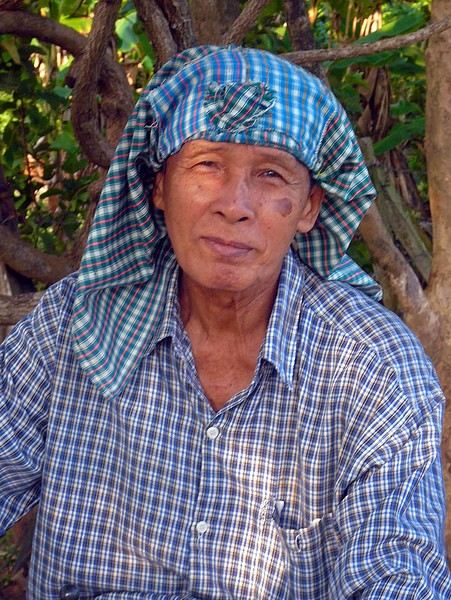
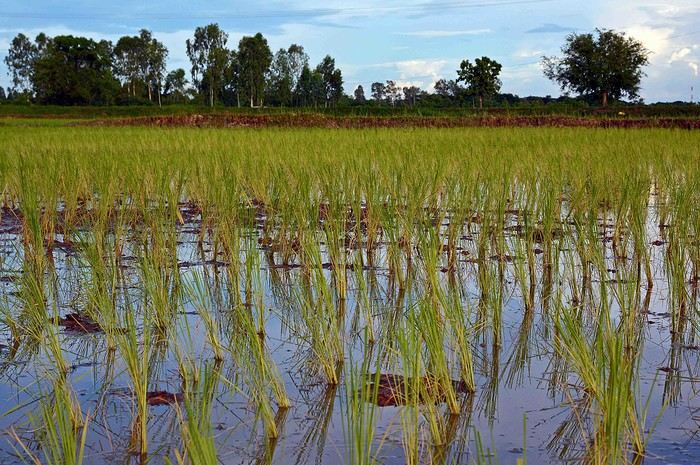
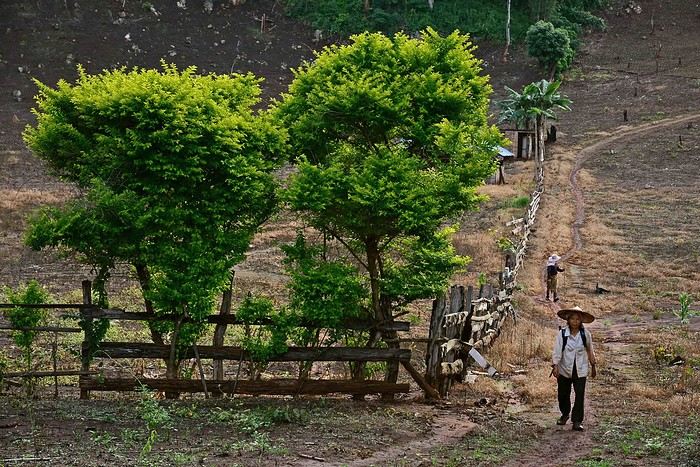
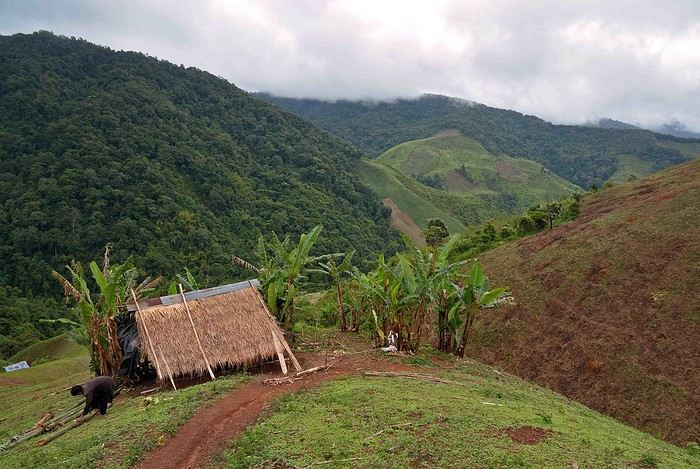
So here’s the counterattack in the form of this photo thread, dedicated solely to the countryside: the locals, their livestock, fields, farms, rice paddies, small rivers, and agricultural machinery. If you’ve got any pictures that fit these categories, feel free to add them!
Comments welcome.
For each photo, I’ll (or you can) indicate the area where it was taken.
My husband and I are planning a trip to Thailand from January 2 to 10.
Departure from Brussels on January 1 – arriving in Bangkok at 6:00 AM on January 2.
Departure from Bangkok on January 11 at 2:00 AM, arriving in Brussels at 1:25 PM the same day.
For professional and personal reasons, we can’t extend the trip.
I don’t plan on just lounging on a beach in Phuket, so with 9 days on the ground, I know it’s short... But having done this before in Hong Kong and Shanghai, I know it’s doable, refreshing, and enjoyable. We did it with the kids and included a 2- or 3-day stay at Disneyland in each city. Basically, we spent 5-6 days in each city.
Anyway, I’m reaching out because I’ve heard and read so many conflicting opinions that my head is spinning.
Following the saying, "don’t bite off more than you can chew," I’m assuming I should keep it simple.
So I’m torn between just Bangkok or Bangkok and Chiang Mai.
If I go with the second option, I’m debating whether to head straight to Chiang Mai on the day we arrive (but given the flight times, we’d lose pretty much the whole day) or spend two days in Bangkok first, then go to Chiang Mai for 3-4 days, and return to Bangkok.
It’s such a pleasure to be back on VoyageForum after so many years. A long time ago, I used it to plan and share a wonderful trip between Namibia and Botswana.
This time, I’m preparing a family trip for next summer (two parents, a 15-year-old boy, and an 11-year-old girl) that’ll be our big Christmas gift. I already have the flight tickets: we arrive in Denpasar on July 13th and return from Singapore on August 12th.
Our main focus is Indonesia, but since we don’t often get the chance to travel this far, I wanted to take the opportunity to stop in Kuala Lumpur and Singapore on the way back. It’ll give my kids—especially my son, who’s passionate about geography—a taste of these two major cities.
We prefer quiet spots (no need for party vibes or trendy places), though the girls (yes, there are two of them!) still enjoy discovering local crafts, souvenir shops, and the like. We don’t mind organizing things ourselves—I actually love doing that—and I assumed it’d be easy to arrange transport between hotels by booking through them. We’re not chasing cultural discoveries (one beautiful temple is enough; no need to see all 35, even if they’re stunning).
After reading tons of websites, guides, and forum posts, I’ve put together an itinerary I’d love to get your thoughts on. It’s already changed many times… and I’m sure it’ll change again! The goal is to avoid obvious mistakes, see if we’re trying to do too much, or if some places aren’t worth the effort. Here’s what it looks like so far:
- **Day 1**: Arrival in Denpasar in the late afternoon. Transport to a hotel outside Denpasar.
- **Days 2–5 (4 days)**: Bali. We’d like to stay in one or two quiet spots, away from the southern area, to explore the famous rice terraces, temples, and maybe do some light hiking.
- **Day 6**: Transfer to Lombok by fast ferry from Padang Bai (to avoid going back to the busy southern port, since I’ve heard traffic there is chaotic).
- **Days 6–11 (5 days)**: Lombok. We’d especially like to climb Mount Rinjani (we’re in good enough shape for it) and spend 2–3 days in a nice, quiet seaside spot (I was thinking of the southern Gilis near Lembar or the beautiful beaches in the south of the island).
- **Day 11**: Flight from Lombok Airport to Labuan Bajo.
- **Days 12–14**: 3-day/2-night cruise to Rinca and the various "hot spots" of Komodo National Park.
- **Day 15**: Labuan Bajo. I was thinking of doing a beginner’s diving excursion.
- **Day 16**: Flight back to Denpasar, then transfer to Banyuwangi by bus/boat (apparently possible via Express Bahari).
- **Day 17**: Morning visit to Ijen Crater, then return to the same hotel to relax for the rest of the day.
- **Day 18**: Transfer to a base camp for a sunrise visit to Mount Bromo on Day 19.
- **Day 19**: Visit Bromo. We’d like to spend the whole day there to enjoy the site once most people have left.
- **Day 20**: Transfer to Surabaya or Yogyakarta.
- **Day 21**: Flight to Medan, then transfer to Bukit Lawang.
- **Days 22–25**: Bukit Lawang. Jungle trek for 2–3 days and some downtime for 1–2 days.
- **Day 23**: Transfer to Dumai.
- **Day 25**: Boat from Dumai to Malacca.
The rest isn’t as relevant here.
I have a few big doubts, especially:
- Is it worth spending 4 days in Bali and 5 in Lombok, or would it be better to focus on just one island? If so, we’d probably lean toward Lombok—it seems quieter, and Rinjani is calling our name…
- I’m counting on the Komodo trip to explore the islands and marine life in the area. It sounds like a true paradise (manta rays, turtles, Komodo dragons…). From what I’ve read, snorkeling in Bali or Lombok doesn’t offer the same experiences. Do you think that’s really the case? I’ve seen some unflattering comments about Labuan Bajo… Originally, I wanted to do the Lombok–Flores crossing by boat, but the "mandatory" whale shark stop in Sumbawa seems controversial, so I ruled it out.
- For the stretch between Days 16 and 21, I’m not sure about the best way to organize things to enjoy Ijen and Bromo without being in constant rush mode or sleeping for just 3 days. I can’t decide whether to stay near the crater (the hotels seem basic—is it worth spending 2 nights there?) or farther away, even if it means more travel. I’ve also considered skipping Bromo to attempt the Semeru climb. There are also some nice spice plantations nearby (Margo Utomo in Kalibaru). Any thoughts?
Hi, just a quick note mainly for Samsong, even if he’s still giving me the silent treatment.
I’ve been in Nan since yesterday and... I love it! So thanks, Thierry. It’s exactly the kind of place I’d been dreaming of... Even if communication is a bit tough, it’s not impossible. They don’t even know the most basic English words! Everyone laughs and they’re the first to pull out their phones to... translate. They’re even quicker on the uptake than I am.
And then there’s the time I say Nan (pronounced "Nane"). They don’t understand me. After a while (sometimes a long one), they reply: "Ah, Nan?" (pronounced "Nane") 😵🤳😃
The town is exactly how you described it back in 2022.
Though I’m surprised to find so many trendy, slightly intellectual "Cafés." Apparently, coffee—excellent everywhere—is king in Nan. It feels like a university town. And it seems pretty lively at night! But for now, I’m going to bed early. I caught a nasty cold, which didn’t stop me from walking 12 km this morning. But I came back to my accommodation by 3 PM (gorgeous and luxurious with top-notch service for 800 baht—even a cute local welcome gift this morning, plus other unexpected touches like a bottle of honey and chrysanthemum flowers for tea. The lady must’ve guessed I was coming down with something yesterday). I thought about going out for dinner but didn’t have the energy. I think I’ve got at least 39°C fever...
Anyway, I’m sending you this message, Thierry, because you mentioned a daily bus to Chiang Rai, so I didn’t look into it. But now it’s a real problem—no buses to Chiang Rai, only taxis. At least 2,500 baht for the cheapest one! I’ll check the bus station directly tomorrow. Online, it’s all taxis, no buses.
I’d like to explore the countryside/mountains if I can find an affordable driver. Any ideas for destinations or itineraries?
Thanks.
Hi there,
I’m so excited to reopen the Asia/Indonesia forum! We’ve got a trip planned for spring, and we’re planning to spend a few days on Java before wrapping up in Bali.
For Java: Yogyakarta / Bromo / Ijen
For Bali: Ubud / Amed
See you all on the forum soon!
I’m about to head to Thailand with my kids and I’ve been put in touch with a French-speaking driver who’ll be with us for 3–4 days (for a little "tour" around the provinces near Bangkok).
I’d love to know what the "going rates" are for this kind of service so I can make sure I’m not overpaying.
So if any of you have used this kind of service recently and could let me know what you paid, I’d really appreciate it!
Hi there,
I’m finally planning to spend 9 days/9 nights in Chiang Rai. What’s the best area to stay in?
Do you know any interesting spots within a 50–60 km radius? Preferably ones that aren’t overrun by mass tourism (sorry about that).
Thanks!
Joël—I’m reading your latest travel journal on this region...😉
Hi there,
We’re planning a 3-week family trip next summer with our three kids, who’ll be 8, 8, and 7 years old.
After some research, we’re leaning toward Malaysia to combine nature/forests and paradise beaches. The idea is to introduce our kids to the country’s culture, nature, and wildlife.
We want a great trip but without splurging on luxury options like high-end lodges and resorts. We’re looking for comfort with a touch of authenticity—basically, a good middle ground.
I’ve started putting together an itinerary and would love your expert advice and tips to help us build this amazing trip with our little ones.
Day 1: Departure from France
Day 2: Kuala Lumpur
Stay at a hotel near the airport or KL Sentral.
Just one night.
Day 3: Morning flight to Sandakan (Borneo).
Stay in Sepilok
Day 4: Sepilok:
* Orangutan Center
* Malayan Sun Bear Center
* Rainforest Discovery Centre
Day 5: Depart for Kinabatangan.
Boat safari in the late afternoon.
Day 6: Sunrise safari.
Jungle walk.
Evening safari.
Day 7: Final safari.
Return to Sandakan.
Flight to Kuala Lumpur, then to Kota Bharu (or overnight transit depending on schedules).
Day 8: Transfer to the port.
Boat to the Perhentian Islands.
Days 9 to 13: Perhentian Besar
5 full days.
* Snorkeling
* Hiking
* Turtle watching
* Wild beaches
* Relaxation
Day 14: Return to the mainland.
Bus or private car to Taman Negara.
We’re heading to Bali as a family (5 people) for about twenty days, from mid-August to early September. Since our English is pretty limited, we’d like to hire a French-speaking driver or guide to accompany us on certain days and show us around the island, picking us up directly from our various hotels.
That said, I imagine this kind of service is probably more expensive than taking a local taxi, right?
Also, which Uber-like app should we use there?
And for bookings, which website should we look for accommodations on?
Hi everyone!
I’m reaching out because we’re planning a trip to Thailand next year (around March/April), and we’d like to visit Chiang Mai and then Krabi, plus a few islands near Krabi.
We’ve been to Thailand before, 10 years ago, and this time, we’d just like to focus on 5 days in Chiang Mai and 10–12 days in the Krabi area.
I’ll admit, I’m really struggling to pick an island near Krabi.
We hated Phi Phi: dirty, noisy, and the food was gross… such a letdown!
Which island would you recommend for snorkeling, nature walks, and beautiful beaches?
Maybe we could also make a stop between Chiang Mai and Krabi—perhaps Sukhothai?
Is it easy to travel between these three cities?
Thanks so much for your help! 🙂