Hi there,
We’re thinking of spending 3 weeks in Asia this fall to visit some of the major capitals on this vast continent. We’d like to get a (very rough) sense of just how fast Asia is moving compared to what we see in the West (we’re from Quebec). For now, our very preliminary list includes Tokyo, Hong Kong, and Singapore. There are obviously plenty of other options—Seoul, Shanghai, etc.
What do you think? Thanks in advance!
We’re a retired French couple.
We’ve just spent 4 weeks in China:
- 1. Exploring Yunnan in a group (12 people); a journey that took us from the Vietnamese border in the south to the edges of Tibet in the north.
- 2. A private trip to Guizhou with just a driver.
We’re absolutely delighted with what we discovered: a modern country with excellent infrastructure (especially the low level of urban pollution thanks to the high number of electric vehicles, the absence of diesel, and no noisy motorbikes in these two less industrialized provinces), friendly Chinese people who were always ready to help us when we had difficulties or questions, and a rich natural and cultural heritage.
The language barrier remains the biggest challenge, despite instant translation tools.
For both trips, we booked through the agency CIELCHINE, which we highly recommend.
The value for money is unbeatable.
The services were luxurious, especially for us since we usually travel alone on a tight budget for accommodation and food.
The agency’s staff were perfectly competent and, what’s more, warm and welcoming.
For Yunnan, our guide SEBASTIEN, who was experienced and knowledgeable, won everyone over.
In Guizhou, our driver HUANG was professionally flawless and guided us through villages he knows well. Friendly and full of humor, he’d spontaneously talk to people he met, which made us be treated with much more kindness and allowed us to exchange a few basic words.
As you can see, I haven’t ticked anything negative—not because I’m hiding anything or have any ulterior motive, but because I’m completely satisfied and the experience even exceeded all my expectations.
Hi everyone
I’m currently planning my trip to China for next August.
I’m starting from scratch, so I’m counting on your advice and firsthand experiences!
For now, I only know that I’ll arrive in China via Beijing, Shanghai, or Hong Kong and leave 15 days later from another one of these three cities.
In between, I’d love to explore a mountainous and natural region in the countryside.
The Guilin area really appeals to me with its spectacular landscapes.
I still have tons of questions:
- What can you do during this often humid season?
- Is it better to go through a local agency or organize everything yourself?
- What itineraries would you recommend?
Anyway, everything’s still up in the air, and I can’t wait to read your opinions, suggestions, and great tips to help me build this trip!
Hello everyone,
Like Cedric13600, I’ve booked a flight ticket for 30 days / 29 nights in September 2026, from Beijing to Shanghai. We’re a couple in our sixties who love independent road trips.
I’d like to draw inspiration from the following private itinerary suggested by a travel agency:
Day 1: Arrival in Beijing Day 2 to 4: Beijing Day 5: Datong Day 6 & 7: Pingyao Day 8 to 10: Xi'an Day 11: Luoyang Day 12: Dengfeng flight Day 13 & 14: Chongqing flight Day 15 & 16: Lijiang Day 17: Dali Day 18: Kunming Day 19: Jianshui Day 20 & 21: Yuanyang Day 22: Travel via Guilin Day 23 & 24: Yangshuo Day 25: Guilin Day 26 & 27: Zhangjiajie flight Day 28 & 29: Shanghai Day 30: Departure from Shanghai
But to do this itinerary independently: 1. This schedule seems very ambitious to me—what do you think? 2. If it’s too packed, what would you remove as a priority? Thanks so much in advance for your help.
Day 1: Arrival in Beijing Day 2 to 4: Beijing Day 5: Datong Day 6 & 7: Pingyao Day 8 to 10: Xi'an Day 11: Luoyang Day 12: Dengfeng flight Day 13 & 14: Chongqing flight Day 15 & 16: Lijiang Day 17: Dali Day 18: Kunming Day 19: Jianshui Day 20 & 21: Yuanyang Day 22: Travel via Guilin Day 23 & 24: Yangshuo Day 25: Guilin Day 26 & 27: Zhangjiajie flight Day 28 & 29: Shanghai Day 30: Departure from Shanghai
But to do this itinerary independently: 1. This schedule seems very ambitious to me—what do you think? 2. If it’s too packed, what would you remove as a priority? Thanks so much in advance for your help.
Hi there,
I’d love to get some feedback on our 30-day / 29-night itinerary in China. We’ll be there in September as a family with two kids (6 and 10 years old). Do you think I should cut a few nights between Wulingyuan (Avatar Mountain) and Yangshuo? I’ve planned 15 nights total there. We’ll be on a round-the-world trip starting May 2026 and will need to do schoolwork with the kids. Hoping to fit it in during train rides!! Ever since I started planning this China itinerary, I’ve been discovering completely mind-blowing places I’d never heard of before—30 days feels way too short for China!!!
Here’s our itinerary:
Beijing - 4 nights Forbidden City Great Wall of China Temple of Heaven
Xi’an - 3 nights Terracotta Army Muslim Quarter & Great Mosque
Chengdu - 3 nights Zoo - Research Base of Giant Panda Breeding Wenshu Yuan Temple
Wulingyuan (Avatar Mountain) - 3 nights "Avatar Mountains"
Zhangjiajie - 2 nights Tianmen Mountain
Furong Town - 2 nights
Fenghuang - 2 nights
Guilin - 2 nights Chuanshan Park Guilin Yaoshan Scenic Attraction Reed Flute Cave
Yangshuo - 4 nights Biking along the Yulong River Moon Hill Ruyi Peak Xianggong Hill
Shanghai - 4 nights Shanghai Disneyland Yu Garden / Yuyuan Garden Yuyuan Bazaar
Thanks! Cédric
I’d love to get some feedback on our 30-day / 29-night itinerary in China. We’ll be there in September as a family with two kids (6 and 10 years old). Do you think I should cut a few nights between Wulingyuan (Avatar Mountain) and Yangshuo? I’ve planned 15 nights total there. We’ll be on a round-the-world trip starting May 2026 and will need to do schoolwork with the kids. Hoping to fit it in during train rides!! Ever since I started planning this China itinerary, I’ve been discovering completely mind-blowing places I’d never heard of before—30 days feels way too short for China!!!
Here’s our itinerary:
Beijing - 4 nights Forbidden City Great Wall of China Temple of Heaven
Xi’an - 3 nights Terracotta Army Muslim Quarter & Great Mosque
Chengdu - 3 nights Zoo - Research Base of Giant Panda Breeding Wenshu Yuan Temple
Wulingyuan (Avatar Mountain) - 3 nights "Avatar Mountains"
Zhangjiajie - 2 nights Tianmen Mountain
Furong Town - 2 nights
Fenghuang - 2 nights
Guilin - 2 nights Chuanshan Park Guilin Yaoshan Scenic Attraction Reed Flute Cave
Yangshuo - 4 nights Biking along the Yulong River Moon Hill Ruyi Peak Xianggong Hill
Shanghai - 4 nights Shanghai Disneyland Yu Garden / Yuyuan Garden Yuyuan Bazaar
Thanks! Cédric
Hi there,
I’m getting ready for a classic tourist trip to China in May 2026.
The "Terres Lointaines" itinerary looks good to me, and the price is interesting.
Has anyone traveled with them before? Any feedback?
Is there a better option?
Thanks so much for sharing your experiences on this!
Michel
Hello,
We’re flying to China in a few days for a four-week trip—our first time in this fascinating country! 🇨🇳
We’ll be sharing our adventure live on our travel journal, with photos and daily updates. Our itinerary, though classic, will let us discover the wonders of this vast country:
- Beijing (6 nights) - Zhangjiajie (5 nights) - Fenghuang (2 nights) - Longji (4 nights) - Yangshuo (5 nights) - Shanghai (4 nights)
We’re flying to China in a few days for a four-week trip—our first time in this fascinating country! 🇨🇳
We’ll be sharing our adventure live on our travel journal, with photos and daily updates. Our itinerary, though classic, will let us discover the wonders of this vast country:
- Beijing (6 nights) - Zhangjiajie (5 nights) - Fenghuang (2 nights) - Longji (4 nights) - Yangshuo (5 nights) - Shanghai (4 nights)
Hi there!
I’m heading to Hanoi next week and we’ve got a 16-hour layover in Shanghai. Is it worth leaving the airport? We’re Belgian, so no visa required.
Thanks! !
I’m heading to Hanoi next week and we’ve got a 16-hour layover in Shanghai. Is it worth leaving the airport? We’re Belgian, so no visa required.
Thanks! !
Hi there,
A quick recap of our 19-day trip to China – classic itinerary, half-family: dad and 13-year-old son, August 2025.
Arrived in Shanghai, the idea was to explore the city in the evening to help with jet lag. Day 1: Maglev (50 CNY), then metro to the hotel, night cruise on the Huangpu River, admiring the skyline. Day 2: Yuyuan Garden (meh), Lujiazui district, sunset from the top of Jinmao Tower, stroll along the Bund, admiring the skyline. Day 3: Chaos at the Shanghai Museum – should’ve booked in advance. Backup plan: Longhua Temple (nice), Tianzi Fang district (great). Day 4: Aquarium (okay), Pearl Tower, Fake Market (top), then flight to Guilin. Taxi from Guilin to Yangshuo (400 CNY arranged by the hotel). Verdict: Maybe one day too many. Late mornings (jet lag) kept us from visiting the water town. Day 5: Yangshuo – scooter ride (40 CNY) along the Yulong River. Day 6: Early Didi (30 min) to the top of Xiang Gong Shan (ideally for sunrise). Then a walk through the countryside to the Li River, crossing by boat (10 CNY) to Xingping. You can shorten the walk by flagging down a mini-shuttle that shuttles Chinese tourists in the opposite direction. Explored Xingping, scooter ride, 20 CNY viewpoint, sunset from Laozhai Hill, back to Yangshuo. Day 7: Scooter ride to spots we missed on Day 5. Verdict: It’s stunning. Might be worth staying in Guilin the first night and booking a cruise to Yangshuo the next day on the Li River. Day 8: Bus (4/5h, 100 CNY) to Longji/Dazhai. Hotel in Tianzhouzai – I think it’s better to stay in Ping’an, it’s more typical. Dazhai is generally overdeveloped. Day 9: Full-day hike from Dazhai to Ping’an, then bus back to Dazhai. Super nice walk, only crossed paths with 4 people. Day 10: Walk around the top of Dazhai, but the trails are poorly maintained – no loop possible. Verdict: Gorgeous, probably one day too many, but the area is very rainy, so it’s good to have a buffer. Day 11: Private taxi (4/5h, 200 €) to Fenghuang. Explored the town in the evening – really nice. Day 12: Short visit to Fenghuang during the day, then train to Zhangjiajie and Wulingyuan. Hotel pool. Day 13: Early start: Zhangjiajie Park via Wulingyuan entrance, Route A (starting with the cable car). Fabulous. If I did it again, I’d take Route B to get early access to the section near the giant elevator. Day 14: Early start: Zhangjiajie Park via the south entrance – superb. Day 15: Wulingyuan Grand Canyon, glass bridge – nice but not essential. Day 16: Tianmen Mountain in the afternoon. You can leave your luggage at the entrance. Routes A and B sell out quickly. Note that Route C no longer uses buses to the top – there’s a brand-new cable car instead, which I think is actually better than A and B. Really nice, worth doing. Evening flight to Beijing. Verdict: The canyon could be done the same morning as Tianmen Mountain, or even skipped. Day 17: Visited the Forbidden City (book a week in advance!), missed the entry slot for Tiananmen Square (book in advance!) due to security checks. Visited the Lama Temple. Stayed in a hutong. Day 18: Great Wall at Mutianyu. Private taxi (100 € round trip – probably overpaid) to arrive before 7 AM. Then back to Beijing, Temple of Heaven, and finally the modest skyline from the mall at Guomao metro station. Day 19: Fake markets (pointless – they’re stripped of their usual goods compared to Shanghai’s), Summer Palace, then Wangfujing Street. Headed to the airport. Verdict: 3 days is too short for Beijing.
Overall impressions: Highlights: Incredible places (cities and landscapes), often vast and fascinating, a total change of scenery. Very easy and smooth to travel despite the clear language barrier. Excellent food, very affordable, very few scams. Lowlights: Intense heat and humidity in August, *way* too many tourists (99.9% Chinese), a real circus that makes the trip exhausting. Walking is tiring in the long run (even though we’re very active) because it’s all on stone paths and stairs. To avoid crowds, you’d need to wake up early every day – tough with kids, especially with jet lag.
Logistics: - Buses and private taxis arranged last-minute through hotels. - Didi is widely available everywhere, plentiful, and cheap. - Flights and trains booked on Trip.com a month in advance (fills up fast). - Hotels on Booking and Trip.com. Only the one in Yangshuo was booked well in advance – hotel capacity is huge everywhere. - Apps: Didi, Alipay, WeChat, Maps.me, Google Translate. Free 35 GB data plan, SIM card from the airport.
A quick recap of our 19-day trip to China – classic itinerary, half-family: dad and 13-year-old son, August 2025.
Arrived in Shanghai, the idea was to explore the city in the evening to help with jet lag. Day 1: Maglev (50 CNY), then metro to the hotel, night cruise on the Huangpu River, admiring the skyline. Day 2: Yuyuan Garden (meh), Lujiazui district, sunset from the top of Jinmao Tower, stroll along the Bund, admiring the skyline. Day 3: Chaos at the Shanghai Museum – should’ve booked in advance. Backup plan: Longhua Temple (nice), Tianzi Fang district (great). Day 4: Aquarium (okay), Pearl Tower, Fake Market (top), then flight to Guilin. Taxi from Guilin to Yangshuo (400 CNY arranged by the hotel). Verdict: Maybe one day too many. Late mornings (jet lag) kept us from visiting the water town. Day 5: Yangshuo – scooter ride (40 CNY) along the Yulong River. Day 6: Early Didi (30 min) to the top of Xiang Gong Shan (ideally for sunrise). Then a walk through the countryside to the Li River, crossing by boat (10 CNY) to Xingping. You can shorten the walk by flagging down a mini-shuttle that shuttles Chinese tourists in the opposite direction. Explored Xingping, scooter ride, 20 CNY viewpoint, sunset from Laozhai Hill, back to Yangshuo. Day 7: Scooter ride to spots we missed on Day 5. Verdict: It’s stunning. Might be worth staying in Guilin the first night and booking a cruise to Yangshuo the next day on the Li River. Day 8: Bus (4/5h, 100 CNY) to Longji/Dazhai. Hotel in Tianzhouzai – I think it’s better to stay in Ping’an, it’s more typical. Dazhai is generally overdeveloped. Day 9: Full-day hike from Dazhai to Ping’an, then bus back to Dazhai. Super nice walk, only crossed paths with 4 people. Day 10: Walk around the top of Dazhai, but the trails are poorly maintained – no loop possible. Verdict: Gorgeous, probably one day too many, but the area is very rainy, so it’s good to have a buffer. Day 11: Private taxi (4/5h, 200 €) to Fenghuang. Explored the town in the evening – really nice. Day 12: Short visit to Fenghuang during the day, then train to Zhangjiajie and Wulingyuan. Hotel pool. Day 13: Early start: Zhangjiajie Park via Wulingyuan entrance, Route A (starting with the cable car). Fabulous. If I did it again, I’d take Route B to get early access to the section near the giant elevator. Day 14: Early start: Zhangjiajie Park via the south entrance – superb. Day 15: Wulingyuan Grand Canyon, glass bridge – nice but not essential. Day 16: Tianmen Mountain in the afternoon. You can leave your luggage at the entrance. Routes A and B sell out quickly. Note that Route C no longer uses buses to the top – there’s a brand-new cable car instead, which I think is actually better than A and B. Really nice, worth doing. Evening flight to Beijing. Verdict: The canyon could be done the same morning as Tianmen Mountain, or even skipped. Day 17: Visited the Forbidden City (book a week in advance!), missed the entry slot for Tiananmen Square (book in advance!) due to security checks. Visited the Lama Temple. Stayed in a hutong. Day 18: Great Wall at Mutianyu. Private taxi (100 € round trip – probably overpaid) to arrive before 7 AM. Then back to Beijing, Temple of Heaven, and finally the modest skyline from the mall at Guomao metro station. Day 19: Fake markets (pointless – they’re stripped of their usual goods compared to Shanghai’s), Summer Palace, then Wangfujing Street. Headed to the airport. Verdict: 3 days is too short for Beijing.
Overall impressions: Highlights: Incredible places (cities and landscapes), often vast and fascinating, a total change of scenery. Very easy and smooth to travel despite the clear language barrier. Excellent food, very affordable, very few scams. Lowlights: Intense heat and humidity in August, *way* too many tourists (99.9% Chinese), a real circus that makes the trip exhausting. Walking is tiring in the long run (even though we’re very active) because it’s all on stone paths and stairs. To avoid crowds, you’d need to wake up early every day – tough with kids, especially with jet lag.
Logistics: - Buses and private taxis arranged last-minute through hotels. - Didi is widely available everywhere, plentiful, and cheap. - Flights and trains booked on Trip.com a month in advance (fills up fast). - Hotels on Booking and Trip.com. Only the one in Yangshuo was booked well in advance – hotel capacity is huge everywhere. - Apps: Didi, Alipay, WeChat, Maps.me, Google Translate. Free 35 GB data plan, SIM card from the airport.
Hi there,
I’m planning to visit Japan in May this year, and I’d love to try doing it without taking a flight.
I’m currently in Vietnam, and my plan is to travel to Shanghai and then take a ferry to Osaka.
I can’t find any clear info online about whether this is still possible. Most links mention a weekly departure, but when I check the company’s website, it says passenger transport is suspended.
If any of you have more recent info, I’d really appreciate it!
Have a great day! 😊
If any of you have more recent info, I’d really appreciate it!
Have a great day! 😊
Hi there,
We just got back from a 2-week trip to China as a couple, and before we left, the budget was the hardest thing to picture concretely. We found plenty of info on visas, apps, transport, and itineraries, but way fewer detailed breakdowns of what you *actually* spend on the ground.
So, we took the time to share our real budget for 14 days. In our case, we spent around 1,800 € per person, with a big chunk of that going toward round-trip flights at about 600 € per person. We were also pretty surprised by how affordable China can be once you’re there—transport is often cheap, and a lot of everyday expenses stay reasonable.
The trickiest part, in the end, was figuring out how to pay while you’re there, since it’s not always obvious if you’re not prepared. But once everything’s set up and you get the hang of it, it’s really smooth.
If this can help other travelers get a better idea before they go, we’ve broken it all down here:
https://aventures-sans-mesaventure.com/budget-2-semaines-de-voyage-en-chine/
Happy travels and enjoy your adventure! Hélia
Happy travels and enjoy your adventure! Hélia
We just spent three weeks in Yunnan.
I’ve started writing up a travel journal about the trip.
Hi there,
I’m planning a route through China from Hong Kong to Chengdu.
Here’s the draft:
Hong Kong + Macau (4 nights) Shenzhen (1 night) Guangzhou (2 nights) Yangshuo (3 nights) Sanjiang (1 night) Longji Rice Terraces (1 night) Guilin then head north (1 night) Zhangjiajie (3 nights) Chongqing (1 night) Chengdu (2 nights)
I’d love your thoughts. Can I cut nights from some spots and add them elsewhere?
Quick note—I’ve got a lot of travel experience and I’m pretty fast and efficient (early riser, etc.). So I usually pack in more than the average traveler...
Thanks for your help!
I’m planning a route through China from Hong Kong to Chengdu.
Here’s the draft:
Hong Kong + Macau (4 nights) Shenzhen (1 night) Guangzhou (2 nights) Yangshuo (3 nights) Sanjiang (1 night) Longji Rice Terraces (1 night) Guilin then head north (1 night) Zhangjiajie (3 nights) Chongqing (1 night) Chengdu (2 nights)
I’d love your thoughts. Can I cut nights from some spots and add them elsewhere?
Quick note—I’ve got a lot of travel experience and I’m pretty fast and efficient (early riser, etc.). So I usually pack in more than the average traveler...
Thanks for your help!
hi everyone, and first of all, I wish you all a happy new year and good health!
This coming October or November, we’re planning our first trip to Japan. The only downside is we’ll only have two weeks off.
For this first visit, I’m thinking of sticking to the Kyoto and Osaka area… saving Tokyo for another trip. Do you think that’s a good choice for a first-time visit?
I’ve put together a little itinerary below to get some feedback from those in the know. I’m only counting the days we’re actually there, not travel days.
Day 1: Kyoto Ginkaku-ji – Philosopher’s Path with stops at a few shrines temples Eikan-dō and Nanzen-ji visit to the Samurai Ninja Museum in the late afternoon
Day 2: Kyoto Fushimi Inari (allow 4 hours for the hike through the park) visit to Sanjūsangen-dō temple Shōseien garden participate in a tea ceremony
Day 3: Kyoto Kiyomizu-dera temple stroll through the historic district up to Kennin-ji temple visit Kennin-ji temple Yasaka-jinja shrine and Gion district in the late afternoon return to the hotel via Pontochō Street
Day 4: Kyoto visit Kinkaku-ji and Nijō Castle visit the Imperial Palace gardens end the day in the shopping streets (Shibkyogoku and Teramachi, among others)
Day 5: Kyoto Arashiyama area Togetsukyo Bridge, walk along the river, visit the Bamboo Forest explore the area up to Otagi Nenbutsu-ji temple
Day 6: Kyoto hike from Kibune to Kurama
Day 7: Kyoto day trip to Nara (full day)
Day 8: stroll around Kyoto before heading to Osaka
Day 9: Osaka Katsuo-ji temple, then head to Minoh Falls and hike back via the Minoh Trail end the day in the Osaka Castle area
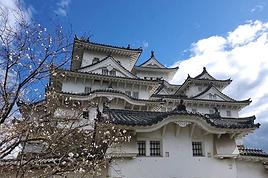
Day 10: Osaka Himeji Castle and an afternoon in Osaka
Day 11: Osaka Osaka and return to the airport in the late afternoon for the flight home
Do you think this itinerary is doable? Are some days too relaxed or too packed? I was thinking of adding a trip to Lake Biwa and Uji, but in that case, I’d have to cut some things. Are those places worth dropping some of the planned spots? And if so, which ones would you recommend cutting or shortening?
Thanks in advance—I’m all ears for both positive and negative feedback! stephane
This coming October or November, we’re planning our first trip to Japan. The only downside is we’ll only have two weeks off.
For this first visit, I’m thinking of sticking to the Kyoto and Osaka area… saving Tokyo for another trip. Do you think that’s a good choice for a first-time visit?
I’ve put together a little itinerary below to get some feedback from those in the know. I’m only counting the days we’re actually there, not travel days.
Day 1: Kyoto Ginkaku-ji – Philosopher’s Path with stops at a few shrines temples Eikan-dō and Nanzen-ji visit to the Samurai Ninja Museum in the late afternoon
Day 2: Kyoto Fushimi Inari (allow 4 hours for the hike through the park) visit to Sanjūsangen-dō temple Shōseien garden participate in a tea ceremony
Day 3: Kyoto Kiyomizu-dera temple stroll through the historic district up to Kennin-ji temple visit Kennin-ji temple Yasaka-jinja shrine and Gion district in the late afternoon return to the hotel via Pontochō Street
Day 4: Kyoto visit Kinkaku-ji and Nijō Castle visit the Imperial Palace gardens end the day in the shopping streets (Shibkyogoku and Teramachi, among others)
Day 5: Kyoto Arashiyama area Togetsukyo Bridge, walk along the river, visit the Bamboo Forest explore the area up to Otagi Nenbutsu-ji temple
Day 6: Kyoto hike from Kibune to Kurama
Day 7: Kyoto day trip to Nara (full day)
Day 8: stroll around Kyoto before heading to Osaka
Day 9: Osaka Katsuo-ji temple, then head to Minoh Falls and hike back via the Minoh Trail end the day in the Osaka Castle area
Day 10: Osaka Himeji Castle and an afternoon in Osaka
Day 11: Osaka Osaka and return to the airport in the late afternoon for the flight home
Do you think this itinerary is doable? Are some days too relaxed or too packed? I was thinking of adding a trip to Lake Biwa and Uji, but in that case, I’d have to cut some things. Are those places worth dropping some of the planned spots? And if so, which ones would you recommend cutting or shortening?
Thanks in advance—I’m all ears for both positive and negative feedback! stephane
Hello everyone, what a pleasure to be back on this forum!
My partner and I are heading to Japan for the first time from mid-December to mid-January for 31 days. It’s a long-held dream we’ve been saving for over two years, and we want to enjoy ourselves while also being mindful of our budget for parts of the trip. We’d love to explore Tokyo, but we’ve chosen to spend more time in nature. My partner plans to get his driver’s license translated locally so we can rent a car. We’ve heard from friends who’ve been that Japan isn’t the best place for improvisation, so we’ve tried to allow plenty of time in each location to avoid rushing. Still, I’d love to hear your thoughts on the itinerary we’ve planned—whether it’s feasible in terms of travel and how interesting it seems. Given the recent increase in the JR Pass price and the fact that we’ll spend about ten days on Goto, Ojika, and Yakushima (where the JR Pass doesn’t cover travel), we don’t think it’s worth it for us. Instead, we’re planning to take the train from Tokyo to Fukuoka and then use buses and ferries for the rest of Kyushu. Here’s our itinerary:
1- December 13 / Arrival in Tokyo, one night in Tokyo, then departure for Fukuoka by train on the morning of the 14th.
2 - December 14-16 / 2 nights in Fukuoka, sightseeing, then departure on the evening/night of the 16th by ferry to Ojika Islands.
3 - December 17-21 / 4 nights on Ojika, cycling and exploring, then departure on the 21st by ferry to Fukue on the Goto Islands.
4 - December 21-24 / 3 nights on the Goto Islands, renting a car to explore, maybe a trip to Hisaka. Departure for Nagasaki by ferry on the morning of the 24th.
5- December 24-26 / 2 nights in Nagasaki, visiting the city and memorials, possibly the hot springs in Unzen. Departure on the evening of the 26th by bus or ferry (?) to Kumamoto.
6- December 26-29 / 3 nights in Kumamoto, sightseeing, day trip by car to Mount Aso and surrounding areas. Departure on the 29th in the late afternoon by bus to Kagoshima, overnight in Kagoshima.
7- December 30 to January 2 / Morning departure by ferry to Yakushima for 3 nights, hiking and exploring the island. Departure on January 2 on the only ferry (?) in the early afternoon back to Kagoshima.
8- January 2 to 5 / Uncertain leg... We’d like to spend the night of the 4th to the 5th at a ryokan in Kurokawa Onsen and then head back to Fukuoka and Tokyo by train on the 5th. From the 2nd to the 4th, since we’ll arrive in Kagoshima in the late afternoon, we thought we could head back up to Kumamoto by train or bus—going to Yufuin or Beppu would take much longer and leave us with very little time. But is it worth staying another 2 nights in Kumamoto to explore the area, given we’ll already be there for 3 days from December 26-29? Or should we stay in Kagoshima and head up to Kurokawa Onsen on the afternoon of the 4th for our overnight stay?
9- January 5 to 13, Tokyo and its endless things to do and see, then back to France!
If you have any advice on any of these stops, we’d love to hear it! Have a wonderful day.
My partner and I are heading to Japan for the first time from mid-December to mid-January for 31 days. It’s a long-held dream we’ve been saving for over two years, and we want to enjoy ourselves while also being mindful of our budget for parts of the trip. We’d love to explore Tokyo, but we’ve chosen to spend more time in nature. My partner plans to get his driver’s license translated locally so we can rent a car. We’ve heard from friends who’ve been that Japan isn’t the best place for improvisation, so we’ve tried to allow plenty of time in each location to avoid rushing. Still, I’d love to hear your thoughts on the itinerary we’ve planned—whether it’s feasible in terms of travel and how interesting it seems. Given the recent increase in the JR Pass price and the fact that we’ll spend about ten days on Goto, Ojika, and Yakushima (where the JR Pass doesn’t cover travel), we don’t think it’s worth it for us. Instead, we’re planning to take the train from Tokyo to Fukuoka and then use buses and ferries for the rest of Kyushu. Here’s our itinerary:
1- December 13 / Arrival in Tokyo, one night in Tokyo, then departure for Fukuoka by train on the morning of the 14th.
2 - December 14-16 / 2 nights in Fukuoka, sightseeing, then departure on the evening/night of the 16th by ferry to Ojika Islands.
3 - December 17-21 / 4 nights on Ojika, cycling and exploring, then departure on the 21st by ferry to Fukue on the Goto Islands.
4 - December 21-24 / 3 nights on the Goto Islands, renting a car to explore, maybe a trip to Hisaka. Departure for Nagasaki by ferry on the morning of the 24th.
5- December 24-26 / 2 nights in Nagasaki, visiting the city and memorials, possibly the hot springs in Unzen. Departure on the evening of the 26th by bus or ferry (?) to Kumamoto.
6- December 26-29 / 3 nights in Kumamoto, sightseeing, day trip by car to Mount Aso and surrounding areas. Departure on the 29th in the late afternoon by bus to Kagoshima, overnight in Kagoshima.
7- December 30 to January 2 / Morning departure by ferry to Yakushima for 3 nights, hiking and exploring the island. Departure on January 2 on the only ferry (?) in the early afternoon back to Kagoshima.
8- January 2 to 5 / Uncertain leg... We’d like to spend the night of the 4th to the 5th at a ryokan in Kurokawa Onsen and then head back to Fukuoka and Tokyo by train on the 5th. From the 2nd to the 4th, since we’ll arrive in Kagoshima in the late afternoon, we thought we could head back up to Kumamoto by train or bus—going to Yufuin or Beppu would take much longer and leave us with very little time. But is it worth staying another 2 nights in Kumamoto to explore the area, given we’ll already be there for 3 days from December 26-29? Or should we stay in Kagoshima and head up to Kurokawa Onsen on the afternoon of the 4th for our overnight stay?
9- January 5 to 13, Tokyo and its endless things to do and see, then back to France!
If you have any advice on any of these stops, we’d love to hear it! Have a wonderful day.
Hello everyone,
I’m planning a 5-week trip between Yunnan and Sichuan from mid-October to the end of November 2026: Arriving in Kunming, I’ll do a loop in the far south of Yunnan via Thonghai, Jhiansu, Zhemi, Yuanyang, Nafa, Jinping, Mengzi, and Shilin (visiting markets, villages, and hiking), then head to northern Yunnan/southern Sichuan on the same theme (passing through Kunming again) via Dongchuan, Huize, Qiaojia, Puge, Xichang, Lanba, Butuo, Huolie, Dimo, Riha, Niuniuba, Meigu, Mabian, and Leshan, before arriving in Chengdu (where I’ll take my return flight to Paris). This would be a trip with a strong ethnic/rural focus. Since I’ve never traveled in China, I’d love to hear your thoughts on doing this solo. Are there public transport options in the region? What tips do you have for traveling through this area as smoothly and enjoyably as possible? I’ve done quite a bit of backpacking in the mountains of northern Vietnam and really enjoyed using local motorbike drivers. Is something like that available in this region (through local tourist agencies or hotels)?
What should I be cautious about? Are local tourist agencies (or hotels) offering tours and guides reliable? If you know of any specialized sites sharing tips or experiences, or names of local agencies, hotels, etc., please don’t hesitate to share them! :)
In short, all your advice (on any topic that comes to mind!) is very welcome. Thanks so much!
I’m planning a 5-week trip between Yunnan and Sichuan from mid-October to the end of November 2026: Arriving in Kunming, I’ll do a loop in the far south of Yunnan via Thonghai, Jhiansu, Zhemi, Yuanyang, Nafa, Jinping, Mengzi, and Shilin (visiting markets, villages, and hiking), then head to northern Yunnan/southern Sichuan on the same theme (passing through Kunming again) via Dongchuan, Huize, Qiaojia, Puge, Xichang, Lanba, Butuo, Huolie, Dimo, Riha, Niuniuba, Meigu, Mabian, and Leshan, before arriving in Chengdu (where I’ll take my return flight to Paris). This would be a trip with a strong ethnic/rural focus. Since I’ve never traveled in China, I’d love to hear your thoughts on doing this solo. Are there public transport options in the region? What tips do you have for traveling through this area as smoothly and enjoyably as possible? I’ve done quite a bit of backpacking in the mountains of northern Vietnam and really enjoyed using local motorbike drivers. Is something like that available in this region (through local tourist agencies or hotels)?
What should I be cautious about? Are local tourist agencies (or hotels) offering tours and guides reliable? If you know of any specialized sites sharing tips or experiences, or names of local agencies, hotels, etc., please don’t hesitate to share them! :)
In short, all your advice (on any topic that comes to mind!) is very welcome. Thanks so much!
Hi there,
I’d love to get some feedback on the itinerary I’m considering, since I’ll be using public transport. The order might not be ideal:
-Fukuoka: 4 days (including 1 day in Yanagawa, and I’d also like to visit Yutoku Inari Shrine)
-Nagasaki: 2 days (I’m a bit unsure about including it)
-Kumamoto: 2 days (including 1 day in Yamaga)
-Beppu: 2 or 3 days (1 day in Kitsuki)
-Yufuin: 2 days
I was also thinking about adding Ukiha and Usuki, but I’m not sure how to fit them in.
Thanks for your input!
Carole
Hi everyone,
We're currently planning our itinerary for this summer (late July - August) in China. Our travel style is more backpacker-oriented—we're used to traveling in Latin America, booking things just 3 days in advance. Could you share your thoughts on this route?
We’re particularly wondering about: - Yangshuo (which seems very touristy) → Xingping instead? The park Bajiaozhai? - How to get around and find accommodation in the small Miao and Dong villages? - Should we book trains and hotels in advance for late July and early August?
Thanks so much!
28-Jul Monday Kunming: Bamboo Temple Dian Chi Lake Kunming 29-Jul Tuesday Visit the city center Lake bike tour Dali Dali 30-Jul Wednesday Three Pagodas / Cangshan Mountain Dali Dali 31-Jul Thursday Transport to Shaxi - visit 1 - Dali Old Town Coach Station (大理古城客运站) 2 - Arrive Jianchuan Coach Station 3 - Local green or yellow minibuses to Shaxi Dali → Jianchuan → Shaxi Shaxi 01-Aug Friday Quick visit Shaxi → Lijiang Shaxi Shaxi 02-Aug Saturday Quick visit Shaxi → Lijiang Shaxi Lijiang 03-Aug Sunday Tiger Leaping Gorge trek 04-Aug Monday Tiger Leaping Gorge Qiatou Lijiang / Dali 05-Aug Tuesday Dali → Kunming → Kaili Full-day transport Kaili 06-Aug Wednesday Langde Miao Village - Xijiang Miao Village Kaili 07-Aug Thursday Visit village Kaili 08-Aug Friday Visit village Zhaoxing 09-Aug Saturday AM: Train to Guilin - PM: Elephant Trunk Hill / night barbecue Zhaoxing → Guilin (1h) Guilin 10-Aug Sunday Bajiaozhai (Park / hike) Ziyuan 11-Aug Monday Bajiaozhai (Park / hike) Ziyuan 12-Aug Tuesday Yangshuo Yangshuo 13-Aug Wednesday Yangshuo Yangshuo 14-Aug Thursday Yangshuo Yangshuo 15-Aug Friday Guilin → HK (3.5h) Guilin → HK (3.5h) 16-Aug Saturday Hong Kong
We're currently planning our itinerary for this summer (late July - August) in China. Our travel style is more backpacker-oriented—we're used to traveling in Latin America, booking things just 3 days in advance. Could you share your thoughts on this route?
We’re particularly wondering about: - Yangshuo (which seems very touristy) → Xingping instead? The park Bajiaozhai? - How to get around and find accommodation in the small Miao and Dong villages? - Should we book trains and hotels in advance for late July and early August?
Thanks so much!
28-Jul Monday Kunming: Bamboo Temple Dian Chi Lake Kunming 29-Jul Tuesday Visit the city center Lake bike tour Dali Dali 30-Jul Wednesday Three Pagodas / Cangshan Mountain Dali Dali 31-Jul Thursday Transport to Shaxi - visit 1 - Dali Old Town Coach Station (大理古城客运站) 2 - Arrive Jianchuan Coach Station 3 - Local green or yellow minibuses to Shaxi Dali → Jianchuan → Shaxi Shaxi 01-Aug Friday Quick visit Shaxi → Lijiang Shaxi Shaxi 02-Aug Saturday Quick visit Shaxi → Lijiang Shaxi Lijiang 03-Aug Sunday Tiger Leaping Gorge trek 04-Aug Monday Tiger Leaping Gorge Qiatou Lijiang / Dali 05-Aug Tuesday Dali → Kunming → Kaili Full-day transport Kaili 06-Aug Wednesday Langde Miao Village - Xijiang Miao Village Kaili 07-Aug Thursday Visit village Kaili 08-Aug Friday Visit village Zhaoxing 09-Aug Saturday AM: Train to Guilin - PM: Elephant Trunk Hill / night barbecue Zhaoxing → Guilin (1h) Guilin 10-Aug Sunday Bajiaozhai (Park / hike) Ziyuan 11-Aug Monday Bajiaozhai (Park / hike) Ziyuan 12-Aug Tuesday Yangshuo Yangshuo 13-Aug Wednesday Yangshuo Yangshuo 14-Aug Thursday Yangshuo Yangshuo 15-Aug Friday Guilin → HK (3.5h) Guilin → HK (3.5h) 16-Aug Saturday Hong Kong
Hi everyone,
So happy to be back here !
I’m currently planning our first trip to Japan. We’ll be traveling with our two teens, aged 16 and 17. We’re doing a pretty classic loop, but I’d still love to hear your valuable input.
Here’s the itinerary we’re considering:
- Tokyo (5 full days) - Fuji Yoshida (1 night) - Matsumoto (1 night) - Kamikochi / Gokayama (1 night) - Kanazawa (1 night) - Ine (1 night) - Himeji - Kyoto (5 full days)
We’re thinking of renting a car for the Japanese Alps portion.
We’re planning a 3-week trip, so I still have a few days to allocate—maybe in the Japanese Alps.
What do you think of the itinerary? The detour to Ine might seem odd, but I really want to include a coastal part—any thoughts? Is renting a car in Japan a total hassle?
And finally, is it absolutely necessary to book all accommodations in advance if we’re traveling in August? Or can I leave some flexibility for the Kanazawa / Ine / Himeji portion? Maybe if we really love a place and want to stay longer?
Thanks in advance for your tips!!
See you soon,
Gwen
So happy to be back here !
I’m currently planning our first trip to Japan. We’ll be traveling with our two teens, aged 16 and 17. We’re doing a pretty classic loop, but I’d still love to hear your valuable input.
Here’s the itinerary we’re considering:
- Tokyo (5 full days) - Fuji Yoshida (1 night) - Matsumoto (1 night) - Kamikochi / Gokayama (1 night) - Kanazawa (1 night) - Ine (1 night) - Himeji - Kyoto (5 full days)
We’re thinking of renting a car for the Japanese Alps portion.
We’re planning a 3-week trip, so I still have a few days to allocate—maybe in the Japanese Alps.
What do you think of the itinerary? The detour to Ine might seem odd, but I really want to include a coastal part—any thoughts? Is renting a car in Japan a total hassle?
And finally, is it absolutely necessary to book all accommodations in advance if we’re traveling in August? Or can I leave some flexibility for the Kanazawa / Ine / Himeji portion? Maybe if we really love a place and want to stay longer?
Thanks in advance for your tips!!
See you soon,
Gwen
Hi there,
Barely back from my trip (autumn 2025) and I already want to go again!
I’ve already done a 3-week stay (Tokyo-Kamakura-Nikko-Japanese Alps-Kyoto-Osaka-Koyasan-Nara).
So this time, a different trip: Day 1: departure Day 2: arrive in Osaka (stroll around the center in the afternoon) Day 3: day trip to Minoh Falls + Katsuo-ji Temple Day 4: Universal Studios. 1h20 train in the evening to Okayama Day 5: visit Okayama (Korakuen Gardens and the castle), then a 25-minute train to Kurashiki (evening stroll) Day 6: 45-minute bus to Fukuyama (day trip to Tomo no Ura). 20-minute train in the evening to Onomichi Day 7: electric bike excursion on the Shimanami Kaido (70 km round trip), return to Onomichi in the evening Day 8: stroll around the heights of Onomichi. In the afternoon, 1h20 train to Takehara Day 9: stroll in Takehara. In the afternoon, train to Hiroshima Day 10: day trip to Miyajima Day 11: explore Hiroshima, then train to Kyoto Day 12: Kyoto (Kinkaku-ji and Ryoan-ji area in the morning). Bus to Takao/Togano in the afternoon Day 13: Kyoto (northeast area—Shugakuin Imperial Villa and nearby temples in the morning), relaxed return to Gion in the afternoon via less crowded neighborhoods/temples Day 14: day trip to Uji Day 15: Kyoto (northern Arashiyama area in the morning). Train to Nakatsugawa in the afternoon Day 16: Day 1 of the Nakasendo Trail to Nagiso Day 17: Day 2 to Kiso Fukushima Day 18: Day 3 to Matsumoto (with train from Narai-juku) Day 19: train to Tokyo Day 20: Tokyo (still figuring this out). I’ve seen Shinjuku, Shibuya, and Asakusa. Day 21: return flight Day 22: arrival
Yes, there are a lot of short transports, but that doesn’t bother me.
Any thoughts? Thanks, Patrick
So this time, a different trip: Day 1: departure Day 2: arrive in Osaka (stroll around the center in the afternoon) Day 3: day trip to Minoh Falls + Katsuo-ji Temple Day 4: Universal Studios. 1h20 train in the evening to Okayama Day 5: visit Okayama (Korakuen Gardens and the castle), then a 25-minute train to Kurashiki (evening stroll) Day 6: 45-minute bus to Fukuyama (day trip to Tomo no Ura). 20-minute train in the evening to Onomichi Day 7: electric bike excursion on the Shimanami Kaido (70 km round trip), return to Onomichi in the evening Day 8: stroll around the heights of Onomichi. In the afternoon, 1h20 train to Takehara Day 9: stroll in Takehara. In the afternoon, train to Hiroshima Day 10: day trip to Miyajima Day 11: explore Hiroshima, then train to Kyoto Day 12: Kyoto (Kinkaku-ji and Ryoan-ji area in the morning). Bus to Takao/Togano in the afternoon Day 13: Kyoto (northeast area—Shugakuin Imperial Villa and nearby temples in the morning), relaxed return to Gion in the afternoon via less crowded neighborhoods/temples Day 14: day trip to Uji Day 15: Kyoto (northern Arashiyama area in the morning). Train to Nakatsugawa in the afternoon Day 16: Day 1 of the Nakasendo Trail to Nagiso Day 17: Day 2 to Kiso Fukushima Day 18: Day 3 to Matsumoto (with train from Narai-juku) Day 19: train to Tokyo Day 20: Tokyo (still figuring this out). I’ve seen Shinjuku, Shibuya, and Asakusa. Day 21: return flight Day 22: arrival
Yes, there are a lot of short transports, but that doesn’t bother me.
Any thoughts? Thanks, Patrick
Hi there,
My partner is running the Tokyo Marathon on March 1st, 2026. So we’re planning a 3-week trip to Japan to include this event! We’ll likely be traveling from February 21st to March 14th.
Our current idea is to visit: 1) Kyoto 2) Tokyo 3) The Five Lakes region (e.g., Mt. Odake, Mitsutogeyama, Lake Kawaguchi, Lake Sai, Mt. Ryugatake, Myōjinyama...) 4) Kyushu (for example: Mt. Kujū, Mt. Aso, Eboshi-dake, Mt. Karakuni, Kirishima Mountains, Takachihonomine....)
We found a flight that would let us arrive in Osaka and depart from Kutakyushu. We really want to soak up Japanese culture but don’t want to spend all our time just in cities. Museums, exhibits, etc., aren’t really our thing, and we’d like to include some hikes.
1) Do you think this itinerary is realistic for 3 weeks? 2) In Kyushu, we’d like to rent a car—do you think it’d also be a good idea to rent one for the Five Lakes region? 3) I’d love to stay in a temple to take part in monks’ rituals. Any tips on that?
Anyway, this is just a very rough first draft, and before diving in completely, I’d love to get some initial feedback, your thoughts, and your critiques ;) Thanks in advance! :)
My partner is running the Tokyo Marathon on March 1st, 2026. So we’re planning a 3-week trip to Japan to include this event! We’ll likely be traveling from February 21st to March 14th.
Our current idea is to visit: 1) Kyoto 2) Tokyo 3) The Five Lakes region (e.g., Mt. Odake, Mitsutogeyama, Lake Kawaguchi, Lake Sai, Mt. Ryugatake, Myōjinyama...) 4) Kyushu (for example: Mt. Kujū, Mt. Aso, Eboshi-dake, Mt. Karakuni, Kirishima Mountains, Takachihonomine....)
We found a flight that would let us arrive in Osaka and depart from Kutakyushu. We really want to soak up Japanese culture but don’t want to spend all our time just in cities. Museums, exhibits, etc., aren’t really our thing, and we’d like to include some hikes.
1) Do you think this itinerary is realistic for 3 weeks? 2) In Kyushu, we’d like to rent a car—do you think it’d also be a good idea to rent one for the Five Lakes region? 3) I’d love to stay in a temple to take part in monks’ rituals. Any tips on that?
Anyway, this is just a very rough first draft, and before diving in completely, I’d love to get some initial feedback, your thoughts, and your critiques ;) Thanks in advance! :)
Hi everyone,
I’m planning another trip to Japan next July-August (three and a half to four weeks). We were lucky enough to visit the country back in 2012 and explored Tokyo, Kyoto, Osaka, Nara, Hiroshima, and Miyajima Island.
This time, we’d like to spend a few days in Tokyo again and then discover other regions and cities. I really want to see Himeji Castle and Naoshima Island, but I haven’t decided on the rest yet.
Since we’ll be in Japan mostly in July (three weeks) and a bit in August (first week), I’m also thinking about the weather, which seems more favorable in the north (northern Honshu and Hokkaido), though the south (Shikoku, Kyushu) is tempting too.
I’d love to hear your advice on an itinerary, keeping in mind that we love variety—some history, temples, nature, and big cities.
I’m planning another trip to Japan next July-August (three and a half to four weeks). We were lucky enough to visit the country back in 2012 and explored Tokyo, Kyoto, Osaka, Nara, Hiroshima, and Miyajima Island.
This time, we’d like to spend a few days in Tokyo again and then discover other regions and cities. I really want to see Himeji Castle and Naoshima Island, but I haven’t decided on the rest yet.
Since we’ll be in Japan mostly in July (three weeks) and a bit in August (first week), I’m also thinking about the weather, which seems more favorable in the north (northern Honshu and Hokkaido), though the south (Shikoku, Kyushu) is tempting too.
I’d love to hear your advice on an itinerary, keeping in mind that we love variety—some history, temples, nature, and big cities.
Hi everyone,
I’m planning to return to Japan for 15 days in April. This will be my second trip there. I’m starting to think about my itinerary.
I arrive in Tokyo in the evening and will spend one night there before taking the train to Hiroshima. I’ll stay in Hiroshima for 2 nights. Then, I’m heading to Kyoto (there are still so many beautiful things I want to see there), and I think I’ll stay for 3 nights. I also want to go back to Nara to visit the Pink Temple (probably in the morning before heading back to Kyoto).
And after that? I’d like to return to Hakone to try and catch a glimpse of Mount Fuji (I didn’t see it last time—it was cloudy). I’m thinking of staying one night there, probably in Odawara.
And then? I’ll head back to Tokyo and take the train to explore the surrounding areas and spend the day at some sites?
While in Tokyo, I want to visit Yokohama. I went to Kamakura last time and really loved it, but I don’t think I’ll go back.
I’ll end my trip in Tokyo, with my second-to-last night at the Muji Hotel and my last night near the airport.
That’s the plan so far—I’m open to your suggestions and itinerary tips!
Thanks in advance.
I’m planning to return to Japan for 15 days in April. This will be my second trip there. I’m starting to think about my itinerary.
I arrive in Tokyo in the evening and will spend one night there before taking the train to Hiroshima. I’ll stay in Hiroshima for 2 nights. Then, I’m heading to Kyoto (there are still so many beautiful things I want to see there), and I think I’ll stay for 3 nights. I also want to go back to Nara to visit the Pink Temple (probably in the morning before heading back to Kyoto).
And after that? I’d like to return to Hakone to try and catch a glimpse of Mount Fuji (I didn’t see it last time—it was cloudy). I’m thinking of staying one night there, probably in Odawara.
And then? I’ll head back to Tokyo and take the train to explore the surrounding areas and spend the day at some sites?
While in Tokyo, I want to visit Yokohama. I went to Kamakura last time and really loved it, but I don’t think I’ll go back.
I’ll end my trip in Tokyo, with my second-to-last night at the Muji Hotel and my last night near the airport.
That’s the plan so far—I’m open to your suggestions and itinerary tips!
Thanks in advance.
Hi everyone,
So great to see our forum back up and running. What a nice surprise to see some familiar faces again!
Anyway, today’s topic: I’m heading to Japan and South Korea for three weeks. I’m looking for the best way to stay connected (I have a recent iPhone, eSIM compatible). I’ve read that Holafly is a good option, but I’d love to hear your thoughts.
Thanks, everyone, and long live VoyageForum!
So great to see our forum back up and running. What a nice surprise to see some familiar faces again!
Anyway, today’s topic: I’m heading to Japan and South Korea for three weeks. I’m looking for the best way to stay connected (I have a recent iPhone, eSIM compatible). I’ve read that Holafly is a good option, but I’d love to hear your thoughts.
Thanks, everyone, and long live VoyageForum!
Hi,
Just so you know, when you take the JR from the airport to central Tokyo, the company has introduced a baggage fee of 900 yen (5.50 €) per person for foreigners. There’s a dedicated line for this, and you’re directed by a JR agent.
If you take the Keisei network from Narita, there’s no fee for now.
As a reminder, the JR Pass has tripled in price since October 2023. It’s not essential if you’re staying less than 3 weeks—consider the bus instead, which is much cheaper. Sure, it takes longer, but it’s budget-friendly.
Since October 1, 2024, agents have been handing out flyers to tourists at airport arrivals with recommendations about theft in hotels. Over the past few months, there’s been a rise in stolen phones, laptops, and other electronics from rooms. The advice is to lock everything in a suitcase with a key or code when you’re not around to avoid issues. Japan’s economy isn’t doing well right now, and some locals are struggling financially, blaming tourists for rising prices. Of course, the current exchange rate is great for us—165 yen to the euro lets us eat ramen for next to nothing—but inflation has hit them hard.
Since October 1, 2024, agents have been handing out flyers to tourists at airport arrivals with recommendations about theft in hotels. Over the past few months, there’s been a rise in stolen phones, laptops, and other electronics from rooms. The advice is to lock everything in a suitcase with a key or code when you’re not around to avoid issues. Japan’s economy isn’t doing well right now, and some locals are struggling financially, blaming tourists for rising prices. Of course, the current exchange rate is great for us—165 yen to the euro lets us eat ramen for next to nothing—but inflation has hit them hard.
We’ve just returned from a 30-day trip to China, 20 years after our last visit to this vast country.
What a transformation! So many new highways, high-speed trains, clean public restrooms, very comfortable and affordable hotels, and queues before boarding public transport… Has China really changed this much?
Language Technology has helped overcome—on a very small scale, of course—the language barrier thanks to translation apps on our phones. Unfortunately, very few Chinese people speak English, even in international hotels, which we find baffling, even frustrating, but that’s just how it is, and it’s up to us to adapt. It’s a shame, too, because no one makes an effort to communicate any other way than through their phone, which wasn’t the case when we were there 20 years ago. In restaurants, hotels, and some shops, they’ll show you a voice translation—usually in English—on a phone, and all you have to do is respond.
Payments We never withdrew cash in China. It’s possible to do so, but we never looked for an ATM. On the other hand, we tried to exchange 100 € as soon as we arrived in Xi’an, and it was a real ordeal. We had to do it at a specific bank, The Bank of China, and the administrative process took… an hour! So, no cash. Like everyone else, we used Alipay, one of the most popular online payment systems, and it’s super easy to use. WeChat also works well but is a bit more complicated to set up. It’s so convenient and used absolutely everywhere, even for purchases of 5 yuan, which is roughly the equivalent of about 55 euro cents. 10 yuan equals 1.22 €.
Phone As for the internet, I had installed a VPN before leaving—Let’s VPN—but it was completely useless since we had subscribed to an international plan with our carrier before the trip, which gave us 35 GB of data. No need to ask hotels for Wi-Fi; we only used roaming. It worked perfectly, no matter where we were. So, no VPN or SIM card for us.
TWO ESSENTIAL TOOLS FOR TRAVELING: your passport and your phone Traveling to China is much simpler than you might think. And let’s add that the Chinese, despite the language barrier, are very open and always ready to help.
The itinerary After carefully planning our route and considering the length of our stay (I had initially thought about applying for a visa longer than 30 days to stay for 6 weeks in China), we decided to take advantage of the recent option to stay for 30 days. Of course, we had to make some choices. I booked a one-way ticket from Paris to Xi’an and a return from Kunming to Paris once the itinerary was set: 9 days in northern Gansu 4 days in Hunan, specifically the well-known Zhangjiajie 15 days in Yunnan
Organization, transport, hotels This wasn’t a "backpacker" trip, as the hotels we booked were generally comfortable. I had arranged a car with a driver for the Yunnan portion through the Ciel Yunnan agency. Excellent choice—it allowed us to optimize our route. For the Gansu and Hunan portions, after much deliberation, we decided against hiring a driver. All our travel was by train and taxi. Taxis are available near train stations, airports, and some hotels in big cities. We also used "Didi," the Chinese equivalent of Uber. The app is available through Alipay. Getting around China by train is extremely easy. You just need to book your tickets on a travel site. I used trip.com and travelchina. Since we weren’t traveling during peak season, it was easy to get the tickets we wanted. You can buy train tickets up to 15 days before departure. You can book earlier, but there’s no guarantee you’ll get the time you want, especially during tourist seasons (usually the first week of October or May). Once at the station, you only need to show your passport, and you’ll need it again when leaving the station. Taxis are easy to find and not expensive. For day trips, we usually went through the hotel. Like everyone else, I had checked the prices of online tour agencies beforehand, and they were all overpriced. It’s better to wait until the last minute or, if possible, contact the hotel and ask them. I did this twice. We took domestic flights three times: Xi’an to Dunhuang Lanzhou to Changsha Changsha to Lijiang It’s best to buy flights shortly before departure, as prices are quite low then. There’s no point in booking months in advance. Often, flights only appear 2 months before departure. All hotel reservations were made on trip.com, except for three booked on Booking. Almost all exceeded our expectations in terms of comfort. Rooms were usually spacious, and new technology even makes its way into the rooms with "smart" toilets and automatic curtains… All for a very reasonable price.
The "attractions" That’s the term used on travel sites like trip.com for visits and activities, and it fits perfectly! Don’t expect to move freely around a natural tourist site. Cars aren’t allowed. The process is more or less the same everywhere: you arrive at the visitor center, pay the entrance fee, then, with your ticket or passport (always keep them on you!), you board a bus that takes you to the various viewpoints. The duration of the "tour" is usually indicated. It might seem confusing or even unnatural, but no one can avoid it unless you go to very remote, non-touristy places. Generally, the further west you go, the less this type of visit exists. The upside is that these places are better preserved since access is only by electric shuttle. On the downside, you sometimes have to deal with noisy tourist groups, their guides’ loudspeakers, and their non-stop chatter. But if you move a little further away, you’ll often find yourself alone.
Highlights of this trip:🙂 A 2-day escape to the Badan Jaran Desert—absolutely stunning. The colorful mountains near Zhangye. The Buddhist caves in Gansu. The breathtaking Hani and Yi rice terraces in Yuanyang. The architecture of the old towns, even if they sometimes feel a bit overdone. The warm welcome from the locals.
A little disappointed by: Zhangjiajie, despite its beauty. It was way too crowded, even though we were there in the off-season. And that’s nothing compared to the Stone Forest near Kunming… I also struggled with the food after a while. 😕
A few photos to come…
Language Technology has helped overcome—on a very small scale, of course—the language barrier thanks to translation apps on our phones. Unfortunately, very few Chinese people speak English, even in international hotels, which we find baffling, even frustrating, but that’s just how it is, and it’s up to us to adapt. It’s a shame, too, because no one makes an effort to communicate any other way than through their phone, which wasn’t the case when we were there 20 years ago. In restaurants, hotels, and some shops, they’ll show you a voice translation—usually in English—on a phone, and all you have to do is respond.
Payments We never withdrew cash in China. It’s possible to do so, but we never looked for an ATM. On the other hand, we tried to exchange 100 € as soon as we arrived in Xi’an, and it was a real ordeal. We had to do it at a specific bank, The Bank of China, and the administrative process took… an hour! So, no cash. Like everyone else, we used Alipay, one of the most popular online payment systems, and it’s super easy to use. WeChat also works well but is a bit more complicated to set up. It’s so convenient and used absolutely everywhere, even for purchases of 5 yuan, which is roughly the equivalent of about 55 euro cents. 10 yuan equals 1.22 €.
Phone As for the internet, I had installed a VPN before leaving—Let’s VPN—but it was completely useless since we had subscribed to an international plan with our carrier before the trip, which gave us 35 GB of data. No need to ask hotels for Wi-Fi; we only used roaming. It worked perfectly, no matter where we were. So, no VPN or SIM card for us.
TWO ESSENTIAL TOOLS FOR TRAVELING: your passport and your phone Traveling to China is much simpler than you might think. And let’s add that the Chinese, despite the language barrier, are very open and always ready to help.
The itinerary After carefully planning our route and considering the length of our stay (I had initially thought about applying for a visa longer than 30 days to stay for 6 weeks in China), we decided to take advantage of the recent option to stay for 30 days. Of course, we had to make some choices. I booked a one-way ticket from Paris to Xi’an and a return from Kunming to Paris once the itinerary was set: 9 days in northern Gansu 4 days in Hunan, specifically the well-known Zhangjiajie 15 days in Yunnan
Organization, transport, hotels This wasn’t a "backpacker" trip, as the hotels we booked were generally comfortable. I had arranged a car with a driver for the Yunnan portion through the Ciel Yunnan agency. Excellent choice—it allowed us to optimize our route. For the Gansu and Hunan portions, after much deliberation, we decided against hiring a driver. All our travel was by train and taxi. Taxis are available near train stations, airports, and some hotels in big cities. We also used "Didi," the Chinese equivalent of Uber. The app is available through Alipay. Getting around China by train is extremely easy. You just need to book your tickets on a travel site. I used trip.com and travelchina. Since we weren’t traveling during peak season, it was easy to get the tickets we wanted. You can buy train tickets up to 15 days before departure. You can book earlier, but there’s no guarantee you’ll get the time you want, especially during tourist seasons (usually the first week of October or May). Once at the station, you only need to show your passport, and you’ll need it again when leaving the station. Taxis are easy to find and not expensive. For day trips, we usually went through the hotel. Like everyone else, I had checked the prices of online tour agencies beforehand, and they were all overpriced. It’s better to wait until the last minute or, if possible, contact the hotel and ask them. I did this twice. We took domestic flights three times: Xi’an to Dunhuang Lanzhou to Changsha Changsha to Lijiang It’s best to buy flights shortly before departure, as prices are quite low then. There’s no point in booking months in advance. Often, flights only appear 2 months before departure. All hotel reservations were made on trip.com, except for three booked on Booking. Almost all exceeded our expectations in terms of comfort. Rooms were usually spacious, and new technology even makes its way into the rooms with "smart" toilets and automatic curtains… All for a very reasonable price.
The "attractions" That’s the term used on travel sites like trip.com for visits and activities, and it fits perfectly! Don’t expect to move freely around a natural tourist site. Cars aren’t allowed. The process is more or less the same everywhere: you arrive at the visitor center, pay the entrance fee, then, with your ticket or passport (always keep them on you!), you board a bus that takes you to the various viewpoints. The duration of the "tour" is usually indicated. It might seem confusing or even unnatural, but no one can avoid it unless you go to very remote, non-touristy places. Generally, the further west you go, the less this type of visit exists. The upside is that these places are better preserved since access is only by electric shuttle. On the downside, you sometimes have to deal with noisy tourist groups, their guides’ loudspeakers, and their non-stop chatter. But if you move a little further away, you’ll often find yourself alone.
Highlights of this trip:🙂 A 2-day escape to the Badan Jaran Desert—absolutely stunning. The colorful mountains near Zhangye. The Buddhist caves in Gansu. The breathtaking Hani and Yi rice terraces in Yuanyang. The architecture of the old towns, even if they sometimes feel a bit overdone. The warm welcome from the locals.
A little disappointed by: Zhangjiajie, despite its beauty. It was way too crowded, even though we were there in the off-season. And that’s nothing compared to the Stone Forest near Kunming… I also struggled with the food after a while. 😕
A few photos to come…
Hi everyone,
So great to be back on this forum😉
I just lightened my wallet by 3000 € for 3 tickets: Paris > Tokyo > Osaka > Paris (well, not just mine—I’m exaggerating, there are two of us). For my daughter’s 10th birthday, we’re heading to Japan—it’s her "decade gift," though I thought she’d pick London🏴☠️. But I’ve been dreaming of going back to Japan since my 2013 trip, so I’ll admit this trip is (a lot) for me too. We’re traveling during school holidays, so the ticket prices are unfortunately sky-high. Maybe I could’ve gotten a better deal if I’d waited, but who knows... oh well, it’s done now. We leave at the end of October, so we still have a few months to prepare. That said, I’d rather start early to make sure we don’t miss anything (like the Ghibli Museum—I couldn’t go last time, and anyway, I’ll have to wait until September to book). Last time, there were three adults, so it was pretty straightforward. Eleven years later, well, now it’s two adults with a 10-year-old😛.
So I’m wondering how many days to spend in Tokyo. My daughter idealizes the city (that’s why she wants to go to Japan), and she’s really drawn to Japanese culture and food. Actually, what first got her interested in Japan were all the *kawaii* character products... Tokyo is such a fascinating city, but it can also be exhausting—especially for a kid, and I’m not sure what to expect. Beyond Tokyo, honestly, I’m not entirely sure. I was thinking of Hakone and maybe stopping by Fujikyu Highlands. Then heading down to Osaka for a few days in Kyoto before flying home (our return flight is from Osaka). We only have 11 days there (not counting the arrival day, and since our flight leaves at 11:30 PM on departure day, we’ll have the whole day), so it’s not a ton of time. I already spent a week in Kyoto on my last trip (huge crush on it), and I’d love to have two months there, but... well, you know how it is.
For example: 5 days in Tokyo 2 days in Hakone 4 days in Osaka/Kyoto
What do you think? If you’ve done this trip with kids, do you have any tips for family-friendly accommodations in Tokyo and Hakone? My daughter would love to try an onsen. We have a decent budget, but it’s not unlimited. We’d like to book as we go to spread out the costs a bit.
Thanks in advance for your thoughts
I just lightened my wallet by 3000 € for 3 tickets: Paris > Tokyo > Osaka > Paris (well, not just mine—I’m exaggerating, there are two of us). For my daughter’s 10th birthday, we’re heading to Japan—it’s her "decade gift," though I thought she’d pick London🏴☠️. But I’ve been dreaming of going back to Japan since my 2013 trip, so I’ll admit this trip is (a lot) for me too. We’re traveling during school holidays, so the ticket prices are unfortunately sky-high. Maybe I could’ve gotten a better deal if I’d waited, but who knows... oh well, it’s done now. We leave at the end of October, so we still have a few months to prepare. That said, I’d rather start early to make sure we don’t miss anything (like the Ghibli Museum—I couldn’t go last time, and anyway, I’ll have to wait until September to book). Last time, there were three adults, so it was pretty straightforward. Eleven years later, well, now it’s two adults with a 10-year-old😛.
So I’m wondering how many days to spend in Tokyo. My daughter idealizes the city (that’s why she wants to go to Japan), and she’s really drawn to Japanese culture and food. Actually, what first got her interested in Japan were all the *kawaii* character products... Tokyo is such a fascinating city, but it can also be exhausting—especially for a kid, and I’m not sure what to expect. Beyond Tokyo, honestly, I’m not entirely sure. I was thinking of Hakone and maybe stopping by Fujikyu Highlands. Then heading down to Osaka for a few days in Kyoto before flying home (our return flight is from Osaka). We only have 11 days there (not counting the arrival day, and since our flight leaves at 11:30 PM on departure day, we’ll have the whole day), so it’s not a ton of time. I already spent a week in Kyoto on my last trip (huge crush on it), and I’d love to have two months there, but... well, you know how it is.
For example: 5 days in Tokyo 2 days in Hakone 4 days in Osaka/Kyoto
What do you think? If you’ve done this trip with kids, do you have any tips for family-friendly accommodations in Tokyo and Hakone? My daughter would love to try an onsen. We have a decent budget, but it’s not unlimited. We’d like to book as we go to spread out the costs a bit.
Thanks in advance for your thoughts
Hi everyone,
I’ve traveled a lot outside Europe before Covid, usually organizing my trips myself. In recent years, I’ve focused on Europe, which I’d neglected before. Now, I’d like to get back to long-haul trips and fill in some gaps on my world map.
At the moment, I’m considering a route in China—I’ve only been to Hong Kong (which isn’t really China)—for late April/early May 2026. Here’s a first draft:
D1: Departure D2: Arrive in Beijing in the morning – hutongs – night in Beijing D3: Forbidden City – Temple of Heaven – night in Beijing D4: Great Wall – night in Beijing D5: Summer Palace – (Ming Tombs?) – night in Beijing D6: Train to Datong – Yungang Grottoes – night in Datong D7: Train to Pingyao – visit – night in Pingyao D8: Train to Xi’an – Wild Goose Pagoda – night in Xi’an D9: Terracotta Army – Xi’an city walls – night in Xi’an D10: Flight to Zhangjiajie (or the night before) – Tianzi Mountain – night in Wulingyuan D11: National park – night in Wulingyuan D12: National park – night in Wulingyuan D13: Train to Chongqing – night in Chongqing D14: Explore Chongqing – night in Chongqing D15: Return flight
I know it’s tight, but what do you think? For the Great Wall section, what do you recommend? Jinshanling seems like the best option, or Simatai, but it’s far. For the budget, I’m planning on 2,500 € per person. Thanks for your feedback! Phil
I’ve traveled a lot outside Europe before Covid, usually organizing my trips myself. In recent years, I’ve focused on Europe, which I’d neglected before. Now, I’d like to get back to long-haul trips and fill in some gaps on my world map.
At the moment, I’m considering a route in China—I’ve only been to Hong Kong (which isn’t really China)—for late April/early May 2026. Here’s a first draft:
D1: Departure D2: Arrive in Beijing in the morning – hutongs – night in Beijing D3: Forbidden City – Temple of Heaven – night in Beijing D4: Great Wall – night in Beijing D5: Summer Palace – (Ming Tombs?) – night in Beijing D6: Train to Datong – Yungang Grottoes – night in Datong D7: Train to Pingyao – visit – night in Pingyao D8: Train to Xi’an – Wild Goose Pagoda – night in Xi’an D9: Terracotta Army – Xi’an city walls – night in Xi’an D10: Flight to Zhangjiajie (or the night before) – Tianzi Mountain – night in Wulingyuan D11: National park – night in Wulingyuan D12: National park – night in Wulingyuan D13: Train to Chongqing – night in Chongqing D14: Explore Chongqing – night in Chongqing D15: Return flight
I know it’s tight, but what do you think? For the Great Wall section, what do you recommend? Jinshanling seems like the best option, or Simatai, but it’s far. For the budget, I’m planning on 2,500 € per person. Thanks for your feedback! Phil
Hi there,
I’m planning a trip to Japan with my three grown-up kids, who aren’t exactly keen on rushing from one place to another with heavy luggage. I’ve tried to balance things so we can see as much as possible while still giving them time to enjoy the evenings.
Here’s what I’ve come up with:
- Arrival in Tokyo on May 17
- Staying in Tokyo from May 17 to 22, exploring the city,
with a day trip to Nikko (round trip in one day): is it worth it, considering it’s a 2-hour train ride each way?
- Sending our big suitcases directly to Osaka
- Traveling to Kamakura on May 23: 1 night (with small luggage)
- Traveling to Hakone on May 24: 1 night (with small luggage)
- Heading to Osaka on May 25: staying from May 25 to June 2 in Osaka, where we’ll pick up our big suitcases
Day trips from Osaka:
- Kyoto: 2 days (round trip in one day)
- Nara: 1 day (round trip in one day)
My son would prefer to stay in Osaka for all 8 days, but I’m wondering if it’s a good idea to spend at least one night in Kyoto. What do you think?
- Leaving for Himeji on June 3: is it possible to leave both big and small luggage in a coin locker to visit the castle, or is it better to do a round trip from Osaka?
- Traveling to Hiroshima: 3 nights from June 3 to 5:
- Hiroshima: 1 day
- Miyajima: 1 day
- Okayama and Kurashiki: 1 day: is it better to do a round trip from Hiroshima and return to Tokyo from there, or spend the night of June 5 in Okayama and head to Tokyo from there?
- Back to Tokyo from June 6 to 9, with departure on the morning of June 9.
Since I’ve never been to Japan, I’ve tried to focus on the most interesting spots. Are there any places I’ve missed that you think we should add, or others that might not be as worthwhile?
About the luggage: is it a hassle to forward it to Kamakura, Hakone, and Kyoto? How much do coin lockers usually cost?
My son says the JR Pass isn’t worth it—what’s your take?
For accommodations, we’re leaning toward mid-range hotels with good value rather than apartments. Any great tips?
I know I’m asking a lot of questions—I really appreciate anyone who can point me in the right direction.
Thanks in advance!
Hi there! 😉
I’ve already created a post for our entire trip to Japan, but I’d love to focus specifically on our stay in Tokyo here. We (two couples of friends) will be spending 6 full days there in early November. Here’s what we’ve planned so far. We’d really appreciate your feedback to validate—or not—our schedule, and especially to hear your tips. Thanks in advance! 😉
DAY 0: Arrival in Tokyo in the evening, so rest and dinner near the hotel.
DAY 1:
09:00 – Shinjuku Gyoen Park
Must-see: ✔ Japanese garden (red bridge, pond) ✔ French garden (perspective and rose garden) ✔ English garden (lawns and maple trees) Photo spot: Red bridge + red maples (koyo).
11:00 – Harajuku & Takeshita Street
Walking route:
Start with Takeshita-dori (kawaii fashion, Japanese crepes). Walk up to Omotesandō (designer architecture: Dior, Prada).
Don’t miss: ✔ Kiddy Land (toys, souvenirs) ✔ Tokyu Plaza Omotesandō (entrance with escalators and mirrors → iconic photo)
12:30 – Lunch
Afuri Harajuku (yuzu ramen, light and fragrant). Alternative: Uogashi Nihon-Ichi (standing sushi, quick and fresh).
14:00 – Meiji-jingū (optional but recommended)
Access: From Omotesandō, enter through the large wooden torii. Must-see: ✔ Decorative sake barrels ✔ Forest path (zen atmosphere) ✔ Main pavilion (respect the purification ritual at the entrance). Duration: 45 min.
16:30 – Return to hotel / rest
JR Yamanote Line from Harajuku → Shinjuku (5 min).
18:30 – Evening in Yurakucho (Gado-shita)
DAY 2 09:00 – Visit to Asakusa
Walking route:
Kaminarimon Gate → photo under the large red lantern. Nakamise-dori → shopping street (souvenirs, snacks: melon pan, senbei). Sensō-ji Temple → main pavilion, five-story pagoda.
Don’t miss: ✔ Omikuji (fortune-telling draw) ✔ Photo with the pagoda and Tokyo Skytree in the background.
11:30 – Akihabara
Walking route: ✔ Yodobashi Camera (gadgets, electronics) ✔ Mandarake (figurines, manga) ✔ Super Potato (retro games)
13:00 – Lunch
Quick option: Ichiran Ramen (Akihabara). Local option: Tendon Tenya (affordable tempura).
14:30 – Free time / shopping
Explore the small alleys for anime shops, figurines, gashapon.
16:30 – Departure for Toyosu (teamLab Planets)
Transport:
JR Yamanote Line from Akihabara → Shimbashi (15 min) Yurikamome Line from Shimbashi → Shin-Toyosu (15 min)
Tip: Book a 6:30 PM slot to enjoy the evening atmosphere.
18:30 – teamLab Planets
Duration: 1.5 to 2 hours. Tip: Bring a towel (barefoot experience in water). Mandatory reservation: (official website).
20:30 – Dinner
Option on-site: DMM Café (Toyosu). Option back in Shinjuku: Izakaya (Torikizoku or Teyandei).
DAY 3:
Excursion to Mount Fuji (Kawaguchiko)
DAY 4:
09:00 – East Gardens of the Imperial Palace
Must-see: ✔ Ruins of Edo Castle ✔ Nijubashi Bridge (iconic photo) ✔ Museum of the Imperial Collections (free) Duration: 1h15. Tip: Open exceptionally this day (public holiday).
10:30 – Walk to Ginza
Walk: 15 min via Marunouchi Naka-dori (chic street with shops and cafés). Tip: Enjoy the autumn decorations and designer façades.
11:00 – Ginza
Must-see: ✔ Ginza Six (modern shopping center) ✔ Nissan Crossing (futuristic car exhibit) ✔ Wako Clock Tower (iconic photo)
14:30 – Shibuya
Walking route: ✔ Shibuya Crossing (photo from Starbucks Tsutaya) ✔ Hachikō Statue ✔ Shibuya Scramble Square → Shibuya Sky (panoramic view of Tokyo and Mount Fuji if the sky is clear). Shopping: Loft, Tokyu Hands, Shibuya 109 (fashion).
17:30 – Return to hotel / rest
JR Yamanote Line from Shibuya → Shinjuku (7 min).
19:30 – Dinner
Izakaya option: Izakaya Tofuro Shinjuku (traditional atmosphere). Modern option: Nabezo Shinjuku (all-you-can-eat shabu-shabu).
DAY 5:
10:00 – Ghibli Museum
Duration: 2 hours. Must-see: ✔ Permanent exhibits (Totoro, My Neighbor Totoro, Spirited Away) ✔ Exclusive short films (Saturn Theater) Tip: Photos are not allowed inside, but there are beautiful spots outside.
12:00 – Stroll in Inokashira Park
Must-see: ✔ Central pond (boat rental available) ✔ Benzaiten Shrine Duration: 30 min.
14:30 – Nakameguro & Daikanyama
Transport: JR Chuo Line from Mitaka → Shibuya, then Tokyu Toyoko Line → Nakameguro (40 min). Must-see: ✔ Walk along the Meguro River (trendy cafés, design shops) ✔ T-Site Daikanyama (magnificent architecture) Coffee break: Onibus Coffee Nakameguro (artisanal coffee).
17:30 – Return to Shinjuku
Transport: Tokyu Toyoko Line → Shibuya → JR Yamanote Line → Shinjuku.
DAY 6:
Free morning (shopping or relaxation)
Suggestions: ✔ Shopping at Lumine Shinjuku or Isetan ✔ Stop by Don Quijote for souvenirs ✔ Or Thermae-Yu Onsen (if you want a relaxing morning before departure).
14:45 – Arrival in Odaiba
Walking route: ✔ Aqua City (shopping, bay view) ✔ Statue of Liberty (photo with Rainbow Bridge) ✔ DiverCity Tokyo Plaza (giant Gundam statue) Immersive option: Immersive Fort Tokyo (if you want a fun indoor activity).
16:30 – Sunset over Rainbow Bridge
Best spot: Esplanade in front of Aqua City or Odaiba Beach. Photo tip: Wait for the bridge lights to turn on (around 5 PM).
18:30 – Dinner in Odaiba 20:00 – Departure for Tokyo Tower
Transport:
Yurikamome Line from Daiba → Shimbashi → Oedo Line → Akabanebashi (30 min).
Tokyo Tower: ✔ Incredible night view of illuminated Tokyo. ✔ Duration: 45 min to 1 hour.
21:30 – Return to Shinjuku
Transport: Oedo Line → Shinjuku (15 min).
And there you have it—I hope I didn’t go on too long! 😉 Thanks everyone for your advice....
I’ve already created a post for our entire trip to Japan, but I’d love to focus specifically on our stay in Tokyo here. We (two couples of friends) will be spending 6 full days there in early November. Here’s what we’ve planned so far. We’d really appreciate your feedback to validate—or not—our schedule, and especially to hear your tips. Thanks in advance! 😉
DAY 0: Arrival in Tokyo in the evening, so rest and dinner near the hotel.
DAY 1:
09:00 – Shinjuku Gyoen Park
Must-see: ✔ Japanese garden (red bridge, pond) ✔ French garden (perspective and rose garden) ✔ English garden (lawns and maple trees) Photo spot: Red bridge + red maples (koyo).
11:00 – Harajuku & Takeshita Street
Walking route:
Start with Takeshita-dori (kawaii fashion, Japanese crepes). Walk up to Omotesandō (designer architecture: Dior, Prada).
Don’t miss: ✔ Kiddy Land (toys, souvenirs) ✔ Tokyu Plaza Omotesandō (entrance with escalators and mirrors → iconic photo)
12:30 – Lunch
Afuri Harajuku (yuzu ramen, light and fragrant). Alternative: Uogashi Nihon-Ichi (standing sushi, quick and fresh).
14:00 – Meiji-jingū (optional but recommended)
Access: From Omotesandō, enter through the large wooden torii. Must-see: ✔ Decorative sake barrels ✔ Forest path (zen atmosphere) ✔ Main pavilion (respect the purification ritual at the entrance). Duration: 45 min.
16:30 – Return to hotel / rest
JR Yamanote Line from Harajuku → Shinjuku (5 min).
18:30 – Evening in Yurakucho (Gado-shita)
DAY 2 09:00 – Visit to Asakusa
Walking route:
Kaminarimon Gate → photo under the large red lantern. Nakamise-dori → shopping street (souvenirs, snacks: melon pan, senbei). Sensō-ji Temple → main pavilion, five-story pagoda.
Don’t miss: ✔ Omikuji (fortune-telling draw) ✔ Photo with the pagoda and Tokyo Skytree in the background.
11:30 – Akihabara
Walking route: ✔ Yodobashi Camera (gadgets, electronics) ✔ Mandarake (figurines, manga) ✔ Super Potato (retro games)
13:00 – Lunch
Quick option: Ichiran Ramen (Akihabara). Local option: Tendon Tenya (affordable tempura).
14:30 – Free time / shopping
Explore the small alleys for anime shops, figurines, gashapon.
16:30 – Departure for Toyosu (teamLab Planets)
Transport:
JR Yamanote Line from Akihabara → Shimbashi (15 min) Yurikamome Line from Shimbashi → Shin-Toyosu (15 min)
Tip: Book a 6:30 PM slot to enjoy the evening atmosphere.
18:30 – teamLab Planets
Duration: 1.5 to 2 hours. Tip: Bring a towel (barefoot experience in water). Mandatory reservation: (official website).
20:30 – Dinner
Option on-site: DMM Café (Toyosu). Option back in Shinjuku: Izakaya (Torikizoku or Teyandei).
DAY 3:
Excursion to Mount Fuji (Kawaguchiko)
DAY 4:
09:00 – East Gardens of the Imperial Palace
Must-see: ✔ Ruins of Edo Castle ✔ Nijubashi Bridge (iconic photo) ✔ Museum of the Imperial Collections (free) Duration: 1h15. Tip: Open exceptionally this day (public holiday).
10:30 – Walk to Ginza
Walk: 15 min via Marunouchi Naka-dori (chic street with shops and cafés). Tip: Enjoy the autumn decorations and designer façades.
11:00 – Ginza
Must-see: ✔ Ginza Six (modern shopping center) ✔ Nissan Crossing (futuristic car exhibit) ✔ Wako Clock Tower (iconic photo)
14:30 – Shibuya
Walking route: ✔ Shibuya Crossing (photo from Starbucks Tsutaya) ✔ Hachikō Statue ✔ Shibuya Scramble Square → Shibuya Sky (panoramic view of Tokyo and Mount Fuji if the sky is clear). Shopping: Loft, Tokyu Hands, Shibuya 109 (fashion).
17:30 – Return to hotel / rest
JR Yamanote Line from Shibuya → Shinjuku (7 min).
19:30 – Dinner
Izakaya option: Izakaya Tofuro Shinjuku (traditional atmosphere). Modern option: Nabezo Shinjuku (all-you-can-eat shabu-shabu).
DAY 5:
10:00 – Ghibli Museum
Duration: 2 hours. Must-see: ✔ Permanent exhibits (Totoro, My Neighbor Totoro, Spirited Away) ✔ Exclusive short films (Saturn Theater) Tip: Photos are not allowed inside, but there are beautiful spots outside.
12:00 – Stroll in Inokashira Park
Must-see: ✔ Central pond (boat rental available) ✔ Benzaiten Shrine Duration: 30 min.
14:30 – Nakameguro & Daikanyama
Transport: JR Chuo Line from Mitaka → Shibuya, then Tokyu Toyoko Line → Nakameguro (40 min). Must-see: ✔ Walk along the Meguro River (trendy cafés, design shops) ✔ T-Site Daikanyama (magnificent architecture) Coffee break: Onibus Coffee Nakameguro (artisanal coffee).
17:30 – Return to Shinjuku
Transport: Tokyu Toyoko Line → Shibuya → JR Yamanote Line → Shinjuku.
DAY 6:
Free morning (shopping or relaxation)
Suggestions: ✔ Shopping at Lumine Shinjuku or Isetan ✔ Stop by Don Quijote for souvenirs ✔ Or Thermae-Yu Onsen (if you want a relaxing morning before departure).
14:45 – Arrival in Odaiba
Walking route: ✔ Aqua City (shopping, bay view) ✔ Statue of Liberty (photo with Rainbow Bridge) ✔ DiverCity Tokyo Plaza (giant Gundam statue) Immersive option: Immersive Fort Tokyo (if you want a fun indoor activity).
16:30 – Sunset over Rainbow Bridge
Best spot: Esplanade in front of Aqua City or Odaiba Beach. Photo tip: Wait for the bridge lights to turn on (around 5 PM).
18:30 – Dinner in Odaiba 20:00 – Departure for Tokyo Tower
Transport:
Yurikamome Line from Daiba → Shimbashi → Oedo Line → Akabanebashi (30 min).
Tokyo Tower: ✔ Incredible night view of illuminated Tokyo. ✔ Duration: 45 min to 1 hour.
21:30 – Return to Shinjuku
Transport: Oedo Line → Shinjuku (15 min).
And there you have it—I hope I didn’t go on too long! 😉 Thanks everyone for your advice....