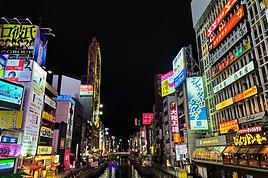
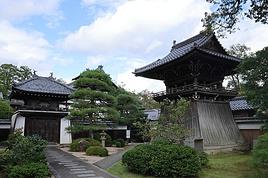
Bonjour a tous, j'envisage un voyage de 15 jours au Japon en avril, j'ai déjà prévu une semaine sur Kyoto, et ses environs, quelle autre région me conseillez vous pour une autre semaine, sachant que l'idéal serait d'avoir un point fixe et de rayonner autour pour des excursions d'une journée.
C'est le coté pratique, car cela évite de refaire les bagages et de changer d'hôtel trop souvent.
Je ne suis pas intéressé par Tokyo ou autre grande ville moderne.
Merci d'avance pour vos conseils.
Louable intention. Mais l'équation posée est difficile à résoudre, car rayonner pendant une semaine, cela appelle en général une grande ville. A moins de vous baser dans un petit bourg et de louer une voiture pour sillonner la campagne.
Dans une optique "transports en commun", je pense à deux options :
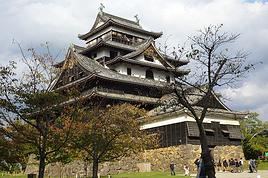
- Matsue
Plutôt une petite ville, mais ça va être difficile de meubler une semaine entière
- Fukuoka
Grande ville, mais avec de quoi faire une semaine de visites et excursions de la journée.
Vous devriez trouver assez facilement le blog de la spécialiste incontestée du lieu.
PS :
Je suppose que "région typique" signifie "correspondant aux clichés (au propre et au figuré) du Japon éternel diffusée par les magazines et prospectus d'agences de voyage"
En fait, il y a une grande diversité au Japon, pour des raisons notamment géographiques.
Bonjour a tous, j'envisage un voyage de 15 jours au Japon en avril, j'ai déjà prévu une semaine sur Kyoto, et ses environs, quelle autre région me conseillez vous pour une autre semaine, sachant que l'idéal serait d'avoir un point fixe et de rayonner autour pour des excursions d'une journée.
Impossible de vous conseiller une destination sans avoir une idée de ce qui vous motive et vous intéresse. Mer, campagne ou montagne ? Arts, artisanats ? Sports ? Architecture moderne ou traditionnelle ? Gastronomie ?
Chaque région en propose, avec des particularités ...
Et Kyoto est une grande ville à la fois moderne et traditionnelle, rassemblant tous les aspects du Japon, ancien comme contemporain, traditionnel comme "déjanté" (ce dernier aspect moins immédiatement apparent qu'à Tokyo ou Osaka mais présent malgré tout). Ce n'est pas et loin de là, que temples et jardins ...
Bonjour, et merci de votre réponse, je recherche plutôt la campagne, l'artisanat, les villages traditionnels , la gastronomie , pour faire une comparaison avec la France je dirais Le Périgord .
Merci de vos conseils.
Bonjour, merci de votre réponse , je vais étudier un peu plus une ville de départ pour pouvoir rayonner avec les transports publics et les taxis et je referais une suggestion.
Bonjour, et merci de votre réponse, je recherche plutôt la campagne, l'artisanat, les villages traditionnels , la gastronomie , pour faire une comparaison avec la France je dirais Le Périgord .
Merci de vos conseils.
La campagne japonaise n'a pas grand chose à voir avec le Périgord, et à moins d'avoir quelques notions de la langue, les contacts avec la population sont très limités dès qu'on sort des lieux et attractions touristiques.
Les villages traditionnels sont rarement intéressants ou même esthétiquement satisfaisants, ceux qui le sont relèvent de la préservation/reconstitution et du "piège à touristes" (j'exagère un peu, certes, mais ce qui est présenté comme typique, genre Shirakawa-go, quoiqu'architecturalement et culturellement passionnant, est maintenu artificiellement grâce aux flots de touristes nostalgiques d'un mode de vie qu'ils ne supporteraient pas plus de 2 nuits d'affilée 😉)
Quant à l'artisanat, il vous faut faire un choix pour déterminer un itinéraire : textiles, vannerie, poterie, bois, métal, papier, laque, verre, ... ? Une bonne idée est de combiner un artisanat régional à la production de Saké et/ou spécialités alimentaires locales ...
Je ne suis pas intéressé par Tokyo ou autre grande ville moderne.
Kyoto aussi est une ville moderne. Il ne faut pas croire que c'est une ville du passé. Il y a juste un quartier ancien, Gion, et des temples, mais sinon c'est une ville moderne.
Bonjour, je me doute que Kyoto n'est pas restée a l'époque impériale des siècles passés, mais il semble que ce soit la plus riche en vestiges de l'ancien Japon. J'essaie de voir ce qui nous change de notre environnement occidental, car les quartiers modernes de tours on a déjà vu meme chez nous, aucun intérêt pour moi, par contre un village de pêcheur ou un village ou subsiste un artisanat quelqu'il soit a toujours un intérêt , car pour arriver au meme résultat (poterie, lames de couteau, verrerie) leur technologie me parait différente.
Je vais essayer de chercher sur le net des lieux remarquables.
J'essaie de voir ce qui nous change de notre environnement occidental, car les quartiers modernes de tours on a déjà vu meme chez nous, aucun intérêt
Il ne faut pas croire pour autant que Tokyo ressemble à une ville occidentale. C'est justement l'un de ses intérêts, sa personnalité, sa variété... et le fait que ce soit loin d'être une ville uniquement constituée de tours (l'essentiel de la superficie de la ville est constitué de ruelles bordées de maisons ou d'immeubles bas).
les quartiers modernes de tours on a déjà vu meme chez nous, aucun intérêt pour moi,
Bonjour,
Contrairement à ce que vous semblez penser, l'habitat urbain japonais est très horizontal. Tous mes amis japonais (et moi-même, dans le passé) habitent dans des immeubles bas, voire très bas, où il n'y a pas une seule tour à l'horizon, au sens littéral du terme.
L'organisation des quartiers résidentiels (le tracé de la voirie, le réseau de petits commerces, le fouillis des lignes électriques aériennes, l'occupation de la surface au sol... la liste est infinie) est complètement différente de ce que l'on voit en Europe, et sont typiques du Japon.
Je vous reconnais bien volontiers le droit de n'y trouver aucun intérêt.
Bonjour, je me doute que Kyoto n'est pas restée a l'époque impériale des siècles passés, mais il semble que ce soit la plus riche en vestiges de l'ancien Japon. J'essaie de voir ce qui nous change de notre environnement occidental, car les quartiers modernes de tours on a déjà vu meme chez nous, aucun intérêt pour moi, par contre un village de pêcheur ou un village ou subsiste un artisanat quelqu'il soit a toujours un intérêt , car pour arriver au meme résultat (poterie, lames de couteau, verrerie) leur technologie me parait différente.
Je vais essayer de chercher sur le net des lieux remarquables.
Comme le dit Marathon, l'organisation de la ville japonaise est fondamentalement différente de celle des villes occidentales, même à architecture similaire.
Gardez les yeux ouverts et vous verrez très vite plein de choses, petites et grandes, qui diffèrent fortement de chez nous, même dans un environnement très urbain et hypermoderne. Si vous ne vous attachez qu'à la forme des bâtiments et des structures, vous manquerez d'énormes pans du "vrai Japon" 😉
Question artisanat, non, la technologie n'est pas fondamentalement différente mais les goûts sont évidemment autres et la tradition est davantage révérée et préservée que chez nous (l'artisanat "de tous les jours" n'y est pas décrié, maintenu aux marges et découplé de l'art, entre autres).
Quant aux domaines de la coutellerie et de la verrerie, ils ont été très influencés par la technologie occidentale. Savez-vous par exemple que les sabres ont remonté en qualité dès lors que les forgerons japonais ont pu profiter des connaissances métallurgiques des armuriers de l'armée de Napoléon III ?
Je vous recommanderai de vous installer dans la sympathique et pas trop touristique ville d'Okayama.
La ville en elle-même est suffisamment riche (château, jardin, musées, ...) que pour y circuler deux jours plein.
Je recommande plus particulièrement la visite de l'Orient Museum.
Cette ville est également idéale comme base de départ pour des visites à la journée de
- Kibitsu
- Kurashiki
- Takahashi
- Naoshima
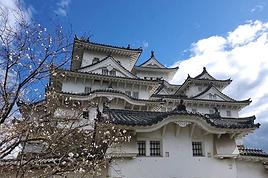
- Himeji
- Kotohira ou Takamatsu sur l'île de Shikoku
- Hiroshima ou Miyajima
C'est pas les endroits intéressants - à moins d'une heure et demie maximum d'Okayama - qui manquent.
PS pour tous les messages qui précèdent : toujours avoir à l'esprit l'avis de Fosco Maraini : Les Japonais prennent un plaisir inavoué à rendre leurs villes hideuses comme s'ils désiraient protéger leurs trésors véritables en les entourant de laideur.
"Nous ne sommes plus une communauté d'être humains qui se parlent mais un conglomérat de grappes de consommateurs en niches, séparés les uns des autres par des obsessions diverses et innombrables. Nous sommes de l'ère de la désintégration." Marc Moulin (1942-2008) in Humoeurs
Je vais y séjourner 3 nuits (donc deux jours pleins) le mois prochain.
Quels sont d'après toi les incontournables ? A Matsue et Izumo ?
Merci
"Nous ne sommes plus une communauté d'être humains qui se parlent mais un conglomérat de grappes de consommateurs en niches, séparés les uns des autres par des obsessions diverses et innombrables. Nous sommes de l'ère de la désintégration." Marc Moulin (1942-2008) in Humoeurs
Bonjour, et merci a tous pour vos infos, je vais suivre votre conseil et explorer un peu les sites indiqués a partir d'Okayama, je vais essayer de faire un séjour en étoile au départ de cette ville.
Je préfère en voir moins mais prendre mon temps et ne pas être obligé de changer d'hotel tous les jours.
Raga m’a volé Okayama.
Ça m’apprendra à visiter intensément le musée d’art d’Akita, dessiné par Tadao Ando...
Bref, Okayama, la ville du raisin, une valeur très sure, et dans la liste des excursions possibles, on rajoutera évidemment Bizen, ses forges de katanas et ses poteries, mais aussi Kojima, la ville du (blue) jean...
te renseigner sur des sites japonais, car mon édition du LP ne souffle pas un mot de Kure
d'aller sur place pour voir :
- le musée du Yamato
- le musée de la marine
- les sous-marins de l'allée Karasukojima
- le site naturel du port militaire
Evidemment, si on n'est pas intéressé par l'histoire de la marine militaire du Japon, mieux vaut s'abstenir. En revanche, c'est un bon antidote en cas d'overdose de temples ou de sanctuaires.😉
Sinon tu parlais plus haut de Matsue
Je vais y séjourner 3 nuits (donc deux jours pleins) le mois prochain.
Quels sont d'après toi les incontournables ? A Matsue et Izumo ?
Merci
Deux jours, c'est trop court, mais tant pis. Il faudra faire un choix douloureux entre :
J1 : Matsue : le château, le musée et l'ancienne demeure de Lafcadio Hearns. Il y a aussi une belle ancienne maison de samouraï, mais elle n'est pas unique en son genre. Je n'ai pas visité le Shimane Art Museum (dessiné par l'architecte auquel on doit le musée Edo Tokyo), et je crois que j'aurais dû. Il m'aurait fallu une journée de plus.
J2 : en excursion de la journée : l'Adachi Art Museum, qui est surtout un superbe jardin, assez unique en son genre. Le billet est un peu cher, mais justifié.
J3 : Izumo : ben, le sanctuaire et le musée qui y est attaché
J4 : Iwami Ginzan : ancienne mine d'argent dont la visite est tout aussi incontournable que celle de la mine d'or de Kanayama, sur l'île de Sado. (Ginzan 銀山 = "montagne d'argent", Kanayama 金山 = "montagne d'or" : ces noms ne sont pas fortuits)
Les railgeeks ne manqueront pas d'aller à Izumo (et à Iwami Ginzan via Izumo) en montant dans le Sunrise Express, l'un des derniers trains de nuit du Japon. (Court trajet terminal du train, ce qui permet d'en voir l'aménagement intérieur).
Bonjour, et merci a tous pour vos infos, je vais suivre votre conseil et explorer un peu les sites indiqués a partir d'Okayama, je vais essayer de faire un séjour en étoile au départ de cette ville.
Je préfère en voir moins mais prendre mon temps et ne pas être obligé de changer d'hotel tous les jours.
Okayama est en effet une excellente base pour rayonner dans la région. C'est en plus une ville sympathiquement active en soirée.
Bonjour, je m'imagine assez bien ces zones d'habitations horizontales, qui rappellent sans doute
ce que j'ai pu voir en Corée ou a Taiwan, cela n'a pas un grand intérêt, un peu comme si on allait visiter une zone pavillonnaire française, je pense que les étrangers n'y trouveraient pas grand intérêt. Je regrette seulement qu'un bon ami Japonais ne puisse me servir de guide, malheureusement il vit a San Francisco et n'a pas la possibilité professionnelle de m'accompagner.
Bonjour, je m'imagine assez bien ces zones d'habitations horizontales, qui rappellent sans doute
ce que j'ai pu voir en Corée ou a Taiwan, cela n'a pas un grand intérêt, un peu comme si on allait visiter une zone pavillonnaire française, je pense que les étrangers n'y trouveraient pas grand intérêt.
Tu vis d'a priori, tu supposes, sans chercher à connaître...
Ces zones calmes dans Tokyo (qui sont au cœur de la ville, mêlées aux quartiers plus actifs et non hors d'un centre ville comme en France) n'ont strictement rien à voir avec ce que l'on trouve en France ou n'importe où ailleurs en Europe.
Un étranger un tant soit peu sensible aux cultures différentes, à l'architecture et aux manières d'appréhender l'urbanisme de manières différentes de chez nous y trouvera au contraire un très grand intérêt.
Je m'imagine assez bien ces zones d'habitations horizontales, qui rappellent sans doute
ce que j'ai pu voir en Corée ou a Taiwan
Bonjour,
Non, justement, pour avoir aussi vécu à Taïwan, je peux vous affirmer que l'habitat y est très différent, même si on peut déceler ici et là la trace de la colonisation japonaise.
Cela n'a pas un grand intérêt, un peu comme si on allait visiter une zone pavillonnaire française, je pense que les étrangers n'y trouveraient pas grand intérêt.
Cela n'a pas un grand intérêt pour vous, et encore une fois, il n'y a aucun déshonneur à cela.
Je regrette seulement qu'un bon ami Japonais ne puisse me servir de guide, malheureusement il vit a San Francisco et n'a pas la possibilité professionnelle de m'accompagner.
Certainement. Je me souviens d'une visite passionnante d'un quartier "sans intérêt" guidé par un de ses habitants de longue date, dans un autre pays.
Bonjour, alors ce sera une bonne surprise pour moi, et j'en donnerais mon point de vue a mon retour, puisque il semble que ces quartiers Japonais soient très différents de ce que l'on peut imaginer.
Voici un (tout) petit échantillon de ce que peut réserver des balades dans Tokyo...
Ces ruelles sont bien des rues publiques et non des passages privés...
Tu constateras que ça ne ressemble pas trop à des quartiers résidentiels français 😛 !
Bonjour, et merci pour les photos, cela ressemble exactement au quartier de Taipeh ou j'étais ,
meme petites ruelles avec des maisons basses et beaucoup de plantes .
Voici un (tout) petit échantillon de ce que peut réserver des balades dans Tokyo...
Ces ruelles sont bien des rues publiques et non des passages privés...
Tu constateras que ça ne ressemble pas trop à des quartiers résidentiels français 😛 !
En effet, cela ressemble à mon ancien quartier à Taipei, qui datait de la colonisation japonaise.
Sauf qu'il n'y avait pas les embrouillaminis de fils électriques
Sauf qu'il n'y avait pas de K-car, mais des scooters
Sauf qu'il n'y avait pas de publicité pour un dentiste
Sauf qu'il y avait un extincteur tous les dix mètres
Sauf que les rambardes étaient en acier inox, et non peint
Mais c'était tout aussi intéressant pour le visiteur. 🙂
Bonjour, et merci pour les photos, cela ressemble exactement au quartier de Taipeh ou j'étais ,
meme petites ruelles avec des maisons basses et beaucoup de plantes .
et ce sera exactement la même chose dans n'importe quelle ville du Japon, petite ou grande ... sauf dans les quelques quartiers/villages "nettoyés" pour donner une illusion de "vraie japonitude" aux touristes.
Il faut vous faire une raison: les Japonais vivent fort confortablement et traditionnellement dans un aimable et relativement moche fouillis qui ne ressemble ni aux belles images lisses des catalogues de voyage ni aux idéaux épurés des salles de méditation des temples Zen 😉
et à la citation de Maraini qu'a évoquée à fort juste titre Ragamuffin quelques messages plus haut, il convient d'ajouter une paraphrase de celle de Jacques Faizan "la satisfaction esthétique au Japon relève de la volée de confettis " ...
(l'original est "Le bonheur est un festin de miettes", une de mes devises)
Les railgeeks ne manqueront pas d'aller à Izumo (et à Iwami Ginzan via Izumo) en montant dans le Sunrise Express, l'un des derniers trains de nuit du Japon. (Court trajet terminal du train, ce qui permet d'en voir l'aménagement intérieur).
Un railgeek en descendant du sunrise prendra la compagnie privée Ichibata pour aller visiter Izumo Taisha. Et en reviendra par Bingo Ochiai. 😎
- Fukuoka
Grande ville, mais avec de quoi faire une semaine de visites et excursions de la journée.
Vous devriez trouver assez facilement le blog de la spécialiste incontestée du lieu.
La question ne se pose plus mais se baser à Fukuoka cela veut dire faire des excursions à Nagasaki, Kumamoto ou Beppu, bof bof. Il vaut mieux scinder le séjour.
Bonjour, je ne vois pas ou il y a de mauvaise foi , je n'y suis jamais allé et je me ferais une opinion
après. Ci joint des photos de Taipeh , tout au moins dans le coin ou j'étais, la différence ne saute pas aux yeux. Mais il y a beaucoup de spécialistes du Japon sur le forum, d'après ce que je constate, c'est réconfortant.
Bonjour, je ne vois pas ou il y a de mauvaise foi , je n'y suis jamais allé et je me ferais une opinion
après. Ci joint des photos de Taipeh , tout au moins dans le coin ou j'étais, la différence ne saute pas aux yeux. Mais il y a beaucoup de spécialistes du Japon sur le forum, d'après ce que je constate, c'est réconfortant.
Bonjour,
Ces deux photos sont tout à fait typiques de Taïwan; cela me saute aux yeux qu'elles n'ont pas été prises au Japon.
Je trouve sans surprise quatre des cinq différences que j'avais pointées plus haut.
Il manque les extincteurs, mais j'aurais dû penser aux carrelages muraux à petits carreaux blancs, hérités de la Chine continentale.
S'ajoute à cela un transformateur placé en hauteur pour le préserver des inondations en cas de crue pour cause de typhon : c'est plus particulièrement typique de Taipei, situé sur un goulet d'étranglement en aval d'un vaste bassin versant.
Je crois qu'on ne verrait pas non plus l'idéogramme 慢 = " lentement)" sur la chaussée dans un quartier similaire au Japon.
Merci pour ces photos qui illustrent si bien mon propos ! 🙂
(Elles me rappellent aussi de bons souvenirs tant taïwanais que japonais)
Okayama ???
Très bon choix effectivement et il y a de très nombreux hôtels immédiatement en face, dedans ou derrière la Gare. De plus, selon sa publicité, elle se considère comme étant "le Coeur du Japon" et j'estime que ce n'est pas faux.
Il y a quelques dizaines d'années, nous avions choisi de séjourner une semaine complète à Kurashiki (banlieue à 15 min de train d'Okayama) dans un hôtel situé sur la place de la gare, devant le terminus des autobus et nous ne l'avons pas regretté au vu de tout ce que nous avons pu faire au départ de cet endroit:
- Okayama
- Takamatsu
- Shikoku Mura
- Kochi (une autre fois)
- Himeji (une autre fois)
- Niimi - Tsuyama
- Hiroshima - Miya-Jima *
- Excursion en bateau autour du Seto-Ohashi
- Fukuyama (par la ligne côtière)
* en retournant à Okayama pour prendre un des premiers Shinkansen et revenir en fin de soirée après avoir pris notre repas à la gare d'Hiroshima.
Tous ces endroits ont été visités non seulement pour eux-mêmes mais aussi pour les magnifiques trajets en trains pour y conduire.
Autre localité intéressante:
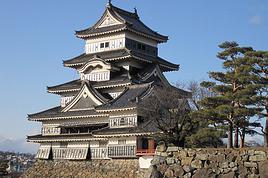
Matsumoto et son très joli petit château.
Excursions possibles:
Takayama
Vallée du Kiso
Tsumago-Magome
Kamikochi
Hotaka
Nagano
Bonjour,
je me permets de me joindre à votre conversation, parce que justement je reviens de 3 semaines au Japon.
Je vous conseil aussi comme point de base Okayama.
Je trouve que c est dommage de passer à coté dans grandes villes, sans y rester trop longtemps elles représentent elles aussi le Japon.
L' image que je retiens c'est justement ce paradoxe : villes démesurément hi tech/ sanctuaires cachés dans la montagne.
Je conseille +++ une nuit à Koya San.
Bonjour, merci pour votre information, je vais organiser ma 2° semaine sans doute de cette ville,
quel aéroport est le plus facile pour une arrivée internationale, Kansai international ou Central Japan International?
Merci
"quel aéroport est le plus facile pour une arrivée internationale, Kansai international ou Central Japan International?"
Qu'appelez-vous "facile" ? par rapport où vous voulez aller ou par rapport aux facilités de transfert ?
Cela dépend aussi de quel transporteur international il s'agit: par exemple LH va à Centrair alors que beaucoup d'autres vont à KIX.
Si c'est pour aller à Okayama; alors mieux vaut KIX.
Mais il faut maintenant voir quelles en seront les conditions d'utilisation au moment de votre
voyage car, depuis la grave collision d'un bateau avec la digue d'accès lors du dernier ouragan, le trafic ferroviaire est interrompu et il faut se débrouiller avec les navettes d'autocars alternatives.
Sinon, à l'après de deux ou trois heures de shinkansen, NRT ou HND sont aussi bons pour aller
vers partout dans le pays.
Je ne connais pas l’aéroport de Nagoya, mais je ne connais pas non plus d’aéroport japonais qui ne soit pas organisé et simple pour s’y retrouver...
KIX est la meilleure solution pour Osaka, Kyoto et Okayama.
Mais on peut effectivement aller directement de NRT à Okayama, je l’ai fait deux années de suite, sans problème.
"Mais on peut effectivement aller directement de NRT à Okayama, je l’ai fait deux années de suite, sans problème."
Nous aussi (avec Serow). Et une autre fois nous avons fait qqch d'encore plus tordu:
Etant arrivés à NRT vers les 08:00 heures et après avoir fait confectionner nos JR Pass, nous avons enchaîné le trajet suivant:
1) le NEX jusque Tokyo
2) un Shinkansen jusque Takasaki afin de rattraper (et dépasser) le Ltd Express que nous avions sciemment raté.
3) le susdit Ltd Express jusque Karuizawa pour le plaisir de parcourir le Shin-Etsu avant l'abandon du tunnel
4) déjeuner à Karuizawa
5) continuation par un autre Ltd Express vers Nagano et Joetsu
6) correspondance avec un train venant de Niigata pour Toyama après avoir demandé au bureau de Joetsu de nous indiquer un hôtel que nous pourrions trouver à Toyama où nous sommes arrivés vers 18:00 hrs (directement depuis la Belgique !!!).
7) ensuite nous sommes tombés dans un minuscule resto qui n'avait certainement jamais vu d'étrangers et où nous avons été accueillis par des autochtones qui nous ont fait goûter les spécialités de l'endroit.
8) inutile de dire que, cette nuit là, nous en avons sérieusement écrasé !
Malgré les nombreux messages sur le sujet que j'ai lu, je ne trouve pas de réponse qui me corresponde vraiment, alors je crée se post: Nous sommes 6 amis à la…
Asie du Nord-Est › Japon / Corée du Sud · 14 replies
Quel plaisir de voir notre forum ouvert de nouveau. Quelle surprise de retrouver certains anciens et anciennes. Bon, mon sujet de ce jour: je pars 3 semaines…
Je débute mes recherches pour préparer un voyage au Japon en 2021 (avril ou octobre pendant les vacances scolaires zone C avec certainement 11 à 12 nuits sur…
Photographie et vidéo en voyage › Japon · 6 replies
J'espère poster dans la bonne section. Je finalise les derniers détails pour mon 2 ème voyage au Japon et j'ai encore quelques doutes (entre autres) sur le…
En mars prochain, nous comptons (nous sommes 4) prendre un vol aller retour pour Osaka au Japon. Privilégiant les vols les moins chers, nous devons passer par…
Here are some tips from our 6-week trip (summer 2026) to China, Vietnam, and Cambodia. We traveled as a family of four with two kids aged 15 and 12.
I hope these notes help other travelers!
CHINA
General
You’ll need to download and set up a few apps:
- Alipay and WeChat for payments (I didn’t withdraw a single bill the entire trip)
- Didi for taxis
- Amap = Chinese Maps (works great, especially for subways)
- A translation app (we used Papago, but it sometimes gave weird results)
- Google Lens for translating menus or signs—super handy.
- HelloRide for bikes
- Gemini and ChatGPT for everything: understanding daily life, enhancing visits, checking the weather, finding things.
- HomeExchange if you want to lower travel costs (few listings in Asia except in big cities, often expats)
- Trip.com is very useful, even essential, for trains, domestic flights, and hotels. Like Booking.com, the more you book with them, the more perks you get. So I’d even suggest checking flight tickets on this site, even if it’s a bit pricier. However, buying train tickets is complicated because (1) they only open 15 days in advance, and (2) they sell out fast. Trip.com just promises to buy them as soon as they’re available but doesn’t always succeed. It’s stressful and might force you to change your plans, especially if you’re aiming for a sleeper car and there are no seats left. Watch out for station names—many cities have multiple stations, including a high-speed rail one outside the city.
For internet, we got the Asia plan from Holafly. It worked but seemed much slower than Chinese internet. I regretted not buying a Chinese SIM card because without internet in China, everything is VERY complicated (money, transport, etc.).
For the firewall, we used ExpressVPN, but it wasn’t always reliable. A bit disappointing. Ask ChatGPT for tips with screenshots to improve the settings.
Since we only had one SIM card with internet, we couldn’t rent shared bikes. If I were to do it again, I’d get a SIM for each person, even the kids, because distances in cities are huge. We walked *a lot*. Same goes for buses—it’s tricky with just one internet connection. Better to have a phone per person with internet.
Book your visits as far in advance as possible—they often sell out.
Watch out for power banks: if they don’t explicitly say "3C," they’ll confiscate it. Even if there’s a little airplane logo.
Shanghai
In the evening, the streets leading to the Bund from the metro were so crowded that police were out in force blocking roads. Arrive early. We went around the north side.
Suzhou
Be careful—there are two stations (common in China), and the high-speed rail one is 45–50 minutes from the old town.
The Humble Administrator’s Garden was *packed*—we don’t recommend it. It turned into a marathon day from Shanghai (almost 4 hours from our hotel to the garden).
Beijing
Forbidden City: Don’t go—I know it’s a shame, but it’s too crowded. I couldn’t buy tickets on the official site because of the kids’ passports. We ended up with a guided tour, the only way to get in (tickets sell out fast). The visit was disappointing—bad guide *and* massive crowds. You’ll queue a lot to enter and see certain areas. You’ll be checked often, so pack your bags carefully.
Great Wall at Mutianyu: Crowded. Two hours by bus, and even though we arrived early, people were already leaving! I really think the best option is to leave your big bags in Beijing and stay overnight near the Wall. That way, you’ll have it to yourself a bit more. For transport: get off at Tiananmen Square metro and look for buses with official guides in bright yellow-green vests. No need to buy tickets online—they made me cancel mine to rebook on the spot. Buses leave when full. Note: the cable car and chairlift are separate—if you want to go up one side and down the other, you’ll need different tickets. The endless queue for the toboggan ride put us off.
Quick tip: Incredible swimming spot in Beijing—on the north shore of Houhai Lake, you can swim by crossing the barrier. We did it twice with about ten other people. Bring a swimsuit!
Shapotou Desert
Amazing, but it gets *very* hot in the afternoon. We had a tent (not an air-conditioned bungalow), which was unbearable during the day. We hung out in the restaurant.
The paid activities are fun, except the camels—they look sad. The real highlight is the evening and sunset. The only downside: you can’t explore the desert alone or far—they don’t rent 4x4s, for example.
We stayed at "The Desert Camping Hotel of the Proprietress of Shapotou." They were lovely.
Zhongwei
Gaomiao Temple and its underground: Fun and short—you’ll see quirky Buddhist hell paintings.
Xi’an
Terracotta Army: We took a Didi because for four people, a car was almost the same price as four shuttle tickets. It was packed—chaotic to see properly.
We visited the halls in order: 3, 2, then 1—a good choice.
Hua Shan Mountains: Left before sunrise to arrive when the ticket office opened (7 AM, I think). We were shocked to see so many people already coming down.
45 minutes by bus to the west cable car, then 15 minutes up.
We did the west, south, east, central, then north peaks (in that order) before taking the other cable car down (you can buy the ticket at the top). A beautiful day.
In the city, check out...
Chengdu
Panda Research Center: Like Hua Shan, plan to arrive when the ticket office opens. Already *tons* of people, and it moves fast to see the big pandas before their nap. Have them drop you at the west entrance (not south), or you’ll have to walk uphill.
Leshan Giant Buddha: Interesting. The trip is a bit long (metro, then train, then city bus, then shuttle on-site). We didn’t take the boat option but walked. In the end, you only spend a few minutes at the Buddha’s feet, but it’s a nice day out.
Hotel tip: Panda Enjoy Home Hotel Apartments (Chengdu East Railway Station Dongda Road Branch). The view is insane, and the neighborhood is super convenient and nice. 646 CNY for 2 nights.
Swimming: The municipal pool is an interesting experience, but don’t expect to swim—no one does. Everyone just splashes around where they can stand. The hours are a bit odd, with a break in the late afternoon.
Kunming
The bike path along Dian Lake is pretty and often well-protected from cars. But like everywhere in China, it’s *packed*. Not much to say about visits—the flower market is a wholesale market, not very interesting. The ethnic minorities museum closed right in front of us.
All the big malls are good for shopping.
Dali
We thought we could bike around the lake in two days. Wrong on two counts: First, the lake’s edge is blocked to traffic and reserved for bikes (or tourist mini-buses). So you’re stuck on the main road, which never gives you a view of the lake, with all the trucks and cars. Doing 120 km like that wouldn’t make sense, in our opinion. The rice fields around are nice but not as impressive as elsewhere, so Dali isn’t worth it for that.
The old town, all restored, is pretty but *packed*—thousands of people, especially in the evening.
Hekou (Vietnam border)
Comfortable train from Kunming. In the parking lot, a bus (not well-marked, but Didi is an option) takes you to the border in 15–20 minutes. Short wait at both border posts. Fun to see the two lampposts near the border line: the Chinese one is new, modern, with a surveillance camera (of course), while the Vietnamese one is old and a bit rusty.
VIETNAM
General:
- You’ll need the Grab app for taxis
- Very disappointed with 12Go—it doesn’t show all buses, never connects you with the company, and refuses refunds. Try booking directly with companies like FUTA Bus instead.
- Credit cards are often accepted (supermarkets and modern stores), otherwise, you’ll need cash
Lao Cai
2 km between the border and the train station.
The sleeper bus to Hanoi with Sao Viet is well-organized—it works.
Hanoi
Ho Chi Minh Mausoleum closes early (10:30 AM, I think).
Women’s Museum: Very good, not too long
Temple of Literature: Beautiful, fairly quick
This is where you should buy souvenirs, clothes, and knockoffs—the prices are reasonable, and the sellers are nicer than elsewhere. We recommend Cho Dong Xuan.
Tu Long Bay
We did 2 days, 1 night (so really 24 hours on the boat) with Parfum d’Automne (French-speaking agency), which put us on a Cycad Cruise boat. Cost: 300 € per person—expensive, but it was amazing, super luxurious, and the buffet meals were delicious. We don’t regret the splurge. The only downside: no swimming in the bay (but there’s a pool on the boat). To swim, you’d need a 3-day, 2-night trip to an area not protected by the maritime park.
Phong Nha
If you didn’t do the northern mountains due to time or weather (like us), Phong Nha is a great stop for a motorbike ride. It’s beautiful, especially the mountains west of the city toward the caves.
There are two (small) swimming spots at the Botanic Garden—a pleasant 45-minute walk without stops.
Hotel tip: Sunbeam Village (very friendly, pool, breakfast by the river, motorbike rentals)
Da Nang
Hotel tip: Meridians by Hsuite—you’ll have the beach almost to yourself. You’ll still need to walk 15–20 minutes to the hyper-touristy area if you want to rent surfboards (150–200k VND per hour).
The beach is beautiful, and the water is 30°C—great for a break on a long trip, especially since all transport goes through Da Nang.
Hoi An
45 minutes from Da Nang, so it’s easy to visit in a day, especially since the city isn’t that big and it’s *very* hot.
Cooking class: MS Hanh cooking class—great (the market tour is a bit useless). We don’t recommend the "basket boat" tour—it’s a bit sad on a big brown pond with elderly guides.
Ho Chi Minh City
Ben Thanh Market is a nightmare: starting prices are exorbitant, and the vendors are aggressive. Don’t go.
The War Remnants Museum can be really tough for kids.
Can Tho
Avoid this city. We made the mistake of going to see the floating market—don’t.
Chau Doc
No Grab in the city, but regular taxis.
One day is enough if you go early to the forest and the mountain in the late afternoon.
250k VND per person for the forest and its canals (45 minutes by motorbike)
The sunset at Victoria Nui Sam can be magnificent if the clouds cooperate.
Cheap and good restaurant: Quan Nem Nuong Sau Hiep
Hotel tip: Homestay Khoa (2,250,000 VND for 3 nights)—adorable hostess, full of tips, clean rooms.
The speedboat to Cambodia is more comfortable than a bus. Book with Hangchau a few days in advance—payment in cash on the day (1,640,000 đ).
CAMBODIA
General:
- Issues with the "Bakong Tourists" app—we had to go to a big bank to load money onto it. We barely used it afterward.
Phnom Penh
For us, a day and a half is enough if you want to spend more time elsewhere.
Markets close early (around 6 PM) and are less interesting than in Hanoi, for example.
The Royal Palace has a break from 11 AM to 2 PM, but there aren’t many people in the afternoon.
Siem Reap
Trip with Capitol company—the bus is basic but cheap. Departs at 10:15 AM, 7-hour ride.
Angkor entrance fee: 62 USD per person for a 3-day pass. Tickets are picked up at Angkor Enterprise.
Renting two 125cc motorbikes: 10 USD each, plus 7 USD for gas.
By bike, it took me 25 minutes to reach Angkor Wat’s pools. A basic city bike rental was 1 USD per hour.
Short circuit by motorbike (in reverse): 7 hours with stops everywhere.
Grand tour by tuk-tuk: Only 5 temples, 4.5 hours.
If you want to see lots of monkeys, they’re grouped west of Bayon.
For the temples, we asked Gemini (AI) at each stop to point out details that might interest kids (who can get bored with the repetition). It gave fun facts and things to look for—great for the little ones.
Hotel tip: The Five Senses, run by a Frenchman, Bruno, who knows Cambodia inside out and organizes tours.
Restaurant tip: Wild (only spring rolls, but *so* many varieties—delicious and cheap)
Watch out: 1 hour to the airport, 50 km from the city.
Show tip: The Phare Circus
Hey there,
In the sea of VPNs, I'm looking for one to use in China for just a month (free or paid). Which one should I pick? All the ones I've found are for several months or even a year.
Has anyone taken the bus recently, especially the Busda bus from Dongsi subway station to Mutianyu or the special tourist bus from Qianmen to Mutianyu? If so, I’d love to hear your feedback!
I’m traveling solo to China on September 18th and I’m completely overwhelmed by all the info out there.
This isn’t my first trip, but it’s still tough to make choices, so I’m open to outside perspectives.
This time, the plan is southern Kyushu with a slightly more off-the-beaten-path twist.
I’m not sure if you’ll be able to help since I’m skipping some of the classics in Kyushu, but you never know.
I’d love to hear your thoughts on whether this itinerary is realistic in terms of time spent in each place, travel time, and the overall pace of the road trip. Just to note, I already have my translated driver’s license.
Here’s the itinerary:
- **Day 1:** YAMAGA / overnight in Yamaga or Kumamoto
Depart from Osaka by train early in the morning to Kumamoto, pick up the rental car, then drive to Yamaga for a visit. Overnight in Yamaga or Kumamoto.
- **Days 2–4:** HITOYOSHI / overnight in Hitoyoshi
Drive to Hitoyoshi for 3 days and 3 nights, including a visit to the town, nearby waterfalls, a walk along the Kuma River, a tea producer visit, and some craft activities.
- **Day 5:** AYA / overnight in Miyazaki
Drive to Aya, visit the town, craft activities, the forest, and the suspension bridge.
- **Day 6:** AOSHIMA - NICHINAN COAST / overnight in Miyazaki
Udo Shrine + Aoshima + scenic drive along the coast.
- **Day 7:** MIYAKONOJO / overnight in Shibushi
Drive to a waterfall, then continue along the Nichinan Coast if there’s anything left to see, or visit Kojima Island.
- **Day 8:** SHIBUSHI
Walk around the port and along the Osumi Peninsula coast, maybe as far as the Kishira/Hetsuka coast, or visit a black pork producer, a market gardener, or a tea producer. Overnight at a farm?
- **Day 9:** KANOYA / overnight in Kagoshima
Visit Ogawara Waterfall, Nishiharadai Park, and Kannon Cave, then Sugawara Shrine, followed by the drive to Kagoshima.
- **Day 10:** KAGOSHIMA / overnight in Kagoshima
Explore the city + whisky distillery in Hioki.
- **Days 11–12:** KOSHIKISHIMA / 2 nights in Koshikishima
- **Day 13:** AKUNE OSHIMA / overnight in Akune
Ferry, then drive to Akune Oshima with a stop at Sendai Taki.
- **Days 14–15:** AMAKUSA / overnight in Amakusa
Drive via Nagashima and visit Shimoshima (Amakusa).
- **Day 16:** AMAKUSA / overnight in Fukuoka
Drive back toward Kumamoto with stops along the way, return the rental car, then take the train to Fukuoka.
- **Days 17–18:** FUKUOKA CITY / overnight in Fukuoka
Possible half-day excursion to Nokonoshima, Munakata, or Nanzoin.
Any thoughts or suggestions?
Too ambitious?
I could add an extra day but would prefer not to if it means less rushing around.
Hi,
July 2026: I’m writing to you from Dali.
First, I got scammed on Booking—AI-retouched photos. No tourists at this hotel (Yishanju Designer Hotel), and the reality was horrible: dirty, with a disgusting breakfast. It’s better to use Trip.com here.
Next, the old town was an infernal cacophony, packed with tourists who shoved past without a care. Some vendors harassed you to buy things. All the stalls sold the same cheap plastic junk or other uninteresting stuff. The beautiful scenery was ruined by vendors lining 100% of the alleys. Impossible to walk, crushing heat, nothing good to eat except fresh fruit. Horrible experience.
Day 2: We went to Cangshan Mountain by cable car—the ride was short and nothing spectacular. We were at 2,600 m.
My plan was to see Erhai Lake. Unfortunately, I followed the advice of an AI chatbot: take the boat at Langkan Dock. The Didi dropped us off in the nearest area, which was full of charming little alleys but packed with Chinese tourists. The three-wheeled yellow cabs zoomed through the narrow streets, forcing you to hug the walls, on top of the scooters and other pedestrians to deal with. Crossing the neighborhood was hellish and suffocating. Once out, we hit the "corniche," which was also packed with Chinese tourists. The lake’s edge was all pebbles, and everyone was standing around taking photos. I was with my 5-year-old son. I would’ve liked to sit down and let him play with stones by the water, but it was clear we didn’t belong. They were even shoving each other for a shot! There were no boats in sight. In short, we’d had enough, and there was nothing interesting there either.
On the way back, we had to cross that maze again under the scorching sun. My son was braver than me—I even had a little dizzy spell from all the chaos. Add to that Dali’s altitude (2,200 m), so altitude insomnia, fatigue, and vulnerability during the day...
The restaurants weren’t inviting—the staff served sticky rice in a little bucket. The dishes were wrapped, and you had to figure it out yourself. After that, they ignored you completely, even if you were the only tourist.
On the 3rd day, it was time to leave for Shaxi. I hope to see beautiful villages. But honestly, I’m exhausted by this atmosphere where everything is complicated, communication is never smooth, noise is everywhere, and the behavior of some Chinese people is abusive...
Silver lining: not a drop of rain in 4 days and blue skies.
I couldn’t visit the villages in southern Yunnan because of rain and storms there...
But I was expecting to see a few more tourists.
Hi everyone,
To simplify logistics, I'm considering renting a car for 5/6 days in the Japanese Alps before heading to Kyoto solo.
Is driving difficult or even risky in this region?
Thanks for your feedback!
Tara
We’re arriving as a group of three in Tokyo on Saturday, October 17th, then heading straight to Kyoto by direct train.
On Sunday and Monday, we’ll explore Kyoto, and in the evening, we’ll take a train to Osaka to spend the night.
On Tuesday, we’ll pick up a rental car at Itami Airport for a 6-day/5-night road trip around Shikoku:
- 2 nights in the Iya Valley
- Thursday morning, we’ll head to Matsuyama for 2 nights.
- Saturday, we’ll visit Mima (town, a few temples + overnight stay) and return on Sunday to drop off the car in Osaka.
We’ll leave very early on Monday the 26th by plane for Aomori in northern Honshu, where we’ll pick up another rental car at the airport for a 5-day/4-night trip:
- Day 1: Tsugaru Peninsula (Takayam Inari, Cape Tappi, Kanita); overnight in Kanita
- Day 2: Ferry transfer to the Mutsu Peninsula (cliffs, Lake Usori); overnight in Shimofuro
- Day 3: Head to the Hakkoda Mountains and onsens galore; overnight TBD
- Day 4: Return the car in Aomori by noon and explore the city before taking the train to Tokyo in the evening
We’ll spend Friday night in Tokyo, wander around on Saturday, and head home on Sunday.
Thoughts on the road feasibility of this trip? We’ll be there right in the middle of Koyo season, so it’ll be busy...
I know it’s a lot of driving, but there are two of us who can take turns. We’re not afraid of driving, even in the mountains and on the left side! Just wondering, are we going to be rushing, or is this manageable? AI says it’s all good, but it’s not the one driving...
Any tips for booking accommodations in the Iya Valley? Not many places have email addresses or websites (I know Booking.com exists, but not all listings are on there... and given the season, I think it’s better to book ahead!). Same question applies for northern Honshu.
For the rental car, I’m thinking of going with Alamo since at least it’s in French and straightforward, but are there any direct rental companies with user-friendly websites (Toyota Rentacar, ugh... 🏴☠️)?
Another question: With so many trains, is it even necessary to book them in advance? Can we just go to the ticket counter and grab seats on the spot?
For paying for the rental car, do we need a credit or debit card?
I saw there are several "authentic" villages about 90/100 km from Beijing.
Including: Lingshui, Liuliqu, Sangyu, Miaoying, and Cuandixia.
Has anyone visited any of them? I was thinking of choosing Cuandixia—what do you think?
Thanks in advance.
Hi everyone!
It seems there’s a flea market in Tianjin that’s way more interesting than the one in Beijing. I’ve been searching online but can’t find the right one… The one I’m looking for is called gu wan shi chang (my PC won’t display the Chinese characters…). Does anyone have the address and has anyone been there before? The one in Beijing has lost a lot of its charm over the past 10 years, so I wanted to find another. Thanks!
Hi,
My departure is coming up soon—two months backpacking in Taiwan, so much to discover! I’d love to hear about your travel experiences.
My main interests are meeting people, understanding how things work, hiking, and nature in general. I’ve also done a lot of reading about Taiwan’s complex situation.
I do stone sculpture.
I also want to visit Orchid Island for its history.
Marie
I’m looking for advice from seasoned travelers about a roughly one-month trip to Japan.
From late October to late November 2026.
We often travel in Southeast Asia but have never been to Japan.
Based on what I’ve read, I’d love to hear your thoughts on:
- Is traveling day-to-day, without booking hotels or trains in advance, possible in Japan?
(I’ve read many travel journals and blogs that say everything was booked way in advance… but that’s not how we usually travel.)
- Will the Japan Rail Pass be worth it for us?
(According to an old simulator, I’m looking at around 400 € for trains compared to 570 € for the JRP.)
Here’s our rough itinerary (which may change):
- Arrival Osaka: 3 nights with Nara
- Hiroshima and Miyajima Island: 3 nights
- Kurashiki or Naoshima: 2 nights
- Himeji: 1 night
- Kyoto: 4 nights
- Kanazawa: 2 nights
- Takayama and Shirakawa-go: 3 nights
- Around Mount Fuji: 3 nights
- Tokyo with Nikko: 6 nights (no theme parks)
Departure from Tokyo
I booked my trip from May 5 to 26, 2027. I’m starting to plan my itinerary and look for hotels (I know it’s early!). While I’ve found some in Seoul and Busan, I’m noticing that elsewhere—like Yeosu—most hotels aren’t available (on Booking.com, for example, almost all are unavailable). AI tells me not to worry because hotels in South Korea only open bookings 6 months in advance, so it’s normal to see most of them unavailable on booking sites.
Could you confirm this for me and, of course, reassure me (!)? Thanks so much.
philippe
We’re back from a one-month trip to China and wanted to share our itinerary. Hopefully, this can give future travelers some ideas for exploring this beautiful country.
Beijing → Temple of Heaven / Forbidden City
Jinshanling → Great Wall
Zhangjiajie → Tianmen Mountain and Heaven’s Gate
Wulingyuan → Avatar Mountains / sandstone pillars
Fenghuang → riverside houses
Ping’an → terraced rice fields
Tiantouzhai → village / rice terraces
Yangshuo → Li River / karst mountains
Shanghai → skyline with the Oriental Pearl Tower
Our travel journal is available on our travel journal, written day by day. You’ll find lots of photos and some travel tips there.
I’m starting to look at neighborhoods in Seoul, and I’m leaning toward staying in a hotel in Insa-Dong—I’ve spotted one really close to Unhyeongung.
Is this a good area—nice and convenient for exploring the city?
Otherwise, I’ve also found another hotel in Yongsan-Gu, right near the station of the same name. Is that station useful for getting around Seoul?
Since I’ll be in South Korea for nearly two months, I plan to spend at least a week in Seoul to recover from jet lag (it takes me a while to adjust...). So, I’d love a neighborhood that’s pleasant and a hotel not too far from a subway station.
Hi there,
I’d like to do this cycling route over 2 or 3 days. I’m struggling to figure out and find a (good) bike rental that lets me start in Onomichi and drop off in Imabari. Can anyone help with great tips for rentals and accommodations along the route? How do I get back to Onomichi afterward?
Next year, we’re celebrating 20 years of marriage (and travel 🙂), and we’re looking for something new, pretty legendary, and something the teens will enjoy too.
The family council has settled on Japan for now. And it’d have to be a summer trip—no choice there.
The catch: I keep reading that August isn’t the right season for southern Japan. It’s hot, humid, and there’s a risk of typhoons… Okay, but what does that *actually* mean in practice? Are there any travelers who’ve been there during this time? Is it *that* unbearable?
We’re pretty familiar with Southeast Asia—last year, we dealt with scorching heat in Vietnam and insane humidity, plus a typhoon we experienced from a distance, and visiting Angkor in the blazing sun. Is it worse than that?
I’m back with my detailed itinerary for 20 days in South Korea—it’s my first trip to the country. Our idea is to experience a more rural and cultural Korea. Here’s the rough plan: Seoul for 4 nights at the start and 1 night at the end, Gurye for 4 nights, Suncheon for 4 nights, Namhae for 4 nights, and Gyeongju for 2 nights. The goal is to pick a base and explore the surrounding areas. What do you think of this itinerary? Anything you’d change?
thanks
hi everyone, we're heading out for a 12-day trek in the Japanese Alps. We're bringing freeze-dried meals like we always do. We just found out that importing meat is banned, even freeze-dried. Is that true? We already bought them. They're commercially made freeze-dried meals. Online, it's not specified that they have to be "commercially made" because you can make your own freeze-dried food. And since we've heard they're really strict in Japan, can anyone confirm this for us? thanks
I haven’t found what I’m looking for despite my searches!
For a 15-day trip next spring, I’d like to buy a card (preferably an eSIM, but a physical SIM is fine too) that also lets me make calls in the country (to contact a hotel, a tourist spot, etc.).
You can easily find options just for data, but I haven’t come across any that include calls, texts, or even MMS.
Could you recommend something?
hi there
I’m planning a trip in September—here’s my rough itinerary. What do you think? Is it easy to rent a car to get around between my stops? Thanks so much!
Philippe
StopNightsFull daysSeoul44Gurye (Jirisan)43Suncheon43Namhae43Gyeongju21Seoul1—
We’re planning a 17-day trip to South Korea in October 2026 with my husband and our daughters, who’ll be 9 years old.
I’d love to get your thoughts on our draft itinerary.
First, some key details:
1/ Jeju Island is a must for us. I’ve personally dreamed of going there for years after reading a novel about it.
2/ Our girls are used to road-trip style travel since they were born, so this kind of trip won’t be an issue for them.
3/ We plan to travel by train, except on Jeju where we’ll rent a car (we already have an international driver’s permit).
Itinerary:
Seoul: 1 arrival day at 10 AM + 4 full days
Gyeongju: 2 days
Busan: 3 days
Jeju: 4 days
Seoul: 2 days
Hi there,
My girlfriend (23) and I (24) are heading to Japan for the first time from October 20th to November 6th. Here’s our itinerary:
6 nights in Tokyo
1 night in Hakone (ryokan already booked)
4 nights in Kyoto (hotel already booked)
2 nights in Osaka
4 nights back in Tokyo
I’d like to book hotels for Tokyo (both stays) and Osaka, but I’ve gotten so many different recommendations.
I’ve read that Shinjuku is the place to be for its huge hub, accessibility, and things to do, but I’ve also heard about Shibuya, Asakusa, and Ueno.
I’ve looked at hotels, and first off, I’m surprised by the prices compared to what I’ve seen on forums (I guess inflation’s hit here too… and maybe I’m late to the booking game?). I’m feeling a bit overwhelmed with all the options.
For our first stay in Tokyo, I’d prefer a hotel (not a residence or Airbnb) since we’ll be arriving at night, and it’s our first time in Japan. It’d be great to have a place with a reception, staff who speak at least a little English, and can give us some guidance. For the second stay, we could consider other options if it’s better.
Budget-wise, we can go up to 150–180 € per night, but if we can save some money to spend elsewhere, that’d be amazing!
I’m open to all recommendations, hotel suggestions, or any other tips for Tokyo (first stay), Osaka, and Tokyo (second stay).
Hi there,
I’m getting ready for a classic tourist trip to China in May 2026.
The "Terres Lointaines" itinerary looks good to me, and the price is interesting.
Has anyone traveled with them before? Any feedback?
Is there a better option?
Thanks so much for sharing your experiences on this!
Michel