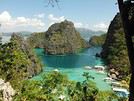
Preparant un grand periple en Asie, je suis en train de m'equiper en guide de voyage. Laos, Cambodge, Indonesie... le choix est vaste et les guides multiples... sauf pour les Philippines !
Le "LONELY" n'existe qu'en version anglaise, je n'ai pas trouvé de "ROUTARD" sur cette destination et meme sur internet, les infos sont nettement moins nombreuses.
Mon fournisseur d'acces (dont le nom commence par un A et se termine par un L...) met a la disposition de ses abonnes un service special voyage en partenariat avec le "ROUTARD". Se site propose une mine d'infos pour avoir une premiere approche d'une multitude de pays et a nouveau, les Philippines s'en trouvent absents.
A quoi est du cette carence en infos concernant ce pays ? On m'a pourtant dit qu'il ne manquait pas de charme et qu'il proposait des plages tout aussi blanches et ensoleillees que la Thailande. Qu'en est-il vraiment ?
Si vous avez des infos sur le pourquoi de la chose, tout comme sur le pays en lui-meme, je suis preneur.
C'est vrai que Les Philippines sont un pays peu fréquenté par les français alors que c'est une destination courue par les allemands.
C'est peut-être dû à des raisons historiques qui font que les français sont plus naturellement attirés par leurs ex-colonies, donc par la péninsule indochinoise.
si tu tiens a aller aux philippines, il existe un excellent guide de voyage en anglais : philippines travel guide de jens peters, la derniere mise a jour date de fevrier, a trouver sur amazon...
faut quand meme dire que si on se place du point de vue de la plongée les Philippines sont pas mal du tout !
Les spots ne manquent pas...
En Indonésie aussi il est vrai !
Les prises d'otages par des islamistes dans le sud des phillippines il y a 3/4 ans, n'ont pas rendu le pays trés populaire en France. Les iles du sud sont toujours déconseillées par le ministère des affaires étrangères français.
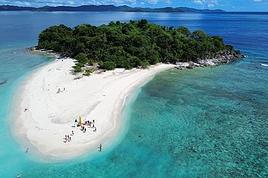
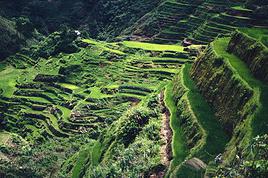
Il n'empèche que ce pays recelle des petits bijoux d'iles paradisiaques, montagnes, rizières en terrasse et spot de plongée qui valent le détour.
Si la nature est belle, a contrario, le pays n'est pas riche en architecture. D'influence américaine, n'espérez pas parler français.
Il n'y a pas de guide du routard??? Au moins personne ne se plaindra que l'on retrouve tout les lecteurs du guide au même endroit.
plongee bouteilles je sais pas, mais d apres les plongeurs ca vaut aps l indnesie non plus.
enin bon pour le snorkeling la ce st clair, les phils sont loin derriere!!!!
aucne comparaison avec disons banda, sangalaki, alor, et meme bunaken.
Je juste faire un petit copier coller d'un précédent message:
"Le risque aux Philippines ne se situe qu'au Sud de l'archipel, c'est-à-dire Mindanao et l'archipel Sulu.
La carte diffusée par le Ministère des Affaires Etrangères est périmée, mais aussi j'ai flippé quand j'ai vu qu'elle était toute rouge!! J'ai appelé l'office de tourisme des Philippines à Paris, ils m'ont dit qu'à plusieurs reprises ils ont demandé au Ministère une mise à jour de cette carte qui ne correspond plus à la situation actuelle et qui leur porte tort énormément... Sur place, avis unanime: tous les Philippins nous ont parlé de risque quasi-nul (nous l'avons constaté) mais de ne surtout pas aller à Mindanao nous étions sûrs de ne jamais en revenir ! (les mercenaires d'Abu Sayaf sont encore très actifs...) "
Oui tu as des plages qui valent celles de Thaïlande, mais avec nettement moins de tourisme (exception faite de Boracay). La destination est boudée par les Français, je n'en ai pas croisé un seul en 1 mois...
Je ne conseille pas particulièrement le Lonelyplanet sur ce pays, il m'a un peu déçu, essaye l'autre guide qu'on t'a cité dans cette discussion.
Pour conclure, tu ne trouves pas qu'un pays pour lequel on manque d'infos donne encore + envie d'y aller?😉
bon, de toutes façons, 90% des gens qui font un périple en asie ou un tour du monde évitent soigneusement les philippines pour des raisons qui m'échappe vu qu'ils n'y ont jamais mis les pieds ! Donc inutile d'épiloguer, tu y vas ou tu suis le troupeau...
(c'est pas péjeuratif)
Avant, je manquais d'infos sur les Philipinnes, ma vie etait un enfer. Maintenant grace a mes amis de VF et a sa fonction recherche, j'ai pleins d'infos. Merci VF et sa fonction recherche qui decolle l'ignorance et l'empeche de se redeposer sur mon petit cerveau ! 😉😉😉
Deux petits messages persos
Salut Citoyen du monde, je savais que tu etais du coin. J'avais reconnu la place Plumereau sur la photo jointe a ton profil !
Salut Lemmy, je pense au contraire que quand certains membres du troupeau un peu moins dociles cherchent à comprendre, il est necessaire d'épiloguer. C'est ainsi que les choses avancent.
Grace a vos infos et en particulier au site de Citoyendumonde, je commence enfin a me faire une opinion... une excellente opinion en toute franchise... Je repondrai donc par l'affirmative a ta question Lemmy. Je viens de rajouter les Philippines a la liste des pays que je vais traverser au cours de mon periple d'une annee en Asie !
Une simple confirmation de ce que dit Lemmy: le Lonely Planet n'est pas au top et le guide de Jen Peters est tres bien.
Les Philippines ne sont pas plus dangereuses que les autres pays d'asie, avec l'exception de Mindanao: c'est une destination a eviter si tu n'es pas accompagne d'un local.
bravo pour ton site et tes photos superbes des phils (j'en ai également d'aussi belles, c'est facile la bas vu la beauté des paysages ! mais j'ai pas le temps de créer un site snif !!).
Sinon juste une précision, la photo du 1er twin lake sur negros pres de dumaguete, ben c'est pas encore les twin lakes, c'est juste un étang 200m avant le 1er twin lake je l'ai shooté aussi rapport aux arbres dans l'eau !
il faut suivre la piste qui continue en hauteur sur 200 m pour accéder aux twin lakes, ils refaisaient le chemin quand j'y suis passé en janvier, (donc en becane de dumaguete (1h ) c'est les doigts dans le nez !)
les twin lakes c'est 2 cratères e volcan et pour accéder au 2eme lac il faut traverser une partie du 1er lac, donc louer une bancas ... (100 pesos c'est pas long !)
c'est une ballade tres agreable en becane et outre les lacs, les paysages sont fantastiques (ah le point de vue sur l'ile de cebu en face avec les collines devant ...) snif ...
Non, c'est pas vrai? 😮 Justement j'ai trouvé les Twin Lakes très décevant, mais je ne suis peut-être pas allé au bon endroit? Je suis bien monté au second lac 200m + haut, ils louaient des barques, mais comme on était un peu déçus, on a fait demi-tour, surtout qu'arrivés à l'embarcadère des barques, on n'a vu aucun chemin pour continuer la balade... Et les guides ne nous ont pas dit que la banca était indispensable... mince alors!
Merci pour le site, tu sais, tu peux mettre en ligne très facilement ton album photos sans avoir à faire un site, comme par exemple Parvat qui utilise yahoo photos (et franchement ça rend bien) ou même sur trekearth, je m'étais amusé à en mettre quelques une http://www.trekearth.com/members/loic-paradise/
salut,
juste pour dire que je viens de mettre mes photos de mon voyage aux phils de jan/fev 05 sur le site wistiti sous le tittre : philippines
un bon aperçu des phils il me semble...
ps : citoyen du monde il y a les twin lakes dessus !
hello, nous revenons de deux ans passés aux philippines ou nous habitions, nous avons beaucoup voyagé dans ce merveilleux payx, si tu veux des infos, n'hesites pas
Mon épouse, originaire, des philipines, à du faire un travail de fin d'etude en Français.
Si cela t'intéresse c'est déjà cela.
Maintenant coté touristique et déplacement, c'est vrai, j'ai le mm problème.
C'est à chaque fois + un départ à l'aventure qu'un voyage organisé.
(Mais voir quand mm Lakbay.net pour les déplacement en avion à l'intérieur du pays - Attention tous au départ de Manillle)
Il y a un reportage intéressant sur ce site.
Voir Loic, tu y trouveras pas mal de photo. Il vient de revenir. J'ai malheureusement pas noté l'adresse de son site.
Envois un mail et je te donnerai, la liste de mes favoris en attachement. A toi de voir si cela te convient.
C'est tout ce que j'ai déjà glané.
Bientôt, je compléterai mon propre site avec ces info.
Je viens de lire votre msg.
Comme, fin Aout, je me rend, une fois de plus aux philippines, si vous pouvez me donner plus d'info, en particulier sur les déplacements à l'intérieur du pays et d'ile en ile, ce serait sympa et le bienvenu. (Lieu de départ conseillé, Horaire, idée de prix)
Sur Lakbay.net, j'ai trouvé des déplacements en avion à bon prix. Mais tous au départ de manille. (Confirmé à Loic)
Il me faut donc chaque fois y retourner pour reprendre un autre vol ??? 🙁
Existe t'il d'autre possibilité ?
J'aimerais d'abord rassurer certains internautes.
En Fev 2001, je m'y suis rendu pour la première fois et je suis resté à Bocaue (20 Km de Manille) pendant 2 mois.
Pour la petite histoire : je n'ai pas vraiment fait du tourisme cette fois là, puisque j'y allais d'abord pour connaitre la famille de ma futur épouse et donc aussi pour y règler toutes les formalités administratives en vue d'un mariage ici en Belgique.
Je l'avoue, cela fut pénible, une vrai guerre de papiers tant pour obtenir les documents en vue du mariage que pour obtenir son rappatriement définitif. Mais cela est une autre histoire.
Toujours est t'il que pendant deux mois, j'ai eu l'occasion de visiter tout les types d'administrations qui existent à Manille.
Nous étions donc souvent à Manille, de jour, comme de nuit et jamais ne n'ai rencontré le moindre problème.
Bien au contraire, tout au long de ces deux mois, j'ai toujours été le centre d'intérêt majeur de la famille, des voisins mais aussi de nombreuses personnes aux seins des administrations qui sans cesse posaient des questions. J'ai toujours été très bien reçu.
Coté langue, vous pouvez, en effet, oublier le français. (Tagalog et Anglais). Sur seux mois, je n'ai rencontré qu'une seule personne parlant le français. Cela faisait plaisir et on en a profité pendant deux bonnes heures. 🙂
Trois remarques importantes sur Manille : Se méfier du métro aérien, Pickpocket. ils sont très habiles et bien organisés. J'y ai eu droit sur la fin de mon congé.
Donc un conseil, promenez-vous avec les photocopies de vos documents, cela suffit (Je parle des déplacements journaliers)
Placez votre argent à plusieurs endroit.
Je n'ai donc perdu que ma carte Visa. Une heure après, elle était bloquée et quatre jours plus tard, je recevais la nouvelle.
Munissez-vous du N° de TF à appeler en cas d'urgence et allez dans une banque, ils vous aideront, l'appel étant un N° gratuit. La deuxième chose sont les taxis.
Rappelez poliment au chauffeur d'enclencher son compteur. Après vous avoir proposé un prix, si vous le refusez, certain vous prieront de sortir. Pas de problème, les taxis ne manquent pas. J'ai trouvé des chauffeurs honnêtes et d'autres qui essayent.
Mais en règle générale, le prix demandé est souvent doublé par rapport à celui des compteurs.
Exemple : Pour aller de Monumento à l'aéroport, ils demandent 300 Pesos (en 2001). Le compteur indiquait 150.
Donc avec service 180 Pesos. En 2001 : 1 Euro valait 40 Pesos, aujourd'hui 1 Euro en vaut 70. Enfin :
Mefiez-vous à Manille des pièges pour touriste comme les calèges ou ce qui y ressemble.
Ils vous proposeront de faire un tour d'environ deux heures pour 700 Pesos. Mais à l'arrivé, le prix est soit disant par personne !!! 😠
Ils n'hésiteront pas à appeler la police qui tranchera. Comme j'étais accompagné de 3 philippins, il me réclamait 2800 Pesos soit 70 Euro.
Finalement le prix à été fixé à 1000 Pesos à cause du cheval - allez savoir (25€). Le salaire moyen d'un Philippin (en usine ou d'un vendeur) était de 22 Pesos de l'heure. Comparez donc.
Pour info : Ces pratiques sont les mêmes en Italie ou en Tunisie (Chameau). A éviter donc. De 06 à 20 heures, Il y a toujours un trafic impossible et le plus rapide c'est le métro.Transports :
Courte distance : Ils existent les Tricycles : en moyenne 10 pesos par personnes - A Manille idem mais mais un vélo au lieu d'une moto.
Distance Moyenne : Les Jeepneys : 4 à 5 Pesos pour une distance de 3 à 5 Km, 11 Pesos (10 Km). En cas d'urgence, vous pouvez réserver une jeepneys pour vous tout seul (18 places à payer), et il vous conduira (sans s'arrêter à l'endroit prévu. Il doit seulement rester sur son ittinéraire.
Bus courte distance : Bulacan - Manille : 22 Km : 50 Pesos (2 heures de trajet)
FX TAXI = Taxi partagé - 8 à 10 places : Ce que je vous recommande : Minibus - Van avec air conditionné :
Bulacan - Manille : 22 Km : 35 Pesos (Aussi 2 heures de trajet mais dans le confort). Il existe tout un réseau de FX Taxi dans Manille et alentours (25 Km) mais là hélas, il m'est impossible de fournir une documentation quelconque. Je n'ai rien trouvé. Même mon épouse devait se renseigner suivant nos besoins.
Pour allez plus loin : L'avion n'est pas très cher.
Locations : Possible de louer un véhicule ou des motos (Voir témoignages d'autres internautes - En général fortement déconseillé)
Location d'une Jeepneys avec chauffeur : de 1200 à 1500 Pesos pour la journée (18 places)
Location d'un véhicule type FX Taxi avec chauffeur : de 1500 à 2000 Pesos pour la journée (8 à 10 places) - Pour moi le bon choix.
Payez toujours une fois la prestation terminée ou par jour.
Autres conseils :
Essayez de créer un contact sur place. Beaucoup d'étudiant(e)s parlent bien l'anglais. Il, elle, se feront un plaisir de vous guider une journée entière dans Manille pour 250 à 400 Pesos. Fixez le prix avant.
Ne pas se promener seul, la nuit, à Manille et alentours- Conseil de philippin.
Conclusion :
Même que je n'ai pas fait beaucoup de tourisme, j'ai passé un excellent congé aux philippines. (54 jours de soleil sur 58)
Repas :
On y mange bien et le choix de poissons est sans limite.
Si vous évitez les endroits touristiques (Repas philippin complet entre 80 et 200 Pesos/personnes - de 350 à 800 Pesos pour un repas Européen dans un hôtel - Restez alors chez vous c'est moins cher).
La cuisine Philippinne est simpliste mais bonne. Vous y trouverez aussi de nombreux restaurants chinois et tout le fast-food américain.
(Pour ceux qui aime : Un menu macdo - Riz/poulet avec boisson pour 37 Pesos).
Amusement principale :
Le Karaoké partout et tout le temps. Piscine public : 60 Pesos ou dites "privée" (100 à 150 Pesos) par personnes/journée.
Je vous conseille les piscines privées car on s'y retrouve presque seul. Vous devrez consommer sur place (Boisson et repas)
Tard en soirée : Disco ou vous pouvez choisir en tout bien tout honneur, une compagne pour danser (Prix moyen : 1€ par danse). A Bocaue, si vous désirez qu'elle reste à votre table pour la soirée, un supplément de 5€ est demandé. Elles ne cherchent pas à vous faire consommé. Il sera quand même correct de lui offrir un verre. 🙂
Voilà pour ceux qui aiment les villes.
J'espère que ce compte rendu vous aidera.
Bon séjour la bas. 😏
il existe des inter-iles par cebu pacific, seaair ou asian spirit en particulier cebu -puerto princessa, davao- cebu, cebu-boracay, illo illo - puerto .
pour les connections et les meilleurs prix il faut se rendre a l'aeroport domestique de manille aux comptoirs des compagnies aeriennes, c est juste autour du batiment d'embarquement a l'exterieur, les agences de voyages ne servent a rien sauf peut etre "tour spectrum" dirigée par bernard cépé (tel 893 0284 /892 5853 / 892 4817 / 893 6478 / 867 4440 to 43), j'ai souvent pris mes billets chez lui et je n'ai jamais été deçu.
il viennent aussi de lancer une nouvelle compagnie par laquelle tu peux louer des hydravions pour se poser partout, c est bon marché si tu trouves 10 potes .
je déconseille les bateaux ... souvent naufragés meme si ils ont fait énormément de progrés dans les 3 dernieres années ( super couchettes et bonne animation à des prix défiant toute concurrence... mais l'an dernier le ferry 14 a été coulé par al quaida avec 200 personnes mortes ou disparues .
je ne déconseille absolument pas mindanao si tu es accompagné, c'est magnifique !!!
SEAIR, super petite compagnie avec site internet complet, tu peux réserver sur le site
asian spirit, et cebu pacific, idem, tout fonctionne par internet avec eux .. parfois ne pas hésiter a mentir et leur dire que tu es résident dans ce pays ... ils ont tendance a gonfler les prix pour le peu de tourristes qui utilisent leurs lignes
Merci Bobspace pour tes descriptifs détaillés sur les transports à Manille et à proximité. Je prends le relais pour répondre à ta demande : d’iles en iles.
Tout d’abord, ce que tu décris est vrai également pour les provinces. Taxis en ville, tricycles à moteur sur petits trajets en agglomérations et jusqu’à 10/15 kms, bus, minibus et jeepneys faisant des circuits entre villes et villages, location de jeepneys pour 1 journée ou 1 trajet spécifique. Ce qui est particuliers, et qui déconcerte souvent les nouveaux venus, c’est le manque d’informations claires, fiables et écrites quant aux endroits où l’on prend le bus où jeepney, les horaires et les tarifs ! Une sorte de règle générale ( en dehors des grosses compagnies de bus) pourrait être : quand le véhicule est rempli : on part !
Ceci étant compris et assimilé, il faut faire avec. Rester calme, prendre un peu de marge par rapport au temps pour ne pas se retrouver coincer, questionner plusieurs sources.
Bateaux : Bangkas pour petites distances entre îles, ou entre plages. Prestations équivalentes aux jeepneys sur terre !
On embarque en collectif et débarque à la demande. Il vaut mieux demander les prix aux autres passagers et confirmer au près du boat-man avant de partir. Egalement, il vaut mieux parfois attendre un peu que d’autres passagers arrivent de manière à ne pas transformer votre voyage en Special trip et payer le prix fort à vous tout seul ! car évidemment, on peut louer une bangka à la journée où pour un trajet spécifique.
Ferries : de toutes tailles avec plusieurs classes de passagers. Maintes compagnies desservent toutes destinations. Renseignements aux ports (et sur Internet pour certaines) pour horaires et tarifs. Voyages de nuit le cas échéant.
Fast boats: plusieurs compagnies utilisent des catamarans rapides entre Cebu, Bohol et Dumaguete : 1h30 pour Cebu – Bohol au lieu de 4h00 en ferry
Certains voyageurs utilisent aussi les navires marchands.
Quelques tips : voyager aux Philippines permet de rencontrer facilement les locaux et autres voyageurs car on passe beaucoup de temps en jeepneys, bus et ferries. On admire le paysage et on partage les points de vue. C’est aussi souvent éprouvant car les routes sont inégales, parfois ce ne sont que des pistes, on est coincés sans pouvoir bouger. Un foulard ou une serviette est bien utile pour se protéger car il fait très chaud ou très froid (bus aircon), plus poussière, pluie, projections d’eau en bangkas. Arrêts fréquents, redémarrage, accélérations pour stopper 30 m plus loin ! courses avec d’autres jeepneys ! bruit des moteurs et klaxons ! ambiance !!! ( lire le bon post du Piaf : voyage en Jeepney )
Au départ et à l’arrivée, des porteurs vous aident et se saisissent d’emblée de vos bagages ! Une simple remarque aimable suffit à les en dissuader. Si vous les laissez faire vous devrez vous acquitter de quelques pesos, c’est leur métier.
Sigué na ! ( allons y !) Je passe le témoin pour d’autres descriptifs…
Tout d'abord un grand merci et je confirme ce que tu écris coté plan, horraire, lieu de départ, etc, on ne trouve rien.
Avant de vous embarquer, demandez deux voir même trois fois votre chemin et le transport approprié, de préférence à des étudiants. Ils parlent anglais. Le chauffeur vous répondra souvent "OUI", pensant d'abord à faire marcher son business. 😊
Je rajouterai aussi qu'il ne faut pas hésiter à faire signe à un bus, ou jeepneys. S'il n'est pas déjà complet, il s'arrêtera, les arrêts n'étant pas spécialement défini. 😉 A l'inverse cela n'est pas vrai pour les FX Taxi.
Question :
Pourrais-tu me citer les noms des ports ou tu as facilement trouvé des bateaux (exception faite des grandes villes)
😇 NB : Je viens de remarquer une bonne chose sur ce cite. NOUS POUVONS AUSSI MODIFIER LE TITRE POUR LES REPONSES AUX QUESTIONS. Cela peut aider....et personne ne semble le faire. Le saviez-vous ???
Ok. Dans chaque province, toute ville importante située en bord de mer est un port et est reliée par ferry à la ville importante située en bord de mer de l’île voisine. Exemple : Batangas- Puerto Galera, Iloilo city (Iloilo)- Bacolod (Negros), San Carlos (Negros) - Toledo (Cebu), Cebu - Dumaguete (Negros), Cebu- Tagbilaran (Bohol), Cebu – Ormoc (Leyte), Cebu – Surigao (Surigao del norte), Surigao – General Luna (Siargao), etc…
Cas particuliers : 1) Certaines lignes sont doublées par des fast-boats, catamarans rapides sans fret.
2) des compagnies effectuent le trajet nocturne Manille – Malay et s’arrête au matin au large de l’île. Les passagers sont transférés dans des bangkas qui les débarquent sur l’île à proximité de Caticlan et donc 30 mn de bangka pour Boracay !
Je reprends la carte générale des Phil. récupérée à l’office du tourisme de Rizal Park lors de ma 1ère visite en 1987! et j’y vois des lignes de ferry-boat tracées pour signaler les principales connections entre ville : je pense que tu pourras en obtenir une actualisée facilement sur place, diba ? 😉
Puis, je reprends mon road-book. Cebu – Tagbilaran 4h ( de traversée), Bacolod – Iloilo 2h, Surigao – General Luna 4h, Surigao – Cebu 12h de nuit, Cebu – Ormoc 4h30, etc.…Tout ça sans difficulté particulière si ce n’est parfois l’attente dans la file pour obtenir un ticket.
Bangkas – Partout et à toute heure! dans tous les petits ports aux infrastructures modestes et sur toutes les plages. Les propriétaires viennent au devant des passagers et proposent leurs services pour une traversée, une découverte des environs, un tour d’île avec arrêts pour snorkeling et pique nique sur une plage déserte, observations de milliers de chauve-souris qui obscurcissent les cieux, que sais-je encore ?
Finalement, je cherche sur Internet et je trouve le site de l’office du tourisme des Philippines qui me semble approprié pour répondre à bon nombre de questions. Il propose sous la rubrique Explore Philippines un descriptif individuel par région et province avec photos, histoire du lieu, choses à faire, comment y aller, services. L’as-tu consulté ? www.tourism.gov.ph/index.asp
Pour une mamie qui a l'habitude de voyager, est-ce si difficile de parcourir les Philippines ? Faut-il se méfier tellement ? Y a-t-il beaucoup de risques de vols ou autres pour une femme seule (même d'un âge certain) ?
J'ai lu sur le site que pour circuler sur les îles, la meilleure façon c'est de louer un scooter. N'y a-t-il pas de petits transports locaux ? Peut-on louer des petites motos avec chauffeur comme au Cambodge ? Je n'ai jamais conduit de mob.
C'est pourtant une destination qui me tente pour 1 mois 1/2 à 2 mois.
Je ne pense vraiment pas que ce soit plus difficile pour une mamie que pour quiconque. Etre toujours prudent et + attentive dans les grandes villes. Evitez de se promener avec bijoux, visons, je rigole, enfin tout ce qui attire trop l'attention.
Evitez aussi d'avoir trop d'argent sur soit. Ce n'est pas spécialement nécessaire, sauf si vous faites un tour complet.
Toujours dans les villes, faire attention au vol à la tire. Il passe en moto et arrache le sac à main par exemple, enfin c'est ce que j'ai lu, mais pas vecu, mais c'est tout aussi vrai en Italie. Ne jamais se promener seul le soir. Conseil de philippin.
Si vous parlez anglais,
1. je vous conseille de prendre un guide (étudiant/e), ce n'est pas si cher. Les congés des étudiants sont de mars à mai. Mais c'est à cette période qu'il y fait le plus chaud.
2. Pour vous déplacer de louer un véhicule avec chauffeur. Les prix sont correctes. (Voir mon site)
Oui, il y a vraiment tous les modes de transport.
Avec une moto ou un scooter on est bien sur plus libre...plus mobile...
Mais franchement ce n'est pas la seule option. Au philippines tout se qui a des roues, roule.
En 2001, j'y ai aussi passé 59 jours, maximum autorisé, sinon il faut un autre type de VISA, mais je serais bien resté plus lontemps.
Comme entre temps, mon épouse est de la bas, nous y retournons cette année. 🙂
Bonjour « Mamie »
Non, il n’est pas plus difficile ni dangereux de parcourir les Philippines que d’autre pays asiatiques. Il suffit d’avoir la même vigilance que celle qui vous est habituelle ailleurs.
Bien sur, il y a des faits divers ! Comme partout.
L’anglais est d’usage, les contacts sont très faciles. Les personnes respectables sont respectées.
Hausser le ton, gesticuler sont très mal vus. Perdre la face est la pire des choses pour un Philippin et en cas de sérieux différent avec un individu, il est prudent de ne pas le fixer dans les yeux : affront suprême ( jamais testé !)
Rester calme, être ferme mais non agressif sont le garant d’une bonne relation.
La période des typhons est à éviter. En octobre novembre, ils entrent par la cote pacifique à hauteur de Leyte, Samar, traversent le pays via les Visayas, Palawan ou Luzon. Une vingtaine par an font de nombreuse victimes et des dégâts matériels considérables.
Le maillage des transports locaux est très dense. Au début, les règles ne sont pas toujours faciles à comprendre, mais une fois dans le rythme, ça roule !
A Manille, dans la congestion du trafic, après avoir engagé amicalement la conversation, certains chauffeurs de taxi vous demanderont 100 à 250 pesos de pourboires sous différents prétextes ! Il vaut mieux rester modéré dans ses propos dès le départ du trajet et faire profil bas.
En province, on peut louer les taxis, jeepneys ou bangkas à la journée et bien sur les tricycles à moteur. Très pratique, la cabine permet d’être assis relativement à l’abri du soleil, de la poussière et de la pluie, d’emporter quelques objets et d’apprécier le paysage. Le chauffeur est à votre entière disposition. Il peut aller partout et s’arrêter comme bon vous semble. C’est un moyen de transport typique très utilisé par les Philippins.
Voir photos Philippines et moyens de transport sur les sites des membres citoyendumonde, Bobspace et trekearth.com/gallery/Asia/Philippines/
Bon voyage Lola ( mamie en tagalog)
Bonjour,
Merci à Diba pour sa réponse. Je vais consulter les sites que je n'ai pas encore vu. C'est vrai que sur le site de Citoyendumonde, il y a de superbes photos et de bonnes explications. A+
Bonsoir,
Merci, pour la réponse très longue et pleine d'humour ainsi que pour les conseils. Je vais en effet continuer de consulter d'autres sites.
Je ne prendrai pas mon vison ni mes rivières en diamants pour ce voyage comme d'habitude. J'essaierai de m'en passer pour une fois.
Cordialement. A+
Hello everyone! I’m heading off solo in February and wanted to share my rough itinerary with you. Does this sound doable?
PS: I’m not really into beaches.
D1 Departure on February 17, 2027
D2 Arrival in Kuala Lumpur – stroll through Chinatown and visit the Petronas Towers
D3: Kuala Lumpur – Chow Kit Market, Batu Caves, Little India, Bukit Bintang downtown area
D4: Early morning bus to Malacca. Explore Malacca in the afternoon and evening
D5: Another 2–3 hours in Malacca in the morning, then bus back to Kuala Lumpur. Merdeka Square area. Stay in Chinatown
D6: Bus trip to Kuala Tahan. Night tour
D7: Morning – canopy walk and Bukit Terisek hike. Afternoon – off to Lata Berkoh
D8 & D9: 2-day jungle trek in Taman Negara National Park
D10: Head to Cameron Highlands
D11: Morning hike through the plantations. Afternoon still to be decided
D12: Morning – excursion to Mossy Forest and Sungei Plantation. Afternoon bus to Ipoh
D13: Morning – Mirror Lake / Sam Poh Temple area. Afternoon – explore downtown Ipoh
D14: Morning train to Penang. Afternoon – wander around Georgetown
D15: Morning – Penang Hill and Keh Loh Temple. Afternoon – Georgetown
D16: Bus to Butterfly Garden and Spice Garden. Late afternoon – Burmese and Thai temples
D17: Morning flight to Singapore. Afternoon – Chinatown and Marina Bay tour
D18: Morning – Gardens by the Bay area. Afternoon – Boat Quay, Clarke Quay, Kampong Glam
D19: Morning – The Ridges area and Botanical Garden. Afternoon – Little India, then back to Chinatown before 11:15 PM return flight
D20: Morning arrival
Has anyone traveled with the Laos travel agency ADV ?
I’m planning a trip to Laos and have received several quotes. Among them, this agency’s seem very reasonable, and so far, the interactions have been positive.
I’ve found a few positive reviews online, but I’d love to hear from travelers who’ve actually booked with them: how’s the organization, guide quality, accommodations, on-the-ground responsiveness, etc.
Thanks for sharing your experiences!
First stop on our discovery of the peninsula: Amphawa. It’s our first night in Thailand (we arrived at Suvarnabhumi at 8:50 AM).
Our initial plan was to explore the area before heading further south. The Mae Klong Railway Market is tempting... but what else is there to do????
We’ll be there on a Wednesday, and from what I’ve read on the forum, some say there’s absolutely nothing to do during the week—no floating market, barely any shops open, no restaurants, etc.
Others, though, say the place is actually more charming without the weekend crowds.
Could you share your thoughts? Missing the floating market is one thing, but if it’s really a ghost town on Wednesdays, I might just drop our bags somewhere else.
Amphawa seemed like a good first stop, just 1.5 hours from the airport, but I’d still like to settle somewhere a bit lively for our first evening.
We’ll be there at the end of October.
Thanks!
Hi,
I wanted to visit the plantations in the morning with GetYourGuide or by just showing up.
How much time should I really plan for?
I’d like to catch either the 3 PM or 5 PM bus back to KL.
Thanks
Hi,
I wanted to get some info about the cable car and the bridge—I see lots of different options...
How much time should we allow for these two activities? If we arrive around 4 PM, will we have enough time to visit without rushing?
Thanks
Hi there,
I didn’t plan to return to Thailand this year, but my health conditions mean it’ll be the best place for me to stay between two trips to India. The tourism setup there is so well-organized that it’s the most "comfortable" country for a short visit. Thailand feels too sanitized for my taste, and there’s too much religion, Buddha, and the King, but it’s still the best option given how my health has been evolving. I’d considered two weeks in ThaTon for hiking, but I got too sick from the burn-offs during my trips to the mountains around Chiang Rai. So I’m not sure where to go this year. Definitely not the sea, touristy spots, or the mountains with burn-offs...
Hi,
On September 1st, we're heading to Kalimantan for six weeks, probably from Pontianak to the Derawan Islands.
I've scoured this site, which is usually my go-to 😉, and others like VoyageForum, but recent info is pretty scarce.
I'd love any tips on places you've visited—our itinerary is still a work in progress.
We're two couples traveling with backpacks, using buses, boats, guesthouses, and homestays.
Thanks in advance!
Hi fellow travelers,
First trip to Vietnam.
We’ll be arriving in Ho Chi Minh City during Tet.
Is it complicated to find accommodation and get around during this period?
Any tips would be welcome.
Thanks for your replies.
Hi! I’d like to split my trip into two parts: 15 days in Phuket and 15 days in Krabi. Do you know if I can rent a car and drop it off in Krabi when I fly back to France?
Thanks for your feedback!
Have a great Sunday!
Martine
Hello,
After 1 night in Khao Sok, I’d like to find a 2 Days 1 Night package on the lake.
After reading a lot, I decided to "break the bank" and treat ourselves to a private tour—mainly to avoid the crowds.
But after contacting several operators, they offer "private tours" that are very expensive (around 700 €), yet in the details, the boats can only leave from the pier at 10 AM like everyone else. (I was hoping to leave much earlier.) The morning program is the same for everyone too (private or not). They drop us off at noon at our floating hotel (I’d chosen Phupha Waree). Free afternoon (swimming or kayaking in front of the hotel). We head back by boat for a 1-hour sunset ride. And the next morning, we leave the hotel at 8 AM to be at the pier by 9:30 AM at the latest—end of the trip.
So basically, we’re paying a lot for a private tour just to do the same thing as everyone else at the same time.
Or maybe I just had bad luck in my search.
I contacted Panida Ladi, who’s very popular on forums. We’d agreed on a private tour that matched my request (departure from the pier at 8 AM, very personalized itinerary). We settled on the itinerary and price, she asked for a Wise transfer for a 30% deposit, confirmed receipt of the deposit. Then 30 minutes later, she messaged me to say she was canceling everything because it was impossible to do the requested tour—and promised a quick refund of my deposit.
So here’s my question: Who’s done a *real* private tour on this lake? Who can recommend a reliable agency? Is it even really possible to do a private tour here?
I’m searching for a real gem for my 3rd stay in Koh Lanta: a lovely, high-quality hotel right by an easily accessible beach in a lively spot.
If you know of anything that fits what I’m looking for and want to share, don’t hesitate!
Hi, is anyone there in Flores right now? According to some websites, everything is closed and the situation is tough. But our guide says it's fine. Who should we believe? We're supposed to leave on September 2nd. Thanks to anyone in Flores at the moment!
Hi dear community,
I'm planning to visit Cambodia this winter, right after Christmas, for my first solo trip and my first trip to Asia. For two weeks (yes, I know it's short, but I really can't do more...). I have two main desires: Siem Reap and the countryside, the villages, the Mekong...
What do you think of this itinerary? Arrival in Siem Reap, departure from Phnom Penh.
SR: 5 days (1 day for arrival, 3 for the temples, 1 for the lake and its villages)
Kratie (stop on the way to Mondolkiri): 3 days (1 day of travel, 2 days there)
Mondolkiri/Sen Monorom: 4 days (1 day of travel, 1 day there, 2 days of treks)
PP: 3 days (1 day of travel, 2 days of sightseeing)
I think I need to cut one day somewhere if I travel from Saturday to Saturday or Sunday to Sunday. In Kratie, maybe? Or in PP? And I'll miss the boat trip that everyone recommends (SR-Battambang), but I don't see where to fit it in. Unless I do a PP-PP loop starting in the east, skip Kratie or just stay one night, then SR, then PP.
In my timing, Mondolkiri seems closer than Ratanakiri, which also tempted me a lot! Will it be too complicated alone? I'm thinking of using local guides or a small local agency for a nature and village getaway.
I've read that Siem Reap is very crowded between Christmas and New Year's. I could also do the circuit in the opposite direction. But I thought it would be easier to get familiar with the country by arriving in a touristy area—I might be wrong...
Thanks for your advice and opinions!
Hi everyone.
I’m planning my trip, and based on all the posts I’ve read, this country is amazing.
Of course, I’ve got a ton of questions for you.
Here’s a possible itinerary: Vientiane - Vang Vieng - Phonsavan - Sam Neua - Nong Khiaw + villages - Phongsali - Luang Namtha and the area - Udomxai - Huay Xai - Luang Prabang and back to Vientiane.
What do you think?
We’re planning to prioritize local transport—is it possible to do this loop?
We’d also love to go kayaking, but I’m not sure if the season’s right or where the best spot is.
For trekking—I read that Phongsali is the most authentic spot to visit villages and see wildlife. Do you know of a reliable agency and a guesthouse with reasonable prices?
Is it worth taking a slow boat for a stretch on the Mekong, and if so, which route?
For accommodations, is it better to book through Booking.com and Agoda or look when we arrive?
Are mosquitoes bad in Laos, and should we take malaria prophylaxis?
What’s the average daily budget (accommodation, food, visits)?
Is renting scooters a good option for exploring towns, and if so, which ones?
From what I’ve read, it’s best to carry cash—euros or dollars? Is it risky to walk around with that much cash?
I’ve still got tons of questions. Thanks to anyone who can help, and I’m open to all tips, info, etc.
Thanks again
Hi there,
I’m planning a trip to Vietnam in February, specifically Da Nang and Hoi An.
Does anyone know a French-speaking guide in the area?
Thanks for your help
Hi there,
I’m planning a family trip (my wife and I, both 47, and our two sons, aged 5 and 12) to Malaysia for the last week of June and the first two weeks of July 2027.
We used to love road trips as a couple, then as a trio, but since our second child arrived, we’ve taken a break with "camping village" style trips.
Now feels like the right time to get back to our old habits, while adjusting the pace for the kids.
We’re craving Asia. We’ve been lucky enough to visit Thailand, Indonesia (Bali and Lombok), and Sri Lanka before.
Friends have raved about Malaysia, so we’re definitely tempted.
For those who know and love Malaysia, what would be a good itinerary starting from Kuala Lumpur, with a maximum of 3-4 stops? We’d like a mix of culture, nature, and relaxation (just to clarify, we’re not big beach fans). All of this without rushing, of course.
Hello,
We’re a family of four with two teens aged 16 and 18. We’re heading to Thailand this summer. We’ll arrive in Bangkok and plan to take a flight to Luang Prabang.
I’ve seen there are some great visits and excursions to do (temples, markets, waterfalls) and maybe even venture a bit north to places like Nong Khiaw, Muang Xay, Muang Ngoy, or Oudom Xay.
But I’ve also heard about the Bokeo region with the Gibbon Experience.
Since we won’t be able to do everything, I’d love to hear about your experiences, impressions, and advice on the two options I’m considering, especially since we’ll be meeting family in Chiang Mai, Thailand, afterward.
Option 1: A loop from Luang Prabang heading slightly north, then a flight from Luang Prabang to Chiang Mai.
Option 2: A few days in Luang Prabang, exploring within a few dozen kilometers around, then heading to Bokeo province for the 2-day/1-night Gibbon Experience. For this option, I saw on Rome2Rio that it’s possible to book a ferry trip on the Mekong from Luang Prabang to Huay Xay—they mention about 8 hours. But is that realistic? What type of boat is it?
Then, to get to Chiang Mai, there aren’t many options—bus or minivan—but how does crossing the border work?
Finally, for those of you who’ve been to Laos in August, what was the weather like?
We’ve already visited Thailand, Vietnam, and Cambodia during the same period over the past four years and weren’t really bothered by bad weather.
I’m starting a discussion about guides in the Mekong Delta because we’ve just finished our trip in this region and had a hard time finding a French-speaking guide. We had Thanh—she speaks French really well and travels all over the delta region, including Ho Chi Minh City. She’s super friendly and flexible. I recommend her wholeheartedly. If it can help someone...
Feel free to contact us for her number.
Hi everyone,
I couldn’t find any recent info on Kuching.
Can anyone recommend a hotel or guesthouse for under 100 RM that’s nice and affordable? No dorms, please.
Also, does it rain a lot in November, and is it still worth visiting Semenggoh or Bako?
We’ll be arriving in Phnom Penh this coming January and we’re thinking of starting our trip with a stop in Kampong Cham, then Kratie.
After Kratie, we’re considering heading toward Siem Reap with a stop in Kampong Thom.
That said, I’m not really sure how long the Kratie–Kampong Thom journey might take or how complicated it is.
Does this stop on the way to Siem Reap seem like a good idea to you?
If we don’t visit the Sambor Prei Kuk site, are there still any walks or sights worth checking out in Kampong Thom?
Silly question—backpack or hard-shell suitcase for the Sepilok, Kinabatangan, Tioman, KL trip?
I’m struggling to fit all my son’s and my stuff into the 70L backpack... and I’m thinking a suitcase would be easier, but I’m not sure if it’ll work for getting around.
After a stay on Koh Phayam this coming November, I’d like to spend 2 or 3 days on Koh Phra Thong before heading further south.
Do you think it’s doable to leave Koh Phayam early enough to catch the 10 AM boat from Khura Buri to Koh Phra Thong? The next one isn’t until 4 PM, which would cost me a whole day.
I’m planning a trip to Indonesia, specifically Sulawesi and Java, in September for 10 days.
I don’t know this part of the world at all—any advice is welcome!
I’ll be traveling solo and would also love tips on meeting other travelers or locals.
Hello everyone,
Not long ago, I used to travel as a couple, but my husband has since passed away, and I’ve decided to set off again. The trip I took to Cambodia in January 2025 did me a world of good.
I’m now considering Thailand, a destination we never included in our plans because even 15 years ago, people said it was too touristy. Still, I’m thinking about the itinerary below, but I don’t feel up to arranging buses, trains, or guides on my own while I’m there. I’m looking for one or more drivers and have been in touch with an agency, but their offers are just copy-paste group tours that I don’t want.
So, if you have any contacts, experiences, or advice, I’d be so grateful if you’d share them with me. Here’s my rough plan:
Arrival in Bangkok
Ayutthaya (2 nights)
Kanchanaburi (2 or 3 nights)
Sangkhlaburi/Sai Yok (3 nights)
Sukhothai (2 nights)
Lampang (I’ve planned 3 nights, but that might be a bit much—it depends on what time I arrive in the city)
Chiang Mai
Chiang Dao
Pai
Chiang Rai
I was thinking about the Mae Hong Son loop—thoughts?
What do you think about staying overnight at the Golden Triangle?
When I look online, of course, I can find agencies that organize tours to national parks, etc.
I’m retired but in great physical shape. I’d rather go hiking than sit in hot springs with crowds of tourists who’ve all arranged meet-ups. I don’t want to spend a day at an elephant camp, and I don’t want to visit Karen villages.
I’d love to hear your advice.
Thank you all,
Hi everyone,
Could you share your thoughts on my 3-week itinerary?
We’re a small group (family + friends) of 12 people, planning to leave around January 21, 2027.
Here’s my itinerary:
3 nights in Bangkok
4 nights in Chiang Mai
3 nights on Koh Samui
3 nights on Koh Phangan
4 nights in Krabi
4 nights in Phuket
I’m also open to any great tips you might have...
Thanks, everyone! Alain.
Hi there,
We’re planning a 3-week family trip next summer with our three kids, who’ll be 8, 8, and 7 years old.
After some research, we’re leaning toward Malaysia to combine nature/forests and paradise beaches. The idea is to introduce our kids to the country’s culture, nature, and wildlife.
We want a great trip but without splurging on luxury options like high-end lodges and resorts. We’re looking for comfort with a touch of authenticity—basically, a good middle ground.
I’ve started putting together an itinerary and would love your expert advice and tips to help us build this amazing trip with our little ones.
Day 1: Departure from France
Day 2: Kuala Lumpur
Stay at a hotel near the airport or KL Sentral.
Just one night.
Day 3: Morning flight to Sandakan (Borneo).
Stay in Sepilok
Day 4: Sepilok:
* Orangutan Center
* Malayan Sun Bear Center
* Rainforest Discovery Centre
Day 5: Depart for Kinabatangan.
Boat safari in the late afternoon.
Day 6: Sunrise safari.
Jungle walk.
Evening safari.
Day 7: Final safari.
Return to Sandakan.
Flight to Kuala Lumpur, then to Kota Bharu (or overnight transit depending on schedules).
Day 8: Transfer to the port.
Boat to the Perhentian Islands.
Days 9 to 13: Perhentian Besar
5 full days.
* Snorkeling
* Hiking
* Turtle watching
* Wild beaches
* Relaxation
Day 14: Return to the mainland.
Bus or private car to Taman Negara.
Summer seems to be the best time weather-wise for Bali.
And since summer’s when we can take a long trip, let’s go for Bali... even though we know it’ll be *packed* with people!
So we’ll steer clear of the island’s south...
Our current plan (19 days on the ground, 7 stops):
- 4 Nights (3 days) in Ubud
2 days for rice terraces / activities (Tegallalang, Campuhan Ridge, Monkey Forest, Bird Park, coffee plantation, market (?), dance "pestacle," cooking class and/or spa)
1 day with a driver for the Temples (Pura Gunung Kawi, Tirta Empul Spring, Pura Mengening, Goa Gajah...)
- 2 nights in Sidemen (1 day for Pura Kehen + Batur Caldera + Pura Besakih and 1 day to relax in the rice terraces)
- 3 nights on Gili Meno (Rest and beaches) from Padangbai
- 2 nights in Amed (1 day from Padangbai with the Abang rice terrace and Tirta Gangga baths, and the next day a boat tour in Amed)
- 4 nights in Pemuteran (1 day for transfer and rest, 1 day to visit Kawah Ijen, and 2 days of snorkeling at Menjangan Island)
- 2 nights in Munduk (1 day with the Dayang rice terrace and the 3-waterfall hike, 1 day at Pura Ulun Danu Bratan)
- 2 nights in Jatiluwih (1 day in the rice terraces, and on the last day, we’ll stop by Pura Taman Ayun in Mengwi and Pura Tanah Lot before catching our red-eye flight).
Accommodations in homestays or hotels.
Transportation to be arranged on-site with the lodgings (?)
Boat to Gili Meno to book in advance (?)
Kawah Ijen excursion to plan ahead (?)—check with the homestay (?)
Thanks for your thoughts/comments to help us explore this destination...
After reading and researching, we're planning the following stops in Cambodia in January 2027:
- Phnom Penh
- Kampong Cham
- Kratie
- Siem Reap
- Battambang
- Kampot (round trip)
I'm wondering about the direction of these stops, which could also influence our international flights.
Either a round trip from Phnom Penh in the order above.
Or landing in Siem Reap with the following order:
This second option would save us the Battambang - PP - Kampot trip but means doing a round trip to Battambang from Siem Reap and placing the "highlight of the trip" (Angkor) at the beginning of our stay.