Retour de Chine 2013 côté pratique
by Leounet
This discussion is in French, the community’s main language.
Original post
Vendredi 12 Juillet : Arrivée à Hong Kong (HK). 36°C, beau.Dans le hall principal, achat de la carte octopus qui permet d'emprunter tous les transports en commun de HK : métro, bus, ferry, tramway et funiculaire. On peut aussi faire ses courses dans certaines supérettes et régler l'addition dans certains restaurants. Quand on n'a plus de crédit, il suffit de la recharger dans toutes les stations de métro. Très simple et ultra pratique. Caution 50 $, 9 $ de frais. Bus A21 direct aéroport/Nathan road (31$). hôtel City Econo Guesthouse http://www.cityecono.com/ accueil un peu désabusé, pas très chaleureux mais très très propre et très pro. Les chambres sur la Nathan road sont plus grandes mais plus bruyantes (500 $ HK la chambre triple).Samedi 13 : Lamma Island. 36°C, beau. Métro MTR jusqu'à Central puis ferry du Pier 4 (16$). Il y a deux destinations possibles sur l'île avec possibilité de faire l'aller vers une et retour depuis l'autre. Entre les deux, un chemin pavé sympa, le family treck. Sauf qu'il faisait très chaud et très moite. Le chemin est partiellement ombragé. A mi parcours, une plage avec maître nageur, douche, bar, restaurant, tables de pique nique... Tout le confort. Dommage que l'on soit face à la centrale thermique. Mais la baignade était un must par cette chaleur.Dimanche 14 : vieux Hong Kong. 34°C, couvert. Achat des tickets de train pour la Chine. La plupart des agences de voyages de HK ne proposent pas ce service. Nous avons donc fini chez China Travel Service dans l'agence du quartier de Mongkok. Attention, les places pour les trains de nuit doivent se réserver à l'avance et le plus tôt possible. Il n'y en avait plus pour la date que nous désirions. Nous avons dû partir un jour plus tôt. Puis balade dans le vieil Hong Kong au milieu des échoppes qui vendent des moules, des lézards, des soles, des chenilles séchées ainsi que du ginseng.Lundi 15 : Journée de mousson à Hong Kong. 30°C, pluie. Treck urbain entre les buildings High tech. Il est possible de monter au 43ème étage de la China Bank. Il suffit de demander un pass à l'accueil. Puis Victoria Peak dans la brume et sous la pluie en funiculaire. Tour du Peak sous la pluie battante. Le soir, repas végétarien au 3 virtues vegies, dépaysant.Mardi 16 : Hong Kong-Shenzhen-Guilin en train. Un jeu d'enfant. De Nathan road, Direction le métro. Nous en profitons pour rendre la carte octopuss. Achetons un ticket de métro pour Lo Wu (41 HK$) qui est la frontière chinoise avec HK accessible directement en métro. 1 heure plus tard, nous sommes à la douane. Contrôle pour sortir de HK et contrôle pour entrer en chine. De l'autre côté, nous échangeons nos dollars et à partir de là, la railway station est fléchée. Elle se situe à 300 m après la frontière. C'est un peu comme entrer dans un aéroport en France. Ils vérifient tout. Dans la gare, tout est indiqué en chinois mais votre n° de train qui figure sur le billet, apparaît nettement dans toutes les écritures. Aucun souci pour trouver le quai, l'heure et la salle d'attente. Départ à l'heure. Train récent. Compartiment nickel (fermé par une porte, 4 couchettes) Il faut quand même attendre minuit pour que le calme arrive. Pour le réveil, pas de stress, c'est le contrôleur (qui avait pris nos tickets la veille) qui vient nous secouer 3/4 d'heures avant l' arrivée.Mercredi 17 Guilin Ping´an 27°C, beau.Arrivée à la gare de guilin avec 2h de retard. Le tourist office attend les touristes sur le quai, nous
conseille en anglais et nous indique la consigne pour laisser nos gros sacs (Luggage deposit) : 50 m à
gauche juste après la sortie de la gare. Nous optons pour un transport direct pour Ping´an en voiture (presque) privée. Des voitures attendent devant la gare. Nous sommes 5 passagers dans une voiture individuelle. 2h30 exactement pour 50 ¥ par personne. L'alternative était de prendre un taxi pour se rendre à la gare des bus à l'extérieur de la ville et de prendre un bus pour longsheng avec une correspondance à Heping. Il parait que le bus est plus typique. La grimpette vers le village de Ping´an est raide mais dure moins de 30 minutes. Nuit à l'hôtel Longying guesthouse pour 150 ¥ la chambre double. Très propre, tout confort. Peigne, dentifrice, brosse à dent, PQ. Personnel très très gentil. jeudi 18 randonnée Ping´an-Zhongliu-Dazai. 27°C, très beau. Le départ se fait depuis le point de vue numéro 1. C'est fléché, donc pas de souci au départ. Cela commence par une grande piste cimentée qui se transforme vite en large chemin. Puis, peu après le barrage, elle se transforme en piste étroite, dallée de grosses pierres. Nous cheminons en compagnie de 3 dames de l'ethnie Yao qui essayent de nous faire comprendre que c'est loin qu'il faut s'arrêter manger chez elles. Elles essayent de nous vendre des cartes postales, des tissus. Nous demandent de l'argent pour nous montrer leur cheveux (la photo traditionnelle). Le chemin jusqu'à Zhongliu est évident, aucun souci. La traversée du village est un peu plus compliquée. Là, aucun panneau. Nous demandons à droite à gauche. Nous nous perdons deux ou trois fois avant qu'un monsieur ne nous remette sur le droit chemin. Globalement, si l'on demande son chemin à une femme, elle nous demande de l'argent. Si on demande à un homme il nous répond gentiment. Un heure plus tard, nous sommes en vue de Tiantouzhai. Ne pas prendre la trace cimentée vers la fin mais rester sur la piste dallée qui part à gauche. Nous avons réservé à l'hôtel Tian Ranju inn à Tiantouzhai tout en bas du village. Très propre, tout le confort et surtout notre chambre est face aux rizières. Vue Absolument fabuleuse. http://www.tianranju.info.Il y a encore deux points de vue à Tiantouzhai si vous êtes encore en forme.
La randonnée est vraiment belle. On traverse des paysages variés avec de très belles vues sur les rizières au milieu des gens qui vaquent à leurs occupation. De manière générale, Ping´an est très touristique : beaucoup de boutiques, de restaurants, d'hôtels de construction récente, de photographes ... Dazai fait plus village authentique, plus paisible avec des rizières au milieu. Tiantouzhai pour sa part est constitué d'une dizaine d'hôtels et de multiples maisons traditionnelles tout au long d'une pente très forte. Faites votre choix.vendredi 19 : Dazai - Yangshuo. On descend très tranquillement en 1h jusqu'à Dazai. Là, on prend un voiture directe jusqu'à Guilin (50 ¥) en 2h30. On reprend les sacs à la consigne. Sur le parking devant la gare, on aperçoit le bus Yangshuo Express (gros panneau). 1h30 plus tard, arrivée à Yangshuo.. Auberge de jeunesse No Kidd inn : Auberge de jeunesse mais pas que. Les gens sont serviables, gentils, prévenants, compétents. Les chambres sont grandes, propres et très calmes. Nous avons même pu dormir la fenêtre ouverte. Pour un hôtel à 5 minutes à pied de la zone piétonne. Un must à prix très doux. 120 ¥ la chambre triple. http://www.no-kidd-inn.com/Samedi 20 juillet. Organisation et spectacle son lumière. 35°C, couvert.Réservation par l'intermédiaire de l'hôtel des billets de train couchettes. L'hôtel a un compte sur un site de réservation des trains en ligne. Il est possible de réserver jusqu'à 20 jours à l'avance mais pas plus. Il nous fournit un e-ticket. L'après midi nous visitons les rues piétonnes de Yangshuo. Moins envahies la journée que la nuit. Le soir, spectacle son et lumière "Impression Sanjie Liu". Une mise en scène de Zhang Yimou évoquant la vie le long de la rivière Li. Le spectacle est autant dans les gradins que sur la scène. Poétique et Esthétique. Très bonne soirée.dimanche 21 juillet : Vélo Le long de la Yulong river. 35°C, beau temps.A l'aide d'une carte et du descriptif du routard. Il est très important de suivre précisément la carte pour ne pas s'égarer. Les gens nous remettent sur la voie mais pas toujours celle que nous désirions. Une très belle sortie de vélo par 34° C. Le soir repas au resto Pure Lotus Vegetarien. Resto très original, loin de l'agitation et très bon. Vraiment différent des centaines de restos de Yangshuo. Avec bonus, une petite terrasse au calme le long de la rivière.lundi 22 juillet : kayak sur la Li river. 35°C, beau.Sortie loin de la foule et de l'agitation. Il faut ramer 2h30 environ. Peu de courant. On longe les berges en apercevant la vie rurale. La baignade des buffles, mais aussi des gens, la lessive et les parcs à poissons. mardi 23 juillet : de Xingping à Yangdi. 35°C, beau.Départ en bus de la bus station de Yangshuo. C'est tout indiqué par des panneaux en Pinyin. En cas de doute les gens vous demandent où vous allez. 1 h de route environ. Visite du marché alimentaire de Xingping. A faire absolument. Puis vieille ville. nous avons hésité avec la rando à pied qui relie Xingping à Yangdi mais 5h de marche sous 35°C après le vélo et le kayak... nous prenons l'option radeau. Sur le port nous négocions un radeau de bambou pour Yangdi à 320 ¥. 1h30 de navigation au milieu des pics calcaires : magnifique. Évidemment, vous n'êtes pas tout seul. Un poil plus de monde que la veille en kayak. Dans ce sens on remonte le courant. Je me demande si cela n'irait pas plus vite et serait moins bruyant dans l'autre sens (moteur) ? Sur le port d'arrivée, un bus attend qui repart directement pour Yangshuo, sans changement.Mercredi 24 : Yangshuo - Kunming - Dali.Départ en bus direct pour l'aéroport (80 ¥) et avion Guilin Kunming. C'est un nouvel aéroport qui se situe au nord de la ville de kunming
Pour se rendre en ville depuis l'aéroport, il y a le métro, le bus et les taxis. Nous optons pour le bus. A l'intérieur de l'aéroport, aucune indication en anglais. Mais, la gare des bus est juste à la sortie de l'aéroport. Là, on trouve des plans en anglais. Le bus n°2 nous conduit jusqu'à un grand hotel situé à 200 m de la nouvelle gare en 1 h environ et pour 25 ¥. Il n'y a plus qu'une seule gare à Kunming. Vous ne pouvez pas vous tromper. Au guichet, je présente mon e-ticket. La fille roule des yeux, secoue la tête en rigolant et s'adresse à son collègue qui lui fait signe qu'il n'y a pas de souci. Elle tape notre numéro de passeport et les billets tombent directement. Plein de vendeur ambulants devant la gare, plein de restaurants également. A l'intérieur de la gare, pas de restaurant mais un vrai marché avec des supérettes. On trouve des fruits, des légumes... Train de nuit Kunming - Dali en couchette dure par 6, sans porte. Plutôt pas mal et sympa. Une bonne expérience.jeudi 25 : Dali. 23°C, couvert pluie.Arrivée à la gare de Dali à 4h30 du matin. La gare est à une demi heure de Dali vieille ville. Il faut prendre le bus n° 8 qui passe devant la gare et qui va jusqu'à la porte ouest de dali.
les bus ne circulent qu'à partir de 6h30. Comme il est 5h et qu'il commence à pleuvoir nous optons pour le taxi.Aucun ne parle anglais, et ils rigolent quand on leur montre le plan. Mieux vaut avoir l'adresse écrite en chinois, (les chauffeurs ont tous leur portable avec GPS).
Installation au Lily Pad : Lilyinn.com (très bien mais beaucoup de travaux en cours au moment de notre séjour). Puis, visite de la vieille ville, des remparts des temples, jardins et des rues commerçantes. Des flots de touristes chinois et environs 0,5% de non chinois. L'après midi, il se met à pleuvoir de plus en plus fort.Vendredi 26. Dali vieille ville et trois pagodes. 27°C, beau temps Le matin, nous achetons des billets de trains (de Pingyao à Pékin) au "train ticket office" de Dali pour le 9 août soit 13 jours avant le départ. Il n'y a déjà plus de couchettes molles. Va pour des couchettes dures. Nous faisons le tour des trois pagodes sans rentrer dans le parc qui est cher. Puis retour en flânant par les rues ou des artisans sculptent et polissent le marbre de Dali. Le soir, repas au Yi Ran Tang tibetan végétarian buffet dans la Hong Long allée. On mange un bol de riz et de légumes pour 5 ¥ par personne au milieu des chinois, tibétains sur fond de musique tibétaine. Le tout, excellent et le moins cher de toute la chine. A faire absolument.Samedi 27. Randonnée montagnes du Cangshan. 27°C, beau. La randonnée démarre pratiquement en face de la porte ouest, de l'autre côté de la nationale. Il y a une porte avec des gens qui louent les chevaux. Prendre la rue qui monte, cimentée tout d'abord puis pavée. Au bout de la rue, trois solutions s'offrent à vous : le nouveau télésiège qui monte au sommet (3700 m). Je ne suis pas sûr qu'il fasse un arrêt en cours de route (le télésiège qui montait au temple Zhonghe Si n'existe plus), louer un cheval pour monter au temple de Zhonghe Si ou alors monter à pieds jusqu'au sentier qui relie Zhonghe Si à Gantong Si et qui chemine à plat à 2600 m d'altitude. C'est ce que nous avons fait après avoir payé 30 ¥ pour entrer dans la parc. Compter une bonne heure de montée dans un chemin dallé, en escalier. Après, le sentier chemine à plat sur une voie dallée de 1m50 de large sur une dizaine de kilomètres de Zhonghe Si à Gantong Si. Toutes les directions sont indiquées. La descente s'effectue soit à pieds soit par un télécabine (50 ¥). Au bas, des taxis vous proposent de vous ramener à Dali pour 40 ¥. Sinon descendre à pied jusqu'à la route nationale et attraper un bus pour Dali. Au total, 750m de dénivelé et environ 6h de Dali à Dali. Très belle randonnée qui offre des vues superbes sur Dali, le lac et toute la région. De nouveau le buffet tibétain. Quand on aime...Dimanche 28 juillet : vélo le long du lac Erhai. 26°C, beau. Passer sous la porte Est. Prendre à gauche sur 100 m puis première à droite. La rue descend jusqu'au feu tricolore. Il faut traverser la route nationale et prendre à gauche, direction le port de Cai Cun (heureusement, c'est une piste cyclable protégée). Au croisement suivant, prendre à droite toujours direction Cai Cun. Vous pouvez allez jusqu'au port. Sinon, à partir du feu, comptez 2 Km et vous allez croiser la "West road Erhai lake". Tournez à gauche et environ 1 km plus loin, vous rejoignez le bord du lac que vous allez longer jusqu'au village de Xizhou. Sur votre droite, les pêcheurs, ramasseurs d'algues, baigneurs et sur votre gauche les gens qui travaillent dans les champs. Vous êtes sur une route très tranquille. Très jolie sortie.Lundi 29 : Dali - Lijiang. Réservation du bus par l'intermédiaire de notre hôtel (65 ¥ pour un petit bus). Les grands bus sont plus chers. Le trajet dure environ 3 h15. Un arrêt casse croûte à mi parcours. Installation au Panba Hostel situé à 10 min à pied du centre. Hôtel calme, charmant dans un quartier tranquille. Le personnel est très attentionné et vous renseigne parfaitement. Hautement recommandable. Loue des vélos. Organise l'excursion gorge du tigre (comme tout le monde). Mention TB pour la cour intérieure.Mardi 30 : vélo Lijiang - Shuhe - Baisha 26°C, couvert. Nécessité d'avoir une carte. L'hôtel nous fournit la carte, les vélos. Démarrer de la place des roues à aubes. Rejoindre Shangri La road que nous empruntons sur 4 Km. C'est une très grande route (2 x 3 voies + piste cyclable). La piste cyclable est protégée sur les premiers Km. Elle se transforme par la suite en bande cyclable. Tout au bout de la Shangri La road, tourner à gauche (c'est indiqué). Shuhe (à 5 Km de Lijiang) est une mini réplique de Lijiang avec un peu moins de charme mais beaucoup plus calme. Le vrai village se trouve de l'autre côté de la rivière principale. A partir de Shuhe, la route est vraiment paisible jusqu'à Baisha (4 km de Shuhe) qui est un village très joli. Les maisons sont en briques de terre. Quelques restaurants. Ne pas hésiter à se perdre dans les ruelles. De Baisha, un panneau indique le monastère du Pic de Jade (Yufeng Si) à 7 km. Le ciel noir nous invite à la prudence. Possibilité de faire une boucle pour le retour (mais en revenant par la grande route) ou de revenir par le même itinéraire (plus calme).Mercredi 31 : vieille ville de Lijiang. 26°C, couvert. Nous longeons la rivière principale vers le sud de la ville. Remontons vers le pavillon de Mu que nous ne visitons pas. Nous montons sur un chemin qui nous amène à la Pagode de Wangu (entrée 50 ¥) de laquelle on a une vue à 360°. Superbe. Dans le parc se trouvent des bancs, des bassins et des cyprès de 500 ans. Descente vers la place des roues à aubes. Globalement, jusqu'en début d'après midi, on peut encore circuler dans les rues principales. Après, il vaut mieux prendre les rues secondaires qui sont toutes aussi jolies mais beaucoup moins fréquentées.Jeudi 1er Août : le parc de l'étang du dragon noir. 22°C, couvert pluie. A partir de la place des roues à aubes, suivre la rivière en remontant le courant. 10 min de promenade agréable vous amènent au parc dont l'entrée est incluse dans le billet d'entrée de Lijiang (80 ¥). Avant l'entrée, on nous propose de nous faire entrer pour 30 ¥ par une entrée cachée qui se trouve à droite de l'entrée, derrière le café. Finalement, nous entrons par la sortie sans payer et personne ne nous dit rien ! Le parc est plutôt agréable mais, oh ! surprise, le lac est totalement à sec. L'eau qui jaillit est captée pour les canaux de Lijiang et on ne voit pas les montagnes enneigées en cette saison (brume). Du coup la ballade est moins bucolique. Plusieurs temples tout autour du lac.Vendredi 2 : randonnée dans les gorges du saut du Tigre. 27°C, très beau. Départ à 7h20, bus réservé à l'hôtel (35 ¥), nous amène en trois heure à Qiaotou. Là, il faut acquitter le droit d'entrée du parc (65 ¥), puis le bus vous laisse au point de départ de la rando. Pour les gros sacs à dos, plusieurs solutions. Les laisser à Lijiang dans un hôtel. Sinon, il y a une guesthouse 100 m avant le départ qui garde les bagages en consigne. Ou alors, troisième solution, le bus qui vous amène dépose vos bagages chez Tina' guesthouse située à la fin de la rando, le tout gratuitement. La rando est très bien indiquée, donc aucun souci. On voit des flèches à chaque carrefour. Plusieurs guesthouses sur le chemin. Nous avons choisi le Halfway (vraiment très bien) au village de Bendiwan pour la vue fantastique. Le premier jours, 6h30 de marche et 910 m de dénivelé au début puis sentier balcon à 2300 m d'altitude. Tous les deux Km, des femmes vous attendent pour vous vendre de l'eau, des fruits, de la bière, des bâtons de marche ... Il vous sera également proposé des chevaux pour porter vos sacs ou vos enfants. Possibilité d'arrêter la randonnée 1h30 plus tôt au Tea horse dans le village de Yacha.Samedi 3 : randonnée dans les gorges du tigre. 27°C, très beau. En 1h30 de descente, on rejoint Tina guesthouse en 300 m de dénivelé négatif. A partir de là, vous pouvez descendre encore de 410 m en 30 min pour vous retrouver au bord de la Jinsha. Assez impressionnant. Eaux bouillonnantes, Passage de ponts, de passerelles, d'échelles, le tout payant car... "construit par ma famille". Plutôt physique et un peu engagé mais magnifique. Compter 1h pour remonter les 410 m. Les bus repartent de chez Tina à 15h30 soit pour Lijiang soit pour Shangri La (3h et 65 ¥). La randonnée totale est vraiment superbe pas vraiment dangereuse par temps sec mais vertigineuse par endroit. Nuit au Kevin trekkers'inn (hôtel et chambre nickels, accueil charmant, très pro, très calme).Dimanche 4 : Zhongdian (Shangri La)- monastère Songzanlin 24°C, très beau. Depuis la Changzheng lu, monter dans le bus n° 3 pour 1 ¥. Quand on vous mettra dehors, c'est que les touristes doivent acheter leur billet d'entrée pour le site du monastère (115 ¥). Puis, un bus spécial touristes vous dépose juste devant le monastère. Vous pouvez faire le tour du lac à pieds ce qui vous offre de belles perspectives photo sur le monastère avec reflet dans le lac. Vous pouvez aussi faire le tour du monastère et, bien sûr, allez visiter l'intérieur. C'est cher mais vraiment bien. Et, si vous achetez un bracelet, le moine qui vous le vend le bénira.Lundi 5 : Zhongdian 17°C, pluie - Xi'an 36°C, très beau. Le taxi appelé par la Guesthouse a mis moins de 10 min pour se rendre à l'aéroport de Diqin qui est l'aéroport de Shangri La (30 ¥). Vols Shangri La / Kunming puis Kunming/ Xi'an. Depuis l'aéroport de Xi'an, il y a deux shuttles bus pour le centre ville (26 ¥). La première ligne dessert la Bell Tower et la deuxième s'arrête devant la Gare ferroviaire. Notre Guesthouse étant près de la gare, nous demandons un ticket. C'est marqué ligne 2 sur les panneaux mais elle part de la porte 5. Pour Tower Bell, c'est la ligne 1 mais elle part de la porte 6. Nuit à l'auberge de jeunesse "les 7 sages", à recommander pour le cadre, les logements, l'efficacité, la gentillesse ainsi que pour l'anglais. Soirée au quartier Hui (musulman).Mardi 6 : Xi'an, l'armée enterrée et la tombe de l'empereur Jingdi. 36°'C, très beau. Une seule journée à Xi'an. Nous prenons un tour organisé par notre hôtel avec guide, repas, visite d'un magasin et des deux sites (500 ¥). Cher mais efficace. L'armée enterrée est vraiment exceptionnelle. Beaucoup de monde. Le tombeau de Jingdi est très calme, reposant. Moins d'ampleur mais très intéressant. Puis train de nuit pour Pingyao à 22h54. Nous avions un E-ticket à échanger à la gare. File d'attente de 30 m environ et 45 min pour avoir nos tickets. Les couchettes molles vraiment top. Très bonne nuit.Mercredi 7 : Pingyao. 27°C, couvert et averses. Arrivée à la gare à 7h08 précises. Taxi jusqu'à l'hôtel (20 ¥). Sinon, comptez 20 min à pieds de la gare au centre du centre ville. Hotel Dejuyuan. Splendide vieille maison très calme avec cour intérieure superbe. Petit déj. et chambres basiques. Le pass à 120 ¥ permet d'accéder à la plupart des demeures anciennes, temples et bâtiments officiels. Il y a du monde mais rien à voir avec Lijiang ou Yangshuo. Village plus authentique où l'on peut encore voir les gens vivre devant leur porte dès que l'on sort des 3 rues principales.Jeudi 8 : Pingyao, les remparts. 27°C, beau. Ballade sympa sur les remparts avec le pass toujours. Nous avons fait la moitié du tour de la ville en 1h30. Retour en flânant par les ruelles commerçantes. Le pass permet d'entrer dans les vieilles demeures. Pas de plan, mais dès que l'on voit un tourniquet, on peut visiter. C'est agréable.Vendredi 8 : résidence de la famille Wang/château souterrain de Zhangbi. 29°C, très beau. La visite du château souterrain peut se faire en solo mais comme nous prenons le train de nuit juste après, nous n'avons pas voulu prendre de risque. Nous avons donc réservé avec Harmony Guesthouse. Départ à 9h (85 ¥, sans les entrées). Retour à 17h. Nous n'avions pas envisagé la visite de la maison de la famille Wang mais elle était comprise dans le tour. C'est une bonne surprise. Le village et le château Zhangbi, mignon, serein et très sympa. Le soir départ pour Pékin en train de nuit, couchettes dures. Bonne nuit. Les gens essayent de nous parler en anglais. Sont surpris que nous ayons visité leur village. C'est là que nous regrettons de ne pas parler le chinois.Samedi 9 : Pékin, la cité interdite. 32°C, beau. Arrivée à Pékin à 6h à la gare centrale, réveillés 1h avant. Nous prenons le métro pour l'hôtel "Red lantern". Repas puis achat de la carte prépayée "Yikatong" qui permet de prendre bus et métro à Pékin. Caution de 20 ¥ puis on la recharge à volonté grâce aux bornes de chaque station de métro. Chaque trajet revient à 2 ¥. Cela vous évite les files d'attente parfois très (très) longues. Puis cité interdite (60 ¥), le billet comprend toutes les entrées. C'est immense. On ne peut entrer qu'à l'intérieur de quelques bâtiments seulement. Foule importante. Un peu répétitif mais on se croirait dans un film de Bertollucci. Il faut au moins 1h pour traverser toutes les cours dans un sens sans s'arrêter. Le soir, la place Tian'anmen est fermée. Des gens la nettoyent.Dimanche 10 : Pékin, le parc Beihai, les hutongs. 31°C, orageux, pluie. Superbe orage le matin. Puis, tour du lac Beihai. Joli, calme mais le tour est très long à pieds. De plus, noyé dans la brume, on voit à peine l'autre bout du lac et le stupa. Beaucoup moins bucolique que les photos. Possibilité de canotage, de traversée le lac en ferry mais contrairement à ce qu'affirme le routard, aucune location de vélo. Les mamies font du karaoke. Après midi, promenade dans le joli quartier touristique des hutongs autour de Nanluogu Xiang. Superbe orage le soir qui abrège notre visite mais nous permet de découvrir les hutongs du quartier du red lantern ainsi que le marché alimentaire.Lundi 11 : Pékin, 32°C nuageux. place Tian'anmen, tour du centre national des arts du spectacle, boutiques branchées de Xidan et le soir spectacle d'acrobaties chinoises : Théâtre Tiandi, très beau spectacle, très bon niveau et chorégraphies élaborées.Mardi 12 : Pékin, la muraille de chine à Mutianyu. 32°C, très voilé. Prendre le métro jusqu'à la station Dongzhimen. A la descente du métro, suivre la gare des bus (c'est fléché en gros et en rouge). C'est aussi le départ pour la navette Airport Express. Dans le hall des bus, repérer le bus n°916 (express à 12 ¥, carte Yikatong). Attention, il existe le 916 à 2 ¥ qui met plus de temps. 1h10 plus tard, vous êtes à Huairou. Là, on vous proposera à la descente du bus, un taxi ou un minibus (100 ¥ que nous n'avons pas négocié), 30 min de route. L'entrée de la muraille seule revient à 45 ¥. Possibilité de monter et de descendre en télésiège pour 80 ¥, voire de monter en télésiège et de descendre en luge : bon moment en perspective et récompense pour les enfants d'avoir bien marché. Nous avons marché près de 4h uniquement sur la partie rénovée. Tout au long du chemin, vous seront proposés des sodas, de l'eau, des glaces, de la bière ... par des vendeurs ambulants (pensez à négocier).Mercredi 13 : Pékin, shopping. 32°C, beau voilé. Après un tour assez sympathique dans les Hutongs de Qianmen au sud de Tian'anmen, Nous avons descendu la rue Qianmen Daije avant de prendre Xianyukoula. Ce sont des rues ou se suivent quantité de boutiques de souvenirs : éventails, bijoux, statues, et toutes sortes de bibelots. Puis, le quartier Autour de Wangfujing Daije à l'est de la cité interdite et non loin du Qanduje Roast Duck. C'est un quartier de boutiques branchées et de centre commerciaux. Chorale et danse dans la rue devant l'église.Jeudi 14 : Pékin, retour en France. 2 solutions pour se rendre à l'aéroport de Pékin. Le plus simple, le taxi. Nous avons mis 40 min depuis le centre ville à 8h le matin pour 160 ¥ au total. L'autre option consiste à prendre l'airport shuttle. C'est un train qui démarre depuis la station de métro de Dongzhimen. 26 ¥ de navette et 2 ¥ de métro par personne. Très rapide et très bien fléché depuis la station de métro. Il n'y a pas de taxes d'aéroport pour repartir. Nombreuses boutiques à l'aéroport. Avant et après le contrôle.
Excellent rapport détaillé.
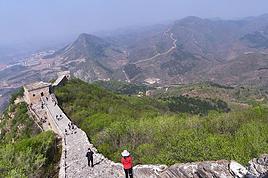
Moi je préfère Shuhe à LiJiang. Lijiang est plus artificiel et toutes le boutiques vendent les même trucs. J'ai aussi fait le trajet Kunming-Dali en couchettes dures, une expérience que je ne répèterai pas dans mon cas. L'après-midi suivant j'ai dû chercher un endroit pour dormir tellement j'étais fatigué.
À Beijing Xidan est un bon endroit pour le shopping mais je ne le qualifierais pas d'endroit branché. C'est assez moyen de gamme mais très populaires pour les locaux.
Dimanche le 10, oui il y des vélos en location, je suppose que vous les avez manqué.
Pour la visite à Mutianyu, le mini-bus à 100RMB, c'était pour le groupe? Si c'est par personne, ça aurait été moins cher et plus simple de prendre le taxi à partir de Beijing.
Dimanche le 10, oui il y des vélos en location, je suppose que vous les avez manqué.
On les a pourtant cherché partout. Mince alors.
.
Pour la visite à Mutianyu, le mini-bus à 100RMB, c'était pour le groupe? Si c'est par personne, ça aurait été moins cher et plus simple de prendre le taxi à partir de Beijing C'était bien pour le groupe.
Bravo Pascal pour ce compte-rendu qui donnera plein d'infos pratiques aux futurs voyageurs en Chine.
J'ai eu moi aussi des problèmes avec les trois femmes Yao du village de Zhonglu, juste après le barrage, et tous les gens que j'ai croisé ont été suivis par elles, certains s'en accomodant sans leur prêter beaucoup d'attention, d'autres acceptant d'aller manger chez l'une d'entre elle pour avoir la paix et parce que l'idée leur plaisait. Le problème c'est qu'elles n'acceptent pas qu'on leur dise non, ni de cesser de suivre les gens, personnellement j'appèle ça du harcèlement et elles m'ont gâché en partie cette belle randonnée.
Le tarif de 50 yuans pour faire Dazhai - Guilin en voiture me parait très intéressant, c'est par personne je suppose ? Etait-ce un taxi ou une voiture privée ?
Oui, par personne. C'était une voiture privée. Nous étions 5 passagers. Nous trois et 2 chinoises qui rentraient chez elles. Dès que la voiture est complète, on démarre. Surtout, on part directement depuis la gare.
Depuis Guilin, mais dans le sens inverse ? Car depuis Ping'An on m'a demandé bien plus, plusieurs centaines d'euros et sans négociation possible, contrairement à ce que disait LP.
D'accord, donc je me suis fait arnaquer par mon AJ de Ping'An.
Merci beaucoup pour tous tes conseils qui me seront bien précieux !
Journal de mes voyages (Chine, Islande, Asie, Bénin, Egypte, Maroc, Pérou, Ecosse...) : https://untourdumonde.fr
Je me suis fait arnaquer de quelques centaines de yuans, pas d'euros, tout le monde aura rectifié mon erreur bien sûr. Etant seule j'aurais peut-être dû payer pour 4 ou 5 donc 200 ou 250 yuans, et c'est vrai que je n'allais pas à Guilin, mais à Xingping, au-delà de Yangshuo, mais j'ai bien dû payer 200 yuans de trop au moins.
hello
je vois que vous preparez votre voyage pour octobre novembre 2014, nous aussi , nous devions partir fin juin éà&' mais nous y avons renoncé car etant bretons on a du mal avec les fortes chaleurs, du coup on prefere decaler aux vacances de la toussaint, sais tu quand les vols vont etre ouverts pour cette periode, est ce plus cher que l'été?
on se tient au courant
je vois que vous preparez votre voyage pour octobre novembre 2014, nous aussi , nous devions partir fin juin éà&' mais nous y avons renoncé car etant bretons on a du mal avec les fortes chaleurs, du coup on prefere decaler aux vacances de la toussaint, sais tu quand les vols vont etre ouverts pour cette periode, est ce plus cher que l'été?
on se tient au courant
Log in first, then come back to this page.
You might also like
More discussions
Hi there,
We’re arriving as a group of three in Tokyo on Saturday, October 17th, then heading straight to Kyoto by direct train. On Sunday and Monday, we’ll explore Kyoto, and in the evening, we’ll take a train to Osaka to spend the night. On Tuesday, we’ll pick up a rental car at Itami Airport for a 6-day/5-night road trip around Shikoku: - 2 nights in the Iya Valley - Thursday morning, we’ll head to Matsuyama for 2 nights. - Saturday, we’ll visit Mima (town, a few temples + overnight stay) and return on Sunday to drop off the car in Osaka. We’ll leave very early on Monday the 26th by plane for Aomori in northern Honshu, where we’ll pick up another rental car at the airport for a 5-day/4-night trip: - Day 1: Tsugaru Peninsula (Takayam Inari, Cape Tappi, Kanita); overnight in Kanita - Day 2: Ferry transfer to the Mutsu Peninsula (cliffs, Lake Usori); overnight in Shimofuro - Day 3: Head to the Hakkoda Mountains and onsens galore; overnight TBD - Day 4: Return the car in Aomori by noon and explore the city before taking the train to Tokyo in the evening We’ll spend Friday night in Tokyo, wander around on Saturday, and head home on Sunday.
Thoughts on the road feasibility of this trip? We’ll be there right in the middle of Koyo season, so it’ll be busy... I know it’s a lot of driving, but there are two of us who can take turns. We’re not afraid of driving, even in the mountains and on the left side! Just wondering, are we going to be rushing, or is this manageable? AI says it’s all good, but it’s not the one driving... Any tips for booking accommodations in the Iya Valley? Not many places have email addresses or websites (I know Booking.com exists, but not all listings are on there... and given the season, I think it’s better to book ahead!). Same question applies for northern Honshu. For the rental car, I’m thinking of going with Alamo since at least it’s in French and straightforward, but are there any direct rental companies with user-friendly websites (Toyota Rentacar, ugh... 🏴☠️)? Another question: With so many trains, is it even necessary to book them in advance? Can we just go to the ticket counter and grab seats on the spot? For paying for the rental car, do we need a credit or debit card?
Thanks for your help!
We’re arriving as a group of three in Tokyo on Saturday, October 17th, then heading straight to Kyoto by direct train. On Sunday and Monday, we’ll explore Kyoto, and in the evening, we’ll take a train to Osaka to spend the night. On Tuesday, we’ll pick up a rental car at Itami Airport for a 6-day/5-night road trip around Shikoku: - 2 nights in the Iya Valley - Thursday morning, we’ll head to Matsuyama for 2 nights. - Saturday, we’ll visit Mima (town, a few temples + overnight stay) and return on Sunday to drop off the car in Osaka. We’ll leave very early on Monday the 26th by plane for Aomori in northern Honshu, where we’ll pick up another rental car at the airport for a 5-day/4-night trip: - Day 1: Tsugaru Peninsula (Takayam Inari, Cape Tappi, Kanita); overnight in Kanita - Day 2: Ferry transfer to the Mutsu Peninsula (cliffs, Lake Usori); overnight in Shimofuro - Day 3: Head to the Hakkoda Mountains and onsens galore; overnight TBD - Day 4: Return the car in Aomori by noon and explore the city before taking the train to Tokyo in the evening We’ll spend Friday night in Tokyo, wander around on Saturday, and head home on Sunday.
Thoughts on the road feasibility of this trip? We’ll be there right in the middle of Koyo season, so it’ll be busy... I know it’s a lot of driving, but there are two of us who can take turns. We’re not afraid of driving, even in the mountains and on the left side! Just wondering, are we going to be rushing, or is this manageable? AI says it’s all good, but it’s not the one driving... Any tips for booking accommodations in the Iya Valley? Not many places have email addresses or websites (I know Booking.com exists, but not all listings are on there... and given the season, I think it’s better to book ahead!). Same question applies for northern Honshu. For the rental car, I’m thinking of going with Alamo since at least it’s in French and straightforward, but are there any direct rental companies with user-friendly websites (Toyota Rentacar, ugh... 🏴☠️)? Another question: With so many trains, is it even necessary to book them in advance? Can we just go to the ticket counter and grab seats on the spot? For paying for the rental car, do we need a credit or debit card?
Thanks for your help!
Hi there,
I’m starting to look at neighborhoods in Seoul, and I’m leaning toward staying in a hotel in Insa-Dong—I’ve spotted one really close to Unhyeongung. Is this a good area—nice and convenient for exploring the city?
Otherwise, I’ve also found another hotel in Yongsan-Gu, right near the station of the same name. Is that station useful for getting around Seoul?
Since I’ll be in South Korea for nearly two months, I plan to spend at least a week in Seoul to recover from jet lag (it takes me a while to adjust...). So, I’d love a neighborhood that’s pleasant and a hotel not too far from a subway station.
Thanks in advance!
I’m starting to look at neighborhoods in Seoul, and I’m leaning toward staying in a hotel in Insa-Dong—I’ve spotted one really close to Unhyeongung. Is this a good area—nice and convenient for exploring the city?
Otherwise, I’ve also found another hotel in Yongsan-Gu, right near the station of the same name. Is that station useful for getting around Seoul?
Since I’ll be in South Korea for nearly two months, I plan to spend at least a week in Seoul to recover from jet lag (it takes me a while to adjust...). So, I’d love a neighborhood that’s pleasant and a hotel not too far from a subway station.
Thanks in advance!
Hi,
My departure is coming up soon—two months backpacking in Taiwan, so much to discover! I’d love to hear about your travel experiences.
My main interests are meeting people, understanding how things work, hiking, and nature in general. I’ve also done a lot of reading about Taiwan’s complex situation. I do stone sculpture. I also want to visit Orchid Island for its history. Marie
We’re back from a one-month trip to China and wanted to share our itinerary. Hopefully, this can give future travelers some ideas for exploring this beautiful country.
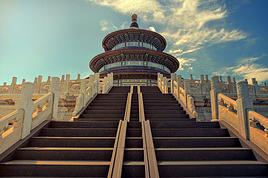
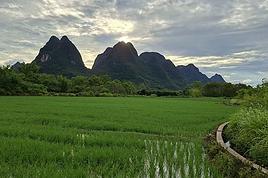
Beijing → Temple of Heaven / Forbidden City Jinshanling → Great Wall Zhangjiajie → Tianmen Mountain and Heaven’s Gate Wulingyuan → Avatar Mountains / sandstone pillars Fenghuang → riverside houses Ping’an → terraced rice fields Tiantouzhai → village / rice terraces Yangshuo → Li River / karst mountains Shanghai → skyline with the Oriental Pearl Tower
Our travel journal is available on our travel journal, written day by day. You’ll find lots of photos and some travel tips there.
Beijing → Temple of Heaven / Forbidden City Jinshanling → Great Wall Zhangjiajie → Tianmen Mountain and Heaven’s Gate Wulingyuan → Avatar Mountains / sandstone pillars Fenghuang → riverside houses Ping’an → terraced rice fields Tiantouzhai → village / rice terraces Yangshuo → Li River / karst mountains Shanghai → skyline with the Oriental Pearl Tower
Our travel journal is available on our travel journal, written day by day. You’ll find lots of photos and some travel tips there.
Hi there,
I’m staying in Atami for 2 nights in October. I was thinking of exploring the area and trying to see Mount Fuji.
I was planning to go to Shizuoka. And also enjoy the onsen (hot springs).
Don’t hesitate to share any tips or recommendations—I’d love to hear them!
Thanks in advance.
I’m staying in Atami for 2 nights in October. I was thinking of exploring the area and trying to see Mount Fuji.
I was planning to go to Shizuoka. And also enjoy the onsen (hot springs).
Don’t hesitate to share any tips or recommendations—I’d love to hear them!
Thanks in advance.
I could really use your help to finalize our trip to Japan.
We’re heading there for three weeks with my partner, starting November 10th. Our plan was to visit Tokyo, Kyoto, and a few stops in between (nothing too original so far…).
However, we’re more into nature and hiking, so even though we do want to explore Tokyo and Kyoto, we’d like to maximize nature stops between the two. Initially, we’d considered places like Kamikochi, but I understand it’s not accessible this late in the season.
Here’s our current itinerary:
1. 2-3 days in Tokyo
2. Fujigoko stop: Mount Mitsutoge - Planned hike: https://www.alltrails.com/fr/randonnee/japan/yamanashi/mount-mitsutoge-trail
3. Suwa / Matsumoto stop: Kirigamine Plateau & Lake Suwa - Planned hike: https://www.alltrails.com/fr/randonnee/japan/nagano/kirigamine-mount-kuruma-yashimagahara-wetland-loop - Matsumoto Castle
4. Nagano stop: Togakushi Sacred Forest - Hike among giant cedars: https://www.alltrails.com/trail/japan/nagano/togakushi-shrine-okusha or https://www.alltrails.com/fr/randonnee/japan/nagano/mount-togakushi-trail - Ebisu-ko fireworks
5. Kiso Valley stop - Senjojiki Cirque - Magome-Tsumago hike: https://www.alltrails.com/trail/japan/gifu/nakasendo-magome-tsumago
6. 3-4 days in Kyoto - Mount Kurama: https://www.alltrails.com/trail/japan/kyoto/kurama-trail
7. 2-3 days in Tokyo
I’m still checking if this is doable time-wise. We’d love to soak up each place, enjoy the food and onsens, and stay in a ryokan at one of the stops.
However, we’re more into nature and hiking, so even though we do want to explore Tokyo and Kyoto, we’d like to maximize nature stops between the two. Initially, we’d considered places like Kamikochi, but I understand it’s not accessible this late in the season.
Here’s our current itinerary:
1. 2-3 days in Tokyo
2. Fujigoko stop: Mount Mitsutoge - Planned hike: https://www.alltrails.com/fr/randonnee/japan/yamanashi/mount-mitsutoge-trail
3. Suwa / Matsumoto stop: Kirigamine Plateau & Lake Suwa - Planned hike: https://www.alltrails.com/fr/randonnee/japan/nagano/kirigamine-mount-kuruma-yashimagahara-wetland-loop - Matsumoto Castle
4. Nagano stop: Togakushi Sacred Forest - Hike among giant cedars: https://www.alltrails.com/trail/japan/nagano/togakushi-shrine-okusha or https://www.alltrails.com/fr/randonnee/japan/nagano/mount-togakushi-trail - Ebisu-ko fireworks
5. Kiso Valley stop - Senjojiki Cirque - Magome-Tsumago hike: https://www.alltrails.com/trail/japan/gifu/nakasendo-magome-tsumago
6. 3-4 days in Kyoto - Mount Kurama: https://www.alltrails.com/trail/japan/kyoto/kurama-trail
7. 2-3 days in Tokyo
I’m still checking if this is doable time-wise. We’d love to soak up each place, enjoy the food and onsens, and stay in a ryokan at one of the stops.
Hi there,
I’d like to do this cycling route over 2 or 3 days. I’m struggling to figure out and find a (good) bike rental that lets me start in Onomichi and drop off in Imabari. Can anyone help with great tips for rentals and accommodations along the route? How do I get back to Onomichi afterward?
Hey everyone,
Next year, we’re celebrating 20 years of marriage (and travel 🙂), and we’re looking for something new, pretty legendary, and something the teens will enjoy too.
The family council has settled on Japan for now. And it’d have to be a summer trip—no choice there.
The catch: I keep reading that August isn’t the right season for southern Japan. It’s hot, humid, and there’s a risk of typhoons… Okay, but what does that *actually* mean in practice? Are there any travelers who’ve been there during this time? Is it *that* unbearable? We’re pretty familiar with Southeast Asia—last year, we dealt with scorching heat in Vietnam and insane humidity, plus a typhoon we experienced from a distance, and visiting Angkor in the blazing sun. Is it worse than that?
Thanks for your feedback 😉
Next year, we’re celebrating 20 years of marriage (and travel 🙂), and we’re looking for something new, pretty legendary, and something the teens will enjoy too.
The family council has settled on Japan for now. And it’d have to be a summer trip—no choice there.
The catch: I keep reading that August isn’t the right season for southern Japan. It’s hot, humid, and there’s a risk of typhoons… Okay, but what does that *actually* mean in practice? Are there any travelers who’ve been there during this time? Is it *that* unbearable? We’re pretty familiar with Southeast Asia—last year, we dealt with scorching heat in Vietnam and insane humidity, plus a typhoon we experienced from a distance, and visiting Angkor in the blazing sun. Is it worse than that?
Thanks for your feedback 😉
hi there
I’m back with my detailed itinerary for 20 days in South Korea—it’s my first trip to the country. Our idea is to experience a more rural and cultural Korea. Here’s the rough plan: Seoul for 4 nights at the start and 1 night at the end, Gurye for 4 nights, Suncheon for 4 nights, Namhae for 4 nights, and Gyeongju for 2 nights. The goal is to pick a base and explore the surrounding areas. What do you think of this itinerary? Anything you’d change? thanks
philippe
I’m back with my detailed itinerary for 20 days in South Korea—it’s my first trip to the country. Our idea is to experience a more rural and cultural Korea. Here’s the rough plan: Seoul for 4 nights at the start and 1 night at the end, Gurye for 4 nights, Suncheon for 4 nights, Namhae for 4 nights, and Gyeongju for 2 nights. The goal is to pick a base and explore the surrounding areas. What do you think of this itinerary? Anything you’d change? thanks
philippe
hi everyone, we're heading out for a 12-day trek in the Japanese Alps. We're bringing freeze-dried meals like we always do. We just found out that importing meat is banned, even freeze-dried. Is that true? We already bought them. They're commercially made freeze-dried meals. Online, it's not specified that they have to be "commercially made" because you can make your own freeze-dried food. And since we've heard they're really strict in Japan, can anyone confirm this for us? thanks
Hi there,
I haven’t found what I’m looking for despite my searches!
For a 15-day trip next spring, I’d like to buy a card (preferably an eSIM, but a physical SIM is fine too) that also lets me make calls in the country (to contact a hotel, a tourist spot, etc.).
You can easily find options just for data, but I haven’t come across any that include calls, texts, or even MMS. Could you recommend something?
Thanks in advance
I haven’t found what I’m looking for despite my searches!
For a 15-day trip next spring, I’d like to buy a card (preferably an eSIM, but a physical SIM is fine too) that also lets me make calls in the country (to contact a hotel, a tourist spot, etc.).
You can easily find options just for data, but I haven’t come across any that include calls, texts, or even MMS. Could you recommend something?
Thanks in advance
hi there
I’m planning a trip in September—here’s my rough itinerary. What do you think? Is it easy to rent a car to get around between my stops? Thanks so much!
Philippe StopNightsFull daysSeoul44Gurye (Jirisan)43Suncheon43Namhae43Gyeongju21Seoul1—
Hi,
July 2026: I’m writing to you from Dali.
First, I got scammed on Booking—AI-retouched photos. No tourists at this hotel (Yishanju Designer Hotel), and the reality was horrible: dirty, with a disgusting breakfast. It’s better to use Trip.com here.
Next, the old town was an infernal cacophony, packed with tourists who shoved past without a care. Some vendors harassed you to buy things. All the stalls sold the same cheap plastic junk or other uninteresting stuff. The beautiful scenery was ruined by vendors lining 100% of the alleys. Impossible to walk, crushing heat, nothing good to eat except fresh fruit. Horrible experience.
Day 2: We went to Cangshan Mountain by cable car—the ride was short and nothing spectacular. We were at 2,600 m.
My plan was to see Erhai Lake. Unfortunately, I followed the advice of an AI chatbot: take the boat at Langkan Dock. The Didi dropped us off in the nearest area, which was full of charming little alleys but packed with Chinese tourists. The three-wheeled yellow cabs zoomed through the narrow streets, forcing you to hug the walls, on top of the scooters and other pedestrians to deal with. Crossing the neighborhood was hellish and suffocating. Once out, we hit the "corniche," which was also packed with Chinese tourists. The lake’s edge was all pebbles, and everyone was standing around taking photos. I was with my 5-year-old son. I would’ve liked to sit down and let him play with stones by the water, but it was clear we didn’t belong. They were even shoving each other for a shot! There were no boats in sight. In short, we’d had enough, and there was nothing interesting there either.
On the way back, we had to cross that maze again under the scorching sun. My son was braver than me—I even had a little dizzy spell from all the chaos. Add to that Dali’s altitude (2,200 m), so altitude insomnia, fatigue, and vulnerability during the day...
The restaurants weren’t inviting—the staff served sticky rice in a little bucket. The dishes were wrapped, and you had to figure it out yourself. After that, they ignored you completely, even if you were the only tourist.
On the 3rd day, it was time to leave for Shaxi. I hope to see beautiful villages. But honestly, I’m exhausted by this atmosphere where everything is complicated, communication is never smooth, noise is everywhere, and the behavior of some Chinese people is abusive...
Silver lining: not a drop of rain in 4 days and blue skies.
I couldn’t visit the villages in southern Yunnan because of rain and storms there... But I was expecting to see a few more tourists.
Hi,
Great article that really captures what makes South Korea so appealing!
South Korea: Between Hallyu and the search for authenticity, the French are falling for the destination
Great article that really captures what makes South Korea so appealing!
South Korea: Between Hallyu and the search for authenticity, the French are falling for the destination
Hello,
We’re planning a 17-day trip to South Korea in October 2026 with my husband and our daughters, who’ll be 9 years old.
I’d love to get your thoughts on our draft itinerary.
First, some key details:
1/ Jeju Island is a must for us. I’ve personally dreamed of going there for years after reading a novel about it. 2/ Our girls are used to road-trip style travel since they were born, so this kind of trip won’t be an issue for them. 3/ We plan to travel by train, except on Jeju where we’ll rent a car (we already have an international driver’s permit).
Itinerary:
Seoul: 1 arrival day at 10 AM + 4 full days Gyeongju: 2 days Busan: 3 days Jeju: 4 days Seoul: 2 days
Thanks for your feedback! Have a great day,
Sabrina
We’re planning a 17-day trip to South Korea in October 2026 with my husband and our daughters, who’ll be 9 years old.
I’d love to get your thoughts on our draft itinerary.
First, some key details:
1/ Jeju Island is a must for us. I’ve personally dreamed of going there for years after reading a novel about it. 2/ Our girls are used to road-trip style travel since they were born, so this kind of trip won’t be an issue for them. 3/ We plan to travel by train, except on Jeju where we’ll rent a car (we already have an international driver’s permit).
Itinerary:
Seoul: 1 arrival day at 10 AM + 4 full days Gyeongju: 2 days Busan: 3 days Jeju: 4 days Seoul: 2 days
Thanks for your feedback! Have a great day,
Sabrina
Hi there,
My girlfriend (23) and I (24) are heading to Japan for the first time from October 20th to November 6th. Here’s our itinerary:
6 nights in Tokyo 1 night in Hakone (ryokan already booked) 4 nights in Kyoto (hotel already booked) 2 nights in Osaka 4 nights back in Tokyo I’d like to book hotels for Tokyo (both stays) and Osaka, but I’ve gotten so many different recommendations.
I’ve read that Shinjuku is the place to be for its huge hub, accessibility, and things to do, but I’ve also heard about Shibuya, Asakusa, and Ueno. I’ve looked at hotels, and first off, I’m surprised by the prices compared to what I’ve seen on forums (I guess inflation’s hit here too… and maybe I’m late to the booking game?). I’m feeling a bit overwhelmed with all the options.
For our first stay in Tokyo, I’d prefer a hotel (not a residence or Airbnb) since we’ll be arriving at night, and it’s our first time in Japan. It’d be great to have a place with a reception, staff who speak at least a little English, and can give us some guidance. For the second stay, we could consider other options if it’s better. Budget-wise, we can go up to 150–180 € per night, but if we can save some money to spend elsewhere, that’d be amazing!
I’m open to all recommendations, hotel suggestions, or any other tips for Tokyo (first stay), Osaka, and Tokyo (second stay).
Thanks so much!
6 nights in Tokyo 1 night in Hakone (ryokan already booked) 4 nights in Kyoto (hotel already booked) 2 nights in Osaka 4 nights back in Tokyo I’d like to book hotels for Tokyo (both stays) and Osaka, but I’ve gotten so many different recommendations.
I’ve read that Shinjuku is the place to be for its huge hub, accessibility, and things to do, but I’ve also heard about Shibuya, Asakusa, and Ueno. I’ve looked at hotels, and first off, I’m surprised by the prices compared to what I’ve seen on forums (I guess inflation’s hit here too… and maybe I’m late to the booking game?). I’m feeling a bit overwhelmed with all the options.
For our first stay in Tokyo, I’d prefer a hotel (not a residence or Airbnb) since we’ll be arriving at night, and it’s our first time in Japan. It’d be great to have a place with a reception, staff who speak at least a little English, and can give us some guidance. For the second stay, we could consider other options if it’s better. Budget-wise, we can go up to 150–180 € per night, but if we can save some money to spend elsewhere, that’d be amazing!
I’m open to all recommendations, hotel suggestions, or any other tips for Tokyo (first stay), Osaka, and Tokyo (second stay).
Thanks so much!
Hi there.
I’m traveling solo to China in October '26, heading to these spots:
Guilin - Yangshuo - Chengdu – Leshan – Chongqing – Zhangjiajie - Furong – Shanghai
Any guides you’d recommend?
Tons of "agencies" (gowithguide, Hellechinaguide, etc.) offer guides. Can I reach out to them? I also speak English.
Any other tips for me?
Thanks! !
Guilin - Yangshuo - Chengdu – Leshan – Chongqing – Zhangjiajie - Furong – Shanghai
Any guides you’d recommend?
Tons of "agencies" (gowithguide, Hellechinaguide, etc.) offer guides. Can I reach out to them? I also speak English.
Any other tips for me?
Thanks! !
Hi there,
I’m getting ready for a classic tourist trip to China in May 2026.
The "Terres Lointaines" itinerary looks good to me, and the price is interesting.
Has anyone traveled with them before? Any feedback?
Is there a better option?
Thanks so much for sharing your experiences on this!
Michel
hi, does anyone have suggestions or contacts for a private local driver without going through a big travel agency for a multi-day trip in Yunnan?
thanks for any info
thanks for any info
Hi there,
I just booked my hotel in Seoul—it’ll be near Unhyeongung, on Samil-Daero 30-Gil—and I’m wondering if there’s public transport from the airport to this address (bus or subway)? If not, what’s the taxi fare? I read it’s around 50 or 60 €.
I’m traveling to Japan with a young adult with autism (ASD) from July 28 to August 8, following a pretty classic route: Osaka, Hiroshima, Kyoto, and Tokyo. I’m looking for a schedule of the most spectacular fireworks displays during that time. So far, the dates for the major *hanabi* events aren’t available online yet. If anyone has them, I’d really appreciate it if you could share!
Hi there,
We’ll be doing a self-drive trip using public transport in May 2026.
On Day 6, we’ll arrive in Hakone by train from Tokyo in late morning. We’ll spend the night in Hakone before heading to Kyoto.
The main goal of this stop is clearly the view (no hiking) of Mount Fuji, not so much exploring Hakone, where the sights seem limited. I’ve read on the forum that the view is great from Gotemba, but it also takes a good hour by bus to get there. And, apart from that view, there’s nothing else to see in Gotemba!
So, I’m not sure what to choose. Any thoughts? Or alternatives to suggest? Maybe some spots in Hakone or Gotemba for a great view?
Thanks in advance.
We’ll be doing a self-drive trip using public transport in May 2026.
On Day 6, we’ll arrive in Hakone by train from Tokyo in late morning. We’ll spend the night in Hakone before heading to Kyoto.
The main goal of this stop is clearly the view (no hiking) of Mount Fuji, not so much exploring Hakone, where the sights seem limited. I’ve read on the forum that the view is great from Gotemba, but it also takes a good hour by bus to get there. And, apart from that view, there’s nothing else to see in Gotemba!
So, I’m not sure what to choose. Any thoughts? Or alternatives to suggest? Maybe some spots in Hakone or Gotemba for a great view?
Thanks in advance.
Hi everyone, I’m Julien!
This summer, from late June to late July, I’m planning a one-month solo trip to Japan—my first time!
I’d love to hear your thoughts and advice on the itinerary I’ve put together to explore this amazing country.
Here are the routes I’m considering:
**Option 1: More mountain and nature-focused**
Tokyo: 8 nights, with day trips to Nikko and maybe the Izu Peninsula Kawaguchiko (Lake Kawaguchi/Mt. Fuji): 1 night. The place looks stunning, but I’m worried Mt. Fuji might not be visible due to the weather Kyoto: 6–7 nights (including a trip to Nara) Osaka: 1–2 nights, where I’d like to drop off my things to make the Kumano Kodo easier Kumano Kodo: 3 nights—an experience I haven’t seen much elsewhere, but I thought it sounded really interesting Hiroshima: 2 nights Miyajima: 1 night Takayama: 3 days Kanazawa: 3 days (From what I understand, the Osaka–Takayama–Kanazawa–Tokyo route is convenient for transport) Tokyo: 1 night (return)
**Option 2: More varied but a bit vague in parts**
Tokyo: 8 nights Kyoto: 7 nights (+ Nara) Osaka: 2 nights Kobe + Himeji: just passing through—I’m not sure if it’s worth a night Naoshima: 1 night—still pretty unclear for me Takamatsu: 2 nights. An interesting city, but I’m not sure how long to stay Shimanami Kaido: biking from Imabari to Onomichi, then heading to Hiroshima Hiroshima: 2 nights Miyajima: 1 night Kyushu road trip (Aso + onsens + Fukuoka): 5 nights (also pretty vague—I could fly from Fukuoka back to Tokyo) Tokyo: 1 night
**Option 3: More balanced/simplified**
Tokyo: 8 nights Kawaguchiko: 1 night Kyoto: 7 nights (+ Nara) Osaka: 2 nights Koya-san: 1 night Kumano Kodo: 3 nights Takayama: 3 nights Kanazawa: 3 nights Tokyo: 1 night
A few key points: I haven’t made any reservations yet, except for the flight tickets. I know my plans are too packed and will need to be adjusted. I’m specifically looking for advice on which stops to cut or shorten.
Here are the routes I’m considering:
**Option 1: More mountain and nature-focused**
Tokyo: 8 nights, with day trips to Nikko and maybe the Izu Peninsula Kawaguchiko (Lake Kawaguchi/Mt. Fuji): 1 night. The place looks stunning, but I’m worried Mt. Fuji might not be visible due to the weather Kyoto: 6–7 nights (including a trip to Nara) Osaka: 1–2 nights, where I’d like to drop off my things to make the Kumano Kodo easier Kumano Kodo: 3 nights—an experience I haven’t seen much elsewhere, but I thought it sounded really interesting Hiroshima: 2 nights Miyajima: 1 night Takayama: 3 days Kanazawa: 3 days (From what I understand, the Osaka–Takayama–Kanazawa–Tokyo route is convenient for transport) Tokyo: 1 night (return)
**Option 2: More varied but a bit vague in parts**
Tokyo: 8 nights Kyoto: 7 nights (+ Nara) Osaka: 2 nights Kobe + Himeji: just passing through—I’m not sure if it’s worth a night Naoshima: 1 night—still pretty unclear for me Takamatsu: 2 nights. An interesting city, but I’m not sure how long to stay Shimanami Kaido: biking from Imabari to Onomichi, then heading to Hiroshima Hiroshima: 2 nights Miyajima: 1 night Kyushu road trip (Aso + onsens + Fukuoka): 5 nights (also pretty vague—I could fly from Fukuoka back to Tokyo) Tokyo: 1 night
**Option 3: More balanced/simplified**
Tokyo: 8 nights Kawaguchiko: 1 night Kyoto: 7 nights (+ Nara) Osaka: 2 nights Koya-san: 1 night Kumano Kodo: 3 nights Takayama: 3 nights Kanazawa: 3 nights Tokyo: 1 night
A few key points: I haven’t made any reservations yet, except for the flight tickets. I know my plans are too packed and will need to be adjusted. I’m specifically looking for advice on which stops to cut or shorten.
Hello everyone,
Like Cedric13600, I’ve booked a flight ticket for 30 days / 29 nights in September 2026, from Beijing to Shanghai. We’re a couple in our sixties who love independent road trips.
I’d like to draw inspiration from the following private itinerary suggested by a travel agency:
Day 1: Arrival in Beijing Day 2 to 4: Beijing Day 5: Datong Day 6 & 7: Pingyao Day 8 to 10: Xi'an Day 11: Luoyang Day 12: Dengfeng flight Day 13 & 14: Chongqing flight Day 15 & 16: Lijiang Day 17: Dali Day 18: Kunming Day 19: Jianshui Day 20 & 21: Yuanyang Day 22: Travel via Guilin Day 23 & 24: Yangshuo Day 25: Guilin Day 26 & 27: Zhangjiajie flight Day 28 & 29: Shanghai Day 30: Departure from Shanghai
But to do this itinerary independently: 1. This schedule seems very ambitious to me—what do you think? 2. If it’s too packed, what would you remove as a priority? Thanks so much in advance for your help.
Day 1: Arrival in Beijing Day 2 to 4: Beijing Day 5: Datong Day 6 & 7: Pingyao Day 8 to 10: Xi'an Day 11: Luoyang Day 12: Dengfeng flight Day 13 & 14: Chongqing flight Day 15 & 16: Lijiang Day 17: Dali Day 18: Kunming Day 19: Jianshui Day 20 & 21: Yuanyang Day 22: Travel via Guilin Day 23 & 24: Yangshuo Day 25: Guilin Day 26 & 27: Zhangjiajie flight Day 28 & 29: Shanghai Day 30: Departure from Shanghai
But to do this itinerary independently: 1. This schedule seems very ambitious to me—what do you think? 2. If it’s too packed, what would you remove as a priority? Thanks so much in advance for your help.
Hello everyone,
I’m planning a 5-week trip between Yunnan and Sichuan from mid-October to the end of November 2026: Arriving in Kunming, I’ll do a loop in the far south of Yunnan via Thonghai, Jhiansu, Zhemi, Yuanyang, Nafa, Jinping, Mengzi, and Shilin (visiting markets, villages, and hiking), then head to northern Yunnan/southern Sichuan on the same theme (passing through Kunming again) via Dongchuan, Huize, Qiaojia, Puge, Xichang, Lanba, Butuo, Huolie, Dimo, Riha, Niuniuba, Meigu, Mabian, and Leshan, before arriving in Chengdu (where I’ll take my return flight to Paris). This would be a trip with a strong ethnic/rural focus. Since I’ve never traveled in China, I’d love to hear your thoughts on doing this solo. Are there public transport options in the region? What tips do you have for traveling through this area as smoothly and enjoyably as possible? I’ve done quite a bit of backpacking in the mountains of northern Vietnam and really enjoyed using local motorbike drivers. Is something like that available in this region (through local tourist agencies or hotels)?
What should I be cautious about? Are local tourist agencies (or hotels) offering tours and guides reliable? If you know of any specialized sites sharing tips or experiences, or names of local agencies, hotels, etc., please don’t hesitate to share them! :)
In short, all your advice (on any topic that comes to mind!) is very welcome. Thanks so much!
I’m planning a 5-week trip between Yunnan and Sichuan from mid-October to the end of November 2026: Arriving in Kunming, I’ll do a loop in the far south of Yunnan via Thonghai, Jhiansu, Zhemi, Yuanyang, Nafa, Jinping, Mengzi, and Shilin (visiting markets, villages, and hiking), then head to northern Yunnan/southern Sichuan on the same theme (passing through Kunming again) via Dongchuan, Huize, Qiaojia, Puge, Xichang, Lanba, Butuo, Huolie, Dimo, Riha, Niuniuba, Meigu, Mabian, and Leshan, before arriving in Chengdu (where I’ll take my return flight to Paris). This would be a trip with a strong ethnic/rural focus. Since I’ve never traveled in China, I’d love to hear your thoughts on doing this solo. Are there public transport options in the region? What tips do you have for traveling through this area as smoothly and enjoyably as possible? I’ve done quite a bit of backpacking in the mountains of northern Vietnam and really enjoyed using local motorbike drivers. Is something like that available in this region (through local tourist agencies or hotels)?
What should I be cautious about? Are local tourist agencies (or hotels) offering tours and guides reliable? If you know of any specialized sites sharing tips or experiences, or names of local agencies, hotels, etc., please don’t hesitate to share them! :)
In short, all your advice (on any topic that comes to mind!) is very welcome. Thanks so much!
Hi,
While researching South Korea, I came across the term "templestay," which refers to a Korean program that lets you stay in a traditional temple to discover Buddhism and Korean culture by living like the temple residents and doing activities like making lanterns. A templestay isn’t just for foreign tourists—on the booking site, I saw that some temples are more geared toward foreigners, with English-speaking monks.
I was wondering if it’s still worth it, especially in temples where the monks don’t speak English?
While researching South Korea, I came across the term "templestay," which refers to a Korean program that lets you stay in a traditional temple to discover Buddhism and Korean culture by living like the temple residents and doing activities like making lanterns. A templestay isn’t just for foreign tourists—on the booking site, I saw that some temples are more geared toward foreigners, with English-speaking monks.
I was wondering if it’s still worth it, especially in temples where the monks don’t speak English?
I'm 69 years old and heading to China, where most tourist sites are free or discounted for me. However, trip.com either refuses to let me book because the sites are free or doesn’t apply the discount. Does WeChat apply this discount if I book through them? How can I just reserve without paying and pay on-site? Is that possible?
How do I upload my passport to WeChat?
Thanks for your tips. Elisabeth
How do I upload my passport to WeChat?
Thanks for your tips. Elisabeth
Hi there,
I’d love to get some feedback on our 30-day / 29-night itinerary in China. We’ll be there in September as a family with two kids (6 and 10 years old). Do you think I should cut a few nights between Wulingyuan (Avatar Mountain) and Yangshuo? I’ve planned 15 nights total there. We’ll be on a round-the-world trip starting May 2026 and will need to do schoolwork with the kids. Hoping to fit it in during train rides!! Ever since I started planning this China itinerary, I’ve been discovering completely mind-blowing places I’d never heard of before—30 days feels way too short for China!!!
Here’s our itinerary:
Beijing - 4 nights Forbidden City Great Wall of China Temple of Heaven
Xi’an - 3 nights Terracotta Army Muslim Quarter & Great Mosque
Chengdu - 3 nights Zoo - Research Base of Giant Panda Breeding Wenshu Yuan Temple
Wulingyuan (Avatar Mountain) - 3 nights "Avatar Mountains"
Zhangjiajie - 2 nights Tianmen Mountain
Furong Town - 2 nights
Fenghuang - 2 nights
Guilin - 2 nights Chuanshan Park Guilin Yaoshan Scenic Attraction Reed Flute Cave
Yangshuo - 4 nights Biking along the Yulong River Moon Hill Ruyi Peak Xianggong Hill
Shanghai - 4 nights Shanghai Disneyland Yu Garden / Yuyuan Garden Yuyuan Bazaar
Thanks! Cédric
I’d love to get some feedback on our 30-day / 29-night itinerary in China. We’ll be there in September as a family with two kids (6 and 10 years old). Do you think I should cut a few nights between Wulingyuan (Avatar Mountain) and Yangshuo? I’ve planned 15 nights total there. We’ll be on a round-the-world trip starting May 2026 and will need to do schoolwork with the kids. Hoping to fit it in during train rides!! Ever since I started planning this China itinerary, I’ve been discovering completely mind-blowing places I’d never heard of before—30 days feels way too short for China!!!
Here’s our itinerary:
Beijing - 4 nights Forbidden City Great Wall of China Temple of Heaven
Xi’an - 3 nights Terracotta Army Muslim Quarter & Great Mosque
Chengdu - 3 nights Zoo - Research Base of Giant Panda Breeding Wenshu Yuan Temple
Wulingyuan (Avatar Mountain) - 3 nights "Avatar Mountains"
Zhangjiajie - 2 nights Tianmen Mountain
Furong Town - 2 nights
Fenghuang - 2 nights
Guilin - 2 nights Chuanshan Park Guilin Yaoshan Scenic Attraction Reed Flute Cave
Yangshuo - 4 nights Biking along the Yulong River Moon Hill Ruyi Peak Xianggong Hill
Shanghai - 4 nights Shanghai Disneyland Yu Garden / Yuyuan Garden Yuyuan Bazaar
Thanks! Cédric
Hi there,
We just got back from a 2-week trip to China as a couple, and before we left, the budget was the hardest thing to picture concretely. We found plenty of info on visas, apps, transport, and itineraries, but way fewer detailed breakdowns of what you *actually* spend on the ground.
So, we took the time to share our real budget for 14 days. In our case, we spent around 1,800 € per person, with a big chunk of that going toward round-trip flights at about 600 € per person. We were also pretty surprised by how affordable China can be once you’re there—transport is often cheap, and a lot of everyday expenses stay reasonable.
The trickiest part, in the end, was figuring out how to pay while you’re there, since it’s not always obvious if you’re not prepared. But once everything’s set up and you get the hang of it, it’s really smooth.
If this can help other travelers get a better idea before they go, we’ve broken it all down here:
https://aventures-sans-mesaventure.com/budget-2-semaines-de-voyage-en-chine/
Happy travels and enjoy your adventure! Hélia
Hi everyone,
I’ve been planning several itineraries for a trip to Japan with my wife but would love your insights before we start booking!
In short, we want to go during Golden Week, see late-blooming cherry trees, and have the freedom to get around with a rental car.
Here’s the plan:
18-day itinerary in Japan (April 25 → May 12)
Goal: freedom, late cherry blossoms, culture & nature
---
Days 1–3: Tokyo (April 25–27) Arrival and adjustment (no car needed yet). Neighborhoods to visit: Shinjuku, Asakusa, Meiji Jingu, Shibuya, Odaiba. Suggested activities: Ghibli Museum, Sumida River cruise, izakaya meals. Late cherry blossoms (yaezakura) possible at Shinjuku Gyoen. Pick up the rental car on the morning of April 27.
---
Days 4–5: Mount Fuji & Hakone (April 27–28) Route: Tokyo → Kawaguchiko/Hakone (~2 h).
Activities: Lake Kawaguchi, Chureito Pagoda (Fuji views + late cherry blossoms) Onsen baths, Hakone Open-Air Museum. Stay: ryokan with onsen and views of Mount Fuji.
---
Days 6–7: Takayama & Shirakawa-go (April 29–30) Route: Hakone → Takayama (~4 h).
Activities: Preserved old town, sake breweries, UNESCO village of Shirakawa-go. Stay: traditional minshuku (thatched-roof house). Cherry blossoms are finishing at this altitude — beautiful mountain/nature contrasts. ---
Days 8–10: Kyoto & Nara (May 1–3) Route: Takayama → Kyoto (~4 h 30).
Activities in Kyoto: Fushimi Inari (red torii gates), Golden Pavilion, Arashiyama, Gion (geisha district).
Day trip to Nara: Free-roaming deer in Nara Park, Todai-ji Temple, Kasuga Taisha Shrine. Stay: Kyoto (3 nights).
---
Day 11: Osaka or Himeji (May 4) Route: Kyoto → Osaka (~1 h) or Himeji (~1 h 30).
Option 1: Osaka → modern vibe, street food, castle. Option 2: Himeji → stunning UNESCO-listed castle. Stay: Osaka.
---
Days 12–13: Kanazawa (May 5–6) Route: Osaka → Kanazawa (~4 h 30).
Activities: Kenroku-en Garden (gorgeous in spring), Omicho Market, samurai district. Stay: Kanazawa.
---
Days 14–15: Northern Japan – Aomori / Hirosaki (May 7–8) Route: Kanazawa → Aomori (~7 h, possible to break via Sendai).
Activities: Hirosaki Castle Park (peak bloom early May). Northern onsen (e.g., Sukayu). Stay: Hirosaki or Aomori.
---
Days 16–17: Nikko (May 9–10) Route: Aomori → Nikko (~6 h).
Activities: Toshogu Shrine, Kegon Falls, Lake Chuzenji. Stay: Nikko.
---
Day 18: Return to Tokyo & Relax in Kamakura (May 11–12) Route: Nikko → Kamakura (~3 h) → Tokyo (~1 h).
Activities: Great Buddha, Zen temples, seaside at Enoshima. Final night: Tokyo before the return flight.
Thanks in advance for your feedback!
---
Days 1–3: Tokyo (April 25–27) Arrival and adjustment (no car needed yet). Neighborhoods to visit: Shinjuku, Asakusa, Meiji Jingu, Shibuya, Odaiba. Suggested activities: Ghibli Museum, Sumida River cruise, izakaya meals. Late cherry blossoms (yaezakura) possible at Shinjuku Gyoen. Pick up the rental car on the morning of April 27.
---
Days 4–5: Mount Fuji & Hakone (April 27–28) Route: Tokyo → Kawaguchiko/Hakone (~2 h).
Activities: Lake Kawaguchi, Chureito Pagoda (Fuji views + late cherry blossoms) Onsen baths, Hakone Open-Air Museum. Stay: ryokan with onsen and views of Mount Fuji.
---
Days 6–7: Takayama & Shirakawa-go (April 29–30) Route: Hakone → Takayama (~4 h).
Activities: Preserved old town, sake breweries, UNESCO village of Shirakawa-go. Stay: traditional minshuku (thatched-roof house). Cherry blossoms are finishing at this altitude — beautiful mountain/nature contrasts. ---
Days 8–10: Kyoto & Nara (May 1–3) Route: Takayama → Kyoto (~4 h 30).
Activities in Kyoto: Fushimi Inari (red torii gates), Golden Pavilion, Arashiyama, Gion (geisha district).
Day trip to Nara: Free-roaming deer in Nara Park, Todai-ji Temple, Kasuga Taisha Shrine. Stay: Kyoto (3 nights).
---
Day 11: Osaka or Himeji (May 4) Route: Kyoto → Osaka (~1 h) or Himeji (~1 h 30).
Option 1: Osaka → modern vibe, street food, castle. Option 2: Himeji → stunning UNESCO-listed castle. Stay: Osaka.
---
Days 12–13: Kanazawa (May 5–6) Route: Osaka → Kanazawa (~4 h 30).
Activities: Kenroku-en Garden (gorgeous in spring), Omicho Market, samurai district. Stay: Kanazawa.
---
Days 14–15: Northern Japan – Aomori / Hirosaki (May 7–8) Route: Kanazawa → Aomori (~7 h, possible to break via Sendai).
Activities: Hirosaki Castle Park (peak bloom early May). Northern onsen (e.g., Sukayu). Stay: Hirosaki or Aomori.
---
Days 16–17: Nikko (May 9–10) Route: Aomori → Nikko (~6 h).
Activities: Toshogu Shrine, Kegon Falls, Lake Chuzenji. Stay: Nikko.
---
Day 18: Return to Tokyo & Relax in Kamakura (May 11–12) Route: Nikko → Kamakura (~3 h) → Tokyo (~1 h).
Activities: Great Buddha, Zen temples, seaside at Enoshima. Final night: Tokyo before the return flight.
Thanks in advance for your feedback!