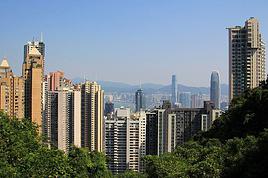
Which other provinces still have very beautiful sites?
Hi Anna,
For my very first trip to China, I explored the Chinese part of the Silk Road in September 2018, covering the provinces of Xinjiang (officially an autonomous region), Gansu, Qinghai, Ningxia, and Shaanxi.
My top cultural sites:
- The excavated temples of Mogao in Dunhuang (northern Gansu).
- Majishan, south of Tianshui (Gansu).
- Qutan Si Monastery (southeast of Xining, Qinghai).
- The excavated temples of Binglingsi (southern Gansu).
- The Gansu Provincial Museum in Lanzhou (Gansu).
- Ta'er Si Monastery (near Xining, Qinghai), despite heavy Han crowds.
- The Qing village of Dangjiacun.
- The Confucian temple in Hancheng.
My top natural sites:
- The Karakoram Highway, between Tashkorgan and Kashgar,
- The Danxia landforms northwest of Zhangye, packed with people but well-organized.
- The natural setting of Binglingsi (Gansu), with its cliffs along the Huang He (Yellow River).
- Mount Huashan,
- The Tianshan Canyon, north of Kuqa (Xinjiang).
Fabrice
Good evening Fabrice,
Thank you so much for taking the time to write down all this info—I’ll keep it in my China itinerary notebook. Every tip and piece of advice from fellow travelers is worth having.
I wish you many more amazing trips, though from your profile, it looks like you’ve already "seen a lot of the world," but there’s still so much out there.
Hi there,
Too bad—I’d planned the same trip for September 2018. But since I was going solo (couldn’t find a travel buddy), I switched regions and headed to southern China (Yúnnán) instead.
So now I’m planning for September 2020: the Silk Road, from Bishkek, Torugart, Kashgar, the Taklamakan Desert, and Ürümqi.
What are the must-see sites? Thanks for your reply.
"En route, le mieux c'est de se perdre. Lorsqu'on s'égare, les projets font place aux surprises et c'est alors, mais alors seulement, que le voyage commence." (Nicolas Bouvier)
See my reply at https://voyageforum.com/v.f?post=9176622;a=9176622.
If you enjoy road trips, you could add a loop through Tajikistan, including the Pamir Highway, to your itinerary. It’s now possible to enter China from Tajikistan via the Kulma Pass, which leads near Tashkurgan, where you can then descend the Karakoram Highway to Kashgar.
Fabrice
S'exposer à l'Etranger lointain amène à mieux connaître et comprendre sa propre Culture.
The Chinese are, above all, businesspeople who, like everywhere else, try to maximize their profits. Is your baker a crook? The Chinese practice bargaining—it’s a game you need to master to pay a fair price. Some see it as craftiness, but I don’t. It’s just a game, sometimes annoying, but they don’t have the same concept of time as we do. For some reason, the French struggle more than others to understand this logic.
The Chinese are, above all, businesspeople who try, like everywhere else, to maximize their profit. Is your baker a crook? The Chinese practice haggling. It's a game you need to master to pay the right price. Some see it as cunning. I don’t—it’s just a game, sometimes annoying, but they don’t have the same concept of time as we do. I don’t know why, but the French have a much harder time understanding this logic than others.
Good evening,
What you say is very true. In principle, a traveler sets out to meet other people with different customs and ways of life, to experience something new and broaden their knowledge. It’s true that some things abroad can shock us because they’re the opposite of our own habits, but you gain knowledge, and you’re not obliged to adopt them—just see and keep them in your travel memories.
Best regards,
What do you even know about me to lecture me? I’ve spent a hundred stays in China before settling down—six months now in Shanghai. For work, but also by choice; I could only come for periods at a time. What you’re saying is probably true, but personally, like tourists, I never take the metro given how cheap taxis are. You probably know places better than I do where neither I nor "ordinary" tourists will ever set foot. That’s your life; I’ve got mine. I’m 55, I’ve been around the world a bit, and I don’t need your advice to understand the difference between Hong Kong, Taipei, Shanghai, or Beijing.
These discussions are a bit pointless, but I’m glad I’ve taught some of you that we colonized China and that it was this colonization that sparked Mao’s revolt, which kicked us out like the thieves and scoundrels we were.
For the rest, dear readers, go where you dream of going and form your own opinions. But try not to "do China" in two weeks. If you behave respectfully, nothing unpleasant will happen to you.
When I mentioned scamming, I was actually thinking more about their innate (or learned?) lack of respect they show in queues, not their business practices.
As for haggling, no problem—it’s a staple in developing countries, so why shouldn’t they do it?
What do you even know about me to lecture me like this? I’ve made over a hundred trips to China before settling down—six months now in Shanghai. For work, but also by choice; I could still come for short stays. What you’re saying is probably true, but personally, like most tourists, I never take the metro given how cheap taxis are. You probably know places better than I do where neither I nor "ordinary" tourists would ever set foot. That’s your life; I’ve got mine. I’m 55, I’ve been around the world, and I don’t need your advice to understand the difference between Hong Kong, Taipei, Shanghai, or Beijing.
These discussions are a bit pointless, but I’m glad I’ve taught some of you that we colonized China and that it was this colonization that sparked Mao’s revolt, which kicked us out like the thieves and scoundrels we were.
For the rest, dear readers, go where you dream of going and form your own opinions. But try not to "do China" in two weeks. If you behave respectfully, nothing unpleasant will happen to you.
Good evening,
What’s gotten into you? I agreed with you and was just trying to expand on my point to keep the discussion going. And now you’re angry. Believe me, I wasn’t trying to lecture you at all. If that’s how you felt, please accept my apologies.
Best regards,
A thousand apologies, a misclick 😕 I thought I was replying to Yuean’s message below: (the late hour, no doubt)
Best regards
Yuean’s reply to Arcanan
Excuse me, but living in Shanghai for six months doesn’t mean you know China. It’s like living in NYC for six months and saying you know the US, or spending a little time in Paris and boasting that you know Europe (which, by the way, many Chinese people do)...
We’ll see what you say in six years. I spent three years in Shanghai and have been in Shenzhen for two. Shanghai isn’t China. The people there are much more refined, international, open-minded, and educated. Shanghai has its own history and culture, shaped by outside influences and a certain art of living. Other Chinese people are almost ashamed of it, while Shanghai locals are proud of it. You’ll see that when you leave Shanghai and speak Chinese to the general population—most Chinese people dislike Shanghai locals because they’re different, which touches on a certain complex... They’ll call them arrogant, pretentious, effeminate... when in reality, they’re just cleaner, more open-minded, and better educated.
I can tell you that outside Shanghai, you’re dealing with proud boors who spit everywhere, aren’t always honest, and are very nationalistic. I won’t even get into the mediocre service, which reflects the lack of respect given to anyone outside their inner circle.
Just last Friday, I asked the ticket counter to top up my metro pass. I’d barely handed my card to the clerk when a woman who couldn’t have been 40 pushed me aside without a second thought and slapped her card down, telling the employee, "Add 50." And there wasn’t even a line—just her and me. This is typical, everyday behavior: rude, pushy, "get out of my way, I’m here now, and I’m paying so I’m right." Yeah, well, I’m paying too, and the employee had already started helping me, so I think you can wait 40 seconds.
I see a lot of well-meaning folks painting a picture of a new generation calling out their elders for bad manners. Open your eyes—it’s nonsense. This happens because you’re a foreigner and it’s obvious you don’t live here. 90% of the time, people will walk all over you without a second thought, especially if they think they’re richer than you (a pretty relative criterion, but hey, it makes them so happy—no need to bruise their new-money pride).
Anyway, I’m rather amused reading so many comments from people who’ve only seen China through tourist eyes and yet defend the country wholeheartedly, even though they barely know it... and who don’t seem much more legitimate than the person who started this thread to judge the country, contrary to what they believe. Why start so aggressively when your experience is often just as relative as theirs?
Believe me, no Chinese person would bother defending your country the way you’re defending theirs. And when you’re treated well as a tourist, remember it’s just a commercial facade, a community reflex drilled into them by local propaganda. They’re constantly fed the idea that they must show their best face to foreigners because it serves the authorities’ strategy—they know you don’t catch flies with vinegar, and you don’t spit on a smiling face, even if everything it does is aimed at fleecing you and quietly gaining dominance over anything that moves.
So I’ll reiterate my agreement with the person who opened this topic. While Chinese people can be endearing and friendly, it’s undeniable that they’re also disrespectful, rude, and selfish—borderline egotistical. Not to mention their questionable hygiene standards.
As for the argument that "China is at the other end of the world, so it’s different"—sorry, but NO. Japan, Vietnam, Thailand, Mexico, and Australia are also far away, and that doesn’t stop them from being polite and respectful. The current behavior of Chinese people isn’t the result of cultural differences but of communism, which has wiped out culture, and a worship of money, which strips away respect for others. And let’s be honest—if they wanted to change, they could, but they seem pretty satisfied with themselves, so don’t hold your breath.
Excuse me, but living in Shanghai for 6 months doesn’t mean you know China. It’s like living in NYC for 6 months and saying you know the US, or spending a little time in Paris and boasting that you know Europe (which, by the way, many Chinese people do)...
We’ll see what you say in 6 years. I spent 3 years in Shanghai and have been in Shenzhen for 2 years. Shanghai isn’t China. The people there are much more refined, international, open-minded, and educated. Shanghai has its own history and culture, shaped by outside influences and a certain art of living. Other Chinese people are almost ashamed of it, while Shanghai residents are proud. You’ll see that when you leave Shanghai and speak Chinese to the locals, most Chinese people dislike Shanghai residents because they’re different—it touches on a certain complex. They’ll call them arrogant, pretentious, effeminate... when in reality, they’re just cleaner, more open-minded, and better educated.
I can tell you that outside Shanghai, you’re dealing with proud rustics who spit everywhere, aren’t always honest, and are very nationalistic. I won’t even get into the mediocre service, which reflects the lack of respect given to anyone outside their inner circle.
Just last Friday, I asked the ticket counter to top up my metro pass. I’d barely handed my card to the clerk when a woman who couldn’t have been 40 came out of nowhere, shoved me aside without a second thought, and slapped her card down, telling the employee, "Add 50." And there wasn’t even a line—just her and me. This is typical, everyday behavior: rude, "move over, it’s my turn," I’m paying so I’m right. Yeah, well, so am I, and the employee had already started helping me, so I think you can wait 40 seconds.
I see a lot of well-meaning people painting a picture of younger generations calling out their elders for bad manners. Open your eyes—it’s nonsense. This happens because you’re a foreigner and it’s obvious you don’t live here. 90% of the time, they’ll walk all over you without a second thought, no matter your age, especially if they think they’re richer than you (a pretty relative criterion, but hey, it makes them so happy, so let’s not bruise their new-money pride).
Anyway, I’m amused reading so many comments from people who’ve only seen China through tourist eyes, defending the country wholeheartedly when they barely know it... and who don’t seem much more legitimate than the person who started this thread to judge the country, contrary to what they believe. Why start so aggressively when your experience is often just as relative as theirs?
Believe me, no Chinese person would bother defending your country the way you’re defending theirs. And when you’re treated well as a tourist, remember it’s just a commercial facade, a community reflex from local propaganda. They drill it into their heads through various means that they must show foreigners their best face, because you don’t catch flies with vinegar, and you don’t spit on a smiling face—even if everything they do is aimed at swindling you and gaining dominance over anything that moves.
So I’ll reiterate my agreement with the person who opened this topic. While Chinese people can be endearing and friendly, it’s undeniable that they’re also disrespectful, rude, and selfish—bordering on egotistical. Not to mention their questionable hygiene standards.
As for the argument that "China is on the other side of the world, so it’s different"—sorry, but NO. Japan, Vietnam, Thailand, Mexico, and Australia are also far away, and that doesn’t stop them from being polite and respectful. The current behavior of Chinese people isn’t the result of cultural differences but of communism, which eradicated culture, and a worship of money, which strips away respect for others. And let’s be honest—if they wanted to change, they could, but they seem very satisfied with themselves, so don’t hold your breath.
xxxxxxxxxxxxxxxxxxxxxxxxxx
But what do you know about me to lecture me? I’ve made over a hundred trips to China before settling down, for the past 6 months in Shanghai with my Chinese wife and our two kids. What you’re saying is probably true, but personally, like tourists, I never take the metro given the price of taxis. You probably know places better than I do where neither I nor "ordinary" tourists will ever set foot. That’s your life—I have mine. I’m 55, I’ve been around the world, and I don’t need your advice to understand the difference between Hong Kong, Taipei, Shanghai, or Beijing.
These discussions are a bit pointless, but I’m glad I’ve taught some of you that we colonized China and that Mao’s revolt, which kicked us out like thieves, was born from that colonization.
For the rest, dear readers, go where you dream of going and form your own opinion. But try not to "do China" in two weeks. If you behave respectfully, nothing unpleasant will happen to you.
We introduced opium there to better enslave them. But the Chinese don’t hold it against us.
Two sentences, two mistakes and oversimplifications.
It wasn’t to enslave China that the British forcibly introduced opium produced in their Indian colony, but to restore a trade balance that had become catastrophically unbalanced: China exported a lot of goods (especially porcelain, silk, and tea) and imported almost nothing, thus accumulating a growing portion of Europe’s silver reserves, while the silver mines in Mexico and Peru were running dry.
Chinese government propaganda never misses an opportunity to harp on about the resentment over humiliations suffered in the 19th century. Western visitors usually don’t notice this, as this internal propaganda is never translated. Besides, it doesn’t seem to resonate with the Chinese either—across all social classes, they have an idealized vision of France, made of romance and luxury (how many times have I heard the cliché 法国人很浪漫 = the French are very romantic!).
Moreover, the summary of Alain Peyrefitte’s excellent book is strangely off compared to the text. While this encounter was indeed a missed opportunity (the word the author uses), it’s because the British were seeking purely commercial relations, whereas the Chinese saw this mission as the recognition of the vassalage of those distant foreigners. The Macartney mission was doomed to fail due to this mutual misunderstanding.
A thousand apologies if my summary, which only aimed to encourage people to read Peyrefitte’s book, was a bit off. I did, however, mention a clash of cultures. But culture, as you seem to know better than anyone, is like jam...
Normally, there’s never a culture clash—after all, we’re visiting others to discover them. Cultures just add up, plain and simple. Far from being colonialist, I blend right in. The only Western passenger happily takes public transport; it might take time, but I’ve got plenty and don’t keep track. The Chinese aren’t worse than many others, and I really like their reserve. Speak if you want, when you want.
Normal, right?
And if you want to consider yourselves as some kind of filthy descendants of awful thieves, good for you. The Chinese don’t ask for that—they actually need people like you to fuel their propaganda, portraying them as eternal, defenseless victims on the international stage. And you cost them less than a poster or a speech at the UN.
Go ask the Koreans or the Vietnamese what they think of the "kind" Chinese who enslaved them for centuries.
Ask the country’s minorities if they feel free and if they don’t feel like they’re living in human zoos.
Ask the Filipinos or the Vietnamese what they think of Chinese ships coming into their territory and declaring it’s their own...
Ask the countries in Southeast Asia or European business owners if they’re happy about the Chinese tidal waves (check out that really interesting Al Jazeera report on the behavior of Chinese tourists in Paris...).
Ask North Africans or other Africans if they’re satisfied with the Chinese presence in their countries—same goes for Australia or Western Canada.
In the meantime, I wish you lots of happiness in your new Chinese life. It’s true that defending a country where it’s normal to be disrespectful to others and where having no self-awareness is the norm is quite the evolution... Especially when, after spending so much time in the country, you don’t even have the excuse of being a wide-eyed foreigner seeing everything as fresh and beautiful.
Maybe spitting, screaming, brute force, and being forbidden to think for yourself suit you just fine. To each their own. I still say we’ll revisit this in 5 or 6 years.
And I still think it’s unfair to attack the person who started this thread, whose only mistake was reflecting on the incivility and passive aggression they witnessed here.
If you want to consider yourselves filthy descendants of awful thieves, that’s your prerogative. The Chinese don’t ask for that—they just need people like you to fuel their propaganda, painting them as eternal, defenseless victims on the international stage. And you’re cheaper than a billboard or a UN speech.
Go ask the Koreans or the Vietnamese what they think of the "kind" Chinese who enslaved them for centuries.
Ask the country’s minorities if they feel free and if they don’t feel like they’re living in human zoos.
Ask the Filipinos or the Vietnamese what they think of Chinese ships showing up in their territory and declaring it’s all theirs...
Ask the countries of Southeast Asia or European business owners if they’re happy about the Chinese tidal waves (see the really interesting Al Jazeera report on Chinese tourists’ behavior in Paris...).
Ask North Africans or other Africans if they’re satisfied with the Chinese presence in their countries—same goes for Australia or Western Canada.
In the meantime, I wish you lots of happiness in your new Chinese life. It’s true that defending a country where it’s normal to be disrespectful to others and where self-reflection is nonexistent is quite the evolution... Especially when, after spending so much time in the country, you can’t even use the excuse of being a wide-eyed foreigner seeing everything as fresh and beautiful.
Maybe spitting, screaming, brute force, and being forbidden to think for yourself suit you just fine. To each their own. I stand by what I said—we’ll revisit this in 5 or 6 years.
And I still think it’s unfair to attack the person who started this thread, whose only mistake was reflecting on the incivility and passive aggression they witnessed here.
Good evening,
Just a little aside. I saw a report on French TV about Chinese tourists in Paris, and it also showed some very happy shop owners—especially (those from luxury brands)—who explained that the Chinese spend huge sums in Paris at all the designer stores, and they do it in record time.
For everything flooding the market, it’s still *countries* that let Chinese goods in (bought at very low costs) to sell them cheaper in the West.
It’s still some of *our* companies that offshored production to manufacture at lower costs and resell here at big profits.
Basically, it’s like war—there are those who profit from it and those who suffer because of it. (That quote isn’t mine.)
Best regards,
PS: You’ll notice how surprising it is that in the 1960s, the Chinese Revolution was presented to the Chinese people primarily as a struggle against the rich, the educated, and landowners. Whereas today, it’s become a revolution against the foreign invader (who, between us, didn’t go very far, didn’t stay very long, and was mostly Japanese before becoming Western).
Some will see this shift in official discourse as a wonderful example of the "pragmatism" that China’s cheerleaders in France so often praise. Others will see it as pure manipulation and dangerous revisionism, conditioning 1 in 7 people on the planet to believe it’s their right to take revenge on anything foreign. And that newfound financial success and aggression justify everything.
Given the behavior of the government and the people both at home and abroad, I lean more toward the second analysis.
Actually, the only question that matters has already been asked, and you haven’t answered it: what are you doing in a country you hate, surrounded by people you hate? Leave quickly—the world is vast. Or maybe you’re just a total masochist 😎😎
I’ve just returned from a 12-day organized trip to Beijing, Xi’an, and Shanghai, which I enjoyed and went really smoothly.
The advantage of having a guide is that it solves communication issues, since almost no one speaks a language other than Mandarin in these big cities. Knowing how to say hello and thank you in Chinese opens doors for exchanges through gestures and a mix of words :)
I’d been told such things about the Chinese that I was a bit worried, but the reality is more "rosy": sure, they spit very loudly, but not too many people do it, and you get used to the jostling since it’s a tradition. Groups have a specific entrance at sites, so no cutting in line. At the end of my stay, I took a two-day solo extension and went by metro to People’s Square on National Day—an experience worth having! (It’s handy being tall in a compact crowd.)
The food is infinitely better than what we get in Chinese restaurants in the West—quite a pleasant surprise.
One day I’ll visit Hong Kong, and I might take the opportunity to return to Shanghai.
GreG de l'ouest de Lyon
J'aime voyager, en particulier visiter les Disneyland tout autour de la planète.
I completely agree with you: traveling in China is great!
As a tourist everywhere or as an expat in Shanghai, it's great. Elsewhere, it's much less so. That's my opinion, which by the way aligns overall with the person who started this discussion. Sorry that so many of us don’t see eye to eye with you on everything...
I completely agree with you: traveling in China is great!
As a tourist everywhere or as an expat in Shanghai, it's great. Elsewhere, it's much less so. That's my opinion, which by the way aligns overall with the person who started this discussion. Sorry that so many of us don't see eye to eye with you on everything...
Hello,
You're right, everyone has their own feelings. We don't all see the same things, and that's okay.
However, when I follow these never-ending discussions where it's hard to keep track of who said what by the end, I wonder: out of all these people responding, have they all actually been to the country they're talking about? Can we answer that question?
Best regards.
Excess is meaningless (Lao Tzu, probably). You hate China and the Chinese—don’t let that put others off.
Glad to see everyone digging in their heels.
And if you want to see yourself as a filthy descendant of awful thieves, good for you. The Chinese don’t ask for that—they just need people like you to fuel their propaganda, painting them as eternal, defenseless victims on the international stage. And you’re cheaper than a billboard or a speech at the UN.
Go ask Koreans or Vietnamese what they think of the "kind" Chinese who enslaved them for centuries.
Ask the country’s minorities if they feel free and if they don’t feel like they’re living in human zoos.
Ask Filipinos or Vietnamese what they think of Chinese ships showing up in their waters and declaring it’s their territory...
Ask Southeast Asian countries or European business owners if they’re happy about the Chinese tidal wave (see the fascinating Al Jazeera report on Chinese tourists’ behavior in Paris...).
Ask North Africans or other Africans if they’re satisfied with China’s presence in their countries—same goes for Australia or Western Canada.
In the meantime, I wish you lots of happiness in your new Chinese life. It’s true that defending a country where it’s normal to be disrespectful to others and where self-reflection is nonexistent is quite the step forward... Especially when, after spending so much time there, you can’t even use the excuse of being a wide-eyed foreigner seeing everything as fresh and wonderful.
Maybe spitting, screaming, bullying, and being forbidden to think for yourself suit you just fine. To each their own. I still think we’ll revisit this in 5 or 6 years.
And I still think it’s unfair to attack the person who started this thread—their only mistake was reflecting on the incivility and passive aggression they witnessed here.
Absolutely. I’m not entirely sure why I’m even replying. I know quite a few French people who ended up in Shanghai for work for a few days, convinced it was a polluted, overcrowded city full of beggars everywhere. They were so shocked by what they saw that they... refused to see it and went back to France with the same ideas, telling me what’s already been said here: "Shanghai isn’t China." Well... LOL
Glad to see everyone digging in their heels.
And if you want to consider yourselves filthy descendants of awful thieves, good for you. The Chinese don’t ask for that—they just need people like you to fuel their propaganda, portraying them as eternal, defenseless victims on the international stage. And you’re cheaper than a poster or a speech at the UN.
Go ask Koreans or Vietnamese what they think of the kind Chinese who enslaved them for centuries.
Ask the country’s minorities if they feel free and if they don’t feel like they’re living in human zoos.
Ask Filipinos or Vietnamese what they think of Chinese ships coming into their territory and declaring it’s theirs...
Ask Southeast Asian countries or European business owners if they’re happy about the Chinese tidal waves (see a very interesting Al Jazeera report on the behavior of Chinese tourists in Paris...).
Ask North Africans or Africans elsewhere if they’re satisfied with the Chinese presence in their countries—same in Australia or Western Canada.
In the meantime, I wish you lots of happiness in your new Chinese life. It’s true that defending a country where it’s normal to be disrespectful to others and where self-reflection is nonexistent is quite the evolution... Especially when, after spending so much time in the country, you don’t even have the excuse of being a wide-eyed foreigner seeing everything as fresh and beautiful.
After that, maybe spitting, screaming, bullying, and being forbidden to think for yourself suits you. To each their own. I stand by what I said—we’ll talk about it again in 5 or 6 years.
And I still think it’s unfair to attack the person who started this thread, whose only mistake was reflecting on the incivility and passive aggression they witnessed here.
Good evening,
Just a little aside. I’d seen a French TV report showing Chinese tourists in Paris, where shopkeepers—especially those from luxury brands—were thrilled, explaining that the Chinese spend huge sums in Paris in all the high-end stores in record time.
For everything flooding the market, it’s still *countries* that let Chinese goods in (bought at very low costs) to sell them cheaper in the West.
It’s still some of our companies that *offshored* production to manufacture at lower costs and resell here at big profits.
Basically, it’s like war—some profit from it, others suffer because of it. (That quote isn’t mine.)
Best regards
You should write a book "Bouvard and Pécuchet in China"
PS: It’s striking how, in the 1960s, the Chinese revolution was presented to the Chinese primarily as a struggle against the rich, the educated, and landowners. Yet today, it’s become a revolution against the foreign invader (who, between us, didn’t go very far, didn’t stay long, and was mostly Japanese before becoming Western).
Some will see this shift in official discourse as a wonderful example of the "pragmatism" that Sino-enthusiasts in France so often praise. Others will see it as pure manipulation and dangerous revisionism, conditioning 1 in 7 people on the planet to believe it’s their right to take revenge on anything foreign. And that newfound financial success and aggression justify everything.
Given the behavior of the government and the people both at home and abroad, I lean more toward the second analysis.
Mirror, mirror... aren't I the fairest of them all?
Perfect timing, only 3 weeks left!
I completely agree with you: traveling in China is great!
Everywhere as a tourist or as an expat in Shanghai, it's great. Elsewhere, it's much less so. That's my opinion, which by the way aligns overall with the person who started this discussion. Sorry that so many of us don’t see eye to eye with you on everything...
I just got back from China and noticed the same things as you. I’d even add that for Chinese people, respecting traffic laws and copyright is more of a vague suggestion.
Now, while I sometimes felt the crowds were too dense and the subway too packed, you have to realize there are 25 million people in Beijing and 35 million in Shanghai. That’s Canada’s entire population in one city.
The concept of lining up doesn’t seem to exist. So, when in Rome, do as the Romans do! I realized I’m pretty good at cutting in line.
You’re searched everywhere—that’s not Chinese culture, it’s the Communist Party’s control. Not really to control everything, but to make people realize they *could* know everything if they wanted to. Because I seriously doubt a terrorist would target the Beijing subway, given how little China is involved in international conflicts.
The language… yeah, it can be frustrating at times. Some people don’t speak English and don’t even try. Fortunately, that’s not everyone. And thankfully, things are changing. I was chatting with the woman next to me on the train, and she told me her 3-year-old daughter is already taking private English lessons.
So yes, I had a wonderful trip. But after 10 days, I was really happy when my plane touched down at Dorval.
Because I seriously doubt a terrorist would target the Beijing subway, since the Chinese are barely involved in international conflicts.
Hi,
Terrorism in China is exclusively domestic (from Uyghurs in Xinjiang), but the number and scale of incidents are very limited compared to what several European countries experienced in past decades—despite security and repressive measures that are far stricter than those implemented in those same European countries.
There have been security gates at every subway entrance for a long time. In Beijing, they were already there in 2010.
Ten days to explore a country is short, and the East isn’t the West.
The countryside exists, and while the Chinese may be discreet, they’re still curious.
Security gates have been at every metro entrance for a long time. In Beijing, they were already there in 2010.
Ten days to discover a country is short, and the East isn’t the West.
The countryside exists, and while the Chinese may be discreet, they’re still curious.
I don’t think the scale is as limited as that. These are very determined Muslim extremists. Western media only reports massacres with swords involving more than 10 people. But Chinese authorities are right to be extremely vigilant, especially in the metro, especially if you’re carrying a backpack. If an “innocent” tourist is checked, it’s also a way to show them the situation is under control.
Security gates have been at every metro entrance for a long time. In Beijing, they were already there in 2010.
Ten days to discover a country is short, and the East isn’t the West.
The countryside exists, and while the Chinese may be discreet, they’re still curious.
Totally agree. It’s annoying to hear tourists give their opinion on “China” when they’ve only seen a small part of it—usually some tourist-infested area. I’ve been living in Shanghai for 6 months and have never been checked. In fact, I’ve made over 50 trips to Shanghai and Beijing before, and no one ever checked me outside the airport. But I’m clean-shaven and don’t wear a backpack or South American guerrilla-style shoes.
I don’t think the scale is as limited as that. These are very determined Muslim extremists. Western media only reports massacres with swords involving more than 10 people. But the Chinese authorities are right to be extremely vigilant, especially in the subway, especially if you’re carrying a backpack.
Hello,
Whether you’re carrying a laptop bag (on weekdays) or a small backpack (on weekends), it’s systematically screened when entering the Beijing subway. In some other cities, it used to depend on size: a checked suitcase would be inspected, but not a small bag.
If an “innocent” tourist is checked, it’s also a way to show them that the situation is under control.
If that’s the goal, it’s completely missed.
On one hand, the imperfect checks used to make me smile in cities far from any particular concerns.
On the other, the disconnect between the official discourse of social harmony and the scale of security measures—compared to what’s practiced in the West—suggested an explosive situation that’s no longer socially controlled and is only contained by this police and military apparatus. The truth is obviously somewhere between these two extremes; the contrast is glaring in Tibet and Xinjiang, where there are real issues.
I spent a month in Yunnan and Tibet and never had any kind of check!
Since I'm over 75, all the sites were free, even for foreigners!
In two years, I'm going for 15 days in Xinjiang,
and I'm sure I'll still have fewer problems than if I wander off the beaten path in the south of France! !
"En route, le mieux c'est de se perdre. Lorsqu'on s'égare, les projets font place aux surprises et c'est alors, mais alors seulement, que le voyage commence." (Nicolas Bouvier)
Security gates have been at every subway entrance for a long time. In Beijing, they were already there in 2010.
10 days to discover a country is short, and the East isn't the West.
The countryside exists, and even if the Chinese are discreet, they're still curious.
Totally agree. It’s annoying to hear tourists giving their opinion on “China” when they’ve only seen a small part of it, usually overrun with tourists. I’ve been living in Shanghai for 6 months and I’ve never been checked. In fact, I’ve made over 50 trips to Shanghai and Beijing before, and no one checked me outside the airport. But I’m clean-shaven and don’t wear a backpack or South American guerrilla-style shoes
Good evening,
You’re right. We went to China “solo” for a month, visited 6 “provinces,” took a flight each time, and only went through airport security. Never, in cities or tourist spots, did the police ask us for anything. Though, that was in Sept. 2013. Maybe things have changed since then.
"En route, le mieux c'est de se perdre. Lorsqu'on s'égare, les projets font place aux surprises et c'est alors, mais alors seulement, que le voyage commence." (Nicolas Bouvier)
In two years, it’ll be 15 days in Xinjiang,
and I’m sure I’ll still have fewer problems than if I wander off the beaten path in southern France! :)
After my experience in Xinjiang in September 2018, I wouldn’t be so sure. Unless you’re talking about some of the notoriously rough cities in southern France.
Security checks in Xinjiang are frequent and often extremely thorough.
For example, during my first train trip (Kashgar -> Kuqa), my backpack was searched completely, including the contents of an aspirin tube and a vitamin C tube. Once everything was unpacked and inspected, I was urgently told to clear out quickly, and my toiletry bag paid the price (probably mistakenly handed to the passenger next to me by the inspector).
In general, security checks at Xinjiang’s train stations are extensive and very time-consuming. Much more so than at the other train stations I’ve used in Gansu, Qinghai, Ningxia, and Shaanxi. In fact, when returning to Xinjiang, it was the only time I had my ID checked on the train, between Liuyuan and Hami—including a photo of my passport, visa, and my face in the background: *"welcome to Xinjiang"* 😐.
Additionally, there are areas in Xinjiang where tourists are unofficially banned from entering.
In Yèchéng/Kargilik, for instance, I was stopped before even leaving the train station. To exit the station, there’s an ID check, just like in Ürümqi (but surprisingly not in Kuqa). Spotted in the queue, I was taken aside by two security officers and escorted by four soldiers. The handling was polite but firm.
After a long wait—probably while they checked with higher-ups—the verdict came: no way was I visiting anything. The security officers escorted me to the bus station, where they found me a shared taxi to Shāchē/Yarkand.
In Yarkand, I didn’t even get close to the city. At the first road checkpoint east of the city, I was pulled out of the shared taxi, taken aside by three plainclothes officers, and driven to the western checkpoint. After a very long wait, I was finally put in a private vehicle (since there was no more public transport) headed to Kashgar. I arrived at 3:30 AM Beijing Time after multiple road checks.
But my troubles weren’t over. The neighborhood where my hostel was located (east of the lake) was cordoned off by police, and I had to walk around three sides—2.5 km instead of 200 m. On foot, since it wasn’t in the direction my escort was going.
In all my travels (see my profile), I’ve never experienced anything like this. Even the state of siege in Srinagar (Indian Kashmir) was mild in comparison.
The Chinese state is highly professional in its security control over Xinjiang, using state-of-the-art technology. This includes 24/7 automatic photo identification of everything passing through major urban and intercity roads, applying to both Han and Uyghur people without discrimination.
In Xinjiang, while train station access checks are tedious, they’re still far less time-consuming than the numerous road checks. Stick to trains if you can!
Access to markets and bazaars is also often subject to security checks (X-ray for bags, metal detectors, pat-downs, and body scans). Even the very modest open-air market in the Uyghur town of Kuqa was surrounded by barbed wire.
Surveillance cameras are everywhere, including in rural areas—like near a desecrated Muslim cemetery. I only realized this after a police car came to check on me and delete the photos I’d taken with my smartphone. Before that, I’d only seen decorative ruins with the photogenic Flaming Mountains in the background. The forced deletion made me question why what I’d seen was "sensitive."
In busy areas, like Kashgar’s historic old town, the police presence is overwhelming—almost 2-3 officers patrolling every 30 meters. And that’s just the uniformed ones...
These security measures are approved and appreciated by all the English-speaking Han people I’ve discussed this with—both locals and tourists from coastal China (Beijing, Shanghai, Shenzhen...).
Fabrice
Non-Chinese speaker, though I’ve learned to count and use survival vocabulary (train station, train, bus, hotel, youth hostel, museum...).
P.S.: In Xinjiang, as well as in Gansu, Qinghai, Ningxia, and Shaanxi, I had excellent interactions with the Chinese people I met, whether they spoke English or not. Just avoid tour groups.
S'exposer à l'Etranger lointain amène à mieux connaître et comprendre sa propre Culture.
Your account is eye-opening 😮. I went to Xinjiang in 2013, and none of this was happening. I spent about ten days there without ever being ID-checked on the street or at Urumqi station when I arrived. Even when crossing the border by train from Kazakhstan, my luggage wasn’t searched.
Why such a crackdown? The fallout from the war in Syria, where some Uyghurs went to fight for ISIS? The various attacks in recent years?
There isn’t nearly as much control in Tibetan regions outside Tibet. In fact, there’s hardly any at all.
No, I don’t think things have changed toward foreigners. But you can feel an increase in anti-terrorism surveillance in very busy places. Obviously, it’s done the Chinese way—just for show, with an unusual attitude. In short, they check anyone a police officer considers suspicious. I don’t know anyone this has happened to, and I appreciate being able to walk anywhere at night without fear of being attacked.
I just read your feedback with great interest and sadness. Is Xinjiang going to end up like Tibet? I knew the situation in the region had deteriorated, but I didn’t realize it was to this extent.
I just got back from China and noticed the same things as you. I’d even add that for the Chinese, respecting traffic laws and copyright is more of a vague suggestion.
Now, while I sometimes felt the crowds were too dense and the subway too packed, you have to realize there are 25 million people in Beijing and 35 million in Shanghai. That’s Canada’s entire population in one city.
The concept of lining up doesn’t seem to exist. So when in Rome, do as the Romans do! I realized I’m pretty good at cutting in line.
You’re searched everywhere—that’s not Chinese culture, it’s the Communist Party’s control. Not really to control everything, but to make people realize they *could* know everything if they wanted. Because I seriously doubt a terrorist would target the Beijing subway, given how little the Chinese are involved in international conflicts.
The language—yeah, it can be frustrating at times. Some people don’t speak English and don’t even try. Fortunately, not everyone’s like that, and things are changing. I chatted with the woman sitting next to me on the train, and she told me her 3-year-old daughter was taking private English lessons.
So yes, I had a wonderful trip. But after 10 days, I was really glad when my plane touched down in Dorval.
I don’t quite understand what you mean about copyright. It’s true that working with the Chinese requires a good understanding of their culture. The best thing, of course, is to have Chinese friends. A verbal agreement carries much more weight there than here, but once something is decided, they stick to it. You really have to understand that the Chinese are excellent businesspeople in every sense. Negotiating every point of a contract is a must, and it can take time. Always stay calm, courteous, and respectful of their customs, and everything will go smoothly. Like any good businessperson, the Chinese want to keep their clients or partners happy. Scams might happen in tourist spots, targeting people you’ll never see again. But who hasn’t been scammed on the French Riviera? If it happens to you, just shout to draw a crowd and get the police involved. You’ll see how quickly things get resolved, even if you don’t speak Chinese. Safe travels to everyone, and leave your prejudices and arrogance at home before you go.
I went to Xinjiang in 2013, and none of this was happening. I spent about ten days there without any ID checks on the street or at Urumqi train station when I arrived. Even when crossing the border by train from Kazakhstan, my luggage wasn’t searched.
The area near Kazakhstan is far less sensitive than Kashgaria, where the epicenter is in Yarkand (the Uyghurs are still a strong demographic majority there). Controls are probably much lighter there, even today.
Why such a crackdown? The effects of the war in Syria, where Uyghurs went to fight for ISIS? The various attacks in recent years?
The war in Syria is just a convenient backdrop to justify local measures internationally.
Attacks in Xinjiang don’t make the headlines in Western TV news, but they’re very real. At the very least, the ones officially reported are listed in en.wikipedia.org/...2007–present.
Since 2013, there have been, among others:
- the attack on Tiananmen Square,
- the attack at Kunming railway station,
- the attack at Ürümqi railway station during a visit by Xi Jinping.
Above all, the security chief changed in August 2016—it’s now Chen Quanguo, who previously ran the Tibet Autonomous Region. He’s applying the same tactics tested and proven in Tibet to Xinjiang, while using cutting-edge technology:
- mandatory GPS in all vehicles,
- compulsory DNA sampling for the entire population.
I’m not optimistic about the local status of the Uyghurs. Xinjiang’s position as a communication hub toward Central Asia and its mineral and energy resources make it far too strategic. No matter who’s in power, China will never let go. Especially since the issue will be demographically resolved in a few decades.
There aren’t as many controls in Tibetan regions outside Tibet. In fact, there’s hardly any.
That’s exactly what I observed in Qinghai and the Tibetan areas of Gansu. At most, there were lighthearted checks to enter the new bus station in Xining.
I even visited a monastery where there were many photos of the Dalai Lama. His identity was confirmed to me with a big smile. Shows that the Chinese police still have some gaps...
Note: I don’t think I’ll return to Xinjiang. But I’d love to explore the cultural riches of the rest of China. The Chinese don’t have the same sense of hospitality as the Iranians, but I was still pleasantly surprised—it went against the reputation I’d heard. This discussion reflects that, but my experience was very enjoyable.
Sure, the Chinese rarely speak English outside of young, educated people in international megacities. But how many Americans speak a language other than English? The French population isn’t exactly open to foreign languages either (except those of immigrants).
In every country, learning even a little of the local language opens many hearts.
It was with a huge smile that the Han border guard at the Irkeshtam Pass told me, "Welcome back to China."
Fabrice
S'exposer à l'Etranger lointain amène à mieux connaître et comprendre sa propre Culture.
In two years, it’s 15 days in Xinjiang,
and I’m sure I’d still have fewer problems than if I wandered off the beaten path in southern France! !
In light of my experience in Xinjiang in September 2018, I wouldn’t be so sure. Unless you’re talking about some of the notoriously rough areas in southern France.
Controls in Xinjiang are frequent and often extremely thorough.
For example, during my first train trip (Kashgar -> Kuqa), my backpack was searched completely, including the contents of an aspirin tube and a vitamin C tube. Once everything was unpacked and inspected, I was urgently told to pack up quickly, and my toiletry bag paid the price (probably mistakenly handed to the passenger next to me by the inspector).
Generally, access controls at Xinjiang’s train stations are strict and very time-consuming. Much more so than at other train stations I’ve used in Gansu, Qinghai, Ningxia, and Shaanxi. In fact, when returning to Xinjiang, it was the only time I had an ID check on the train, between Liuyuan and Hami, including a photo of my passport, visa, and my face in the background: "welcome to Xinjiang" 😐.
Additionally, there are areas in Xinjiang where tourists are unofficially banned from entering.
For instance, in Yèchéng/Kargilik, I was stopped even before leaving the train station. To exit the station, there’s an ID check, like in Ürümqi (but surprisingly not in Kuqa). Spotted in the queue, I was taken aside by two security officers and escorted by four soldiers. The escort was polite but firm.
After a long wait—probably to get approval from higher-ups—the verdict came: no visiting anything. The security officers escorted me to the bus station, where they found me a shared taxi to Shāchē/Yarkand.
In Yarkand, I didn’t even get close to the city. At the first road checkpoint east of the city, I was pulled out of the shared taxi, taken over by three plainclothes officers, and driven to the western checkpoint. After a very long wait, I was finally handed off to a private vehicle (since there was no more public transport) heading to Kashgar. I arrived at 3:30 AM Beijing Time after multiple road checks.
But my troubles weren’t over. The neighborhood around my youth hostel (east of the lake) was blocked off by police, and I had to walk around three sides—2.5 km instead of 200 m—on foot, since it wasn’t in the direction of my escort.
In all my travels (see my profile), I’ve never experienced anything like this. Even the state of siege in Srinagar (Indian Kashmir) seems mild in comparison.
The Chinese state is highly professional in its security control over Xinjiang, using state-of-the-art technology. This includes 24/7 automatic photo identification of everything passing through major urban and intercity roads. It applies to both Han Chinese and Uyghurs without discrimination.
In Xinjiang, while train station access controls are tedious, they’re still less time-consuming than the numerous road checks. Stick to trains if you can!
Access to markets and bazaars is often also subject to security checks (X-ray for bags, metal detectors, pat-downs, and body scans). Even the very modest open-air market in the Uyghur town of Kuqa was surrounded by barbed wire fencing.
Surveillance cameras are everywhere, including in rural areas—like near a desecrated Muslim cemetery. I only realized this after a police car came to check on me and delete the photos I’d taken with my smartphone. Before that forced deletion, I’d only seen decorative ruins with the photogenic backdrop of the Flaming Mountains. The photo deletion made me question why what I’d seen was "sensitive."
In crowded places, like Kashgar’s historic old town, the police presence is overwhelming—almost 2-3 officers patrolling every 30 meters. And that’s just the uniformed ones...
These security measures are approved and appreciated by all the English-speaking Han Chinese I’ve discussed this with—both locals and tourists from coastal China (Beijing, Shanghai, Shenzhen...).
Fabrice
Non-Chinese speaker, though I’ve learned to count and use survival vocabulary (train station, train, bus, hotel, youth hostel, museum...).
P.S.: In Xinjiang, as well as in Gansu, Qinghai, Ningxia, and Shaanxi, I had excellent interactions with the Chinese people I met, whether they spoke English or not. Just avoid groups.
What on earth are you planning to do in Xinjiang, LOL? You’re not unaware that there have been numerous attacks by Uyghur extremists that resulted in massacres at several train stations. The way this is managed is undoubtedly more "radical" than here, but as you point out, the Han Chinese appreciate this heavy police presence. You came back safe and sound—that’s what matters. And now you better understand the word "Chinese complications" :) Keep cool in all circumstances. If you travel with a general hatred of "cops," there might be some... misunderstandings.
Good evening,
I’ve been traveling since 2000 (retired now) and spend about a month in France and another month in Spain or Italy every year.
Every two years, I also take at least a month-long trip to Asia (China, Russia, Siberia, Mongolia, Uzbekistan, Kyrgyzstan, Kazakhstan, etc.). I’ve never had any problems in Asia.
On my own, I’ve driven 70,000 km in my vehicle, and I’ve often received help from police or locals.
In Southern Europe, you can’t move around without locking up all your luggage or your vehicle.
I’ve only had thefts and safety issues in Southern Europe.
Maybe I’ve just been unlucky,
but in Asia, I’ve always been welcomed warmly—even by families who could only offer me a bowl of rice.
That’s why I prefer Asia for my vacations. I always travel alone in these countries.
Everyone has their own preferences!
"En route, le mieux c'est de se perdre. Lorsqu'on s'égare, les projets font place aux surprises et c'est alors, mais alors seulement, que le voyage commence." (Nicolas Bouvier)
For Xinjiang in 2020. My guide is Chinese, my friend is Uyghur, and my driver is from the region. And I’m not taking the train—my driver is taking me across the Taklamakan Desert from Kashgar to Urumqi.
Worth seeing in 2020, but all my Chinese contacts confirmed there wouldn’t be any problems.
We’ll see!!
"En route, le mieux c'est de se perdre. Lorsqu'on s'égare, les projets font place aux surprises et c'est alors, mais alors seulement, que le voyage commence." (Nicolas Bouvier)
J'ai fait une recherche avant de poster mais je n'ai pas trouvé le renseigement. j'ai souvent lu que les transports en comun en Chine étaient très enfumés, il…
J'ai voulu acheté des billets sur le site d'air china, mais on me demande le n°de passeport et la date d'expiration mais l'un des deux est expiré! Et pour…
J'ai l'intention d'aller 3 semaines en Chine en février/mars 2007. Et on veut les passer au maximum dans 2 endroits, qu'importe où, mais... On m'a déjà fait le…
Je pars probablement faire un tour en vélo dans le xinjiang (urumqi jusqu a kashgar via Yining) mais j aimerais savoir si il y a des zones non autorisées aux…
Comme je dois partir en Chine dans quelques semaine et que pour l'instant il n'y a aucune nouvelle du TO je me demande s'il faut anticiper ou non l'annulation…
We’re arriving as a group of three in Tokyo on Saturday, October 17th, then heading straight to Kyoto by direct train.
On Sunday and Monday, we’ll explore Kyoto, and in the evening, we’ll take a train to Osaka to spend the night.
On Tuesday, we’ll pick up a rental car at Itami Airport for a 6-day/5-night road trip around Shikoku:
- 2 nights in the Iya Valley
- Thursday morning, we’ll head to Matsuyama for 2 nights.
- Saturday, we’ll visit Mima (town, a few temples + overnight stay) and return on Sunday to drop off the car in Osaka.
We’ll leave very early on Monday the 26th by plane for Aomori in northern Honshu, where we’ll pick up another rental car at the airport for a 5-day/4-night trip:
- Day 1: Tsugaru Peninsula (Takayam Inari, Cape Tappi, Kanita); overnight in Kanita
- Day 2: Ferry transfer to the Mutsu Peninsula (cliffs, Lake Usori); overnight in Shimofuro
- Day 3: Head to the Hakkoda Mountains and onsens galore; overnight TBD
- Day 4: Return the car in Aomori by noon and explore the city before taking the train to Tokyo in the evening
We’ll spend Friday night in Tokyo, wander around on Saturday, and head home on Sunday.
Thoughts on the road feasibility of this trip? We’ll be there right in the middle of Koyo season, so it’ll be busy...
I know it’s a lot of driving, but there are two of us who can take turns. We’re not afraid of driving, even in the mountains and on the left side! Just wondering, are we going to be rushing, or is this manageable? AI says it’s all good, but it’s not the one driving...
Any tips for booking accommodations in the Iya Valley? Not many places have email addresses or websites (I know Booking.com exists, but not all listings are on there... and given the season, I think it’s better to book ahead!). Same question applies for northern Honshu.
For the rental car, I’m thinking of going with Alamo since at least it’s in French and straightforward, but are there any direct rental companies with user-friendly websites (Toyota Rentacar, ugh... 🏴☠️)?
Another question: With so many trains, is it even necessary to book them in advance? Can we just go to the ticket counter and grab seats on the spot?
For paying for the rental car, do we need a credit or debit card?
I’m starting to look at neighborhoods in Seoul, and I’m leaning toward staying in a hotel in Insa-Dong—I’ve spotted one really close to Unhyeongung.
Is this a good area—nice and convenient for exploring the city?
Otherwise, I’ve also found another hotel in Yongsan-Gu, right near the station of the same name. Is that station useful for getting around Seoul?
Since I’ll be in South Korea for nearly two months, I plan to spend at least a week in Seoul to recover from jet lag (it takes me a while to adjust...). So, I’d love a neighborhood that’s pleasant and a hotel not too far from a subway station.
Hi,
My departure is coming up soon—two months backpacking in Taiwan, so much to discover! I’d love to hear about your travel experiences.
My main interests are meeting people, understanding how things work, hiking, and nature in general. I’ve also done a lot of reading about Taiwan’s complex situation.
I do stone sculpture.
I also want to visit Orchid Island for its history.
Marie
We’re back from a one-month trip to China and wanted to share our itinerary. Hopefully, this can give future travelers some ideas for exploring this beautiful country.
Beijing → Temple of Heaven / Forbidden City
Jinshanling → Great Wall
Zhangjiajie → Tianmen Mountain and Heaven’s Gate
Wulingyuan → Avatar Mountains / sandstone pillars
Fenghuang → riverside houses
Ping’an → terraced rice fields
Tiantouzhai → village / rice terraces
Yangshuo → Li River / karst mountains
Shanghai → skyline with the Oriental Pearl Tower
Our travel journal is available on our travel journal, written day by day. You’ll find lots of photos and some travel tips there.
I could really use your help to finalize our trip to Japan.
We’re heading there for three weeks with my partner, starting November 10th. Our plan was to visit Tokyo, Kyoto, and a few stops in between (nothing too original so far…).
However, we’re more into nature and hiking, so even though we do want to explore Tokyo and Kyoto, we’d like to maximize nature stops between the two. Initially, we’d considered places like Kamikochi, but I understand it’s not accessible this late in the season.
Hi there,
I’d like to do this cycling route over 2 or 3 days. I’m struggling to figure out and find a (good) bike rental that lets me start in Onomichi and drop off in Imabari. Can anyone help with great tips for rentals and accommodations along the route? How do I get back to Onomichi afterward?
Next year, we’re celebrating 20 years of marriage (and travel 🙂), and we’re looking for something new, pretty legendary, and something the teens will enjoy too.
The family council has settled on Japan for now. And it’d have to be a summer trip—no choice there.
The catch: I keep reading that August isn’t the right season for southern Japan. It’s hot, humid, and there’s a risk of typhoons… Okay, but what does that *actually* mean in practice? Are there any travelers who’ve been there during this time? Is it *that* unbearable?
We’re pretty familiar with Southeast Asia—last year, we dealt with scorching heat in Vietnam and insane humidity, plus a typhoon we experienced from a distance, and visiting Angkor in the blazing sun. Is it worse than that?
I’m back with my detailed itinerary for 20 days in South Korea—it’s my first trip to the country. Our idea is to experience a more rural and cultural Korea. Here’s the rough plan: Seoul for 4 nights at the start and 1 night at the end, Gurye for 4 nights, Suncheon for 4 nights, Namhae for 4 nights, and Gyeongju for 2 nights. The goal is to pick a base and explore the surrounding areas. What do you think of this itinerary? Anything you’d change?
thanks
hi everyone, we're heading out for a 12-day trek in the Japanese Alps. We're bringing freeze-dried meals like we always do. We just found out that importing meat is banned, even freeze-dried. Is that true? We already bought them. They're commercially made freeze-dried meals. Online, it's not specified that they have to be "commercially made" because you can make your own freeze-dried food. And since we've heard they're really strict in Japan, can anyone confirm this for us? thanks
I haven’t found what I’m looking for despite my searches!
For a 15-day trip next spring, I’d like to buy a card (preferably an eSIM, but a physical SIM is fine too) that also lets me make calls in the country (to contact a hotel, a tourist spot, etc.).
You can easily find options just for data, but I haven’t come across any that include calls, texts, or even MMS.
Could you recommend something?
hi there
I’m planning a trip in September—here’s my rough itinerary. What do you think? Is it easy to rent a car to get around between my stops? Thanks so much!
Philippe
StopNightsFull daysSeoul44Gurye (Jirisan)43Suncheon43Namhae43Gyeongju21Seoul1—
Hi,
July 2026: I’m writing to you from Dali.
First, I got scammed on Booking—AI-retouched photos. No tourists at this hotel (Yishanju Designer Hotel), and the reality was horrible: dirty, with a disgusting breakfast. It’s better to use Trip.com here.
Next, the old town was an infernal cacophony, packed with tourists who shoved past without a care. Some vendors harassed you to buy things. All the stalls sold the same cheap plastic junk or other uninteresting stuff. The beautiful scenery was ruined by vendors lining 100% of the alleys. Impossible to walk, crushing heat, nothing good to eat except fresh fruit. Horrible experience.
Day 2: We went to Cangshan Mountain by cable car—the ride was short and nothing spectacular. We were at 2,600 m.
My plan was to see Erhai Lake. Unfortunately, I followed the advice of an AI chatbot: take the boat at Langkan Dock. The Didi dropped us off in the nearest area, which was full of charming little alleys but packed with Chinese tourists. The three-wheeled yellow cabs zoomed through the narrow streets, forcing you to hug the walls, on top of the scooters and other pedestrians to deal with. Crossing the neighborhood was hellish and suffocating. Once out, we hit the "corniche," which was also packed with Chinese tourists. The lake’s edge was all pebbles, and everyone was standing around taking photos. I was with my 5-year-old son. I would’ve liked to sit down and let him play with stones by the water, but it was clear we didn’t belong. They were even shoving each other for a shot! There were no boats in sight. In short, we’d had enough, and there was nothing interesting there either.
On the way back, we had to cross that maze again under the scorching sun. My son was braver than me—I even had a little dizzy spell from all the chaos. Add to that Dali’s altitude (2,200 m), so altitude insomnia, fatigue, and vulnerability during the day...
The restaurants weren’t inviting—the staff served sticky rice in a little bucket. The dishes were wrapped, and you had to figure it out yourself. After that, they ignored you completely, even if you were the only tourist.
On the 3rd day, it was time to leave for Shaxi. I hope to see beautiful villages. But honestly, I’m exhausted by this atmosphere where everything is complicated, communication is never smooth, noise is everywhere, and the behavior of some Chinese people is abusive...
Silver lining: not a drop of rain in 4 days and blue skies.
I couldn’t visit the villages in southern Yunnan because of rain and storms there...
But I was expecting to see a few more tourists.
We’re planning a 17-day trip to South Korea in October 2026 with my husband and our daughters, who’ll be 9 years old.
I’d love to get your thoughts on our draft itinerary.
First, some key details:
1/ Jeju Island is a must for us. I’ve personally dreamed of going there for years after reading a novel about it.
2/ Our girls are used to road-trip style travel since they were born, so this kind of trip won’t be an issue for them.
3/ We plan to travel by train, except on Jeju where we’ll rent a car (we already have an international driver’s permit).
Itinerary:
Seoul: 1 arrival day at 10 AM + 4 full days
Gyeongju: 2 days
Busan: 3 days
Jeju: 4 days
Seoul: 2 days
Hi there,
My girlfriend (23) and I (24) are heading to Japan for the first time from October 20th to November 6th. Here’s our itinerary:
6 nights in Tokyo
1 night in Hakone (ryokan already booked)
4 nights in Kyoto (hotel already booked)
2 nights in Osaka
4 nights back in Tokyo
I’d like to book hotels for Tokyo (both stays) and Osaka, but I’ve gotten so many different recommendations.
I’ve read that Shinjuku is the place to be for its huge hub, accessibility, and things to do, but I’ve also heard about Shibuya, Asakusa, and Ueno.
I’ve looked at hotels, and first off, I’m surprised by the prices compared to what I’ve seen on forums (I guess inflation’s hit here too… and maybe I’m late to the booking game?). I’m feeling a bit overwhelmed with all the options.
For our first stay in Tokyo, I’d prefer a hotel (not a residence or Airbnb) since we’ll be arriving at night, and it’s our first time in Japan. It’d be great to have a place with a reception, staff who speak at least a little English, and can give us some guidance. For the second stay, we could consider other options if it’s better.
Budget-wise, we can go up to 150–180 € per night, but if we can save some money to spend elsewhere, that’d be amazing!
I’m open to all recommendations, hotel suggestions, or any other tips for Tokyo (first stay), Osaka, and Tokyo (second stay).
Hi there,
I’m getting ready for a classic tourist trip to China in May 2026.
The "Terres Lointaines" itinerary looks good to me, and the price is interesting.
Has anyone traveled with them before? Any feedback?
Is there a better option?
Thanks so much for sharing your experiences on this!
Michel
I just booked my hotel in Seoul—it’ll be near Unhyeongung, on Samil-Daero 30-Gil—and I’m wondering if there’s public transport from the airport to this address (bus or subway)? If not, what’s the taxi fare? I read it’s around 50 or 60 €.
I’m traveling to Japan with a young adult with autism (ASD) from July 28 to August 8, following a pretty classic route: Osaka, Hiroshima, Kyoto, and Tokyo. I’m looking for a schedule of the most spectacular fireworks displays during that time. So far, the dates for the major *hanabi* events aren’t available online yet. If anyone has them, I’d really appreciate it if you could share!
We’ll be doing a self-drive trip using public transport in May 2026.
On Day 6, we’ll arrive in Hakone by train from Tokyo in late morning. We’ll spend the night in Hakone before heading to Kyoto.
The main goal of this stop is clearly the view (no hiking) of Mount Fuji, not so much exploring Hakone, where the sights seem limited.
I’ve read on the forum that the view is great from Gotemba, but it also takes a good hour by bus to get there. And, apart from that view, there’s nothing else to see in Gotemba!
So, I’m not sure what to choose. Any thoughts? Or alternatives to suggest?
Maybe some spots in Hakone or Gotemba for a great view?
Hi everyone, I’m Julien!
This summer, from late June to late July, I’m planning a one-month solo trip to Japan—my first time!
I’d love to hear your thoughts and advice on the itinerary I’ve put together to explore this amazing country.
Here are the routes I’m considering:
**Option 1: More mountain and nature-focused**
Tokyo: 8 nights, with day trips to Nikko and maybe the Izu Peninsula
Kawaguchiko (Lake Kawaguchi/Mt. Fuji): 1 night. The place looks stunning, but I’m worried Mt. Fuji might not be visible due to the weather
Kyoto: 6–7 nights (including a trip to Nara)
Osaka: 1–2 nights, where I’d like to drop off my things to make the Kumano Kodo easier
Kumano Kodo: 3 nights—an experience I haven’t seen much elsewhere, but I thought it sounded really interesting
Hiroshima: 2 nights
Miyajima: 1 night
Takayama: 3 days
Kanazawa: 3 days (From what I understand, the Osaka–Takayama–Kanazawa–Tokyo route is convenient for transport)
Tokyo: 1 night (return)
**Option 2: More varied but a bit vague in parts**
Tokyo: 8 nights
Kyoto: 7 nights (+ Nara)
Osaka: 2 nights
Kobe + Himeji: just passing through—I’m not sure if it’s worth a night
Naoshima: 1 night—still pretty unclear for me
Takamatsu: 2 nights. An interesting city, but I’m not sure how long to stay
Shimanami Kaido: biking from Imabari to Onomichi, then heading to Hiroshima
Hiroshima: 2 nights
Miyajima: 1 night
Kyushu road trip (Aso + onsens + Fukuoka): 5 nights (also pretty vague—I could fly from Fukuoka back to Tokyo)
Tokyo: 1 night
**Option 3: More balanced/simplified**
Tokyo: 8 nights
Kawaguchiko: 1 night
Kyoto: 7 nights (+ Nara)
Osaka: 2 nights
Koya-san: 1 night
Kumano Kodo: 3 nights
Takayama: 3 nights
Kanazawa: 3 nights
Tokyo: 1 night
A few key points:
I haven’t made any reservations yet, except for the flight tickets.
I know my plans are too packed and will need to be adjusted.
I’m specifically looking for advice on which stops to cut or shorten.
Hello everyone,
Like Cedric13600, I’ve booked a flight ticket for 30 days / 29 nights in September 2026, from Beijing to Shanghai. We’re a couple in our sixties who love independent road trips.
I’d like to draw inspiration from the following private itinerary suggested by a travel agency:
Day 1: Arrival in Beijing
Day 2 to 4: Beijing
Day 5: Datong
Day 6 & 7: Pingyao
Day 8 to 10: Xi'an
Day 11: Luoyang
Day 12: Dengfeng
flight
Day 13 & 14: Chongqing
flight
Day 15 & 16: Lijiang
Day 17: Dali
Day 18: Kunming
Day 19: Jianshui
Day 20 & 21: Yuanyang
Day 22: Travel via Guilin
Day 23 & 24: Yangshuo
Day 25: Guilin
Day 26 & 27: Zhangjiajie
flight
Day 28 & 29: Shanghai
Day 30: Departure from Shanghai
But to do this itinerary independently:
1. This schedule seems very ambitious to me—what do you think?
2. If it’s too packed, what would you remove as a priority?
Thanks so much in advance for your help.
I’m planning a 5-week trip between Yunnan and Sichuan from mid-October to the end of November 2026:
Arriving in Kunming, I’ll do a loop in the far south of Yunnan via Thonghai, Jhiansu, Zhemi, Yuanyang, Nafa, Jinping, Mengzi, and Shilin (visiting markets, villages, and hiking), then head to northern Yunnan/southern Sichuan on the same theme (passing through Kunming again) via Dongchuan, Huize, Qiaojia, Puge, Xichang, Lanba, Butuo, Huolie, Dimo, Riha, Niuniuba, Meigu, Mabian, and Leshan, before arriving in Chengdu (where I’ll take my return flight to Paris).
This would be a trip with a strong ethnic/rural focus. Since I’ve never traveled in China, I’d love to hear your thoughts on doing this solo. Are there public transport options in the region? What tips do you have for traveling through this area as smoothly and enjoyably as possible? I’ve done quite a bit of backpacking in the mountains of northern Vietnam and really enjoyed using local motorbike drivers. Is something like that available in this region (through local tourist agencies or hotels)?
What should I be cautious about? Are local tourist agencies (or hotels) offering tours and guides reliable? If you know of any specialized sites sharing tips or experiences, or names of local agencies, hotels, etc., please don’t hesitate to share them! :)
In short, all your advice (on any topic that comes to mind!) is very welcome.
Thanks so much!
While researching South Korea, I came across the term "templestay," which refers to a Korean program that lets you stay in a traditional temple to discover Buddhism and Korean culture by living like the temple residents and doing activities like making lanterns.
A templestay isn’t just for foreign tourists—on the booking site, I saw that some temples are more geared toward foreigners, with English-speaking monks.
I was wondering if it’s still worth it, especially in temples where the monks don’t speak English?
I'm 69 years old and heading to China, where most tourist sites are free or discounted for me. However, trip.com either refuses to let me book because the sites are free or doesn’t apply the discount. Does WeChat apply this discount if I book through them? How can I just reserve without paying and pay on-site? Is that possible?
I’d love to get some feedback on our 30-day / 29-night itinerary in China. We’ll be there in September as a family with two kids (6 and 10 years old).
Do you think I should cut a few nights between Wulingyuan (Avatar Mountain) and Yangshuo? I’ve planned 15 nights total there.
We’ll be on a round-the-world trip starting May 2026 and will need to do schoolwork with the kids. Hoping to fit it in during train rides!!
Ever since I started planning this China itinerary, I’ve been discovering completely mind-blowing places I’d never heard of before—30 days feels way too short for China!!!
Here’s our itinerary:
Beijing - 4 nights
Forbidden City
Great Wall of China
Temple of Heaven
Xi’an - 3 nights
Terracotta Army
Muslim Quarter & Great Mosque
Chengdu - 3 nights
Zoo - Research Base of Giant Panda Breeding
Wenshu Yuan Temple
Hi there,
We just got back from a 2-week trip to China as a couple, and before we left, the budget was the hardest thing to picture concretely. We found plenty of info on visas, apps, transport, and itineraries, but way fewer detailed breakdowns of what you *actually* spend on the ground.
So, we took the time to share our real budget for 14 days. In our case, we spent around 1,800 € per person, with a big chunk of that going toward round-trip flights at about 600 € per person. We were also pretty surprised by how affordable China can be once you’re there—transport is often cheap, and a lot of everyday expenses stay reasonable.
The trickiest part, in the end, was figuring out how to pay while you’re there, since it’s not always obvious if you’re not prepared. But once everything’s set up and you get the hang of it, it’s really smooth.
If this can help other travelers get a better idea before they go, we’ve broken it all down here:
https://aventures-sans-mesaventure.com/budget-2-semaines-de-voyage-en-chine/
Hi everyone,
I’ve been planning several itineraries for a trip to Japan with my wife but would love your insights before we start booking!
In short, we want to go during Golden Week, see late-blooming cherry trees, and have the freedom to get around with a rental car.
Here’s the plan:
18-day itinerary in Japan (April 25 → May 12)
Goal: freedom, late cherry blossoms, culture & nature
---
Days 1–3: Tokyo (April 25–27)
Arrival and adjustment (no car needed yet).
Neighborhoods to visit: Shinjuku, Asakusa, Meiji Jingu, Shibuya, Odaiba.
Suggested activities: Ghibli Museum, Sumida River cruise, izakaya meals.
Late cherry blossoms (yaezakura) possible at Shinjuku Gyoen.
Pick up the rental car on the morning of April 27.
---
Days 4–5: Mount Fuji & Hakone (April 27–28)
Route: Tokyo → Kawaguchiko/Hakone (~2 h).
Activities:
Lake Kawaguchi, Chureito Pagoda (Fuji views + late cherry blossoms)
Onsen baths, Hakone Open-Air Museum.
Stay: ryokan with onsen and views of Mount Fuji.
Activities:
Preserved old town, sake breweries, UNESCO village of Shirakawa-go.
Stay: traditional minshuku (thatched-roof house).
Cherry blossoms are finishing at this altitude — beautiful mountain/nature contrasts.
---
Days 8–10: Kyoto & Nara (May 1–3)
Route: Takayama → Kyoto (~4 h 30).
Activities in Kyoto:
Fushimi Inari (red torii gates), Golden Pavilion, Arashiyama, Gion (geisha district).
Day trip to Nara:
Free-roaming deer in Nara Park, Todai-ji Temple, Kasuga Taisha Shrine.
Stay: Kyoto (3 nights).
---
Day 11: Osaka or Himeji (May 4)
Route: Kyoto → Osaka (~1 h) or Himeji (~1 h 30).
Option 1: Osaka → modern vibe, street food, castle.
Option 2: Himeji → stunning UNESCO-listed castle.
Stay: Osaka.
---
Days 12–13: Kanazawa (May 5–6)
Route: Osaka → Kanazawa (~4 h 30).