Bonjour à tous,
Nous sommes un couple en train de préparer un séjour d'un mois en Equateur.
Nous sommes en train de peaufiner avec l'aide d'un contact sur place, notre itinéraire.
Le voici, nous aimerions que vous nous disiez s'il vous paraît cohérent, si nous avons oublié un
"incontournable"
Nous vous en remercions par avance
JR 2 QUITO
Visite de Quito et de son centre colonial
JR 3 QUITO
Visite de la Mitad del Mundo du monument équatorial, de son petit village néocolonial et de son musée ethnographique/ téléphérique au volcan Pichincha qui domine Quito
JR 4 QUITO EL ANGEL
Route vers le nord de l’Equateur pour aller dans la réserve écologique del Angel pour découvrir une forêt de bois primaire millénaire unique au monde le Plolylepis (arbre de papier) .
JR 5 EL ANGEL OTAVALO
Promenade et continuation en fin d’apres midi pour Otavalo en passant par la région du Chota où vivent uniquement une population noire.
JR 6 OTAVALO
Excursion au lac de cratère Cuicocha et du village proche de Cotacachi, réputé pour ses articles en cuir. Visite également de San Antonio de Ibarra, le village de la sculpture sur bois.
JR 7 OTAVALO QUITO
Le matin visite du marché au bétail et le marché de légumes et fruits. Puis visite du célèbre marché indigène d’Otavalo, l’un des plus réputés d’Amérique Latine . Retour sur Quito
JR 8 QUITO AMAZONIE REGION DE MISAHUALLI
Départ matinal pour l'Amazonie à travers des paysages très variés tropicaux et montagneux .
Arrêt aux thermes de Papallacta et en option bain thermal.
JR 9 AMAZONIE
Plusieurs activités : promenade en forêt pour observer la faune et la flore, visite à une communauté indigène pour découvrir leurs plantes médicinales, élaboration de la chicha et démonstration de rites spirituels avec le shaman de la communauté, utilisation de la sarbacane, construction d’un radeau…
JR 10 AMAZONIE
JR 11 AMAZONIE BAÑOS
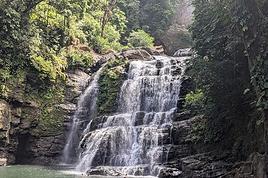
Départ pour la ville thermale de Baños. Arrêt à la Cascade del Diablo del Pailon.
JR 12 BAÑOS
Journée de repos ou visite de la région. Bain thermal
JR 13 BAÑOS QUILOTOA CHUCHIGLAN
Départ pour une excursion au lac de cratère du Quilotoa.
JR 14 CHUCHIGLAN COTOPAXI RIOBAMBA
Départ matinal pour le marché indigène de Zumbahua puis excursion au parc du Cotopaxi.
Possibilité de monter à son refuge à 4800m.
Riobamba. Tour de la ville située au pied de l’un des plus hauts volcans du monde: le Chimborazo (6310 m).
JR 15 RIOBAMBA TRAIN DES ANDES INGAPIRCA
Transfert à la gare de Riobamba ou du village de Guamote et Train des «Andes » jusqu’au hameau de Sibambe par l’impressionnant passage du Nez du Diable.
Puis retour à Alausi pour reprendre la route pour Ingapirca. Visite du Temple Inca d’Ingapirca, de ses ruines et de son petit musée de site.
JR 16 INGAPIRCA CUENCA
Départ pour Cuenca. Visite de la région de Gualaceo et du village de Chordeleg, spécialisé dans l’orfèvrerie.
JR 17 CUENCA
Visite de Cuenca et de son centre historique, classé aussi Patrimoine Culturel de l’Humanité puis d’une fabrique de chapeaux de « Panama ». visite d’un musée éthno-archéologique .
JR 18 CUENCA CAJAS CUENCA
excursion au parc de Cajas, plus de 300 lacs situés dans un paysage du paramo équatorien.
JR 19 CUENCA LOJA
Départ pour Loja, petite ville du sud et visite de la region.
JR 20 LOJA VILCABAMBA
Continuation pour Vilcabamba, région connue pour ses centenaires.
JR 21 VILCABAMBA
Journée repos et visite. Soins dans un SPA ou randonnée à cheval
JR 22 VILCABAMBA GUAYAQUIL
Départ pour Guayaquil, 1er port économique du pays. Visite de la ville.
JR 23 GUAYAQUIL GALAPAGOS
Envol pour Baltra. Arrivée, et transfert sur le bateau Golondrina pour le déjeuner .Visite de la station Charles Darwin sur l’île de Santa Cruz. Dîner et nuit à bord
JR 24 GALAPAGOS
Le matin visite de la partie haute de Santa Cruz. L’aprés midi visite de l’île de Santa Fe. Repas et nuit à bord.
JR 25 GALAPAGOS
Journée visite des sites de Punta Suarez et Baie Gardner sur l’île Española. Repas et nuit à bord.
JR 26 GALAPAGOS Journée visite des sites de Post Office et Punta Cormorant.. Repas et nuit à bord.
JR 27 GALAPAGOS QUITO
Le matin visite du site de Caleta Tortuga sur l’île de Santa Cruz et fin de la croisiere. Transfert aéroport pour envol sur Quito.
Bonjour,
A Quito il y a beaucoup de musées, et surtout le musée de l'or de la banque centrale, si vous avez l'occasion d'y aller, c'est beau.
Même si c'est un peu "touristique", los frailes, à côté de Puerto Lopez est vraiment bien.
Attention en arrivant à Quilotoa, l'altitude peut jouer des tours, surtout si on fait un aller-retour au cratère.
Et si vous avez du temps vous pouvez aller à l'ile de la Tolita (Esmeraldas), très peu connue pourtant siège d'une ancienne civilisation (on y trouva le fameux masque d'or du soleil) passionnante. Y aller accompagné.
Bon voyage, J.-Luc.
Bonjour, à part la réserve d'El Angel dont j'ai entendu parler mais où je ne suis pas allé, le voyage a l'air bien équilibré et vous avez du temps en réserve en cas d'imprévu.
Jour 13: avez-vous prévu un moyen de transport pour aller à Quilotoa ?
Jour 15: n'oubliez pas que le train de la Nariz del Diablo ne roule pas tous les jours. Ne risquez-vous pas d'arriver trop tard pour visiter Ingapirca le jour même ?
Ca tombe bien que tu me parles de l'altitude, quels effets réels produit-elle et comment agir ?
Quelles précautions prendre et/ou médicaments à prévoir ?
Jusqu'à présent, notre + haute altitude a été 3800 M !
Merci
Bonjour,
A Quito il y a beaucoup de musées, et surtout le musée de l'or de la banque centrale, si vous avez l'occasion d'y aller, c'est beau.
Même si c'est un peu "touristique", los frailes, à côté de Puerto Lopez est vraiment bien.
Attention en arrivant à Quilotoa, l'altitude peut jouer des tours, surtout si on fait un aller-retour au cratère.
Et si vous avez du temps vous pouvez aller à l'ile de la Tolita (Esmeraldas), très peu connue pourtant siège d'une ancienne civilisation (on y trouva le fameux masque d'or du soleil) passionnante. Y aller accompagné.
Bon voyage, J.-Luc.
Le fait d'avoir été sans problème une fois (ou plusieurs) à plus de 3000m ne signifie pas que vous ne l'aurez pas.
Mais le débat a déjà été abordé à moulte reprises, en lançant une recherche tu auras toutes les réponses souhaitées.
moi j'avais pris des petites granules homéopatiques pour les problèmes d'altitude qui en fait utilisent les mêmes plantes que les indiens de l)-à-bas à savoir la coca et je dois dire que ça a bien marché 3 petites granules et tout allait bien 😛, je pense l'avoir utilisé à 3 ou 4 reprises lrosque nous étions entre 3000 et 4000 mètres, si tu es intéressée je vais rechercher les coordonnées de ce petit médicament naturel dans ma trousse !
et bien quand je disais que ça venait de la plante coca c'est tout simplement coca en 5 CH, 3 granules à prendre quand on sent mal (tournis, mal de tête, sentiment d'opression) et puis toutes les 3 heures si ça continue ! voilà tout simple ça prend pas de place, c'est très efficace et ça coûte 3 euros 50 en belgique ! bon voyage
catherine
si vous pouvez vous arrêter à Guamoté, il y a un bus qui vous y emène depuis alaussi. C'est le plus beau marché que j'ai jamais vu en equateur, avec la vente aux enchères des boeufs et moutons, rien à voir avec l'attrappe touristes d'ottavalo! le marché de guamoté c 'est le jeudi matin si je me souviens bien
pour ce qui est du transport entre zumbawa et la lagune du quilotoa pas de soucis, il y a des pick up qui te prennes tout le temps, mais attention à bien négocier le prix!!!
bon voyage!
bonjour,
on a fait à peu pres la meme chose il y a 1 an.
le train de riobamba pour la nariz part à 7h (y etre 1H avant pour les bonnes places). on arrive à alausi vers 15H. ca fait donc juste pour ingapirca sauf si vous dormez la-bas car le dernier bus ingapirca-cenca part à 16H.
sinon au lieu du train de la nariz (tres touristique) faites plutot l'autoferro d'ibbara (on a fait les 2 et y a pas photo)
a cuenca aller rendre viste alberto purra, rue tarqui, fabriquant de panama et merveilleux bonhomme.
Derniere chose, il serait domage de ne pas faire la cote pacifique avec Puerto Lopez et Mantanita.
JE VAIS PASSER 2 SEMAINES EN EQUATEUR DU 29 JUIN AU 13 JUILLET .
j AIMERAI PRENDRE LE TRAIN DE aLAUSI A lA NAriz del diablo en partant de cuenca .J ai lu qu il fallait acheter le billet la veille et je voudrais savoir si on peut reserver ce billet de cuenca .
Que pensez vous du marche de Guamote sachant que j irais aussi a celui d otavalo .
Merci pour vos infos
Nathalie
Bonjour
Ne le prend pas mal, mais ton "contact sur place" ressemble fort à une agence de voyages et le circuit que tu nous proposes est surement un copié-collé de leur programme.
Donc au niveau "incontournables", pas de problèmes, ils sont là, c'est le boulot des agences d'ailleurs.
N'hésites pas si tu as d'autres questions.
Albert
ps: correction 07.06.2009: pas vu que ça datait de 2006, mais bon, toujours valable
It's decided—2027 will be Brazil, in the summer (unless you advise against it 😕). From what I’ve read, the weather’s okay, even if it’s a bit chilly for swimming. We’re going, as always, as a group of four, with our teens. 🙂
We’d be looking at a solid two weeks, at least 14 days on the ground. I’m planning way ahead to nail down an itinerary and book our flight tickets (the prices I’m seeing already are freaking me out…).
From my research, I’ve come across some classic routes: Rio/Iguazu/Paraty/Ilha Grande.
Roughly: 4 days in Rio, 2 in Iguazu, 2 in Paraty, and 3 on Ilha Verde. That’d leave us one more stop on the trip.
Since we like to end with a "chill" stop for the kids,
My questions:
- Is Ilha Verde worth it this time of year? I’ve read that swimming might not be an option—water’s too cold… So not ideal for a chill/relaxing destination?
- How should we round out the trip in the South? São Paulo? Another stop along the Costa Verde?
- Wouldn’t it make more sense to head up to the Northeast, where it’s warmer, like Salvador de Bahia?
But Salvador raises other questions:
- Are there flights from Iguazu to Salvador?
- And for the return to France, would we have to connect through Rio or São Paulo from Salvador?
- Any suggestions for places to stay around Salvador?
Thanks for your input—I’m sure I’ll have more questions as I go along. 😉
Hi everyone! So happy to be back on this forum—it’s packed with such useful info! 🙂 My husband and I are planning a 2.5-week self-drive trip to Colombia at the end of the year, including some domestic flights. My first question is: is it possible, easy, and safe to do a road trip in Colombia?
Below is our draft itinerary (with questions at each stop):
29/11: France → Colombia. Overnight in Bogotá.
30/11: Exploring Bogotá: La Candelaria and Montserrate.
01/12: Gold Museum (closed on Mondays). Drive to Zipaquirá (1.5 hrs) to visit the Salt Cathedral. Then drive to Villa de Leyva (3 hrs). Explore the town. Overnight in Villa de Leyva.
02/12: Return to Bogotá via Laguna de Guatavita (5 hrs). Is it worth the detour? Overnight in Bogotá.
03/12: Flight to Pereira. Drive to Salento. Overnight in Salento.
04/12: Cocora Valley (hike among the wax palms) followed by a drive around the area. Are there any waterfalls or other sights nearby?
05/12: Visit a coffee finca—any recommendations? Then explore the surroundings: Filandia, Manizales, waterfalls? Hot springs? Which ones?
06/12: Flight to Medellín.
07/12: Exploring Medellín: Centro, Plaza Botero, Comuna 13. How do you visit Comuna 13? Is it easy to get around Medellín? Metro? Buses?
08/12: Drive to Guatapé (2 hrs). Visit the town, stroll around the lake, then El Peñol. Overnight in Guatapé.
09/12: Return to Medellín.
10/12: Flight to Santa Marta. Drive to a hotel near Tayrona Park.
11/12: Tayrona—El Zaino entrance.
12/12: Tayrona—Palangana entrance, then Bahia Concha and Santa Marta. What do you think?
13/12: Drive to Minca (45 mins). Can we reach the village by car? Pozo Azul and Marinka waterfalls. Overnight in Minca (or back in Tayrona?).
14/12: Drive to Puerto Nao (5 hrs). Stop in Ciénaga on the way + boat tour in Nueva Venecia and/or Buena Vista? Not enough time? Overnight in Puerto Nao.
15/12: Exploring Cartagena: Centro, Getsemaní, the walls + La Boquilla if we have time.
16/12: La Boquilla (is it really worth it?) if we didn’t have time yesterday, then back to the beach.
17/12: Return to France.
So, what do you think? Is this doable, or should we tweak it? Thanks in advance for your invaluable feedback and tips! 🙂
Hi there, I’m looking for recent info on a boat trip with sleeping accommodations from Belém to Santarém. I don’t want a "luxury cruise for wealthy tourists"—just a bed with a minimum of comfort seems great to me🙂. I didn’t find any up-to-date details with Amazon Star. Do you have any companies, guides, or prices for this route to recommend?
I’d love to hear tips and feedback on this trip, especially since I’m traveling solo. I’d like to get a sense of what to expect and ensure some basic safety with transportation.
Thanks.
I live in Quindío and I’ve seen a lot of worried questions since the August earthquake. Here’s an update for those planning a trip to the coffee region.
Tourist sites are operating normally: Salento, the Cocora Valley, Filandia, and Pereira Airport are open and welcoming travelers. The region needs visitors—coming here directly helps the locals.
A few tips to plan your stay:
• Airports: Pereira and Armenia, each about 1 hour from Salento.
• Where to stay: Salento for the vibe and proximity to Cocora, Filandia, or a *finca* near Quimbaya for more tranquility.
• Cocora: Easy to explore independently from Salento, with the Willys (local jeeps) leaving from the square. Go early to avoid crowds.
• La Carbonera: Less known, wilder, and home to the largest wax palm forest. The road is long—best done in a 4x4 or with a Willy driver.
• Coffee: Many small family-run *fincas* offer tours around Salento and Filandia.
• Hot springs: Santa Rosa de Cabal, on the way to Pereira.
• Duration: Plan at least 3 days to enjoy without rushing.
If you have any questions about the region, ask away—I’m happy to help.
Hi everyone! I’m heading to Colombia in January 2026 and have a few questions. In Salento, which is better to do—Cocora Valley or Carbonera Valley? After that, I want to fly from Medellín to Rincón del Mar. Is there an airport in Tolú? I can’t find any info. Thanks in advance, and *buen viajé* to all! Kristian
Hi there, we’ve decided to head to Brazil at the end of March for 2.5 weeks with our 13-year-old son. From what I’ve gathered from some research, Rio seems like a great destination at this time of year, and I’m thinking around 4-5 days to explore it—does that sound right to you? Copacabana, Ipanema, Sugarloaf Mountain, Christ the Redeemer, maybe a favela tour, or any other ideas?
How’s the best way to get around locally? I’ve heard about Bonito or Angra dos Reis and Ilha Grande—what do you think of those? Fernando de Noronha for snorkeling or even diving? Is Recife a good option at this time of year?
If you’ve got any suggestions, we’re all ears—it’s for our 50th birthdays! :-) Thanks so much for your help and tips. See you soon.
Hi everyone,
We’re planning 40 days in Uruguay and Argentina in February and March, trying to avoid as much rain as possible.
We’re thinking of starting in Buenos Aires, then heading to Bariloche, and from there flying to Córdoba, Mendoza, or Salta. Maybe by bus or renting a car to explore each region.
Do you have any suggestions or tips for us? We love picturesque, historic cities and landscapes. As seasoned travelers, we’re used to planning our trips ourselves.
Thanks in advance!
We’ve planned our road trip in Chile, and the only thing left is to book the TABSA ferry from Punta Arenas to Puerto Williams.
Problem: the ferry that leaves Punta Arenas at 1 AM isn’t available for booking, no matter the day or month. All the other departures can be booked, though.
On top of that, Tabsa isn’t responding to any messages.
We’re planning to explore Peru’s main highlights and were wondering if anyone could share insights on the quality and comfort of overnight buses. If so, which bus company should we trust?
Hi,
My wife and I are heading to Brazil from November 6th to December 2nd. We’ll be stopping in São Paulo, Paraty, Ilha Grande, Rio, and Salvador de Bahia.
Could you recommend some nice, non-luxury places to stay in each of these spots?
Also, any suggestions for places to visit would be great.
Thanks in advance for your help!
Marc
Hi there.
I already posted a message asking for advice about our upcoming trip to Chile.
Details: Getting around by bus or train.
Starting from Valparaiso, heading north, passing through cities and places to visit, then returning to Santiago via a different route.
Avoid the beaches...
Thanks
Hello,
my wife and I will be in Cusco for a week in March 2027.
I’d like to organize the visit to the site on our own, combining the Sacred Valley and Machu Picchu.
We’d leave Cusco on Day 1 to arrive at the site in the morning, then stay in Aguas Calientes or Ollantaytambo, and on Day 2 return to Cusco while visiting the Sacred Valley.
Is this doable?
Looking forward to hearing from you.
Cédric.
Hello,
We’re spending 3 weeks in Rio between February 20 and March 15, 2027, to visit our son and daughter-in-law. We’re thinking of one or two "escapes" from Rio—3-day trips to get away from the city (so not too far, max 3–4 hours by car or bus). We’re all ears for suggestions! We love beautiful nature and authentic experiences, not so much the touristy spots... even though those spots are often in beautiful places, we’d rather avoid them.
Thanks for your insights!
Catherine
Hi there,
I’m planning a trip with my partner (no kids this time—thanks, Grandma!) for two weeks to celebrate her 40th birthday. I’ve been thinking about Chile. We’re looking at leaving around September 18, 2027, starting in the south and returning in early April.
Here’s what I had in mind:
8 nights in a van in the Lake District and the start of the Carretera Austral (up to the Chaitén area). We’re set to arrive in Puerto Montt around 2:00 PM. We don’t want to go too far south since we’re planning to explore the heart of Patagonia (Chile and Argentina) with the kids when they’re older. The idea is to spend 3 nights discovering the lakes (up to Cochamó) and 3 nights in Pumalín Park. I’ve also added two transition nights.
7 nights in the Atacama to experience another side of Chile (San Pedro), taking a domestic flight from Puerto Montt to Calama in the early afternoon. We’ll depart for France in the early evening from Santiago.
IMPORTANT NOTICE for those planning to take a bus to another city, state, or destination from Salvador!
Starting January 20, 2026, the intercity bus station Rodoviária is changing its address!
The Rodoviária is leaving the Iguatemi area and will now be located in ÁGUAS CLARAS (about twenty kilometers from downtown Salvador).
A brand-new station (the most modern in Brazil) has just been set up there, accessible by car/taxi/Uber/metro.
Allow for much more transfer time (especially during rush hours), so leave early if you're heading to Chapada Diamantina or other Brazilian cities by bus.
Remember, there are also private transfers (even French-speaking ones) that can take you directly from your hotel in Salvador to your hotel in Chapada. Sure, it’ll be more expensive, but you’ll save on transfer time and comfort.
Tropical greetings from Salvador,
@ivanbahiaguide
Loyal member of the French-Speaking Brazil Forums for over 15 years already 😊 🇧🇷
Hello,
We’re thinking of spending 1 month in Chile, maybe doing a loop?
From 12/23 to 01/22.
What are the must-see sights, given we’re more interested in the country’s cultural side than the beaches?
Thanks
Hi everyone,
We're planning a trip to southern Chile in November. Here's our tentative itinerary:
Day 1: Arrival in Santiago, then a flight the next day to Balmaceda where we'll pick up a rental car to reach Coyhaique.
Day 3: Walk in the Coyhaique National Reserve, then continue to Puerto Chacabuco. Return to Coyhaique for the second night.
Day 4: Drive to Villa Cerro Castillo for a hike in the national park. Continue to Puerto Tranquilo and stay there for 3 nights.
Day 5: Boat tour on Laguna San Rafael.
Day 6: Day trip to Monte San Valentin Glacier.
Day 7: Excursion to the Marble Chapels, then drive to Puerto Guadal. We'll stay there for 3 nights.
Day 8: Walk along Lago Carrera and return to Puerto Guadal.
Day 9: Rio Baker Valley and, if possible, a glacier excursion.
Day 10: Drive to Cochrane and hike in Tamango National Reserve. We'll stay 2 nights in Cochrane.
Day 11: Walk in the Chacabuco Valley.
Day 12: Drive to Caleta Tortel. We'll stay there for 2 nights.
Day 13: Cruise in the Rio Baker delta.
Day 14: Return to Cochrane.
Day 15: Return to Balmaceda in two stages.
Day 16: Continue the return journey.
Day 17: Return the rental car and head back to Santiago.
After this, we're also planning to explore northern Santiago. I'll post about that part once I have a clearer idea of the route.
What do you think of this itinerary? Is it doable in 17 days?
Thanks in advance for your tips and recommendations.
martine
Hi there, I’ll be in Brazil from December 10th to the end of February.
I’ve sketched out a rough itinerary but I’m not sure how to arrange it—considering the climate, year-end holidays, and Carnival.
Basically, I’m thinking of the Amazon, the Northeast coast with Lençóis Maranhenses National Park (but skipping Chapada Diamantina),
Ouro Preto, Paraty, and Ilha Grande—but no Rio visit.
Is this doable in 3 months?
Which direction should I take for this itinerary?
Thanks in advance!
Hi everyone, does anyone know the agency Ventura Travel Agency (not ventura travel)? After lots of research and quotes, it’s the only one offering Uyuni at a reasonable price while meeting all the criteria: transfer to the border, private-room accommodation, and a very fair rate. Other agencies or guides either offer shared rooms, no border transfer, or prices that are way too high. But I’d love to hear some reviews about this agency. Thanks in advance!
Hi everyone,
We're planning a trip to Chile to visit the Atacama Desert and then head toward Putre, Lauca, Salar de Surire, etc.
Which would be the better time to go, April or November?
Is an SUV enough?
Looking forward to your tips!
Hi everyone, French travelers in Chile—what credit cards do you use for your various car rentals in the country? I’m traveling in September and was planning to switch my regular debit card (a VISA PREMIER in deferred debit mode) for the deposit guarantee.
My rentals are with Figal in Punta Arenas, Econautos in Arica, and Chilean Rent a Car in Temuco, and all of them want the deposit on a credit card. For me, deferred debit *should* work, but I’ve read comments saying the opposite.
How’s it actually working on the ground with these rental companies right now? Will a deferred debit card work, or not at all?
In France, banks don’t issue credit cards, right—or am I mistaken?
Hi everyone, is it still possible to travel in Ecuador outside the Amazon region? If so, do you have a reliable agency to recommend? All your recent experiences from the past few months would be greatly appreciated. Thanks so much
Hi,
We’re heading to Buenos Aires for 3 days in November and would like to do a guided tour of a few neighborhoods. There are "free" tours, but none in French. Does anyone have a guide to recommend so we can really get to know the city beyond just the architecture?
Thanks
Hi there,
I’m desperately looking for info on the schedules and routes of (shared) boats to visit the islands of Lake Titicaca.
From what I’ve found, there’s a *combi* (bus) that leaves from Puno to go to Llachon. Where do you catch it? What are the schedules and frequency? Does it take about 1 hour?
Then in Llachon, you can take a boat to Amantani (45 min). Same question—where do you check for frequency and schedule?
After that, from Amantani, boats go to Taquile and then Uros. Do you have enough time to visit the islands between two boats? Frequency and schedule?
The goal is to do this tour independently (no agency) over 2 days. Thanks for any tips you might have!
I just got back from a trip to Bolivia and wow—what a wake-up call. It’s not the easiest country, but it’s absolutely stunning.
I started with Isla del Sol, perfect for easing into the altitude at a relaxed pace. Try to stay in the northern part of the island—it’s quieter and the views are insane. And the trout there? Unreal. Quick tip: bring cash in small bills; they almost never have change, and cards are rarely accepted.
Next up, La Paz. The city’s pretty wild, built in every direction. I did a few hikes in the area, including the famous Charquini Lagoon (the blue lake) at over 5,000 m—let’s just say I struggled 😅 but it was so beautiful it was totally worth it.
After that, I headed to Sajama. It’s cool, especially for the hot springs, and I stayed in Tomarapi. But honestly, if you’re short on time, you can skip it without too many regrets.
The highlight of the trip: the Salar. I did it starting from Tupiza, and I *highly* recommend going Tupiza → Uyuni. Way less crowded at the start and the landscapes are super varied. For the tour, I used SplitYourGuide to find a group, and it worked out great. Super handy for splitting costs and meeting people.
I wrapped up in Sucre—this city is gorgeous, all white, with such a chill vibe. And the salteñas + ice cream? Next level 😋
Bottom line: Bolivia’s a bit rough around the edges, sometimes exhausting (shoutout to the altitude), but it’s 1000% worth it.
If you’ve got questions or need tips, I’m happy to help!
Martin
I was planning to go to Réunion and stay in half-board accommodation with non-professionals, but it seems that’s not really the custom there—or maybe my budget isn’t big enough.
So, since I’ve already traveled around Ecuador and Peru, I’m now looking at Argentina, especially for its mountains (like the ones in Réunion that tempted me, even though—frustratingly—I could only admire them from below).
I plan to get around by bus and don’t know in advance where I’ll sleep, so I won’t book ahead. If I like a place, I might stay for several days.
I know that in Chile, it’s easy to find half-board accommodation, but what about in Argentina?
I’d like to stay with locals in half-board without it being a professional setup. I’m not sure if this is common practice there. It’s up to me to find someone willing to host me.
What do you think?
What would be a fair price (keeping in mind that 40 to 50 € is the max I can spend on accommodation, breakfast, and dinner)?
Hi everyone,
We’re heading to Patagonia for three weeks in November, starting from Coyhaique in Chile.
We won’t have a car, and I’m struggling to find information about transportation options for a few parts of the itinerary we’d like to do:
1) From Perito Moreno (the town, near Los Antiguos), we’d like to travel down Ruta 40 to visit Perito Moreno National Park and then cross into Chile via the Paso Roballos (at the latitude of Bajo Caracoles) to reach the road to Cochrane. Without a car, it seems we’ll need to use private agencies to get to the national park—do you have any recommendations or suggestions? Also, does anyone know if it’s possible to cross into Chile via Paso Roballos (from Bajo Caracoles) without a rental car? That is, without having to go all the way down to El Chaltén or back up toward Perito Moreno/Los Antiguos, etc.?
2) The second stretch that seems a bit tricky (though still easier, in theory) is from Caleta Tortel to Villa O’Higgins on the Chilean side. Do we have to go back through Cochrane, or are there ways to get directly from Tortel to Villa O’Higgins?
3) Finally, we’d like to hike into Argentina (El Chaltén) from O’Higgins. Any recommendations for this? Do we need to go through an agency? What’s the estimated duration of the trek?
As you’ve probably gathered, we want to visit some off-the-beaten-path spots but don’t have a car, so we’re looking for the best possible compromises.
Thanks so much in advance for all your suggestions!
Thomas