J'ai tapé les lignes qui suivent pour un copain. J'en fais donc profiter tous les forumistes.
Bonne lecture.
D’abord quelques adresses où nous avons été particulièrement bien reçus.
- - Pinar del Rio, Casa René Gonzalez :
Il est dans le Routard. Accueil vraiment sympa. Langouste sur demande et conseils en tous genres. On a payé 15 ou 20 CUC/nuit. Parking possible (2 CUC/nuit à négocier)
- Vinales, Casa Dunia Aleman, calle Sergio Dopico n°25, tel (048) 79-33-60 :
Vraiment super. N’est pas dans le Routard. Le meilleur accueil que nous ayons eu (rhum, cigare local, conversation jusqu’au bout de la nuit…). Le mari de Dunia, Luis est super accueillant. C’est une ancienne gloire locale du baseball (le sport national cubain bien plus que le foot). 15 CUC/nuit.
- Matanzas, Casa Marylin
Elle est dans le Routard, mais très difficile à trouver avec les seules indications du guide. Le plus simple est de les appeler et ils viennent te chercher à la station centrale de bus qui est à 500 mètres. Un couple de trentenaires bien sympathique et très dynamique. Parlent un peu l’anglais, je crois.
- - La Havane, casa Chez Nous
Dans le Routard aussi. Super bien placé dans la vieille Havane mais très fréquenté par les français. Bon accueil.
Une adresse du Routard que je ne recommande pas particulièrement :
- La Havane, casa particular David et Lidia Diaz.
Le mec pratique la surréservation à outrance et redistribue ses clients « surnuméraires » dans différentes chambres du quartier (officielles ou non). Inconvénient majeur : comme il délègue la nuit mais pas les petits-déjeuners, on se retrouve à faire longuement la queue pour petit-déjeuner la matin chez lui. Plus de 10 personnes à servir quand nous y étions ; c’est beaucoup quand on sait que les casas sont normalement limitées à 2 chambres de 2 personnes… En outre, la chambre où nous étions (une petite au fond à gauche) était d’un standing médiocre (très peu d’espace, matelas posés par terre) en comparaison de ce que nous avons pu voir ailleurs. Un seul avantage pour les non hispanophones : David parle vraiment très bien français.
A quelques exceptions près, les casas particulares se valent toutes en matière de standing. Nous ne sommes jamais tombé sur des trucs insalubres (de toutes façons, demander à voir la chambre avant de faire affaire) ni sur un luxe exceptionnel (sauf peut-être casa Lucy à Camagüey, cf. Routard). L’eau de la douche est parfois davantage tiède que chaude et la literie laisse souvent à désirer, mais rien de scandaleux. C’est toujours très propre. La plupart du temps, c’est l’accueil qui fait la différence entre une casa correcte et une casa excellente. Pour éviter les embrouilles, vérifier qu’il y a sur la porte le logo officiel délivré par l’Etat.
Le petit-déjeuner (facturé 3 ou 4 CUC en plus de la nuit) sera toujours le même : café ou thé, pain de qualité variable, beurre (en quantité homéopathique) et fruits locaux (ananas, goyave, papaye). Parfois, une omelette en plus. Afin d'économiser quelques CUC, on peut refuser le petit-déj de la casa et grignoter un truc dans la rue en « moneda nacional ».
Pour les autres repas, globalement, les adresses du Routard que nous avons testées étaient bonnes. Globalement aussi, le rapport qualité-prix est meilleur dans les paladars (restaurants familiaux) ou dans les casas (qui te logent mais peuvent aussi te nourrir midi et soir) que dans les restaurants d’Etat. Les restos d’Etat sont de bonne tenue, avec parfois des plats un peu plus élaborés, mais ils sont aussi plus chers.
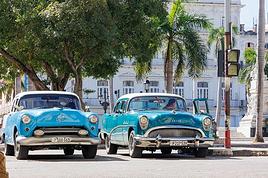
Les incontournables selon moi : La Havane (pour l’ambiance et l’architecture), Vinales (pour les paysages), Trinidad (pour l’architecture coloniale parfaitement conservée/restaurée) et une plage paradisiaque (au choix : Cayo Levisa, Cayo Coco, Varadero).
Les trucs dont on peut se dispenser : Santa Clara (2h pour aller voir le mémorial du Che et la place centrale de la ville si vraiment on passe dans le coin, mais ne pas faire le détour).
Les trucs moins connus mais pas mal : Camaguey et Cienfuegos (deux villes peu touristiques donc plus sympas pour voir la « vraie vie » des « vrais cubains » et ne pas être emmerdé toutes les 5 minutes par les jineteros), le littoral autour de la baie des cochons (playa Gijon) avec ses poissons tropicaux à deux mètres du rivage, et le très original hôtel Guamma dans la péninsule de Zapata (cf. Routard).
Le meilleur mojito de Cuba : dans le resto Hanoï à La Havane (oui, c’est bien un resto Viet). La Bodeguita del Medio n'est vraiment qu'un attrape-touriste. Le prix normal d’un cocktail, c’est 2 CUC. Au-dessus de 3 CUC, soit tu es dans un grand hôtel de La Havane, soit tu es en train de te faire arnaquer.
Le meilleur daïquiri de Cuba : au bar Floridita (c’est là qu’il a été inventé par Hemingway) à La Havane. C’est cher (6 CUC) mais ça les vaudrait presque (à al différence de la Bodeguita). Celui de l’hôtel Presidente (dans le quartier de Vedado à La Havane, 3 CUC) n’est pas mal non plus.
La meilleure pizzeria de Cuba : celle de l’hôtel Melia Cohiba, dans le Vedado à La Havane. Ca permet de changer un peu parce que la variété n’est pas le point fort de la bouffe cubaine...
L’argent.
Eviter d’arriver sur place les mains vides, ça complique les choses. Prendre des euros et non pas des dollars (les USD sont, paraît-il, surtaxés au change).
Quand le liquide commence à manquer, il faut soit trouver un distributeur automatique (le Routard en a référencé quelques uns, mais il n’y en a pas beaucoup), soit se présenter dans une banque avec sa carte bancaire internationale et un passeport et ils te font un retrait sur ton compte. Prévoir au moins 10-15 minutes de file d’attente et attention, les banques ferment souvent à 15h. Comme le CUC n’existe pas sur le marché des devises, la transaction est libellée en USD, soit 11% de plus que le nominal en CUC. En clair : si tu demandes 300 CUC, on te présentera une facture de 333 USD (+ une petite commission bancaire de l’ordre de 5 à 10 USD). Donc, plus le dollar baisse par rapport à l’euro, moins tes vacances te coûtent cher.
En cas d’urgence, les réceptions des grands hôtels peuvent aussi dépanner (change et/ou retraits) mais à des tarifs moins avantageux (et certains réservent parfois ces services à leurs clients).
Les transports.
Les transports en commun interurbains, je n'ai pas essayé mais tous les touristes que nous avons rencontrés nous en on dit du bien (ponctualité, confort).
La plupart des villes, sauf La Havane, peuvent se visiter intégralement à pied. A La Havane, les taxis mettent rarement le compteur. Il faut discuter le prix avant de monter. Pour éviter les arnaques, il faut savoir qu’un trajet Vedado-Habana Vieja ne vaut en aucun cas plus de 3 CUC. Pour une raison que je n'ai pas réussi à éclaircir, les pousse-pousse (« bici-taxis ») prennent souvent plus chers que les voitures !
Les cadeaux (« regalo »).
Dans les coins touristiques, il pourra arriver qu’on vous demande de l’argent (« un pesito », càd un petit peso). Il n'est pas interdit d'en donner, bien sûr, mais on peut aussi faire très plaisir en donnant des savons, des stylos, des chewing-gums ou même des fringues. A la rigueur, je conseillerais presque d’emmener des vieux T-shirts, plutôt que de distribuer des CUC à tire-larigot.
Dans les restos, le pourboire habituel est de 0, 50 CUC.
A Cuba, tout est interdit, mais tout se fait. La langouste est en théorie réservée aux restaurants d’Etat mais on vous en proposera dans les casas. Les paysans de Vinales n’ont pas le droit de faire faire une balade à cheval mais tous le font (5 CUC/heure, je recommande). Les individuels n’ont pas le droit de transporter des touristes dans leur voiture, mais ça se négocie très facilement. Etc, etc…
Les sorties le soir.
Mis à part à La Havane et Varadero-Matanzas, le concept de boîte de nuit au sens où nous l’entendons n’existe pas vraiment. La plupart du temps, l’activité nocturne prend la forme suivante : d’abord un groupe se produit (souvent en extérieur), puis si l’ambiance est bonne, la soirée peut se poursuivre avec des disques et ça commence à danser. L’entrée peut être payante (entre 1 et 10 CUC selon les artistes, la renommée, le caractère touristique ou local de la clientèle, etc.).
Les cigares (« puro » en espagnol, à ne pas confondre avec les « cigarros » qui sont les cigarettes).
Pour ceux qui n'y connaissent rien, je déconseille fortement d’acheter aux nombreux solliciteurs qui vont se présenter (devant les fabriques, à l’entrée des plantations, dans les casas, sur la plage ou tout simplement dans la rue). Il y a d’excellentes affaires, mais il y a aussi de grosses arnaques. Si on veut s’essayer au « puro », faire un cadeau à un ami amateur ou si ce même ami vous a passé une commande, mieux vaut acheter dans les magasins officiels ou dans les boutiques des hôtels.
En repartant, il est demandé de mettre les cigares dans le bagages à main. Les autorités cubaines peuvent vous demander de produire une facture si vous avez plus de 50 cigares (officiellement, il s'agit de lutter contre le marché noir).
Bonjour,
Tu as changé l'argent à l'aéroport ?
Je suppose qu'i est utile d'avoir des CUC et des pesos locaux.
Peut-on avoir tout ça à l'aéroport ou non ?
A la Havane quel resto as-tu essayé ?
Merci
Oui, il y a un bureau de change à l'aéroport.
Pour les pesos locaux, il faut en prendre très peu (du genre l'équivalent de 5 CUC, soit à peu près 100 pesos nationaux ; ça suffit largement pour acheter 2-3 conneries dans la rue).
Merci pour tous ces renseignements. Très apprécié!
J'ajouterais aussi un plus pour la qualité du texte. 🙂
Cela est rafraîchissant de constaté que certaines personnes ont le goût du français bien écrit. Cela nous change des écritures au son et remplies de fautes d'orthographes et de syntaxe que l'on retrouve ici. Malheureusement, notre système d'éducation des trente dernières années a privilégié la médiocrité.
Mlaurent a toujours bien rédiger ses textes et dans un francais impéccable, c'est un vrai plaisir de savoir que l'on peut respecter cette langue si belle.
Mais je suis d'accord avec toi concernant que beaucoup de jeune gens l'écrive en phonétique.
I’m reaching out today because I’m really struggling to find concrete, up-to-date info and feedback on the Bahamas. My wife, our 7-year-old daughter, and I have traveled to Playa del Carmen, Bayahibe, and Punta Cana in previous winters, and we loved escaping to "summer" during the French winter!
We’d like to spend about 10 days in the Bahamas in mid-February 2027. I’m really drawn to the history of the place (pirates, etc.), and we’re excited to explore the Atlantis complex, wander around Nassau, and especially see those dreamy landscapes (the Exumas in particular).
Project overview:
- Days 1 to 7: Stay at Atlantis + exploring Nassau + 1-day excursion to the Exumas (I’ve seen Powerboat Adventures?)
- Days 7 to 10: A few nights somewhere else, further south in the archipelago, but I’m not sure where yet. Any recommendations for stunning spots to discover?
Questions:
-1: My biggest concern is the weather/climate in February. I’ve heard mixed things, and it’d be a real bummer if we didn’t get at least *some* warmth...
I’m not expecting scorching heat, but if we have to wear a jacket and can’t swim, that’d kind of ruin the trip.
According to Google and lots of sites, it’s the ideal time—dry season and sunny—but I’ve seen a few forum posts that worry me.
Does anyone live there or have enough experience to give me a real sense of what to expect?
-2: At this time of year, especially in the Exumas, is the water crystal-clear or more murky/churned up for snorkeling visibility? I read a post saying that in winter, there are stronger currents that stir up the water and make it less beautiful (not like the photos of the Exumas).
-3: Any ideas for a dream spot where we could spend the last 3 nights of our trip? (Without it being a huge trek to get there.)
-4: I’m open to all tips, random or not:
- Must-sees in Nassau?
- Cool pirate-themed spots or restaurants?
- Cool places at Atlantis?
- Beautiful beaches in Nassau/Paradise Island? (Cabbage Beach?)
- Thoughts on the Powerboat Adventures excursion to Ship Channel Cay (apparently a private island, reviews are very positive, and it looks stunning)
Thank you so much in advance to anyone who takes the time to read and respond—I’m sorry for the long post, haha! :)
Have a great day,
Kevin.
We all know the raft is taking on a bit of water.
No discussion threads about the island for weeks...
Have all travelers really moved on elsewhere? No one who could come to the rescue with recent info?
I’m in the Caribbean and still kinda feel like swinging by in September/October...
Looks like there are still direct flights from Mexico and the Dominican Republic for getting in and out.
I'm heading to the Dominican Republic for 5 days in December.
I arrive and depart from Samana Airport (AZS). I'm looking to rent a car, ideally right at the airport, but I don't see any options. Are there no rental agencies at Samana Airport?
If not, do you know where I could rent a vehicle closest to the airport and how to get there?
Hi,
I’m heading to Miches for the first time in November 2026 (no all-inclusive)
I’d love some tips to plan my stay—accommodation, things to do, places of interest nearby.
Is it possible to rent a scooter there to get around the area?
Thanks for your help!
Best,
hi there, I’ve never been to Martinique. my girlfriend, who’s of Martinican origin, has never had the chance to go either (life isn’t always easy). now we can plan a little trip, but we don’t know which airline to choose or how to find accommodation.
basically, I need quite a few tips.
we’re planning to go in September—no chance before that.
Hi! We spent 10 wonderful days in Guadeloupe’s gorgeous climate. Our arrival got off to a shaky start, though—our suitcase was left behind at the airport, which caused quite a stir. A police officer was shouting at us to get out and cross the street. Then, a taxi driver refused to take us after we showed him where we were staying, right by the port in Pointe-à-Pitre. "No one goes there," he told us! Good thing we arrived during Carnival! A second driver finally agreed to take us, and I can say he knew every nook and cranny of his city.
The rest of the trip was amazing. The locals were smiling and welcoming. We didn’t rent a car, so we didn’t get around much and stayed in the Deshaies area—a real favorite. Plage de la Perle (Pearl Beach) truly lives up to its name! We liked Grande Anse Beach less because of the steep slope, which made walking tricky, and the waves were pretty intense. The landscapes in this part of the island are idyllic. We visited the botanical garden—it’s worth it—and went to the port in Deshaies. If we ever go back, we’ll rent a vehicle so we can explore more, because taxis aren’t cheap!
Hi, I’m leaving soon for Punta Cana—what kind of money should we bring: Canadian dollars, US dollars, or are we forced to exchange once we arrive?
Thanks
We spent 15 days in the Exumas from March 10th to 26th.
I should mention that we’ve been traveling to islands for 20 years, so we have points of comparison when it comes to prices, hospitality, and landscapes.
First, the flights: we now live in the Luberon, so we flew out of Marseille. We took British Airways, which we’ve used several times before for trips to the English-speaking Caribbean and which offers flights via Heathrow. We had an overnight layover in London on the way out, then a flight to Nassau. After that, we took a connecting flight (we had a 2h20 layover in Nassau, which was more than enough) to George Town with Sky Bahamas. We had initially ruled out Bahamasair based on very negative reviews.
Immigration and customs were very quick.
When we arrived, we took a taxi to our hotel, Augusta Bay. Cost: $30.
We rented a car through Sure and Shore. It was delivered to our hotel the day after we arrived, and we kept it until we left for Stocking Island. For 9 days, we paid $470 (which is a great price) for a small Honda that wasn’t very new, but we didn’t have any issues with it. One thing we’d never experienced before: they’d put newspaper sheets on the floor, and we were told not to get any sand in the car if we went to the beach!
We stayed 5 nights at Augusta Bay. A 5-minute walk away is the beautiful, uncrowded Jolly Beach, perfect for swimming. We visited the southern part of the island to see the beaches of Little Exuma, especially Tropic of Cancer Beach and the one next to Santana’s restaurant. We also went to Hopper Bay Beach, where you can see a group of about ten turtles near a small boat dock. We went kayaking from the hotel.
Then we stayed at Paradise Bay in the north. While we hadn’t encountered the sandfly problem before, here it’s important to know that the beach is infested with them. The hotel’s restaurant, which is very good otherwise, even provides repellent for guests— that’s how bad it is!
From there, we visited Coco Plum Beach, Three Sisters Beach (where you can snorkel), and others. We also went kayaking again.
We ended our trip with 3 nights on Stocking Island at Saint Francis Resort. If we were to do it again, we’d spend 4 nights there. The island has many trails, snorkeling spots, and you can get around by kayak. We saw rays, turtles, and even a harmless shark, as well as some beautiful beaches. Plus, the welcome at Saint Francis was the warmest we experienced.
Be aware that everything is very expensive on the island—much more so than in the English-speaking Caribbean. Clearly, the purchasing power of Americans plays a role. They say everything is imported, but that’s the case on all islands!
Some places only accept cash or charge a 5% fee if you pay by card.
We didn’t find the locals particularly friendly. If you’ve been to Dominica or Grenada, for example, you’ll know what I mean.
We explored the whole island. The beaches are stunning, but the roads tell a different story. There are a lot of car wrecks—some houses have two or three in front of them, which really spoils the landscape. There are also many abandoned, ruined houses.
The vegetation is lush but not tropical, and you’ll be served apples and oranges for breakfast because there are very few exotic fruits.
As for the climate in March, there was no humid atmosphere, and the heat was very manageable (26°C). It was very pleasant. The seawater, however, is definitely cooler than in the Indian Ocean, for example.
There’s not much snorkeling, but we knew that before coming.
In conclusion: beautiful beaches, sand as fine as flour, and a very pleasant climate. But honestly, for the same cost, I’d prefer the Seychelles, for example.
Hi everyone,
I need your help!
We’re planning to visit Guadeloupe and take the opportunity to explore the islands La Désirade, Marie-Galante, and Les Saintes.
I initially planned to rent a car to get around the main island and then take the ferry from Trois-Rivières to Les Saintes, from Pointe-à-Pitre to Marie-Galante, and finally from Saint-François to La Désirade, following that route.
But when I look at it, the car would sit unused for at least 5 days—that’s paying for nothing🙁.
Is it possible to go from LES SAINTES to MARIE-GALANTE and then on to LA DÉSIRADE? We’d only rent a car once we arrive in Saint-François to continue exploring Guadeloupe. What do you think—is that doable?
This trip is planned for April.
Thanks so much for your help
Just a quick update on the state of this road: the unpaved section has been significantly improved. You can now complete the journey in about 4 to 4.5 hours instead of 6. Great news! For me, the most hazardous part is actually the paved section before and after Sagua. It encourages higher speeds, but there are deep, dangerous potholes that appear without warning. Be careful!
I’d also note that despite occasional power outages—which casas and paladares know how to handle—tourism remains perfectly doable. Cuba is still magical! I was just told, with a touch of humor, that the official German government website suggests bringing your own toilet paper and candles… Hmm, maybe an update on rechargeable gear would be in order…
Hi! We’re visiting Guadeloupe for the first time in January. We’re looking for accommodation near Deshaies to start our trip. A quiet spot, not too far from the sea so we can walk there. Any suggestions are welcome!
I’ve just returned from 15 days in Cuba and wanted to share my experience along with some practical tips for those planning a trip there.
1. Formalities:
- Passport valid for at least 6 months after your return.
- E-visa: apply online (payment by bank transfer only via the embassy of your choice): evisacuba.cu or through an agency novelacuba.com (card payment on their site—I had to go with this option and recommend it because the Cuban embassy in Brussels apparently never received my transfer...)
- Digital D’Viajeros form to fill out a few days before departure
- Mandatory health insurance
2. Currency/budget
- Plan your entire budget in cash; card payments are rare, and withdrawals at the official rate aren’t great.
Local currency: CUP (Cuban Peso)
Official rate: ~1 € = 120 CUP → state-run restaurants and shops.
Current unofficial rate: ~1 € = 490 CUP → private restaurants, local bars, Cuban-owned shops.
For exchanging money:
The easiest way: ask at your *casa particular* or a local restaurant.
3. My itinerary (15 days)
Havana: 3 nights
Viñales: 3 nights
Cienfuegos: 1 night
Trinidad: 3 nights
Varadero: 3 nights
Havana: 1 night
Flights: Air Europa from Brussels, with a layover in Madrid. Smooth and pleasant service.
Accommodations: *casas particulares* booked on Airbnb except for Varadero (Iberostar Playa Alameda hotel).
Practical tips
Install a VPN before departure (many blocked sites like Instagram and Airbnb).
Download the El Toque app to check the updated CUP exchange rate.
Internet via ETECSA SIM card (~30 € for 10 GB) or Wi-Fi in hotels/*casas*.
Download Maps.me for offline maps.
Intercity travel: shared taxi, Viazul bus, or private transfer through your *casa*.
Electricity: 110 V, sometimes 220 V.
Bring basic supplies and medications—hard to find there.
Cuba requires flexibility and openness: regular power outages, unstable internet (especially in Trinidad).
Finally, my personal take:
I loved my trip to Cuba! It’s a disorienting yet deeply charming country.
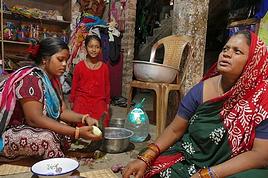
Poverty is visible, especially in Havana: crumbling buildings, many people asking for help (but no safety concerns!). Bringing some essentials for locals is a good idea (soap, toothpaste, medications, clothes...).
Cubans are incredibly welcoming and friendly. A few basics in Spanish help a lot! The vibe is unique: music in every street, musicians everywhere, salsa all around.
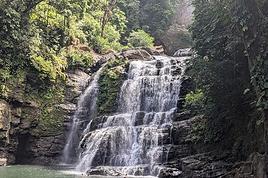
The variety of landscapes is amazing: colonial architecture, paradise beaches, mountains, waterfalls, lush valleys—you’ll never get bored.
Only downside: Varadero, less authentic than the rest of the country, but I expected that!
Overall, it was a wonderful trip, and I’d love to go back!
Hi,
Several comments recommend bringing mosquito repellent. Got it. Are there a lot of them during the day? And by the seaside? Or are they more present (and voracious) in the evening? Thanks.
I bought tickets for Martinique in April 2025 for 15 days, without really looking into what there was to do, and with the idea in my head that we could: hike, do water activities, swim, visit rum distilleries...
But... I’m worried I’ll get bored over 15 days and I’m considering maybe spending 1 week in Guadeloupe and 1 week in Martinique.
For example, I don’t know how to spend a whole afternoon at the beach. 2 hours, max.
I know it’s a personal question and depends on how you travel, but I’d love to hear your thoughts if you’ve done it:
- Did you feel too rushed?
- Is it reasonable to do?
- How much time would you spend on each island?
I’ve just returned from Havana after an 18-day stay from October 8th to 26th.
From Montreal, you have to go through Varadero Airport. I now break up the airport-to-Havana transfer with a SUPER pleasant stopover halfway, in the historic village of Hershey (Camilo Cienfuegos). Quebecer Anne-Marie has renovated a century-old house there, and every stay of mine feels like a peaceful oasis. Amazing food, a pool, impeccable hospitality—I highly recommend it! Casa Cub'Anita.
Life for Cubans remains just as tough, made even harder right now by tropical viruses spread by mosquitoes. It’s absolutely essential to protect yourself properly. That said, the purchasing power of foreign currency hasn’t changed much, despite skyrocketing inflation. As of today, the US dollar exchanges for nearly 500 pesos on the "informal market."
This was my first time staying in Vieja, in the non-touristy part. I discovered some great little restaurants run by the younger generation. Affordable, excellent food, and remarkably friendly service: El Chanchulero (it was about time I checked it out—unbeatable value for money!), El Café, Jibaro...
Cubans are still as warm and welcoming as ever—bicitaxis, servers, markets. Speaking the language is a huge plus.
Essentials to download from abroad before you leave: the maps.me offline maps app, and the La Nave taxi/motorcycle taxi app, which is super efficient for getting around the capital.
Sending my best to all my friends in Oriente as the hurricane passes, especially to Baracoa. I’m planning to visit this winter.
I’m planning a trip to Cuba this summer and I’d love some info: Is travel insurance really necessary? Can you easily get online by buying a local SIM card or internet card? Apparently, there’s only one currency now—is it better to exchange money with your *casa particular* host?
Thanks for all these valuable tips!
Hi!
I’m heading to Havana for a week in February. I’m looking for a casa particular that’s affordable, clean, and cozy. Since I’ll be traveling alone, I’d love a place where people are welcoming!
Also, I really want to stay in Habana Vieja...
Do you have any recommendations for places you’ve stayed before?
I tried booking the casa particular *Chez Nous*, but I never got a response.
Hi fellow travelers,
We're heading to Martinique for a month from mid-January to mid-February.
Our plan is to explore the island by staying in three different spots for 10 days each, on both sides of the island...
Could you share some great tips on where to stay for an authentic experience and what we absolutely must see?!
Hi there,
In March 2026 I’ll be at the Club Med in Sainte-Anne and I’m thinking of heading to Les Saintes at the end of my stay.
Do you know what the most convenient way to get there is?
Thanks so much!
Hi everyone.
For those traveling to Cuba and then planning to go to the USA, you won’t be able to get your ESTA for the United States (same applies) if you’ve been to Cuba after 2021 due to a law passed by Donald Trump (a law that Biden later repealed).
You’ll have no choice but to apply for a visa, which costs 200 € (and approval isn’t guaranteed even after payment).
If you’re in this situation, the process to get this visa will be a real hassle—you’ll need to book an appointment at the U.S. Embassy in Paris. It’s the only embassy in France authorized to handle your application after you’ve filled out the visa request on the official website.
If you try to cheat by applying for an ESTA for the USA, just know that the American administration has ways of finding out if you’ve been to Cuba. 😉
I'm looking for information on the islands of Puerto Rico, St. Barthélemy, and St. Martin for March 2026.
What is there to see, and if possible, prices or tips, please?
Thanks, Michel V.
I’ve booked a room at an all-inclusive in Varadero for January 2025. This will be my 3rd trip to Cuba, the last one was 20 years ago.
The whole tipping and gratuities thing is wearing me out. Even though it’s an all-inclusive package, I think it’d be rude not to leave any tips for the bar staff and the housekeeping team, especially.
Here’s what I’m aiming for:
1. Not feeling stingy (or “feeling cheap” for my fellow Quebecers);
2. Not disrespecting Cubans by offering junk or, on the flip side, going overboard and creating unrealistic expectations for future tourists;
3. And most importantly, not spending the whole week wondering if I’m doing the right thing. I’m going there to relax, not to stress!
Hi there,
I’m planning our upcoming trip to Guadeloupe. We’re looking for a place to stay where human contact is a priority, with air conditioning, close to the beaches, and clean.
We’ve had several responses. After doing some research online, I was able to rule out quite a few options.
But now I’m deciding between:
Kokoplaj, tipayoune (issue: no AC, just fans—is that a problem?), Résidence Le Zandoli, and Gwada Rêves.
If you have any info or experiences to share, I’d love to hear them! ;-)
Thanks for your help!
See you soon...
I’m heading to Blau Costa Verde next February and I’d like to rent a scooter to explore the area. Are the roads around Holguín in good condition? I’m thinking of renting one for 1–2 or 3 days to visit Holguín, Gibara, and Banes on my own. Do you recommend it (I’ve got a great sense of direction)? How much does it usually cost to rent a scooter for 2 or 3 days (or a car, though I’d prefer a scooter)? Also, are there any other interesting spots nearby you’d suggest checking out?
Are there any excursions to Santiago, and how much do they typically cost?
Hi,
When booking the tickets to Martinique for our family, I must have made a mistake, and on one of the tickets, the third first name is wrong. Michel instead of Joel...
CORSAIR Airlines is telling me I have to buy a new ticket for 1200 € (Christmas period). I think that’s outrageous and, above all, impossible for us.
I’m desperate—I feel like Corsair is really overdoing it.
Is there any recourse? How can I get out of this?
I’m throwing this message in a bottle, just in case...😕
Hi, I'm looking for a car rental for January 2020 in Guadeloupe. There are several agencies I've seen reviews for—has anyone dealt with Autolagon before?
Thanks!