Que voir en Namibie ?
Pour préparer votre futur voyage, un aperçu des principaux sites et lieux à visiter dans le pays (carte).
1- LA CÔTE
Henties Bay : station balnéaire au nord de Swakopmund appréciée également pour la pêche.Lüderitz : c'est la plus ancienne ville du Sud-ouest africain. L'architecture coloniale allemande, avec notamment ses belles villas Art nouveau, y est très présente. A 10 km de là on peut visiter la ville fantôme de Kolmanskop.Oranjemund : à la frontière sud-africaine, cette ville qui vit du diamant a un accès (très) réglementé tout comme d'ailleurs la passage de la frontière entre les deux pays à ce niveau.Swakopmund : station balnéaire touristique à la belle architecture coloniale. Plus que pour les plages ou le surf, on y vient surtout pour les activés sport-nature proposées dans le désert tout proche.Walvis Bay : cette ancienne enclave sud-africaine au sud de Swakopmund est le principal port du pays. Son attrait touristique est lié aux possibilités de pêche, d'observation des oiseaux, d'activités nautiques et de balades sur les dunes des environs.Patrimoine naturel
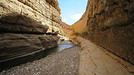
Brandberg Mountain : ces montagnes du Damaraland proches de la côte sont les plus hautes du pays (2 606 m). On peut y voir des peintures rupestres et y randonner.Cape Cross : au nord de Swakopmund, Cape Crosse abrite une colonie de plusieurs dizaines de milliers d'otaries.Côte des squelettes : c'est la partie nord du Désert du Namib. Particulièrement inhospitalière, cette côte (classée parc naturel) est semée de squelettes de baleines (d'où le nom) et d'épaves de navires échoués.Désert du Namib : le plus vieux désert du monde court sur toute la longueur des côtes namibiennes pour une largeur maximale de 160 km. On y trouve plusieurs parcs naturels (Namib-Naukluft, Cape Cross, Côte des squelettes...) et d'immenses dunes parmi les plus hautes au monde (Sossusvlei, Deadvlei).Namib-Naukluft Park : c'est le plus grand parc d'Afrique et le quatrième au monde. Il est internationalement reconnu pour les dunes oranges de Sossusvlei et de Deadvlei qui sont le premier site touristique du pays, mais aussi le canyon de Sesriem situé quelques kilomètres avant celles-ci. On peut y randonner localement.Spitzkoppe : massif rocheux du Désert du Namib qu'on peut escalader. Tout autour, on découvre diverses peintures rupestre des Bochiman.2- L'INTÉRIEUR
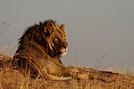
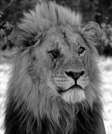
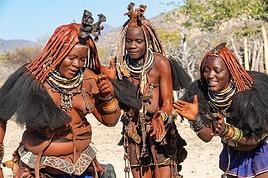
Gobabis : ville étape entre le Botswana (ou l'Afrique du Sud) et Windhoek sur la Trans-Kalahari Higway.Grootfontein : petite ville du nord-est à l'architecture en partie coloniale avec une vieille forteresse. A quelques kilomètres de là, on peut voir une des plus importantes météorites jamais tombées sur terre.Kaokoland : cet ancien banstoustan du nord du pays qui s'étend jusqu'en Angola est le territoire des populations Himbas et Hereros aux traditions encore bien vivaces. C'est surtout une région isolée, semi-montagneuse, et en partie désertique où vivent des troupeaux éléphants.Keetmanshoop : petite localité du sud aux vestiges coloniaux allemands, Keetmanshoop est surtout une base utilisée par les visiteurs pour découvrir les environs (Fish River canyon, forêt de Quiver Tree, rochers de Giant's Playground). Opuwo : cette grosse bourgade de moins de 10 000 habitants est la capitale du Kaokoland. C'est généralement une base pour découvrir les villages Himbas et Hereros des environs.Otjiwarongo : la petite ville du centre-nord sert généralement de point de départ à la découverte du plateau de Waterberg.Outjo : ce gros village du nord est considéré comme la porte d'entrée au parc d'Etosha.Rundu : "grande" ville à la frontière angolaise. Son intérêt touristique se situe au niveau du fleuve Okavango qu'on peut découvrir en canoë, plus l'observation des oiseaux dans les environs.Tsumed : agréable ville minière du nord avec un musée consacrée à cette activité.Windhoek : capitale et principale ville du pays, à 1 700 m d'altitude, elle conserve nombre de témoignages architecturaux de son passé colonial. Juste à côté la Daan Viljoen Game Reserve permet de découvrir la faune par des sentiers de randonnée.Patrimoine naturelCaprivi : cette "queue de poêle" s'enfonce d'environ 500 km en territoire botswanais pour en moyenne 30 km de large. Cette zone plutôt marécageuse est riche en minerais mais aussi au niveau de la faune (éléphants, hippopotames, oiseaux…) qu'on peut observer dans plusieurs parcs dont le Caprivi Game Park, le Mamili, le Mahango ou le Mudumu National Park.Daan Viljoen Game Reserve : petite réserve à côté de Windhoek dans laquelle on peut découvrir la faune par des sentiers de randonnée.Damaraland : c'est une zone désertique située au centre-nord du pays dans laquelle on trouve des troupeaux d'éléphants et de rhinocéros. Désert du Kalahari : ce désert mythique est à cheval sur l'Afrique du Sud, la Namibie et en large partie le Botswana. Dans un décor aride on y découvre de superbes paysages, une faune variée (plusieurs parcs nationaux) et les populations Bochiman qui y vivent.Epupa Falls : une série de chutes d'eau à la frontière entre l'Angola et la Namibie. D'autres chutes similaires plus à l'est avec les Ruacana Falls.Etosha National Park : pas loin de la frontière angolaise c'est un des endroits les plus visités du pays. On y trouve une importante faune avec, entre autres, des lions, éléphants, rhinocéros, girafes, zèbres, gazelles, oiseaux, etc.Fish River Canyon National Park : c'est le deuxième plus grand canyon au monde et le second site le plus visité de Namibie grâce à ses possibilités de randonnées. On peut voir au sud du parc les sources d'eau chaudes de Ai-Aïs.Khaudom Game Reserve : situé à la frontière du Botswana, dans le Kalahari, ce parc difficile d'accès est assez riche au niveau de la faune avec notamment des lions, éléphants et girafes. C'est aussi une région habitée par les Bochiman.Okavango River : entre sa source en Angola et son delta au Botswana, l'Okavango traverse le nord de la Namibie formant d'ailleurs en partie la frontière entre cette dernière et l'Angola. Aux alentours de la ville de Rundu le fleuve offre des possibilités de balades en canoë et d'observation ornithologique.Ruacana Falls : comme Epupa, ce sont des chutes situées à la frontière entre la Namibie et l'Angola. Dans ses environs on peut faire du raft sur la Kunene River.Twyfelfontein : constituée de roches disséminées dans un environnement désertique, ce site d'art rupestre est classé à l'UNESCO. Il est à quelques kilomètres de la Forêt pétrifiée du Damaraland.Waterberg Plateau National Park : dans la partie nord de la Namibie. Ce petit parc un peu difficile d'accès est l'habitat de nombre espèces d'oiseaux, mais aussi de rhinocéros et d'antilopes. On peut y randonner.
3- LE PLUS APPRÉCIÉ...
La côte : Cape Cross; Côte des squelettes; Désert du Namib; Namib-Naukluft Park; Lüderitz; Swakopmund.
L'intérieur : Caprivi; Kaokoland; Désert du Kalahari; Etosha National Park; Fish River Canyon National Park; Windhoek.
Ruacana Falls : comme Epupa, ce sont des chutes situées à la frontière entre la Namibie et l'Angola. Dans ses environs on peut faire du raft sur la Kunene River.
Je ne pense pas que l'on puisse faire du Raft sur la Kunene à cet endroit ???
Les chutes sont actives seulement si le barrage est suffisamment ouvert.
Concernant :
Waterberg Plateau
L'accès n'est pas difficile. Il y a un camping très bien aménagé au pied du plateau. De belles balades à pieds sont possibles.
Concernant :
2- L'INTÉRIEUR
J'ajouterai SOLITAIRE qui est la ville (village) incontournable pour sa célèbre patisserie, et parce que c'est le point de passage obligé vers Sesriem et ses magnifiques dunes de Sossusvlei (dont la "dune 45", qui est parmi les plus hautes du monde).
Concernant :
Otjiwarongo : la petite ville du centre-nord sert généralement de point de départ à la découverte du plateau de Waterberg.
J'ajouterai aussi que c'est le point de passage où dormir pour être à 8 heures le lendemain au CCF (40 km), où l on peut voir et approcher de magnifiques Cheeta en semi-liberté.
Concernant :
La côte : Namib-Naukluft Park
L'accès au Namib et à Solitaire - Sesriem - Sossusvlei ne se fait pas par la côte mais par les terres. Si on arrive par le sud, emprunter la D707 qui offre de magnifiques paysages.
Bonjour, j'adorerai aller en Namibie... j'ai commencé à me renseigner sur les sites à visiter et il y a vraiment de beaux lieux à visiter en Namibie comme le désert du Namib, le Fish River Canyon, Hoba, Etosh... Ça doit être un super voyage !
oui effectivement on pourrait trouver à redire sur ce message, mais le choix en Namibie est tellement vaste.
Au moins un truc à changer, le terme "Bochiman" qui est une insulte pour ce peuple.
En effet cela provient d'une déformation du holandais/afrikans "Bossiesman" qui veut dire, "hors la loi, voyou" (j'ai pas dit Voyajou ! petit salut amical, il est passé me voir avec son def flambant neuf. 10 jours de Kunene vont lui donner une nouvelle patine).
Bushman provient aussi de cette déformation.
A eux de voir.
Pour le CCF j'ai lu que quelqu'un se demandait ce que c'était : le Cheetah Conservation Fund
Protection des cheetahs en Namibie. Si la population des cheetahs est en augmentation en Namibie depuis 20 ans c'est uniquement grace à eux et Laurie Marker.
Et c'est aussi un endroit ou on peut faire des photos sympas.
"Bochiman" vient de l'afrikaans "Bosjesman", "Homme de la brousse", c'est le terme français pour "Bushman".
Il y a quelques années j'avais demandé à un couple de Bushmen (ou Bochimans) près de Ghanzi quel terme il fallait utiliser pour les désigner. C'est le terme "San" qui les dérangeait le plus, "Bushman" leur convenait, ils ne connaissaient pas "Bochiman".
Wikipedia surement pas, le CNRTL je ne sais pas.
L'association San Rise (gérée par des Sans et des hollandais), le musee de Joburg (plus grande collection d'objet San au monde) dont je te joins une copie de leur communication, elle meme reprise par de nombreuses associations en Namibie ou opérator spécialisés sont des références qui ont toutes la même explication.
J'ai eu la chance l'année dernière d'être en contact avec une mission du CNRS dirigée par un chercheur italien.
Elle avait pour but d'emmener des Sans de la région de Tsumkwe à Joburg pour donner des explications sur la collection du musée : les usages des objets, les coutumes, le savoir... Cette expédition était financée par la BBC qui en échange filmait l'ensemble de la démarche. Ils quittaient pour la première fois leur village, prenaient l'avion pour la première fois et ont fait halte à Otjiwarongo à l'aller et au retour. 80 heures de tournage ont été données à l'Afrique du Sud et la Namibie. Un mois plein sur place. Un documentaire. Une archive inestimable d'une disparition en cours.
Le fils qui traduisait les paroles des anciens était Haillom (ancien d'Etosha) mais n'était pas choqué par le terme San qui était simplement générique, un peu comme si on disait à un français qu'il est indo-européen.
Opération émouvante pour un peuple qui mérite beaucoup plus d'attention et de respect qu'il en a actuellement. Ils n'ont pas la médiatisation des Himbas et le Botswana est en train de leur reprendre progressivement les terres attribuées. (richesse minière)
Il se trouve également que j'ai comme jardinier le représentant régional de la communauté San (les région ne sont pas les mêmes que celles de l'administration et il y a plusieurs représentants pour la seule Otjozondjupa) c'est en fait un métis, Albertus de son nom d'état civil. Pas question de lui dire qu'il est bushman ou Bochiman.
Concernant les Sans que tu as rencontré à Ghanzi il y a de grande chance que se soit en fait des Haillom (ou Haiom) déplacés mais aussi peut etre des Gwi, Heikum, Kua, Kung, Kxoe, Xam... qui sont en fait les veritables noms.
Comme dit dans l'article suivant le terme San ne veut rien dire pour eux car les appelations ne dépassaient que rarement quelques groupe de familles. Basarwa au Botswana est le terme généralement employé et pas san. Bushmen est un terme "touristique " synonyme de rentrée financière, Bochiman est un terme de boer et péjoratif d'autres ethnies qui se plaisent à les appeler ainsi ( les damaras du Spitzkoppe par exemple qui exploite un site historiquement San)
C'est pourtant ce terme "San" qui est communément repris (par commodité ?) et aussi par rejet des termes Bochiman et bushmen purement coloniaux.
Demain une photo
Emmanuel
"The San are the oldest inhabitants of Southern Africa, where they have lived for at least 20 000 years. The term San is commonly used to refer to a diverse group of hunter-gatherers living in Southern Africa who share historical and linguistic connections. The San were also referred to as Bushmen, but this term has since been abandoned as it is considered derogatory.
There are many different San groups - they have no collective name for themselves, and the terms 'Bushman', 'San', 'Basarwa' (in Botswana) are used. The term, 'bushman', came from the Dutch term, 'bossiesman', which meant 'bandit' or 'outlaw'.
This term was given to the San during their long battle against the colonists. The San interpreted this as a proud and respected reference to their brave fight for freedom from domination and colonization. Many now accept the terms Bushmen or San.
Like the first people to inhabit other countries in the world, the San have an unfortunate history of poverty, social rejection, decline of cultural identity and the discrimination of their rights as a group.
Yet, the San have also received the attention of anthropologists and the media with their survival and hunting skills, wealth of indigenous knowledge of the flora and fauna of Southern Africa, and their rich cultural traditions.
San people speak numerous dialects of a group of languages known for the characteristic 'clicks' that can be heard in their pronunciation, represented in writing by symbols such as ! or /.
Made up of small mobile groups, San communities comprise up to about 25 men, women and children. At certain times of the year groups join for exchange of news and gifts, for marriage arrangements and for social occasions."
Merci Manu. Notre "guide" (un des seuls habitants parlant anglais) à Omatako Valley Rest camp utilisait le terme San tout le temps, il disait "San people " à chaque fois qu'il nous expliquait une pratique de son peuple... Il n'a jamais utilisé d'autre terme. Mes deux centimes...🙂
Anne-Marie
voici quelques liens qui sont sur la traduction Bossiesmann=outlaw, dont Museum Africa. elle reprend mot pour mot cet article du musee de Joburg.
http://themuseumafrica.org/south.html
En fait il semble que certains linguistes aient effectivement traduit literalement du neerlandais Bosjesmann le terme. Mais c'est un mot composé de Dutch + Afrikans. De plus elle ne prend aucunement en compte le contexte historique.
Et enfin une photo emouvante, la plupart quittaient leur village (au nord de Tsumkwe) pour la première fois pour aller au fameux musee.
Ils avaient mis leurs plus beaux vetements pour l'occasion.
Tout ça est fort intéressant. Comme le sont ces peuples dont le sort serre souvent le cœur et qu'il est de fait bien difficile de nommer puisque effectivement ils ne se nomment traditionnellement pas eux-même de manière générique.
Although many names have been given to them by others, the ‘Bushmen’ as a whole do not yet agree on any single name to give themselves.
Tous ces noms sont péjoratifs et leur ont été donnés par des colonisateurs, noirs ou blancs.
All the terms commonly used to refer to the Bushman peoples might have pejorative origins.
In the absence of a single term, many have come to prefer the term ‘Bushmen’.
Some Bushmen in Botswana use the term to show their relationship to the ‘bush’, in other words to their land, which is of utmost importance to them. For these reasons, it is the term used by Survival International.
has recently been used as an alternative to ‘Bushmen’, at first only by academics but lately more widely, especially in Namibia, despite its similarly pejorative origins.
(Toutes citations provenant du site de Survival International, lien fourni plus haut).
Bochiman, c'est du français qui sonne très (et effectivement trop) 19è siècle.
Bushman, c'est de l'anglais.
San, c'est du nama.
Comment les Namibiens (non Bushmen/Sans - je sais plus !) les appellent-ils ? "Bushmen" n'a aucune connotation péjorative pour les touristes que nous sommes.
Peut-être que le plus simple lors de leur rencontre, est de commencer par leur demander de quel peuple font-ils partie ? Et de conserver les termes "Bushmen" et/ou "Sans" aux discussions plus généralistes franco-françaises ?
oui tout est compliqué.
Mais je n'ai jamais dit que c'était péjoratif dans la bouche d'un touriste. Pour les colonisateurs il n'en va pas de même.
Le terme le moins employé ici est Bochiman. Si il l'est ce n'est pas par erreur...
On entend beaucoup de "Bushmen" hérité de la déformation anglaise et qui est synonyme de rentrées d'argent car il est le plus explicite : homme du bush est clair a traduire, donne un côté "qui fait réver" donc un bon nom marketing. Pratique aussi pour les agences.
Et pourtant, les Sans étaient une population aussi cotière (pas tous mais beaucoup). Ils se nourrissaient de coquillages, de poissons, ce n'est qu'a force d'être chassés de partout qu'ils ont fini par se regrouper sur des terres dont personne ne voulait : le Kalahari ou vivaient déjà certains mais pas de façon permanente. A Etosha pour les Heillom.
San est le plus employé par commodité, et parce qu'il n'est pas possible de nommer tous les differents groupes.
C'est un terme que les Sans auraient apparement choisi eux-même parmis ceux existants.
Personne ne sait grand chose sur ce peuple. Le plus ancien d'afrique australe ? oui. Depuis combien de temps ? on va de 20000 a 100000 ans et plus.
Une étude génétique démontrerait (conditionel) que ce sont nos ancetres à tous et qu'ils nous rapprochent des origines de l'Homme sur terre.
Leur langue est aussi un mystère. Cette langue a clic (Khoisan) qu'ils partagent (la technique) avec les Damaras. Les clics remplacent certaines voyelles. Langue orale dont il existe très très peu de documents écrits
Pour le khoe-khoe (Damara) et pour ceux que cela interesse, petit lien sur la realisation du dictionnaire Khoekhoe/Anglais pour les enfants, il y a une codification de la prononciation. 1er livre depuis 1948. Traduction par ma fille, réalisation gratuite par Theduck75 (membre VF amoureux de la Namibie et de ses habitants) pour le distribuer aux écoliers les plus pauvres.
http://voyageforum.com/discussion/autre-regard-namibie-remerciement-leur-part-d5796694/
En fait je suis en train de pourrir le message initial de VF. Il faudrait ouvrir un fil spécifique....
En effet le gouvernement du Botswana veut faire passer une loi interdisant la chasse a quiconque en dehors des reserves de chasse.
Les sans sont directement visés et seront donc considérés comme des braconniers. Une honte pour ce pays.
En fait la famille du president botswanais etant particulierement intéressée aux activités chasse et tourisme elle souhaite ainsi se gaver un peu plus.
Il était déjà obligatoire pour certains d'entre eux d'obtenir un visa pour rester dans le village de leurs parents.
Bref malgrè les condamantions depuis 2007 le Botswana continue son entreprise de destruction des Sans.
Ils ont heureusement des soutiens dont le Prince Charles (ce n'est pas anodins) et des avocats anglais. Le Botswana est membre du commonwealth.
la plus longue migration de mammifères confirmée entre la Namibie et le Botswana.
Une nouvelle migration réalisée sur 500 km par un troupeau de zèbres remporte le prix de la
plus longue migration de mammifères de point à point en Afrique.
Jusque la on pensait que c'était des gnous (Serengeti) qui détenaient la palme de la plus grande distance sur le continent africain
Mais la distance parcourue par les zèbres est supèrieure de quelques kilomètres, rapporte le New York Times. Leur voyage entre le Botswana et la Namibie, décrit dans Oryx, a été calculée après suivi de six zèbres femelles équipées de colliers GPS.
Il a fallu attendre plusieurs années (dec 2012 puis dec 2013) car la récurrence de la migration était aussi nécessaire pour la classer comme telle.
Cette migration valide d'autant plus la création du park transfrontalier entre la Namibie, le Botswana, la Zambie et l'Angola : le plus grand au monde +/- 400000 KM2. Il crée des espaces de migrations.
Une merveille de plus découverte en Namibie (bon en Afrique australe d'accord....)
D'abord une source pas facile a trouver en dehors de Namibie le MET (Ministry on Environment and Tourism ) 2 scientifiques namibiens ont participé à cette étude : P. Beytell, et P du Preez
En suite : NEWS - Namibian Environment & Wildlife Society -, la c'est facile on peut s'abonner sur Facebook à leurs publications
Et enfin la derniere pour le reste du monde qui est donnée dans mon premier message : Oryx (the international journal of conservation) de l'université de Cambridge.
Il faut aussi savoir que les journaux "The Namibian" et "Republikein" (en Afrikans) donnent énormément d'infos sur la vie sauvage en Namibie, vous pouvez aller regulièrement sur leurs sites. Je n'ai pas souvenir d'une publication sans au moins une info. En ce moment sujet très préoccupant, le poaching des rhinos en Namibie , 6 cette année et seulement 1 ou 2 en 10 ans avant 2014.
merci beaucoup.
on m'a fait suivre des infos inquiétantes sur l'autorisation donnée par le gouvernement de procéder à l'abattage de 6 mâles éléphants du désert (il n'y aurait plus qu'une centaine de ces éléphants contrairementà ce quies raconté.Tu as des infos sur ça?
+/- 300 éléphants en 1990 juste après une période sombre de poaching et secheresse.
Actuellement les différentes sources (MET et assoc) s'accordent sur +/- 600 éléphants du désert dans la région Kunene, ce qui ne me semble pas impossible car il m'est arrivé de voir plus de 50 éléphants différents en quelques jours.
Le nombre de 100 parait très faible, en effet les groupes ou familles différentes, clairement identifiés et étudiés dans Hoanib, Hoarusib et Huniab sont déjà d'au moins 15.
Concernant les autorisations d'abattre je n'en sais rien. Je sais juste que le MET avait abattu un éléphant en 2011 qui avait attaqué un touriste.
On trouve de temps en temps des carcasses d'éléphants tués illégalement mais il semble que cela soit minime.
Il y a aussi des cas de disparitions, cela ne veut pas dire que l'éléphant est mort mais on en a plus trace.
Ce sont des grands voyageurs. Il y a quelques mois un d'entre eux est venu jusqu'a Omaruru.
Les communautés ont, le droit de demander et vendre un permis de chasse sous des conditions bien définies (animaux qui posent problème....) combien ? Les quotas sont fixés annuellement mais il y a des cas d'exception.
ou il est effectivement question de 6 permis pour des éléphants màles dans les mois a venir.
il faut faire tres attention avec cet article et ses "allegations" vigoureusement démenties par le gouvernement.
De plus cette organisation a du plusieurs fois faire machine arrière sur certains sujets. Ils ont tendance a faire feu de tout bois : humanitaire, animaux, environements, droits de l'homme.... Peut on être spécialiste en tout ? Ils envoient des affirmations à l'emporte pièce, font signer une petition, demandent des dons.
Concernant Avaaz et on peut dire que c'est peut etre le retour du jeu qu'ils jouent, voila ce qu'on peut lire
"les actions d'Avaaz et l'utilisation des dons versés à l'association. Il apparaît que l'organisation appuierait des interventions militaires, notamment dans les conflits libyen et syrien de 2012, et se mêlerait des affaires internes de la Somalie, du Soudan et de l'Iran. Sont aussi soulignés les salaires et dépenses gigantesques de ses dirigeants ainsi que des liens avec diverses organisations et fondations contestées quant à leurs actions"
En 3 mots.
Effectivement on se demande pourquoi la Swapo qui a +/- 70% des votes depuis l'independance viendrait soudoyer les communautés avec de la viande d'éléphant. De plus cette viande est dure et les communautés préfèreraient a coup sur des vaches.
Chaque permis (lions éléphants) délivré a ce jour est uniquement donné pour des animaux qui provoquent des problemes.
"It is of the opinion of the Ministry of Environment and Tourism that the aggressiveness of the elephants and their new migration patterns inland as an indication of disturbance in the Uchab River, probably caused more by irresponsible ecotourism and vehicles than anything else."
Le gouvernement en profite pour rappeler que le nombre d'éléphants en Namibie est au plus haut depuis 100 ans, qu'en 2013 , 5000 problèmes (dont des morts humaines ) ont été rapportés concernant des éléphants, que la plupart de ces problemes sont dues aux ecotouroperateur, qui n'ont aucune autorisation, Quant aux ONG ou pseudo scientifiques , certains n'ont jamais mis les pieds en Namibie... suivez mon regard.
"The Ministry of Environment and Tourism is also aware of specific Non Governmental Organisations and individuals who are working against the wildlife conservation activities of the Government and sustainable utilisation of wildlife resources by rural communities through the Conservancy Programme. This has negative implications to out Community Based Natural Resource Management which has now been widely regarded as an innovative and successful people-oriented approach to conservation. We have become recognised as a leader in this field. We have restored the link between conservation and rural development by enabling communal areas farmers to derive a direct income from the sustainable use of wildlife and tourism activities."
Avec parfois des maladresses ou des compromissions, (permis rhino noir) je pense objectivement que le gouvernement namibien fait énormément d'efforts et obtient des resultats sur la préservation de sa faune. De plus ils ont été transparents sur un sujet très polémique comme celui du permis du rhino noir et ont organisé un debat public et contradictoire sur les quotas de léopards en début d'années.
Je ne fais pas un réquisitoir pour le gouvernement mais il n'est pas toujours facile de concilier humains et animaux et quand on regarde la constitution namibienne, les efforts déployés et les résultats on peut se dire que ça marche plutôt pas mal.
Rappelons que la Namibie est un pays ou le minimum vital est tout juste atteint pour une grande partie de la population. L'équation n'est pas simple.
De plus cette organisation a du plusieurs fois faire machine arrière sur certains sujets. Ils ont tendance a faire feu de tout bois : humanitaire, animaux, environements, droits de l'homme....
merci de tes reponses! je t'apporte juste un complement sur Avaaz. Ce n'est pas une acssociation de défense contre tel ou tel problème.c'est juste un site où n'importe qui peut mettre en ligne une petition.c'est uniquement un support pas une ONG.
Pour vous faire une idée sur la situation sociale et politique de la Namibie vous pouvez lire l'article suivant sur un évènement tragique survenu il y a quelques jours.
Ce qui est interessant est de voir les échanges sur Facebook concernant ce fait divers dramatique car une jeune fille est morte.
https://www.facebook.com/informantenam
On y ressent bien les tensions existantes, les relations compliquées entre un gouvernement, la police, la Swapo et sa population, les craintes sur l'avenir.
Pour info le gouvernement vient de presenter une loi visant a interdire les partis d'opposition représentant moins de 5% des suffrages, pour faire simple tous sauf la Swapo.
Namib-Naukluft Park : c'est le plus grand parc d'Afrique et le quatrième au monde. Il est internationalement reconnu pour les dunes oranges de Sossusvlei et de Deadvlei qui sont le premier site touristique du pays, mais aussi le canyon de Sesriem situé quelques kilomètres avant celles-ci. On peut y randonner localement.
Parc national du Hoggar : 450 000 km²
Parc national du Tassili n'ajjer : 80 000 km²
Parc du Namib-Naukluft : 50 000 km²
I’m starting to plan a trip to Tanzania + Zanzibar in August 2027 for 2 to 3 weeks with my partner.
I’ve never been there before and I’d love some advice, especially for Tanzania where we’re planning to do several safaris in the North.
Specifically:
Do you recommend using a travel agency to organize the trip, or are guidebooks and internet recommendations enough?
If you’ve used a local agency (rather than one in France), which one?
Would you recommend hiring a guide for the entire stay in Tanzania, or is it better to travel independently except in the parks where I’ve read that guides are mandatory?
If you’ve used a local agency (rather than one in France), which one and at what price?
Have you had any bad surprises (hidden fees, inexperienced guide, poor vehicle condition)?
Looking forward to reading your tips! 🙂
Thanks in advance
Thirty years ago, I traveled to Zanzibar (Tanzania) with my children. Since I’ve since started a new family, I took the opportunity of a trip to Kenya to bring my new family along: my wife, who’s Kenyan, and my 10-year-old daughter.
Zanzibar has really changed in 30 years.
It’s become the island of taxes.
It all starts upon arrival: I think it’s the only country in the world, besides the visa, where Zanzibar insurance (and no other) is mandatory—it costs 40 €. If you didn’t purchase it before arriving, good luck getting it: the IT systems are unreliable. With a bit of luck, it’ll take at least an hour to process! And of course, this insurance is useless—if you get sick, it’s recommended to use your home country’s insurance because if you use Zanzibar’s, your national insurance won’t cover you anymore.
I wanted to show my daughter the red colobus monkey, which is endemic to Zanzibar. I paid for a tour that was supposed to be all-inclusive. First, we visited a spice farm, where a farm guide took charge of us—meaning commissions were involved, of course! The tour was very good and informative, though. When we arrived at Jenzhi Park (the colobus park), the guide told us he "forgot" there was an entrance fee (50$).
Aware of the system, I decided to book an Ocean Blue tour through the Zanzibar Tourism Office. After two hours of driving, we stopped at a beach—and were left there. No boat was ready to take us. Since my wife speaks Swahili (the language in Zanzibar), after an hour, a captain with his own boat agreed to take us along with his family.
Another attempt. The main attraction in Zanzibar (besides the city) is Changuu, the Prison Island. You have to take a motorboat and pay the captain, which is normal.
But in Zanzibar, to even get on a boat, you first have to pay a tax! Once we arrived at the island, it started all over again! Thirty years ago, access was free, and the entire island (about 1 km²) was open. Today, there’s a small office, and you have to pay a hefty fee to enter. But enter where? A paved path leads to about 15% of the island—the rest is off-limits. In total, I paid 100 € for my wife, daughter, and myself just to visit a tiny portion of the island! Avoid this!
For the rest of our stay, we stayed at a 5-star hotel with golf, horseback riding, tennis courts, evening concerts, etc.—undeniably high-level comfort. One last thing: if you want to rent a car, it’s affordable and useful for exploring the island’s diverse landscapes, but there are speed cameras at every corner on the main roads. The fine is supposedly 100 $, and it’s hard not to get one!
I told you: Zanzibar, the land of taxes. I used to think my country, Belgium, was the tax champion—I’ve found something even better!
In Nov./Dec. 2022, I went on a safari in the region and we suffered from the extreme temperatures caused by the "El Niño" phenomenon in the Indian Ocean at that time. On top of the extreme heat, there can be torrential rains, flooding, etc., which have led to disasters with casualties.
Hi everyone!
I’m still planning my Cape Town to Johannesburg trip in January 2027.
I saw a documentary about the San people in Namibia, and the same day, I stumbled upon the Lonely Planet page about !Kwah Ttu.
I checked out their website to learn more, including Michel’s travel journal about it. I’m really keen to go.
So, I’m thinking of dedicating:
- either 1 day out of the 4.5 I have in Cape Town...
- or making a detour to !Kwah Ttu on the day I leave Cape Town for Montagu, instead of visiting Franschhoek and its Saturday market...
To the VFers who’ve already been: is it really worth spending a day there?
Thanks in advance for your feedback!
Malijp
Hello everyone!
It's been a year since I've been longing for South Africa. Our first trip in August 2025 amazed us, and—rarely—it was a unanimous hit with our little family! We were touched to the core, and from the moment we got home, we couldn’t stop talking about going back. 😄
I’d like to take this opportunity to thank everyone who gave me advice on the itinerary for that first trip (Johannesburg loop: Blyde, Kruger, Eswatini, St. Lucia, Durban, Drakensberg)! Thanks to you, our trip went like a dream!
Since then, I haven’t stopped reading articles and discussions on VoyageForum to keep my head in South Africa a little longer!
So, we finally caved and just booked our tickets for January 2027 (from the 3rd to the 26th), with a plan to do a road trip from Cape Town to Johannesburg in about 3 weeks.
I’ve got a rough itinerary that seems great based on what I’ve read on various forums, but there are still some uncertain points, and that’s where I could use your advice.
3/01: Arrival in Johannesburg at 11:45 PM
4/01: Flight to Cape Town, pick up rental car. Afternoon sightseeing
5,6,7/01: Cape Town to visit the big classics in the area (any tips for finding accommodation: which neighborhood, a specific place?)
8/01: Overnight stop before Oudtshoorn—but where??? (Is it essential, or is the CT-Oudtshoorn drive manageable? If so, I’d gain a day in Oudtshoorn. Google Maps shows over 5 hours of driving...)
9,10/01: Oudtshoorn (or would 3 nights be better to really enjoy the area?)
11,12/01: Knysna, Plettenberg Bay (to have time for hiking—if you’ve got hiking tips, I’m all ears!)
13,14/01: Tsitsikamma (still to have time for hiking—who knows the must-do hikes in the area? But maybe 4 nights in the Knysna-Tsitsikamma area is too much—I’m not sure)
16,17/01: Addo Elephant (I’m torn between 3 nights at Addo or 3 nights at Mountain Zebra. Based on travel journals, especially Michel’s on MZ, I’ve scheduled 3 nights at MZ 😄...)
18,19,20/01: Mountain Zebra NP
21/01: Camdeboo NP (because it looks so beautiful!)
22/01: Overnight stop (where?) before wrapping up the trip with either 2 or 3 nights at Golden Gate NP or the Lesotho option, which appeals to me, but I don’t know if it’s doable in 3 days to be back in Johannesburg by the afternoon of the 26th.
That’s my trip idea for now...
I’m eagerly waiting for your advice, ideas, and comments...
Can’t wait to be back there again!
We're heading to South Africa for a month with 5 adults.
We'd like to rent a vehicle that can accommodate 5 people and all our luggage.
We're starting in Cape Town and ending in Johannesburg.
What vehicle would you recommend?
EDITH
Hi there,
I’m planning a gorilla trek in Bwindi, Uganda. I’m torn between the classic option (1 hour with the gorillas) and the habituation trek (4 hours with the gorillas but a more expensive permit). Has anyone done the habituation trek? Both? If so, I’d love to hear your feedback (including on the difficulty).
Thanks
I’ve read some travel journals here but I still have a question.
We’re heading to Uganda next February. The gorilla permits are booked, and the flight tickets are sorted too.
My question is about the chimpanzee trek. I’d love to know whether it’s better to book the habituation experience (4 hours) or the standard trek (1 hour).
The price difference isn’t huge, but I keep wondering and I’d hate to miss out on a great experience.
Hi everyone,
We’re revising our travel plans for January 2027. Originally, we were considering Uganda for about 14/15 days, but given the current health situation and the restrictions that might affect my partner, who’s American, we’ve decided to switch to Tanzania instead.
I’m used to traveling in South Africa and organizing my trips myself, but I get the impression that planning a safari in Tanzania is quite different.
I know self-drive isn’t really an option in Tanzania. So my main question is: can you organize your own itinerary and book lodges directly, then hire a local driver-guide? Or is it better to go through a local agency that handles the entire safari?
For the itinerary, which parks would you recommend for a first-time visit in January? Serengeti, Ngorongoro, Tarangire, Manyara, Ruaha, Arusha, Selous…
We’d also like to include Zanzibar to end the trip with a few days at the beach. Over 14/15 days, does that sound realistic or too ambitious?
Finally, for flights, is it better to arrive at Kilimanjaro (JRO) or Dar es Salaam (DAR) based on the itinerary we’re considering?
Thanks in advance for your feedback, especially on the best way to organize the safari and which parks to prioritize in January!
We're now just 5 weeks away from our trip to South Africa 🙂 and *so* excited to explore (just a tiny bit of) this amazing country.
I need to buy some binoculars but have no idea which model to choose. I don’t really know what to look for (and I don’t want to spend too much).
Thanks in advance to anyone who can give me some tips!
We just got back from ten days in Tanzania. We were lucky enough to be guided by Gishaman. Always in a great mood, a good driver, and an excellent guide. Thanks to him, we not only saw the Big Five in one day but also loads of other animals. He works for the local agency Blit Safaris, which provided excellent support throughout our trip. Highly recommended!
I’m planning a potential trip to Namibia for a classic circuit in April 2027.
I’m surprised by how expensive the accommodations inside the parks are—really steep! Is it possible to stay outside the parks but still close enough to enjoy the game drives?
Do you have any recommendations for more reasonably priced lodging? I’m okay with spending 200 to 250 € per night.
No camping—the friend I’m traveling with absolutely refuses 😉, but maybe upgraded tents would work.
Hi, I'm looking for information on the road conditions in Moremi. We're leaving in 15 days, and from what I've heard, the roads are pretty tough to drive on. Any advice?
Thanks
My trip to South Africa is getting closer (still 2 months to go 😏), and I’m diving back into my itinerary: from Saturday to the following Sunday around Cape Town, then from Sunday to the following Saturday in Kruger.
For Cape Town, the plan was to avoid changing accommodation every day (we’ll do enough of that in the second part) but still see different landscapes.
I know, I’m missing out on a lot, but you’ve got to make choices, and after all this time, I know what I like—and especially what I don’t (or like less) 😉
Here’s the breakdown:
Arrival Saturday at 11 AM: heading to Hermanus (2 nights). The idea is to stroll along the cliff path in the afternoon, and possibly drive to the Klein River Lagoon. Sunday: Stony Point, then depending on time and weather, a hike in Kogelberg Nature Reserve or Fernkloof Nature Reserve (which seems less scenic but has shorter walks).
Monday: drive to Franschhoek (1 night). If everything lines up, a hike in Jonkershoek NR and a visit to a wine estate.
Tuesday: drive to Mountceder Lodge in the Cederberg (2 nights). I’m thinking of visiting the Stadsaal Caves and the elephant paintings, and maybe one of the hikes listed on the lodge’s site or Maltese Cross.
Thursday: heading to Hout Bay for 3 nights. In no particular order: a classic day trip around the peninsula, half a day at Kirstenbosch Gardens, and half a day at Lion’s Head.
Sunday: flight to Johannesburg.
My questions are mostly about (short) hikes:
Has anyone here done hikes in Kogelberg, Fernkloof, or Jonkershoek?
At Mountceder Lodge (Michel, if you’re reading this… 😉), has anyone tried the hikes (guided or not) offered by the lodge?
There’s still half a day to fill when we’re in Hout Bay—any ideas (not necessarily hikes)?
Lastly, regarding safety: the French foreign ministry (always alarmist, but still) recommends hiking in groups. Is it really risky in broad daylight? (I’m not sure a group of two women counts as a "group"…)
Thanks in advance for your answers, ideas, and comments!
Question: we’re doing a 3-week trip in Namibia, including 5 days for Victoria Falls.
I’ve booked one night in Brandberg, and then I have some questions.
I was thinking of spending 2 nights in Palmwag, then heading to Etosha for one night in Okaukuejo and then 2 nights in Halali.
Alternatively, from Brandberg, I could book a night near Galton Gate and then enter Etosha.
I’m not really sure about the distances, especially with a 4x4.
Same for the return trip: Halali to Windhoek seems long. Maybe it’d be smart to break it up on the way back? (We have 2 days to get back if needed.) If so, where?
Jambo! I organized my trip through this kind of group, so I thought I’d share my experience here. We traveled as a group of four, including two kids aged 9 and 11. After requesting around twenty quotes, I decided to book the safari portion with MAKING MEMORIES IN AFRICA. Ally responded quickly and listened to all my requests—unlike other agencies—such as having a French-speaking guide, the order of park visits (Tarangire, Manyara, Serengeti, then Ngorongoro), and a mix of budget hotels and camping to keep costs down. There were still four agencies in the running, and price was the deciding factor. Even though they were the cheapest, I felt better taken care of than with others. For example, all meals were prepared by a Maasai chef, Louis, who accompanied us throughout the trip, while some others ate meals out of cardboard boxes. Samuel, our guide, explained so many things and answered all our questions. José drove us safely the whole way. Everything was done with great cheer!
At the end of the stay, Ally came to meet us and gave us t-shirts with the agency’s logo—we loved that they took the time to hear our feedback in person. In short, I highly recommend them +++, especially since it’s a local agency that also supports a charity for women and children.
For Zanzibar, I organized everything myself. I hesitated for a long time but eventually booked all four nights at the same place. We don’t like crowds, so I initially considered Jambiani but ended up choosing EVERGREEN BUNGALOWS in Bwejuu. We took their first airport-to-hotel transfer since we arrived at night, and it felt safer. Great value for money, in our opinion. Just be aware that it’s quite isolated—perfect for relaxing and going on excursions. There were very few beach vendors, unlike what I’d read about Zanzibar. We lived with our feet in the sand from morning to night, with a small basin of water outside our room to rinse off. Such a lovely spot!
I had asked for some excursion prices before leaving but ended up booking on-site. Not at our hotel, but at a nearby restaurant that was cheaper. After some thought, since we were based in Bwejuu, I wanted to do Blue Lagoon and Pungume (both departing from the south of Zanzibar).
Blue Lagoon: About 3 hours total, with snorkeling on a small reef full of fish (coral wasn’t great) and a stop at a spot with tons of starfish, plus local snacks, fruit, and drinks.
Pungume: An amazing day with a 50% chance of seeing dolphins (we missed them), a visit to the mangroves, then snorkeling at a spot with some nice coral and, of course, fish. We ended with a fantastic grill (tuna, shrimp, squid, lobster, and fries) on a sandbank in the shade.
Finally, before heading to Stone Town, we visited Paje Cave, which is much less known than Maalum. It’s smaller, but we saw bats, went for a swim, and fed the chickens and rabbits (great for the kids). To finish, we explored Stone Town on our own and had dinner at Forodhani Market.
For flights, we flew with Turkish Airlines from Barcelona to Kilimanjaro and back from Zanzibar—no issues there. However, I don’t recommend the Kilimanjaro-Zanzibar leg with Precision Air. Our luggage didn’t arrive, and according to the hotel, this happens often. We only got it back a day and a half later.
March or May 2027.
Around 15 days in the Western Cape,
then 15 days in the southern KNP.
Arrival either in PE or George.
The pros know I’m somewhat familiar with the area... that I don’t camp... that my accommodations can be simple and remote, self-catering but with basic comforts... that I’m looking for spots that are a bit off the beaten path... in a relaxed mode...
From George:
Late arrival... need some rest... Herolds Bay from George to the N1.
Tsitsikamma is catching my eye (Storms River)... with or without a stop in Knysna.
Question:
What’s the current condition of the pass from Knysna to Uniondale? R339.
And while I’m at it, the condition of the R340.
Tsitsikamma, Knysna, and my questions still apply if arriving in PE.
Is the Swartberg still closed?
Any recommendations for accommodation in Prince Albert?
If I cross the escarpment, I’ll continue via Anysberg NR, Touwsrivier... any thoughts?
From there... Tankwa Karoo or Mount Cedar (or both).
Then heading back down to the coast... the highlands of Hermanus or Kogelberg NR (any opinions on the latter?).
Or,
A more classic route along the coast...
If I arrive (fairly late) in PE... any ideas for accommodation in that little area?
Given that Nyathi Camp is winking at me...
(For context... a while back, I stayed at Riverbend (same Addo sector, private concession)... and I visited the ruins of that abandoned lodge at the time, which has clearly been renovated since... located in a very quiet part of Addo...).
Any feedback from the pros?
Well, that’s about it...
I’m open to any other tips or advice!
I’m reaching out with a question about which park to choose for a 3-day safari in Kenya.
After 20 days in Uganda, I’m meeting up with my dad for a 3-day safari (that works for him). We’ll be meeting in Nairobi and have a full day to travel to a park (preferably the farthest from Nairobi to avoid crowds?) and spend 4 nights there before heading back to the capital for our flight to France.
I’d love to hear your recommendations since I’ve read so many great tips on this forum.
At the end of July, we’re heading to Namibia with a group of five for a three-week road trip and visit to the national parks.
We’ve read conflicting info about buying entry tickets—either online (where?) or at the gate when we arrive?
I’d love to hear your thoughts on the agencies you used to plan your trip to Uganda.
There’s the whole issue of gorilla permits, which need to be booked in advance and involve a significant financial commitment. That’s where I’m at with my trip planning. Between checking lutb.go.ug/ and reading online reviews, it’s hard to move forward with confidence.
I contacted the French Embassy, but they don’t provide any recommendations. I almost booked with an agency that had a really bad review from February specifically about the permit process.
How did you go about choosing your agency? Given the large sum involved, I’m this close to booking through a travel agency in France for this part.
From what I understand, no matter which agency books the permit, you’re ultimately guided by professionals trained for gorilla trekking based on the permit itself? I’m assuming that’s how it works.
Thanks for your feedback, and I’m really happy to see the forum’s new energy—it’s been super helpful to me in the past.
We’re heading to Uganda next summer for three weeks with our two kids, who’ll be 7 and 9 years old.
We’ve been to Southern Africa before but not East Africa, and after a trip to South Africa two years ago, the kids wanted to return to Africa, while we wanted to explore a new region while staying independent... Uganda’s been catching our eye for a while, and with Rwandair offering relatively attractive prices, we’re going for it!
We’ll be traveling in a 4x4 (self-drive) with roof tents. I don’t have any 4x4 driving experience, so it’ll be a first for me, but we’ll manage 😉 No great apes for us—kids need to be 15, and we don’t want to do that experience without them.
I don’t usually ask the forum much for trip planning, but this time, I’d love your thoughts and advice!
First question: Karamoja or not? At first glance, if we want to add it to a "classic" loop in the southwest, it doesn’t seem realistic—too packed, too much driving. We could consider doing the full loop via Kidepo and then heading down to Murchison, but I’m worried the trip might feel less varied and less kid-friendly. That said, the region looks stunning, and I’m struggling to accept not going at all... What do you think?
If we skip Karamoja, we’d do a loop: Murchison/Fort Portal/QENP/Bunyonyi/Mburo, which seems pretty comprehensive and would let us take our time, which is nice. A few random questions:
- How much time should we plan for the Fort Portal area? I was thinking at least 3 days to visit Bigodi Swamp, walk around the craters, and maybe do a community walk (any thoughts on that?).
- Between Murchison Falls and the Fort Portal area, is it worth breaking up the drive? I spotted Lake Albert Safari Lodge on the shores of Lake Albert—it’s not too expensive and looks nice.
- I’d love to do some easy walks/hikes at the foot of the Rwenzori Mountains, ideally without a guide, but it doesn’t seem straightforward. Do you know if it’s possible to do nice walks independently? I’ve read about hikes in the hills near Kilembe but nothing very specific. Maybe staying somewhere at the foot of the mountains, like Ruboni Community Camp, would allow that.
- Lake Mutanda looks really cool, and so does Lake Bunyonyi... Ideally, I’d like to see both, but won’t that feel repetitive? Is Lake Mutanda worth the detour?
Last practical question, since we don’t have experience with this: for the car with kids, would you recommend two tents (a bit more space) or a four-person tent?
I’ll stop here—already a lot of questions...
Thanks in advance for your feedback, and looking forward to exchanging ideas!
Gabriel
We’re planning our second trip to South Africa in July 2026. In 2023, we did a loop from Joburg, Golden Gate, Drakensberg, Hluhluwe, St Lucia, Eswatini, Kruger, Blyde River Canyon, and back to Joburg.
This time, we’d like to go to Cape Town and do a road trip to Port Elizabeth, then fly back to Joburg to return to Kruger. At this stage of my planning, here’s what it could look like:
D1 to D4: Cape Town and Cape of Good Hope (Table Mountain, Lion’s Head, Waterfront, Bo-Kaap, Boulders, Cape Point, Chapman’s Peak Drive). I’ve spotted a few places to stay between Camps Bay and Hout Bay (3 nights).
D5 and D6: Either Karoo NP or Hermanus and De Hoop. Any opinions to tip the scales? I’ll admit I’m already leaning toward Karoo (the "wild" vibe of the landscapes and wildlife encounters appeal to me much more than the seaside, which feels less exotic). If we go for Karoo, where should we stay? Inside the park or in Beaufort West? I’ve seen good reviews for Ko-ka Tsara Bush Camp, but maybe it’s better to stay in the Sanparks cottages to make the most of the park? (2 nights)
Option B is to do Stellenbosch (though vineyards aren’t great in winter) and/or the Whale Route—Betty’s Bay, Hermanus, De Hoop (2 nights near Gansbaai).
D7 and D8: Klein Karoo, Oudtshoorn. Staying at De Cango Guest Farm (2 nights).
D9 and D10: Knysna, Robberg Nature Reserve, Tsitsikamma (2 nights in Plettenberg Bay and 1 night in PE).
D11: Flight from Port Elizabeth to Joburg at 7 AM and drive to Marloth Park.
For Kruger, I’ve booked 2 nights in Marloth Park, 1 night in Skukuza, 2 nights in Satara, and 1 night in Talamati, which we loved. I’ll book the last night in Graskop later since we want to revisit the Blyde Canyon area.
I’d love all the feedback you can give on my itinerary, especially for days 5 and 6.
If you have recommendations for accommodations for 4 people, I’d appreciate those too.
Thanks! 🙂
We’re a family of four (two daughters aged 18 and 21) and we’re planning a three-week trip to Tanzania. Zanzibar would be our main base, but we’d also like to do a safari on the mainland.
Could you share any tips on:
- the ideal length for such a safari, the best place to go during this period (and easily accessible by flight from Zanzibar)
- your recommendations for the most suitable type of stay for a family like ours
- reliable local agencies with reasonable prices that could help us with this plan
Hi everyone, I’m here to get some advice on visiting KRUGER Park.
From what I’ve gathered through my reading, I understand there are two ways to visit the park:
- Independently with your own vehicle
=> Do you drive all day?
- By booking with a professional
=> Safari early in the morning and late in the afternoon. But what do you do in between?
When it comes to accommodations, the options are:
- Booking in one of the park’s camps, where the lodging is basic but functional
- Booking in a private reserve, which is more comfortable but prohibitively expensive
- Booking outside the park, which means entering the park every morning. But if you want to stay for 3 days, that doesn’t seem practical to me.
Do you have any advice for accommodations?
To be honest, I’m really struggling to understand how it all works...
Thanks to everyone for your help.
Bidule 27
Hey everyone!
Heading to Namibia in a few days and I just read that the entry fees for all parks in Namibia have skyrocketed. Increases between 86 and 100%, and this has been in effect since April 1st (no joke). Have any of you heard about this, and if so, do you know if it’s actually being enforced?
For example, the fee for Etosha has gone from 150 NAD to 280 NAD per day per person.
Thanks in advance!
I’m really interested in traveling to South Africa in September 2020. My question is whether I should go on an organized tour or plan my own itinerary. Organized trips are pretty expensive $$$$, but the security aspect reassures me. I’d love to hear your thoughts on safety in South Africa and whether it’s easy to arrange activities like visiting vineyards, Cape Town, and going on a safari on our own. Which is better in terms of cost—booking an organized trip or doing it ourselves? It’s definitely less exciting to follow a group for 10 days. We’re a couple in our 50s who love nature.
😊🦁