Que voir au Pérou ?
Pour préparer votre futur voyage, un aperçu des principaux sites et lieux à visiter dans le pays (carte).
Au niveau touristique, on peut diviser le pays en trois parties avec :
- La côte le long du Pacifique (Ouest),
- La cordillère avec ses hautes vallées et massifs andins (centre),
- L'Amazonie avec ses plaines (Est).
1- LA CÔTE Chicama : une bourgade côtière au nord du Pérou connue des surfeurs pour ses superbes vagues.Chiclayo : grande ville en bordure du Pacifique, sur la route vers l'Equateur. Elle possède plusieurs musées et des bâtiments de l'époque coloniale.Ica : à 300 km au sud de Lima, Ica est réputée pour son vin et surtout le pisco (eau de vie). Outre les distilleries, on peut également visiter le musée de la ville.Lima : un mélange d'architecture moderne et ancienne (centre historique) pour la capitale du Pérou qui n'est cependant pas pour autant la ville la plus attractive du pays.Mancora : station balnéaire de l'extrême nord appréciée pour ses plages et le surf.Nazca : la ville est mondialement connue pour les "lignes de Nazca" d'ailleurs classées au patrimoine mondial de l'UNESCO.Piura : grande ville du nord proche de l'Equateur. Outre un centre colonial, Piura possède dans ses environs plusieurs plages (Cabo Blanco, Colan, Mancora) appréciées notamment des surfeurs.Trujillo : c'est la troisième agglomération du Pérou. Au niveau touristique, elle possède un centre historique et bénéficie de la proximité de plages (dont Huanchaco connue pour le surf) et de sites archéologiques (Chan Chan, Huaca del Sol…).Tumbes : c'est la grande ville côtière avant l'Equateur. Elle est entourée de plages et de marais.1.1- Sites précolombiens
Caral : ce sont les vestiges de la plus ancienne cité précolombienne d'Amérique. Ce site archéologique situé dans le désert au nord de Lima est classé à l'UNESCO.Cerro Sechin : un des plus anciens temples du Pérou composé de grands monolithes ornés de gravures. Il est dans la Vallée de Casma. Chan Chan : c'est le site, tout proche de Trujillo, d'une ville précolombienne en adobe composée de dix citadelles. Chan Chan est inscrit au patrimoine de l'UNESCO.Chauchilla : à la périphérie de Nazca, un cimetière à "ciel ouvert" renfermant d'impressionnantes momies.Huaca del Sol et Huaca de la Luna : limitrophes de Trujillo, ce sont deux temples construits par la civilisation Moche.Lambayeque : petite ville proche de Chiclayo connue pour abriter deux très importants musées archéologiques dont celui des Tombes royales de Sipan.Lignes et géoglyphes de Nazca : mondialement connues et classées au patrimoine mondial de l'UNESCO, ces immenses figures précolombiennes sont à voir du ciel.Sipan : à une trentaine de kilomètres à l'est de Chiclayo, Sipan (ou Huaca Rajada) abrite un des plus importants complexes funéraires de la culture Moche découvert à ce jour.Tucume : dans la Vallée de Lambayeque, proche de Chiclayo, 26 pyramides datant de l'époque précolombienne.1.2- Patrimoine naturel
Huacachina : superbe oasis à la périphérie d'Ica avec d'immenses dunes sur lesquelles on peut se balader ou glisser.Réserve nationale de Paracas : dans une zone désertique, face au Pacifique, cette superbe réserve maritime qu'on visite en bateau accueille nombre d'oiseaux, des dauphins, des tortues, des otaries. On y voit également un géoglyphe géant de 120 m ("Tres Cruces").Réserve nationale de San Fernando : sur la côte, près de Nazca, cette réserve aux superbes paysages abrite des colonies d'oiseaux, de pingouins et de lions de mer.2- LES ANDES
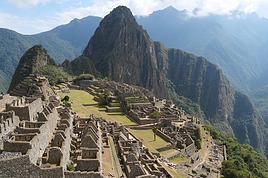
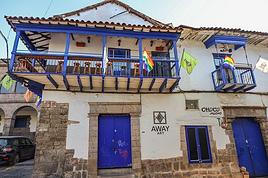
Aguas Calientes : c'est la bourgade la plus proche du Machu Picchu qui sert de base pour visiter le site.Arequipa : superbe cité de l'époque coloniale sur fond de volcans. C'est la deuxième ville du Pérou après Lima et la deuxième plus visitée après Cuzco. Ayacucho : ville réputée pour avoir été le bastion du Sentier Lumineux. Elle comporte de nombreuses églises et édifices de l'époque coloniale.Cajamarca : jolie petite ville du nord avec plusieurs sources et sites précolombiens dans ses environs proches.Caraz : au nord de Huaraz, c'est une alternative à cette dernière comme base pour la découverte des environs (treks). Caraz possède aussi de beaux bâtiments de l'époque coloniale.Chachapoyas : une localité du nord du Pérou qui a conservé de belles maisons et des places datant de son époque coloniale.Cuzco : superbe ville coloniale classée au patrimoine mondial de l'UNESCO et une excellente base pour découvrir les environs.Huancavelica : petite commune andine à l'ouest d'Ayacucho avec plusieurs églises et bâtiments de l'époque coloniale.Huancayo : c'est la grande ville, centre culturel et commercial, de la partie centrale des Andes péruviennes.Huaraz : agglomération du nord du Pérou aux pieds des Cordilleras Negra et Blanca. La ville sert souvent de base pour découvrir en randonnées (ou escalades) les environs.Juliaca : grande ville proche du lac Titicaca. Son aéroport sert de porte d'entrée aérienne à la région.La Rinconada : avec ses 30 000 habitants et ses 5 100 m d'altitude, La Rinconada est la ville la plus haute au monde.Pisac : ville des environs de Cuzco, dans la Vallée sacrée, connue pour son marché dominical et ses ruines Incas.Puno : sur les rives du lac Titicaca, Puno sert de base et de point d'embarcation pour découvrir le lac et les environs.Tarma : une petite cité andine avec des témoignages de son passé colonial.2.1- Sites précolombiensChavin : ce site archéologique classé à l'UNESCO est situé à 3 200 m d'altitude, pas très loin de Huaraz.Choquequirao : site Inca assez similaire au Machu Picchu. Difficile d'accès, on s'y rend en un trek de 4 jours au départ de la bourgade de Cachora.Kuelap : forteresse de l'époque précolombienne proche de Chachapoyas.Machu Picchu : classé à l'UNESCO et mondialement connu, c'est LE site précolombien par excellence et le "symbole" du Pérou.
Sillustani : site funéraire pré-Inca en bordure du lac Umayo, entre Juliaca et Puno.Vallée Sacrée des Incas : cette superbe vallée à côté de Cuzco abrite de nombreux sites archéologiques (Pisac, Moray, Tambomachay, Ollantaytambo…) et de petits villages. C'est un incontournable de la région.2.2- Patrimoine naturel
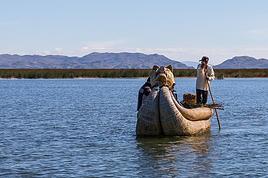
Canyon de Colca : au nord d'Arequipa, c'est le canyon le plus profond au monde avec 3 400 m de dénivelé. On peut y randonner et observer des condors.Catarata Gocta : situées à une vingtaine de kilomètres au nord de Chachapoyas, ces chutes sont parmi les plus hautes du monde avec 771 m.Cataratas las Tres Hermanas : dans la province d'Ayacucho, ce sont les troisièmes chutes les plus hautes du monde (914 m).Chemin de l'Inca : un classique du trek (désormais très réglementé) qui suit une belle route traditionnelle Inca de Chillca au Machu Picchu.Cordillera Blanca : superbe chaîne de montagnes des environs de Huaraz qu'on peut découvrir en treks ou en escaladant ses sommets (33 pics sont au dessus de 5 500 m).Cordillera Negra : voisine de la Cordillera Blanca, cette chaîne montagneuse offre de très beaux paysages, plus des possibilités de randonnées et d'escalades.Lac Titicaca : à cheval sur le Pérou et la Bolivie, le Titicaca est le plus grand lac navigable au monde. On le découvre en bateau sur un ou deux jours au départ de Puno avec des arrêts dans les diverses îles (Amantani, Taquile, Uros).Parc national de Huascaran : ce superbe parc de la Cordillère Blanche abrite le Huascaran qui est la sommet du pays (6 768 m). On peut y pratiquer la randonnée et l'escalade.Parc national Rio Abiseo : le parc classé à l'UNESCO abrite une faune et une flore assez riches, de même que 36 sites archéologiques. Il n'est cependant pas ouvert en principe au tourisme.Salines de Maras : à côte de la Vallée Sacrée, des centaines de petites terrasses à flanc de montagne où le sel naturel est récolté à dos d'homme.Volcan Misti : on peut faire l'ascension de ce volcan de 5 822 m situé aux abords d'Arequipa. 3- L'AMAZONIE
Iquitos : au coeur de l'Amazonie péruvienne, c'est le point de départ des treks en forêt et de balades en bateaux, y compris sur l'Amazone jusqu'à son embouchure au Brésil.Pucallpa : sur le rio Ucayali. C'est la ville intermédiaire d'Amazonie entre le nord (Iquitos) et le sud (Puerto Maldonado).Puerto Maldonado : c'est la grande ville du sud de l'Amazonie péruvienne et le point de départ pour la découverte de la jungle voisine (parc de Manu, réserve de Tambopata…).3.1- Patrimoine naturel Amazone : qu'il s'agisse du fleuve Amazone ou des innombrables rios amazoniens, la plupart sont navigables et présentent d'excellentes opportunités pour découvrir la forêts et son environnement.Parc national de Manu : classé à l'UNESCO, ce vaste parc possède une faune et une flore des plus riches et variées.Réserve de Pacaya-Samiria : proche d'Iquitos, c'est une des aires protégées les plus grandes du Pérou. Elle est très riche au niveau faune et flore.Réserve de Tambopata-Candamo : au sud-est du pays, limitrophe de la Bolivie. On y découvre la forêt et sa faune. On peut également y faire du raft sur le Rio Tambopata.4- LE PLUS APPRÉCIÉ...
- La Côte : Chan Chan; Chauchilla; Huacachina; Lignes et géoglyphes de Nazca; Réserve nationale de Paracas; Réserve nationale de San Fernando.
- Les Andes : Arequipa ; Canyon de Colca; Cataratas Gocta et las Tres Hermanas; Chemin de l'Inca; Choquequirao; Cordilleras Blanca et Negra; Cuzco; Lac Titicaca; Machu Picchu; Parc national de Huascaran; Pisac; Salines de Maras; Vallée Sacrée.
- L'Amazonie : Amazone; Iquitos; Parc national de Manu; Réserve de Pacaya-Samiria.
Bonjour,
Je fais tous les ans des voyages au Pérou depuis 1999. J'ai crée un blog pour 9 des destinations principales à l'intérieur du Pérou. Sont détaillés les achats a faire sur les pages internet avant de partir, où trouver les moyens de locomotions sur place , les petits logements etc..... Budgets pour "mochilleros" . Bien à vous.
http://voyageperou.com.over-blog.com
bonsoir Nelly
j'ai lu votre blog au Pérou il m'a beaucoup interessé !
Puis je vous demander certains renseignements ?
voilà je pars avec ma soeur pour un circuit au perou le 22 mars jusqu'au 3 avril
Lima, arequipa colca puno cuzco vallée sacrée .. le classique quoi !
je m'interroge sur ce que je dois emporter comme vêtements pour cette période , ainsi que les chaussures ? faut il avoir des chaussures hautes de marche ou est ce que de bonnes tennis sont suffisantes ?
que faut il prendre comme adaptateur electrique ?
Auriez vous des conseils à me donner pour ce voyage ?
Merci d'avance de votre réponse
amicalement
bonne soirée
Votre commentaire sur Lima .... La ville n'est pas la plus attractive du pays.....
Entre ses quartiers anciens , ses multiples balcons à jalousies inagalés dans aucun autre pays d'Amerique Latine, ses couvents et cartacombes, les nombreux musées , les marchés immenses, les fetes religieuses, la cote en falaises, la pointe du Callao .....les restaurants de poissons et fruits de mer çeux de cuisine créole... La liste peut s'allonger . Alors qu'on arrete ce genre de commentaire digne de vieux guides de non connaisseurs du Pérou.
Hello everyone, I'm just starting to plan a two-week trip I'd like to take with my wife in early May. This trip would include the Atacama Desert, which I was…
Hi there, we’ve decided to head to Brazil at the end of March for 2.5 weeks with our 13-year-old son. From what I’ve gathered from some research, Rio seems like a great destination at this time of year, and I’m thinking around 4-5 days to explore it—does that sound right to you? Copacabana, Ipanema, Sugarloaf Mountain, Christ the Redeemer, maybe a favela tour, or any other ideas?
How’s the best way to get around locally? I’ve heard about Bonito or Angra dos Reis and Ilha Grande—what do you think of those? Fernando de Noronha for snorkeling or even diving? Is Recife a good option at this time of year?
If you’ve got any suggestions, we’re all ears—it’s for our 50th birthdays! :-) Thanks so much for your help and tips. See you soon.
It's decided—2027 will be Brazil, in the summer (unless you advise against it 😕). From what I’ve read, the weather’s okay, even if it’s a bit chilly for swimming. We’re going, as always, as a group of four, with our teens. 🙂
We’d be looking at a solid two weeks, at least 14 days on the ground. I’m planning way ahead to nail down an itinerary and book our flight tickets (the prices I’m seeing already are freaking me out…).
From my research, I’ve come across some classic routes: Rio/Iguazu/Paraty/Ilha Grande.
Roughly: 4 days in Rio, 2 in Iguazu, 2 in Paraty, and 3 on Ilha Verde. That’d leave us one more stop on the trip.
Since we like to end with a "chill" stop for the kids,
My questions:
- Is Ilha Verde worth it this time of year? I’ve read that swimming might not be an option—water’s too cold… So not ideal for a chill/relaxing destination?
- How should we round out the trip in the South? São Paulo? Another stop along the Costa Verde?
- Wouldn’t it make more sense to head up to the Northeast, where it’s warmer, like Salvador de Bahia?
But Salvador raises other questions:
- Are there flights from Iguazu to Salvador?
- And for the return to France, would we have to connect through Rio or São Paulo from Salvador?
- Any suggestions for places to stay around Salvador?
Thanks for your input—I’m sure I’ll have more questions as I go along. 😉
Hi everyone! So happy to be back on this forum—it’s packed with such useful info! 🙂 My husband and I are planning a 2.5-week self-drive trip to Colombia at the end of the year, including some domestic flights. My first question is: is it possible, easy, and safe to do a road trip in Colombia?
Below is our draft itinerary (with questions at each stop):
29/11: France → Colombia. Overnight in Bogotá.
30/11: Exploring Bogotá: La Candelaria and Montserrate.
01/12: Gold Museum (closed on Mondays). Drive to Zipaquirá (1.5 hrs) to visit the Salt Cathedral. Then drive to Villa de Leyva (3 hrs). Explore the town. Overnight in Villa de Leyva.
02/12: Return to Bogotá via Laguna de Guatavita (5 hrs). Is it worth the detour? Overnight in Bogotá.
03/12: Flight to Pereira. Drive to Salento. Overnight in Salento.
04/12: Cocora Valley (hike among the wax palms) followed by a drive around the area. Are there any waterfalls or other sights nearby?
05/12: Visit a coffee finca—any recommendations? Then explore the surroundings: Filandia, Manizales, waterfalls? Hot springs? Which ones?
06/12: Flight to Medellín.
07/12: Exploring Medellín: Centro, Plaza Botero, Comuna 13. How do you visit Comuna 13? Is it easy to get around Medellín? Metro? Buses?
08/12: Drive to Guatapé (2 hrs). Visit the town, stroll around the lake, then El Peñol. Overnight in Guatapé.
09/12: Return to Medellín.
10/12: Flight to Santa Marta. Drive to a hotel near Tayrona Park.
11/12: Tayrona—El Zaino entrance.
12/12: Tayrona—Palangana entrance, then Bahia Concha and Santa Marta. What do you think?
13/12: Drive to Minca (45 mins). Can we reach the village by car? Pozo Azul and Marinka waterfalls. Overnight in Minca (or back in Tayrona?).
14/12: Drive to Puerto Nao (5 hrs). Stop in Ciénaga on the way + boat tour in Nueva Venecia and/or Buena Vista? Not enough time? Overnight in Puerto Nao.
15/12: Exploring Cartagena: Centro, Getsemaní, the walls + La Boquilla if we have time.
16/12: La Boquilla (is it really worth it?) if we didn’t have time yesterday, then back to the beach.
17/12: Return to France.
So, what do you think? Is this doable, or should we tweak it? Thanks in advance for your invaluable feedback and tips! 🙂
Hi there, I’m looking for recent info on a boat trip with sleeping accommodations from Belém to Santarém. I don’t want a "luxury cruise for wealthy tourists"—just a bed with a minimum of comfort seems great to me🙂. I didn’t find any up-to-date details with Amazon Star. Do you have any companies, guides, or prices for this route to recommend?
I’d love to hear tips and feedback on this trip, especially since I’m traveling solo. I’d like to get a sense of what to expect and ensure some basic safety with transportation.
Thanks.
Hi everyone,
We’re planning 40 days in Uruguay and Argentina in February and March, trying to avoid as much rain as possible.
We’re thinking of starting in Buenos Aires, then heading to Bariloche, and from there flying to Córdoba, Mendoza, or Salta. Maybe by bus or renting a car to explore each region.
Do you have any suggestions or tips for us? We love picturesque, historic cities and landscapes. As seasoned travelers, we’re used to planning our trips ourselves.
Thanks in advance!
We’ve planned our road trip in Chile, and the only thing left is to book the TABSA ferry from Punta Arenas to Puerto Williams.
Problem: the ferry that leaves Punta Arenas at 1 AM isn’t available for booking, no matter the day or month. All the other departures can be booked, though.
On top of that, Tabsa isn’t responding to any messages.
We’re planning to explore Peru’s main highlights and were wondering if anyone could share insights on the quality and comfort of overnight buses. If so, which bus company should we trust?
Hi,
My wife and I are heading to Brazil from November 6th to December 2nd. We’ll be stopping in São Paulo, Paraty, Ilha Grande, Rio, and Salvador de Bahia.
Could you recommend some nice, non-luxury places to stay in each of these spots?
Also, any suggestions for places to visit would be great.
Thanks in advance for your help!
Marc
Hi there.
I already posted a message asking for advice about our upcoming trip to Chile.
Details: Getting around by bus or train.
Starting from Valparaiso, heading north, passing through cities and places to visit, then returning to Santiago via a different route.
Avoid the beaches...
Thanks
Hello,
my wife and I will be in Cusco for a week in March 2027.
I’d like to organize the visit to the site on our own, combining the Sacred Valley and Machu Picchu.
We’d leave Cusco on Day 1 to arrive at the site in the morning, then stay in Aguas Calientes or Ollantaytambo, and on Day 2 return to Cusco while visiting the Sacred Valley.
Is this doable?
Looking forward to hearing from you.
Cédric.
Hello,
We’re spending 3 weeks in Rio between February 20 and March 15, 2027, to visit our son and daughter-in-law. We’re thinking of one or two "escapes" from Rio—3-day trips to get away from the city (so not too far, max 3–4 hours by car or bus). We’re all ears for suggestions! We love beautiful nature and authentic experiences, not so much the touristy spots... even though those spots are often in beautiful places, we’d rather avoid them.
Thanks for your insights!
Catherine
Hi there,
I’m planning a trip with my partner (no kids this time—thanks, Grandma!) for two weeks to celebrate her 40th birthday. I’ve been thinking about Chile. We’re looking at leaving around September 18, 2027, starting in the south and returning in early April.
Here’s what I had in mind:
8 nights in a van in the Lake District and the start of the Carretera Austral (up to the Chaitén area). We’re set to arrive in Puerto Montt around 2:00 PM. We don’t want to go too far south since we’re planning to explore the heart of Patagonia (Chile and Argentina) with the kids when they’re older. The idea is to spend 3 nights discovering the lakes (up to Cochamó) and 3 nights in Pumalín Park. I’ve also added two transition nights.
7 nights in the Atacama to experience another side of Chile (San Pedro), taking a domestic flight from Puerto Montt to Calama in the early afternoon. We’ll depart for France in the early evening from Santiago.
IMPORTANT NOTICE for those planning to take a bus to another city, state, or destination from Salvador!
Starting January 20, 2026, the intercity bus station Rodoviária is changing its address!
The Rodoviária is leaving the Iguatemi area and will now be located in ÁGUAS CLARAS (about twenty kilometers from downtown Salvador).
A brand-new station (the most modern in Brazil) has just been set up there, accessible by car/taxi/Uber/metro.
Allow for much more transfer time (especially during rush hours), so leave early if you're heading to Chapada Diamantina or other Brazilian cities by bus.
Remember, there are also private transfers (even French-speaking ones) that can take you directly from your hotel in Salvador to your hotel in Chapada. Sure, it’ll be more expensive, but you’ll save on transfer time and comfort.
Tropical greetings from Salvador,
@ivanbahiaguide
Loyal member of the French-Speaking Brazil Forums for over 15 years already 😊 🇧🇷
Hello,
We’re thinking of spending 1 month in Chile, maybe doing a loop?
From 12/23 to 01/22.
What are the must-see sights, given we’re more interested in the country’s cultural side than the beaches?
Thanks
Hi everyone,
We're planning a trip to southern Chile in November. Here's our tentative itinerary:
Day 1: Arrival in Santiago, then a flight the next day to Balmaceda where we'll pick up a rental car to reach Coyhaique.
Day 3: Walk in the Coyhaique National Reserve, then continue to Puerto Chacabuco. Return to Coyhaique for the second night.
Day 4: Drive to Villa Cerro Castillo for a hike in the national park. Continue to Puerto Tranquilo and stay there for 3 nights.
Day 5: Boat tour on Laguna San Rafael.
Day 6: Day trip to Monte San Valentin Glacier.
Day 7: Excursion to the Marble Chapels, then drive to Puerto Guadal. We'll stay there for 3 nights.
Day 8: Walk along Lago Carrera and return to Puerto Guadal.
Day 9: Rio Baker Valley and, if possible, a glacier excursion.
Day 10: Drive to Cochrane and hike in Tamango National Reserve. We'll stay 2 nights in Cochrane.
Day 11: Walk in the Chacabuco Valley.
Day 12: Drive to Caleta Tortel. We'll stay there for 2 nights.
Day 13: Cruise in the Rio Baker delta.
Day 14: Return to Cochrane.
Day 15: Return to Balmaceda in two stages.
Day 16: Continue the return journey.
Day 17: Return the rental car and head back to Santiago.
After this, we're also planning to explore northern Santiago. I'll post about that part once I have a clearer idea of the route.
What do you think of this itinerary? Is it doable in 17 days?
Thanks in advance for your tips and recommendations.
martine
Hi there, I’ll be in Brazil from December 10th to the end of February.
I’ve sketched out a rough itinerary but I’m not sure how to arrange it—considering the climate, year-end holidays, and Carnival.
Basically, I’m thinking of the Amazon, the Northeast coast with Lençóis Maranhenses National Park (but skipping Chapada Diamantina),
Ouro Preto, Paraty, and Ilha Grande—but no Rio visit.
Is this doable in 3 months?
Which direction should I take for this itinerary?
Thanks in advance!
Hi everyone, does anyone know the agency Ventura Travel Agency (not ventura travel)? After lots of research and quotes, it’s the only one offering Uyuni at a reasonable price while meeting all the criteria: transfer to the border, private-room accommodation, and a very fair rate. Other agencies or guides either offer shared rooms, no border transfer, or prices that are way too high. But I’d love to hear some reviews about this agency. Thanks in advance!
Hi everyone,
We're planning a trip to Chile to visit the Atacama Desert and then head toward Putre, Lauca, Salar de Surire, etc.
Which would be the better time to go, April or November?
Is an SUV enough?
Looking forward to your tips!
Hi everyone, French travelers in Chile—what credit cards do you use for your various car rentals in the country? I’m traveling in September and was planning to switch my regular debit card (a VISA PREMIER in deferred debit mode) for the deposit guarantee.
My rentals are with Figal in Punta Arenas, Econautos in Arica, and Chilean Rent a Car in Temuco, and all of them want the deposit on a credit card. For me, deferred debit *should* work, but I’ve read comments saying the opposite.
How’s it actually working on the ground with these rental companies right now? Will a deferred debit card work, or not at all?
In France, banks don’t issue credit cards, right—or am I mistaken?
Hi everyone, is it still possible to travel in Ecuador outside the Amazon region? If so, do you have a reliable agency to recommend? All your recent experiences from the past few months would be greatly appreciated. Thanks so much
Hi,
We’re heading to Buenos Aires for 3 days in November and would like to do a guided tour of a few neighborhoods. There are "free" tours, but none in French. Does anyone have a guide to recommend so we can really get to know the city beyond just the architecture?
Thanks
Hi there,
I’m desperately looking for info on the schedules and routes of (shared) boats to visit the islands of Lake Titicaca.
From what I’ve found, there’s a *combi* (bus) that leaves from Puno to go to Llachon. Where do you catch it? What are the schedules and frequency? Does it take about 1 hour?
Then in Llachon, you can take a boat to Amantani (45 min). Same question—where do you check for frequency and schedule?
After that, from Amantani, boats go to Taquile and then Uros. Do you have enough time to visit the islands between two boats? Frequency and schedule?
The goal is to do this tour independently (no agency) over 2 days. Thanks for any tips you might have!
I just got back from a trip to Bolivia and wow—what a wake-up call. It’s not the easiest country, but it’s absolutely stunning.
I started with Isla del Sol, perfect for easing into the altitude at a relaxed pace. Try to stay in the northern part of the island—it’s quieter and the views are insane. And the trout there? Unreal. Quick tip: bring cash in small bills; they almost never have change, and cards are rarely accepted.
Next up, La Paz. The city’s pretty wild, built in every direction. I did a few hikes in the area, including the famous Charquini Lagoon (the blue lake) at over 5,000 m—let’s just say I struggled 😅 but it was so beautiful it was totally worth it.
After that, I headed to Sajama. It’s cool, especially for the hot springs, and I stayed in Tomarapi. But honestly, if you’re short on time, you can skip it without too many regrets.
The highlight of the trip: the Salar. I did it starting from Tupiza, and I *highly* recommend going Tupiza → Uyuni. Way less crowded at the start and the landscapes are super varied. For the tour, I used SplitYourGuide to find a group, and it worked out great. Super handy for splitting costs and meeting people.
I wrapped up in Sucre—this city is gorgeous, all white, with such a chill vibe. And the salteñas + ice cream? Next level 😋
Bottom line: Bolivia’s a bit rough around the edges, sometimes exhausting (shoutout to the altitude), but it’s 1000% worth it.
If you’ve got questions or need tips, I’m happy to help!
Martin
I was planning to go to Réunion and stay in half-board accommodation with non-professionals, but it seems that’s not really the custom there—or maybe my budget isn’t big enough.
So, since I’ve already traveled around Ecuador and Peru, I’m now looking at Argentina, especially for its mountains (like the ones in Réunion that tempted me, even though—frustratingly—I could only admire them from below).
I plan to get around by bus and don’t know in advance where I’ll sleep, so I won’t book ahead. If I like a place, I might stay for several days.
I know that in Chile, it’s easy to find half-board accommodation, but what about in Argentina?
I’d like to stay with locals in half-board without it being a professional setup. I’m not sure if this is common practice there. It’s up to me to find someone willing to host me.
What do you think?
What would be a fair price (keeping in mind that 40 to 50 € is the max I can spend on accommodation, breakfast, and dinner)?
Hi everyone,
We’re heading to Patagonia for three weeks in November, starting from Coyhaique in Chile.
We won’t have a car, and I’m struggling to find information about transportation options for a few parts of the itinerary we’d like to do:
1) From Perito Moreno (the town, near Los Antiguos), we’d like to travel down Ruta 40 to visit Perito Moreno National Park and then cross into Chile via the Paso Roballos (at the latitude of Bajo Caracoles) to reach the road to Cochrane. Without a car, it seems we’ll need to use private agencies to get to the national park—do you have any recommendations or suggestions? Also, does anyone know if it’s possible to cross into Chile via Paso Roballos (from Bajo Caracoles) without a rental car? That is, without having to go all the way down to El Chaltén or back up toward Perito Moreno/Los Antiguos, etc.?
2) The second stretch that seems a bit tricky (though still easier, in theory) is from Caleta Tortel to Villa O’Higgins on the Chilean side. Do we have to go back through Cochrane, or are there ways to get directly from Tortel to Villa O’Higgins?
3) Finally, we’d like to hike into Argentina (El Chaltén) from O’Higgins. Any recommendations for this? Do we need to go through an agency? What’s the estimated duration of the trek?
As you’ve probably gathered, we want to visit some off-the-beaten-path spots but don’t have a car, so we’re looking for the best possible compromises.
Thanks so much in advance for all your suggestions!
Thomas
Hi,
we’re planning a round trip from San Pedro de Atacama, Chile, to Salta, Argentina, in two months. On the way there, we’ll take the northern route via Susques, Route 27, then 52. But for the return, we were thinking of taking the southern route via San Antonio de los Cobres, Route 51, then 23. Is it similar to the northern route in terms of road surface? How busy is it, and are there gas stations? Basically, should we be worried about doing it in an SUV that’s supposedly 4x4 but has regular road tires and no second spare wheel, obviously...
I’ve seen that we can stop over in San Antonio de los Cobres.
Thanks for your feedback.
Raf.
Hi,
we’ll be in Calama at the end of March 2026, and I’m looking for a reliable car rental there for a 7-day road trip to Salta, Argentina. But I’m struggling with the car rental agencies in Calama because the reviews can be scary. I saw Gyg, which has great ratings, but I’m a bit wary (5/5 from 59 reviews—either the guy’s amazing or it’s fake...), but I can’t find any recent reviews on VF in general.
For Punta Arenas, I booked with Dachelet and didn’t have any issues with email exchanges.
Thanks in advance.
Raf.