Hello,
I’m interested in the 10-day/8-night "Discover Nepal" tour offered by Capitales Tours, among others.
For Day 4, it lists Kathmandu-Mugling-Pokhara as 200 km and 8/9 hours of travel.
Is this duration due to the road conditions? I assume the stop in Mugling for lunch is included in the travel time.
For Pokhara-Chitwan, only the distance is mentioned: 160 km. Should I expect a long bus ride there as well?
The proposed flights would be with AIR-INDIA via DELHI. We had issues with AIR-INDIA before—they denied us boarding for Paris even though we arrived at the airport more than 3 hours early. There was no specific counter for PARIS; the counters were for all destinations, and we waited in line for over 2.5 hours only to be told "too late"...
Thanks for your advice: Mum49
Is it still like this?
480 similar discussions in English
We just got back from ten days in Tanzania. We were lucky enough to be guided by Gishaman. Always in a great mood, a good driver, and an excellent guide. Thanks to him, we not only saw the Big Five in one day but also loads of other animals. He works for the local agency Blit Safaris, which provided excellent support throughout our trip. Highly recommended!
Hi there,
who has already done the EURO VELO 1 in Norway from the south to the North Cape, and what are the main difficulties:
elevation gain, etc.......
Otherwise, who has already done the EURO VELO 7 from south to north, crossing Sweden up to the North Cape? If so, what are the difficulties, elevation gain, and does it pass through villages for supplies, etc.......
Hi everyone,
We’re a young couple planning our first trip to Albania from June 23, 2026, to July 2, 2026. We have a pretty tight budget and want to make the most of this amazing country without breaking the bank.
We’re looking for all the advice you can give to help us plan our stay:
* What are the must-see places to visit? * Which cities or villages are really worth the detour? * What natural sites, hikes, canyons, springs, or viewpoints do you recommend? * Do you know of any free, uncrowded, or particularly beautiful beaches? * Where can we responsibly observe or swim with sea turtles? * What are the most beautiful beaches on the Albanian Riviera that are accessible on a small budget? * What budget-friendly accommodations (hotels, hostels, homestays, campgrounds) do you recommend? * What are the best ways to get around between different regions at a low cost? * Do you know of any reliable and affordable agencies for renting a vehicle (car, scooter, or motorcycle)? What are the average rates at the end of June, and which rental companies do you recommend or advise against? * Is it better to rent a vehicle right when we arrive or stick to local buses and minibuses to keep costs down? * Which restaurants or local specialties offer the best value for money? * Are there any free or low-cost activities we shouldn’t miss? * Which places do you think are overrated or can be skipped when you’re short on time and money? * What practical tips would you have wished you knew before your first trip to Albania?
We’d also love any 10-day itineraries that you particularly enjoyed, along with your budget estimates for accommodation, meals, and transportation.
We’re open to off-the-beaten-path spots and local tips. If you have any secret addresses, hidden beaches, favorite accommodations, or mistakes to avoid, we’d love to hear about them! 😊
«Mr. Thomas's voice is that of a man muttering in a crowd. You think he's talking to himself until you realize he's actually talking to you.» (Greil Marcus)
La voix de M. Thomas est celle d'un homme marmonnant dans une foule. Vous pensez qu'il se parle à lui-même jusqu'à ce que vous réalisiez qu'en réalité il est en train de vous parler.
A year ago, a singular monument passed away
Tall and imposing, he embodied the character of Père Ubu and captivated with his physical presence as much as his voice. His distinctive tone, audacity, and aura made him a respected and truly unique figure over the past five decades: David Thomas.
Born in Miami but primarily raised in Cleveland, Ohio, David Thomas was a central figure in Cleveland’s underground experimental rock scene—a regional movement that would later give rise to Devo and Nine Inch Nails. He first gained recognition as part of the group Rocket From the Tombs, which, though it never recorded an album, became an influential local act during its brief existence. Known for his high-pitched, near-falsetto voice and his unconventional taste for professor-style stage costumes, Thomas stood out as much in person as his music did on record.
In 1975, several members of Rocket From the Tombs split off to form Pere Ubu—a band named after a play by French writer Alfred Jarry. The group (labeled with many tags or none at all: garage, industrial, experimental, rock, art-rock, avant-garde, punk, new wave) was extremely ahead of its time (and remains incredibly stimulating today), embarking on an unprecedented journey blending punk, post-rock, and an insane art-rock sophistication. Their albums, filled with literary allusions and wounded poetry, were sung-spoken in Thomas’s singular style. The band’s boldness was evident everywhere, mixing brass (especially clarinet), electric instruments, and a constant effort to connect with American musical traditions.
During its initial run from 1975 to 1982, Pere Ubu was an unclassifiable group, fusing the loose energy of garage rock (a term used by D.T. to describe Pere Ubu’s music) with 1960s rock, funk bass, heavy saxophones, and Thomas’s dominant presence. Though they predated the rise of post-punk, Pere Ubu embodied that sound in all its sharp, repressed, and unpredictable nature—largely thanks to Thomas’s wild spirit. The band’s clever absurdity and adventurous approach inspired other groups, including Joy Division, Sonic Youth, Pixies, and R.E.M.
In 1978, Pere Ubu released The Modern Dance, their debut album, followed by Dub Housing (1978), New Picnic Time (1979), and The Art of Walking (1980). Though it never achieved commercial success, the album found its audience among eccentric punks and art-rock fans, intriguing many with its singular blend of rock, punk, new wave, and experimental prog. After a few lineup changes and a brief breakup, Pere Ubu released four more albums in a frenzy of creativity. Song of the Bailing Man briefly served as the group’s final album upon their split in 1982. For their 1987 return, Pere Ubu recorded The Tenement Year the following year. The band reunited intermittently over the following decades under Thomas’s leadership, who remained the sole founding member throughout the group’s existence, releasing 14 albums—not counting live records. Pere Ubu’s last full album with Thomas was Trouble on Big Beat Street, released in 2023.
Last year, on April 24, 2025, David Thomas, the founder and leader of the influential and avant-garde rock group Pere Ubu, passed away at his home in Brighton, England, at the age of 71.
hgb

https://www.youtube.com/watch?v=qHfZovOsXlI&list=RDqHfZovOsXlI&start_radio=1
La voix de M. Thomas est celle d'un homme marmonnant dans une foule. Vous pensez qu'il se parle à lui-même jusqu'à ce que vous réalisiez qu'en réalité il est en train de vous parler.
A year ago, a singular monument passed away
Tall and imposing, he embodied the character of Père Ubu and captivated with his physical presence as much as his voice. His distinctive tone, audacity, and aura made him a respected and truly unique figure over the past five decades: David Thomas.
Born in Miami but primarily raised in Cleveland, Ohio, David Thomas was a central figure in Cleveland’s underground experimental rock scene—a regional movement that would later give rise to Devo and Nine Inch Nails. He first gained recognition as part of the group Rocket From the Tombs, which, though it never recorded an album, became an influential local act during its brief existence. Known for his high-pitched, near-falsetto voice and his unconventional taste for professor-style stage costumes, Thomas stood out as much in person as his music did on record.
In 1975, several members of Rocket From the Tombs split off to form Pere Ubu—a band named after a play by French writer Alfred Jarry. The group (labeled with many tags or none at all: garage, industrial, experimental, rock, art-rock, avant-garde, punk, new wave) was extremely ahead of its time (and remains incredibly stimulating today), embarking on an unprecedented journey blending punk, post-rock, and an insane art-rock sophistication. Their albums, filled with literary allusions and wounded poetry, were sung-spoken in Thomas’s singular style. The band’s boldness was evident everywhere, mixing brass (especially clarinet), electric instruments, and a constant effort to connect with American musical traditions.
During its initial run from 1975 to 1982, Pere Ubu was an unclassifiable group, fusing the loose energy of garage rock (a term used by D.T. to describe Pere Ubu’s music) with 1960s rock, funk bass, heavy saxophones, and Thomas’s dominant presence. Though they predated the rise of post-punk, Pere Ubu embodied that sound in all its sharp, repressed, and unpredictable nature—largely thanks to Thomas’s wild spirit. The band’s clever absurdity and adventurous approach inspired other groups, including Joy Division, Sonic Youth, Pixies, and R.E.M.
In 1978, Pere Ubu released The Modern Dance, their debut album, followed by Dub Housing (1978), New Picnic Time (1979), and The Art of Walking (1980). Though it never achieved commercial success, the album found its audience among eccentric punks and art-rock fans, intriguing many with its singular blend of rock, punk, new wave, and experimental prog. After a few lineup changes and a brief breakup, Pere Ubu released four more albums in a frenzy of creativity. Song of the Bailing Man briefly served as the group’s final album upon their split in 1982. For their 1987 return, Pere Ubu recorded The Tenement Year the following year. The band reunited intermittently over the following decades under Thomas’s leadership, who remained the sole founding member throughout the group’s existence, releasing 14 albums—not counting live records. Pere Ubu’s last full album with Thomas was Trouble on Big Beat Street, released in 2023.
Last year, on April 24, 2025, David Thomas, the founder and leader of the influential and avant-garde rock group Pere Ubu, passed away at his home in Brighton, England, at the age of 71.
hgb
https://www.youtube.com/watch?v=qHfZovOsXlI&list=RDqHfZovOsXlI&start_radio=1
Hi there! 🙂
I’m not planning to bring all my meals for the 3 weeks of travel, but I’d like to spice up my picnic lunches and a few dinners in this country that’s not exactly known for its cuisine...
I’ve seen that fruits and vegetables are easy to find. Bread is also no problem.
I’m a bit unsure about the local cheese, but I’ll manage.
Actually, it’s what I’d put in my sandwiches that I’d like to pack: cured sausage, pâtés.
Are these foods allowed through customs?
Also, I’m thinking that bringing 3-4 freeze-dried meals could be a good option. I’ve never bought any before. Which brands are the most flavorful?
I’ve also noticed that real coffee is rare. (Meaning Kyrgyz people drink Nescafé. Sacrilege!) Can I easily find coffee there to make my own?
Finally, which supermarket chain is the best? (Meaning the one with the most variety and, above all, quality!)
Last question: where can I buy a gas stove in Bishkek? (I’ve heard that local gas canisters aren’t compatible with the stove I already own)
Thanks!
Hello.
In 1996, we crossed Vietnam from Saigon to Hanoi by motorbike—Minsk bikes we bought in Saigon. I haven’t been back since, and it seems like a lot has changed.
- We’re heading to the south (well, the north and center) with the family in July-August (3 people).
- Is the road network more developed now? Back then, there was only National Route 1 from south to north. I’m thinking of renting a car this time (no motorbike with the family—though in ’96, they had a Jawa sidecar for sale, and we hesitated… maybe it’s for the best).
- Is Halong Bay really something to avoid because of overtourism? Even back then, it was pretty crowded. Is there a less touristy alternative?
- We’ll be traveling from Hanoi down to Danang (the only city we didn’t stop in back in ’96). Even though it’s a bit overhyped in a Chinese-tourist kind of way (from what I’ve read), we’re only going for the beach—pure relaxation for 7 days. The beaches are stunning, and I know the South China Sea is warm like coffee.
- Then, we’ll visit Hoi An, where I stopped in ’96. It was already popular with backpackers back then, but no glowing boats or all the touristy fuss!
- After that, Hue, where I have great memories—it’s a beautiful city.
- And also the nature around Ninh Binh, followed by 2-3 days in Hanoi.
That’s the plan. I’d love to hear any tips to avoid mass tourism, and if anyone’s done this before: - Is it possible to rent a car in Danang and drop it off in Hanoi?
Thanks, and long live the Nam! !
Let’s stick with the water theme—it’s definitely the season (maybe a bit *too* much for some of those dealing with floods 😕).
After the flowing waters (with varying energy levels), let’s take it easy with still waters:
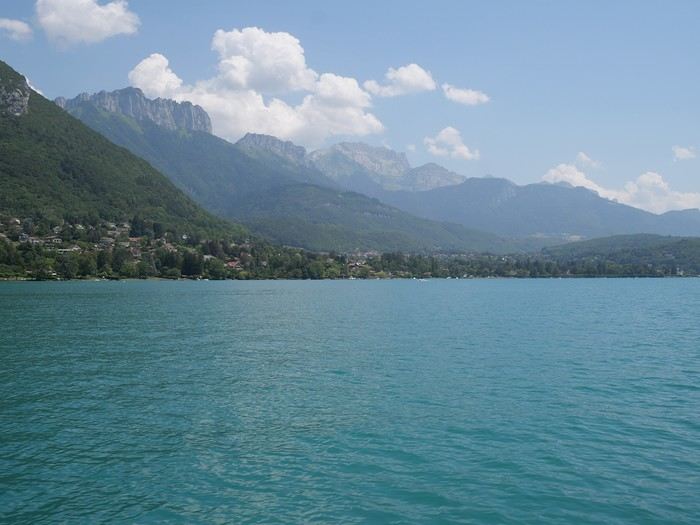 Lakes (Annecy)
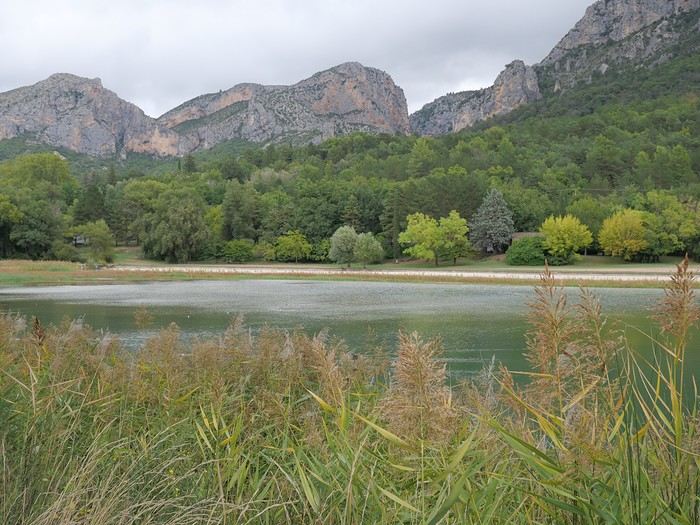 Ponds (near Moustiers Saint Marie)
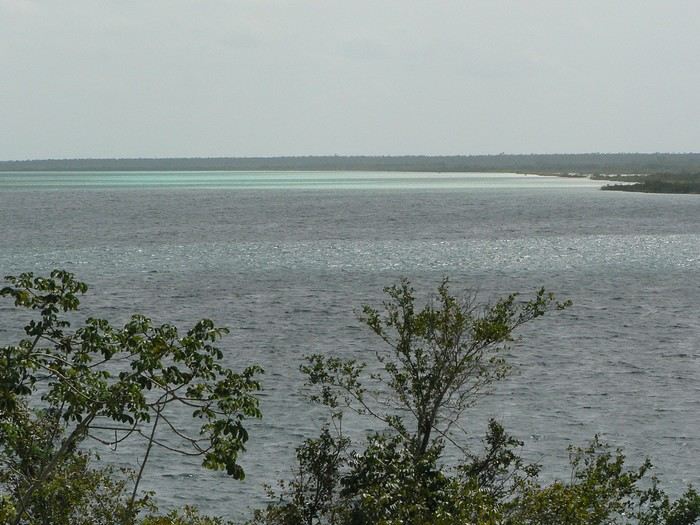 Lagoons (Bacalar)
If you’ve got nice photos of a pond—or even a puddle—why not? Natural bodies of water only: no pools or fountains (reservoir lakes are accepted… because they often look like natural lakes ).
The contest rules are the same as always 😉: Up to 3 photos per member, one photo per post (a little explanation is better), and past winning photos from other VF contests aren’t allowed. You have until Sunday, February 22nd at 11:59 PM (Paris time) to post your photos. Voting starts Monday the 23rd at midnight—rank your top 3 photos in order (3, 2, and 1 points). Voting ends Saturday, February 28th at 11:59 PM. Results will be announced on March 1st. The winning photo is the one with the most points (in case of a tie, the photo ranked first the most times wins). The lucky winner gets to organize March’s contest 😎.
Dig into your archives…
Lakes (Annecy)
Ponds (near Moustiers Saint Marie)
Lagoons (Bacalar)If you’ve got nice photos of a pond—or even a puddle—why not? Natural bodies of water only: no pools or fountains (reservoir lakes are accepted… because they often look like natural lakes ).
The contest rules are the same as always 😉: Up to 3 photos per member, one photo per post (a little explanation is better), and past winning photos from other VF contests aren’t allowed. You have until Sunday, February 22nd at 11:59 PM (Paris time) to post your photos. Voting starts Monday the 23rd at midnight—rank your top 3 photos in order (3, 2, and 1 points). Voting ends Saturday, February 28th at 11:59 PM. Results will be announced on March 1st. The winning photo is the one with the most points (in case of a tie, the photo ranked first the most times wins). The lucky winner gets to organize March’s contest 😎.
Dig into your archives…
Hi everyone! So happy to be back on this forum—it’s packed with such useful info! 🙂 My husband and I are planning a 2.5-week self-drive trip to Colombia at the end of the year, including some domestic flights. My first question is: is it possible, easy, and safe to do a road trip in Colombia?
Below is our draft itinerary (with questions at each stop):
29/11: France → Colombia. Overnight in Bogotá. 30/11: Exploring Bogotá: La Candelaria and Montserrate. 01/12: Gold Museum (closed on Mondays). Drive to Zipaquirá (1.5 hrs) to visit the Salt Cathedral. Then drive to Villa de Leyva (3 hrs). Explore the town. Overnight in Villa de Leyva. 02/12: Return to Bogotá via Laguna de Guatavita (5 hrs). Is it worth the detour? Overnight in Bogotá. 03/12: Flight to Pereira. Drive to Salento. Overnight in Salento. 04/12: Cocora Valley (hike among the wax palms) followed by a drive around the area. Are there any waterfalls or other sights nearby? 05/12: Visit a coffee finca—any recommendations? Then explore the surroundings: Filandia, Manizales, waterfalls? Hot springs? Which ones? 06/12: Flight to Medellín. 07/12: Exploring Medellín: Centro, Plaza Botero, Comuna 13. How do you visit Comuna 13? Is it easy to get around Medellín? Metro? Buses? 08/12: Drive to Guatapé (2 hrs). Visit the town, stroll around the lake, then El Peñol. Overnight in Guatapé. 09/12: Return to Medellín. 10/12: Flight to Santa Marta. Drive to a hotel near Tayrona Park. 11/12: Tayrona—El Zaino entrance. 12/12: Tayrona—Palangana entrance, then Bahia Concha and Santa Marta. What do you think? 13/12: Drive to Minca (45 mins). Can we reach the village by car? Pozo Azul and Marinka waterfalls. Overnight in Minca (or back in Tayrona?). 14/12: Drive to Puerto Nao (5 hrs). Stop in Ciénaga on the way + boat tour in Nueva Venecia and/or Buena Vista? Not enough time? Overnight in Puerto Nao. 15/12: Exploring Cartagena: Centro, Getsemaní, the walls + La Boquilla if we have time. 16/12: La Boquilla (is it really worth it?) if we didn’t have time yesterday, then back to the beach. 17/12: Return to France.
So, what do you think? Is this doable, or should we tweak it? Thanks in advance for your invaluable feedback and tips! 🙂
Alright, this time it's definite—I'm heading to South Africa next October! 😎
Two weeks for a Kruger-Cape Town combo is short... but better than nothing 😉 Before booking the flight tickets, two quick preliminary questions (more will definitely follow): Is there a preferred direction (Kruger first or Cape Town first)? Is it better to go during the first half of October, the second half (or the middle 😏), or does the current unpredictable weather make it all pretty much the same in the end?
Two weeks for a Kruger-Cape Town combo is short... but better than nothing 😉 Before booking the flight tickets, two quick preliminary questions (more will definitely follow): Is there a preferred direction (Kruger first or Cape Town first)? Is it better to go during the first half of October, the second half (or the middle 😏), or does the current unpredictable weather make it all pretty much the same in the end?
Hi everyone!
We’re heading to Uganda next summer for three weeks with our two kids, who’ll be 7 and 9 years old. We’ve been to Southern Africa before but not East Africa, and after a trip to South Africa two years ago, the kids wanted to return to Africa, while we wanted to explore a new region while staying independent... Uganda’s been catching our eye for a while, and with Rwandair offering relatively attractive prices, we’re going for it!
We’ll be traveling in a 4x4 (self-drive) with roof tents. I don’t have any 4x4 driving experience, so it’ll be a first for me, but we’ll manage 😉 No great apes for us—kids need to be 15, and we don’t want to do that experience without them.
I don’t usually ask the forum much for trip planning, but this time, I’d love your thoughts and advice!
First question: Karamoja or not? At first glance, if we want to add it to a "classic" loop in the southwest, it doesn’t seem realistic—too packed, too much driving. We could consider doing the full loop via Kidepo and then heading down to Murchison, but I’m worried the trip might feel less varied and less kid-friendly. That said, the region looks stunning, and I’m struggling to accept not going at all... What do you think?
If we skip Karamoja, we’d do a loop: Murchison/Fort Portal/QENP/Bunyonyi/Mburo, which seems pretty comprehensive and would let us take our time, which is nice. A few random questions: - How much time should we plan for the Fort Portal area? I was thinking at least 3 days to visit Bigodi Swamp, walk around the craters, and maybe do a community walk (any thoughts on that?). - Between Murchison Falls and the Fort Portal area, is it worth breaking up the drive? I spotted Lake Albert Safari Lodge on the shores of Lake Albert—it’s not too expensive and looks nice. - I’d love to do some easy walks/hikes at the foot of the Rwenzori Mountains, ideally without a guide, but it doesn’t seem straightforward. Do you know if it’s possible to do nice walks independently? I’ve read about hikes in the hills near Kilembe but nothing very specific. Maybe staying somewhere at the foot of the mountains, like Ruboni Community Camp, would allow that. - Lake Mutanda looks really cool, and so does Lake Bunyonyi... Ideally, I’d like to see both, but won’t that feel repetitive? Is Lake Mutanda worth the detour?
Last practical question, since we don’t have experience with this: for the car with kids, would you recommend two tents (a bit more space) or a four-person tent?
I’ll stop here—already a lot of questions...
Thanks in advance for your feedback, and looking forward to exchanging ideas! Gabriel
Hi there! Every year, we go on a cycling trip abroad with panniers, lasting about two weeks. We stay in step lodgings, guesthouses, and the like. We mostly take small roads and really enjoyed northern Montenegro and Albania last year.
We’d love to hear from anyone who’s cycled in these countries before: tips on finding quiet roads, highlights of the regions we’ll pass through, how welcoming the locals are, and so on. Thanks in advance for any replies or exchanges!
We’d love to hear from anyone who’s cycled in these countries before: tips on finding quiet roads, highlights of the regions we’ll pass through, how welcoming the locals are, and so on. Thanks in advance for any replies or exchanges!
Hi everyone,
I’m reaching out for your advice since we’re planning a trip to Tanzania for our 10th wedding anniversary, with a continental part (4 nights) followed by Zanzibar for some relaxation (7 nights). A childhood dream.
My first question is: have families with kids this age already done this trip? Is it relatively safe, because I know that if there’s even the slightest health issue, the infrastructure can be tricky, especially on the mainland in Tanzania. We’ll of course take our precautions (vaccines and Malarone), but I want to make sure we’re not being reckless, as my in-laws seem to suggest (they’ve never traveled).
Also, for the safari, I need your opinions. I’m in advanced talks with the agency *Tanzania Wise Safari*. Has anyone heard of them?
Day 1 - night in Arusha to rest Day 2 - departure for Tarangire and safari (likely in the early afternoon), night in a lodge near the northern part of the lake at the crater entrance Day 3 - crater - night in the same lodge (I want to limit changes for my kids, but I’m not sure if that’s smart) Day 4 - I’m hesitating - what to do in the morning? Lake Manyara? Or return to Arusha at a relaxed pace and spend the night there? The guide suggested Arusha National Park, but I think it’s too much driving for the kids, since there’s already the trip from the crater to Arusha to get to the park. Day 5 - departure for Zanzibar. Do you have a recommended airline?
For flights, I tried a multi-destination option, but it seems complicated.
Thanks so much for your feedback
I frequently travel to Mauritania by car.
I’m offering to take you along on my next trip.
I provide the car as well as cover road expenses (fuel, tolls, ferry), plus accommodation in Mauritania.
You’ll be responsible for a few meals on the road, the Mauritanian visa, and your return flight (from 300 to 500 € depending on the season).
Hi there!
I’m heading out in August for a two-day trek in the Vale do Pati. Do I need proper hiking boots, or will trail-running shoes do the job?
Thanks in advance for your feedback!
😊😃
Hi everyone,
I often travel solo, and even though I love it, I also like the idea of traveling with someone and not just "meeting people on the spot"...
I’ve already tried Facebook groups or forums, but people rarely follow through with travel plans... and I find some really lack seriousness!
Do you know any other alternatives for finding travel companions?
Little detail: I’m definitely not into group tours or organized trips... ^^
Thanks in advance for your feedback!
The Avalon Peninsula, located in the southeast of Newfoundland Island, isn't just a picturesque place—it's also teeming with natural wonders: icebergs, whales, migratory seabirds, and wild caribou.
It was the first region of the province to be settled. Moreover, it's rich in legends, traditions, and the history of the early adventurers who conquered the New World.
St. John's, the capital, is one of the oldest and easternmost cities in North America. With its colorful houses nestled in the heart of steep rocky hills, it has the traditional charm of a small port town.
Below are the hikes we did in this region. A link is attached to each hike to give you quicker access to the relevant information.
Videos are embedded throughout the summary. Please click on the image to start the video.
Chance Cove Coastal Hiking Trail Cape St. Mary's Ecological Reserve Holyrood - Salmonier Nature Park La Manche Provincial Park - Suspension Bridge Trail Cape Spear - Lighthouse Trail St. John's - Deadman's Bay Trail Quidi Vidi - Sugarloaf Trail St. John's - Signal Hill National Historic Site St. John's - North Head Trail Loop - Signal Hill Salmon Cove - Salmon Cove Sands Provincial Park
Who among you has explored northern Italy along the Mediterranean, in Liguria?
I’m dreaming of cycling there from Nice, crossing through villages like Menton, Ventimiglia, Dolceacqua, Apricale, Monte Ceppo, Triora, Ponte di Nava, Ormea, Garessio, Ceva, Mondovì, and Cuneo.
Beyond that, it’s the route toward Queyras in France via the Col dell’Agnello, on the slopes of Monte Viso.
A few questions for those who know the area: Is it interesting by bike? Is the road surface decent? Is car traffic low, or at least manageable?
We had this plan back in 2009 as part of a Nice-Rome crossing, but we ended up doing it differently. I might get to revisit it this summer (solo this time, not on a tandem like we usually do).
Looking forward to your thoughts and comments!
Hi everyone,
I’m planning a trip to Turkey this summer and I’d like to get there by hitchhiking. I’ll be traveling solo, and I’ve already done a lot of hitchhiking (Brazil, Albania, from Paris to Romania with a companion, France, Vietnam, Cambodia, and short distances in India).
Has anyone here already made this trip by hitchhiking? How long did it take you? Which countries were the hardest to find a ride in? What techniques did you use to get rides in places where people don’t usually stop? Have you ever had to pitch your tent on a highway rest area? Have you ever run into any problems?
I’m not worried about hitchhiking in Europe, but I don’t know much about Turkey or its culture. Is hitchhiking something people do there? What about hitchhiking as a solo woman—do cars stop? What should I watch out for in this country?
I’m looking for stories from people who’ve actually had this experience—or at least part of it—not advice from those who’ve never traveled this way or in these countries. Thanks for respecting that!
Thanks for reading, and I can’t wait to hear your responses!
Hi everyone,
I’ve got a big project in northern Vietnam—discovering the most beautiful rice terraces before the harvest...
I’m planning to leave around September 15th until October 15th, then spend 15 days exploring the two bays, Lan Ha and Ha Long. In total, 45 days without a visa...
I’m traveling solo and very independent.
But is it possible to do this kind of trip using local trains and buses?
My plan is to leave Hanoi for Nghia Lo (2 days), then Mu Cang Chai (4 days), Sapa (4 days), Bac Ha (2 days), Ha Giang... Hoang Su Phi, then do the Meo Vac loop, Dong Van, etc., to see those stunning karst peaks before heading back to Hanoi.
In my research, I haven’t found any buses or vans going from Hanoi to Nghia Lo, even though it’s super popular for its rice terrace landscapes....
I don’t want a daily driver, but I’m thinking I could use moto-taxis to get around locally once I’m there....
What do you think?
These rice terraces are a dream for me, along with the markets and all the different ethnic groups, not to mention those spectacular rocky peaks...
Is the itinerary too ambitious? I’ve got time on my side.
Do you have any solutions? I’ve browsed the forum a lot, but the discussions are 5 or 6 years old, and I think things have changed since then.
Thanks for your help planning this adventure!
Hi everyone,
We’re planning to head to Québec on June 11th (departing from CDG) and return around July 3rd, leaving from Toronto—so about 3 weeks there, traveling by rental car.
We’re thinking of stopping in Ottawa to visit a friend.
We’d love to see the "must-see" spots, but not *too* many, along with nature, parks, some short hikes, canoeing, a seaplane ride, and wrapping up with Niagara Falls.
Do you think we can fit all that into the time we have?
What are the spots you’d recommend not missing along our route?
Is a short trip to Gaspésie at the start of our trip worth considering?
Anyway, as you’ve probably guessed, we’re still in the early planning stages and aren’t quite sure how to organize everything 🤪
Thanks in advance for your thoughts and advice!
Hi there,
We’re currently planning our trip to Tanzania for August 2025.
We’re a family with two teens (16 and 14) and we’re used to traveling with our backpacks, using local transport to create authentic exchanges with locals.
We’d like to do a short safari (2 days and 1 night) during our 3-week trip on a small budget.
If we had to choose just one park in Tanzania in August, which one would you recommend?
Is it easy to rent a jeep with a driver in August without going through an agency in Tanzania?
Who can help us decode the rates offered by agencies? - Park entry: how much per person? Does it vary by age? Are the rates different depending on the park? - Cost of the driver and a guide? - Is accommodation in the park taxed? - Do we need to budget for a tip?
Hi there,
We found a guide who offers the trip from M'hamid to a camp (departure at 3 PM, tea, meal, camel ride, overnight stay, breakfast, and return to M'Hamid by 11 AM the next day via the sacred oasis). He quoted us a price of 380 € for April. What do you think of this rate? This might sound like a silly question, but is it common to negotiate the price for this kind of thing (we're booking from France)? It’s still a big part of our travel budget.
Thanks
Hi,
I have very little time between Manila T2 and T3. Could you share a taxi number or tell me how to make sure I don’t miss my flight?
Thanks for your help! :)
Hi everyone,
We’re heading out as a family from July 2nd to 16th on a loop from Montreal to Montreal. We’re a couple with a little girl who’ll be turning 7 in July, plus my in-laws (one of whom uses a wheelchair).
Here’s our itinerary:
Wednesday, July 2: Arrival in Montreal in the early afternoon – picking up the car at the airport – exploring the city and overnight in Montreal Thursday, July 3: Montreal – overnight in Montreal Friday, July 4: Visit to Parc Omega – overnight in Saint-Jérôme Saturday, July 5: Heading to Trois-Rivières – visit to a sugar shack (Chez Dany? or another name?) – exploring the old town – overnight in Trois-Rivières Sunday, July 6: Shawinigan – Le Village du Bûcheron in Grandes-Piles? – black bear watching (probably not doable for wheelchair users, I think?!) – overnight in Trois-Rivières Monday, July 7: Heading to Chicoutimi – Saguenay – day at Lac Saint-Jean / Val-Jabert – overnight in Saguenay Tuesday, July 8: L’Anse-Saint-Jean – Saguenay Fjord National Park – overnight in Saguenay Wednesday, July 9: Tadoussac – exploring the area and the town – overnight in Tadoussac Thursday, July 10: Whale watching – Baie-Sainte-Catherine – overnight in Tadoussac Friday, July 11: La Malbaie – Baie-Saint-Paul – overnight on Île aux Coudres Saturday, July 12: Exploring the area? – overnight on Île aux Coudres Sunday, July 13: Montmorency Falls – overnight in Quebec City Monday, July 14: Quebec City – overnight in Quebec City Tuesday, July 15: Quebec City and return to Montreal – overnight in Beloeil Wednesday, July 16: Montreal – evening flight
We’ve booked our rooms to ensure a wheelchair-accessible room is available. When searching on Expedia or Booking, few hotels have rooms with a shower accessible for wheelchairs (so a real PMR room). However, these are cancelable, so if something really stands out, I’m all ears 😉.
We’ve booked our car through BSP Auto and we’re flying with Air Transat.
Thanks for any feedback and tips for the visits.
See you soon 🙂 Jennifer
Hi there,
I’ll be in Oman in early March 2025. I’ve rented a 4x4 to reach the Oman Sea coast from Ibra. I’ve seen two options on Oman Off Road:
The OOR 30 route via Wadi Kabbah, Wadi Bani Jabir to Qalhat.
Combine the OOR 30 and OOR 28 routes via the Salma Plateau to Tiwi or Fins.
Can anyone advise me on the current condition of the tracks? For option 2, is it better to head down to Tiwi or Fins? Can this trip be done in one day? Thanks in advance to those who can share some great tips!
Best regards.
Hi,
I’m starting this thread after a digression that began in the India section and continued in a travel journal about Kerala.
The original topic was whether India is—or isn’t—a nature destination.
I’ll let you all discuss and share your own definition of a nature destination. 🙂
I’m starting this thread after a digression that began in the India section and continued in a travel journal about Kerala.
The original topic was whether India is—or isn’t—a nature destination.
I’ll let you all discuss and share your own definition of a nature destination. 🙂
Hi there,
We’re heading to Panama from January 29 to February 13 as a couple, and I’m unsure about the order and duration of the stops. Here’s what I have in mind:
2 days in San Blas
2 days in Santa Fe (it’s either that or Boquete, but I think I’d prefer Santa Fe)
4 days in the Bocas del Toro archipelago
3 days in Panama City and surroundings
2 days in Valle de Antón? Not sure if it’s really worth it
1 "flexible" day
What do you think?
We’re also debating whether to take a direct flight to Bocas first, then rent a car to gradually make our way back to Panama City and do San Blas at the end—or do the opposite: start with San Blas, rent a car, and finish with the domestic flight from Bocas back to Panama City.
Any specific tips?
Thanks so much for your help! 😊
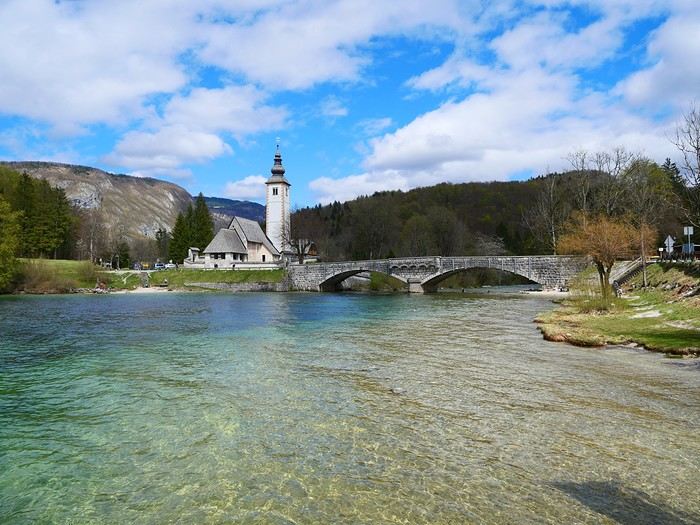
Slovenia was the originally planned destination for summer 2022, as a complement to a road trip through Croatia and Montenegro. Plans changed on a whim in February of that year. Our Balkans road trip would ultimately be limited to Slovenia and take place over 10 days during the Easter school holidays. Flight tickets and car rental were booked right away; all that was left was to finalize our itinerary, already sketched out, and the accommodation reservations.
I decided to add Plitvice Lakes in Croatia to our program. I really wanted to discover them, and for my husband, it was a chance to revisit them several years after a trip to Yugoslavia when he was a teenager.
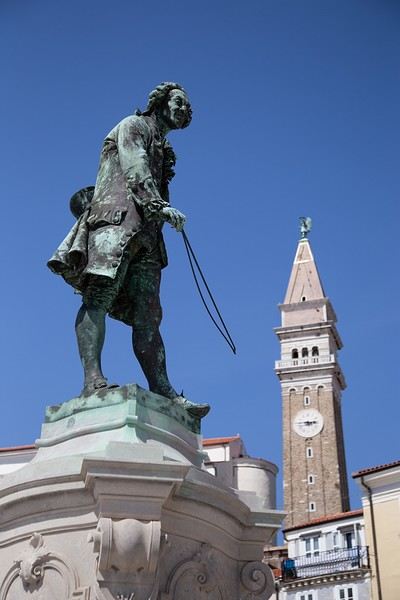
I’m happy to contribute to the reopening of our forum by posting this travel journal (originally posted in 2022 on another forum, the text has been partially revised and photos added). As usual, a few photos to start with—maybe they’ll inspire you to join in!

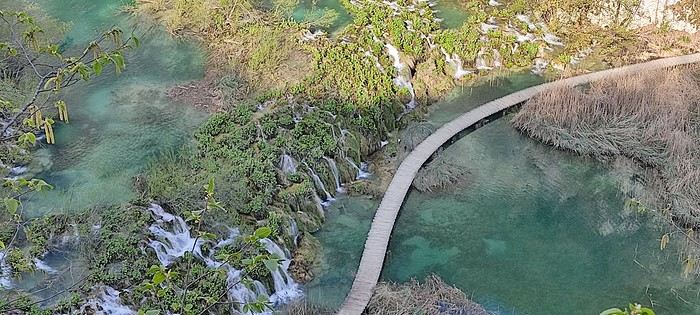

I decided to add Plitvice Lakes in Croatia to our program. I really wanted to discover them, and for my husband, it was a chance to revisit them several years after a trip to Yugoslavia when he was a teenager.
I’m happy to contribute to the reopening of our forum by posting this travel journal (originally posted in 2022 on another forum, the text has been partially revised and photos added). As usual, a few photos to start with—maybe they’ll inspire you to join in!
(A belated tribute on this forum)
Abdulrazak Gurnah, an author with a unique journey and identity (Tanzania)
Big surprise in Stockholm: the 2021 Nobel Prize in Literature was awarded to novelist Abdulrazak Gurnah. The Tanzanian author, who writes in English, is best known for his novels Paradise (1994) and By the Sea (2001). He was recognized for his "uncompromising and compassionate portrayal of the effects of colonialism and the fate of refugees caught between cultures and continents", according to the Nobel Committee.His work moves away from "stereotypical descriptions and opens our eyes to a culturally diverse East Africa that is little known in many parts of the world".
Gurnah is the first African author since 2003 to win the prestigious prize, and the fifth from the African continent overall—following Wole Soyinka (1986), Naguib Mahfouz (1988), Nadine Gordimer (1991), and J.M. Coetzee (2003). Once again, the prize passed over Kenyan Ngugi wa Thiong’o, who has long been among the favorites for the award.
Born in Zanzibar (now part of Tanzania) in 1948, Abdulrazak Gurnah grew up in an Arab family originally from Yemen. He sought refuge in the UK in the late 1960s, a few years after independence, at a time when the Muslim minority there was being persecuted. He wasn’t able to return to Zanzibar until 1984.
Since 1987, he has published around ten novels and several short stories in English (his native language is Swahili). None have become bestsellers, but his body of work as a whole offers a different perspective on issues like immigration and cultural diversity. His work sheds light on the effects of colonialism, exile, and the plight of refugees, "speaking" of his love for Africa and his fight against neocolonialism. Though Gurnah’s stories aren’t explicitly autobiographical, they’re inspired by his life as an immigrant in the UK.
Gurnah was also a professor of English and postcolonial literature at the University of Kent in Canterbury until his recent retirement.
Does this award bring more attention to African literature? Who knows? At the very least, it might give it a boost. If African literature is less visible in the West, it’s partly because it isn’t widely accessible: Gurnah is rarely translated into French or German, and not at all into Arabic.
In Tanzania and its Zanzibar archipelago, he’s being celebrated with joy. "This means a lot for Zanzibar’s struggle for self-determination," says Ismail Jussa, a literary critic from Zanzibar. "It helps put Zanzibar back on the map." The Swedish Committee acknowledged that his work has helped understand "the divisions caused by colonialists, but also the heartbreak of being torn between the homeland one comes from and the life of exile one is forced into."
By the Sea. Bloomsbury Publishing, 2001 (Fr.: Près de la Mer. Galaade Éd., 2006)
Paradise. Bloomsbury Publishing, 1994/2004 (Fr.: Paradis. Motifs, 1999)
Desertion. Bloomsbury Publishing, 2005 (Fr.: Adieu Zanzibar. Galaade Éd., 2009)
Afterlives. Bloomsbury Publishing, 2020 (Fr.: Les vies d’après. Denoël, 2023)
Hery