A friend from GABON sent me these two sentences in the Fang language:
Magnere wa
YE MA NZOQUE YE MA BO MINAL
Could you translate them for me? It's very important to me.
Thanks
280 similar discussions in English
Hi everyone,
I received two sentences in Fang: -Wa ye me na -Ota eye me son Could you help me translate them, please? Thanks.
I received two sentences in Fang: -Wa ye me na -Ota eye me son Could you help me translate them, please? Thanks.
Hi everyone,
I’m a die-hard fan of India, but it’s time I discovered Thailand too to broaden my Asian horizons.
I’m heading there on January 19, 2025, for a 46-day trip (no visa needed as I’m French). I’ve pored over a few guidebooks and travel blogs. Based on what caught my interest, I’ve put together a rough itinerary and list of sights. But since I know absolutely nothing about Thailand, I’m kind of flying blind here.
Since I’m not exactly a spring chicken anymore, I’ve opted for a few bases where I’ll stay several days in the same place. That way, I won’t have to change locations and hotels every day or so, packing and unpacking my suitcase constantly. Instead, I plan to explore the surrounding area each day, within a maximum radius of 50 to 70 km.
So, first question: Is that kind of round-trip distance manageable in a day in Thailand?
In India, renting a car for a day—with a driver—currently costs around 35 to 40 € per day. Knowing that 1,300 to 1,500 THB would be my absolute max, and even then, only if I don’t rent a car every single day.
Which brings me to my second question: Am I being unrealistic?
Otherwise—third question—once I’m settled in the city I’ve chosen as my base, can I get around within that 50–70 km radius using public transport?
I’ve already booked all my hotels—with free cancellation—on booking.com at an average price of 950/1,000 THB per night. Does that put me in a good range for value for money? Or am I dreaming?
Here’s my plan:
BANGKOK (13 days, 14 nights): 1 week for exploring Bangkok – Kanchanaburi/Erawan National Park? – Ayutthaya/Lopburi? – Muang Boran – Samut – Songkram/Amphawa
Bangkok -> Chiang Mai by overnight train in first-class sleeper
CHIANG MAI (6 days/6 nights): Mae Hong Son – Hot springs – Chiang Dao – caves – Lamphun – other places to be decided on the spot based on what’s worth seeing and transport options
Chiang Mai -> Chiang Rai
CHIANG RAI (7 days/8 nights): Fang – Tha Ton – Chiang Saen – Doi Tung – Chiang Khong – Doi Ang Khang, Phu Chi Fah, etc.
Chiang Rai -> Phrae
PHRAE (4 days/5 nights): Lampang and surrounding areas, depending on what’s interesting to see
Phrae -> Loei
LOEI (4 days/5 nights): Phu Kradung – Chiang Khan and surrounding areas, depending on what’s worth seeing
Loei -> Buriram
PHIMAI (Nakhon Ratchasima/Khorat) (5 days/6 nights): Phimai – Prasat Muang Tam – Phanom Rung – Prasat Phanom Wan
Phimai -> Khorat (airport or train station) -> Bangkok (overnight in Bangkok)
Day 46: BANGKOK -> KOCHI
Thanks in advance for your thoughts and advice!
Hi there,
We’re heading to Ouarzazate and southern Morocco in 7 days. Here’s our route (map). We’re a family of 2 adults and 3 kids (11, 9, and 5 years old). Could you let me know if there are even more scenic roads to take, and any must-see spots, please? 😉
Day 1: Ouarzazate – Skoura – Dadès Day 2: Dadès + Todra Day 3: Tinegir – Djbel Saghro – N'Kob Day 4: Tazzarine – M'Hamid (overnight in Erg Lihoudi) Day 5: M'Hamid – Draa Valley – Agdz Day 6: Agdz – Fint – Ben Haddou Day 7: Telouet – Ouarzazate
So happy the forum reopened last October!!!
I’ve started reading again (posts, travel journals) and chiming in on a few discussions. Now I’m stepping it up by writing a new travel journal—I’ve already posted a few between 2018 and 2020.
My latest trip was to Italy from August 27 to September 26, 2024. As the title says, it was a wander through Tuscany in parts of the region that aren’t the most visited. No Firenze-Siena-Pisa trilogy, no San Gimignano; there’ll be a quick detour into Siena, but I’ll skip the best-known sights. That choice, plus traveling in September, should help dodge overtourism. It worked out—crowds were light, sometimes very light, the whole way. Here’s the practical rundown: - a long trip outside peak season (ah, retirees!) - solo camping (caravan) - a mix of activities (hiking, mountain biking, sightseeing) in places that aren’t always packed with tourists. Still, I don’t feel like I ended up in some hidden-away spots. Not sure if this will draw any readers.
DAY 1: Tuesday, August 27, 2024 The heat was intense on the drive in across the plain; two big storms—more rain and hail than lightning and thunder—threw the weather off, the first near Imola, the second on the four-lane road up the Savio valley. I left the Cesena-Roma four-lane at the Verghereto exit and climbed up to Balze (1,100 meters). The campsite is even higher (1,200 meters), in the forest near the source of the Tevere (Tiber). Staying up here will cut down on driving for the first part of the trip: a route through the Appennino (Apennines) on the border between Toscana and Emilia-Romagna. The temperature was surprisingly mild for the altitude, the air thick with moisture by late afternoon. I drove back down from the campsite to Balze (2 km on the road) to grab groceries (it’s doable) and scout tomorrow’s hike. .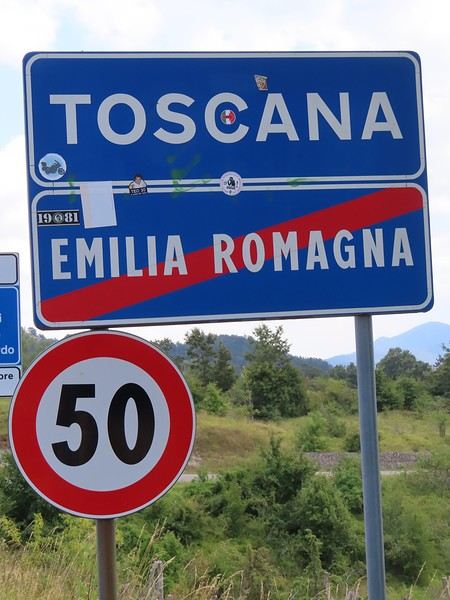
The endpoint of the planned hike is just a few meters from this sign (the trail crosses this road about 3 km from Balze). I realized Balze and the source of the Tevere (Tiber) are actually in Emilia-Romagna, not Toscana. I always thought the Tevere (Tiber), which flows toward Roma (Tyrrhenian side), started in Toscana! I’ll come back to this quirk in Day 3’s write-up.
My latest trip was to Italy from August 27 to September 26, 2024. As the title says, it was a wander through Tuscany in parts of the region that aren’t the most visited. No Firenze-Siena-Pisa trilogy, no San Gimignano; there’ll be a quick detour into Siena, but I’ll skip the best-known sights. That choice, plus traveling in September, should help dodge overtourism. It worked out—crowds were light, sometimes very light, the whole way. Here’s the practical rundown: - a long trip outside peak season (ah, retirees!) - solo camping (caravan) - a mix of activities (hiking, mountain biking, sightseeing) in places that aren’t always packed with tourists. Still, I don’t feel like I ended up in some hidden-away spots. Not sure if this will draw any readers.
DAY 1: Tuesday, August 27, 2024 The heat was intense on the drive in across the plain; two big storms—more rain and hail than lightning and thunder—threw the weather off, the first near Imola, the second on the four-lane road up the Savio valley. I left the Cesena-Roma four-lane at the Verghereto exit and climbed up to Balze (1,100 meters). The campsite is even higher (1,200 meters), in the forest near the source of the Tevere (Tiber). Staying up here will cut down on driving for the first part of the trip: a route through the Appennino (Apennines) on the border between Toscana and Emilia-Romagna. The temperature was surprisingly mild for the altitude, the air thick with moisture by late afternoon. I drove back down from the campsite to Balze (2 km on the road) to grab groceries (it’s doable) and scout tomorrow’s hike. .
The endpoint of the planned hike is just a few meters from this sign (the trail crosses this road about 3 km from Balze). I realized Balze and the source of the Tevere (Tiber) are actually in Emilia-Romagna, not Toscana. I always thought the Tevere (Tiber), which flows toward Roma (Tyrrhenian side), started in Toscana! I’ll come back to this quirk in Day 3’s write-up.
Hi there,
We're heading to Japan in November and planning to rent a car. According to the Japanese embassy, the rules for translating the license have changed. You can no longer do it from France since April 1st. Has anyone already tried the new process?
Hi everyone,
We’re leaving for Australia soon and renting a car for the different legs of our trip.
We have our French license plus the international driving permit, but I read in the rental agency’s rules that they require an international permit written in English.
However, on the "France Diplomatie" website, it doesn’t mention that the international permit has to be in English.
For those of you who’ve already been to Australia—can you confirm whether our French-language international driving permit is enough, or should I get an urgent translation?
Thanks for your feedback—takeoff is August 20th!🤪
For those of you who’ve already been to Australia—can you confirm whether our French-language international driving permit is enough, or should I get an urgent translation?
Thanks for your feedback—takeoff is August 20th!🤪
Hi everyone, and thanks in advance for your help! I know this forum is really great, and I feel a bit awkward posting this request... I speak a little Polish, but not that well, especially when it comes to slang or colloquial speech... Someone said to me the other day: "kurwa ty kurwa". Of course, I know what the word "kurwa" means, but when someone is really angry, I’m not sure how to interpret this phrase. Could you please help me by giving the French equivalent? I’m really sorry for this somewhat unusual request, but it’s very important to me. Thanks!
Hi everyone. Can anyone tell me what the inscription in Nepali or Tibetan on my bracelet means? I forgot! 😅
Hi there! I’m currently working on a project and came across a text that seems to be in Khmer. Would anyone know how to translate it or at least point out the main themes/info it contains? There are a lot of "garbage" characters in it. Thanks!
ៀលៀលឪើឪើឪើឪ់ឪើ។ឪ។ឪើឪឪុំៀកឥក្០្០ក០ក០្ផក០្០ៀ្្ផ០ុ០ិឥិ០ុ០ុ០ុ០ុ០ុ០យ០យ៩ង៩០្ៀកឪលឪឪុំៀនផបោងិងិិថុដុីទួ((ួ៍(័)័៍ីគញ)ះភភះភះភណពភណឿណឿណឿំភណោះំឡឡភឡឿឡភឡឿំភណោញភញភគី)ីឿៅភីឿញភីឿីញភញភូភូភូឿូ)ូ៌ី)៍(%(ឬ)ឰីគីឰឰភទៅឬីែឺឈឡលើឡឯុះឯគ៉ញ៉ញោះះឡអអធញញណពជឡជឡឃឃឃជេះំព៕ណណ៕ណណ៉ណ៉ញ៉ញ៉អភអីឌឌួាំឈឈ៍ៗៗ"ួ៌ូ)៍៍(%៛"(ៗ៏ៗ៏៏ៗ៏ឺីឰីឰឰឰូឰូឿះអភឬភឬៅីឌីឺឺពោពឡពជណជណះជជេះំពុះេពេះេឃឃគជឡឡឡគឡឡឡគឡឡឡឡឡឡឡឡឡឡឡុះុឡោះឡំំ៕៕៕៕ំំំអអធធអធអអអំំអអអអអអំំំធអំំ៕ុះុ៕ុះុពញញះះះអធធឬទអធឬឬគភុះឡោះោឰឿឰឿភភភឡឡឡឡឡុះុឡឡុះុគឡគគគឡៅភៅៅៅញញណពះេះអអជជជធឌឌែៃឺឈឺឺឺៗ!ៗៗៗ"៛%%%%៍៍័((៌៌ឿភឡឡគឝញួភូអភអ៌អ)៍ធ័៌ឌភួឌ៍)ៃ)ួឌ)៏ធញភញភំភគភណៅពៅះៅញៅញៅីះ(ះូ)ូ(ួ៏៍%))((%ឬទ(ួ៏ទ៏៏ទ៏ទ៏ទ៏៏ទ៏ទីទ៏ឬ៏៏%ឬ័ឬ័%%ឬែ៍"!ឈ៏អធីទអទទីធធញភទអភួៅអះោះហោតិេះគេពះពុះពុះណណុះណ៕ណ៕ព៕ព៕៕ណពឡពោះពណពឡពណះះៅភញភូញពោះពពុះពេះេ។ ព ព ព៕។ េះេជឃឍឍធៅធឌូែែឈឈែ%៌៏ឰូឿួឬឺឺឈ៍ឺឺឈឈឈួឺឈួាំឈួឈួឡឰគឯគ៕អឡធគឌឡជឃឃំជេះ៕ពេះលគឰញញូឿីឰៅៅ៎)ួ)ទៅ(%(%៏៛័ឺ!ែឺ៍ឈឈទភូូឿឰគ៉ញឯញ៉ះអលកញគឃគឃគជំេះលើញ៉ណឿញឿញ៌ូ))%%៛"ៗ!%ឺលើ(៌ីឰួួៅទីឬូឺឺឈឈឺូាឈួាំឈឈឈឈឈឈឈឈឈឈឈឈឈឺូឈូឈ៍ឈឺ័ឈឈាំ័ឈូឈាំ័ឈឈាឈឈឈឈឈាំឈឈឈឈឈឈឈឈឈំឈាំឈឈឈាំឈឈឈាំឈាំសេលើឡទឺាំភួឺភៃោភភភឈភឈភឈភឿឌូភឌូភៃូភូោះភៃោះភៃូភាំភៃភឈូភួភាំឈភឈឈទឈ%ឈទឈទឺទីឺទឈឬីីឈទីឈទៅ%(ទួៅឺទទឺៅាទៅទៃៅទឺឈួៅ(ៅឈទឡឈអគឈទអឡឺឡៃភួៅទឈឈឈ%ឺគទះៅៃឈអឡៅៃីឈៅឈឈទីាំឈ(ឬឺៅាទឈទាំទឈ(ៅឈៅឈីទ៏ទឺទីឈីឬឺីឈីឈូទីឺទឈឬឈឈឈឈឬ%(ឺៅទ(ឺឈឈឈឺឺឈឈទឺ៍(ឈភូឈភឺឿឈឈៅៜឈឺៅួឈួៅឈ))()(៙)៍)ឈ)៍)ឈ៌័)៍)៍ឺ)៌៌័ឈ៎ឈឈ៎៎ឈ័ឈ៌័៎ឈ៌ឈ))៍)៌ឈ)))))ូទ{័ោះណធធះីីធ(ៅទ៏ទ×ូឿធធភធភឌភឌភូឌភឌៅែ(ែ)៍ៃៅ%ឈ%ឺ(ែ(ួឺទៅភភែ៍()៌ែ័)៍ែ)ែ)ឬឬ៏ឬទឬឬឬឬឬធភធធអៅះៅញៅពោះពោះណឡណំោះភុះុឰុះ៉ណោះគជធឌធទ%((((ឈ(%ឺ៏ឈ៏ឈ%៏ឺ()័ែ)័ឬធឬធ៎៏៌ឬ៎៏ឬ៌ឬ័ធូឿូភធូ)័ឬឬ)ឬ)ឬឬឬ)៍័ឬ័៌ទទ)ទ័ព)័))៍៌័ទ៌ះីឰះីឰញៅឰីះឿទ៌ទទ))ញោណឰុះឿឡឿុះឯុះ៉ឡំ៉ុណំ៉ណណពពភណណណណណណញណញញ៌ញឿ៌គ៌ីី((អ)ូ)ួី៏ណពពះះះញគគណេះពឞពញ៙មនស្សិត្ថិយា
ៀលៀលឪើឪើឪើឪ់ឪើ។ឪ។ឪើឪឪុំៀកឥក្០្០ក០ក០្ផក០្០ៀ្្ផ០ុ០ិឥិ០ុ០ុ០ុ០ុ០ុ០យ០យ៩ង៩០្ៀកឪលឪឪុំៀនផបោងិងិិថុដុីទួ((ួ៍(័)័៍ីគញ)ះភភះភះភណពភណឿណឿណឿំភណោះំឡឡភឡឿឡភឡឿំភណោញភញភគី)ីឿៅភីឿញភីឿីញភញភូភូភូឿូ)ូ៌ី)៍(%(ឬ)ឰីគីឰឰភទៅឬីែឺឈឡលើឡឯុះឯគ៉ញ៉ញោះះឡអអធញញណពជឡជឡឃឃឃជេះំព៕ណណ៕ណណ៉ណ៉ញ៉ញ៉អភអីឌឌួាំឈឈ៍ៗៗ"ួ៌ូ)៍៍(%៛"(ៗ៏ៗ៏៏ៗ៏ឺីឰីឰឰឰូឰូឿះអភឬភឬៅីឌីឺឺពោពឡពជណជណះជជេះំពុះេពេះេឃឃគជឡឡឡគឡឡឡគឡឡឡឡឡឡឡឡឡឡឡុះុឡោះឡំំ៕៕៕៕ំំំអអធធអធអអអំំអអអអអអំំំធអំំ៕ុះុ៕ុះុពញញះះះអធធឬទអធឬឬគភុះឡោះោឰឿឰឿភភភឡឡឡឡឡុះុឡឡុះុគឡគគគឡៅភៅៅៅញញណពះេះអអជជជធឌឌែៃឺឈឺឺឺៗ!ៗៗៗ"៛%%%%៍៍័((៌៌ឿភឡឡគឝញួភូអភអ៌អ)៍ធ័៌ឌភួឌ៍)ៃ)ួឌ)៏ធញភញភំភគភណៅពៅះៅញៅញៅីះ(ះូ)ូ(ួ៏៍%))((%ឬទ(ួ៏ទ៏៏ទ៏ទ៏ទ៏៏ទ៏ទីទ៏ឬ៏៏%ឬ័ឬ័%%ឬែ៍"!ឈ៏អធីទអទទីធធញភទអភួៅអះោះហោតិេះគេពះពុះពុះណណុះណ៕ណ៕ព៕ព៕៕ណពឡពោះពណពឡពណះះៅភញភូញពោះពពុះពេះេ។ ព ព ព៕។ េះេជឃឍឍធៅធឌូែែឈឈែ%៌៏ឰូឿួឬឺឺឈ៍ឺឺឈឈឈួឺឈួាំឈួឈួឡឰគឯគ៕អឡធគឌឡជឃឃំជេះ៕ពេះលគឰញញូឿីឰៅៅ៎)ួ)ទៅ(%(%៏៛័ឺ!ែឺ៍ឈឈទភូូឿឰគ៉ញឯញ៉ះអលកញគឃគឃគជំេះលើញ៉ណឿញឿញ៌ូ))%%៛"ៗ!%ឺលើ(៌ីឰួួៅទីឬូឺឺឈឈឺូាឈួាំឈឈឈឈឈឈឈឈឈឈឈឈឈឺូឈូឈ៍ឈឺ័ឈឈាំ័ឈូឈាំ័ឈឈាឈឈឈឈឈាំឈឈឈឈឈឈឈឈឈំឈាំឈឈឈាំឈឈឈាំឈាំសេលើឡទឺាំភួឺភៃោភភភឈភឈភឈភឿឌូភឌូភៃូភូោះភៃោះភៃូភាំភៃភឈូភួភាំឈភឈឈទឈ%ឈទឈទឺទីឺទឈឬីីឈទីឈទៅ%(ទួៅឺទទឺៅាទៅទៃៅទឺឈួៅ(ៅឈទឡឈអគឈទអឡឺឡៃភួៅទឈឈឈ%ឺគទះៅៃឈអឡៅៃីឈៅឈឈទីាំឈ(ឬឺៅាទឈទាំទឈ(ៅឈៅឈីទ៏ទឺទីឈីឬឺីឈីឈូទីឺទឈឬឈឈឈឈឬ%(ឺៅទ(ឺឈឈឈឺឺឈឈទឺ៍(ឈភូឈភឺឿឈឈៅៜឈឺៅួឈួៅឈ))()(៙)៍)ឈ)៍)ឈ៌័)៍)៍ឺ)៌៌័ឈ៎ឈឈ៎៎ឈ័ឈ៌័៎ឈ៌ឈ))៍)៌ឈ)))))ូទ{័ោះណធធះីីធ(ៅទ៏ទ×ូឿធធភធភឌភឌភូឌភឌៅែ(ែ)៍ៃៅ%ឈ%ឺ(ែ(ួឺទៅភភែ៍()៌ែ័)៍ែ)ែ)ឬឬ៏ឬទឬឬឬឬឬធភធធអៅះៅញៅពោះពោះណឡណំោះភុះុឰុះ៉ណោះគជធឌធទ%((((ឈ(%ឺ៏ឈ៏ឈ%៏ឺ()័ែ)័ឬធឬធ៎៏៌ឬ៎៏ឬ៌ឬ័ធូឿូភធូ)័ឬឬ)ឬ)ឬឬឬ)៍័ឬ័៌ទទ)ទ័ព)័))៍៌័ទ៌ះីឰះីឰញៅឰីះឿទ៌ទទ))ញោណឰុះឿឡឿុះឯុះ៉ឡំ៉ុណំ៉ណណពពភណណណណណណញណញញ៌ញឿ៌គ៌ីី((អ)ូ)ួី៏ណពពះះះញគគណេះពឞពញ៙មនស្សិត្ថិយា
Hi everyone, my partner is Malian and I’d love to be able to say sweet things to him in Bambara, as well as learn some polite phrases. Thanks for your help! 😊
Here are a few examples: I love you My love My heart My life You’re the man of my life I care about you I want to live with you Kiss me I miss you Thank you Please Hello See you soon
Here are a few examples: I love you My love My heart My life You’re the man of my life I care about you I want to live with you Kiss me I miss you Thank you Please Hello See you soon
Hello,
Thinking this might be useful for VF members who, like me, want to get their French driver’s license translated for a car rental in Japan, here’s the email I received this morning from the consular authorities in Tokyo:
Dear Sir,
You can obtain the translation from the Japan Automobile Federation (JAF). Address: 2-2-17 Shiba, Minato-ku, Tokyo 105-8562 Phone: 81-3-6833-9100 Email: kchosa@jaf.or.jp Website: http://www.jaf.or.jp/e/trans_f.htm (To find their office in Sapporo: http://www.jaf.or.jp/e/list_translation.htm)
Information about driver’s licenses is available on our website: http://www.ambafrance-jp.org/spip.php?article781&var_recherche=driver’s%20license The consular section can no longer provide driver’s license translation services.
Best regards,
Consular Section
So, according to this message, no more mail-in translations through the consular authorities.
Sayonara.
Hi friends,
I’m putting together a multilingual card game and need help translating and transcribing 16 words into Hindi. Could anyone lend a hand?
Thanks, and happy gaming,
Dan
Here are the words:
TREE BOAT CHAIR HAT HEART STAR FlOWEr BOOK HAND HOUSE WATCH CLOUD EYE FISH WHEEL CAR
I’m putting together a multilingual card game and need help translating and transcribing 16 words into Hindi. Could anyone lend a hand?
Thanks, and happy gaming,
Dan
Here are the words:
TREE BOAT CHAIR HAT HEART STAR FlOWEr BOOK HAND HOUSE WATCH CLOUD EYE FISH WHEEL CAR
A one-month trip to Australia and New Zealand.
We’re bringing our current medications (for blood pressure, cholesterol, diabetes, and antibiotics if needed) along with the corresponding prescription.
Do we need to have it translated into English, or do translations only apply to medications we’d need to refill locally during a long stay?
hi
Could someone translate the following sentence into Moroccan Arabic for me?
I think of you every day
thanks
Could someone translate the following sentence into Moroccan Arabic for me?
I think of you every day
thanks
Hi everyone,
I’d like a translation into Guadeloupean Creole for:
- "Because I love you, my love"
Thanks in advance for your replies
Thanks in advance for your replies
As mentioned in the title, a travel journal focused on St. Lucia and iSimangaliso ("this place is miraculous" = Zulu translation) over various stays spanning about twenty years.
Hello there,

As mentioned in the title, this is a travel journal focused on St. Lucia and iSimangaliso ("this place is miraculous" in Zulu) over various trips spanning about twenty years.
The Elephant Coast stretches from Hluhluwe Umfolozi, through St. Lucia and iSimangaliso, all the way to the Mozambique border near Kosi Bay and Tembe. This region was conquered by the Zulus (for context, in the 19th century, the Zulus were just one Bantu group among many—it was a local Napoleon, Shaka, who was both cruel and inventive, conquering and subjugating all other groups to form the Zulu nation). The Tonga were the big losers in this area, and a certain "animosity" is still very noticeable... With our two guides (one Zulu and the other Tonga), we ran into some Tonga folks—definitely not a warm atmosphere. The Tonga were pushed back into the marshes. Fish traps are their main source of wealth. (iSimangaliso is a lagoon and marshland area with several interconnected lakes—it used to be called Vetland Park, and for good reason.) So, lakes, fishing with fish traps...
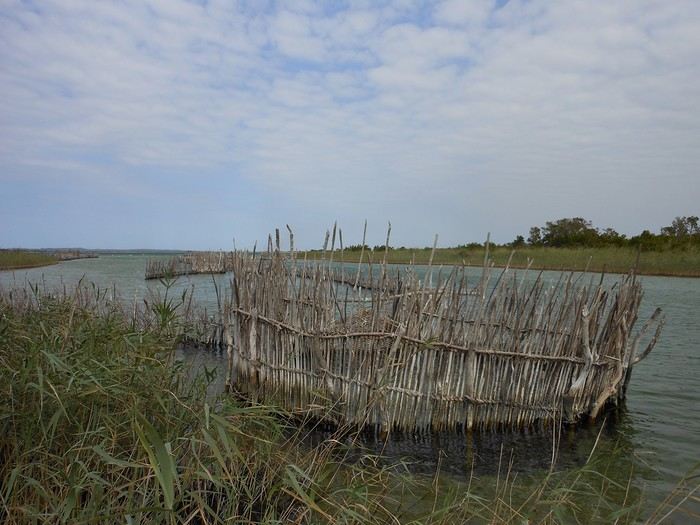
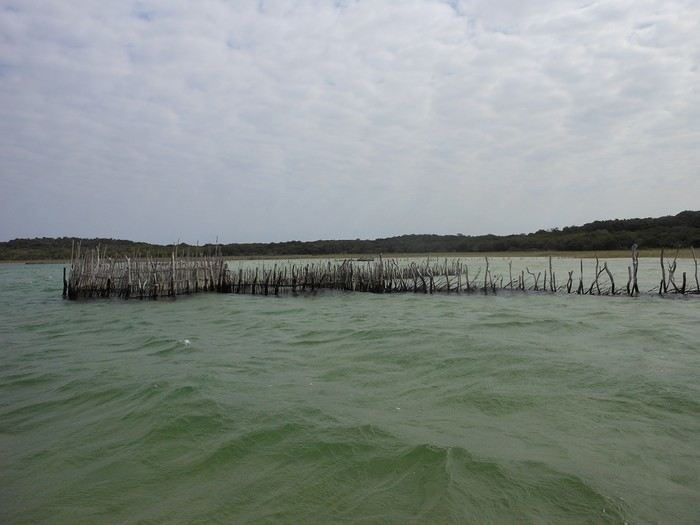
Traditionally done with raffia boats
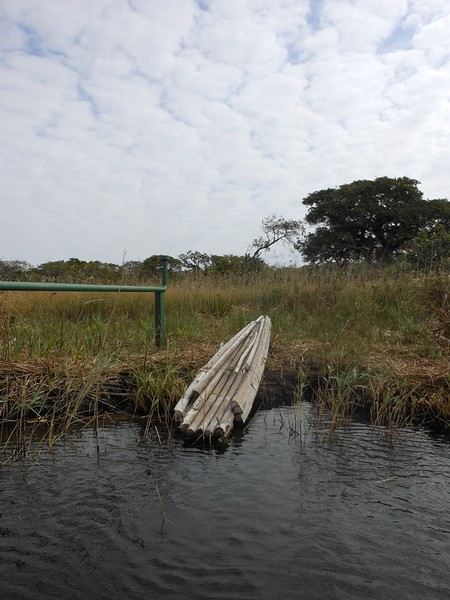
Made from forest raffia
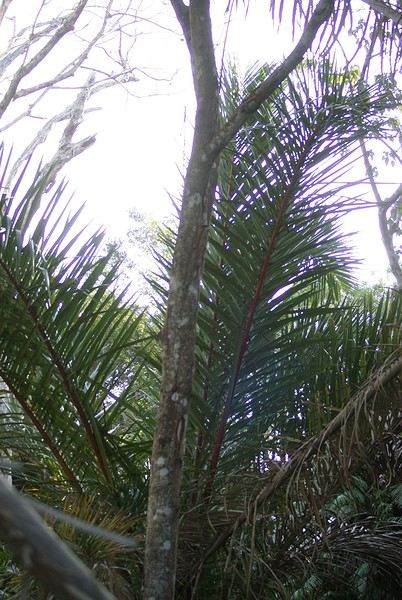
Where we spotted a particularly rare and endemic bird (whose name I can’t remember... and I can’t be bothered to dig through my notes)
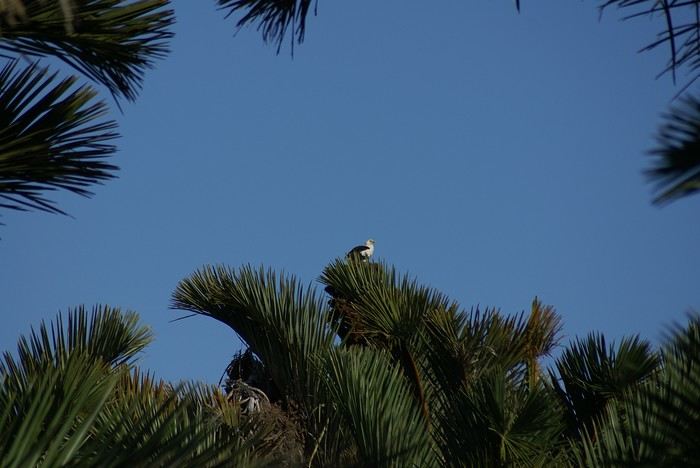 Here, those are eagles
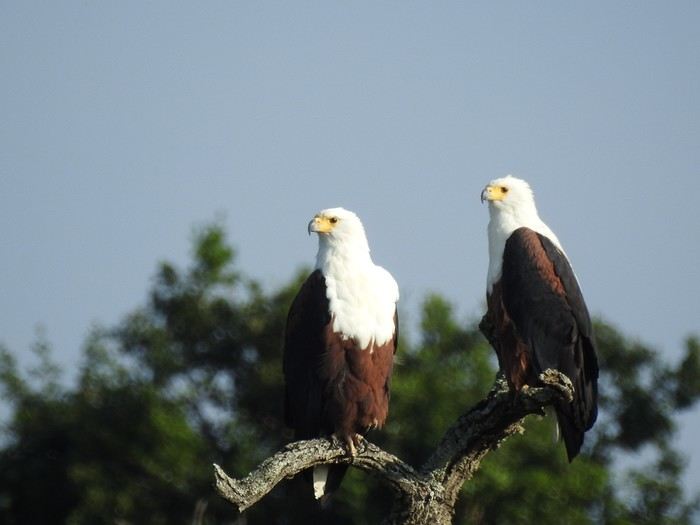
And they’re pretty brave because... they’re not far away...
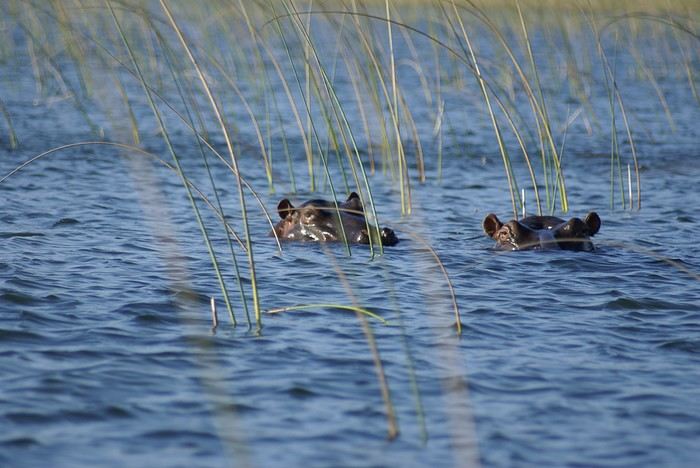
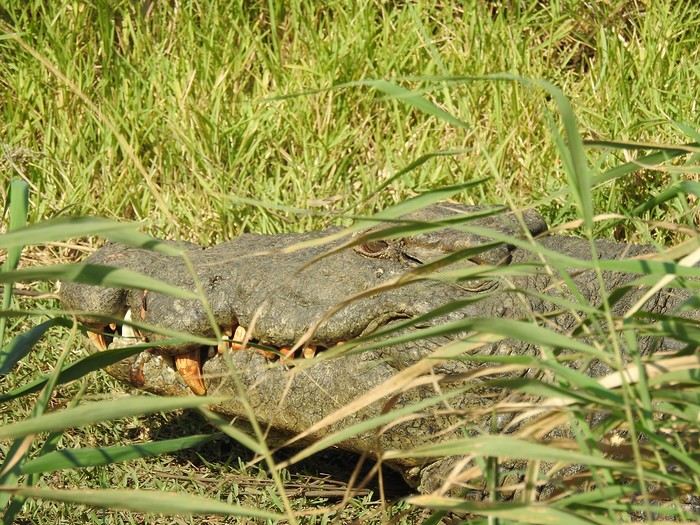
Yet we still swim there... with supervision...
So, between St. Lucia and Mozambique, you’ll find marshes, lagoons, lakes, and coastline, with our Tonga friends, Zulu friends, and—just a bit further up—the Tembe... and their king. (I’m showing off a bit because I got to see a king up close, ate in the same room as him, and even talked to him!)
Originally, the Boers tried to farm there... including sugarcane...
But... between the hippos, snakes, crocs, and malaria-carrying mosquitoes... They lost count of the deaths and disappearances.
The story goes that when Madiba (Mandela) came to power, he passed through the area and convinced them to turn it into a natural space that would attract tourists—and that’s when the big change happened.
And it’s pretty incredible to see how this place has evolved, going from extreme poverty to a certain level of gentrification... How this once "chaotic" area saw shops, roads, and housing spring up (I’m mainly talking about Mtubatuba, the nearby Black town). In fact, in St. Lucia now, the homes that aren’t tourist accommodations can be counted on one hand.
St. Lucia has become a "seaside resort"... very busy during school holidays and certain weekends, increasingly cosmopolitan (20 years ago, speaking French was exotic—now it’s completely ordinary).
As mentioned in the title, this is a travel journal focused on St. Lucia and iSimangaliso ("this place is miraculous" in Zulu) over various trips spanning about twenty years.
The Elephant Coast stretches from Hluhluwe Umfolozi, through St. Lucia and iSimangaliso, all the way to the Mozambique border near Kosi Bay and Tembe. This region was conquered by the Zulus (for context, in the 19th century, the Zulus were just one Bantu group among many—it was a local Napoleon, Shaka, who was both cruel and inventive, conquering and subjugating all other groups to form the Zulu nation). The Tonga were the big losers in this area, and a certain "animosity" is still very noticeable... With our two guides (one Zulu and the other Tonga), we ran into some Tonga folks—definitely not a warm atmosphere. The Tonga were pushed back into the marshes. Fish traps are their main source of wealth. (iSimangaliso is a lagoon and marshland area with several interconnected lakes—it used to be called Vetland Park, and for good reason.) So, lakes, fishing with fish traps...
Traditionally done with raffia boats
Made from forest raffia
Where we spotted a particularly rare and endemic bird (whose name I can’t remember... and I can’t be bothered to dig through my notes)
Here, those are eagles
And they’re pretty brave because... they’re not far away...
Yet we still swim there... with supervision...
So, between St. Lucia and Mozambique, you’ll find marshes, lagoons, lakes, and coastline, with our Tonga friends, Zulu friends, and—just a bit further up—the Tembe... and their king. (I’m showing off a bit because I got to see a king up close, ate in the same room as him, and even talked to him!)
Originally, the Boers tried to farm there... including sugarcane...
But... between the hippos, snakes, crocs, and malaria-carrying mosquitoes... They lost count of the deaths and disappearances.
The story goes that when Madiba (Mandela) came to power, he passed through the area and convinced them to turn it into a natural space that would attract tourists—and that’s when the big change happened.
And it’s pretty incredible to see how this place has evolved, going from extreme poverty to a certain level of gentrification... How this once "chaotic" area saw shops, roads, and housing spring up (I’m mainly talking about Mtubatuba, the nearby Black town). In fact, in St. Lucia now, the homes that aren’t tourist accommodations can be counted on one hand.
St. Lucia has become a "seaside resort"... very busy during school holidays and certain weekends, increasingly cosmopolitan (20 years ago, speaking French was exotic—now it’s completely ordinary).
Hi there,
Could anyone give me some info about the international driver's permit in Namibia?
Is it mandatory to rent a 4x4 with or without a roof tent, or is an English translation of my French license enough to get around the whole country?
Thanks in advance for your replies!
Hi,
The question is in the title.
I won’t say it’s systematic, but compared to Thailand, it’s pretty common.
Have Chinese manners made their way into VIETNAM with a blast of horns?
Hi everyone,
Could you clarify what type of driving license is required in Namibia?
I don’t have enough time to apply for an international driving permit, unfortunately. The processing time is way too long—5 months!
From what I’ve heard, a French license with an English translation should be enough?
Is that correct, and if so, who needs to certify the translation?
Thanks a lot, and have a great day!
Frédéric
Hi there,
Does anyone know if there are any works in progress at Torcello, and if so, what type of works and how long they’re expected to last?
Thanks in advance
Gosuslugi / Госуслуги is the Russian administrative portal. EBS / ЕБС is the unified biometric system.
Since 2025, foreigners (residents or not) must have a biometric profile in addition to a Gosuslugi profile to obtain SIM cards and open a bank account.
Administrative services are mostly centralized in MFCs, МФЦ (Multi-Functional Center), nicknamed "My Documents" Мои документы.
A non-resident foreigner can register with the pension fund, which provides a social security number, SNILS / СНИЛС. To do this, you must present your passport and a notarized translation at an MFC. The SNILS can be issued on the spot or within a maximum of five days. If not issued immediately, you receive a receipt, and the deadline is communicated by the administrative agent. You return to the MFC after the deadline to collect the certificate with the SNILS.
Once the SNILS is obtained, you revisit an MFC counter to register on the Gosuslugi portal. You must present your passport and notarized translation again, along with a phone number and email. The Gosuslugi portal authenticates users with three pieces of data: SNILS, email or phone number, and password. The agent creates the profile and completes the initial email and SMS confirmations on your phone.
After the Gosuslugi profile is active, you register on the biometric portal. If last year’s law centralization measures are fully implemented, you can do this at any MFC; otherwise, you go to a SBERBANK (or VTB) branch. Again, as always for foreigners, you must present your passport with its translation and show your open Gosuslugi profile on your phone. The employee records your voice (reading a series of numbers) and takes a photo of your face.
After that, you can go to a telecom agency to buy a SIM card. The staff will take your passport details with the translation and your Gosuslugi profile info. Then, they’ll take a photo with their webcam, which is verified by the online EBS biometric portal. However, procedures may vary depending on the provider (Megafon, MTS, Beeline), and some employees may not be familiar with the process.
Potential delays can be caused by network maintenance or slowdowns due to peaks in administrative activity.
I’ll illustrate this process as I experienced it in February and April 2025 in the next post. Just need to gather the photos I took on the spot.
Hi there,
We’re planning a trip to South Africa and thinking of renting a car. Is it straightforward, and are there any companies to avoid or others you’d recommend?
We just realized our international driving permit has expired, and the French administration says it’ll take 5 months to get a new one. Is it possible to rent a car without this famous international permit?
Thanks in advance for all your tips!
We just realized our international driving permit has expired, and the French administration says it’ll take 5 months to get a new one. Is it possible to rent a car without this famous international permit?
Thanks in advance for all your tips!
We’ve just returned from a 30-day trip to China, 20 years after our last visit to this vast country.
What a transformation! So many new highways, high-speed trains, clean public restrooms, very comfortable and affordable hotels, and queues before boarding public transport… Has China really changed this much?
Language Technology has helped overcome—on a very small scale, of course—the language barrier thanks to translation apps on our phones. Unfortunately, very few Chinese people speak English, even in international hotels, which we find baffling, even frustrating, but that’s just how it is, and it’s up to us to adapt. It’s a shame, too, because no one makes an effort to communicate any other way than through their phone, which wasn’t the case when we were there 20 years ago. In restaurants, hotels, and some shops, they’ll show you a voice translation—usually in English—on a phone, and all you have to do is respond.
Payments We never withdrew cash in China. It’s possible to do so, but we never looked for an ATM. On the other hand, we tried to exchange 100 € as soon as we arrived in Xi’an, and it was a real ordeal. We had to do it at a specific bank, The Bank of China, and the administrative process took… an hour! So, no cash. Like everyone else, we used Alipay, one of the most popular online payment systems, and it’s super easy to use. WeChat also works well but is a bit more complicated to set up. It’s so convenient and used absolutely everywhere, even for purchases of 5 yuan, which is roughly the equivalent of about 55 euro cents. 10 yuan equals 1.22 €.
Phone As for the internet, I had installed a VPN before leaving—Let’s VPN—but it was completely useless since we had subscribed to an international plan with our carrier before the trip, which gave us 35 GB of data. No need to ask hotels for Wi-Fi; we only used roaming. It worked perfectly, no matter where we were. So, no VPN or SIM card for us.
TWO ESSENTIAL TOOLS FOR TRAVELING: your passport and your phone Traveling to China is much simpler than you might think. And let’s add that the Chinese, despite the language barrier, are very open and always ready to help.
The itinerary After carefully planning our route and considering the length of our stay (I had initially thought about applying for a visa longer than 30 days to stay for 6 weeks in China), we decided to take advantage of the recent option to stay for 30 days. Of course, we had to make some choices. I booked a one-way ticket from Paris to Xi’an and a return from Kunming to Paris once the itinerary was set: 9 days in northern Gansu 4 days in Hunan, specifically the well-known Zhangjiajie 15 days in Yunnan
Organization, transport, hotels This wasn’t a "backpacker" trip, as the hotels we booked were generally comfortable. I had arranged a car with a driver for the Yunnan portion through the Ciel Yunnan agency. Excellent choice—it allowed us to optimize our route. For the Gansu and Hunan portions, after much deliberation, we decided against hiring a driver. All our travel was by train and taxi. Taxis are available near train stations, airports, and some hotels in big cities. We also used "Didi," the Chinese equivalent of Uber. The app is available through Alipay. Getting around China by train is extremely easy. You just need to book your tickets on a travel site. I used trip.com and travelchina. Since we weren’t traveling during peak season, it was easy to get the tickets we wanted. You can buy train tickets up to 15 days before departure. You can book earlier, but there’s no guarantee you’ll get the time you want, especially during tourist seasons (usually the first week of October or May). Once at the station, you only need to show your passport, and you’ll need it again when leaving the station. Taxis are easy to find and not expensive. For day trips, we usually went through the hotel. Like everyone else, I had checked the prices of online tour agencies beforehand, and they were all overpriced. It’s better to wait until the last minute or, if possible, contact the hotel and ask them. I did this twice. We took domestic flights three times: Xi’an to Dunhuang Lanzhou to Changsha Changsha to Lijiang It’s best to buy flights shortly before departure, as prices are quite low then. There’s no point in booking months in advance. Often, flights only appear 2 months before departure. All hotel reservations were made on trip.com, except for three booked on Booking. Almost all exceeded our expectations in terms of comfort. Rooms were usually spacious, and new technology even makes its way into the rooms with "smart" toilets and automatic curtains… All for a very reasonable price.
The "attractions" That’s the term used on travel sites like trip.com for visits and activities, and it fits perfectly! Don’t expect to move freely around a natural tourist site. Cars aren’t allowed. The process is more or less the same everywhere: you arrive at the visitor center, pay the entrance fee, then, with your ticket or passport (always keep them on you!), you board a bus that takes you to the various viewpoints. The duration of the "tour" is usually indicated. It might seem confusing or even unnatural, but no one can avoid it unless you go to very remote, non-touristy places. Generally, the further west you go, the less this type of visit exists. The upside is that these places are better preserved since access is only by electric shuttle. On the downside, you sometimes have to deal with noisy tourist groups, their guides’ loudspeakers, and their non-stop chatter. But if you move a little further away, you’ll often find yourself alone.
Highlights of this trip:🙂 A 2-day escape to the Badan Jaran Desert—absolutely stunning. The colorful mountains near Zhangye. The Buddhist caves in Gansu. The breathtaking Hani and Yi rice terraces in Yuanyang. The architecture of the old towns, even if they sometimes feel a bit overdone. The warm welcome from the locals.
A little disappointed by: Zhangjiajie, despite its beauty. It was way too crowded, even though we were there in the off-season. And that’s nothing compared to the Stone Forest near Kunming… I also struggled with the food after a while. 😕
A few photos to come…
Hi there,
New to the forum, I’m planning a trip to Norway in a camper van and want to drive the entire FV 17. Does anyone have a link where I can find the 6 ferries I’ll need to take and their costs? Thanks everyone
New to the forum, I’m planning a trip to Norway in a camper van and want to drive the entire FV 17. Does anyone have a link where I can find the 6 ferries I’ll need to take and their costs? Thanks everyone
Hi everyone,
I’m planning our trip to Japan from March 21 to April 11, 2026. We’re planning to travel by plane for long distances (Okinawa) and by train for the rest. I’d like to know if renting a car is easy and, most importantly, if driving with road signs written in Japanese isn’t too complicated. For trains, are there any tips to save money?
Thanks for your advice!
Hi there,
Could anyone give me some tips on 2-day treks in these areas? We're heading there in November...
Thanks so much!
A message in a bottle:
For a three-week trip in November... is it possible to go hiking without a guide in northern Vietnam, getting around to the hiking sites by public transport, bikes, or on foot? And if so, which areas specifically?
Thanks to anyone who replies!8
Hello everyone, we’re finishing a cruise from Marseille to Valparaiso on the morning of December 23, and we’re flying out of Santiago on the 27th around noon.
What do you recommend we visit in such a short time, and how?
Do you also have any tips for accommodation? We were thinking of spending 2 days in Valparaiso and 2 days in Santiago.
And what about transportation between the two cities?
A little detail: We’re an older couple, 80 and 81 years old! We still walk well, but we’re not polyglots. Luckily, we’ll have Google Translate and an eSIM card!
This trip is kind of our 60th wedding anniversary.
Thanks to everyone.
Mado and Maurice.