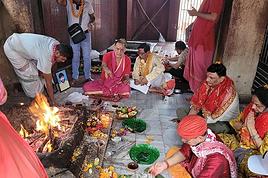
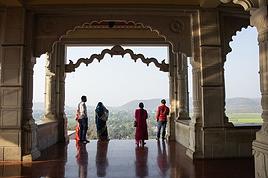
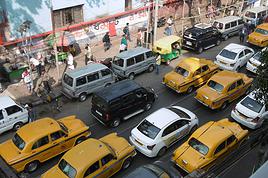
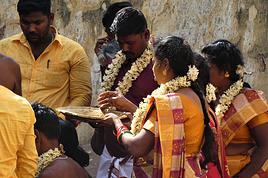
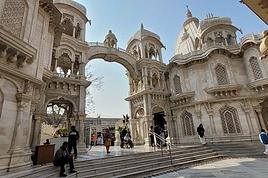
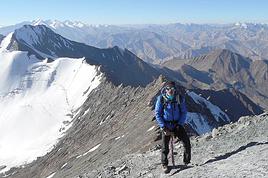
During the 60s and 70s, thousands of travelers hit the road to India. Some were backpackers or hippies, but not all. In this collective anthology featuring around twenty contributors (including GeorgesOz), you’ll also find truth-seekers, a couple who went on their honeymoon to get married in Bengal... and "crazy" folks who set off on VéloSolex bikes...
Worth noting: all contributors donated their royalties to support the Céline Hegron clinic in a poor neighborhood of Varanasi.
Bonjour à tous ,
Je voyage actuellement en Inde et je suis surprise de voir le nombre de français qui y vivent ou voyagent (il paraitrait que 50% des voaygeurs en Inde sont français).
Lors de mes recherches sur le net , c'est très partagé et d'ailleurs beaucoup de blog ou commentaires sont consacrés à la haine de ce pays car sale, pauvre, comportements étranges ....
Il n'empeche que au final je vois toujours beacoup de français (largement plus qu eles autres nationalités). Pouvez vous peut etre me donner une raison qui expliquerai selon vous que les francais aiment particulierement l'inde. Est ce votre avis?? (evitez les classiques vetements colorés, senteurs d'épices et Taj Mahal svp.... je pense que derrière tout ca il y a une autre raison ... que je n'arrive pas à expliquer moi même).
Merci de votre aide et à ien Inde , peu être.
Je voyage actuellement en Inde et je suis surprise de voir le nombre de français qui y vivent ou voyagent (il paraitrait que 50% des voaygeurs en Inde sont français).
Lors de mes recherches sur le net , c'est très partagé et d'ailleurs beaucoup de blog ou commentaires sont consacrés à la haine de ce pays car sale, pauvre, comportements étranges ....
Il n'empeche que au final je vois toujours beacoup de français (largement plus qu eles autres nationalités). Pouvez vous peut etre me donner une raison qui expliquerai selon vous que les francais aiment particulierement l'inde. Est ce votre avis?? (evitez les classiques vetements colorés, senteurs d'épices et Taj Mahal svp.... je pense que derrière tout ca il y a une autre raison ... que je n'arrive pas à expliquer moi même).
Merci de votre aide et à ien Inde , peu être.
Par habitude, mes textes sur ce forum sont plutôt sur un ton léger, j'aime aborder les choses avec humour, surtout quand il s'agit de choses sérieuses. Mais pour ce post, je vais mettre mon habit sérieux. Costume ok, cravatte ok, chaussures qui brille c'est bon, on y va.
J'ai récemment eu un long débat sur les langues avec les amis Australiens avec qui je passe le plus clair de mon temps ces jours-ci. Après y avoir beaucoup réfléchi et fait des recherches, je pense que nous devrions tous parler anglais? Pourquoi? Permettez moi de partager cette reflexion.
Entre 6,000 et 7,000 langages différents existent, suivant quelle définition de "langage" vous utilisez et comment vous présentez la distinction entre langage et dialecte.
Suivant les données que vous choisissez, (prenons les estimatons de Kryss Talaat, comme le fait wikipedia), les 30 premiers couvrent 6.2 milliards d'entre nous. Le top 3 est bien connu: Mandarin, Englais et Espagnol. Il couvre 2.6 miliards.
Si nous regardons les chiffres, la conclusion facile pourrait être: nous devrions tous parler Mandarin, vu que c'est le plus parlé.
Oui, mais nous pourrions aussi affirmer que l'Anglais est la langue internationale des affaires, donc ce devrait être la langue que chacun doit connaitre.
Attendez, pourquoi argumenter? Nous pouvons simplement admettre que tous les langages sont voués à être remplacé tôt ou tard, donc ceci est une discussion inutile.
Regardons ça de plus près.
Histoire
L'humanité a connu des langages significatif dans le passé. Phoenicien, Sanskrit classic, Grec Ancien, Hebreux ou Latin: ils ont tous été des langages majeurs à un moment donné. Pas parlé par tous, mais ils étaient des signes fort de la globalisation dans ces temps anciens. Que c'est il passé? Guerres, évolutions linguistiques, divisions de pays: tôt ou tard, chacun d'entre eux a été ajouté à la longue liste des langues morte. Dans l'état d'esprit d'aujourd'hui des anglophones, le futur de l'Anglais n'a jamais été aussi brillant. Mais dans l'état d'esprit du 2ième siècle en Europe, le futur du Latin n'avait jamais été aussi brillant également. Alors pourquoi l'anglais serait il différent?
Nous pouvons raisonnablement considérer qu'il va suivre son chemin à travers les siècles pour finalement mourrir, remplacé par le Mandarin ou une autre langue. Mais c'est un fait, le monde a beaucoup changé depuis le 2ième siècle. Malheureusement, les guerres sont toujours présentent. Les divisions de pays et les évolutions linguistiques aussi. Au 2ième siècle, des langues continuent de mourrir, comme l'Eyak (en Alaska, éteind en 2008) ou le Cromarty (Langue Germanique du nord de l'Ecosse éteinte l'an dernier).
Alors qu'est ce qui a changé?
Les communications mondiales. En l'an 200, l'Empire Romain n'avait pas la moindre idée de ce qui se passait en Asie ou en Amérique. Mais nous aujourd'hui si. Nous sommes au courant de ce qui se passe à peu près partout en ce moment. Alors peut-être parce que nos moyens de communication sont si différents, l'histore n'est plus vraiment un guide.
Technologie et communauté.
C'est peut être la première fois où nous possèdons un langage parlé dans tous les pays du monde, d'une manière ou d'une autre. La globalisation des marchés, l'économie, les technologies, les communications donnent à l'Anglais le pouvoir de dominer le monde comme aucun langage avant lui.
J'ai lu quelque part que des chercheurs avaient dit qu'un quart de la population mondiale pouvait communiquer en anglais. Impossible à vérifier une pareille statistique. J'ai essayé, mais chaque pays possède ses propres chiffres. Ce que nous pouvons affirmer c'est que l'Anglais est la langue commune dans presque tous les domaines, de la programmation au traffic aérien en passant par le vocabulaire des marchés financiers. Si vous avez une licence de pilote, vous savez commment échanger avec une tour de contrôle en utilisant les termes techniques anglais. La domination en temps que langage d'Internet est évidente: 56% du contenu d'Internet est en Anglais quand seulement 27% des utilisateurs actifs sont anglophones. Quand vous voyagez, dans chaque aéroport international, vous trouverez de pictogrammes et leur traductioin en Anglais. Etre éduquer signifie connaitre l'anglais dans beaucoup de pays. C'est assez courant de tranvailler dans une entreprise pas anglaise qui possède l'anglais comme langue officielle.Pourquoi? Parceque leurs affaires sont faites avec le monde extérieur, via Internet, ou toute autre forme de communication, en Anglais.
Donc même s'il y a plus de gens qui parlent le Chinois comme première langue, c'est bien l'anglais qu'ils doivent utiliser s'ils veulent devenir pilote, programmeur ou échanger avec d'autres cultures. Et c'est pareil pour les Espagnols, les Indiens les Russes, les Français ou tout autre non-natif anglophone.
Apprentissage
Oui, ok, nous avons tout ça. Mais admettons que nous ne l'avons pas. Disons que nous devons prendre une langue pour tout le monde, pour le contrôle aérien, les marchés financiers, la programmation et tout le reste. Dans ce cas ourquoi ne pas choisir le Chinois vu que c'est la première langue la plus parlée?
En utilisant les mêmes données que précédemment, l'estimation de Kryss Talaat, nous pouvons confirmer qu'en effet, le Chinois est le langage numéro 1. Nous pouvons aussi voir que l'alphabet le plus utilisé est l'alphabet Latin, avec près de deux fois plus d'utilisateurs que les pictogrammes chinois (2.4 vs 1.3 milliards). Nous pouvons aussi vérifier que la racine Indo-Européenne est 2,5 fois plus commune que la racine Sino-Tibetaine (3.4 vs 1.4 milliard).
Donc, si 5 à 7 milliards de personnes doivent apprendre un langage, ces deux statistiques indiquent que le langage le plus simple avec lequel débuter serait basé sur l'alphabet Latin et les origines Indo-Européennes. origins. Pourquoi? Parce que cela voudrait dire que la plupart des gens n'auaient pas à apprendre un alphabet, et trouveraient de (très) nombreux mot communs ou avec des orgigines communes. Cela ramène la liste à 7 langages: Anglais, Espagnol, Portuguais, Français, Allemand, Italien et Polonais.
Lequel choisir? Bien, soyons pragmatique. Quelles sont les difficultés pour apprendre un nouveau langage? Grammaire, genres, arguments, conjuguaisons, longs mots. Le genre (masculin/féminin) c'est un des plus compliqués. Comment est construite la logique? Y en a t il une? Non. Aucune. Un mot masculin en Allemand, comme table (der Tisch) peut être féminin en Français (la table), et neutre en Norvégien (Bord). C'est juste quelque chose que vous devez apprendre. Cela rend une telle langue plus difficile à apprendre. Encore plus si ce genre entraine des règles d'accords compliquées.
L'Anglais est le meilleur candidat. Il n'y a ni arguments (le, la...), ni genres, pas d'accords, et une grammaire relativement simple. Ce langage est partout est peut être écouté, lu, intégré et utilisé partout. Il a des mots courts, et les accords des verbes ne changent qu'à la troisième personne. Les anglophones sont très tolérents avec les erreurs car l'Anglais est pour beaucoup une seconde langue.
Un argument des détracteurs est de dire que l'Anglais est le langage qui contient le plus de mots, et complique le problème. Ce qui est très probablement vrai. Combien y a t il de mots dans la langue Anglaise? C'est presque impossible de répondre, parce que cela dépend de ce que vous entendez par langue Anglaise et par mots. Mais c'est un faux problème. Je vais aller directement à la conclusion (Vous pouvez creuser ce sujet si vous voulez en allant ici). Dans plus d'un million de mots, un ado de 16 ans en utilise autour de 10 000 - 12 000, et 20 000 à 60 000 pour un étudiant diplômé. Une étude de l'OED (Oxford English Dictionary) montre que 90% de l'OEC (Oxford English Corpus, une collection de textes écris ou parlés en Anglais sélectionnés pour être représentatifs de la langage) représente pas plus de 7 000 mots, 50 000 mots pour 95%.
Tous ensembles
Si nous mettons ensembles l'apprentissage, les technologies et les communications, il apparait alors assez facilement que l'anglais est le meilleur candidat finalement.
Vous pouvez demandez: "Mais pourquoi devrions nous tous parler un même langage?", "La différence c'est bien, pourquoi veux-tu la changer?" ou ce genre de question. Oui, mais non. La différence peut être une bonne chose, bien sur, mais si nous voulons communiquer plus vite, plus facilement et plus efficacement, nous devrions converger vers une langue commune. Ce n'est pas parcequ'un langage s'éteind, comme ceux mentionnés plus haut, qu'il meurt. Nous avons toujours des livres en Latin, Grec Ancien ou Sanskrit. Et nous utilisons encore ces écrits pour étudier notre passé. Mais si un jour nous voulons que tous soient unis, nous devons être capable de tous nous comprendre.
Je pense sincèrement que nous nous dirigeons doucement vers ce point, vers le point où tout le monde sera à même de communiquer sans la barrière de la langue. Et pour moi, en tant que non-natif anglophone cette future langue s'appelle l'Anglais.
N'hésitez pas à commenter et donner votre avis, si vous êtes d'accord, ou pas. Surtout si vous ne l'etes pas en réalité ... 😉 Et en tant que voyageur que vous êtes surement (ou alors si vous êtes sur ce forum, vous êtes curieux, ou perdu remarque...) je suis sur que vous avez un avis sur la question!
Version original de cet article sur mon site perso ici.
J'ai récemment eu un long débat sur les langues avec les amis Australiens avec qui je passe le plus clair de mon temps ces jours-ci. Après y avoir beaucoup réfléchi et fait des recherches, je pense que nous devrions tous parler anglais? Pourquoi? Permettez moi de partager cette reflexion.
Entre 6,000 et 7,000 langages différents existent, suivant quelle définition de "langage" vous utilisez et comment vous présentez la distinction entre langage et dialecte.
Suivant les données que vous choisissez, (prenons les estimatons de Kryss Talaat, comme le fait wikipedia), les 30 premiers couvrent 6.2 milliards d'entre nous. Le top 3 est bien connu: Mandarin, Englais et Espagnol. Il couvre 2.6 miliards.
Si nous regardons les chiffres, la conclusion facile pourrait être: nous devrions tous parler Mandarin, vu que c'est le plus parlé.
Oui, mais nous pourrions aussi affirmer que l'Anglais est la langue internationale des affaires, donc ce devrait être la langue que chacun doit connaitre.
Attendez, pourquoi argumenter? Nous pouvons simplement admettre que tous les langages sont voués à être remplacé tôt ou tard, donc ceci est une discussion inutile.
Regardons ça de plus près.
Histoire
L'humanité a connu des langages significatif dans le passé. Phoenicien, Sanskrit classic, Grec Ancien, Hebreux ou Latin: ils ont tous été des langages majeurs à un moment donné. Pas parlé par tous, mais ils étaient des signes fort de la globalisation dans ces temps anciens. Que c'est il passé? Guerres, évolutions linguistiques, divisions de pays: tôt ou tard, chacun d'entre eux a été ajouté à la longue liste des langues morte. Dans l'état d'esprit d'aujourd'hui des anglophones, le futur de l'Anglais n'a jamais été aussi brillant. Mais dans l'état d'esprit du 2ième siècle en Europe, le futur du Latin n'avait jamais été aussi brillant également. Alors pourquoi l'anglais serait il différent?
Nous pouvons raisonnablement considérer qu'il va suivre son chemin à travers les siècles pour finalement mourrir, remplacé par le Mandarin ou une autre langue. Mais c'est un fait, le monde a beaucoup changé depuis le 2ième siècle. Malheureusement, les guerres sont toujours présentent. Les divisions de pays et les évolutions linguistiques aussi. Au 2ième siècle, des langues continuent de mourrir, comme l'Eyak (en Alaska, éteind en 2008) ou le Cromarty (Langue Germanique du nord de l'Ecosse éteinte l'an dernier).
Alors qu'est ce qui a changé?
Les communications mondiales. En l'an 200, l'Empire Romain n'avait pas la moindre idée de ce qui se passait en Asie ou en Amérique. Mais nous aujourd'hui si. Nous sommes au courant de ce qui se passe à peu près partout en ce moment. Alors peut-être parce que nos moyens de communication sont si différents, l'histore n'est plus vraiment un guide.
Technologie et communauté.
C'est peut être la première fois où nous possèdons un langage parlé dans tous les pays du monde, d'une manière ou d'une autre. La globalisation des marchés, l'économie, les technologies, les communications donnent à l'Anglais le pouvoir de dominer le monde comme aucun langage avant lui.
J'ai lu quelque part que des chercheurs avaient dit qu'un quart de la population mondiale pouvait communiquer en anglais. Impossible à vérifier une pareille statistique. J'ai essayé, mais chaque pays possède ses propres chiffres. Ce que nous pouvons affirmer c'est que l'Anglais est la langue commune dans presque tous les domaines, de la programmation au traffic aérien en passant par le vocabulaire des marchés financiers. Si vous avez une licence de pilote, vous savez commment échanger avec une tour de contrôle en utilisant les termes techniques anglais. La domination en temps que langage d'Internet est évidente: 56% du contenu d'Internet est en Anglais quand seulement 27% des utilisateurs actifs sont anglophones. Quand vous voyagez, dans chaque aéroport international, vous trouverez de pictogrammes et leur traductioin en Anglais. Etre éduquer signifie connaitre l'anglais dans beaucoup de pays. C'est assez courant de tranvailler dans une entreprise pas anglaise qui possède l'anglais comme langue officielle.Pourquoi? Parceque leurs affaires sont faites avec le monde extérieur, via Internet, ou toute autre forme de communication, en Anglais.
Donc même s'il y a plus de gens qui parlent le Chinois comme première langue, c'est bien l'anglais qu'ils doivent utiliser s'ils veulent devenir pilote, programmeur ou échanger avec d'autres cultures. Et c'est pareil pour les Espagnols, les Indiens les Russes, les Français ou tout autre non-natif anglophone.
Apprentissage
Oui, ok, nous avons tout ça. Mais admettons que nous ne l'avons pas. Disons que nous devons prendre une langue pour tout le monde, pour le contrôle aérien, les marchés financiers, la programmation et tout le reste. Dans ce cas ourquoi ne pas choisir le Chinois vu que c'est la première langue la plus parlée?
En utilisant les mêmes données que précédemment, l'estimation de Kryss Talaat, nous pouvons confirmer qu'en effet, le Chinois est le langage numéro 1. Nous pouvons aussi voir que l'alphabet le plus utilisé est l'alphabet Latin, avec près de deux fois plus d'utilisateurs que les pictogrammes chinois (2.4 vs 1.3 milliards). Nous pouvons aussi vérifier que la racine Indo-Européenne est 2,5 fois plus commune que la racine Sino-Tibetaine (3.4 vs 1.4 milliard).
Donc, si 5 à 7 milliards de personnes doivent apprendre un langage, ces deux statistiques indiquent que le langage le plus simple avec lequel débuter serait basé sur l'alphabet Latin et les origines Indo-Européennes. origins. Pourquoi? Parce que cela voudrait dire que la plupart des gens n'auaient pas à apprendre un alphabet, et trouveraient de (très) nombreux mot communs ou avec des orgigines communes. Cela ramène la liste à 7 langages: Anglais, Espagnol, Portuguais, Français, Allemand, Italien et Polonais.
Lequel choisir? Bien, soyons pragmatique. Quelles sont les difficultés pour apprendre un nouveau langage? Grammaire, genres, arguments, conjuguaisons, longs mots. Le genre (masculin/féminin) c'est un des plus compliqués. Comment est construite la logique? Y en a t il une? Non. Aucune. Un mot masculin en Allemand, comme table (der Tisch) peut être féminin en Français (la table), et neutre en Norvégien (Bord). C'est juste quelque chose que vous devez apprendre. Cela rend une telle langue plus difficile à apprendre. Encore plus si ce genre entraine des règles d'accords compliquées.
L'Anglais est le meilleur candidat. Il n'y a ni arguments (le, la...), ni genres, pas d'accords, et une grammaire relativement simple. Ce langage est partout est peut être écouté, lu, intégré et utilisé partout. Il a des mots courts, et les accords des verbes ne changent qu'à la troisième personne. Les anglophones sont très tolérents avec les erreurs car l'Anglais est pour beaucoup une seconde langue.
Un argument des détracteurs est de dire que l'Anglais est le langage qui contient le plus de mots, et complique le problème. Ce qui est très probablement vrai. Combien y a t il de mots dans la langue Anglaise? C'est presque impossible de répondre, parce que cela dépend de ce que vous entendez par langue Anglaise et par mots. Mais c'est un faux problème. Je vais aller directement à la conclusion (Vous pouvez creuser ce sujet si vous voulez en allant ici). Dans plus d'un million de mots, un ado de 16 ans en utilise autour de 10 000 - 12 000, et 20 000 à 60 000 pour un étudiant diplômé. Une étude de l'OED (Oxford English Dictionary) montre que 90% de l'OEC (Oxford English Corpus, une collection de textes écris ou parlés en Anglais sélectionnés pour être représentatifs de la langage) représente pas plus de 7 000 mots, 50 000 mots pour 95%.
Tous ensembles
Si nous mettons ensembles l'apprentissage, les technologies et les communications, il apparait alors assez facilement que l'anglais est le meilleur candidat finalement.
Vous pouvez demandez: "Mais pourquoi devrions nous tous parler un même langage?", "La différence c'est bien, pourquoi veux-tu la changer?" ou ce genre de question. Oui, mais non. La différence peut être une bonne chose, bien sur, mais si nous voulons communiquer plus vite, plus facilement et plus efficacement, nous devrions converger vers une langue commune. Ce n'est pas parcequ'un langage s'éteind, comme ceux mentionnés plus haut, qu'il meurt. Nous avons toujours des livres en Latin, Grec Ancien ou Sanskrit. Et nous utilisons encore ces écrits pour étudier notre passé. Mais si un jour nous voulons que tous soient unis, nous devons être capable de tous nous comprendre.
Je pense sincèrement que nous nous dirigeons doucement vers ce point, vers le point où tout le monde sera à même de communiquer sans la barrière de la langue. Et pour moi, en tant que non-natif anglophone cette future langue s'appelle l'Anglais.
N'hésitez pas à commenter et donner votre avis, si vous êtes d'accord, ou pas. Surtout si vous ne l'etes pas en réalité ... 😉 Et en tant que voyageur que vous êtes surement (ou alors si vous êtes sur ce forum, vous êtes curieux, ou perdu remarque...) je suis sur que vous avez un avis sur la question!
Version original de cet article sur mon site perso ici.
Ceux qui decouvrent la Thailande aujourd'hui en reviennent emerveilles..Ceux qui l'ont connus dans les annees 80 et 90 a l'epoque ou le portable et internet n'existaient pas ou presque, pourraient temoigner que c'etait quel que soit l'endroit ou on se trouvait un "vrai paradis"..Il est donc naturel que la nostalgie grandisse quand on voit dans quel sens et a quelle vitesse les choses evoluent.😕
Deja 2010🙁, et depuis les choses ont bien changes, que se soit dans les ghettos a touristes ou meme dans la Thailande profonde, celle que certains appellent a tord ou a raison la thailande authentique...
Mais dans 10 ou 20 ans, comment voyez vous la Thailande ??? comment sera t-elle ? ceux qui la decouvriront voudront-ils y retourner ?
Deja 2010🙁, et depuis les choses ont bien changes, que se soit dans les ghettos a touristes ou meme dans la Thailande profonde, celle que certains appellent a tord ou a raison la thailande authentique...
Mais dans 10 ou 20 ans, comment voyez vous la Thailande ??? comment sera t-elle ? ceux qui la decouvriront voudront-ils y retourner ?
Hi everyone,
In this age of zero-commission cards and fee-free accounts, I’m curious why some travelers still prefer to set off with a wallet stuffed with bills and exchange money on the spot.
I get it for those whose income comes from undeclared activities, but what about everyone else?
Between the risk of theft, scams at exchange counters, and fees that often end up being higher, I’m really puzzled.
The last time I traveled with a wad of cash was because I had to pay for accommodation in cash only, the local currency was the dollar (easy to exchange at a very low cost), and I was still paying some fees.
I’m still wondering about my next trip to Argentina because the situation there is very specific, but otherwise?
Is it an allergy to modern payment methods?
A budget so tight that an extra 20 € (the fees some local banks charge for withdrawals) on a 2000 € budget would be impossible to manage?
Thanks for shedding some light on this!
In this age of zero-commission cards and fee-free accounts, I’m curious why some travelers still prefer to set off with a wallet stuffed with bills and exchange money on the spot.
I get it for those whose income comes from undeclared activities, but what about everyone else?
Between the risk of theft, scams at exchange counters, and fees that often end up being higher, I’m really puzzled.
The last time I traveled with a wad of cash was because I had to pay for accommodation in cash only, the local currency was the dollar (easy to exchange at a very low cost), and I was still paying some fees.
I’m still wondering about my next trip to Argentina because the situation there is very specific, but otherwise?
Is it an allergy to modern payment methods?
A budget so tight that an extra 20 € (the fees some local banks charge for withdrawals) on a 2000 € budget would be impossible to manage?
Thanks for shedding some light on this!
Some trips are born twice.
Ours was supposed to happen in 2020. Everything was ready: the itinerary, the flight tickets, hotel reservations and Machu Picchu, the rental car, dreams of high altitudes and wide-open spaces. And then the world stopped.
Like so many other plans, our trip to Peru was put on hold. Disappointment was followed by a more concrete reality: paperwork, endless back-and-forth, and battles to recover some of the costs we’d already paid.
The years went by. Life moved on, with its shifting priorities and unexpected twists. Rescheduling this trip wasn’t possible until 2025.
The itinerary stayed mostly true to what we’d imagined five years earlier. One major difference, though—in 2020, we’d planned to rent a car and explore the roads completely independently. Most importantly, we hadn’t included the three-day Ausangate trek, due to lack of time.
For 2025, our plans evolved. 4x4 rental prices had skyrocketed, and when we looked at our schedule more closely, we realized quite a few days didn’t actually need a vehicle. So we made a different choice and opted for private drivers instead. A decision we never regretted. Always punctual, thoughtful, and available... they were so much more than just drivers.
All our reservations were made in January, except for the trek, which we booked in February.
Finding reliable drivers on our own was tough, so we asked Laurent from Tout Pérou to handle it for us. Going through Tout Pérou also gave us a discount on the train ride to Aguas Calientes, so Laurent booked those tickets too. He also bought our Machu Picchu entrance tickets at the same price we would’ve paid on the official website. When comparing domestic flight prices, we found it was cheaper to book from Peru, so Laurent took care of those as well.
This time, nothing was going to stop us. Peru was waiting. And we were ready. 🙂
Ours was supposed to happen in 2020. Everything was ready: the itinerary, the flight tickets, hotel reservations and Machu Picchu, the rental car, dreams of high altitudes and wide-open spaces. And then the world stopped.
Like so many other plans, our trip to Peru was put on hold. Disappointment was followed by a more concrete reality: paperwork, endless back-and-forth, and battles to recover some of the costs we’d already paid.
The years went by. Life moved on, with its shifting priorities and unexpected twists. Rescheduling this trip wasn’t possible until 2025.
The itinerary stayed mostly true to what we’d imagined five years earlier. One major difference, though—in 2020, we’d planned to rent a car and explore the roads completely independently. Most importantly, we hadn’t included the three-day Ausangate trek, due to lack of time.
For 2025, our plans evolved. 4x4 rental prices had skyrocketed, and when we looked at our schedule more closely, we realized quite a few days didn’t actually need a vehicle. So we made a different choice and opted for private drivers instead. A decision we never regretted. Always punctual, thoughtful, and available... they were so much more than just drivers.
All our reservations were made in January, except for the trek, which we booked in February.
Finding reliable drivers on our own was tough, so we asked Laurent from Tout Pérou to handle it for us. Going through Tout Pérou also gave us a discount on the train ride to Aguas Calientes, so Laurent booked those tickets too. He also bought our Machu Picchu entrance tickets at the same price we would’ve paid on the official website. When comparing domestic flight prices, we found it was cheaper to book from Peru, so Laurent took care of those as well.
This time, nothing was going to stop us. Peru was waiting. And we were ready. 🙂
Bonjour à tous,
Nous revennons de passer 15 jours en Thailande, ou nous avons passé un séjour de reve, nous sommes rentré la tete pleine d'images et de couleurs avec des souvenirs exceptionnels.
Nous savions que ce pays aller nous plaire, mais pas a ce point la. De plus nous avions été mis en garde sur les Love story Thai, un homme avertis en valant deux, sur quatres gars 2 sont tombés " amoureux "( je suis l'un d'entre eux comme par hazar ).
Voila le but de ce post: savoir qu'elle sont les risques et les piéges s'il y en a, à entretenir une relation amoureuse avec une jeune fille Thai ? sachant que nous sommes residents Français, mais que nous avons le projet de revenir 2 fois par an la bas ?
Je ne dois pas etre le premier à poser ce genre de question, mais je n'ai pas trouvé de post à ce sujet sur le forum.
Merci à tous pour vos avis, vos onseils et peut etre meme vos experiences perso. 😇
I’ll repost here the comments I gave in reply to Camidav – see their post https://voyageforum.com/forum/partir-10-jours-bresil-en-autonomie-d10702249/.
As we’ve said several times, 10 days is short for Brazil! But it’s still enough for a “little introduction.” My very recent experience (April 2025) with a 2½-week itinerary might give you some ideas. To start, here’s the route:
- - Saturday, March 29: departure from Lisbon and arrival in São Paulo with LATAM
- - 2 nights in São Paulo
- - Monday, March 31: bus from São Paulo to Paraty
- - Monday 31, Tuesday 1st, and Wednesday, April 2: 3 nights in Paraty
- - Thursday, April 3: bus from Paraty to Angra dos Reis, then ferry > Ilha Grande
- - Thursday 3, Friday 4, and Saturday, April 5: 3 nights in Abraão, on Ilha Grande
- - Sunday, April 6: speedboat > Conceição de Jacareí, then bus > Rio de Janeiro
- - Sunday 6, Monday 7, Tuesday 8, and Wednesday, April 9: 4 nights in Rio
- - Thursday, April 10: flight with LATAM from Rio to Foz do Iguaçu
- - Thursday, April 10: one night in Foz do Iguaçu
- - Friday, April 11: visit to Iguaçu Falls on the Brazilian side, then crossing the border to Puerto Iguazu
- - Friday 11 and Saturday, April 12: 2 nights in Puerto Iguazu
- - Saturday, April 12: visit to the falls on the Argentine side
- - Sunday, April 13: return to Brazil, LATAM flight > São Paulo
- - Sunday 13 and Monday, April 14: 2 nights in São Paulo
- - Tuesday, April 15: flight from São Paulo > Lisbon with LATAM, arriving Wednesday the 16th.
So, it’s clear I’m writing this now from Puerto Iguazu (Argentina), and the end of the trip is near: back to São Paulo and then the flight to Lisbon. I’ll of course share more about all this in the following messages.
Since no travel journal has been posted about this destination since 2020, I’m giving it a go—maybe it’ll jog some memories for a few of you or give others a few ideas... even if, in the end, there isn’t much to tell 😎!
Even though the itinerary was as classic as can be, it still led to a few brain knots: in what order? How many nights on each island? Rent a car or not?
In short, plenty of existential questions to land on 4 nights per island, finishing with Mahé to avoid any nasty surprises before the return flight.
Saturday 03/22: Flight to Mahé with Qatar Airways (no—or rather, no more—direct flights from Paris 😕) A nice surprise at CDG with the discovery of a new lounge in Terminal 1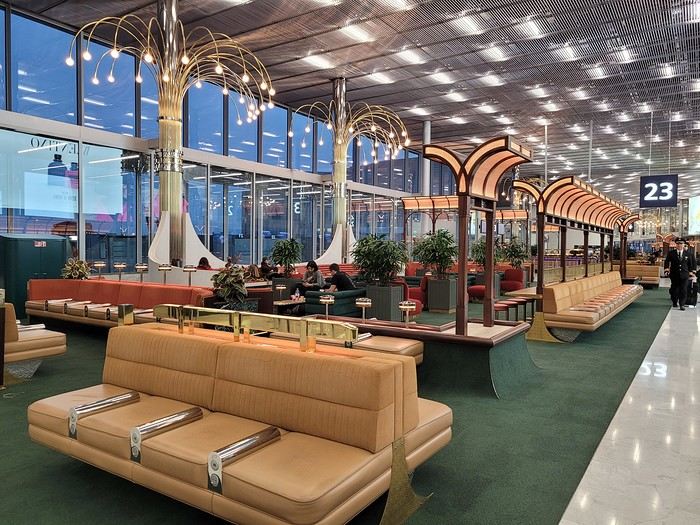
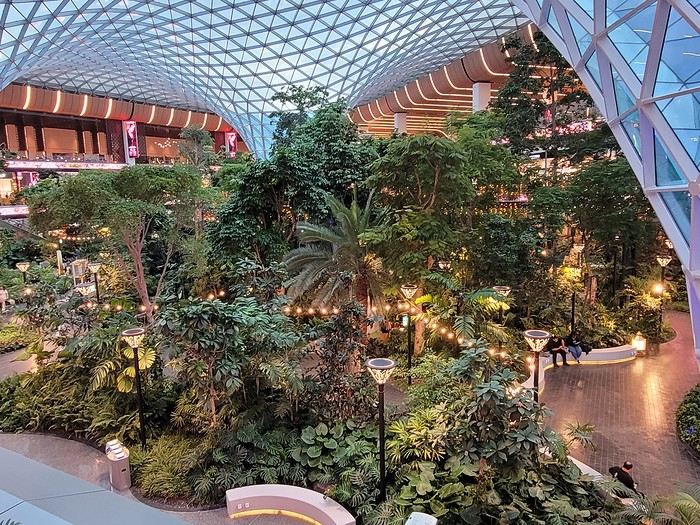
Then, an in-depth exploration of Doha Airport thanks to (or because of) a loooong layover:
And finally, arrival at the tiny Mahé airport where we step onto the tarmac feeling like we’ve walked into a steam room
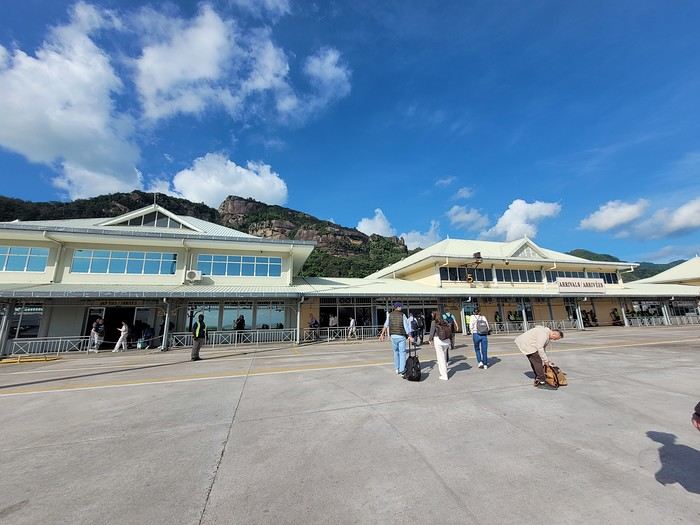 Baggage claim is quick, the shuttle to the port is on time, the ferry is punctual (we, on the other hand, are *very* early for it ), and there’s Praslin in sight:
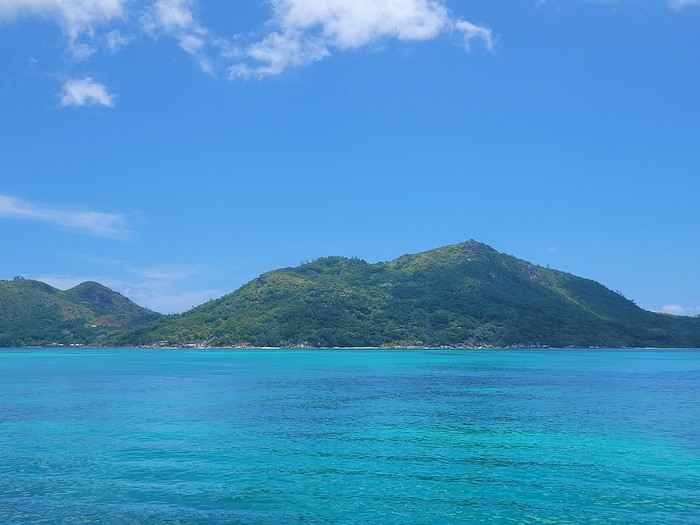
... with a sneak peek of the sea’s colors 🙂 Quick note on the photos: most were taken with a smartphone, and the colors are a bit more saturated than in real life (I did bring my hybrid camera, but in the end, I barely used it since it wasn’t very practical to lug around on the water or for snorkeling).
We pick up the car (a Grand i10 instead of a Picanto) from a muddy parking lot (it just rained) and off we go—of course, with a windshield wiper instead of the turn signal 😎, left-hand driving obliges. In just a few minutes, we arrive at our accommodation for these 4 nights on Praslin (Oh, and now the "lien" tab isn’t working! ) We’re blown away by the view from the terrace:
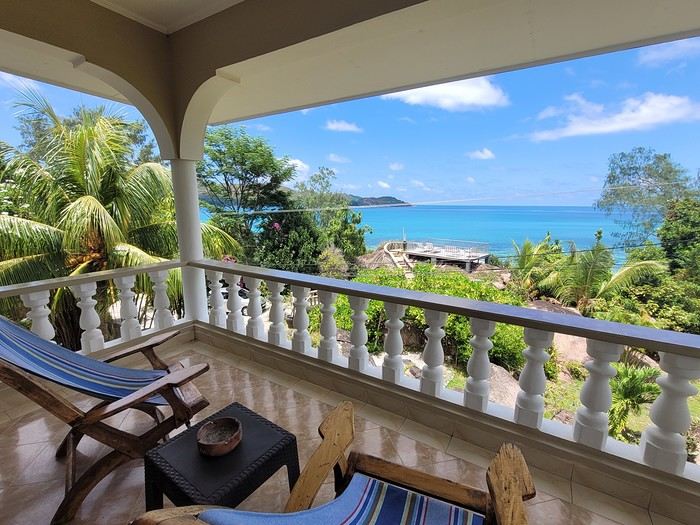
Then by the view from the little shared terrace on a promontory:
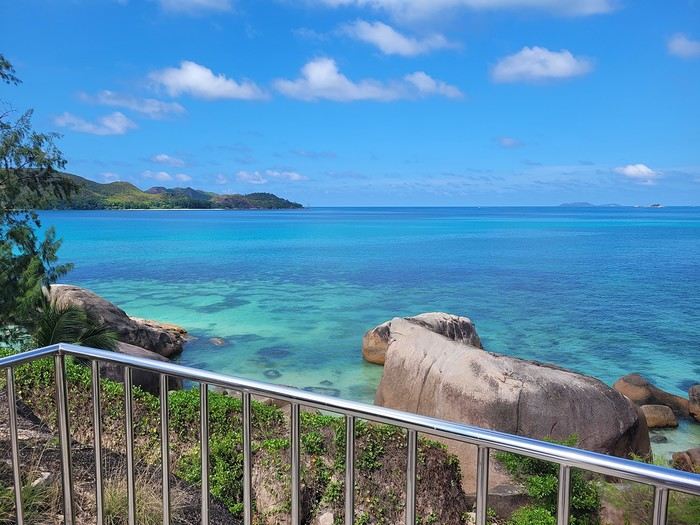 Before heading to test the water temperature on the other side of the road, at Anse Boudin, and spotting our first fish.
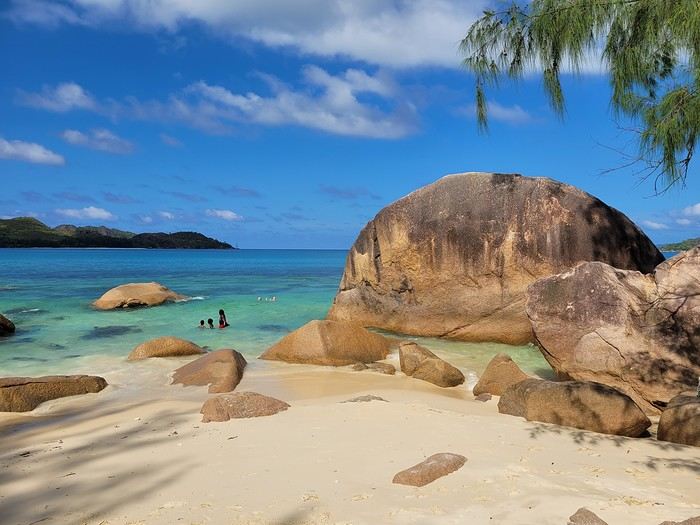
Saturday 03/22: Flight to Mahé with Qatar Airways (no—or rather, no more—direct flights from Paris 😕) A nice surprise at CDG with the discovery of a new lounge in Terminal 1
Then, an in-depth exploration of Doha Airport thanks to (or because of) a loooong layover:
And finally, arrival at the tiny Mahé airport where we step onto the tarmac feeling like we’ve walked into a steam room
Baggage claim is quick, the shuttle to the port is on time, the ferry is punctual (we, on the other hand, are *very* early for it ), and there’s Praslin in sight:... with a sneak peek of the sea’s colors 🙂 Quick note on the photos: most were taken with a smartphone, and the colors are a bit more saturated than in real life (I did bring my hybrid camera, but in the end, I barely used it since it wasn’t very practical to lug around on the water or for snorkeling).
We pick up the car (a Grand i10 instead of a Picanto) from a muddy parking lot (it just rained) and off we go—of course, with a windshield wiper instead of the turn signal 😎, left-hand driving obliges. In just a few minutes, we arrive at our accommodation for these 4 nights on Praslin (Oh, and now the "lien" tab isn’t working! ) We’re blown away by the view from the terrace:
Then by the view from the little shared terrace on a promontory:
Before heading to test the water temperature on the other side of the road, at Anse Boudin, and spotting our first fish.
Here’s a little story about my first trip to Japan with my partner.
We went for our first visit from October 29 to November 13, 2024.
I had planned this entire trip back in November 2020, but given the health situation at the time, I had to cancel...
Here’s the classic route we took: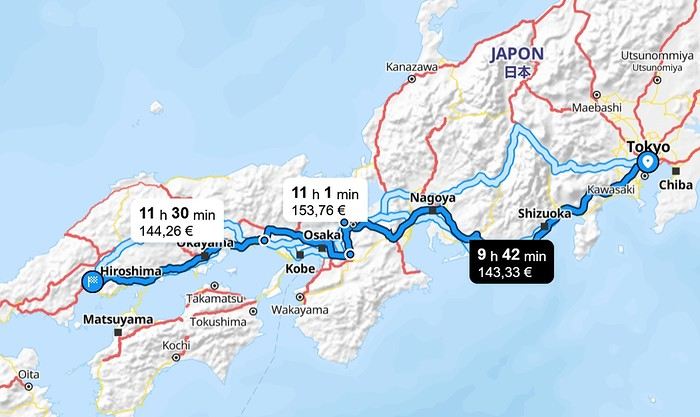
We booked everything ourselves and got a regional pass for the area from Kyoto to Hiroshima. The hotels were reserved 3 months in advance on Book... and Agod... (1030 € for 2 people for 13 nights = 80 €/night). For the flight, we chose a Qatar Airways flight with a layover to break up the long journey (950 € per person). We also got a pass on the same site (Japan-Experience) to take the train connecting Narita Airport to Shibuya Station (the N'EX Narita Express). Since the airport is 75 km from central Tokyo, we opted for this mode of transport, even though there are cheaper alternatives. After reading various posts on VoyageForum, I understood how important it was to have a Welcome Suica card to pay for public transport (subway, tram, bus, boat throughout the country), and we were able to buy one at Narita Airport. It turned out to be super useful! After a long but smooth journey, we found ourselves at Narita Airport in the evening. Even though we had a pass for the Narita Express, we had to go to a counter to make a reservation for the train (mandatory). Then, once we arrived at Shibuya Station, we took the subway for 2 stops and finally reached our hotel, exhausted (Hotel Asia Center of Japan – 270 € for 3 nights with breakfast included).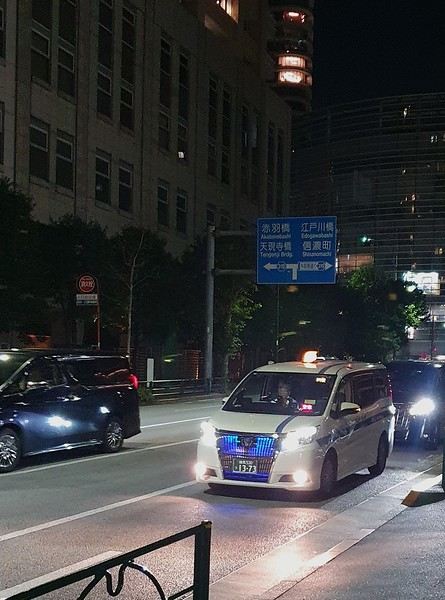
I had planned this entire trip back in November 2020, but given the health situation at the time, I had to cancel...
Here’s the classic route we took:
We booked everything ourselves and got a regional pass for the area from Kyoto to Hiroshima. The hotels were reserved 3 months in advance on Book... and Agod... (1030 € for 2 people for 13 nights = 80 €/night). For the flight, we chose a Qatar Airways flight with a layover to break up the long journey (950 € per person). We also got a pass on the same site (Japan-Experience) to take the train connecting Narita Airport to Shibuya Station (the N'EX Narita Express). Since the airport is 75 km from central Tokyo, we opted for this mode of transport, even though there are cheaper alternatives. After reading various posts on VoyageForum, I understood how important it was to have a Welcome Suica card to pay for public transport (subway, tram, bus, boat throughout the country), and we were able to buy one at Narita Airport. It turned out to be super useful! After a long but smooth journey, we found ourselves at Narita Airport in the evening. Even though we had a pass for the Narita Express, we had to go to a counter to make a reservation for the train (mandatory). Then, once we arrived at Shibuya Station, we took the subway for 2 stops and finally reached our hotel, exhausted (Hotel Asia Center of Japan – 270 € for 3 nights with breakfast included).
In this time of general travel-journal scarcity, I’m stepping up to tell you about a far-too-short getaway to the Top West End, a local term for the very northern part of Western Australia, right on the border ( ;) ) with the Northern Territory.
As usual, I didn’t manage to keep it short, but this time I’ve got photos to go with it!
August 2020. Since the opportunities to explore the world are extremely limited right now, all we (R&X) can do is explore our own island! Well, just a part of it, because with the state borders still closed, we’re stuck in Western Australia (WA).
Luckily, we’re pretty fortunate because this state is huge: over 2.5 million km² (that’s more than four times the size of France or 1.5 times Quebec). What’s more, stretching over 20 degrees of latitude between the Antarctic Ocean and the Timor Sea, you’ll find climates ranging from Mediterranean to arid to tropical. That’s actually why we decided to head as far north as possible. Sick of the endless rainy winter in Perth, bring on the heat of the Kimberley... way up Nooorth!
Friday. At the airport, the main terminal was closed (not enough flights), so we ended up in the annex (where flights to the various mines usually depart from). There was no crowd at the gate, and in this huge, single departure lounge, empty seats were plentiful. Only three flights were listed on the screens for the rest of the morning: the first to Coondewanna (?), the second to Darwin, and ours to Kununurra (code KNX).
A cool breeze swept through the half-open corridors along the runways. At the top of the walkway leading to the Fokker 100 (the Airbuses and Boeings are now parked!), a flight attendant greeted us with a basket full of sanitary masks. We were actually the only masked passengers (the staff weren’t wearing them either). With zero Covid-19 cases in WA at the time, the only rule was to maintain social distancing—something pretty hard to do on a full plane!
It was also my first time wearing a mask—it felt weird, pretty uncomfortable, and after a while, painful behind the ears. I really feel for those who have to wear one all day, every day. The flight lasted three long hours, but luckily, I had a good book. From the window, I watched an endless expanse of salt lakes in all shapes and sizes—round, elongated, gray, white, sometimes blue and green—and an infinity of winding, capricious meanders, along with long straight lines that led nowhere. The last half-hour got more interesting as rocky, swollen formations and long, sloping plateaus appeared. Against the vast ochre landscape, green patches became more frequent.
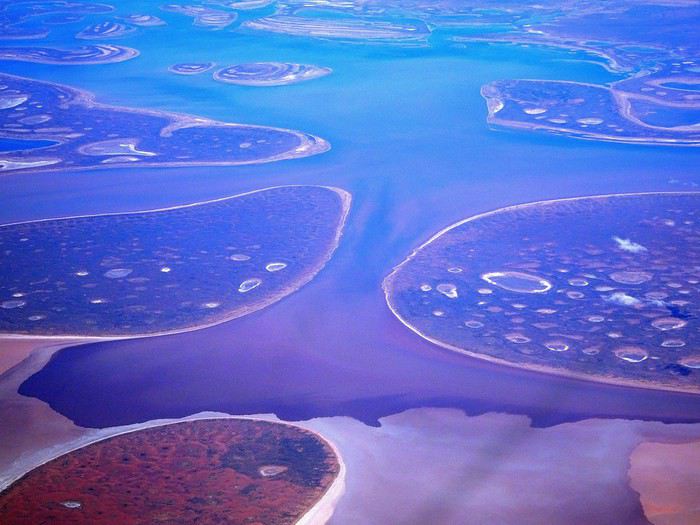
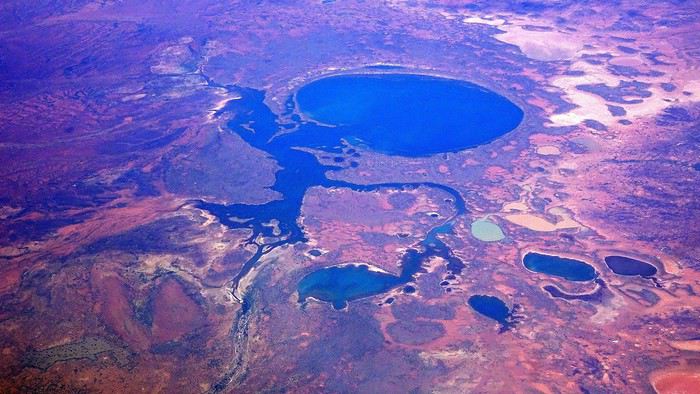
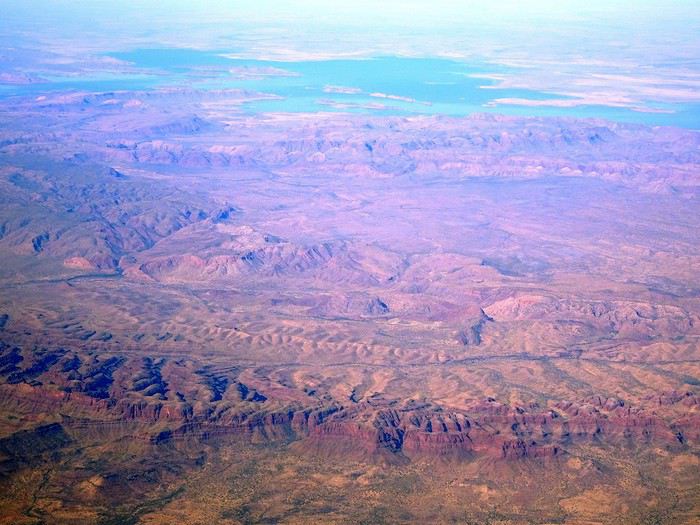
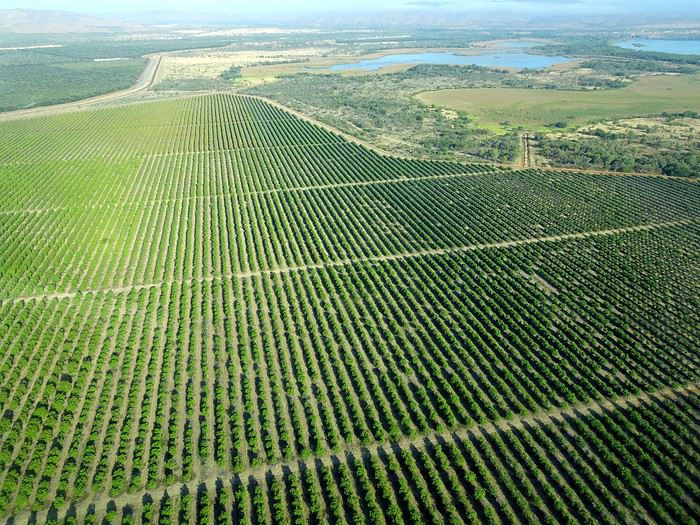
Just before landing, rows of green fields briefly appeared, along with an surprisingly wide river—but we were already rolling down the tarmac. A few hangars, a myriad of small, stationary planes, and a tiny terminal topped with a sign: “Welcome to Kununurra.”
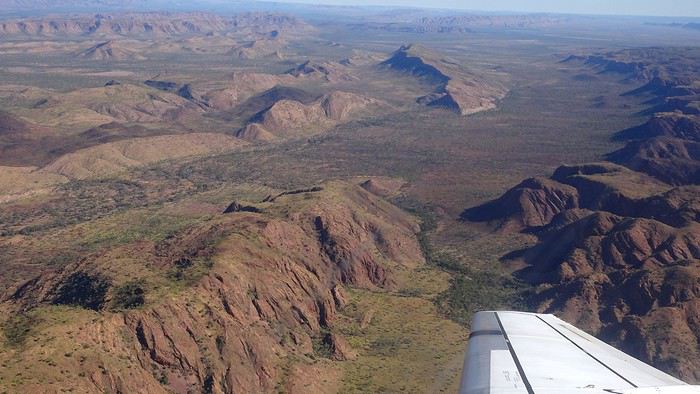
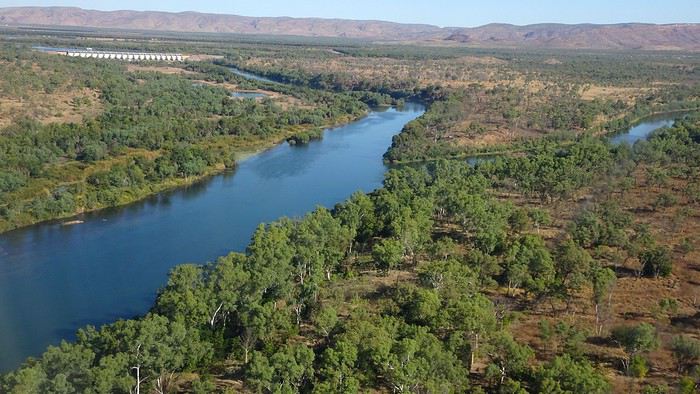
We wanted heat, and here it was—34°C the moment we stepped off the plane! We felt alive again and totally ridiculous in our jeans and sweaters. We quickly grabbed our suitcase and picked up the 4x4 we’d rented—more out of necessity, since only that type of vehicle can access the national parks we planned to visit.
Just four kilometers separated us from Kununurra, a town of 5,000 people founded in 1961 during the construction of the Lake Argyle Dam and the development of the Ord River Irrigation Area Scheme (more on that later). On the horizon, mountain ranges (a bit of an exaggeration, since we know Mt. Meharry, WA’s highest ‘mountain,’ doesn’t even reach 1,250 meters!) and closer to the road, a few irrigation canals cutting through stretches of bush, then a huge park overlooking a small lake lined with reeds.
A row of baobabs (yes, there are baobabs in Australia too!), a series of motels with immaculate lawns, a gas station, and there’s the main street leading to the town center—that is, the parking lots of the two supermarkets, the bottleshop, the pub, the Town Hall, the municipal pool, and the Tourist Office (already closed!), and at the next roundabout, another park, the Presbyterian church, and a few other shops. In short, two or three green blocks that you can explore in no time.
One road leads to the small industrial area and one of the town’s three or four campgrounds, while another heads toward the residential neighborhoods, which look just like the typical suburbs you find in any Australian city—except with tropical vegetation. We stocked up at Coles, an identical copy of the one near our place, and—surprise—the prices were practically the same.
We checked into one of the motels. The receptionist listed the town’s three or four restaurants, insisting that it’s always better to book a table. She recommended the Pump House, a bit outside town on the lake’s edge. “Best spot to watch the sunset, but hurry up.” she told us. It was only 5:00 PM!
When we got there half an hour later, the place was packed, and the sun had already disappeared behind a row of trees! Sure enough, we’d see a few days later that the sunset can be a stunning spectacle—if you wait a bit for the sky (especially if it’s cloudy) to blaze and reflect in the lake’s calm waters. A little disappointed, we headed back into town, where we easily found the other lively spot in town: the pub (nothing like an old English pub). Above the long L-shaped bar, several giant screens (thankfully muted) were broadcasting live footy, rugby league, etc. In one corner, players circled the pool table, while in another, customers were digging into plates of the day’s special. Instead of rooms, there were various patios where groups of friends and coworkers (easily recognizable by the fluoro vests they were still wearing) were gathered. We found a table under a mango tree—unfortunately, a little too close to the guitarist strumming his entire Country Music repertoire, complete with Keith Urban-style tremolos. Guaranteed culture shock!
Since it’s the custom here, we called the Country Club to book a table before the kitchen closed! The CC is the town’s—and even the region’s—fancy spot. Dark decor, modern furniture, dim lighting, and the air conditioning blasting. The twenty or so customers had taken refuge on the vast terrace, lit by torches. The view of the tall eucalyptus trees, illuminated by spotlights shifting from red to blue, was breathtaking.
The menu was minimal, but the grilled salmon was excellent, and the Pavlova (the meringue dessert Kiwis and Aussies have been arguing over since 1906) with melon and watermelon was absolutely divine.
It wasn’t even 9:00 PM, and we were already in bed. Had we already adopted the Top West End’s chicken schedule?!
To be continued... Journal dedicated to Attila
As usual, I didn’t manage to keep it short, but this time I’ve got photos to go with it!
August 2020. Since the opportunities to explore the world are extremely limited right now, all we (R&X) can do is explore our own island! Well, just a part of it, because with the state borders still closed, we’re stuck in Western Australia (WA).
Luckily, we’re pretty fortunate because this state is huge: over 2.5 million km² (that’s more than four times the size of France or 1.5 times Quebec). What’s more, stretching over 20 degrees of latitude between the Antarctic Ocean and the Timor Sea, you’ll find climates ranging from Mediterranean to arid to tropical. That’s actually why we decided to head as far north as possible. Sick of the endless rainy winter in Perth, bring on the heat of the Kimberley... way up Nooorth!
Friday. At the airport, the main terminal was closed (not enough flights), so we ended up in the annex (where flights to the various mines usually depart from). There was no crowd at the gate, and in this huge, single departure lounge, empty seats were plentiful. Only three flights were listed on the screens for the rest of the morning: the first to Coondewanna (?), the second to Darwin, and ours to Kununurra (code KNX).
A cool breeze swept through the half-open corridors along the runways. At the top of the walkway leading to the Fokker 100 (the Airbuses and Boeings are now parked!), a flight attendant greeted us with a basket full of sanitary masks. We were actually the only masked passengers (the staff weren’t wearing them either). With zero Covid-19 cases in WA at the time, the only rule was to maintain social distancing—something pretty hard to do on a full plane!
It was also my first time wearing a mask—it felt weird, pretty uncomfortable, and after a while, painful behind the ears. I really feel for those who have to wear one all day, every day. The flight lasted three long hours, but luckily, I had a good book. From the window, I watched an endless expanse of salt lakes in all shapes and sizes—round, elongated, gray, white, sometimes blue and green—and an infinity of winding, capricious meanders, along with long straight lines that led nowhere. The last half-hour got more interesting as rocky, swollen formations and long, sloping plateaus appeared. Against the vast ochre landscape, green patches became more frequent.
Just before landing, rows of green fields briefly appeared, along with an surprisingly wide river—but we were already rolling down the tarmac. A few hangars, a myriad of small, stationary planes, and a tiny terminal topped with a sign: “Welcome to Kununurra.”
We wanted heat, and here it was—34°C the moment we stepped off the plane! We felt alive again and totally ridiculous in our jeans and sweaters. We quickly grabbed our suitcase and picked up the 4x4 we’d rented—more out of necessity, since only that type of vehicle can access the national parks we planned to visit.
Just four kilometers separated us from Kununurra, a town of 5,000 people founded in 1961 during the construction of the Lake Argyle Dam and the development of the Ord River Irrigation Area Scheme (more on that later). On the horizon, mountain ranges (a bit of an exaggeration, since we know Mt. Meharry, WA’s highest ‘mountain,’ doesn’t even reach 1,250 meters!) and closer to the road, a few irrigation canals cutting through stretches of bush, then a huge park overlooking a small lake lined with reeds.
A row of baobabs (yes, there are baobabs in Australia too!), a series of motels with immaculate lawns, a gas station, and there’s the main street leading to the town center—that is, the parking lots of the two supermarkets, the bottleshop, the pub, the Town Hall, the municipal pool, and the Tourist Office (already closed!), and at the next roundabout, another park, the Presbyterian church, and a few other shops. In short, two or three green blocks that you can explore in no time.
One road leads to the small industrial area and one of the town’s three or four campgrounds, while another heads toward the residential neighborhoods, which look just like the typical suburbs you find in any Australian city—except with tropical vegetation. We stocked up at Coles, an identical copy of the one near our place, and—surprise—the prices were practically the same.
We checked into one of the motels. The receptionist listed the town’s three or four restaurants, insisting that it’s always better to book a table. She recommended the Pump House, a bit outside town on the lake’s edge. “Best spot to watch the sunset, but hurry up.” she told us. It was only 5:00 PM!
When we got there half an hour later, the place was packed, and the sun had already disappeared behind a row of trees! Sure enough, we’d see a few days later that the sunset can be a stunning spectacle—if you wait a bit for the sky (especially if it’s cloudy) to blaze and reflect in the lake’s calm waters. A little disappointed, we headed back into town, where we easily found the other lively spot in town: the pub (nothing like an old English pub). Above the long L-shaped bar, several giant screens (thankfully muted) were broadcasting live footy, rugby league, etc. In one corner, players circled the pool table, while in another, customers were digging into plates of the day’s special. Instead of rooms, there were various patios where groups of friends and coworkers (easily recognizable by the fluoro vests they were still wearing) were gathered. We found a table under a mango tree—unfortunately, a little too close to the guitarist strumming his entire Country Music repertoire, complete with Keith Urban-style tremolos. Guaranteed culture shock!
Since it’s the custom here, we called the Country Club to book a table before the kitchen closed! The CC is the town’s—and even the region’s—fancy spot. Dark decor, modern furniture, dim lighting, and the air conditioning blasting. The twenty or so customers had taken refuge on the vast terrace, lit by torches. The view of the tall eucalyptus trees, illuminated by spotlights shifting from red to blue, was breathtaking.
The menu was minimal, but the grilled salmon was excellent, and the Pavlova (the meringue dessert Kiwis and Aussies have been arguing over since 1906) with melon and watermelon was absolutely divine.
It wasn’t even 9:00 PM, and we were already in bed. Had we already adopted the Top West End’s chicken schedule?!
To be continued... Journal dedicated to Attila
Alright, I'm diving into this Hawaiian travel journal!
I hope lots of you will follow along because the destination is absolutely charming. 🙂
Just a heads-up—I might take a while to finish it.
The trip took place from February 20th to March 3rd, 2025 (11 days total, with 9 days on-site). It was a trip with my friend Christelle, with whom I’ve already traveled to Iceland and Morocco in recent years. We’re totally on the same wavelength, with the same expectations and desires, which makes things a lot easier (and, as a bonus, it helps cut down the final bill). Being the generous soul I am, I asked Christelle which country she wanted to visit. Her answer: Asia, since I’ve never been, or Namibia... Hawaii is basically the same thing, right?!! All thanks to the search comparator—I stumbled upon round-trip tickets from Paris to Honolulu for 580 € per person during school holidays, with a layover in Canada (I don’t get to choose my vacation dates). We jumped on it on August 28th (didn’t take much convincing). For info, I always check flight tickets during the last week of August or the first half of September because there are always amazing deals.
Nine days on-site is short, so we had to make some tough choices for the islands we’d visit (I’m only listing the main ones): - Oahu: the most urbanized but also home to Honolulu, Pearl Harbor, and some stunning beaches.
Kauai: the Garden Isle. It’s the island from *Jurassic Park*, with lush vegetation—so it’s pretty rainy. Big Island: volcanoes, volcanoes, and more, but also things like night snorkeling with manta rays. Maui: very touristy, with a magnificent volcano, the Road to Hana, and the ultimate spot for whale watching (and we were there right in the middle of whale season).
We limited ourselves to two islands to avoid rushing, and in the end, we picked Kauai (non-negotiable) and Oahu (which saved us an extra domestic flight and, since we were there in winter, let us experience the BIG WAVES on the North Shore). We would’ve loved to visit Big Island, but we’d already seen volcanoes in Iceland, and the island is huge—we just didn’t have enough time. Maui was recently hit by a major wildfire and is also the most expensive island (along with Kauai). We were really hoping to see humpback whales (my favorite animal) on both Oahu and Kauai. Hawaii is far, and it’s worth the effort. The journey went smoothly. I took a 40-minute bus ride and a 1h32 RER trip just to get to Roissy, then a 9h15 flight to Calgary, with a two-hour layover before a 6h45 flight to Honolulu. 11 hours of time difference, arriving at 10 PM local time. And you know what? (spoiler alert) I’d do it a thousand times if I got the chance.
Alright, let’s go—here we go!

The trip took place from February 20th to March 3rd, 2025 (11 days total, with 9 days on-site). It was a trip with my friend Christelle, with whom I’ve already traveled to Iceland and Morocco in recent years. We’re totally on the same wavelength, with the same expectations and desires, which makes things a lot easier (and, as a bonus, it helps cut down the final bill). Being the generous soul I am, I asked Christelle which country she wanted to visit. Her answer: Asia, since I’ve never been, or Namibia... Hawaii is basically the same thing, right?!! All thanks to the search comparator—I stumbled upon round-trip tickets from Paris to Honolulu for 580 € per person during school holidays, with a layover in Canada (I don’t get to choose my vacation dates). We jumped on it on August 28th (didn’t take much convincing). For info, I always check flight tickets during the last week of August or the first half of September because there are always amazing deals.
Nine days on-site is short, so we had to make some tough choices for the islands we’d visit (I’m only listing the main ones): - Oahu: the most urbanized but also home to Honolulu, Pearl Harbor, and some stunning beaches.
Kauai: the Garden Isle. It’s the island from *Jurassic Park*, with lush vegetation—so it’s pretty rainy. Big Island: volcanoes, volcanoes, and more, but also things like night snorkeling with manta rays. Maui: very touristy, with a magnificent volcano, the Road to Hana, and the ultimate spot for whale watching (and we were there right in the middle of whale season).
We limited ourselves to two islands to avoid rushing, and in the end, we picked Kauai (non-negotiable) and Oahu (which saved us an extra domestic flight and, since we were there in winter, let us experience the BIG WAVES on the North Shore). We would’ve loved to visit Big Island, but we’d already seen volcanoes in Iceland, and the island is huge—we just didn’t have enough time. Maui was recently hit by a major wildfire and is also the most expensive island (along with Kauai). We were really hoping to see humpback whales (my favorite animal) on both Oahu and Kauai. Hawaii is far, and it’s worth the effort. The journey went smoothly. I took a 40-minute bus ride and a 1h32 RER trip just to get to Roissy, then a 9h15 flight to Calgary, with a two-hour layover before a 6h45 flight to Honolulu. 11 hours of time difference, arriving at 10 PM local time. And you know what? (spoiler alert) I’d do it a thousand times if I got the chance.
Alright, let’s go—here we go!
Au vu des tragiques évènements de Koh Tao, à savoir le double meurtres des anglais David Miller et Hannah Witheridge, et a l’explosion de violence a phuket samedi dernier, certains affirment que la Thaïlande est devenu une destination à risques. Le flot médiatique abondant, voudrait nous faire croire que la tendance en Thaïlande n'est plus à la fumette et au Pink Floyd mais au crack et à l'homicide ?!? Certes, la criminalité en Thaïlande est effectivement une réalité dont il vaut mieux avoir conscience, que l’on soit touriste ou expatrié, mais la très grande majorité des thaïlandais reste d'un naturel relativement calme et leur religion décourage et condamne les actes d'impulsivité.
Tentons d'éclaircir la situation, qui fait peur aux touristes et développe le marché des alarmes et des caméras de surveillance à Phuket... Pas de thèse ni de certitudes, juste quelques faits, quelques conversations de comptoir qui pourraient expliquer le phénomène de violence chez les thaïlandais.LA FORTE CRIMINALITÉ EN THAÏLANDE EST UNE RÉALITÉ :
Oui, la criminalité en Thaïlande existe et depuis longtemps, elle est ancrée dans les mœurs et entretenue par l'incapacité du gouvernement à réagir et faire évoluer la culture. Les crimes et délits ont décuplé depuis l'arrivée du tourisme de masse, la consommation abusive d'alcool, d'amphétamines et l'augmentation des ventes d'armes. Rien de bien neuf sous le soleil thaïlandais qui subit, comme tous les autres pays de notre planète une évolution pas toujours tendre. Pas utile de s'affoler pour autant... Le climat général en Thaïlande reste clément et le monde ne tourne toujours pas rond.LES VIOLENCES CONJUGALES EN THAÏLANDE : Une étude de l’ONU a affirmé que la Thaïlande occupait le deuxième rang parmi les 49 pays étudiés sur le thème de «la perception de la violence domestique». Selon un sondage du Bangkok Post, 63% des gens en Thaïlande pensent qu’il est justifié pour un homme de battre sa femme... Les querelles de ménage en Thaïlande finissent régulièrement en bain de sang. Les Thaïs sont extrêmement possessifs et jaloux, donc les actes de tromperie ou de rupture peuvent être très mal vécus. Les médecins thaïlandais sont devenus des experts reconnus mondialement pour les interventions chirurgicales de reconstruction plastique du pénis. En effet, les Thaïlandaises au cœur brisé aiment à couper le sexe de leur partenaire infidèle...LE TAUX D'HOMICIDES EN THAÏLANDE (68 millions d'hab.) : Plus de 3000 homicides par an contre 500 au Japon (127 millions d'hab.) ou 600 en Malaisie (30 millions d'hab.) et 600 en France (66 millions d'hab.). D'après l'ONDC (Office des Nations unies contre la drogue et le crime) la Thaïlande se classerait en 33 ème position sur 143 pays répertoriés... Les pays d'Amérique du sud détiennent les plus forts taux de criminalité. Il est également intéressant de préciser que la Thaïlande est bien devant les USA en matière de meurtres par armes à feu !UNE FASCINATION POUR L’HÉMOGLOBINE : Une presse hebdomadaire (à vomir) relatant toutes les agressions criminelles et les accidents de la semaine (largement illustrée par des photos chocs de corps décapités, mutilés) est largement diffusée dans tous le pays. Les films gore sont également très appréciés par une majorité de thaïlandais, on y voit encore des corps ensanglantés et démembrés... L'attroupement massif qui se forment lors d'effroyables accidents de la route nous montre encore une forme de voyeurisme malsain. On s'approche au plus près des cadavres écrabouillés par un camion et l'on s'applique à faire des photos... L'utilisation des réseaux sociaux par les jeunes thaïlandais est elle aussi particulière, on se plaît à partager les plus grandes misères du corps humain, monstruosités, visages hideux, corps décharnés, maladies de peau, bagarres ultra-violentes d'adolescents, homicides, violences conjugales, etc... etc...COMMENT EXPLIQUER LA VIOLENCE EN THAILANDE ?LE CULTE DU MUAY THAI : La boxe thaïlandaise ancrée dans les mœurs populaires depuis 5 siècles, est le sport national pratiqué par tous et toutes dès le plus jeune age. "Opium du peuple" interdit dans années 30, revenu plus tard avec de nouvelles règles et moins d'accidents mortels... En Thaïlande, quand ça bastonne, ça bastonne... Le bourre pif et le coup de genou en pleine poire ne fait peur à personne, une fois le premier coup donné, on s'acharne jusqu'au K.O...HISTOIRE ET EDUCATION : Une Histoire thaïlandaise qui a rarement été confrontée aux misères et aux dégénérescences de la guerre. La Thaïlande est toujours restée neutre face aux grands conflits du 20 ème siècle, c'est tout à son honneur (malgré cette petite défaillance morale pendant la guerre du Vietnam et son alliance avec Nixon). Les cruautés de l'histoire du monde n'ont jamais été transmises, ni par les familles, ni par le système éducatif. On se laisse à penser que les dernières générations thaïlandaises, n'ayant vécu ni de de près, ni de loin, les génocides d'Hiroshima ou de la Shoah, n'ont créé aucune sensibilité morale sur l'horreur et la cruauté humaine... Leur ignardise les pousse même à porter des vêtements militaires nazis, par simple effet de mode ! L'ALCOOLISME ET LA DROGUE : La consommation excessive de drogues et d'alcools fait perdre la tête aux plus raisonnables et décuple leur susceptibilité... Leur éducation bouddhiste et leur zen attitude se volatilisent dans les vapeurs du Mékong. Aussi, si vous trainez dans les coins chauds à 3 heures du mat, soyez vigilants. Et, si vous êtes également chargés, alors ne haussez pas trop la voix, n'entonnez pas la Marseillaise, évitez d'aller pisser sous la photo du roi ou près d'une représentation sacrée et tout ira bien...15,6% DES THAÏS POSSÈDENT UNE ARME A FEU : De faux airs de western... Il suffit d'une licence pour pouvoir posséder un revolver ou un fusil. Le nombre de gens qui se font tirer dessus le samedi soir en campagnes et en villes est hallucinant, il suffit de parcourir la presse locale pour le constater... De nombreux thaïlandais possèdent une arme de poing, soit chez eux, soit dans leur voiture. Selon une étude de l'université de Sydney, il y a 6,2 millions d'armes à feu déclarées à la police, 1 thaïlandais sur 100 possède une licence de port d'arme mais si l'on ajoute les propriétaires illégaux, cela représente 15,6% de la population globale ! On ne s'étonne pas que la Thaïlande détienne le record mondial d'homicides par armes à feu, bien avant les États-Unis...UNE ÉVOLUTION CULTURELLE FIGÉE : Un peuple dont le manque de culture et l'absence de modération auraient peut être mal supporté le rapide développement économique national et le passage brutal à notre ère moderne ultra mercantile et sur médiatisée. La Thaïlande a en effet subit cette transition dans un espace temps très court alors que les pays occidentaux ont vécu ce changement en une trentaine d'années ! Sans vouloir chercher à s'acharner sur nos amis thaïlandais mais plutôt sur leurs gouvernants monarques et militaires, incapables de préparer leur peuple à l'évolution de notre monde culturel moderne. Il convient de reconnaître que l'hyper nationalisme-protectionniste n'a fait qu'aggraver cette situation de vide culturel et de décalage avec le monde extérieur. On a pu observer récemment les réactions souvent violentes, d'un peuple brimé et bâillonné depuis des siècles, qui cherche aujourd'hui à s'exprimer par n'importe quel moyen.L'IMAGE DU TOURISTE OCCIDENTAL : Les occidentaux sont perçus en Thaïlande comme extrêmement riches... La certitude aujourd'hui est qu'ils voyagent avec mobiles, tablettes, PC, carte de crédit, cash et sacs à mains. La tentation est forte pour les jeunes thaïs qui recherchent l'argent facile. Pas de panique pour autant mais dîtes-vous que cela peut repr��senter une menace réelle et qu’il faut la prendre en compte. Alors si vous êtes en vacances face à un local douteux, s'il est imbibé de whisky, s'il tient des propos incohérents et agressifs, s'il a entre 15 et 40 ans, s'il semble être bas de plafond, si son corps est tatoué à plus de 10%, s'il vous regarde avec insistance aves des yeux "sales"... Quelque soit son gabarit, un conseil : soyez discret et prenez la tangente...LE GOUVERNEMENT : L'implication du gouvernement thaïlandais pour lutter contre le trafic et l'utilisation d'armes est quasi nulle, les forces de l'ordre ne renforcent pas les contrôles par crainte de devenir des cibles de stands de tir. Les dirigeants admettent cette criminalité excessive et l'explique par une trop grande consommation de films, d'émissions de télévision et de jeux trop violents mais n'évoquent jamais la moindre injustice sociale ou la sourde révolte du peuple contre ses politiciens magouilleurs et corrompus. Le gouvernement serre de plus en plus la vis à grands coups de lois et censures, sous prétexte de protéger la culture et la morale... A un moment, les thaïs ne pourront plus supporter les mensonges, et les récents évènements montrent qu'ils sont moins disposés à accepter la marche à suivre officielle. Nous verrons comment cette lutte naissante évoluera. LES RISQUES AU COURS D'UN VOYAGE EN THAILANDE ?
Beaucoup d'expatriés et d'observateurs en Thaïlande vous le confirmeront, la majorité des conflits verbaux considérés par les occidentaux comme de simples engueulades tournent ici, au pugilat ou à l'homicide... Une banale discorde pourra se terminer à coups de revolver. Les thailandais ont cette fâcheuse tendance à intérioriser leurs sentiments pour "ne pas perdre la face" et lorsque la goutte d'eau fait déborder le vase, il n'est plus du tout question de "self-control" ou de diplomatie mais plutôt de défoulements vengeurs et de "pétages de plombs" quelquefois fatals pour certains des protagonistes.
Enfin pour finir en beauté, pour agacer la communauté thaïlandaise et leurs "anges-gardiens farangs", une liste de quelques stéréotypes (à ne pas prendre à la légère) qui caractérisent les thaïs :En chaque thaïlandais(e) sommeille souvent un(e) psychopathe en puissance...Les thaïlandais(es) ont un sens de l'humour très relatif...La boxe thaïlandaise (muay thaï) est le sport national...Un thaïlandais ne réfléchit à la portée de ses actes, qu'après le massacre...Le thaï est d'une susceptibilité à fleur de peau...Les thaïlandais(es) supportent difficilement les conseils, remarques ou ordres de la part d'un "farang"...Ils (elles) manquent définitivement de pragmatisme.Les thaïlandais(es) sont très "fleur bleue"...Les Thaïlandais(es) sont fier(e)s, ultra-nationalistes et fanatiques... A noter: Ceci n'est aucunement une agression raciste, un règlement de compte ou une rancune haineuse mais tout simplement un constat (sarcastique) et une mise en garde pour certains voyageurs inconscients...
Source: http://www.rawai.fr/thailande-pays-dangereux.html
Source: http://www.rawai.fr/thailande-pays-dangereux.html
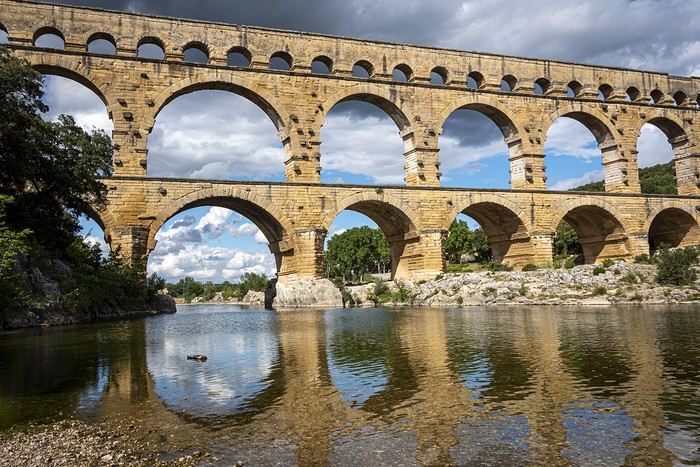
This is where you can chat about bridges... let’s get the conversation started! 😊
Hi everyone,
In spring 2025, we’re planning a 10-day trip to Istanbul.
There are several museum passes (PASS) available. I’m torn between the Istanbul Welcome Card, Istanbul E-pass, and Istanbul Museum Pass.
We’ll be visiting Topkapi, Hagia Sophia, Galata Tower, etc...
Based on your experiences, which of these passes would you recommend?
Thanks so much!
Hey fellow travelers,
I'm back in the "travel journal" section to share our 15-day adventure in Kenya in November 2024. It was pretty much our first time in East Africa (since Zanzibar doesn’t really count 😜).
As usual, I’m sharing the journal I made for our loved ones—still as casual and cheerful as ever, just to give them a little break from their tough workdays 😄.
We organized the whole trip ourselves, and to be original here LOL, we took some *very* well-trodden paths: Naivasha, Tsavo, and Diani. But what I loved about this country is that it’s so easy to go off the beaten track—even on the "tourist highways" 😉.
So, if you're a safari fanatic or after stunning wildlife photos, you might be disappointed. But if you want to discover other sides of Kenya, you might just find what you're looking for 😉.
Looking forward to sharing this fun journey with you all 😊.
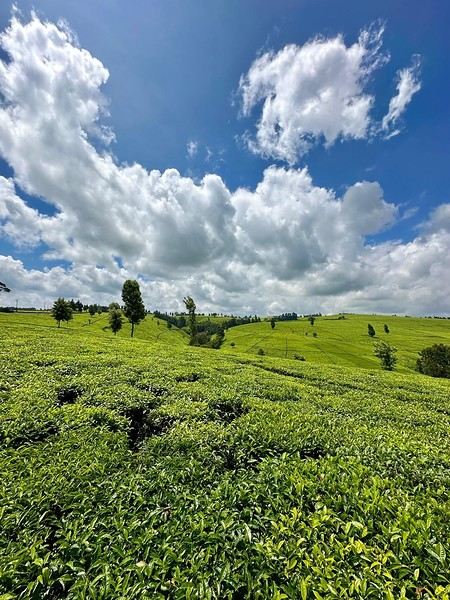
I'm back in the "travel journal" section to share our 15-day adventure in Kenya in November 2024. It was pretty much our first time in East Africa (since Zanzibar doesn’t really count 😜).
As usual, I’m sharing the journal I made for our loved ones—still as casual and cheerful as ever, just to give them a little break from their tough workdays 😄.
We organized the whole trip ourselves, and to be original here LOL, we took some *very* well-trodden paths: Naivasha, Tsavo, and Diani. But what I loved about this country is that it’s so easy to go off the beaten track—even on the "tourist highways" 😉.
So, if you're a safari fanatic or after stunning wildlife photos, you might be disappointed. But if you want to discover other sides of Kenya, you might just find what you're looking for 😉.
Looking forward to sharing this fun journey with you all 😊.
This first trip of 2025 will have the taste of Asia.
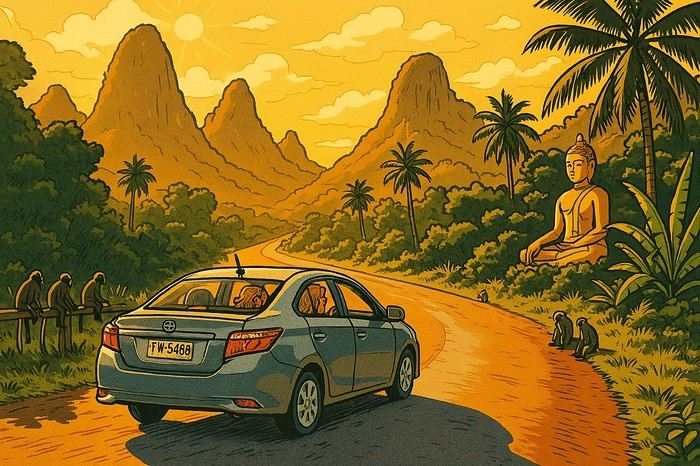
More precisely, Thailand!
It’s not my first time—I’ve often traveled across Southeast Asia between 2000 and 2015. (This travel journal, for example...)
But it’ll be my partner’s first steps in this part of the world.
The itinerary we’ve chosen will alternate between familiar sights for me and new discoveries for both of us.
I’ll get to see how the country has changed in 20 years—and what’s stayed the same!
We were torn between the north and the south of the kingdom. Fears of smoke from slash-and-burn farming and a desire to relax on the sand tipped the scales toward the south...
What if we rented a car?
I think driving in sprawling Bangkok would be a bit ambitious, so we’ll only book our vehicle from Hua Hin to return it in Surat Thani.
Other transportation will range from tuk-tuks to overnight trains and ride-hailing services.
And of course, the plane!
I’d love to travel from Auvergne to Bangkok by road, but 15 days wouldn’t be enough...
Plus, the current geopolitical situation isn’t exactly favorable...
So, once again, we’ll be stuck for hours in the less-than-comfortable economy class of Qatar Airways.
The arrival time was on schedule, entry formalities were quick, and all our luggage made it.
We left Lyon in wind and cold—now we’re breathing in the warm, humid air of กรุงเทพมหานคร.
To reach our hotel, we first took the metro, which dropped us off in the city center in about 30 minutes for the incredible price of 1.18 €.
A few taps on the GRAB app, and we booked a ride-hailing service for the last few kilometers.
We waited a while for our driver due to insane traffic in the area, but once in the 4x4, we were at our lodging in no time.
We chose this small hotel for its riverside location, tranquility, and price.
It’ll do the job perfectly—the only downside is the weak breakfast.
The room is inviting, and we collapse onto the bed for a well-deserved short nap.
Wake-up call in an hour for our first visits!
See you soon...
More precisely, Thailand!
It’s not my first time—I’ve often traveled across Southeast Asia between 2000 and 2015. (This travel journal, for example...)
But it’ll be my partner’s first steps in this part of the world.
The itinerary we’ve chosen will alternate between familiar sights for me and new discoveries for both of us.
I’ll get to see how the country has changed in 20 years—and what’s stayed the same!
We were torn between the north and the south of the kingdom. Fears of smoke from slash-and-burn farming and a desire to relax on the sand tipped the scales toward the south...
What if we rented a car?
I think driving in sprawling Bangkok would be a bit ambitious, so we’ll only book our vehicle from Hua Hin to return it in Surat Thani.
Other transportation will range from tuk-tuks to overnight trains and ride-hailing services.
And of course, the plane!
I’d love to travel from Auvergne to Bangkok by road, but 15 days wouldn’t be enough...
Plus, the current geopolitical situation isn’t exactly favorable...
So, once again, we’ll be stuck for hours in the less-than-comfortable economy class of Qatar Airways.
The arrival time was on schedule, entry formalities were quick, and all our luggage made it.
We left Lyon in wind and cold—now we’re breathing in the warm, humid air of กรุงเทพมหานคร.
To reach our hotel, we first took the metro, which dropped us off in the city center in about 30 minutes for the incredible price of 1.18 €.
A few taps on the GRAB app, and we booked a ride-hailing service for the last few kilometers.
We waited a while for our driver due to insane traffic in the area, but once in the 4x4, we were at our lodging in no time.
We chose this small hotel for its riverside location, tranquility, and price.
It’ll do the job perfectly—the only downside is the weak breakfast.
The room is inviting, and we collapse onto the bed for a well-deserved short nap.
Wake-up call in an hour for our first visits!
See you soon...
Hi everyone, I’ve spent two solid months reading the Lonely Planet and pretty much every post about Thailand here, plus French and English blogs. Now I’d love to get your expert opinions on our itinerary.
We’re heading off in August 2025 with our 7-year-old daughter. We only have a maximum of three weeks off, and I’m keeping an eye on flight prices before booking (1400 € per person really stings 😕).
So here’s what I’ve planned—let me know if you spot any major issues or if I’ve been way too "optimistic."
D1 - Arrival in Bangkok / rest, quick visit, overnight stay D2 - More temple visits, etc. D3 - Morning flight to Chiang Mai D4 - More Chiang Mai sightseeing D5 - Day trip to Chiang Rai (guided tour to book: blue and white temple), return to Chiang Mai late in the evening D6 - More Chiang Mai visits / Elephant Nature Park in the afternoon D7 - Morning flight to Koh Samui, sightseeing D8 to D10 - More Koh Samui visits D11 to D13 - Ferry to Koh Phangan D14 to D15 - Ferry to Koh Tao D16 - Return to Koh Samui, then flight to Bangkok D17 - Day trip to Ayutthaya, return to Bangkok in the evening D18 - Flight back to France :(
I know a lot of you recommend heading straight to Chiang Mai to recover from the international flight, but my partner and I NEVER sleep on planes (personally, I’ve been flying to Taiwan since I was little and have never slept more than an hour on a 14-hour flight...), so it’s essential for us to rest upon arrival . That’s also why I opted for domestic flights instead of the sleeper train—I know we’d lose over 10 hours and wouldn’t be able to rest properly in those conditions. And I’m sure you’ll also say BKK > North > South is too much for three weeks, but I really want to see as much as possible. Given how much the flights will cost, I’m not sure when we’ll be able to come back 🏴☠️.
So, questions: 1. Since we’ll only be in Bangkok for a maximum of two nights and need to easily reach the airport with luggage (and a child), which neighborhood should we prioritize? We’d love to experience the evening vibe of Asian night markets, ideally within walking distance of the hotel or just a few metro stops away. I’ve looked at Chinatown, but the BTS seems far... Should we go for somewhere near BTS Saphan Taksin or BTS Krungthonburi? But is the area lively in the evening with food courts, etc.? We’d also like to treat ourselves to a hotel with a pool.
2. Have we planned too many days in the south? Should I skip Koh Tao and just do Koh Samui + Koh Phangan? My partner and daughter aren’t strong swimmers, so we’re looking for beautiful beaches without too much current. Crowded beaches don’t bother us—we just want stunning turquoise waters without killer waves . Going all the way to Koh Tao and then back to Koh Samui to catch the flight to Bangkok seems too stressful. Is it still possible these days (I haven’t seen any recent posts on this) to head to Koh Samui in August and decide on the spot how many nights to spend in Koh Phangan or Koh Tao based on how we feel, booking hotels as we go? Or is that too risky?
If you have any better suggestions for fitting all this in while reducing internal flights, I’m all ears for your great tips
D1 - Arrival in Bangkok / rest, quick visit, overnight stay D2 - More temple visits, etc. D3 - Morning flight to Chiang Mai D4 - More Chiang Mai sightseeing D5 - Day trip to Chiang Rai (guided tour to book: blue and white temple), return to Chiang Mai late in the evening D6 - More Chiang Mai visits / Elephant Nature Park in the afternoon D7 - Morning flight to Koh Samui, sightseeing D8 to D10 - More Koh Samui visits D11 to D13 - Ferry to Koh Phangan D14 to D15 - Ferry to Koh Tao D16 - Return to Koh Samui, then flight to Bangkok D17 - Day trip to Ayutthaya, return to Bangkok in the evening D18 - Flight back to France :(
I know a lot of you recommend heading straight to Chiang Mai to recover from the international flight, but my partner and I NEVER sleep on planes (personally, I’ve been flying to Taiwan since I was little and have never slept more than an hour on a 14-hour flight...), so it’s essential for us to rest upon arrival . That’s also why I opted for domestic flights instead of the sleeper train—I know we’d lose over 10 hours and wouldn’t be able to rest properly in those conditions. And I’m sure you’ll also say BKK > North > South is too much for three weeks, but I really want to see as much as possible. Given how much the flights will cost, I’m not sure when we’ll be able to come back 🏴☠️.
So, questions: 1. Since we’ll only be in Bangkok for a maximum of two nights and need to easily reach the airport with luggage (and a child), which neighborhood should we prioritize? We’d love to experience the evening vibe of Asian night markets, ideally within walking distance of the hotel or just a few metro stops away. I’ve looked at Chinatown, but the BTS seems far... Should we go for somewhere near BTS Saphan Taksin or BTS Krungthonburi? But is the area lively in the evening with food courts, etc.? We’d also like to treat ourselves to a hotel with a pool.
2. Have we planned too many days in the south? Should I skip Koh Tao and just do Koh Samui + Koh Phangan? My partner and daughter aren’t strong swimmers, so we’re looking for beautiful beaches without too much current. Crowded beaches don’t bother us—we just want stunning turquoise waters without killer waves . Going all the way to Koh Tao and then back to Koh Samui to catch the flight to Bangkok seems too stressful. Is it still possible these days (I haven’t seen any recent posts on this) to head to Koh Samui in August and decide on the spot how many nights to spend in Koh Phangan or Koh Tao based on how we feel, booking hotels as we go? Or is that too risky?
If you have any better suggestions for fitting all this in while reducing internal flights, I’m all ears for your great tips
I’ve been putting off posting my Quebec travel experience for a long time. Two years later, I’ve finally decided to share it. The memories are still vivid. I hope this gives you the urge to visit this beautiful region, which I literally fell in love with.
We’re traveling as four adults: my brother Guy, my sister-in-law Martine, my friend Pascal, and myself (Christian).
We entrusted the flight, hotel, and car reservations to the travel agency Amplitudes in Toulouse. Planning the day-to-day activities was up to us. We scheduled a few must-see visits, but for the rest, we’d figure it out on the spot.
Our itinerary: Quebec City / Rimouski / Carleton-sur-Mer / Percé / Sainte-Anne-des-Monts / Matane / Tadoussac / Sainte-Rose-du-Nord / Chambord / Saint-Alexis-des-Monts / Montreal
06/25 Here we are at Roissy Charles de Gaulle for the usual pre-flight formalities. Everything goes smoothly and quickly. The hardest part is waiting for takeoff. After an uneventful flight on an Air Canada Boeing 777-300ER, we land at Montréal-Pierre Elliott Trudeau Airport (YUL) in the early afternoon.
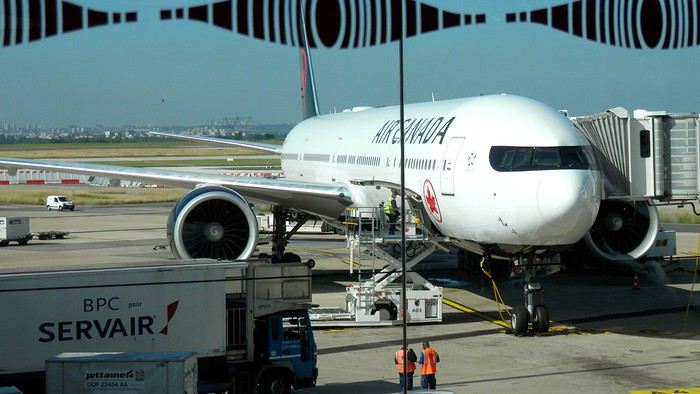
At customs, a surprise—no grumpy officer, but a smiling customs agent who jokingly asks me to name three tourist spots in Quebec, or else he won’t let me in. I pass the test easily and enter Quebec!
We head to the Alamo counter at Trudeau Airport to pick up our car: a Ford Escape with only 300 kilometers on the odometer.
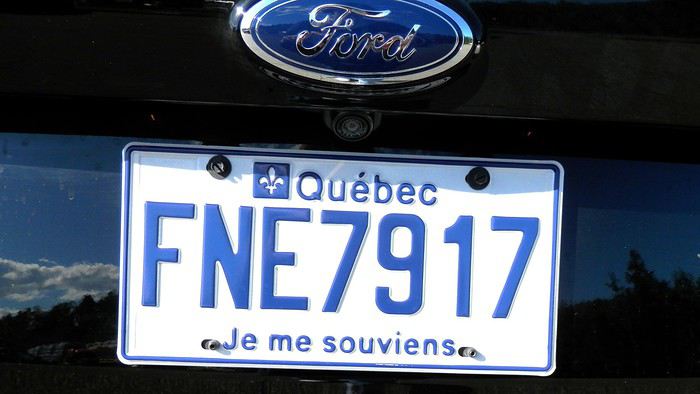
We decided to head straight to Quebec City, saving Montreal for the end of the trip. Pascal takes the wheel and gets on the Trans-Canada Highway E20 for a 255 km drive, taking about 2 hours and 45 minutes. With the time difference, we’re already feeling hungry, so we stop for our first poutine at a highway restaurant.

When we arrive in Quebec City, we go straight to the Clarendon Hotel, located right in the heart of Old Quebec. We’ll be staying there for three nights. Tonight, no restaurant—just a short walk around the hotel before bed. We discover a square with pretty colored water fountains near the city hall.
 It’s only 9 PM, but our body clocks say it’s 3 AM.
We’re traveling as four adults: my brother Guy, my sister-in-law Martine, my friend Pascal, and myself (Christian).
We entrusted the flight, hotel, and car reservations to the travel agency Amplitudes in Toulouse. Planning the day-to-day activities was up to us. We scheduled a few must-see visits, but for the rest, we’d figure it out on the spot.
Our itinerary: Quebec City / Rimouski / Carleton-sur-Mer / Percé / Sainte-Anne-des-Monts / Matane / Tadoussac / Sainte-Rose-du-Nord / Chambord / Saint-Alexis-des-Monts / Montreal
06/25 Here we are at Roissy Charles de Gaulle for the usual pre-flight formalities. Everything goes smoothly and quickly. The hardest part is waiting for takeoff. After an uneventful flight on an Air Canada Boeing 777-300ER, we land at Montréal-Pierre Elliott Trudeau Airport (YUL) in the early afternoon.
At customs, a surprise—no grumpy officer, but a smiling customs agent who jokingly asks me to name three tourist spots in Quebec, or else he won’t let me in. I pass the test easily and enter Quebec!
We head to the Alamo counter at Trudeau Airport to pick up our car: a Ford Escape with only 300 kilometers on the odometer.
We decided to head straight to Quebec City, saving Montreal for the end of the trip. Pascal takes the wheel and gets on the Trans-Canada Highway E20 for a 255 km drive, taking about 2 hours and 45 minutes. With the time difference, we’re already feeling hungry, so we stop for our first poutine at a highway restaurant.
When we arrive in Quebec City, we go straight to the Clarendon Hotel, located right in the heart of Old Quebec. We’ll be staying there for three nights. Tonight, no restaurant—just a short walk around the hotel before bed. We discover a square with pretty colored water fountains near the city hall.
It’s only 9 PM, but our body clocks say it’s 3 AM.Voilà bientôt deux mois que nous sommes rentrés (voyage du 21/9 au 6/10), les impressions se sont un peu décantées, le tri des photos est en bonne voie et la rédaction du récit avance (doucement mais ça avance 😇). Il est donc grand temps que je commence ce carnet.
GENÈSE DU VOYAGE
Pourquoi le Vietnam ?
Depuis quelques années, nous avons l'habitude de partir systématiquement vers l'ouest qui nous a largement comblés. Cette fois-ci, une envie "d'autre chose" nous pousse à regarder vers l'Est. Pourquoi pas l'Asie ? Nous ne connaissons ni l'un ni l'autre. C'est une idée de mon homme, en ce qui me concerne, l'orient n'a pas encore réussi à faire naître, dans mes jambes et dans ma tête, ce fourmillement qui déclenche un voyage mais j'adopte volontiers l'idée, curieuse, comme toujours.
Je me colle au sujet, écluse la toile, les guides touristiques. D'emblée la Thaïlande et l'Inde seront écartés. J'en ai trop entendu parlé. La Chine me tente mais c'est si grand que je m'y perds avant même d'y poser un pied. J'ai envie d'authenticité, de beaux paysages, pas d'un parcours formaté. Je veux construire notre voyage.
Mon regard glisse sur la carte, cherche dans toutes les magnifiques photos postées par d'autres voyageurs, s'envole en parcourant des récits, des expériences, des impressions diverses et finit par s'arrêter sur le Vietnam. Pourquoi là ? Peut-être le vague souvenir de quelques cours d'histoire, la sensation d'un passé commun, d'un bout de chemin, prometteur et douloureux parcouru ensemble. Mettre une réalité, un présent sur le passé et faire basculer tous ces clichés un peu surannés dans le XXIème siècle.
Était-ce un bon choix pour une première découverte de l'Asie ?
Je n'ai pas de réponse juste une question qui s'impose à notre retour. Pour l'authenticité et le dépaysement, sans conteste oui. Pour la beauté des paysages, j'attendais sans doute plus que je n'ai trouvé. Un très beau pays mais pas de waouh, pas d'évidence, aucun de ces moments où l'on reste juste scotché. Mais c'est peut-être affaire de circonstances. je vous laisse juger au fil de mon récit, forcément subjectif, forcément engagé, comment pourrait-il en être autrement.
Ce sera le Nord, en automne
Très vite, la silhouette de dragon de ce pays qui s'étire du nord au sud et barbotte dans la Mer de Chine me met face à une évidence : les distances, les différences de climat, le peu de temps dont nous disposons, à peine 15 jours, ont vite fait d'opérer une saine sélection. Pas question, pour nous, de courir de train en avion. Ce sera donc le nord et juste le nord. Hanoi et Ha Long sont d'autorité sur la wish list. S'y rajouteront, au fil de mes recherches la baie d'Halong terrestre, facile à explorer en solo et le nord avec ses rizières que j'aimerais découvrir au moment des récoltes. On hésitera un peu avant d'inclure au programme, en prime, les montagnes et paysages minéraux de l'extrême nord-est.
L'automne, c'est théoriquement l'époque où la période des pluies s'achève dans le nord. J'ai la naïveté de croire ou de vouloir croire que c'est une saison propice. Mais la météo n'est pas une évidence, ni ici, ni ailleurs. Au final, nous ne nous en sommes pas trop mal sorti du moins dans la première partie de notre périple. Pour la fin, c'est une autre histoire ! Et ne croyez pas qu'une pluie de mousson dure juste 5' ou même 1h. Elle peut durer toute une journée, plusieurs journées même en reprenant à peine son souffle. Nous avons donc découvert le sens exact de l'expression "être trempé jusqu'aux os" 😏. Et en suivant les actualités climatiques après notre retour, je me suis dit que finalement, on s'en était bien tiré. Plus de détails dans le récit journalier si ça vous dit ...
Quelle formule ?
Nous avons pris l'habitude, ces dernières années de voyager en totale liberté, location de voiture, arrêts où on le souhaite, quand on le souhaite, aussi longtemps qu'on le souhaite et balades à pied sur le même mode.
Mais ici, impossible de louer et de conduire soi même une voiture. Les transports en commun me paraissent un mode de transport un peu rigide, surtout pour une durée de séjour courte. On n'est pas des adeptes de la moto. Donc il nous reste la solution de la voiture avec chauffeur et guide puisque généralement les chauffeurs ne font office ... que de chauffeur 😛
C'est une formule que nous appréhendions un peu et ce voyage confirmera nos craintes. Si cette solution comporte des avantages, elle a aussi un certain nombre d'inconvénients non négligeables. Pas l'idéal en ce qui nous concerne et je ne pense pas qu'on retentera un jour une telle expérience. Affaire à suivre ...
L'agence
Plusieurs mois avant le départ, j'ai demandé des devis à 3 agences locales parmi les mieux notées ou du moins, parmi celles le plus souvent citées, en précisant nos desideratas ainsi que l'itinéraire que nous souhaitions suivre, celui-ci ayant été affiné avec l'aide de gentils forumeurs 🙂
Les trois propositions reçues ont été sensiblement équivalentes au niveau du prix cependant, une des agences s'est montré assez peu réactive tandis que la deuxième a cherché dans un premier temps à nous "coller" un circuit tout fait puis dans un second temps à adhérer à toutes nos demandes sans le moindre conseil et enfin à nous inonder de publicités et de rappels. La troisième agence a été très pro du début à la fin, prompte dans ses réponses, à l'écoute de nos demandes, suggérant certaines modifications sans jamais de relance intempestive. C'est donc avec eux que nous avons signé pour 8 jours de circuit guidé dans le nord, la réservation d'une croisière plus quelques transferts programmés. Tout s'est parfaitement déroulé du début à la fin et nous n'avons regretté qu'une seule chose, que l'attitude de notre guide n'ait pas été à la hauteur de celle de son employeur, GP travel 😕
Remerciements
Avant de commencer le récit à proprement parlé (enfin 😊!) Je tiens à remercier tous les "piliers" du forum Vietnam (et les autres aussi) qui, au-delà des chamailleries qui émaillent parfois certaines discussions, m'ont beaucoup aidée à construire ce voyage, directement ou indirectement. Je ne citerai personne en particulier de peur d'en oublier mais je suis certaine qu'ils se reconnaîtront 😉
Merci aussi à tous ceux qui prennent la peine de faire, ici ou ailleurs des retours ou des carnets, des blogs, des sites, de partager des photos ou des impressions. Au-delà du simple plaisir de les lire, ils sont une source d'inspiration et une aide considérable.
S'il ne fallait mentionner qu'un site à consulter, je citerais celui de Hanh, une jeune vietnamienne, que j'ai trouvé particulièrement remarquable et bien construit. Merci à elle pour le partage !
GENÈSE DU VOYAGE
Pourquoi le Vietnam ?
Depuis quelques années, nous avons l'habitude de partir systématiquement vers l'ouest qui nous a largement comblés. Cette fois-ci, une envie "d'autre chose" nous pousse à regarder vers l'Est. Pourquoi pas l'Asie ? Nous ne connaissons ni l'un ni l'autre. C'est une idée de mon homme, en ce qui me concerne, l'orient n'a pas encore réussi à faire naître, dans mes jambes et dans ma tête, ce fourmillement qui déclenche un voyage mais j'adopte volontiers l'idée, curieuse, comme toujours.
Je me colle au sujet, écluse la toile, les guides touristiques. D'emblée la Thaïlande et l'Inde seront écartés. J'en ai trop entendu parlé. La Chine me tente mais c'est si grand que je m'y perds avant même d'y poser un pied. J'ai envie d'authenticité, de beaux paysages, pas d'un parcours formaté. Je veux construire notre voyage.
Mon regard glisse sur la carte, cherche dans toutes les magnifiques photos postées par d'autres voyageurs, s'envole en parcourant des récits, des expériences, des impressions diverses et finit par s'arrêter sur le Vietnam. Pourquoi là ? Peut-être le vague souvenir de quelques cours d'histoire, la sensation d'un passé commun, d'un bout de chemin, prometteur et douloureux parcouru ensemble. Mettre une réalité, un présent sur le passé et faire basculer tous ces clichés un peu surannés dans le XXIème siècle.
Était-ce un bon choix pour une première découverte de l'Asie ?
Je n'ai pas de réponse juste une question qui s'impose à notre retour. Pour l'authenticité et le dépaysement, sans conteste oui. Pour la beauté des paysages, j'attendais sans doute plus que je n'ai trouvé. Un très beau pays mais pas de waouh, pas d'évidence, aucun de ces moments où l'on reste juste scotché. Mais c'est peut-être affaire de circonstances. je vous laisse juger au fil de mon récit, forcément subjectif, forcément engagé, comment pourrait-il en être autrement.
Ce sera le Nord, en automne
Très vite, la silhouette de dragon de ce pays qui s'étire du nord au sud et barbotte dans la Mer de Chine me met face à une évidence : les distances, les différences de climat, le peu de temps dont nous disposons, à peine 15 jours, ont vite fait d'opérer une saine sélection. Pas question, pour nous, de courir de train en avion. Ce sera donc le nord et juste le nord. Hanoi et Ha Long sont d'autorité sur la wish list. S'y rajouteront, au fil de mes recherches la baie d'Halong terrestre, facile à explorer en solo et le nord avec ses rizières que j'aimerais découvrir au moment des récoltes. On hésitera un peu avant d'inclure au programme, en prime, les montagnes et paysages minéraux de l'extrême nord-est.
L'automne, c'est théoriquement l'époque où la période des pluies s'achève dans le nord. J'ai la naïveté de croire ou de vouloir croire que c'est une saison propice. Mais la météo n'est pas une évidence, ni ici, ni ailleurs. Au final, nous ne nous en sommes pas trop mal sorti du moins dans la première partie de notre périple. Pour la fin, c'est une autre histoire ! Et ne croyez pas qu'une pluie de mousson dure juste 5' ou même 1h. Elle peut durer toute une journée, plusieurs journées même en reprenant à peine son souffle. Nous avons donc découvert le sens exact de l'expression "être trempé jusqu'aux os" 😏. Et en suivant les actualités climatiques après notre retour, je me suis dit que finalement, on s'en était bien tiré. Plus de détails dans le récit journalier si ça vous dit ...
Quelle formule ?
Nous avons pris l'habitude, ces dernières années de voyager en totale liberté, location de voiture, arrêts où on le souhaite, quand on le souhaite, aussi longtemps qu'on le souhaite et balades à pied sur le même mode.
Mais ici, impossible de louer et de conduire soi même une voiture. Les transports en commun me paraissent un mode de transport un peu rigide, surtout pour une durée de séjour courte. On n'est pas des adeptes de la moto. Donc il nous reste la solution de la voiture avec chauffeur et guide puisque généralement les chauffeurs ne font office ... que de chauffeur 😛
C'est une formule que nous appréhendions un peu et ce voyage confirmera nos craintes. Si cette solution comporte des avantages, elle a aussi un certain nombre d'inconvénients non négligeables. Pas l'idéal en ce qui nous concerne et je ne pense pas qu'on retentera un jour une telle expérience. Affaire à suivre ...
L'agence
Plusieurs mois avant le départ, j'ai demandé des devis à 3 agences locales parmi les mieux notées ou du moins, parmi celles le plus souvent citées, en précisant nos desideratas ainsi que l'itinéraire que nous souhaitions suivre, celui-ci ayant été affiné avec l'aide de gentils forumeurs 🙂
Les trois propositions reçues ont été sensiblement équivalentes au niveau du prix cependant, une des agences s'est montré assez peu réactive tandis que la deuxième a cherché dans un premier temps à nous "coller" un circuit tout fait puis dans un second temps à adhérer à toutes nos demandes sans le moindre conseil et enfin à nous inonder de publicités et de rappels. La troisième agence a été très pro du début à la fin, prompte dans ses réponses, à l'écoute de nos demandes, suggérant certaines modifications sans jamais de relance intempestive. C'est donc avec eux que nous avons signé pour 8 jours de circuit guidé dans le nord, la réservation d'une croisière plus quelques transferts programmés. Tout s'est parfaitement déroulé du début à la fin et nous n'avons regretté qu'une seule chose, que l'attitude de notre guide n'ait pas été à la hauteur de celle de son employeur, GP travel 😕
Remerciements
Avant de commencer le récit à proprement parlé (enfin 😊!) Je tiens à remercier tous les "piliers" du forum Vietnam (et les autres aussi) qui, au-delà des chamailleries qui émaillent parfois certaines discussions, m'ont beaucoup aidée à construire ce voyage, directement ou indirectement. Je ne citerai personne en particulier de peur d'en oublier mais je suis certaine qu'ils se reconnaîtront 😉
Merci aussi à tous ceux qui prennent la peine de faire, ici ou ailleurs des retours ou des carnets, des blogs, des sites, de partager des photos ou des impressions. Au-delà du simple plaisir de les lire, ils sont une source d'inspiration et une aide considérable.
S'il ne fallait mentionner qu'un site à consulter, je citerais celui de Hanh, une jeune vietnamienne, que j'ai trouvé particulièrement remarquable et bien construit. Merci à elle pour le partage !
Hello! 🙂
January 2026 Here we go again for new adventures and the pleasure of sharing them with you here! First of all, I’d like to thank everyone who helped me with the preparations, even with some last-minute improvisations just days before departure. Thanks to Montagnard74, Jojoone1, Songsam, Attila, Dennis2, NadegerFERM, and the authors whose travel journals about Laos inspired me (Montagnard74, Muriel18, Mavietongs...).
In this story, written by Richard and illustrated by me, we’ll tell you about the journey of four friends: Catherine, Richard, Nathalie, and Bruno. A reinvented but overall successful trip, filled with discoveries and surprises, the scents of spices and frangipani flowers, (too) spicy food, sunsets, and... one big mess.
January 2026 Here we go again for new adventures and the pleasure of sharing them with you here! First of all, I’d like to thank everyone who helped me with the preparations, even with some last-minute improvisations just days before departure. Thanks to Montagnard74, Jojoone1, Songsam, Attila, Dennis2, NadegerFERM, and the authors whose travel journals about Laos inspired me (Montagnard74, Muriel18, Mavietongs...).
In this story, written by Richard and illustrated by me, we’ll tell you about the journey of four friends: Catherine, Richard, Nathalie, and Bruno. A reinvented but overall successful trip, filled with discoveries and surprises, the scents of spices and frangipani flowers, (too) spicy food, sunsets, and... one big mess.
Hey there, community! Back this weekend, below is my travel journal from my adventure in Indonesia. Enjoy the read!!!
Day 1 - August 10, 2025 New life downloading for three weeks! And for that, Flo and I launched a public tender... A public tender? What’s that got to do with a travel journal???... Well, when you think about it, few destinations tick all the boxes for an August adventure: Meaning, finding a place that’s exotic in the middle of August, not too expensive, not too packed with tourists, warm but not *too* warm, with postcard-perfect landscapes, dreamy beaches, tasty cuisine with a hint of exoticism, friendly and welcoming locals, where you’re free to sleep under the stars among the mosquitos, take transport surrounded by chickens, and even eat from a pig trough if you feel like it—well, turns out it’s not that easy to find! I’d even say, given how thick the list of requirements is, there’s a big risk the tender could be declared unsuccessful for failing to meet just one criterion. Let’s just say the candidates better submit a rock-solid proposal!
After reviewing all the responses and presentations from the candidates, the obvious choice for us is... Indonesia! Except that trying to explore a country as vast as Indonesia and its 17,504 islands in less than five years is a bit like reading the summary of a Proust novel without taking the time to savor each of its 950 pages! Don’t worry, I won’t name them all here. Besides, do they even all have names? No! Only 7,870 have been named—their parents clearly ran out of ideas for the rest. Anyway, our society, which worships the "work more to earn more" mantra, unfortunately limits our adventure time. So we’ll only get to see a small part of Indonesia, and we’ll have to make a tough choice to head for the best of the best in this archipelago of over seventeen thousand islands. Each one has its own selling points: Sumatra, Sulawesi, Java, the Celebes, Bali, Borneo, Papua, Timor, the Moluccas... So many names that smell of adventure... Another tender, another list of requirements, another review of proposals... Drumroll... Splash splash... And the lucky winner is... Ta-da... Java, Bali’s big sister, where I’ve already been eight years ago... Java the programming language. The Java of Broadway. We’re gonna *do* the Java. Java the coffee. And yes, Java is also an island!
This island, four times smaller than France, is home to 136 million people, making it the most populated island in the world! Fun fact: Indonesia, with its 260 million inhabitants, is just shy of the podium for the world’s most populated countries, after the winning trio of India, China, and the United States. And it’s on this island of Java that you’ll find Jakarta, the (soon-to-be-former) capital and main airport of the country, where we’ll soon land after our nineteen-hour flight! Yep, nineteen hours! I mean, Indonesia in general—and Java in particular—is a *tad* farther than going on vacation to Grandma Yoyo’s! Not sure where it is? Easy. Grab a map. Plant your finger on the big island at the bottom right—aka Australia for those who struggle with geography—move it up two centimeters, and bam, welcome to Indonesia!
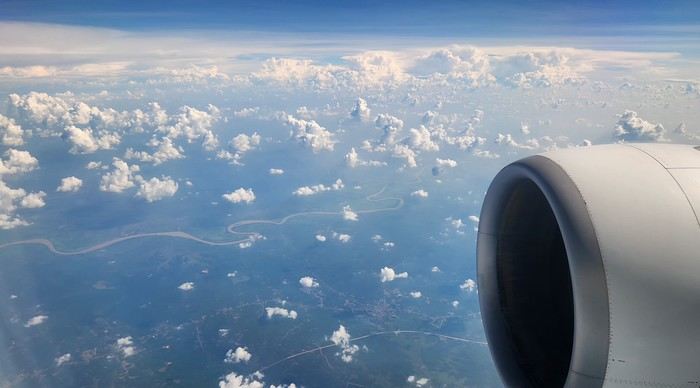
Nice transition, right? Because "Welcome to Indonesia" is exactly what the friendly flight attendant just said to me as we got off the plane! That’s it, our chakras are open, we’ve arrived at our (air)port. Time for rest, pool, cocktails, and a beach with our toes spread out... Wait, if you bought that, you clearly don’t know us yet! Since we still have energy to burn and need to adjust to the flight and time difference, we tackle the long administrative formalities to enter Indonesia, just to earn the right to hop in a 45-minute Grab taxi to the train station. The train station? What train station?... What do you usually do at a train station? Take a train, of course! Off we go for a three-hour train ride to Bandung, where we’ll officially start our adventure tomorrow after our first Indonesian night...
Unfortunately, we were a bit slow off the mark, which meant we missed the 6:25 PM train by two minutes. Oh well, we’ll have to wait until 11 PM. We take the opportunity to stretch our legs in Jakarta, soak up the atmosphere, and enjoy the delicious smells wafting from the *warungs*—those little typical street restaurants. A quick stop at the National Monument, a detour to a night market to devour our first *kwetiaw goreng* and *teh manis* for 60,000 rupiahs (that’s 3 € for two), and just like that, our penalty is lifted, and we’re allowed to hit the road again. Off to Bandung, where we arrive at 2 AM for... a *very* short night...
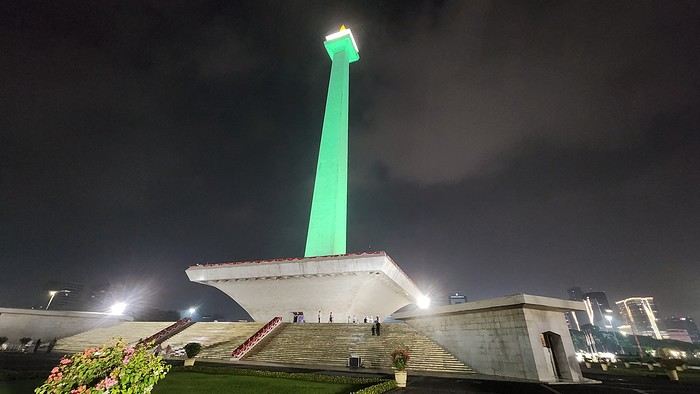
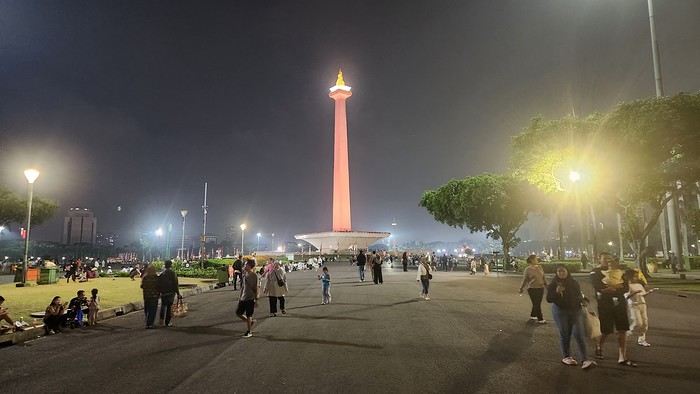
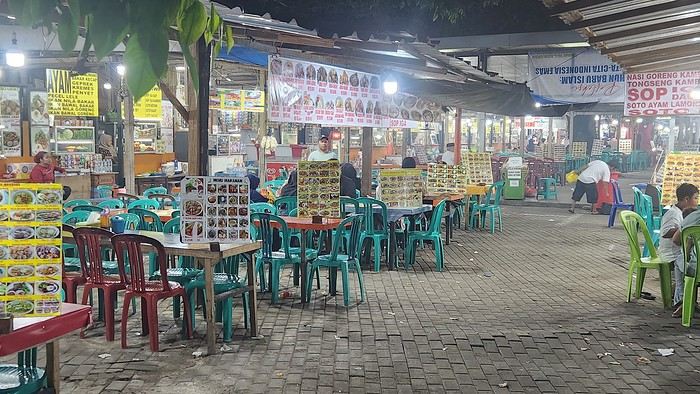
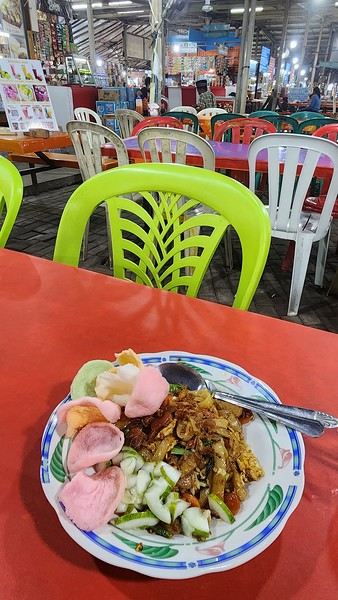
Day 1 - August 10, 2025 New life downloading for three weeks! And for that, Flo and I launched a public tender... A public tender? What’s that got to do with a travel journal???... Well, when you think about it, few destinations tick all the boxes for an August adventure: Meaning, finding a place that’s exotic in the middle of August, not too expensive, not too packed with tourists, warm but not *too* warm, with postcard-perfect landscapes, dreamy beaches, tasty cuisine with a hint of exoticism, friendly and welcoming locals, where you’re free to sleep under the stars among the mosquitos, take transport surrounded by chickens, and even eat from a pig trough if you feel like it—well, turns out it’s not that easy to find! I’d even say, given how thick the list of requirements is, there’s a big risk the tender could be declared unsuccessful for failing to meet just one criterion. Let’s just say the candidates better submit a rock-solid proposal!
After reviewing all the responses and presentations from the candidates, the obvious choice for us is... Indonesia! Except that trying to explore a country as vast as Indonesia and its 17,504 islands in less than five years is a bit like reading the summary of a Proust novel without taking the time to savor each of its 950 pages! Don’t worry, I won’t name them all here. Besides, do they even all have names? No! Only 7,870 have been named—their parents clearly ran out of ideas for the rest. Anyway, our society, which worships the "work more to earn more" mantra, unfortunately limits our adventure time. So we’ll only get to see a small part of Indonesia, and we’ll have to make a tough choice to head for the best of the best in this archipelago of over seventeen thousand islands. Each one has its own selling points: Sumatra, Sulawesi, Java, the Celebes, Bali, Borneo, Papua, Timor, the Moluccas... So many names that smell of adventure... Another tender, another list of requirements, another review of proposals... Drumroll... Splash splash... And the lucky winner is... Ta-da... Java, Bali’s big sister, where I’ve already been eight years ago... Java the programming language. The Java of Broadway. We’re gonna *do* the Java. Java the coffee. And yes, Java is also an island!
This island, four times smaller than France, is home to 136 million people, making it the most populated island in the world! Fun fact: Indonesia, with its 260 million inhabitants, is just shy of the podium for the world’s most populated countries, after the winning trio of India, China, and the United States. And it’s on this island of Java that you’ll find Jakarta, the (soon-to-be-former) capital and main airport of the country, where we’ll soon land after our nineteen-hour flight! Yep, nineteen hours! I mean, Indonesia in general—and Java in particular—is a *tad* farther than going on vacation to Grandma Yoyo’s! Not sure where it is? Easy. Grab a map. Plant your finger on the big island at the bottom right—aka Australia for those who struggle with geography—move it up two centimeters, and bam, welcome to Indonesia!
Nice transition, right? Because "Welcome to Indonesia" is exactly what the friendly flight attendant just said to me as we got off the plane! That’s it, our chakras are open, we’ve arrived at our (air)port. Time for rest, pool, cocktails, and a beach with our toes spread out... Wait, if you bought that, you clearly don’t know us yet! Since we still have energy to burn and need to adjust to the flight and time difference, we tackle the long administrative formalities to enter Indonesia, just to earn the right to hop in a 45-minute Grab taxi to the train station. The train station? What train station?... What do you usually do at a train station? Take a train, of course! Off we go for a three-hour train ride to Bandung, where we’ll officially start our adventure tomorrow after our first Indonesian night...
Unfortunately, we were a bit slow off the mark, which meant we missed the 6:25 PM train by two minutes. Oh well, we’ll have to wait until 11 PM. We take the opportunity to stretch our legs in Jakarta, soak up the atmosphere, and enjoy the delicious smells wafting from the *warungs*—those little typical street restaurants. A quick stop at the National Monument, a detour to a night market to devour our first *kwetiaw goreng* and *teh manis* for 60,000 rupiahs (that’s 3 € for two), and just like that, our penalty is lifted, and we’re allowed to hit the road again. Off to Bandung, where we arrive at 2 AM for... a *very* short night...
From Southern Shikoku, between land and sea, to the blue waters of Miyakojima and finally Tokyo’s megacity
Hi everyone,
I have to admit, I really hesitated before deciding to write this travel journal... Writing one takes a lot of time and energy, and since this is my 4th trip, I wondered if it would actually interest anyone other than myself (both for the discovery and the writing). But after a few "Are you going to write a journal?" requests and especially the renewed pleasure from reading other travelers’ travel journals about Japan or elsewhere on this forum or elsewhere, I’ve decided to share this 4th installment in the Land of the Rising Sun here.
The itinerary: 27 full days, from late May to late June 2025, right in the middle of the rainy season, including:
-->13 days in Shikoku, from Kochi (Kochi Prefecture) to Matsuyama (Ehime Prefecture)
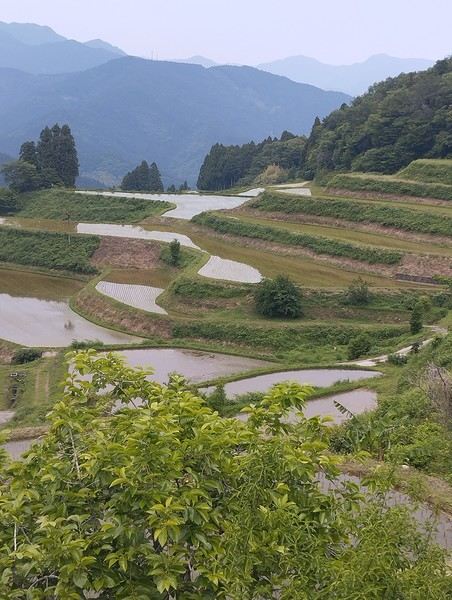
-->7 days in Miyakojima (Okinawa Prefecture)
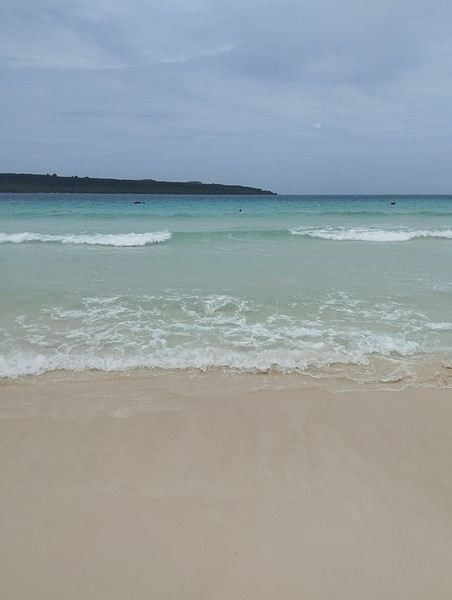
-->7 days in Tokyo
The trip was decided on fairly last-minute this year, as usual.
I regularly check flight prices to track fluctuations for this destination, even without concrete plans. Finding a slightly cheaper direct flight (900 €) than what I’d seen in previous months (around 1,200–1,400 € on average) for a Paris-Tokyo route with Japanese airline ANA was too tempting to resist the urge to return to this enchanting country. After long hesitations between exploring the San’in region (Matsue, Tottori, Yamaguchi) and southern Shikoku, the decision was made—I took the plunge! The tickets are booked: Paris to Kochi with a layover in Tokyo, all with ANA, the airline I’d been dreaming of... for 1,120 € per person. Okay, it’s not cheap, but it’s still better than in 2023.
We leave in 2 weeks!! Now it’s just a matter of getting everything ready!
Intense work ahead in these 2 weeks to:
finalize a more precise itinerary and reach an agreement—yep, because even though we both love Japan, our preferences differ slightly, and we have to choose between exploring new places or taking time to revisit beloved spots... decide how much time to spend in each selected area without rushing while still exploring research places that might interest us and watch videos about Japan book accommodations: yes, it’s possible to do this on the spot as we go, but last year, we noticed that last-minute options were pretty expensive, so we’re booking ahead—even if it means keeping a few options open while we decide or see if better deals pop up later reserve rental cars order yen check the weather regularly and wonder if choosing the *tsuyu* (rainy season) was really a good idea—and whether we’ll be stuck in non-stop rain???
What a tough job, right? Traveling to Japan for a month—such a hard life! Despite this being my 4th trip, the excitement is just as intense as the first time.
The only small downside is that when we booked the flight tickets, there were only a few seats left, so we’re only sitting together on the international return flight. Plus, on the outbound flight, we’ve got the middle seats. Another lingering question: what French-language films will be available? According to the internet, the selection seems limited. Oh well, these are just minor details—it’s almost time to fly!
PS: I’ll be posting slowly and irregularly... so for those interested, be patient or maybe set an alert...
Hi everyone,
I have to admit, I really hesitated before deciding to write this travel journal... Writing one takes a lot of time and energy, and since this is my 4th trip, I wondered if it would actually interest anyone other than myself (both for the discovery and the writing). But after a few "Are you going to write a journal?" requests and especially the renewed pleasure from reading other travelers’ travel journals about Japan or elsewhere on this forum or elsewhere, I’ve decided to share this 4th installment in the Land of the Rising Sun here.
The itinerary: 27 full days, from late May to late June 2025, right in the middle of the rainy season, including:
-->13 days in Shikoku, from Kochi (Kochi Prefecture) to Matsuyama (Ehime Prefecture)
-->7 days in Miyakojima (Okinawa Prefecture)
-->7 days in Tokyo
The trip was decided on fairly last-minute this year, as usual.
I regularly check flight prices to track fluctuations for this destination, even without concrete plans. Finding a slightly cheaper direct flight (900 €) than what I’d seen in previous months (around 1,200–1,400 € on average) for a Paris-Tokyo route with Japanese airline ANA was too tempting to resist the urge to return to this enchanting country. After long hesitations between exploring the San’in region (Matsue, Tottori, Yamaguchi) and southern Shikoku, the decision was made—I took the plunge! The tickets are booked: Paris to Kochi with a layover in Tokyo, all with ANA, the airline I’d been dreaming of... for 1,120 € per person. Okay, it’s not cheap, but it’s still better than in 2023.
We leave in 2 weeks!! Now it’s just a matter of getting everything ready!
Intense work ahead in these 2 weeks to:
finalize a more precise itinerary and reach an agreement—yep, because even though we both love Japan, our preferences differ slightly, and we have to choose between exploring new places or taking time to revisit beloved spots... decide how much time to spend in each selected area without rushing while still exploring research places that might interest us and watch videos about Japan book accommodations: yes, it’s possible to do this on the spot as we go, but last year, we noticed that last-minute options were pretty expensive, so we’re booking ahead—even if it means keeping a few options open while we decide or see if better deals pop up later reserve rental cars order yen check the weather regularly and wonder if choosing the *tsuyu* (rainy season) was really a good idea—and whether we’ll be stuck in non-stop rain???
What a tough job, right? Traveling to Japan for a month—such a hard life! Despite this being my 4th trip, the excitement is just as intense as the first time.
The only small downside is that when we booked the flight tickets, there were only a few seats left, so we’re only sitting together on the international return flight. Plus, on the outbound flight, we’ve got the middle seats. Another lingering question: what French-language films will be available? According to the internet, the selection seems limited. Oh well, these are just minor details—it’s almost time to fly!
PS: I’ll be posting slowly and irregularly... so for those interested, be patient or maybe set an alert...
Kattegat isn’t just the name of the village in the TV series *Vikings*—it’s also the stretch of water separating Denmark from Sweden... the sea, basically! And further north, you’ve got Norway and its fjords!
Originally, I’d planned to just do a loop around Kattegat, with the *Under* restaurant in Lindesnes as our anniversary treat... but along the way, we thought, why not "push" a little further north, keeping an eye on the budget since we’d chosen to travel by car in June 2025 through Scandinavia.
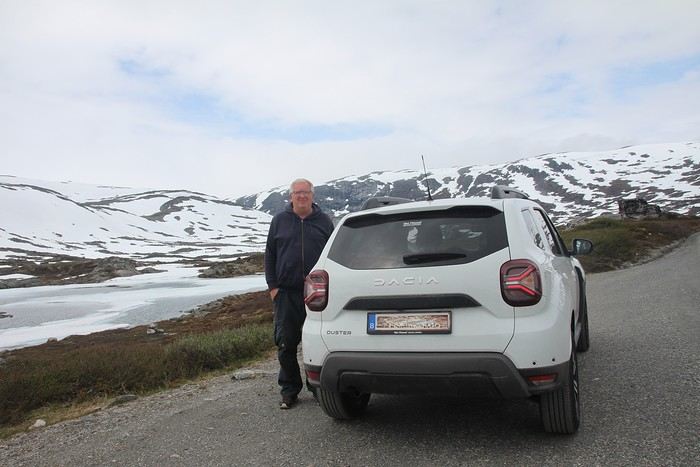
Why by car when most travelers opt for a camper van, while others prefer the comfort of cruises? Well, because we don’t own a camper van, renting one is pricey, and then you’ve got to add fuel costs (those things guzzle gas!), ferry fees, and other "tolls." All things considered, we went for mostly rentals—especially since there were four of us at the start of the trip. We spent the first week in Denmark with our daughter and son-in-law. Then they flew back to Belgium, and we continued our adventure as a couple. For accommodation, we mainly booked Airbnb apartments, which helped keep costs down and, most importantly, let us prepare our own meals (diet, diet!). In this travel journal, you’ll discover (or rediscover, for those who followed my older ones) our unbridled love for theme parks, museums, unique experiences, and—especially in Denmark—Legos! Unfortunately, we didn’t do any hikes this year because the unpredictable weather had made the trails slippery, and since I’d already taken three tumbles during the trip, I didn’t want to risk another! In the end, we traveled for 32 days, covered 6,200 km, and most importantly, discovered the charming country of Denmark, marveled at Norway’s breathtaking fjords—all without suffering the heatwave that hit France and Belgium that June! If you’ve got any questions, don’t hesitate to ask!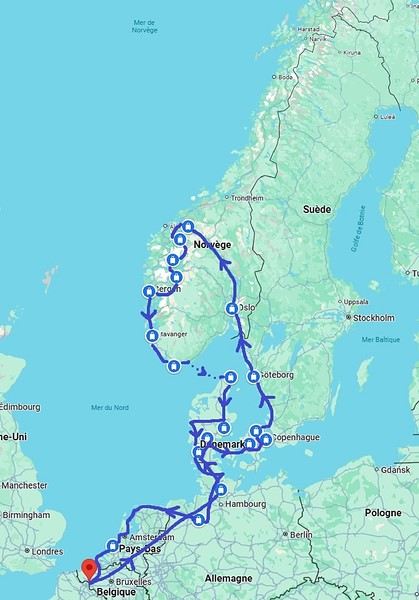
Why by car when most travelers opt for a camper van, while others prefer the comfort of cruises? Well, because we don’t own a camper van, renting one is pricey, and then you’ve got to add fuel costs (those things guzzle gas!), ferry fees, and other "tolls." All things considered, we went for mostly rentals—especially since there were four of us at the start of the trip. We spent the first week in Denmark with our daughter and son-in-law. Then they flew back to Belgium, and we continued our adventure as a couple. For accommodation, we mainly booked Airbnb apartments, which helped keep costs down and, most importantly, let us prepare our own meals (diet, diet!). In this travel journal, you’ll discover (or rediscover, for those who followed my older ones) our unbridled love for theme parks, museums, unique experiences, and—especially in Denmark—Legos! Unfortunately, we didn’t do any hikes this year because the unpredictable weather had made the trails slippery, and since I’d already taken three tumbles during the trip, I didn’t want to risk another! In the end, we traveled for 32 days, covered 6,200 km, and most importantly, discovered the charming country of Denmark, marveled at Norway’s breathtaking fjords—all without suffering the heatwave that hit France and Belgium that June! If you’ve got any questions, don’t hesitate to ask!
Hello everyone!
I REALLY need some advice because I’m feeling lost with my choices for my next solo trip—I’d like to book within the month .
Just so you know, my trip will be in September 2025 for about 17 days.
My top pick is Vietnam; I’ve never been to Asia.
I know the rainy season will be in full swing in September, but several reviews seemed to say it’s not necessarily a dealbreaker, even though it might affect a few hours each day.
PS: I was considering Cambodia, but apparently, the situation isn’t safe for a woman or a tourist right now.
I’ve also heard a lot about New Zealand, but I don’t know anyone who’s been there—especially solo. The nature looks amazing, but does 100% nature get boring quickly when you’re alone? Are there meet-up spots or restaurants/cafés in all the must-see places?
To give you some background, I’ve traveled solo before: Seville, Sweden (Stockholm and Lapland), and I spent 6 months exploring Marseille on my own. I love discovering places and cultures by myself.
Fun fact: my favorite trip was South Africa—for the change of scenery, the people I met, the landscapes, and the nature—but I wasn’t solo there.
Do you have any firsthand experience with these two destinations for a solo trip as a woman?
Or do you have other ideas that fit a similar budget and are interesting for 15–17 days, with a real sense of adventure? And, of course, safe and not too stressful for a woman!
(I’d also love to hear about any custom travel agencies you’ve had good experiences with—I really want to plan this trip as best as I can, but all the agencies I’ve found have mixed reviews.)
Thank you so much for your help!! I’ll keep you posted on my choice and I’m happy to answer any questions you might have!
Elles voyagent seules .
Pour le plaisir pour certaines , par obligation pour d’autres .
Vous les avez peut être rencontrées au cours de vos voyages .
Un homme qui voyage seul ça se fond dans le paysage , une femme ça intrigue souvent , ça interroge , en avez vous rencontré ? Quelles interrogations , envie , peur , perplexité ont émergé de ces rencontres .
Si vous voyagez seule quelles sont vos motifs , vos expériences , vos conseils , vos motivations . Précision , je voyage seule et en couple chaque année . Le voyage en solitaire est pour moi source de plaisir et de liberté depuis plus de quarante ans et je ne saurais m’en passer .
A vos claviers d’ete 😎😎😎
Si vous voyagez seule quelles sont vos motifs , vos expériences , vos conseils , vos motivations . Précision , je voyage seule et en couple chaque année . Le voyage en solitaire est pour moi source de plaisir et de liberté depuis plus de quarante ans et je ne saurais m’en passer .
A vos claviers d’ete 😎😎😎
Depuis 2002, l'Euro est devenue la monnaie européenne. C'est un atout pour les pays qui l'ont adopté, car cela favorise le tourisme chez eux et facilite la tâche aux voyageurs qui n'ont pas besoin de changer leurs devises à l'aller et au retour. En revanche, le Royaume Uni, qui a refusé de l'adopter, condamne le tourisme à un déclin lent mais certain sur son territoire. En effet, voici, en exclusivité pour vous ...
L'Histoire du Futur du Tourisme dans les îles Britanniques ...
2017 : l'Ecosse organise un référendum pour son indépendance. Contrairement au référendum du 18 septembre 2014, les Ecossais votent pour l'indépendance à 52 %
2018 : le Brexit entre en application. Conformément à l'article 50 de la Constitution européenne, le Royaume Uni quitte l'UE, conséquence du référendum du 23 juin 2016. Les Anglais qui tiennent des gîtes ruraux en Aquitaine ou en Bretagne ont désormais besoin d'un visa, d'un permis de séjour et d'un permis de travail, pour ne pas être considérés comme des immigrés clandestins. Idem pour les Européens qui vivent au Royaume Uni. C'est une catastrophe économique pour ce pays. La £ passe en-dessous de la barre symbolique de 1 € ... Les touristes ont besoin d'un VISA ou d'un PASSEPORT coûteux pour séjourner en Angleterre, ce qui incite les familles à envoyer leurs enfants en séjour linguistique en Irlande.
2019 : l'Ecosse obtient son indépendance, le Royaume Uni doit changer de drapeau, car l'Union Jack est la fusion des drapeaux de l'Angleterre, de l'Ecosse, du Pays de Galles et de l'Irlande du Nord.
2020 : l'Ecosse devient membre de l'Union Européenne, et dans la foulée, adopte l'Euro. Sur le côté face des pièces, on y grave le Chardon, symbole de l'Ecosse. La zone Euro s'enrichit de 5 295 000 habitants. Les touristes qui boudaient l'Angleterre se tournent à présent vers l'Ecosse.
2021 : l'Irlande du Nord (les 6 comtés de l'Ulster occupés par le Royaume Uni) organise un référendum pour son indépendance, le peuple vote pour l'indépendance à 53 %. En effet, l'évolution démographique a fait que les Catholiques sont devenus majoritaires par rapport aux Orangistes.
2022 : l'Irlande du Nord obtient son indépendance, le Royaume Uni est réduit à l'Angleterre et au Pays de Galles, il doit à nouveau changer de drapeau, sa superficie n'est plus que de 151 156 km², soit un peu plus que la Bulgarie (110 994 km²), seulement 63 % de la Roumanie (238 391 km²) et … 27 % de la France métropolitaine ! (551 500 km²)
2023 : l'Irlande du Nord rejoint l'Union Européenne, et, dans la foulée, la zone Euro, qui s'enrichit de 1 811 000 habitants. Le nombre de touristes en Irlande du Nord augmente de manière exponentielle.
2024 : l'Irlande du Nord demande son rattachement à l'EIRE (République d'Irlande). L'île d'émeraude retrouve enfin son unité, ce qui inspire confiance aux voyageurs.
L'Histoire du Futur du Tourisme dans les îles Britanniques ...
2017 : l'Ecosse organise un référendum pour son indépendance. Contrairement au référendum du 18 septembre 2014, les Ecossais votent pour l'indépendance à 52 %
2018 : le Brexit entre en application. Conformément à l'article 50 de la Constitution européenne, le Royaume Uni quitte l'UE, conséquence du référendum du 23 juin 2016. Les Anglais qui tiennent des gîtes ruraux en Aquitaine ou en Bretagne ont désormais besoin d'un visa, d'un permis de séjour et d'un permis de travail, pour ne pas être considérés comme des immigrés clandestins. Idem pour les Européens qui vivent au Royaume Uni. C'est une catastrophe économique pour ce pays. La £ passe en-dessous de la barre symbolique de 1 € ... Les touristes ont besoin d'un VISA ou d'un PASSEPORT coûteux pour séjourner en Angleterre, ce qui incite les familles à envoyer leurs enfants en séjour linguistique en Irlande.
2019 : l'Ecosse obtient son indépendance, le Royaume Uni doit changer de drapeau, car l'Union Jack est la fusion des drapeaux de l'Angleterre, de l'Ecosse, du Pays de Galles et de l'Irlande du Nord.
2020 : l'Ecosse devient membre de l'Union Européenne, et dans la foulée, adopte l'Euro. Sur le côté face des pièces, on y grave le Chardon, symbole de l'Ecosse. La zone Euro s'enrichit de 5 295 000 habitants. Les touristes qui boudaient l'Angleterre se tournent à présent vers l'Ecosse.
2021 : l'Irlande du Nord (les 6 comtés de l'Ulster occupés par le Royaume Uni) organise un référendum pour son indépendance, le peuple vote pour l'indépendance à 53 %. En effet, l'évolution démographique a fait que les Catholiques sont devenus majoritaires par rapport aux Orangistes.
2022 : l'Irlande du Nord obtient son indépendance, le Royaume Uni est réduit à l'Angleterre et au Pays de Galles, il doit à nouveau changer de drapeau, sa superficie n'est plus que de 151 156 km², soit un peu plus que la Bulgarie (110 994 km²), seulement 63 % de la Roumanie (238 391 km²) et … 27 % de la France métropolitaine ! (551 500 km²)
2023 : l'Irlande du Nord rejoint l'Union Européenne, et, dans la foulée, la zone Euro, qui s'enrichit de 1 811 000 habitants. Le nombre de touristes en Irlande du Nord augmente de manière exponentielle.
2024 : l'Irlande du Nord demande son rattachement à l'EIRE (République d'Irlande). L'île d'émeraude retrouve enfin son unité, ce qui inspire confiance aux voyageurs.
Prologue
This journal recounts a trip to Rajasthan that’s already over a year old and that I’ve only now found the chance to write about. The summer of 2024 marked my return to India—my tenth trip—after six long years away since my last solo wanderings in Tamil Nadu in 2018 (the journal of which is published on this site). That absence was partly (but not only) due to the long COVID and post-COVID period, which saw a complete halt and then a major slowdown in global tourism. To top it off, Voyage Forum announced its closure in an end-of-the-world atmosphere. A sad time for our favorite social activity…
A few weeks after returning from Rajasthan, I tried to motivate myself to start writing a journal to publish on a forum claiming to be VF’s successor, which I’d eventually signed up for out of desperation. But I kept hesitating and putting the project off because, for one, I no longer have the time I used to. For another, the vibe wasn’t really taking off on that forum—it was overrun with ads and not very active, contrary to what its host’s name suggested. Despite its good intentions and commendable role as a stopgap, it also turned out to be very impractical to use, especially when you don’t have much time like me. I’ll admit I’d occasionally check back on VF to see if anything was happening. But all the discussions remained frozen in time, stuck in that fateful year, 2020. Then, rumors swirled online about shady reasons behind its closure, leaving little room for hope.
And then, one fine morning, I got a message at work from Marien informing me that VF had reopened. What a huge surprise! Even though the forum’s “end” had played out in a somewhat apocalyptic atmosphere, the memories of passionate and heated discussions, the frank debates, and the useful exchanges that made this site a traveler’s goldmine and a unique hub of conviviality all came rushing back to me like a breath of fresh air. I finally saw a sign and tried to motivate myself to find the time to publish the journal of this tenth trip to India and fifth to Rajasthan. But in the end, I got bogged down in professional and family obligations and never managed to find the time to get started. That’s now fixed, though, because I had two reasons for wanting to do it: I find that looking back on a trip to tell others about it is a highly beneficial introspective exercise. Also, I thought this journal could be useful to other travelers on a few points.
Because, “do we really need yet another journal about Rajasthan?” you might rightly ask! Especially in a time when so many journals about the “Land of Kings” have been published since VF’s return, not to mention the countless stories you can already find online about this region, one of India’s most touristy. And I’d add, why go back to Rajasthan for a fifth time, where I’ve already dragged my feet more than enough—through its forts, deserts, temples, cities, villages, bumpy roads, train stations, tasty street food stalls, cheap guesthouses, and more? Where some might see just another overhyped tourist destination full of the same old *Arabian Nights* clichés, worn to a thread, that I mentioned earlier, when there’s so much else to see in India? Well, first because it’s a magnificent country I never tire of, where I started an academic study and made so many connections. It’s also packed with places where you won’t find a single tourist (right, Marie-Jo?), even in the heart of well-trodden paths and classic itineraries. And most importantly, as I said earlier, things have changed in recent years. First, after six years without traveling far, the urge to go back to India was getting stronger. But this time, no more solo trips (often) or duo adventures (sometimes)—now it’s a team of four that has to come along! And even if you can argue with that, what better place than Rajasthan to introduce India to people who’ve never seen it? To kids you want to amaze? Plus, traveling with your new little family to your favorite country isn’t the same as going solo in often spartan conditions that only affect you. It’s a different challenge, but ultimately probably much harder. So, is it really reasonable to take two kids to India, including a two-year-old baby? That’s one of the main goals of this journal (but not the only one)—to try to answer that question.
As you can tell, it’s not so much the destination but the slightly unusual setup of this trip that, in my opinion, will make this journal interesting. Despite my experience and expertise (yes, I dare say it) in India, there were plenty of questions before we finalized the plan and said, “Alright, let’s go!” The questions were flying for us parents. Is it wise to travel to India with a two-year-old? What would we do (it happened) if the kids got very sick? Would they be able to handle a road trip on Rajasthan’s bumpy, dusty roads using public transport? Could they handle the shock of such a different world—the dirt, poverty, pollution, noise (…and the smell, as they say), the spicy food, monkeys, mosquitoes, snakes, tigers, leopards, and so on? In short, all the clichés that I usually joke about suddenly became potential realities. Another concern: as a mixed Franco-African family (not me, but my partner and her oldest), wouldn’t we risk not always being well received, given what you sometimes hear about that in India? How would Indians react to seeing a mixed-race family, the ultimate taboo in a country of purity and social segregation, which would undoubtedly raise many questions for them? Of course, not everything went as expected… Because, as you know, with India—and what makes it charming for some—there are always complications: sometimes where you don’t expect them… and sometimes where you do. I’ll go into detail about that in the journal to come (not right away) and in the final review (even later). These experiences could be useful to travelers who find themselves in similar situations and have the same questions we did before embarking on such a journey. And maybe it’ll spark the curiosity of those who aren’t concerned and will read yet another Rajasthan journal, but with its own unique twists.
Despite my unchanged constraints, which mean I have little time to write this, I don’t want to rush the story, so I’ll take my time. There will probably be lulls. I hope that won’t stop people from coming to react, debate, share their impressions, or ask for information.
This journal recounts a trip to Rajasthan that’s already over a year old and that I’ve only now found the chance to write about. The summer of 2024 marked my return to India—my tenth trip—after six long years away since my last solo wanderings in Tamil Nadu in 2018 (the journal of which is published on this site). That absence was partly (but not only) due to the long COVID and post-COVID period, which saw a complete halt and then a major slowdown in global tourism. To top it off, Voyage Forum announced its closure in an end-of-the-world atmosphere. A sad time for our favorite social activity…
A few weeks after returning from Rajasthan, I tried to motivate myself to start writing a journal to publish on a forum claiming to be VF’s successor, which I’d eventually signed up for out of desperation. But I kept hesitating and putting the project off because, for one, I no longer have the time I used to. For another, the vibe wasn’t really taking off on that forum—it was overrun with ads and not very active, contrary to what its host’s name suggested. Despite its good intentions and commendable role as a stopgap, it also turned out to be very impractical to use, especially when you don’t have much time like me. I’ll admit I’d occasionally check back on VF to see if anything was happening. But all the discussions remained frozen in time, stuck in that fateful year, 2020. Then, rumors swirled online about shady reasons behind its closure, leaving little room for hope.
And then, one fine morning, I got a message at work from Marien informing me that VF had reopened. What a huge surprise! Even though the forum’s “end” had played out in a somewhat apocalyptic atmosphere, the memories of passionate and heated discussions, the frank debates, and the useful exchanges that made this site a traveler’s goldmine and a unique hub of conviviality all came rushing back to me like a breath of fresh air. I finally saw a sign and tried to motivate myself to find the time to publish the journal of this tenth trip to India and fifth to Rajasthan. But in the end, I got bogged down in professional and family obligations and never managed to find the time to get started. That’s now fixed, though, because I had two reasons for wanting to do it: I find that looking back on a trip to tell others about it is a highly beneficial introspective exercise. Also, I thought this journal could be useful to other travelers on a few points.
Because, “do we really need yet another journal about Rajasthan?” you might rightly ask! Especially in a time when so many journals about the “Land of Kings” have been published since VF’s return, not to mention the countless stories you can already find online about this region, one of India’s most touristy. And I’d add, why go back to Rajasthan for a fifth time, where I’ve already dragged my feet more than enough—through its forts, deserts, temples, cities, villages, bumpy roads, train stations, tasty street food stalls, cheap guesthouses, and more? Where some might see just another overhyped tourist destination full of the same old *Arabian Nights* clichés, worn to a thread, that I mentioned earlier, when there’s so much else to see in India? Well, first because it’s a magnificent country I never tire of, where I started an academic study and made so many connections. It’s also packed with places where you won’t find a single tourist (right, Marie-Jo?), even in the heart of well-trodden paths and classic itineraries. And most importantly, as I said earlier, things have changed in recent years. First, after six years without traveling far, the urge to go back to India was getting stronger. But this time, no more solo trips (often) or duo adventures (sometimes)—now it’s a team of four that has to come along! And even if you can argue with that, what better place than Rajasthan to introduce India to people who’ve never seen it? To kids you want to amaze? Plus, traveling with your new little family to your favorite country isn’t the same as going solo in often spartan conditions that only affect you. It’s a different challenge, but ultimately probably much harder. So, is it really reasonable to take two kids to India, including a two-year-old baby? That’s one of the main goals of this journal (but not the only one)—to try to answer that question.
As you can tell, it’s not so much the destination but the slightly unusual setup of this trip that, in my opinion, will make this journal interesting. Despite my experience and expertise (yes, I dare say it) in India, there were plenty of questions before we finalized the plan and said, “Alright, let’s go!” The questions were flying for us parents. Is it wise to travel to India with a two-year-old? What would we do (it happened) if the kids got very sick? Would they be able to handle a road trip on Rajasthan’s bumpy, dusty roads using public transport? Could they handle the shock of such a different world—the dirt, poverty, pollution, noise (…and the smell, as they say), the spicy food, monkeys, mosquitoes, snakes, tigers, leopards, and so on? In short, all the clichés that I usually joke about suddenly became potential realities. Another concern: as a mixed Franco-African family (not me, but my partner and her oldest), wouldn’t we risk not always being well received, given what you sometimes hear about that in India? How would Indians react to seeing a mixed-race family, the ultimate taboo in a country of purity and social segregation, which would undoubtedly raise many questions for them? Of course, not everything went as expected… Because, as you know, with India—and what makes it charming for some—there are always complications: sometimes where you don’t expect them… and sometimes where you do. I’ll go into detail about that in the journal to come (not right away) and in the final review (even later). These experiences could be useful to travelers who find themselves in similar situations and have the same questions we did before embarking on such a journey. And maybe it’ll spark the curiosity of those who aren’t concerned and will read yet another Rajasthan journal, but with its own unique twists.
Despite my unchanged constraints, which mean I have little time to write this, I don’t want to rush the story, so I’ll take my time. There will probably be lulls. I hope that won’t stop people from coming to react, debate, share their impressions, or ask for information.
Salut salut!!!
Depuis quelques temps, l'idée d'un voyage en cam's nous trotte dans la tête. Depuis septembre on a pris la décision de partir pour un an vers la Mongolie !!
Le départ se ferait vers le début avril 2011 pour un retour vers février 2012.
Voici le trajet envisagé, à partir de la Turquie. Avant on ferait 15 jrs dans les pays de l'est.
puis : Turquie, Géorgie, , Azerbaïdjan, (traversée de la Caspienne), Turkménistan, Ouzbékistan Tadjikistan, Kirghizistan, Kazakstan, Russie (en transit), Mongolie, Russie, Kazakhstan, Russie et soit la Géorgie pour un retour par la Turquie (c'est le plan A) , ou bien l'Ukraine et les pays de l'est.
Comme n'importe lequel des voyages, sa demande un peu d'organisation et des fois c'est un peu dure de trouver des infos présises, donc nous faisons appel au voyageurs qui auraient fait un périple similaire ..
Voilou ou ont bloque pas mal : sur les visas (et surtt le visa russe), on va avoir quelques info par rapport à sa donc on vous transmettra tt sa puis sur l'état des routes et plus précisément au Tadjikistan et au Kirghizstan après le Turkménistan on souhaiterai passer par Douchanbé pour chopper le permis GBAO (véritable clé du paradis) qui nous permettrais d'empreinter la route du pamir : de douchambé on prendrai la M41 jusqu'à Khorog puis après grosse question, comment sont l'état des routes : 1 par la valée du chokh dara, ou bien la route qui longe la frontière Afghane (cette route ne craint pas trop pour dormir dans son cams ?), puis passer par mourgab et suivre la M41 jusqu'à Och au kirghistan..
voilou si des personne on fait cette route merci d'éclairer notre lanterne !
Merci d'avance Love&Light Mael et Jany
Depuis quelques temps, l'idée d'un voyage en cam's nous trotte dans la tête. Depuis septembre on a pris la décision de partir pour un an vers la Mongolie !!
Le départ se ferait vers le début avril 2011 pour un retour vers février 2012.
Voici le trajet envisagé, à partir de la Turquie. Avant on ferait 15 jrs dans les pays de l'est.
puis : Turquie, Géorgie, , Azerbaïdjan, (traversée de la Caspienne), Turkménistan, Ouzbékistan Tadjikistan, Kirghizistan, Kazakstan, Russie (en transit), Mongolie, Russie, Kazakhstan, Russie et soit la Géorgie pour un retour par la Turquie (c'est le plan A) , ou bien l'Ukraine et les pays de l'est.
Comme n'importe lequel des voyages, sa demande un peu d'organisation et des fois c'est un peu dure de trouver des infos présises, donc nous faisons appel au voyageurs qui auraient fait un périple similaire ..
Voilou ou ont bloque pas mal : sur les visas (et surtt le visa russe), on va avoir quelques info par rapport à sa donc on vous transmettra tt sa puis sur l'état des routes et plus précisément au Tadjikistan et au Kirghizstan après le Turkménistan on souhaiterai passer par Douchanbé pour chopper le permis GBAO (véritable clé du paradis) qui nous permettrais d'empreinter la route du pamir : de douchambé on prendrai la M41 jusqu'à Khorog puis après grosse question, comment sont l'état des routes : 1 par la valée du chokh dara, ou bien la route qui longe la frontière Afghane (cette route ne craint pas trop pour dormir dans son cams ?), puis passer par mourgab et suivre la M41 jusqu'à Och au kirghistan..
voilou si des personne on fait cette route merci d'éclairer notre lanterne !
Merci d'avance Love&Light Mael et Jany