Discussions Doxy436 took part in
10 results on this page.
More options
Many results are in French, the community’s main language. English translations are added over time.
Search results
The Tren Maya
TREN MAYA in Yucatán
We’re just back from our 7th or 8th trip to the Yucatán since 1971, and it’ll probably be our last (a little tear). We’ve crisscrossed the peninsula many times, but this post isn’t about listing the countless wonders to visit—there are already plenty of articles on that part of Mexico. For this trip, we chose to travel by train to try out this new way of getting around.
The TREN MAYA routes roughly follow the coast in a loop: Cancún – Valladolid – Mérida – Campeche – Escárcega – Chetumal – Tulum – Playa del Carmen – Cancún, with the main stations listed here and usually 2 or 3 stops in between. A branch line runs from Escárcega to Palenque. We only traveled the Cancún – Mérida – Escárcega – Palenque section, as the loop via Chetumal wasn’t open when we planned our trip. Besides, Chetumal itself isn’t very interesting. However, the Escárcega–Chetumal route has lots of Maya sites worth visiting.
The tracks, stations, and rolling stock are all brand new. The Tulum–Mérida section opened in early 2024, and the full loop was inaugurated at the end of 2024. The trains currently consist of 4 tourist-class cars and 2 first-class cars. I imagine this setup might change, since first class was nearly empty while tourist class was between 25% and 70% full, depending on the time and route.
The cars are designed by Alstom and built in Mexico, with the same seating layout as in France: 2+2 in tourist class and 2+1 in first class. The seats are a bit more comfortable than in France for tourist class and slightly firmer in first class.
The track is very well laid on the Cancún–Mérida–Escárcega section we traveled: no jolts at all. However, the Escárcega–Palenque branch is likely built with short rails, so I don’t think it’ll support very high speeds. The line is single-track except for the Cancún–Valladolid–Mérida stretch, which is double-track, and electrification is underway. Signaling is also being installed—the targets are in place but not yet operational. Given the current low traffic, we weren’t too worried.
The trains are diesel-electric hybrids and very quiet in diesel mode. I clocked a speed of 140 km/h, and they say it’ll reach 200 km/h once electrified.
Now, the stations: *grand* is the word that comes to mind. The architects did an amazing job aesthetically—it reminds us of Canfranc, with the same spirit 150 years apart, using marble (?) for the flooring. Technically, though, at least in Valladolid station, it’s a miss—they’ve already added unattractive metal reinforcements to the concrete framework barely a year after the inauguration.
Practical info: Tickets can be bought online on the Tren Maya website.
But contrary to what the *Routard* guide says, you can only book about a week in advance. So, we bought our tickets for the first leg, Cancún–Valladolid, from France, and then got the rest at the station a few days ahead. It seems there’s no ticket sales in travel agencies.
Arrive at the station about 20–30 minutes early, as there are airport-style security checks. Right now, the staff are still getting the hang of the baggage scanners and metal detectors, which can be a bit amusing.
Important note: This is a completely new rail network, so the tracks—and especially the stations—are far from city centers. To get downtown, you’ll need to take a shuttle or a taxi.
Here’s the breakdown for station-to-downtown travel: - **Cancún**: There are shuttles between the airports and the station (35 MXN/person). Taxis are pricier than in NYC: 50 € (1000 MXN) for a 10-minute ride—it’s an organized scam, but at least it’s clean, which is more than you can say for Cancún. If you’re staying at a hotel in Cancún or Playa del Carmen, make sure to arrange the hotel shuttle in advance. - **Valladolid**: 15 minutes from downtown, 150 MXN by taxi, or 36 MXN/person by shuttle, which drops you 3 *cuadras* (a *cuadra* = a block ≈ 100 m) from the center. - **Mérida**: 30 minutes from downtown, 300 MXN by taxi, or 50 MXN/person by shuttle, which drops you 7 or 8 *cuadras* from the center. The ticket agent told us it was just 1 *cuadra* (and we’re perfectly bilingual, so no confusion), but dragging suitcases over broken sidewalks in 33°C heat with no taxis in sight? Not great. So, for Mérida, just take a taxi. - **Campeche**: 10 minutes from downtown, 50 MXN by shuttle, which drops you right in the center (at the *Malecón*, across from the Gamma Hotel). We didn’t see any taxis at the station. - **Palenque**: Most hotels are outside the city center, so a taxi is a must—around 150 to 250 MXN.
Don’t forget to agree on the taxi fare with the driver before getting in.
For Tren Maya fares, there’s a rate for non-Mexican residents and several others for residents based on income. Here are the non-resident fares per person: - Cancún – Valladolid: 472 MXN (539 MXN on the return) - Valladolid – Mérida: 505.50 MXN (553 MXN on the return) - Mérida – Campeche: 574 MXN - Campeche – Palenque: 1300 MXN - Escárcega – Palenque: 789 MXN
The main reason we chose the train over renting a car (our usual go-to) was that on our last trip, just before COVID in 2020, the rental company refused to insure us in Chiapas due to safety concerns. So, we had to skip Palenque—but with the Tren Maya, it became possible again. The big downside of the train is that you need shuttles or taxis to visit all the Maya sites, which adds up in cost and time.
**Conclusion**: If you add up the train fares, taxis, etc., it might be better to rent a car for the whole trip and leave it in a hotel parking lot in Campeche or Escárcega for a couple of days if you want to visit Palenque. Then, take the train for a round trip between Campeche–Palenque or Escárcega–Palenque.
Safe travels! *
Back from 2 weeks in Mexico (Yucatan Peninsula) with toddlers
Hi everyone,
I’d like to share my thoughts on my recent trip to Mexico (just before the COVID lockdown), specifically in the Yucatan Peninsula, with my twin toddlers (2 and a half years old).
The itinerary is super classic, and I’ll focus mostly on tips and tricks for traveling with young kids.
For the winter of 2019-2020, we were looking for a sunny destination. After going to Guadeloupe when our kids were 6 months old and then Martinique last year (the French West Indies had the advantage of being able to rent a house and easily explore from there, plus having the same standards as mainland France for kids), we decided to try a bit of adventure by heading to the Yucatan. This destination has several advantages: - Very "Americanized" (I never thought I’d list that as an advantage one day), so it’s easy for kids; - Varied activities and sightseeing opportunities; - Easy house rentals on Airbnb; - Direct flights from Paris; - Ability to explore from one base without having to move every 2-3 days.
After buying our flight tickets to Cancun on Air France, we decided to base our house rental in two places: Tulum and Mérida. Needless to say, we didn’t stray off the beaten path at all.
Spoiler alert: the vacation went really well, and we were able to enjoy it fully with the kids.
02/28: Flight from CDG to Cancun on Air France. A 10.5-hour flight is long with kids, so we tried to keep them busy as best we could: games, coloring, walking around the plane, meals, a little nap, etc. At that age, it’s hard to get them to focus on a screen. We arrived in Cancun around 6 PM, picked up our rental car from Alamo. Watch out for a scam attempt at Alamo where the person at the counter wanted us to pay taxes and surcharges that don’t exist! We resisted, but they insisted. In the end, we got away without paying anything extra. We had paid 285 € for the 14-day car rental. Then we drove to Tulum, which is about 1.5 hours from Cancun Airport. The road was in perfect condition, no complaints, and we arrived at our Airbnb: https://www.airbnb.fr/rooms/35334526?source_impression_id=p3_1584888418_t6pB%2BGyeDwqqkvA0 A really beautiful, spacious house with two large bedrooms and a big pool so parents could relax while the kids napped. The house is in a residential neighborhood in Tulum pueblo, away from restaurants and bars. Bikes were available, but we used our car (no baby seats or helmets provided).
02/29: A quiet day to recover from the trip and jet lag: grocery shopping at Chedraui supermarket in Tulum. Morning at the pool and late afternoon at Tulum Beach.
About the beach: it’s 3 km from Tulum town. Most of the beach is privatized, and there are only 2 or 3 public access points (though you can walk freely along the entire beach afterward). No parking issues at the times we went—usually around 9 AM and after nap time at 5 PM.
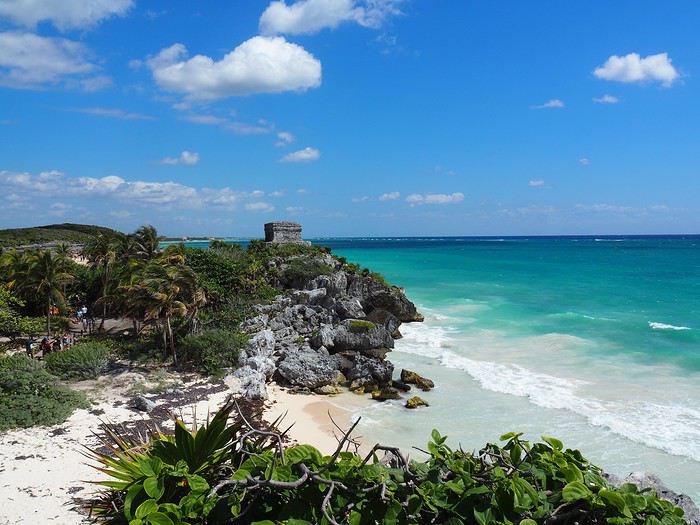
03/01: Let’s get motivated! We tried visiting an archaeological site with the kids to see how it went... So we started modestly with the ruins of Tulum. I won’t go into detail about the ruins—they’re super well-known and very touristy. I’ll just mention that when we arrived at the site around 9:30 AM, there was already a 10-minute line at the ticket booth, and by the time we left at noon, the line had grown to at least 45 minutes to an hour under the blazing sun. Like all the Mayan sites we visited, we appreciated that a large part was accessible for people with reduced mobility (at least the main paths), which also made it stroller-friendly! No problem walking around with the kids or using the stroller when they were tired, and we could store their stuff in it (water bottles, snacks, sunscreen, hats, sunglasses, etc.). Lunch at home, then nap time and late afternoon at the pool.
03/02: Today the weather is gray, so we decided to visit a cenote. Since accessibility was key, we didn’t go for the most remote or wild one (like we usually would) but headed to the Grand Cenote, which is beautiful, well-organized, and relatively quiet when you arrive around 9:30 AM. The upside of having kids is that they wake you up early, so you can still enjoy the sites without too many people!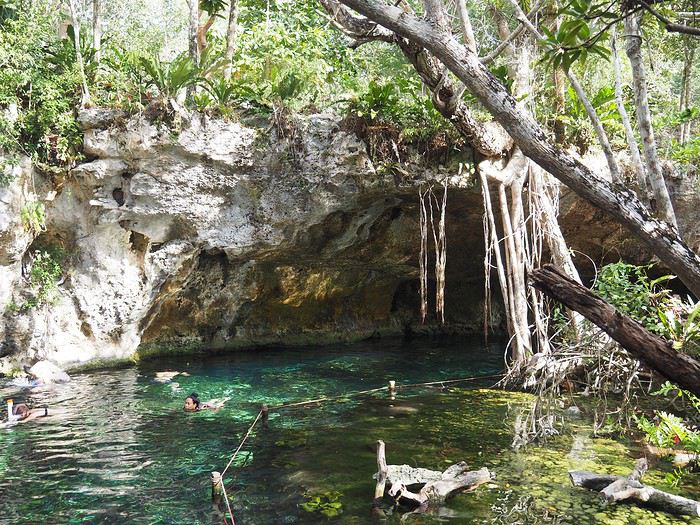
Lunch at home, then nap time and pool time. Note that in Tulum, near the town hall, there’s a playground where Mexican families go, with lots of swings and slides—our kids loved it.
03/03: Encouraged by our experience at the Tulum ruins, we decided to go all out and visit the ruins of Coba. Even though the access isn’t as PMR-friendly, the site is still manageable with a double stroller, especially since it’s huge and the main pyramid is only reachable after a 20-minute walk through the jungle. The kids loved running around and climbing on some of the structures, but we didn’t let them climb the main pyramid (over 40 meters high) because the stairs were uneven and slippery.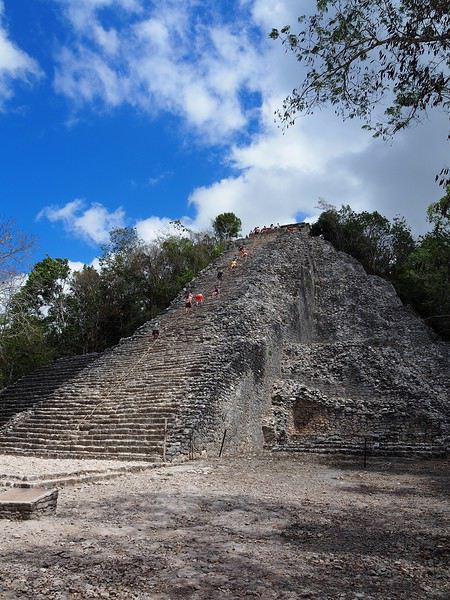
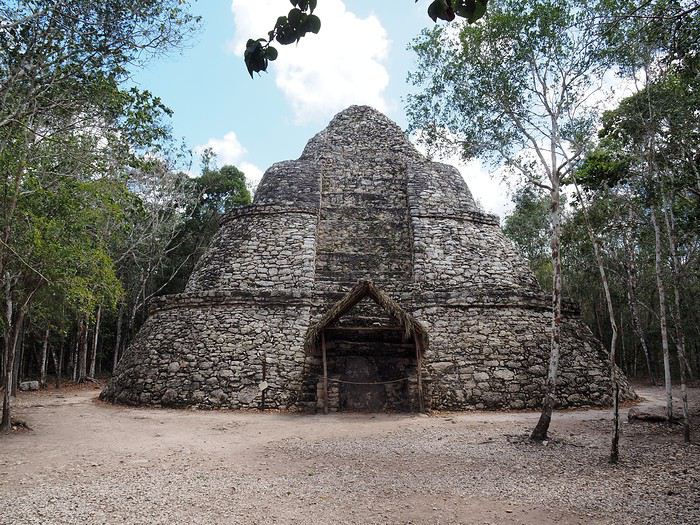
We then had lunch at a restaurant near the parking lot with a view of the lake before heading home for nap time and an afternoon at the pool.
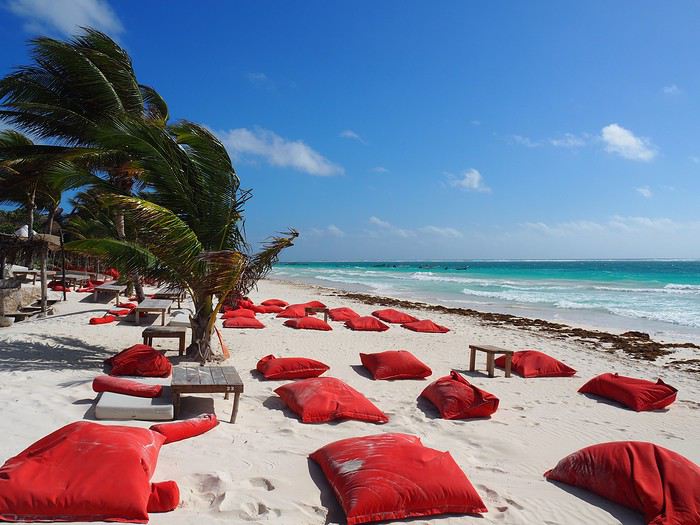
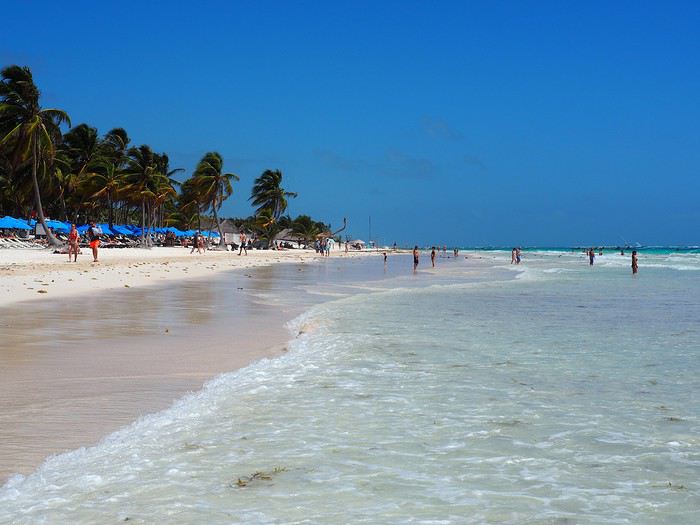
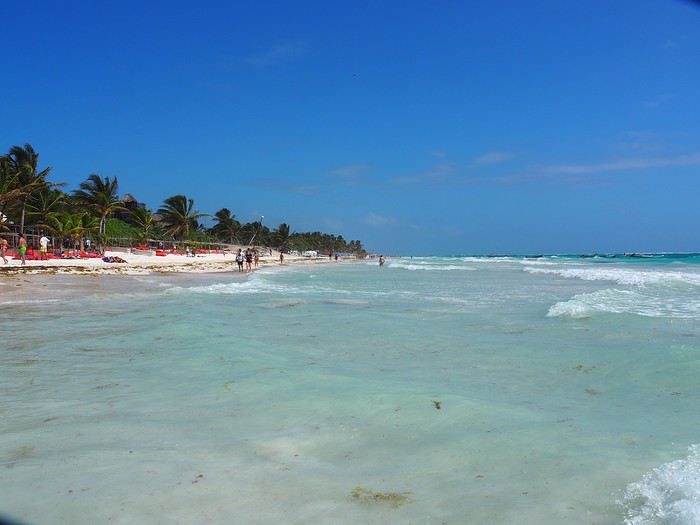
03/04 and 03/05: Two beautiful days spent at Tulum Beach. The beach is really stunning, with white sand and gorgeous turquoise water. There were quite a few seaweed patches when we were there, but not enough to ruin the scenery or the swim.
03/06: Second part of the vacation—today we’re heading to Mérida! To break up the drive, we decided to stop at Chichen Itza. We arrived at the site around noon, and wow—it was packed! It felt like the Louvre in the middle of summer (well, almost). We queued to buy tickets and decided to start with lunch at one of the restaurants at the entrance. The upside of everything being so Americanized is that it’s easy to find food on-site, there are restrooms everywhere (super handy with toddlers who can’t hold it for long), and everything is stroller-accessible. We then visited Chichen Itza, which was a bit disappointing: souvenir vendors all over the site ruined the vibe, and there were crowds everywhere... but the kids loved running around, so we powered through and explored the huge, well-preserved site.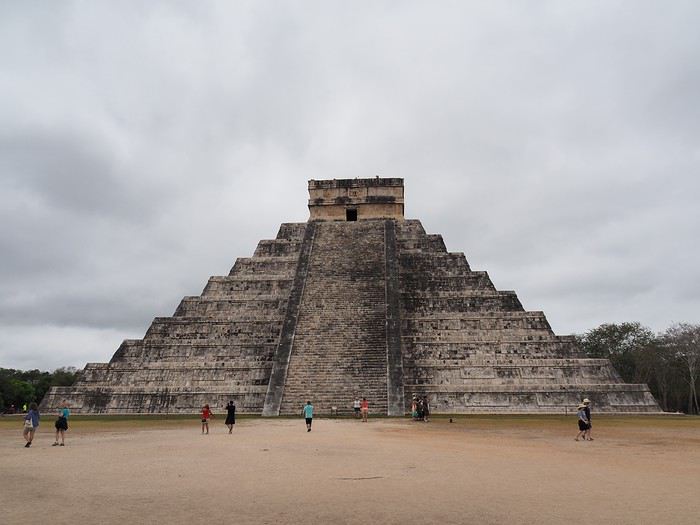
We then hit the road to Mérida, and the kids fell asleep in the car since they hadn’t napped during the Chichen Itza visit.
We arrived at our Airbnb, which was really beautiful: https://www.airbnb.fr/rooms/38632543?source_impression_id=p3_1584891113_XTnbrcb2G3pcuD6C A gorgeous colonial-style house with a private patio and small pool, right in the center of Mérida, a 20-minute walk north of the main square but just 5 minutes from a Walmart for groceries.
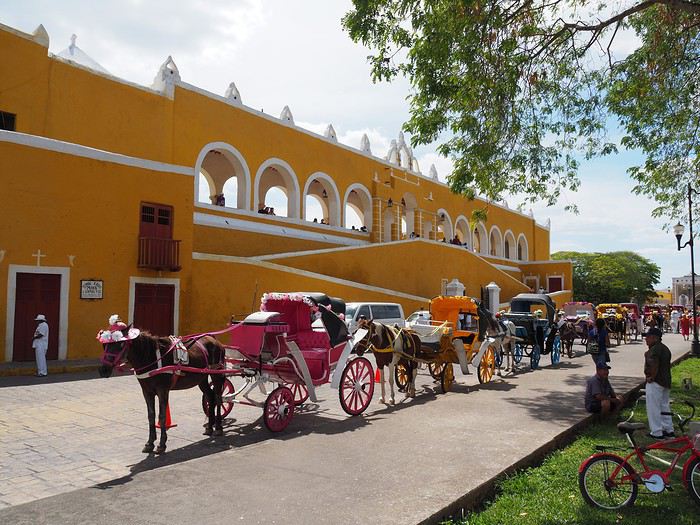
03/07: Morning stroll in Mérida, afternoon nap, and—at the kids’ insistence—a horse-drawn carriage ride through the city in the late afternoon. They loved it!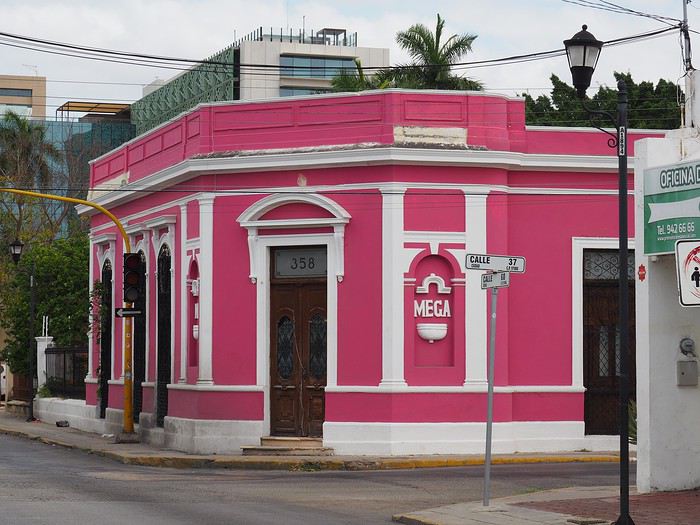
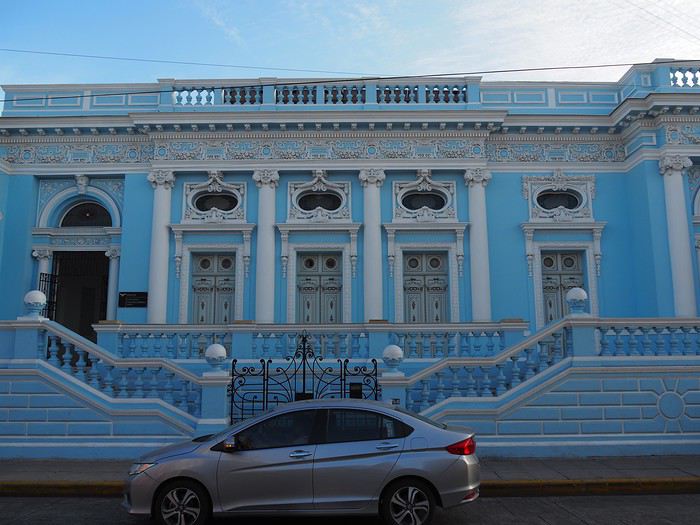
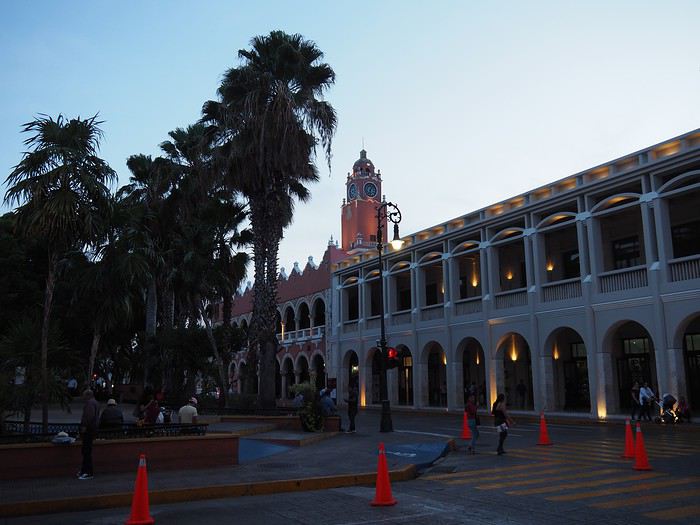
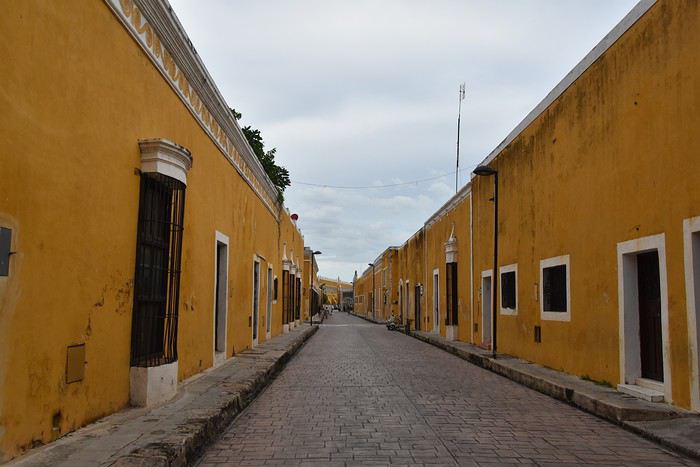
03/08: We decided to visit the beautiful town of Izamal, about an hour’s drive from Mérida. This all-yellow town is worth the detour—it’s stunning and almost tourist-free! We had lunch at a restaurant on the main square, then took another post-lunch carriage ride (again!) before heading back to Mérida with the kids napping in the car.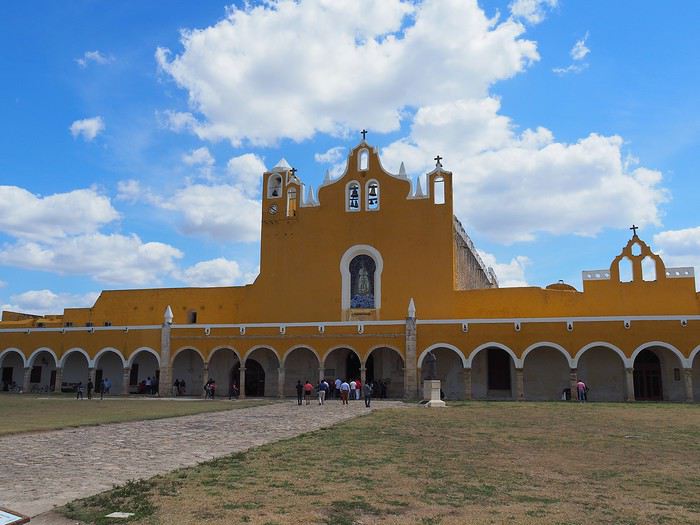
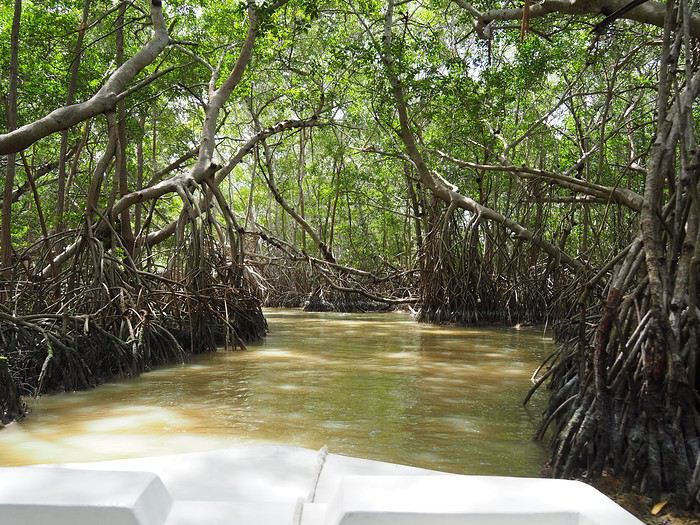
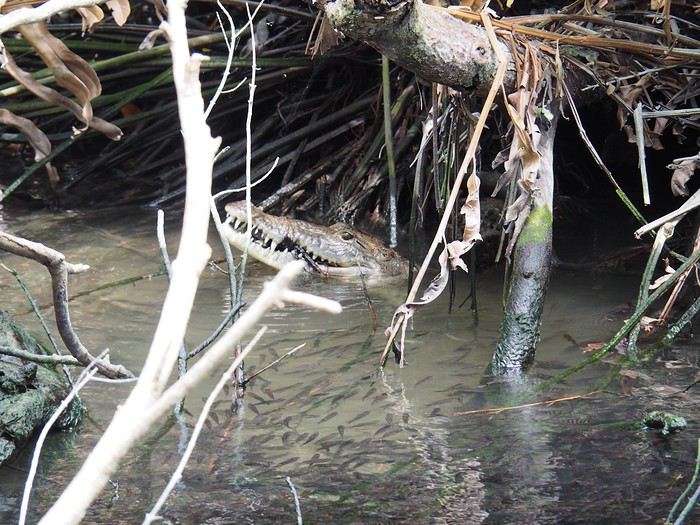
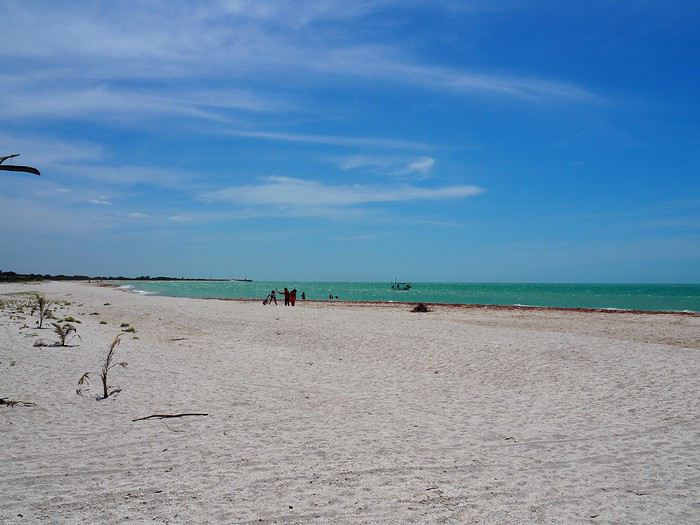
03/09: Nature day today with a visit to the Celestun Reserve, also about an hour from Mérida. The kids loved the boat ride along the river and through the mangroves, spotting pink flamingos, cormorants, and other birds. We were also lucky enough to see crocodiles. For info, renting a boat costs 1800 pesos, and you can share it with other tourists to split the cost (kids don’t count). We then had lunch at a beachside shack before heading back to Mérida in the late afternoon. The beach at Celestun is also really beautiful and surprisingly empty. However, it was very windy when we were there, so we didn’t swim.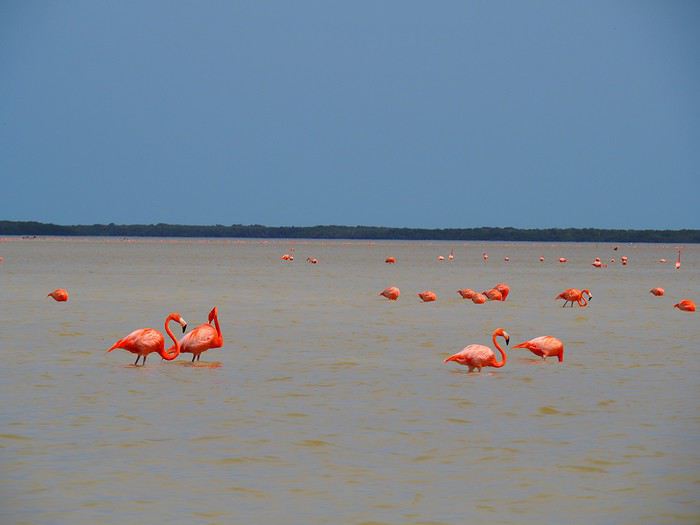
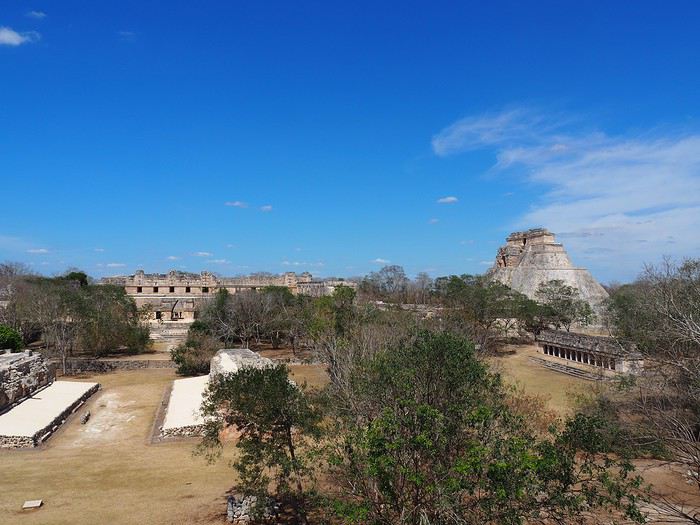
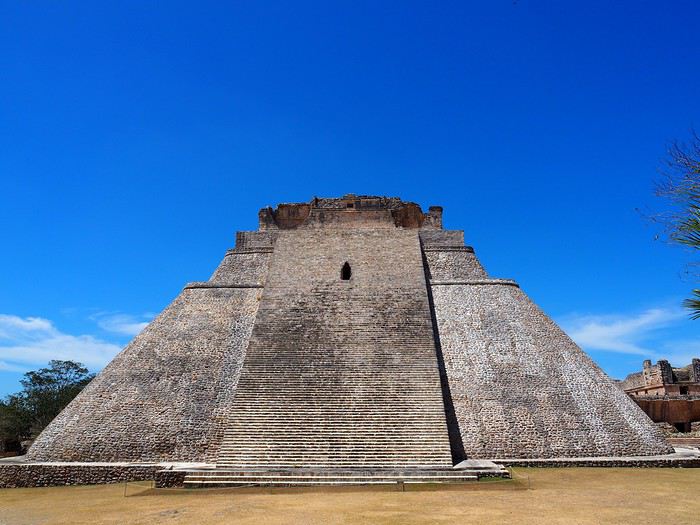
03/10: Last day of sightseeing, and we chose to visit the Mayan site of Uxmal. Like the other sites, most of it is easily accessible by stroller, but there are many parts where it’s not possible (stairs, tree roots on the path, etc.). No big deal, though, because this site was probably our favorite along with Coba: it’s huge, beautiful, with well-preserved/restored ruins, very few tourists, and you can climb to the top of the last pyramid for a panoramic view of the site. Plus, the iguanas all over the place made our kids’ day. What more could you ask for? We then had lunch at the restaurant of the resort across from the parking lot, which offered a pretty good buffet (quick service for the kids) and a pool that restaurant guests could use! Unfortunately, we hadn’t planned ahead and left our swimsuits at home...
03/11: For our last day in Mérida, we decided to take it easy. We spent the morning at the zoo (free entry), which has lots of playground equipment (slides, climbing structures, etc.) and a few animals, kind of like the Ménagerie at the Jardin des Plantes. After the kids’ nap, we went to Progreso Beach, which is big but not as pretty as the photos online suggest. A bit of a letdown, but the kids had fun playing in the sand and were thrilled.
03/12: Our flight left Cancun at 5:45 PM. We had a 3.5-hour drive on the highway from Mérida to Cancun. The road was easy, and we were often alone. We stopped in Valladolid for a quick lunch to break up the drive but didn’t really have time to explore the town since we were pressed for time. Be careful: there’s a 1-hour time difference between Mérida and Cancun, so factor that in when calculating your flight departure time.
All in all, it was a great trip with the kids—we mixed relaxation, beach time, pool time, and a few visits, adapting to their pace. They seemed happy and had no trouble adjusting to the time difference or the local food.
See you soon,
Antoine
I’d like to share my thoughts on my recent trip to Mexico (just before the COVID lockdown), specifically in the Yucatan Peninsula, with my twin toddlers (2 and a half years old).
The itinerary is super classic, and I’ll focus mostly on tips and tricks for traveling with young kids.
For the winter of 2019-2020, we were looking for a sunny destination. After going to Guadeloupe when our kids were 6 months old and then Martinique last year (the French West Indies had the advantage of being able to rent a house and easily explore from there, plus having the same standards as mainland France for kids), we decided to try a bit of adventure by heading to the Yucatan. This destination has several advantages: - Very "Americanized" (I never thought I’d list that as an advantage one day), so it’s easy for kids; - Varied activities and sightseeing opportunities; - Easy house rentals on Airbnb; - Direct flights from Paris; - Ability to explore from one base without having to move every 2-3 days.
After buying our flight tickets to Cancun on Air France, we decided to base our house rental in two places: Tulum and Mérida. Needless to say, we didn’t stray off the beaten path at all.
Spoiler alert: the vacation went really well, and we were able to enjoy it fully with the kids.
02/28: Flight from CDG to Cancun on Air France. A 10.5-hour flight is long with kids, so we tried to keep them busy as best we could: games, coloring, walking around the plane, meals, a little nap, etc. At that age, it’s hard to get them to focus on a screen. We arrived in Cancun around 6 PM, picked up our rental car from Alamo. Watch out for a scam attempt at Alamo where the person at the counter wanted us to pay taxes and surcharges that don’t exist! We resisted, but they insisted. In the end, we got away without paying anything extra. We had paid 285 € for the 14-day car rental. Then we drove to Tulum, which is about 1.5 hours from Cancun Airport. The road was in perfect condition, no complaints, and we arrived at our Airbnb: https://www.airbnb.fr/rooms/35334526?source_impression_id=p3_1584888418_t6pB%2BGyeDwqqkvA0 A really beautiful, spacious house with two large bedrooms and a big pool so parents could relax while the kids napped. The house is in a residential neighborhood in Tulum pueblo, away from restaurants and bars. Bikes were available, but we used our car (no baby seats or helmets provided).
02/29: A quiet day to recover from the trip and jet lag: grocery shopping at Chedraui supermarket in Tulum. Morning at the pool and late afternoon at Tulum Beach.
About the beach: it’s 3 km from Tulum town. Most of the beach is privatized, and there are only 2 or 3 public access points (though you can walk freely along the entire beach afterward). No parking issues at the times we went—usually around 9 AM and after nap time at 5 PM.
03/01: Let’s get motivated! We tried visiting an archaeological site with the kids to see how it went... So we started modestly with the ruins of Tulum. I won’t go into detail about the ruins—they’re super well-known and very touristy. I’ll just mention that when we arrived at the site around 9:30 AM, there was already a 10-minute line at the ticket booth, and by the time we left at noon, the line had grown to at least 45 minutes to an hour under the blazing sun. Like all the Mayan sites we visited, we appreciated that a large part was accessible for people with reduced mobility (at least the main paths), which also made it stroller-friendly! No problem walking around with the kids or using the stroller when they were tired, and we could store their stuff in it (water bottles, snacks, sunscreen, hats, sunglasses, etc.). Lunch at home, then nap time and late afternoon at the pool.
03/02: Today the weather is gray, so we decided to visit a cenote. Since accessibility was key, we didn’t go for the most remote or wild one (like we usually would) but headed to the Grand Cenote, which is beautiful, well-organized, and relatively quiet when you arrive around 9:30 AM. The upside of having kids is that they wake you up early, so you can still enjoy the sites without too many people!
Lunch at home, then nap time and pool time. Note that in Tulum, near the town hall, there’s a playground where Mexican families go, with lots of swings and slides—our kids loved it.
03/03: Encouraged by our experience at the Tulum ruins, we decided to go all out and visit the ruins of Coba. Even though the access isn’t as PMR-friendly, the site is still manageable with a double stroller, especially since it’s huge and the main pyramid is only reachable after a 20-minute walk through the jungle. The kids loved running around and climbing on some of the structures, but we didn’t let them climb the main pyramid (over 40 meters high) because the stairs were uneven and slippery.
We then had lunch at a restaurant near the parking lot with a view of the lake before heading home for nap time and an afternoon at the pool.
03/04 and 03/05: Two beautiful days spent at Tulum Beach. The beach is really stunning, with white sand and gorgeous turquoise water. There were quite a few seaweed patches when we were there, but not enough to ruin the scenery or the swim.
03/06: Second part of the vacation—today we’re heading to Mérida! To break up the drive, we decided to stop at Chichen Itza. We arrived at the site around noon, and wow—it was packed! It felt like the Louvre in the middle of summer (well, almost). We queued to buy tickets and decided to start with lunch at one of the restaurants at the entrance. The upside of everything being so Americanized is that it’s easy to find food on-site, there are restrooms everywhere (super handy with toddlers who can’t hold it for long), and everything is stroller-accessible. We then visited Chichen Itza, which was a bit disappointing: souvenir vendors all over the site ruined the vibe, and there were crowds everywhere... but the kids loved running around, so we powered through and explored the huge, well-preserved site.
We then hit the road to Mérida, and the kids fell asleep in the car since they hadn’t napped during the Chichen Itza visit.
We arrived at our Airbnb, which was really beautiful: https://www.airbnb.fr/rooms/38632543?source_impression_id=p3_1584891113_XTnbrcb2G3pcuD6C A gorgeous colonial-style house with a private patio and small pool, right in the center of Mérida, a 20-minute walk north of the main square but just 5 minutes from a Walmart for groceries.
03/07: Morning stroll in Mérida, afternoon nap, and—at the kids’ insistence—a horse-drawn carriage ride through the city in the late afternoon. They loved it!
03/08: We decided to visit the beautiful town of Izamal, about an hour’s drive from Mérida. This all-yellow town is worth the detour—it’s stunning and almost tourist-free! We had lunch at a restaurant on the main square, then took another post-lunch carriage ride (again!) before heading back to Mérida with the kids napping in the car.
03/09: Nature day today with a visit to the Celestun Reserve, also about an hour from Mérida. The kids loved the boat ride along the river and through the mangroves, spotting pink flamingos, cormorants, and other birds. We were also lucky enough to see crocodiles. For info, renting a boat costs 1800 pesos, and you can share it with other tourists to split the cost (kids don’t count). We then had lunch at a beachside shack before heading back to Mérida in the late afternoon. The beach at Celestun is also really beautiful and surprisingly empty. However, it was very windy when we were there, so we didn’t swim.
03/10: Last day of sightseeing, and we chose to visit the Mayan site of Uxmal. Like the other sites, most of it is easily accessible by stroller, but there are many parts where it’s not possible (stairs, tree roots on the path, etc.). No big deal, though, because this site was probably our favorite along with Coba: it’s huge, beautiful, with well-preserved/restored ruins, very few tourists, and you can climb to the top of the last pyramid for a panoramic view of the site. Plus, the iguanas all over the place made our kids’ day. What more could you ask for? We then had lunch at the restaurant of the resort across from the parking lot, which offered a pretty good buffet (quick service for the kids) and a pool that restaurant guests could use! Unfortunately, we hadn’t planned ahead and left our swimsuits at home...
03/11: For our last day in Mérida, we decided to take it easy. We spent the morning at the zoo (free entry), which has lots of playground equipment (slides, climbing structures, etc.) and a few animals, kind of like the Ménagerie at the Jardin des Plantes. After the kids’ nap, we went to Progreso Beach, which is big but not as pretty as the photos online suggest. A bit of a letdown, but the kids had fun playing in the sand and were thrilled.
03/12: Our flight left Cancun at 5:45 PM. We had a 3.5-hour drive on the highway from Mérida to Cancun. The road was easy, and we were often alone. We stopped in Valladolid for a quick lunch to break up the drive but didn’t really have time to explore the town since we were pressed for time. Be careful: there’s a 1-hour time difference between Mérida and Cancun, so factor that in when calculating your flight departure time.
All in all, it was a great trip with the kids—we mixed relaxation, beach time, pool time, and a few visits, adapting to their pace. They seemed happy and had no trouble adjusting to the time difference or the local food.
See you soon,
Antoine
Visa pour Oman
Bonjour
Depuis hier, j'essaie de remplir nos demandes de visas en ligne pour un départ le 19 mars. Mon mari est enregistré, un numéro de visa est attribué avec la date d'entrée, j'ai fourni toutes les données et envoyé les scans du passeport et de la photo. Le problème, quand je veux passer au paiement : submit and pay , rien ne se passe. Le status est affiché : due to paiement mais impossible de continuer avec next ou proceed.J'ai appelé le service consulaire à Paris qui m'a dit que je pouvais le faire à l'arrivée à Mascate. Le problème est que le processus est en cours et surtout que nous aurons peu de temps : nous arrivons à Mascate à 7h05 et nous avons un vol pour Salalah à 11h30 avec une autre compagnie donc récupération des bagages et réenregistrement. L'avion peut avoir du retard, il faudra changer de l'argent et peut-être faire la queue . Je préférerais donc que nous fassions nos 2 visas en ligne avant de partir.
Quelqu'un a-t-il été confronté à ce problème ?
Je précise que j'ai suivi les conseils fournis par le servi des voyageurs du ministère des AE.
Merci beaucoup par avance.
Vulcanie
Un mois au Guatemala en 2019
C’est notre 3e séjour au Guatemala et nous constatons qu’à chaque fois nous voyons quelque chose de nouveau et avons de nouvelles expériences.
Pourquoi y aller ?
-pour le climat : particulièrement en saison sèche (de décembre à mars) les températures sont particulièrement agréables : 25-30° et humide en zone tropicale et 20-25° et sec dans les hautes terres (frais la nuit). Le Guatemala est appelé le pays du printemps perpétuel.
-pour la flore et la faune : le photographe nature frustré par le manque de sujets sur nos terres devenues un désert biologique par l’emploi immodéré des pesticides affectant même nos réserves naturelles trouvera au Guatemala particulièrement dans les zones tropicales quantités de sujets : animaux oiseaux, papillons, fleurs, plantes et arbres exotiques même si là aussi une évolution défavotrable se fait sentir et si un peu de patience est parfois nécessaire
-pour la rencontre d’autres cultures : de riches vestiges mayas sont visibles et encore aujourd’hui leurs descendants sont majoritaires dans le pays et perpétuent leurs traditions. De plus la population est particulièrement aimable et vous vient en aide très facilement.
-pour les paysages et les phénomènes naturels : c’est le pays des volcans. On peut en voir encore deux en activité quasi permanente et ils ont façonné les paysages du pays. En zone tropicale on peut parcourir la forêt vierge ou naviguer en
kayak dans les canaux de la mangrove.
-Pour le rapport qualité prix : le coût de la vie sur place est faible (nourriture, transports). Les hôtels sont corrects et très abordables. Le système de transport fonctionne très bien.
-pour la nourriture originale, saine et savoureuse : les portions de viande sont plus petites, plus de légumes et plus de fruits de variétés inconnues chez nous. C'est donc une nourriture très saine.
Quelques informations :
-on ne s’en rend pas vraiment compte en Europe mais notre pouvoir d’achat a sacrément baissé entre 2010 et 2019 puisque le taux de change est passé de 11,15 Quetzals pour un Euro à 8,5 en 2016 et 8 actuellement.
-la sécurité est bonne sauf dans certaines zones de Guatemala City. La police est bien présente et attentive. Il faut cependant prendre les précaution d’usage : ne pas traîner dans des zones louches, ne prendre que l’argent nécessaire, laisser passeports, carte de crédit et argent sous clé à l’hôtel (prendre une copie du passeport sur soi), ne pas exhiber d’appareils coûteux.
-les vols sont longs : rester plusieurs semaines si possible y compris deux semaines en zone tropicale qui est la plus intéressante au point de vue naturelle
-apprendre les expressions usuelles en Espagnol. Tout le monde ne parle pas anglais et encore moins le français
-le nombre des touristes a sensiblement augmenté particulièrement le tourisme interne. C’est donc le moment d’y aller avant qu’il n’y ait foule.
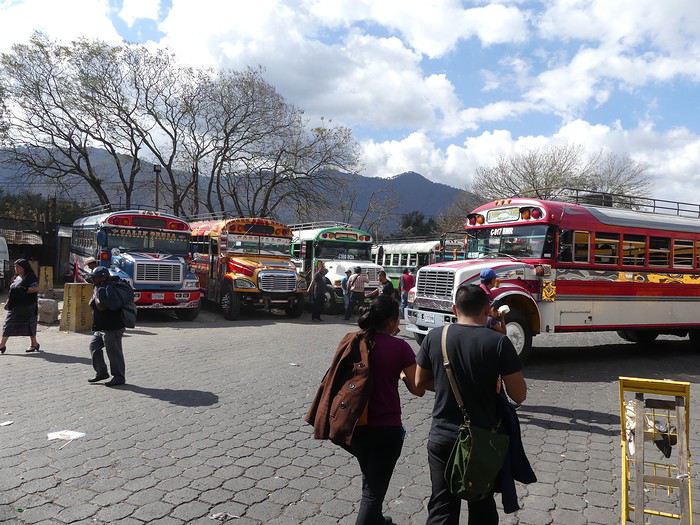
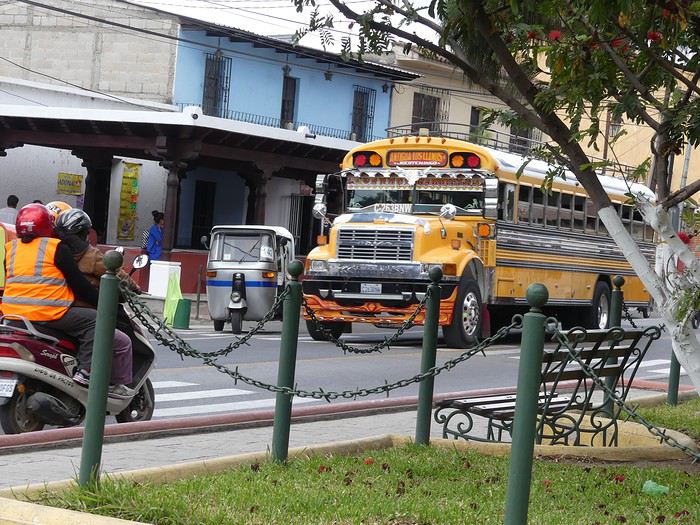
-le système de transport est très souple et fonctionne très bien : -bus pullman de luxe pour les longs trajets (y compris de nuit) -shuttles - chicken bus (très bon- marché) -lanchas publiques - tuk-tuk pour les courtes distance -taxis Cela fait penser à un chaos organisé mais cela marche comme sur des roulettes. Toujours convenir du prix avant de monter. Dans les chicken bus demander le prix aux autres passagers.
Les chicken bus sont vraiment pas chers et si on peut occuper une bonne place au départ, ni moins confortables ni moins rapides que les shuttles où on est parfois entassés.
La population vous renseigne volontiers sur l’emplacement des arrêts pour une destination donnée. Dès que vous vous en approchez des adjutantes vous abordent, vous demandent où vous allez et vous remettent dans les mains de l’adjudantes du bon bus. Aux correspondances l’adjutante de votre destination suivante vient vous trouver immédiatement , vous fait monter dans le bus et fixe vos bagages sur le toit. Ce sont de vrais acrobates.
L’offre de logement est variable. On trouve beaucoup d’hôtels très corrects à des prix abordables comme des hôtels luxueux avec des prix conséquents plutôt fréquentés par les américains.
La même chose vaut pour les restaurants. A Chichi par exemple suivant le luxe et la situation vous paierez le même repas plus de 100 Quetzales par personne , ou 75 Quetzales ou 30 quetzales boissons comprises. Le dernier prix correspondait à un petit restaurant en dehors du centre, avec un patron très sympa, une nourriture savoureuse et plus de propreté que dans le restaurant le plus cher , par ailleurs complètement vide. Nous avons pris nos repas à maintes reprises dans des comedors , près des marchés , à des prix imbattables (15 quetzales boissons comprises) pour une excellente nourriture (souvent des plats mijottés). Jamais n’où n’avons eu de problèmes digestifs.
Gare de chicken bus
Chicken bus et tuk tuk
Matériel photo :
En zone tropicale un appareil tropicalisé est indispensable. J’ai utilisé un bridge FZ300 pour sa légéreté , sa polyvalence et le fait qu’il est tropicalisé mais son petit capteur a été à la peine dans la forêt car le ciel a été couvert plus que de coutume et son autofocus n’est pas toujours précis surtout en basse luminosité. Les photos ne sont donc pas toujours terribles et un certain nombre ont du être éliminées.
Itinéraire :
Nous sommes partis avec Iberia par Madrid .L’avion a aterri vers 18h. Cela nous a donné le temps d’aller en taxi à la gare routière pour prendre un bus de luxe de nuit Linea Dorada très confortable vers Santa-Elena près de Flores. Sur place nous avons pris un bus public vers El Remate et y sommes restés une semaine pour visiter les temples et faire des promenades en forêt tropicale et sur les rives du lac de Flores.
D’El Remate nous avons été en taxi au terminal de bus d’El Remate d’où on a pris un bus de luxe pour Rio Dulce où nous devions prendre une lancha pour une finca entre Rio Dulce et Livingston. Le débarcadère est avant un pont qui fait 3km : il faut donc demander pour descendre avant. Nous avons fait des excursions en forêt tropical et en kayak dans la mangrove et sur le fleuve.
Après une semaine passée dans un bungalow dans la jungle au bord du fleuve nous sommes retournés à Rio Dulce et avons pris un bus de luxe Litegua vers Guatemala City. Au terminal nous avons pris un taxi vers Antigua . Nous y sommes restés 4 nuits. Visite de la ville et environs.
D’Antigua nous avons pris un shuttle vers Quetzaltenango (Xela) et y sommes restés 4 nuits. Excursion sur le belvédère du volcan Santiaguito et aux sources chaudes Fuentes Georghinas
De Xela nous avons pris un chicken bus (appelé camioneta) vers Chichicastenango pour voir le marché traditionnel et les traditions locales ainsi que la ville voisine de Quiché.
Après 4 jours nous sommes retournés à Antigua en chicken bus (avec changement à Chimaltenango) pour nous reposer quelques jours avant notre long vol de retour et nous balader dans la ville et sur les pentes du volcan Agua.
Séjour à El Remate
El Remate est 30 km plus près de Tikal que Flores où les gens logent généralement pour visiter les temples Mayas. C’est donc un lieu idéal pour visiter les sites de Tikal et de Yaxha. Les promenades le long du lac de Florès permettent de découvrir des oiseaux, des papillons, des fleurs. La visite du Biotopo permet de parcourir la forêt tropical sur des sentiers bien balisés.
Lac de Florès :
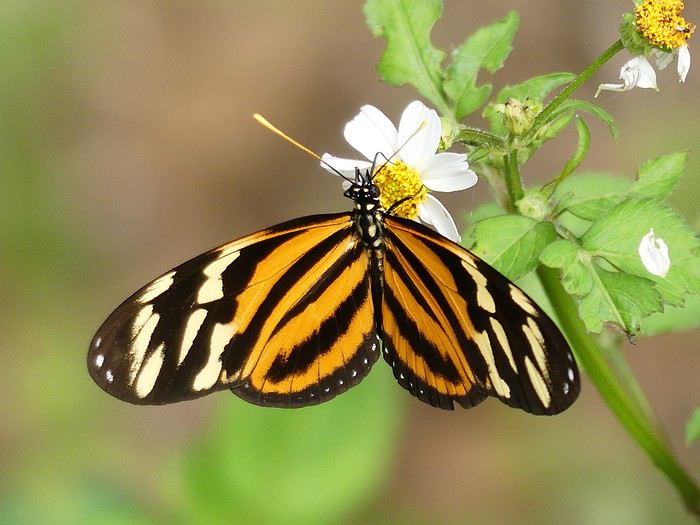
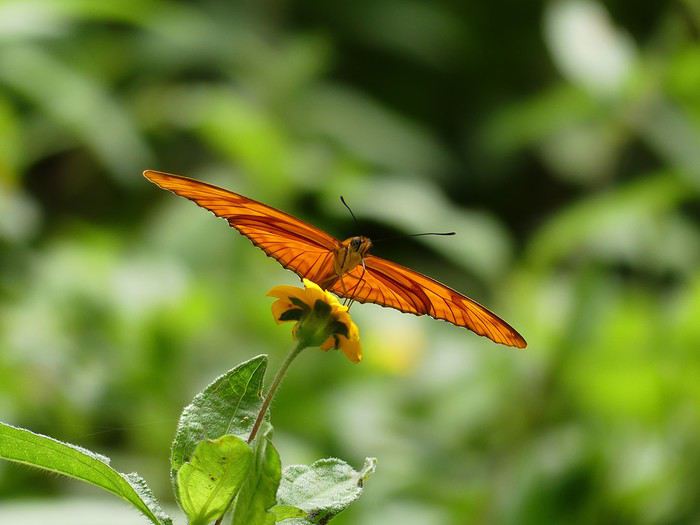
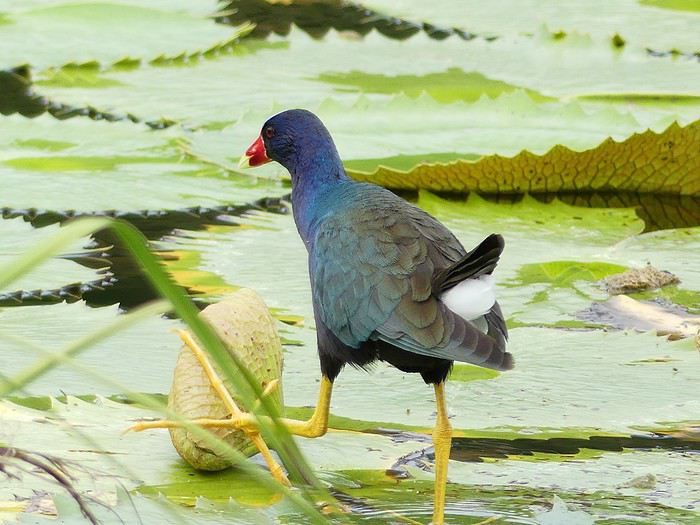
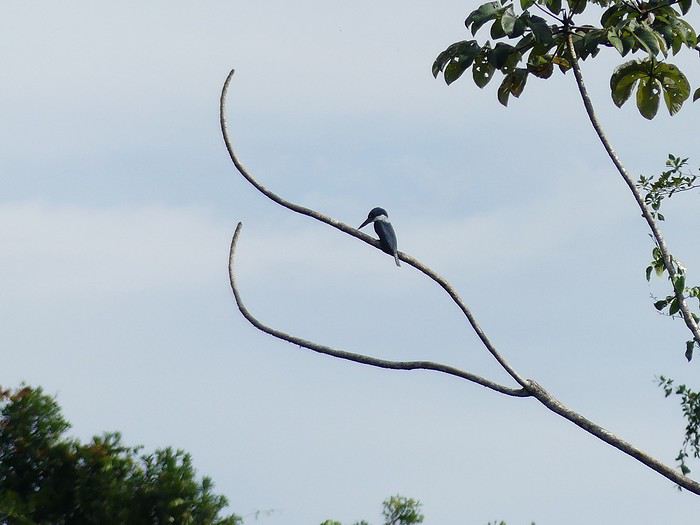
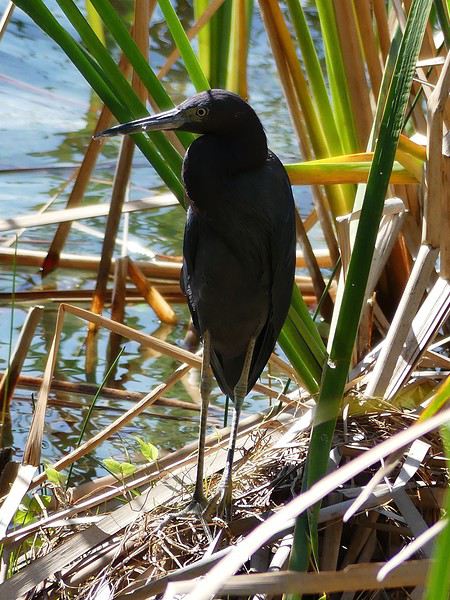
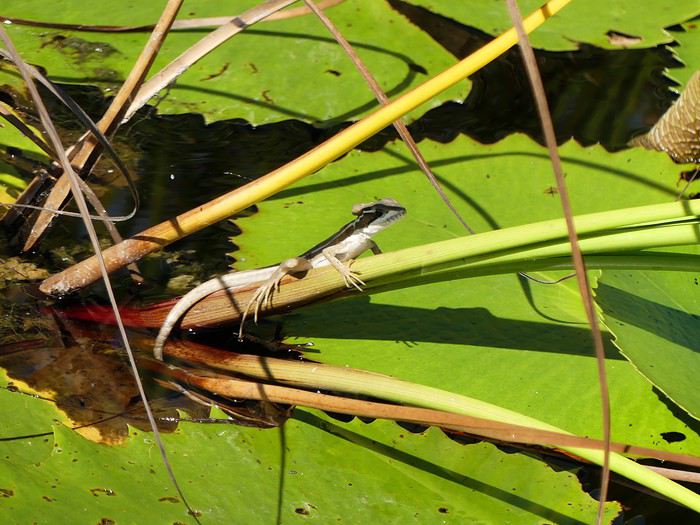
Voici quelques photos d’oiseaux aquatiques , d’un lézard à crête qui peut courir à la surface de l’eau et de papillons vivant sur la rive
Biotopo :
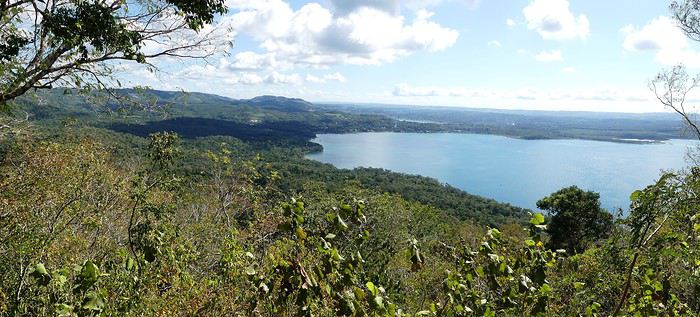
Chou blanc pour les photos. Les oiseaux et animaux semblent se tenir à l’écart des sentiers. On entend les cris des singes hurleurs mais ils restent éloignés. Restent les plantes et le paysage.
Temples de Yaxha :
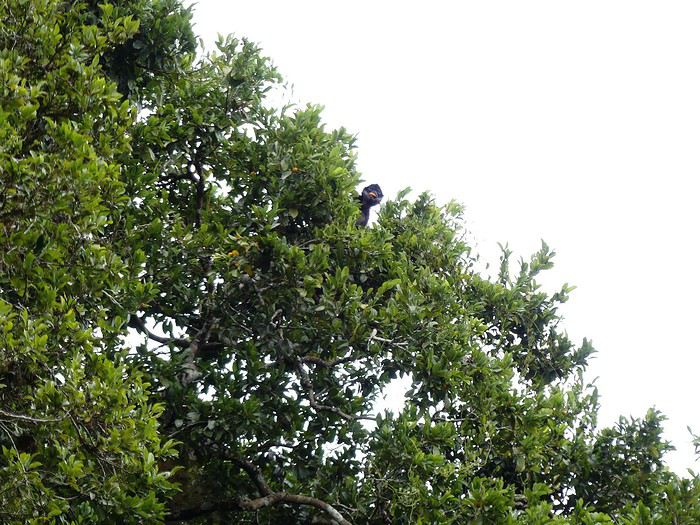
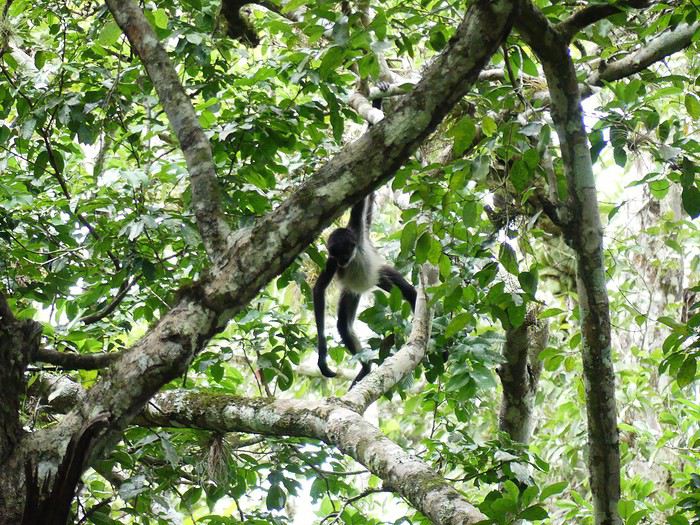
Les temples bien que spectaculaires ne sont pas aussi impressionants que Tikal. Par contre la vie sauvage est plus présente : beaucoup de singes (araignée ou hurleurs) et beaucoup d’oiseaux. On visite les temples en suivant des sentiers traçés dans la forêt.
Temples de Tikal :
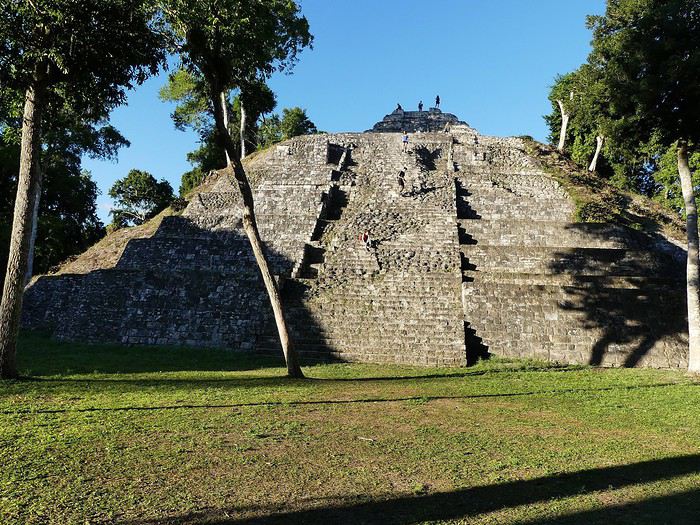
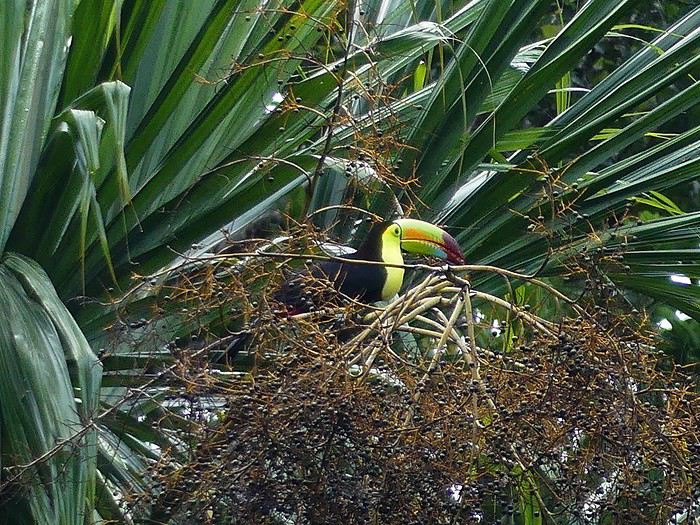
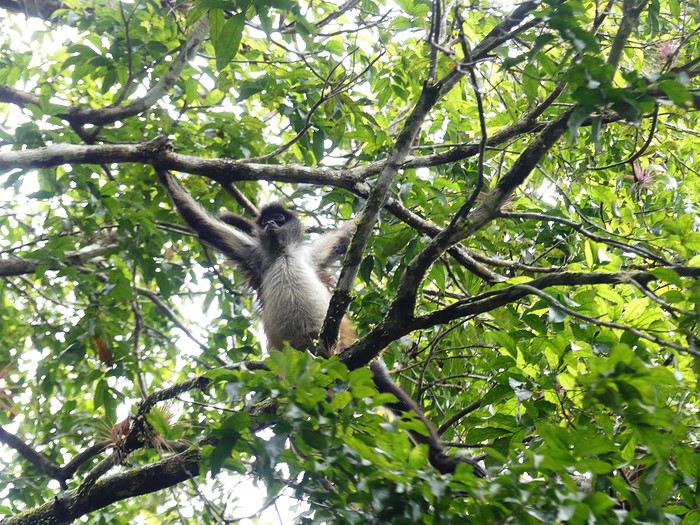
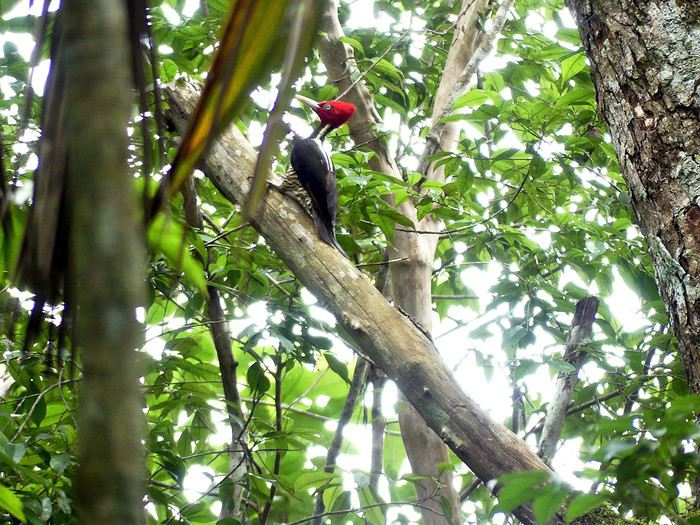
Le principe est le même. On suit des sentiers balisés. Les temples forment des ensembles très spectaculaires. On voit des singes (même s’ils sont moins nombreux qu’à Yaxha ) et de beaux oiseaux.
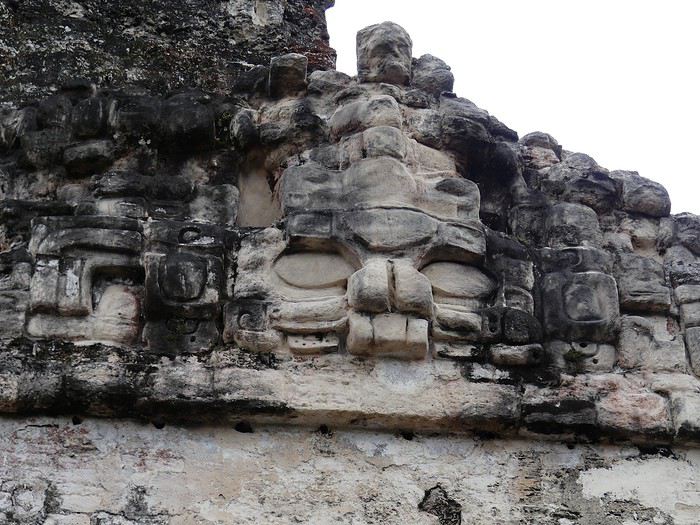
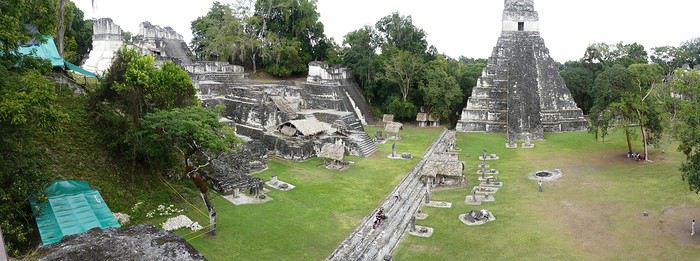
Logement :
Nous avons logé dans des bungalows dispersés au milieu des arbres en bordure de forêt ce qui nous a valu la visite d’oiseaux et animaux divers dont un singe hurleur
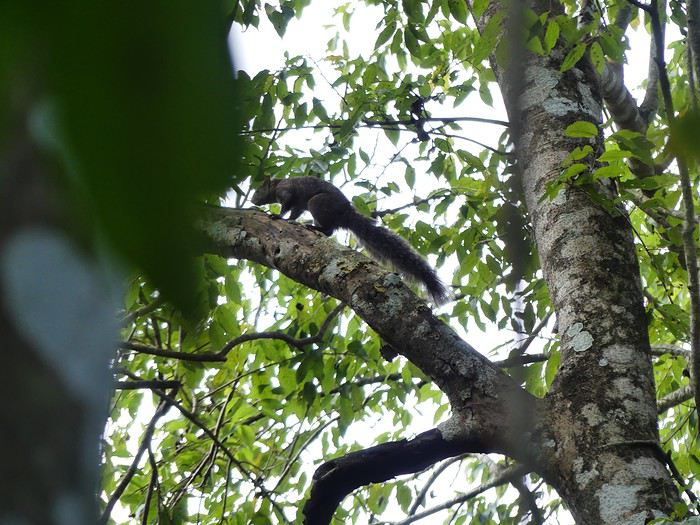

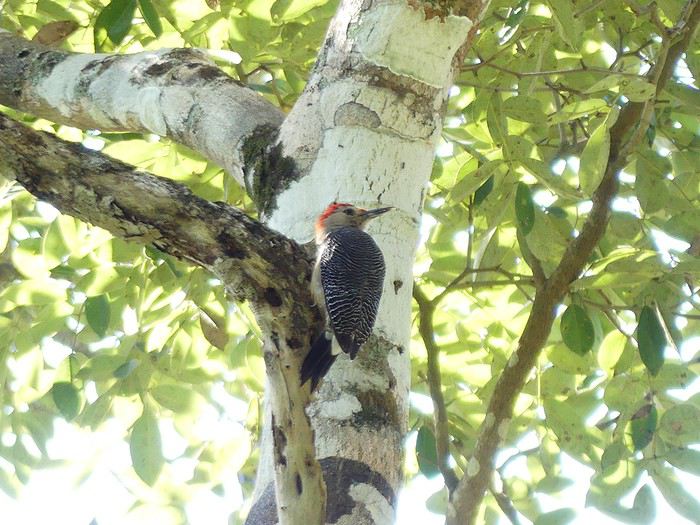
La suite à bientôt.
-le système de transport est très souple et fonctionne très bien : -bus pullman de luxe pour les longs trajets (y compris de nuit) -shuttles - chicken bus (très bon- marché) -lanchas publiques - tuk-tuk pour les courtes distance -taxis Cela fait penser à un chaos organisé mais cela marche comme sur des roulettes. Toujours convenir du prix avant de monter. Dans les chicken bus demander le prix aux autres passagers.
Les chicken bus sont vraiment pas chers et si on peut occuper une bonne place au départ, ni moins confortables ni moins rapides que les shuttles où on est parfois entassés.
La population vous renseigne volontiers sur l’emplacement des arrêts pour une destination donnée. Dès que vous vous en approchez des adjutantes vous abordent, vous demandent où vous allez et vous remettent dans les mains de l’adjudantes du bon bus. Aux correspondances l’adjutante de votre destination suivante vient vous trouver immédiatement , vous fait monter dans le bus et fixe vos bagages sur le toit. Ce sont de vrais acrobates.
L’offre de logement est variable. On trouve beaucoup d’hôtels très corrects à des prix abordables comme des hôtels luxueux avec des prix conséquents plutôt fréquentés par les américains.
La même chose vaut pour les restaurants. A Chichi par exemple suivant le luxe et la situation vous paierez le même repas plus de 100 Quetzales par personne , ou 75 Quetzales ou 30 quetzales boissons comprises. Le dernier prix correspondait à un petit restaurant en dehors du centre, avec un patron très sympa, une nourriture savoureuse et plus de propreté que dans le restaurant le plus cher , par ailleurs complètement vide. Nous avons pris nos repas à maintes reprises dans des comedors , près des marchés , à des prix imbattables (15 quetzales boissons comprises) pour une excellente nourriture (souvent des plats mijottés). Jamais n’où n’avons eu de problèmes digestifs.
Gare de chicken bus
Chicken bus et tuk tuk
Matériel photo :
En zone tropicale un appareil tropicalisé est indispensable. J’ai utilisé un bridge FZ300 pour sa légéreté , sa polyvalence et le fait qu’il est tropicalisé mais son petit capteur a été à la peine dans la forêt car le ciel a été couvert plus que de coutume et son autofocus n’est pas toujours précis surtout en basse luminosité. Les photos ne sont donc pas toujours terribles et un certain nombre ont du être éliminées.
Itinéraire :
Nous sommes partis avec Iberia par Madrid .L’avion a aterri vers 18h. Cela nous a donné le temps d’aller en taxi à la gare routière pour prendre un bus de luxe de nuit Linea Dorada très confortable vers Santa-Elena près de Flores. Sur place nous avons pris un bus public vers El Remate et y sommes restés une semaine pour visiter les temples et faire des promenades en forêt tropicale et sur les rives du lac de Flores.
D’El Remate nous avons été en taxi au terminal de bus d’El Remate d’où on a pris un bus de luxe pour Rio Dulce où nous devions prendre une lancha pour une finca entre Rio Dulce et Livingston. Le débarcadère est avant un pont qui fait 3km : il faut donc demander pour descendre avant. Nous avons fait des excursions en forêt tropical et en kayak dans la mangrove et sur le fleuve.
Après une semaine passée dans un bungalow dans la jungle au bord du fleuve nous sommes retournés à Rio Dulce et avons pris un bus de luxe Litegua vers Guatemala City. Au terminal nous avons pris un taxi vers Antigua . Nous y sommes restés 4 nuits. Visite de la ville et environs.
D’Antigua nous avons pris un shuttle vers Quetzaltenango (Xela) et y sommes restés 4 nuits. Excursion sur le belvédère du volcan Santiaguito et aux sources chaudes Fuentes Georghinas
De Xela nous avons pris un chicken bus (appelé camioneta) vers Chichicastenango pour voir le marché traditionnel et les traditions locales ainsi que la ville voisine de Quiché.
Après 4 jours nous sommes retournés à Antigua en chicken bus (avec changement à Chimaltenango) pour nous reposer quelques jours avant notre long vol de retour et nous balader dans la ville et sur les pentes du volcan Agua.
Séjour à El Remate
El Remate est 30 km plus près de Tikal que Flores où les gens logent généralement pour visiter les temples Mayas. C’est donc un lieu idéal pour visiter les sites de Tikal et de Yaxha. Les promenades le long du lac de Florès permettent de découvrir des oiseaux, des papillons, des fleurs. La visite du Biotopo permet de parcourir la forêt tropical sur des sentiers bien balisés.
Lac de Florès :
Voici quelques photos d’oiseaux aquatiques , d’un lézard à crête qui peut courir à la surface de l’eau et de papillons vivant sur la rive
Biotopo :
Chou blanc pour les photos. Les oiseaux et animaux semblent se tenir à l’écart des sentiers. On entend les cris des singes hurleurs mais ils restent éloignés. Restent les plantes et le paysage.
Temples de Yaxha :
Les temples bien que spectaculaires ne sont pas aussi impressionants que Tikal. Par contre la vie sauvage est plus présente : beaucoup de singes (araignée ou hurleurs) et beaucoup d’oiseaux. On visite les temples en suivant des sentiers traçés dans la forêt.
Temples de Tikal :
Le principe est le même. On suit des sentiers balisés. Les temples forment des ensembles très spectaculaires. On voit des singes (même s’ils sont moins nombreux qu’à Yaxha ) et de beaux oiseaux.
Logement :
Nous avons logé dans des bungalows dispersés au milieu des arbres en bordure de forêt ce qui nous a valu la visite d’oiseaux et animaux divers dont un singe hurleur
La suite à bientôt.
Dollars ou euros pour le change au Guatemala
Bonjour,
Je pars bientôt au Guatemala. Dois-je emporter des euros ou des dollars ?
J'ai lu des choses contradictoires, alors je ne sais plus.
Merci pour vos conseils
Bonne année et pleins de voyages
Je pars bientôt au Guatemala. Dois-je emporter des euros ou des dollars ?
J'ai lu des choses contradictoires, alors je ne sais plus.
Merci pour vos conseils
Bonne année et pleins de voyages
Maya, Playa... 3 semaines dans la péninsule du Yucatán
Bonjour à tous,
Nous voilà de retour depuis moins d’une semaine et j’ai encore plein de superbes images dans les yeux 🙂.
J’ai beaucoup utilisé les différents carnets publiés sur ce forum (Rinanella, Lalee, Tberney…) et demandé des informations (Mimimicha, Alexval2...) pour préparer mon voyage, je viens donc apporter tout naturellement ma petite contribution 😊.
Outre le fait de relater notre séjour au Mexique, je vais essayer de donner un maximum d’informations utiles afin d’aider les futurs voyageurs 😉.
Nous avions passé une semaine à Noël sur la Riviera Maya voici presque cinq ans et avions adoré. Pour un premier aperçu, nous avions quand même bien vadrouillé même si nous étions restés la semaine dans le même logement au nord de Playa del Carmen. Nous nous étions promis d’y retourner plus longuement et nous y voici enfin. Au départ, j’avais prévu d’aller à Mexico quelques jours puis venir à Cancun mais ce n’était guère possible vu le temps imparti de 18 jours sur place. Eh! Oui comme pour beaucoup, les vacances ne sont pas extensibles et en plus imposées au mois d’août pour mon mari donc on fait avec 🙁.
Comme chaque année, nous prenons nos vols secs pour la destination choisie pratiquement un an à l’avance afin d’avoir des tarifs compétitifs car pour un départ en Août, c’est l’escalade des prix. Début Octobre, nous avons profité d’une offre intéressante Paris / Cancun à 733€ avec Air Canada 😎.
Au mois de janvier, j’élabore un programme : une grande boucle de la péninsule du Yucatan, et un peu de Chiapas (Palenque) puis une semaine cool sur la Riviera Maya. Ce programme était un peu ambitieux, mi-juillet quand je le regarde enfin en détail, je me rends compte qu’on allait courir un peu beaucoup. Du coup, modification des réservations des hôtels en ôtant les deux nuits prévues à Palenque. Tant pis le Chiapas sera pour une prochaine fois 🤪.
Voici dans les grandes lignes, le programme: 31 juillet : Arrivée, nuit à Cancun 1er août : Direction Holbox 2 août : Repos à Holbox 3 août : Rio Lagartos, nuit à Valladolid 4 août : Chichen Itza, nuit à Izamal 5 août : Merida, nuit à Uxmal 6 août: Ruta Puuc, nuit à Uxmal 7 août : Direction Campêche 8 août : Calakmul, nuit à Xpujil 9 août : Fin de la boucle, nuit à Bacalar 10 août : Lagune de Bacalar 11-18 août: Playa del Carmen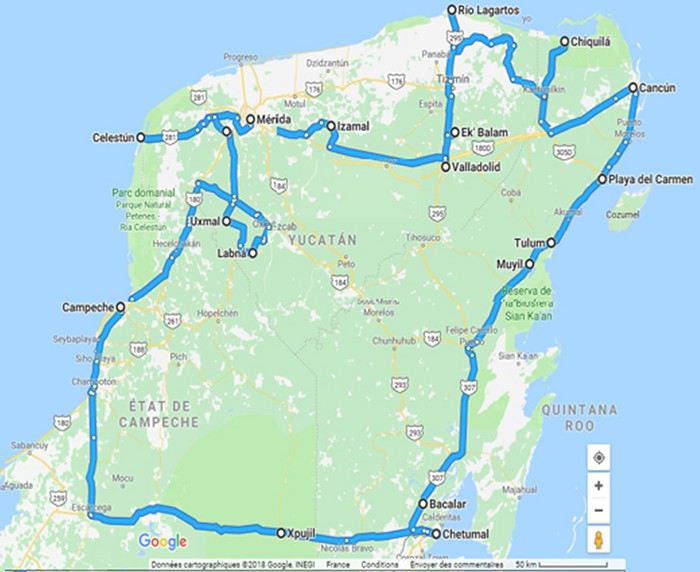
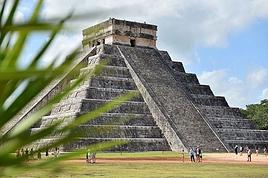
Et quelques photos pour vous donner envie de prendre la route avec nous 😉. Plage et cénote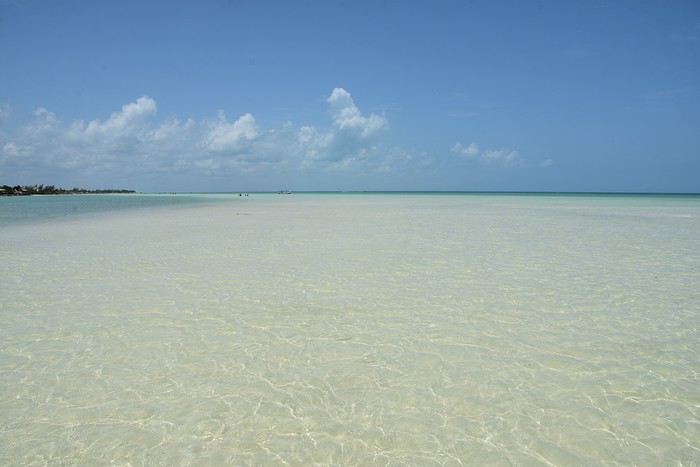
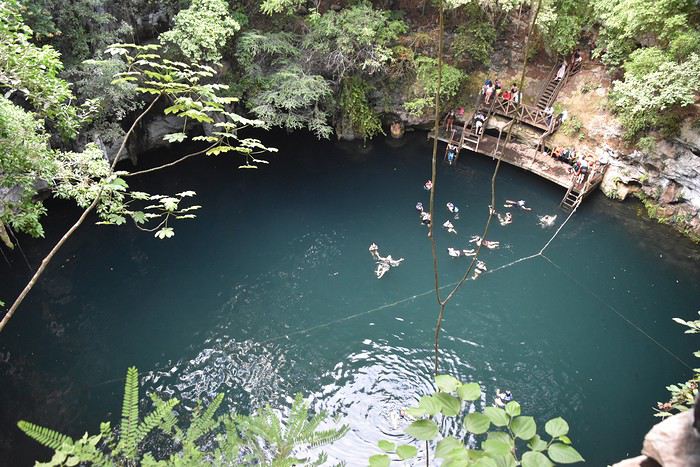
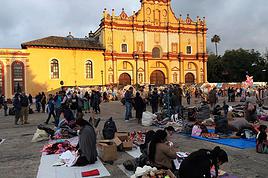
Site Maya et ville coloniale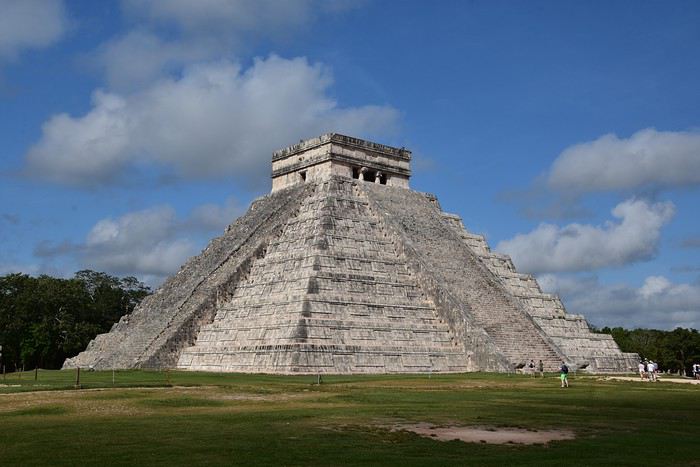
Si vous ne souhaitez pas lire les discussions... la suite ici
Nous avions passé une semaine à Noël sur la Riviera Maya voici presque cinq ans et avions adoré. Pour un premier aperçu, nous avions quand même bien vadrouillé même si nous étions restés la semaine dans le même logement au nord de Playa del Carmen. Nous nous étions promis d’y retourner plus longuement et nous y voici enfin. Au départ, j’avais prévu d’aller à Mexico quelques jours puis venir à Cancun mais ce n’était guère possible vu le temps imparti de 18 jours sur place. Eh! Oui comme pour beaucoup, les vacances ne sont pas extensibles et en plus imposées au mois d’août pour mon mari donc on fait avec 🙁.
Comme chaque année, nous prenons nos vols secs pour la destination choisie pratiquement un an à l’avance afin d’avoir des tarifs compétitifs car pour un départ en Août, c’est l’escalade des prix. Début Octobre, nous avons profité d’une offre intéressante Paris / Cancun à 733€ avec Air Canada 😎.
Au mois de janvier, j’élabore un programme : une grande boucle de la péninsule du Yucatan, et un peu de Chiapas (Palenque) puis une semaine cool sur la Riviera Maya. Ce programme était un peu ambitieux, mi-juillet quand je le regarde enfin en détail, je me rends compte qu’on allait courir un peu beaucoup. Du coup, modification des réservations des hôtels en ôtant les deux nuits prévues à Palenque. Tant pis le Chiapas sera pour une prochaine fois 🤪.
Voici dans les grandes lignes, le programme: 31 juillet : Arrivée, nuit à Cancun 1er août : Direction Holbox 2 août : Repos à Holbox 3 août : Rio Lagartos, nuit à Valladolid 4 août : Chichen Itza, nuit à Izamal 5 août : Merida, nuit à Uxmal 6 août: Ruta Puuc, nuit à Uxmal 7 août : Direction Campêche 8 août : Calakmul, nuit à Xpujil 9 août : Fin de la boucle, nuit à Bacalar 10 août : Lagune de Bacalar 11-18 août: Playa del Carmen
Et quelques photos pour vous donner envie de prendre la route avec nous 😉. Plage et cénote
Site Maya et ville coloniale
Si vous ne souhaitez pas lire les discussions... la suite ici
Comment se rendre au Machu Picchu depuis Cuzco
Bonjour à tous !
Suite à un voyage au Pérou en Juillet dernier je vous livre ici quelques infos concernant le Machu et surtout comment s'y rendre ...
Parce que j'avais fait quelques recherches sur internet avant le départ et franchement j'avais pas trouvé d'infos très claires (bon ok je suis peut être pas très douée non plus...). Qu'importe ! Pour ceux qui ne veulent pas perdre de temps et y aller en deux jours c'est vraiment possible. Et c'est assez simple vu qu'à Cuzco il y a bon nombre d'agences qui proposent un trajet pour une dizaine d'euros jusqu'à Hydroelectrica. Les collectivos partent toujours très tôt le matin pour qu'on arrive à Hydroelectrica en tout début d'aprem. Après d'ici il suffit simplement de suivre le sentier qui longe les rails du chemin de fer et en deux heures et demi on environ on arrive à Agua Calientes. Dernier "village" avant le Machu. Pour revenir sur Cuzco prendre le train c'est pas mal. Le trajet est assez cher mais le toit panoramique du train offre quelques délices visuels en route ! Voilà ! Je sais pas si le sujet a déjà été traité, peut être même que tout le monde connait cette option mais c'est dit quand même ;) Pour ceux qui veulent un peu plus d'infos voici le lien d'un article qui pourrait vous aider Et bon voyage vers le Machu ! Un régal malgré la foule ! https://lapprentie-voyageuse.com/2018/03/03/comment-se-rendre-au-machu-picchu-sans-trop-se-prendre-la-tete/
Parce que j'avais fait quelques recherches sur internet avant le départ et franchement j'avais pas trouvé d'infos très claires (bon ok je suis peut être pas très douée non plus...). Qu'importe ! Pour ceux qui ne veulent pas perdre de temps et y aller en deux jours c'est vraiment possible. Et c'est assez simple vu qu'à Cuzco il y a bon nombre d'agences qui proposent un trajet pour une dizaine d'euros jusqu'à Hydroelectrica. Les collectivos partent toujours très tôt le matin pour qu'on arrive à Hydroelectrica en tout début d'aprem. Après d'ici il suffit simplement de suivre le sentier qui longe les rails du chemin de fer et en deux heures et demi on environ on arrive à Agua Calientes. Dernier "village" avant le Machu. Pour revenir sur Cuzco prendre le train c'est pas mal. Le trajet est assez cher mais le toit panoramique du train offre quelques délices visuels en route ! Voilà ! Je sais pas si le sujet a déjà été traité, peut être même que tout le monde connait cette option mais c'est dit quand même ;) Pour ceux qui veulent un peu plus d'infos voici le lien d'un article qui pourrait vous aider Et bon voyage vers le Machu ! Un régal malgré la foule ! https://lapprentie-voyageuse.com/2018/03/03/comment-se-rendre-au-machu-picchu-sans-trop-se-prendre-la-tete/
Limites retrait distributeur ATM au Portugal
Bonjour,
SVP quelqu'un connait il le montant maximum que je peux retirer avec ma carte bancaire, en une seule fois, au Portugal, et s'il y a des frais?
Attention, je parle bien des limites et frais de leurs distributeurs. Mon emetteur de carte me limite lui a 750euros maximum par retrait, et pas de frais.
Merci.
Attention, je parle bien des limites et frais de leurs distributeurs. Mon emetteur de carte me limite lui a 750euros maximum par retrait, et pas de frais.
Merci.
Envoi de denrées alimentaires au Chili?
Bonjour,
mon fils est actuellement au Chili et je souhaite lui envoyer un colis (conserves et parfum).
J'ai lu, sur le site de la Poste, que l'envoi de denrées était interdit. Les conserves sont-elles concernées ?
Merci d'avance de votre réponse
Alain
Galapagos: comment rejoindre Floreana en solo?
Bonjour,
on prévoit de passer une dizaine de jours au galapagos en 2012 (sans doute en juillet). On pense visiter Santa Cruz et quelques iles à proximité via des excursions à la journée pour ensuite partir sur Isabela et Floreana. On a écarté la croisière pour le moment, on pense que c'est un mode de voyage qui ne nous convient pas forcément, et madame est sujette au mal de mer (il parait que ça peut secouer en juillet).
Tout parait fonctionner pour Santa Cruz ou Isabela par contre, je ne parviens pas à trouver comment rejoindre Floreana depuis Santa Cruz (voire Idéalement Isabela). Il n'existe apparement pas de navettes journalières? Quelqu'un peut confirmer? Pourtant il existe des hotels et des restaurants sur Floreana... Quelqu'un a t'il la solution?
J'ai trouvé ce témoignage sur le net :
"Transportation to Floreana is awkward in the sense that the cooperative lanchas (fast boats) go there and back to Puerto Ayora but not to any other island so one-way trips are not possible. At the same time a perfect triangle between Santa Cruz, Floreana and Isabella makes for an interesting and straight-forward visit of three islands with minimum time spent navigating the seas. For this purpose the charter boats of Red Mangrove hotel chain become very handy. In the process they will try to book you on tours or accommodation but this is a matter of choice. The price is 30USD – a standard for inter-island travel on any vessel. " Read more: http://www.virtualtourist.com/travel/South_America/Ecuador/Galapagos_Islands/Puerto_Velasco_Ibarra-1587772/Transportation-Puerto_Velasco_Ibarra-TG-C-1.html#ixzz1YVS0pP2W
Donc si je comprends bien, il est possible d'emprunter la navette de l'hotel Red Mangrove Inn entre les 3 iles sans pour autant dormir dans ces hotels?
Merci de vos éclairages... 😉