Discussions started by Djackx67
About 74 results.
More options
Many results are in French, the community’s main language. English translations are added over time.
Search results
What do you think about "influencers"?
Hi everyone, I stumbled upon this article about Bali, which has finally decided to take action against "influencers" and expel them from the island. A special brigade has even been created to stop them. Details in the article below.
https://www.franceinfo.fr/replay-radio/l-il-de-constance/bali-n-en-peut-plus-des-influenceurs-l-ile-declare-la-guerre-aux-createurs-de-contenu_8144909.html
So, I’ll answer my own question—I won’t beat around the bush: I can’t stand influencers anymore. It’s just another layer on top of the eco-conscious/hipster crowd. Now we’ve got influencers added to the mix. Because beyond skyrocketing prices and paradise spots ruined in just a few years, the real result is the homogenization of all tourist spots. They demand their little cafés serving vegan, Instagram-worthy food, their coworking spaces, their vegan Instagram shops, etc.
In short, to me, these people are a cancer in tourism. They act like they’re above the rules, especially when it comes to taking photos, think they’re all-powerful, and on top of that, I don’t think they contribute anything to the local economy… Besides matcha tea, paddleboarding, and vegan food, all they do is make videos.
Sure, I’m not saying some influencers don’t stand out, but 99% of them are just doing completely useless stuff…
https://www.franceinfo.fr/replay-radio/l-il-de-constance/bali-n-en-peut-plus-des-influenceurs-l-ile-declare-la-guerre-aux-createurs-de-contenu_8144909.html
So, I’ll answer my own question—I won’t beat around the bush: I can’t stand influencers anymore. It’s just another layer on top of the eco-conscious/hipster crowd. Now we’ve got influencers added to the mix. Because beyond skyrocketing prices and paradise spots ruined in just a few years, the real result is the homogenization of all tourist spots. They demand their little cafés serving vegan, Instagram-worthy food, their coworking spaces, their vegan Instagram shops, etc.
In short, to me, these people are a cancer in tourism. They act like they’re above the rules, especially when it comes to taking photos, think they’re all-powerful, and on top of that, I don’t think they contribute anything to the local economy… Besides matcha tea, paddleboarding, and vegan food, all they do is make videos.
Sure, I’m not saying some influencers don’t stand out, but 99% of them are just doing completely useless stuff…
Pray for Nepal
Yeah, VF, which used to be so responsive, still doesn’t even have a thread about this devastating mudslide that’s ravaged a region of Nepal where hundreds have died and hundreds more are missing (provisional toll). But from the images, we know the number of victims is going to be terrifying.
Thoughts to everyone affected, including, according to early reports, many travelers..
Earthquake in Venezuela
Hi everyone, just this once I’m not posting for a travel story, but to share a thought for Venezuela.
If you didn’t know—since it’s not making headlines—the country was hit by two 7.5-magnitude earthquakes last week. Over 2,200 people have died, more than 50,000 are missing, and some coastal towns have been completely destroyed. Maybe when the scale of the humanitarian crisis becomes clear, our media will cover it a bit more... especially since earthquakes with this many casualties usually make the front page, but there’s been nothing in France.
So here’s a thought for this country, which, whatever you think of its politics, is a true jewel of South America, both for its landscapes and its people.
If you didn’t know—since it’s not making headlines—the country was hit by two 7.5-magnitude earthquakes last week. Over 2,200 people have died, more than 50,000 are missing, and some coastal towns have been completely destroyed. Maybe when the scale of the humanitarian crisis becomes clear, our media will cover it a bit more... especially since earthquakes with this many casualties usually make the front page, but there’s been nothing in France.
So here’s a thought for this country, which, whatever you think of its politics, is a true jewel of South America, both for its landscapes and its people.
Trip report: San José del Guaviare
Hi everyone, here’s a little trip report from San José del Guaviare, in the Guaviare department of Colombia.
First, the journey: an overnight bus from Bogotá. The bus terminal is a 20-minute taxi ride from the airport (30,000 COP). The bus company that goes down to San José is Flota Macarena, located in sector 2 of the terminal. The bus terminal is big, with plenty of places to eat and lots of little shops. The bus seats are pretty small but manageable—comfortable enough. We left at 10:30 PM and arrived around 7:00 AM the next morning.
First thing to note: the center of San José, right by the river, is really dirty, noisy, and not very pleasant. We stayed at Hotel Malecon, by the river, where the Malecon promenade is supposed to be the nice spot to walk along the river. Well, no—it’s completely abandoned, with trash everywhere. The hotel itself is in what we nicknamed the "scrap metal district," since that’s pretty much all you see—scrap yards and garages. Not exactly pleasant and kind of sketchy at first glance. A room with AC and a balcony at Hotel Malecon costs 120,000 COP per night. For one night, it was fine since we hadn’t booked anything in advance. After that, we moved to an Airbnb in the neighborhood with the soccer stadium—a really nice and quiet area. The little tip here is that there’s a pool behind the stadium—8,000 COP to swim, and there’s a bar right across the street. Honestly, it’s great to have a place to cool off because it was *really* hot in San José.
Now, let’s talk about the main attraction here: the natural sites. We visited Puerta de Orión (free entry, but the guide—mandatory—costs 10,000 COP per person), the natural pools (15,000 COP entry), Balneario La Lindosa (5,000 COP to swim), and Las Delicias waterfall (10,000 COP)—that last one was our favorite. The sites are really cool, and I’d definitely recommend visiting them. It’s pure nature out there.
For accommodations, a lot of places are located outside San José, near the tourist sites. At first, we wanted to stay out there, but without a car, it’s a real hassle. So if you’re not driving, stick to San José.
Getting to all these sites by taxi costs around 30,000 COP one way, except for Las Delicias waterfall, which is farther away—70,000 COP one way. Taxis within the urban area of San José cost 6,000 COP. The bus from San José to Villavicencio with Flota Macarena costs 78,000 COP and takes between 5 and 6 hours.
To wrap up, our 5 days in San José were really great. We were pleasantly surprised by how friendly the people there are—it really stands out.
So if you’re looking for a spot that’s still off the mass-tourism radar, come here! It’s nice, and there are plenty of other sites we didn’t get to see.
First, the journey: an overnight bus from Bogotá. The bus terminal is a 20-minute taxi ride from the airport (30,000 COP). The bus company that goes down to San José is Flota Macarena, located in sector 2 of the terminal. The bus terminal is big, with plenty of places to eat and lots of little shops. The bus seats are pretty small but manageable—comfortable enough. We left at 10:30 PM and arrived around 7:00 AM the next morning.
First thing to note: the center of San José, right by the river, is really dirty, noisy, and not very pleasant. We stayed at Hotel Malecon, by the river, where the Malecon promenade is supposed to be the nice spot to walk along the river. Well, no—it’s completely abandoned, with trash everywhere. The hotel itself is in what we nicknamed the "scrap metal district," since that’s pretty much all you see—scrap yards and garages. Not exactly pleasant and kind of sketchy at first glance. A room with AC and a balcony at Hotel Malecon costs 120,000 COP per night. For one night, it was fine since we hadn’t booked anything in advance. After that, we moved to an Airbnb in the neighborhood with the soccer stadium—a really nice and quiet area. The little tip here is that there’s a pool behind the stadium—8,000 COP to swim, and there’s a bar right across the street. Honestly, it’s great to have a place to cool off because it was *really* hot in San José.
Now, let’s talk about the main attraction here: the natural sites. We visited Puerta de Orión (free entry, but the guide—mandatory—costs 10,000 COP per person), the natural pools (15,000 COP entry), Balneario La Lindosa (5,000 COP to swim), and Las Delicias waterfall (10,000 COP)—that last one was our favorite. The sites are really cool, and I’d definitely recommend visiting them. It’s pure nature out there.
For accommodations, a lot of places are located outside San José, near the tourist sites. At first, we wanted to stay out there, but without a car, it’s a real hassle. So if you’re not driving, stick to San José.
Getting to all these sites by taxi costs around 30,000 COP one way, except for Las Delicias waterfall, which is farther away—70,000 COP one way. Taxis within the urban area of San José cost 6,000 COP. The bus from San José to Villavicencio with Flota Macarena costs 78,000 COP and takes between 5 and 6 hours.
To wrap up, our 5 days in San José were really great. We were pleasantly surprised by how friendly the people there are—it really stands out.
So if you’re looking for a spot that’s still off the mass-tourism radar, come here! It’s nice, and there are plenty of other sites we didn’t get to see.
How do you feel about coming back to France?
Hi there, I’ve been traveling for 18 years now, at least 6 months a year, and as the years go by, I actually enjoy coming back to France more and more—a feeling I struggled with at first. I mean, we always think the grass is greener elsewhere.
But in the end, I find meaning in that saying about how there’s no place like home. I still love traveling just as much, but now my trips are shorter, and I enjoy spending more time in our beautiful country, even though I don’t hesitate to criticize it.
How about you? How do you handle coming back from your travels?
Facebook Travel Groups vs. Travel Forums
Hi there, I’m not quite sure how to introduce this topic...
Let’s just say that since Covid—and the shutdown of VF—Facebook travel groups have exploded, while travel forums (VF or Le Forum du Routard) are much less active than they used to be.
And that’s where I realize (maybe it’s just my impression) that the average traveler seems to need assistance with *every* little detail... When I look at the questions posted in travel groups on social media—oh my goodness, we’re really not in the same traveler universe. You might think I’m being harsh, even condescending toward the overwhelming majority of travelers, but at the end of the day, travel forums still inspire way more and are much more geared toward long-term travelers, those who set off on adventures, who have the traveler’s soul—rather than those asking what clothes to pack for Bogotá or whether the weather will be nice in Mexico from April 18 to 30...
I’m just noticing that travelers who have the time and love to improvise their trips are becoming really rare...
For a travel aficionado like me, it’s kind of sad to see such a demand for hand-holding... but I guess it fits with our times.
There, I said it!
Let’s just say that since Covid—and the shutdown of VF—Facebook travel groups have exploded, while travel forums (VF or Le Forum du Routard) are much less active than they used to be.
And that’s where I realize (maybe it’s just my impression) that the average traveler seems to need assistance with *every* little detail... When I look at the questions posted in travel groups on social media—oh my goodness, we’re really not in the same traveler universe. You might think I’m being harsh, even condescending toward the overwhelming majority of travelers, but at the end of the day, travel forums still inspire way more and are much more geared toward long-term travelers, those who set off on adventures, who have the traveler’s soul—rather than those asking what clothes to pack for Bogotá or whether the weather will be nice in Mexico from April 18 to 30...
I’m just noticing that travelers who have the time and love to improvise their trips are becoming really rare...
For a travel aficionado like me, it’s kind of sad to see such a demand for hand-holding... but I guess it fits with our times.
There, I said it!
Crossing Africa from Namibia to Mozambique
Hi there, here’s the first draft of the itinerary I’m considering for Africa, leaving in late/mid-October 2025 for a duration of 5 months.
The idea is to cross Africa from the Atlantic to the Indian Ocean. Just to clarify, I don’t have a driver’s license, but I’m used to traveling by hitchhiking, carpooling, or any other type of transport. My must-sees, which I really want to visit, are the Namib and Kalahari deserts, the Okavango Delta, Victoria Falls, and the sandbanks of Vilankulos.
So if anyone has already done this route, more or less, I’d love to hear all your practical tips, especially for getting around within these areas.
Travel style: no problem with big contrasts—whether it’s sleeping in a tent/hammock or a fancy hotel. Budget: flexible (I think).
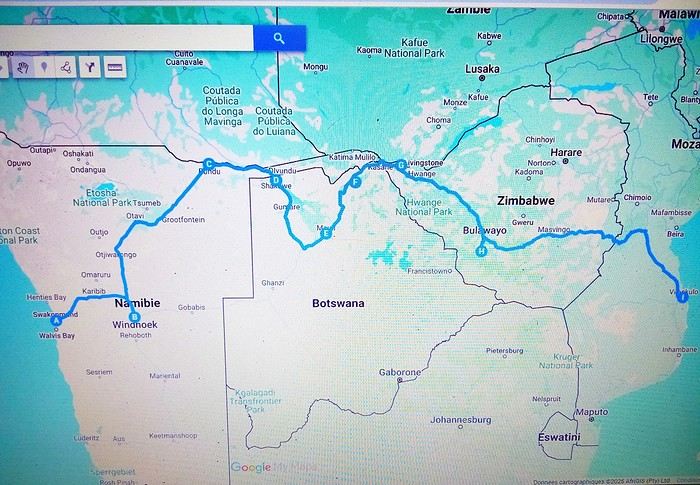
The idea is to cross Africa from the Atlantic to the Indian Ocean. Just to clarify, I don’t have a driver’s license, but I’m used to traveling by hitchhiking, carpooling, or any other type of transport. My must-sees, which I really want to visit, are the Namib and Kalahari deserts, the Okavango Delta, Victoria Falls, and the sandbanks of Vilankulos.
So if anyone has already done this route, more or less, I’d love to hear all your practical tips, especially for getting around within these areas.
Travel style: no problem with big contrasts—whether it’s sleeping in a tent/hammock or a fancy hotel. Budget: flexible (I think).
Feedback on the boat trip to Tayrona Park (Colombia)
Hi there, I just wanted to warn those who want to reach the beaches of Tayrona Park by lancha.
If you're not a fan of thrills or prone to seasickness, opt for the car instead.
We did this 40-minute lancha trip to Playa Cristal, with rough seas and huge waves that nearly capsized the boat several times.
And we arrived at Playa Cristal completely soaked—though that wasn’t too bad, really...
Anyway, the beaches and the park are amazing.
Anyway, the beaches and the park are amazing.
Eco-lodges: the new hipster trend
Hi there, I’m currently on Isla Fuerte in the Colombian Caribbean. I ended up here kind of by chance, and I stumbled upon one of the very few hotels that accepts credit cards and has branded itself as an "eco-lodge."
At first, I thought the idea of "environmentally friendly" hotels wasn’t too bad... but now it’s become a full-blown trend, and the clientele at these places almost always fits the same profile: thirty-something, eco-conscious, vegan or vegetarian, working remotely or at least glued to their laptop, morning yoga classes, mate at aperitif, and meditation at the end of the day.
Personally, after visiting a few, I’ve found that everything about them feels fake. I’ve even seen "meditation sessions" with music playing, even though the hotel was in the middle of a forest with all the natural sounds around. There’s also a lot to say about their so-called eco-friendly products in the bathrooms.
The rooms, terraces, etc.—where people used to sit, read, or chat—are now called "social spaces" or co-working zones...
I’m not holding back with these hotels, but my take is that eco-hipsterism is really taking off in the hospitality industry.
What do you fellow travelers think?
At first, I thought the idea of "environmentally friendly" hotels wasn’t too bad... but now it’s become a full-blown trend, and the clientele at these places almost always fits the same profile: thirty-something, eco-conscious, vegan or vegetarian, working remotely or at least glued to their laptop, morning yoga classes, mate at aperitif, and meditation at the end of the day.
Personally, after visiting a few, I’ve found that everything about them feels fake. I’ve even seen "meditation sessions" with music playing, even though the hotel was in the middle of a forest with all the natural sounds around. There’s also a lot to say about their so-called eco-friendly products in the bathrooms.
The rooms, terraces, etc.—where people used to sit, read, or chat—are now called "social spaces" or co-working zones...
I’m not holding back with these hotels, but my take is that eco-hipsterism is really taking off in the hospitality industry.
What do you fellow travelers think?
From Costa Rica to Suriname, a travel report
Hi everyone, I’m restarting my travel reports with my 2023 trip that took me from Costa Rica to Suriname over a month and a half.
First stop: Costa Rica. I arrived in late September in San José, a city I know well and never linger in. As soon as I got off the early-morning flight, I headed to the domestic airport—just a 5-minute walk away—to catch a 45-minute flight to Puerto Limón on the Caribbean coast. The 40-minute flight in a small Cessna was fun, especially since we landed on a tiny airstrip right by the sea—it felt like landing on the beach, which immediately set the mood. Plus, I wasn’t keen on enduring the 4–5-hour bus ride to Cahuita, especially since large sections of the road were under renovation. In Cahuita (where I’ve been going every year since 2015), I stayed at Kenaki Lodge on Playa Grande. It’s a great lodge, about a 45-minute walk from Cahuita’s center, but you’re just 50 meters from the beach and usually have it all to yourself. The lodge is run by Béa, a Frenchwoman, and depending on the season, you can help release baby turtles on the beach. The room was 55 €, very spacious, and you can use the outdoor kitchen. I’d recommend it for anyone looking for peace and quiet and a private beach.
After 5 days there, I flew to Cartagena but didn’t stay overnight. Instead, I headed straight to Rincón del Mar, a 3-hour bus ride from CTG. I’d mostly heard about it from a friend who lives there and runs El Ché, a beachfront restaurant. Rincón del Mar is a tiny seaside village, very peaceful, with a pretty nice beach. There are lots of small hotels and restaurants, and it’s a spot that’s likely to grow quickly in the coming years. Note: there’s no ATM there, so you’ll need to withdraw cash in San Onofre, about 30 minutes away by moto-taxi. The round trip costs around 25,000 COP. That’s also where you catch the bus to Cartagena. For accommodations, rooms were roughly 70,000–90,000 COP, with a so-so value for the price. As for things to do, I’d recommend the tour that takes you to watch the sunset in front of Bird Island, followed by a swim in a lagoon with bioluminescent plankton. The excursion (if I remember correctly) cost around 90,000 COP.
After a week in Rincón del Mar, I headed back to Cartagena and decided to fly to Yopal to visit the Río Meta. In Yopal, you’ll need to go to the bus terminal (10 minutes by taxi from the airport). From there, I took a bus to Orocué (50,000 COP) for about a 4-hour trip—it felt endless because the road was in terrible condition. Orocué is a tiny town on the banks of the Río Meta, but it has all the essentials (hotels, restaurants, ATMs). It’s lovely to stroll along the river at sunset. There are a few small bars, the area is very natural, the sunsets are stunning, and when there are distant storms, it’s just breathtaking. For lodging, I stayed at Hotel Brisas de San Miguel. It wasn’t bad—fan-cooled room for 70,000 COP. There were quite a few mosquitoes. I spent 3 days in Orocué. If you want to swim, head to the bridge (the only one), Cano San Miguel, and on the right, there’s a swimming spot. With the heat, it’s a great way to cool off.
From Orocué, I took a fast *lancha* (boat) up the Río Meta to Puerto Carreño, in the Vichada department at the far end of Colombia. This brings you to the majestic Orinoco River, right across from Venezuela. The boat ride is long—10 hours—and costs about 60 €. We left around 6 AM, with a few stops for bathroom breaks and meals along the way. But you *must* book your spot 1–2 days in advance. To do that, go to the small square above the dock—there’s a "navigation office" there. The trip was long but enjoyable. I never get tired of river journeys.
I was happy to finally arrive in Puerto Carreño, a small border town with Venezuela. No surprise that half the population was Venezuelan. In Puerto Carreño, I stayed at Hotel Delfines del Orinoco. The room was 80,000 COP, decent, with A/C, and the best part was the pool. I spent 2 nights there. One thing you *must* do—morning and evening—is hike to the top of Cerro de la Bandera (the *cerros* are huge rock formations typical of the Orinoco region, and there are many in the area). From the summit, you get amazing 360° views of the savanna and jungle. Sunrise is especially incredible. The trail is well-marked—from downtown Puerto Carreño, it takes about 20 minutes.
Next, I spent 3 nights at Rancho Barú. About an hour by boat from Puerto Carreño, you get off at Casuarito, and someone from the lodge picks you up by motorcycle for a 30-minute ride. The ranch is in the middle of the savanna, with a river/rapids beach just a 5-minute walk away. You can also fish—bites come quickly. For the lodge, one night (room or hammock) with shared bathrooms, three meals included, one excursion, plus the round-trip motorcycle ride costs 245,000 COP. An extra night without an excursion is around 100,000 COP, but you need to let the lodge know in advance so they can prepare enough food—there’s absolutely nothing for miles around.
After those 3 great days at the ranch, I took a canoe to cross into Venezuela, since Casuarito is right across from Puerto Ayacucho. The crossing costs 10,000 COP, but I got shaken down by Venezuelan immigration, who invented a violation and made me pay $40 USD. Puerto Ayacucho didn’t inspire me much. The city felt sketchy, with many hotels closed. Dealing with currency exchange was the hardest part—you *must* bring cash (USD or Colombian pesos), know the exchange rate, and find someone with enough money to exchange with you. It took me at least 2 hours. I stayed in a decent hotel downtown for $20 USD a night, but I’ll admit that going out at night—even in Puerto Ayacucho—felt pretty dodgy. All the buildings have bars on the windows, and there weren’t many people outside. I didn’t linger and found my plans to continue south too complicated. The next day, I took a bus across the country to the Brazilian border at Santa Elena de Uairén. The trip took a day and a night, with countless military checkpoints where they made everyone get off, unload all the luggage, etc. Not exactly a fun ride.
Photos: - 2 sunrises near the Orocué dock - Storm over the savanna at Rancho Barú - View of the savanna and Orinoco near Casuarito - Photo taken during the Río Meta boat trip
First stop: Costa Rica. I arrived in late September in San José, a city I know well and never linger in. As soon as I got off the early-morning flight, I headed to the domestic airport—just a 5-minute walk away—to catch a 45-minute flight to Puerto Limón on the Caribbean coast. The 40-minute flight in a small Cessna was fun, especially since we landed on a tiny airstrip right by the sea—it felt like landing on the beach, which immediately set the mood. Plus, I wasn’t keen on enduring the 4–5-hour bus ride to Cahuita, especially since large sections of the road were under renovation. In Cahuita (where I’ve been going every year since 2015), I stayed at Kenaki Lodge on Playa Grande. It’s a great lodge, about a 45-minute walk from Cahuita’s center, but you’re just 50 meters from the beach and usually have it all to yourself. The lodge is run by Béa, a Frenchwoman, and depending on the season, you can help release baby turtles on the beach. The room was 55 €, very spacious, and you can use the outdoor kitchen. I’d recommend it for anyone looking for peace and quiet and a private beach.
After 5 days there, I flew to Cartagena but didn’t stay overnight. Instead, I headed straight to Rincón del Mar, a 3-hour bus ride from CTG. I’d mostly heard about it from a friend who lives there and runs El Ché, a beachfront restaurant. Rincón del Mar is a tiny seaside village, very peaceful, with a pretty nice beach. There are lots of small hotels and restaurants, and it’s a spot that’s likely to grow quickly in the coming years. Note: there’s no ATM there, so you’ll need to withdraw cash in San Onofre, about 30 minutes away by moto-taxi. The round trip costs around 25,000 COP. That’s also where you catch the bus to Cartagena. For accommodations, rooms were roughly 70,000–90,000 COP, with a so-so value for the price. As for things to do, I’d recommend the tour that takes you to watch the sunset in front of Bird Island, followed by a swim in a lagoon with bioluminescent plankton. The excursion (if I remember correctly) cost around 90,000 COP.
After a week in Rincón del Mar, I headed back to Cartagena and decided to fly to Yopal to visit the Río Meta. In Yopal, you’ll need to go to the bus terminal (10 minutes by taxi from the airport). From there, I took a bus to Orocué (50,000 COP) for about a 4-hour trip—it felt endless because the road was in terrible condition. Orocué is a tiny town on the banks of the Río Meta, but it has all the essentials (hotels, restaurants, ATMs). It’s lovely to stroll along the river at sunset. There are a few small bars, the area is very natural, the sunsets are stunning, and when there are distant storms, it’s just breathtaking. For lodging, I stayed at Hotel Brisas de San Miguel. It wasn’t bad—fan-cooled room for 70,000 COP. There were quite a few mosquitoes. I spent 3 days in Orocué. If you want to swim, head to the bridge (the only one), Cano San Miguel, and on the right, there’s a swimming spot. With the heat, it’s a great way to cool off.
From Orocué, I took a fast *lancha* (boat) up the Río Meta to Puerto Carreño, in the Vichada department at the far end of Colombia. This brings you to the majestic Orinoco River, right across from Venezuela. The boat ride is long—10 hours—and costs about 60 €. We left around 6 AM, with a few stops for bathroom breaks and meals along the way. But you *must* book your spot 1–2 days in advance. To do that, go to the small square above the dock—there’s a "navigation office" there. The trip was long but enjoyable. I never get tired of river journeys.
I was happy to finally arrive in Puerto Carreño, a small border town with Venezuela. No surprise that half the population was Venezuelan. In Puerto Carreño, I stayed at Hotel Delfines del Orinoco. The room was 80,000 COP, decent, with A/C, and the best part was the pool. I spent 2 nights there. One thing you *must* do—morning and evening—is hike to the top of Cerro de la Bandera (the *cerros* are huge rock formations typical of the Orinoco region, and there are many in the area). From the summit, you get amazing 360° views of the savanna and jungle. Sunrise is especially incredible. The trail is well-marked—from downtown Puerto Carreño, it takes about 20 minutes.
Next, I spent 3 nights at Rancho Barú. About an hour by boat from Puerto Carreño, you get off at Casuarito, and someone from the lodge picks you up by motorcycle for a 30-minute ride. The ranch is in the middle of the savanna, with a river/rapids beach just a 5-minute walk away. You can also fish—bites come quickly. For the lodge, one night (room or hammock) with shared bathrooms, three meals included, one excursion, plus the round-trip motorcycle ride costs 245,000 COP. An extra night without an excursion is around 100,000 COP, but you need to let the lodge know in advance so they can prepare enough food—there’s absolutely nothing for miles around.
After those 3 great days at the ranch, I took a canoe to cross into Venezuela, since Casuarito is right across from Puerto Ayacucho. The crossing costs 10,000 COP, but I got shaken down by Venezuelan immigration, who invented a violation and made me pay $40 USD. Puerto Ayacucho didn’t inspire me much. The city felt sketchy, with many hotels closed. Dealing with currency exchange was the hardest part—you *must* bring cash (USD or Colombian pesos), know the exchange rate, and find someone with enough money to exchange with you. It took me at least 2 hours. I stayed in a decent hotel downtown for $20 USD a night, but I’ll admit that going out at night—even in Puerto Ayacucho—felt pretty dodgy. All the buildings have bars on the windows, and there weren’t many people outside. I didn’t linger and found my plans to continue south too complicated. The next day, I took a bus across the country to the Brazilian border at Santa Elena de Uairén. The trip took a day and a night, with countless military checkpoints where they made everyone get off, unload all the luggage, etc. Not exactly a fun ride.
Photos: - 2 sunrises near the Orocué dock - Storm over the savanna at Rancho Barú - View of the savanna and Orinoco near Casuarito - Photo taken during the Río Meta boat trip
VoyageForum is back!
Hello, how are you all?
To be honest, this isn't really a "deep" topic—just a quick note to say I'm really happy VoyageForum is finally back up. I hope everyone who contributed to this site is still around, still traveling, and in good health. For my part, travel didn’t really stop despite the COVID crisis.
Looking forward to sharing photos, travel stories, and discussions with all of you again.
Jacques
And I’ll share a photo right away—taken last year in the Vichada region of Colombia, where I’m heading back in 2 weeks.
Welcome back to VF!
Welcome back to VF!
Martinique or Guadeloupe in October?
Hi there, the title says it all.
I’m thinking of heading over there in October, even though my main goal is Dominica—but I’m not sure if the island is open to tourists yet.
Anyway, I don’t know the Caribbean islands at all, so are Martinique and Guadeloupe very different? In terms of population, prices, beaches, activities, etc.? And of course, all this assuming we don’t go back into lockdown by then…
Thanks in advance
Marée noire sur l'île Maurice
Comme si il n'y avait pas assez de mauvaises nouvelles en ce moment.
https://www.google.com/amp/s/www.lci.fr/amp/international/ocean-indien-ce-qu-il-faut-savoir-sur-la-maree-noire-a-l-ile-maurice-cause-par-cargo-wakashio-2161236.html
https://www.google.com/amp/s/www.lci.fr/amp/international/ocean-indien-ce-qu-il-faut-savoir-sur-la-maree-noire-a-l-ile-maurice-cause-par-cargo-wakashio-2161236.html
Vos meilleures plages en voyage
Bonjour
Avec le confinement j'ai pris le temps de faire un gros tri dans mes photos. Beaucoup étaient des photos de plages qui m'ont rappelé de magnifiques souvenirs.
Donc je me demandais qu'elles sont les 3 plages qui vous viennent à l'esprit quand vous y pensez et qui vous ont marqué d'une manière ou d'une autre.
Personnellement 3 me viennent à l'esprit car elles étaient calmes, pas aménagées, en pleine nature et quasiment personnes dessus.
1) plage barra velha sur l'île de Marajo au Brésil (en plus j'ai pu louer une petite cabane sur pilotis pendant 1 semaine sur cette plage)
2)Mission beach dans l'état du Queensland en Australie
3) La plage du parc de Cahuita au Costa rica
Personnellement 3 me viennent à l'esprit car elles étaient calmes, pas aménagées, en pleine nature et quasiment personnes dessus.
1) plage barra velha sur l'île de Marajo au Brésil (en plus j'ai pu louer une petite cabane sur pilotis pendant 1 semaine sur cette plage)
2)Mission beach dans l'état du Queensland en Australie
3) La plage du parc de Cahuita au Costa rica
Augmentation du prix des transports: état d'urgence décrété au Chili
Après l'Equateur, c'est au tour du Chili d'être (apparement) en proie a de grosses manifs contre l'augmentation du prix des transports.
https://www.lefigaro.fr/international/chili-violentes-manifestations-a-santiago-contre-l-augmentation-des-prix-du-metro-20191019
https://www.lefigaro.fr/international/chili-violentes-manifestations-a-santiago-contre-l-augmentation-des-prix-du-metro-20191019
Nouveau décret pour accéder au mont Blanc
Voilà une petite info locale pour les amateurs de montagne concernant l'accès au Mont Blanc.
http://www.lefigaro.fr/flash-actu/l-acces-au-mont-blanc-desormais-strictement-encadre-20190531
http://www.lefigaro.fr/flash-actu/l-acces-au-mont-blanc-desormais-strictement-encadre-20190531
La cathédrale Notre-Dame de Paris en feu
Bien triste ce soir de voir qu'un de nos plus beau monument soit en proie a un énorme incendie ce soir.
http://www.lefigaro.fr/actualite-france/2019/04/15/01016-20190415LIVWWW00055-en-direct-incendie-notre-dame-de-paris.php
J'imagine que tout le monde a déjà vu ces terribles images.
http://www.lefigaro.fr/actualite-france/2019/04/15/01016-20190415LIVWWW00055-en-direct-incendie-notre-dame-de-paris.php
J'imagine que tout le monde a déjà vu ces terribles images.
Île de Komodo interdite au tourisme l'année prochaine
Bonjour voilà pour la petite info, l'île de Komodo fermera ses portes aux touristes a partir de Janvier 2020 pour une période d'1 an.
https://www.smithsonianmag.com/smart-news/there-be-no-dragons-indonesia-considers-closing-komodo-island-tourists-180971877/
https://www.smithsonianmag.com/smart-news/there-be-no-dragons-indonesia-considers-closing-komodo-island-tourists-180971877/
Regard sur le Brésil
Bonsoir
Me voila a nouveau en France après 8 mois passés au Bresil, pays immense au multiples facettes qui avec un peu de recul m'inspire plusieurs impressions, avis ici aux connaisseurs du pays pour m'apporter contradictions, ou confirmations:
Les langues: en 8 mois je n'ai rencontré quasiment aucun brésilien qui parlait une seconde langue, pas même l'espagnol. Impossible de trouver quelqu'un parlant l'anglais, voir même avec des notions de base dans une ville comme Rio. Problème de langues au Bresil?
La saleté: les brésiliens ne se soucient absolument pas du tri de leurs déchets et de la saleté en général. Aucune éducation, sensibilisation, n'est faite a ce sujet la. Triste pour ce pays qui compte tant de merveilles et de ressources naturelles. J'ajoute qu'autant les pailles sont désormais bannis de beaucoup d'endroit, autant si vous achetez une boite d'allumettes on vous la mettra dans un sachet en plastique.
La bouffe : Alors, premier constat, le brésilien moyen est en surpoids, se bourre de sodas, et mange n'importe quand, en mélangeant tous les types de nourriture. De même beaucoup trop d'endroits vous vendent le jus de fruits en poudre comme "suco naturais", alors que les fruits sont vraiment délicieux. Premier pays au monde pour la production de nourriture transgénique, aucun brésilien ne semble être au courant de ce fléau, malgré le logo triangle jaune avec un T, que l'on retrouve sur quasiment tous les emballages de produits alimentaires. Ça ne m'a pas empêché de me baffrer de leur viande qui est vraiment excellente.
La télé : Je trouve que la télé est un bon indicateur sur ce que l'on veut inculquer a la masse de la population en général. Au Brésil, c'est culture 0, déjà il n'y a que peu de chaines gratuites, et celles ci présentent des programmes d'un niveau absolument affligeant. Même la chaine globo qui est la plus intéressante. J' ai noté que les references ou allusions au sexe sont omniprésentes sur la télé brésilienne...cela peut expliquer certaines choses ;)
La connaissance de sa ville : Obtenir une info sur un horaire, un emplacement, un itinéraire est extrêmement difficile, a croire que les brésiliens ne connaissent pas l’endroit ou ils vivent. On a du demander a 4 gardiens différents ou était le point de départ du sentier pour monter au corcovado dans le parc de Laje pour obtenir l'info.
L'architecture : Bon alors la, a part les vieux bâtiments coloniaux, et encore quand ils ne sont pas laissé a l'abandon, tout laisse a penser que le savoir faire portugais au niveau de la construction a disparu. Les villes, a part les quartiers historiques, sont généralement peu intéressantes et moches.
Le tourisme : La encore, il y a un énorme travail a faire, tant au niveau de l'accueil, que des prestations offertes. Et en ce qui concerne l’hôtellerie, comme partout, ça dépend des coins. Mais je dirais que globalement, le rapport qualité prix n'est pas bon au brésil (attention des petites merveilles existent quand même). Autant en Asie pour 2/3 euros on peut avoir accès a un logement très correct et propre, autant au Brésil quand c'est du premier prix, faut s'attendre a du glauque dans l'ensemble.
Les brésiliens : Bon la je dois dire qu'il est difficile de ne pas apprécier la joie de vivre, l'esprit de fête, le contact facile et la chaleur des brésiliens. La samba dans la peau, les brésiliens sont extrêmement bons vivants et font vraiment une bonne partie du charme du Brésil. Les brésiliens sont vraiment cools!
Pour conclure (il y aurait encore beaucoup a dire) je trouve que le Bresil est un pays aux paradoxes abyssaux, mais les brésiliens vous les font vite oublier tant ils sont sympas. Ce qui m'aura le plus marqué c'est de voir ce pays, a la nature somptueuse et surdimensionnée, qui tarde (volontairement peut être de la part des gouvernements) a réveiller la conscience environnementale des brésiliens, alors qu'il devient urgent de le faire.
Pour ceux qui connaissent le Bresil, qu'en pensez vous? Fausses impressions? raccourcis? clichés? Obrigado
Me voila a nouveau en France après 8 mois passés au Bresil, pays immense au multiples facettes qui avec un peu de recul m'inspire plusieurs impressions, avis ici aux connaisseurs du pays pour m'apporter contradictions, ou confirmations:
Les langues: en 8 mois je n'ai rencontré quasiment aucun brésilien qui parlait une seconde langue, pas même l'espagnol. Impossible de trouver quelqu'un parlant l'anglais, voir même avec des notions de base dans une ville comme Rio. Problème de langues au Bresil?
La saleté: les brésiliens ne se soucient absolument pas du tri de leurs déchets et de la saleté en général. Aucune éducation, sensibilisation, n'est faite a ce sujet la. Triste pour ce pays qui compte tant de merveilles et de ressources naturelles. J'ajoute qu'autant les pailles sont désormais bannis de beaucoup d'endroit, autant si vous achetez une boite d'allumettes on vous la mettra dans un sachet en plastique.
La bouffe : Alors, premier constat, le brésilien moyen est en surpoids, se bourre de sodas, et mange n'importe quand, en mélangeant tous les types de nourriture. De même beaucoup trop d'endroits vous vendent le jus de fruits en poudre comme "suco naturais", alors que les fruits sont vraiment délicieux. Premier pays au monde pour la production de nourriture transgénique, aucun brésilien ne semble être au courant de ce fléau, malgré le logo triangle jaune avec un T, que l'on retrouve sur quasiment tous les emballages de produits alimentaires. Ça ne m'a pas empêché de me baffrer de leur viande qui est vraiment excellente.
La télé : Je trouve que la télé est un bon indicateur sur ce que l'on veut inculquer a la masse de la population en général. Au Brésil, c'est culture 0, déjà il n'y a que peu de chaines gratuites, et celles ci présentent des programmes d'un niveau absolument affligeant. Même la chaine globo qui est la plus intéressante. J' ai noté que les references ou allusions au sexe sont omniprésentes sur la télé brésilienne...cela peut expliquer certaines choses ;)
La connaissance de sa ville : Obtenir une info sur un horaire, un emplacement, un itinéraire est extrêmement difficile, a croire que les brésiliens ne connaissent pas l’endroit ou ils vivent. On a du demander a 4 gardiens différents ou était le point de départ du sentier pour monter au corcovado dans le parc de Laje pour obtenir l'info.
L'architecture : Bon alors la, a part les vieux bâtiments coloniaux, et encore quand ils ne sont pas laissé a l'abandon, tout laisse a penser que le savoir faire portugais au niveau de la construction a disparu. Les villes, a part les quartiers historiques, sont généralement peu intéressantes et moches.
Le tourisme : La encore, il y a un énorme travail a faire, tant au niveau de l'accueil, que des prestations offertes. Et en ce qui concerne l’hôtellerie, comme partout, ça dépend des coins. Mais je dirais que globalement, le rapport qualité prix n'est pas bon au brésil (attention des petites merveilles existent quand même). Autant en Asie pour 2/3 euros on peut avoir accès a un logement très correct et propre, autant au Brésil quand c'est du premier prix, faut s'attendre a du glauque dans l'ensemble.
Les brésiliens : Bon la je dois dire qu'il est difficile de ne pas apprécier la joie de vivre, l'esprit de fête, le contact facile et la chaleur des brésiliens. La samba dans la peau, les brésiliens sont extrêmement bons vivants et font vraiment une bonne partie du charme du Brésil. Les brésiliens sont vraiment cools!
Pour conclure (il y aurait encore beaucoup a dire) je trouve que le Bresil est un pays aux paradoxes abyssaux, mais les brésiliens vous les font vite oublier tant ils sont sympas. Ce qui m'aura le plus marqué c'est de voir ce pays, a la nature somptueuse et surdimensionnée, qui tarde (volontairement peut être de la part des gouvernements) a réveiller la conscience environnementale des brésiliens, alors qu'il devient urgent de le faire.
Pour ceux qui connaissent le Bresil, qu'en pensez vous? Fausses impressions? raccourcis? clichés? Obrigado
L'Amazonie en photo
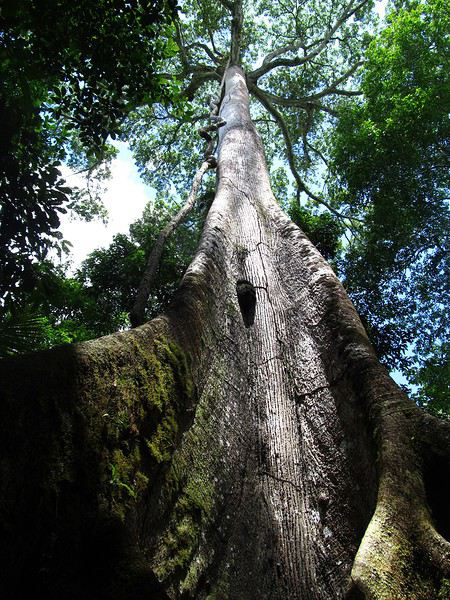
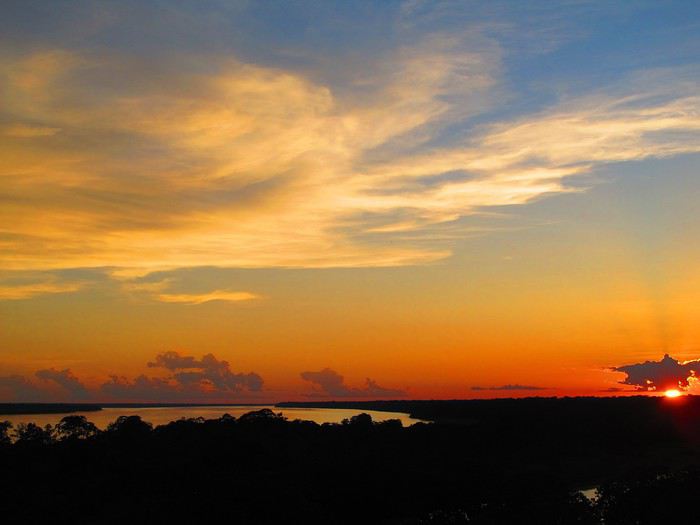
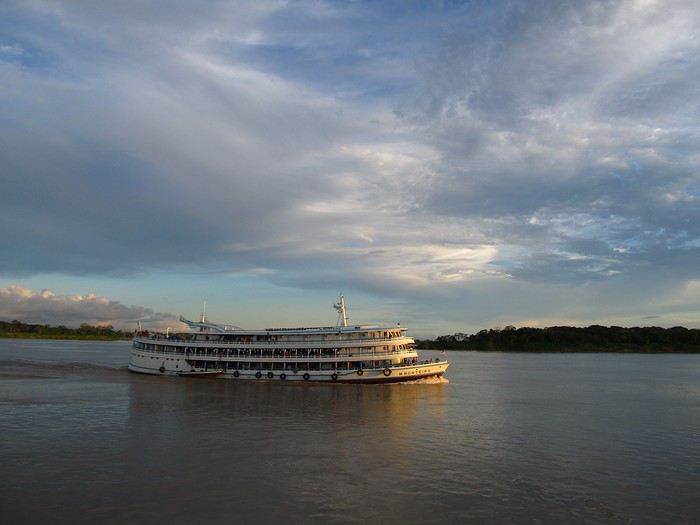
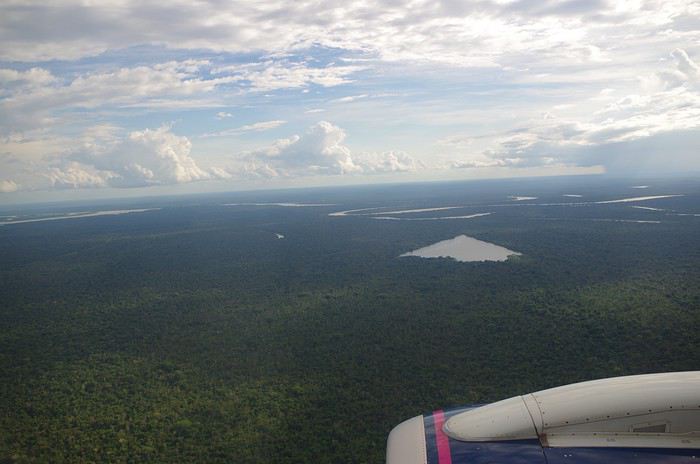
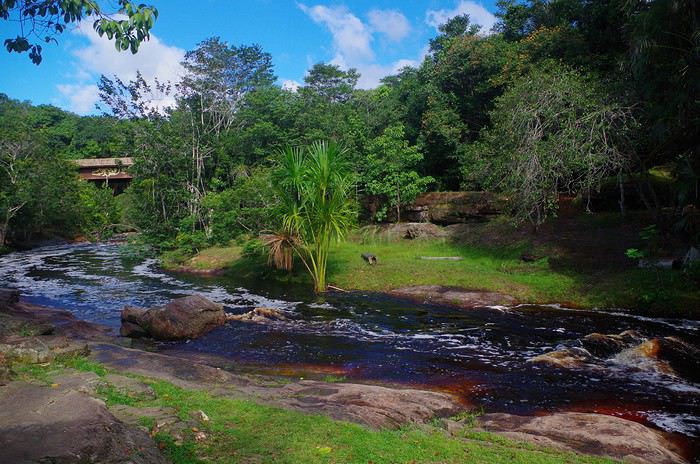
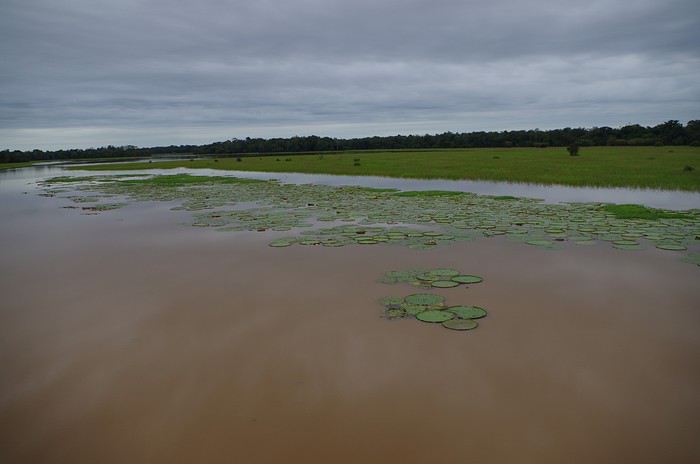
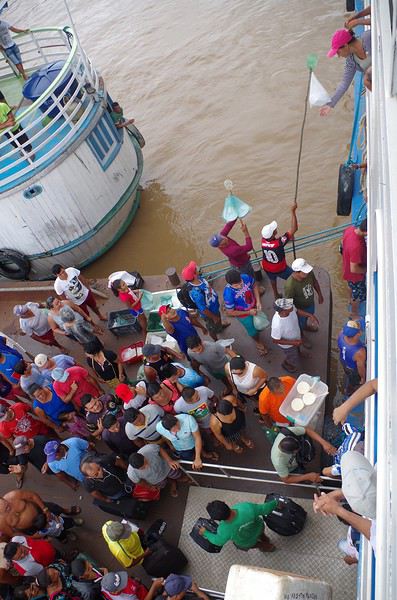
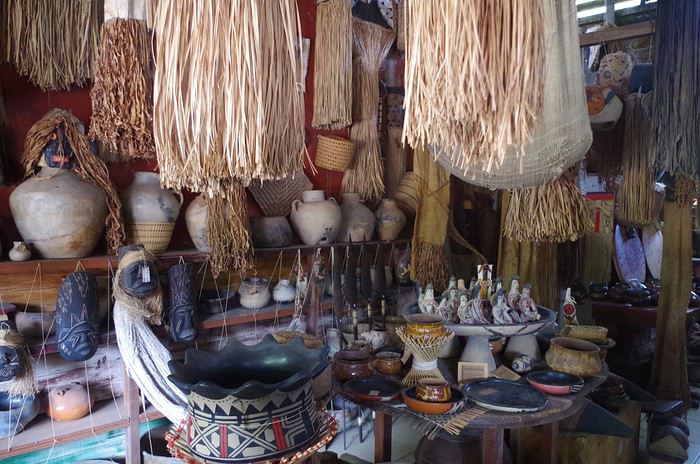
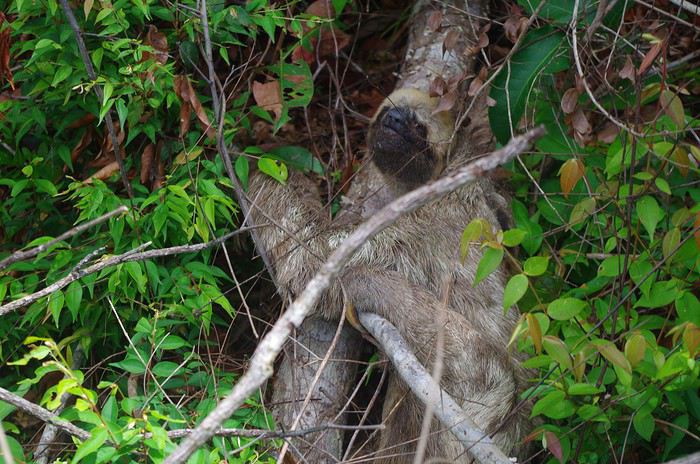
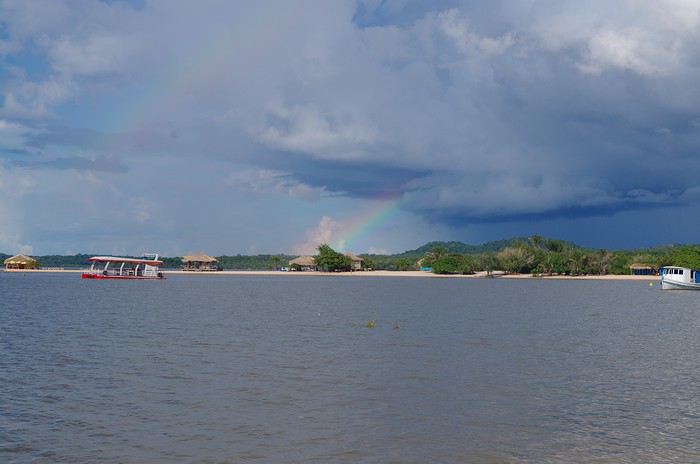
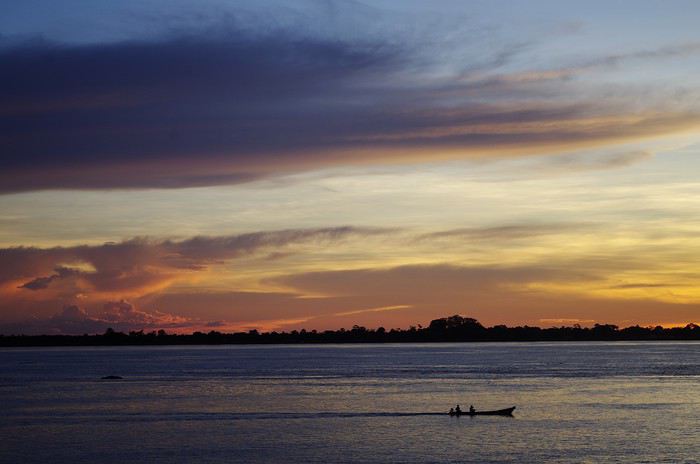
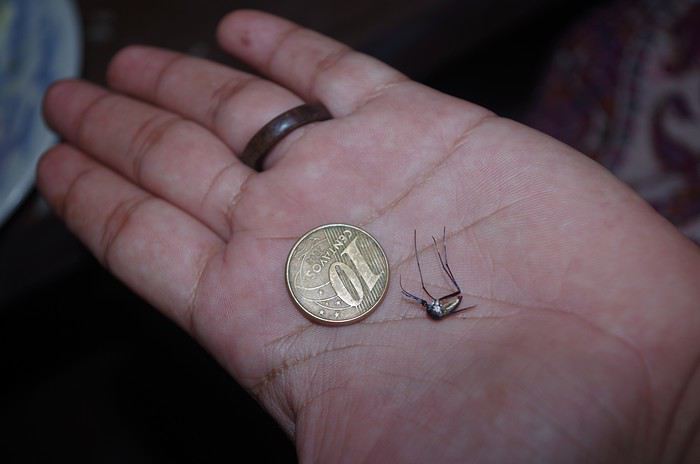
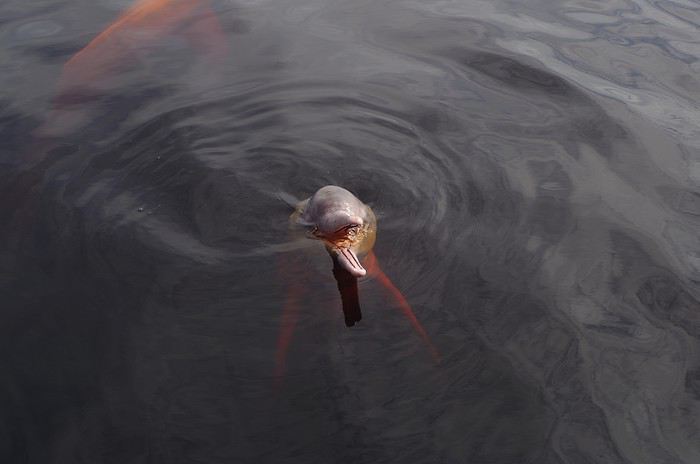
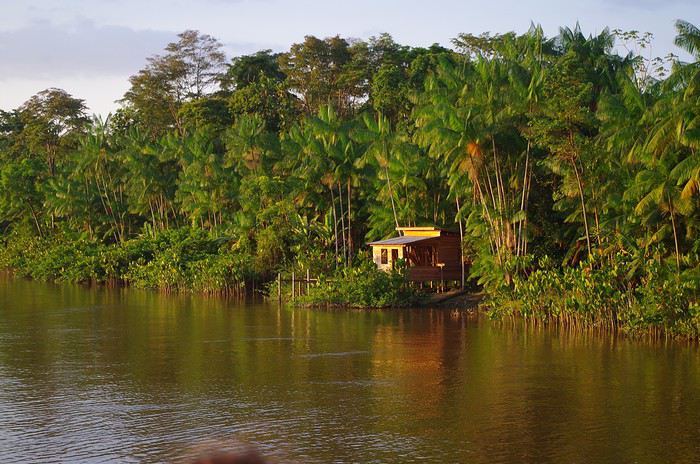
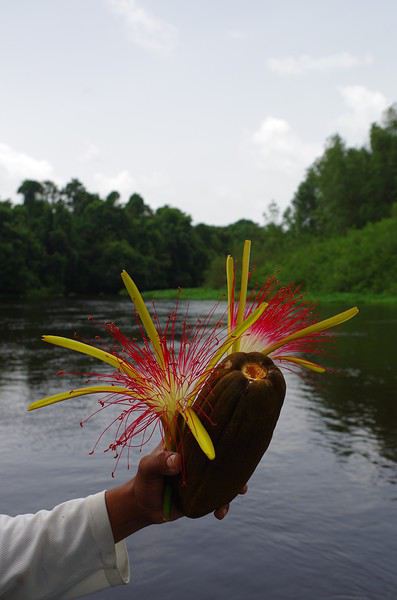
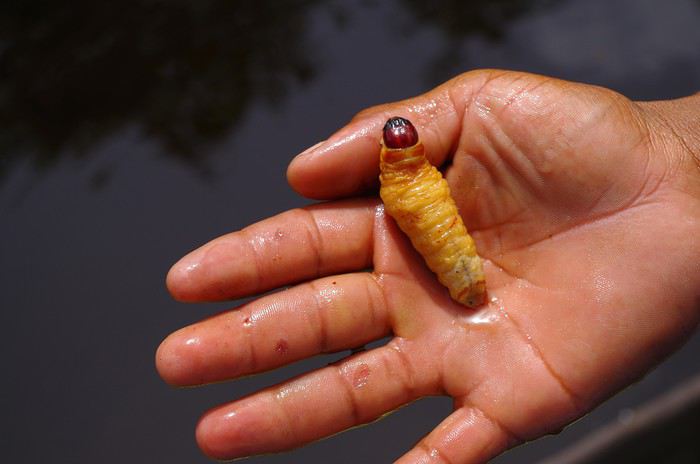
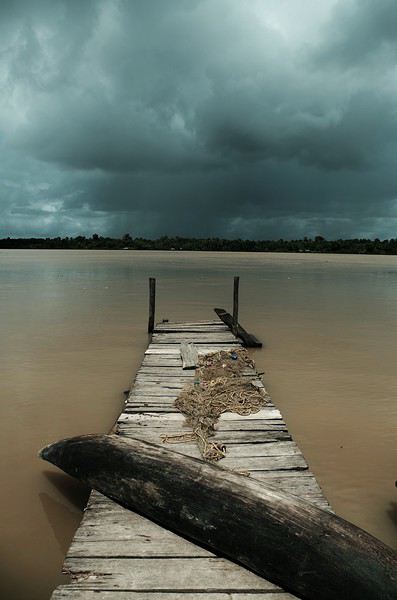
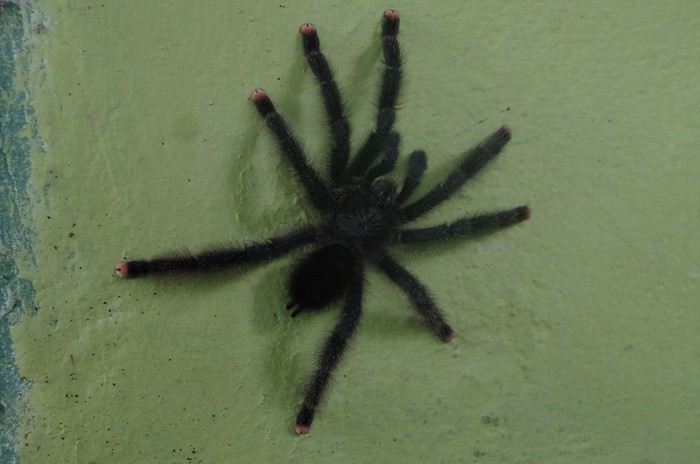
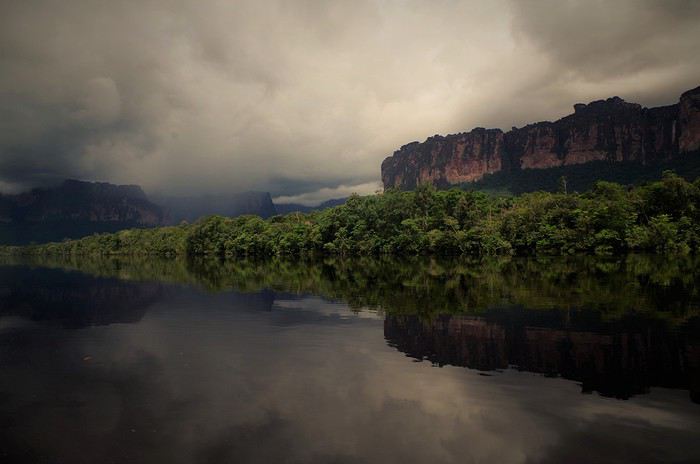
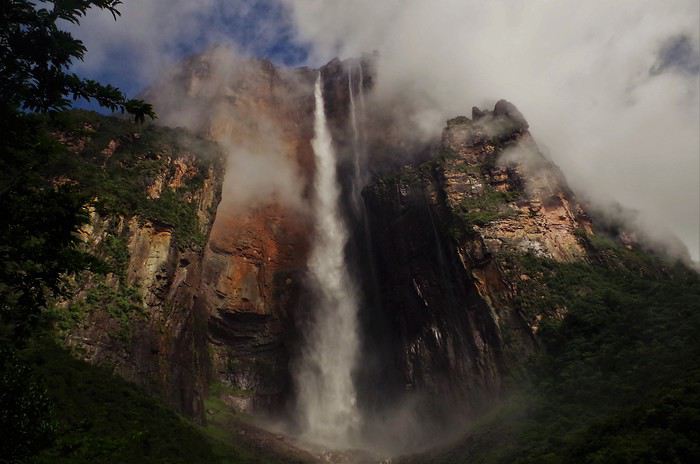
Allé, je ne suis allé en Amerique du sud que pour voir l’Amazonie, ou peut être je m'installerai...en attendant voici l’Amazonie en image, ainsi que le parc de canaima au Venezuela.
Photos faites au Bresil, Colombie, Guyana et Suriname.