Results for "Tanzanie+événement"
About 4,035 results.
More options
Many results are in French, the community’s main language. English translations are added over time.
Search results
Modalités pour traverser le Nigeria: votre expérience?
bonjour, je suis parti en stop de dakar, je vais bientôt arriver au ghana.
je compte descendre vers la tanzanie.
le nigéria sera le premier gros pays que j'aurai à traverser.
si quelqu'un peut me faire bénficier de son expérience en termes de modalités d'entré et de voyage au nigéria, ça m'aiderai pas mal
je voyage seul et je compte suivre la côte jusqu'au Cameroun
je suis preneur pour tout autre itinéraire
merci d'avance
Location de voiture en Afrique du Sud
Bonjour à tous,
il y a quelque jour, je m'informait sur la meilleure facon de voyager en Tanzanie/Kenya avec la discussion '' Comment de déplacer en Tanzanie / Kenya''. Comme mon conjoint et moi ne voulons pas faite un TO, après plusieurs discussions, je me rends à l'évidence: le TO reste la meilleure solution, car les routes de la Tanzanie sont loin d'être conviviales.
Nous voulons absolument faire un voyage de type ''road trip''. Je me tourne donc vers l'Afrique du Sud, ou les routes sont plus facile à apprivoiser. En fait, le trajet qui m'intéresse débute à Johannesburgh, suivi du Mosambique, de Swaziland et du retour à l'AFS jusqu'à Cape Town.--voir image
Toutefois, plusieurs questions me viennent à l'esprit:Dois-je avoir un permis de conduire international? (AFS, Mozambique, Swaziland)Quelle serait la meilleure compagnie de location de voiture? Je prefererais une voiture avec boite automatique. Voyage d'une durée de 18 jours environ.Est-ce qu'on s'habitue à la conduite à gauche? Nous somme 2 bons conducteurs, mais nous n'avons jamais conduis à gauche !!!!!!!!!!!Est-ce que changer de pays causera problême avec la voiture de location?Quel est le niveau de danger de ce type de voyage? Quelqu'un l'a déjà fait ???????? J'apprécierais tous les conseils possibles concernant ce type de voyage.
Merci à l'avance :)
il y a quelque jour, je m'informait sur la meilleure facon de voyager en Tanzanie/Kenya avec la discussion '' Comment de déplacer en Tanzanie / Kenya''. Comme mon conjoint et moi ne voulons pas faite un TO, après plusieurs discussions, je me rends à l'évidence: le TO reste la meilleure solution, car les routes de la Tanzanie sont loin d'être conviviales.
Nous voulons absolument faire un voyage de type ''road trip''. Je me tourne donc vers l'Afrique du Sud, ou les routes sont plus facile à apprivoiser. En fait, le trajet qui m'intéresse débute à Johannesburgh, suivi du Mosambique, de Swaziland et du retour à l'AFS jusqu'à Cape Town.--voir image
Toutefois, plusieurs questions me viennent à l'esprit:Dois-je avoir un permis de conduire international? (AFS, Mozambique, Swaziland)Quelle serait la meilleure compagnie de location de voiture? Je prefererais une voiture avec boite automatique. Voyage d'une durée de 18 jours environ.Est-ce qu'on s'habitue à la conduite à gauche? Nous somme 2 bons conducteurs, mais nous n'avons jamais conduis à gauche !!!!!!!!!!!Est-ce que changer de pays causera problême avec la voiture de location?Quel est le niveau de danger de ce type de voyage? Quelqu'un l'a déjà fait ???????? J'apprécierais tous les conseils possibles concernant ce type de voyage.
Merci à l'avance :)
Blog multi-destinations avec photos et vidéos
Bonjour, avec une copine de boulot nous avons pas mal voyagé: Québec, Islande, Ouest américain, Australie, Namibie, Mongolie, Madagascar, Tanzanie, CostaRica... Nous avons eu envie de partager les émotions qu'on a ressenties grâce aux photos et vidéos qui les expriment. Venez balader sur notre blog, nous comptons bien aller rendre visite aux votres. A bientôt!
http://martine-et-sylvie-en-voyages.over-blog.com/
Voyage en 4x4 en Afrique Australe
salut, avec des amis nous souhaitons organiser un raid 4X4 afrique du sud-namibie-botswana-zambie-malawi-tanzanie-kenya en environ 5 semaines en aout 2010;possibilite de combiner a l ascension du kilimanjaro(?)
je suis a la recherche de conseils sur l itineraire, la securite des pays traverses, les formalites administratives, les possilites de transfert des voitures pour l afrique du sud et retour depuis le kenya( et le prix) ou a la limite la location de 4X4 en afrique du sud; merci pour tous les bons plans;
Recherche orphelinat ou pouponnière pour faire du bénévolat en Afrique
Bonjour,
Voila je recherche une poupponniere ou un orphelinat en afrique ( Angola, cameroun, gabon, kenya, mozambique, rep centrafricaine, tanzanie, togo) qui aurait besoin d'une benevole et aide materielle ( ca fait 2 ans que je recolte des vetement et autres) pour 2 OU 3mois, j' ai 4 années d' expérience avec des nourissons, des jeunes enfants et enfants handicapées physique et mental ce projet me tiens vraiment à coeur depuis plusieurs années.
Pourriez vous me renseigner meme assos et ong si vous connaissez, je vous remercie d' avance pour ce que vous ferez pour moi.
Maureen
Première approche de l'Afrique
Bonjour
Nous envisageons un voyage en afrique . Habituellemnt nous voyageons par nos propres moyens, " en routard"
Nous avions l idee du periple kenya tanzanie zanzibar . A priori, on nous a déconseillé de le faire par nos propres moyens pour des raisons de tarifs et de securité . qu en pensez vous ?
ensuite, ce periple a l air fortement touristique et nous nous demandons, si faire de la rando, observer les animaux, et aller au contact avec la population locale n ' etait pas plus indiqué dans un autre pays d afrique moins visité .
nous ne connaissons pas l afrique et nous commencons seulement à envisager un voyage sur ce continent alors toutes les suggestions sont les bienvenues
Merci d' avance pour votre aide
tyftou
Nous envisageons un voyage en afrique . Habituellemnt nous voyageons par nos propres moyens, " en routard"
Nous avions l idee du periple kenya tanzanie zanzibar . A priori, on nous a déconseillé de le faire par nos propres moyens pour des raisons de tarifs et de securité . qu en pensez vous ?
ensuite, ce periple a l air fortement touristique et nous nous demandons, si faire de la rando, observer les animaux, et aller au contact avec la population locale n ' etait pas plus indiqué dans un autre pays d afrique moins visité .
nous ne connaissons pas l afrique et nous commencons seulement à envisager un voyage sur ce continent alors toutes les suggestions sont les bienvenues
Merci d' avance pour votre aide
tyftou
Visas pour l'Afrique?
bonjour
je pense partir 3 mois en afrique dans c'est pays ( Sudan ethiopie somalie kenya tanzanie uganda zambia mozambique) je voudrais savoir si j'ai besoin de visas à chaque pays meme si je reste que 2 semaines dans chaque pays ou si je peut avoir un visa global.
car mon souhait serrais de partir de l'egypte jusqu'au mozanbique en bus et en taxi brouse en etape de 1 à 2 semaines par pays
et ensuite je voudrais savoir si je peut aller en egypte et repartir du mozambique .
en fait je recherche la meme possibilité de voyage que l'union europ en terme de paperasse... pour pouvoir me deplacer en train, bus d'un pays à l'autre. tout info est la bienvenue
merci a vous
en fait je recherche la meme possibilité de voyage que l'union europ en terme de paperasse... pour pouvoir me deplacer en train, bus d'un pays à l'autre. tout info est la bienvenue
merci a vous
Biologistes bénévoles en Afrique (Madagascar)
Bonjour! Nous sommes 2 biologistes du Québec qui partiront pour l'Afrique de l'est (Kenya Tanzanie) en août prochain. Nous aimerions prolonger notre séjour en septembre et octobre 2007 par du bénévolat dans le domaine de la conservation et de l'environnement, en particulier à Madagascar. Est-ce que certains auraient des contacts à nous donner??? Merci d'avance!
Trois mois en Afrique par agence
Bonjour je m' apprête a partir pour un voyage de 3 mois en Afrique par agence (Égypte, Soudan, Ethiopie, Kenya, Tanzanie, Malawie, Zambie, Zimbabwe, Botswana, Afrique du Sud) C mon premier voyage en Afrique et j' aurais aimé avoir quelques conseils pratique, je ne devrais faire qu' une a deux heures de marche par jours, le reste en camion. Je part avec un numérique(eos350d) et pense acheté un videur de carte, (ok c pas le sujet principal) Qu 'elles sont les difficultés auxquelles je dois m' attendre dans une trans Africaine comme celle la ? et donc les astuces qui me seront utile une fois la bas. Merci d'avance.
Trajet Madagascar-Mozambique en bateau
Bonjour à tous,
Je souhaiterai partir de Madagascar vers la côte africaine (Afrique du Sud, Mozambique ou Tanzanie) en bateau.
Quelqu'un ou quelqu'une aurait il des informations concernant les possibilités de traversée, des contacts et des ordres de prix...?
Merci infiniment de vos réponses et conseils.
Xavier
Je souhaiterai partir de Madagascar vers la côte africaine (Afrique du Sud, Mozambique ou Tanzanie) en bateau.
Quelqu'un ou quelqu'une aurait il des informations concernant les possibilités de traversée, des contacts et des ordres de prix...?
Merci infiniment de vos réponses et conseils.
Xavier
Liaison maritime pour Madagascar
Bonjour,
je désirerais savoir s'il exite une liaison maritime pour rejoindre Madagascar depuis le Mozambique ou la Tanzanie ou le Kenya ou autre ?
Merci pour vos éclaircissements
Cyber bob
je désirerais savoir s'il exite une liaison maritime pour rejoindre Madagascar depuis le Mozambique ou la Tanzanie ou le Kenya ou autre ?
Merci pour vos éclaircissements
Cyber bob
Tour de l'Afrique: relier l'Afrique de l'Ouest à l'est
je cherche a avoir des infos sur les possibilités de relier l'afrique de l'ouaest (sénagal mali niger) à l'est (tanzanie, madagascar). J'ai beaucoup de mal a trouver des infos sur les vols possibles, peut on le faire par la terre (j'ai le temps)?? au secours!!!
Anti-palu le doxy 100?
Bjr!
est ce que ce médicament est un anti-palu? c'est un médecin qui ns l'a conseillé pour notre voyage en tanzanie en janvier.
Merci! Karine
Merci! Karine
raconter moi votre voyage en afrique
bonjour, j'ai des amis qui voudraient partir en afrique, ils ne savent pas vraiment quel pays choisir... (tanzanie, afrique du sud ...) de ce coté là...
pour les personnes qui y sont déjà allées, pouvez-vous me raconter votre voyage (1 semaine, 2 semaines, 3 ou 1mois même!), les bons hotels, excursions, visites, populations, etc!!
pour les personnes qui y sont déjà allées, pouvez-vous me raconter votre voyage (1 semaine, 2 semaines, 3 ou 1mois même!), les bons hotels, excursions, visites, populations, etc!!
East African existe-t-elle encore?
Qu'est devenue la compagnie East African ? Elle proposait les vols les moins chers sur Kenya et Tanzanie mais plus moyen d'accéder au site http://www.eastafrican.fr
L'Afrique en general
Allo tout le monde!
Jaimerais bien partir pour lafrique durant lete prochain! Javais regarde pour le Kenya et la Tanzanie mais bref je suis ouverte a toute suggestion... Alors si vous avez des coups de foudre et des conseils faites moi en part sil vous plait!! Jaime bien entrer en contact avec les locaux, jadore les trek en nature et les belles plages, la plongee sous-marine etc...alors jattends vos reponses!! Merci !!
Jaimerais bien partir pour lafrique durant lete prochain! Javais regarde pour le Kenya et la Tanzanie mais bref je suis ouverte a toute suggestion... Alors si vous avez des coups de foudre et des conseils faites moi en part sil vous plait!! Jaime bien entrer en contact avec les locaux, jadore les trek en nature et les belles plages, la plongee sous-marine etc...alors jattends vos reponses!! Merci !!
Compagnie d'assurance annulation?
Nous sommes à la recherche d'uen assurance annulation car nous voulons voyager avec la cie EMIRATES pour aller en Tanzanie: elle a de supers tarifs mais ne propose pas d'assurances annulation?
Connaitriez vous des organismes qui en proposent independemment d'une compagnie aérienne ?
Merci de votre aide
Connaitriez vous des organismes qui en proposent independemment d'une compagnie aérienne ?
Merci de votre aide
TUI/New Frontiers Airlines
Hello,
I’m really surprised because in TUI’s new tour packages, the airlines they’re using are of low quality. Before, they used to prioritize major airlines, but now it’s small airlines from small countries—companies with terrible ratings and borderline safety concerns. I even just noticed this note for a Tanzania trip: "We inform you that the domestic flight segment in Tanzania included in your trip is operated by an airline listed on the European Union’s list of air carriers subject to an operating ban within the European Union. This ban only applies to European Union airspace, meaning this airline is not permitted to take off, land, or fly over European airspace. However, this airline is authorized to operate in Tanzania."
This means they’re using airlines on the blacklist!! It’s pretty worrying for safety. What do you all think?
I’m really surprised because in TUI’s new tour packages, the airlines they’re using are of low quality. Before, they used to prioritize major airlines, but now it’s small airlines from small countries—companies with terrible ratings and borderline safety concerns. I even just noticed this note for a Tanzania trip: "We inform you that the domestic flight segment in Tanzania included in your trip is operated by an airline listed on the European Union’s list of air carriers subject to an operating ban within the European Union. This ban only applies to European Union airspace, meaning this airline is not permitted to take off, land, or fly over European airspace. However, this airline is authorized to operate in Tanzania."
This means they’re using airlines on the blacklist!! It’s pretty worrying for safety. What do you all think?
Traveling Against the Grain in 2026: 8 Alternatives to Overcrowded Destinations
In 2026, traveling becomes a choice. While the same destinations are buckling under mass tourism, there are still preserved alternatives, often just a few hours away from the beaten path. This guide doesn’t ban any countries but suggests different practices and destinations that still breathe.
Here are 8 experiences to reinvent for better travel this year.
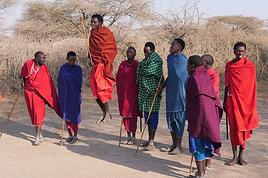
1. Tanzania: Swap the jeep safari for a walking safari The classic: Setting off to see the "Big Five" and the vast savanna from a 4x4. Why rethink this: You don’t go to see wild animals just to end up in a traffic jam of Toyota Land Cruisers. The noise of engines and exhaust fumes stress the wildlife. Some observation points look like parking lots. The alternative: A walking safari in the Ngorongoro Highlands or the Serengeti, accompanied by Maasai guides. On foot, your senses sharpen: it’s an immersion that a car window blocks.
Practical tip: Opt for mobile bush camps rather than fixed lodges. Look into walking safaris that include bivouacs.
2. India: Skip Kerala’s houseboats for kayaking on secret lagoons The classic: Cruising the famous Backwaters in a houseboat. Why rethink this: Houseboats pollute and destroy the fragile ecosystem of the lagoons. Overcrowding in Alleppey drains the experience of its magic. Not to mention the noise of the engines. The alternative: Munroe Island or Valiyaparamba by canoe or kayak. These northern lagoons remain preserved. You can organize trips with local fishermen, spend a day with families from the area, and sleep in the heart of biodiversity instead of floating resorts.
Good to know: The famous Kettuvallams (houseboats) aren’t that old. Originally, they were rice transport barges. It was only in the 1990s that someone had the idea to add rooms. Authenticity is sometimes a marketing invention!
3. Portugal: Forget Lisbon and the Algarve for the Alentejo The classic: The charm of Lisbon’s azulejos and the golden beaches of the Algarve. Why rethink this: Lisbon is suffocating under Airbnbs, and the Algarve has become a forest of umbrellas and tourist complexes. The Portuguese soul is fading under mass tourism. The alternative: The Alentejo region, between Lisbon and the Algarve. Stay in a *Herdade* (traditional farm), taste amphora wine, and explore wild beaches where cliffs replace concrete. This is Portugal at a slower pace—the one with white villages and endless plains.
Good to know: The Alentejo is the world’s largest cork producer. Cork oaks are harvested only once every 9 years. It’s a region that sets its own rhythm, slow and respectful of nature.
4. Indonesia: Less Bali, more Sulawesi, Java, or Lombok The classic: Spirituality, rice terraces, and Bali’s beaches. Why rethink this: Between water shortages, "spiritual" traffic jams in Ubud, and beaches turned into clubs, Bali needs a break. The island is suffocating. The alternative: Sulawesi for the ancestral rites of the Toraja people, Java for the lunar volcanoes of the East and lost temples, or Lombok for a quieter version of Bali. You’ll rediscover Indonesia’s wild origins.
Good to know: Bali is the only predominantly Hindu island in the world’s largest Muslim country. Exploring Java or Sulawesi reveals a cultural diversity that Bali’s tourist bubble often overshadows.
5. South Korea: Shorten Seoul for Gyeongju and Suncheon Bay The classic: Futuristic modernity and K-Culture in Seoul. Why rethink this: Seoul is experiencing the "Kyoto effect." Historic neighborhoods like Bukchon are closing streets to protect residents’ privacy from the influx of tourists in rented hanboks. The alternative: Gyeongju and Suncheon Bay in the authentic south. Between Gyeongju’s millennia-old temples (the ancient capital) and Suncheon’s biosphere reserve, you’ll discover the real Korea—without the lines.
Good to know: Gyeongju is often called "the museum without walls." You’ll find tumuli (royal tombs shaped like grassy hills) right in the middle of the modern city. Ancient history coexists with the present.
6. Thailand: Escape Bangkok and the southern islands for Isan The classic: Bangkok, then off to Phuket, Phi Phi, or Koh Samui. Why rethink this: The southern islands are suffocating: marine pollution, crowded beaches, authenticity diluted in standardized resorts. The experience feels more like Ibiza than traditional Thailand. The alternative: The Northeast (Isan), the unknown region. Forgotten Khmer temples, authentic villages, colorful local markets, and preserved nature in parks like Phu Kradueng. Few Westerners, lots of authenticity.
Good to know: Isan makes up a third of Thailand but receives less than 5% of tourists. Yet it’s the birthplace of authentic Thai cuisine and preserved traditions. Prices are also two to three times lower.
7. Peru: Skip Machu Picchu for Kuelap and northern Peru The classic: Machu Picchu and the Sacred Valley. Why rethink this: Strict quotas, mandatory bookings months in advance, sky-high prices, and timed tourist flows. The experience has become administrative before it’s spiritual. The alternative: Northern Peru with Kuelap, the "Machu Picchu of the north" without the crowds. The Gocta Canyon, the Chachapoyas region, and lesser-known but equally fascinating pre-Inca cultures. The modern cable car makes access easy without the hordes.
Good to know: Kuelap is larger and older than Machu Picchu but receives 100 times fewer visitors. Its cyclopean walls reach 20 meters high, and the fortress remains shrouded in mystery.
8. Iceland: Ditch the Golden Circle for the northern fjords The classic: The Iceland tour via the Ring Road and the famous Golden Circle. Why rethink this: The Ring Road has become a single-file line of rental vans. Iconic sites (Golden Circle, Solheimasandur plane wreck, Reynisfjara Beach) are saturated, turning the quest for Icelandic solitude into a crowded parking lot experience. The alternative: The Tröllaskagi Peninsula and the northern fjords. Forget the clock to rediscover the Iceland of the sagas. This is the kingdom of mountains plunging into the sea, secret hot springs accessible only on foot, and fjords where silence reigns.
Good to know: In Iceland, you don’t "own" nature—you borrow it. Over 50% of Icelanders still believe in the existence of *Huldufólk* (the hidden people), elves who live in the rocks. To catch a glimpse of them, they say, you must leave the noise of Route 1’s engines and learn to listen to the silence of the fjords.
1. Tanzania: Swap the jeep safari for a walking safari The classic: Setting off to see the "Big Five" and the vast savanna from a 4x4. Why rethink this: You don’t go to see wild animals just to end up in a traffic jam of Toyota Land Cruisers. The noise of engines and exhaust fumes stress the wildlife. Some observation points look like parking lots. The alternative: A walking safari in the Ngorongoro Highlands or the Serengeti, accompanied by Maasai guides. On foot, your senses sharpen: it’s an immersion that a car window blocks.
Practical tip: Opt for mobile bush camps rather than fixed lodges. Look into walking safaris that include bivouacs.
2. India: Skip Kerala’s houseboats for kayaking on secret lagoons The classic: Cruising the famous Backwaters in a houseboat. Why rethink this: Houseboats pollute and destroy the fragile ecosystem of the lagoons. Overcrowding in Alleppey drains the experience of its magic. Not to mention the noise of the engines. The alternative: Munroe Island or Valiyaparamba by canoe or kayak. These northern lagoons remain preserved. You can organize trips with local fishermen, spend a day with families from the area, and sleep in the heart of biodiversity instead of floating resorts.
Good to know: The famous Kettuvallams (houseboats) aren’t that old. Originally, they were rice transport barges. It was only in the 1990s that someone had the idea to add rooms. Authenticity is sometimes a marketing invention!
3. Portugal: Forget Lisbon and the Algarve for the Alentejo The classic: The charm of Lisbon’s azulejos and the golden beaches of the Algarve. Why rethink this: Lisbon is suffocating under Airbnbs, and the Algarve has become a forest of umbrellas and tourist complexes. The Portuguese soul is fading under mass tourism. The alternative: The Alentejo region, between Lisbon and the Algarve. Stay in a *Herdade* (traditional farm), taste amphora wine, and explore wild beaches where cliffs replace concrete. This is Portugal at a slower pace—the one with white villages and endless plains.
Good to know: The Alentejo is the world’s largest cork producer. Cork oaks are harvested only once every 9 years. It’s a region that sets its own rhythm, slow and respectful of nature.
4. Indonesia: Less Bali, more Sulawesi, Java, or Lombok The classic: Spirituality, rice terraces, and Bali’s beaches. Why rethink this: Between water shortages, "spiritual" traffic jams in Ubud, and beaches turned into clubs, Bali needs a break. The island is suffocating. The alternative: Sulawesi for the ancestral rites of the Toraja people, Java for the lunar volcanoes of the East and lost temples, or Lombok for a quieter version of Bali. You’ll rediscover Indonesia’s wild origins.
Good to know: Bali is the only predominantly Hindu island in the world’s largest Muslim country. Exploring Java or Sulawesi reveals a cultural diversity that Bali’s tourist bubble often overshadows.
5. South Korea: Shorten Seoul for Gyeongju and Suncheon Bay The classic: Futuristic modernity and K-Culture in Seoul. Why rethink this: Seoul is experiencing the "Kyoto effect." Historic neighborhoods like Bukchon are closing streets to protect residents’ privacy from the influx of tourists in rented hanboks. The alternative: Gyeongju and Suncheon Bay in the authentic south. Between Gyeongju’s millennia-old temples (the ancient capital) and Suncheon’s biosphere reserve, you’ll discover the real Korea—without the lines.
Good to know: Gyeongju is often called "the museum without walls." You’ll find tumuli (royal tombs shaped like grassy hills) right in the middle of the modern city. Ancient history coexists with the present.
6. Thailand: Escape Bangkok and the southern islands for Isan The classic: Bangkok, then off to Phuket, Phi Phi, or Koh Samui. Why rethink this: The southern islands are suffocating: marine pollution, crowded beaches, authenticity diluted in standardized resorts. The experience feels more like Ibiza than traditional Thailand. The alternative: The Northeast (Isan), the unknown region. Forgotten Khmer temples, authentic villages, colorful local markets, and preserved nature in parks like Phu Kradueng. Few Westerners, lots of authenticity.
Good to know: Isan makes up a third of Thailand but receives less than 5% of tourists. Yet it’s the birthplace of authentic Thai cuisine and preserved traditions. Prices are also two to three times lower.
7. Peru: Skip Machu Picchu for Kuelap and northern Peru The classic: Machu Picchu and the Sacred Valley. Why rethink this: Strict quotas, mandatory bookings months in advance, sky-high prices, and timed tourist flows. The experience has become administrative before it’s spiritual. The alternative: Northern Peru with Kuelap, the "Machu Picchu of the north" without the crowds. The Gocta Canyon, the Chachapoyas region, and lesser-known but equally fascinating pre-Inca cultures. The modern cable car makes access easy without the hordes.
Good to know: Kuelap is larger and older than Machu Picchu but receives 100 times fewer visitors. Its cyclopean walls reach 20 meters high, and the fortress remains shrouded in mystery.
8. Iceland: Ditch the Golden Circle for the northern fjords The classic: The Iceland tour via the Ring Road and the famous Golden Circle. Why rethink this: The Ring Road has become a single-file line of rental vans. Iconic sites (Golden Circle, Solheimasandur plane wreck, Reynisfjara Beach) are saturated, turning the quest for Icelandic solitude into a crowded parking lot experience. The alternative: The Tröllaskagi Peninsula and the northern fjords. Forget the clock to rediscover the Iceland of the sagas. This is the kingdom of mountains plunging into the sea, secret hot springs accessible only on foot, and fjords where silence reigns.
Good to know: In Iceland, you don’t "own" nature—you borrow it. Over 50% of Icelanders still believe in the existence of *Huldufólk* (the hidden people), elves who live in the rocks. To catch a glimpse of them, they say, you must leave the noise of Route 1’s engines and learn to listen to the silence of the fjords.
4x4 Expeditions in Southern Africa
Hi there,
Here’s a quick summary of six trips across Southern Africa, covering South Africa, Namibia, Botswana, Zimbabwe, and more. I traveled for a total of 23 months, over 100,000 km, and crossed 9 countries from South Africa to Tanzania. To do this, I bought an old Land Cruiser—a 1989 BJ 75 with a long chassis and a 3.4L turbo engine—which I converted into a bush camper set up for self-sufficiency in Africa: dual fuel tanks (235 L total) plus 2 x 20-liter jerry cans of diesel, 2 spare tires, a compressor, a toolbox with repair gear, a 50-liter water tank plus 2 x 30-liter and 2 x 10-liter jerry cans, a roof tent, multiple storage boxes, a sturdy roof rack, and even a paramotor. I also packed a first-aid kit and shipped the camper to South Africa by freight. My son joined me for part of the journey.
Key countries and highlights: South Africa in every direction, including its wildlife parks; in Namibia, the classics like Etosha, Fish River, Sossusvlei, Kaudum, but especially Damaraland and Kaokoland; in Botswana, a full loop of the Okavango, crossing the Makgadikgadi Pan, Moremi Park, the Linyanti River; and a tour of Zimbabwe with its national parks. During the last trip in 2020, due to COVID, we found refuge on a 250 km² Namibian farm with its own wildlife reserve. While crossing Damaraland and Kaokoland, we were completely self-sufficient, with supplies for over a month and 130 L of water.
In South Africa and Namibia, one issue that surprised us was the fences stretching for millions of kilometers along the tracks. Namibia is one and a half times the size of France but has a population of only about 2.5 million, mostly concentrated in a dozen small towns of 10,000 to 50,000 people—except for the capital, Windhoek (296,000). Paradoxically, compared to France, the space for freedom is extremely limited. Everything is private and requires payment. Even the Namib Desert is fenced... and you need a permit just to pick up a rock! For someone used to wild camping, it can get frustrating. Sometimes we ignored the rules, but the best solution is to ask a farmer (a real one, like a sheep or cattle rancher—not the ones with 3-meter electrified fences, which are lodges or private reserves) if you can camp on their land.
To truly enjoy freedom in Namibia, you need to venture into the northwest, along the Skeleton Coast, in Damaraland and Kaokoland. However, it’s essential to know your vehicle inside out, be a good mechanic, bring spare parts, and plan for potential breakdowns. Take care of your ride because a major issue out there can be a matter of survival. My motto: "Don’t break down, don’t break down, don’t break down..." Safari pros only venture into this region with two 4x4s. In Messum Crater, we met a couple waiting for rescue (thanks to a satellite device from their rental company) after their driveshaft broke. Keep in mind that in these areas, you’ll cover about 80 km in 8 hours.
Here are some of the issues we faced: a broken rear suspension leaf, several broken bolts on the front leaf springs, the spare tire mount breaking multiple times (replaced on the spot), a cracked water radiator in 1998 causing overheating and a seized valve stem in its guide, plus a bent rocker arm (field repair, valve adjustment, damaged head gasket, daily radiator refills, and a scratched cylinder—engine fully rebuilt upon return). Five roof rack mounts broke and were repaired at a technical high school in South Africa. The battery mount also broke (fixed with a steel plate found on the trail). The fuel filter clogged several times (changed or cleaned on the spot). A huge impact on the windshield from a piece of coal falling from a power plant supply truck (temporary repair with Araldite). The brake master cylinder failed in Marienfluss (repaired, seals replaced in Tsumeb). Multiple flat tires from acacia thorns. The rear door latch broke (homemade aluminum rod repair in Franschhoek). The voltmeter and ammeter failed (repaired on the spot). During the freight trip, despite locking the doors and having a partition between the front and back, someone managed to get in through the small side window, forced open the locks on two accessible storage boxes, and stole my tools (replaced later). A ball joint on the paramotor frame came loose mid-flight, damaging the wing and propeller (propeller shipped from France, homemade repair).
Health issues on the way to Tanzania: a painful sciatica and many sleepless nights (cortisone injection in Dodoma).
Kaokoland, Namibia—the northwest region: https://youtu.be/DzGepFsrnZs
Damaraland: https://youtu.be/DITQj8NvLZ4
Botswana: https://youtu.be/TEvDG0S62hg
Kaudom and Mohembo Parks: https://youtu.be/wq_Yf7jNLhw
Here’s a quick summary of six trips across Southern Africa, covering South Africa, Namibia, Botswana, Zimbabwe, and more. I traveled for a total of 23 months, over 100,000 km, and crossed 9 countries from South Africa to Tanzania. To do this, I bought an old Land Cruiser—a 1989 BJ 75 with a long chassis and a 3.4L turbo engine—which I converted into a bush camper set up for self-sufficiency in Africa: dual fuel tanks (235 L total) plus 2 x 20-liter jerry cans of diesel, 2 spare tires, a compressor, a toolbox with repair gear, a 50-liter water tank plus 2 x 30-liter and 2 x 10-liter jerry cans, a roof tent, multiple storage boxes, a sturdy roof rack, and even a paramotor. I also packed a first-aid kit and shipped the camper to South Africa by freight. My son joined me for part of the journey.
Key countries and highlights: South Africa in every direction, including its wildlife parks; in Namibia, the classics like Etosha, Fish River, Sossusvlei, Kaudum, but especially Damaraland and Kaokoland; in Botswana, a full loop of the Okavango, crossing the Makgadikgadi Pan, Moremi Park, the Linyanti River; and a tour of Zimbabwe with its national parks. During the last trip in 2020, due to COVID, we found refuge on a 250 km² Namibian farm with its own wildlife reserve. While crossing Damaraland and Kaokoland, we were completely self-sufficient, with supplies for over a month and 130 L of water.
In South Africa and Namibia, one issue that surprised us was the fences stretching for millions of kilometers along the tracks. Namibia is one and a half times the size of France but has a population of only about 2.5 million, mostly concentrated in a dozen small towns of 10,000 to 50,000 people—except for the capital, Windhoek (296,000). Paradoxically, compared to France, the space for freedom is extremely limited. Everything is private and requires payment. Even the Namib Desert is fenced... and you need a permit just to pick up a rock! For someone used to wild camping, it can get frustrating. Sometimes we ignored the rules, but the best solution is to ask a farmer (a real one, like a sheep or cattle rancher—not the ones with 3-meter electrified fences, which are lodges or private reserves) if you can camp on their land.
To truly enjoy freedom in Namibia, you need to venture into the northwest, along the Skeleton Coast, in Damaraland and Kaokoland. However, it’s essential to know your vehicle inside out, be a good mechanic, bring spare parts, and plan for potential breakdowns. Take care of your ride because a major issue out there can be a matter of survival. My motto: "Don’t break down, don’t break down, don’t break down..." Safari pros only venture into this region with two 4x4s. In Messum Crater, we met a couple waiting for rescue (thanks to a satellite device from their rental company) after their driveshaft broke. Keep in mind that in these areas, you’ll cover about 80 km in 8 hours.
Here are some of the issues we faced: a broken rear suspension leaf, several broken bolts on the front leaf springs, the spare tire mount breaking multiple times (replaced on the spot), a cracked water radiator in 1998 causing overheating and a seized valve stem in its guide, plus a bent rocker arm (field repair, valve adjustment, damaged head gasket, daily radiator refills, and a scratched cylinder—engine fully rebuilt upon return). Five roof rack mounts broke and were repaired at a technical high school in South Africa. The battery mount also broke (fixed with a steel plate found on the trail). The fuel filter clogged several times (changed or cleaned on the spot). A huge impact on the windshield from a piece of coal falling from a power plant supply truck (temporary repair with Araldite). The brake master cylinder failed in Marienfluss (repaired, seals replaced in Tsumeb). Multiple flat tires from acacia thorns. The rear door latch broke (homemade aluminum rod repair in Franschhoek). The voltmeter and ammeter failed (repaired on the spot). During the freight trip, despite locking the doors and having a partition between the front and back, someone managed to get in through the small side window, forced open the locks on two accessible storage boxes, and stole my tools (replaced later). A ball joint on the paramotor frame came loose mid-flight, damaging the wing and propeller (propeller shipped from France, homemade repair).
Health issues on the way to Tanzania: a painful sciatica and many sleepless nights (cortisone injection in Dodoma).
Kaokoland, Namibia—the northwest region: https://youtu.be/DzGepFsrnZs
Damaraland: https://youtu.be/DITQj8NvLZ4
Botswana: https://youtu.be/TEvDG0S62hg
Kaudom and Mohembo Parks: https://youtu.be/wq_Yf7jNLhw