Results for "Géorgie+événement"
About 5,499 results.
More options
Many results are in French, the community’s main language. English translations are added over time.
Search results
Congé sabbatique en France: que faire des congés payés sous RTT?
bonjour à tous,
j'ai annoncé heir à mes patrons que je voulais partir en congé sabbatique. a ma grande surprise, ils ont plutôt été ravi pour moi, mêmesi cela va poser qqles prblemes d'organisation ( je travaille ds une société de 4 personnes); Bref...😏
j'ai qd meme quelques questions auxquelles je n'arrive pas à trouver réponse et le code du travail ne m'est pas très explicite.
que fais t-on des Congés payé sou RTT qui ns restent avant le départ. sont-ils à soldés ou peuvent-ils etre payés ?
et puis j'ai travaillé 5 ans ds cette entreprise, dois je leur apporter la preuve de mes 6 années d'exp. professionnelles.
merci de m'aider
Istanbul-Inde en 2CV sans carnet de passage en douane
On est 4 francais a istanbul avec notre 2CV qui realisent de plus en plus qu ils sont bloques au niveau administratif dans leur periple.
Notre but: Aller en İnde en voiture sans carnet de passage en douane et arriver mi septembre au plus tard.
Par la route de la soie, a force d eplucher ce forum, on a le sentiment qu on a peut etre une chance de pousser Notre deuch assez loin mais par contre cela necessite bcp trop de temps et de galere visaiennes…
Par l iran Pakistan il apparait qu il faudra lacher la deuch entre la turquie et l iran a moins de suivre les indication de Lekaribu et donc payer 1000$ pour faire rentrer le vehicule illegalement… Ce soir on est assez demoralise et penchons donc d avantage pour cet itineraire ce qui sucite les question suivantes: - A quoi ressemble le no man’s land entre la Turquie et l’iran? Peut on eventuellement y confier notre vehicule si nous n’arrivons pas a le faire passer? - Si on y parvient en payant les 1000$ reussirons nous a rentrer sans CPD au Pakistan et en inde? Sont ils plus souples par la bas?
En attendant si quelques uns d entre vous sont a istanbul nous sommes desireux de vous rencontrer …
Merci Beaucoup thibault_delavigne@hotmail.com
Par la route de la soie, a force d eplucher ce forum, on a le sentiment qu on a peut etre une chance de pousser Notre deuch assez loin mais par contre cela necessite bcp trop de temps et de galere visaiennes…
Par l iran Pakistan il apparait qu il faudra lacher la deuch entre la turquie et l iran a moins de suivre les indication de Lekaribu et donc payer 1000$ pour faire rentrer le vehicule illegalement… Ce soir on est assez demoralise et penchons donc d avantage pour cet itineraire ce qui sucite les question suivantes: - A quoi ressemble le no man’s land entre la Turquie et l’iran? Peut on eventuellement y confier notre vehicule si nous n’arrivons pas a le faire passer? - Si on y parvient en payant les 1000$ reussirons nous a rentrer sans CPD au Pakistan et en inde? Sont ils plus souples par la bas?
En attendant si quelques uns d entre vous sont a istanbul nous sommes desireux de vous rencontrer …
Merci Beaucoup thibault_delavigne@hotmail.com
Obtention des visas: Kazakhstan - Ouzbékistan -Turkmenistan - Iran - Pakistan
Bonjour,
Actuellement en Estonie, nous voyageons en camion, et avons pour objectif de rejoindre l Inde, dans un premier temps (plus d infos sur notre site www.eaudela.org ).
Notre grosse question a l heuire actuelle est de savoir comment gerer pour les visas a venir, nous avons le russe, mais pas les suivants...
Vaut il mieux tout faire a Moscou, malgre les formalites administratives russes plus quer contraignantes?
ou doit on faire d un pays sur l autre?
J ai cru comprendre que pour le Pakistan, il etait possible de le faire en Iran a Zavedan...
Mais pour les autres, nous sommes dubitatifs.
D autre part, quelqu un a t il deja voage en vehicule au Kazakhstan? cela semble assez dangereux d apres le site du ministere des affaires etrangeres...
Merci d avance.
Max
Bulgarie ou Ukraine?
nous rentrons de Turquie vers la France, avec un crochet par le Danemark, par la route et en douceur.
deux routes s ouvrent a nous = bulgarie, roumanie, pologne, Danemark
ou ukraine pologne danemark
que me conseillez vous ?
ps = personne n'est allee en Ukraine ? je ne recois jamais de reponses a mes questions sur l'ukraine
isa.
deux routes s ouvrent a nous = bulgarie, roumanie, pologne, Danemark
ou ukraine pologne danemark
que me conseillez vous ?
ps = personne n'est allee en Ukraine ? je ne recois jamais de reponses a mes questions sur l'ukraine
isa.
Réglementation pour tour du monde avec un chien?
Salut à tous, nous avons prévu de fiare un TDM ds 3 ans (le tps d'éconnomiser et de tt préparer🤪). Eske quelqun est déja parti avec un chien? Eske c'est possible (Visa pour le chien 😛)? eskil y une réglementation pour ca??
Merci d'avance
Merci d'avance
Obtention du visa pour l'Iran à Bakou (Azerbaïdjan)et à l'aéroport de Téhéran
2 infos pour le visa iranien:
1- obtenu en 1 semaine sans invitation ni référence number à Bakou, ambassade d'Iran 9h-13h, photo sans voile, 66 US $ pour tous les monde.
2- il est question de délivrance automatique de visas d'une semaine pour ceux qui arrivent à l'aéroport internztional de Téhéran (info du 6 mai, à vérifier pour ceux qui partent dans les mois qui viennent. La prolongation sur place est possible).
1- obtenu en 1 semaine sans invitation ni référence number à Bakou, ambassade d'Iran 9h-13h, photo sans voile, 66 US $ pour tous les monde.
2- il est question de délivrance automatique de visas d'une semaine pour ceux qui arrivent à l'aéroport internztional de Téhéran (info du 6 mai, à vérifier pour ceux qui partent dans les mois qui viennent. La prolongation sur place est possible).
Besoin d'une destination pour roadtrip nord États Unis
Bonjour,
Je voudrais faire un roatrip en fin de semaine (25-26-27-28 avril) dans le nord des États Unis (je reste proche de Montréal). Je suis déjà allée à NewYork-Philadelphie-Wildwood, Boston(+Salem) et Toronto+Niagara Falls et je me cherche une autre destination...On voudrais faire aux maximum 12 hres de voiture... Il y a peut-être Washington mais je ne suis pas friande des musées...Aussi Chicago: mais qui a-t-il à voir là bas au juste à part des buildings?
Avez vous des suggestions? J'avoue que à cette température ce n'est pas évident...
Merci!
Avez vous des suggestions? J'avoue que à cette température ce n'est pas évident...
Merci!
Route de la soie
Bonjours à toutes et tous,
Salut Loko,
Je suis en pleine étude pour un voyage sur la route de la soie. De Belgique jusqu'à Vladivostok en passant par Turquie - Arménie - Ousbekistan - Khirghistan - Chine (via Lhassa) - Xian - Pekin - Vladivostok.
Avez-vous des conseils ? Des remarques ? Que pensez-vous de la faisabilité du projet ?
Bref je cherche toutes les infos nécessaires à la préparation de cette chouette prommenade...
Pour plus de précision, je pense utiliser une Lada Niva comme véhicule.
Merci d'avance
Jex
Je suis en pleine étude pour un voyage sur la route de la soie. De Belgique jusqu'à Vladivostok en passant par Turquie - Arménie - Ousbekistan - Khirghistan - Chine (via Lhassa) - Xian - Pekin - Vladivostok.
Avez-vous des conseils ? Des remarques ? Que pensez-vous de la faisabilité du projet ?
Bref je cherche toutes les infos nécessaires à la préparation de cette chouette prommenade...
Pour plus de précision, je pense utiliser une Lada Niva comme véhicule.
Merci d'avance
Jex
Incontournables aux Etats Unis, Canada, et Nord Mexique
Moi et 7 des mes meilleurs amis prévoyont partir fin juin 2006 pour un road trip de 2 mois . On veut faire le tour: le sud du Canada, la cote ouest américaine, la basse californie, le nord du Mexique et la cote est pour revenir à Montréal. On a chacun un rôle à jouer et je m'occupe de trouver les meilleurs endroits à aller pour la zone nord du Mexique-Côte Est des States. J'aurais besoin de l'aide de ceux qui s'y connaissent un peu plus que moi.
Si vous avez des suggestions, ne vous gênez surtout pas, ca sera très apprécié! Merci à l'avance!
Si vous avez des suggestions, ne vous gênez surtout pas, ca sera très apprécié! Merci à l'avance!
Bienvenue en Sibérie
Si vous allez en Siberie, posez ici vos questions. J'habite en Siberie, je suis russe.
Istambul par la Croatie
Bonjour,
Mon mari et moi projetons de rejoindre Istambul par la Croatie et la Bulgarie, toutes les expériences et les conseils seront les bienvenus et particulièrement les opportunités de camping " libre".
Merci
Danie31
Mon mari et moi projetons de rejoindre Istambul par la Croatie et la Bulgarie, toutes les expériences et les conseils seront les bienvenus et particulièrement les opportunités de camping " libre".
Merci
Danie31
Nos médecins nous conseillent... site santé
Nous nous posons parfois des questions du style :
Pourquoi les médecins ont des avis si différents par rapport à d'autres quant à la médication des futurs voyageurs, en parcourant le site du ministère de la santé, je suis tombée sur ça : http://www.sante.gouv.fr/
Recommandations sanitaires pour les voyageurs 2003 (à l'attention des professionnels de santé) BEH n° 26- 27/ 2003 117
Deux critères interviennent dans l'établissement d'un programme de vaccinations destiné à un voyageur. Le premier de ces critères est l'obligation administrative qui correspond plus à la protection du pays contre un risque infectieux venant de l'extérieur qu'aux risques encourus par le voyageur. Les risques réels encourus par le voyageur constituent, quant à eux, le second critère et varient en fonction de plusieurs paramètres : la situation sanitaire du pays visité ; les conditions et la durée du séjour ; les caractéristiques propres du voyageur, en particulier l'âge et aussi le statut vaccinal antérieur.
Le choix de la prophylaxie médicamenteuse tient compte des zones visitées (classées en groupe 1, 2 et 3 selon la fréquence de la résistance à la chloroquine et au proguanil, le groupe 0 correspondant à un risque nul de paludisme), de la durée du voyage et aussi de la personne : l'âge, les antécédents pathologiques, une intolérance aux antipaludiques, une possible interaction médicamenteuse, une grossesse (ou son éventualité). Quelque soit l'antipaludique choisi, il est conseillé de prendre ce médicament au cours d'un repas. Aucun antipaludique n'étant toujours parfaitement toléré, il peut être admissible, dans une zone à très faible transmission et correctement médicalisée, d'avoir recours à la seule protection contre les moustiques. La répartition des zones de résistance de Plasmodium falciparum : la chimiorésistance peut être appréciée de façon quantitative par l'étude in vivo ou in vitro, ou par le génotypage des souches responsables d'accès, auprès d'échantillons de populations non immunes vivant en zone d'endémie ou de voyageurs non chimioprophylactisés. 2.2.3.1 - Cas général Pays du groupe 0 : zones sans paludisme, pas de chimioprophylaxie Afrique : Lesotho, Libye, Ile de la Réunion, Ile Sainte Hélène, Seychelles, Tunisie. Amérique : toutes les villes et Antigua et Barbuda, Antilles néerlandaises, Bahamas, Barbade, Bermudes, Canada, Chili, Cuba, Dominique, Etats- Unis, Guadeloupe, Grenade, Iles Caïmans, IIes Malouines, Iles Vierges, Jamaïque, Martinique, Porto- Rico, Sainte- Lucie, Trinidad et Tobago, Uruguay. Asie : toutes les villes et Brunei, Georgie, Guam, HongKong, îles Christmas, îles Cook, Japon, Kazakhstan, Kirghizistan, Macao, Maldives, Mongolie, Singapour, Taiwan. Europe : tous les pays (y compris Açores, Canaries, Chypre, Fédération de Russie, Etats Baltes, Ukraine, Belarus et Turquie d'Europe). Proche et Moyen Orient : toutes les villes et Bahreïn, Israël, Jordanie, Koweït, Liban, Qatar. Océanie : toutes les villes et Australie, Fidji, Hawaï, Mariannes, Marshall, Micronésie, Nouvelle- Calédonie, Nouvelle- Zélande, île de Pâques, Polynésie française, Samoa, Tonga, Tuvalu, Wallis et Futuna, Kiribati, Cook, Samoa occidentales, Nive, Nauru, Palau. Cas particulier des zones de transmission faible Compte tenu de la faiblesse de la transmission dans ces pays, il est admissible de ne pas prendre de chimioprophylaxie, quelle que soit la durée du séjour. Il est cependant indispensable d'être en mesure, dans les mois qui suivent le retour, de consulter en urgence en cas de fièvre. Afrique : Algérie, Cap- Vert, Egypte, Maroc, Ile Maurice Asie : Arménie, Azerbaïdjan, Corée du Sud, Corée du Nord, Ouzbékistan, Turkménistan. Proche et Moyen Orient : Emirats arabes unis, Oman, Syrie, Turquie Pour tous les autres pays, il est nécessaire de prendre une chimioprophylaxie adaptée à la zone visitée.
Par ailleurs, il est important de savoir que la répartition des zones de résistance de Plasmodium falciparum telle qu'indiquée dans le tableau 1 doit être nuancée en fonction des niveaux de transmission. La connaissance du pays de destination est insuffisante et il faut aussi tenir compte de la région visitée, des conditions de séjour, de la saison, des particularités locales... Par exemple, un séjour en Thaïlande ou au Vietnam mais sans nuitée en zones forestières ne nécessite, a priori, pas de prévention anti- paludique. Il en est de même pour toutes les villes d'Asie (sauf parfois en Inde) ou d'Amérique. De la même façon, le paludisme ne se transmet habituellement pas au- dessus de 1 500 mètres d'altitude en Afrique et de 2 500 mètres en Amérique ou en Asie. Ainsi, d'une manière générale, pour un court séjour touristique ou professionnel (inférieur à sept jours : durée minimum d'incubation du paludisme
La possession d'un médicament de réserve en zone d'endémie palustre peut se justifier lors d'un séjour de plus d'une semaine avec déplacements en zone très isolée mais aussi dans des circonstances qui incitent à ne plus poursuivre la chimioprophylaxie antipaludique, telles que les voyages fréquents et répétés ou une expatriation très prolongée
C'est en séjournant dans les pays à faible niveau d'hygiène que les voyageurs en provenance des pays industrialisés sont le plus exposés au risque de diarrhée. L'incidence est influencée par la saison, la pathologie pré- existante du voyageur et son comportement alimentaire. La prudence recommande d'éviter l'ingestion d'aliments et de boissons à risque (crudités ou aliments cuits consommés froids, même conservés au réfrigérateur, eau locale non embouteillée et glaçons). Il n'y a pas encore de vaccination disponible. La chimioprophylaxie est déconseillée, à l'exception de situations particulières. Le traitement curatif est souvent un auto- traitement pour lequel il est pratique de disposer de médicaments dont on se sera muni avant le départ.
et bien d'autres encore... maintenant je sais pourquoi certains médecins préconisent toutes sortes de traitements et vaccins !
Mon médecin me conseille les vaccins habituels à jour et la savarine et surtout des répulsifs et précautions d'usages car je vais dans une partie du Mékong où il y a énormément d'animaux et d'eaux stagnantes ! Il ne m'a pas conseillé ni l'hép. A ni contre l'encéphalite Jap... quoique comme il dit nous ne sommes pas encore en nov et d'ici là il y aura des avis sanitaires si un danger survenait dans ces pays !!!
Donc, comme le dit LI, il est important de voir avec son médecin et son itinéraire de voyage pour prendre les précautions qui s'imposent.
Si vous partez à l'aveuglette... au hasard des rencontres qu'elles soient humaines ou animales... il est normal que les médecins restent dans la prévention et vous indiquent plusieurs traitements ! Si vous ne savez pas où vous allez, eux savent ce que vous pouvez rencontrez comme maladies !!!
Et puis, je pars du principe qu'il vaut mieux prévenir que guérir... et le trou de la sécu est suffisamment grand pour ne pas en rajouter !
C'est certain que les voyageurs avertis et rôdés ne prennent pas ou plus de traitement, mais pour celui qui se posent des questions et bien, voilà un début de réponse... à étudier avec votre médecin !
Bon voyage !
Pourquoi les médecins ont des avis si différents par rapport à d'autres quant à la médication des futurs voyageurs, en parcourant le site du ministère de la santé, je suis tombée sur ça : http://www.sante.gouv.fr/
Recommandations sanitaires pour les voyageurs 2003 (à l'attention des professionnels de santé) BEH n° 26- 27/ 2003 117
Deux critères interviennent dans l'établissement d'un programme de vaccinations destiné à un voyageur. Le premier de ces critères est l'obligation administrative qui correspond plus à la protection du pays contre un risque infectieux venant de l'extérieur qu'aux risques encourus par le voyageur. Les risques réels encourus par le voyageur constituent, quant à eux, le second critère et varient en fonction de plusieurs paramètres : la situation sanitaire du pays visité ; les conditions et la durée du séjour ; les caractéristiques propres du voyageur, en particulier l'âge et aussi le statut vaccinal antérieur.
Le choix de la prophylaxie médicamenteuse tient compte des zones visitées (classées en groupe 1, 2 et 3 selon la fréquence de la résistance à la chloroquine et au proguanil, le groupe 0 correspondant à un risque nul de paludisme), de la durée du voyage et aussi de la personne : l'âge, les antécédents pathologiques, une intolérance aux antipaludiques, une possible interaction médicamenteuse, une grossesse (ou son éventualité). Quelque soit l'antipaludique choisi, il est conseillé de prendre ce médicament au cours d'un repas. Aucun antipaludique n'étant toujours parfaitement toléré, il peut être admissible, dans une zone à très faible transmission et correctement médicalisée, d'avoir recours à la seule protection contre les moustiques. La répartition des zones de résistance de Plasmodium falciparum : la chimiorésistance peut être appréciée de façon quantitative par l'étude in vivo ou in vitro, ou par le génotypage des souches responsables d'accès, auprès d'échantillons de populations non immunes vivant en zone d'endémie ou de voyageurs non chimioprophylactisés. 2.2.3.1 - Cas général Pays du groupe 0 : zones sans paludisme, pas de chimioprophylaxie Afrique : Lesotho, Libye, Ile de la Réunion, Ile Sainte Hélène, Seychelles, Tunisie. Amérique : toutes les villes et Antigua et Barbuda, Antilles néerlandaises, Bahamas, Barbade, Bermudes, Canada, Chili, Cuba, Dominique, Etats- Unis, Guadeloupe, Grenade, Iles Caïmans, IIes Malouines, Iles Vierges, Jamaïque, Martinique, Porto- Rico, Sainte- Lucie, Trinidad et Tobago, Uruguay. Asie : toutes les villes et Brunei, Georgie, Guam, HongKong, îles Christmas, îles Cook, Japon, Kazakhstan, Kirghizistan, Macao, Maldives, Mongolie, Singapour, Taiwan. Europe : tous les pays (y compris Açores, Canaries, Chypre, Fédération de Russie, Etats Baltes, Ukraine, Belarus et Turquie d'Europe). Proche et Moyen Orient : toutes les villes et Bahreïn, Israël, Jordanie, Koweït, Liban, Qatar. Océanie : toutes les villes et Australie, Fidji, Hawaï, Mariannes, Marshall, Micronésie, Nouvelle- Calédonie, Nouvelle- Zélande, île de Pâques, Polynésie française, Samoa, Tonga, Tuvalu, Wallis et Futuna, Kiribati, Cook, Samoa occidentales, Nive, Nauru, Palau. Cas particulier des zones de transmission faible Compte tenu de la faiblesse de la transmission dans ces pays, il est admissible de ne pas prendre de chimioprophylaxie, quelle que soit la durée du séjour. Il est cependant indispensable d'être en mesure, dans les mois qui suivent le retour, de consulter en urgence en cas de fièvre. Afrique : Algérie, Cap- Vert, Egypte, Maroc, Ile Maurice Asie : Arménie, Azerbaïdjan, Corée du Sud, Corée du Nord, Ouzbékistan, Turkménistan. Proche et Moyen Orient : Emirats arabes unis, Oman, Syrie, Turquie Pour tous les autres pays, il est nécessaire de prendre une chimioprophylaxie adaptée à la zone visitée.
Par ailleurs, il est important de savoir que la répartition des zones de résistance de Plasmodium falciparum telle qu'indiquée dans le tableau 1 doit être nuancée en fonction des niveaux de transmission. La connaissance du pays de destination est insuffisante et il faut aussi tenir compte de la région visitée, des conditions de séjour, de la saison, des particularités locales... Par exemple, un séjour en Thaïlande ou au Vietnam mais sans nuitée en zones forestières ne nécessite, a priori, pas de prévention anti- paludique. Il en est de même pour toutes les villes d'Asie (sauf parfois en Inde) ou d'Amérique. De la même façon, le paludisme ne se transmet habituellement pas au- dessus de 1 500 mètres d'altitude en Afrique et de 2 500 mètres en Amérique ou en Asie. Ainsi, d'une manière générale, pour un court séjour touristique ou professionnel (inférieur à sept jours : durée minimum d'incubation du paludisme
La possession d'un médicament de réserve en zone d'endémie palustre peut se justifier lors d'un séjour de plus d'une semaine avec déplacements en zone très isolée mais aussi dans des circonstances qui incitent à ne plus poursuivre la chimioprophylaxie antipaludique, telles que les voyages fréquents et répétés ou une expatriation très prolongée
C'est en séjournant dans les pays à faible niveau d'hygiène que les voyageurs en provenance des pays industrialisés sont le plus exposés au risque de diarrhée. L'incidence est influencée par la saison, la pathologie pré- existante du voyageur et son comportement alimentaire. La prudence recommande d'éviter l'ingestion d'aliments et de boissons à risque (crudités ou aliments cuits consommés froids, même conservés au réfrigérateur, eau locale non embouteillée et glaçons). Il n'y a pas encore de vaccination disponible. La chimioprophylaxie est déconseillée, à l'exception de situations particulières. Le traitement curatif est souvent un auto- traitement pour lequel il est pratique de disposer de médicaments dont on se sera muni avant le départ.
et bien d'autres encore... maintenant je sais pourquoi certains médecins préconisent toutes sortes de traitements et vaccins !
Mon médecin me conseille les vaccins habituels à jour et la savarine et surtout des répulsifs et précautions d'usages car je vais dans une partie du Mékong où il y a énormément d'animaux et d'eaux stagnantes ! Il ne m'a pas conseillé ni l'hép. A ni contre l'encéphalite Jap... quoique comme il dit nous ne sommes pas encore en nov et d'ici là il y aura des avis sanitaires si un danger survenait dans ces pays !!!
Donc, comme le dit LI, il est important de voir avec son médecin et son itinéraire de voyage pour prendre les précautions qui s'imposent.
Si vous partez à l'aveuglette... au hasard des rencontres qu'elles soient humaines ou animales... il est normal que les médecins restent dans la prévention et vous indiquent plusieurs traitements ! Si vous ne savez pas où vous allez, eux savent ce que vous pouvez rencontrez comme maladies !!!
Et puis, je pars du principe qu'il vaut mieux prévenir que guérir... et le trou de la sécu est suffisamment grand pour ne pas en rajouter !
C'est certain que les voyageurs avertis et rôdés ne prennent pas ou plus de traitement, mais pour celui qui se posent des questions et bien, voilà un début de réponse... à étudier avec votre médecin !
Bon voyage !
vVoyage de 6 mois en Amerique Latine: vos conseils
nous partons au mois de septembre pour le chili jusqu'au mexique.6 mois...nous cherchons des renseignements sur l'argentine la bolivie et le chili..les vols les moins chers pour santiago, les incontournables a voir, les pieges le budget..si qqun a fait ce type de voyage..en particulier sur la patagonie..le meilleur moyen d'y alller et a quel prix.
nous pouvons donnerdes renseignements sur le guatemala que nous connaissons bien
merci de vos reponses.
roel.
nous pouvons donnerdes renseignements sur le guatemala que nous connaissons bien
merci de vos reponses.
roel.
Megacom SIM card, how does it work?
Hi there,
I’ve never bought a SIM card abroad or even used prepaid cards in France...
So I’m wondering how it all works?
You buy a SIM card and pop it into your phone. Okay, so far so good... 😏
But after that?
I can’t find the price of prepaid cards or how they work with MegaCom.
If someone could give me a step-by-step guide... 😊
Thanks! 🙂
I’ve never bought a SIM card abroad or even used prepaid cards in France...
So I’m wondering how it all works?
You buy a SIM card and pop it into your phone. Okay, so far so good... 😏
But after that?
I can’t find the price of prepaid cards or how they work with MegaCom.
If someone could give me a step-by-step guide... 😊
Thanks! 🙂
June 2026 Photo Contest Theme: Such a Beautiful Landscape
Hello,
It might not be very original, but I see it hasn’t been suggested—or at least not for a very long time. I’d like to invite you to discover the beauty of the great outdoors through landscape photos. Whether they’re desert, sea, countryside, or mountain scenes—with or without other elements (people, buildings, animals, etc.)—they should make us want to dive right in without hesitation.
To participate: Photo submissions until Wednesday, June 24 at 11:59 PM You can post up to 3 photos, numbered and shared in separate messages, along with a short description of the place and the story behind it.
To vote: from Thursday, June 25 at 12:01 AM to Monday, June 29 at 11:59 PM After the deadline, it’s too late!
Please include the photo number, username, and the points awarded: Photo #1 = 3 pts Photo #2 = 2 pts Photo #3 = 1 pt
All VF members can vote (even those who didn’t submit photos). In case of a tie for first place, the winning photo will be the one with the most first-place votes, then second-place votes! The lucky winner will get to organize July 2026’s photo contest.
For discussions about the theme, it’s here: Discussion thread for June 2026’s theme: Such a Beautiful Landscape
Good luck to everyone!
Philippe
Chumphon, Thailand: Doi Tapang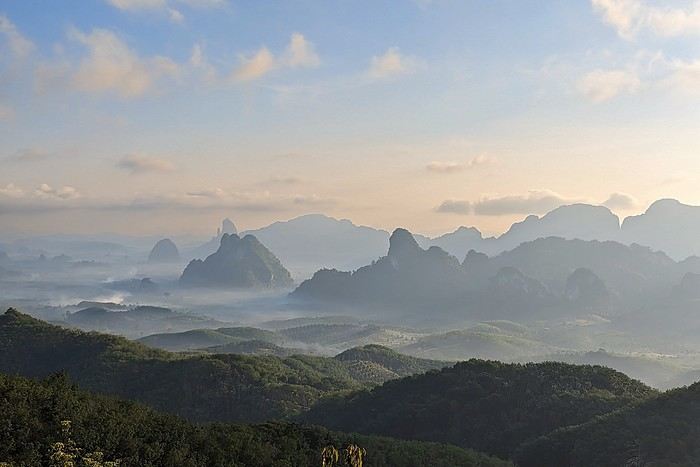
It might not be very original, but I see it hasn’t been suggested—or at least not for a very long time. I’d like to invite you to discover the beauty of the great outdoors through landscape photos. Whether they’re desert, sea, countryside, or mountain scenes—with or without other elements (people, buildings, animals, etc.)—they should make us want to dive right in without hesitation.
To participate: Photo submissions until Wednesday, June 24 at 11:59 PM You can post up to 3 photos, numbered and shared in separate messages, along with a short description of the place and the story behind it.
To vote: from Thursday, June 25 at 12:01 AM to Monday, June 29 at 11:59 PM After the deadline, it’s too late!
Please include the photo number, username, and the points awarded: Photo #1 = 3 pts Photo #2 = 2 pts Photo #3 = 1 pt
All VF members can vote (even those who didn’t submit photos). In case of a tie for first place, the winning photo will be the one with the most first-place votes, then second-place votes! The lucky winner will get to organize July 2026’s photo contest.
For discussions about the theme, it’s here: Discussion thread for June 2026’s theme: Such a Beautiful Landscape
Good luck to everyone!
Philippe
Chumphon, Thailand: Doi Tapang
Havana, Cuba / January 2026
I got into music with the will
To light up many hearths like Che could do,
To circulate ideas, to advance utopia
Alternating barricades, sharp thought, and poetry.
Mc Solaar, Guérilla
Subscribing without a fight to the slightest line of my itinerary sometimes feels like an illusion. Because there are countries where, despite the fever and enthusiasm, despite the triumphant revolution, certain elements block my path. And if I had planned, for F. and me, a beautiful ascent up Tabouret Hill (Loma del Taburete, 453m), it was without accounting for vegetation as dense as it was thorny, which barred our way after just a few quarters of an hour of walking. Exhausted, I had to face the facts: we wouldn’t go any further. I needed to come up with some kind of Plan B.
But what is this country, an unwitting laboratory of the worst that white civilization has done during its reign? What is this magnificent place—yet another—entrusted to the care of oblivion, just 150 km from the land of freedom? According to Donald Trump, a country supporting terrorism; according to the locals, the vast battlefield of 20th-century ideologies; according to the average tourist, a hot country, a beautiful country, a country where the last illusions of a lost paradise are dying.
On the other side of Havana Bay, we love that statue of Christ blessing the city. There’s something gentle, soothing, in that patriarchal gesture. You’d almost be tempted to forget that at the dawn of the 16th century, those who claimed to represent the Church had no scruples about eradicating the Ciboney and Taíno populations. Worse, you’ll find magnificent this cathedral dedicated to the Virgin Mary, right in the heart of the old city. Under the guise of a civilizing necessity, Havana became, like so many other places, the gilded seat of European pretensions, at the expense of local populations doomed to extermination, then enslaved populations—more or less indigenous—who, you can imagine, didn’t often set foot in this holy place.
Lost in my thoughts, I try to push through this tangled vegetation. Nature reclaims its rights; nature abhors a vacuum. Yes, the well-trodden path of revolution couldn’t stay free of weeds! The road is buried. We give up and turn back, until that fork I’d noted before leaving, which would let us reach the top of the hill by skirting its northern slope.
So the white man arrives, settles, and gets rid of everything that bothers him. He has two unstoppable forces at his disposal: gunpowder and the spiritual certainty of being on the side of an all-powerful god. While the first gives him an unmatched material advantage over his new enemy, the second lets him use the first without feeling too guilty. That’s the magic of this supreme Church: it condemns all forms of pleasure—calling them impurity—while promoting plunder and crime under the cover of evangelization.
Walking through the city, you find a bit of Algiers, except that here, the decay is almost irreversible. You feel the splendor of the past, a disconcerting image of all vanity, from an era when men knew how to build beauty—especially if they didn’t have to share it. We’ll debate the benefits of colonialism for a long time, while glossing over the fact that those benefits often stopped at the city limits, limits all too obvious to the indigenous people. Havana isn’t just one or a few buildings; it’s an impressive collection of works of art built one after another, in what I think was a spirit of healthy competition. Yes, you find Algiers in this exuberance. As if these distant cities were the receptacle of everything that was best in the lands of origin. Atlantes and lintels, golds, blues, ogives, and monumental windows—exceptional architecture in an exceptional place.
Some streets are clean, swept with care; others are not, scattered here and there with potholes filled with water. A rather persistent smell of urine invades us regularly. We move on. And we look up: Havana is visited with your nose in the air. Because the beauty is truly up there, on those magnificent balconies and terracotta arches. Also because it’s not impossible that a piece of that balcony might suddenly detach, hurling our ends into an overseas tragedy we’d rather avoid. On the ground, here and there, rubble. Inexorably, this city is returning to dust.
My Plan B turns out to be no more successful than the first attempt. After a cheerful progression of a few hundred meters, same outcome, same struggle—the vegetation opposes any revolution: impossible to go around the hill! Once again, we have to turn back. We’ll try Plan C. I reassure myself by convincing myself to stay in the logic of this country: Cuba has been searching for itself for five centuries.
Coffee, tobacco, and sugarcane—the green gold of the colonies—so that money could flow and Europe could enjoy itself. Cuba’s history isn’t original. In reality, all the hot lands at these latitudes suffer the same fate: to serve the white man. While waiting for the awakening of consciences, UN Resolution 1514 and more or less affirmed revolutionary desires. Except that—and this reflection is just my own—if the awakening of consciences and the revolutionary will don’t play into what Resolution 1514 hides, there’s a good chance the said state will become a pariah. Those who don’t follow the American doctrine risk a lot; those who decide to follow Moscow risk everything. Independence was only the barely discreet instrument of American views. Patrice Lumumba will gladly enlighten us on the subject.
Turning back is good. Setting up Plan C is better. I won’t deviate from my goal: we will reach the top of Tabouret, whatever the cost! Near a small country road, I hesitate to change the program. Time is ticking—is it really reasonable to attempt the ascent? Then a tricycle taxi appears, a kind of tuk-tuk powered by an electric moped. I take it as a sign from fate, and we board for the starting point of Plan C.
In Cuba, even before Resolution 1514, independence was assured by a pawn of the United States, Fulgencio Batista. There’s no need to go over the whole history here; we’ll just remember that if you know how to give without counting to your former masters, you can enjoy a facade of freedom. Fidel Castro, on the other hand, didn’t know how to give. It never even occurred to him. That’s why the United States harbors such terrible hatred for this rebellious state, opposed to capitalist values and political prostitution. From there to slowly killing its people for nearly seventy years, one can legitimately cry injustice. But there are other priorities. Oh yes! Greenland...
Do Cubans eat their fill? Does seeing overweight people mean opulence? Food grows, no doubt about it. The soil is fertile, the climate favorable. No, what shocks here is the absolute precarity, the feeling of a people living in survival mode, and the decay of both goods and hope. Where to go? What’s the point? The stubbornness of the United States in wanting to impose its views on the Cuban government is felt much more by an overwhelmed people than by those few elites—caricatures of communism—who instill their vision of happiness with a crowbar. The embargo imposed in 1960; the false-flag attacks—American planes flying the colors of the Cuban revolution during the Bay of Pigs invasion in 1961—the exasperation of placing Cuba on the list of countries supporting terrorism. More recently, Donald Trump decided to heavily tax countries supplying Cuba with fuel. The last time I saw such long lines near gas stations was during my first trip to Romania... in 1991. It’s not for me to judge whether Raúl and his clique are playing fair by thumbing their noses at the West. I don’t hold the ins and outs of this war of egos that keeps the world’s great powers awake. I only caught a glimpse of the poverty of an island in 2026, while we in Europe are buried under an avalanche of the useless and superficial.
At the start of the San Juan baths, we find the trailhead. It climbs steeply. But the weather is relatively mild, thanks to a cold wave hitting higher up in the United States. Dallas is under snow; we’re walking in 16°C, a stroke of luck. We climb over rocks, under fairly decent vegetation, sometimes low but passable. And we succeed in the ascent in an hour. Up there, the top of the hill is somewhat maintained, at a minimum, but maintained, as if to honor Che through an awful monument erected in his glory—a stubborn specimen from those years when good taste was inversely proportional to the delusional ideas of those being honored. Birds of prey (raptors?) circle overhead; the monument is dying, crumbling, falling into ruin. *Hasta siempre*—forever—will be for the words. Nature, erosion, life itself will have the last word over all revolutions.
Back at the foot of the hill, just before a memorable swim, we talk with a family living there in miserable shacks whose stability wasn’t unlike that of the Leaning Tower of Pisa. The grandmother holds an animal, a rodent, by its feet. The grandfather has just killed it; she’s plucking its fur. A few steps away, water boils in a pot. She plunges the beast into the container. Tonight, the family will eat ragondin stew. Further on, another shack where, in a disorder rivaling the filth, a mother breastfeeds while sitting on the edge of a bed. Then, on the way down, we’ll meet a middle-aged man carrying a large jerrycan of water on his shoulder. Are these people happy here, far from the cities and their stakes? Is it too much to ask that they at least have access to electricity, running water, and decent, safe housing?
Outside the old city, Havana reveals wide avenues serving imposing institutions here and there. But whether in the colorful alleys of the old town or on the majestic and austere Plaza de la Revolución, the same feeling moves me: sadness. Seeing that only chaos has come from ideas crushes me. We praise, we sing the revolution—above all, we impose it in people’s minds as a necessity, when it’s nothing of the sort. Revolution is just the fruit of a few tortured minds who, once in power, do nothing better than all those before them. Enjoy power. Impose their views. It’s just a matter of color. Fidel saw red and knew how to persuade—or silence forever—his many detractors. The West sees everything in white, through the prism of human rights, and also knows how to persuade and silence its slightest detractors forever.
Paradoxically, Cuba survives largely thanks to tourism, a key element—let’s not be afraid to say it—of capitalism. And when a few players pick up the crumbs from transactions, the lion’s share and the foreign currency go to the government. So we won’t go to Varadero, the high place of relaxation overrun by Canadians. Instead, we’ll limit ourselves to crossing the ocean 30 minutes from the capital, at Santa María del Mar, to get an idea of cheaper tourism and to splash around for a few minutes in turquoise water invaded by sargassum. At the heart of the tourist season, we’ll meet few people. Like Havana, and according to its inhabitants, the high season is rather dead. But we won’t have come for nothing: we particularly love this return where, feverish, the taxi driver pushes his Moskvitch 2140 to the max on the highway, singing karaoke versions of hits at the top of his lungs from an onboard DVD player. East/West, the culture clash with a hint of Latino.
It’s time to leave this country of resourcefulness where extremes are very present. We’re leaving a 5-star hotel in front of yet another crumbling building. We’ve known restaurants at 40,000 pesos while in the street people eat for 400. We’ve seen those countless cars from another era and another culture—Pontiac, Lada, Chevrolet, Moskvitch—being overtaken by gleaming Mercedes and other Porsche Cayennes, the prerogative—if it still needed to be demonstrated—of the newly rich in search of recognition. Boarding the plane, we also understand that we’re not just traveling with tourists: there’s undoubtedly a rich and prosperous diaspora, just as there are relatively wealthy Cubans—well, wealthy enough to travel comfortably in the front of the aircraft. Meanwhile, on all the country’s roads, other Cubans try hitchhiking, their wives and children perched on a suitcase by the roadside. The father holds out his arm and holds a few bills in his hand like a card game. Where are they going? Who will pick them up?
Behind me, the gold of the Capitol. I’m told this gold comes from Russia. Like Marx and Lenin’s smoky theories? Like Stalin’s subtle and delicate paternalism? Let’s bet that, like the other buildings crumbling around it, the Capitol will also collapse one day, to avenge the Indians who perished from the diseases and guns of the whites, to avenge the Africans who obliterated their lives so Europeans could enjoy themselves, finally, to avenge all this abandoned people, left to the arbitrariness of democratic or non-democratic elections.
A sign in the street: We understand history. This is the revolution! We understand history. That’s the revolution.
No comment.
Subscribing without a fight to the slightest line of my itinerary sometimes feels like an illusion. Because there are countries where, despite the fever and enthusiasm, despite the triumphant revolution, certain elements block my path. And if I had planned, for F. and me, a beautiful ascent up Tabouret Hill (Loma del Taburete, 453m), it was without accounting for vegetation as dense as it was thorny, which barred our way after just a few quarters of an hour of walking. Exhausted, I had to face the facts: we wouldn’t go any further. I needed to come up with some kind of Plan B.
But what is this country, an unwitting laboratory of the worst that white civilization has done during its reign? What is this magnificent place—yet another—entrusted to the care of oblivion, just 150 km from the land of freedom? According to Donald Trump, a country supporting terrorism; according to the locals, the vast battlefield of 20th-century ideologies; according to the average tourist, a hot country, a beautiful country, a country where the last illusions of a lost paradise are dying.
On the other side of Havana Bay, we love that statue of Christ blessing the city. There’s something gentle, soothing, in that patriarchal gesture. You’d almost be tempted to forget that at the dawn of the 16th century, those who claimed to represent the Church had no scruples about eradicating the Ciboney and Taíno populations. Worse, you’ll find magnificent this cathedral dedicated to the Virgin Mary, right in the heart of the old city. Under the guise of a civilizing necessity, Havana became, like so many other places, the gilded seat of European pretensions, at the expense of local populations doomed to extermination, then enslaved populations—more or less indigenous—who, you can imagine, didn’t often set foot in this holy place.
Lost in my thoughts, I try to push through this tangled vegetation. Nature reclaims its rights; nature abhors a vacuum. Yes, the well-trodden path of revolution couldn’t stay free of weeds! The road is buried. We give up and turn back, until that fork I’d noted before leaving, which would let us reach the top of the hill by skirting its northern slope.
So the white man arrives, settles, and gets rid of everything that bothers him. He has two unstoppable forces at his disposal: gunpowder and the spiritual certainty of being on the side of an all-powerful god. While the first gives him an unmatched material advantage over his new enemy, the second lets him use the first without feeling too guilty. That’s the magic of this supreme Church: it condemns all forms of pleasure—calling them impurity—while promoting plunder and crime under the cover of evangelization.
Walking through the city, you find a bit of Algiers, except that here, the decay is almost irreversible. You feel the splendor of the past, a disconcerting image of all vanity, from an era when men knew how to build beauty—especially if they didn’t have to share it. We’ll debate the benefits of colonialism for a long time, while glossing over the fact that those benefits often stopped at the city limits, limits all too obvious to the indigenous people. Havana isn’t just one or a few buildings; it’s an impressive collection of works of art built one after another, in what I think was a spirit of healthy competition. Yes, you find Algiers in this exuberance. As if these distant cities were the receptacle of everything that was best in the lands of origin. Atlantes and lintels, golds, blues, ogives, and monumental windows—exceptional architecture in an exceptional place.
Some streets are clean, swept with care; others are not, scattered here and there with potholes filled with water. A rather persistent smell of urine invades us regularly. We move on. And we look up: Havana is visited with your nose in the air. Because the beauty is truly up there, on those magnificent balconies and terracotta arches. Also because it’s not impossible that a piece of that balcony might suddenly detach, hurling our ends into an overseas tragedy we’d rather avoid. On the ground, here and there, rubble. Inexorably, this city is returning to dust.
My Plan B turns out to be no more successful than the first attempt. After a cheerful progression of a few hundred meters, same outcome, same struggle—the vegetation opposes any revolution: impossible to go around the hill! Once again, we have to turn back. We’ll try Plan C. I reassure myself by convincing myself to stay in the logic of this country: Cuba has been searching for itself for five centuries.
Coffee, tobacco, and sugarcane—the green gold of the colonies—so that money could flow and Europe could enjoy itself. Cuba’s history isn’t original. In reality, all the hot lands at these latitudes suffer the same fate: to serve the white man. While waiting for the awakening of consciences, UN Resolution 1514 and more or less affirmed revolutionary desires. Except that—and this reflection is just my own—if the awakening of consciences and the revolutionary will don’t play into what Resolution 1514 hides, there’s a good chance the said state will become a pariah. Those who don’t follow the American doctrine risk a lot; those who decide to follow Moscow risk everything. Independence was only the barely discreet instrument of American views. Patrice Lumumba will gladly enlighten us on the subject.
Turning back is good. Setting up Plan C is better. I won’t deviate from my goal: we will reach the top of Tabouret, whatever the cost! Near a small country road, I hesitate to change the program. Time is ticking—is it really reasonable to attempt the ascent? Then a tricycle taxi appears, a kind of tuk-tuk powered by an electric moped. I take it as a sign from fate, and we board for the starting point of Plan C.
In Cuba, even before Resolution 1514, independence was assured by a pawn of the United States, Fulgencio Batista. There’s no need to go over the whole history here; we’ll just remember that if you know how to give without counting to your former masters, you can enjoy a facade of freedom. Fidel Castro, on the other hand, didn’t know how to give. It never even occurred to him. That’s why the United States harbors such terrible hatred for this rebellious state, opposed to capitalist values and political prostitution. From there to slowly killing its people for nearly seventy years, one can legitimately cry injustice. But there are other priorities. Oh yes! Greenland...
Do Cubans eat their fill? Does seeing overweight people mean opulence? Food grows, no doubt about it. The soil is fertile, the climate favorable. No, what shocks here is the absolute precarity, the feeling of a people living in survival mode, and the decay of both goods and hope. Where to go? What’s the point? The stubbornness of the United States in wanting to impose its views on the Cuban government is felt much more by an overwhelmed people than by those few elites—caricatures of communism—who instill their vision of happiness with a crowbar. The embargo imposed in 1960; the false-flag attacks—American planes flying the colors of the Cuban revolution during the Bay of Pigs invasion in 1961—the exasperation of placing Cuba on the list of countries supporting terrorism. More recently, Donald Trump decided to heavily tax countries supplying Cuba with fuel. The last time I saw such long lines near gas stations was during my first trip to Romania... in 1991. It’s not for me to judge whether Raúl and his clique are playing fair by thumbing their noses at the West. I don’t hold the ins and outs of this war of egos that keeps the world’s great powers awake. I only caught a glimpse of the poverty of an island in 2026, while we in Europe are buried under an avalanche of the useless and superficial.
At the start of the San Juan baths, we find the trailhead. It climbs steeply. But the weather is relatively mild, thanks to a cold wave hitting higher up in the United States. Dallas is under snow; we’re walking in 16°C, a stroke of luck. We climb over rocks, under fairly decent vegetation, sometimes low but passable. And we succeed in the ascent in an hour. Up there, the top of the hill is somewhat maintained, at a minimum, but maintained, as if to honor Che through an awful monument erected in his glory—a stubborn specimen from those years when good taste was inversely proportional to the delusional ideas of those being honored. Birds of prey (raptors?) circle overhead; the monument is dying, crumbling, falling into ruin. *Hasta siempre*—forever—will be for the words. Nature, erosion, life itself will have the last word over all revolutions.
Back at the foot of the hill, just before a memorable swim, we talk with a family living there in miserable shacks whose stability wasn’t unlike that of the Leaning Tower of Pisa. The grandmother holds an animal, a rodent, by its feet. The grandfather has just killed it; she’s plucking its fur. A few steps away, water boils in a pot. She plunges the beast into the container. Tonight, the family will eat ragondin stew. Further on, another shack where, in a disorder rivaling the filth, a mother breastfeeds while sitting on the edge of a bed. Then, on the way down, we’ll meet a middle-aged man carrying a large jerrycan of water on his shoulder. Are these people happy here, far from the cities and their stakes? Is it too much to ask that they at least have access to electricity, running water, and decent, safe housing?
Outside the old city, Havana reveals wide avenues serving imposing institutions here and there. But whether in the colorful alleys of the old town or on the majestic and austere Plaza de la Revolución, the same feeling moves me: sadness. Seeing that only chaos has come from ideas crushes me. We praise, we sing the revolution—above all, we impose it in people’s minds as a necessity, when it’s nothing of the sort. Revolution is just the fruit of a few tortured minds who, once in power, do nothing better than all those before them. Enjoy power. Impose their views. It’s just a matter of color. Fidel saw red and knew how to persuade—or silence forever—his many detractors. The West sees everything in white, through the prism of human rights, and also knows how to persuade and silence its slightest detractors forever.
Paradoxically, Cuba survives largely thanks to tourism, a key element—let’s not be afraid to say it—of capitalism. And when a few players pick up the crumbs from transactions, the lion’s share and the foreign currency go to the government. So we won’t go to Varadero, the high place of relaxation overrun by Canadians. Instead, we’ll limit ourselves to crossing the ocean 30 minutes from the capital, at Santa María del Mar, to get an idea of cheaper tourism and to splash around for a few minutes in turquoise water invaded by sargassum. At the heart of the tourist season, we’ll meet few people. Like Havana, and according to its inhabitants, the high season is rather dead. But we won’t have come for nothing: we particularly love this return where, feverish, the taxi driver pushes his Moskvitch 2140 to the max on the highway, singing karaoke versions of hits at the top of his lungs from an onboard DVD player. East/West, the culture clash with a hint of Latino.
It’s time to leave this country of resourcefulness where extremes are very present. We’re leaving a 5-star hotel in front of yet another crumbling building. We’ve known restaurants at 40,000 pesos while in the street people eat for 400. We’ve seen those countless cars from another era and another culture—Pontiac, Lada, Chevrolet, Moskvitch—being overtaken by gleaming Mercedes and other Porsche Cayennes, the prerogative—if it still needed to be demonstrated—of the newly rich in search of recognition. Boarding the plane, we also understand that we’re not just traveling with tourists: there’s undoubtedly a rich and prosperous diaspora, just as there are relatively wealthy Cubans—well, wealthy enough to travel comfortably in the front of the aircraft. Meanwhile, on all the country’s roads, other Cubans try hitchhiking, their wives and children perched on a suitcase by the roadside. The father holds out his arm and holds a few bills in his hand like a card game. Where are they going? Who will pick them up?
Behind me, the gold of the Capitol. I’m told this gold comes from Russia. Like Marx and Lenin’s smoky theories? Like Stalin’s subtle and delicate paternalism? Let’s bet that, like the other buildings crumbling around it, the Capitol will also collapse one day, to avenge the Indians who perished from the diseases and guns of the whites, to avenge the Africans who obliterated their lives so Europeans could enjoy themselves, finally, to avenge all this abandoned people, left to the arbitrariness of democratic or non-democratic elections.
A sign in the street: We understand history. This is the revolution! We understand history. That’s the revolution.
No comment.
December Photo Contest Discussion: One or Multiple Shots of Towers
This is the place to chat about December’s theme!
I’ll start with a little TOUR of the world’s TOURS.
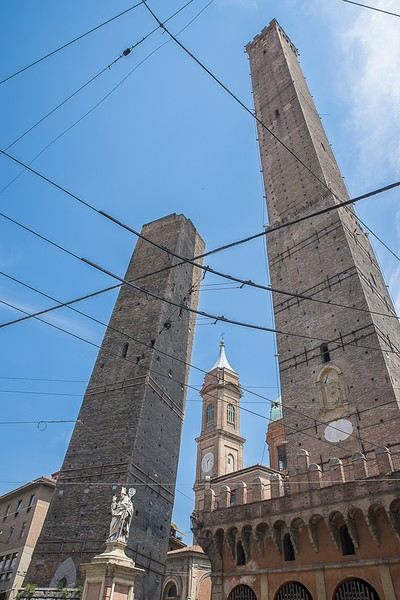
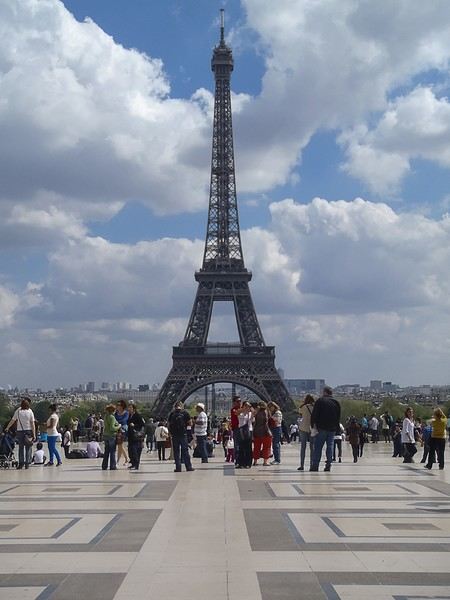
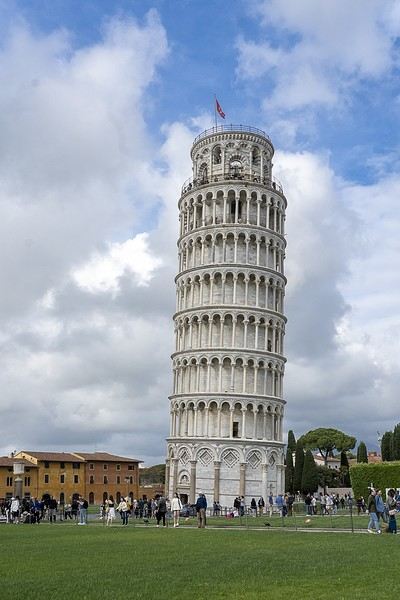
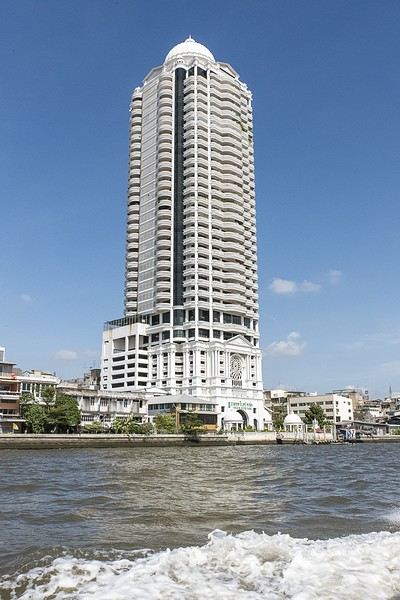
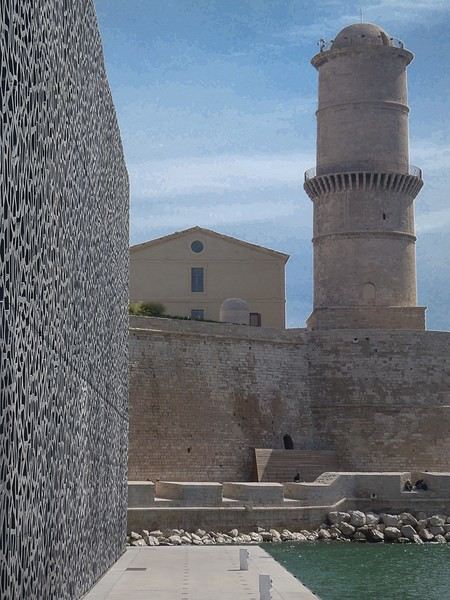
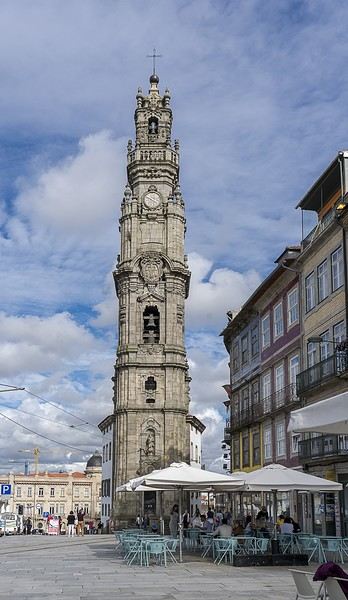
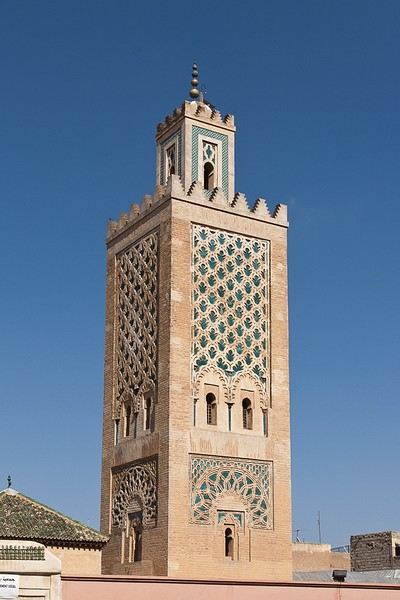
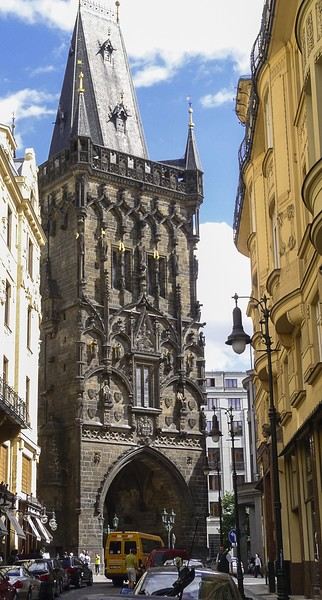
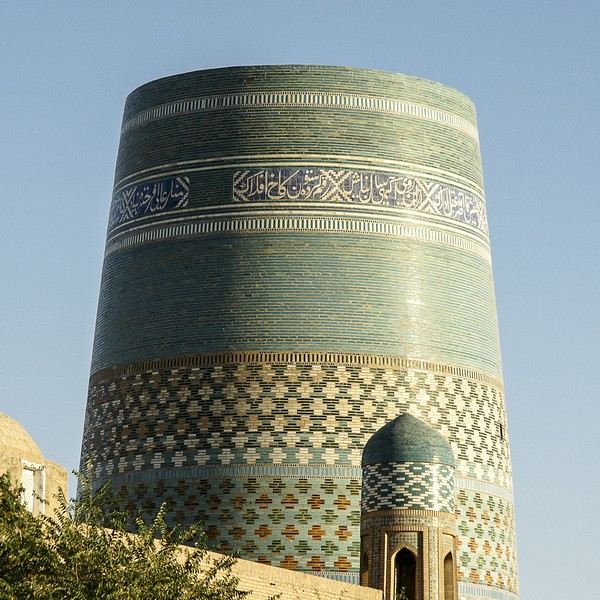
Of course, you can submit multiple photos of the same tower in the contest—it’s the quality of the photo that’ll be judged during voting, not just the subject!
Of course, you can submit multiple photos of the same tower in the contest—it’s the quality of the photo that’ll be judged during voting, not just the subject!
How do you feel about coming back to France?
Hi there, I’ve been traveling for 18 years now, at least 6 months a year, and as the years go by, I actually enjoy coming back to France more and more—a feeling I struggled with at first. I mean, we always think the grass is greener elsewhere.
But in the end, I find meaning in that saying about how there’s no place like home. I still love traveling just as much, but now my trips are shorter, and I enjoy spending more time in our beautiful country, even though I don’t hesitate to criticize it.
How about you? How do you handle coming back from your travels?
My Cuba trip experience
Hi everyone.
Here’s my personal account (just my own opinion, of course):
My trip lasted 2 months (January to March 2025). Backpacking, solo, and on a very tight budget (15 € per day on average). I traveled from Havana to: Viñales, Santa Marta/Varadero, Cienfuegos, Trinidad, Sancti Spíritus, Camagüey, Bayamo, Santiago de Cuba, Guantánamo, Baracoa, Moa, Holguín, Santa Clara, Cienfuegos, and back to Havana.
In Cuba, if you stay in *casas particulares*, you’ll have plenty of options. They’re everywhere. When I did door-to-door, I negotiated prices based on my small budget. Not always accepted, but I still managed to find families willing to host me. The island has fewer and fewer tourists each year, so many now prefer to rent a room at a low price rather than leave it empty. Inflation is insane, and Cubans struggle to get by day to day.
Door-to-door works really well (look for the blue logo of a roof on the house, which means it’s licensed to rent to foreigners)—you’ll see them everywhere. If it makes you feel more secure, you can also book through Airb’n’b, but you won’t be able to negotiate there. Important: make sure to get a VPN subscription on your phone, otherwise you won’t be able to book anything (since Airbnb is a U.S. site).
Now, for the West:
- Viñales: very pretty but *super* touristy! So, food prices are a bit high… but it’s the cheapest place to stay I found in the whole country (3 €-4 per night!!!), because there’s so much competition with *casas* (you’ll find them on every street!).
- Cienfuegos: a human-scale city, I really liked it because it’s so peaceful. Waterfront, pretty square, good prices, wide and well-lit streets—very pleasant…
- Trinidad: very expensive and very touristy. Pretty (cobblestone streets, historic center, natural surroundings), but packed with people…
- Havana: easy to find cheap accommodation if you look in Chinatown. However, you shouldn’t mind the noise and street prostitution (getting approached every 10 meters)… Central Havana is the only well-maintained and upscale part of the city (so very expensive, for tourists with money). Outside of that, everything is run-down, in ruins, or very poor (and cheap as a result).
- Varadero: no interest at all. Very expensive, superficial, and ultra-touristy. Absolutely nothing Cuban about the place. If you still want to go, stay 3 km before in Santa Marta—it’s cheaper, and you can easily walk there.
- Santa Clara: a very pretty small city with its central square. Hard to find a good place to eat with electricity—if you can afford it, go to *El Sol* restaurant, no hesitation! Great welcome and a charming spot to enjoy a meal. For accommodation, I recommend a wonderful person, Juan Carlos. *Casa San Lorenzo* on Calle Martí! Always attentive, a great spirit, and good advice…
For the Center:
- Sancti Spíritus: nothing special… just a stopover city.
- Camagüey: a nice city with welcoming people (like everywhere else), but nothing particularly noteworthy.
For the Southeast:
- Bayamo: very small, nothing special.
- Santiago de Cuba: I loved it! It felt like San Francisco with its hilly layout! Lots of street life, musicians, affordable *casas*, easy to make friendly connections, quiet spots by the water, and lively areas downtown (despite the downside of being approached every 2 minutes). And always, a warm welcome from locals (shoutout to the adorable Erika, Souleydis, and her partner—I’m giving a shoutout to *Casa San Pedro* on Calle Princesa!).
- Guantánamo: no interest. Hard to find accommodation or even food. Nothing special and not very pretty either…
- Baracoa: very pretty, though! Kept in its own juice, very typical, authentic, a peaceful waterfront, and stunning natural surroundings… Easy to find cheap accommodation.
- Moa: the only small town where I stayed 3 days and couldn’t find bottled water… Not much interest, except to rest before hitting the road again.
- Holguín: one of the cities I loved! I stayed over 10 days. Human-scale, lots of places to stay and sleep. No one bothers you in the street (except money changers). It’s a great place to live, and the people are very friendly.
Overall positives: no need to worry—Cuba is ultra-safe, no aggression, no risks. Cubans are very welcoming, smiling, and always ready to help. Public transport everywhere—buses, trucks, *collectivos*, *taxi wha-wha*… The ice cream is to die for (just watch out for power outages and freezers). Great breakfasts in *casas*—hearty and delicious… Movie theaters are practically free (in Cuban pesos), so cheap it’d be a shame to skip them (they’re often empty, by the way). Chess clubs in every city, open to everyone and free (they’re really good!). The general vibe is warm and joyful despite the hardships…
Overall negatives: lots of scams, theft, and prostitution. Except in Havana, the rest of the island has no electricity for most of the day. Hard to find good cheap food (without going to big restaurants or hotels). Often mediocre: pasta or pizza usually have no taste. Paranoia among many people who fear crime, even though the country is very safe… Inflation is so bad that many Cubans struggle to eat or get healthcare (medicine is rare and expensive).
That’s a lot to say, but that’s the gist of it… 😊
Here’s my personal account (just my own opinion, of course):
My trip lasted 2 months (January to March 2025). Backpacking, solo, and on a very tight budget (15 € per day on average). I traveled from Havana to: Viñales, Santa Marta/Varadero, Cienfuegos, Trinidad, Sancti Spíritus, Camagüey, Bayamo, Santiago de Cuba, Guantánamo, Baracoa, Moa, Holguín, Santa Clara, Cienfuegos, and back to Havana.
In Cuba, if you stay in *casas particulares*, you’ll have plenty of options. They’re everywhere. When I did door-to-door, I negotiated prices based on my small budget. Not always accepted, but I still managed to find families willing to host me. The island has fewer and fewer tourists each year, so many now prefer to rent a room at a low price rather than leave it empty. Inflation is insane, and Cubans struggle to get by day to day.
Door-to-door works really well (look for the blue logo of a roof on the house, which means it’s licensed to rent to foreigners)—you’ll see them everywhere. If it makes you feel more secure, you can also book through Airb’n’b, but you won’t be able to negotiate there. Important: make sure to get a VPN subscription on your phone, otherwise you won’t be able to book anything (since Airbnb is a U.S. site).
Now, for the West:
- Viñales: very pretty but *super* touristy! So, food prices are a bit high… but it’s the cheapest place to stay I found in the whole country (3 €-4 per night!!!), because there’s so much competition with *casas* (you’ll find them on every street!).
- Cienfuegos: a human-scale city, I really liked it because it’s so peaceful. Waterfront, pretty square, good prices, wide and well-lit streets—very pleasant…
- Trinidad: very expensive and very touristy. Pretty (cobblestone streets, historic center, natural surroundings), but packed with people…
- Havana: easy to find cheap accommodation if you look in Chinatown. However, you shouldn’t mind the noise and street prostitution (getting approached every 10 meters)… Central Havana is the only well-maintained and upscale part of the city (so very expensive, for tourists with money). Outside of that, everything is run-down, in ruins, or very poor (and cheap as a result).
- Varadero: no interest at all. Very expensive, superficial, and ultra-touristy. Absolutely nothing Cuban about the place. If you still want to go, stay 3 km before in Santa Marta—it’s cheaper, and you can easily walk there.
- Santa Clara: a very pretty small city with its central square. Hard to find a good place to eat with electricity—if you can afford it, go to *El Sol* restaurant, no hesitation! Great welcome and a charming spot to enjoy a meal. For accommodation, I recommend a wonderful person, Juan Carlos. *Casa San Lorenzo* on Calle Martí! Always attentive, a great spirit, and good advice…
For the Center:
- Sancti Spíritus: nothing special… just a stopover city.
- Camagüey: a nice city with welcoming people (like everywhere else), but nothing particularly noteworthy.
For the Southeast:
- Bayamo: very small, nothing special.
- Santiago de Cuba: I loved it! It felt like San Francisco with its hilly layout! Lots of street life, musicians, affordable *casas*, easy to make friendly connections, quiet spots by the water, and lively areas downtown (despite the downside of being approached every 2 minutes). And always, a warm welcome from locals (shoutout to the adorable Erika, Souleydis, and her partner—I’m giving a shoutout to *Casa San Pedro* on Calle Princesa!).
- Guantánamo: no interest. Hard to find accommodation or even food. Nothing special and not very pretty either…
- Baracoa: very pretty, though! Kept in its own juice, very typical, authentic, a peaceful waterfront, and stunning natural surroundings… Easy to find cheap accommodation.
- Moa: the only small town where I stayed 3 days and couldn’t find bottled water… Not much interest, except to rest before hitting the road again.
- Holguín: one of the cities I loved! I stayed over 10 days. Human-scale, lots of places to stay and sleep. No one bothers you in the street (except money changers). It’s a great place to live, and the people are very friendly.
Overall positives: no need to worry—Cuba is ultra-safe, no aggression, no risks. Cubans are very welcoming, smiling, and always ready to help. Public transport everywhere—buses, trucks, *collectivos*, *taxi wha-wha*… The ice cream is to die for (just watch out for power outages and freezers). Great breakfasts in *casas*—hearty and delicious… Movie theaters are practically free (in Cuban pesos), so cheap it’d be a shame to skip them (they’re often empty, by the way). Chess clubs in every city, open to everyone and free (they’re really good!). The general vibe is warm and joyful despite the hardships…
Overall negatives: lots of scams, theft, and prostitution. Except in Havana, the rest of the island has no electricity for most of the day. Hard to find good cheap food (without going to big restaurants or hotels). Often mediocre: pasta or pizza usually have no taste. Paranoia among many people who fear crime, even though the country is very safe… Inflation is so bad that many Cubans struggle to eat or get healthcare (medicine is rare and expensive).
That’s a lot to say, but that’s the gist of it… 😊
Discussion for October's Theme (Doors)
Hello again!
If you'd like to post non-contest photos or chat about this month's theme, this is the place! 🙂
If you'd like to post non-contest photos or chat about this month's theme, this is the place! 🙂