Results for "Arménie"
About 2,147 results.
More options
Many results are in French, the community’s main language. English translations are added over time.
Search results
"Chers disparus Mayas"
Je me permet de retranscrire sur ce forum un article provenant du site internet d un quotidient francais :
Chers disparus Mayas Quelque 45 000 personnes ont disparu durant le conflit guatémaltèque. Depuis la reconnaissance du génocide, en 1999, des fosses communes sont ouvertes. Photographe en terre maya depuis une dizaine d'années, Miquel Dewever-Plana a réalisé un reportage sur les exhumations.
Par Aline LECLERC
jeudi 20 mai 2004 (Liberation - 06:00)
 oups de marteau dans un gymnase du Quiché. Scellées, de petites boîtes en bois deviennent cercueils. Ceux de femmes et d'enfants massacrés il y a plus de vingt ans à Vipulay. Identifiés grâce à des restes de vêtements, leurs squelettes ont été retrouvés dans une fosse commune, comme les légistes en découvrent un peu partout au Guatemala. Jusqu'ici, ils n'étaient que «disparus». La «disparition forcée» fut une pratique courante de l'armée dans les conflits latino-américains, mais c'est au Guatemala, de 1962 à 1996, qu'elle fut la plus fréquente : des 200 000 victimes de la guerre, près de 45 000 ont disparu, dont une majorité d'Indiens.
Sans cadavre, pas de trace des massacres. Seules les exhumations réalisées par les légistes prouvent aujourd'hui les exécutions arbitraires d'enfants ou de femmes enceintes qui contredisent l'idée, toujours très répandue, que toutes les victimes appartenaient à la guérilla. Des procédures officielles qui se sont développées après la publication du rapport de la Commission pour l'éclaircissement historique (CEH). En 1999, celle-ci a conclu à l'existence d'un génocide, dénonçant la responsabilité de nombreux dirigeants guatémaltèques dans la planification des massacres et le recours à la politique de la terre brûlée, signes d'une stratégie d'élimination systématique de la population maya. Pourtant, ils jouissent toujours d'une totale impunité. Parmi eux, l'ex-général Rios Montt, responsable de la disparition de villages entiers lorsqu'il était au pouvoir, président du Congrès jusqu'en novembre dernier et candidat à l'élection présidentielle cet automne.
Les exhumations font ressurgir l'horreur d'un conflit que certains voudraient oublier. Aux légistes de soigner la mémoire défaillante du pays, premier pas vers la reconnaissance des atrocités commises et des souffrances endurées. Les familles, elles, peuvent enfin inhumer leur parent disparu selon les rites catholique, évangélique ou maya.
Sept ans après les accords de paix, le nouveau président, Oscar Berger, vient de s'engager officiellement à indemniser les victimes de la guerre.
Chers disparus Mayas
Quelque 45 000 personnes ont disparu durant le conflit guatémaltèque. Depuis la reconnaissance du génocide, en 1999, des fosses communes sont ouvertes. Photographe en terre maya depuis une dizaine d'années, Miquel Dewever-Plana a réalisé un reportage sur les exhumations.Par Aline LECLERC
jeudi 20 mai 2004 (Liberation - 06:00)
oups de marteau dans un gymnase du Quiché. Scellées, de petites boîtes en bois deviennent cercueils. Ceux de femmes et d'enfants massacrés il y a plus de vingt ans à Vipulay. Identifiés grâce à des restes de vêtements, leurs squelettes ont été retrouvés dans une fosse commune, comme les légistes en découvrent un peu partout au Guatemala. Jusqu'ici, ils n'étaient que «disparus». La «disparition forcée» fut une pratique courante de l'armée dans les conflits latino-américains, mais c'est au Guatemala, de 1962 à 1996, qu'elle fut la plus fréquente : des 200 000 victimes de la guerre, près de 45 000 ont disparu, dont une majorité d'Indiens.Sans cadavre, pas de trace des massacres. Seules les exhumations réalisées par les légistes prouvent aujourd'hui les exécutions arbitraires d'enfants ou de femmes enceintes qui contredisent l'idée, toujours très répandue, que toutes les victimes appartenaient à la guérilla. Des procédures officielles qui se sont développées après la publication du rapport de la Commission pour l'éclaircissement historique (CEH). En 1999, celle-ci a conclu à l'existence d'un génocide, dénonçant la responsabilité de nombreux dirigeants guatémaltèques dans la planification des massacres et le recours à la politique de la terre brûlée, signes d'une stratégie d'élimination systématique de la population maya. Pourtant, ils jouissent toujours d'une totale impunité. Parmi eux, l'ex-général Rios Montt, responsable de la disparition de villages entiers lorsqu'il était au pouvoir, président du Congrès jusqu'en novembre dernier et candidat à l'élection présidentielle cet automne.
Les exhumations font ressurgir l'horreur d'un conflit que certains voudraient oublier. Aux légistes de soigner la mémoire défaillante du pays, premier pas vers la reconnaissance des atrocités commises et des souffrances endurées. Les familles, elles, peuvent enfin inhumer leur parent disparu selon les rites catholique, évangélique ou maya.
Sept ans après les accords de paix, le nouveau président, Oscar Berger, vient de s'engager officiellement à indemniser les victimes de la guerre.
Hôtels de luxe incontournables pour barroudeurs...
Les voyageurs ouverts d'esprit ne se cantonnent pas qu'aux auberges de jeunesse, hôtels bas de gamme ou chambres d'hôtes. Parfois, manger ou dormir dans un hôtel de luxe peut se révéler être un moment incontournable d'un voyage réussi. Je commence :
PALMYRE : L'hôtel "SHAMS", pour y déguster ses mezzehs fins et délicats dans son immense réstaurant souvent vide aux tentures orientales. La vue sur le site archéologique y est imprenable. Se baigner dans la piscine après le repas, en plein désert est un autre moment unique à vivre absolument.
L'hôtel "Zénobie" pour y manger sur la terrasse à l'ombre des oliviers, sur des chapiteaux de temples ou de palais faisant office de tables. C'est le seul hôtel de Tadmor se trouvant sur le site de Palmyre. Du jardin restaurant ou de sa chambre l'on voit le site.
ISPAHAN : L'hôtel "Shah Abbas". C'est un ancien caravansérail transformé en hôtel luxueux. manger dans son jardin bordé de lauriers roses et blancs est un luxe tout à fait abordable pour tout voyageur, y dormir l'est moins mais pour ceux qui peuvent se le permettre, il serait dommage de s'en priver.
à vous ...
PALMYRE : L'hôtel "SHAMS", pour y déguster ses mezzehs fins et délicats dans son immense réstaurant souvent vide aux tentures orientales. La vue sur le site archéologique y est imprenable. Se baigner dans la piscine après le repas, en plein désert est un autre moment unique à vivre absolument.
L'hôtel "Zénobie" pour y manger sur la terrasse à l'ombre des oliviers, sur des chapiteaux de temples ou de palais faisant office de tables. C'est le seul hôtel de Tadmor se trouvant sur le site de Palmyre. Du jardin restaurant ou de sa chambre l'on voit le site.
ISPAHAN : L'hôtel "Shah Abbas". C'est un ancien caravansérail transformé en hôtel luxueux. manger dans son jardin bordé de lauriers roses et blancs est un luxe tout à fait abordable pour tout voyageur, y dormir l'est moins mais pour ceux qui peuvent se le permettre, il serait dommage de s'en priver.
à vous ...
Bons plans en Égypte
Bonjour à tous
Je viens de découvrir ce site que je trouve vraiment génial!
En février, je vais faire un voyage en Égypte (et Israël) avec mon copain. Un voyage de type "routard" (sauf une superbe croisière sur le Steam Ship Sudan, en passant, si quelqu'un à déjà fait une croisière sur ce bateau, j'aimerais bien avoir un commentaire🙂)
1- Avez vous une suggestion d'hôtel...ou d'auberge? (pas trop cher, environ 40 LE/nuit), pour le Caire (4 nuits), Assouan (3 nuits) et Louxor (1 nuit)
2- Dans tous ces endroits, quel son & lumière est le + beau?
3- Nous prévoyons aller au Marché aux dromadaires de Birqach, est ce que ça en vaut le déplacement?
4- Si j'ai une nuit à passer au Sinaï...Dahab ou Noueiba?
5- Comment est la température en Février en Égypte? et est-ce que c'est la haute ou la basse saison?
J'ai 2 guides de voyages, Géo Guide et Routard...il y a plusieurs contradictions d'un à l'autre. Je prépare l'itinéraire depuis quelques temps, mais il y a tellement de belles choses à voir en Égypte!! Il y a plein de questions qui me traversent l'esprit, mais je ne veux pas vous "bombarder" en commençant hi!hi!
Merci de voler à mon secours...🤪
En février, je vais faire un voyage en Égypte (et Israël) avec mon copain. Un voyage de type "routard" (sauf une superbe croisière sur le Steam Ship Sudan, en passant, si quelqu'un à déjà fait une croisière sur ce bateau, j'aimerais bien avoir un commentaire🙂)
1- Avez vous une suggestion d'hôtel...ou d'auberge? (pas trop cher, environ 40 LE/nuit), pour le Caire (4 nuits), Assouan (3 nuits) et Louxor (1 nuit)
2- Dans tous ces endroits, quel son & lumière est le + beau?
3- Nous prévoyons aller au Marché aux dromadaires de Birqach, est ce que ça en vaut le déplacement?
4- Si j'ai une nuit à passer au Sinaï...Dahab ou Noueiba?
5- Comment est la température en Février en Égypte? et est-ce que c'est la haute ou la basse saison?
J'ai 2 guides de voyages, Géo Guide et Routard...il y a plusieurs contradictions d'un à l'autre. Je prépare l'itinéraire depuis quelques temps, mais il y a tellement de belles choses à voir en Égypte!! Il y a plein de questions qui me traversent l'esprit, mais je ne veux pas vous "bombarder" en commençant hi!hi!
Merci de voler à mon secours...🤪
Sécurité en Turquie
😠 bonjours je dois partir en turquie au mois de décembre, je m'interroge par rapport aux derniers évenements, est ce que la situation n'est pas trop risquée, a vue des attentats ?
merci de nos conseils
merci de nos conseils
Expo Destins Croisés, Reza, Luxembourg
Bonjour à tous les membres de VF (c'est ainsi qu'ils se nomment, apparemment...).
Tout d'abord merci François d'avoir ouvert ce topic.
Je voudrais ensuite parler de l'expo qui se déroule actuellement sur les grilles du Luxembourg à Paris (eh oui, encore et toujours, désolé pour les chanceux qui ne respirent pas le périph à longueur de journée). Elle est dans l'esprit de celles de La Terre Vue du Ciel (Yann Arthus Bertrand), et des Volcans et des Hommes. Cette fois-ci, c'est Reza, le célèbre photographe iranien, qui nous expose ses plus forts et ses plus beaux clichés, accompagnés de textes bouleversants.
Si vous avez un coup de bluz, n'y allez pas! Il faut avoir une dose très remplie de bonne humeur, de bonnes dispositions envers la vie. A chaque photo, cette dose est amputée de plusieurs unités. Dès la troisième photo (et le troisième texte qui va avec), on se sent l'envie de pleurer, ou de vomir. Mais, malgré cela, plus rien ne peut nous empêcher de continuer, tant son oeuvre toute entière est profondément humaine. Dans ses textes, dans ses cadrages, ses couleurs, le choix des portraits pris, des compositions des scènes, les regards des gens, tout transpire de sa propre personnalité, et on n'a qu'une phrase en tête: "j'aimerais bien le connaître, ce gars là!".
L'idée directrice de cette exposition, qui se nomme Destins Croisés, est qu'au delà des maux, des souffrances de tant de peuples, de tant de classes sociales, de tant d'enfants, de tant de cultures, de mers, de fleuves, la vie est la plus forte. Ces gens si malheureux trouvent encore le moyen d'être heureux, je ne sais pas comment ils font, et c'est montré avec beaucoup de pudeur, d'authenticité, de simplicité. Rien que d'écrire cela maintenant, j'en ai les larmes aux yeux en y repensant. Les gens que Reza montre, ce sont des gens qui n'ont plus rien, et qui trouvent encore la force de danser, de sourire, de jouer, de se débrouiller, de s'aimer, d'aimer. Ce sont ces photos là qui font le plus pleurer.
Devant les grilles du Luxembourg, en ce moment, rare sont ceux qui éclatent de rire, vraiment.
J'ai cru bon de parler de cette expo ici, dans ce Forum, parce que d'une part, je pense que ses membres, par ce qu'ils ont pu voir lors de leurs voyages, ont acquis une certaine sensibilité (où l'avaient et c'est pour cela qu'ils voyagent), et d'autre part parce que Reza est le type même du Globe Trotter qui a passé sa vie en voyages. Et ce n'était pas tous les jours les vacances, croyez le.
Après une expo comme celle-ci, on arête de raler, de se plaindre tout le temps, même un français. Ce n'est pas possible autrement!
Bon courage à ceux qui iront, et merci Reza!
Tout d'abord merci François d'avoir ouvert ce topic.
Je voudrais ensuite parler de l'expo qui se déroule actuellement sur les grilles du Luxembourg à Paris (eh oui, encore et toujours, désolé pour les chanceux qui ne respirent pas le périph à longueur de journée). Elle est dans l'esprit de celles de La Terre Vue du Ciel (Yann Arthus Bertrand), et des Volcans et des Hommes. Cette fois-ci, c'est Reza, le célèbre photographe iranien, qui nous expose ses plus forts et ses plus beaux clichés, accompagnés de textes bouleversants.
Si vous avez un coup de bluz, n'y allez pas! Il faut avoir une dose très remplie de bonne humeur, de bonnes dispositions envers la vie. A chaque photo, cette dose est amputée de plusieurs unités. Dès la troisième photo (et le troisième texte qui va avec), on se sent l'envie de pleurer, ou de vomir. Mais, malgré cela, plus rien ne peut nous empêcher de continuer, tant son oeuvre toute entière est profondément humaine. Dans ses textes, dans ses cadrages, ses couleurs, le choix des portraits pris, des compositions des scènes, les regards des gens, tout transpire de sa propre personnalité, et on n'a qu'une phrase en tête: "j'aimerais bien le connaître, ce gars là!".
L'idée directrice de cette exposition, qui se nomme Destins Croisés, est qu'au delà des maux, des souffrances de tant de peuples, de tant de classes sociales, de tant d'enfants, de tant de cultures, de mers, de fleuves, la vie est la plus forte. Ces gens si malheureux trouvent encore le moyen d'être heureux, je ne sais pas comment ils font, et c'est montré avec beaucoup de pudeur, d'authenticité, de simplicité. Rien que d'écrire cela maintenant, j'en ai les larmes aux yeux en y repensant. Les gens que Reza montre, ce sont des gens qui n'ont plus rien, et qui trouvent encore la force de danser, de sourire, de jouer, de se débrouiller, de s'aimer, d'aimer. Ce sont ces photos là qui font le plus pleurer.
Devant les grilles du Luxembourg, en ce moment, rare sont ceux qui éclatent de rire, vraiment.
J'ai cru bon de parler de cette expo ici, dans ce Forum, parce que d'une part, je pense que ses membres, par ce qu'ils ont pu voir lors de leurs voyages, ont acquis une certaine sensibilité (où l'avaient et c'est pour cela qu'ils voyagent), et d'autre part parce que Reza est le type même du Globe Trotter qui a passé sa vie en voyages. Et ce n'était pas tous les jours les vacances, croyez le.
Après une expo comme celle-ci, on arête de raler, de se plaindre tout le temps, même un français. Ce n'est pas possible autrement!
Bon courage à ceux qui iront, et merci Reza!
Hitchhiking in the 70s-80s
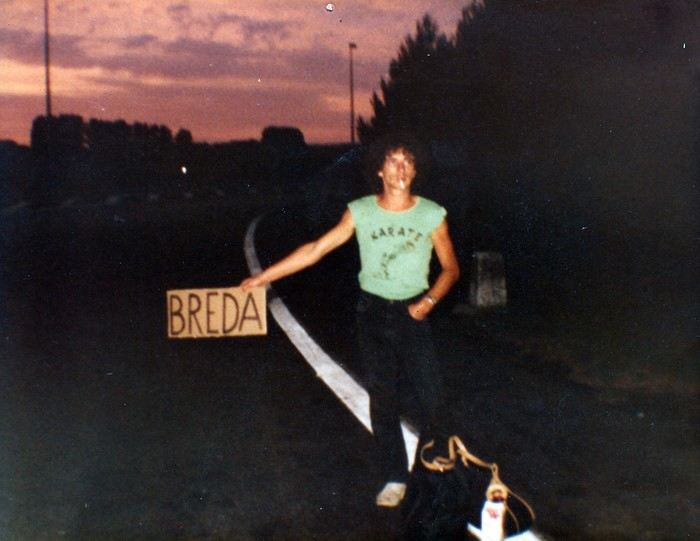
“Hey, your Marker... - My Marker? - The one you used to make hitchhiking signs.”
The marker in question is sitting proudly on the kitchen table. Marielle found it at the bottom of a moving box.
I’ve been meaning to tell the long story of my love affair with hitchhiking for years. Here we go.
To be honest, I’m not quite sure when it started. My earliest memory goes back to a fair with a bike race in my maternal grandparents’ village. I was with my cousin, my little sister, and three girl cousins. There were six of us, ages ranging from six or seven to thirteen or fourteen. Our parents stayed at the fair, and we’d had enough. So we decided to walk home. Only it was four kilometers away. So we hitchhiked. A guy driving an old car picked us all up and dropped us off at the farm. He probably found it amusing to see us thumbing a ride by the side of the road, but maybe it also worried him a bit. With everything you read in the papers...
Around fifteen or sixteen, I started hitchhiking regularly, alone or with a friend, to go to the nearby town. But it was especially when I started boarding school in Orléans that it became more regular. The first year, I’d leave Monday morning and come back Saturday noon by bus. It was an old, uncomfortable bus where we froze in winter. To make matters worse, I often got motion sickness if, as was too often the case, I ended up sitting in the back. In the spring, a high school friend suggested I hitchhike back. It meant a slight detour, but the advantage was taking only national roads.
So that’s how, from the end of tenth grade to twelfth grade, I’d thumb a ride every Saturday on the Pont de Bourgogne. Drivers were used to seeing young people hitchhiking, and it worked pretty well. Our biggest fear? Soldiers! At that time, military service was still mandatory, and on weekends, it wasn’t rare to see them competing with us. They’d keep their uniforms on to go home. That gave people confidence—with everything you read in the papers—and they’d rarely wait more than five minutes. We, with our long hair, were definitely less popular. From time to time, three big red-faced guys in a van coming back from a construction site would flip us off, yelling things like “go get a haircut, you bums!” Those were the good old days.
We still had a good laugh, though. Patrice, the friend I’d hitchhike back from school with on Saturdays, is a musician—I’d later discover he’s an excellent composer. A die-hard Beatles fan, he knows their repertoire by heart and spends his time singing at the top of his lungs while we thumb a ride. One Saturday late morning, we’d been waiting for a while at the exit of Châteauneuf-sur-Loire when a little lady came up to him and asked if he could please sing a little quieter: a baby was sleeping in the house. He put on the most sorry face: “Oh, sorry ma’am, we didn’t realize.” No sooner had the lady gone back inside than he started again. Luckily, a car stopped just then, sparing me the embarrassment of seeing the lady come back out.
Saturday was also the day when the cigarette pack was dangerously low. So before leaving, we’d go buy some “Parisiennes,” the “P4s” as we called them back then. They were slightly thinner cigarettes with a mix of tobacco scraps. Sometimes they tasted like light tobacco, sometimes like dark. Not great, but by the end of the week, our pocket money was gone. They were sold in small packs of four, hence the name P4. We’d only pay 20 centimes. On Saturdays, it was rare for the two of us to manage to scrape together 1.50 F to buy a whole pack of Gauloises...
The last twenty kilometers, I’d usually do alone, Patrice having reached his destination. From time to time, luck would smile on me: an acquaintance would just happen to pass by and stop. One January Saturday, at the exit of Gien, I ran into another guy from Argenton whom I knew a little. That day, the weather was nice, but the temperature was well below zero. It was around noon, and it was the off-peak hour. We were shivering, stamping our feet by the side of the road, when a Citroën “Tube” arrived: it was his father’s boss’s, a mason. They were both sitting in the front, but since they were obese, they had us climb onto the open back. Even though we huddled against the cab to shelter from the wind, the twenty kilometers felt very long, especially since we were only going sixty kilometers an hour. Our hands and cheeks were blue when we finally arrived.
The year I took my baccalaureate, a friend with a 2CV would take me Monday mornings with one or two others we’d pick up in nearby villages. We’d share the gas costs, but it was still cheaper than the bus. And in winter, the bus was my nightmare. You had to get up at five to catch it at six. Not enough sleep, and outside it was freezing or raining—or both. The 2CV was luxury. Plus, Philippe would pick me up at home. On the other hand, since I didn’t have class Saturday mornings—well, I did, but we only had PE the first two hours and nothing after—I’d skip class and slip out right after breakfast to thumb a ride at the Pont de Bourgogne.
Those three high school years were formative in this optional subject that was hitchhiking. Little by little, I learned the rules of the game. First, you shouldn’t walk along the road while thumbing. Cars go too fast and can’t stop easily. Accepting a ride that’s too short is also a no-go. The guy who offers to take you a little way but drops you off at some vague crossroads in the middle of nowhere? No thanks. You need to get dropped off in a town. If it’s a fairly big city, you often have to cross it from one end to the other, but it’s better. At the exit, you have to choose your spot well. Actually, you have to put yourself in the driver’s shoes: they need to see you early enough, not be going too fast, and be able to stop easily without risking an accident. So when leaving a city, it’s better not to go too far. It’s wiser to find a spot where cars go slowly and can stop easily. And preferably near a café. The café is for when you still have a few coins for a coffee and need to warm up. From time to time, you’d run into someone nice who’d make a detour to drop you off at a better spot to start again. Finally, if possible, avoid hitchhiking on Sundays. Cars are packed with whole families who, most of the time, aren’t going far. And then there’s the little worry of those people who rarely leave home: with everything you read in the papers...
During those high school years, it was only short trips, rarely exceeding a hundred kilometers. Later, I aimed bigger, and things were a bit different. In 1973-74, I crossed part of France for the first time on two or three occasions, coming back from the German border or returning to Bordeaux, where we lived briefly. Since there weren’t many highways back then, we took national roads. It was during these trips that I realized it was better to leave in the evening. As I said earlier, Sunday is to be avoided, but on weekdays, there’s another problem: if you leave in the morning, you only make short hops. First, it often takes longer to get going because drivers are people going to work nearby. Which brings us back to those who drop you off in a bad spot, far from everything. There, you have to know how to refuse. You thank the driver for stopping—oh, if only everyone could be like you—while explaining why you’d rather stay put. People don’t take offense, by the way. Those who pick up hitchhikers often hitchhiked themselves when they were in the military or before they had a car. In the late afternoon, you’d often run into salespeople or truckers, in other words, people who drive a lot. At that time, salespeople no longer had appointments and were more relaxed. They wanted to talk about something other than the merits of their products. On the radio, it was time for *Les Grosses Têtes*. You’d also quite often run into small business owners, professionals, or even hippies. The conversations were pleasant and often enriching. A little later in the evening, truckers would take over. They’d already driven a few hundred kilometers, and the depot or customs was still far away. So they’d gladly take a hitchhiker to stay awake at the wheel and chat. The radio with Max Ménier’s show *Les routiers sont sympas*, you’d eventually get tired of it. So a hitchhiker was a change. Others, who’d hit the road at midnight to be at their destination by morning, were nice and offered to let you lie down on the bunk while they drove. When you’d been hitchhiking since six in the evening, freezing in the wind between two vehicles, you weren’t unhappy to take a little nap.
Speaking of Max Ménier, he’d often make announcements for hitchhikers. One evening, I called him. It was getting late, and I still had quite a way to go. No luck: the show had ended for good the day before!
In short, it’s better not to rush, sleep in, and leave after lunch, or better yet, in the late afternoon. Obviously, I’m talking about when you have several hundred kilometers to cover. That’s when you have to play it pro.
First thing, especially at night, but it also applies in the middle of summer when the light is blinding: dress to be seen from far away. I’ll admit I have an advantage over most other hitchhikers: I’m small and don’t scare people. To balance that out, racist drivers often take me for an Arab and are less likely to pick me up, but overall, the balance tips in my favor. Back to the need to be seen: at night, I wear light-colored clothes. In headlights, you can see me from far away.
Second thing: travel light. Forget the big backpack with a frame. Drivers don’t always have room in the trunk or on the back seat, especially if it’s rained and the ground is wet. Plus, it forces them to get out of the car. If they’re nice enough to pick up a hitchhiker, you shouldn’t ask for too much either.
Third thing: bring a cardboard sign and a big marker—like the ones in the photo at the start of this post—to write the name of your destination. In the early 80s, I ran a tourist house in the Cher, but I lived in the Netherlands. In the off-season, it was only open on weekends. On Fridays, I’d leave Holland and return on Mondays. 1200 km round trip. On the way there, in Paris, I’d stand at Porte de la Chapelle. At that spot, the road is very wide, and drivers could stop easily. Obviously, on the sign, I didn’t write Eindhoven, which not everyone knows, and even less Amsterdam because of its seedy reputation. In that case, you’d expect to see a police car stop and two officers in kepis ask for your papers. So as a first destination, I’d write Compiègne. We were well out of Paris, and since it wasn’t too far, a trucker or salesperson was less reluctant to stop. Once past Compiègne, I’d take out my Lille sign. Once in Belgium, it wasn’t really necessary to use a sign anymore, since everyone was going in the same direction. Usually, the guy who picked me up at Porte de la Chapelle would say he wasn’t going far but could take me a little way. Before that, I’d still ask if there was a gas station on the highway where he could drop me off before exiting. While talking, the guy would realize he wasn’t dealing with a dangerous criminal. He’d pretend to check his watch, think for a moment, then say that actually, he was going to Belgium and could take me to the border or a little beyond. To leave Paris on the way back, I’d take the train to Melun, where it was easier to hitchhike than at Porte d’Italie.
Over all those years, I think I was pretty lucky. Or maybe philosophical enough not to imagine a car would stop after a few minutes. An hour’s wait was average. Sure, I sometimes waited three, four, or five hours. Most often at odd hours and in terrible weather. When it doesn’t work, it doesn’t work. But there’s always a moment when things pick up. Sure, when you’re soaked in freezing rain in the early morning after a sleepless night, you’re less philosophical than when I’m writing these lines comfortably at my computer, but it still holds true.
Earlier, I mentioned clothing and the importance of being well-rested before leaving. When you’ve eaten well and just gotten out of the shower, shaved, you’re in a better mood. And somehow, drivers sense it. Or at least, that’s the impression I’ve always had. It’s better to look in shape than disgusted at standing there, half-heartedly thumbing a ride. In short, when I’d start to get fed up with waiting, I’d go into the first café I saw for a coffee. Coming back out, I’d be refreshed, and most of the time, a car would stop within minutes. I’ve often said that when I stood by the side of the road thumbing a ride, I felt a bit like a gambler in front of a slot machine. It was a matter of giving luck a chance. And well, it worked out pretty well.
Then, there are countries where hitchhiking works really well and others where it’s harder. In the 70s-80s, it worked best in Germany and England. In the late afternoon, it wasn’t rare to be invited for tea. Well, that was in England. Tea meant being offered room and board. In Germany, they’d offer you coffee. Once there, they’d first show you the guest room and point out the bathroom before sitting you down in front of a big plate of cold cuts. In the evening, they’d go out in town, and the next morning, they’d usually drop you off at a good spot for hitchhiking. On the other hand, in Mediterranean and Scandinavian countries, you’d better be patient. In Spain or Italy, it’s better to take the train, which was dirt cheap back then. However, if you’re a couple traveling light, it’s already easier in most countries.
In 1982, I went on a trip around Turkey with my girlfriend. We only had two small bags, which was plenty. It was November-December, and we wore our warm, bulky clothes. Leaving Eindhoven at nine in the morning, we arrived in Graz, near the Yugoslav border, at eleven at night. 1300 km in a day! In just four or five vehicles. One to the German border, about fifty kilometers from Eindhoven, the second to Hagen in the Ruhr, the third to Salzburg, and the last to Graz at the Yugoslav border. Record broken. During the night crossing of Yugoslavia, we ran into a trucker close to retirement who lent us the truck’s bunk. So we arrived fresh and rested near Skopje the next morning. We continued to Thessaloniki in northern Greece before taking the train to Istanbul. In Turkey, we traveled a good part of the country by hitchhiking too. With truckers in old, overloaded, slow trucks that climbed hills at fifteen kilometers an hour, but also in cars where five or six people were already crammed in. And every time, we were invited for tea. Once, we were even picked up by a big shot in his Mercedes with a chauffeur. Until then, the average speed was around fifty kilometers an hour. There, we were going two hundred. On a national road, not a nice European highway.
I’ve also hitchhiked in Nepal, from Lumbini, Buddha’s birthplace, to a village on the way to Pokhara. It must have been midday. No bus until the next day. I gave it a try. A small truck overloaded with rice sacks, with two or three young people already perched on top, stopped. I rode on the roof of the cab. At fifty kilometers an hour when it was going well, with a breathtaking view. Coming back from India, I also crossed part of Iran by hitchhiking, from Tehran to the Turkish border. I did this trip with an Austrian I met at the hotel who, like me, had to watch his pennies. We gave it a shot. There was almost no traffic, but to our great surprise, the first car that passed in the area would always stop. They’d just ask for a modest contribution for gas, and it cost next to nothing.
Sometimes, you get scared too. After leaving Turkey in early December 82, we spent about two weeks in the southern Peloponnese harvesting olives. A few days before Christmas, we hitchhiked back to Holland. A girl picked us up in her little Fiat 500. We were driving on a mountain road, and that morning there was a bit of black ice. After crossing a pass, we saw the old Ford Taunus ahead of us at fifty meters start to skid. The driver let out a “heeee!” while grabbing my knees. I reflexively grabbed the wheel. Finally, the Taunus got back on track. And we didn’t swerve. But those few seconds felt very long.
In January 77, while I’d been living in Germany for a few months, I decided to spend a few days in Italy. By hitchhiking, of course. I left in the early afternoon, and by ten at night, I wasn’t far from Frankfurt. I saw a big Mercedes stop. The four or five young people crammed inside were listening to Schlager at full volume. Beer cans littered the floor. They didn’t have a precise destination, and as long as they were going south, that was fine with me. They’d finished their military service that very day and had clearly already celebrated their discharge. The driver was going 160, zigzagging dangerously from one side of the highway to the other. I should have realized he wasn’t entirely sober either. Luckily, there was almost no traffic. Finally, I managed to get dropped off at a gas station just before Frankfurt, relieved. I hope their trip didn’t end tragically.
Another time, coming back from Holland with my wife, we were picked up early in the morning near Senlis by two guys from Lille. They were going to work near Tours and could drop us off at Porte d’Italie. Apparently, they were coworkers but barely knew each other. The driver offered us a beer—at six in the morning, sure!—before opening another can for himself. He was clearly having trouble staying in the right lane. We politely declined, the passenger too. Everyone was tense. Luckily, it was rush hour on the ring road, and we were going slowly. When we got out of the car, the passenger said goodbye with the look of a guy being offered the condemned man’s rum and cigarette.
Finally, there are the annoying remarks from drivers who are either gay when you’re alone or turned on by the sight of your girlfriend when you’re a couple. In those cases, I’d get in the back so the guy wouldn’t feel too confident. And if the conversation got a little too suggestive, we’d deflect until we got dropped off.
And luckily, there are the times, not so rare after all, when you run into really nice people who invite you to eat and sleep at their place and drive you to a good spot the next morning. In Germany and England, that was common. And then there are the big strokes of luck, like during our trip to Turkey when we crossed most of Germany in one car, or that other time when some Germans drove me from the exit of Geneva all the way to the Costa Brava.
Going back to “with everything you read in the papers” and its variant “with everything you see on TV”—and now on the internet—it’s always left me perplexed. Personally, I’ve never heard of hitchhikers assaulting drivers, even if it may have happened. On the other hand, what was most common were hitchhikers being assaulted, especially girls. Anyway, even armed, it seems a bit stupid to assault the driver—wouldn’t that risk causing an accident?
Finally, since that time, I’ve occasionally wanted to hitchhike somewhere far away in France. Most often, too busy with work, it never happened, but the nostalgia hasn’t completely disappeared.
* * *
Other Hitchhikers
And then one day, I... settled down to become a driver myself. Ten years had passed, and you saw fewer and fewer hitchhikers. Or maybe I saw fewer because I had a regular job and wasn’t traveling the same way. And then I understood a few things.
Several times, I was tempted to pick up a hitchhiker, but they didn’t meet the required conditions. They were walking along the road instead of staying at the exit of the previous town. Hard to stop without risking an accident. Or the guy looked really scruffy. Or he was sulking, if not both. Then you think of that famous “with everything you read in the papers.” Not that I was scared, but unfortunately, the few hitchhikers I did pick up later were rarely interesting.
A few years ago, we picked up a young guy at the exit of a small town in Sologne. Not an easy spot for hitchhiking. Bad luck, he was a pretentious little jerk. He was barely 20 or 25 and talked like a bitter old man. He was a waiter in a restaurant. According to him, it was lucky he was there, otherwise the boss would have closed up shop long ago. You’d think he had thirty or forty years of professional experience behind him. As we approached Blois, he started ranting about Arabs, blaming them for all evils. And he laid it on thick. That morning, we were going to a teenager’s funeral who had just committed suicide, so he really got on our nerves, Mr. Know-It-All. Out of anger, I dropped him off next to a shopping center a few kilometers from downtown. Not nice, but it felt good.
Some time ago, we were driving around the Limousin on a Sunday to try out the used Twingo we’d just bought. We picked up a guy in his forties. A German who spoke French well. He started talking about the environment. He was a green Khmer. He got worked up all by himself with his pseudo-eco rant and, after a few kilometers, was almost yelling at us. As we were about to leave the main road for a small one, I dropped him off at a crossroads in the middle of nowhere. Normally, I would have made a little detour to take him to a better spot, but this time, I didn’t feel like doing the... eco-warrior a favor.
On the other hand, I’ve still done my good deed a few times. One June morning, coming back from Orléans, I saw a man in his sixties hitchhiking. The poor guy had had a rough time. He was from Montpellier and was coming back from Caen, where he’d been promised a job. Once there, they bluntly told him the position was already taken, and he had to go back. Except he didn’t have enough money left for the train. He’d spent the night hitchhiking without success. I could only take him as far as Lamotte-Beuvron, where I dropped him off near the fire station. Apparently, there was some vague shelter there or something, but it only opened a few hours later. In the meantime, he settled on the grass in a corner to sleep a little. While he was doing that, I quickly went to the train station to check the price of a ticket to Montpellier. It was within my means. Since he was sound asleep, I slipped the train ticket and 100 francs into his pocket. I couldn’t imagine him continuing to hitchhike all the way to Montpellier. And I bet he didn’t even have a piece of cardboard and a marker!
When we go to Brazil, we usually rent a small car. One day, we were coming back from Paracuru to Fortaleza when we saw a whole family hitchhiking. Two adults and two or three small children. Here near the equator, the sun sets very quickly, and it would soon be night. There was little traffic, and trucks wouldn’t stop because there was no room in the cab. As for the rich people driving big 4x4s, they wouldn’t stoop to picking up the lower classes. The only hope for this kind of family was usually a farmer or artisan who’d let them ride in the back of his pickup. Obviously, they were a bit surprised to see us. Everyone crammed in as best they could in the back of our little car. When we dropped them off, we got a whole string of “Deus lhes abençõe”—God bless you.
Still in Brazil, we were on the road from Barreirinhas to São Luís do Maranhão. About 150 km of deserted road with an isolated mud house here and there. A young woman flagged us down. She was very pregnant and had to get to the clinic twenty or thirty kilometers away to give birth. Someone was supposed to drive her, but the first signs of labor started earlier than expected, and the driver was unavailable. Even driving fast, we weren’t feeling great: it would be just our luck if she gave birth in the car!
Today, we’re in the age of smartphones and carpooling apps. Safety. With everything you see on TV... Three or four years ago, we signed up on a platform. Our first, and only, “client” was a little jerk who didn’t say a word the whole trip. No hello, no goodbye, and certainly no thank you. The next day, we found his Ray-Bans in the car. We didn’t run after him to give them back. Ha!
Is crossing Iran to Pakistan safe?
Hi there,
We’d like to travel overland from Turkey to India in our converted van, but there are very few options these days. Crossing Iran seems risky and not particularly safe. Has anyone here done it? If so, which route did you take to minimize safety concerns?
Thanks for your replies, Julie 😎
We’d like to travel overland from Turkey to India in our converted van, but there are very few options these days. Crossing Iran seems risky and not particularly safe. Has anyone here done it? If so, which route did you take to minimize safety concerns?
Thanks for your replies, Julie 😎
3 weeks in Kazakhstan and Kyrgyzstan, preliminary travel questions
Hi there, 🙂
I’m thinking of taking a trip to these two countries in 2026 (late spring to early summer).
I’d arrive in Almaty and leave from Bishkek, and I’d be driving myself.
I plan to spend 1 week in Kazakhstan and 2 in Kyrgyzstan. The itinerary isn’t set yet.
My preliminary questions are about formalities, hassle levels, and the car.
From what I understand, no visa is needed, the passport must be valid for 6 months after entry, and there’s no longer a requirement to register with the authorities at each stop. In short, once you’re in, no administrative headaches.
Except for permits needed to drive in certain regions?
---/---
About crossing between the two countries:
- On foot - In a rental car
Quick? Easy?
---/---
Are both countries safe? (Meaning you don’t have to stay on guard all the time.) Are the cops corrupt? (A little, a lot, passionately, not at all?)
---/---
Is it better to rent a car for both countries or rent a vehicle in each country?
A 4x4 or something else?
Is accommodation plentiful enough that I can skip a rooftop tent, or is it better to rent a 4x4 with one?
I’ll definitely have more questions later...😉
Thanks for your answers !
I’m thinking of taking a trip to these two countries in 2026 (late spring to early summer).
I’d arrive in Almaty and leave from Bishkek, and I’d be driving myself.
I plan to spend 1 week in Kazakhstan and 2 in Kyrgyzstan. The itinerary isn’t set yet.
My preliminary questions are about formalities, hassle levels, and the car.
From what I understand, no visa is needed, the passport must be valid for 6 months after entry, and there’s no longer a requirement to register with the authorities at each stop. In short, once you’re in, no administrative headaches.
Except for permits needed to drive in certain regions?
---/---
About crossing between the two countries:
- On foot - In a rental car
Quick? Easy?
---/---
Are both countries safe? (Meaning you don’t have to stay on guard all the time.) Are the cops corrupt? (A little, a lot, passionately, not at all?)
---/---
Is it better to rent a car for both countries or rent a vehicle in each country?
A 4x4 or something else?
Is accommodation plentiful enough that I can skip a rooftop tent, or is it better to rent a 4x4 with one?
I’ll definitely have more questions later...😉
Thanks for your answers !
What are the criteria that make you choose one destination over another?
Hi there,
The title might be a bit long, but I hope it’s completely understandable!
When it comes to choosing your next trip, what tips the scales in favor of Eritrea over Ibiza?
Why pick Canada over French Polynesia?
The price? A magazine or TV report, a travel journal, an Instagram ad? Ease of travel? Minimal time difference? The country that has the most in common with all the trip participants? Activities? Relaxation? The desire to push your limits?
A photo?
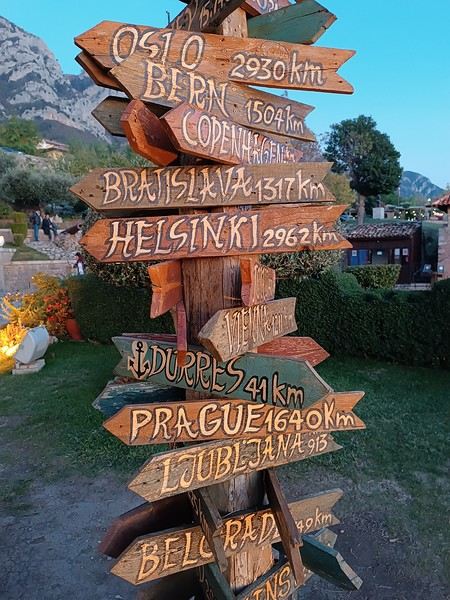
What else, I wonder...
Personally, I often prioritize simple destinations (no administrative hassles), where I’m not at risk (nothing extraordinary like getting kidnapped by Daesh or ending up in a jail cell because the current geopolitics aren’t favorable to my passport, etc.), and where I can drive.
Wide-open natural spaces are more my thing than urban anthills.
Finally, I try not to spend three days on a plane to reach my destination, and I aim for a maximum budget of 3500 € (for 3 weeks) in comfortable conditions—that means charming hotels, good meals, etc.
What about you?🙂
The title might be a bit long, but I hope it’s completely understandable!
When it comes to choosing your next trip, what tips the scales in favor of Eritrea over Ibiza?
Why pick Canada over French Polynesia?
The price? A magazine or TV report, a travel journal, an Instagram ad? Ease of travel? Minimal time difference? The country that has the most in common with all the trip participants? Activities? Relaxation? The desire to push your limits?
A photo?
What else, I wonder...
Personally, I often prioritize simple destinations (no administrative hassles), where I’m not at risk (nothing extraordinary like getting kidnapped by Daesh or ending up in a jail cell because the current geopolitics aren’t favorable to my passport, etc.), and where I can drive.
Wide-open natural spaces are more my thing than urban anthills.
Finally, I try not to spend three days on a plane to reach my destination, and I aim for a maximum budget of 3500 € (for 3 weeks) in comfortable conditions—that means charming hotels, good meals, etc.
What about you?🙂
La meilleure façon d'marcher, c'est de mettre un pied d'vant l'autre...
Je déteste toujours autant marcher et pourtant, je recommence.
Comme un sentiment d’urgence pour n’entendre que les battements de mon cœur si secoué de peine qu’il ne me fallait plus entendre ni compréhension, ni compassion de quiconque.
Être seule, vraiment seule.
La terre est vivante, douée de mémoire et je ne voulais que cette mémoire. Je ne voulais m’encombrer de rien.
Homme sceptique un peu goguenard : « Fais-le mais je me souviens bien de ta dernière expédition ! » C’était il y a dix ans ou plus, je ne me souviens plus. « C’est facile, y’en a eu qu’une ! » Des pieds en plomb, les mollets noués, l’estomac creux, les aisselles malodorantes, les bras griffés mais j’avais vécu l’intense sentiment d’avancer malgré toute ma paresse et mon inexpérience. « Où veux-tu aller ? » « Au Mont-Beuvray » « 50 km en voiture, 100 aller-retour, ça va je pourrais aisément te récupérer, tu prévois combien de jours ? » Il rit.
« Chais pas, 10 km par jour, pas plus, et comme j’y vais au pif, je ne saurais pas ce que j’ai parcouru, je m’arrêterai quand j’en aurais marre, je verrai bien ».
La veille du départ, Fils aîné au téléphone, moqueur : « Maman, t’es toujours aussi dingue. Tu ne marches jamais, t’as même pas de bonnes godasses, tu f’rais mieux d’aller chez xxx, là, tu te ressourcerais. Un jour, il t’arrivera des bricoles avec tes idées huluberlues.../... » « Ehh, je ne monte qu’au Mont-Beuvray, tu parles d’une expédition ! » « Ouais mais t’as vu ton âge ? » « Merci mon grand. Tu sais, il y a tellement de gens qui marchent pour de bon, des centaines de kilomètres sur toute la terre. Marcher pour le plaisir, marcher pour aller chercher de l���eau au puits, marcher en compétition, marcher pour aller à l’école, pour tous ceux là, je vais faire une balade, une promenade de santé, ça n’a rien d’une aventure ou d’un exploit, j’vais mettre un pas d’vant l’autre et recommencer, c’est tout. »
Et le 13 juin, j’ai pris le sentier forestier derrière la maison.
Le sac à dos, celui dont je me sers pour le goûter des petits, est rempli avec un kway, un morceau de bâche. J’ai coupé celle qui traînait par terre recouvrant la moto pour la protéger des chiures d’hirondelles, un pull, la gourde, un gant de toilette, un savon, ma brosse à dents, un sac de cacahuètes bien grasses et bien salées, des bananes sèches bien trop sucrées, cinq pommes et mon opinel. Il a une forme bizarre ce sac, comme un ballon accroché à mon dos. Il pèse 2,8 kg. Et dans les poches de mon pantalon en toile, à droite mes clopes et mon briquet, à gauche le-pied-de-biche-à-tiques. J’me demande à quoi il me servira si j’ai une tique dans le dos ou sur la nuque ! J’ai rajouté ma carte d’identité, 40 euros, et concession pour Homme, mon téléphone. Il veut me géolocaliser. C’est qu’il m’aime Homme, à lui tout seul un océan dans lequel je nage avec tant de bonheur. Mais là, pas de nage papillon, des pas.
Et quand le téléphone n’aura plus de batteries ? On verra bien. Je dis toujours -on verra bien - .
Dans le Morvan, les fées laissent leurs empreintes surnaturelles et comme je n’ai aucune carte, je ne sais pas les lire et n’ai pas envie d’apprendre, je vais leur faire confiance. Le soleil se lève à l’est et se couche à l’ouest, je dois aller à l’ouest, je suivrai sa course.
Et le 13 juin, j’ai serré les paupières pour repousser l’aube naissante. Je n’avais plus du tout envie de partir, plus du tout envie de marcher. Mais quand la brûlure salée a piqué derrière les paupières comme tous ces derniers jours, je n’ai pas reculé. J’ai lu un jour que les mauvais souvenirs et les chagrins ont de longues ombres et si on passe notre vie dedans on ne verrait plus jamais le soleil.
Ce 13 juin, le soleil était là alors, j’ai pris le sentier derrière la maison.
J’m’en vais vous raiconter l’ histôère
.../...
Comme un sentiment d’urgence pour n’entendre que les battements de mon cœur si secoué de peine qu’il ne me fallait plus entendre ni compréhension, ni compassion de quiconque.
Être seule, vraiment seule.
La terre est vivante, douée de mémoire et je ne voulais que cette mémoire. Je ne voulais m’encombrer de rien.
Homme sceptique un peu goguenard : « Fais-le mais je me souviens bien de ta dernière expédition ! » C’était il y a dix ans ou plus, je ne me souviens plus. « C’est facile, y’en a eu qu’une ! » Des pieds en plomb, les mollets noués, l’estomac creux, les aisselles malodorantes, les bras griffés mais j’avais vécu l’intense sentiment d’avancer malgré toute ma paresse et mon inexpérience. « Où veux-tu aller ? » « Au Mont-Beuvray » « 50 km en voiture, 100 aller-retour, ça va je pourrais aisément te récupérer, tu prévois combien de jours ? » Il rit.
« Chais pas, 10 km par jour, pas plus, et comme j’y vais au pif, je ne saurais pas ce que j’ai parcouru, je m’arrêterai quand j’en aurais marre, je verrai bien ».
La veille du départ, Fils aîné au téléphone, moqueur : « Maman, t’es toujours aussi dingue. Tu ne marches jamais, t’as même pas de bonnes godasses, tu f’rais mieux d’aller chez xxx, là, tu te ressourcerais. Un jour, il t’arrivera des bricoles avec tes idées huluberlues.../... » « Ehh, je ne monte qu’au Mont-Beuvray, tu parles d’une expédition ! » « Ouais mais t’as vu ton âge ? » « Merci mon grand. Tu sais, il y a tellement de gens qui marchent pour de bon, des centaines de kilomètres sur toute la terre. Marcher pour le plaisir, marcher pour aller chercher de l���eau au puits, marcher en compétition, marcher pour aller à l’école, pour tous ceux là, je vais faire une balade, une promenade de santé, ça n’a rien d’une aventure ou d’un exploit, j’vais mettre un pas d’vant l’autre et recommencer, c’est tout. »
Et le 13 juin, j’ai pris le sentier forestier derrière la maison.
Le sac à dos, celui dont je me sers pour le goûter des petits, est rempli avec un kway, un morceau de bâche. J’ai coupé celle qui traînait par terre recouvrant la moto pour la protéger des chiures d’hirondelles, un pull, la gourde, un gant de toilette, un savon, ma brosse à dents, un sac de cacahuètes bien grasses et bien salées, des bananes sèches bien trop sucrées, cinq pommes et mon opinel. Il a une forme bizarre ce sac, comme un ballon accroché à mon dos. Il pèse 2,8 kg. Et dans les poches de mon pantalon en toile, à droite mes clopes et mon briquet, à gauche le-pied-de-biche-à-tiques. J’me demande à quoi il me servira si j’ai une tique dans le dos ou sur la nuque ! J’ai rajouté ma carte d’identité, 40 euros, et concession pour Homme, mon téléphone. Il veut me géolocaliser. C’est qu’il m’aime Homme, à lui tout seul un océan dans lequel je nage avec tant de bonheur. Mais là, pas de nage papillon, des pas.
Et quand le téléphone n’aura plus de batteries ? On verra bien. Je dis toujours -on verra bien - .
Dans le Morvan, les fées laissent leurs empreintes surnaturelles et comme je n’ai aucune carte, je ne sais pas les lire et n’ai pas envie d’apprendre, je vais leur faire confiance. Le soleil se lève à l’est et se couche à l’ouest, je dois aller à l’ouest, je suivrai sa course.
Et le 13 juin, j’ai serré les paupières pour repousser l’aube naissante. Je n’avais plus du tout envie de partir, plus du tout envie de marcher. Mais quand la brûlure salée a piqué derrière les paupières comme tous ces derniers jours, je n’ai pas reculé. J’ai lu un jour que les mauvais souvenirs et les chagrins ont de longues ombres et si on passe notre vie dedans on ne verrait plus jamais le soleil.
Ce 13 juin, le soleil était là alors, j’ai pris le sentier derrière la maison.
J’m’en vais vous raiconter l’ histôère
.../...
La Russie en camping-car
Bonjour,
A travers différent forum , j'ai cru comprendre qu'un camping car ne pouvait circuler seul en Russie, sauf en passant par une agence qui convoie un groupe . Pouvez vous me dire ce qu'il en est ? si c'est le cas par quelle agence estes vous passée?
Le camping sauvage est -il autorisé ?
Merci Michel
A travers différent forum , j'ai cru comprendre qu'un camping car ne pouvait circuler seul en Russie, sauf en passant par une agence qui convoie un groupe . Pouvez vous me dire ce qu'il en est ? si c'est le cas par quelle agence estes vous passée?
Le camping sauvage est -il autorisé ?
Merci Michel
Derniers jours, premiers pas
https://youtu.be/NekmwOvguHQ
L'hôtel est réservé, 12, 13 juin, ghetto de Venise.
La saveur d'iode et de goémon se propage dans les papilles. L'ambre du très vieux Talisker miroite dans les rayons du soleil. Un pas si fréquent colloque intime avec sa conscience méritait bien la puissance subtile de ce rare nectar des grandes occasions. Il vient de se conclure sur une minuscule décision, limpide et étincelante comme une goutte de rosée qui ploie le brin d'herbe dans la lumière de l'aube : je ne rajouterai pas 21 grammes à la douleur du monde. C'est dérisoire et m'emplit de joie.
Les masques s'alignent sur la commode. L'azur assorti aux sandales à talons bobines, le couvert de dentelle crème harmonisé à l'imprimé du foulard rouge, le beige marié à merveille au pantalon de lin. Les bouteilles de gel sont glissées dans les lieux stratégiques, boite à gants et sacs à main. Affaires réglées, automatismes bientot intégrés, donc bientot oubliés. Jolie occasion en prime de trinquer au Bellavista le jour où ils seront éliminés.
15 jours, 15 jours à meubler avant Venise (ou 3 semaines si on nous enferme en Lombardie mais peu importe). Peut-etre écouter et observer avant de passer à la suite.
On nous annonce une crise sans précédent. Contraction du PIB autour de 10 % pour 2020, l'angoisse collective croit. Crampounette post grippounette. Ont-ils donc la mémoire si courte ? Les 45 % de contraction du PIB de la Grèce, objet des délicates attentions de la troïka penchée à son chevet, n'ont pas naguère ému grand monde. Appartiennent-ils donc à une espèce différente des Grecs pour ne pas survivre à un quart de leurs maux ? Allons...
Peut-être ma semaine milanaise intercalée me permettra-t-elle en outre de rencontrer et converser avec un affecté psychique du confinement. Parait qu'ils sont très nombreux. Ça se manifeste comment ? Les êtres qui sont passés sur une civière entre des cadavres assis sur des chaises parce qu'on n'arrivait pas à les évacuer, ont passé 40 jours à suffoquer en se demandant si chaque respiration ne serait pas la dernière et si on allait eux aussi les asseoir sur une chaise sont dans un état psychique d'hébétude émerveillée, ravis à n'en plus pouvoir d'être vivant, le sourire géant imprimé sur leur visage émacié bouffe le masque qui disparait. Mon homme lui ressemble à une mongolfière. Il a tellement serré les dents que les 67 morts en 5 semaines, ces feu hommes et femmes qui ont fait partie de sa vie quotidienne pendant 59 ans sont restés coincés à l'intérieur. Il lévite, impassible, mettant un soin maniaque à ne pas varier d'un millième de millimètre les rites du quotidien. Il flotte psychiquement dans des automatismes reconnaissables et protecteurs et grogne à la moindre proposition. Même Venise.
Il faut que je réussisse à le trainer à Venise. Il faut percer cette baudruche de souffrance avec la fine aiguille de la beauté.
Pensées mots, pensées images. Dans ces semaines stupéfiantes de cauchemar réel, de glas et de sirènes, les mots retentissaient au loin, très loin, insensés et blèmes. Sa propre voix posant la rituelle question du soir (Qui est mort aujourd'hui ?). Le rassurant blabla mécanique avec l'ailleurs. Le verbiage machinal de l'excroissance professionnelle. Dans la dislocation de la douleur qui fracasse seule restait, inaltérable, l'image Venise. Lente errance dans les ruelles désertes, jeux de reflets dans l'eau des canaux, échos de la musique de Vivaldi qui ouvrait tout doucement les vannes des larmes, empêchant l'eau intérieure d'engloutir les ruines.
Instinctivement, la beauté sauvait.
Elle apaisait. Elle pansait.
Elle appelle aujourd'hui puisqu'elle offre un doux cadre pour les adieux accumulés qui n'ont pu avoir lieu.
Venise ensevelit ce qui est presque déjà du passé et dèbloque la boussole brisée, ouvre l'avenir. L'orient. Marco Polo, Carpaccio, Bellini, Pamuk, saveurs, parfums, vent d'est, trépignations de désirs.
Renaissance du chemin. Demain, dans 6 mois, dans un an, ne change rien : le chemin est là, il commence là.
https://youtu.be/-jIxpXAk-HE
Les ressources instinctives de l'esprit humain sont fantastiques ! 🙂 (je n'ai pas cherché Venise, elle s'est juste imposée quand il ne restait rien. Si on m'avait demandé, en janvier, en pleine activité : D'où repartirais-tu après un cataclysme ? Il est très peu probable que ce soit la Serenissime qui me soit venu à l'esprit)
Catherine
L'hôtel est réservé, 12, 13 juin, ghetto de Venise.
La saveur d'iode et de goémon se propage dans les papilles. L'ambre du très vieux Talisker miroite dans les rayons du soleil. Un pas si fréquent colloque intime avec sa conscience méritait bien la puissance subtile de ce rare nectar des grandes occasions. Il vient de se conclure sur une minuscule décision, limpide et étincelante comme une goutte de rosée qui ploie le brin d'herbe dans la lumière de l'aube : je ne rajouterai pas 21 grammes à la douleur du monde. C'est dérisoire et m'emplit de joie.
Les masques s'alignent sur la commode. L'azur assorti aux sandales à talons bobines, le couvert de dentelle crème harmonisé à l'imprimé du foulard rouge, le beige marié à merveille au pantalon de lin. Les bouteilles de gel sont glissées dans les lieux stratégiques, boite à gants et sacs à main. Affaires réglées, automatismes bientot intégrés, donc bientot oubliés. Jolie occasion en prime de trinquer au Bellavista le jour où ils seront éliminés.
15 jours, 15 jours à meubler avant Venise (ou 3 semaines si on nous enferme en Lombardie mais peu importe). Peut-etre écouter et observer avant de passer à la suite.
On nous annonce une crise sans précédent. Contraction du PIB autour de 10 % pour 2020, l'angoisse collective croit. Crampounette post grippounette. Ont-ils donc la mémoire si courte ? Les 45 % de contraction du PIB de la Grèce, objet des délicates attentions de la troïka penchée à son chevet, n'ont pas naguère ému grand monde. Appartiennent-ils donc à une espèce différente des Grecs pour ne pas survivre à un quart de leurs maux ? Allons...
Peut-être ma semaine milanaise intercalée me permettra-t-elle en outre de rencontrer et converser avec un affecté psychique du confinement. Parait qu'ils sont très nombreux. Ça se manifeste comment ? Les êtres qui sont passés sur une civière entre des cadavres assis sur des chaises parce qu'on n'arrivait pas à les évacuer, ont passé 40 jours à suffoquer en se demandant si chaque respiration ne serait pas la dernière et si on allait eux aussi les asseoir sur une chaise sont dans un état psychique d'hébétude émerveillée, ravis à n'en plus pouvoir d'être vivant, le sourire géant imprimé sur leur visage émacié bouffe le masque qui disparait. Mon homme lui ressemble à une mongolfière. Il a tellement serré les dents que les 67 morts en 5 semaines, ces feu hommes et femmes qui ont fait partie de sa vie quotidienne pendant 59 ans sont restés coincés à l'intérieur. Il lévite, impassible, mettant un soin maniaque à ne pas varier d'un millième de millimètre les rites du quotidien. Il flotte psychiquement dans des automatismes reconnaissables et protecteurs et grogne à la moindre proposition. Même Venise.
Il faut que je réussisse à le trainer à Venise. Il faut percer cette baudruche de souffrance avec la fine aiguille de la beauté.
Pensées mots, pensées images. Dans ces semaines stupéfiantes de cauchemar réel, de glas et de sirènes, les mots retentissaient au loin, très loin, insensés et blèmes. Sa propre voix posant la rituelle question du soir (Qui est mort aujourd'hui ?). Le rassurant blabla mécanique avec l'ailleurs. Le verbiage machinal de l'excroissance professionnelle. Dans la dislocation de la douleur qui fracasse seule restait, inaltérable, l'image Venise. Lente errance dans les ruelles désertes, jeux de reflets dans l'eau des canaux, échos de la musique de Vivaldi qui ouvrait tout doucement les vannes des larmes, empêchant l'eau intérieure d'engloutir les ruines.
Instinctivement, la beauté sauvait.
Elle apaisait. Elle pansait.
Elle appelle aujourd'hui puisqu'elle offre un doux cadre pour les adieux accumulés qui n'ont pu avoir lieu.
Venise ensevelit ce qui est presque déjà du passé et dèbloque la boussole brisée, ouvre l'avenir. L'orient. Marco Polo, Carpaccio, Bellini, Pamuk, saveurs, parfums, vent d'est, trépignations de désirs.
Renaissance du chemin. Demain, dans 6 mois, dans un an, ne change rien : le chemin est là, il commence là.
https://youtu.be/-jIxpXAk-HE
Les ressources instinctives de l'esprit humain sont fantastiques ! 🙂 (je n'ai pas cherché Venise, elle s'est juste imposée quand il ne restait rien. Si on m'avait demandé, en janvier, en pleine activité : D'où repartirais-tu après un cataclysme ? Il est très peu probable que ce soit la Serenissime qui me soit venu à l'esprit)
Catherine
Romans iraniens contemporains
Bonsoir,
L'un ou l'une d'entre vous a-t-il un ou des titres de roman iranien contemporain à me conseiller?
Auteur iranien et pas auteur qui écrit sur l'Iran. Et de préférence masculin (il faut que je me rende à l'évidence, ma longue expérience de lectrice montre que je ne suis pas du tout réceptive à la littérature écrite par des femmes).
Khayyam et Hafez, guère contemporains, sont déjà dans ma bibliothèque. Maalouf, qui au demeurant n'est pas iranien, aussi.
Catherine
L'un ou l'une d'entre vous a-t-il un ou des titres de roman iranien contemporain à me conseiller?
Auteur iranien et pas auteur qui écrit sur l'Iran. Et de préférence masculin (il faut que je me rende à l'évidence, ma longue expérience de lectrice montre que je ne suis pas du tout réceptive à la littérature écrite par des femmes).
Khayyam et Hafez, guère contemporains, sont déjà dans ma bibliothèque. Maalouf, qui au demeurant n'est pas iranien, aussi.
Catherine
Nord de l'Ethiopie: entre émerveillement et déception...
Nous voici fraichement rentrés d’un voyage de 15 jours en Ethiopie. J’avais lu des carnets avant de partir(ceux de Max et de Michant en particulier, d’autres également et tous agrémentés de belles photos), je vais donc en rédiger un qui ne sera sans doute pas très original, mais vous y trouverez mes impressions , quelques détails d’ordre plus pratique et bien sûr des photos.
Cela faisait un moment que j’avais envie de découvrir ce pays. Nous n’avons pas une grande connaissance de l’Afrique ayant surtout voyagé en Asie et sur le continent Américain. Mais nous nous sommes quand même rendus au Kenya, en Tanzanie, en Namibie et au Zimbabwe. C’est important de le préciser car nous avons souvent comparé notre ressenti en Ethiopie par rapport à ce qu’on avait vécu dans ces autres pays d’Afrique. J’ai personnellement trouvé le voyage en Ethiopie plus difficile. On dit souvent que l’Inde ne peut laisser indifférent. On aime ou on déteste. C’est un peu la même chose au sujet de l’Ethiopie. On en revient pas indemne. Pour ma part, il y a eu des moments où j’ai adoré ce voyage et d’autres où j’avais du mal à supporter certaines choses.
Avant de partir, je pensais que les impressions négatives des uns et des autres étaient exagérées. Je les ai trouvé justifiées par la suite même si nous sommes tous d’accord au final pour dire que le voyage vaut largement le détour. Les paysages sont souvent magnifiques et le patrimoine culturel est bien présent.
Nous sommes passés par une agence locale de Lalibela qui s’est occupée de nous réserver un 4X4 avec chauffeur. Sinon, nous nous sommes « débrouillés » sur place. L’agence nous avait aussi réservé un circuit de 2 jours/1 nuit dans le Danakyl et un trek d’une journée au dessus de Lalibela. Nous n’avons pas rencontré beaucoup de voyageurs ayant choisi cette option. Beaucoup étaient en groupe et se déplaçaient donc avec le minibus de l’agence. Les voyageurs en individuel suivaient un programme qu’ils avaient totalement réservé auprès d’une agence et avaient un guide durant toute la durée de leur séjour. A la réflexion, cela peut être une bonne option quand on ne veut pas se prendre la tête avec les négociations sans fin concernant les guides sur place, les scouts etc…Au moins, cela évite d’avoir conscience de l’énormité des sommes demandées parfois pour visiter une église ou autre… J’y reviendrai ...
Brelan d'as dans les Stans: Kirghizistan, Tadjikistan et Ouzbekistan
Hello tous,
C'est avec plaisir que je vous fait partager notre voyage de l'été 2019 dans les pays en stan.🙂
La version complète est ici, elle se construit au même rythme que je fais paraitre mes posts
GENESE Mais quelle idée d’aller dans les stan ! En fait, à l’origine cela devait être le Ladakh (joliment raconté par Diamina et Ticapi que je salue). Mais la crainte de ne pas arriver à tenir sur des treks de longues durées et le fait de ne pas pouvoir conduire moi-même m’ont incité à chercher une alternative. C’est là que Marie(Mlefevre) a eu le bon goût de publier un carnet sur le Kirghizistan et Perju de relater son voyage dans les stans, les deux en self drive …. C’est bon on tient notre destination 2019 ! Au niveau pays, ambiance, c’est d‘abord le corridor de Wakham et le Pamir qui m’ont séduit et ce sera le « centre » du voyage. En revanche je n’ai pas trouvé grand-chose au niveau véhicule de location au Tadjikistan. Comme ce voyage se faisait avec des amis de longues dates (avec qui on a déjà sillonné la Bolivie et le nord-ouest de la Namibie) j’ai trouvé intéressant d’y adjoindre un petit bout de Kirghizistan qui leur permettait de voir un autre type de paysage et en plus il est beaucoup plus facile de louer un véhicule à Bishkek. Lorsque ma chère et tendre a vu que nous n’étions pas loin de Samarcande (qu’on avait admiré en 2007) elle a souhaité y retourner. Du coup cela nous a fait un voyage avec 3 ambiances différentes, ce qui est génial pour nous. Niveau durée il a fallu rajouter un petit bout aux 3 semaines initialement prévues pour arriver à tout faire tenir.

PREPARATION
A partir de là j’ai commencé à construire notre parcours. En parallèle j’ai fait des recherches (et demandes) pour le véhicule. Au final, j’ai retenu une agence Ouzbek francophone qui a tout de suite compris nos problématiques d’Européens (véhicule récent, avec matériel de camping, avec les différents transferts et qui prend en charge les quelques réservations d’hôtels, guides, etc, ..). Le véhicule sera donc un Toyota Prado de 2012. La compagnie aérienne sera Turkish Airline qui dessert très bien les pays en Stan (même un vol Samarcande - Istanbul) Visas: pour le Kirghizistan il est délivré directement à l'aéroport, en revanche pour le Tadjikistan il faut le demander à l'avance. ATTENTION, le Pamir nécessite un permis particulier (comme c'est une région semi-autonome), il faut le demander en même temps que le visa en cochant la case permit GBAO (région autonome duHaut-Badakhchan).
OUTILS Comme c'est une destination encore peu couru en self drive je vais développer un peu plus que d'hab. Au niveau guide papier: Je n'ai pas mis de "S" car il n’y en a eu quasiment qu’un, mais qui pour le coup est parfait pour qui veut voyager comme nous : le nouveau guide de Cecile Miramont et Laurent Bendel : KIRGHIZISTAN TADJIKISTAN, qui a été écrit à destination des self-drivers et qui propose différents itinéraires commentés. Mon conseil, après le voyage : le guide n’enjolive pas les choses et s’adresse plutôt aux personnes ayant déjà des notions de « off road » ou de voyage « solitaire », donc quand ils écrivent "difficile" ça l’est vraiment, même "moyen" c’est déjà costaud. Par forcément au niveau difficulté de la piste elle-même mais par la dangerosité liée à la solitude, le peu de traces et le risque de croiser des gués plus ou moins remplis. Au niveau carte: il y en a une très belle et complète pour le Pamir, il s'agit de celle de Markus Hauser édité par Gekco Maps.
Comme je suis très GPS j'ai fait pas mal de recherches. Pour Garmin je n'ai pas été plus séduit que ça. Du coup je me suis penché sur les applications Android. Je connaissais déjà MAPS.ME qui est très bien mais sans courbe de niveaux, j'ai donc aussi testé GAIA, OSMAND, TERRA MAP et SOVIET MILITARY MAPS. Cette dernière est celle qui offre le plus de possibilités de cartographie plus ou moins détaillée, dont les fameuses cartes militaires Russes ultra détaillées. Mais au final c'est OSMAND que j'ai utilisé le plus pendant le voyage, je pense même que cette application remplacera GARMIN dans mon véhicule. MAPS.ME est très bien, mais au niveau topographie elle est un cran en dessous et je l'ai trouvé moins pratique pour gérer les itinéraires. Ce qui est dommage, c'est que toutes ces applications n'ont pas leur pendant sur PC, ce qui aurait été pratique pour préparer le voyage. Du coup je fais tout sur Mapsource et je transfers ensuite les waypoints sur les applications. J'ai aussi utilisé une application où les voyageurs indiquent les lieux de bivouac (ou autre) qui leur ont plu. Il s'agit de IOVERLANDER, très bonne application également. Dernier outil et non des moindres: les CBT, ce sont les offices de tourisme version Kirghize, il y en a dans les principales villes touristiques. Ils sont du grande aide et ont bien souvent un site internet, par exemple sur celui de Nryn on peut acheter, à l'avance, les permis pour la zone frontalière. Ils peuvent aussi vous indiquer des randonnées, en organiser avec des guides, gérer les hébergements, ... Pour le Pamir vous avez l'équivalent qui se nomme PECTA, nous y achèterons les permis pour circuler dans le parc de Zorgul. Il y a aussi le site visitpamirs.com qui regroupe un certain nombre d'informations.
RAVITAILLEMENT et EQUIPEMENT : au Kirghizistan aucun problème, en revanche au Tadjikistan c’est une autre histoire, sur les hauts plateaux très peu de choses disponibles, mais comme on s’y attendait on avait amené des « sachets de graines ». Au niveau vestimentaire il faut de quoi résister au froid (polaire, doudoune, bonnet) mais sans que ce soit extrême non plus (je crois que nous n'avons jamais eu des températures négatives). EN revanche pour la nuit vaut mieux avoir de bon duvets, il a fait entre 0° et 15° suivant l'altitude et la localisation.
Compagnie Turkish Airline qui dessert très bien les pays en Stan (même un vol Samarcande - Istanbul)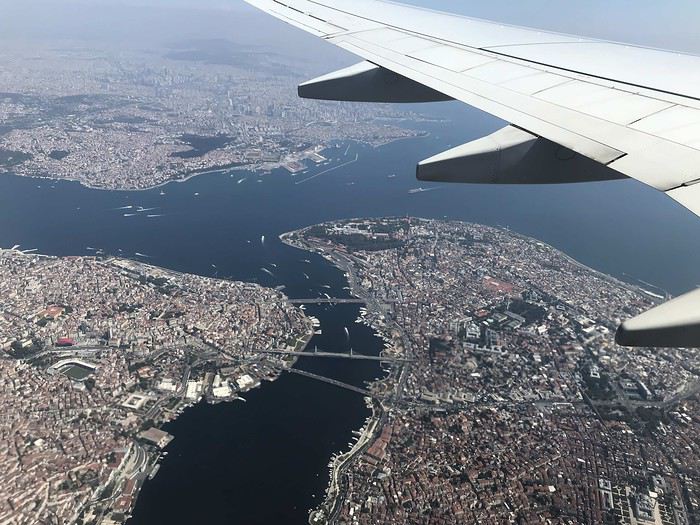
GENESE Mais quelle idée d’aller dans les stan ! En fait, à l’origine cela devait être le Ladakh (joliment raconté par Diamina et Ticapi que je salue). Mais la crainte de ne pas arriver à tenir sur des treks de longues durées et le fait de ne pas pouvoir conduire moi-même m’ont incité à chercher une alternative. C’est là que Marie(Mlefevre) a eu le bon goût de publier un carnet sur le Kirghizistan et Perju de relater son voyage dans les stans, les deux en self drive …. C’est bon on tient notre destination 2019 ! Au niveau pays, ambiance, c’est d‘abord le corridor de Wakham et le Pamir qui m’ont séduit et ce sera le « centre » du voyage. En revanche je n’ai pas trouvé grand-chose au niveau véhicule de location au Tadjikistan. Comme ce voyage se faisait avec des amis de longues dates (avec qui on a déjà sillonné la Bolivie et le nord-ouest de la Namibie) j’ai trouvé intéressant d’y adjoindre un petit bout de Kirghizistan qui leur permettait de voir un autre type de paysage et en plus il est beaucoup plus facile de louer un véhicule à Bishkek. Lorsque ma chère et tendre a vu que nous n’étions pas loin de Samarcande (qu’on avait admiré en 2007) elle a souhaité y retourner. Du coup cela nous a fait un voyage avec 3 ambiances différentes, ce qui est génial pour nous. Niveau durée il a fallu rajouter un petit bout aux 3 semaines initialement prévues pour arriver à tout faire tenir.
PREPARATION
A partir de là j’ai commencé à construire notre parcours. En parallèle j’ai fait des recherches (et demandes) pour le véhicule. Au final, j’ai retenu une agence Ouzbek francophone qui a tout de suite compris nos problématiques d’Européens (véhicule récent, avec matériel de camping, avec les différents transferts et qui prend en charge les quelques réservations d’hôtels, guides, etc, ..). Le véhicule sera donc un Toyota Prado de 2012. La compagnie aérienne sera Turkish Airline qui dessert très bien les pays en Stan (même un vol Samarcande - Istanbul) Visas: pour le Kirghizistan il est délivré directement à l'aéroport, en revanche pour le Tadjikistan il faut le demander à l'avance. ATTENTION, le Pamir nécessite un permis particulier (comme c'est une région semi-autonome), il faut le demander en même temps que le visa en cochant la case permit GBAO (région autonome duHaut-Badakhchan).
OUTILS Comme c'est une destination encore peu couru en self drive je vais développer un peu plus que d'hab. Au niveau guide papier: Je n'ai pas mis de "S" car il n’y en a eu quasiment qu’un, mais qui pour le coup est parfait pour qui veut voyager comme nous : le nouveau guide de Cecile Miramont et Laurent Bendel : KIRGHIZISTAN TADJIKISTAN, qui a été écrit à destination des self-drivers et qui propose différents itinéraires commentés. Mon conseil, après le voyage : le guide n’enjolive pas les choses et s’adresse plutôt aux personnes ayant déjà des notions de « off road » ou de voyage « solitaire », donc quand ils écrivent "difficile" ça l’est vraiment, même "moyen" c’est déjà costaud. Par forcément au niveau difficulté de la piste elle-même mais par la dangerosité liée à la solitude, le peu de traces et le risque de croiser des gués plus ou moins remplis. Au niveau carte: il y en a une très belle et complète pour le Pamir, il s'agit de celle de Markus Hauser édité par Gekco Maps.
Comme je suis très GPS j'ai fait pas mal de recherches. Pour Garmin je n'ai pas été plus séduit que ça. Du coup je me suis penché sur les applications Android. Je connaissais déjà MAPS.ME qui est très bien mais sans courbe de niveaux, j'ai donc aussi testé GAIA, OSMAND, TERRA MAP et SOVIET MILITARY MAPS. Cette dernière est celle qui offre le plus de possibilités de cartographie plus ou moins détaillée, dont les fameuses cartes militaires Russes ultra détaillées. Mais au final c'est OSMAND que j'ai utilisé le plus pendant le voyage, je pense même que cette application remplacera GARMIN dans mon véhicule. MAPS.ME est très bien, mais au niveau topographie elle est un cran en dessous et je l'ai trouvé moins pratique pour gérer les itinéraires. Ce qui est dommage, c'est que toutes ces applications n'ont pas leur pendant sur PC, ce qui aurait été pratique pour préparer le voyage. Du coup je fais tout sur Mapsource et je transfers ensuite les waypoints sur les applications. J'ai aussi utilisé une application où les voyageurs indiquent les lieux de bivouac (ou autre) qui leur ont plu. Il s'agit de IOVERLANDER, très bonne application également. Dernier outil et non des moindres: les CBT, ce sont les offices de tourisme version Kirghize, il y en a dans les principales villes touristiques. Ils sont du grande aide et ont bien souvent un site internet, par exemple sur celui de Nryn on peut acheter, à l'avance, les permis pour la zone frontalière. Ils peuvent aussi vous indiquer des randonnées, en organiser avec des guides, gérer les hébergements, ... Pour le Pamir vous avez l'équivalent qui se nomme PECTA, nous y achèterons les permis pour circuler dans le parc de Zorgul. Il y a aussi le site visitpamirs.com qui regroupe un certain nombre d'informations.
RAVITAILLEMENT et EQUIPEMENT : au Kirghizistan aucun problème, en revanche au Tadjikistan c’est une autre histoire, sur les hauts plateaux très peu de choses disponibles, mais comme on s’y attendait on avait amené des « sachets de graines ». Au niveau vestimentaire il faut de quoi résister au froid (polaire, doudoune, bonnet) mais sans que ce soit extrême non plus (je crois que nous n'avons jamais eu des températures négatives). EN revanche pour la nuit vaut mieux avoir de bon duvets, il a fait entre 0° et 15° suivant l'altitude et la localisation.
Compagnie Turkish Airline qui dessert très bien les pays en Stan (même un vol Samarcande - Istanbul)
Où iriez-vous "sur un coup de tête"?
Admettons que vous traversiez une période très difficile de votre vie, et que des fois, pour aller mieux, la solution c'est de partir loin, se ressourcer, etc.
On est l'hiver, donc ça limite.
Vous avez des sous de côté mais c'est pas non plus le Pérou.
Vous iriez où, là comme ça ?
On est l'hiver, donc ça limite.
Vous avez des sous de côté mais c'est pas non plus le Pérou.
Vous iriez où, là comme ça ?
Où aimerez-vous retourner à tout prix? Pourquoi?
Bonjour !
J'espère de tout cœur que votre semaine début bien quant à moi , tous va pour de mieux.
J'ai une petite question pour vous et j'espère avoir votre réponse
Où aimerez-vous retourner à tout prix ? Pourquoi ?
moi , sans hésitation au Mexique . C'est un pays que j'ai découvert il y a quelques années et j'en suis revenu enchantée. Mexico, Teotehuacan , les villages indiens, les sympathie des mexicains et les site mayas , de grands souvenirs, j'espère pouvoir y retourner un jour pour découvrir un peu plus ce pays qui m'a véritablement fascinée.
J'attends votre réponse
Bonne et excellente début de semaine à vous
Où aimerez-vous retourner à tout prix ? Pourquoi ?
moi , sans hésitation au Mexique . C'est un pays que j'ai découvert il y a quelques années et j'en suis revenu enchantée. Mexico, Teotehuacan , les villages indiens, les sympathie des mexicains et les site mayas , de grands souvenirs, j'espère pouvoir y retourner un jour pour découvrir un peu plus ce pays qui m'a véritablement fascinée.
J'attends votre réponse
Bonne et excellente début de semaine à vous
Trekking in Kyrgyzstan or Tajikistan?
Hi everyone!
Just back from the Manaslu Circuit in Nepal, and I think for my next trip, I'd love a wilder environment. I'm considering a trek (two to three weeks) in Central Asia. Several agencies organize this kind of trip, and I was initially leaning toward Tajikistan, but after looking at travel photos, the landscapes seem very similar to the Alps, while Kyrgyzstan’s scenery looks more "exotic"—maybe closer to Mongolia? But these are just photos, and I’m struggling to get a real sense of it. I’d love to hear from people who’ve been to these destinations...
Thanks so much! :-)
Autumn trip from Puglia to Naples via Basilicata...
Hi everyone!!!
I’m finally getting around to writing about this 20-day trip to southern Italy: we didn’t travel this summer, and luckily, we found beautiful light and dreamy weather there at the end of September.
First, here’s the context of the trip: we’re both "confirmed seniors" but still curious and alert enough to enjoy the itinerary we’d imagined! We wanted a mix of discoveries—culture, cities, and nature—with guaranteed sunshine and the occasional short hike... We’re flying to Naples, round-trip, because the flight times work better for us. We rented a car online, picked it up at the airport (details to come... and it won’t be the highlight of the trip!), and booked our hotels in advance.
A quick overview of the itinerary: leaving Naples on September 15th, early in the morning, we’ll drive straight across the boot of Italy to Bari. After 11 days in Puglia, we’ll head back toward our starting point, taking our time: Matera in Basilicata, Maratea by the sea, and finally Paestum with its incredible temples.
Day 1: Brussels-Naples flight (Brussels Airlines) went smoothly; it landed an hour early, and we were thrilled, thinking we could use that time for a quick visit or two... Everything went well until we left the airport. We took the shuttle to the car rental offices, and at first glance, we realized this wouldn’t be smooth sailing!!! In front of every office (they’re side by side), there were already lines and kids sitting on suitcases—everyone looked exhausted... We resigned ourselves to waiting: nothing moved until tempers flared at the counters, and two people nearly came to blows. Things sped up a little, and after 2 (two...) hours of waiting, we finally got our chariot: a black Fiat Tipo, dirty, with a few dents and scratches that we made sure to note in the contract... but it ran!
Off to Bari, then: no time for sightseeing along the way! From there, we headed straight to our hotel in the countryside near Polignano a Mare.
A recurring detail: this happened constantly during our travels. We’d installed our own GPS, fully updated... In recent years, many dirt roads have become drivable, and lots of hotels and hostels have opened in the outskirts of towns. It was extremely rare for our ‘guide’ to recognize the street—let alone the number—we entered. Often, we got by calling the hotel reception: it might seem like a small thing, but it happened so often it became frustrating. In hindsight, it seems like without Google Maps, we’d have been lost!
Anyway, we were beautifully settled, with a terrace overlooking olive groves and the sea in the distance: all was well.
To be continued...
I’m finally getting around to writing about this 20-day trip to southern Italy: we didn’t travel this summer, and luckily, we found beautiful light and dreamy weather there at the end of September.
First, here’s the context of the trip: we’re both "confirmed seniors" but still curious and alert enough to enjoy the itinerary we’d imagined! We wanted a mix of discoveries—culture, cities, and nature—with guaranteed sunshine and the occasional short hike... We’re flying to Naples, round-trip, because the flight times work better for us. We rented a car online, picked it up at the airport (details to come... and it won’t be the highlight of the trip!), and booked our hotels in advance.
A quick overview of the itinerary: leaving Naples on September 15th, early in the morning, we’ll drive straight across the boot of Italy to Bari. After 11 days in Puglia, we’ll head back toward our starting point, taking our time: Matera in Basilicata, Maratea by the sea, and finally Paestum with its incredible temples.
Day 1: Brussels-Naples flight (Brussels Airlines) went smoothly; it landed an hour early, and we were thrilled, thinking we could use that time for a quick visit or two... Everything went well until we left the airport. We took the shuttle to the car rental offices, and at first glance, we realized this wouldn’t be smooth sailing!!! In front of every office (they’re side by side), there were already lines and kids sitting on suitcases—everyone looked exhausted... We resigned ourselves to waiting: nothing moved until tempers flared at the counters, and two people nearly came to blows. Things sped up a little, and after 2 (two...) hours of waiting, we finally got our chariot: a black Fiat Tipo, dirty, with a few dents and scratches that we made sure to note in the contract... but it ran!
Off to Bari, then: no time for sightseeing along the way! From there, we headed straight to our hotel in the countryside near Polignano a Mare.
A recurring detail: this happened constantly during our travels. We’d installed our own GPS, fully updated... In recent years, many dirt roads have become drivable, and lots of hotels and hostels have opened in the outskirts of towns. It was extremely rare for our ‘guide’ to recognize the street—let alone the number—we entered. Often, we got by calling the hotel reception: it might seem like a small thing, but it happened so often it became frustrating. In hindsight, it seems like without Google Maps, we’d have been lost!
Anyway, we were beautifully settled, with a terrace overlooking olive groves and the sea in the distance: all was well.
To be continued...
Currency exchange while traveling: why do some still carry wads of cash?
Hi everyone,
In this age of zero-commission cards and fee-free accounts, I’m curious why some travelers still prefer to set off with a wallet stuffed with bills and exchange money on the spot.
I get it for those whose income comes from undeclared activities, but what about everyone else?
Between the risk of theft, scams at exchange counters, and fees that often end up being higher, I’m really puzzled.
The last time I traveled with a wad of cash was because I had to pay for accommodation in cash only, the local currency was the dollar (easy to exchange at a very low cost), and I was still paying some fees.
I’m still wondering about my next trip to Argentina because the situation there is very specific, but otherwise?
Is it an allergy to modern payment methods?
A budget so tight that an extra 20 € (the fees some local banks charge for withdrawals) on a 2000 € budget would be impossible to manage?
Thanks for shedding some light on this!
In this age of zero-commission cards and fee-free accounts, I’m curious why some travelers still prefer to set off with a wallet stuffed with bills and exchange money on the spot.
I get it for those whose income comes from undeclared activities, but what about everyone else?
Between the risk of theft, scams at exchange counters, and fees that often end up being higher, I’m really puzzled.
The last time I traveled with a wad of cash was because I had to pay for accommodation in cash only, the local currency was the dollar (easy to exchange at a very low cost), and I was still paying some fees.
I’m still wondering about my next trip to Argentina because the situation there is very specific, but otherwise?
Is it an allergy to modern payment methods?
A budget so tight that an extra 20 € (the fees some local banks charge for withdrawals) on a 2000 € budget would be impossible to manage?
Thanks for shedding some light on this!