Results for "Baume-les-Messieurs+|+127"
4893 results found.
Perdu envie de discourir sur la beauté du monde English translation pending
Depuis un certain temps je n'éprouve plus le besoin de discourir, décrire, analyser mes sensations de mes voyages. En gros je deviens passif, un peu hébété, sonné par ce que je vois
Quelqu'un parmis vous est dans le même cas et comment vous pouvez analysez cela ? c'est grave docteur ?
Quelqu'un parmis vous est dans le même cas et comment vous pouvez analysez cela ? c'est grave docteur ?
Isla de Ometepe (Nicaragua) English translation pending
Bonjour a tous,
nous partons visiter l'Amérique centrale cet été et pour l'instant j'en suis à la page Nicaragua (du lonely planet). J'ai quelques questions sur l'ile d'Ometepe qui a l'air assez fantastique.
1. Nous aimerions gravir un volcan, mais lequel choisir (Conception ou Maderas)?
2. Où loger sur l'ile? Je pensais a Charco verde ou Altagracia.
3. Il y a t'il des bus réguliers qui desservent toute l'ile.
Merci d'avance pour tous vos conseils!
ps : nous comptons rester sur l'ile 3 jours environ (nous n'avons que 2 mois pour visiter toute l'Amérqiue centrale)
nous partons visiter l'Amérique centrale cet été et pour l'instant j'en suis à la page Nicaragua (du lonely planet). J'ai quelques questions sur l'ile d'Ometepe qui a l'air assez fantastique.
1. Nous aimerions gravir un volcan, mais lequel choisir (Conception ou Maderas)?
2. Où loger sur l'ile? Je pensais a Charco verde ou Altagracia.
3. Il y a t'il des bus réguliers qui desservent toute l'ile.
Merci d'avance pour tous vos conseils!
ps : nous comptons rester sur l'ile 3 jours environ (nous n'avons que 2 mois pour visiter toute l'Amérqiue centrale)
Bons plans au Togo English translation pending
Depuis que j'étais au Kenya je ne pense qu'à une seule chose, c'est de retourner en Afrique. J'aimerais aller au Togo au mois d'aout. Quelqu'un pourrait-il me conseiller des sites? N'y a t-il vraiment pas de faune (les big five) dans les parcs naturels comme le précisent les guides?? La saison est-elle bonne pour visiter ce pays??
Merci
Merci
Retour du Riu Lupita English translation pending
Nous sommes partis 15 jours au riu lupita au Mexique avec nos enfants 7 et 10 ans. Voici mes premières impression "à chaud".
L'hotel est vraiment super. Les chambres sont propres, pas très grandes, mais cela nous a paru bien, animaux fait en serviette presque tous les jours.
Les repas sont très variés et les serveurs très prévenants. Les animateurs sont vraiment géniaux et ne vous emmerdent pas si vous ne voulez pas faire leurs activités. Tous les soirs il y a une remise de diplome et des cadeaux pour les vainqueurs des activités de la journée. Mini disco le soir pour les enfants et là aussi cadeaux pour tous les petits bouts (nous en avons ramenez une pleine valise !!!). Nous avons été faire un tour dans le riu yucatan et le playacar et là ça n'a rien à voir c'est une fourmilière, aussi nous rentrions manger à lupita pour le calme et l'aspect familiale de l'hotel.
Le seul point noir pour nous a été la plage. Elle est petite et les transats sont alignés les uns à côté des autres jusqu'au moment où il n'y a pas assez de transat pour tous . C'est un labyrinte pour accéder à la mer et encore nous ne sommes pas en pleine saison. Nous n'y avons été que 2 fois (nous sommes habitués à mettre notre serviette par terre et au plage plus déserte).
Nous avons fait avec l'hotel l'excurtion de Chitchen itza car c'était loin et pour comprendre ce que nous voyons. Autrement nous avons visité grâce aux collectivos, pas cher et très typique. Nous avons été à xel ha, magnifique parc, tulum 2 fois pour la mer, puerto adventa, paamul plage sauvage, akumal, à éviter pour les non plongeurs le grand cénoté : beau mais entrée trop chère pour le peu de temps que l'on reste. Mais pour tous cela il faut aimer la marche à pied😛
Pour ceux qui partent au lupita, un petit conseil si vous partez avec des dollars, payer les excursions de l'hotel en dollars plutôt qu'en pesos, ils font leurs propres taux de conversion et on y perd. Pour le reste l'hotel échange les euros en pesos à un taux interessant : 14.10 et ne prennent pas de commission. Ils nous restaient des dollars et nous les avons dépensé à l'aréoport car tous les prix sont indiqués en dollars pas besoin de faire de conversion !
Pour le mot de la fin, je dirai superbe voyage même si nous avons été un peu déçu en comparaison de la Martinique. Mais l'accueil des mexicains est génial et surtout n'oubliez pas de dire que vous êtes français de la France (paris) ils adorent les français.
Voilà, si vous avez des questions, je suis prête à vous répondre sans problème.
L'hotel est vraiment super. Les chambres sont propres, pas très grandes, mais cela nous a paru bien, animaux fait en serviette presque tous les jours.
Les repas sont très variés et les serveurs très prévenants. Les animateurs sont vraiment géniaux et ne vous emmerdent pas si vous ne voulez pas faire leurs activités. Tous les soirs il y a une remise de diplome et des cadeaux pour les vainqueurs des activités de la journée. Mini disco le soir pour les enfants et là aussi cadeaux pour tous les petits bouts (nous en avons ramenez une pleine valise !!!). Nous avons été faire un tour dans le riu yucatan et le playacar et là ça n'a rien à voir c'est une fourmilière, aussi nous rentrions manger à lupita pour le calme et l'aspect familiale de l'hotel.
Le seul point noir pour nous a été la plage. Elle est petite et les transats sont alignés les uns à côté des autres jusqu'au moment où il n'y a pas assez de transat pour tous . C'est un labyrinte pour accéder à la mer et encore nous ne sommes pas en pleine saison. Nous n'y avons été que 2 fois (nous sommes habitués à mettre notre serviette par terre et au plage plus déserte).
Nous avons fait avec l'hotel l'excurtion de Chitchen itza car c'était loin et pour comprendre ce que nous voyons. Autrement nous avons visité grâce aux collectivos, pas cher et très typique. Nous avons été à xel ha, magnifique parc, tulum 2 fois pour la mer, puerto adventa, paamul plage sauvage, akumal, à éviter pour les non plongeurs le grand cénoté : beau mais entrée trop chère pour le peu de temps que l'on reste. Mais pour tous cela il faut aimer la marche à pied😛
Pour ceux qui partent au lupita, un petit conseil si vous partez avec des dollars, payer les excursions de l'hotel en dollars plutôt qu'en pesos, ils font leurs propres taux de conversion et on y perd. Pour le reste l'hotel échange les euros en pesos à un taux interessant : 14.10 et ne prennent pas de commission. Ils nous restaient des dollars et nous les avons dépensé à l'aréoport car tous les prix sont indiqués en dollars pas besoin de faire de conversion !
Pour le mot de la fin, je dirai superbe voyage même si nous avons été un peu déçu en comparaison de la Martinique. Mais l'accueil des mexicains est génial et surtout n'oubliez pas de dire que vous êtes français de la France (paris) ils adorent les français.
Voilà, si vous avez des questions, je suis prête à vous répondre sans problème.
Club Marmara Hurghada English translation pending
Bonjour,
De retour de Hurghada Club Marmara cette nuit que vous en dire ? Eh bien que le séjour c'est très bien déroulé. Compagnie Lotus Air, pas de problèmes (les Parisiens ne vous dirons certainement pas la même chose 4 heures de retard, voir plus, cette nuit il me semble !), mais bon à chacun sa peine... Nous somme partis du 25/11 arrivée 9h30 heure locale à l'hôtel, retour le 2/12, départ 19 h30 de l'hôtel (arrivée 3h45 le 3/12 à Lyon avec 45 mn de retard + 45 mn de voyage en plus), c'est top. Pour nous c'est vrai rien à dire.
Je tiens à souligner qu'avec le sourire tout ce passe généralement bien mieux. Pourquoi cette remarque, parce que quand je vois la tête d'enterrement de certaine (nombreuses) personne en vacances, eh bien je crois qu'ils feraient mieux de rester chez eux. C'est vrai tout n'à pas été parfait mais enfin ouvrez les yeux et regarder un peu autour de vous et penser à la chance que vous avez de pouvoir partir.
Nous étions 4 dont 2 enfants (de 7 et 15 ans). Peut-être avons nous eus beaucoup de chance c'est vrai mais je n'ai pas un caractère à me lamenter s'en cesse. Voir dans quelles conditions vivent la majorité de ces gens vous ouvre les yeux sur l'indécence de certain à toujours se plaindre.
Pas de variété dans les menus qu'est ce que ça veut dire !? Mangez vous chez vous 10 entrées différentes chaque midi ? Oui bien sur à base de crudités souvent identiques ou bien de pâtes diverssement accomodées.
Enfin parfois je suis agacée et en colère par la bêtise et la suffisance de certain, je parle en connaissance de cause après avoir vu les foudres de certains clients s'abattre sur les employés de l'hôtel.
Je sais que moi-même je suis en train de donner le batôn pour me faire battre, mais j'aimerais que le débât s'ouvre sur le sujet du mécontentement chronique de certains quand la presque misère s'étale autour de vous. Je ne nie pas, par la même, les problèmes rencontrer par certain mais enfin arrêtons de vouloir toujours comparer avec ce que nous vivons ici.
Enfin si des personnes souhaitent des renseignements sur ce que nous, nous avons aimés, pas de problèmes. Sans rancunes.
De retour de Hurghada Club Marmara cette nuit que vous en dire ? Eh bien que le séjour c'est très bien déroulé. Compagnie Lotus Air, pas de problèmes (les Parisiens ne vous dirons certainement pas la même chose 4 heures de retard, voir plus, cette nuit il me semble !), mais bon à chacun sa peine... Nous somme partis du 25/11 arrivée 9h30 heure locale à l'hôtel, retour le 2/12, départ 19 h30 de l'hôtel (arrivée 3h45 le 3/12 à Lyon avec 45 mn de retard + 45 mn de voyage en plus), c'est top. Pour nous c'est vrai rien à dire.
Je tiens à souligner qu'avec le sourire tout ce passe généralement bien mieux. Pourquoi cette remarque, parce que quand je vois la tête d'enterrement de certaine (nombreuses) personne en vacances, eh bien je crois qu'ils feraient mieux de rester chez eux. C'est vrai tout n'à pas été parfait mais enfin ouvrez les yeux et regarder un peu autour de vous et penser à la chance que vous avez de pouvoir partir.
Nous étions 4 dont 2 enfants (de 7 et 15 ans). Peut-être avons nous eus beaucoup de chance c'est vrai mais je n'ai pas un caractère à me lamenter s'en cesse. Voir dans quelles conditions vivent la majorité de ces gens vous ouvre les yeux sur l'indécence de certain à toujours se plaindre.
Pas de variété dans les menus qu'est ce que ça veut dire !? Mangez vous chez vous 10 entrées différentes chaque midi ? Oui bien sur à base de crudités souvent identiques ou bien de pâtes diverssement accomodées.
Enfin parfois je suis agacée et en colère par la bêtise et la suffisance de certain, je parle en connaissance de cause après avoir vu les foudres de certains clients s'abattre sur les employés de l'hôtel.
Je sais que moi-même je suis en train de donner le batôn pour me faire battre, mais j'aimerais que le débât s'ouvre sur le sujet du mécontentement chronique de certains quand la presque misère s'étale autour de vous. Je ne nie pas, par la même, les problèmes rencontrer par certain mais enfin arrêtons de vouloir toujours comparer avec ce que nous vivons ici.
Enfin si des personnes souhaitent des renseignements sur ce que nous, nous avons aimés, pas de problèmes. Sans rancunes.
Bons plans à Koh Lanta (Thaïlande) English translation pending
Nous projetons d'aller une dizaine de jours à Koh Lanta en février prochain (on restera d'abord 3 jours à Bangkok et plus je crois qu'on prendra l'avion pour Krabi). Avez-vous des bons plans et des conseils à nous donner, y a-t-il des chouettes trucs à voir ou à faire, des adresses de bons restos, ... ? (nous, ce qu'on aime, c'est faire du snorkeling) Curieusement, les guides ne donnent pas tellement d'infos sur Koh Lanta. Alors, si vous pouviez m'aider ... D'avance, merci à tous 😉 Sabaïdee.
Visite du site Choquequirao au Pérou fin août possible? English translation pending
Salut,
étant donnée que le site du Machu Pichu a l'air très difficile à visiter sans y mettre le prix et réserver 5 jours à l'avance, savez-vous si le site de Choquequirao est "visitable"?
J'ai lu dans le magazine sciences et avenir que le site serait fermé pour qu'une équipe française d'archéologues puisse faire les fouilles, est-ce que c'est vrai?
Avec Vincouille nous seront dans le coins (et si ça vaut le coup) vers le 28 Août et nous aimons bien marcher (on vient de GRENOBLE) sans être des randonneurs de haute montagne et de haute voltige.Savez vous aussi combien de jour il faudrait et s'il y a des moyens de se ravitailler.
Sinon on sera en Bolivie du 25/08 au 22/09
Nicopop
étant donnée que le site du Machu Pichu a l'air très difficile à visiter sans y mettre le prix et réserver 5 jours à l'avance, savez-vous si le site de Choquequirao est "visitable"?
J'ai lu dans le magazine sciences et avenir que le site serait fermé pour qu'une équipe française d'archéologues puisse faire les fouilles, est-ce que c'est vrai?
Avec Vincouille nous seront dans le coins (et si ça vaut le coup) vers le 28 Août et nous aimons bien marcher (on vient de GRENOBLE) sans être des randonneurs de haute montagne et de haute voltige.Savez vous aussi combien de jour il faudrait et s'il y a des moyens de se ravitailler.
Sinon on sera en Bolivie du 25/08 au 22/09
Nicopop
Travailler à Leon - Nicaragua English translation pending
Bonjour à tous,
Je pars dans 2 semaines travailler au Nicaragua, à l'Alliance Française de Leon. Je vais y rester 4-5 mois. J'aimerais connaître les endroits sympas en ville et aux environs. Quelqu'un a-t-il des adresses / bons plans pour les sorties, visites, excursions, lieux où faire des rencontres? Je serai payée tarif local donc mon budget sera plutôt limité.
Toute suggestion et info sur la vie au Nica est bienvenue
Merci 🙂
mary
Je pars dans 2 semaines travailler au Nicaragua, à l'Alliance Française de Leon. Je vais y rester 4-5 mois. J'aimerais connaître les endroits sympas en ville et aux environs. Quelqu'un a-t-il des adresses / bons plans pour les sorties, visites, excursions, lieux où faire des rencontres? Je serai payée tarif local donc mon budget sera plutôt limité.
Toute suggestion et info sur la vie au Nica est bienvenue
Merci 🙂
mary
Tout savoir sur l'Amérique du sud English translation pending
Allo!!
Je reviens de l'Amérique Central et je suis tombée en amour avec ce continent et j'ai maintenant le goût de découvrir l'Amérique du Sud. Je voulais y aller l'été prochain en 2005, est-ce une bonne saison ou est-ce la saision des pluies?? De plus je disposerai de 3 mois probablement et je ne sais pas quel pays vaut le plus la peine. Je veux aller au Brésil et au Pérou pour sûr! D'ailleurs je ne sais pas si quelqu'un pourrait m'aider à ce sujet, mais j'ai entendu dire que les Machus Pichus seraient désormais fermés aux touristes à compté de 2006?? Ensuite j'ai le goût de plages d'eau turquoise, de trek en jungle et de découvrir des cultures étonanntes!! Bref voici un peu mon profil voyage alors...merci a tous!
Je reviens de l'Amérique Central et je suis tombée en amour avec ce continent et j'ai maintenant le goût de découvrir l'Amérique du Sud. Je voulais y aller l'été prochain en 2005, est-ce une bonne saison ou est-ce la saision des pluies?? De plus je disposerai de 3 mois probablement et je ne sais pas quel pays vaut le plus la peine. Je veux aller au Brésil et au Pérou pour sûr! D'ailleurs je ne sais pas si quelqu'un pourrait m'aider à ce sujet, mais j'ai entendu dire que les Machus Pichus seraient désormais fermés aux touristes à compté de 2006?? Ensuite j'ai le goût de plages d'eau turquoise, de trek en jungle et de découvrir des cultures étonanntes!! Bref voici un peu mon profil voyage alors...merci a tous!
Chroniques indiennes English translation pending
Si ca vous interesse, je vais vous raconter de temps en temps un peu de l’Inde, pas celle des voyages mais celle que je vis tous les jours, pour vous transporter ailleurs le temps de quelques minutes.
Chapitre 1 : Monsoon wedding (un super film de Mira Nair decouvert en France. J’ai donc achete le DVD ici.. bon malheureusement c’est en hindi sous-titre hindi. Heureusement que sur la pochette il etait precise hindi sous-titre anglais !)
Hier soir j’avais un diner (succulent jugez du peu : spinach shorba, murg tikka, paneer butter masala et roti !) avec mes collegues et leur familles.
Curieuse comme tout (et gaffeuse aussi des fois !), j’ai demande au collegue avec qui je bosse le plus quand et ou il a rencontre sa femme.
« je ne l’ai pas rencontre, je l’ai connue a mon mariage ! »
et oui, le cliche des mariages arranges est encore vrai.
J’ai fait un petit sondage discret : sur environ 20 personnes dans l’equipe, au max 5 sont des mariages d’amour…
Quand le jeune homme atteint 26-28 ans (l’age moyen pour la femme est 23-24 ans), la famille commence a chercher la femme a qui le lier. On fait appel aux connaissances et connaissances de connaissances. Les familles regardent la situation sociale du futur epoux, son metier et surtout les membres de la famille. En effet les 2 familles (parents, grands parents, oncles et toutes les descendances) vont passer beaucoup de temps ensemble, il faut donc des atomes crochus !
Mon chef indien, lui a rencontre sa femme 30 minutes avant le mariage. Ils ont discute de leur vision de la vie a deux, de l’education des enfants et comme ils etaient d’accord, hop, en route pour la ceremonie !
Bref quand je dis que en France les couples restent souvent 2-3 ans ensemble avant de se marier (quand ils se marient), ca les surprend plus qu'un peu !!!
« un couple peut-il vivre sans etre marie ? »
« oui ca arrive, mais il se cache ! » ... !
Les mariages arranges sont donc encore beaucoup a la mode en Inde, un peu moins dans les grandes villes plus « occidentalisees » que dans les campagnes profondes. Souvent aussi, les epoux sont encore plus jeunes quand ils sont maries d’office (j’ai vu dans le journal des epoux de 14-16 ans !)
Un mariage d’amour cette fois ci, un autre collegue. Il est de la caste des brahmanes, sa femme d’une caste inferieure. Il a du batailler 2 ans (!) avant de reussir a convaincre ses parents et avoir l’autorisation de se marier.
Faut savoir etre patient ! Et encore ca ne marche pas a tous les coup. Mais les castes c’est une autre histoire et encore un vaste debat !...
Je comprends donc mieux pourquoi quand on me demande (en VO, c’est plus authentique !):
« are you married ? »
« no »
« how old are you ? »
« 27 »
« what, 27 and not married ! »...
Et la mousson dans tout ca? Ben c’est de pire en pire. Pleut toujours les jours ou j’ai mes tongs et jamais les jours ou j’ai mon kway ! Allez comprendre ! En tout cas, c’est « rigolo » (enfin quand on est au sec) de voir ces rivieres prendre naissance au milieu de la route, tous ces gens avec des sacs plastique en guise de chapeau, les marchandes proteger leurs colliers de fleurs avec un parapluie troue… Bref la mousson, c’est une periode tant attendue, mais aussi un peu cocase a vivre (et je ne parle par des morts a cause des arbres qui s’ecrasent sur les auto-rickshaws, c’est malheureusement encore arrive la semaine derniere…)
Chapitre 1 : Monsoon wedding (un super film de Mira Nair decouvert en France. J’ai donc achete le DVD ici.. bon malheureusement c’est en hindi sous-titre hindi. Heureusement que sur la pochette il etait precise hindi sous-titre anglais !)
Hier soir j’avais un diner (succulent jugez du peu : spinach shorba, murg tikka, paneer butter masala et roti !) avec mes collegues et leur familles.
Curieuse comme tout (et gaffeuse aussi des fois !), j’ai demande au collegue avec qui je bosse le plus quand et ou il a rencontre sa femme.
« je ne l’ai pas rencontre, je l’ai connue a mon mariage ! »
et oui, le cliche des mariages arranges est encore vrai.
J’ai fait un petit sondage discret : sur environ 20 personnes dans l’equipe, au max 5 sont des mariages d’amour…
Quand le jeune homme atteint 26-28 ans (l’age moyen pour la femme est 23-24 ans), la famille commence a chercher la femme a qui le lier. On fait appel aux connaissances et connaissances de connaissances. Les familles regardent la situation sociale du futur epoux, son metier et surtout les membres de la famille. En effet les 2 familles (parents, grands parents, oncles et toutes les descendances) vont passer beaucoup de temps ensemble, il faut donc des atomes crochus !
Mon chef indien, lui a rencontre sa femme 30 minutes avant le mariage. Ils ont discute de leur vision de la vie a deux, de l’education des enfants et comme ils etaient d’accord, hop, en route pour la ceremonie !
Bref quand je dis que en France les couples restent souvent 2-3 ans ensemble avant de se marier (quand ils se marient), ca les surprend plus qu'un peu !!!
« un couple peut-il vivre sans etre marie ? »
« oui ca arrive, mais il se cache ! » ... !
Les mariages arranges sont donc encore beaucoup a la mode en Inde, un peu moins dans les grandes villes plus « occidentalisees » que dans les campagnes profondes. Souvent aussi, les epoux sont encore plus jeunes quand ils sont maries d’office (j’ai vu dans le journal des epoux de 14-16 ans !)
Un mariage d’amour cette fois ci, un autre collegue. Il est de la caste des brahmanes, sa femme d’une caste inferieure. Il a du batailler 2 ans (!) avant de reussir a convaincre ses parents et avoir l’autorisation de se marier.
Faut savoir etre patient ! Et encore ca ne marche pas a tous les coup. Mais les castes c’est une autre histoire et encore un vaste debat !...
Je comprends donc mieux pourquoi quand on me demande (en VO, c’est plus authentique !):
« are you married ? »
« no »
« how old are you ? »
« 27 »
« what, 27 and not married ! »...
Et la mousson dans tout ca? Ben c’est de pire en pire. Pleut toujours les jours ou j’ai mes tongs et jamais les jours ou j’ai mon kway ! Allez comprendre ! En tout cas, c’est « rigolo » (enfin quand on est au sec) de voir ces rivieres prendre naissance au milieu de la route, tous ces gens avec des sacs plastique en guise de chapeau, les marchandes proteger leurs colliers de fleurs avec un parapluie troue… Bref la mousson, c’est une periode tant attendue, mais aussi un peu cocase a vivre (et je ne parle par des morts a cause des arbres qui s’ecrasent sur les auto-rickshaws, c’est malheureusement encore arrive la semaine derniere…)
Agadir au mois de juillet (Maroc) English translation pending
je voudrais partir à Agadir en juillet mais j'ai entendu parler d'un "nuage" qui rend la météo incertaine pendant l'été... vous êtes au courant de quelque chose ? Merci pour vos réponses
Conseils sur Sapa en Vietnam du Nord English translation pending
Nous comptons nous rendre au Vietnam en avril 2004...voyage pélerinage.
nous pensions faire une petite excursion randonnée-Maichau;mais chantier construction, nous nous tournons donc vers Sapa.
Avez-vous une expérience de cette région ? des photos ?
Nous ne désirons pas faire un trek de plusieurs jours, notre but n'est pas celui-là, mais nous aimons la montagne et la nature. Dur, dur de devoir faire des choix! Nous ne disposons que de 14 jours et nous limiterons notre circuit au Vietnam du nord
Quels sont vos coups de coeur ?
Nous partons à trois avec notre fille de 14 ans .
Merci de votre réponse.
nous pensions faire une petite excursion randonnée-Maichau;mais chantier construction, nous nous tournons donc vers Sapa.
Avez-vous une expérience de cette région ? des photos ?
Nous ne désirons pas faire un trek de plusieurs jours, notre but n'est pas celui-là, mais nous aimons la montagne et la nature. Dur, dur de devoir faire des choix! Nous ne disposons que de 14 jours et nous limiterons notre circuit au Vietnam du nord
Quels sont vos coups de coeur ?
Nous partons à trois avec notre fille de 14 ans .
Merci de votre réponse.
Voyage organisé au Mexique English translation pending
En 2004 nous souhaitons aller au MEXIQUE. Est il préférable de partir en MARS ou en NOVEMBRE? Avez vous de bons plans pour un voyage organisé de 13 à 15 jours ? MERCI
City trip à Rome English translation pending
Prenant un immense plaisir à découvrir vos carnets de voyage 😏, je me suis décidée à poster le mien ...en toute modestie ...afin de vous faire partager ...quelques jours ...à Rome ...
Et comme le dit si bien un ami de VF ...l'important n'est pas la destination ...mais la déambulation (il se reconnaîtra et ne m'en voudras pas, je pense, d'avoir repris ses propos)--
1er jour 😉
Après un dernier dial ...vers les 3h00 du matin sur (ben! oui) VF avec un ami (je vous rassure j'avais dormi entre temps) ...je raccroche le pc ... et après un petit kawa bien chaud ...Mon loulou (c'est mon mari) et moi chargeons la voiture.
C'est vers 4h00 ...que nous démarrons ...il fait encore nuit ... le ciel est magnifiquement étoilé (cela présage du bon temps de la journée qui s'annonce), seuls quelques réverbères et un 1/4 de lune éclaire la route de campagne que nous empruntons pour rejoindre l'autoroute.
Une fois sur la E19 (peu fréquentée à cette heure) ...nous filons droit vers Zaventem (aéroport national) ... je ferme les yeux et pense à cette capitale d'Italie ...qui sera bientôt toute proche. (on est fan de ce pays en forme de botte ... nous avons déjà parcouru une bonne partie de son territoire ...mais pas encore découvert sa capitale)
Vers 5h00 ...arrivée à Zaventem ...Prise des billets (c'est que l'overbooking ça existe) ...Check in de notre bagage (1 seul nous ne partons que peu de temps) ...et après avoir embrassé mes parents (qui nous ont lifté jusqu'à l'aéroport)...nous passons de l'autre côté ...celui réservé à l'embarquement. 20 min à pied pour rejoindre la zone d'embarquement du nouveau terminal (pour les destinations européennes)...Mais quel plaisir ...les aéroports ont cette odeur ...si particulière, celle du départ vers ...le voyage ...essence même de notre ressourcement.
Nous voici arrivé au dernier contrôle, celui des bagages via détecteur au rayon x ...et quand je passe ...sous leur portique ...je sonne en beauté !!! Sur quoi ...une grande dame, tout en uniforme et le sourire absent des lèvres, me demande de la suivre ...direction la cabine de déshabillage . Ca commence fort! Elle me fait retirer mes pompes, ma pochette (dans laquelle je tiens ma carte bancaire), mes bracelets ...Me fait relever blouse ...et j'ai droit à la fouille en bonne et due forme ...Je ne vous raconte pas la tête de mon chéri (qui se marrait)...Quand il revoit la douanière ressortir avec mes fringues de la cabine pour tout passer au scan! (Y avait des barres de fer dans les semelles de mes bouts apparemment!!! ... à bon entendeur!) ...j'aurais pas osé rejouer ici le coup du pilote français aux USA ...
C'est donc rhabillée ...et ayant récupéré mes effets perso ...que nous pouvons ...enfin ...nous rendre à la porte d'embarquement.
6h30 du mat, le check in des tickets commence et nous empruntons le couloir qui mène à la porte de l'avion ...On prend place, moi près du hublot et mon loulou galant, à côté de moi ...
7h05 ...L'avion (Vol Virgin) se trouve en bout de piste de décollage ...il fait crisser les moteurs et avec toute sa superbe puissance met le coup d'accélérateur et commence sa course au sol pour quelques secondes plus tard s'envoler ... Comme d'hab ...je joints mes mains et prie ...
J'ouvre les yeux et observe Bruxelles ...Un peu plus bas ...la capitale européenne qui s'éveille ...Le coeur rempli de joie et le sourire aux lèvres ... Et puis vient cette traversée rapide vers le haut ...toujours plus haut ...dans la brume et soudain ...ce magnifique tapis de nuages ... sous nos yeux et ce ciel bleu azur ...que les habitants du bas ...ne perçoivent pas encore.
Pendant le vol ...Nous avons pu apercevoir les sommets enneigés de ces magnifiques montagnes suisse et le paysage vallonné toscan.
A 8h45 (après 1h40 de vol) ...atterrissage en douceur à Rome Fiumicino ... Grand aéroport ... Mais géré avec la souplesse italienne et tout le charme que cela procure ...
Soudain !!! Panne de courant ...On attend donc un peu pour les bagages ...Mais bon! on s'en fou ...On est là!
Une fois les bagages récupérés, on se dirige vers la sortie... Nous demandant ...Quel moyen de transport allons nous choisir pour rejoindre le centre (l'aéroport se trouve à + 30 Km) : soit le train (jusqu'à la gare Termini : + 20 euros pour deux (durée du tajet : 1/2 heure et départ toutes les 30 min environ) auquel s'ajoute ensuite le métro ou le bus ... ou alors le taxi (35 euros + 10 euros pour le chargement des bagages) ...On se dit ...Tentons d'abord le taxi et essayons de négocier ...attention aux arnaques toutefois ...certains petits filous repérant le touriste à plein nez (prendre les taxis officiels = blancs avec compteur) ... Puis ...Coup de bol ...On rencontre un autre couple ...et on s'allie pour du co-voiturage (divisant ainsi le prix par 2 ... Ce qui revient donc au même prix que le train ...avec le gain de temps en plus ) ...petit conseil donc : n'hésiter pas à faire du co-voiturage!
C'est donc, aimablement chargé par le taximen (dont la conduite fait honneur à l'italie toute entière !!!) ... et sous le soleil qui pointe déjà avec force ...Que nous rejoignons notre hôtel ... apercevant les nombreux dattiers et les ruines romaines ...Quel bonheur!
A l'hôtel (Pace Helvezia ...Superbement situé dans le centre historique) ...On dépose les bagages et on se pose, quelques instants, dans le salon ...afin de déterminer ce que nous allons découvrir, dans un premier temps ...
Première approche et découverte ...la Piazza Venezia (les principales artères de la ville convergent ici)...sous nos yeux : le Vittoriano, le Palazzo Venezia, le forum et la colonneTraiano, le forum Romain ...envahis par cette majestuosité qu'ont les vieilles pierres ...on s'assied à l'ombre d'un arbre, surplombant les fouilles romaines et on prend le temps de regarder la vie locale s'ébattre autour de nous ...entre les touristes (nombreux) et les locaux ... Tout le monde, la bouteille d'eau fraîche à la main ... (petit conseil, acheter les dans une supérette, plutôt que dans les cabanons sur rue (2 euros pour 1 bouteille soit le double du prix!) ...Puis on bourlingue avec douceur dans les rues typiques ...de cette merveilleuse ville ...et nous posons vers midi à la terrasse d'un petit resto (Bibo - Piazza SS Apostoli - compter environs 20 euros) : au menu ....Bien évidemment Pizza (pas celles que l'on mange chez nous ...Style roue de camion) mais la bonne, la vraie, l'italienne ...C'est là que j'y ai découvert la pizza - viande de grison et salade (roquette) ...
Début d'après-midi ...retour à l'hôtel ... il fait très très chaud ... un peu claqués quand même ...On s'adonne à une sympathique sieste (la chambre ayant l'air co ...par bonheur!).
Après ce petit repos (qui a fait un bien fou!) on reprend la route à pied (excellent moyen de découvrir la ville) ... repris d'un coup par la chaleur ...dès le 1er pas ...
Direction la superbe fontaine de Trevi ... Un des monuments qui m'a le plus flashé à Rome ... Extraordinaire ...énormément peuplée (c'est vrai) ...Mais dont le charme monte en puissance à l'intérieur de soi ...faisant ressentir ... une plénitude dingue!
Puis déambulation avec plaisir dans les nombreuses ruelles de la ville ...jusqu'à la Piazza Navona (qu'une amie de VF m'avait vivement conseillé) ...Plein de fontaines (celle de Neptune, celle de Maure et surtout celle des fleuves = représentant les 4 fleuves : Le Gange (Asie) - Le Rio de la Plata (l'Amérique) - Le Danube (L'Europe) et le Nil (l'Afrique)) ... je me suis assise longtemps sur le bord de ces fontaines ...fermant les yeux ...et écoutant le ruissellement ...
Sur ces places ...(celle là mais d'autres aussi) règne une ambiance chaleureuse et multiculturelle...ou pleins de regards se croisent et pleins de pas les foulent ... Plénitude ...
C'est à la tombée de la nuit ...Que nous rejoignons la Piazza della Rotonda et du célèbre Panthéon (superbe coupole)... découverte donc de la Rome baroque
On se pose, en début de soirée, dans une guinguette (un charme fou ...mais un vrai piège à touristes ...très peuplée et 15 % de + appliqué pour le service) Malheureusement, je ne me souviens plus du nom (se situe entre la fontaine de Trevi et la Piazza Navona)...
Ensuite retour à la fontaine de Trevi ...Que dire ...j'en suis tombée directement sous le charme ... Dans cette nuit noire ...elle est éclairée ...juste là où il faut ...et le spectateur n'a d'yeux que pour elle.Puis nous flânons ...en douceur ... nous reposons à la Piazza Venezia ...contemplons encore et toujours ...savourant pleinement ...
Vers minuit ...On regagne l'hôtel ... Profitons d'une bonne douche ...avant de regagner nos pénates
2ème jour 😄
Après une bonne nuit et un petit déj continental, nous entamons cette deuxième journée ... Le premier pas dehors et la chaleur déjà bien présente, contraste avec l'air co dont nous bénéficions dans la camera. C'est dingue ...déjà ...la ville est en pleine ébullition : on observe le ballet incessant des nombreux taxis et des bus en tout genre.
On se dirige vers une petite supérette à "bibitte fresca" ...pour faire le plein d'aqua frizante ...pour notre Parcours de la matinée.
C'est de la grande avenue qui rejoint le colisée ...que nous contemplons, les veilles pierres ...encore elles ...toujours elles : le Forum Di Cesar, le Forum Romain ... Et on s'adonne avec plaisir à notre deuxième pêché mignon : la photo.
Arrivés devant le Colisée ...on se sent ...comme écrasés par la masse et la majestuosité du monument ...On se pose pour en admirer chaque recoin, chaque vôute extérieure ...cette petite pause me permet de marchander avec un indien ...le coût de quelques bracelets ... J'adooooooooooore! On y vend de tout ...des choses jolies ...comme le ridicule du ridicule (ex : parapluie à fixer sur la tête par un cerceau ...pour protéger du soleil!!!! de toute beauté !!! Si!Si!) ...les marchands ambulants sont surtout des indiens ou des asiatiques ...les Romains ayant leur échoppes ...fixes, essentiellement composées de petites poteries sur les monuments de la ville et de chapelets en tout genre!Le Colisée est splendide ...Mais la méga file de touristes qui y est présente ...décourage réellement ... On poursuit donc notre chemin, un peu plus loin ...et ...rien que pour le plaisir (c'est la 1ère fois) ...on pose avec César et ses centurions ... Mon loulou, l'épée en main et le casque romain sur la tête ...quant à moi ...me voilà ...une seconde dans la peau d'une Cléopâtre "blonde" ...Une sacrée partie de plaisir ...qui se monnaie ...mais qui fera un souvenir ... (environs 5 euros ... petit conseil ...c'est le même prix pour le centurion seul ...ou avec ses "acolytes" ...donc chiner un peu!)
Ensuite direction l'Arc de Triomphe de Constantin ... Encore une fois ...une impression saisissante de démesure ... Non loin de là, un tas de vendeurs de brols en tout genre (chapeau, lunettes de soleil) se mettent à replier illico presto, leur étale ...C'est que les carabiniers arrivent !!! Cela aussi ...c'est le théâtre instantané de la vie locale, comme elle se déroule!
Puis ...nous allons au Palatin ( paf : 10 euros = entrée du Palatin et du Colisée, on ne peut prendre l'un sans l'autre)
Merveilleux ...Immense site ...Une des 7 collines de Rome ...berceau de la ville éternelle ...suscitant une vague d'émotions.C'est au travers des différentes fouilles du palatin que nous évoluons ...guide à la main, afin de comprendre ce que nous observons ...la ration d'eau diminuant ...tellement il fait très très chaud! (même à Pompéi, nous ne nous souvenons pas d'avoir eu cette chaleur!) ...Parfois quelques arbres ...permettent de se poser ...à l'ombre de leur branches ... et un joli chat sauvage ...pointe le bout de son nez.
Après cette visite qui apprend énormément de choses sur l'histoire ... On retourne vers le Colisée et le ticket en main ...on évite l'immense file d'attente (pour achat du ticket d'entrée), puisqu'il ne reste qu'à oblitérer le billet (je vous conseille vivement de procéder de la sorte ...Superbe gain de temps!) ... L'intérieur y est saisissant ...La cavea, les gradins ...Seule tristesse ...Ce fut le lieu de nombreux jeux antiques (Ca c'est Ok) mais aussi de nombreux combats entre les hommes et les animaux sauvages (lions, tigres, éléphants)
Ressortis et en nage ...on s'assied à l'extérieur de ce monument ...avalant à grandes gorgées de l'eau et encore de l'eau ... les fringues trempées de sueur ...
Retour à l'hôtel vers le milieu de l'après midi ...et le plaisir de s'installer sur un lit douillet ...pour sièster ...
Fin d'après-midi ...On reprend la route ...et en 2 secondes ... les gouttes recommencent à couler sur le visage et dans le dos ...Qué calor!!! Mama mia!!!
On continue à déambuler ...observant cette circulation éffrennée tant des véhicules (il y a beaucoup de smarts) que des nombreux piétons (locaux ou touristes) ... Pour se poser à la terrasse du 1er petit resto de la veille ... (on a la dalle! on a pas encore mangé depuis le petit déj) ... Cette fois ci ...on fait honneur aux pastas ... Al dente SVP ...un régal ...
C'est bien plus tard, dans la soirée ...qu'on reprend notre chemin ...direction la fontaine de Trévi ... je l'ai à peine quitté depuis la veille, mais elle m'a terriblement manqué et c'est le cœur rempli d'émotions que je la retrouve ...Comme le veut la tradition, chacun à notre tour (il y a un peu moins de gens) ...dos à la fontaine, nous jettons 2 pièces, l'une pour faire un vœux (chuuut!) et l'autre pour revenir à Rome (Ca c'est sûr ...nous y retournerons!).Puis plus loin ...sur une placette ...je craque ...pour un tatouage au henné ... Je me pose donc et avec plaisir ...je confie ma cheville gauche (oui! pas la droite, il paraît que c'est la gauche quand on est marié) ...à un berbère algérien (à Rome!!! ...j'adooooooooooooore ce mélange de culture!) et le laisse aller à son imagination et sa créativité ... C'est un pur moment de plaisir, de rencontre et de discussion.
On se pose ensuite à la terasse d'un bar ...et je savoure by night ...une de ces grappa! Un régal!
Tard dans la nuit et après avoir encore profité des joies locales ...de cette fourmilière humaine (Rome vit la nuit, c'est dingue!!!) ...on rejoint notre hôtel .
3ème jour
réveil, douche, petit déjeuner, C'est avec le plein de bibite fresca ... que nous empruntons les ruelles typiques jusqu'à la Piazza di Spagna.
On se pose près de la fontaine de la Barcaccia (aux pieds des escaliers de la Trinité) ... La main chatouillant l'eau fraîche ...je lis son histoire. On raconte que : Cette fontaine (en forme de barque et ornée de soleils à ses extrémités) fait référence à une crue du Tibre qui charria une barque jusque sur cette place. Après cette petite pause, on gravit les escaliers de la trinité des Monts ... il sont tour à tour gracieux et majestueux. Arrivés au sommet ...on a un point de vue magnifique sur la Ville ...
Une petite entrée rapide dans l'Eglise de la Trinita dei Monti (elle est aujourd'hui une propriété française et d'ailleurs les 3/4 des messes se font en français ...) ...entrée rapide, car c'est l'heure de la messe ...et y être présent, pendant l'office religieux avec notre matos photo ... Ca fait tâche et pas très respectueux!
Ensuite, nous nous dirigeons vers la place del Popolo ...c'est une des plus vastes de la ville ...et nous avons de la chance ...le dimanche, elle est fermée à la circulation automobile ...on peut donc s'y ballader librement! Il y a là les églises jumelles à l'entrée de la Via del Corso (pourtant, elles ne sont semblables que d'apparence) : l'Eglise Santa Maria di Montesanto et celle de Santa Maria dei Miracoli - mais aussi les nombreuses fontaines (encore et toujours ...à l'image de la ville Romaine) et l'obélisque égyptien (il y en a partout aussi) ..orné de lions et enfin, la célèbre église di Santa Maria del Popolo (mais encore une fois, nous avons préféré ne pas déranger l'office religieux qui s'y déroulait)
C'est en reprenant la Via del Corso (rue commerçante importante) que nous rejoignons la Piazza Venezia ...puis notre hôtel ... afin de retrouver un peu de fraîcheur (grâce l'air co) ...nous sommes trempés et pour ...ben! oui ...re-sièste!Fin après-midi, comme à notre habitude ...on remet le nez dehors ...
Nous flânons encore, avec délectation dans ces petites ruelles ...jusqu'à l'église de Gésu ...MAGNIFIQUE !!! Un intérieur à couper le souffle! Sa richesse stupéfie ...des fresques absolument démentielles ...l'autel Saint Ignace de Loyola ...est superbe.
Après cette visite ...on se pose sur les marches extérieures de l'Eglise et on sent un petit vent qui vient fouetter nos corps ...L'histoire raconte que la Piazza de Gésu est souvent battue par le vent, car selon une légende romaine, il en est ainsi depuis que le diable demanda au vent de l'attendre pendant qu'il entraît dans l'église ...Mais il n'en ressorti jamais et le vent attend toujours.
Puis direction La Piazza de la Minerva avec son Eglise et l'obélisque égyptien posé sur le dos d'un éléphant (également un coup de coeur!).On démambule encore jusqu'à la place de la Rotonda et du Panthéon (fermé) ...et là ...on se pose au moins 1h30 ...je ferme les yeux et ne pense plus à rien, au bord de la fontaine ...
On se pose ensuite dans une guinguette typique ...pour manger un bout, aux côtés de ces animations typiques de rue ... (statues hûmaine, musiciens ...)
Retour à l'hôtel ...où je m'écroule sur le lit (de fatigue)
4ème jour 😉
Comme d'hab ... petit déj ...et bonne douche ...bouteille d'eau sous la main et chapeau sur la tête ...nous entamons une nouvelle journée de visite :
Aujourd'hui : Direction le Capitole ( splendide également) ...c'est la plus petite colline de Rome, mais la plus prestigieuse. Découverte de l'église di Santa Maria d'aracoeli, de la piazza del Campidoglio, du palazzo senatorio, du palazzo dei conservatori ... Et une superbe vue sur le forum Romain ...
Nous sommes restés un bon bout de temps à cet endroit ...tellement il y a des choses à voir ... Mon loulou s'étant même à un moment couché sur cette place ...faisant une photo à effet d'optique (j'vous passe la tête des touristes qui le prenaient pour un fou ...se demandant ce qu'il pouvait bien photographier là ...Non! Non! ce n'étais pas leurs pieds!)
En guise de repas (à midi mais aussi au soir) ...ce fut, quelques portions de pizzas ...achetées dans une échoppe locale.En fin d'après midi ...nous avons été visiter le Vittoriano ...Monument imposant ...et qui nous a émmerveillé ...gardé par des hommes en uniforme ...il offre une vue unique et fabuleuse sur la ville (Capitole, Colisée, Forum Romain et Vatican) ...Un petit conseil, pour les amateurs de photos ...La nuit ...il vaut le coup de s'arrêter ...l'objectif pointé sur l'édifice au départ de la Via del Corso.
En début de soirée ...Nous avons réintégré l'hôtel ...C'est que le lendemain nous partons (le voyage ayant dû être écourté ...pour des raisons indépendantes de notre volonté ...Mais ce sont des choses qui arrivent!)
5ème jour 😏
Les bagages bouclés ...un taxi nous drope jusqu'à Rome Fiumicino ... Même rituel pour les Check in en tout genre (j'avais planqué mes pompes dans mes bagages ...les troquant contre mes petites slaches grecques ...je voulais pas revivre l'épisode de la fouille!)...et c'est avec 1h30 de retard (en cause le mauvais temps sur Bruxelles) que nous décollons (vol SN Brussels Airlines) vers 14h30 ... Incroyable ... Mais vrai ...du retard à Rome aussi et une file d'avions qui attendent le décollage (nous étions dans le 6ème d'une bonne quinzaine ...)
Cette fois (et en raison de la météo) ...la trajectoire aérienne empruntée est différente ...et nous passons au dessus du Sud de la France (Nice, Marseilles ...) avant de rejoindre notre plat pays ... Atterissage à Bruxelles : 16h00 ...Ayant du rentrer plus tôt que prévu ... Nous n'avons pas eu le temps de découvrir ...d'autres parties de Rome dont la Place Saint-Pierre et le Vatican (palais et musées) - Les termes di Caracalla ... Mais nous y retournerons ...c'est certain ...faisant confiance à cette pièce jettée dans la fontaine de Trevi.
__ En espérant ...n'avoir pas été trop longue 🤪...et vous avoir un peu emmené à Rome, à travers mon récit ...
Un site photos est en construction ...dès qu'il sera prêt ...je ne manquerais pas de vous indiquer l'adresse.
Gene
Et comme le dit si bien un ami de VF ...l'important n'est pas la destination ...mais la déambulation (il se reconnaîtra et ne m'en voudras pas, je pense, d'avoir repris ses propos)--
1er jour 😉
Après un dernier dial ...vers les 3h00 du matin sur (ben! oui) VF avec un ami (je vous rassure j'avais dormi entre temps) ...je raccroche le pc ... et après un petit kawa bien chaud ...Mon loulou (c'est mon mari) et moi chargeons la voiture.
C'est vers 4h00 ...que nous démarrons ...il fait encore nuit ... le ciel est magnifiquement étoilé (cela présage du bon temps de la journée qui s'annonce), seuls quelques réverbères et un 1/4 de lune éclaire la route de campagne que nous empruntons pour rejoindre l'autoroute.
Une fois sur la E19 (peu fréquentée à cette heure) ...nous filons droit vers Zaventem (aéroport national) ... je ferme les yeux et pense à cette capitale d'Italie ...qui sera bientôt toute proche. (on est fan de ce pays en forme de botte ... nous avons déjà parcouru une bonne partie de son territoire ...mais pas encore découvert sa capitale)
Vers 5h00 ...arrivée à Zaventem ...Prise des billets (c'est que l'overbooking ça existe) ...Check in de notre bagage (1 seul nous ne partons que peu de temps) ...et après avoir embrassé mes parents (qui nous ont lifté jusqu'à l'aéroport)...nous passons de l'autre côté ...celui réservé à l'embarquement. 20 min à pied pour rejoindre la zone d'embarquement du nouveau terminal (pour les destinations européennes)...Mais quel plaisir ...les aéroports ont cette odeur ...si particulière, celle du départ vers ...le voyage ...essence même de notre ressourcement.
Nous voici arrivé au dernier contrôle, celui des bagages via détecteur au rayon x ...et quand je passe ...sous leur portique ...je sonne en beauté !!! Sur quoi ...une grande dame, tout en uniforme et le sourire absent des lèvres, me demande de la suivre ...direction la cabine de déshabillage . Ca commence fort! Elle me fait retirer mes pompes, ma pochette (dans laquelle je tiens ma carte bancaire), mes bracelets ...Me fait relever blouse ...et j'ai droit à la fouille en bonne et due forme ...Je ne vous raconte pas la tête de mon chéri (qui se marrait)...Quand il revoit la douanière ressortir avec mes fringues de la cabine pour tout passer au scan! (Y avait des barres de fer dans les semelles de mes bouts apparemment!!! ... à bon entendeur!) ...j'aurais pas osé rejouer ici le coup du pilote français aux USA ...
C'est donc rhabillée ...et ayant récupéré mes effets perso ...que nous pouvons ...enfin ...nous rendre à la porte d'embarquement.
6h30 du mat, le check in des tickets commence et nous empruntons le couloir qui mène à la porte de l'avion ...On prend place, moi près du hublot et mon loulou galant, à côté de moi ...
7h05 ...L'avion (Vol Virgin) se trouve en bout de piste de décollage ...il fait crisser les moteurs et avec toute sa superbe puissance met le coup d'accélérateur et commence sa course au sol pour quelques secondes plus tard s'envoler ... Comme d'hab ...je joints mes mains et prie ...
J'ouvre les yeux et observe Bruxelles ...Un peu plus bas ...la capitale européenne qui s'éveille ...Le coeur rempli de joie et le sourire aux lèvres ... Et puis vient cette traversée rapide vers le haut ...toujours plus haut ...dans la brume et soudain ...ce magnifique tapis de nuages ... sous nos yeux et ce ciel bleu azur ...que les habitants du bas ...ne perçoivent pas encore.
Pendant le vol ...Nous avons pu apercevoir les sommets enneigés de ces magnifiques montagnes suisse et le paysage vallonné toscan.
A 8h45 (après 1h40 de vol) ...atterrissage en douceur à Rome Fiumicino ... Grand aéroport ... Mais géré avec la souplesse italienne et tout le charme que cela procure ...
Soudain !!! Panne de courant ...On attend donc un peu pour les bagages ...Mais bon! on s'en fou ...On est là!
Une fois les bagages récupérés, on se dirige vers la sortie... Nous demandant ...Quel moyen de transport allons nous choisir pour rejoindre le centre (l'aéroport se trouve à + 30 Km) : soit le train (jusqu'à la gare Termini : + 20 euros pour deux (durée du tajet : 1/2 heure et départ toutes les 30 min environ) auquel s'ajoute ensuite le métro ou le bus ... ou alors le taxi (35 euros + 10 euros pour le chargement des bagages) ...On se dit ...Tentons d'abord le taxi et essayons de négocier ...attention aux arnaques toutefois ...certains petits filous repérant le touriste à plein nez (prendre les taxis officiels = blancs avec compteur) ... Puis ...Coup de bol ...On rencontre un autre couple ...et on s'allie pour du co-voiturage (divisant ainsi le prix par 2 ... Ce qui revient donc au même prix que le train ...avec le gain de temps en plus ) ...petit conseil donc : n'hésiter pas à faire du co-voiturage!
C'est donc, aimablement chargé par le taximen (dont la conduite fait honneur à l'italie toute entière !!!) ... et sous le soleil qui pointe déjà avec force ...Que nous rejoignons notre hôtel ... apercevant les nombreux dattiers et les ruines romaines ...Quel bonheur!
A l'hôtel (Pace Helvezia ...Superbement situé dans le centre historique) ...On dépose les bagages et on se pose, quelques instants, dans le salon ...afin de déterminer ce que nous allons découvrir, dans un premier temps ...
Première approche et découverte ...la Piazza Venezia (les principales artères de la ville convergent ici)...sous nos yeux : le Vittoriano, le Palazzo Venezia, le forum et la colonneTraiano, le forum Romain ...envahis par cette majestuosité qu'ont les vieilles pierres ...on s'assied à l'ombre d'un arbre, surplombant les fouilles romaines et on prend le temps de regarder la vie locale s'ébattre autour de nous ...entre les touristes (nombreux) et les locaux ... Tout le monde, la bouteille d'eau fraîche à la main ... (petit conseil, acheter les dans une supérette, plutôt que dans les cabanons sur rue (2 euros pour 1 bouteille soit le double du prix!) ...Puis on bourlingue avec douceur dans les rues typiques ...de cette merveilleuse ville ...et nous posons vers midi à la terrasse d'un petit resto (Bibo - Piazza SS Apostoli - compter environs 20 euros) : au menu ....Bien évidemment Pizza (pas celles que l'on mange chez nous ...Style roue de camion) mais la bonne, la vraie, l'italienne ...C'est là que j'y ai découvert la pizza - viande de grison et salade (roquette) ...
Début d'après-midi ...retour à l'hôtel ... il fait très très chaud ... un peu claqués quand même ...On s'adonne à une sympathique sieste (la chambre ayant l'air co ...par bonheur!).
Après ce petit repos (qui a fait un bien fou!) on reprend la route à pied (excellent moyen de découvrir la ville) ... repris d'un coup par la chaleur ...dès le 1er pas ...
Direction la superbe fontaine de Trevi ... Un des monuments qui m'a le plus flashé à Rome ... Extraordinaire ...énormément peuplée (c'est vrai) ...Mais dont le charme monte en puissance à l'intérieur de soi ...faisant ressentir ... une plénitude dingue!
Puis déambulation avec plaisir dans les nombreuses ruelles de la ville ...jusqu'à la Piazza Navona (qu'une amie de VF m'avait vivement conseillé) ...Plein de fontaines (celle de Neptune, celle de Maure et surtout celle des fleuves = représentant les 4 fleuves : Le Gange (Asie) - Le Rio de la Plata (l'Amérique) - Le Danube (L'Europe) et le Nil (l'Afrique)) ... je me suis assise longtemps sur le bord de ces fontaines ...fermant les yeux ...et écoutant le ruissellement ...
Sur ces places ...(celle là mais d'autres aussi) règne une ambiance chaleureuse et multiculturelle...ou pleins de regards se croisent et pleins de pas les foulent ... Plénitude ...
C'est à la tombée de la nuit ...Que nous rejoignons la Piazza della Rotonda et du célèbre Panthéon (superbe coupole)... découverte donc de la Rome baroque
On se pose, en début de soirée, dans une guinguette (un charme fou ...mais un vrai piège à touristes ...très peuplée et 15 % de + appliqué pour le service) Malheureusement, je ne me souviens plus du nom (se situe entre la fontaine de Trevi et la Piazza Navona)...
Ensuite retour à la fontaine de Trevi ...Que dire ...j'en suis tombée directement sous le charme ... Dans cette nuit noire ...elle est éclairée ...juste là où il faut ...et le spectateur n'a d'yeux que pour elle.Puis nous flânons ...en douceur ... nous reposons à la Piazza Venezia ...contemplons encore et toujours ...savourant pleinement ...
Vers minuit ...On regagne l'hôtel ... Profitons d'une bonne douche ...avant de regagner nos pénates
2ème jour 😄
Après une bonne nuit et un petit déj continental, nous entamons cette deuxième journée ... Le premier pas dehors et la chaleur déjà bien présente, contraste avec l'air co dont nous bénéficions dans la camera. C'est dingue ...déjà ...la ville est en pleine ébullition : on observe le ballet incessant des nombreux taxis et des bus en tout genre.
On se dirige vers une petite supérette à "bibitte fresca" ...pour faire le plein d'aqua frizante ...pour notre Parcours de la matinée.
C'est de la grande avenue qui rejoint le colisée ...que nous contemplons, les veilles pierres ...encore elles ...toujours elles : le Forum Di Cesar, le Forum Romain ... Et on s'adonne avec plaisir à notre deuxième pêché mignon : la photo.
Arrivés devant le Colisée ...on se sent ...comme écrasés par la masse et la majestuosité du monument ...On se pose pour en admirer chaque recoin, chaque vôute extérieure ...cette petite pause me permet de marchander avec un indien ...le coût de quelques bracelets ... J'adooooooooooore! On y vend de tout ...des choses jolies ...comme le ridicule du ridicule (ex : parapluie à fixer sur la tête par un cerceau ...pour protéger du soleil!!!! de toute beauté !!! Si!Si!) ...les marchands ambulants sont surtout des indiens ou des asiatiques ...les Romains ayant leur échoppes ...fixes, essentiellement composées de petites poteries sur les monuments de la ville et de chapelets en tout genre!Le Colisée est splendide ...Mais la méga file de touristes qui y est présente ...décourage réellement ... On poursuit donc notre chemin, un peu plus loin ...et ...rien que pour le plaisir (c'est la 1ère fois) ...on pose avec César et ses centurions ... Mon loulou, l'épée en main et le casque romain sur la tête ...quant à moi ...me voilà ...une seconde dans la peau d'une Cléopâtre "blonde" ...Une sacrée partie de plaisir ...qui se monnaie ...mais qui fera un souvenir ... (environs 5 euros ... petit conseil ...c'est le même prix pour le centurion seul ...ou avec ses "acolytes" ...donc chiner un peu!)
Ensuite direction l'Arc de Triomphe de Constantin ... Encore une fois ...une impression saisissante de démesure ... Non loin de là, un tas de vendeurs de brols en tout genre (chapeau, lunettes de soleil) se mettent à replier illico presto, leur étale ...C'est que les carabiniers arrivent !!! Cela aussi ...c'est le théâtre instantané de la vie locale, comme elle se déroule!
Puis ...nous allons au Palatin ( paf : 10 euros = entrée du Palatin et du Colisée, on ne peut prendre l'un sans l'autre)
Merveilleux ...Immense site ...Une des 7 collines de Rome ...berceau de la ville éternelle ...suscitant une vague d'émotions.C'est au travers des différentes fouilles du palatin que nous évoluons ...guide à la main, afin de comprendre ce que nous observons ...la ration d'eau diminuant ...tellement il fait très très chaud! (même à Pompéi, nous ne nous souvenons pas d'avoir eu cette chaleur!) ...Parfois quelques arbres ...permettent de se poser ...à l'ombre de leur branches ... et un joli chat sauvage ...pointe le bout de son nez.
Après cette visite qui apprend énormément de choses sur l'histoire ... On retourne vers le Colisée et le ticket en main ...on évite l'immense file d'attente (pour achat du ticket d'entrée), puisqu'il ne reste qu'à oblitérer le billet (je vous conseille vivement de procéder de la sorte ...Superbe gain de temps!) ... L'intérieur y est saisissant ...La cavea, les gradins ...Seule tristesse ...Ce fut le lieu de nombreux jeux antiques (Ca c'est Ok) mais aussi de nombreux combats entre les hommes et les animaux sauvages (lions, tigres, éléphants)
Ressortis et en nage ...on s'assied à l'extérieur de ce monument ...avalant à grandes gorgées de l'eau et encore de l'eau ... les fringues trempées de sueur ...
Retour à l'hôtel vers le milieu de l'après midi ...et le plaisir de s'installer sur un lit douillet ...pour sièster ...
Fin d'après-midi ...On reprend la route ...et en 2 secondes ... les gouttes recommencent à couler sur le visage et dans le dos ...Qué calor!!! Mama mia!!!
On continue à déambuler ...observant cette circulation éffrennée tant des véhicules (il y a beaucoup de smarts) que des nombreux piétons (locaux ou touristes) ... Pour se poser à la terrasse du 1er petit resto de la veille ... (on a la dalle! on a pas encore mangé depuis le petit déj) ... Cette fois ci ...on fait honneur aux pastas ... Al dente SVP ...un régal ...
C'est bien plus tard, dans la soirée ...qu'on reprend notre chemin ...direction la fontaine de Trévi ... je l'ai à peine quitté depuis la veille, mais elle m'a terriblement manqué et c'est le cœur rempli d'émotions que je la retrouve ...Comme le veut la tradition, chacun à notre tour (il y a un peu moins de gens) ...dos à la fontaine, nous jettons 2 pièces, l'une pour faire un vœux (chuuut!) et l'autre pour revenir à Rome (Ca c'est sûr ...nous y retournerons!).Puis plus loin ...sur une placette ...je craque ...pour un tatouage au henné ... Je me pose donc et avec plaisir ...je confie ma cheville gauche (oui! pas la droite, il paraît que c'est la gauche quand on est marié) ...à un berbère algérien (à Rome!!! ...j'adooooooooooooore ce mélange de culture!) et le laisse aller à son imagination et sa créativité ... C'est un pur moment de plaisir, de rencontre et de discussion.
On se pose ensuite à la terasse d'un bar ...et je savoure by night ...une de ces grappa! Un régal!
Tard dans la nuit et après avoir encore profité des joies locales ...de cette fourmilière humaine (Rome vit la nuit, c'est dingue!!!) ...on rejoint notre hôtel .
3ème jour
réveil, douche, petit déjeuner, C'est avec le plein de bibite fresca ... que nous empruntons les ruelles typiques jusqu'à la Piazza di Spagna.
On se pose près de la fontaine de la Barcaccia (aux pieds des escaliers de la Trinité) ... La main chatouillant l'eau fraîche ...je lis son histoire. On raconte que : Cette fontaine (en forme de barque et ornée de soleils à ses extrémités) fait référence à une crue du Tibre qui charria une barque jusque sur cette place. Après cette petite pause, on gravit les escaliers de la trinité des Monts ... il sont tour à tour gracieux et majestueux. Arrivés au sommet ...on a un point de vue magnifique sur la Ville ...
Une petite entrée rapide dans l'Eglise de la Trinita dei Monti (elle est aujourd'hui une propriété française et d'ailleurs les 3/4 des messes se font en français ...) ...entrée rapide, car c'est l'heure de la messe ...et y être présent, pendant l'office religieux avec notre matos photo ... Ca fait tâche et pas très respectueux!
Ensuite, nous nous dirigeons vers la place del Popolo ...c'est une des plus vastes de la ville ...et nous avons de la chance ...le dimanche, elle est fermée à la circulation automobile ...on peut donc s'y ballader librement! Il y a là les églises jumelles à l'entrée de la Via del Corso (pourtant, elles ne sont semblables que d'apparence) : l'Eglise Santa Maria di Montesanto et celle de Santa Maria dei Miracoli - mais aussi les nombreuses fontaines (encore et toujours ...à l'image de la ville Romaine) et l'obélisque égyptien (il y en a partout aussi) ..orné de lions et enfin, la célèbre église di Santa Maria del Popolo (mais encore une fois, nous avons préféré ne pas déranger l'office religieux qui s'y déroulait)
C'est en reprenant la Via del Corso (rue commerçante importante) que nous rejoignons la Piazza Venezia ...puis notre hôtel ... afin de retrouver un peu de fraîcheur (grâce l'air co) ...nous sommes trempés et pour ...ben! oui ...re-sièste!Fin après-midi, comme à notre habitude ...on remet le nez dehors ...
Nous flânons encore, avec délectation dans ces petites ruelles ...jusqu'à l'église de Gésu ...MAGNIFIQUE !!! Un intérieur à couper le souffle! Sa richesse stupéfie ...des fresques absolument démentielles ...l'autel Saint Ignace de Loyola ...est superbe.
Après cette visite ...on se pose sur les marches extérieures de l'Eglise et on sent un petit vent qui vient fouetter nos corps ...L'histoire raconte que la Piazza de Gésu est souvent battue par le vent, car selon une légende romaine, il en est ainsi depuis que le diable demanda au vent de l'attendre pendant qu'il entraît dans l'église ...Mais il n'en ressorti jamais et le vent attend toujours.
Puis direction La Piazza de la Minerva avec son Eglise et l'obélisque égyptien posé sur le dos d'un éléphant (également un coup de coeur!).On démambule encore jusqu'à la place de la Rotonda et du Panthéon (fermé) ...et là ...on se pose au moins 1h30 ...je ferme les yeux et ne pense plus à rien, au bord de la fontaine ...
On se pose ensuite dans une guinguette typique ...pour manger un bout, aux côtés de ces animations typiques de rue ... (statues hûmaine, musiciens ...)
Retour à l'hôtel ...où je m'écroule sur le lit (de fatigue)
4ème jour 😉
Comme d'hab ... petit déj ...et bonne douche ...bouteille d'eau sous la main et chapeau sur la tête ...nous entamons une nouvelle journée de visite :
Aujourd'hui : Direction le Capitole ( splendide également) ...c'est la plus petite colline de Rome, mais la plus prestigieuse. Découverte de l'église di Santa Maria d'aracoeli, de la piazza del Campidoglio, du palazzo senatorio, du palazzo dei conservatori ... Et une superbe vue sur le forum Romain ...
Nous sommes restés un bon bout de temps à cet endroit ...tellement il y a des choses à voir ... Mon loulou s'étant même à un moment couché sur cette place ...faisant une photo à effet d'optique (j'vous passe la tête des touristes qui le prenaient pour un fou ...se demandant ce qu'il pouvait bien photographier là ...Non! Non! ce n'étais pas leurs pieds!)
En guise de repas (à midi mais aussi au soir) ...ce fut, quelques portions de pizzas ...achetées dans une échoppe locale.En fin d'après midi ...nous avons été visiter le Vittoriano ...Monument imposant ...et qui nous a émmerveillé ...gardé par des hommes en uniforme ...il offre une vue unique et fabuleuse sur la ville (Capitole, Colisée, Forum Romain et Vatican) ...Un petit conseil, pour les amateurs de photos ...La nuit ...il vaut le coup de s'arrêter ...l'objectif pointé sur l'édifice au départ de la Via del Corso.
En début de soirée ...Nous avons réintégré l'hôtel ...C'est que le lendemain nous partons (le voyage ayant dû être écourté ...pour des raisons indépendantes de notre volonté ...Mais ce sont des choses qui arrivent!)
5ème jour 😏
Les bagages bouclés ...un taxi nous drope jusqu'à Rome Fiumicino ... Même rituel pour les Check in en tout genre (j'avais planqué mes pompes dans mes bagages ...les troquant contre mes petites slaches grecques ...je voulais pas revivre l'épisode de la fouille!)...et c'est avec 1h30 de retard (en cause le mauvais temps sur Bruxelles) que nous décollons (vol SN Brussels Airlines) vers 14h30 ... Incroyable ... Mais vrai ...du retard à Rome aussi et une file d'avions qui attendent le décollage (nous étions dans le 6ème d'une bonne quinzaine ...)
Cette fois (et en raison de la météo) ...la trajectoire aérienne empruntée est différente ...et nous passons au dessus du Sud de la France (Nice, Marseilles ...) avant de rejoindre notre plat pays ... Atterissage à Bruxelles : 16h00 ...Ayant du rentrer plus tôt que prévu ... Nous n'avons pas eu le temps de découvrir ...d'autres parties de Rome dont la Place Saint-Pierre et le Vatican (palais et musées) - Les termes di Caracalla ... Mais nous y retournerons ...c'est certain ...faisant confiance à cette pièce jettée dans la fontaine de Trevi.
__ En espérant ...n'avoir pas été trop longue 🤪...et vous avoir un peu emmené à Rome, à travers mon récit ...
Un site photos est en construction ...dès qu'il sera prêt ...je ne manquerais pas de vous indiquer l'adresse.
Gene
Sri Lanka - Avril 2003 English translation pending
Je rentre d'un voyage de 2 semaines au Sri Lanka. Un vrai régal 🙂 !! Voici quelques infos pratiques qui vous aideront peut-être à préparer ce magnifique voyage sans faire les mêmes erreurs que nous ... Je répondrai avec plaisir à toutes vos questions complémentaires.
NOTRE PERIPLE EN 2 SEMAINES :
Nous avons privilégié les sites culturels aux dépens des plages du Sud.
Ven 28/03 Paris --> Colombo (en avion - 790 Euros) + Colombo --> Anuradhapura (bus - 118 Rs) Sam Anuradhapura (en vélo) Dim Anuradhapura (en vélo) Lun Mihintale (en tuk tuk - 550 Rs) Mar Avukana - Sasseruwa - Ritigala (en voiture - 3000 Rs) Mer Polonnaruwa (en vélo) Jeu Medirigiriya (en voiture - 3000 Rs) Ven Sigiriya - Dambulla - Nalanda Gedige - Alu Vihara - Jardin d'épices (en voiture - 3000 Rs) Sam Kandy (à pied) // Jardin botanique - Temples de l'Ouest - Orphelinat d'éléphants (en voiture - 1700 Rs) Dim Kandy (à pied) Lun Kandy --> Haputale (en train - 79 Rs) Mar Liptons's Seat (bus - 10 Rs + rando 14km) Mer Horton Plains (voiture - 2250 Rs + rando 9km) // Diyaluma Falls - Buduruwagala - Ravana Falls - Ella Gap - Dowa Temple (en voiture - 3250 Rs) Jeu Haputale --> Colombo (en train - 294 Rs) + Colombo --> Negombo (en tuk tuk - 600 Rs) Ven Negombo (à pied et en tuk tuk) Sam Negombo (à pied et en tuk tuk) Dim Colombo --> Paris (en avion)
Cet itinéraire, fait de nombreux choix (impasse sur Colombo, Adam's Peak et la Côte Sud), nous a permis d'avoir un rythme agréable. Nous n'avons jamais eu l'impression de bâcler la visite d'un site. Nous étions généralement de retour à l'hôtel au plus tard vers 17h pour profiter d'une bonne douche "fraîche" réparatrice avant la soirée. La nuit tombe vers 19h. BUDGET :
100 Roupies Sri lankaises = 1 Euro en Avril 2003 Les Euros sont changés partout. Plusieurs banques à l'aéroport ouvertes dans la nuit. Taux intéressant. Paiement par CB peu répandu (uniquement les hôtels de prix moyens et certaines boutiques d'artisanat). Change possible dans certains hôtels à un taux moins intéressant (mais ça peut dépanner ...) Niveau de vie très peu élevé.
TRANSPORTS :1 - Vols Nous avons fait le choix de Sri Lankan Airlines qui proposent des vols directs pour éviter, en ces temps troublés, une escale à Amman, Koweit City ou Dubaï ... L'avion, à l'aller comme au retour, était d'ailleurs à moitié vide ... Billets achetés auprès de Voyageurs du Monde (Jagmohan SHARMA) : www.vdm.com/vdm/index.asp 2 mois à l'avance. 11 heures de vol direct. Bonnes prestations en vol. Horaires respectés. Inconvénient : arrivée et départ de Colombo en pleine nuit. Avantage : départ et arrivée à Paris en mi-jounée ... Prix : 790 Euros l'AR Taxe d'aéroport au retour = 1000 Rs (payable en Rs uniquement)2 - Sur place Je déconseille la location de voiture sans chauffeur, peu répandue (mais on en a vu ...). Plus encore en raison du manque d'indication qu'en raison de la conduite des locaux.
Nous avons panaché les moyens de transport ...Transferts aéroport en taxi (pas de bus à nos heures d'arrivée et de départ) : Taxi Aéroport --> Bus Station à Colombo : 1200 Rs (en prepaid) - 45 minutes - Taxi Negombo --> Aéroport : 1000 Rs - 20 minutes - A ces heures-là, les rues sont désertes (c'est bien le seul avantage !) Bus Colombo --> Anuradhapura : 118 Rs (pas AC) - 4 heures d'une conduite à toute allure - Préférez le train si vous le pouvez !... On a enchainé le bus de nuit dès la sortie de l'avion. C'est un peu fatigant mais ça nous a évité de dormir à Colombo et à 8h du matin, on était à pied d'oeuvre ! Et de nuit, il y a beaucoup moins de circulation ... ce qui nous a rassurés quand on a vu a quelle allure le bus roulait ! Train Kandy --> Haputale en 2nde classe : 79 Rs - 7 heures - Attention, beaucoup de monde - Nous avons eu la chance de voyager assis ... Il n'y avait plus de places dans le wagon panoramique quand on a voulu réserver (2 jours avant). Paysages magnifiques.Train Haputale --> Colombo en 1ère, wagon panoramique : 294 Rs - 8 heures - Place réservée - Paysages magnifiques tout le long du voyage ... On ne range pas l'appareil photos : pour 3 Euros, 8 heures de spectacle 🙂 !! Dans ce sens, plus facile d'avoir de la place dans le wagon panoramique ... Pour ceux qui manquent de temps : il existe aussi un train de nuit. Mais il faut réserver les couchettes longtemps à l'avance. Cela dit, on peut toujours le prendre en acceptant de voyager debout ... mais c'est tout de même 8 à 10 heures ... 🤪Voiture avec chauffeur : 3 jours (non continus) - Liaison inter villes en passant par quelques sites : d'Anuradhapura à Polonnaruwa de Polonnaruwa à Sigiriya de Sigiriya à Kandy 3000 Rs / jour (+ 1000 Rs de pourboire bien mérité au final) Bonnes prestations de Sisira, notre chauffeur, qui a répondu à nos attentes (on est resté totalement maître du parcours, il a respecté toutes nos demandes sans jamais chercher s'y soustraire, sans jamais nous imposer quelque durée de visite), il était fiable et ponctuel, de bons conseils, intéressant sans être envahissant, voire ... un peu timide. Nous avons trouvé ce chauffeur sans aucune difficulté à Anuradhapura : on a demandé à l'hôtel qui nous a mis en contact avec Sisira avec qui on s'est mis d'accord très rapidement pour le transfert du lendemain. Au départ, il devait juste nous emmener à Polonnaruwa en passant par 3 sites. Nous nous sommes ensuite mis d'accord pour 2 jours supplémentaires (après notre visite de Polonna, où nous n'avions pas besoin de lui). Ses coordonnées : Sisira JAYALATH à Anuradhapura tel : 025 25638. L'organisation sur place au jour le jour laisse plus de champ libre qu'une réservation à l'avance pour une durée convenue. Voiture Environs de Kandy (1 apm) : 1700 Rs - trouvée, sans chercher, près de la gare ferroviaire.Voiture Haputale --> Horton Plains et retour (1 matinée) : 2250 Rs (il parait que c'est plus cher ici parce que ce sont des routes de montagnes ..... hmmmm ....)Voiture Environs d'Haputale (1 apm) : 3250 Rs (trop cher pour les km parcourus. Négociez mieux que nous !) A mon sens (et après coup) on a payé trop cher 😕 ces 2 dernières prestations qui nous ont été vendues par Mohamed, responsable de la GuestHouse d'Haputale. Ah, il est gentil Mohamed .... et bon vendeur !... Bus Haputale --> Dembetana Tea Estate : 10 Rs (à 9h30 - Attention, se renseigner sur les horaires, il n'y en pas énormément ; ce sont des petits micro bus). Mohamed proposait de nous y emmener en taxi pour 300 Rs ...Vélo mis à disposition dans les hôtels d'Anuradhapura et Polonnaruwa pour visiter les sites. On n'a rien payé.
HEBERGEMENT :
Hôtellerie pour tous les budgets. Globalemement assez simple sur Haputale. Voici ceux qu'on a faits. Tous disposaient de sanitaires privés, ventilo et/ou AC (sauf Haputale où ce n'est pas nécessaire). L'eau chaude est un luxe totalement inutile (sauf à Haputale). Après coup, le seul qu'on conseille vraiment (bon rapport qualité/prix et bcp de charme), c'est celui d'Anuradhapura. Tous les prix indiqués sont pour une formule B&B.Anuradhapura : Tissawewa Rest House (29 US$) Tout près du site. Prête des vélos. Un peu vieillot ...Cadre très agréable, dans un grand jardin peuplé de nombreux singes. Chambre (ventilo et moustiquaire) assez sombre mais spacieuse au charme suranné, colonial. Balcons et vérandas très agréables. Pas de piscine.Excellent Rice&Curry au restaurant. Notre coup de coeur 🙂.Polonnaruwa : Sudu Araliya (48 US$) N'a pas le charme du précédent. C'est plus un hotel traditionnel de groupes mais il a quelques avantages. Bien situé, au sud du site. Prête des vélos. Cadre là aussi très agréable dans un jardin face au lac. Attention aux moustiques le soir. Chambre spacieuse, confortable (AC) et propre mais sans charme particulier. Petit déj sous forme buffet s'il y a du monde. Propose des messages ayurvédiques chers (body massage -45 min- 2000 Rs) mais agréablesSigiriya : Hotel Sigiriya (70 US$) Belle vue sur le rocher de Sigiriya que l'on rejoint à pied en 20 minutes. Piscine. Chambre AC très spacieuse avec beaucoup de charme (décorée de batiks ...). On a pris notre petit déjeuner (superbe buffet) et notre douche après avoir visité Sigiriya. Hôtel agréable mais encore bcp de groupes. Massage ayurvédique plus professionel (prise de tension ...) mais moins agréable .... (body massage -60 min- 1980 Rs) Kandy : Hotel Thilanka (50 US$) Permet de rejoindre le Temple de la Dent à pied. Piscine très agréable sur une terrasse donnant sur le lac. La baignade à 19h après une journée de visite, seuls dans la piscine survolée par les chauves-souris au crépuscule, restera un excellent souvenir ! Hôtel agréable. Très grande chambre AC avec un petit balcon. Petit déj buffet. Massage ayurvédique encore moins cher que les précédents - Pas testé - Je ne me souviens plus du prix ... Haputale : Sri Lak View Holiday Inn (1750 Rs) Sans e à Lak ... Sans doute le meilleur du village ... Plus une pension qu'un hôtel. Magnifique vue sur la vallée (quand il n'y a pas de brouillard !) Chambre (moustiquaire) et sanitaires (eau chaude) très très simples : il faut réclamer draps et serviettes ou venir avec son sac à viande. Propre sans être irréprochable ... Accueil familial, ambiance attentive. Peu de chambres, 6 je crois, (nous avions réservé depuis Kandy). Préférez celles donnant sur la vallée. Pas de groupes, des routards. Mohamed vient nous chercher à la gare. Bon Rice & Curry (peu de choix en ville). Petit déj très simple. Mohamed est charmant et de bons conseils. Attention, rien n'est gratuit .... même les cashew nuts fraîchement grillées qu'il propose avec la bière ... mais à ce prix-là, ça se comprend ! Negombo : Royal Oceanic Hotel (90 US$ et il a fallu bagarrer pour que ce prix exhorbitant comprenne le petit dej !) Hors de prix. D'autant plus qu'il n'avait plus qu'une chambre dans la partie ancienne. Il était tard ... on venait de se taper 8 heures de train ... il pleuvait ... et c'était la veille du Nouvel An donc beaucoup d'hôtels pleins. Evidemment, on ne le conseille pas 🙁... Vraiment trop cher pour la qualité de la chambre. Cela dit : excellent petit déj buffet (heureusement !), très belle piscine à l'ombre (et là, c'est appréciable !), belle plage bien propre. Et contrairement à ce qu'on craignait, les extras (bière, glace, coca, jus de fruit ...) n'y étaient pas chers. On n'y a pas mangé, Negombo offrant des tas de petits restaurants sympas.
Sauf à Haputale, on a toujours payé par carte Visa.
REPAS :
Rice & Curry : un énorme plat de riz accompagné de 4, 5 ..., 10 pour les plus copieux, bols de légumes (éventuellement de viande) cuisinés, épicés, plus ou moins pimentés. Jamais les mêmes : noix de coco rapée, aubergine, fruit du jacquier, citrouille, fleur de bananier, haricot vert ... Pas cher : entre 150 et 200 Rs Par manque d'appétit, nous n'avons pratiquement jamais déjeuné : on se contentait d'un bon petit déj et d'un bon diner.La grosse chaleur ambiante coupe la faim. Dans la rue : 1 bouteille d'eau (1, 5 l) = 60 Rs si elle sort du frigo, 40 sinon. 1 coca en bouteille = 20 Rs, en cannette = 50 Rs 1 bière (notre locale préférée : Lion - 620 ml ! - 4, 8°) = 150 à 200 Rs (elle est douce et toujours servie très fraiche dans les restaurants) 1 banane = 2 Rs 1 hopper à l'oeuf = 13 Rs (sorte de pancake en forme de bol à l'intérieur duquel ils cuisent un oeuf au plat - c'est délicieux !) 1 patisserie = 7 Rs (genre croissant) SITES :
Le forfait du Triangle Culturel (3120 Rs) donne accès aux sites de Anuradhapura, Polonnaruwa, Sigiriya, Kandy (hors Temple de la Dent), Nalanda, Medirigiriya, Ritigala. Hormis celui de Kandy (musée fermé), on les a tous utilisés. C'est donc vraiment rentable. Nous l'avons acheté à Anuradhapura, à l'entrée du Musée. Ce forfait est valable 14 jours. Chaque ticket n'est généralement valable que pour une seule journée. Pour Anuradhapura et Polonnaruwa, ça peut être un problème ... il faut se lever tôt (il fait bien meilleur, d'ailleurs !). Cela dit, à Anuradhapura, nous avons commencé la visite le samedi à 16h00. Le gardien l'a indiqué sur le billet et nous avons pu continuer le lendemain jusqu'à 16h00 ... Ici, tout a toujours une solution ...
Anuradhapura : compter une bonne journée de visite (à vélo). Au début on se perd un peu sur le site qui est très étendu ... mais on finit par s'y retrouver !
Polonnaruwa : là encore, une bonne journée, en vélo. Sous la chaleur accablante, le vélo a un effet rafraichissant. C'est extrêmement agréable et pas fatigant. Pour ceux qui manquent de temps : si vous devez faire un choix entre ces 2 grands sites, je conseillerai Polonnaruwa, plus mignon, plus soigné, plus varié.
Sur la route entre Anuradha et Polonna, quelques petits sites mineurs (il faut être motorisé) : Avukana, Sasseruwa, Ritigala. Sympas.
Mihintale (hors forfait - 250 Rs) : Site et panoramas superbes. Guide inutile - Compter 1 matinée. Partir tôt, il y a des marches ...
Medirigiriya : Magnifique reste d'un vatadage. 1 bonne heure. La route qui y mène depuis Polonnaruwa est splendide (petit canal enjambé de nombreux petits ponts de bois). Sigiriya : le site ouvre à 6h30. A cette heure là, il n'y a personne et il ne fait pas encore trop chaud : 2 conditions importantes pour gravir le rocher et voir les Demoiselles en toute tranquilité. De retour à l'hôtel vers 8h30, vous pourrez alors prendre douche et petit déjeuner.Dambulla (hors forfait - 500 Rs). C'est cher mais ça les vaut largement. Notre site préféré 🙂. Compter 2 heures de visite. Abris sous roche transformés en temples et couverts de peintures rupestres. Magnifique - Peu de touristes.
Sur la route entre Dambulla et Kandy, sites mineurs : Nalanda Gedige, Alu Vihara (il faut être motorisé). Vraiment de moindre importance.Kandy : Temple de la Dent. Compter 2 heures. 200 Rs + 100 Rs pour l'appareil photos (seul site où on paie pour l'appareil photos)
A l'Ouest de Kandy, quelques temples mineurs Kataragama, Lankatilaka, Gadaladeniya.
Buduruwagala : site mineur à l'est d'Haputale que j'ai beaucoup aimé : 7 grandes statues rupestres taillées finement dans la falaise. 20 minutes suffisent.
L'entrée de tous ces sites mineurs se situe généralement entre 100 et 150 Rs (par billet prix fixe ou par donation). Ils sont intéressants sans être incontournables ... Buduruwegala est le plus impressionnant.
Conseils :
Les sites se visitent pieds nus. Or, le sol est parfois brûlant. Pensez à apporter une vieille paire de chaussettes. Pensez également à avoir une paire de chaussures sans lacets (à la longue, ça lasse ...). Pour les petits sites, l'idéal ce sont des tongs (sans oublier dans ce cas, les chaussettes ...)
Compte tenu de la chaleur, on boit beaucoup (on trouve de l'eau fraîche capsulée partout). Nous avions emporté un porte-bouteille isolant qui nous a été très très utile ...
On a raté le spectacle de danse de Kandy (on a vu la dernière danse) au Kandy Lake Club (à côté de l'hôtel Thilanka). C'est bien dommage 😕, le peu qu'on en a vu nous a paru de très bonne qualité. Vérifiez les horaires !... NATURE :
Au coeur de l'ile, en altitude. Il y fait plus frais. C'est le seul moment de notre voyage où on a mis un gilet en soirée. Nous avions opté pour Haputale, faisant confiance à nos guides (Neos et Guide du Routard). Haputale est un petit bourg, magnifiquement situé face à des vallées profondes couvertes de plantations de thé. Néanmoins, le village en lui-même nous a déçus. Certes, c'est un village authentique et typique mais sans grand charme. Nous avons voulu éviter Nuwara Eliya ... peut-être avons nous eu tort 😕 ?... Nous avons passé 3 nuits à Haputale (2 jours pleins). 1 jour consacré à Lipton's Seat : on rejoint par bus la factory (Dembetana Tea Estate) où un vieux contremaître nous explique toute la fabrication du thé. C'est passionnant ! 100 Rs + pourboire. Ensuite, on peut faire une longue balade pour monter à un point de vue (Lipton's Seat). Ca grimpe gentiment sur 7 km à travers les plantations où les cueilleuses acceptent volontiers (quand elles ne le réclament pas !) de se faire prendre en photo. A notre arrivée, le panorama était totalement bouché par les nuages et la brume mais qu'importe, la balade se suffit à elle seule. Retour sur Haputale en empruntant de nouveau le bus des ouvriers. Une superbe balade 🙂 (14 km au total) quasi gratuite. Pas de difficulté majeure. Le lendemain, nous sommes partis à 5h du matin pour rejoindre Horton Plains. L'entrée de ce parc naturel est très très chère : 1550 Rs ! Bien sûr la balade en boucle de 9km à l'intérieur du parc est splendide mais ... ne vaut pas ce prix là. A ne faire donc que s'il fait très beau (pour les points de vue) et partir tôt pour avoir une chance de voir les animaux. Nous avons vu des sortes de daims à fourrure épaisse, des bear monkeys (désolée, je n'ai pas le nom en français), des lézards, ... mais pas de panthères (il y en une quinzaine dans ce pars). La végétation est très belle, le sentier sans ambiguité (9km faciles, à plat) et nous y étions seuls. Compter 2h30 à 3h de balade (en incluant le petit déj picnic en cours de route). L'après-midi, nous avons fait une grande boucle (en voiture) à l'est d'Haputale. Diyaluma Falls, le site de Buduruwagala (vraiment chouette - compter 20 minutes), Ravanna Falls (ces 2 chutes d'eau n'ont rien d'extraordinaires), Ella Gap (magnifique faille, paysages grandioses très impressionnants), Dowa Temple (sympa).
Mon conseil : ne pas manquer Lipton's Seat ni Ella Gap.
Nous avons passé les 2 derniers jours à Negombo qui présente l'avantage d'être tout proche de l'aéroport. Petite ville balnéaire assez sympathique. Beaucoup de petites boutiques d'artisanat pour les derniers achats (batik, sculptures sur bois, bijouterie, ...) Ne ratez pas les 2 marchés aux poissons (dans la péninsule de Duwa -pour le gros- et près du Fort) ! Haut en couleurs et en odeurs ! Plage propre, mer agréable, pas trop chaude (évidemment pas froide ! l'eau devait être à 28 ou 29 ° !). Agréable pour passer la dernière journée.
Nous n'avons pas fait les côtes. On a beaucoup aimé : 🙂
Le tiercé gagnant : nature, culture, accueil ! Pas de sollicitation agressive, ni des vendeurs, ni des faux-guides, ni des tuk-tuk ... Toute conclusion se fait par un sourire ! Portraits toujours faciles et gratuits (certains remercient même qu'on les ait pris en photos !) Le sourire des locaux. Ils le savent d'ailleurs et se font un point d'honneur à ne pas trahir leur réputation. Les fruits : ananas, petites bananes, mangoustans, petites mandarines ... Le Rice & Curry : c'est bon et sain. Pas de problème de tourista. Le guide NEOS (éditions Michelin) très complet.On a moins aimé : 😕
La chaleur moite ; les douches froides encore trop chaudes ! La conduite des chauffeurs de bus et de certains tuk-tuk L'orphelinat des éléphants de Pinnewala. Nous sommes arrivés pour le repas des éléphanteaux. Les gardiens proposent aux quelques touristes de tenir le biberon pour ensuite leur réclamer un pourboire. C'est sans intérêt (on pose la main sur le biberon ! tu parles !) mais surtout, ça fait très envie aux petits gamins locaux qui sont là et à qui bien sûr ils ne le proposent pas ! Ca m'a vraiment mise en colère 😠. Seule fois ....En conclusion, c'est un très très beau voyage, facile à organiser, facile à vivre grâce à la convivialité des gens, riche tant sur le plan culturel que naturel, qui ne revient pas cher. 2 semaines me paraissent être un minimum ... mais c'est toujours pareil : on a toujours le sentiment d'avoir trop peu de temps ...
NOTRE PERIPLE EN 2 SEMAINES :
Nous avons privilégié les sites culturels aux dépens des plages du Sud.
Ven 28/03 Paris --> Colombo (en avion - 790 Euros) + Colombo --> Anuradhapura (bus - 118 Rs) Sam Anuradhapura (en vélo) Dim Anuradhapura (en vélo) Lun Mihintale (en tuk tuk - 550 Rs) Mar Avukana - Sasseruwa - Ritigala (en voiture - 3000 Rs) Mer Polonnaruwa (en vélo) Jeu Medirigiriya (en voiture - 3000 Rs) Ven Sigiriya - Dambulla - Nalanda Gedige - Alu Vihara - Jardin d'épices (en voiture - 3000 Rs) Sam Kandy (à pied) // Jardin botanique - Temples de l'Ouest - Orphelinat d'éléphants (en voiture - 1700 Rs) Dim Kandy (à pied) Lun Kandy --> Haputale (en train - 79 Rs) Mar Liptons's Seat (bus - 10 Rs + rando 14km) Mer Horton Plains (voiture - 2250 Rs + rando 9km) // Diyaluma Falls - Buduruwagala - Ravana Falls - Ella Gap - Dowa Temple (en voiture - 3250 Rs) Jeu Haputale --> Colombo (en train - 294 Rs) + Colombo --> Negombo (en tuk tuk - 600 Rs) Ven Negombo (à pied et en tuk tuk) Sam Negombo (à pied et en tuk tuk) Dim Colombo --> Paris (en avion)
Cet itinéraire, fait de nombreux choix (impasse sur Colombo, Adam's Peak et la Côte Sud), nous a permis d'avoir un rythme agréable. Nous n'avons jamais eu l'impression de bâcler la visite d'un site. Nous étions généralement de retour à l'hôtel au plus tard vers 17h pour profiter d'une bonne douche "fraîche" réparatrice avant la soirée. La nuit tombe vers 19h. BUDGET :
100 Roupies Sri lankaises = 1 Euro en Avril 2003 Les Euros sont changés partout. Plusieurs banques à l'aéroport ouvertes dans la nuit. Taux intéressant. Paiement par CB peu répandu (uniquement les hôtels de prix moyens et certaines boutiques d'artisanat). Change possible dans certains hôtels à un taux moins intéressant (mais ça peut dépanner ...) Niveau de vie très peu élevé.
TRANSPORTS :1 - Vols Nous avons fait le choix de Sri Lankan Airlines qui proposent des vols directs pour éviter, en ces temps troublés, une escale à Amman, Koweit City ou Dubaï ... L'avion, à l'aller comme au retour, était d'ailleurs à moitié vide ... Billets achetés auprès de Voyageurs du Monde (Jagmohan SHARMA) : www.vdm.com/vdm/index.asp 2 mois à l'avance. 11 heures de vol direct. Bonnes prestations en vol. Horaires respectés. Inconvénient : arrivée et départ de Colombo en pleine nuit. Avantage : départ et arrivée à Paris en mi-jounée ... Prix : 790 Euros l'AR Taxe d'aéroport au retour = 1000 Rs (payable en Rs uniquement)2 - Sur place Je déconseille la location de voiture sans chauffeur, peu répandue (mais on en a vu ...). Plus encore en raison du manque d'indication qu'en raison de la conduite des locaux.
Nous avons panaché les moyens de transport ...Transferts aéroport en taxi (pas de bus à nos heures d'arrivée et de départ) : Taxi Aéroport --> Bus Station à Colombo : 1200 Rs (en prepaid) - 45 minutes - Taxi Negombo --> Aéroport : 1000 Rs - 20 minutes - A ces heures-là, les rues sont désertes (c'est bien le seul avantage !) Bus Colombo --> Anuradhapura : 118 Rs (pas AC) - 4 heures d'une conduite à toute allure - Préférez le train si vous le pouvez !... On a enchainé le bus de nuit dès la sortie de l'avion. C'est un peu fatigant mais ça nous a évité de dormir à Colombo et à 8h du matin, on était à pied d'oeuvre ! Et de nuit, il y a beaucoup moins de circulation ... ce qui nous a rassurés quand on a vu a quelle allure le bus roulait ! Train Kandy --> Haputale en 2nde classe : 79 Rs - 7 heures - Attention, beaucoup de monde - Nous avons eu la chance de voyager assis ... Il n'y avait plus de places dans le wagon panoramique quand on a voulu réserver (2 jours avant). Paysages magnifiques.Train Haputale --> Colombo en 1ère, wagon panoramique : 294 Rs - 8 heures - Place réservée - Paysages magnifiques tout le long du voyage ... On ne range pas l'appareil photos : pour 3 Euros, 8 heures de spectacle 🙂 !! Dans ce sens, plus facile d'avoir de la place dans le wagon panoramique ... Pour ceux qui manquent de temps : il existe aussi un train de nuit. Mais il faut réserver les couchettes longtemps à l'avance. Cela dit, on peut toujours le prendre en acceptant de voyager debout ... mais c'est tout de même 8 à 10 heures ... 🤪Voiture avec chauffeur : 3 jours (non continus) - Liaison inter villes en passant par quelques sites : d'Anuradhapura à Polonnaruwa de Polonnaruwa à Sigiriya de Sigiriya à Kandy 3000 Rs / jour (+ 1000 Rs de pourboire bien mérité au final) Bonnes prestations de Sisira, notre chauffeur, qui a répondu à nos attentes (on est resté totalement maître du parcours, il a respecté toutes nos demandes sans jamais chercher s'y soustraire, sans jamais nous imposer quelque durée de visite), il était fiable et ponctuel, de bons conseils, intéressant sans être envahissant, voire ... un peu timide. Nous avons trouvé ce chauffeur sans aucune difficulté à Anuradhapura : on a demandé à l'hôtel qui nous a mis en contact avec Sisira avec qui on s'est mis d'accord très rapidement pour le transfert du lendemain. Au départ, il devait juste nous emmener à Polonnaruwa en passant par 3 sites. Nous nous sommes ensuite mis d'accord pour 2 jours supplémentaires (après notre visite de Polonna, où nous n'avions pas besoin de lui). Ses coordonnées : Sisira JAYALATH à Anuradhapura tel : 025 25638. L'organisation sur place au jour le jour laisse plus de champ libre qu'une réservation à l'avance pour une durée convenue. Voiture Environs de Kandy (1 apm) : 1700 Rs - trouvée, sans chercher, près de la gare ferroviaire.Voiture Haputale --> Horton Plains et retour (1 matinée) : 2250 Rs (il parait que c'est plus cher ici parce que ce sont des routes de montagnes ..... hmmmm ....)Voiture Environs d'Haputale (1 apm) : 3250 Rs (trop cher pour les km parcourus. Négociez mieux que nous !) A mon sens (et après coup) on a payé trop cher 😕 ces 2 dernières prestations qui nous ont été vendues par Mohamed, responsable de la GuestHouse d'Haputale. Ah, il est gentil Mohamed .... et bon vendeur !... Bus Haputale --> Dembetana Tea Estate : 10 Rs (à 9h30 - Attention, se renseigner sur les horaires, il n'y en pas énormément ; ce sont des petits micro bus). Mohamed proposait de nous y emmener en taxi pour 300 Rs ...Vélo mis à disposition dans les hôtels d'Anuradhapura et Polonnaruwa pour visiter les sites. On n'a rien payé.
HEBERGEMENT :
Hôtellerie pour tous les budgets. Globalemement assez simple sur Haputale. Voici ceux qu'on a faits. Tous disposaient de sanitaires privés, ventilo et/ou AC (sauf Haputale où ce n'est pas nécessaire). L'eau chaude est un luxe totalement inutile (sauf à Haputale). Après coup, le seul qu'on conseille vraiment (bon rapport qualité/prix et bcp de charme), c'est celui d'Anuradhapura. Tous les prix indiqués sont pour une formule B&B.Anuradhapura : Tissawewa Rest House (29 US$) Tout près du site. Prête des vélos. Un peu vieillot ...Cadre très agréable, dans un grand jardin peuplé de nombreux singes. Chambre (ventilo et moustiquaire) assez sombre mais spacieuse au charme suranné, colonial. Balcons et vérandas très agréables. Pas de piscine.Excellent Rice&Curry au restaurant. Notre coup de coeur 🙂.Polonnaruwa : Sudu Araliya (48 US$) N'a pas le charme du précédent. C'est plus un hotel traditionnel de groupes mais il a quelques avantages. Bien situé, au sud du site. Prête des vélos. Cadre là aussi très agréable dans un jardin face au lac. Attention aux moustiques le soir. Chambre spacieuse, confortable (AC) et propre mais sans charme particulier. Petit déj sous forme buffet s'il y a du monde. Propose des messages ayurvédiques chers (body massage -45 min- 2000 Rs) mais agréablesSigiriya : Hotel Sigiriya (70 US$) Belle vue sur le rocher de Sigiriya que l'on rejoint à pied en 20 minutes. Piscine. Chambre AC très spacieuse avec beaucoup de charme (décorée de batiks ...). On a pris notre petit déjeuner (superbe buffet) et notre douche après avoir visité Sigiriya. Hôtel agréable mais encore bcp de groupes. Massage ayurvédique plus professionel (prise de tension ...) mais moins agréable .... (body massage -60 min- 1980 Rs) Kandy : Hotel Thilanka (50 US$) Permet de rejoindre le Temple de la Dent à pied. Piscine très agréable sur une terrasse donnant sur le lac. La baignade à 19h après une journée de visite, seuls dans la piscine survolée par les chauves-souris au crépuscule, restera un excellent souvenir ! Hôtel agréable. Très grande chambre AC avec un petit balcon. Petit déj buffet. Massage ayurvédique encore moins cher que les précédents - Pas testé - Je ne me souviens plus du prix ... Haputale : Sri Lak View Holiday Inn (1750 Rs) Sans e à Lak ... Sans doute le meilleur du village ... Plus une pension qu'un hôtel. Magnifique vue sur la vallée (quand il n'y a pas de brouillard !) Chambre (moustiquaire) et sanitaires (eau chaude) très très simples : il faut réclamer draps et serviettes ou venir avec son sac à viande. Propre sans être irréprochable ... Accueil familial, ambiance attentive. Peu de chambres, 6 je crois, (nous avions réservé depuis Kandy). Préférez celles donnant sur la vallée. Pas de groupes, des routards. Mohamed vient nous chercher à la gare. Bon Rice & Curry (peu de choix en ville). Petit déj très simple. Mohamed est charmant et de bons conseils. Attention, rien n'est gratuit .... même les cashew nuts fraîchement grillées qu'il propose avec la bière ... mais à ce prix-là, ça se comprend ! Negombo : Royal Oceanic Hotel (90 US$ et il a fallu bagarrer pour que ce prix exhorbitant comprenne le petit dej !) Hors de prix. D'autant plus qu'il n'avait plus qu'une chambre dans la partie ancienne. Il était tard ... on venait de se taper 8 heures de train ... il pleuvait ... et c'était la veille du Nouvel An donc beaucoup d'hôtels pleins. Evidemment, on ne le conseille pas 🙁... Vraiment trop cher pour la qualité de la chambre. Cela dit : excellent petit déj buffet (heureusement !), très belle piscine à l'ombre (et là, c'est appréciable !), belle plage bien propre. Et contrairement à ce qu'on craignait, les extras (bière, glace, coca, jus de fruit ...) n'y étaient pas chers. On n'y a pas mangé, Negombo offrant des tas de petits restaurants sympas.
Sauf à Haputale, on a toujours payé par carte Visa.
REPAS :
Rice & Curry : un énorme plat de riz accompagné de 4, 5 ..., 10 pour les plus copieux, bols de légumes (éventuellement de viande) cuisinés, épicés, plus ou moins pimentés. Jamais les mêmes : noix de coco rapée, aubergine, fruit du jacquier, citrouille, fleur de bananier, haricot vert ... Pas cher : entre 150 et 200 Rs Par manque d'appétit, nous n'avons pratiquement jamais déjeuné : on se contentait d'un bon petit déj et d'un bon diner.La grosse chaleur ambiante coupe la faim. Dans la rue : 1 bouteille d'eau (1, 5 l) = 60 Rs si elle sort du frigo, 40 sinon. 1 coca en bouteille = 20 Rs, en cannette = 50 Rs 1 bière (notre locale préférée : Lion - 620 ml ! - 4, 8°) = 150 à 200 Rs (elle est douce et toujours servie très fraiche dans les restaurants) 1 banane = 2 Rs 1 hopper à l'oeuf = 13 Rs (sorte de pancake en forme de bol à l'intérieur duquel ils cuisent un oeuf au plat - c'est délicieux !) 1 patisserie = 7 Rs (genre croissant) SITES :
Le forfait du Triangle Culturel (3120 Rs) donne accès aux sites de Anuradhapura, Polonnaruwa, Sigiriya, Kandy (hors Temple de la Dent), Nalanda, Medirigiriya, Ritigala. Hormis celui de Kandy (musée fermé), on les a tous utilisés. C'est donc vraiment rentable. Nous l'avons acheté à Anuradhapura, à l'entrée du Musée. Ce forfait est valable 14 jours. Chaque ticket n'est généralement valable que pour une seule journée. Pour Anuradhapura et Polonnaruwa, ça peut être un problème ... il faut se lever tôt (il fait bien meilleur, d'ailleurs !). Cela dit, à Anuradhapura, nous avons commencé la visite le samedi à 16h00. Le gardien l'a indiqué sur le billet et nous avons pu continuer le lendemain jusqu'à 16h00 ... Ici, tout a toujours une solution ...
Anuradhapura : compter une bonne journée de visite (à vélo). Au début on se perd un peu sur le site qui est très étendu ... mais on finit par s'y retrouver !
Polonnaruwa : là encore, une bonne journée, en vélo. Sous la chaleur accablante, le vélo a un effet rafraichissant. C'est extrêmement agréable et pas fatigant. Pour ceux qui manquent de temps : si vous devez faire un choix entre ces 2 grands sites, je conseillerai Polonnaruwa, plus mignon, plus soigné, plus varié.
Sur la route entre Anuradha et Polonna, quelques petits sites mineurs (il faut être motorisé) : Avukana, Sasseruwa, Ritigala. Sympas.
Mihintale (hors forfait - 250 Rs) : Site et panoramas superbes. Guide inutile - Compter 1 matinée. Partir tôt, il y a des marches ...
Medirigiriya : Magnifique reste d'un vatadage. 1 bonne heure. La route qui y mène depuis Polonnaruwa est splendide (petit canal enjambé de nombreux petits ponts de bois). Sigiriya : le site ouvre à 6h30. A cette heure là, il n'y a personne et il ne fait pas encore trop chaud : 2 conditions importantes pour gravir le rocher et voir les Demoiselles en toute tranquilité. De retour à l'hôtel vers 8h30, vous pourrez alors prendre douche et petit déjeuner.Dambulla (hors forfait - 500 Rs). C'est cher mais ça les vaut largement. Notre site préféré 🙂. Compter 2 heures de visite. Abris sous roche transformés en temples et couverts de peintures rupestres. Magnifique - Peu de touristes.
Sur la route entre Dambulla et Kandy, sites mineurs : Nalanda Gedige, Alu Vihara (il faut être motorisé). Vraiment de moindre importance.Kandy : Temple de la Dent. Compter 2 heures. 200 Rs + 100 Rs pour l'appareil photos (seul site où on paie pour l'appareil photos)
A l'Ouest de Kandy, quelques temples mineurs Kataragama, Lankatilaka, Gadaladeniya.
Buduruwagala : site mineur à l'est d'Haputale que j'ai beaucoup aimé : 7 grandes statues rupestres taillées finement dans la falaise. 20 minutes suffisent.
L'entrée de tous ces sites mineurs se situe généralement entre 100 et 150 Rs (par billet prix fixe ou par donation). Ils sont intéressants sans être incontournables ... Buduruwegala est le plus impressionnant.
Conseils :
Les sites se visitent pieds nus. Or, le sol est parfois brûlant. Pensez à apporter une vieille paire de chaussettes. Pensez également à avoir une paire de chaussures sans lacets (à la longue, ça lasse ...). Pour les petits sites, l'idéal ce sont des tongs (sans oublier dans ce cas, les chaussettes ...)
Compte tenu de la chaleur, on boit beaucoup (on trouve de l'eau fraîche capsulée partout). Nous avions emporté un porte-bouteille isolant qui nous a été très très utile ...
On a raté le spectacle de danse de Kandy (on a vu la dernière danse) au Kandy Lake Club (à côté de l'hôtel Thilanka). C'est bien dommage 😕, le peu qu'on en a vu nous a paru de très bonne qualité. Vérifiez les horaires !... NATURE :
Au coeur de l'ile, en altitude. Il y fait plus frais. C'est le seul moment de notre voyage où on a mis un gilet en soirée. Nous avions opté pour Haputale, faisant confiance à nos guides (Neos et Guide du Routard). Haputale est un petit bourg, magnifiquement situé face à des vallées profondes couvertes de plantations de thé. Néanmoins, le village en lui-même nous a déçus. Certes, c'est un village authentique et typique mais sans grand charme. Nous avons voulu éviter Nuwara Eliya ... peut-être avons nous eu tort 😕 ?... Nous avons passé 3 nuits à Haputale (2 jours pleins). 1 jour consacré à Lipton's Seat : on rejoint par bus la factory (Dembetana Tea Estate) où un vieux contremaître nous explique toute la fabrication du thé. C'est passionnant ! 100 Rs + pourboire. Ensuite, on peut faire une longue balade pour monter à un point de vue (Lipton's Seat). Ca grimpe gentiment sur 7 km à travers les plantations où les cueilleuses acceptent volontiers (quand elles ne le réclament pas !) de se faire prendre en photo. A notre arrivée, le panorama était totalement bouché par les nuages et la brume mais qu'importe, la balade se suffit à elle seule. Retour sur Haputale en empruntant de nouveau le bus des ouvriers. Une superbe balade 🙂 (14 km au total) quasi gratuite. Pas de difficulté majeure. Le lendemain, nous sommes partis à 5h du matin pour rejoindre Horton Plains. L'entrée de ce parc naturel est très très chère : 1550 Rs ! Bien sûr la balade en boucle de 9km à l'intérieur du parc est splendide mais ... ne vaut pas ce prix là. A ne faire donc que s'il fait très beau (pour les points de vue) et partir tôt pour avoir une chance de voir les animaux. Nous avons vu des sortes de daims à fourrure épaisse, des bear monkeys (désolée, je n'ai pas le nom en français), des lézards, ... mais pas de panthères (il y en une quinzaine dans ce pars). La végétation est très belle, le sentier sans ambiguité (9km faciles, à plat) et nous y étions seuls. Compter 2h30 à 3h de balade (en incluant le petit déj picnic en cours de route). L'après-midi, nous avons fait une grande boucle (en voiture) à l'est d'Haputale. Diyaluma Falls, le site de Buduruwagala (vraiment chouette - compter 20 minutes), Ravanna Falls (ces 2 chutes d'eau n'ont rien d'extraordinaires), Ella Gap (magnifique faille, paysages grandioses très impressionnants), Dowa Temple (sympa).
Mon conseil : ne pas manquer Lipton's Seat ni Ella Gap.
Nous avons passé les 2 derniers jours à Negombo qui présente l'avantage d'être tout proche de l'aéroport. Petite ville balnéaire assez sympathique. Beaucoup de petites boutiques d'artisanat pour les derniers achats (batik, sculptures sur bois, bijouterie, ...) Ne ratez pas les 2 marchés aux poissons (dans la péninsule de Duwa -pour le gros- et près du Fort) ! Haut en couleurs et en odeurs ! Plage propre, mer agréable, pas trop chaude (évidemment pas froide ! l'eau devait être à 28 ou 29 ° !). Agréable pour passer la dernière journée.
Nous n'avons pas fait les côtes. On a beaucoup aimé : 🙂
Le tiercé gagnant : nature, culture, accueil ! Pas de sollicitation agressive, ni des vendeurs, ni des faux-guides, ni des tuk-tuk ... Toute conclusion se fait par un sourire ! Portraits toujours faciles et gratuits (certains remercient même qu'on les ait pris en photos !) Le sourire des locaux. Ils le savent d'ailleurs et se font un point d'honneur à ne pas trahir leur réputation. Les fruits : ananas, petites bananes, mangoustans, petites mandarines ... Le Rice & Curry : c'est bon et sain. Pas de problème de tourista. Le guide NEOS (éditions Michelin) très complet.On a moins aimé : 😕
La chaleur moite ; les douches froides encore trop chaudes ! La conduite des chauffeurs de bus et de certains tuk-tuk L'orphelinat des éléphants de Pinnewala. Nous sommes arrivés pour le repas des éléphanteaux. Les gardiens proposent aux quelques touristes de tenir le biberon pour ensuite leur réclamer un pourboire. C'est sans intérêt (on pose la main sur le biberon ! tu parles !) mais surtout, ça fait très envie aux petits gamins locaux qui sont là et à qui bien sûr ils ne le proposent pas ! Ca m'a vraiment mise en colère 😠. Seule fois ....En conclusion, c'est un très très beau voyage, facile à organiser, facile à vivre grâce à la convivialité des gens, riche tant sur le plan culturel que naturel, qui ne revient pas cher. 2 semaines me paraissent être un minimum ... mais c'est toujours pareil : on a toujours le sentiment d'avoir trop peu de temps ...
Guatemala et Belize English translation pending
Hello, nous serons 5 pour un voyage de trois semaines entre le Guatemala et le Belize. On décrit souvent le Guatemala comme une région à risque. Qu'en est-il exactement?
Nous sommes également à la recherche de la zone balnéaire idéale pour passer quelques jours de repos au Belize...nous n'avons pas encore trouvé notre bonheur. Une suggestion?
Nous sommes également à la recherche de la zone balnéaire idéale pour passer quelques jours de repos au Belize...nous n'avons pas encore trouvé notre bonheur. Une suggestion?
Hikes in Santo Antão
Hello,
In mid-November, we’ll be in Mindelo and Santo Antão.
We’ve booked transportation with Kapverden Tours.
One trip is from Porto Novo to Ponta do Sol, including the hike from Corda to Coculi.
What’s the trail like?
Then we’ll be staying in Ponta do Sol,
Here’s what we’re planning: A hike to Fontainhas—what’s the best direction, considering we’re not great with climbs? No problem with flat terrain or descents. Take an aluguer to Ribeira Grande and continue along the coastal road.
With the agency: An excursion to Cruzinha with a short walk. Return to Porto Novo via the path from Cova to… I’m not sure where yet, to pick up the car for Porto Novo, since we’ll be taking the ferry that evening. We’ll have a guide for this hike.
We’d love to spend a day in Tarrafal, but getting back requires a boat or taxi, and it’s really expensive!
We’re a couple, 78 and 76 years old. What do you think of this itinerary?
Here’s what we’re planning: A hike to Fontainhas—what’s the best direction, considering we’re not great with climbs? No problem with flat terrain or descents. Take an aluguer to Ribeira Grande and continue along the coastal road.
With the agency: An excursion to Cruzinha with a short walk. Return to Porto Novo via the path from Cova to… I’m not sure where yet, to pick up the car for Porto Novo, since we’ll be taking the ferry that evening. We’ll have a guide for this hike.
We’d love to spend a day in Tarrafal, but getting back requires a boat or taxi, and it’s really expensive!
We’re a couple, 78 and 76 years old. What do you think of this itinerary?
16 days with family in La Gomera (Canary Islands)
Preamble: Why La Gomera?
When we started looking for a summer destination a few months ago, our first criterion was to avoid extreme heat and heatwaves. We had already been to Norway two years ago and are considering going back in the future for other occasions. So, we had some fun asking ChatGPT which destinations enjoyed a mild climate during the summer without going too far. Among the list provided by the AI were the Canary Islands... The idea of a place we wouldn’t have thought of first, both not too far away and exotic enough, appealed to us: “Hmm, why not?”
This destination had never really attracted me, though Magali was a bit more interested. Five years earlier, COVID had caused a short break in my professional activity, and I had planned a trip because the flight price was attractive, and I was looking for a destination different from what usually appeals to me, more than out of deep interest. From a distance and with a social judgment I acknowledge (it’s not great, but it’s not completely wrong), I had the image of a destination for party-goers enjoying the sun without the slightest interest in local culture, with concrete coastlines and denatured landscapes—everything I detest the most. Still, I had done some quick research on the different islands and spotted Lanzarote for its beautiful volcanic landscapes, hiking trails, beaches, and the impression of a good balance between activity and fewer crowds than Tenerife or Gran Canaria. Then I dropped the idea of going, without ever reconsidering traveling to the Canaries...
Until now! Because we started researching the different islands of the archipelago to see which ones might appeal to us the most. It was La Gomera, the third smallest island of the archipelago, more praised for its hiking trails and preserved nature than for its beaches, away from mass tourism (fifty times fewer tourists than Tenerife) but still a bit more developed than its wild neighbor El Hierro, that caught our attention. Contrary to what might be suggested later, I’m not at all addicted to AI, but I use it from time to time to synthesize quick research or simply for experimentation. Since ChatGPT had started anticipating my tastes lately as if it had become my buddy (often successfully, sometimes off the mark), I asked which Canary Island would suit me best for a trip with my family. The tool answered first with... La Gomera. So, I tested it and teased it a bit to see if this suggestion was well-founded, as the method sometimes makes it contradict itself. But no luck: “You’d appreciate the wild nature of El Hierro, but with family, you’ll find little activity for the kids. You won’t like the touristy vibe of the big islands like Tenerife, Gran Canaria, Lanzarote, and Fuerteventura. You could consider La Palma, but it’s really La Gomera that will suit you best, based on your interests and the criteria given.” So, we dug deeper into our research and were convinced without a shadow of a doubt that this island was the one waiting for us.
Without knowing it, we had Canarians in our circle who revealed their origins when they heard about our travel plans. One from Tenerife insisted we’d be better off choosing Tenerife (obviously...) because it also has preserved spots and that La Gomera, “you can explore it in two or three days, you’ll get bored quickly...” The other, a colleague from Gran Canaria who had never visited La Gomera, still recommended it without hesitation because it turned out her parents had just gone there on vacation: they loved it and had encountered few tourists. She also tended to think this destination was usually the subject of short stays, but according to what her parents told her, taking your time there was also a great idea. However, in our research, the idea that La Gomera is an island you can explore in three or four days max kept coming up. So, we considered combining its visit with La Palma or El Hierro, the other two that caught our eye. But hopping between islands by ferry represents a significant budget for non-Canarians, even more so for a family of four. Then, scrutinizing Google Maps, it seemed obvious that two weeks were too short to discover two islands as they deserve, and that there seemed to be plenty to see in La Gomera, given its very unique culture. After all, we read that some people spend several months a year there, others never even leave... Finally, these landscapes and this atmosphere, which seemed to us a mix of Europe, North Africa, and Latin America, tempted us. So, it would be two weeks in La Gomera, deal!
La Gomera is therefore the second... well, the third smallest island of the Canaries since La Graciosa was recently recognized as a fully inhabited island. It has the shape of a rough circle about 20 to 25 kilometers in diameter and has just over 20,000 inhabitants, half of them in its capital, San Sebastián de la Gomera, the only real town. Like its Canarian sisters, La Gomera is a volcanic formation that rose about 10 million years ago. The island is very mountainous and rugged, covered with red and black rocky landscapes. Geological activity has shaped, between the sprawling massifs that end in steep cliffs in the ocean, six coastal valleys with tropical vegetation that have favored human settlement. They divide the island like slices of a cake; from the north clockwise: the agricultural Vallehermoso, the rustic Agulo, the green, humid, and fertile Hermigua, the sunny capital San Sebastián de la Gomera, the southern and isolated Alajeró-Santiago, and the seaside Valle Gran Rey. They constitute the six municipalities (more like cantons to our French understanding) of the territory.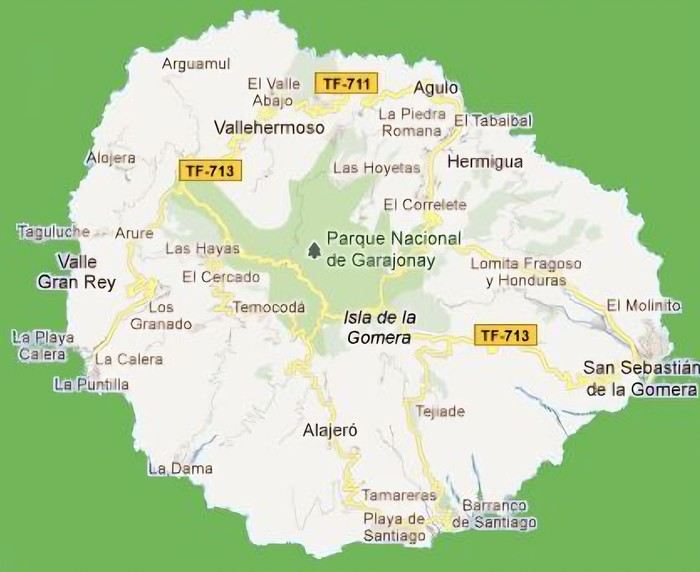 The large solidified magma massifs that shape the heart of the island have created a large depression more protected from the sun at its center, allowing the growth of a vast laurel forest, today grouped within the Garajonay National Park, La Gomera’s green lung, which has earned it the status of a World Biosphere Reserve. Its completely European appearance contrasts sharply with the rocky and tropical landscapes of the rest of the island. Thus, the climate varies greatly from one point to another on the island: in summer, you can quickly go from a dry and sunny valley at 35°C to a humid forest area at altitude at 18°C.
La Gomera was populated late. As with the rest of the Canaries, human presence is thought to have begun about 2,000 years ago. Groups of animist Berbers, probably fleeing persecution, gradually populated the archipelago, especially the western islands and La Gomera, becoming its small aboriginal population: the Guanches (or later Gomeros). The animist and pastoral civilization of the Guanches thrived until the Spanish takeover in the 15th century, which, after a short period of harmony and mixing with the indigenous people, suddenly ended in bloodshed... La Gomera later became the “Columbus Island” after Christopher Columbus’s stopover, increasing the blending of populations. In the 20th century, many Gomeros emigrated to Cuba and other Latin American countries in search of a better life, bringing back a mix of cultures and traits quite palpable in today’s Gomeran culture. It is, however, in La Gomera that the vestiges of Guanche culture seem to have left the most traces, in the language, gastronomy, social practices... Moreover, most Gomeros, especially in remote villages, have a particular identifiable type and proudly claim their ancestral roots, even making La Gomera a bit exotic in the eyes of other Canarians.
Perhaps that’s why it has never really wanted to develop its tourist infrastructure too much. If we set aside the tourists who visit for the day by bus or boat from Tenerife on a marked itinerary (and whom we ultimately rarely encounter), La Gomera has remained a hidden gem, a destination focused on nature discovery that attracts hikers, nature-loving divers, and scientists for its fauna and flora, and to a lesser extent, beachgoers who don’t seek overly developed coastlines. Tourist activity is therefore limited. Roughly speaking, you’ll find a majority of Spaniards, including a substantial number of residents from other Canary Islands, many Germans who have a particular fondness for La Gomera and spend long stays there or own second homes, to the point that the German cultural footprint is clearly noticeable in some places (it’s said to be Angela Merkel’s favorite holiday spot), and still quite a few French. The presence of other nationalities seemed negligible to us. Most travelers come mainly for hiking, but it’s also a prime spot for whale watching. Additionally, the seaside resorts of La Gomera—San Sebastián, Santiago, and especially Valle Gran Rey—are well-known destinations for hippies, especially German ones, ranging from chic boho hippies to old-school hippies who’ve been there for decades, quite similar to those you’d meet in India in Goa, Rishikesh, or Paharganj. Thus, practices like naturism, vegetarianism, and local organic production are quite well established in some areas.
Some practical info: - The round-trip flight from Paris to Tenerife cost us 365 € per person (outbound with Transavia, return with EasyJet), including checked luggage and three seats reserved side by side. - We chose two bases to explore the island: one week in Valle Gran Rey, reputed to be the most pleasant of the three seaside resorts, and one week in Hermigua, more mountainous and close to the natural park. We booked two houses with balconies and views: the first at 120 € per night, the second at 99 €. - The round-trip ferry between Tenerife and La Gomera cost us 270 € with the company Baleària Canarias, including discounts for children aged 4 and 12, but I don’t have the exact details. It was a bit cheaper than with the other company, Fred Olsen. - Finally, we rented a car through the agency Cicar for 360 € for 16 days, which comes to 22.50 € per day. - Apart from that, we didn’t plan anything and decided the day before or even the morning of what we wanted to do. We didn’t invest in any paper guide on the Canaries, as information on La Gomera was scarce, but we used the very comprehensive site La Gomera Travel, a travel guide published by the Canary Islands Tourism Council, a real goldmine of almost exhaustive information on the island.
Alright, off we go for 16 days of adventure discovering La Gomera!
And we start the trip with music!
We start the trip with music!
When we started looking for a summer destination a few months ago, our first criterion was to avoid extreme heat and heatwaves. We had already been to Norway two years ago and are considering going back in the future for other occasions. So, we had some fun asking ChatGPT which destinations enjoyed a mild climate during the summer without going too far. Among the list provided by the AI were the Canary Islands... The idea of a place we wouldn’t have thought of first, both not too far away and exotic enough, appealed to us: “Hmm, why not?”
This destination had never really attracted me, though Magali was a bit more interested. Five years earlier, COVID had caused a short break in my professional activity, and I had planned a trip because the flight price was attractive, and I was looking for a destination different from what usually appeals to me, more than out of deep interest. From a distance and with a social judgment I acknowledge (it’s not great, but it’s not completely wrong), I had the image of a destination for party-goers enjoying the sun without the slightest interest in local culture, with concrete coastlines and denatured landscapes—everything I detest the most. Still, I had done some quick research on the different islands and spotted Lanzarote for its beautiful volcanic landscapes, hiking trails, beaches, and the impression of a good balance between activity and fewer crowds than Tenerife or Gran Canaria. Then I dropped the idea of going, without ever reconsidering traveling to the Canaries...
Until now! Because we started researching the different islands of the archipelago to see which ones might appeal to us the most. It was La Gomera, the third smallest island of the archipelago, more praised for its hiking trails and preserved nature than for its beaches, away from mass tourism (fifty times fewer tourists than Tenerife) but still a bit more developed than its wild neighbor El Hierro, that caught our attention. Contrary to what might be suggested later, I’m not at all addicted to AI, but I use it from time to time to synthesize quick research or simply for experimentation. Since ChatGPT had started anticipating my tastes lately as if it had become my buddy (often successfully, sometimes off the mark), I asked which Canary Island would suit me best for a trip with my family. The tool answered first with... La Gomera. So, I tested it and teased it a bit to see if this suggestion was well-founded, as the method sometimes makes it contradict itself. But no luck: “You’d appreciate the wild nature of El Hierro, but with family, you’ll find little activity for the kids. You won’t like the touristy vibe of the big islands like Tenerife, Gran Canaria, Lanzarote, and Fuerteventura. You could consider La Palma, but it’s really La Gomera that will suit you best, based on your interests and the criteria given.” So, we dug deeper into our research and were convinced without a shadow of a doubt that this island was the one waiting for us.
Without knowing it, we had Canarians in our circle who revealed their origins when they heard about our travel plans. One from Tenerife insisted we’d be better off choosing Tenerife (obviously...) because it also has preserved spots and that La Gomera, “you can explore it in two or three days, you’ll get bored quickly...” The other, a colleague from Gran Canaria who had never visited La Gomera, still recommended it without hesitation because it turned out her parents had just gone there on vacation: they loved it and had encountered few tourists. She also tended to think this destination was usually the subject of short stays, but according to what her parents told her, taking your time there was also a great idea. However, in our research, the idea that La Gomera is an island you can explore in three or four days max kept coming up. So, we considered combining its visit with La Palma or El Hierro, the other two that caught our eye. But hopping between islands by ferry represents a significant budget for non-Canarians, even more so for a family of four. Then, scrutinizing Google Maps, it seemed obvious that two weeks were too short to discover two islands as they deserve, and that there seemed to be plenty to see in La Gomera, given its very unique culture. After all, we read that some people spend several months a year there, others never even leave... Finally, these landscapes and this atmosphere, which seemed to us a mix of Europe, North Africa, and Latin America, tempted us. So, it would be two weeks in La Gomera, deal!
La Gomera is therefore the second... well, the third smallest island of the Canaries since La Graciosa was recently recognized as a fully inhabited island. It has the shape of a rough circle about 20 to 25 kilometers in diameter and has just over 20,000 inhabitants, half of them in its capital, San Sebastián de la Gomera, the only real town. Like its Canarian sisters, La Gomera is a volcanic formation that rose about 10 million years ago. The island is very mountainous and rugged, covered with red and black rocky landscapes. Geological activity has shaped, between the sprawling massifs that end in steep cliffs in the ocean, six coastal valleys with tropical vegetation that have favored human settlement. They divide the island like slices of a cake; from the north clockwise: the agricultural Vallehermoso, the rustic Agulo, the green, humid, and fertile Hermigua, the sunny capital San Sebastián de la Gomera, the southern and isolated Alajeró-Santiago, and the seaside Valle Gran Rey. They constitute the six municipalities (more like cantons to our French understanding) of the territory.
The large solidified magma massifs that shape the heart of the island have created a large depression more protected from the sun at its center, allowing the growth of a vast laurel forest, today grouped within the Garajonay National Park, La Gomera’s green lung, which has earned it the status of a World Biosphere Reserve. Its completely European appearance contrasts sharply with the rocky and tropical landscapes of the rest of the island. Thus, the climate varies greatly from one point to another on the island: in summer, you can quickly go from a dry and sunny valley at 35°C to a humid forest area at altitude at 18°C.La Gomera was populated late. As with the rest of the Canaries, human presence is thought to have begun about 2,000 years ago. Groups of animist Berbers, probably fleeing persecution, gradually populated the archipelago, especially the western islands and La Gomera, becoming its small aboriginal population: the Guanches (or later Gomeros). The animist and pastoral civilization of the Guanches thrived until the Spanish takeover in the 15th century, which, after a short period of harmony and mixing with the indigenous people, suddenly ended in bloodshed... La Gomera later became the “Columbus Island” after Christopher Columbus’s stopover, increasing the blending of populations. In the 20th century, many Gomeros emigrated to Cuba and other Latin American countries in search of a better life, bringing back a mix of cultures and traits quite palpable in today’s Gomeran culture. It is, however, in La Gomera that the vestiges of Guanche culture seem to have left the most traces, in the language, gastronomy, social practices... Moreover, most Gomeros, especially in remote villages, have a particular identifiable type and proudly claim their ancestral roots, even making La Gomera a bit exotic in the eyes of other Canarians.
Perhaps that’s why it has never really wanted to develop its tourist infrastructure too much. If we set aside the tourists who visit for the day by bus or boat from Tenerife on a marked itinerary (and whom we ultimately rarely encounter), La Gomera has remained a hidden gem, a destination focused on nature discovery that attracts hikers, nature-loving divers, and scientists for its fauna and flora, and to a lesser extent, beachgoers who don’t seek overly developed coastlines. Tourist activity is therefore limited. Roughly speaking, you’ll find a majority of Spaniards, including a substantial number of residents from other Canary Islands, many Germans who have a particular fondness for La Gomera and spend long stays there or own second homes, to the point that the German cultural footprint is clearly noticeable in some places (it’s said to be Angela Merkel’s favorite holiday spot), and still quite a few French. The presence of other nationalities seemed negligible to us. Most travelers come mainly for hiking, but it’s also a prime spot for whale watching. Additionally, the seaside resorts of La Gomera—San Sebastián, Santiago, and especially Valle Gran Rey—are well-known destinations for hippies, especially German ones, ranging from chic boho hippies to old-school hippies who’ve been there for decades, quite similar to those you’d meet in India in Goa, Rishikesh, or Paharganj. Thus, practices like naturism, vegetarianism, and local organic production are quite well established in some areas.
Some practical info: - The round-trip flight from Paris to Tenerife cost us 365 € per person (outbound with Transavia, return with EasyJet), including checked luggage and three seats reserved side by side. - We chose two bases to explore the island: one week in Valle Gran Rey, reputed to be the most pleasant of the three seaside resorts, and one week in Hermigua, more mountainous and close to the natural park. We booked two houses with balconies and views: the first at 120 € per night, the second at 99 €. - The round-trip ferry between Tenerife and La Gomera cost us 270 € with the company Baleària Canarias, including discounts for children aged 4 and 12, but I don’t have the exact details. It was a bit cheaper than with the other company, Fred Olsen. - Finally, we rented a car through the agency Cicar for 360 € for 16 days, which comes to 22.50 € per day. - Apart from that, we didn’t plan anything and decided the day before or even the morning of what we wanted to do. We didn’t invest in any paper guide on the Canaries, as information on La Gomera was scarce, but we used the very comprehensive site La Gomera Travel, a travel guide published by the Canary Islands Tourism Council, a real goldmine of almost exhaustive information on the island.
Alright, off we go for 16 days of adventure discovering La Gomera!
And we start the trip with music!
We start the trip with music!
Wildlife, Nature, and Culture in Zambia and Malawi
Off to Southern Africa again! This time, the trip wasn’t just about wildlife—it was also about the local cultures and the breathtaking landscapes Mother Nature has to offer. It was an emotional rollercoaster in every way, as you’ll see.
We visited two countries: Zambia, known for its reserves, and Malawi, which is less well-known but absolutely worth a visit. Our flight landed in Lilongwe, Malawi’s capital, where our vehicle was waiting—though with a 3-hour delay. It was a 4x4 without the rooftop tent this time, since we stayed in lodges (prices are very reasonable in Malawi). Just a heads-up: don’t exchange money at the airport or banks—the official rate was 1,750 Malawian kwacha to $1. On the black market, the rate was between 3,000 and 3,500 kwacha, making the cost of living much cheaper.
With that out of the way, our first stop was South Luangwa National Park in Zambia. The first hiccup came at the Malawi-Zambia border: we were missing a document the rental company had forgotten. After some back-and-forth, they sent it via WhatsApp ($20 to get it validated by the police). But things got worse—the car’s chassis number was off by one digit from the registered one. I thought our trip was over before it even started! After what felt like forever, we got through with a "tip" of $200. Total border crossing time: 3 hours, costing nearly $400. We arrived in South Luangwa after dark.
Thankfully, the next day made up for it with an incredible day in the park (check out the photos).

We spent two full days in South Luangwa before heading to Katete for the Kulamba ceremony. Kulamba is an annual event held at the end of August, celebrating the Chewa people, who live across Zambia, Malawi, and Mozambique. The Chewa king attends, and representatives from neighboring nations bring offerings. Thousands gather for dances, speeches, and a massive market. There are few tourists, making it a truly authentic experience.
After a few days in Zambia, we returned to Malawi (the border crossing this time was smooth—just 45 minutes). Next stop: Lake Malawi. Lake Malawi covers over 20% of the country and stretches 580 km. It’s home to a family of fish called cichlids, some of which are endemic to the lake. I recommend taking a day trip from Cape Maclear for snorkeling and to watch the fishing eagles swoop down to catch fish.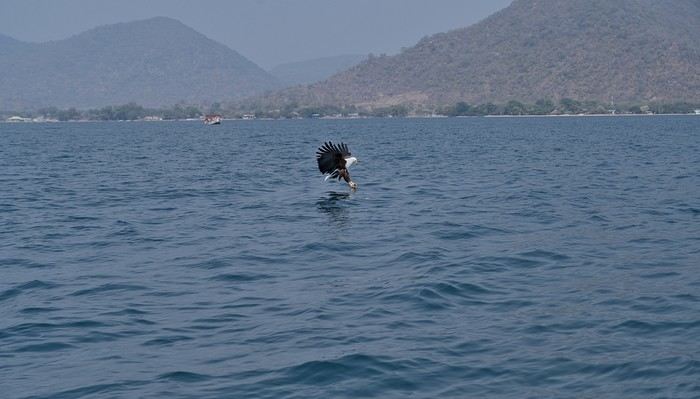
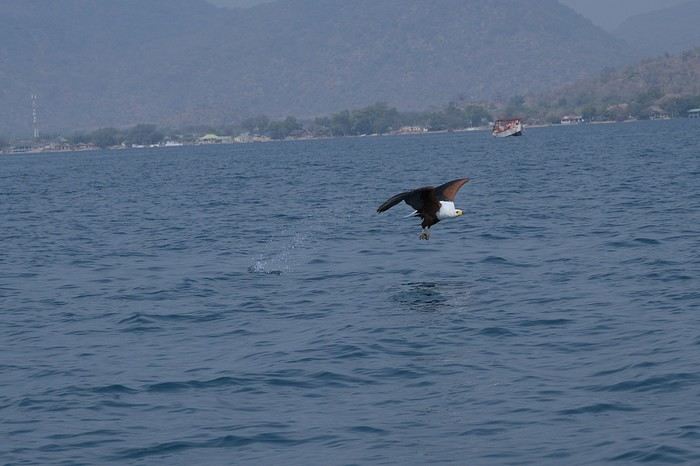
We hit the road again to visit Liwonde Reserve, where we had a few surprises. The lodge was on the other side of the river that borders the park, and the elephants didn’t seem to care. On the way from reception to our rooms, elephants blocked our path, and one even charged just before the stairs leading to our treehouse-style rooms.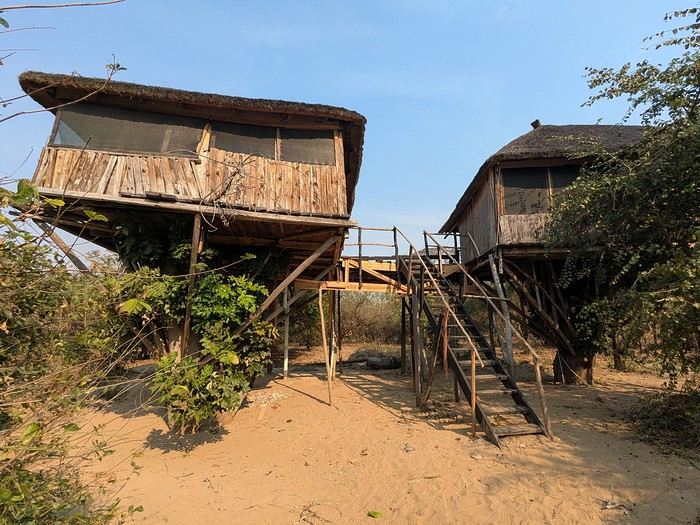
To top it off, monkeys ransacked our rooms, tearing through plastic bags for food. A mixed experience, but no real harm done. Next up: the mountains, specifically the Mulanje Massif. This is where Malawi’s tea is grown, and it’s also a great spot for day hikes or multi-day treks. The scenery is stunning, though sometimes the mist rolls in and hides it. After the mountains, we visited another reserve: Majete. The park is growing and now has more wildlife. We saw lions and even caught a fleeting glimpse of a leopard. And of course, the elephants got involved again—this time giving us a real scare. During the morning game drive with a guide, we stopped to watch a herd of elephants feeding. Everything was fine until, for some reason, a female got spooked—probably for her calf—and positioned herself in front of us on the track. After a few minutes, we thought the elephants would move on, but then a young one started provoking us. The problem? We had females and calves in front of us, but also two large adult males—one behind us and one to the side.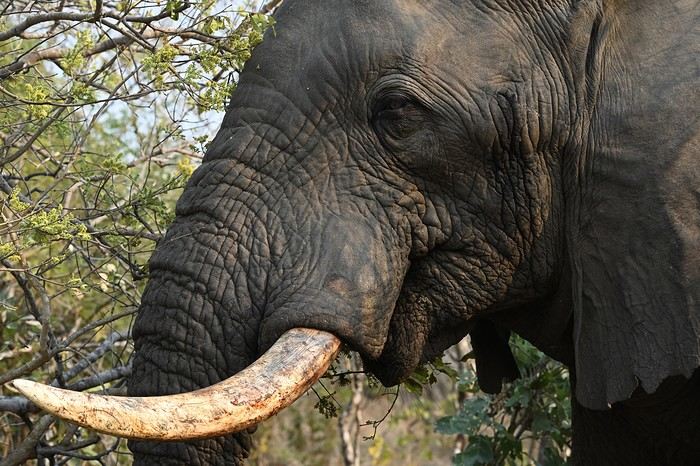 We were trapped, and even our guide looked nervous. After what felt like an eternity (though it was only a few minutes), the herd finally moved on, freeing the track. That afternoon, we did a self-drive safari and—you guessed it—we had zero interest in running into elephants again.
The next day, we headed back to Lilongwe for our flight home. It was a fantastic, varied trip with some intense moments (sometimes *too* intense). Malawi offers amazing opportunities for those who want more than just wildlife reserves.
We were trapped, and even our guide looked nervous. After what felt like an eternity (though it was only a few minutes), the herd finally moved on, freeing the track. That afternoon, we did a self-drive safari and—you guessed it—we had zero interest in running into elephants again.
The next day, we headed back to Lilongwe for our flight home. It was a fantastic, varied trip with some intense moments (sometimes *too* intense). Malawi offers amazing opportunities for those who want more than just wildlife reserves.
We visited two countries: Zambia, known for its reserves, and Malawi, which is less well-known but absolutely worth a visit. Our flight landed in Lilongwe, Malawi’s capital, where our vehicle was waiting—though with a 3-hour delay. It was a 4x4 without the rooftop tent this time, since we stayed in lodges (prices are very reasonable in Malawi). Just a heads-up: don’t exchange money at the airport or banks—the official rate was 1,750 Malawian kwacha to $1. On the black market, the rate was between 3,000 and 3,500 kwacha, making the cost of living much cheaper.
With that out of the way, our first stop was South Luangwa National Park in Zambia. The first hiccup came at the Malawi-Zambia border: we were missing a document the rental company had forgotten. After some back-and-forth, they sent it via WhatsApp ($20 to get it validated by the police). But things got worse—the car’s chassis number was off by one digit from the registered one. I thought our trip was over before it even started! After what felt like forever, we got through with a "tip" of $200. Total border crossing time: 3 hours, costing nearly $400. We arrived in South Luangwa after dark.
Thankfully, the next day made up for it with an incredible day in the park (check out the photos).
We spent two full days in South Luangwa before heading to Katete for the Kulamba ceremony. Kulamba is an annual event held at the end of August, celebrating the Chewa people, who live across Zambia, Malawi, and Mozambique. The Chewa king attends, and representatives from neighboring nations bring offerings. Thousands gather for dances, speeches, and a massive market. There are few tourists, making it a truly authentic experience.
After a few days in Zambia, we returned to Malawi (the border crossing this time was smooth—just 45 minutes). Next stop: Lake Malawi. Lake Malawi covers over 20% of the country and stretches 580 km. It’s home to a family of fish called cichlids, some of which are endemic to the lake. I recommend taking a day trip from Cape Maclear for snorkeling and to watch the fishing eagles swoop down to catch fish.
We hit the road again to visit Liwonde Reserve, where we had a few surprises. The lodge was on the other side of the river that borders the park, and the elephants didn’t seem to care. On the way from reception to our rooms, elephants blocked our path, and one even charged just before the stairs leading to our treehouse-style rooms.
To top it off, monkeys ransacked our rooms, tearing through plastic bags for food. A mixed experience, but no real harm done. Next up: the mountains, specifically the Mulanje Massif. This is where Malawi’s tea is grown, and it’s also a great spot for day hikes or multi-day treks. The scenery is stunning, though sometimes the mist rolls in and hides it. After the mountains, we visited another reserve: Majete. The park is growing and now has more wildlife. We saw lions and even caught a fleeting glimpse of a leopard. And of course, the elephants got involved again—this time giving us a real scare. During the morning game drive with a guide, we stopped to watch a herd of elephants feeding. Everything was fine until, for some reason, a female got spooked—probably for her calf—and positioned herself in front of us on the track. After a few minutes, we thought the elephants would move on, but then a young one started provoking us. The problem? We had females and calves in front of us, but also two large adult males—one behind us and one to the side.
We were trapped, and even our guide looked nervous. After what felt like an eternity (though it was only a few minutes), the herd finally moved on, freeing the track. That afternoon, we did a self-drive safari and—you guessed it—we had zero interest in running into elephants again.
The next day, we headed back to Lilongwe for our flight home. It was a fantastic, varied trip with some intense moments (sometimes *too* intense). Malawi offers amazing opportunities for those who want more than just wildlife reserves.Gran Canaria... a trip that wasn't exactly thrilling
Okay, it wasn’t a total disaster either. Actually, I hesitated before starting this travel journal: is it even worth writing about a holiday that won’t leave an unforgettable memory?
In the end, I went for it (there aren’t many recent travel journals about this destination).
So, read on... or don’t .
Every time we’ve been to the Canary Islands, it’s been by default (basically: where can we go in winter or early spring when we only have a week—so not too far, not too much jet lag, but with decent weather?).
This time, we had two weeks, but the winter plan kept changing: first Thailand (dropped for personal reasons), then Martinique (dropped because of work leave dates that weren’t up to me), and finally, the Canary Islands.
We’ve already been to Tenerife (which we really liked) and Lanzarote (which we liked a little less). This year, two options: Gran Canaria or one of the smaller islands west of Tenerife (La Palma, or even La Gomera or El Hierro). We chose Gran Canaria... not sure it was the right call! Whose fault is it? Storm Thérèse’s! Yes, Storm Thérèse followed us on arrival, and its effects lasted quite a while. We had to adapt, cancel visits, change activities...
But even without Thérèse...
Saturday 21/03 Departure from Orly at 6:10 AM with Transavia. The plane took off on time and landed a little early, tossed around by strong winds before touching down. It had just rained, but it was (almost) no longer raining.
We quickly picked up our luggage and then the car at the Cicar counter. We got a Seat Arona instead of the Corsa we’d booked. Well, while the driving position didn’t feel great at first (I got used to it), the engine’s smoothness and power were much appreciated on the island’s winding and sometimes steep roads.
It was only 10 AM, and we couldn’t theoretically check into our accommodation until 3 PM (the owner promised to message me if it was ready earlier). So, we headed to the (big) *Jardín Botánico Viera y Clavijo*, where we planned to spend a few hours. We found a huge parking lot... empty. The passenger in the car in front of us (yes, we weren’t the only ones at the closed gate—there was a car in front and one behind) went to ask for info: it was closed due to the storm 😕. So, we calmly headed toward Puerto de las Nieves, on the northwest coast of the island.
The plan: go to a restaurant, visit the village, and do some shopping while waiting for early afternoon. As soon as we got out of the car, it started raining... we took shelter under the awning of a shop, waiting for it to pass. But the rain turned into a downpour, and within minutes, awning or not, Gore-Tex or not, we were soaked!
Since we were already wet, we might as well go to the restaurant—they weren’t far! But here’s the thing: contrary to what Google Maps said, they all opened at 1 PM, not noon! Back to the car, wading through 5 cm of water because all the village streets were flooded . The rain let up, we did some shopping, went to eat, and I got a message from the owner saying the accommodation was ready 🙂.
So, off we went to La Suerte, a few kilometers north of Agaete. The downside of the place, especially with luggage, is that you have to climb several flights of stairs via an outdoor staircase (after parking more or less far away on a steep street) to get there 😛). Of course, on the way from the car to the apartment, it started pouring again—the bags got soaked! Enough rain for today! We settled in quietly, and by late afternoon, we could (finally!) go admire the view from the terrace.
Every time we’ve been to the Canary Islands, it’s been by default (basically: where can we go in winter or early spring when we only have a week—so not too far, not too much jet lag, but with decent weather?).
This time, we had two weeks, but the winter plan kept changing: first Thailand (dropped for personal reasons), then Martinique (dropped because of work leave dates that weren’t up to me), and finally, the Canary Islands.
We’ve already been to Tenerife (which we really liked) and Lanzarote (which we liked a little less). This year, two options: Gran Canaria or one of the smaller islands west of Tenerife (La Palma, or even La Gomera or El Hierro). We chose Gran Canaria... not sure it was the right call! Whose fault is it? Storm Thérèse’s! Yes, Storm Thérèse followed us on arrival, and its effects lasted quite a while. We had to adapt, cancel visits, change activities...
But even without Thérèse...
Saturday 21/03 Departure from Orly at 6:10 AM with Transavia. The plane took off on time and landed a little early, tossed around by strong winds before touching down. It had just rained, but it was (almost) no longer raining.
We quickly picked up our luggage and then the car at the Cicar counter. We got a Seat Arona instead of the Corsa we’d booked. Well, while the driving position didn’t feel great at first (I got used to it), the engine’s smoothness and power were much appreciated on the island’s winding and sometimes steep roads.
It was only 10 AM, and we couldn’t theoretically check into our accommodation until 3 PM (the owner promised to message me if it was ready earlier). So, we headed to the (big) *Jardín Botánico Viera y Clavijo*, where we planned to spend a few hours. We found a huge parking lot... empty. The passenger in the car in front of us (yes, we weren’t the only ones at the closed gate—there was a car in front and one behind) went to ask for info: it was closed due to the storm 😕. So, we calmly headed toward Puerto de las Nieves, on the northwest coast of the island.
The plan: go to a restaurant, visit the village, and do some shopping while waiting for early afternoon. As soon as we got out of the car, it started raining... we took shelter under the awning of a shop, waiting for it to pass. But the rain turned into a downpour, and within minutes, awning or not, Gore-Tex or not, we were soaked!
Since we were already wet, we might as well go to the restaurant—they weren’t far! But here’s the thing: contrary to what Google Maps said, they all opened at 1 PM, not noon! Back to the car, wading through 5 cm of water because all the village streets were flooded . The rain let up, we did some shopping, went to eat, and I got a message from the owner saying the accommodation was ready 🙂.
So, off we went to La Suerte, a few kilometers north of Agaete. The downside of the place, especially with luggage, is that you have to climb several flights of stairs via an outdoor staircase (after parking more or less far away on a steep street) to get there 😛). Of course, on the way from the car to the apartment, it started pouring again—the bags got soaked! Enough rain for today! We settled in quietly, and by late afternoon, we could (finally!) go admire the view from the terrace.
Martine from DD in Arizona and New Mexico
Good evening everyone! 🙂
We’re back from our September 2025 road trip, this time to explore Arizona and New Mexico, and it’s time for me to start my travel journal—especially since everything’s already booked for another trip in September 2026 (to California), and I need to get started on the planning.
I was a little worried this new visit to Uncle Sam’s country might not be as "wow" as the others, but we still discovered some incredible places.
For those who don’t know us, we’re a couple in our seventies who speak very little English, but that didn’t stop us from fully enjoying our stay.
For this 6th road trip in the U.S., we spent 21 nights there, drove 4,160 km by car, and walked nearly 160 km in a loop starting from Phoenix.
We’d been to Arizona before (but not this side) and never to New Mexico. This whole road trip was a huge discovery for us.
In the prices mentioned (some in euros, others in dollars), bank fees and exchange charges are included. The flights, car rental, and parking were all paid for in December 2024 when we booked.
We’d downloaded the MPC (Mobile Passport Control) app, but there wasn’t a dedicated line at Phoenix Airport. Still, we got through quickly with friendly, smiling agents.
I don’t drive at all (I hate it), so the stops were chosen based on activities but also, for some, to limit daily mileage for the sole driver. The kilometers listed in the itinerary are the daily distances.
We traveled from September 9th to 22nd, unfortunately once again without our dear friends Mimi and Maumau.
The itinerary
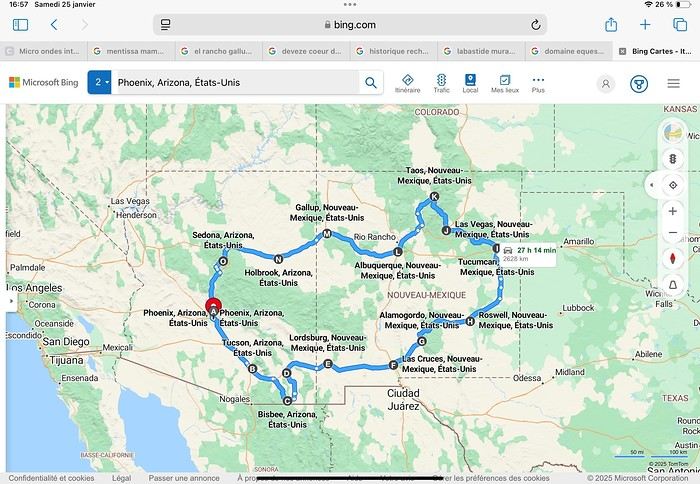
Day 1: Flight Marseille-Paris-Phoenix, then Gold Canyon (133 km) Day 2: Tucson (271 km) Lost Dutchman State Park Day 3: Tucson (155 km) Day 4: Tucson (34 km) Day 5: Bisbee (182 km) Day 6: Lordsburg (345 km) Day 7: Las Cruces (253 km) Day 8: Alamogordo (162 km) Day 9: Roswell (264 km) Day 10: Tucumcari (369 km) Day 11: Las Vegas (281 km) – the one in New Mexico Day 12: Taos (213 km) Day 13: Santa Fe (224 km) Day 14: Albuquerque (123 km) Day 15: Gallup (246 km) Day 16: Holbrook (224 km) Day 17: Flagstaff (179 km) Day 18: Sedona (118 km) Day 19: Sedona (48 km) Day 20: Sedona (41 km) Day 21: Phoenix (256 km) Day 22: Phoenix Airport (35 km)
📊 **Budget**: A little over 7,500 € for both of us, all included. The exchange rate was in our favor (1.17 dollars to 1 €). 📊 **Flights**: Marseille-Paris Charles de Gaulle-Phoenix: 1,787 € for two, with one checked bag each (Air France) 📊 **ESTA**: $42 📊 **America the Beautiful Pass**: $80 📊 **Parking**: 134 € (super eco at Marseille) 📊 **Car rental (Hertz)**: 865 €. Since there were no SUVs left in the reserved category (Nissan Rogue), we got an upgrade (4x4 Ford Explorer). We booked through Air France (15% discount). We’d originally reserved it in December for 1,140 €, but since prices dropped in March, we canceled and rebooked for 865 €. Hertz offers a free Hertz Gold Plus Rewards program, which gives you priority counter service when picking up the car. 📊 **Accommodation**: 2,400 € We stayed in hotels and motels of varying standards (from 60 to 203 € per night, depending on the city), all booked through Booking.com or Hotels.com. Out of 21 nights, only two didn’t include breakfast in the price. Booking.com sometimes offers slightly cheaper rates if you book by phone using the mobile app, and our Genius 3 status on the site also got us some preferential rates. 📊 **Supplementary insurance**: AVA 200 € for medical care if needed 📊 **Cash**: $2,078. We left with 1,000 € exchanged before departure and made two withdrawals of $500. This cash covered: - Evening restaurants and tips - Midday picnics - Gas: $298 for 4,160 km - Museum and private park entries (per person): - Lost Dutchman: $10 - Arizona-Sonora Desert Museum: $28 - Bird Cage Theater: $16 - Tombstone Shootout: $8 - New Mexico Farm & Ranch Museum: $12 - Roswell International UFO Museum: $5 - Billy the Kid Museum: $7 - Rancho de Taos: $22 - West Fork Oak Creek Trail entry: $15 We got a few discounts thanks to our senior age (+65). - Souvenirs and little treats
Like on our previous road trips, we didn’t rent a GPS. We got around using offline GPS apps Here WeGo and Organic Maps, with maps of the states we visited downloaded before we left (on our phones).
❤️❤️❤️ **Highlights** (there are so many!) 📍 Goldfield Ghost Town (even if it’s a reconstruction) 📍 The standing army of Saguaro cacti at Saguaro National Park West 📍 Diving into the cowboy universe of Tombstone 📍 The welcome from Rick and Henry at our guesthouse in Bisbee (Garden at Mile High Ranch) 📍 The tangled rocks of Chiricahua National Monument 📍 The flavored pistachios from Dwayne’s Fresh Jerky and Mac Ginnis Pistachioland 📍 Restaurants: La Posta (Las Cruces), Diner 66 (Albuquerque), and the Haunted Hamburger (Jerome) 📍 The old plazas of New Mexico 📍 The solitude and beauty of the white dunes at White Sands National Park 📍 Stepping back in time at the Billy the Kid Museum (Fort Stanton) 📍 Sections of historic Route 66 and the old motels of Tucumcari, especially at night when all the neon lights are on 📍 Taos Pueblo and diving into Native American culture 📍 After the Rio Grande Bridge, the descent via NM 567 to the very bottom of the Rio Grande Gorge, then the road along the riverbanks to Taos 📍 The tranquility of the Chimayo Sanctuary 📍 Discovering the ingenious native dwellings at Bandelier National Monument and Walnut Canyon National Park 📍 The small towns along the Turquoise Trail 📍 The red rocks of Red Rock Park and the Painted Desert 📍 The extraordinary colors of the petrified trees at Petrified Forest National Park 📍 Sedona, its red rocks, and the reward of the viewpoints at the end of hikes (Devil’s Bridge, The Subway, and West Fork Oak Creek) 📍 The immersion in Mexico when visiting Tlaquepaque 📍 The almost-ghost town of Jerome and its terraced streets 📍 The incredible kindness of Americans, always ready to help and up for a chat ❤️
☹️☹️☹️ **Flops** (there are very few) 📍 Several museums and churches being closed, so we couldn’t visit them 📍 Some museums and visitor centers opening late (10 AM) and closing early (4 PM) 📍 A 64 € phone roaming charge because we got near the Mexican border and picked up their cell tower 📍 The outrageous price ($5.99) for a gallon of gas at the Shell near Phoenix Airport
I hope this helps! Anyway, thanks for reading my long post. Don’t hesitate to reach out, even via PM, if you see I haven’t replied and you’d like more details. Have a great evening, everyone! 🙂
We’re back from our September 2025 road trip, this time to explore Arizona and New Mexico, and it’s time for me to start my travel journal—especially since everything’s already booked for another trip in September 2026 (to California), and I need to get started on the planning.
I was a little worried this new visit to Uncle Sam’s country might not be as "wow" as the others, but we still discovered some incredible places.
For those who don’t know us, we’re a couple in our seventies who speak very little English, but that didn’t stop us from fully enjoying our stay.
For this 6th road trip in the U.S., we spent 21 nights there, drove 4,160 km by car, and walked nearly 160 km in a loop starting from Phoenix.
We’d been to Arizona before (but not this side) and never to New Mexico. This whole road trip was a huge discovery for us.
In the prices mentioned (some in euros, others in dollars), bank fees and exchange charges are included. The flights, car rental, and parking were all paid for in December 2024 when we booked.
We’d downloaded the MPC (Mobile Passport Control) app, but there wasn’t a dedicated line at Phoenix Airport. Still, we got through quickly with friendly, smiling agents.
I don’t drive at all (I hate it), so the stops were chosen based on activities but also, for some, to limit daily mileage for the sole driver. The kilometers listed in the itinerary are the daily distances.
We traveled from September 9th to 22nd, unfortunately once again without our dear friends Mimi and Maumau.
The itinerary
Day 1: Flight Marseille-Paris-Phoenix, then Gold Canyon (133 km) Day 2: Tucson (271 km) Lost Dutchman State Park Day 3: Tucson (155 km) Day 4: Tucson (34 km) Day 5: Bisbee (182 km) Day 6: Lordsburg (345 km) Day 7: Las Cruces (253 km) Day 8: Alamogordo (162 km) Day 9: Roswell (264 km) Day 10: Tucumcari (369 km) Day 11: Las Vegas (281 km) – the one in New Mexico Day 12: Taos (213 km) Day 13: Santa Fe (224 km) Day 14: Albuquerque (123 km) Day 15: Gallup (246 km) Day 16: Holbrook (224 km) Day 17: Flagstaff (179 km) Day 18: Sedona (118 km) Day 19: Sedona (48 km) Day 20: Sedona (41 km) Day 21: Phoenix (256 km) Day 22: Phoenix Airport (35 km)
📊 **Budget**: A little over 7,500 € for both of us, all included. The exchange rate was in our favor (1.17 dollars to 1 €). 📊 **Flights**: Marseille-Paris Charles de Gaulle-Phoenix: 1,787 € for two, with one checked bag each (Air France) 📊 **ESTA**: $42 📊 **America the Beautiful Pass**: $80 📊 **Parking**: 134 € (super eco at Marseille) 📊 **Car rental (Hertz)**: 865 €. Since there were no SUVs left in the reserved category (Nissan Rogue), we got an upgrade (4x4 Ford Explorer). We booked through Air France (15% discount). We’d originally reserved it in December for 1,140 €, but since prices dropped in March, we canceled and rebooked for 865 €. Hertz offers a free Hertz Gold Plus Rewards program, which gives you priority counter service when picking up the car. 📊 **Accommodation**: 2,400 € We stayed in hotels and motels of varying standards (from 60 to 203 € per night, depending on the city), all booked through Booking.com or Hotels.com. Out of 21 nights, only two didn’t include breakfast in the price. Booking.com sometimes offers slightly cheaper rates if you book by phone using the mobile app, and our Genius 3 status on the site also got us some preferential rates. 📊 **Supplementary insurance**: AVA 200 € for medical care if needed 📊 **Cash**: $2,078. We left with 1,000 € exchanged before departure and made two withdrawals of $500. This cash covered: - Evening restaurants and tips - Midday picnics - Gas: $298 for 4,160 km - Museum and private park entries (per person): - Lost Dutchman: $10 - Arizona-Sonora Desert Museum: $28 - Bird Cage Theater: $16 - Tombstone Shootout: $8 - New Mexico Farm & Ranch Museum: $12 - Roswell International UFO Museum: $5 - Billy the Kid Museum: $7 - Rancho de Taos: $22 - West Fork Oak Creek Trail entry: $15 We got a few discounts thanks to our senior age (+65). - Souvenirs and little treats
Like on our previous road trips, we didn’t rent a GPS. We got around using offline GPS apps Here WeGo and Organic Maps, with maps of the states we visited downloaded before we left (on our phones).
❤️❤️❤️ **Highlights** (there are so many!) 📍 Goldfield Ghost Town (even if it’s a reconstruction) 📍 The standing army of Saguaro cacti at Saguaro National Park West 📍 Diving into the cowboy universe of Tombstone 📍 The welcome from Rick and Henry at our guesthouse in Bisbee (Garden at Mile High Ranch) 📍 The tangled rocks of Chiricahua National Monument 📍 The flavored pistachios from Dwayne’s Fresh Jerky and Mac Ginnis Pistachioland 📍 Restaurants: La Posta (Las Cruces), Diner 66 (Albuquerque), and the Haunted Hamburger (Jerome) 📍 The old plazas of New Mexico 📍 The solitude and beauty of the white dunes at White Sands National Park 📍 Stepping back in time at the Billy the Kid Museum (Fort Stanton) 📍 Sections of historic Route 66 and the old motels of Tucumcari, especially at night when all the neon lights are on 📍 Taos Pueblo and diving into Native American culture 📍 After the Rio Grande Bridge, the descent via NM 567 to the very bottom of the Rio Grande Gorge, then the road along the riverbanks to Taos 📍 The tranquility of the Chimayo Sanctuary 📍 Discovering the ingenious native dwellings at Bandelier National Monument and Walnut Canyon National Park 📍 The small towns along the Turquoise Trail 📍 The red rocks of Red Rock Park and the Painted Desert 📍 The extraordinary colors of the petrified trees at Petrified Forest National Park 📍 Sedona, its red rocks, and the reward of the viewpoints at the end of hikes (Devil’s Bridge, The Subway, and West Fork Oak Creek) 📍 The immersion in Mexico when visiting Tlaquepaque 📍 The almost-ghost town of Jerome and its terraced streets 📍 The incredible kindness of Americans, always ready to help and up for a chat ❤️
☹️☹️☹️ **Flops** (there are very few) 📍 Several museums and churches being closed, so we couldn’t visit them 📍 Some museums and visitor centers opening late (10 AM) and closing early (4 PM) 📍 A 64 € phone roaming charge because we got near the Mexican border and picked up their cell tower 📍 The outrageous price ($5.99) for a gallon of gas at the Shell near Phoenix Airport
I hope this helps! Anyway, thanks for reading my long post. Don’t hesitate to reach out, even via PM, if you see I haven’t replied and you’d like more details. Have a great evening, everyone! 🙂
Trip Report: Silk Road Journey in China
Hi everyone,
This trip report covers a journey along the Silk Road in China (see detailed description below) undertaken in October 2025. The goal isn’t to recount the trip but to provide information that might help those who want to take a similar journey. Much of the information is valid for any trip to China.
Who we are: a retired couple, aged 63 and 65 (age gives discounts on entry to various sites and museums in China, which is why I won’t list prices here—I don’t know them, but you can easily find them online). We’re used to traveling independently. We speak English, which is the only foreign language spoken in China, though by very few people. I speak and read a little Chinese, which helped, but you can easily get by without it (without any English at all, I think it would be more difficult).
Period: We arrived just after "Golden Week," when all of China is on vacation, and after the summer, when schools are out, so we encountered very few tourists (99.99% of whom were Chinese). Our experience with booking visits in advance (which we didn’t need to do) isn’t representative for those who want to travel in the summer! The October-November period was perfect for our trip—it wasn’t too hot or too cold (one day of snow on the Tibetan Plateau), though it was only a few degrees on the Tibetan part, with altitudes between 2,000 and 3,000 meters. The trees were beautifully colored.
General remarks: Everyone we dealt with was very kind and perfectly honest. If you order a meal without really understanding what to do and the person modifies your order, trust them—the result is what you need. If a taxi driver signals that they’ll wait for you to finish your visit and pick you up afterward, trust them. It means there aren’t many taxis where you are, and it’ll be more convenient. For prices at street vendors, we always found the right ballpark, and sometimes they even added a little extra to please us. A taxi driver treated us to lunch, and an employee drove us back to the hotel after a visit because there were no taxis. If you struggle to buy a ticket online because there’s no counter, someone will come to help. People even spontaneously ask if everything’s okay and if you need anything.
Everywhere we went was very clean, including restrooms (trains, stations, hotels, museums, tourist sites) and streets. The old stereotypes about this no longer apply.
The trip can be challenging for those who have difficulty walking. The distances to cover on foot in stations, to access sites, and within the sites themselves can sometimes be really long.
We used the Lonely Planet guide in English (published at the end of August 2025) a little for preparation, but mostly relied on the internet.
Before leaving: No visa is needed for French citizens for stays under 30 days. You get a stamp on your passport upon arrival and departure, and the formalities themselves are very quick in both directions (excluding any potential queues). Just a photo and fingerprints upon arrival, and welcome to China’s facial recognition system.
Money: All your payments (see below) will go through your Visa card—there will be hundreds, including many payments of 20 cents to a few euros. So, you need an international option that allows unlimited card transactions. Since cash is rarely needed, the allowed number of ATM withdrawals can be low. We made 3 withdrawals totaling 800 € for a month and could have managed with just 2. The exchange rate charged on our Visa card was 12 € for 100 RMB (yuan).
Install the following apps on your smartphone before leaving (otherwise, you’ll only have access to the Chinese versions, if available): - Alipay, which is used to pay everywhere in China (details below). You need to link it to your credit card, then provide proof of identity by uploading a passport photo and completing a facial recognition session. Alipay gives access to Didi (China’s Uber), public transport (metro/bus), and can also translate phrases. - WeChat (Weixin in Chinese, pronounced *weishin*), which is also used for payments but also replaces WhatsApp. Unfortunately, to activate your account, you need someone who already has WeChat to sponsor you (preferably a Chinese person). We asked someone at our first accommodations to do this—no problem. By sharing your WeChat number with accommodations, they can send you messages that are automatically translated, and you can communicate with people thanks to the translation (translation to French is very poor; it’s much better in English, but unfortunately, WeChat detects your phone’s language). Alipay and WeChat are accepted almost everywhere, but some places only accept WeChat. - Amap, the international version of Baidu Maps, which replaces Google Maps (not at all up-to-date in China). The English names of hotels often have little to do with the Chinese names except for a phonetic resemblance. To find them on Amap, it’s best to copy the Chinese name found on your Trip reservation under "show address in Chinese." - A VPN. We had CyberGhost, which didn’t work, but according to other travelers, NordVPN and Windscribe do. Without a VPN, you can’t access Google services, on WhatsApp you can send and receive text but not photos, and you can’t send or receive emails on Gmail addresses. We managed without a VPN by using Firefox as a browser and Bing as a search engine. - Trip, for booking trains and accommodations, and buying some tickets. It’s the equivalent of Booking for accommodations, but Booking has very few listings in China, while Trip has hundreds in every city. Most hotels and trains are exchangeable and refundable until the day before, with no or minimal fees.
You don’t need contactless (NFC) payment on your phone. Either you scan a barcode and enter the amount to pay, or you display a barcode, and they scan it with a scanner, and the amount is deducted directly.
Upon arrival: - Buy a Chinese SIM card: 100 RMB for 300 GB of data and several hours of talk time (we didn’t use it). Set the Chinese number as a reference on Alipay, WeChat, and Amap. - Find someone to sponsor you on WeChat.
Transportation: - **Plane**: China Eastern, Paris-Canton then Canton-Urumqi on the way out, and Xian-Canton then Canton-Paris on the way back. International flights were smooth, but the schedules for the two domestic flights were changed. It was fine on the way out because we had some leeway, but on the way back, we were notified the morning of that our flight was canceled and replaced with one that didn’t allow for the connection. We called and changed to an earlier flight (I think we were lucky to find available seats). - **Train**: Most long distances were covered by high-speed trains (called D or G in China) at 240 or 300 km/h. Second class is perfect—just as comfortable and clean as our TGVs. The only advantage of first class is the wider seats for larger people, but the downside is that seats are often booked in advance and thus less available. You can book trains long in advance on Trip, but they only go on sale in China 15 days before departure, so that’s when you’ll know if you have a ticket. Initially, we booked first class, but there were no seats available on the day, so we ended up booking everything in second class, which was perfect. There’s no paper ticket—if you’ve bought one, you go to the station, show your passport, and enter. You do the same to access the platform 15 minutes before the train, and that’s it. Our train was canceled twice, but no problem—we went to the ticket counter, got a refund, and were offered a replacement. It didn’t delay us by more than an hour (maybe it would be harder in peak season). For prices, check Trip.com, but it’s significantly cheaper than in France. - **Bus**: We took the bus between Xining and Tongren, Tongren to Xiahe, and Hezuo to Lanzhou—about 3 hours each time for 200 km, 6 € per person, and departures were right on time. - **Taxi**: For trips between the station and hotel, or hotel and visits. If you take a Didi via the Alipay app, you activate your location, enter your destination, and it offers several taxis. You accept, and you get the car’s license plate and its real-time position on the map. When you get in, the driver often asks for the last four digits of your phone number to confirm. Otherwise, you go to the taxi stand outside the station. The price per kilometer is around 20 cents, so for a 30 km trip from the station to the hotel, you’ll pay about 6 €. We never tried to save more by taking local buses, but since the metro in Xian costs 25 cents per trip, it’s probably in the same ballpark. Amap provides public transport routes like Google Maps. - **Driver**: We hired a taxi/driver for the day several times for sightseeing. Prices ranged from 350 to 1,000 RMB (the most expensive was arranged through the Sofitel Xining concierge) for trips ranging from a few hours to a full day, sometimes covering over 300 km (see the detailed trip description).
Accommodations: All booked in advance on Trip, but several were changed during the trip. Off-season, there were no issues. We mostly stayed in upscale places, but in China, that means 50 to 60 € per night in the most central or convenient neighborhood. Note: Almost all hotels have a 5/5 rating on Trip, but it seems the Chinese avoid giving lower ratings to be polite. So, you have to read the comments to realize that in France, we might have given a 2 or 3!
Food: At the table, you’re served hot water or a hot infusion, presumably made with purified water. We never got sick from drinking it, but don’t drink tap water. Purified or mineral water is easy to find.
In restaurants, you can manage by pointing to the dish you want from another diner, on the wall where there are photos, or on the menu with pictures. The food in the region isn’t often spicy, and people usually ask or signal before adding the red spicy sauce, so you should be able to handle it if you don’t like chili at all.
The "fake old quarters" in several cities are great places to find all kinds of restaurants (see detailed trip below).
Like Google Maps, Amap can show you nearby restaurants.
Shopping: For dried fruits, buy them in Turfan—you won’t find the same variety and quality even in Xian. Generally, if you like something, buy it. If you wait, you might not find it outside the region where you are.
In Xian, there’s a "Tea City" where you can find all kinds of tea (from cheap to very expensive).
The trip in more detail: I won’t dwell on the beauty or interest of the sites here since that’s a matter of personal taste. However, I will do so for lesser-known places to give an idea to those who might be interested.
For many sites, there are shuttles (sometimes not included in the ticket price but costing around 1 €) that take you to the interesting spots. We always took them—it saves you from walking past countless shops or along uninteresting paths.
- **Urumqi**: We spent only one night there, arriving in the middle of the afternoon and leaving the next morning. We stayed at the Dana Hotel in the bazaar. Given the size of the city, it’s a good option because I don’t think there are many other interesting places. The bazaar is brand new and not at all "typical" (Turfan’s bazaar is infinitely more interesting), but the dining area is very nice.
- **Turfan**: Stayed at the New Dap Hostel, which was great. The neighborhood is nice, not far from the city, and easy to find food. The museum is closed until 2026 (Amap provides museum hours and closures). We took a day trip (for the two of us) with a driver to the Bezeklik Caves, Flaming Mountains, the abandoned city of Gaochang, the Tuyuk Village Museum, and the Emin Minaret for 500 RMB from 9 AM to 8 PM (arranged by the hostel). The landscape during the excursion was quite fabulous. We also visited the Karez Museum and the abandoned city of Jiaohe on our own the next day. At this time of year, the sun sets around 6 PM, and there’s often haze after 5 PM, so for Jiaohe, for example, which takes about 3 hours to visit, it’s best to be there by 1 or 2 PM at the latest.
The Dahua Market area is perfect for dried fruits (including the famous grapes), and you can eat there among locals in their traditional costumes. Next to it, there are buildings full of shops selling made-in-China items—it kept us busy for a good half-day, if not more.
- **Dunhuang**: Stayed in a guesthouse near the dunes—the city center isn’t far but seems quite artificial. Visited the dunes, with a ticket valid for 3 days. Lots of Chinese tourists—very typical and interesting from an ethnological perspective 😊. We got up early one morning to climb the highest dune, just beyond the one everyone goes to. It’s a bit long and tiring, but the view is worth it. Visited the Mogao Caves, buying the ticket on-site (no chance in season without booking in advance). We met two other French people and got a French-speaking guide (by pretending not to understand English). It was really worth it—a group of 4 instead of 20, and they took their time (2 hours) for the visit. We took a day trip to the Yulin Caves (2.5 hours by road and 160 km one way) with a driver for 350 RMB. We liked it a lot, but if the Mogao Caves are enough for you, it’s not very different.
- **Jiayuguan**: Stayed in a city-center hotel. Visited the Wei and Jin tombs (actually just one)—that’s where we were told the taxi should wait to take us back to the city. We went down into a crypt with lots of decorated bricks from the 3rd century. We really liked it, but it’s not as spectacular as the fort if you’re not a fan. Visited the Jiayuguan Fort and, with the same ticket, climbed a small section of the Great Wall 10 km away. Plan at least 3 good hours for all this—there’s plenty to see.
- **Zhangye**: Stayed at The Silk Road Travelers Hostel, rustic but very nice and organizes excursions. Visited the Danxia (colored mountains)—just as spectacular as the photos. You can easily spend 3 hours there, so plan to finish before sunset to avoid the haze (you can always stay longer for the sunset if the weather’s nice). The next day, visited the Mati Si Temple in the cliff. The 10,000 Buddha Caves are under renovation, but the setting and the main temple are well worth the visit (the paths through the cliff tunnels must be hellish in peak season). You can probably organize these two excursions yourself by asking any taxi driver. Also visited the Giant Buddha Temple in the city center—really worth it.
- **Xining**: Stayed in a city-center hotel. Visited the Tibetan Medicine Museum to see the world’s largest thangka (1 km long), made over 40 years by renowned artists. It’s absolutely magnificent, on par with the virtuosity (but over 1 km) of the thangkas painted by famous artists in Xiahe (see below). Hired a female taxi driver for the day to visit Kumbum Monastery (Ta’er Si in Chinese) and the Danxia area in Guide, 50 km beyond the monastery. It’s less spectacular than Zhangye’s Danxia, but we really liked it (including the journey’s landscape). The next day, visited the old Ming-era Qutan Monastery—no visitors, with beautiful murals (half under renovation). Accessible by train to Haidong or Ledu, then a taxi. Xining’s mosque is of no interest, but there’s a pedestrian street with food stalls nearby that’s very nice.
- **Tongren**: Stayed near the main monastery. Visited Longwu Monastery (several hours), with lots of nice shops along the street leading to it. Then visited Wutun Monastery, which is less lively but beautiful and close to thangka workshops. You can go in and watch the painters at work. For a thangka made by a renowned artist, count about a year of work for 1 m² and around 10,000 €.
- **Xiahe**: Stayed in a city-center hotel. Visited Labrang Monastery—very nice but not as much as Tongren’s because many halls were closed. I think it’s better to go in season and take an English-guided tour (but it’s still worth the trip, even off-season).
- **Langmusi**: Took a taxi, but you can also take a bus (though very early in the morning and longer). Particularly beautiful for us because we woke up to bright sunshine and 5 cm of snow everywhere. Visited the two temples (really nice) and did the classic hike in the gorges starting at the Fairy Cave. For those interested, we continued along the canyon path, and after the meadow where marmots are clearly visible in summer, we climbed toward a pass on the left at 3,800 meters. The view of Langmusi and, above all, the vast grasslands and distant mountains was fabulous (3 hours round trip from the temple). You could probably reach the 4,000-meter summit by continuing up the valley instead of turning left, but according to guides, it’s better to count 7 hours round trip (no technical difficulty). You can leave Langmusi by bus, but off-season, you first have to take a taxi to a stop outside the city and wait for the bus. We didn’t try and took a taxi to Hezuo instead.
Note on this region: A high-speed train is under construction from Xining to Langmusi and beyond (never seen such an impressive construction site!). When it’s operational (in one or two years, I think), access to the area will be revolutionized, and perhaps some of the charm will be lost.
- **Hezuo**: Stopped on the way from Langmusi to Lanzhou. Visited the Milarepa Pagoda, entirely destroyed during the Cultural Revolution and since rebuilt. We liked it since we were passing through, but it doesn’t necessarily justify a long detour.
- **Lanzhou**: Reached by one of the many buses from Hezuo. Stayed in the "fake old quarter," which is extremely pleasant, especially in the evening with restaurants, groups of Chinese women dancing to loud music, etc. Visited Bingling Si with a driver, 120 km away—the landscape and site are absolutely magnificent, with no one around at our time of year. Visited the Gansu Museum (where the famous Flying Horse is, but it’s a replica). We bought the ticket on entry, but in season, you probably need to book in advance.
- **Yinchuan**: Stayed in the city center. A city we discovered by chance in the Lonely Planet—worth it if you have time. On the way, we stopped for a few hours in Zhongwei, where there’s an incredible Taoist temple (I’ll let you be surprised). Visited the Western Xia tombs—we took the short option, which visits Tomb 3. We think the others are similar but less impressive. The surrounding landscape and site are quite spectacular. Visited the film sets (really fun if you like Chinese movies), the short but interesting Ningxia Museum, and finally the modern art museum. The architecture is avant-garde, and there are some beautiful works (we like it, but it’s far from the center—hire a driver who waits, or you might have to wait for an employee to offer a ride back).
- **Tianshui**: Stayed in the suburbs, but you should find a hotel near the "fake old quarter" between the Fu Xi Temples and the Taoist temple—it’s a very nice area, and the two temples (especially the Taoist one) are within walking distance. Visited the Maijishan Caves—the ticket includes the shuttle to get there. Took a taxi from Lanzhou for about 10 € in 45 minutes. We found these caves fabulous.
- **Xi’an**: Stayed 500 meters from the Bell Tower at Hantang Inn—very convenient. We’d been before, so we didn’t revisit the Terracotta Army. The calligraphy district is worth it, as is the Muslim Quarter, though it’s very touristy. The area indicated on the Lonely Planet’s walking tour near the old fruit and vegetable market isn’t very interesting. To buy tea, you can go to the Northwest International Tea City, with dozens of shops. We chose one at random, tasted, and bought various teas. There’s everything from cheap to extremely expensive, but you can find reasonable prices even in seemingly luxurious shops. Along the street north of this area, there are large stores with tons of Chinese goods selling dishes, wedding items, etc. We spent hours there. In the city center, there are only malls with more or less international brands.
- **Longmen Grottoes**: Visited as a round trip by high-speed train from Xian—1 hour 15 minutes to Longmen’s high-speed train station, and the site entrance is 15 minutes by taxi.
We didn’t go to Mount Hua Shan, but there’s a high-speed train station nearby, and there were people on the train who were clearly going there. So, you can probably do this excursion in a day from Xian as well.
Conclusion: We hope this report makes you want to go or helps you if you’re already planning to. If you have questions that you can’t find the answer to by searching properly online and we can answer, don’t hesitate.
This trip report covers a journey along the Silk Road in China (see detailed description below) undertaken in October 2025. The goal isn’t to recount the trip but to provide information that might help those who want to take a similar journey. Much of the information is valid for any trip to China.
Who we are: a retired couple, aged 63 and 65 (age gives discounts on entry to various sites and museums in China, which is why I won’t list prices here—I don’t know them, but you can easily find them online). We’re used to traveling independently. We speak English, which is the only foreign language spoken in China, though by very few people. I speak and read a little Chinese, which helped, but you can easily get by without it (without any English at all, I think it would be more difficult).
Period: We arrived just after "Golden Week," when all of China is on vacation, and after the summer, when schools are out, so we encountered very few tourists (99.99% of whom were Chinese). Our experience with booking visits in advance (which we didn’t need to do) isn’t representative for those who want to travel in the summer! The October-November period was perfect for our trip—it wasn’t too hot or too cold (one day of snow on the Tibetan Plateau), though it was only a few degrees on the Tibetan part, with altitudes between 2,000 and 3,000 meters. The trees were beautifully colored.
General remarks: Everyone we dealt with was very kind and perfectly honest. If you order a meal without really understanding what to do and the person modifies your order, trust them—the result is what you need. If a taxi driver signals that they’ll wait for you to finish your visit and pick you up afterward, trust them. It means there aren’t many taxis where you are, and it’ll be more convenient. For prices at street vendors, we always found the right ballpark, and sometimes they even added a little extra to please us. A taxi driver treated us to lunch, and an employee drove us back to the hotel after a visit because there were no taxis. If you struggle to buy a ticket online because there’s no counter, someone will come to help. People even spontaneously ask if everything’s okay and if you need anything.
Everywhere we went was very clean, including restrooms (trains, stations, hotels, museums, tourist sites) and streets. The old stereotypes about this no longer apply.
The trip can be challenging for those who have difficulty walking. The distances to cover on foot in stations, to access sites, and within the sites themselves can sometimes be really long.
We used the Lonely Planet guide in English (published at the end of August 2025) a little for preparation, but mostly relied on the internet.
Before leaving: No visa is needed for French citizens for stays under 30 days. You get a stamp on your passport upon arrival and departure, and the formalities themselves are very quick in both directions (excluding any potential queues). Just a photo and fingerprints upon arrival, and welcome to China’s facial recognition system.
Money: All your payments (see below) will go through your Visa card—there will be hundreds, including many payments of 20 cents to a few euros. So, you need an international option that allows unlimited card transactions. Since cash is rarely needed, the allowed number of ATM withdrawals can be low. We made 3 withdrawals totaling 800 € for a month and could have managed with just 2. The exchange rate charged on our Visa card was 12 € for 100 RMB (yuan).
Install the following apps on your smartphone before leaving (otherwise, you’ll only have access to the Chinese versions, if available): - Alipay, which is used to pay everywhere in China (details below). You need to link it to your credit card, then provide proof of identity by uploading a passport photo and completing a facial recognition session. Alipay gives access to Didi (China’s Uber), public transport (metro/bus), and can also translate phrases. - WeChat (Weixin in Chinese, pronounced *weishin*), which is also used for payments but also replaces WhatsApp. Unfortunately, to activate your account, you need someone who already has WeChat to sponsor you (preferably a Chinese person). We asked someone at our first accommodations to do this—no problem. By sharing your WeChat number with accommodations, they can send you messages that are automatically translated, and you can communicate with people thanks to the translation (translation to French is very poor; it’s much better in English, but unfortunately, WeChat detects your phone’s language). Alipay and WeChat are accepted almost everywhere, but some places only accept WeChat. - Amap, the international version of Baidu Maps, which replaces Google Maps (not at all up-to-date in China). The English names of hotels often have little to do with the Chinese names except for a phonetic resemblance. To find them on Amap, it’s best to copy the Chinese name found on your Trip reservation under "show address in Chinese." - A VPN. We had CyberGhost, which didn’t work, but according to other travelers, NordVPN and Windscribe do. Without a VPN, you can’t access Google services, on WhatsApp you can send and receive text but not photos, and you can’t send or receive emails on Gmail addresses. We managed without a VPN by using Firefox as a browser and Bing as a search engine. - Trip, for booking trains and accommodations, and buying some tickets. It’s the equivalent of Booking for accommodations, but Booking has very few listings in China, while Trip has hundreds in every city. Most hotels and trains are exchangeable and refundable until the day before, with no or minimal fees.
You don’t need contactless (NFC) payment on your phone. Either you scan a barcode and enter the amount to pay, or you display a barcode, and they scan it with a scanner, and the amount is deducted directly.
Upon arrival: - Buy a Chinese SIM card: 100 RMB for 300 GB of data and several hours of talk time (we didn’t use it). Set the Chinese number as a reference on Alipay, WeChat, and Amap. - Find someone to sponsor you on WeChat.
Transportation: - **Plane**: China Eastern, Paris-Canton then Canton-Urumqi on the way out, and Xian-Canton then Canton-Paris on the way back. International flights were smooth, but the schedules for the two domestic flights were changed. It was fine on the way out because we had some leeway, but on the way back, we were notified the morning of that our flight was canceled and replaced with one that didn’t allow for the connection. We called and changed to an earlier flight (I think we were lucky to find available seats). - **Train**: Most long distances were covered by high-speed trains (called D or G in China) at 240 or 300 km/h. Second class is perfect—just as comfortable and clean as our TGVs. The only advantage of first class is the wider seats for larger people, but the downside is that seats are often booked in advance and thus less available. You can book trains long in advance on Trip, but they only go on sale in China 15 days before departure, so that’s when you’ll know if you have a ticket. Initially, we booked first class, but there were no seats available on the day, so we ended up booking everything in second class, which was perfect. There’s no paper ticket—if you’ve bought one, you go to the station, show your passport, and enter. You do the same to access the platform 15 minutes before the train, and that’s it. Our train was canceled twice, but no problem—we went to the ticket counter, got a refund, and were offered a replacement. It didn’t delay us by more than an hour (maybe it would be harder in peak season). For prices, check Trip.com, but it’s significantly cheaper than in France. - **Bus**: We took the bus between Xining and Tongren, Tongren to Xiahe, and Hezuo to Lanzhou—about 3 hours each time for 200 km, 6 € per person, and departures were right on time. - **Taxi**: For trips between the station and hotel, or hotel and visits. If you take a Didi via the Alipay app, you activate your location, enter your destination, and it offers several taxis. You accept, and you get the car’s license plate and its real-time position on the map. When you get in, the driver often asks for the last four digits of your phone number to confirm. Otherwise, you go to the taxi stand outside the station. The price per kilometer is around 20 cents, so for a 30 km trip from the station to the hotel, you’ll pay about 6 €. We never tried to save more by taking local buses, but since the metro in Xian costs 25 cents per trip, it’s probably in the same ballpark. Amap provides public transport routes like Google Maps. - **Driver**: We hired a taxi/driver for the day several times for sightseeing. Prices ranged from 350 to 1,000 RMB (the most expensive was arranged through the Sofitel Xining concierge) for trips ranging from a few hours to a full day, sometimes covering over 300 km (see the detailed trip description).
Accommodations: All booked in advance on Trip, but several were changed during the trip. Off-season, there were no issues. We mostly stayed in upscale places, but in China, that means 50 to 60 € per night in the most central or convenient neighborhood. Note: Almost all hotels have a 5/5 rating on Trip, but it seems the Chinese avoid giving lower ratings to be polite. So, you have to read the comments to realize that in France, we might have given a 2 or 3!
Food: At the table, you’re served hot water or a hot infusion, presumably made with purified water. We never got sick from drinking it, but don’t drink tap water. Purified or mineral water is easy to find.
In restaurants, you can manage by pointing to the dish you want from another diner, on the wall where there are photos, or on the menu with pictures. The food in the region isn’t often spicy, and people usually ask or signal before adding the red spicy sauce, so you should be able to handle it if you don’t like chili at all.
The "fake old quarters" in several cities are great places to find all kinds of restaurants (see detailed trip below).
Like Google Maps, Amap can show you nearby restaurants.
Shopping: For dried fruits, buy them in Turfan—you won’t find the same variety and quality even in Xian. Generally, if you like something, buy it. If you wait, you might not find it outside the region where you are.
In Xian, there’s a "Tea City" where you can find all kinds of tea (from cheap to very expensive).
The trip in more detail: I won’t dwell on the beauty or interest of the sites here since that’s a matter of personal taste. However, I will do so for lesser-known places to give an idea to those who might be interested.
For many sites, there are shuttles (sometimes not included in the ticket price but costing around 1 €) that take you to the interesting spots. We always took them—it saves you from walking past countless shops or along uninteresting paths.
- **Urumqi**: We spent only one night there, arriving in the middle of the afternoon and leaving the next morning. We stayed at the Dana Hotel in the bazaar. Given the size of the city, it’s a good option because I don’t think there are many other interesting places. The bazaar is brand new and not at all "typical" (Turfan’s bazaar is infinitely more interesting), but the dining area is very nice.
- **Turfan**: Stayed at the New Dap Hostel, which was great. The neighborhood is nice, not far from the city, and easy to find food. The museum is closed until 2026 (Amap provides museum hours and closures). We took a day trip (for the two of us) with a driver to the Bezeklik Caves, Flaming Mountains, the abandoned city of Gaochang, the Tuyuk Village Museum, and the Emin Minaret for 500 RMB from 9 AM to 8 PM (arranged by the hostel). The landscape during the excursion was quite fabulous. We also visited the Karez Museum and the abandoned city of Jiaohe on our own the next day. At this time of year, the sun sets around 6 PM, and there’s often haze after 5 PM, so for Jiaohe, for example, which takes about 3 hours to visit, it’s best to be there by 1 or 2 PM at the latest.
The Dahua Market area is perfect for dried fruits (including the famous grapes), and you can eat there among locals in their traditional costumes. Next to it, there are buildings full of shops selling made-in-China items—it kept us busy for a good half-day, if not more.
- **Dunhuang**: Stayed in a guesthouse near the dunes—the city center isn’t far but seems quite artificial. Visited the dunes, with a ticket valid for 3 days. Lots of Chinese tourists—very typical and interesting from an ethnological perspective 😊. We got up early one morning to climb the highest dune, just beyond the one everyone goes to. It’s a bit long and tiring, but the view is worth it. Visited the Mogao Caves, buying the ticket on-site (no chance in season without booking in advance). We met two other French people and got a French-speaking guide (by pretending not to understand English). It was really worth it—a group of 4 instead of 20, and they took their time (2 hours) for the visit. We took a day trip to the Yulin Caves (2.5 hours by road and 160 km one way) with a driver for 350 RMB. We liked it a lot, but if the Mogao Caves are enough for you, it’s not very different.
- **Jiayuguan**: Stayed in a city-center hotel. Visited the Wei and Jin tombs (actually just one)—that’s where we were told the taxi should wait to take us back to the city. We went down into a crypt with lots of decorated bricks from the 3rd century. We really liked it, but it’s not as spectacular as the fort if you’re not a fan. Visited the Jiayuguan Fort and, with the same ticket, climbed a small section of the Great Wall 10 km away. Plan at least 3 good hours for all this—there’s plenty to see.
- **Zhangye**: Stayed at The Silk Road Travelers Hostel, rustic but very nice and organizes excursions. Visited the Danxia (colored mountains)—just as spectacular as the photos. You can easily spend 3 hours there, so plan to finish before sunset to avoid the haze (you can always stay longer for the sunset if the weather’s nice). The next day, visited the Mati Si Temple in the cliff. The 10,000 Buddha Caves are under renovation, but the setting and the main temple are well worth the visit (the paths through the cliff tunnels must be hellish in peak season). You can probably organize these two excursions yourself by asking any taxi driver. Also visited the Giant Buddha Temple in the city center—really worth it.
- **Xining**: Stayed in a city-center hotel. Visited the Tibetan Medicine Museum to see the world’s largest thangka (1 km long), made over 40 years by renowned artists. It’s absolutely magnificent, on par with the virtuosity (but over 1 km) of the thangkas painted by famous artists in Xiahe (see below). Hired a female taxi driver for the day to visit Kumbum Monastery (Ta’er Si in Chinese) and the Danxia area in Guide, 50 km beyond the monastery. It’s less spectacular than Zhangye’s Danxia, but we really liked it (including the journey’s landscape). The next day, visited the old Ming-era Qutan Monastery—no visitors, with beautiful murals (half under renovation). Accessible by train to Haidong or Ledu, then a taxi. Xining’s mosque is of no interest, but there’s a pedestrian street with food stalls nearby that’s very nice.
- **Tongren**: Stayed near the main monastery. Visited Longwu Monastery (several hours), with lots of nice shops along the street leading to it. Then visited Wutun Monastery, which is less lively but beautiful and close to thangka workshops. You can go in and watch the painters at work. For a thangka made by a renowned artist, count about a year of work for 1 m² and around 10,000 €.
- **Xiahe**: Stayed in a city-center hotel. Visited Labrang Monastery—very nice but not as much as Tongren’s because many halls were closed. I think it’s better to go in season and take an English-guided tour (but it’s still worth the trip, even off-season).
- **Langmusi**: Took a taxi, but you can also take a bus (though very early in the morning and longer). Particularly beautiful for us because we woke up to bright sunshine and 5 cm of snow everywhere. Visited the two temples (really nice) and did the classic hike in the gorges starting at the Fairy Cave. For those interested, we continued along the canyon path, and after the meadow where marmots are clearly visible in summer, we climbed toward a pass on the left at 3,800 meters. The view of Langmusi and, above all, the vast grasslands and distant mountains was fabulous (3 hours round trip from the temple). You could probably reach the 4,000-meter summit by continuing up the valley instead of turning left, but according to guides, it’s better to count 7 hours round trip (no technical difficulty). You can leave Langmusi by bus, but off-season, you first have to take a taxi to a stop outside the city and wait for the bus. We didn’t try and took a taxi to Hezuo instead.
Note on this region: A high-speed train is under construction from Xining to Langmusi and beyond (never seen such an impressive construction site!). When it’s operational (in one or two years, I think), access to the area will be revolutionized, and perhaps some of the charm will be lost.
- **Hezuo**: Stopped on the way from Langmusi to Lanzhou. Visited the Milarepa Pagoda, entirely destroyed during the Cultural Revolution and since rebuilt. We liked it since we were passing through, but it doesn’t necessarily justify a long detour.
- **Lanzhou**: Reached by one of the many buses from Hezuo. Stayed in the "fake old quarter," which is extremely pleasant, especially in the evening with restaurants, groups of Chinese women dancing to loud music, etc. Visited Bingling Si with a driver, 120 km away—the landscape and site are absolutely magnificent, with no one around at our time of year. Visited the Gansu Museum (where the famous Flying Horse is, but it’s a replica). We bought the ticket on entry, but in season, you probably need to book in advance.
- **Yinchuan**: Stayed in the city center. A city we discovered by chance in the Lonely Planet—worth it if you have time. On the way, we stopped for a few hours in Zhongwei, where there’s an incredible Taoist temple (I’ll let you be surprised). Visited the Western Xia tombs—we took the short option, which visits Tomb 3. We think the others are similar but less impressive. The surrounding landscape and site are quite spectacular. Visited the film sets (really fun if you like Chinese movies), the short but interesting Ningxia Museum, and finally the modern art museum. The architecture is avant-garde, and there are some beautiful works (we like it, but it’s far from the center—hire a driver who waits, or you might have to wait for an employee to offer a ride back).
- **Tianshui**: Stayed in the suburbs, but you should find a hotel near the "fake old quarter" between the Fu Xi Temples and the Taoist temple—it’s a very nice area, and the two temples (especially the Taoist one) are within walking distance. Visited the Maijishan Caves—the ticket includes the shuttle to get there. Took a taxi from Lanzhou for about 10 € in 45 minutes. We found these caves fabulous.
- **Xi’an**: Stayed 500 meters from the Bell Tower at Hantang Inn—very convenient. We’d been before, so we didn’t revisit the Terracotta Army. The calligraphy district is worth it, as is the Muslim Quarter, though it’s very touristy. The area indicated on the Lonely Planet’s walking tour near the old fruit and vegetable market isn’t very interesting. To buy tea, you can go to the Northwest International Tea City, with dozens of shops. We chose one at random, tasted, and bought various teas. There’s everything from cheap to extremely expensive, but you can find reasonable prices even in seemingly luxurious shops. Along the street north of this area, there are large stores with tons of Chinese goods selling dishes, wedding items, etc. We spent hours there. In the city center, there are only malls with more or less international brands.
- **Longmen Grottoes**: Visited as a round trip by high-speed train from Xian—1 hour 15 minutes to Longmen’s high-speed train station, and the site entrance is 15 minutes by taxi.
We didn’t go to Mount Hua Shan, but there’s a high-speed train station nearby, and there were people on the train who were clearly going there. So, you can probably do this excursion in a day from Xian as well.
Conclusion: We hope this report makes you want to go or helps you if you’re already planning to. If you have questions that you can’t find the answer to by searching properly online and we can answer, don’t hesitate.
A summer in the sun in... Iceland!!
Ah, Iceland and us—it’s quite the story, or rather, a long wait... The first time we considered going was already 7-8 years ago, after reading travel journals describing breathtaking landscapes, countless active and dormant volcanoes, glaciers, and waterfalls with extraordinary flows. In short, this island, made of fire and ice, right at Europe’s doorstep with its own unique culture, had nothing but advantages, and it was urgent to visit without delay 😇
My *Routard* guidebook is actually from 2016. So why did Iceland make us wait so long before we finally gave in to its charms? Yes, why indeed?
Simply because reading other travel journals revealed the cost of living there—and especially the harsh climate, even in the middle of July 🤪! Some journals described entire weeks of rain and foggy weather, making it tricky to explore the island. The budget wasn’t spared either, because in the most touristy areas, especially in the south and around Myvatn, accommodation prices are downright indecent—even outright robbery. 😕
Plus, in the Highlands, there’s literally no permanent lodging, and the only way to spend several nights there is to camp. And camping in winter conditions wasn’t exactly part of our plans... 😄
So, year after year, this trip kept getting postponed...
until August 2023, when prices for Southern Africa, North or South America, or even Asia were all way too high for summer 2024!
That’s when I turned my attention back to the Land of Fire and Ice and scoured all the comparison sites for the best accommodation deals across the country. Planning for 20 nights, I found 13 nights in "proper" lodging for 5 people at an average cost of under 200 €! A miracle, considering that in the southern glacier region, around Vik or Myvatn, prices range from 300 to 1000 € per night 😮 😮!
Still, that means we’ll have to camp for 7 nights, mostly in the Highlands, near Askja or Landmannalaugar. 😎
For once, I built the daily itinerary entirely around the decently priced lodgings I found 11 months in advance! The shortage of places to stay in some areas forced me to plan a few long transition days and make some tough choices. No big deal, though—there’s so much to do on this island 🙂!
Once the main itinerary was set, everyone agreed to the plan: 2/3 in proper lodging and 1/3 camping, even the most camping-averse among us! *Follow my gaze...*
By the time we bought the flight tickets, I had to tweak the itinerary a bit because one or two places were already booked! Plus, it was impossible to wait for a more refined plan to adjust reservations, since almost all bookings are non-refundable!! The harsh law of supply and demand...
For the car rental, we booked a Hyundai Tucson, approved for the Highlands, from Lava Car Rental—a company I’d read good reviews about in a Facebook group—for a cool 2500 € with full insurance. A real 4x4, like a Defender, would’ve been more than double...! Welcome to Iceland 😕...
Activities and excursions also required some tough choices. We had two must-dos: whale watching in Húsavík (60 € pp on Getyourguide) and a Glacier and Summer Treasure Glacier Walk with BlueIceland (165 € pp with discount codes on Getyourguide).
For the baths, we skipped the Blue Lagoon—too expensive—in favor of the Secret Lagoon and the Myvatn Baths, the Blue Lagoon’s equivalent but half the price.
Two baths for the price of one... and even more, since I spotted several free hot-water swimming spots.
Itinerary: Day 1: Arrival in Reykjavik - Hraunfossar Waterfall - Surtshellir Cave Day 2: Grábrók Crater - Snæfellsnes Peninsula Day 3: Stykkishólmur - Sturlungalaug Hot Springs Day 4: Northwest Coast - Akureyri - Goðafoss Day 5: Myvatn Day 6: Myvatn - Dettifoss - Selfoss - Rauðhólar Day 7: Húsavík Whale Watching - Dettifoss - Selfoss Day 8: Stuðlagil Canyon - Seyðisfjörður Day 9: Puffin colony - Störurð Hike Day 10: Hengifoss - East Fjords, Mjóifjörður Day 11: Viking Village - Jökulsárlón - Fjallsárlón Day 12: Glacier Excursion - Svartifoss Day 13: Fjaðrárgljúfur Canyon - Vík Day 14: Þakgil - Lava Show Vík Day 15: Southern Waterfalls Day Day 16: Landmannalaugar - Skalli Hike Day 17: Landmannalaugar - Bláhnjúkur - Brennisteinsalda Day 18: Secret Lagoon, Kerlingarfjöll, and Gullfoss Day 19: Geysir - Reykjavik Day 20: Bruarfoss - Þingvellir - Kerid Crater - Krýsuvík Geothermal Area Day 21: Reykjanes Peninsula
Friday, July 5, 2024, is our last workday before driving up to Alsace overnight to leave the cockers at Grandpa’s for boarding. Then, at 1:30 AM, we’ll head to Frankfurt, where a direct flight to Iceland awaits.
We arrive at 4 AM. Since we leave at 7 AM, the "night" will only last the equivalent of a 30-minute nap 🤪... just enough to get us in the road-trip mood 😏!!
My *Routard* guidebook is actually from 2016. So why did Iceland make us wait so long before we finally gave in to its charms? Yes, why indeed?
Simply because reading other travel journals revealed the cost of living there—and especially the harsh climate, even in the middle of July 🤪! Some journals described entire weeks of rain and foggy weather, making it tricky to explore the island. The budget wasn’t spared either, because in the most touristy areas, especially in the south and around Myvatn, accommodation prices are downright indecent—even outright robbery. 😕
Plus, in the Highlands, there’s literally no permanent lodging, and the only way to spend several nights there is to camp. And camping in winter conditions wasn’t exactly part of our plans... 😄
So, year after year, this trip kept getting postponed...
until August 2023, when prices for Southern Africa, North or South America, or even Asia were all way too high for summer 2024!
That’s when I turned my attention back to the Land of Fire and Ice and scoured all the comparison sites for the best accommodation deals across the country. Planning for 20 nights, I found 13 nights in "proper" lodging for 5 people at an average cost of under 200 €! A miracle, considering that in the southern glacier region, around Vik or Myvatn, prices range from 300 to 1000 € per night 😮 😮!
Still, that means we’ll have to camp for 7 nights, mostly in the Highlands, near Askja or Landmannalaugar. 😎
For once, I built the daily itinerary entirely around the decently priced lodgings I found 11 months in advance! The shortage of places to stay in some areas forced me to plan a few long transition days and make some tough choices. No big deal, though—there’s so much to do on this island 🙂!
Once the main itinerary was set, everyone agreed to the plan: 2/3 in proper lodging and 1/3 camping, even the most camping-averse among us! *Follow my gaze...*
By the time we bought the flight tickets, I had to tweak the itinerary a bit because one or two places were already booked! Plus, it was impossible to wait for a more refined plan to adjust reservations, since almost all bookings are non-refundable!! The harsh law of supply and demand...
For the car rental, we booked a Hyundai Tucson, approved for the Highlands, from Lava Car Rental—a company I’d read good reviews about in a Facebook group—for a cool 2500 € with full insurance. A real 4x4, like a Defender, would’ve been more than double...! Welcome to Iceland 😕...
Activities and excursions also required some tough choices. We had two must-dos: whale watching in Húsavík (60 € pp on Getyourguide) and a Glacier and Summer Treasure Glacier Walk with BlueIceland (165 € pp with discount codes on Getyourguide).
For the baths, we skipped the Blue Lagoon—too expensive—in favor of the Secret Lagoon and the Myvatn Baths, the Blue Lagoon’s equivalent but half the price.
Two baths for the price of one... and even more, since I spotted several free hot-water swimming spots.
Itinerary: Day 1: Arrival in Reykjavik - Hraunfossar Waterfall - Surtshellir Cave Day 2: Grábrók Crater - Snæfellsnes Peninsula Day 3: Stykkishólmur - Sturlungalaug Hot Springs Day 4: Northwest Coast - Akureyri - Goðafoss Day 5: Myvatn Day 6: Myvatn - Dettifoss - Selfoss - Rauðhólar Day 7: Húsavík Whale Watching - Dettifoss - Selfoss Day 8: Stuðlagil Canyon - Seyðisfjörður Day 9: Puffin colony - Störurð Hike Day 10: Hengifoss - East Fjords, Mjóifjörður Day 11: Viking Village - Jökulsárlón - Fjallsárlón Day 12: Glacier Excursion - Svartifoss Day 13: Fjaðrárgljúfur Canyon - Vík Day 14: Þakgil - Lava Show Vík Day 15: Southern Waterfalls Day Day 16: Landmannalaugar - Skalli Hike Day 17: Landmannalaugar - Bláhnjúkur - Brennisteinsalda Day 18: Secret Lagoon, Kerlingarfjöll, and Gullfoss Day 19: Geysir - Reykjavik Day 20: Bruarfoss - Þingvellir - Kerid Crater - Krýsuvík Geothermal Area Day 21: Reykjanes Peninsula
Friday, July 5, 2024, is our last workday before driving up to Alsace overnight to leave the cockers at Grandpa’s for boarding. Then, at 1:30 AM, we’ll head to Frankfurt, where a direct flight to Iceland awaits.
We arrive at 4 AM. Since we leave at 7 AM, the "night" will only last the equivalent of a 30-minute nap 🤪... just enough to get us in the road-trip mood 😏!!
Road Trip USA 2023 - Part 2
HIGHWAY 1
Highway 1 runs along the Pacific coast of California from Leggett in the north to Dana Point in the south. It's the longest state route in California, stretching 1,050 km.
It's famous for its breathtaking ocean views. That’s actually why it’s become such a popular route for road trips, with tons of attractions and points of interest all along the way.
After crossing the U.S. interior on our way out (see Road Trip USA 2023 - Part 1), we’re starting our return trip along this route from Leggett.
Videos are embedded throughout the summary. Please click on the image to start the video. To jump to a specific post, here are the appropriate links:
CALIFORNIA:
Scenic Overlooks on Route 1 Between Leggett and Fort Bragg The Pudding Creek Trestle Bridge in Fort Bragg Glass Beach - Fort Bragg Jenner Lookout Point - Highway 1 Goat Rock Beach - Sonoma Coast State Park - Jenner Point Reyes National Seashore - White House Pool Trail Point Reyes National Seashore - Limantour Beach Point Reyes National Seashore - Point Reyes Shipwreck Point Reyes National Seashore - Kehoe Beach Trail Point Reyes National Seashore - McClures Beach Trail Point Reyes National Seashore - Cypress Tree Tunnel Point Reyes National Seashore - Point Reyes Beach North Point Reyes National Seashore - Elephant Seals on Drakes Beach Point Reyes National Seashore - Point Reyes Beach South Point Reyes National Seashore – Elephant Seals Overlooks Point Reyes National Seashore - Chimney Rock Trail Point Reyes National Seashore - Point Reyes Lighthouse Trail Point Reyes National Seashore – Tule Elk Observation Point Bonita Lighthouse Trail - Sausalito Hawk Hill - Sausalito Battery Spencer Trail - Sausalito Rodeo Beach - Sausalito Point Cavallo - Golden Gate View - Sausalito Exploring Downtown Sausalito Visiting Sausalito’s Houseboats Crossing the Golden Gate Bridge - San Francisco Golden Gate Bridge Viewpoints - San Francisco Cruise to Alcatraz Island - San Francisco Visiting Alcatraz Island - San Francisco Civic Center - Downtown San Francisco Market Street & Yerba Buena Gardens - Downtown San Francisco Union Square & Financial District - Downtown San Francisco Fisherman's Wharf, Pier 39 & Embarcadero - San Francisco Sea Lion Observation - Pier 39 - San Francisco Lombard Street & Cable Car - Russian Hill - San Francisco Macondray Lane Historic District - Russian Hill - San Francisco Grace Cathedral & Huntington Park - Nob Hill - San Francisco Telegraph Hill - San Francisco Chinatown - San Francisco Alamo Square & Painted Ladies - Western Addition - San Francisco Palace of Fine Arts - Marina District - San Francisco Presidio of San Francisco California Coastal Trail - Lincoln Park - San Francisco California Palace of the Legion of Honor - Lincoln Park - San Francisco Sutro Baths - Lincoln Park - San Francisco Queen Wilhelmina Garden - Golden Gate Park - San Francisco Bison Paddock - Golden Gate Park - San Francisco Portals of the Past - Golden Gate Park - San Francisco Strawberry Hill - Golden Gate Park – San Francisco Prayerbook Cross & Robin Williams Meadow - Golden Gate Park - San Francisco Hidden Garden Steps & 16th Avenue Tiled Steps - San Francisco Grandview Park - San Francisco Hike - Twin Peaks Three Summits - San Francisco Longboarding Down Twin Peaks Blvd in San Francisco Haight-Ashbury - San Francisco Corona Heights Park - San Francisco Mission Dolores - San Francisco Mural Frescoes (Part 1) - Mission District - San Francisco Mural Frescoes (Part 2) - Mission District - San Francisco Devil's Slide Bunker - Pacifica Mavericks Beach - Half Moon Bay Martins Beach - Half Moon Bay Pigeon Point Lighthouse State Historic Park - Pescadero What to See in Santa Cruz Visiting Capitola What to See in Monterey Carmel-by-the-Sea Lovers Point Park - Pacific Grove Castle Rock, Hurricane Point & Little Sur River Viewpoints Pfeiffer Falls Trail Julia Pfeiffer Burns State Park Vista Point & McWay Falls Highway 1 - Big Sur Viewpoints Salmon Creek Falls San Carpoforo Creek Trail Elephant Seal Vista Point - San Simeon San Simeon Pier Moonstone Beach Boardwalk Shipwreck - Estero Bluffs State Park Surfing Competition in Morro Bay Port San Luis Pier - San Luis Obispo Pismo Beach Monarch Butterfly Grove - Pismo State Beach Nojoqui Falls Park - Solvang Arroyo Hondo Vista Point Solvang, a Charming Danish Town in California Chumash Painted Cave - Santa Barbara Goleta San Marcos Rd & Cachuma Lake Vista Points - Santa Barbara Old Santa Barbara Mission Walking Tour of Santa Barbara’s Historic Downtown West Beach - Santa Barbara What to See in Ventura Paradise Falls - Wildwood Regional Park - Thousand Oaks Sandy Dune & El Matador State Beach - Malibu Point Dume Nature Reserve - Malibu Malibu Pier Road Trip in the Malibu Mountains Los Liones Trail - Santa Monica Santa Monica Pier Rodeo Drive - Beverly Hills Greystone Mansion - Beverly Hills Hollywood Walk of Fame - Los Angeles Griffith Observatory - Los Angeles Hollywood Forever Cemetery - Los Angeles What to See in Venice Beach Venice Beach Skatepark ShoreLine Aquatic Park - Long Beach Alamitos Beach - Long Beach Naples Island - Long Beach Crescent Bay Point Park & Helser Park Kiosk - Laguna Beach Shell Beach at Twin Points - Laguna Beach Prairie Dogs at Agra Vista Point Top Gun House & Oceanside Pier Annie's Canyon Trail - Solana Beach (Via North Rios Trailhead Loop) Old Town San Diego La Jolla Coastal Trail - San Diego Balboa Park - San Diego Pacific Beach - San Diego Mission Beach - San Diego Ocean Beach Tide Pools - San Diego Sunset Cliffs Natural Park - San Diego Tuna Harbor Park - San Diego Seaport Village & Embarcadero Marina Park - San Diego Gaslamp Quarter - Downtown San Diego Coronado Island - San Diego Dead Dolly Lane - Alpine Galleta Meadows Metal Sculptures - Borrego Springs What to See in Palm Springs Robolights - Palm Springs Andreas Canyon Trail - Indian Canyons - Palm Springs Palm Canyon Trail - Indian Canyons - Palm Springs West Fork Falls Trail - Indian Canyons - Palm Springs Tahquitz Canyon Loop Trail - Indian Canyons - Palm Springs Desert Christ Park - Yucca Valley Pioneertown Salvation Mountain - Niland Slab City - Niland
Highway 1 runs along the Pacific coast of California from Leggett in the north to Dana Point in the south. It's the longest state route in California, stretching 1,050 km.
It's famous for its breathtaking ocean views. That’s actually why it’s become such a popular route for road trips, with tons of attractions and points of interest all along the way.
After crossing the U.S. interior on our way out (see Road Trip USA 2023 - Part 1), we’re starting our return trip along this route from Leggett.
Videos are embedded throughout the summary. Please click on the image to start the video. To jump to a specific post, here are the appropriate links:
CALIFORNIA:
Scenic Overlooks on Route 1 Between Leggett and Fort Bragg The Pudding Creek Trestle Bridge in Fort Bragg Glass Beach - Fort Bragg Jenner Lookout Point - Highway 1 Goat Rock Beach - Sonoma Coast State Park - Jenner Point Reyes National Seashore - White House Pool Trail Point Reyes National Seashore - Limantour Beach Point Reyes National Seashore - Point Reyes Shipwreck Point Reyes National Seashore - Kehoe Beach Trail Point Reyes National Seashore - McClures Beach Trail Point Reyes National Seashore - Cypress Tree Tunnel Point Reyes National Seashore - Point Reyes Beach North Point Reyes National Seashore - Elephant Seals on Drakes Beach Point Reyes National Seashore - Point Reyes Beach South Point Reyes National Seashore – Elephant Seals Overlooks Point Reyes National Seashore - Chimney Rock Trail Point Reyes National Seashore - Point Reyes Lighthouse Trail Point Reyes National Seashore – Tule Elk Observation Point Bonita Lighthouse Trail - Sausalito Hawk Hill - Sausalito Battery Spencer Trail - Sausalito Rodeo Beach - Sausalito Point Cavallo - Golden Gate View - Sausalito Exploring Downtown Sausalito Visiting Sausalito’s Houseboats Crossing the Golden Gate Bridge - San Francisco Golden Gate Bridge Viewpoints - San Francisco Cruise to Alcatraz Island - San Francisco Visiting Alcatraz Island - San Francisco Civic Center - Downtown San Francisco Market Street & Yerba Buena Gardens - Downtown San Francisco Union Square & Financial District - Downtown San Francisco Fisherman's Wharf, Pier 39 & Embarcadero - San Francisco Sea Lion Observation - Pier 39 - San Francisco Lombard Street & Cable Car - Russian Hill - San Francisco Macondray Lane Historic District - Russian Hill - San Francisco Grace Cathedral & Huntington Park - Nob Hill - San Francisco Telegraph Hill - San Francisco Chinatown - San Francisco Alamo Square & Painted Ladies - Western Addition - San Francisco Palace of Fine Arts - Marina District - San Francisco Presidio of San Francisco California Coastal Trail - Lincoln Park - San Francisco California Palace of the Legion of Honor - Lincoln Park - San Francisco Sutro Baths - Lincoln Park - San Francisco Queen Wilhelmina Garden - Golden Gate Park - San Francisco Bison Paddock - Golden Gate Park - San Francisco Portals of the Past - Golden Gate Park - San Francisco Strawberry Hill - Golden Gate Park – San Francisco Prayerbook Cross & Robin Williams Meadow - Golden Gate Park - San Francisco Hidden Garden Steps & 16th Avenue Tiled Steps - San Francisco Grandview Park - San Francisco Hike - Twin Peaks Three Summits - San Francisco Longboarding Down Twin Peaks Blvd in San Francisco Haight-Ashbury - San Francisco Corona Heights Park - San Francisco Mission Dolores - San Francisco Mural Frescoes (Part 1) - Mission District - San Francisco Mural Frescoes (Part 2) - Mission District - San Francisco Devil's Slide Bunker - Pacifica Mavericks Beach - Half Moon Bay Martins Beach - Half Moon Bay Pigeon Point Lighthouse State Historic Park - Pescadero What to See in Santa Cruz Visiting Capitola What to See in Monterey Carmel-by-the-Sea Lovers Point Park - Pacific Grove Castle Rock, Hurricane Point & Little Sur River Viewpoints Pfeiffer Falls Trail Julia Pfeiffer Burns State Park Vista Point & McWay Falls Highway 1 - Big Sur Viewpoints Salmon Creek Falls San Carpoforo Creek Trail Elephant Seal Vista Point - San Simeon San Simeon Pier Moonstone Beach Boardwalk Shipwreck - Estero Bluffs State Park Surfing Competition in Morro Bay Port San Luis Pier - San Luis Obispo Pismo Beach Monarch Butterfly Grove - Pismo State Beach Nojoqui Falls Park - Solvang Arroyo Hondo Vista Point Solvang, a Charming Danish Town in California Chumash Painted Cave - Santa Barbara Goleta San Marcos Rd & Cachuma Lake Vista Points - Santa Barbara Old Santa Barbara Mission Walking Tour of Santa Barbara’s Historic Downtown West Beach - Santa Barbara What to See in Ventura Paradise Falls - Wildwood Regional Park - Thousand Oaks Sandy Dune & El Matador State Beach - Malibu Point Dume Nature Reserve - Malibu Malibu Pier Road Trip in the Malibu Mountains Los Liones Trail - Santa Monica Santa Monica Pier Rodeo Drive - Beverly Hills Greystone Mansion - Beverly Hills Hollywood Walk of Fame - Los Angeles Griffith Observatory - Los Angeles Hollywood Forever Cemetery - Los Angeles What to See in Venice Beach Venice Beach Skatepark ShoreLine Aquatic Park - Long Beach Alamitos Beach - Long Beach Naples Island - Long Beach Crescent Bay Point Park & Helser Park Kiosk - Laguna Beach Shell Beach at Twin Points - Laguna Beach Prairie Dogs at Agra Vista Point Top Gun House & Oceanside Pier Annie's Canyon Trail - Solana Beach (Via North Rios Trailhead Loop) Old Town San Diego La Jolla Coastal Trail - San Diego Balboa Park - San Diego Pacific Beach - San Diego Mission Beach - San Diego Ocean Beach Tide Pools - San Diego Sunset Cliffs Natural Park - San Diego Tuna Harbor Park - San Diego Seaport Village & Embarcadero Marina Park - San Diego Gaslamp Quarter - Downtown San Diego Coronado Island - San Diego Dead Dolly Lane - Alpine Galleta Meadows Metal Sculptures - Borrego Springs What to See in Palm Springs Robolights - Palm Springs Andreas Canyon Trail - Indian Canyons - Palm Springs Palm Canyon Trail - Indian Canyons - Palm Springs West Fork Falls Trail - Indian Canyons - Palm Springs Tahquitz Canyon Loop Trail - Indian Canyons - Palm Springs Desert Christ Park - Yucca Valley Pioneertown Salvation Mountain - Niland Slab City - Niland
Langtang – Trekking in the Rain
We did the Langtang trek (hike) from September 10th to 17th, with the first and last days being the trip from Kathmandu and back—so 6 days of actual walking. It’s a fairly well-known trek but certainly not as famous or crowded as those in the Annapurna or Everest regions, which is why we chose it.
In theory, it’s mandatory to have a guide for this trek. In reality, it seems there are ways to bypass the regulations: we met at least two people hiking without a guide—a South Korean, a New Zealander, and possibly also a couple of English women and an American couple, though we’re not sure if they had a guide.
The agency we booked with had told us it was an affordable trek for relatively older people in good shape—which is our case (I’m 72 myself). I have to say upfront that we found it quite challenging, maybe because we didn’t have good weather—it was the end of the monsoon season. To be clear, no matter your fitness level, I’d say doing this trek in the middle of the monsoon season would be suicidal.
Day 1 – Journey from Kathmandu to Syapru Besi
On Monday, September 8th, there had been violent protests in Kathmandu against the government, which had, among other things, blocked access to social media and been accused of nepotism and corruption. There were 19 deaths. The situation was very tense on the day of our departure, Wednesday the 10th. The agency warned us that public transport was very unreliable. So, we decided to take a jeep, at an additional cost of $100 ($160 minus what was already budgeted for the bus).
We left a little before 7 a.m. and it took us a good hour just to reach the outskirts of Kathmandu. Along the way, we saw several houses and vehicles set on fire by protesters.
The road to Syapru Besi is only 120 km, but it’s frankly awful. It’s always narrow, winds through endless mountains, and the shoulders range from bad to confusing to nonexistent. Several sections are just dirt tracks. We didn’t regret opting for the jeep, as we could stop several times at our convenience—if only to let Y (my Thai partner) throw up everything she had. She’d taken her usual motion sickness medication, but the constant turns, accelerations, and braking eventually made her terribly carsick.
In Nuwakot, we stopped for breakfast at a nice little restaurant, Jimbu. It was around 8:30 a.m., and we’d barely covered 60 km. The restaurant has a lovely garden overlooking the Trishuli Ganga, the river flowing down from Syapru Besi. First photo: the river in the bottom right corner, mist and clouds over the mountain on the other side.
An hour later, my second photo: the hills along the Trishuli Ganga. You can see the different crops—lush green rice paddies in the lower right and corn, already yellowed and likely harvested, in the foreground on the left. And of course, the mist and clouds through which you can glimpse the mountain on the other side of the river.
In theory, it’s mandatory to have a guide for this trek. In reality, it seems there are ways to bypass the regulations: we met at least two people hiking without a guide—a South Korean, a New Zealander, and possibly also a couple of English women and an American couple, though we’re not sure if they had a guide.
The agency we booked with had told us it was an affordable trek for relatively older people in good shape—which is our case (I’m 72 myself). I have to say upfront that we found it quite challenging, maybe because we didn’t have good weather—it was the end of the monsoon season. To be clear, no matter your fitness level, I’d say doing this trek in the middle of the monsoon season would be suicidal.
Day 1 – Journey from Kathmandu to Syapru Besi
On Monday, September 8th, there had been violent protests in Kathmandu against the government, which had, among other things, blocked access to social media and been accused of nepotism and corruption. There were 19 deaths. The situation was very tense on the day of our departure, Wednesday the 10th. The agency warned us that public transport was very unreliable. So, we decided to take a jeep, at an additional cost of $100 ($160 minus what was already budgeted for the bus).
We left a little before 7 a.m. and it took us a good hour just to reach the outskirts of Kathmandu. Along the way, we saw several houses and vehicles set on fire by protesters.
The road to Syapru Besi is only 120 km, but it’s frankly awful. It’s always narrow, winds through endless mountains, and the shoulders range from bad to confusing to nonexistent. Several sections are just dirt tracks. We didn’t regret opting for the jeep, as we could stop several times at our convenience—if only to let Y (my Thai partner) throw up everything she had. She’d taken her usual motion sickness medication, but the constant turns, accelerations, and braking eventually made her terribly carsick.
In Nuwakot, we stopped for breakfast at a nice little restaurant, Jimbu. It was around 8:30 a.m., and we’d barely covered 60 km. The restaurant has a lovely garden overlooking the Trishuli Ganga, the river flowing down from Syapru Besi. First photo: the river in the bottom right corner, mist and clouds over the mountain on the other side.
An hour later, my second photo: the hills along the Trishuli Ganga. You can see the different crops—lush green rice paddies in the lower right and corn, already yellowed and likely harvested, in the foreground on the left. And of course, the mist and clouds through which you can glimpse the mountain on the other side of the river.
Yet Another Travel Journal in this (Too) Familiar Rajasthan, But with Family and Kids
Prologue
This journal recounts a trip to Rajasthan that’s already over a year old and that I’ve only now found the chance to write about. The summer of 2024 marked my return to India—my tenth trip—after six long years away since my last solo wanderings in Tamil Nadu in 2018 (the journal of which is published on this site). That absence was partly (but not only) due to the long COVID and post-COVID period, which saw a complete halt and then a major slowdown in global tourism. To top it off, Voyage Forum announced its closure in an end-of-the-world atmosphere. A sad time for our favorite social activity…
A few weeks after returning from Rajasthan, I tried to motivate myself to start writing a journal to publish on a forum claiming to be VF’s successor, which I’d eventually signed up for out of desperation. But I kept hesitating and putting the project off because, for one, I no longer have the time I used to. For another, the vibe wasn’t really taking off on that forum—it was overrun with ads and not very active, contrary to what its host’s name suggested. Despite its good intentions and commendable role as a stopgap, it also turned out to be very impractical to use, especially when you don’t have much time like me. I’ll admit I’d occasionally check back on VF to see if anything was happening. But all the discussions remained frozen in time, stuck in that fateful year, 2020. Then, rumors swirled online about shady reasons behind its closure, leaving little room for hope.
And then, one fine morning, I got a message at work from Marien informing me that VF had reopened. What a huge surprise! Even though the forum’s “end” had played out in a somewhat apocalyptic atmosphere, the memories of passionate and heated discussions, the frank debates, and the useful exchanges that made this site a traveler’s goldmine and a unique hub of conviviality all came rushing back to me like a breath of fresh air. I finally saw a sign and tried to motivate myself to find the time to publish the journal of this tenth trip to India and fifth to Rajasthan. But in the end, I got bogged down in professional and family obligations and never managed to find the time to get started. That’s now fixed, though, because I had two reasons for wanting to do it: I find that looking back on a trip to tell others about it is a highly beneficial introspective exercise. Also, I thought this journal could be useful to other travelers on a few points.
Because, “do we really need yet another journal about Rajasthan?” you might rightly ask! Especially in a time when so many journals about the “Land of Kings” have been published since VF’s return, not to mention the countless stories you can already find online about this region, one of India’s most touristy. And I’d add, why go back to Rajasthan for a fifth time, where I’ve already dragged my feet more than enough—through its forts, deserts, temples, cities, villages, bumpy roads, train stations, tasty street food stalls, cheap guesthouses, and more? Where some might see just another overhyped tourist destination full of the same old *Arabian Nights* clichés, worn to a thread, that I mentioned earlier, when there’s so much else to see in India? Well, first because it’s a magnificent country I never tire of, where I started an academic study and made so many connections. It’s also packed with places where you won’t find a single tourist (right, Marie-Jo?), even in the heart of well-trodden paths and classic itineraries. And most importantly, as I said earlier, things have changed in recent years. First, after six years without traveling far, the urge to go back to India was getting stronger. But this time, no more solo trips (often) or duo adventures (sometimes)—now it’s a team of four that has to come along! And even if you can argue with that, what better place than Rajasthan to introduce India to people who’ve never seen it? To kids you want to amaze? Plus, traveling with your new little family to your favorite country isn’t the same as going solo in often spartan conditions that only affect you. It’s a different challenge, but ultimately probably much harder. So, is it really reasonable to take two kids to India, including a two-year-old baby? That’s one of the main goals of this journal (but not the only one)—to try to answer that question.
As you can tell, it’s not so much the destination but the slightly unusual setup of this trip that, in my opinion, will make this journal interesting. Despite my experience and expertise (yes, I dare say it) in India, there were plenty of questions before we finalized the plan and said, “Alright, let’s go!” The questions were flying for us parents. Is it wise to travel to India with a two-year-old? What would we do (it happened) if the kids got very sick? Would they be able to handle a road trip on Rajasthan’s bumpy, dusty roads using public transport? Could they handle the shock of such a different world—the dirt, poverty, pollution, noise (…and the smell, as they say), the spicy food, monkeys, mosquitoes, snakes, tigers, leopards, and so on? In short, all the clichés that I usually joke about suddenly became potential realities. Another concern: as a mixed Franco-African family (not me, but my partner and her oldest), wouldn’t we risk not always being well received, given what you sometimes hear about that in India? How would Indians react to seeing a mixed-race family, the ultimate taboo in a country of purity and social segregation, which would undoubtedly raise many questions for them? Of course, not everything went as expected… Because, as you know, with India—and what makes it charming for some—there are always complications: sometimes where you don’t expect them… and sometimes where you do. I’ll go into detail about that in the journal to come (not right away) and in the final review (even later). These experiences could be useful to travelers who find themselves in similar situations and have the same questions we did before embarking on such a journey. And maybe it’ll spark the curiosity of those who aren’t concerned and will read yet another Rajasthan journal, but with its own unique twists.
Despite my unchanged constraints, which mean I have little time to write this, I don’t want to rush the story, so I’ll take my time. There will probably be lulls. I hope that won’t stop people from coming to react, debate, share their impressions, or ask for information.
This journal recounts a trip to Rajasthan that’s already over a year old and that I’ve only now found the chance to write about. The summer of 2024 marked my return to India—my tenth trip—after six long years away since my last solo wanderings in Tamil Nadu in 2018 (the journal of which is published on this site). That absence was partly (but not only) due to the long COVID and post-COVID period, which saw a complete halt and then a major slowdown in global tourism. To top it off, Voyage Forum announced its closure in an end-of-the-world atmosphere. A sad time for our favorite social activity…
A few weeks after returning from Rajasthan, I tried to motivate myself to start writing a journal to publish on a forum claiming to be VF’s successor, which I’d eventually signed up for out of desperation. But I kept hesitating and putting the project off because, for one, I no longer have the time I used to. For another, the vibe wasn’t really taking off on that forum—it was overrun with ads and not very active, contrary to what its host’s name suggested. Despite its good intentions and commendable role as a stopgap, it also turned out to be very impractical to use, especially when you don’t have much time like me. I’ll admit I’d occasionally check back on VF to see if anything was happening. But all the discussions remained frozen in time, stuck in that fateful year, 2020. Then, rumors swirled online about shady reasons behind its closure, leaving little room for hope.
And then, one fine morning, I got a message at work from Marien informing me that VF had reopened. What a huge surprise! Even though the forum’s “end” had played out in a somewhat apocalyptic atmosphere, the memories of passionate and heated discussions, the frank debates, and the useful exchanges that made this site a traveler’s goldmine and a unique hub of conviviality all came rushing back to me like a breath of fresh air. I finally saw a sign and tried to motivate myself to find the time to publish the journal of this tenth trip to India and fifth to Rajasthan. But in the end, I got bogged down in professional and family obligations and never managed to find the time to get started. That’s now fixed, though, because I had two reasons for wanting to do it: I find that looking back on a trip to tell others about it is a highly beneficial introspective exercise. Also, I thought this journal could be useful to other travelers on a few points.
Because, “do we really need yet another journal about Rajasthan?” you might rightly ask! Especially in a time when so many journals about the “Land of Kings” have been published since VF’s return, not to mention the countless stories you can already find online about this region, one of India’s most touristy. And I’d add, why go back to Rajasthan for a fifth time, where I’ve already dragged my feet more than enough—through its forts, deserts, temples, cities, villages, bumpy roads, train stations, tasty street food stalls, cheap guesthouses, and more? Where some might see just another overhyped tourist destination full of the same old *Arabian Nights* clichés, worn to a thread, that I mentioned earlier, when there’s so much else to see in India? Well, first because it’s a magnificent country I never tire of, where I started an academic study and made so many connections. It’s also packed with places where you won’t find a single tourist (right, Marie-Jo?), even in the heart of well-trodden paths and classic itineraries. And most importantly, as I said earlier, things have changed in recent years. First, after six years without traveling far, the urge to go back to India was getting stronger. But this time, no more solo trips (often) or duo adventures (sometimes)—now it’s a team of four that has to come along! And even if you can argue with that, what better place than Rajasthan to introduce India to people who’ve never seen it? To kids you want to amaze? Plus, traveling with your new little family to your favorite country isn’t the same as going solo in often spartan conditions that only affect you. It’s a different challenge, but ultimately probably much harder. So, is it really reasonable to take two kids to India, including a two-year-old baby? That’s one of the main goals of this journal (but not the only one)—to try to answer that question.
As you can tell, it’s not so much the destination but the slightly unusual setup of this trip that, in my opinion, will make this journal interesting. Despite my experience and expertise (yes, I dare say it) in India, there were plenty of questions before we finalized the plan and said, “Alright, let’s go!” The questions were flying for us parents. Is it wise to travel to India with a two-year-old? What would we do (it happened) if the kids got very sick? Would they be able to handle a road trip on Rajasthan’s bumpy, dusty roads using public transport? Could they handle the shock of such a different world—the dirt, poverty, pollution, noise (…and the smell, as they say), the spicy food, monkeys, mosquitoes, snakes, tigers, leopards, and so on? In short, all the clichés that I usually joke about suddenly became potential realities. Another concern: as a mixed Franco-African family (not me, but my partner and her oldest), wouldn’t we risk not always being well received, given what you sometimes hear about that in India? How would Indians react to seeing a mixed-race family, the ultimate taboo in a country of purity and social segregation, which would undoubtedly raise many questions for them? Of course, not everything went as expected… Because, as you know, with India—and what makes it charming for some—there are always complications: sometimes where you don’t expect them… and sometimes where you do. I’ll go into detail about that in the journal to come (not right away) and in the final review (even later). These experiences could be useful to travelers who find themselves in similar situations and have the same questions we did before embarking on such a journey. And maybe it’ll spark the curiosity of those who aren’t concerned and will read yet another Rajasthan journal, but with its own unique twists.
Despite my unchanged constraints, which mean I have little time to write this, I don’t want to rush the story, so I’ll take my time. There will probably be lulls. I hope that won’t stop people from coming to react, debate, share their impressions, or ask for information.
From Southern Shikoku, between land and sea, to the blue waters of Miyakojima and finally the Tokyo metropolis
From Southern Shikoku, between land and sea, to the blue waters of Miyakojima and finally Tokyo’s megacity
Hi everyone,
I have to admit, I really hesitated before deciding to write this travel journal... Writing one takes a lot of time and energy, and since this is my 4th trip, I wondered if it would actually interest anyone other than myself (both for the discovery and the writing). But after a few "Are you going to write a journal?" requests and especially the renewed pleasure from reading other travelers’ travel journals about Japan or elsewhere on this forum or elsewhere, I’ve decided to share this 4th installment in the Land of the Rising Sun here.
The itinerary: 27 full days, from late May to late June 2025, right in the middle of the rainy season, including:
-->13 days in Shikoku, from Kochi (Kochi Prefecture) to Matsuyama (Ehime Prefecture)
-->7 days in Miyakojima (Okinawa Prefecture)
-->7 days in Tokyo
The trip was decided on fairly last-minute this year, as usual.
I regularly check flight prices to track fluctuations for this destination, even without concrete plans. Finding a slightly cheaper direct flight (900 €) than what I’d seen in previous months (around 1,200–1,400 € on average) for a Paris-Tokyo route with Japanese airline ANA was too tempting to resist the urge to return to this enchanting country. After long hesitations between exploring the San’in region (Matsue, Tottori, Yamaguchi) and southern Shikoku, the decision was made—I took the plunge! The tickets are booked: Paris to Kochi with a layover in Tokyo, all with ANA, the airline I’d been dreaming of... for 1,120 € per person. Okay, it’s not cheap, but it’s still better than in 2023.
We leave in 2 weeks!! Now it’s just a matter of getting everything ready!
Intense work ahead in these 2 weeks to:
finalize a more precise itinerary and reach an agreement—yep, because even though we both love Japan, our preferences differ slightly, and we have to choose between exploring new places or taking time to revisit beloved spots... decide how much time to spend in each selected area without rushing while still exploring research places that might interest us and watch videos about Japan book accommodations: yes, it’s possible to do this on the spot as we go, but last year, we noticed that last-minute options were pretty expensive, so we’re booking ahead—even if it means keeping a few options open while we decide or see if better deals pop up later reserve rental cars order yen check the weather regularly and wonder if choosing the *tsuyu* (rainy season) was really a good idea—and whether we’ll be stuck in non-stop rain???
What a tough job, right? Traveling to Japan for a month—such a hard life! Despite this being my 4th trip, the excitement is just as intense as the first time.
The only small downside is that when we booked the flight tickets, there were only a few seats left, so we’re only sitting together on the international return flight. Plus, on the outbound flight, we’ve got the middle seats. Another lingering question: what French-language films will be available? According to the internet, the selection seems limited. Oh well, these are just minor details—it’s almost time to fly!
PS: I’ll be posting slowly and irregularly... so for those interested, be patient or maybe set an alert...
Hi everyone,
I have to admit, I really hesitated before deciding to write this travel journal... Writing one takes a lot of time and energy, and since this is my 4th trip, I wondered if it would actually interest anyone other than myself (both for the discovery and the writing). But after a few "Are you going to write a journal?" requests and especially the renewed pleasure from reading other travelers’ travel journals about Japan or elsewhere on this forum or elsewhere, I’ve decided to share this 4th installment in the Land of the Rising Sun here.
The itinerary: 27 full days, from late May to late June 2025, right in the middle of the rainy season, including:
-->13 days in Shikoku, from Kochi (Kochi Prefecture) to Matsuyama (Ehime Prefecture)
-->7 days in Miyakojima (Okinawa Prefecture)
-->7 days in Tokyo
The trip was decided on fairly last-minute this year, as usual.
I regularly check flight prices to track fluctuations for this destination, even without concrete plans. Finding a slightly cheaper direct flight (900 €) than what I’d seen in previous months (around 1,200–1,400 € on average) for a Paris-Tokyo route with Japanese airline ANA was too tempting to resist the urge to return to this enchanting country. After long hesitations between exploring the San’in region (Matsue, Tottori, Yamaguchi) and southern Shikoku, the decision was made—I took the plunge! The tickets are booked: Paris to Kochi with a layover in Tokyo, all with ANA, the airline I’d been dreaming of... for 1,120 € per person. Okay, it’s not cheap, but it’s still better than in 2023.
We leave in 2 weeks!! Now it’s just a matter of getting everything ready!
Intense work ahead in these 2 weeks to:
finalize a more precise itinerary and reach an agreement—yep, because even though we both love Japan, our preferences differ slightly, and we have to choose between exploring new places or taking time to revisit beloved spots... decide how much time to spend in each selected area without rushing while still exploring research places that might interest us and watch videos about Japan book accommodations: yes, it’s possible to do this on the spot as we go, but last year, we noticed that last-minute options were pretty expensive, so we’re booking ahead—even if it means keeping a few options open while we decide or see if better deals pop up later reserve rental cars order yen check the weather regularly and wonder if choosing the *tsuyu* (rainy season) was really a good idea—and whether we’ll be stuck in non-stop rain???
What a tough job, right? Traveling to Japan for a month—such a hard life! Despite this being my 4th trip, the excitement is just as intense as the first time.
The only small downside is that when we booked the flight tickets, there were only a few seats left, so we’re only sitting together on the international return flight. Plus, on the outbound flight, we’ve got the middle seats. Another lingering question: what French-language films will be available? According to the internet, the selection seems limited. Oh well, these are just minor details—it’s almost time to fly!
PS: I’ll be posting slowly and irregularly... so for those interested, be patient or maybe set an alert...
Discussion for June 2025's theme: a series
Here we can chat, have fun, ask questions, post off-topic photos...
Hope you'll like this theme 🙂
The contest is here
Trip report and practical tips for the American West Coast
Hi there,
Just back from 25 days in May 2025 in the American West—here are some practical tips that might help you plan your trip.
Flight: 2 tickets for 1270 € with British Airways (Lyon-LA, SF-Lyon) SIM card: 12GB from Sim USA for 39 €. Useful for looking up accommodation every late afternoon. 12GB was enough for us. Car rental: Booked with BSP Autos. 21 days = 538 € for a Jeep Compass SUV picked up at LA airport and dropped off at SF airport. An SUV isn’t essential at all, but since we had one, we did take some easy dirt roads. Driving is straightforward, highways are toll-free. Gas: Averaged $3.80/gallon = 1 €/liter. We drove 6700 km and spent $500 on gas. Big price differences between states, and even between stations in the same state. We checked Google Maps/fuel for the best deals. Water: Not recommended to drink tap water. We refilled two 3L bottles regularly at visitor centers in the parks and froze two 1L bottles overnight to keep water cool during the day. Money: Bring cash for tips and gas—sometimes cheaper when paying in cash. Accommodation: Averaged $100/night. Only the first night in LA was booked in advance. For the rest of the trip, we found places to stay (mostly motels outside the parks) near where we were each late afternoon by checking availability on Booking, among others. No issues finding places in May—the advantage was the freedom to improvise. For example, we’d planned to do the loop counterclockwise: LA, Joshua Tree, Grand Canyon. But seeing the forecast (3 days of snow and freezing temps at GC), we headed straight from JT to Las Vegas, did the loop clockwise, and by the time we got back to GC, the weather was perfect. Weather: Aside from the first 3 mixed days, we had perfect weather—20-30°C, except Death Valley (37°C) and SF (15°C). Food: Depends on your appetite. For us, snacks during the day, a bigger meal in the evening, plus miscellaneous extras—our budget was $40/day. Miscellaneous: The "America the Beautiful" pass is a must—80 $. Website: For us, the best site was roadtrippin’. Our itinerary: LA, Joshua Tree, Las Vegas, Zion, Bryce Canyon, Capitol Reef, Canyonlands, Arches, Colorado National Monument, Black Canyon of the Gunnison, Mesa Verde, Natural Bridges, Gooseneck Point, Canyon de Chelly, Painted Desert Park, Petrified Forest Park, Sedona, Grand Canyon, Route 66, LV, Red Rock Canyon Park, Death Valley, Sequoia Park, Yosemite Park, Big Sur-Monterey, San Francisco. 25 days—we didn’t lounge around, but we didn’t rush either. We took time in each park to drive the scenic routes, visit viewpoints, and do at least one hike (max 2 hours) per park.
Happy travels!
Flight: 2 tickets for 1270 € with British Airways (Lyon-LA, SF-Lyon) SIM card: 12GB from Sim USA for 39 €. Useful for looking up accommodation every late afternoon. 12GB was enough for us. Car rental: Booked with BSP Autos. 21 days = 538 € for a Jeep Compass SUV picked up at LA airport and dropped off at SF airport. An SUV isn’t essential at all, but since we had one, we did take some easy dirt roads. Driving is straightforward, highways are toll-free. Gas: Averaged $3.80/gallon = 1 €/liter. We drove 6700 km and spent $500 on gas. Big price differences between states, and even between stations in the same state. We checked Google Maps/fuel for the best deals. Water: Not recommended to drink tap water. We refilled two 3L bottles regularly at visitor centers in the parks and froze two 1L bottles overnight to keep water cool during the day. Money: Bring cash for tips and gas—sometimes cheaper when paying in cash. Accommodation: Averaged $100/night. Only the first night in LA was booked in advance. For the rest of the trip, we found places to stay (mostly motels outside the parks) near where we were each late afternoon by checking availability on Booking, among others. No issues finding places in May—the advantage was the freedom to improvise. For example, we’d planned to do the loop counterclockwise: LA, Joshua Tree, Grand Canyon. But seeing the forecast (3 days of snow and freezing temps at GC), we headed straight from JT to Las Vegas, did the loop clockwise, and by the time we got back to GC, the weather was perfect. Weather: Aside from the first 3 mixed days, we had perfect weather—20-30°C, except Death Valley (37°C) and SF (15°C). Food: Depends on your appetite. For us, snacks during the day, a bigger meal in the evening, plus miscellaneous extras—our budget was $40/day. Miscellaneous: The "America the Beautiful" pass is a must—80 $. Website: For us, the best site was roadtrippin’. Our itinerary: LA, Joshua Tree, Las Vegas, Zion, Bryce Canyon, Capitol Reef, Canyonlands, Arches, Colorado National Monument, Black Canyon of the Gunnison, Mesa Verde, Natural Bridges, Gooseneck Point, Canyon de Chelly, Painted Desert Park, Petrified Forest Park, Sedona, Grand Canyon, Route 66, LV, Red Rock Canyon Park, Death Valley, Sequoia Park, Yosemite Park, Big Sur-Monterey, San Francisco. 25 days—we didn’t lounge around, but we didn’t rush either. We took time in each park to drive the scenic routes, visit viewpoints, and do at least one hike (max 2 hours) per park.
Happy travels!
Newfoundland: Hikes in Gros Morne National Park
INTRODUCTION
Creating a masterpiece like Gros Morne National Park wasn’t done overnight. So, when you first discover this extraordinary place, it’s easy to understand why Mother Nature took over 485 million years to bring it to life.
Here, glacial valleys, forests, rugged coastline, beaches, and peat bogs follow one another and intertwine to form a unique ecosystem, one that’s rare in the world. After all, this is where geologists found tangible evidence of the theory of continental drift, and it’s one of the few places on Earth where you can see—and even walk on—the Earth’s mantle. This site is a true celebration of the raw, enigmatic power and beauty of the physical world.
Designated a national park in 1973 and later a UNESCO World Heritage Site in 1987, it’s an 1,805 km² playground just waiting for the adventurer in you. Whether you’re traveling solo, with family, or with friends, for a few days or several weeks, you won’t run out of things to do here.
Source: https://www.exploretnl.ca/parc-national-gros-morne
The hikes we did in this region are listed below. Each hike has a link so you can quickly access more information about it.
Videos are embedded throughout the summary. Click on the image to start the video.
Stanleyville Trail Trout River Pond Trail Trout River Pond Trail (Return) Green Gardens Trail Tablelands Trail Scenic Route 431 Lookout Hills Trail Southeast Brook Falls Trail Gros Morne Mountain Trail (James Callaghan Trail) Berry Hill Trail Baker's Brook Falls Trail Berry Hill Pond Trail Western Brook Pond Trail Boat Tour on Western Brook Pond Steve’s Trail Shallow Bay Beach
Creating a masterpiece like Gros Morne National Park wasn’t done overnight. So, when you first discover this extraordinary place, it’s easy to understand why Mother Nature took over 485 million years to bring it to life.
Here, glacial valleys, forests, rugged coastline, beaches, and peat bogs follow one another and intertwine to form a unique ecosystem, one that’s rare in the world. After all, this is where geologists found tangible evidence of the theory of continental drift, and it’s one of the few places on Earth where you can see—and even walk on—the Earth’s mantle. This site is a true celebration of the raw, enigmatic power and beauty of the physical world.
Designated a national park in 1973 and later a UNESCO World Heritage Site in 1987, it’s an 1,805 km² playground just waiting for the adventurer in you. Whether you’re traveling solo, with family, or with friends, for a few days or several weeks, you won’t run out of things to do here.
Source: https://www.exploretnl.ca/parc-national-gros-morne
The hikes we did in this region are listed below. Each hike has a link so you can quickly access more information about it.
Videos are embedded throughout the summary. Click on the image to start the video.
Stanleyville Trail Trout River Pond Trail Trout River Pond Trail (Return) Green Gardens Trail Tablelands Trail Scenic Route 431 Lookout Hills Trail Southeast Brook Falls Trail Gros Morne Mountain Trail (James Callaghan Trail) Berry Hill Trail Baker's Brook Falls Trail Berry Hill Pond Trail Western Brook Pond Trail Boat Tour on Western Brook Pond Steve’s Trail Shallow Bay Beach