Results for "Manas+|+7+>+8"
6379 results found.
Hôtel El Pueblito à Cancun English translation pending
Bonjour a tous. J'ai réservé 15 jours au El Pueblito a Cancun en février ! Avez-vous séjourné à cet hotel ? Les opinions que j'ai lues sont plutot partagées. 😉
Conseils sur hôtel à Panama city English translation pending
Bonjour,
Pourriez vous me conseiller un hotel à moins de 40 dollars dans un quartier sûr de jour comme de nuit à Panama city. Je pars à la fin du mois pour une quinzaine de jours et suis également preneur de toutes informations utiles pour visiter ce pays en bus ou autres transports collectifs...
Merci
Pourriez vous me conseiller un hotel à moins de 40 dollars dans un quartier sûr de jour comme de nuit à Panama city. Je pars à la fin du mois pour une quinzaine de jours et suis également preneur de toutes informations utiles pour visiter ce pays en bus ou autres transports collectifs...
Merci
Hôtel Bavaro Beach Resort (Riviera Maya) English translation pending
Bonjour à tous, 😉
Ma famille et moi nous allons au Bavaro beach resort. J'ai trois enfants de 14, 12 et 9 ans qui en seront à leur premier voyage dans un pareil endroit. Croyez-vous qu'il serait préférable de se faire vacciner? Quels sont les endroits les plus hot à visiter? Et que pensez-vous de notre choix d'hôtel? Nous y allons à Pâques. Merci à l'avance.😎
Ma famille et moi nous allons au Bavaro beach resort. J'ai trois enfants de 14, 12 et 9 ans qui en seront à leur premier voyage dans un pareil endroit. Croyez-vous qu'il serait préférable de se faire vacciner? Quels sont les endroits les plus hot à visiter? Et que pensez-vous de notre choix d'hôtel? Nous y allons à Pâques. Merci à l'avance.😎
Tikal (Guatemala) Mexique par la jungle? English translation pending
Bonjour
Est ce que quelque connait la route/piste qui part de Tikal vers le nord ? Je voudrais rentrer au Mexique sans repasser par Belize city et Chetumal, et je serai en vélo.
Je sais qu'il y a des pistes car il y a d'autres sites archéo, mais y-a-t-il des villages et de quoi se ravitailler ? Combien de KM, de jours ? Est ce que cette route est fréquentée par des pick up ? Est ce qu'il faut être autonome pour plusieurs jours ??
Merci !
Est ce que quelque connait la route/piste qui part de Tikal vers le nord ? Je voudrais rentrer au Mexique sans repasser par Belize city et Chetumal, et je serai en vélo.
Je sais qu'il y a des pistes car il y a d'autres sites archéo, mais y-a-t-il des villages et de quoi se ravitailler ? Combien de KM, de jours ? Est ce que cette route est fréquentée par des pick up ? Est ce qu'il faut être autonome pour plusieurs jours ??
Merci !
L'amazonie équatorienne English translation pending
🙂bonjour tout le monde,
s'ayait j'ai acheté mon billet pour l'équateur je pars le 12 octobre 2003 pour passer seul deux mois en pleine forêt amazonienne y étudier la faune la flore en faire un dossier et peut être en édité un livre un jour enfin en attendant j'espère reçevoir de tous quelques conseilles ou infos et encouragements aussi j'en est vraiment besoin car plus les jours passe plus la peur se fait lourde
aller a+++++++😉
amazonegirl
ps:j'attend vos réponses avec impatience
s'ayait j'ai acheté mon billet pour l'équateur je pars le 12 octobre 2003 pour passer seul deux mois en pleine forêt amazonienne y étudier la faune la flore en faire un dossier et peut être en édité un livre un jour enfin en attendant j'espère reçevoir de tous quelques conseilles ou infos et encouragements aussi j'en est vraiment besoin car plus les jours passe plus la peur se fait lourde
aller a+++++++😉
amazonegirl
ps:j'attend vos réponses avec impatience
La route English translation pending
La route tient un peu du masochiste, elle n'attend qu'une chose, qu'on la piétine, qu'on lui roule sur le corps. Mais elle est aussi pourvue d'une grande dose de générosité, car c'est elle qui nous fait découvrir le monde.
Mes conseils de sécurité pour le Brésil English translation pending
Salut!
Bon alors comme je reviens du Brésil et que je lis sans cesse des trucs sur ce site sur le Brésil et sur la sécurité voilà ce que j'ai a dire... Mais surtout j'aimerais rassurer certains et conseiller d'autres gens sur les régions que j'ai visité. J'y suis passé 6 semaines en tant qu'étudiante et touriste et laissez moi vous dire que comme bien des voyageurs, le Brésil me faisait un peu peur a cause du climat de violence. Mais voilà que je suis revenue chez moi en un seul morceau avec tous mes bagages. Oui c'est vrai que le Brésil c'est dangeureux mais il faut savoir être aux bons endroits aux bons moments. Si vous avez à passer quelques jours dans une ville pourquoi ne pas faire des activités de touristes si vous avez peur d'aller explorer. Je crois que la chose la plus importante c'est de ne pas avoir l'allure d'un touriste. Dès votre arrivée observer le look des brésiliens et courez vous acheter des sandales en plastique. Moi j'ai compris très vite que le truc pour éviter les ennuies c'est de passer inapercu. Et c'est beaucoup plus simple qu'on peut le croire (si bien sûr on n'a pas son 70 litres sur le dos!!). Une fois légèrement bronzé, quelques mots en brésiliens en poche et quelques attitudes brésiliennes dans le corps vous êtes en buizness. A noter que les brésiliens font très peu de salut de la main, il utilise le pouce dans les airs pour dire salut, ok, c'est bon. A adopter dès que l'avion atterit, c'est un must!
Pour ce qui concerne la violence, il est clair que certaines villes sont pires que d'autres... Mais une favelas reste une favelas alors éviter de vous y approcher. La police très corrompue dans les favelas ne vous aidera surement pas et demander vous aussi une chose: qu'est-ce que vous avez à faire là? Allez donc dans un autre pays pour voir la pauvreté et de toute façon la pauvreté n'a rien d'une attraction c'est un mode de vie à respecter, selon moi! Sinon dans les rues, promenez vous avec rien, sinon privilégier un sac en bandouillère banal. Parce qu'une fois sur la rue vous verrai bien assez vite que le sac à dos n'est pas très à la mode en ville. Ah aussi, éviter les guichets automatiques du type Banco do Brasil 24 horas sur les trottoirs, j'ai l'impression que retirer de l'argent là peut vous causer des ennuis. Les centres commerciaux et les banques sont favorables. Éviter de prendre le bus à Rio de Janeiro, même les habitants le déconseille, le métro est par contre très fiable.
Alors voici les endroits que j'ai vus au Brésil pour ceux qui ont le goût de me demander conseils ou de partager: Belo Horizonte et les alentours (j'y ai passé un mois pour mes études) et principalement les quartiers de Pampulha et Savassi (où je vivais et sortais), Diamantina (Biribiri, la Serra do Cipo), Ouro Preto (journée à Congonhas, Tiradentes, Mariana), Parque Estadual da Rola Moça (Serra do Curral), Parque Estadual do Rio Doce, Parque Nacional de Caparao, tous ça dans l'État du Minas Gerais, l'état d'Espirito Santo (Victoria, Santa Cruz), l'État de Rio de Janeiro (la ville elle-même), et Ilha Grande.
Tchau, até mais!
Bon alors comme je reviens du Brésil et que je lis sans cesse des trucs sur ce site sur le Brésil et sur la sécurité voilà ce que j'ai a dire... Mais surtout j'aimerais rassurer certains et conseiller d'autres gens sur les régions que j'ai visité. J'y suis passé 6 semaines en tant qu'étudiante et touriste et laissez moi vous dire que comme bien des voyageurs, le Brésil me faisait un peu peur a cause du climat de violence. Mais voilà que je suis revenue chez moi en un seul morceau avec tous mes bagages. Oui c'est vrai que le Brésil c'est dangeureux mais il faut savoir être aux bons endroits aux bons moments. Si vous avez à passer quelques jours dans une ville pourquoi ne pas faire des activités de touristes si vous avez peur d'aller explorer. Je crois que la chose la plus importante c'est de ne pas avoir l'allure d'un touriste. Dès votre arrivée observer le look des brésiliens et courez vous acheter des sandales en plastique. Moi j'ai compris très vite que le truc pour éviter les ennuies c'est de passer inapercu. Et c'est beaucoup plus simple qu'on peut le croire (si bien sûr on n'a pas son 70 litres sur le dos!!). Une fois légèrement bronzé, quelques mots en brésiliens en poche et quelques attitudes brésiliennes dans le corps vous êtes en buizness. A noter que les brésiliens font très peu de salut de la main, il utilise le pouce dans les airs pour dire salut, ok, c'est bon. A adopter dès que l'avion atterit, c'est un must!
Pour ce qui concerne la violence, il est clair que certaines villes sont pires que d'autres... Mais une favelas reste une favelas alors éviter de vous y approcher. La police très corrompue dans les favelas ne vous aidera surement pas et demander vous aussi une chose: qu'est-ce que vous avez à faire là? Allez donc dans un autre pays pour voir la pauvreté et de toute façon la pauvreté n'a rien d'une attraction c'est un mode de vie à respecter, selon moi! Sinon dans les rues, promenez vous avec rien, sinon privilégier un sac en bandouillère banal. Parce qu'une fois sur la rue vous verrai bien assez vite que le sac à dos n'est pas très à la mode en ville. Ah aussi, éviter les guichets automatiques du type Banco do Brasil 24 horas sur les trottoirs, j'ai l'impression que retirer de l'argent là peut vous causer des ennuis. Les centres commerciaux et les banques sont favorables. Éviter de prendre le bus à Rio de Janeiro, même les habitants le déconseille, le métro est par contre très fiable.
Alors voici les endroits que j'ai vus au Brésil pour ceux qui ont le goût de me demander conseils ou de partager: Belo Horizonte et les alentours (j'y ai passé un mois pour mes études) et principalement les quartiers de Pampulha et Savassi (où je vivais et sortais), Diamantina (Biribiri, la Serra do Cipo), Ouro Preto (journée à Congonhas, Tiradentes, Mariana), Parque Estadual da Rola Moça (Serra do Curral), Parque Estadual do Rio Doce, Parque Nacional de Caparao, tous ça dans l'État du Minas Gerais, l'état d'Espirito Santo (Victoria, Santa Cruz), l'État de Rio de Janeiro (la ville elle-même), et Ilha Grande.
Tchau, até mais!
Grèce: coins à visiter sur Rhodes? English translation pending
🙂Nous partons à Rhodes en septembre 2003.
Qui connait l'ile et pout nous donner des infos pour visiter les petits coins charmants inconnus des touristes habituels.
Nous louerons une voiture.
Merci d'avance
Qui connait l'ile et pout nous donner des infos pour visiter les petits coins charmants inconnus des touristes habituels.
Nous louerons une voiture.
Merci d'avance
Itinéaires pour Guatemala et Honduras, Utila ou Roatan? English translation pending
😉 Bonjour à tous,
Je prépare un voyage d'un mois au Guatemala Honduras du 20 juin au 20 juillet 2004 environ.
Mon itinéraire approximatif est le suivant:
Flores- Tikal Poptun Biotopo Chocon Machacas Guatemala Ciudad, volcan Pacaya Lac Atitlan avec Panjachel (Nebaj dans la cordillère los Cuchumanates) La Ceiba, (parc national punta sal ou parc national cuero y salado) Utila ou Roatan
Que pensez-vous de cet itinéraire? Quelqu'un est-il déjà allé dans les parcs cités? Je recherche un parc où il y a des cascades, des animaux que l'on peut voir et éventuellement des grottes. Pour faire du rafting, où faut-il aller? La période pose t-elle problème?
Pour être sure de voir des animaux tels que le jaguar, je pense qu'il vaut mieux que j'aille dans un zoo, connaissez-vous un zoo au Guatemala ou dans la région de La Ceiba au Honduras ou des endroits où l'on soigne les animaux blessés?
J'hésite entre Utila et Roatan, laquelle est la mieux pour faire du snorkelling et de la plongée? Je sais que l'on peut aller nager avec les dauphins de Roatan, peut-on le faire d'Utila. Les requins-baleines sont-ils visisbles au mois de juillet?
Merci de vos réponses précieuses pour organiser ce voyage.
Mel
Je prépare un voyage d'un mois au Guatemala Honduras du 20 juin au 20 juillet 2004 environ.
Mon itinéraire approximatif est le suivant:
Flores- Tikal Poptun Biotopo Chocon Machacas Guatemala Ciudad, volcan Pacaya Lac Atitlan avec Panjachel (Nebaj dans la cordillère los Cuchumanates) La Ceiba, (parc national punta sal ou parc national cuero y salado) Utila ou Roatan
Que pensez-vous de cet itinéraire? Quelqu'un est-il déjà allé dans les parcs cités? Je recherche un parc où il y a des cascades, des animaux que l'on peut voir et éventuellement des grottes. Pour faire du rafting, où faut-il aller? La période pose t-elle problème?
Pour être sure de voir des animaux tels que le jaguar, je pense qu'il vaut mieux que j'aille dans un zoo, connaissez-vous un zoo au Guatemala ou dans la région de La Ceiba au Honduras ou des endroits où l'on soigne les animaux blessés?
J'hésite entre Utila et Roatan, laquelle est la mieux pour faire du snorkelling et de la plongée? Je sais que l'on peut aller nager avec les dauphins de Roatan, peut-on le faire d'Utila. Les requins-baleines sont-ils visisbles au mois de juillet?
Merci de vos réponses précieuses pour organiser ce voyage.
Mel
Circuit de San Diego (Californie) à Cancun! English translation pending
Salut!!!
A la mi-Aout je compte entreprendre un voyage en voiture avec un ami, départ de San diego(Californie) à Cancun,
en traversant le mexique et en marquant des poses dans les grandes villes Guadalajara, Mexico, et la cote du Yucatan jusqu'à Cancun et si possible faire un aller-retour à Cuba en Bateau;Cependant si quelqu'un pouvait me donner des tuyaux sur les conditions voyage au Mexique, l'état des autoroutes, et si les conditions climatiques peuvent permettre un tel voyage et s'il des objets indispensables à avoir, je suis preneur de toutes informations pouvant m'aider.
Merci d'avance.
A la mi-Aout je compte entreprendre un voyage en voiture avec un ami, départ de San diego(Californie) à Cancun,
en traversant le mexique et en marquant des poses dans les grandes villes Guadalajara, Mexico, et la cote du Yucatan jusqu'à Cancun et si possible faire un aller-retour à Cuba en Bateau;Cependant si quelqu'un pouvait me donner des tuyaux sur les conditions voyage au Mexique, l'état des autoroutes, et si les conditions climatiques peuvent permettre un tel voyage et s'il des objets indispensables à avoir, je suis preneur de toutes informations pouvant m'aider.
Merci d'avance.
Full Moon Party en Thaïlande English translation pending
À tout ceux et celles qui désire se rendre au Full Moon Party en Thaïlande, peut-être que ces images vous feront changer d'avis. Le site est en anglais mais comme une image vaut mille mots ..............
http://www.pbase.com/kananga/full_moon_party
http://www.pbase.com/kananga/full_moon_party
Demande d'infos sur le Brésil English translation pending
Salut à tous !! 😄
Je vais partir durant 3 semaines (du 15 fév. au 9 mars 2003) au Brésil pour la 1ère fois et j'aimerais avoir des conseils sur les visites, les bons plans hébergements, les villes à visiter (on m'a vivement conseillé Bahia plutôt que rio ) etc...
A + et.......bon voyage ! 😉
Je vais partir durant 3 semaines (du 15 fév. au 9 mars 2003) au Brésil pour la 1ère fois et j'aimerais avoir des conseils sur les visites, les bons plans hébergements, les villes à visiter (on m'a vivement conseillé Bahia plutôt que rio ) etc...
A + et.......bon voyage ! 😉
Hôtel Copacabana - Riviera Maya English translation pending
Bonjour Voyageurs,
Étant un amateur du Mexique, je suis dans l'obligation (quel malheur!) de me rendre dans la région de la Riviera Maya au mois de janvier prochain.
Ayant réservé pour l'hotel Copacabana, si vous connaissez cet Hotel, j'apprécierais vos commentaires.
Merci à l'avance...
gringo
Étant un amateur du Mexique, je suis dans l'obligation (quel malheur!) de me rendre dans la région de la Riviera Maya au mois de janvier prochain.
Ayant réservé pour l'hotel Copacabana, si vous connaissez cet Hotel, j'apprécierais vos commentaires.
Merci à l'avance...
gringo
Machu Picchu without an agency
Hello,
my wife and I will be in Cusco for a week in March 2027.
I’d like to organize the visit to the site on our own, combining the Sacred Valley and Machu Picchu.
We’d leave Cusco on Day 1 to arrive at the site in the morning, then stay in Aguas Calientes or Ollantaytambo, and on Day 2 return to Cusco while visiting the Sacred Valley.
Is this doable?
Looking forward to hearing from you.
Cédric.
Three national parks in Zambia and Victoria Falls
We landed in Victoria Falls, Zimbabwe, and headed straight to Kasane in Botswana to pick up our car.
Our vehicle is a 4x4 because in Zambia, it's practically impossible to use anything else, especially in the national parks. I’ve already had the pleasure of visiting South Luangwa National Park—it’s one of the reasons for this trip, the main one being to travel in Africa with one of my sons.
First stop: Livingstone on the banks of the Zambezi River. Along the way, we discovered a lovely restaurant at Socrates with a super-friendly owner (we’ll actually stop there again on our way back). We spent our first night in the rooftop tent after a stunning sunset, accompanied by the grunting of hippos in the river.
The next day, we set off early, heading to Kafue NP. In fact, we’ll always leave early—waking up between 5:00 and 5:30 AM and hitting the road an hour later. Kafue is a lesser-known park, mostly forested, and the animals are skittish because they’re not used to human presence. We crossed the park from south to north and came across various antelopes. Near Lake Itezhi-Tezhi, there are plains where wildlife is easier to spot.
After Kafue, we headed to South Luangwa. This journey requires stops in Mumbwa and Petauke. Two pleasant stops where we found lodges (a nice change from the rooftop tent) at affordable prices and met welcoming people.
For me, South Luangwa is Zambia’s most beautiful park—the river is stunning, the landscapes are gorgeous, and there’s a wide variety of wildlife, including, of course, big cats. A tip for those, like us, who aren’t with a guide: if you’re staying near the park for several days, don’t hesitate to do a "game drive" to scout out where the animals are so you can return the next day with your own vehicle. Of course, in the dry season, you’ll want to focus on waterholes to see the animals—and you’ll need a bit of luck too. The elephant population is growing, and we were lucky enough to see around sixty elephants crossing the Luangwa at dawn, spread across several groups. South Luangwa is the westernmost point of our trip, and we’re now heading east to Lower Zambezi.
Lower Zambezi is Zambia’s side of Mana Pools on the Zimbabwe side. We took a boat ride on the Zambezi to see elephants, hippos, crocodiles, and a multitude of birds living along the water and on the river’s islands. The sunset there is also magnificent.
To explore the park, we followed the waterways parallel to the Zambezi, mostly on the western side (see our route). Lower Zambezi is the last park we visit, and the final leg of our trip will be Victoria Falls.
Victoria Falls—or Mosi-Oa-Tunya ("The Smoke That Thunders")—are truly impressive, even during the dry season. We saw the falls from both countries: in Zambia for the overall view and the bridge that serves as the border, and in Zimbabwe to get as close as possible to the most spectacular parts of the falls.
This marks the end of our trip, which, despite a blown tire on the road, went off without any major issues. Zambia is a beautiful country that immerses you in wild, still-preserved nature.
Draw Me Your Japan...
Hi there!
 I’m inviting you on a stroll through my drawings—a completely subjective, far from exhaustive, and totally personal take, since it’s based on my own sketches. I put this travel journal together after returning in late 2024, mostly using felt-tip pens and pencils, with a few collages thrown in. I worked from our personal photos.
Let’s start with the shotengai...
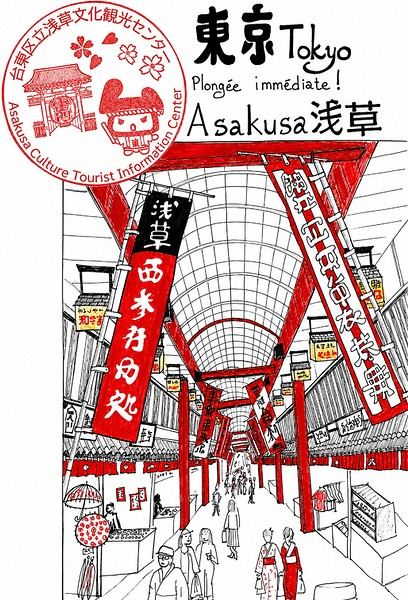
Our first "wow" moment came as we stepped out of the subway in Asakusa, the Tokyo neighborhood where we’d booked our hotel for our first five nights. Exhausted after our long flight, we finally arrived and took an exit that led straight into a shotengai—one of those covered shopping streets that pop up in city centers and flourished between the 1950s and 1980s.
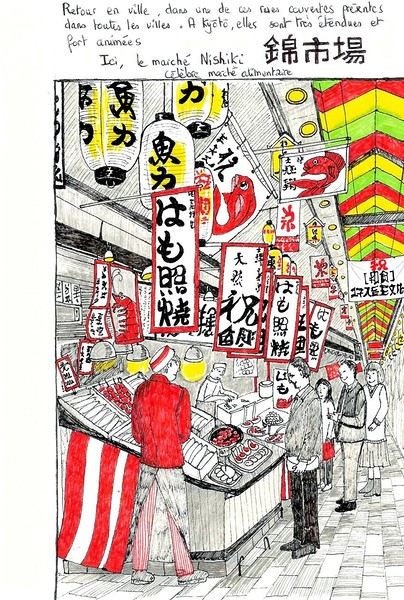
It was an instant aesthetic shock, like a close encounter of the third kind between the modern city, a typical Asian market with its street stalls, the vintage vibe of the arcade, the sheer abundance of goods, and the bustling crowd—a mix of tourists, pilgrims (thanks to nearby Senso-ji Temple), and locals (it’s a very working-class area). In the end, it set the tone for a feeling we’d experience throughout the trip. Wherever we went, shotengai turned out to be fantastic spots for finding little restaurants, shops, or even fresh produce. Some are like real mazes, like in Kyoto, where we spent ages trying to relocate a restaurant we’d loved ;-)
In Kanazawa, the Omicho Market: And in Kyoto, Nishiki Market:
To be continued...
I’m inviting you on a stroll through my drawings—a completely subjective, far from exhaustive, and totally personal take, since it’s based on my own sketches. I put this travel journal together after returning in late 2024, mostly using felt-tip pens and pencils, with a few collages thrown in. I worked from our personal photos.Let’s start with the shotengai...
Our first "wow" moment came as we stepped out of the subway in Asakusa, the Tokyo neighborhood where we’d booked our hotel for our first five nights. Exhausted after our long flight, we finally arrived and took an exit that led straight into a shotengai—one of those covered shopping streets that pop up in city centers and flourished between the 1950s and 1980s.
It was an instant aesthetic shock, like a close encounter of the third kind between the modern city, a typical Asian market with its street stalls, the vintage vibe of the arcade, the sheer abundance of goods, and the bustling crowd—a mix of tourists, pilgrims (thanks to nearby Senso-ji Temple), and locals (it’s a very working-class area). In the end, it set the tone for a feeling we’d experience throughout the trip. Wherever we went, shotengai turned out to be fantastic spots for finding little restaurants, shops, or even fresh produce. Some are like real mazes, like in Kyoto, where we spent ages trying to relocate a restaurant we’d loved ;-)
In Kanazawa, the Omicho Market:
And in Kyoto, Nishiki Market:
To be continued...
From Avignon to Casamance Without Flying
Hi there,
Last February, I made a trip using "public transport" from France to southern Senegal via Spain, Morocco, Western Sahara, and Mauritania.
It’s a journey of about 5,000 km, where I took trains (as far as Marrakech), ferries (to cross Gibraltar and then to reach Casamance from Dakar), and mostly buses on the long desert straightaways. I hadn’t planned any stops in advance or booked any hotels, except for the very first train to Spain, which left plenty of room for the unexpected. Why travel by land and sea? In recent years, flight-free travel has been gaining popularity. On social media, posts explaining how to cross Europe by train as quickly as possible go viral. Traveling without flying—and making sure people know about it—has become a great way to earn a badge of eco-responsibility: an essential totem for anyone wanting to prove both their dedication to the ecological cause and the wisdom of slow travel. I haven’t flown in years, and this journey to West Africa could easily be filed under "responsible travel." But it wouldn’t be honest to say that: in reality, it wasn’t really my aversion to flying that motivated this long trek. I see overland travel primarily as a way to experience the world’s geography at a grounded, earthly pace—the pace of the locals. Besides, I’ll be flying back, which disqualifies any claim to being a model of sustainability. So no eco-badge, and no adventurer’s badge either: you won’t find any heroic tales of camel rides in lost lands or mineral train wagons in this account (popular with influencers, the Mauritania iron ore train now attracts tourists from all over the world, turning "the experience" into something you "have to do at least once in your life"). This five-part story, written on the road, has no other ambition than to recount a journey through places and people, and to share the thoughts they inspire in me. As simply and, I hope, as humbly as possible.
I’m posting the episodes here, which you can also find on my blog (with more photos) at the following links:
Episode 1: Spain, from Avignon to Algeciras
Episode 2: Morocco, from Tangier to Tarfaya
Episode 3: Western Sahara, from Tarfaya to Guerguerat
Episode 4: Mauritania, from Guerguerat to Nouakchott
Episode 5: Senegal, from Rosso to Saloulou
To help those who might want to make the same trip, I’ve also put together a summary of the route with recommendations—you can read it at the end of the story and on the blog: From France to Senegal Without Flying: Route and Itinerary Recommendations
Happy reading, and safe travels!
Last February, I made a trip using "public transport" from France to southern Senegal via Spain, Morocco, Western Sahara, and Mauritania.
It’s a journey of about 5,000 km, where I took trains (as far as Marrakech), ferries (to cross Gibraltar and then to reach Casamance from Dakar), and mostly buses on the long desert straightaways. I hadn’t planned any stops in advance or booked any hotels, except for the very first train to Spain, which left plenty of room for the unexpected. Why travel by land and sea? In recent years, flight-free travel has been gaining popularity. On social media, posts explaining how to cross Europe by train as quickly as possible go viral. Traveling without flying—and making sure people know about it—has become a great way to earn a badge of eco-responsibility: an essential totem for anyone wanting to prove both their dedication to the ecological cause and the wisdom of slow travel. I haven’t flown in years, and this journey to West Africa could easily be filed under "responsible travel." But it wouldn’t be honest to say that: in reality, it wasn’t really my aversion to flying that motivated this long trek. I see overland travel primarily as a way to experience the world’s geography at a grounded, earthly pace—the pace of the locals. Besides, I’ll be flying back, which disqualifies any claim to being a model of sustainability. So no eco-badge, and no adventurer’s badge either: you won’t find any heroic tales of camel rides in lost lands or mineral train wagons in this account (popular with influencers, the Mauritania iron ore train now attracts tourists from all over the world, turning "the experience" into something you "have to do at least once in your life"). This five-part story, written on the road, has no other ambition than to recount a journey through places and people, and to share the thoughts they inspire in me. As simply and, I hope, as humbly as possible.
I’m posting the episodes here, which you can also find on my blog (with more photos) at the following links:
Episode 1: Spain, from Avignon to Algeciras
Episode 2: Morocco, from Tangier to Tarfaya
Episode 3: Western Sahara, from Tarfaya to Guerguerat
Episode 4: Mauritania, from Guerguerat to Nouakchott
Episode 5: Senegal, from Rosso to Saloulou
To help those who might want to make the same trip, I’ve also put together a summary of the route with recommendations—you can read it at the end of the story and on the blog: From France to Senegal Without Flying: Route and Itinerary Recommendations
Happy reading, and safe travels!
From Mexico to the Wonderful Chiapas
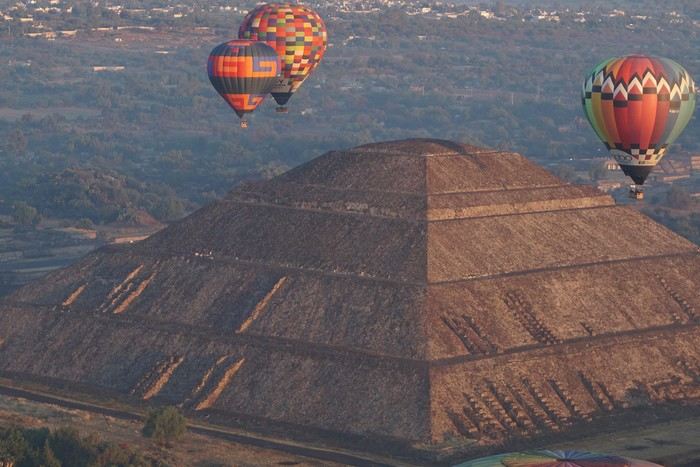
This one-month trip, from January 18 to February 17, 2026, allowed us to visit Mexico City and travel through the states of Puebla, Oaxaca, and Chiapas. We mainly used buses (ADO company) for medium and long distances and colectivos or taxis (or Uber) for shorter trips. Before leaving, I had contacted several people on the ground: Harry, a Vendéan settled in Oaxaca offering, among other things, discoveries of artisan villages or the Monte Albán site, and Oscar in Comitán de Domínguez. I’ll come back to our meeting with Oscar, who runs a local agency (CVL Travel Turismo Alternativo & Corre la voz) and owns a very pleasant hostel, a real highlight of our trip. Our journey took place in 8 stages on a loop starting from Mexico City. The connections between each were made by day or night buses depending on the trip duration. I had booked our seats in advance, either directly on the ADO company’s website or through booking platforms depending on the rates offered. Note that by planning ahead, I was able to benefit from very interesting "Early Booking" rates. There are several comfort classes. For all our trips, I had booked seats in Primera class buses, except for two in GL (Grand Luxe) class. The rates are very reasonable, and the buses turned out to be comfortable or even very comfortable (only the basic seat recline might surprise you).
Our itinerary and number of days per stage: Stage 1 – Mexico City: 4 days Stage 2 – Puebla: 2 days Stage 3 – Oaxaca: 4 days Stage 4 – San Agustinillo: 4 days Stage 5 – San Cristóbal de las Casas: 3 days Stage 6 – Comitán de Domínguez: 6 days Stage 7 – Palenque: 4 days Stage 8 – Mexico City: 2 days If I were to do it again, I’d remove one day from Palenque and add it either to Puebla or San Cristóbal to visit nearby sites or villages, or to San Agustinillo to enjoy one more day by the Pacific Ocean.
Stage 1: Mexico City (2,200 m / 9.2 million inhabitants) We arrived in the Mexican capital around 10:00 PM. The simplified customs process was very quick. After exchanging some money at the airport, we took a taxi to our youth hostel. We got around the capital on foot, of course, but also by metro. Signs are very rare, and we took the train in the wrong direction several times. After a few mistakes, we systematically asked on the platform if we were going the right way. The metro is very affordable. You need to get a rechargeable card (the Tarjeta de Movilidad Integrada) and top it up as needed. This card (less than 1 €) isn’t personal, so there’s no need to get one per person.
Mexico City: Day 1.
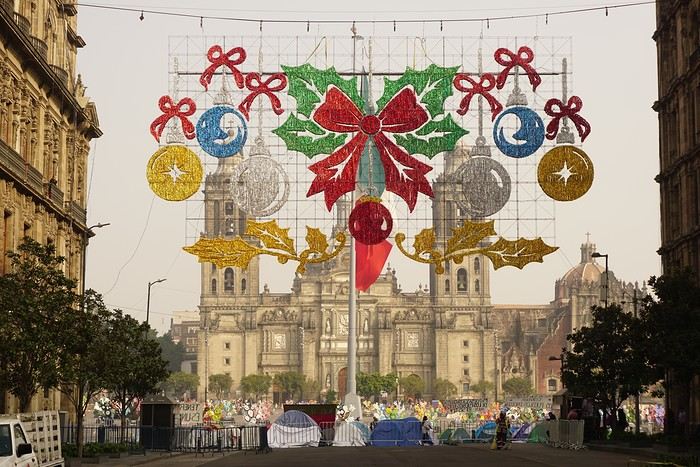
Visits and walks of the day (note: many museums are closed on Mondays): The Zócalo or Constitution Square: it’s one of the most beautiful, largest (195m x 240m), and oldest squares in the world. This is where Cortés decided to build the center of the new Spanish city on the site of the former Tenochtitlan market. Stones from the pyramids were used to pave the esplanade and build the surrounding colonial churches and buildings. During our visit, the huge square was covered with (resin) cacti, the theme of the temporary exhibition at the time. Indeed, temporary events or exhibitions take place here throughout the year. It’s also the endpoint for many protest marches.
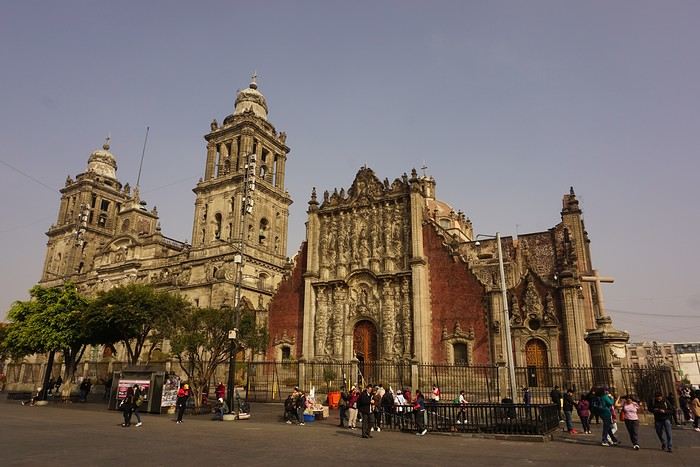
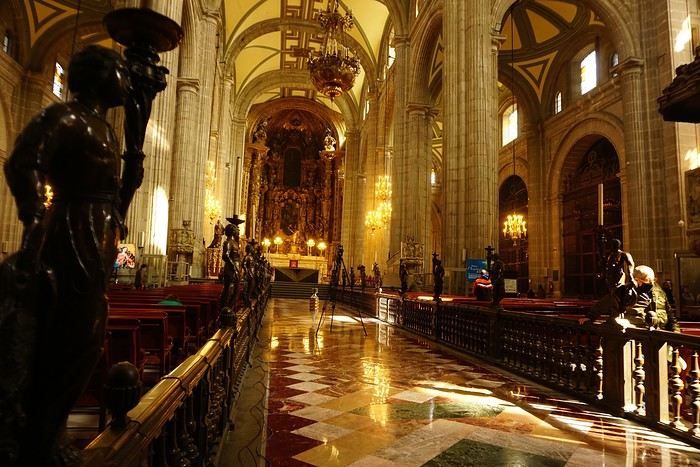


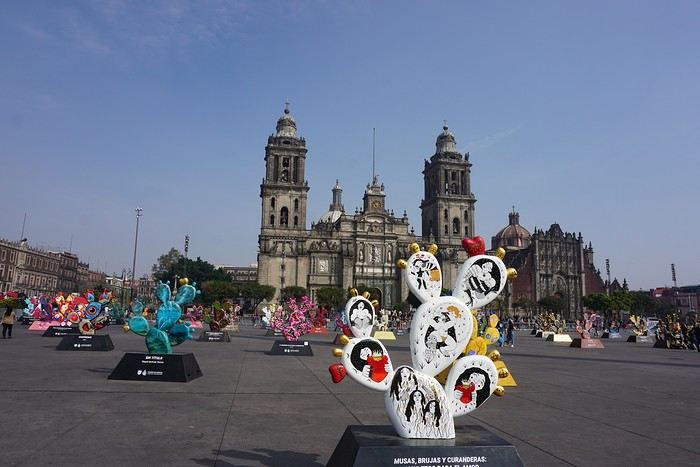
The cathedral: it’s sinking by one centimeter per year despite massive stabilization work (the collapse of many Mexican buildings—30 cm/year—is due to groundwater pumping). It was built starting in 1571 and completed in... 1813. The modest remains of the Templo Mayor (exterior view): they have high symbolic value, as this monument was the most important in the Mexica Empire.
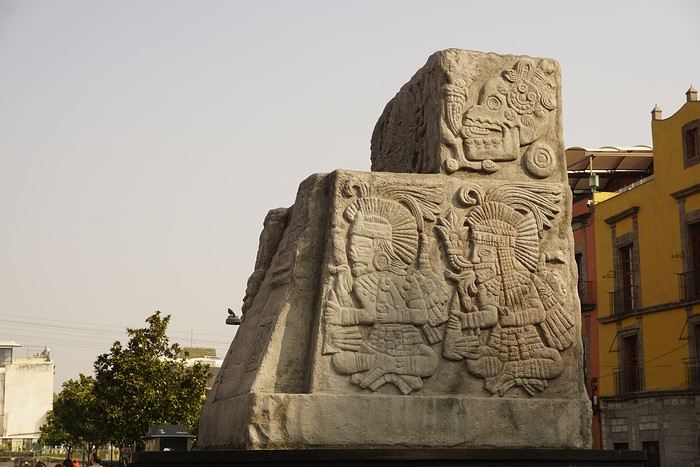 We then walked through the streets of the historic center to the Santísima Church, unfortunately closed for renovation work.
Next, we took the metro to visit one of Mexico’s most important pilgrimage sites: the Insigne y Nacional Basílicas de Santa María de Guadalupe, as well as the Capilla del Cerrito on the hill.
The first, dating from the colonial era, is really leaning a lot.
We then walked through the streets of the historic center to the Santísima Church, unfortunately closed for renovation work.
Next, we took the metro to visit one of Mexico’s most important pilgrimage sites: the Insigne y Nacional Basílicas de Santa María de Guadalupe, as well as the Capilla del Cerrito on the hill.
The first, dating from the colonial era, is really leaning a lot.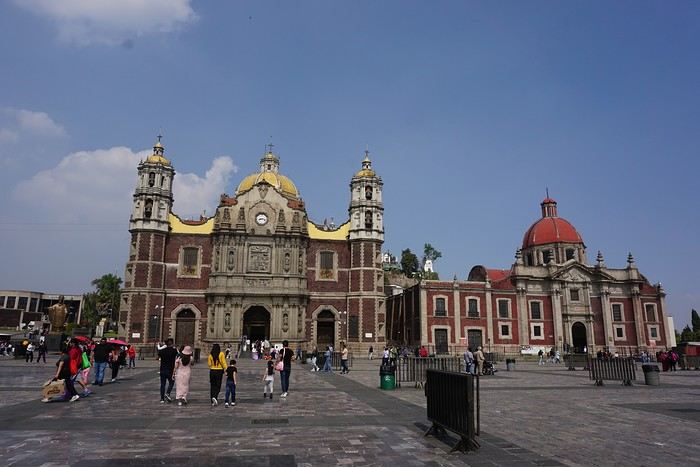
The second, shaped like a rotunda, is very impressive from the inside.
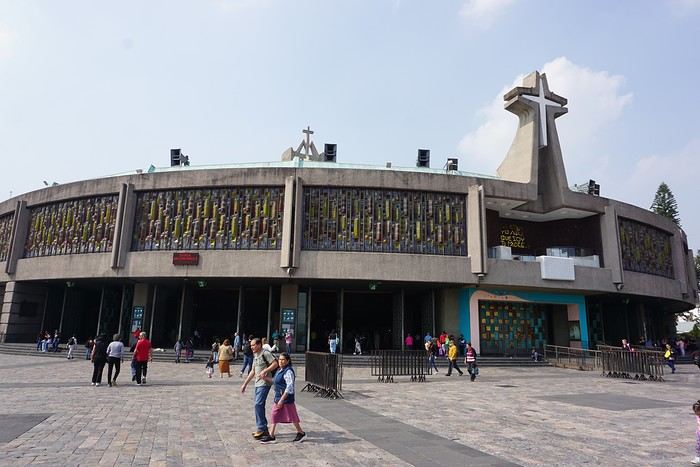
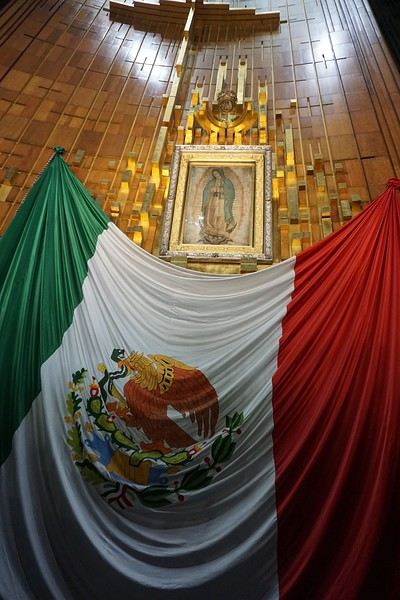
In the basement, there’s a sacred tunic where, in 1531, an image of the Virgin Mary is said to have appeared. A real mystery for scientists, the garment has never deteriorated since that date. Slow-moving conveyor belts allow pilgrims to admire it, preventing crowds from gathering in front of the image for hours. Well thought out!
 From the top of the Capilla del Cerrito, you get beautiful views of huge Mexico City.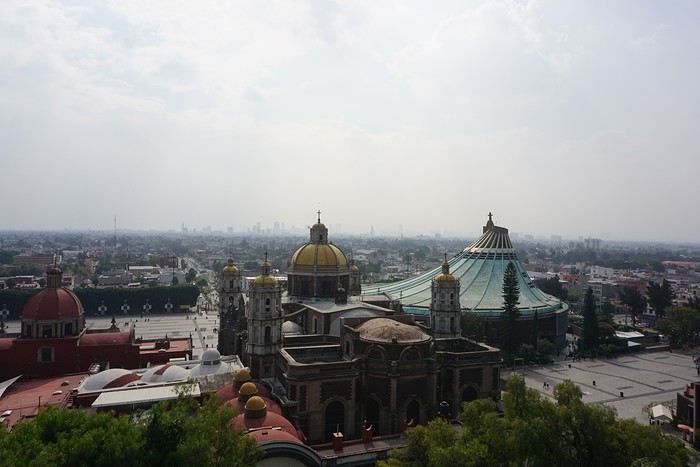
Some trips are born twice - Peru April - May 2025
Some trips are born twice.
Ours was supposed to happen in 2020. Everything was ready: the itinerary, the flight tickets, hotel reservations and Machu Picchu, the rental car, dreams of high altitudes and wide-open spaces. And then the world stopped.
Like so many other plans, our trip to Peru was put on hold. Disappointment was followed by a more concrete reality: paperwork, endless back-and-forth, and battles to recover some of the costs we’d already paid.
The years went by. Life moved on, with its shifting priorities and unexpected twists. Rescheduling this trip wasn’t possible until 2025.
The itinerary stayed mostly true to what we’d imagined five years earlier. One major difference, though—in 2020, we’d planned to rent a car and explore the roads completely independently. Most importantly, we hadn’t included the three-day Ausangate trek, due to lack of time.
For 2025, our plans evolved. 4x4 rental prices had skyrocketed, and when we looked at our schedule more closely, we realized quite a few days didn’t actually need a vehicle. So we made a different choice and opted for private drivers instead. A decision we never regretted. Always punctual, thoughtful, and available... they were so much more than just drivers.
All our reservations were made in January, except for the trek, which we booked in February.
Finding reliable drivers on our own was tough, so we asked Laurent from Tout Pérou to handle it for us. Going through Tout Pérou also gave us a discount on the train ride to Aguas Calientes, so Laurent booked those tickets too. He also bought our Machu Picchu entrance tickets at the same price we would’ve paid on the official website. When comparing domestic flight prices, we found it was cheaper to book from Peru, so Laurent took care of those as well.
This time, nothing was going to stop us. Peru was waiting. And we were ready. 🙂
Ours was supposed to happen in 2020. Everything was ready: the itinerary, the flight tickets, hotel reservations and Machu Picchu, the rental car, dreams of high altitudes and wide-open spaces. And then the world stopped.
Like so many other plans, our trip to Peru was put on hold. Disappointment was followed by a more concrete reality: paperwork, endless back-and-forth, and battles to recover some of the costs we’d already paid.
The years went by. Life moved on, with its shifting priorities and unexpected twists. Rescheduling this trip wasn’t possible until 2025.
The itinerary stayed mostly true to what we’d imagined five years earlier. One major difference, though—in 2020, we’d planned to rent a car and explore the roads completely independently. Most importantly, we hadn’t included the three-day Ausangate trek, due to lack of time.
For 2025, our plans evolved. 4x4 rental prices had skyrocketed, and when we looked at our schedule more closely, we realized quite a few days didn’t actually need a vehicle. So we made a different choice and opted for private drivers instead. A decision we never regretted. Always punctual, thoughtful, and available... they were so much more than just drivers.
All our reservations were made in January, except for the trek, which we booked in February.
Finding reliable drivers on our own was tough, so we asked Laurent from Tout Pérou to handle it for us. Going through Tout Pérou also gave us a discount on the train ride to Aguas Calientes, so Laurent booked those tickets too. He also bought our Machu Picchu entrance tickets at the same price we would’ve paid on the official website. When comparing domestic flight prices, we found it was cheaper to book from Peru, so Laurent took care of those as well.
This time, nothing was going to stop us. Peru was waiting. And we were ready. 🙂
Martine from DD in Arizona and New Mexico
Good evening everyone! 🙂
We’re back from our September 2025 road trip, this time to explore Arizona and New Mexico, and it’s time for me to start my travel journal—especially since everything’s already booked for another trip in September 2026 (to California), and I need to get started on the planning.
I was a little worried this new visit to Uncle Sam’s country might not be as "wow" as the others, but we still discovered some incredible places.
For those who don’t know us, we’re a couple in our seventies who speak very little English, but that didn’t stop us from fully enjoying our stay.
For this 6th road trip in the U.S., we spent 21 nights there, drove 4,160 km by car, and walked nearly 160 km in a loop starting from Phoenix.
We’d been to Arizona before (but not this side) and never to New Mexico. This whole road trip was a huge discovery for us.
In the prices mentioned (some in euros, others in dollars), bank fees and exchange charges are included. The flights, car rental, and parking were all paid for in December 2024 when we booked.
We’d downloaded the MPC (Mobile Passport Control) app, but there wasn’t a dedicated line at Phoenix Airport. Still, we got through quickly with friendly, smiling agents.
I don’t drive at all (I hate it), so the stops were chosen based on activities but also, for some, to limit daily mileage for the sole driver. The kilometers listed in the itinerary are the daily distances.
We traveled from September 9th to 22nd, unfortunately once again without our dear friends Mimi and Maumau.
The itinerary
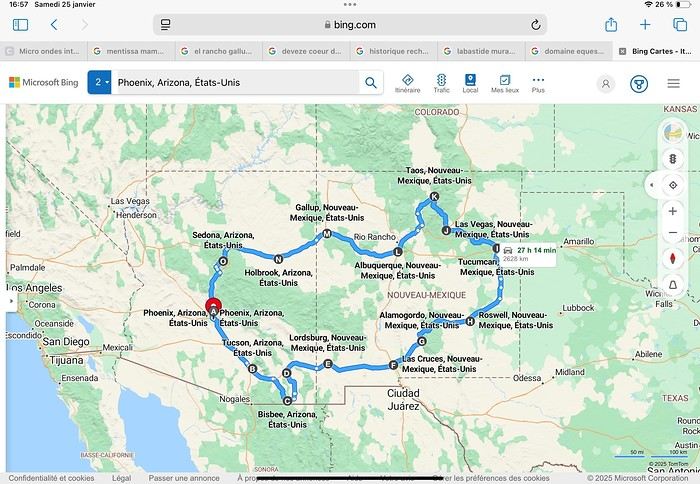
Day 1: Flight Marseille-Paris-Phoenix, then Gold Canyon (133 km) Day 2: Tucson (271 km) Lost Dutchman State Park Day 3: Tucson (155 km) Day 4: Tucson (34 km) Day 5: Bisbee (182 km) Day 6: Lordsburg (345 km) Day 7: Las Cruces (253 km) Day 8: Alamogordo (162 km) Day 9: Roswell (264 km) Day 10: Tucumcari (369 km) Day 11: Las Vegas (281 km) – the one in New Mexico Day 12: Taos (213 km) Day 13: Santa Fe (224 km) Day 14: Albuquerque (123 km) Day 15: Gallup (246 km) Day 16: Holbrook (224 km) Day 17: Flagstaff (179 km) Day 18: Sedona (118 km) Day 19: Sedona (48 km) Day 20: Sedona (41 km) Day 21: Phoenix (256 km) Day 22: Phoenix Airport (35 km)
📊 **Budget**: A little over 7,500 € for both of us, all included. The exchange rate was in our favor (1.17 dollars to 1 €). 📊 **Flights**: Marseille-Paris Charles de Gaulle-Phoenix: 1,787 € for two, with one checked bag each (Air France) 📊 **ESTA**: $42 📊 **America the Beautiful Pass**: $80 📊 **Parking**: 134 € (super eco at Marseille) 📊 **Car rental (Hertz)**: 865 €. Since there were no SUVs left in the reserved category (Nissan Rogue), we got an upgrade (4x4 Ford Explorer). We booked through Air France (15% discount). We’d originally reserved it in December for 1,140 €, but since prices dropped in March, we canceled and rebooked for 865 €. Hertz offers a free Hertz Gold Plus Rewards program, which gives you priority counter service when picking up the car. 📊 **Accommodation**: 2,400 € We stayed in hotels and motels of varying standards (from 60 to 203 € per night, depending on the city), all booked through Booking.com or Hotels.com. Out of 21 nights, only two didn’t include breakfast in the price. Booking.com sometimes offers slightly cheaper rates if you book by phone using the mobile app, and our Genius 3 status on the site also got us some preferential rates. 📊 **Supplementary insurance**: AVA 200 € for medical care if needed 📊 **Cash**: $2,078. We left with 1,000 € exchanged before departure and made two withdrawals of $500. This cash covered: - Evening restaurants and tips - Midday picnics - Gas: $298 for 4,160 km - Museum and private park entries (per person): - Lost Dutchman: $10 - Arizona-Sonora Desert Museum: $28 - Bird Cage Theater: $16 - Tombstone Shootout: $8 - New Mexico Farm & Ranch Museum: $12 - Roswell International UFO Museum: $5 - Billy the Kid Museum: $7 - Rancho de Taos: $22 - West Fork Oak Creek Trail entry: $15 We got a few discounts thanks to our senior age (+65). - Souvenirs and little treats
Like on our previous road trips, we didn’t rent a GPS. We got around using offline GPS apps Here WeGo and Organic Maps, with maps of the states we visited downloaded before we left (on our phones).
❤️❤️❤️ **Highlights** (there are so many!) 📍 Goldfield Ghost Town (even if it’s a reconstruction) 📍 The standing army of Saguaro cacti at Saguaro National Park West 📍 Diving into the cowboy universe of Tombstone 📍 The welcome from Rick and Henry at our guesthouse in Bisbee (Garden at Mile High Ranch) 📍 The tangled rocks of Chiricahua National Monument 📍 The flavored pistachios from Dwayne’s Fresh Jerky and Mac Ginnis Pistachioland 📍 Restaurants: La Posta (Las Cruces), Diner 66 (Albuquerque), and the Haunted Hamburger (Jerome) 📍 The old plazas of New Mexico 📍 The solitude and beauty of the white dunes at White Sands National Park 📍 Stepping back in time at the Billy the Kid Museum (Fort Stanton) 📍 Sections of historic Route 66 and the old motels of Tucumcari, especially at night when all the neon lights are on 📍 Taos Pueblo and diving into Native American culture 📍 After the Rio Grande Bridge, the descent via NM 567 to the very bottom of the Rio Grande Gorge, then the road along the riverbanks to Taos 📍 The tranquility of the Chimayo Sanctuary 📍 Discovering the ingenious native dwellings at Bandelier National Monument and Walnut Canyon National Park 📍 The small towns along the Turquoise Trail 📍 The red rocks of Red Rock Park and the Painted Desert 📍 The extraordinary colors of the petrified trees at Petrified Forest National Park 📍 Sedona, its red rocks, and the reward of the viewpoints at the end of hikes (Devil’s Bridge, The Subway, and West Fork Oak Creek) 📍 The immersion in Mexico when visiting Tlaquepaque 📍 The almost-ghost town of Jerome and its terraced streets 📍 The incredible kindness of Americans, always ready to help and up for a chat ❤️
☹️☹️☹️ **Flops** (there are very few) 📍 Several museums and churches being closed, so we couldn’t visit them 📍 Some museums and visitor centers opening late (10 AM) and closing early (4 PM) 📍 A 64 € phone roaming charge because we got near the Mexican border and picked up their cell tower 📍 The outrageous price ($5.99) for a gallon of gas at the Shell near Phoenix Airport
I hope this helps! Anyway, thanks for reading my long post. Don’t hesitate to reach out, even via PM, if you see I haven’t replied and you’d like more details. Have a great evening, everyone! 🙂
We’re back from our September 2025 road trip, this time to explore Arizona and New Mexico, and it’s time for me to start my travel journal—especially since everything’s already booked for another trip in September 2026 (to California), and I need to get started on the planning.
I was a little worried this new visit to Uncle Sam’s country might not be as "wow" as the others, but we still discovered some incredible places.
For those who don’t know us, we’re a couple in our seventies who speak very little English, but that didn’t stop us from fully enjoying our stay.
For this 6th road trip in the U.S., we spent 21 nights there, drove 4,160 km by car, and walked nearly 160 km in a loop starting from Phoenix.
We’d been to Arizona before (but not this side) and never to New Mexico. This whole road trip was a huge discovery for us.
In the prices mentioned (some in euros, others in dollars), bank fees and exchange charges are included. The flights, car rental, and parking were all paid for in December 2024 when we booked.
We’d downloaded the MPC (Mobile Passport Control) app, but there wasn’t a dedicated line at Phoenix Airport. Still, we got through quickly with friendly, smiling agents.
I don’t drive at all (I hate it), so the stops were chosen based on activities but also, for some, to limit daily mileage for the sole driver. The kilometers listed in the itinerary are the daily distances.
We traveled from September 9th to 22nd, unfortunately once again without our dear friends Mimi and Maumau.
The itinerary
Day 1: Flight Marseille-Paris-Phoenix, then Gold Canyon (133 km) Day 2: Tucson (271 km) Lost Dutchman State Park Day 3: Tucson (155 km) Day 4: Tucson (34 km) Day 5: Bisbee (182 km) Day 6: Lordsburg (345 km) Day 7: Las Cruces (253 km) Day 8: Alamogordo (162 km) Day 9: Roswell (264 km) Day 10: Tucumcari (369 km) Day 11: Las Vegas (281 km) – the one in New Mexico Day 12: Taos (213 km) Day 13: Santa Fe (224 km) Day 14: Albuquerque (123 km) Day 15: Gallup (246 km) Day 16: Holbrook (224 km) Day 17: Flagstaff (179 km) Day 18: Sedona (118 km) Day 19: Sedona (48 km) Day 20: Sedona (41 km) Day 21: Phoenix (256 km) Day 22: Phoenix Airport (35 km)
📊 **Budget**: A little over 7,500 € for both of us, all included. The exchange rate was in our favor (1.17 dollars to 1 €). 📊 **Flights**: Marseille-Paris Charles de Gaulle-Phoenix: 1,787 € for two, with one checked bag each (Air France) 📊 **ESTA**: $42 📊 **America the Beautiful Pass**: $80 📊 **Parking**: 134 € (super eco at Marseille) 📊 **Car rental (Hertz)**: 865 €. Since there were no SUVs left in the reserved category (Nissan Rogue), we got an upgrade (4x4 Ford Explorer). We booked through Air France (15% discount). We’d originally reserved it in December for 1,140 €, but since prices dropped in March, we canceled and rebooked for 865 €. Hertz offers a free Hertz Gold Plus Rewards program, which gives you priority counter service when picking up the car. 📊 **Accommodation**: 2,400 € We stayed in hotels and motels of varying standards (from 60 to 203 € per night, depending on the city), all booked through Booking.com or Hotels.com. Out of 21 nights, only two didn’t include breakfast in the price. Booking.com sometimes offers slightly cheaper rates if you book by phone using the mobile app, and our Genius 3 status on the site also got us some preferential rates. 📊 **Supplementary insurance**: AVA 200 € for medical care if needed 📊 **Cash**: $2,078. We left with 1,000 € exchanged before departure and made two withdrawals of $500. This cash covered: - Evening restaurants and tips - Midday picnics - Gas: $298 for 4,160 km - Museum and private park entries (per person): - Lost Dutchman: $10 - Arizona-Sonora Desert Museum: $28 - Bird Cage Theater: $16 - Tombstone Shootout: $8 - New Mexico Farm & Ranch Museum: $12 - Roswell International UFO Museum: $5 - Billy the Kid Museum: $7 - Rancho de Taos: $22 - West Fork Oak Creek Trail entry: $15 We got a few discounts thanks to our senior age (+65). - Souvenirs and little treats
Like on our previous road trips, we didn’t rent a GPS. We got around using offline GPS apps Here WeGo and Organic Maps, with maps of the states we visited downloaded before we left (on our phones).
❤️❤️❤️ **Highlights** (there are so many!) 📍 Goldfield Ghost Town (even if it’s a reconstruction) 📍 The standing army of Saguaro cacti at Saguaro National Park West 📍 Diving into the cowboy universe of Tombstone 📍 The welcome from Rick and Henry at our guesthouse in Bisbee (Garden at Mile High Ranch) 📍 The tangled rocks of Chiricahua National Monument 📍 The flavored pistachios from Dwayne’s Fresh Jerky and Mac Ginnis Pistachioland 📍 Restaurants: La Posta (Las Cruces), Diner 66 (Albuquerque), and the Haunted Hamburger (Jerome) 📍 The old plazas of New Mexico 📍 The solitude and beauty of the white dunes at White Sands National Park 📍 Stepping back in time at the Billy the Kid Museum (Fort Stanton) 📍 Sections of historic Route 66 and the old motels of Tucumcari, especially at night when all the neon lights are on 📍 Taos Pueblo and diving into Native American culture 📍 After the Rio Grande Bridge, the descent via NM 567 to the very bottom of the Rio Grande Gorge, then the road along the riverbanks to Taos 📍 The tranquility of the Chimayo Sanctuary 📍 Discovering the ingenious native dwellings at Bandelier National Monument and Walnut Canyon National Park 📍 The small towns along the Turquoise Trail 📍 The red rocks of Red Rock Park and the Painted Desert 📍 The extraordinary colors of the petrified trees at Petrified Forest National Park 📍 Sedona, its red rocks, and the reward of the viewpoints at the end of hikes (Devil’s Bridge, The Subway, and West Fork Oak Creek) 📍 The immersion in Mexico when visiting Tlaquepaque 📍 The almost-ghost town of Jerome and its terraced streets 📍 The incredible kindness of Americans, always ready to help and up for a chat ❤️
☹️☹️☹️ **Flops** (there are very few) 📍 Several museums and churches being closed, so we couldn’t visit them 📍 Some museums and visitor centers opening late (10 AM) and closing early (4 PM) 📍 A 64 € phone roaming charge because we got near the Mexican border and picked up their cell tower 📍 The outrageous price ($5.99) for a gallon of gas at the Shell near Phoenix Airport
I hope this helps! Anyway, thanks for reading my long post. Don’t hesitate to reach out, even via PM, if you see I haven’t replied and you’d like more details. Have a great evening, everyone! 🙂
55 days with the family in the Yucatán, including a side trip to Belize...
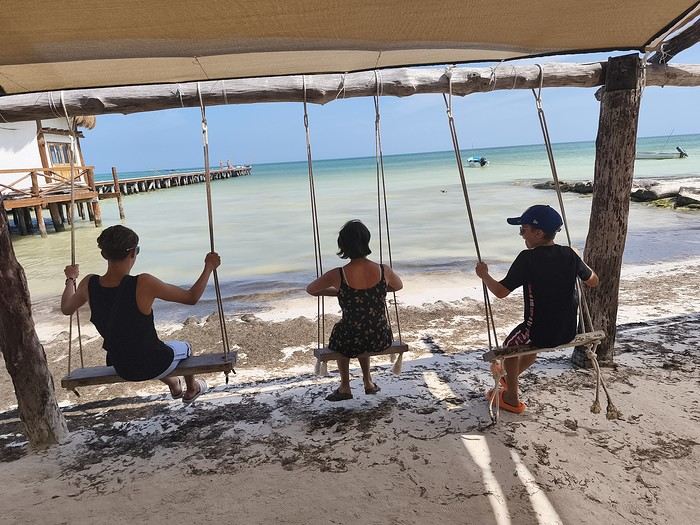
Hi everyone!
That was about all the Spanish I could speak before we left... Luckily, Tom, 15 and in high school, gets by just fine! And Caroline did a year of Duolingo before we took off... Anyway, after 55 days in the American West three years ago, it’s Mexico’s turn for this second long adventure.
A quick intro to the crew:
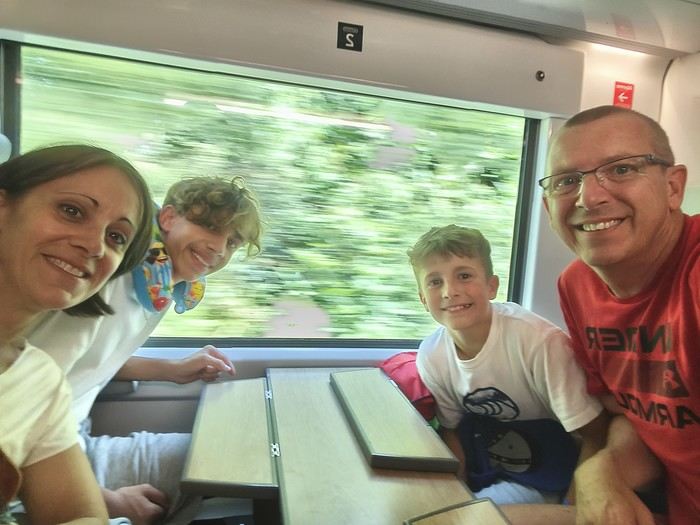

- Oscar, 10, a sporty and lively little boy who loves swimming and basketball, - Tom, 15, a high schooler, sporty and tall, who loves swimming and American football, - Caroline, 47, a PE teacher, sporty , loves hiking and snorkeling, - and me, Sylvain, 50, a science teacher, sporty, loves traveling and always has a possible next trip in mind
We mostly travel by swapping our house to discover beautiful France and the world: 135 swaps over the last 13 years.....
Our itinerary is pretty classic since it’s our first time in the Yucatán, and we’ll make a little 10-day detour to Belize...
See you soon...
Last-minute trip to Guatemala with kids
Hi there,
We’ve had to change our plans, so we’re heading to Guatemala from October 16 to 25, 2025 (in just 6 days 😱 😊😕), with two kids aged 8 and 10. No time difference for us.
Here’s our itinerary: Day 1: Morning: Arrival in Guatemala City at 9 AM. Drive to Antigua (1-hour shuttle) / Afternoon: Stroll around Antigua / Night: Antigua Day 2: Explore Antigua / Night: Antigua Day 3: Visit the area around Antigua OR hike a volcano (Acatenango?) / Night: Antigua Day 4: Drive to Chichicastenango for the big market (how many hours?) / Afternoon: Iximche ruins? Or the hanging bridges at Atitlán Reserve? Or spend the day in Chichicastenango / Night: Panajachel Day 5: A day by boat visiting villages around the lake and checking out local crafts (which villages to pick?), Night: Panajachel Day 6: Drive to Flores with 1 stop? Should we go to Semuc Champey? (how many hours?), Night: ?? Day 7: Drive to Flores (how many hours?), Night: Flores Day 8: Yaxha (1.5-hour drive each way with a driver), Night: Flores Day 9: Day trip to Tikal, Night: Flores Day 10:: Flight from Flores to Guatemala City, then departure at 4:30 PM
About hiking a volcano, I’ve read mixed reviews. Some say it’s easy, others say it’s tough. Is there a kid-friendly hike where we could see lava from a volcano? Is it only visible at night? Do we *have* to sleep at the top and come down the next day? I’ve heard of people doing it with 2-year-olds by carrying them, and others using horses—but I guess the horses don’t go all the way up? Seeing a real volcano would be amazing! I think it’d be a memorable experience for the kids. It’d be so cool to say, "We did that as a family!" But maybe it’s way too hard and a bad idea...
I’m struggling to find reliable info on travel times: - How long is the drive from Antigua to Chichicastenango, please? I’ve read shuttles leave at 7 AM and arrive at the market by 8:30 AM, but I’ve also seen people say it’s a 4-hour trip 😕. Are the times on Google Maps reliable?
A blog mentioned visiting Chichicastenango’s market in the morning and Iximché in the afternoon. That seems like a lot of driving, especially after leaving Antigua in the morning. What should we do in the afternoon instead?
Days 6 and 7: The trip from Panajachel to Flores. Any advice on taking an overnight bus? Should we go during the day with a stop at Semuc Champey? Or fly and spend the extra day somewhere else?
Day 8: Is a full day at Yaxha too much?
Thanks so much for your help—it’s *so* valuable with such short notice! 😅 😅 😅 THANK YOU PS: If you have recommendations for private drivers, shuttle services, or any firsthand experience, I’d love to hear it!
Here’s our itinerary: Day 1: Morning: Arrival in Guatemala City at 9 AM. Drive to Antigua (1-hour shuttle) / Afternoon: Stroll around Antigua / Night: Antigua Day 2: Explore Antigua / Night: Antigua Day 3: Visit the area around Antigua OR hike a volcano (Acatenango?) / Night: Antigua Day 4: Drive to Chichicastenango for the big market (how many hours?) / Afternoon: Iximche ruins? Or the hanging bridges at Atitlán Reserve? Or spend the day in Chichicastenango / Night: Panajachel Day 5: A day by boat visiting villages around the lake and checking out local crafts (which villages to pick?), Night: Panajachel Day 6: Drive to Flores with 1 stop? Should we go to Semuc Champey? (how many hours?), Night: ?? Day 7: Drive to Flores (how many hours?), Night: Flores Day 8: Yaxha (1.5-hour drive each way with a driver), Night: Flores Day 9: Day trip to Tikal, Night: Flores Day 10:: Flight from Flores to Guatemala City, then departure at 4:30 PM
About hiking a volcano, I’ve read mixed reviews. Some say it’s easy, others say it’s tough. Is there a kid-friendly hike where we could see lava from a volcano? Is it only visible at night? Do we *have* to sleep at the top and come down the next day? I’ve heard of people doing it with 2-year-olds by carrying them, and others using horses—but I guess the horses don’t go all the way up? Seeing a real volcano would be amazing! I think it’d be a memorable experience for the kids. It’d be so cool to say, "We did that as a family!" But maybe it’s way too hard and a bad idea...
I’m struggling to find reliable info on travel times: - How long is the drive from Antigua to Chichicastenango, please? I’ve read shuttles leave at 7 AM and arrive at the market by 8:30 AM, but I’ve also seen people say it’s a 4-hour trip 😕. Are the times on Google Maps reliable?
A blog mentioned visiting Chichicastenango’s market in the morning and Iximché in the afternoon. That seems like a lot of driving, especially after leaving Antigua in the morning. What should we do in the afternoon instead?
Days 6 and 7: The trip from Panajachel to Flores. Any advice on taking an overnight bus? Should we go during the day with a stop at Semuc Champey? Or fly and spend the extra day somewhere else?
Day 8: Is a full day at Yaxha too much?
Thanks so much for your help—it’s *so* valuable with such short notice! 😅 😅 😅 THANK YOU PS: If you have recommendations for private drivers, shuttle services, or any firsthand experience, I’d love to hear it!
Travel Journal - 28 Days in China in August 2025
Hi everyone! I’m sharing a modest travel journal from my trip to China in August 2025.
There wasn’t much room for improvisation on this trip—everything was planned in advance. Since August is peak season, I decided to book train tickets early, and once that was set, I reserved all the accommodations too. I got everything on Trip.com.
I bought the flight tickets back in March from Hainan Airlines. They were super expensive, but with these travel dates, I couldn’t exactly dream of a bargain!
I picked up e-SIMs valid for a month from Free just before departure: 10 € for the e-SIM + 19.90 € for a one-month plan with 35 GB of data abroad.
No need for a VPN with these e-SIMs, but D. still got one—a multi-device plan for 5 € with a discount from Let’s VPN, valid for a month. It was for evenings at the hotel on Wi-Fi to avoid burning through the 35 GB with video.
I downloaded Alipay, WeChat, Amap (Baidu Maps), and Trip.com. We also have Google Translate and Maps.me—absolute must-haves.
We’re ready to go!
I’ve been waiting for this day for nearly 15 years!! I travel a lot, but this one—this is MY TRIP 🙂 It’s been postponed so many times: because I wanted to do it with the right person, because I have a Turkish stamp in my passport and heard they don’t issue visas with that, because of COVID... and then China introduced a 30-day visa exemption, and that was the green light! Ugh, they forced us to take our vacation in August this year—far from ideal—but no more delays. Saturday, August 2, 2025: it’s finally the big day!
Days 1 and 2: We got dropped off at Charles de Gaulle at 9:30 AM. I supposedly checked in online, but only for the first flight and without getting the boarding pass... Might as well scrap online check-in in that case. So, we spent over an hour in line at the counter to get them. We didn’t have any checked luggage—just our backpacks as carry-ons—so this was a step we’d never had to deal with before, but whatever, it’s done. No wait at passport control, 5 minutes through security, a quick walk around the terminal, 10 minutes in the boarding area, and it was already time to board. Departure around 12:45 PM, arrival in Chongqing at 4:50 AM. We had a few hours of layover before our next flight. Went through immigration, connecting flight control, and security. Pro tip: check your next flight’s boarding gate right after immigration. We never saw it displayed again anywhere in the terminal.
The Free e-SIMs work—phew!
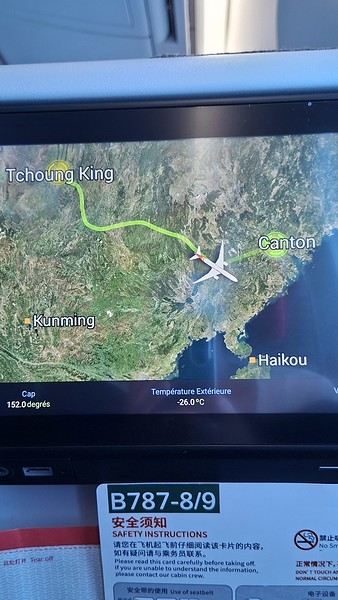
Took off at 9:30 AM, arrived in Guangzhou (Canton) at 11:20 AM in the rain. I love how Chongqing is translated as "Tchoung King" on the screens in the plane—very French!
During my first two trips to China, we paid for everything in cash, but this time, we’re going all-in on Alipay and WeChat. I still brought the leftover change from previous trips—it might come in handy. At the metro station, they showed us a QR code to buy tickets via WeChat. There were probably machines and even a ticket counter, but we didn’t see them, and buying via WeChat was pretty simple. 8 yuan to Changshu Lu, which is 22 stops. So far, so good. Then, we had to find the hotel, which wasn’t on Google Maps, Maps.me, or Amap... Easy 😎! We found it without too much hassle, though. Dropped off our stuff and went out to eat. 55 yuan for two claypots with fish/eel, rice, cabbage, and purple eggplant. When we left, it was pouring. We grabbed our umbrellas and set off to explore the neighborhood: Enning Road (we’ll come back later to check out a specific spot), Shangxiajiu (the pedestrian shopping street), Baohua Road... The area is pretty diverse—one street to the next, it’s like stepping into a different world.

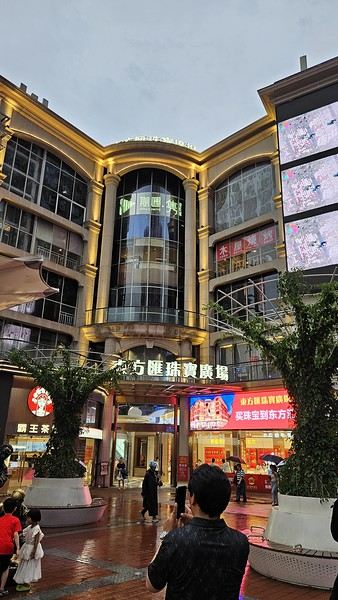
There weren’t many people around, probably because of the rain. We grabbed a quick street food dinner and went to bed—we were exhausted. We struggled to stay awake until 11 PM to adjust to the time change as quickly as possible. There’s a 6-hour time difference.
There wasn’t much room for improvisation on this trip—everything was planned in advance. Since August is peak season, I decided to book train tickets early, and once that was set, I reserved all the accommodations too. I got everything on Trip.com.
I bought the flight tickets back in March from Hainan Airlines. They were super expensive, but with these travel dates, I couldn’t exactly dream of a bargain!
I picked up e-SIMs valid for a month from Free just before departure: 10 € for the e-SIM + 19.90 € for a one-month plan with 35 GB of data abroad.
No need for a VPN with these e-SIMs, but D. still got one—a multi-device plan for 5 € with a discount from Let’s VPN, valid for a month. It was for evenings at the hotel on Wi-Fi to avoid burning through the 35 GB with video.
I downloaded Alipay, WeChat, Amap (Baidu Maps), and Trip.com. We also have Google Translate and Maps.me—absolute must-haves.
We’re ready to go!
I’ve been waiting for this day for nearly 15 years!! I travel a lot, but this one—this is MY TRIP 🙂 It’s been postponed so many times: because I wanted to do it with the right person, because I have a Turkish stamp in my passport and heard they don’t issue visas with that, because of COVID... and then China introduced a 30-day visa exemption, and that was the green light! Ugh, they forced us to take our vacation in August this year—far from ideal—but no more delays. Saturday, August 2, 2025: it’s finally the big day!
Days 1 and 2: We got dropped off at Charles de Gaulle at 9:30 AM. I supposedly checked in online, but only for the first flight and without getting the boarding pass... Might as well scrap online check-in in that case. So, we spent over an hour in line at the counter to get them. We didn’t have any checked luggage—just our backpacks as carry-ons—so this was a step we’d never had to deal with before, but whatever, it’s done. No wait at passport control, 5 minutes through security, a quick walk around the terminal, 10 minutes in the boarding area, and it was already time to board. Departure around 12:45 PM, arrival in Chongqing at 4:50 AM. We had a few hours of layover before our next flight. Went through immigration, connecting flight control, and security. Pro tip: check your next flight’s boarding gate right after immigration. We never saw it displayed again anywhere in the terminal.
The Free e-SIMs work—phew!
Took off at 9:30 AM, arrived in Guangzhou (Canton) at 11:20 AM in the rain. I love how Chongqing is translated as "Tchoung King" on the screens in the plane—very French!
During my first two trips to China, we paid for everything in cash, but this time, we’re going all-in on Alipay and WeChat. I still brought the leftover change from previous trips—it might come in handy. At the metro station, they showed us a QR code to buy tickets via WeChat. There were probably machines and even a ticket counter, but we didn’t see them, and buying via WeChat was pretty simple. 8 yuan to Changshu Lu, which is 22 stops. So far, so good. Then, we had to find the hotel, which wasn’t on Google Maps, Maps.me, or Amap... Easy 😎! We found it without too much hassle, though. Dropped off our stuff and went out to eat. 55 yuan for two claypots with fish/eel, rice, cabbage, and purple eggplant. When we left, it was pouring. We grabbed our umbrellas and set off to explore the neighborhood: Enning Road (we’ll come back later to check out a specific spot), Shangxiajiu (the pedestrian shopping street), Baohua Road... The area is pretty diverse—one street to the next, it’s like stepping into a different world.
There weren’t many people around, probably because of the rain. We grabbed a quick street food dinner and went to bed—we were exhausted. We struggled to stay awake until 11 PM to adjust to the time change as quickly as possible. There’s a 6-hour time difference.
From Southern Shikoku, between land and sea, to the blue waters of Miyakojima and finally the Tokyo metropolis
From Southern Shikoku, between land and sea, to the blue waters of Miyakojima and finally Tokyo’s megacity
Hi everyone,
I have to admit, I really hesitated before deciding to write this travel journal... Writing one takes a lot of time and energy, and since this is my 4th trip, I wondered if it would actually interest anyone other than myself (both for the discovery and the writing). But after a few "Are you going to write a journal?" requests and especially the renewed pleasure from reading other travelers’ travel journals about Japan or elsewhere on this forum or elsewhere, I’ve decided to share this 4th installment in the Land of the Rising Sun here.
The itinerary: 27 full days, from late May to late June 2025, right in the middle of the rainy season, including:
-->13 days in Shikoku, from Kochi (Kochi Prefecture) to Matsuyama (Ehime Prefecture)
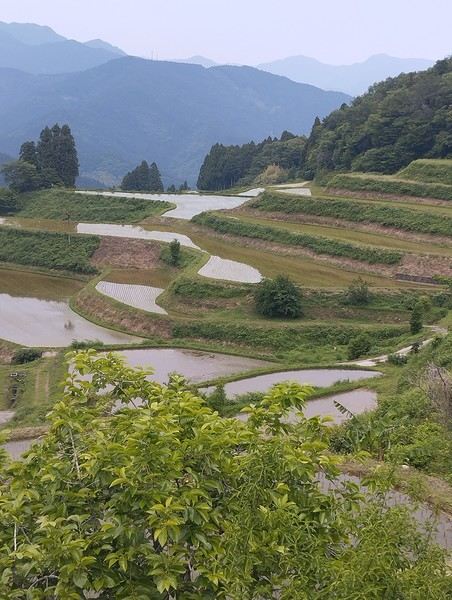
-->7 days in Miyakojima (Okinawa Prefecture)
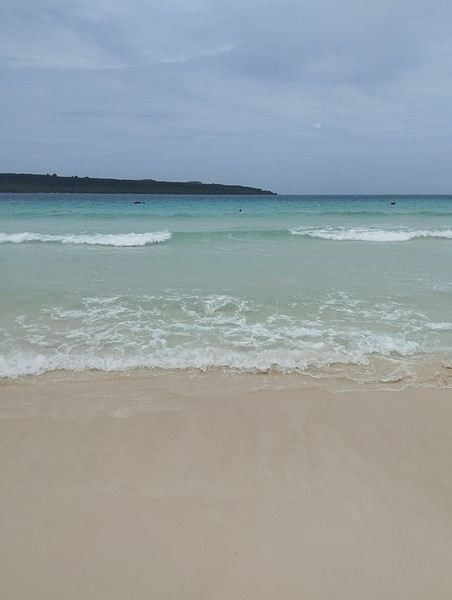
-->7 days in Tokyo
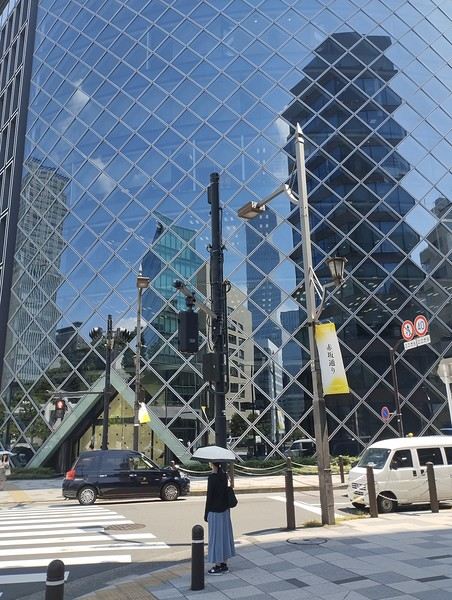
The trip was decided on fairly last-minute this year, as usual.
I regularly check flight prices to track fluctuations for this destination, even without concrete plans. Finding a slightly cheaper direct flight (900 €) than what I’d seen in previous months (around 1,200–1,400 € on average) for a Paris-Tokyo route with Japanese airline ANA was too tempting to resist the urge to return to this enchanting country. After long hesitations between exploring the San’in region (Matsue, Tottori, Yamaguchi) and southern Shikoku, the decision was made—I took the plunge! The tickets are booked: Paris to Kochi with a layover in Tokyo, all with ANA, the airline I’d been dreaming of... for 1,120 € per person. Okay, it’s not cheap, but it’s still better than in 2023.
We leave in 2 weeks!! Now it’s just a matter of getting everything ready!
Intense work ahead in these 2 weeks to:
finalize a more precise itinerary and reach an agreement—yep, because even though we both love Japan, our preferences differ slightly, and we have to choose between exploring new places or taking time to revisit beloved spots... decide how much time to spend in each selected area without rushing while still exploring research places that might interest us and watch videos about Japan book accommodations: yes, it’s possible to do this on the spot as we go, but last year, we noticed that last-minute options were pretty expensive, so we’re booking ahead—even if it means keeping a few options open while we decide or see if better deals pop up later reserve rental cars order yen check the weather regularly and wonder if choosing the *tsuyu* (rainy season) was really a good idea—and whether we’ll be stuck in non-stop rain???
What a tough job, right? Traveling to Japan for a month—such a hard life! Despite this being my 4th trip, the excitement is just as intense as the first time.
The only small downside is that when we booked the flight tickets, there were only a few seats left, so we’re only sitting together on the international return flight. Plus, on the outbound flight, we’ve got the middle seats. Another lingering question: what French-language films will be available? According to the internet, the selection seems limited. Oh well, these are just minor details—it’s almost time to fly!
PS: I’ll be posting slowly and irregularly... so for those interested, be patient or maybe set an alert...
Hi everyone,
I have to admit, I really hesitated before deciding to write this travel journal... Writing one takes a lot of time and energy, and since this is my 4th trip, I wondered if it would actually interest anyone other than myself (both for the discovery and the writing). But after a few "Are you going to write a journal?" requests and especially the renewed pleasure from reading other travelers’ travel journals about Japan or elsewhere on this forum or elsewhere, I’ve decided to share this 4th installment in the Land of the Rising Sun here.
The itinerary: 27 full days, from late May to late June 2025, right in the middle of the rainy season, including:
-->13 days in Shikoku, from Kochi (Kochi Prefecture) to Matsuyama (Ehime Prefecture)
-->7 days in Miyakojima (Okinawa Prefecture)
-->7 days in Tokyo
The trip was decided on fairly last-minute this year, as usual.
I regularly check flight prices to track fluctuations for this destination, even without concrete plans. Finding a slightly cheaper direct flight (900 €) than what I’d seen in previous months (around 1,200–1,400 € on average) for a Paris-Tokyo route with Japanese airline ANA was too tempting to resist the urge to return to this enchanting country. After long hesitations between exploring the San’in region (Matsue, Tottori, Yamaguchi) and southern Shikoku, the decision was made—I took the plunge! The tickets are booked: Paris to Kochi with a layover in Tokyo, all with ANA, the airline I’d been dreaming of... for 1,120 € per person. Okay, it’s not cheap, but it’s still better than in 2023.
We leave in 2 weeks!! Now it’s just a matter of getting everything ready!
Intense work ahead in these 2 weeks to:
finalize a more precise itinerary and reach an agreement—yep, because even though we both love Japan, our preferences differ slightly, and we have to choose between exploring new places or taking time to revisit beloved spots... decide how much time to spend in each selected area without rushing while still exploring research places that might interest us and watch videos about Japan book accommodations: yes, it’s possible to do this on the spot as we go, but last year, we noticed that last-minute options were pretty expensive, so we’re booking ahead—even if it means keeping a few options open while we decide or see if better deals pop up later reserve rental cars order yen check the weather regularly and wonder if choosing the *tsuyu* (rainy season) was really a good idea—and whether we’ll be stuck in non-stop rain???
What a tough job, right? Traveling to Japan for a month—such a hard life! Despite this being my 4th trip, the excitement is just as intense as the first time.
The only small downside is that when we booked the flight tickets, there were only a few seats left, so we’re only sitting together on the international return flight. Plus, on the outbound flight, we’ve got the middle seats. Another lingering question: what French-language films will be available? According to the internet, the selection seems limited. Oh well, these are just minor details—it’s almost time to fly!
PS: I’ll be posting slowly and irregularly... so for those interested, be patient or maybe set an alert...
Malaysia or Mexico for a family trip: nature, beach, and culture?
Hi everyone!
We’re a family of 4: 2 adults and 2 kids aged 3 and 6.
I’m looking for a nature-beach-culture destination for May 2026. Right now, I’m torn between Mexico and Malaysia. I’ve read about the Yucatán, for example—it’s easy for a first trip to Mexico, but I’m worried I won’t get that authentic Mexican vibe, especially if we have to rent a car. I don’t want our trip to just be a checklist of beautiful sites. I love Asia for the atmosphere and the ease of traveling independently. Anyway, can you share your thoughts on these two destinations and help me with my research? Thanks!
Hélène
Recap of 17 days between São Paulo, Rio de Janeiro, and Iguaçu/Puerto Iguazu
I’ll repost here the comments I gave in reply to Camidav – see their post https://voyageforum.com/forum/partir-10-jours-bresil-en-autonomie-d10702249/.
As we’ve said several times, 10 days is short for Brazil! But it’s still enough for a “little introduction.” My very recent experience (April 2025) with a 2½-week itinerary might give you some ideas. To start, here’s the route:
- - Saturday, March 29: departure from Lisbon and arrival in São Paulo with LATAM
- - 2 nights in São Paulo
- - Monday, March 31: bus from São Paulo to Paraty
- - Monday 31, Tuesday 1st, and Wednesday, April 2: 3 nights in Paraty
- - Thursday, April 3: bus from Paraty to Angra dos Reis, then ferry > Ilha Grande
- - Thursday 3, Friday 4, and Saturday, April 5: 3 nights in Abraão, on Ilha Grande
- - Sunday, April 6: speedboat > Conceição de Jacareí, then bus > Rio de Janeiro
- - Sunday 6, Monday 7, Tuesday 8, and Wednesday, April 9: 4 nights in Rio
- - Thursday, April 10: flight with LATAM from Rio to Foz do Iguaçu
- - Thursday, April 10: one night in Foz do Iguaçu
- - Friday, April 11: visit to Iguaçu Falls on the Brazilian side, then crossing the border to Puerto Iguazu
- - Friday 11 and Saturday, April 12: 2 nights in Puerto Iguazu
- - Saturday, April 12: visit to the falls on the Argentine side
- - Sunday, April 13: return to Brazil, LATAM flight > São Paulo
- - Sunday 13 and Monday, April 14: 2 nights in São Paulo
- - Tuesday, April 15: flight from São Paulo > Lisbon with LATAM, arriving Wednesday the 16th.
So, it’s clear I’m writing this now from Puerto Iguazu (Argentina), and the end of the trip is near: back to São Paulo and then the flight to Lisbon. I’ll of course share more about all this in the following messages.
The Tren Maya
TREN MAYA in Yucatán
We’re just back from our 7th or 8th trip to the Yucatán since 1971, and it’ll probably be our last (a little tear). We’ve crisscrossed the peninsula many times, but this post isn’t about listing the countless wonders to visit—there are already plenty of articles on that part of Mexico. For this trip, we chose to travel by train to try out this new way of getting around.
The TREN MAYA routes roughly follow the coast in a loop: Cancún – Valladolid – Mérida – Campeche – Escárcega – Chetumal – Tulum – Playa del Carmen – Cancún, with the main stations listed here and usually 2 or 3 stops in between. A branch line runs from Escárcega to Palenque. We only traveled the Cancún – Mérida – Escárcega – Palenque section, as the loop via Chetumal wasn’t open when we planned our trip. Besides, Chetumal itself isn’t very interesting. However, the Escárcega–Chetumal route has lots of Maya sites worth visiting.
The tracks, stations, and rolling stock are all brand new. The Tulum–Mérida section opened in early 2024, and the full loop was inaugurated at the end of 2024. The trains currently consist of 4 tourist-class cars and 2 first-class cars. I imagine this setup might change, since first class was nearly empty while tourist class was between 25% and 70% full, depending on the time and route.
The cars are designed by Alstom and built in Mexico, with the same seating layout as in France: 2+2 in tourist class and 2+1 in first class. The seats are a bit more comfortable than in France for tourist class and slightly firmer in first class.
The track is very well laid on the Cancún–Mérida–Escárcega section we traveled: no jolts at all. However, the Escárcega–Palenque branch is likely built with short rails, so I don’t think it’ll support very high speeds. The line is single-track except for the Cancún–Valladolid–Mérida stretch, which is double-track, and electrification is underway. Signaling is also being installed—the targets are in place but not yet operational. Given the current low traffic, we weren’t too worried.
The trains are diesel-electric hybrids and very quiet in diesel mode. I clocked a speed of 140 km/h, and they say it’ll reach 200 km/h once electrified.
Now, the stations: *grand* is the word that comes to mind. The architects did an amazing job aesthetically—it reminds us of Canfranc, with the same spirit 150 years apart, using marble (?) for the flooring. Technically, though, at least in Valladolid station, it’s a miss—they’ve already added unattractive metal reinforcements to the concrete framework barely a year after the inauguration.
Practical info: Tickets can be bought online on the Tren Maya website.
But contrary to what the *Routard* guide says, you can only book about a week in advance. So, we bought our tickets for the first leg, Cancún–Valladolid, from France, and then got the rest at the station a few days ahead. It seems there’s no ticket sales in travel agencies.
Arrive at the station about 20–30 minutes early, as there are airport-style security checks. Right now, the staff are still getting the hang of the baggage scanners and metal detectors, which can be a bit amusing.
Important note: This is a completely new rail network, so the tracks—and especially the stations—are far from city centers. To get downtown, you’ll need to take a shuttle or a taxi.
Here’s the breakdown for station-to-downtown travel: - **Cancún**: There are shuttles between the airports and the station (35 MXN/person). Taxis are pricier than in NYC: 50 € (1000 MXN) for a 10-minute ride—it’s an organized scam, but at least it’s clean, which is more than you can say for Cancún. If you’re staying at a hotel in Cancún or Playa del Carmen, make sure to arrange the hotel shuttle in advance. - **Valladolid**: 15 minutes from downtown, 150 MXN by taxi, or 36 MXN/person by shuttle, which drops you 3 *cuadras* (a *cuadra* = a block ≈ 100 m) from the center. - **Mérida**: 30 minutes from downtown, 300 MXN by taxi, or 50 MXN/person by shuttle, which drops you 7 or 8 *cuadras* from the center. The ticket agent told us it was just 1 *cuadra* (and we’re perfectly bilingual, so no confusion), but dragging suitcases over broken sidewalks in 33°C heat with no taxis in sight? Not great. So, for Mérida, just take a taxi. - **Campeche**: 10 minutes from downtown, 50 MXN by shuttle, which drops you right in the center (at the *Malecón*, across from the Gamma Hotel). We didn’t see any taxis at the station. - **Palenque**: Most hotels are outside the city center, so a taxi is a must—around 150 to 250 MXN.
Don’t forget to agree on the taxi fare with the driver before getting in.
For Tren Maya fares, there’s a rate for non-Mexican residents and several others for residents based on income. Here are the non-resident fares per person: - Cancún – Valladolid: 472 MXN (539 MXN on the return) - Valladolid – Mérida: 505.50 MXN (553 MXN on the return) - Mérida – Campeche: 574 MXN - Campeche – Palenque: 1300 MXN - Escárcega – Palenque: 789 MXN
The main reason we chose the train over renting a car (our usual go-to) was that on our last trip, just before COVID in 2020, the rental company refused to insure us in Chiapas due to safety concerns. So, we had to skip Palenque—but with the Tren Maya, it became possible again. The big downside of the train is that you need shuttles or taxis to visit all the Maya sites, which adds up in cost and time.
**Conclusion**: If you add up the train fares, taxis, etc., it might be better to rent a car for the whole trip and leave it in a hotel parking lot in Campeche or Escárcega for a couple of days if you want to visit Palenque. Then, take the train for a round trip between Campeche–Palenque or Escárcega–Palenque.
Safe travels! *
The TREN MAYA routes roughly follow the coast in a loop: Cancún – Valladolid – Mérida – Campeche – Escárcega – Chetumal – Tulum – Playa del Carmen – Cancún, with the main stations listed here and usually 2 or 3 stops in between. A branch line runs from Escárcega to Palenque. We only traveled the Cancún – Mérida – Escárcega – Palenque section, as the loop via Chetumal wasn’t open when we planned our trip. Besides, Chetumal itself isn’t very interesting. However, the Escárcega–Chetumal route has lots of Maya sites worth visiting.
The tracks, stations, and rolling stock are all brand new. The Tulum–Mérida section opened in early 2024, and the full loop was inaugurated at the end of 2024. The trains currently consist of 4 tourist-class cars and 2 first-class cars. I imagine this setup might change, since first class was nearly empty while tourist class was between 25% and 70% full, depending on the time and route.
The cars are designed by Alstom and built in Mexico, with the same seating layout as in France: 2+2 in tourist class and 2+1 in first class. The seats are a bit more comfortable than in France for tourist class and slightly firmer in first class.
The track is very well laid on the Cancún–Mérida–Escárcega section we traveled: no jolts at all. However, the Escárcega–Palenque branch is likely built with short rails, so I don’t think it’ll support very high speeds. The line is single-track except for the Cancún–Valladolid–Mérida stretch, which is double-track, and electrification is underway. Signaling is also being installed—the targets are in place but not yet operational. Given the current low traffic, we weren’t too worried.
The trains are diesel-electric hybrids and very quiet in diesel mode. I clocked a speed of 140 km/h, and they say it’ll reach 200 km/h once electrified.
Now, the stations: *grand* is the word that comes to mind. The architects did an amazing job aesthetically—it reminds us of Canfranc, with the same spirit 150 years apart, using marble (?) for the flooring. Technically, though, at least in Valladolid station, it’s a miss—they’ve already added unattractive metal reinforcements to the concrete framework barely a year after the inauguration.
Practical info: Tickets can be bought online on the Tren Maya website.
But contrary to what the *Routard* guide says, you can only book about a week in advance. So, we bought our tickets for the first leg, Cancún–Valladolid, from France, and then got the rest at the station a few days ahead. It seems there’s no ticket sales in travel agencies.
Arrive at the station about 20–30 minutes early, as there are airport-style security checks. Right now, the staff are still getting the hang of the baggage scanners and metal detectors, which can be a bit amusing.
Important note: This is a completely new rail network, so the tracks—and especially the stations—are far from city centers. To get downtown, you’ll need to take a shuttle or a taxi.
Here’s the breakdown for station-to-downtown travel: - **Cancún**: There are shuttles between the airports and the station (35 MXN/person). Taxis are pricier than in NYC: 50 € (1000 MXN) for a 10-minute ride—it’s an organized scam, but at least it’s clean, which is more than you can say for Cancún. If you’re staying at a hotel in Cancún or Playa del Carmen, make sure to arrange the hotel shuttle in advance. - **Valladolid**: 15 minutes from downtown, 150 MXN by taxi, or 36 MXN/person by shuttle, which drops you 3 *cuadras* (a *cuadra* = a block ≈ 100 m) from the center. - **Mérida**: 30 minutes from downtown, 300 MXN by taxi, or 50 MXN/person by shuttle, which drops you 7 or 8 *cuadras* from the center. The ticket agent told us it was just 1 *cuadra* (and we’re perfectly bilingual, so no confusion), but dragging suitcases over broken sidewalks in 33°C heat with no taxis in sight? Not great. So, for Mérida, just take a taxi. - **Campeche**: 10 minutes from downtown, 50 MXN by shuttle, which drops you right in the center (at the *Malecón*, across from the Gamma Hotel). We didn’t see any taxis at the station. - **Palenque**: Most hotels are outside the city center, so a taxi is a must—around 150 to 250 MXN.
Don’t forget to agree on the taxi fare with the driver before getting in.
For Tren Maya fares, there’s a rate for non-Mexican residents and several others for residents based on income. Here are the non-resident fares per person: - Cancún – Valladolid: 472 MXN (539 MXN on the return) - Valladolid – Mérida: 505.50 MXN (553 MXN on the return) - Mérida – Campeche: 574 MXN - Campeche – Palenque: 1300 MXN - Escárcega – Palenque: 789 MXN
The main reason we chose the train over renting a car (our usual go-to) was that on our last trip, just before COVID in 2020, the rental company refused to insure us in Chiapas due to safety concerns. So, we had to skip Palenque—but with the Tren Maya, it became possible again. The big downside of the train is that you need shuttles or taxis to visit all the Maya sites, which adds up in cost and time.
**Conclusion**: If you add up the train fares, taxis, etc., it might be better to rent a car for the whole trip and leave it in a hotel parking lot in Campeche or Escárcega for a couple of days if you want to visit Palenque. Then, take the train for a round trip between Campeche–Palenque or Escárcega–Palenque.
Safe travels! *
Ladakh: Is it possible to sleep near Hanle? (India)
Hi everyone,
I’ve browsed this forum a lot about Ladakh and haven’t found answers to my questions... so here’s my post.
I’m heading there next July with a friend for a solid ten days of cycling (no e-bikes) in Ladakh. The flight to Leh is booked for both of us and our bikes.
I’ve got my route planned out pretty precisely; the main goal is to climb Umling La, which is currently the world’s highest motorable road at 5,798 m. We’re also planning to tackle 3 or 4 other passes over 5,000 m, including Photila, just next door at a little over 5,500 m.
I’ve read accounts from Europeans saying it’s impossible for foreigners to spend a night in Hanle... that the closest accommodation to the Chinese border would be in Nyoma. What do you think about that?
Also, some say the road between Hanle and Chushul (the one via Tsaga) is off-limits to non-Indians... Is the parallel route, the one via Mahé and Kaksang La (5,400 m), open to foreigners?
Is the road along Pangong Lake (the one through Merak and Man) also off-limits to foreigners?
Thanks for your feedback!
I’ve read accounts from Europeans saying it’s impossible for foreigners to spend a night in Hanle... that the closest accommodation to the Chinese border would be in Nyoma. What do you think about that?
Also, some say the road between Hanle and Chushul (the one via Tsaga) is off-limits to non-Indians... Is the parallel route, the one via Mahé and Kaksang La (5,400 m), open to foreigners?
Is the road along Pangong Lake (the one through Merak and Man) also off-limits to foreigners?
Thanks for your feedback!
Brazil Trip – 19 Nights Through Agencies
Hi there,
I’m planning a trip to Brazil in October and decided to go through an agency to organize our itinerary. I asked two agencies to put together a circuit with transfers, hotels, organized visits, and one domestic flight. I don’t speak Spanish or Portuguese. 6 nights in Rio 3 nights on Ilha Grande 3 nights in Paraty Domestic flight to Salvador for 3 nights 3 nights in Morro de São Paulo 1 night in Salvador before flying back to France. For this itinerary, I’m going with Tourlane, but I’m still waiting on the second quote from Comptoir des Voyages. I’d love to hear your thoughts on the itinerary and especially on these agencies—thanks for any feedback! 😊
I’m planning a trip to Brazil in October and decided to go through an agency to organize our itinerary. I asked two agencies to put together a circuit with transfers, hotels, organized visits, and one domestic flight. I don’t speak Spanish or Portuguese. 6 nights in Rio 3 nights on Ilha Grande 3 nights in Paraty Domestic flight to Salvador for 3 nights 3 nights in Morro de São Paulo 1 night in Salvador before flying back to France. For this itinerary, I’m going with Tourlane, but I’m still waiting on the second quote from Comptoir des Voyages. I’d love to hear your thoughts on the itinerary and especially on these agencies—thanks for any feedback! 😊
A lovely wander at the mercy of the wind in this amazing Rajasthan
Hey there, forum friends 😉
Some of you have mentioned missing the activity on this Indian "page," so let’s try to liven things up a bit—with joy and good vibes (mandatory with me 😜). Plus, it’ll make Jojoone happy 😊.
As big lovers of India—we’ve been six times—my co-traveler husband and I decided to explore Rajasthan this time around. The reason we waited so long to come here? We were dreading the tourist crowds in this state. But thanks to the timing (late March to early April 2024, which is starting to get pretty hot) and Aleph’s great tips, we were *very* far from mass tourism.
We spent three weeks getting around on our own for transport: mostly taxis and trains.
And I’ll admit, we had a rather "Arabian Nights" experience, far from the "real" India (Marien, if you’re reading this 😉). So this travel journal makes no claims other than to share what we saw, experienced, and felt—with all our ignorance about this country (which I’m fully aware of).
But fair warning: I go overboard with emojis, and this journal is super casual because it’s the one I share, almost in "live" mode, with our loved ones.
So, if you’re here, consider yourself almost part of the family 😄.
See you soon and....
Some of you have mentioned missing the activity on this Indian "page," so let’s try to liven things up a bit—with joy and good vibes (mandatory with me 😜). Plus, it’ll make Jojoone happy 😊.
As big lovers of India—we’ve been six times—my co-traveler husband and I decided to explore Rajasthan this time around. The reason we waited so long to come here? We were dreading the tourist crowds in this state. But thanks to the timing (late March to early April 2024, which is starting to get pretty hot) and Aleph’s great tips, we were *very* far from mass tourism.
We spent three weeks getting around on our own for transport: mostly taxis and trains.
And I’ll admit, we had a rather "Arabian Nights" experience, far from the "real" India (Marien, if you’re reading this 😉). So this travel journal makes no claims other than to share what we saw, experienced, and felt—with all our ignorance about this country (which I’m fully aware of).
But fair warning: I go overboard with emojis, and this journal is super casual because it’s the one I share, almost in "live" mode, with our loved ones.
So, if you’re here, consider yourself almost part of the family 😄.
See you soon and....