Results for "Ivalo+|+9+>+208"
1674 results found.
3 semaines à Madagascar en juillet: itinéraire? English translation pending
Je commence à réfléchir à un voyage à Madagascar pour l'été prochain : nous avons 3 enfants de 9 à 12 ans.
Nous aimons : le désert, la montagne, la caillasse, les curiosités géologiques, la randonnée, la solitude. (évidemment aussi les plages désertes et les animaux mais ça c'est comme tout le monde...)
Nous n'aimons pas : la chaleur humide, la forêt oppressante, les insectes, la foule, les musts touristiques, la promiscuité, les promènes-couillons.
Mais on peut faire des efforts d'adaptation... (quelques...)
Qui a des idées à nous proposer?
Merci de me faire partager vos expériences.
Marie.
Ambositra-Malaimbandy par la RN 35 (Mada) English translation pending
Bonjour,
Est oui j'ai pleins de questions sur Mada, mais je ne voudrais pas les balancer toutes d'un coups, histoire de ne pas assomer et d'être plus précis, merci.
DE Tana je compte descendre jusqu'à Ambositra par la N7, puis d'Ambositra je voudrai rejoindre Malaimbady par la RN35, mais je ne trouve aucune info en passant par cette itinéraire toutes passe par la RN34. Y'a t'il des taxi brousse entre ambositra et malaimbandy ? Faut il se débrouiller par ces propres moyens ? Le coin est il chouette ou faut il mieux abandonner ce choix et faire comme tout le monde, c'est à dire rejoindre Morondava en passant par Miandrivazo. Merci d'avance pour les infos!
Est oui j'ai pleins de questions sur Mada, mais je ne voudrais pas les balancer toutes d'un coups, histoire de ne pas assomer et d'être plus précis, merci.
DE Tana je compte descendre jusqu'à Ambositra par la N7, puis d'Ambositra je voudrai rejoindre Malaimbady par la RN35, mais je ne trouve aucune info en passant par cette itinéraire toutes passe par la RN34. Y'a t'il des taxi brousse entre ambositra et malaimbandy ? Faut il se débrouiller par ces propres moyens ? Le coin est il chouette ou faut il mieux abandonner ce choix et faire comme tout le monde, c'est à dire rejoindre Morondava en passant par Miandrivazo. Merci d'avance pour les infos!
infos mada English translation pending
salut,
je vais decouvrir le MADA en juillet pendant 3 semaine, mon itinairaire ca va etre, ANTSIRAPE, FIANARANTSOA, IHOSY et surtout MORANDAVA, sauf changement derniere minutes.
si qq'un peut me donné des infos sur tt ces endroits ca m'aiderai bcp.
merci.
Greg.
je vais decouvrir le MADA en juillet pendant 3 semaine, mon itinairaire ca va etre, ANTSIRAPE, FIANARANTSOA, IHOSY et surtout MORANDAVA, sauf changement derniere minutes.
si qq'un peut me donné des infos sur tt ces endroits ca m'aiderai bcp.
merci.
Greg.
Fianarantsoa à Manakara en train (Madagascar) English translation pending
Manakara.
Une destination dont beaucoup parlent et sont enchantés...
A Mada pour les grandes vacances, nous serions intéressé par un crochet de cette destination.
Voila mon idée, prendre le train à Fianarantsoa pour Manakara et ensuite prendre un véhicule (suivant l'état de la route ou piste ? une voiture légère ou un 4x4) via la N12 pour Irondro, ensuite la N45 via Ifanadiana pour rejoindre Fianarantsoa.
Eventuellement un petit crochet de Irondro pour rejoindre par N25 Manajary si cela en vaut le déplacement, avant de remonter via la N45 pour Fianarantsoa par la route.
Qui connaît bien cette région et l'état de la route ? Que prévoir comme temps de route ?
Merci à vous tous,
Michel.
Une destination dont beaucoup parlent et sont enchantés...
A Mada pour les grandes vacances, nous serions intéressé par un crochet de cette destination.
Voila mon idée, prendre le train à Fianarantsoa pour Manakara et ensuite prendre un véhicule (suivant l'état de la route ou piste ? une voiture légère ou un 4x4) via la N12 pour Irondro, ensuite la N45 via Ifanadiana pour rejoindre Fianarantsoa.
Eventuellement un petit crochet de Irondro pour rejoindre par N25 Manajary si cela en vaut le déplacement, avant de remonter via la N45 pour Fianarantsoa par la route.
Qui connaît bien cette région et l'état de la route ? Que prévoir comme temps de route ?
Merci à vous tous,
Michel.
Madagascar: descente de la tsiribihina en chalands English translation pending
bonjour a tous
Je suis a la recherche de quelques info et de conseils ...
Est il possible de trouver un guide a Antsirabe pour effectuer la descente de la tsiribihina en chalands (et non en pirogue ! ) ainsi que les Tsingy du Bemaraha jusqu'a Monrondova ? ou faut il passer par un TO ?
Petite precision, nous sommes une famille de 5, 2 adultes et 3 enfants (5 1/2, 10 et 12 ans ) voila pourquoi le chalands et non la pirogue .........quoi que ! les avis sont les bienvenus !
nous finirons par la remontée de le RN7, parc de l'isalo et quelques jours à ste Marie RQ: liaison aérienne entre Morondova et Tuléar, et entre Fianarantsoa et Ste Marie via tana
merci pour les infos Cécile
Je suis a la recherche de quelques info et de conseils ...
Est il possible de trouver un guide a Antsirabe pour effectuer la descente de la tsiribihina en chalands (et non en pirogue ! ) ainsi que les Tsingy du Bemaraha jusqu'a Monrondova ? ou faut il passer par un TO ?
Petite precision, nous sommes une famille de 5, 2 adultes et 3 enfants (5 1/2, 10 et 12 ans ) voila pourquoi le chalands et non la pirogue .........quoi que ! les avis sont les bienvenus !
nous finirons par la remontée de le RN7, parc de l'isalo et quelques jours à ste Marie RQ: liaison aérienne entre Morondova et Tuléar, et entre Fianarantsoa et Ste Marie via tana
merci pour les infos Cécile
Itinéraire et randos à Madagascar! English translation pending
salut,
je cherche quelques tuyaux pour établir un semblant d'itinéraire à madagasacar...
départ dans 10 jours, durée 1 mois, en solo.
quelques randos ??? petits villages sympas au calme ???
Merci d'avance
je cherche quelques tuyaux pour établir un semblant d'itinéraire à madagasacar...
départ dans 10 jours, durée 1 mois, en solo.
quelques randos ??? petits villages sympas au calme ???
Merci d'avance
Sécurité à Madagascar English translation pending
Bonjour à tous
Je pars dans une semaine pour un mois a Madagascar, si certains d'entre vous connaissent bien l'île, pouvez vous me dire quellles sont les conditions de sécurité actuellement. Faut il mieux être très prudent ou les risques sont ils limiter ?
Je pars dans une semaine pour un mois a Madagascar, si certains d'entre vous connaissent bien l'île, pouvez vous me dire quellles sont les conditions de sécurité actuellement. Faut il mieux être très prudent ou les risques sont ils limiter ?
Transports locaux et conseils sur Madagascar English translation pending
bonjour a tous
je souhaite partir 3 semaine et decouvrir madagascar
Mon but connaitre cette ile à pied et transport locaux
Si vous avez tenté l'expérince j'attend vos conseils
Merci
Taye
Madagascar - Hotel Tananarive avec transfert aéroport English translation pending
Salut,
La date de notre départ pour Madagascar approche (19/05).
Compte tenu de l'heure d'arrivée du vol Air France (22H) & du fait que nous prendrons les visas en arrivant, nous voulons réserver la première nuit à Antananarivo avec si possible un transfert depuis l'aéroport vers l'hotel inclus. Pas envie de négocier le prix du taxi à minuit...Et puis ça fait toujours plaisir de voir son nom sur un petit panneau en sortant...ça fait riche !!
Quelqu'un a-t-il une bonne adresse simple & pas chère à nous conseiller qui fasse ça ?
Merci d'avance pour vos suggestions
La date de notre départ pour Madagascar approche (19/05).
Compte tenu de l'heure d'arrivée du vol Air France (22H) & du fait que nous prendrons les visas en arrivant, nous voulons réserver la première nuit à Antananarivo avec si possible un transfert depuis l'aéroport vers l'hotel inclus. Pas envie de négocier le prix du taxi à minuit...Et puis ça fait toujours plaisir de voir son nom sur un petit panneau en sortant...ça fait riche !!
Quelqu'un a-t-il une bonne adresse simple & pas chère à nous conseiller qui fasse ça ?
Merci d'avance pour vos suggestions
Cherche guide local pour visiter Madagascar English translation pending
Voyage prévu pour septembre/octobre 03, je souhaiterais trouver un guide sérieux pour faire la Nationale 7. Merci pour vos conseils !🙂
Si vous prévoyez un voyage à ce moment là, n'hésitez pas à me le dire !
Si vous prévoyez un voyage à ce moment là, n'hésitez pas à me le dire !
Tana, Andasibe, and Lake Itasy September 2026: Which hotels and sights?
I’m arriving in Tana on 9/10/26 as a solo female traveler.
Which hotel in Tana is good for the first night since I’ll get in at 10 PM?
What’s worth seeing around Tana?
I’m planning 2 nights in Tana,
then 2 nights in Andasibe? After that, Lake Itasy.
Any suggestions? Thanks
Currency on Île aux Nattes
Hi everyone, I’m heading to Île aux Nattes in a few weeks and I’d like to know if euros are accepted in the island’s restaurants.
At the hotel where I’ll be staying, they take card payments, but for activities, I can’t find any reliable info.
Could anyone tell me the approximate cost in euros and/or ariary for a week (food outside the hotel) on the island for two people?
Also, has anyone ever exchanged money at the Paris Magenta exchange bureau? Thanks!
Also, has anyone ever exchanged money at the Paris Magenta exchange bureau? Thanks!
Spring getaway in search of Moroccan sunshine
Hey fellow travelers!
This isn’t meant to be a full-on travel journal—just a little springtime dip into the Moroccan coast (and maybe a bit more if we click).
For our third trip to this country, we set off for 8 days in early June 2025, *sure* we’d be greeted by non-stop sunshine...
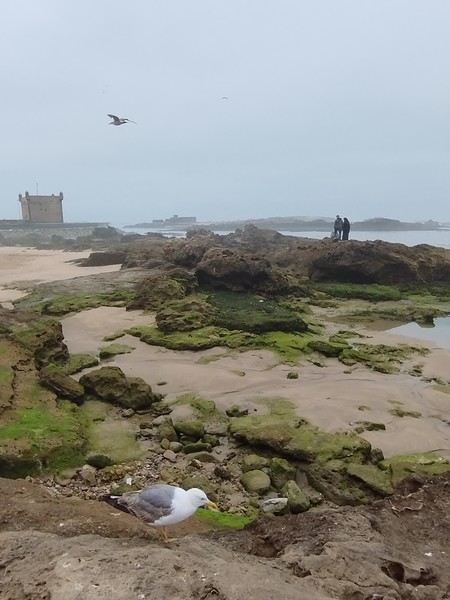
...and well, that didn’t happen! The gray stuck around for a day, then two, then three (while back home in the Landes, we had gorgeous sunshine 🤦♂️😂).
Now, unlike us, the Morocco experts here probably already know this, but apparently, it’s pretty common—especially in spring—when the warm air from inland meets the cool ocean breeze. Locals even have to warm up with hot water bottles, can you believe it? 😄!
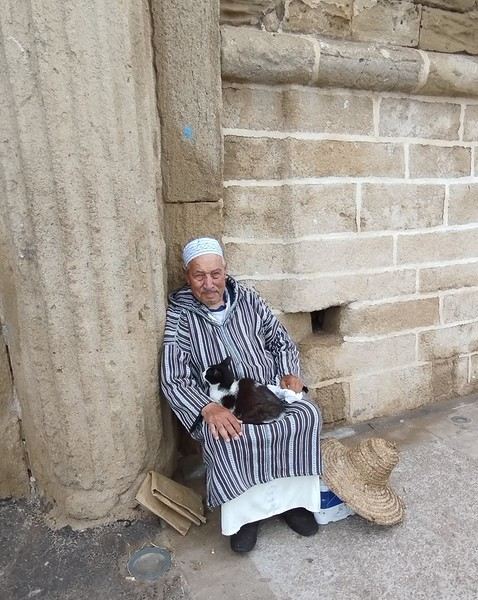
And of course, it had to happen now, since our plan is to follow the coast from Essaouira to Mirleft!!
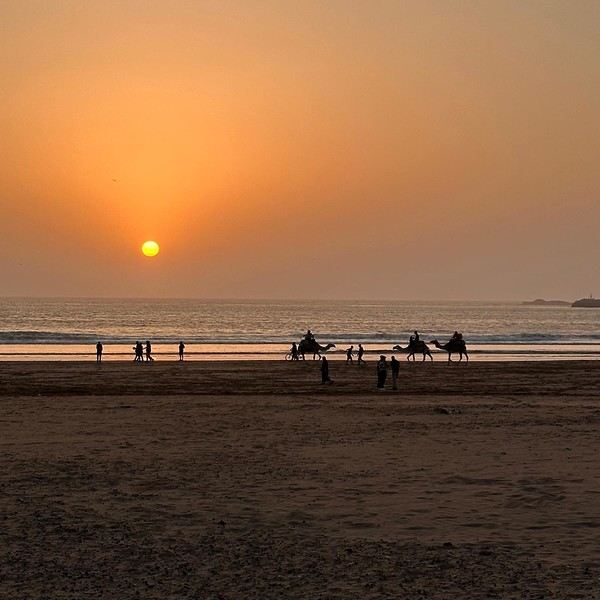
Oh well, we’ll see how it goes—but luckily, this first stunning sunset made up for the weather 🌅.
See you soon to anyone who’s up for it! 😊
This isn’t meant to be a full-on travel journal—just a little springtime dip into the Moroccan coast (and maybe a bit more if we click).
For our third trip to this country, we set off for 8 days in early June 2025, *sure* we’d be greeted by non-stop sunshine...
...and well, that didn’t happen! The gray stuck around for a day, then two, then three (while back home in the Landes, we had gorgeous sunshine 🤦♂️😂).
Now, unlike us, the Morocco experts here probably already know this, but apparently, it’s pretty common—especially in spring—when the warm air from inland meets the cool ocean breeze. Locals even have to warm up with hot water bottles, can you believe it? 😄!
And of course, it had to happen now, since our plan is to follow the coast from Essaouira to Mirleft!!
Oh well, we’ll see how it goes—but luckily, this first stunning sunset made up for the weather 🌅.
See you soon to anyone who’s up for it! 😊
Malagasy visa: cost and procedure
Hey Fellow Travelers,
I was caught off guard when the Malagasy consulate in Scandinavia informed me they don’t issue entry visas for Madagascar—what’s the point of a consulate, I wonder! They advised me to apply at the Malagasy embassy in London. So, I started filling out the online form, but the price for the visa made me do a double-take: nearly 200 €!
But apparently, you can also get it on arrival! Has anyone tried this before? I’d love to know if the process takes a long time (I’ll be landing in Nosy Be, exhausted after nearly 15 hours of travel), what the cost is, and—since corruption isn’t just a word—whether you absolutely have to grease the palm of the official(s). This is because I almost took the next flight back when I arrived in a country I won’t name. Even though all my documents were in order—passport, visa, vaccinations, hotel reservation—the immigration officer initially refused to stamp my passport. I later found out I was supposed to slip at least $10 into the document when presenting it... Thanks! /d
I was caught off guard when the Malagasy consulate in Scandinavia informed me they don’t issue entry visas for Madagascar—what’s the point of a consulate, I wonder! They advised me to apply at the Malagasy embassy in London. So, I started filling out the online form, but the price for the visa made me do a double-take: nearly 200 €!
But apparently, you can also get it on arrival! Has anyone tried this before? I’d love to know if the process takes a long time (I’ll be landing in Nosy Be, exhausted after nearly 15 hours of travel), what the cost is, and—since corruption isn’t just a word—whether you absolutely have to grease the palm of the official(s). This is because I almost took the next flight back when I arrived in a country I won’t name. Even though all my documents were in order—passport, visa, vaccinations, hotel reservation—the immigration officer initially refused to stamp my passport. I later found out I was supposed to slip at least $10 into the document when presenting it... Thanks! /d
Madagascar - June 2025
Five years of an unintended break... The closure of VF, COVID... What a joy to rediscover the pleasure of sharing!
I’ve stayed true to my habits: the following account is a collection of practical tips rather than a travel journal...
Madagascar is as big as France and Belgium combined. In three weeks, choices have to be made! It was the Great Tsingy that inspired our trip. We decided to focus on the southwest and the RN7. We skipped the Deep South and the North. Oh well...
OUR ITINERARY IN 3 WEEKS:
Fri 6 June – Direct AF flight to Tana – Flight arrives at 10:30 PM – Tana Sat – Antsirabe Sun – Miandrivazo Mon – Drive to the Masiakampy pier – Descent of the Tsiribihina River by pirogue - Bivouac Tue – Descent of the Tsiribihina River by pirogue - Bivouac Wed – Descent of the Tsiribihina River by pirogue – Bekopaka Thu – Pirogue on the Manambolo River and Small Tsingy of Bemaraha – Bekopaka Fri – Great Tsingy of Bemaraha – Bekopaka Sat – Avenue of the Baobabs – Morondava Sun – Belo sur Mer Mon – Free day – Belo sur Mer Tue – Manja Wed – Andavadoaka Thu – Free day – Andavadoaka Fri – Salary Lagoon – Mangily Sat – Ranohira Sun – Isalo National Park - Ranohira Mon – Anja Reserve - Ambalavao - Fianarantsoa Tue – FCE train canceled – Visit to a Tanala village - Manakara Wed – Pirogue on the Pangalanes Canal – Ranomafana Thu – Ranomafana NP – Ranomafana Fri – Ambositra – Antsirabe Sat 28 June – AF flight to Paris – Flight departs at 11:55 PM
TRIP ORGANIZATION: I prepared my trip using the usual guides (LP and Rough Guide), the internet, and the Freytag & Berndt map (1:1,000,000). I’m old-school—I still love visualizing my route on a paper map, even though in Madagascar, it’s misleading because some National Roads are only national in name!...
The agency: Since we couldn’t deal directly with a driver-guide (we lacked reliable info to take the plunge), we went through an agency to organize the logistics of our trip. We didn’t feel like using bush taxis (not enough time) or driving a 4x4 ourselves (neither the skills nor the boldness). The French agency connected us with a local agency, to whom I sent my detailed itinerary by email. A few exchanges via email and WhatsApp calls allowed us to finalize everything quickly after some adjustments. As you’ve gathered... we multiplied the commissions, which inflated the budget. That said, in the end, we were thrilled with our decision and our choice. Our trip was booked by the end of 2024, and reservations were made immediately. No bad surprises: the bookings in the planned hotels were honored, often with one of the best rooms. On our last day in Tana, before departure, we were lucky enough to meet the director I’d been communicating with, who helped build and validate our circuit. A very warm debriefing.
The driver-guide: The agency assigned us Faly, 33, a driver-guide for over 10 years. He stayed with us from start to finish: he picked us up at the airport on arrival and dropped us off 23 days later. A very experienced driver (which is important here), an open and cultured guide, reliable, punctual, and a great companion. And a provider of good advice throughout the trip. We made the most of the long stretches on dirt roads or highways to listen to him talk about daily life, rituals, wildlife, and flora... No time wasted! With a great playlist in the background, we combined business with pleasure! Faly’s accommodation and meals were included (quite often, hotels offer free lodging and meals to driver-guides who bring clients), as was the fuel. That didn’t stop us from inviting Faly to share a beer or our evening meal sometimes. He didn’t always accept, wanting to let us "enjoy our romantic evenings," as he put it. Present without being intrusive! Faly is fully capable of organizing a tailor-made trip directly. I recommend him without any hesitation—we were delighted with his service. I’ll gladly share his contact details via PM to anyone who asks.
Local guides: It’s the national guide’s prerogative to choose the local guides (mandatory in the parks). Thanks to his experience, Faly always booked us amazing, competent, and interesting local guides.
Hotels: I told the agency I wanted charming, comfortable accommodations, without falling into flashy luxury. We loved all the hotels (except the Hôtel Kanto in Manja). The rooms, mostly bungalows, were always spacious and clean. Unfortunately, I can’t give the prices—I didn’t get the details. Breakfast is always included, usually fresh and hearty. Very often, a small bottle of water is provided in the room.
Tana Hôtel Les 3 Métis Power cuts are common (!) in Tana. Bring a headlamp.
Antsirabe Ecolodge – Les chambres du voyageur Maybe our favorite! A few bungalows, beautifully arranged in a splendid tropical garden. The dog Kodak welcomes us warmly.
Miandrivazo Hôtel Princesse Tsiribihina Magnificent view of the valley.
Bekopaka Hôtel Orchidée du Bemaraha 2 (yes, 2) beautiful pools, a large open common room.
Morondava Hôtel Baobab Café Brand new or at least, according to Faly, just renovated. Very comfortable but without much charm (international style).
Belo sur Mer Ecolodge du Menabe The bungalows, all made of wood, bamboo, and thatch, are set on the beach. Very spacious and fully equipped! Large open-air restaurant by the sea. No hot water from the tap—it’s available in plastic bottles heated by the sun in front of each bungalow. Actually, we never used it... Another very, very beautiful spot.
Manja Hôtel Kanto The only hotel on this leg of the journey, so no choice. The owner knows it and, as a result, doesn’t bother. It’s a real dive! Tiny, dark room, a sordid bathroom with only a trickle of water—we skipped the shower! Clean sheets, though. Obviously, no Wi-Fi. The only place where I didn’t leave a tip. We were well warned about the discomfort of this stop, both by the agency and Faly. We weren’t surprised, and it even became a running joke during the trip. On the other hand, we found a nice little market in town.
Andavadoaka Manga Lodge What bliss! Especially after the horrible Hôtel Kanto. A paradise-like spot, overlooking three beautiful deserted white-sand beaches. Meals are served on the terrace facing the sea. Stunning sunset. We loved spending a day lounging here! We were the only guests and were pampered.
Mangily (Ifaty) Mangily is the "suburb" of Ifaty. Hôtel Vovo Telo A large beachfront bungalow complex. More touristy but pleasant—we spent a lovely evening there with our feet in the sand.
Ranohira Le Relais de la Reine A splendid resort built by a Frenchman, at the foot of the rocks, very well integrated into the environment. Beautiful marked trail starting from the garden.
Fianarantsoa Villa Sylvestre Contrary to what its name suggests, it’s a hotel right in the city center. Quite decent, though.
Manakara Parthenay Club Pretty bungalows in a large garden by the sea, but swimming isn’t safe—the water is too dangerous and rough.
Ranomafana Hôtel Thermal Very spacious rooms.
Meals: Not all our meals were included. It’s really not expensive. 1 meat or fish dish: around 35,000 Ar 1 full menu (starter, main, dessert): around 70,000 Ar 1 large THB beer (65 cl): between 8,000 and 12,000 Ar 1 piña colada: 15,000 Ar 1 flavored rum: 6,000 Ar (sometimes free) 1 glass of baobab juice (!): 5,000 Ar
We always ate very well. Rice is everywhere, served in large quantities. Zebu meat is quite good if not overcooked. Personally, I prefer fish, and I feasted: grouper, captain, crab, small lobsters...
We happily discovered baobab juice (especially in Belo, on the west coast). And of course, flavored rums!
We bought 2 packs of 6 bottles of mineral water at Carrefour (!) (about 5,000 Ar per large bottle) at the start of our trip. That was enough, especially since we often got water in the bungalows.
We had a few picnics included in our trip. Instead of picking up the hotel’s lunchbox, Faly prepared delicious, fresh, and varied picnics for us: tuna pasta salad, fried rice with eggs, grilled vegetables, and avocado...
An exceptional address not to miss: Mad Zébu – Belo sur Tsiribihina A highly reputed restaurant, a favorite of LP and Rough Guide, and rightly so! Gourmet cuisine, refined and elegant. Barely more expensive than elsewhere, and it’s worth it. We stopped there on our way up to Bekopaka and the Tsingy NP. Fully booked! So Faly reserved for our return, three days later. We’re still thanking him! What a treat!
THE BUDGET: Ariary exchange rate: 5,000 Ar = 1 €
Pre-trip expenses: Direct Air France flights: 930 € per person round trip Cost of the circuit with the agency: 2,880 € per person
The visa: Issued on arrival, very quickly. 35 € per person for a stay under 30 days. Super simple. Super fast.
On-site expenses: As soon as we arrived at the airport (it was nearly midnight), Faly advised us to exchange our euros for all our needs. There are few opportunities on our route to find an ATM or an open bank with a good rate. To be more comfortable, he took us to a small office under military protection just outside the airport. I exchanged 1,200 € (I had asked the agency for advice on the amount to bring) at a rate of 4,750 Ar and became a millionaire. Faly recounted all the stacks. That covered all our expenses (meals, drinks, tips) without ever feeling deprived. Personal purchases were made at the end of the trip. Convenient—it served as an adjustment variable. We spent our last million (200 €) on marquetry and vanilla. Tip: We asked for 200,000 Ar in 5,000 Ar bills for tips. That wasn’t too much—I even ran short of small bills in the last two days.
Tips: Madagascar is a poor country where every service deserves a small reward. While not mandatory, it’s customary. But no one ever demanded or expected it openly. On the contrary, I sometimes had to remind a porter to give them my small bill. We never carried our luggage—porters were always present when the car arrived or waiting at our door to watch for our departure. I gave each of them 5,000 Ar. In restaurants, I rounded up to the nearest ten and left the change. Local guides also expect a tip: I gave around 20,000 Ar per day for the two of us. Finally, the national guide also expects a gratuity. I had read online to budget 5 € per day per person. I added more since we were so happy with his services. The tip was given at the end of the trip, in euros, outside the budget.
Total budget all included (excluding personal purchases): 8,690 € Clearly, Madagascar is a country where life isn’t expensive, but travel costs add up quickly due to the need to rent a 4x4 with a driver.
HIGHLIGHTS:
· The dirt roads Yes, I’m listing them among the highlights! We loved those long hours spent driving at 20 km/h on rocky, muddy, white, red, or gray sand tracks... surrounded by tropical vegetation, palm trees, pandanus, mango trees... The experiences were sometimes thrilling: crossing a river on a ferry (just planks of wood fixed on two motorized pirogues side by side) or crossing a river without a ferry, with just a kid running ahead of the 4x4 to show the way; soft sand where the 4x4 easily gets stuck... The tracks are quite narrow, and crossing paths with a bush taxi, a zebu cart, or a herd of goats is always epic. So many beautiful images, so many beautiful photos! Much more beautiful than on asphalt. So yes, we loved those long stretches on dirt roads. For us, it was clearly part of the journey. Faly was particularly careful, and the 4x4 was comfortable. No injuries, no fatigue, even after 7 or 8 hours on rough tracks. The national roads (including the famous RN7) are badly damaged by cyclones, huge trucks, and lack of maintenance. Potholes have turned into ostrich nests, and we didn’t drive much faster than on the dirt roads.
· The landscapes, villages, encounters... We crossed a variety of stunning landscapes: mountains with slopes covered in terraced crops, rice fields from apple green to emerald green, sugarcane fields, then tropical forests, baobab forests (they deserve a special paragraph below), traveler’s tree forests. And then coastlines with white sand dunes against a backdrop of blue hues!... Magical! We also passed through many villages with houses whose architecture varied by region. The Betsileo houses display beautiful decorative brick reliefs. On the west coast, the houses are more precarious, made of bamboo with palm-thatched roofs. In the Highlands region, we found solid houses with pastel plaster. Each region has its own landscape, crops, habitat, and clothing. Zebu carts are often the only means of transport in remote villages. We saw them very frequently. Again, the cart’s decoration depends on the region. And then, we met many villagers coming out of the bush and walking to the next market, carrying their crops on their heads or shoulders. More beautiful photos!
· The descent of the Tsiribihina River We boarded around 9 AM in a long pirogue with Gana, the local guide, and two pirogue men. So, five of us. The pirogue is long but narrow, about 65 cm wide. We sat one behind the other at the front on seats padded with what would become our mattresses during the bivouacs. We only took the bare essentials for two nights. A little goodbye to Faly, whom we’d see again in three days! Don’t forget us! The river is silty—meaning orange, opaque but clean. We glided along silently. Gana showed us the trees, birds, crocodiles (we saw five—apparently, we were lucky). The pirogue men rowed to get us as close as possible to these crocs sunbathing on the roots of big trees. Yeah, right!... as soon as we got too close, *splash*, they disappeared into the water. We marveled at the mini rice fields lining the river. Every tiny plot, no matter how small, is cultivated. Above them, banana fields. And on the water, a whole life of fishermen and villagers living with and from the river. Gana warned us we’d eat on the pirogue because the journey was long. So, I expected chips... But no—fried rice and zebu steak, cooked right in the pirogue!! Incredible! In the middle of the afternoon, we reached a small beach where we disembarked. Gana led us about a hundred meters to a sublime waterfall. We were alone there. We had time to swim. We’d brought our swimsuits and a towel (bought at the Carrefour in Antsirabe on Faly’s wise advice!). This swim in this paradise-like spot remains one of our best memories. We found our pirogue again and set off until our first bivouac. We’d sailed for 7 hours today. The tents were set up on a wide beach, without a single tree. A moment of solitude... Uh, where can we go to the bathroom?... Especially since it was a full moon, so we felt like we were in the spotlight. Anyway... we did as everyone else—walked away, dug a hole, and the others turned their backs. A hearty meal on the beach before a comfortable and silent night. The next day, same program, with slightly different landscapes. The gorges widened, the trees were different. But still many colorful birds. Again, we ate on the pirogue: grilled chicken and vegetables. 9 hours of sailing. A similar bivouac. This time, we got it. On the third day, we finished the descent with 5 hours of sailing. So, 7 hours, 9 hours, 5 hours... doing nothing. It might sound boring... but it wasn’t. Like the dirt roads, these were contemplative moments. It glides, it’s calm, relaxing, and there’s a lot of life on this river, animal and human. Contemplation. Suspended time. On arrival, we disembarked at a sort of joyful, bustling river port. Of course, Faly was already there to pick us up.
· The Tsingy de Bemaraha NP (Small and Great) I have vertigo. During my research, several agencies advised me against visiting the Great Tsingy. "Stick to the Small ones," they said. Grrr, no, not what I wanted—we’ve dreamed of this for years! The agency we chose also warned me but didn’t discourage me. So we started with the Small Tsingy, quite close to Bekopaka, guided by Alisha. This forest of sharp limestone rocks is impressive. No vertigo issues here. The day was completed with a short pirogue ride on the Manambolo River and a visit to two caves with pretty formations. The next day, Faly and Alisha drove us to the Great Tsingy (a good hour on a terrible track). Arriving at the park entrance, Alisha equipped us with harnesses, carabiners, and gave us some safety instructions. Faly was also equipped. Wait? He’s coming with us? I quickly understood he was there for me—if I got stuck, he could go back with me, and Philippe could continue with Alisha. A wise precaution that delighted and reassured me. In the end, it was unnecessary since the famous bridge crossing was fully secured by the harness and carabiners. 18 meters on planks, one by one, it didn’t sway too much—I walked looking straight ahead, not a glance down. I even managed to smile in the middle of the crossing—I have a photo to prove it! I was overjoyed! The circuit in the Great Tsingy is a loop, so we didn’t have to cross the bridge again. We climbed to viewpoints offering breathtaking panoramic views. It’s extraordinary, unique, incredible. All this to say that if you have vertigo, don’t hesitate! It’s doable! It’s completely safe and really worth pushing your limits a bit! For those who’ve done treetop adventure courses, it’s similar. Also, no need to be a great athlete—just a bit of agility to climb a few ladders and high steps. Don’t censor yourself! I even had a small regret—the loop was a bit short (about 2 hours). I would’ve liked to continue or even redo it, with less apprehension. Tip: Do the Small Tsingy before the Great ones, or not at all. And if you can only do one, do the Great ones without hesitation.
· Canoeing in the Belo mangrove The Belo sur Mer ecolodge lends small individual canoes for free to go to the mangrove. We left at high tide, paddled for about twenty minutes to reach a fairly sparse forest where we could easily venture in. Very shallow water, crystal clear—we could see the roots of all these trees, schools of tiny fish... It was quite surprising. Until then, I only knew impenetrable, tangled mangroves. Here, nothing like that—we walked through an aquatic forest. We loved this adventure so much we left a bit late. The tide had gone out, and we had to carry our canoes for the last few meters... Of course, the staff came to help (probably laughing silently!). The lodge owners gave all the necessary explanations and lent a waterproof bag for the phone (because yes, it’s worth taking photos!). A very useful precaution—the canoes are small, low in the water, and paddling quickly soaks you. Again, this isn’t just for Tony Estanguet! It didn’t cause us any problems, not even sore muscles the next day. A great experience. It’ll take about 2 hours.
· Isalo NP Big surprise when we saw this huge rocky massif appear on the RN7! A massif of colored sandstone, carved with crevasses giving it a ruined look. Le Relais de la Reine is a little gem cleverly nestled in the heart of these rocks. A small marked trail starts from the garden. We picked up the description at reception and set off. Without a guide, alone following the markers, it took us 2 hours to complete this magnificent little trail, giving us a first glimpse of the massif before the hike the next day. And we enjoyed being completely alone for this walk. It’s free, easy, and well-signposted. Don’t miss it. In the evening, Faly took us to the so-called Isalo Window site—a hole in a wall through which we could see the sunset. We met all the tourists in the area here. We weren’t blown away by the show... The next day, we left early to reach the start of the hike. We met Zozoly at the guides’ office in the small town of Ranohira. During this hike, we climbed through the rocks to a viewpoint offering stunning 360° views of the massif. Then we reached a site called the "natural pool," breathtakingly beautiful, especially since we were alone again. A sort of oasis, a cascading waterfall, palm trees and tree ferns, fine sand, all nestled at the bottom of a small canyon. Paradise-like. We resisted swimming, but it was really tempting. A long walk on the plateaus then led us to a well-equipped picnic site where a local team prepared grills. Concrete tables were tiered in a spacious, shady clearing where a whole family of ring-tailed lemurs frolicked. They knew the tourists’ habits and tried to snatch food. Playful and not very shy, they amused us with their antics! We had to resist not luring them with a piece of banana!! Thousands of photos!! After the meal, we set off again with Zozoly for another landscape. This time, we were by a small river at the bottom of a canyon with high walls covered in vegetation. The trail was narrow and slippery, on a ledge of the wall. We progressed carefully. No danger, though. We first reached the Blue Pool, which only turns blue in photos (surprise!), then the Black Pool fed by a shower of waterfalls. Two magnificent spots that showed us a completely different aspect of the massif.
· Anja Reserve This ficus forest is home to many groups of lemurs. Used to humans, whom they don’t fear, they move around us, ignoring us completely. It’s almost annoying... The best place on our trip to see lemurs.
· The FCE train To the great regret of Manakara’s inhabitants, the FCE train hasn’t reached here for over a year and a half. As a result, there are far fewer tourists—the train was part of the experience. We drove there and didn’t regret coming to this port on the east coast.
· Visit to a Tanala village This visit wasn’t part of our program—it was added by the agency to compensate for the train not running. Which was the case. Not big fans of this kind of visit, where we feel like we’re at a zoo, voyeuristic, lacking authenticity, we followed the local guide with some skepticism and exchanged dubious looks. And yet... the guide’s explanations about village life and the warm, smiling welcome from the villagers charmed us and dispelled all our concerns. We learned a lot, met smiling families, and were able to enter these beautiful bamboo houses. A very pleasant surprise, rich in lessons.
· The Pangalanes Canal Arriving in Manakara, we crossed a bridge overlooking the Pangalanes Canal. A cry of surprise: the water is turquoise! We took a short pirogue ride with a team of three pirogue men and Joël, a local guide who explained the drama caused by the train’s halt. We stopped in a fishing village where Joël bought fish for the barbecue. We ended up on a beach where the team prepared the meal while we went to watch the fishermen return on the nearby beach. We admired the fishermen’s dexterity in untangling their nets, sorting their fish, cleaning their gear. On our return, we found a small table set up on the beach, in the shade of palm trees and casuarinas. Lobsters, captain fish, grilled vegetables, sautéed potatoes. A real feast (included in the trip cost).
· Ranomafana NP A 4-5 hour hike (some climbing) in a dense secondary forest to look for lemurs. As usual, we were accompanied by a local guide who, while waiting to find our furry friends, gave us lots of info on the vegetation, birds, and Tanala ethnic rituals. In the forest, we met 4 or 5 trackers, armed with radios to alert guides of their findings. In the end, we saw several lemurs of different types. Quite far, quite high... A nice complement to our lemur encounters in Isalo. Here, it rains 200 days a year. We started the hike in thick fog, but the forest’s density protected us from the humidity. Be careful—it can be a bit frustrating to see the lemurs so far away, so high. Nothing like the Anja Reserve or Isalo NP. Here, what’s fun is the hunt.
· The baobabs We were captivated by these kings of the forest, noble, imposing, majestic. We spotted them from very far away, towering over the rest of the vegetation. Alone, in small groups, or in forests, our trip allowed us to see hundreds of them! Mainly on the west coast. All different—bald, hairy, shaggy, short and stout, tall and thin, like Laurel and Hardy. Philippe took to naming them. Respectfully!
OUR FAVORITES: · The variety of landscapes. · The Tsingy NP.
OUR DISAPPOINTMENTS: · The Avenue of the Baobabs, very overrated and the only place where we saw crowds. We saw many other "forests" of baobabs that were much more impressive. · It’s hard to approach the population calmly as swarms of children run up as soon as we arrive, asking for sweets. Without any aggression, their smiles and laughter quickly made us forget this small inconvenience. We never gave out candy, clothes, or money. We left pens at a school and clothes with Faly.
IF WE WERE TO DO IT AGAIN: · Same period, same duration, same pace, same itinerary, but if we were to do it again today, I’d go through Faly directly! · Maybe we should’ve stayed in Ambalavao instead of Fianarantsoa. · Plan a longer loop in the Great Tsingy—it felt a bit too short.
MISCELLANEOUS: The welcome: ‘Samala Vazaha,’ there are many, many kids, sometimes overwhelming, never aggressive. We were impressed by the villagers’ smiles and good humor, towards us or even among themselves—laughter was everywhere. Safety: No problems. Out of (excessive?) caution, we spread all our money across several bags that we padlocked whenever we left the hotel. Bribes: We were stopped several times on the road by police or gendarmes. They checked our papers, sometimes our passports. Faly was perfectly in order. No discussion, no bribes, a cordial greeting from the officers. However, several times we found ourselves at small "tolls" on the tracks for villagers who had leveled the road or filled a hole, or for the young guy who ran through the river to show the way... Faly complied without discussion: every service deserves a small bill. Language: French is still widely spoken. Credit card: Unused. Cash: You need it! The climate at this time: Ideal—blue skies, sunshine, and mild temperatures (20-25°C) throughout our trip. Temperatures started to drop by our departure—winter was setting in. Clothing: T-shirt or polo and a vest sometimes in the evening, sandals on our feet, hiking shoes for all the hikes. Tip: We left a bag in the car (completely safe) with things we didn’t need daily and dirty laundry. The two bags to take out at each stop were much lighter. Before leaving, we left several polos and T-shirts with Faly, which, once washed, will make a few people happy. Tourist crowds at this time: Low—we were sometimes the only guests at the hotel. Faly explained that at the Isalo picnic site, in high season, you have to queue for a table, whereas we had our pick. Photos: Lots! Too many! That’s the problem with digital—we take so many! Health issues: Nothing serious, just the usual mild traveler’s diarrhea. Mosquitoes: They’re voracious. We took anti-malaria treatment. I’m still not sure if it was the right thing to do... I’m always very skeptical about such precautions. Internet: Free Wi-Fi at the lodges’ reception (except at Hôtel Kanto!), sometimes (rarely) in the bungalows. Phone: We didn’t try to get a local SIM card—the evening Wi-Fi was enough for us to make calls and send messages via WhatsApp. Make sure to turn off mobile data and switch to airplane mode (I activated it a bit late—received calls, spam ones at that, were charged...). Electricity: French plugs. Personal purchases: Beautiful wooden objects (sculptures and marquetry) or zebu horn items in Ambositra. 1 kg of vanilla (400,000 Ar – 80 € per kg) in Tana.
IN CONCLUSION: A trip of contemplation. A pause for admiration, as our local guide in Isalo NP said. Nothing else to do but walk, look, and enjoy. Here, there are no old stones, no museums—it’s a trip where nature reigns supreme. And what nature!
I’ve stayed true to my habits: the following account is a collection of practical tips rather than a travel journal...
Madagascar is as big as France and Belgium combined. In three weeks, choices have to be made! It was the Great Tsingy that inspired our trip. We decided to focus on the southwest and the RN7. We skipped the Deep South and the North. Oh well...
OUR ITINERARY IN 3 WEEKS:
Fri 6 June – Direct AF flight to Tana – Flight arrives at 10:30 PM – Tana Sat – Antsirabe Sun – Miandrivazo Mon – Drive to the Masiakampy pier – Descent of the Tsiribihina River by pirogue - Bivouac Tue – Descent of the Tsiribihina River by pirogue - Bivouac Wed – Descent of the Tsiribihina River by pirogue – Bekopaka Thu – Pirogue on the Manambolo River and Small Tsingy of Bemaraha – Bekopaka Fri – Great Tsingy of Bemaraha – Bekopaka Sat – Avenue of the Baobabs – Morondava Sun – Belo sur Mer Mon – Free day – Belo sur Mer Tue – Manja Wed – Andavadoaka Thu – Free day – Andavadoaka Fri – Salary Lagoon – Mangily Sat – Ranohira Sun – Isalo National Park - Ranohira Mon – Anja Reserve - Ambalavao - Fianarantsoa Tue – FCE train canceled – Visit to a Tanala village - Manakara Wed – Pirogue on the Pangalanes Canal – Ranomafana Thu – Ranomafana NP – Ranomafana Fri – Ambositra – Antsirabe Sat 28 June – AF flight to Paris – Flight departs at 11:55 PM
TRIP ORGANIZATION: I prepared my trip using the usual guides (LP and Rough Guide), the internet, and the Freytag & Berndt map (1:1,000,000). I’m old-school—I still love visualizing my route on a paper map, even though in Madagascar, it’s misleading because some National Roads are only national in name!...
The agency: Since we couldn’t deal directly with a driver-guide (we lacked reliable info to take the plunge), we went through an agency to organize the logistics of our trip. We didn’t feel like using bush taxis (not enough time) or driving a 4x4 ourselves (neither the skills nor the boldness). The French agency connected us with a local agency, to whom I sent my detailed itinerary by email. A few exchanges via email and WhatsApp calls allowed us to finalize everything quickly after some adjustments. As you’ve gathered... we multiplied the commissions, which inflated the budget. That said, in the end, we were thrilled with our decision and our choice. Our trip was booked by the end of 2024, and reservations were made immediately. No bad surprises: the bookings in the planned hotels were honored, often with one of the best rooms. On our last day in Tana, before departure, we were lucky enough to meet the director I’d been communicating with, who helped build and validate our circuit. A very warm debriefing.
The driver-guide: The agency assigned us Faly, 33, a driver-guide for over 10 years. He stayed with us from start to finish: he picked us up at the airport on arrival and dropped us off 23 days later. A very experienced driver (which is important here), an open and cultured guide, reliable, punctual, and a great companion. And a provider of good advice throughout the trip. We made the most of the long stretches on dirt roads or highways to listen to him talk about daily life, rituals, wildlife, and flora... No time wasted! With a great playlist in the background, we combined business with pleasure! Faly’s accommodation and meals were included (quite often, hotels offer free lodging and meals to driver-guides who bring clients), as was the fuel. That didn’t stop us from inviting Faly to share a beer or our evening meal sometimes. He didn’t always accept, wanting to let us "enjoy our romantic evenings," as he put it. Present without being intrusive! Faly is fully capable of organizing a tailor-made trip directly. I recommend him without any hesitation—we were delighted with his service. I’ll gladly share his contact details via PM to anyone who asks.
Local guides: It’s the national guide’s prerogative to choose the local guides (mandatory in the parks). Thanks to his experience, Faly always booked us amazing, competent, and interesting local guides.
Hotels: I told the agency I wanted charming, comfortable accommodations, without falling into flashy luxury. We loved all the hotels (except the Hôtel Kanto in Manja). The rooms, mostly bungalows, were always spacious and clean. Unfortunately, I can’t give the prices—I didn’t get the details. Breakfast is always included, usually fresh and hearty. Very often, a small bottle of water is provided in the room.
Tana Hôtel Les 3 Métis Power cuts are common (!) in Tana. Bring a headlamp.
Antsirabe Ecolodge – Les chambres du voyageur Maybe our favorite! A few bungalows, beautifully arranged in a splendid tropical garden. The dog Kodak welcomes us warmly.
Miandrivazo Hôtel Princesse Tsiribihina Magnificent view of the valley.
Bekopaka Hôtel Orchidée du Bemaraha 2 (yes, 2) beautiful pools, a large open common room.
Morondava Hôtel Baobab Café Brand new or at least, according to Faly, just renovated. Very comfortable but without much charm (international style).
Belo sur Mer Ecolodge du Menabe The bungalows, all made of wood, bamboo, and thatch, are set on the beach. Very spacious and fully equipped! Large open-air restaurant by the sea. No hot water from the tap—it’s available in plastic bottles heated by the sun in front of each bungalow. Actually, we never used it... Another very, very beautiful spot.
Manja Hôtel Kanto The only hotel on this leg of the journey, so no choice. The owner knows it and, as a result, doesn’t bother. It’s a real dive! Tiny, dark room, a sordid bathroom with only a trickle of water—we skipped the shower! Clean sheets, though. Obviously, no Wi-Fi. The only place where I didn’t leave a tip. We were well warned about the discomfort of this stop, both by the agency and Faly. We weren’t surprised, and it even became a running joke during the trip. On the other hand, we found a nice little market in town.
Andavadoaka Manga Lodge What bliss! Especially after the horrible Hôtel Kanto. A paradise-like spot, overlooking three beautiful deserted white-sand beaches. Meals are served on the terrace facing the sea. Stunning sunset. We loved spending a day lounging here! We were the only guests and were pampered.
Mangily (Ifaty) Mangily is the "suburb" of Ifaty. Hôtel Vovo Telo A large beachfront bungalow complex. More touristy but pleasant—we spent a lovely evening there with our feet in the sand.
Ranohira Le Relais de la Reine A splendid resort built by a Frenchman, at the foot of the rocks, very well integrated into the environment. Beautiful marked trail starting from the garden.
Fianarantsoa Villa Sylvestre Contrary to what its name suggests, it’s a hotel right in the city center. Quite decent, though.
Manakara Parthenay Club Pretty bungalows in a large garden by the sea, but swimming isn’t safe—the water is too dangerous and rough.
Ranomafana Hôtel Thermal Very spacious rooms.
Meals: Not all our meals were included. It’s really not expensive. 1 meat or fish dish: around 35,000 Ar 1 full menu (starter, main, dessert): around 70,000 Ar 1 large THB beer (65 cl): between 8,000 and 12,000 Ar 1 piña colada: 15,000 Ar 1 flavored rum: 6,000 Ar (sometimes free) 1 glass of baobab juice (!): 5,000 Ar
We always ate very well. Rice is everywhere, served in large quantities. Zebu meat is quite good if not overcooked. Personally, I prefer fish, and I feasted: grouper, captain, crab, small lobsters...
We happily discovered baobab juice (especially in Belo, on the west coast). And of course, flavored rums!
We bought 2 packs of 6 bottles of mineral water at Carrefour (!) (about 5,000 Ar per large bottle) at the start of our trip. That was enough, especially since we often got water in the bungalows.
We had a few picnics included in our trip. Instead of picking up the hotel’s lunchbox, Faly prepared delicious, fresh, and varied picnics for us: tuna pasta salad, fried rice with eggs, grilled vegetables, and avocado...
An exceptional address not to miss: Mad Zébu – Belo sur Tsiribihina A highly reputed restaurant, a favorite of LP and Rough Guide, and rightly so! Gourmet cuisine, refined and elegant. Barely more expensive than elsewhere, and it’s worth it. We stopped there on our way up to Bekopaka and the Tsingy NP. Fully booked! So Faly reserved for our return, three days later. We’re still thanking him! What a treat!
THE BUDGET: Ariary exchange rate: 5,000 Ar = 1 €
Pre-trip expenses: Direct Air France flights: 930 € per person round trip Cost of the circuit with the agency: 2,880 € per person
The visa: Issued on arrival, very quickly. 35 € per person for a stay under 30 days. Super simple. Super fast.
On-site expenses: As soon as we arrived at the airport (it was nearly midnight), Faly advised us to exchange our euros for all our needs. There are few opportunities on our route to find an ATM or an open bank with a good rate. To be more comfortable, he took us to a small office under military protection just outside the airport. I exchanged 1,200 € (I had asked the agency for advice on the amount to bring) at a rate of 4,750 Ar and became a millionaire. Faly recounted all the stacks. That covered all our expenses (meals, drinks, tips) without ever feeling deprived. Personal purchases were made at the end of the trip. Convenient—it served as an adjustment variable. We spent our last million (200 €) on marquetry and vanilla. Tip: We asked for 200,000 Ar in 5,000 Ar bills for tips. That wasn’t too much—I even ran short of small bills in the last two days.
Tips: Madagascar is a poor country where every service deserves a small reward. While not mandatory, it’s customary. But no one ever demanded or expected it openly. On the contrary, I sometimes had to remind a porter to give them my small bill. We never carried our luggage—porters were always present when the car arrived or waiting at our door to watch for our departure. I gave each of them 5,000 Ar. In restaurants, I rounded up to the nearest ten and left the change. Local guides also expect a tip: I gave around 20,000 Ar per day for the two of us. Finally, the national guide also expects a gratuity. I had read online to budget 5 € per day per person. I added more since we were so happy with his services. The tip was given at the end of the trip, in euros, outside the budget.
Total budget all included (excluding personal purchases): 8,690 € Clearly, Madagascar is a country where life isn’t expensive, but travel costs add up quickly due to the need to rent a 4x4 with a driver.
HIGHLIGHTS:
· The dirt roads Yes, I’m listing them among the highlights! We loved those long hours spent driving at 20 km/h on rocky, muddy, white, red, or gray sand tracks... surrounded by tropical vegetation, palm trees, pandanus, mango trees... The experiences were sometimes thrilling: crossing a river on a ferry (just planks of wood fixed on two motorized pirogues side by side) or crossing a river without a ferry, with just a kid running ahead of the 4x4 to show the way; soft sand where the 4x4 easily gets stuck... The tracks are quite narrow, and crossing paths with a bush taxi, a zebu cart, or a herd of goats is always epic. So many beautiful images, so many beautiful photos! Much more beautiful than on asphalt. So yes, we loved those long stretches on dirt roads. For us, it was clearly part of the journey. Faly was particularly careful, and the 4x4 was comfortable. No injuries, no fatigue, even after 7 or 8 hours on rough tracks. The national roads (including the famous RN7) are badly damaged by cyclones, huge trucks, and lack of maintenance. Potholes have turned into ostrich nests, and we didn’t drive much faster than on the dirt roads.
· The landscapes, villages, encounters... We crossed a variety of stunning landscapes: mountains with slopes covered in terraced crops, rice fields from apple green to emerald green, sugarcane fields, then tropical forests, baobab forests (they deserve a special paragraph below), traveler’s tree forests. And then coastlines with white sand dunes against a backdrop of blue hues!... Magical! We also passed through many villages with houses whose architecture varied by region. The Betsileo houses display beautiful decorative brick reliefs. On the west coast, the houses are more precarious, made of bamboo with palm-thatched roofs. In the Highlands region, we found solid houses with pastel plaster. Each region has its own landscape, crops, habitat, and clothing. Zebu carts are often the only means of transport in remote villages. We saw them very frequently. Again, the cart’s decoration depends on the region. And then, we met many villagers coming out of the bush and walking to the next market, carrying their crops on their heads or shoulders. More beautiful photos!
· The descent of the Tsiribihina River We boarded around 9 AM in a long pirogue with Gana, the local guide, and two pirogue men. So, five of us. The pirogue is long but narrow, about 65 cm wide. We sat one behind the other at the front on seats padded with what would become our mattresses during the bivouacs. We only took the bare essentials for two nights. A little goodbye to Faly, whom we’d see again in three days! Don’t forget us! The river is silty—meaning orange, opaque but clean. We glided along silently. Gana showed us the trees, birds, crocodiles (we saw five—apparently, we were lucky). The pirogue men rowed to get us as close as possible to these crocs sunbathing on the roots of big trees. Yeah, right!... as soon as we got too close, *splash*, they disappeared into the water. We marveled at the mini rice fields lining the river. Every tiny plot, no matter how small, is cultivated. Above them, banana fields. And on the water, a whole life of fishermen and villagers living with and from the river. Gana warned us we’d eat on the pirogue because the journey was long. So, I expected chips... But no—fried rice and zebu steak, cooked right in the pirogue!! Incredible! In the middle of the afternoon, we reached a small beach where we disembarked. Gana led us about a hundred meters to a sublime waterfall. We were alone there. We had time to swim. We’d brought our swimsuits and a towel (bought at the Carrefour in Antsirabe on Faly’s wise advice!). This swim in this paradise-like spot remains one of our best memories. We found our pirogue again and set off until our first bivouac. We’d sailed for 7 hours today. The tents were set up on a wide beach, without a single tree. A moment of solitude... Uh, where can we go to the bathroom?... Especially since it was a full moon, so we felt like we were in the spotlight. Anyway... we did as everyone else—walked away, dug a hole, and the others turned their backs. A hearty meal on the beach before a comfortable and silent night. The next day, same program, with slightly different landscapes. The gorges widened, the trees were different. But still many colorful birds. Again, we ate on the pirogue: grilled chicken and vegetables. 9 hours of sailing. A similar bivouac. This time, we got it. On the third day, we finished the descent with 5 hours of sailing. So, 7 hours, 9 hours, 5 hours... doing nothing. It might sound boring... but it wasn’t. Like the dirt roads, these were contemplative moments. It glides, it’s calm, relaxing, and there’s a lot of life on this river, animal and human. Contemplation. Suspended time. On arrival, we disembarked at a sort of joyful, bustling river port. Of course, Faly was already there to pick us up.
· The Tsingy de Bemaraha NP (Small and Great) I have vertigo. During my research, several agencies advised me against visiting the Great Tsingy. "Stick to the Small ones," they said. Grrr, no, not what I wanted—we’ve dreamed of this for years! The agency we chose also warned me but didn’t discourage me. So we started with the Small Tsingy, quite close to Bekopaka, guided by Alisha. This forest of sharp limestone rocks is impressive. No vertigo issues here. The day was completed with a short pirogue ride on the Manambolo River and a visit to two caves with pretty formations. The next day, Faly and Alisha drove us to the Great Tsingy (a good hour on a terrible track). Arriving at the park entrance, Alisha equipped us with harnesses, carabiners, and gave us some safety instructions. Faly was also equipped. Wait? He’s coming with us? I quickly understood he was there for me—if I got stuck, he could go back with me, and Philippe could continue with Alisha. A wise precaution that delighted and reassured me. In the end, it was unnecessary since the famous bridge crossing was fully secured by the harness and carabiners. 18 meters on planks, one by one, it didn’t sway too much—I walked looking straight ahead, not a glance down. I even managed to smile in the middle of the crossing—I have a photo to prove it! I was overjoyed! The circuit in the Great Tsingy is a loop, so we didn’t have to cross the bridge again. We climbed to viewpoints offering breathtaking panoramic views. It’s extraordinary, unique, incredible. All this to say that if you have vertigo, don’t hesitate! It’s doable! It’s completely safe and really worth pushing your limits a bit! For those who’ve done treetop adventure courses, it’s similar. Also, no need to be a great athlete—just a bit of agility to climb a few ladders and high steps. Don’t censor yourself! I even had a small regret—the loop was a bit short (about 2 hours). I would’ve liked to continue or even redo it, with less apprehension. Tip: Do the Small Tsingy before the Great ones, or not at all. And if you can only do one, do the Great ones without hesitation.
· Canoeing in the Belo mangrove The Belo sur Mer ecolodge lends small individual canoes for free to go to the mangrove. We left at high tide, paddled for about twenty minutes to reach a fairly sparse forest where we could easily venture in. Very shallow water, crystal clear—we could see the roots of all these trees, schools of tiny fish... It was quite surprising. Until then, I only knew impenetrable, tangled mangroves. Here, nothing like that—we walked through an aquatic forest. We loved this adventure so much we left a bit late. The tide had gone out, and we had to carry our canoes for the last few meters... Of course, the staff came to help (probably laughing silently!). The lodge owners gave all the necessary explanations and lent a waterproof bag for the phone (because yes, it’s worth taking photos!). A very useful precaution—the canoes are small, low in the water, and paddling quickly soaks you. Again, this isn’t just for Tony Estanguet! It didn’t cause us any problems, not even sore muscles the next day. A great experience. It’ll take about 2 hours.
· Isalo NP Big surprise when we saw this huge rocky massif appear on the RN7! A massif of colored sandstone, carved with crevasses giving it a ruined look. Le Relais de la Reine is a little gem cleverly nestled in the heart of these rocks. A small marked trail starts from the garden. We picked up the description at reception and set off. Without a guide, alone following the markers, it took us 2 hours to complete this magnificent little trail, giving us a first glimpse of the massif before the hike the next day. And we enjoyed being completely alone for this walk. It’s free, easy, and well-signposted. Don’t miss it. In the evening, Faly took us to the so-called Isalo Window site—a hole in a wall through which we could see the sunset. We met all the tourists in the area here. We weren’t blown away by the show... The next day, we left early to reach the start of the hike. We met Zozoly at the guides’ office in the small town of Ranohira. During this hike, we climbed through the rocks to a viewpoint offering stunning 360° views of the massif. Then we reached a site called the "natural pool," breathtakingly beautiful, especially since we were alone again. A sort of oasis, a cascading waterfall, palm trees and tree ferns, fine sand, all nestled at the bottom of a small canyon. Paradise-like. We resisted swimming, but it was really tempting. A long walk on the plateaus then led us to a well-equipped picnic site where a local team prepared grills. Concrete tables were tiered in a spacious, shady clearing where a whole family of ring-tailed lemurs frolicked. They knew the tourists’ habits and tried to snatch food. Playful and not very shy, they amused us with their antics! We had to resist not luring them with a piece of banana!! Thousands of photos!! After the meal, we set off again with Zozoly for another landscape. This time, we were by a small river at the bottom of a canyon with high walls covered in vegetation. The trail was narrow and slippery, on a ledge of the wall. We progressed carefully. No danger, though. We first reached the Blue Pool, which only turns blue in photos (surprise!), then the Black Pool fed by a shower of waterfalls. Two magnificent spots that showed us a completely different aspect of the massif.
· Anja Reserve This ficus forest is home to many groups of lemurs. Used to humans, whom they don’t fear, they move around us, ignoring us completely. It’s almost annoying... The best place on our trip to see lemurs.
· The FCE train To the great regret of Manakara’s inhabitants, the FCE train hasn’t reached here for over a year and a half. As a result, there are far fewer tourists—the train was part of the experience. We drove there and didn’t regret coming to this port on the east coast.
· Visit to a Tanala village This visit wasn’t part of our program—it was added by the agency to compensate for the train not running. Which was the case. Not big fans of this kind of visit, where we feel like we’re at a zoo, voyeuristic, lacking authenticity, we followed the local guide with some skepticism and exchanged dubious looks. And yet... the guide’s explanations about village life and the warm, smiling welcome from the villagers charmed us and dispelled all our concerns. We learned a lot, met smiling families, and were able to enter these beautiful bamboo houses. A very pleasant surprise, rich in lessons.
· The Pangalanes Canal Arriving in Manakara, we crossed a bridge overlooking the Pangalanes Canal. A cry of surprise: the water is turquoise! We took a short pirogue ride with a team of three pirogue men and Joël, a local guide who explained the drama caused by the train’s halt. We stopped in a fishing village where Joël bought fish for the barbecue. We ended up on a beach where the team prepared the meal while we went to watch the fishermen return on the nearby beach. We admired the fishermen’s dexterity in untangling their nets, sorting their fish, cleaning their gear. On our return, we found a small table set up on the beach, in the shade of palm trees and casuarinas. Lobsters, captain fish, grilled vegetables, sautéed potatoes. A real feast (included in the trip cost).
· Ranomafana NP A 4-5 hour hike (some climbing) in a dense secondary forest to look for lemurs. As usual, we were accompanied by a local guide who, while waiting to find our furry friends, gave us lots of info on the vegetation, birds, and Tanala ethnic rituals. In the forest, we met 4 or 5 trackers, armed with radios to alert guides of their findings. In the end, we saw several lemurs of different types. Quite far, quite high... A nice complement to our lemur encounters in Isalo. Here, it rains 200 days a year. We started the hike in thick fog, but the forest’s density protected us from the humidity. Be careful—it can be a bit frustrating to see the lemurs so far away, so high. Nothing like the Anja Reserve or Isalo NP. Here, what’s fun is the hunt.
· The baobabs We were captivated by these kings of the forest, noble, imposing, majestic. We spotted them from very far away, towering over the rest of the vegetation. Alone, in small groups, or in forests, our trip allowed us to see hundreds of them! Mainly on the west coast. All different—bald, hairy, shaggy, short and stout, tall and thin, like Laurel and Hardy. Philippe took to naming them. Respectfully!
OUR FAVORITES: · The variety of landscapes. · The Tsingy NP.
OUR DISAPPOINTMENTS: · The Avenue of the Baobabs, very overrated and the only place where we saw crowds. We saw many other "forests" of baobabs that were much more impressive. · It’s hard to approach the population calmly as swarms of children run up as soon as we arrive, asking for sweets. Without any aggression, their smiles and laughter quickly made us forget this small inconvenience. We never gave out candy, clothes, or money. We left pens at a school and clothes with Faly.
IF WE WERE TO DO IT AGAIN: · Same period, same duration, same pace, same itinerary, but if we were to do it again today, I’d go through Faly directly! · Maybe we should’ve stayed in Ambalavao instead of Fianarantsoa. · Plan a longer loop in the Great Tsingy—it felt a bit too short.
MISCELLANEOUS: The welcome: ‘Samala Vazaha,’ there are many, many kids, sometimes overwhelming, never aggressive. We were impressed by the villagers’ smiles and good humor, towards us or even among themselves—laughter was everywhere. Safety: No problems. Out of (excessive?) caution, we spread all our money across several bags that we padlocked whenever we left the hotel. Bribes: We were stopped several times on the road by police or gendarmes. They checked our papers, sometimes our passports. Faly was perfectly in order. No discussion, no bribes, a cordial greeting from the officers. However, several times we found ourselves at small "tolls" on the tracks for villagers who had leveled the road or filled a hole, or for the young guy who ran through the river to show the way... Faly complied without discussion: every service deserves a small bill. Language: French is still widely spoken. Credit card: Unused. Cash: You need it! The climate at this time: Ideal—blue skies, sunshine, and mild temperatures (20-25°C) throughout our trip. Temperatures started to drop by our departure—winter was setting in. Clothing: T-shirt or polo and a vest sometimes in the evening, sandals on our feet, hiking shoes for all the hikes. Tip: We left a bag in the car (completely safe) with things we didn’t need daily and dirty laundry. The two bags to take out at each stop were much lighter. Before leaving, we left several polos and T-shirts with Faly, which, once washed, will make a few people happy. Tourist crowds at this time: Low—we were sometimes the only guests at the hotel. Faly explained that at the Isalo picnic site, in high season, you have to queue for a table, whereas we had our pick. Photos: Lots! Too many! That’s the problem with digital—we take so many! Health issues: Nothing serious, just the usual mild traveler’s diarrhea. Mosquitoes: They’re voracious. We took anti-malaria treatment. I’m still not sure if it was the right thing to do... I’m always very skeptical about such precautions. Internet: Free Wi-Fi at the lodges’ reception (except at Hôtel Kanto!), sometimes (rarely) in the bungalows. Phone: We didn’t try to get a local SIM card—the evening Wi-Fi was enough for us to make calls and send messages via WhatsApp. Make sure to turn off mobile data and switch to airplane mode (I activated it a bit late—received calls, spam ones at that, were charged...). Electricity: French plugs. Personal purchases: Beautiful wooden objects (sculptures and marquetry) or zebu horn items in Ambositra. 1 kg of vanilla (400,000 Ar – 80 € per kg) in Tana.
IN CONCLUSION: A trip of contemplation. A pause for admiration, as our local guide in Isalo NP said. Nothing else to do but walk, look, and enjoy. Here, there are no old stones, no museums—it’s a trip where nature reigns supreme. And what nature!
Payments and withdrawals in Madagascar
Hi everyone,
We’re heading to Madagascar for a month at the end of June with the family. Our itinerary takes us to the East: Tana, Andasibe, Pangalanes, Tamatave, Mahambo, Sainte Marie; then up North to Sambava, Vohemar, and finishing in Diego Suarez.
One question that’s been on our minds a lot is about money and payments. We’ve seen some discussions on this forum, but they didn’t answer all our questions.
We have two Visa credit cards from two different banks. The banks are aware of our trip and shouldn’t block the cards. One card is from the Caisse d’Épargne, which has international options that avoid fees. We’ll likely use this card as our primary, and the second one will be a backup (since the fees are higher for that one).
We’ve heard that few shops and hotels accept card payments—is that accurate?
Several hotels seem to accept wire transfers to a Euro account, as some have asked for a deposit that way. The exchange rate offered is often poor, though (e.g., 1 € = 4,500 Ar)—is this negotiable?
Of course, we’ll bring some Euros in cash to exchange, but we don’t want to carry too much money on us. If we exchange Euros at a bank, is the wait long?
Once the cash runs out, we’ll need to withdraw from ATMs, but we’ve heard it can be a challenge—ATMs max out at 400,000 Ar, and the wait at the counter can be very long if we need more. Have you observed the same?
Is there also a way to pay using smartphone apps? Someone mentioned TapTap Send or Sendwave, and I’ve also seen the Orange Money app. Is one or more of these options reliable and widely used? I imagine this could be useful for many payments and help avoid burning through the cash we withdraw too quickly.
Are we missing any other practical solutions?
Thanks for your help! Julien
We have two Visa credit cards from two different banks. The banks are aware of our trip and shouldn’t block the cards. One card is from the Caisse d’Épargne, which has international options that avoid fees. We’ll likely use this card as our primary, and the second one will be a backup (since the fees are higher for that one).
We’ve heard that few shops and hotels accept card payments—is that accurate?
Several hotels seem to accept wire transfers to a Euro account, as some have asked for a deposit that way. The exchange rate offered is often poor, though (e.g., 1 € = 4,500 Ar)—is this negotiable?
Of course, we’ll bring some Euros in cash to exchange, but we don’t want to carry too much money on us. If we exchange Euros at a bank, is the wait long?
Once the cash runs out, we’ll need to withdraw from ATMs, but we’ve heard it can be a challenge—ATMs max out at 400,000 Ar, and the wait at the counter can be very long if we need more. Have you observed the same?
Is there also a way to pay using smartphone apps? Someone mentioned TapTap Send or Sendwave, and I’ve also seen the Orange Money app. Is one or more of these options reliable and widely used? I imagine this could be useful for many payments and help avoid burning through the cash we withdraw too quickly.
Are we missing any other practical solutions?
Thanks for your help! Julien
Which airline offers the best value for money to Madagascar?
hi everyone, what's the cheapest flight ticket to fly from Paris to Madagascar in July or August? thanks for your help
What to see in Madagascar in 10 days with kids?
Hello,
A few months ago, I posted a message in the Southern Africa section about a family trip in July/August. In the end, since I had too much trouble deciding on the destination and procrastinated too much with the planning 😎, I changed my mind and we’re going for a completely different trip—to Madagascar, a country we already know a bit since we’ve traveled there several times for 4 to 6 months each time, though our last visit was back in 2012!
The tickets are booked: 19 days on the ground (excluding arrival and departure days in Tana), spanning July and August.
We’re not looking to rack up landscapes (and kilometers). The kids really want to see lots of animals, while we mostly want to show them what daily life is like in Malagasy villages. So ideally, we’d like a trip split into two parts: - For 8/10 days, a hiking portion. The idea isn’t to do a tough trek in very remote areas but rather to walk from one village to another. Let’s say 3-4 hours a day. And when we arrive in each village, we’d have time to explore a bit, chat with the locals, let our kids play with the village children, etc. Stay with locals when possible. Move to a new village every day or every 2-3 days. - A few days visiting 1 or 2 national parks (with lemurs if possible to keep everyone happy!) - With the inevitable travel days, we’ll quickly hit 19 days.
Does this kind of trip sound doable (and fun) to you? Do you know of any villages that would fit our hiking plans?
I don’t have a preferred region yet, except that very dry landscapes appeal to me less. My real love from past trips was the highlands and their bright green rice paddies against red earth, but I’m a bit worried about the cold at this time of year.
After my initial research (thanks to this forum), I get the impression that the Ambalavao/Ambohimahamasina area might meet our criteria. I saw there are "accueil paysan" (farm stays) in that area, which could match what we’re looking for and would let us visit Andringitra National Park and Ranomafana on the way there or back.
But I’m open to all your more original ideas!
For logistical questions (transport, guides, accommodations, etc.), I’ll tackle those later—it’ll depend on the area we choose.
Thanks in advance for your suggestions
A few months ago, I posted a message in the Southern Africa section about a family trip in July/August. In the end, since I had too much trouble deciding on the destination and procrastinated too much with the planning 😎, I changed my mind and we’re going for a completely different trip—to Madagascar, a country we already know a bit since we’ve traveled there several times for 4 to 6 months each time, though our last visit was back in 2012!
The tickets are booked: 19 days on the ground (excluding arrival and departure days in Tana), spanning July and August.
We’re not looking to rack up landscapes (and kilometers). The kids really want to see lots of animals, while we mostly want to show them what daily life is like in Malagasy villages. So ideally, we’d like a trip split into two parts: - For 8/10 days, a hiking portion. The idea isn’t to do a tough trek in very remote areas but rather to walk from one village to another. Let’s say 3-4 hours a day. And when we arrive in each village, we’d have time to explore a bit, chat with the locals, let our kids play with the village children, etc. Stay with locals when possible. Move to a new village every day or every 2-3 days. - A few days visiting 1 or 2 national parks (with lemurs if possible to keep everyone happy!) - With the inevitable travel days, we’ll quickly hit 19 days.
Does this kind of trip sound doable (and fun) to you? Do you know of any villages that would fit our hiking plans?
I don’t have a preferred region yet, except that very dry landscapes appeal to me less. My real love from past trips was the highlands and their bright green rice paddies against red earth, but I’m a bit worried about the cold at this time of year.
After my initial research (thanks to this forum), I get the impression that the Ambalavao/Ambohimahamasina area might meet our criteria. I saw there are "accueil paysan" (farm stays) in that area, which could match what we’re looking for and would let us visit Andringitra National Park and Ranomafana on the way there or back.
But I’m open to all your more original ideas!
For logistical questions (transport, guides, accommodations, etc.), I’ll tackle those later—it’ll depend on the area we choose.
Thanks in advance for your suggestions
Where can I find currency exchange offices in Madagascar?
Hi,
Can you tell me if it's possible to exchange money in cities other than the capital or some domestic airports, and should I prioritize banks or exchange shops?
Thanks in advance
Driver in Madagascar for RN 7
Hi there,
Could you recommend any reputable local agencies for a driver with a vehicle to travel along the RN7 from Tana to Tulear with stops?
Or alternatively, a driver you’ve personally "hired" for your trip?
Thanks!
Xavier
Review of my visit to Angkor
SIEM REAP
You can now rent scooters just about everywhere in Siem Reap, but at rip-off prices—$15–18 a day instead of $5–10 like everywhere else in Indochina. The best options are tuk-tuks or, even better, electric bikes ($12, but with a 50 km range, so they won’t let you go to Banteay Srei or the River of a Thousand Lingas in the Kulen Massif, which are too far). **WARNING:** Wear a helmet, or they *will* catch you. Scooters are banned from going from SR to the stunning temple of Koh Ker in the northeast and continuing to Battambang; no idea why!
My favorite little hotel in Siem Reap? The Neth Socheata, tucked in an alley off Thnou St near the market—lovely rooms, and the owner speaks great English. Then there’s the Ivy Guesthouse with its little garden, but it’s “always full,” according to the owner. For something upscale but still affordable, a fantastic spot is the Pavillon Indochine, tucked away on a quiet side street on the way to the airport—elegant, with incredible attention to decor, a terrace restaurant, garden, pool, etc. Everything you’d want for $70 including breakfast. I also spotted a hostel for backpackers, the Angkor Thom Hostel, with small 6-bed dorms for $4 with a fan or $6 with AC (18 Wat Bo St).
Food-wise, it’s all amazing! Pub Street has turned into a noise nightmare, with speakers blasting what’s supposed to be music but is just *boom, boom, boom, boom, boom*—run away, even though the pizzas at the Italian place Il Forno are really good. The famous and excellent Tigre de Papier has changed its name to Paper Tiger and is still just as good (lunch only, though, because across the street there’s a huge bar blasting *boom boom boom*, so you won’t be able to hear each other during dinner). On the other hand, the Italian-Cambodian El Toro on Pub Street is perfect, with fantastic pizzas and divine lasagna (go to the first-floor dining room—there’s a big bar across the street blasting *boom boom boom*, but at least you can still talk). Due to the lack of customers during COVID, all the French restaurants—Barrio (three times alas!), Les Deux Sœurs, Le Bel Air, and Le Mozart—have closed. The only one left is L’Olivier, which is pricey. I also discovered a great Moroccan restaurant (though run by a Sudanese man and his French wife), Le Tajine, on Strung Thmei St, 09 68 89 78 27. **WARNING:** For tagines and couscous, you need to order at least in the morning; wine and beer are fine. To get there, turn at the corner of the Cineplex behind the big market at the start of Sivatha Boulevard.
I finally went to the Khmer dance show. Beautiful dancers and dances, but **EAT BEFORE OR AFTER**—the meal is so awful that most Westerners leave it on their plates.
THE ANGKOR TEMPLES Use the excellent *Routard Cambodia* guide. Just a few tips: - Start with the pre-Angkorian Roluos group, 15 km before Siem Reap on the road to PP—it’s the “ancestor” of the temples.
- To avoid the big crowds at Angkor Wat, Bayon, and Ta Prohm, go between noon and 2 PM when everyone’s having lunch. - Speaking of lunch, the crowds flock to the hundred or so mediocre food stalls on the left side of Angkor Wat. Instead, head to Angkor Thom after the stunning Pre Rup temples, all the way to the small Sras Srang basin. Along the basin, there are several restaurants with terraces offering first-floor views of the water, and no crowds. Afterward, cross to the other side of the basin—you’ll end up in the countryside with charming villages where locals seem to live as they did during the temples’ golden age (at its peak, the population was estimated at 600,000–800,000, making it the largest city in the world. The theory for the abandonment is water shortages caused by overpopulation).
- I climbed Phnom Bakheng for the famous sunset, but the crowd was so ridiculous that instead of seeing the temple at sunset, you just see the heads and shoulders around you.
- There are tons of small temples that most people skip, and they’re missing out. My favorites: Thommanon, Neak Pean, Ta Som, and especially Pre Rup, an amazing brick complex with 14 towers.
**Big disappointment:** You can no longer climb to the first floor of Bayon, where you used to stand magically among the giant head statues. So, admire the beautiful bas-reliefs on the outside, but there’s no point going inside—you’ll just see a dark, square corridor with nothing interesting.
ANGKOR FURTHER AFIELD The wonderful Banteay Srei temple. A gem! I couldn’t find the bas-relief stolen by Malraux in the 1920s (fun fact: what he was doing in Indochina—stealing a bas-relief to sell for a fortune in France to cover his massive gambling debts on the stock market, where he ruined his very wealthy American wife—was an open secret. But the French authorities in Saigon, who hated him for his leftist views, decided to let him do it and catch him red-handed, which worked perfectly. He avoided jail only because all the leftist intellectuals in Saint-Germain, Sartre, Beauvoir, and co. cried scandal—though the real scandal was the looting).
30 km of excellent paved road further north, a great spot: the Kulen Massif and the River of a Thousand Lingas (at one point, you’ll come to a T-junction—turn left). Along the road at the foot of the massif, on your right, there’s a great restaurant, Bourey Sovann (where the food is excellent). The trail to the river starts just before it on the left. **Warning:** There are two sites for the River of a Thousand Lingas. One is accessible via a private road, so there’s a $20 toll, and you need to arrive before 11 AM because the road is narrow and traffic flows downhill after that. You’ll end up in a site full of shops, snack stalls, and two good restaurants, including one by a beautiful waterfall. However, the thousand lingas aren’t as spectacular there.
Banteay Srei + the River of a Thousand Lingas makes for a fantastic day. **WARNING:** You used to be able to go to the river and waterfall by scooter or tuk-tuk, but it’s now forbidden. So **go by taxi**—otherwise, you’ll be hiking 12 km round trip up a steep trail.
If you leave Siem Reap early, you can even add Beng Mealea temple on the way back, making a triangular route: SR-BS-Khulen-BM-SR (or the reverse).
If you have time, visit Banteay Samré temple, 10 km west of the Angkor Thom complex. A lovely site with very few visitors.
I’ve never been to the famous Preah Khan on a hill overlooking Thailand. There’s a big dispute between the two countries—the Thais insist the temple belongs to them because the entrance is in their country. There have been serious clashes in the recent past, and landmines are still abundant off the marked paths. They even claim the entire Siem Reap province is theirs and should be returned, arguing it was Thai in the past. It takes two days (6–7 hours each way), with an overnight stay in the nearby village (small hotels and one luxury option with a garden and pool, but it’s expensive).
TONLE SAP People talk about “floating villages,” but that’s a big mistake—these are actually villages of astonishing stilt houses, 4 meters high or more, due to the lake’s major floods. The most famous is Chong Khneas, which I skipped because it’s packed with tourists. Instead, I really liked Kampong Phluk, which is much quieter. To get there, continue on the road past the Roluos group until you reach a parking lot with pirogues lined up. They’ll take you down the river, stop at this amazing village for a walk, and then take you to the Tonle Sap, a true inland sea. At one point, you’ll pass through a flooded forest that you can explore by small boat. At the junction of the river and the Tonle Sap, and on the lake itself, there are floating restaurants where the food is great. Note that in the dry season, you can reach the village by scooter.
BACK TO PHNOM PENH AND ON TO SOUTHERN VIETNAM Since I’d planned at least 15 days in the Mekong Delta between Chau Doc and Saigon, I skipped Battambang, etc. With no desire to endure the dusty road from SR to PP again, I simply loaded my bike onto a bus with the great company Rith Monty (book at their office in SR on the small square at the start of Sivatha Boulevard—$10 for the bike and $6 for me), also known as Paramount. Their buses stop on 136 St right in the middle of PP. I’ll also mention the excellent Giant Ibis, with big modern buses that always leave on time—unlike the others.
I spent the night in PP, and the next morning took the fast boat from PP to Chau Doc with Hang Chau Tourist (buying the ticket the day before is recommended—$25—either at your hotel or the port, and they’ll pick you up at your hotel by tuk-tuk to take you to the port). Departure from PP at noon, arrival in Chau Doc around 4 PM. The boat is great—comfortable and fast. A crew member takes your passports for Cambodian exit formalities, and you handle Vietnamese immigration yourself—it all takes 15–20 minutes. The route isn’t on the Mekong but on the Bassac River to the border, then a wide north-south canal to Chau Doc (the arrival is really nice). In the Chau Doc-PP direction, the boat leaves Chau Doc at 7:30 AM.
My favorite little hotel in Siem Reap? The Neth Socheata, tucked in an alley off Thnou St near the market—lovely rooms, and the owner speaks great English. Then there’s the Ivy Guesthouse with its little garden, but it’s “always full,” according to the owner. For something upscale but still affordable, a fantastic spot is the Pavillon Indochine, tucked away on a quiet side street on the way to the airport—elegant, with incredible attention to decor, a terrace restaurant, garden, pool, etc. Everything you’d want for $70 including breakfast. I also spotted a hostel for backpackers, the Angkor Thom Hostel, with small 6-bed dorms for $4 with a fan or $6 with AC (18 Wat Bo St).
Food-wise, it’s all amazing! Pub Street has turned into a noise nightmare, with speakers blasting what’s supposed to be music but is just *boom, boom, boom, boom, boom*—run away, even though the pizzas at the Italian place Il Forno are really good. The famous and excellent Tigre de Papier has changed its name to Paper Tiger and is still just as good (lunch only, though, because across the street there’s a huge bar blasting *boom boom boom*, so you won’t be able to hear each other during dinner). On the other hand, the Italian-Cambodian El Toro on Pub Street is perfect, with fantastic pizzas and divine lasagna (go to the first-floor dining room—there’s a big bar across the street blasting *boom boom boom*, but at least you can still talk). Due to the lack of customers during COVID, all the French restaurants—Barrio (three times alas!), Les Deux Sœurs, Le Bel Air, and Le Mozart—have closed. The only one left is L’Olivier, which is pricey. I also discovered a great Moroccan restaurant (though run by a Sudanese man and his French wife), Le Tajine, on Strung Thmei St, 09 68 89 78 27. **WARNING:** For tagines and couscous, you need to order at least in the morning; wine and beer are fine. To get there, turn at the corner of the Cineplex behind the big market at the start of Sivatha Boulevard.
I finally went to the Khmer dance show. Beautiful dancers and dances, but **EAT BEFORE OR AFTER**—the meal is so awful that most Westerners leave it on their plates.
THE ANGKOR TEMPLES Use the excellent *Routard Cambodia* guide. Just a few tips: - Start with the pre-Angkorian Roluos group, 15 km before Siem Reap on the road to PP—it’s the “ancestor” of the temples.
- To avoid the big crowds at Angkor Wat, Bayon, and Ta Prohm, go between noon and 2 PM when everyone’s having lunch. - Speaking of lunch, the crowds flock to the hundred or so mediocre food stalls on the left side of Angkor Wat. Instead, head to Angkor Thom after the stunning Pre Rup temples, all the way to the small Sras Srang basin. Along the basin, there are several restaurants with terraces offering first-floor views of the water, and no crowds. Afterward, cross to the other side of the basin—you’ll end up in the countryside with charming villages where locals seem to live as they did during the temples’ golden age (at its peak, the population was estimated at 600,000–800,000, making it the largest city in the world. The theory for the abandonment is water shortages caused by overpopulation).
- I climbed Phnom Bakheng for the famous sunset, but the crowd was so ridiculous that instead of seeing the temple at sunset, you just see the heads and shoulders around you.
- There are tons of small temples that most people skip, and they’re missing out. My favorites: Thommanon, Neak Pean, Ta Som, and especially Pre Rup, an amazing brick complex with 14 towers.
**Big disappointment:** You can no longer climb to the first floor of Bayon, where you used to stand magically among the giant head statues. So, admire the beautiful bas-reliefs on the outside, but there’s no point going inside—you’ll just see a dark, square corridor with nothing interesting.
ANGKOR FURTHER AFIELD The wonderful Banteay Srei temple. A gem! I couldn’t find the bas-relief stolen by Malraux in the 1920s (fun fact: what he was doing in Indochina—stealing a bas-relief to sell for a fortune in France to cover his massive gambling debts on the stock market, where he ruined his very wealthy American wife—was an open secret. But the French authorities in Saigon, who hated him for his leftist views, decided to let him do it and catch him red-handed, which worked perfectly. He avoided jail only because all the leftist intellectuals in Saint-Germain, Sartre, Beauvoir, and co. cried scandal—though the real scandal was the looting).
30 km of excellent paved road further north, a great spot: the Kulen Massif and the River of a Thousand Lingas (at one point, you’ll come to a T-junction—turn left). Along the road at the foot of the massif, on your right, there’s a great restaurant, Bourey Sovann (where the food is excellent). The trail to the river starts just before it on the left. **Warning:** There are two sites for the River of a Thousand Lingas. One is accessible via a private road, so there’s a $20 toll, and you need to arrive before 11 AM because the road is narrow and traffic flows downhill after that. You’ll end up in a site full of shops, snack stalls, and two good restaurants, including one by a beautiful waterfall. However, the thousand lingas aren’t as spectacular there.
Banteay Srei + the River of a Thousand Lingas makes for a fantastic day. **WARNING:** You used to be able to go to the river and waterfall by scooter or tuk-tuk, but it’s now forbidden. So **go by taxi**—otherwise, you’ll be hiking 12 km round trip up a steep trail.
If you leave Siem Reap early, you can even add Beng Mealea temple on the way back, making a triangular route: SR-BS-Khulen-BM-SR (or the reverse).
If you have time, visit Banteay Samré temple, 10 km west of the Angkor Thom complex. A lovely site with very few visitors.
I’ve never been to the famous Preah Khan on a hill overlooking Thailand. There’s a big dispute between the two countries—the Thais insist the temple belongs to them because the entrance is in their country. There have been serious clashes in the recent past, and landmines are still abundant off the marked paths. They even claim the entire Siem Reap province is theirs and should be returned, arguing it was Thai in the past. It takes two days (6–7 hours each way), with an overnight stay in the nearby village (small hotels and one luxury option with a garden and pool, but it’s expensive).
TONLE SAP People talk about “floating villages,” but that’s a big mistake—these are actually villages of astonishing stilt houses, 4 meters high or more, due to the lake’s major floods. The most famous is Chong Khneas, which I skipped because it’s packed with tourists. Instead, I really liked Kampong Phluk, which is much quieter. To get there, continue on the road past the Roluos group until you reach a parking lot with pirogues lined up. They’ll take you down the river, stop at this amazing village for a walk, and then take you to the Tonle Sap, a true inland sea. At one point, you’ll pass through a flooded forest that you can explore by small boat. At the junction of the river and the Tonle Sap, and on the lake itself, there are floating restaurants where the food is great. Note that in the dry season, you can reach the village by scooter.
BACK TO PHNOM PENH AND ON TO SOUTHERN VIETNAM Since I’d planned at least 15 days in the Mekong Delta between Chau Doc and Saigon, I skipped Battambang, etc. With no desire to endure the dusty road from SR to PP again, I simply loaded my bike onto a bus with the great company Rith Monty (book at their office in SR on the small square at the start of Sivatha Boulevard—$10 for the bike and $6 for me), also known as Paramount. Their buses stop on 136 St right in the middle of PP. I’ll also mention the excellent Giant Ibis, with big modern buses that always leave on time—unlike the others.
I spent the night in PP, and the next morning took the fast boat from PP to Chau Doc with Hang Chau Tourist (buying the ticket the day before is recommended—$25—either at your hotel or the port, and they’ll pick you up at your hotel by tuk-tuk to take you to the port). Departure from PP at noon, arrival in Chau Doc around 4 PM. The boat is great—comfortable and fast. A crew member takes your passports for Cambodian exit formalities, and you handle Vietnamese immigration yourself—it all takes 15–20 minutes. The route isn’t on the Mekong but on the Bassac River to the border, then a wide north-south canal to Chau Doc (the arrival is really nice). In the Chau Doc-PP direction, the boat leaves Chau Doc at 7:30 AM.
Morondava
Hi everyone,
I noticed the forum could use more recommendations for visiting Madagascar, so I thought I’d share my experience.
I arrived on the Big Island last March. I moved there as part of a contract with a friend who started a tech business. A quick note about Madagascar: this country is full of talent. The young people are incredibly ambitious, dynamic, and creative.
After visiting some of the more well-known tourist spots like Mahajanga (Majunga) and Toamasina (Tamatave), the place that really stood out to me was Morondava, in the southwest of the island.
To get there, we left Tananarive (Antananarivo) in the evening, heading to Antsirabe, where we spent the night. By the way, Antsirabe is worth lingering in—it’s a charming town with lots of pleasant spots, and you’ll often run into French travelers there.
The next day, we left at 4:00 AM for Morondava. Our goal was to arrive around 3:00 PM, driving at a relaxed pace to enjoy the scenery. We stopped in Miandrivazo for lunch—there, the tilapia and grilled prawns are a must.
Before Miandrivazo, the road isn’t great (like many roads in Madagascar, unfortunately), but the stunning landscapes more than make up for it. The vegetation, typical of African savannas, is fascinating. However, bushfires—unfortunately common on the island—leave visible scars on the scenery.
About 50 kilometers from Morondava, near Mahabo, the magic begins: majestic baobabs line the road, and the sunset turns this scene into a real postcard. It’s a moment I’ll never forget.
Once there, we stayed near Nosy Kely. It was very hot, but the warmth of the locals, the Sakalava, and their incredible culinary skills quickly made us forget the heat. The seafood and fish are prepared with impressive mastery… so good!
I’d love to recommend some great spots, but I’d rather not accidentally promote anything here. What I *can* say is that Morondava is absolutely worth the detour, if only for its unique atmosphere and breathtaking landscapes.
The next day, we set off to explore the famous Avenue of the Baobabs. This place is simply mind-blowing, one of a kind. As the name suggests, it’s an avenue lined with giant baobabs, with a dusty red-dirt road running through the middle. The whole scene has an almost mystical vibe.
We were planning to visit the Tsingy de Bemaraha on the fly, but it turned out to be too ambitious. According to our guide, we would’ve had to cross two rivers, at Belo and Bekopaka, which would’ve taken a lot more time. That’ll definitely be my next big adventure in Madagascar.
If you get the chance, I’d recommend going even farther than the Avenue of the Baobabs—about two hours by road. There, you can catch a glimpse of a real baobab forest in the distance. Some friends in another car were lucky enough to go, and their stories made me dream. They experienced a magical moment, one of those things you have to see to believe.
I’m no travel journal expert, but I hope this little glimpse inspires you to discover this little slice of paradise in Madagascar.
I noticed the forum could use more recommendations for visiting Madagascar, so I thought I’d share my experience.
I arrived on the Big Island last March. I moved there as part of a contract with a friend who started a tech business. A quick note about Madagascar: this country is full of talent. The young people are incredibly ambitious, dynamic, and creative.
After visiting some of the more well-known tourist spots like Mahajanga (Majunga) and Toamasina (Tamatave), the place that really stood out to me was Morondava, in the southwest of the island.
To get there, we left Tananarive (Antananarivo) in the evening, heading to Antsirabe, where we spent the night. By the way, Antsirabe is worth lingering in—it’s a charming town with lots of pleasant spots, and you’ll often run into French travelers there.
The next day, we left at 4:00 AM for Morondava. Our goal was to arrive around 3:00 PM, driving at a relaxed pace to enjoy the scenery. We stopped in Miandrivazo for lunch—there, the tilapia and grilled prawns are a must.
Before Miandrivazo, the road isn’t great (like many roads in Madagascar, unfortunately), but the stunning landscapes more than make up for it. The vegetation, typical of African savannas, is fascinating. However, bushfires—unfortunately common on the island—leave visible scars on the scenery.
About 50 kilometers from Morondava, near Mahabo, the magic begins: majestic baobabs line the road, and the sunset turns this scene into a real postcard. It’s a moment I’ll never forget.
Once there, we stayed near Nosy Kely. It was very hot, but the warmth of the locals, the Sakalava, and their incredible culinary skills quickly made us forget the heat. The seafood and fish are prepared with impressive mastery… so good!
I’d love to recommend some great spots, but I’d rather not accidentally promote anything here. What I *can* say is that Morondava is absolutely worth the detour, if only for its unique atmosphere and breathtaking landscapes.
The next day, we set off to explore the famous Avenue of the Baobabs. This place is simply mind-blowing, one of a kind. As the name suggests, it’s an avenue lined with giant baobabs, with a dusty red-dirt road running through the middle. The whole scene has an almost mystical vibe.
We were planning to visit the Tsingy de Bemaraha on the fly, but it turned out to be too ambitious. According to our guide, we would’ve had to cross two rivers, at Belo and Bekopaka, which would’ve taken a lot more time. That’ll definitely be my next big adventure in Madagascar.
If you get the chance, I’d recommend going even farther than the Avenue of the Baobabs—about two hours by road. There, you can catch a glimpse of a real baobab forest in the distance. Some friends in another car were lucky enough to go, and their stories made me dream. They experienced a magical moment, one of those things you have to see to believe.
I’m no travel journal expert, but I hope this little glimpse inspires you to discover this little slice of paradise in Madagascar.
Pertes et déchirements (Italie) English translation pending
« Era da tanto che volevo scrivere un romanzo con una protagonista. Volevo dire “io” e essere una donna. Adesso posso dire che questa è stata una delle esperienze più importanti che ho provato scrivendo. Tutto è diventato ancestrale, viscerale, materno. Fragilità e coraggio, due sentimenti che non ho mai considerato in contrapposizione, si sono amplificati in maniera assolutamente inedita. Trina (Caterina) – così si chiama la protagonista – ha il nome […] dell’ultima donna che ha lasciato il borgo dopo che la Montecatini […] e ha riempito l’invaso sommergendo per sempre ogni cosa » (Marco Balzano, dans le blog LetteratitudineNews, 2019)
Les drames subis d’un village tyrolien
Ce clocher, il se situe justement à Curon (en all. Graun), un petit village italien situé dans le Tyrol du Sud. C’est en visitant l’endroit et parce qu’il a été lui aussi frappé par cette vision presque surréaliste que Marco Balzano a décidé de lui consacrer un roman. Pour être tout à fait exacte, Je reste ici n’est pas à proprement parler l’histoire de ce lieu. Curon est plutôt le décor du récit qui prend la forme d’un témoignage, la confession d’une mère et femme, Trina, à Marica, sa fille disparue. Cette absence, vive blessure jamais guérie chez Trina, est le moteur de son récit. Elle ne cache rien des fractures apparaissant dans la famille ou dans le village, des trahisons, des violences, mais aussi des joies, traitées avec finesse et pudeur.
Au début, dans les années 1920 Trina est une toute jeune fille. Elle vit à Curon, ancien territoire autrichien annexé par l’Italie à la suite de la Première Guerre mondiale, dans une vallée qui voit soudainement arriver des italophones, des nationalistes qui ne tardent pas à être franchement fascistes, qui lui ferment la porte de l’école pour attribuer les places d’institutrices à des Italiens envoyés là, de toute l’Italie : les adeptes de Mussolini veulent italianiser ces nouveaux territoires nationaux au pas de charge. La langue allemande y est interdite et Trina, devenue institutrice, enseigne clandestinement dans sa langue natale, malgré la chasse que les nationalistes font à ces écoles interdites. Au risque de représailles. Au risque d’un exil à l’autre bout du pays, très loin à l’autre bout de la botte.
Malgré tout, la vie suit son cours. Trina épouse Erich, un paysan, avec qui elle a deux enfants, Marica et Michael. En 1939, la population locale subit un nouveau déchirement. Un accord entre les régimes nazi et fasciste leur demande de choisir : rester chez eux et garder la nationalité italienne ou émigrer vers le Troisième Reich pour devenir Allemands et retrouver leur langue natale : un choix entre la peste et le choléra. Trina et son époux restent, mais ce choix n’est pas sans conséquences : un jour de 1936, Anita, la sœur d’Erich, venue d’Innsbruck, s’installe à Curon avec son mari Lorenz pour échapper au tourbillon urbain et aux voyages incessants de Lorenz, dit-elle. Jusqu’à cette nuit où Anita et Lorenz sont partis comme des voleurs en emmenant avec eux la petite Marica, laissant Trina, Erich et Michael sans nouvelle, désemparés et perdus. Puis la Seconde Guerre mondiale, la mobilisation des hommes qui vont combattre auprès des fascistes et la fuite dans les montagnes alentours. Mais un malheur n’arrivant jamais seul, le gouvernement italien décide de construire dans la région un immense barrage qui aura pour conséquence d’inonder, d’anéantir même, plusieurs villages, dont Curon. Donc, il faut que Trina passe par deux tragédies, qu’elle endure deux déchirements : la séparation d’avec sa fille, d’un côté, et, de l’autre, la perte de son village natal, de ses origines, de son identité. Car les deux sont intimement liés.
Des années plus tard, Trina prend la plume. Elle écrit à cette fille qui est partie de la maison, qui n’a jamais donné d’autre nouvelle, qui n’est jamais reparue alors que, eux, malgré les ennuis, malgré la guerre, malgré le barrage, sont restés ici. Dans le pays qui les a vu naître. Dans leur pays. Sur leur terre pourtant tellement malmenée.
Elle raconte le quotidien d'un monde rural simple et paisible, rattrapé par la folie des hommes. Elle raconte comment le village qui se situe sur la frontière italo-germanique. est annexé par l'Italie en dédommagement de guerre et comment commence pour les habitants une italianisation à marche forcée. Elle raconte comment certains partent s'installer dans le Tyrol autrichien, et d'autres restent au village et tentent de résister car c'est la terre de leur père. Elle raconte leur fol espoir lorsqu'Hitler arrive au pouvoir et signe une alliance avec le Duce. Elle raconte… Enfin, elle raconte la dernière trahison des hommes lorsqu'ils décident de mettre en œuvre le projet de barrage qui inondera et engloutira le village.
Fascisme, nationalisme, dictats industriels, passivité et dirigisme étatique, tout cela constitue le fil rouge de ces vies que Trina raconte dans une langue crue, forte, pleine de la violence de ceux qui n’ont qu’elle pour rempart, pleine de l’impuissance de l’être fruste, toujours dans une tentative de renaissance après une défaite, toujours dans l’espérance, même quand l’espoir a disparu.
Et ce clocher, noyé, qui orne la première de couverture mérite d’illustrer une autre histoire que celle qui est aujourd’hui racontée aux touristes qu’il attire : celle que nous livre Marco Balzano dans ce livre beau, très fort, magnifique. Un roman sympa, mêlant avec talent la grande et la petite histoires, qui fait résonner longtemps la voix de Trina qui, malgré les violences de la guerre, reste fidèle à ses passions de jeunesse, courageuse, indépendante et digne : le récit d'une femme forte, amoureuse, fidèle à elle-même, qui admire la liberté de sa propre mère et qui restera debout face à cette histoire qui ne lui laisse presque rien.
L’auteur milanais évite des effets stylistiques et littéraires. Il écrit l’histoire de Curon sur le ton calme d’une chronique et dans un langage simple. C’est précisément cet understatement qui rend ce drame historique d’autant plus évident.
(le titre original est Resto qui, le titre allemand est Ich bleibe hier, le titre français est Je reste ici)
Hery
https://www.youtube.com/watch?v=ryNAOJg31PY
Les drames subis d’un village tyrolien
Ce clocher, il se situe justement à Curon (en all. Graun), un petit village italien situé dans le Tyrol du Sud. C’est en visitant l’endroit et parce qu’il a été lui aussi frappé par cette vision presque surréaliste que Marco Balzano a décidé de lui consacrer un roman. Pour être tout à fait exacte, Je reste ici n’est pas à proprement parler l’histoire de ce lieu. Curon est plutôt le décor du récit qui prend la forme d’un témoignage, la confession d’une mère et femme, Trina, à Marica, sa fille disparue. Cette absence, vive blessure jamais guérie chez Trina, est le moteur de son récit. Elle ne cache rien des fractures apparaissant dans la famille ou dans le village, des trahisons, des violences, mais aussi des joies, traitées avec finesse et pudeur.
Au début, dans les années 1920 Trina est une toute jeune fille. Elle vit à Curon, ancien territoire autrichien annexé par l’Italie à la suite de la Première Guerre mondiale, dans une vallée qui voit soudainement arriver des italophones, des nationalistes qui ne tardent pas à être franchement fascistes, qui lui ferment la porte de l’école pour attribuer les places d’institutrices à des Italiens envoyés là, de toute l’Italie : les adeptes de Mussolini veulent italianiser ces nouveaux territoires nationaux au pas de charge. La langue allemande y est interdite et Trina, devenue institutrice, enseigne clandestinement dans sa langue natale, malgré la chasse que les nationalistes font à ces écoles interdites. Au risque de représailles. Au risque d’un exil à l’autre bout du pays, très loin à l’autre bout de la botte.
Malgré tout, la vie suit son cours. Trina épouse Erich, un paysan, avec qui elle a deux enfants, Marica et Michael. En 1939, la population locale subit un nouveau déchirement. Un accord entre les régimes nazi et fasciste leur demande de choisir : rester chez eux et garder la nationalité italienne ou émigrer vers le Troisième Reich pour devenir Allemands et retrouver leur langue natale : un choix entre la peste et le choléra. Trina et son époux restent, mais ce choix n’est pas sans conséquences : un jour de 1936, Anita, la sœur d’Erich, venue d’Innsbruck, s’installe à Curon avec son mari Lorenz pour échapper au tourbillon urbain et aux voyages incessants de Lorenz, dit-elle. Jusqu’à cette nuit où Anita et Lorenz sont partis comme des voleurs en emmenant avec eux la petite Marica, laissant Trina, Erich et Michael sans nouvelle, désemparés et perdus. Puis la Seconde Guerre mondiale, la mobilisation des hommes qui vont combattre auprès des fascistes et la fuite dans les montagnes alentours. Mais un malheur n’arrivant jamais seul, le gouvernement italien décide de construire dans la région un immense barrage qui aura pour conséquence d’inonder, d’anéantir même, plusieurs villages, dont Curon. Donc, il faut que Trina passe par deux tragédies, qu’elle endure deux déchirements : la séparation d’avec sa fille, d’un côté, et, de l’autre, la perte de son village natal, de ses origines, de son identité. Car les deux sont intimement liés.
Des années plus tard, Trina prend la plume. Elle écrit à cette fille qui est partie de la maison, qui n’a jamais donné d’autre nouvelle, qui n’est jamais reparue alors que, eux, malgré les ennuis, malgré la guerre, malgré le barrage, sont restés ici. Dans le pays qui les a vu naître. Dans leur pays. Sur leur terre pourtant tellement malmenée.
Elle raconte le quotidien d'un monde rural simple et paisible, rattrapé par la folie des hommes. Elle raconte comment le village qui se situe sur la frontière italo-germanique. est annexé par l'Italie en dédommagement de guerre et comment commence pour les habitants une italianisation à marche forcée. Elle raconte comment certains partent s'installer dans le Tyrol autrichien, et d'autres restent au village et tentent de résister car c'est la terre de leur père. Elle raconte leur fol espoir lorsqu'Hitler arrive au pouvoir et signe une alliance avec le Duce. Elle raconte… Enfin, elle raconte la dernière trahison des hommes lorsqu'ils décident de mettre en œuvre le projet de barrage qui inondera et engloutira le village.
Fascisme, nationalisme, dictats industriels, passivité et dirigisme étatique, tout cela constitue le fil rouge de ces vies que Trina raconte dans une langue crue, forte, pleine de la violence de ceux qui n’ont qu’elle pour rempart, pleine de l’impuissance de l’être fruste, toujours dans une tentative de renaissance après une défaite, toujours dans l’espérance, même quand l’espoir a disparu.
Et ce clocher, noyé, qui orne la première de couverture mérite d’illustrer une autre histoire que celle qui est aujourd’hui racontée aux touristes qu’il attire : celle que nous livre Marco Balzano dans ce livre beau, très fort, magnifique. Un roman sympa, mêlant avec talent la grande et la petite histoires, qui fait résonner longtemps la voix de Trina qui, malgré les violences de la guerre, reste fidèle à ses passions de jeunesse, courageuse, indépendante et digne : le récit d'une femme forte, amoureuse, fidèle à elle-même, qui admire la liberté de sa propre mère et qui restera debout face à cette histoire qui ne lui laisse presque rien.
L’auteur milanais évite des effets stylistiques et littéraires. Il écrit l’histoire de Curon sur le ton calme d’une chronique et dans un langage simple. C’est précisément cet understatement qui rend ce drame historique d’autant plus évident.
(le titre original est Resto qui, le titre allemand est Ich bleibe hier, le titre français est Je reste ici)
Hery
https://www.youtube.com/watch?v=ryNAOJg31PY
Routes et hébergements au Monténégro (à vélo) English translation pending
Bonsoir,
Nous partons à quatre découvrir , à vélo, le Monténégro et sans doute le nord de l Albanie , ceci pendant 15 jours , au mois de juin .Y a t il des routes sympa et assez peu fréquentées que vous conseilleriez . Auriez vous des hébergements accueillants à recommander ? Des villes et sites intéressants à visiter ? Nous sommes preneurs de bons plans . Merci d avance pour des réponses . Bergot
Voyager en sécurité à Madagascar English translation pending
Bonjour les Voyageurs !
Je prépare mon voyage sur Madagascar où nous comptons nous déplacer (4x4 avec chauffeur et treks) et je voulais connaître les astuces que vous pourriez me communiquer pour randonner avec sac à dos en ayant sur soi de l'argent liquide car on ne trouvera pas de distributeurs à la campagne.
Donc, votre argent liquide où le cachez vous ?
Quels accessoires ?
OK pour photocopie du passport pour éviter de le perdre ou...
OK pour des pochettes étanches pour traverser les rivières...
Mais où cacher tout ça ? Une pochette à la taille et dans le slip OK mais les "contrôleurs" de route connaissent tout ça
OK pour un porte monnaie avec de la petite monnaie à remettre pour éviter le pire... Mais encore.
J'attends vos réponses et vos idées.
Merci et c'est pour dans UN mois et oui ce n'est pas la meilleure période.
Si vous avez en complément d'info des idées de circuits courts (2, 3 ou 4 jours) à partir de Tana (où je séjourne un mois en airbnb). Merci de me les proposer. J'adore ce site d'échanges de bonnes pratiques !
Obtention et coût du visa Madagascar English translation pending
bonjour
pour obtenir votre visa pour Madagascar vous avez 2 possibilités
le demander par courrier à l'ambassade avec envoi de votre passeport , côut avec l'envoi plus ou moins 60 euros
directement à l'arrivée à la douane , côut 30 euros
la différence , outre le côut , est que vous passez la douane bien plus rapidement , mais , .... vous attendez comme tout le monde vos bagages
mais le propos de mon billet est que l'on vous propose sur internet le eVisa pour plus ou moins 30 euros . En fait ce n'est pas le visa , mais une autorisation de débarquement que vous recevez par mail , document que la douane malgache n'a que faire . Vous suivez donc la file des demandeurs de visa touristique et vous payez 30 euros à la douane pour ce fameux visa . Vous avez donc dépensé plus ou moins 30 euros pour rien , mais rassurez-vous ce n'est pas perdu pour tout le monde
Témoignages de personnes ayant voyagé en Italie (blog) English translation pending
Bonjour à tous !
Je m'appelle Lola, j'ai 21 ans et je suis actuellement étudiante en école de commerce à Bordeaux. Avec cinq de mes camarades, dans le cadre d'un atelier s'inscrivant dans le Master Communication globale, nous avons créé un blog sur Overblog, que nous envisageons de reproduire également sur wordpress, afin de partager l'une de nos passions : le voyage.
Le problème est que nous sommes simplement étudiants donc nous n'avons pas énormément d'expériences de voyage, ce qui limite assez rapidement la pertinence de notre travail. C'est pourquoi nous sommes à la recherche de voyageurs pouvant nous apporter leurs témoignages, leurs conseils, leurs astuces... afin de rendre notre blog plus vivant et aussi plus concret.
Particulièrement, je recherche des informations concernant l'Italie. J'y ai vécu un an mais malheureusement je n'ai pas pu tout visiter, et avoir des retours différents du mien peut toujours être constructif et porteur d'idées nouvelles 🙂
J'en appelle donc à votre aide et à votre solidarité. Si vous avez voyagé en Italie, laissez ici un petit commentaire avec une anecdote ou un conseil concernant une ville italienne et sa visite. Vous m'aideriez grandement et pourriez bien évidemment contribuer à définir mon prochain voyage !
Merci beaucoup et hâte de lire vos recommandations ! 😊
Je m'appelle Lola, j'ai 21 ans et je suis actuellement étudiante en école de commerce à Bordeaux. Avec cinq de mes camarades, dans le cadre d'un atelier s'inscrivant dans le Master Communication globale, nous avons créé un blog sur Overblog, que nous envisageons de reproduire également sur wordpress, afin de partager l'une de nos passions : le voyage.
Le problème est que nous sommes simplement étudiants donc nous n'avons pas énormément d'expériences de voyage, ce qui limite assez rapidement la pertinence de notre travail. C'est pourquoi nous sommes à la recherche de voyageurs pouvant nous apporter leurs témoignages, leurs conseils, leurs astuces... afin de rendre notre blog plus vivant et aussi plus concret.
Particulièrement, je recherche des informations concernant l'Italie. J'y ai vécu un an mais malheureusement je n'ai pas pu tout visiter, et avoir des retours différents du mien peut toujours être constructif et porteur d'idées nouvelles 🙂
J'en appelle donc à votre aide et à votre solidarité. Si vous avez voyagé en Italie, laissez ici un petit commentaire avec une anecdote ou un conseil concernant une ville italienne et sa visite. Vous m'aideriez grandement et pourriez bien évidemment contribuer à définir mon prochain voyage !
Merci beaucoup et hâte de lire vos recommandations ! 😊
Le tourisme à Madagascar dans les prochaines années English translation pending
Article de la tribune sur le tourisme à Mada et son avnir:
https://afrique.latribune.fr/economie/strategies/2019-09-23/wave-madagascar-le-tourisme-relancera-t-il-la-croissance-de-l-archipel-828694.html#xtor=--%5Bla-tribune-afrique-l-actualite-economique-du-continent%5D-20190923-%5B%5D-0@3075-20190923190000
Itinéraire 3 semaines avec chauffeur-guide à Madagascar English translation pending
Bonjour, nous envisageons de partir 3 semaines à Mada. Nous sommes 3 couples de potes. Après avoir fait des devis près d'agences, nous avons abandonné nos recherches.Nous avons rencontré une personne qui nous a conseillé de prendre un chauffeur guide. Nous comptons partir les 15 derniers jours d'aout et 1ere de sept 2020. Qui pourrait nous orienter dans notre itinéraire pour 3 semaines sachant que nous souhaitons terminer par l'île ste Marie ?. Quel budget doit on prévoir pour les 3 semaines sans compter le vol aller retour ? Merci
Comment voyager "backpack" en Afrique? English translation pending
Allo à tous! Nous partons en Afrique moi et ma copine en septembre et nous sommes tout nouveaux comme voyageur sur ce continent mise appart l'Égypte en 2018.
Nous ne sommes pas à notre premier voyage sac à dos ( en gros 6 mois en Amérique du sud, 6 mois en Asie (inde et Népal), 6 mois en Amérique du nord )
Ceci étant dit, étant Canadien, l'info ce fait plutôt rare sur nos voisins Africains et rare sont nos proches qui y sont déjà été! (surtout en backpack!!)
Donc nous avons environ 5 mois plus 1 en Égypte pour la plongée. 5 mois pour faire les alentours de la Tanzanie. Mais par où commencer!? Éthiopie, Kenya, Ouganda, Tanzanie... Ou Tanzanie, Zambie, Namibie, Afrique du sud? Nous sommes deux passionnés de plein air, de montagnes, de paysages et bien sure d'animaux!
Tellement de questions me tournent en tête! Le transport en commun est compliqué mais faisable? Peut-on s'acheter une voiture par exemple en Tanzanie et faire de pays en pays en voiture en sachant que oui les routes sont difficiles et surement prévoir un 4x4. Peut on faire ces pays en mode solo sans guide obligatoire ou escorte? Les hôtels, hostels ou endroit pour héberger sont facile à trouver et à quel prix? (les moins cher un peu crad!) Comparativement à l'inde est-ce vraiment plus compliqué (que hors des circuits classique de l'inde par exemple!!)??
Bref 1001 questions mais on va commencer par ça! Je sais qu'il y a surement de même questionnement sur le forum mais je suis un peux perdu!! je lance une bouteille à la mer!
Merci beaucoup 😇 🙂
Nous ne sommes pas à notre premier voyage sac à dos ( en gros 6 mois en Amérique du sud, 6 mois en Asie (inde et Népal), 6 mois en Amérique du nord )
Ceci étant dit, étant Canadien, l'info ce fait plutôt rare sur nos voisins Africains et rare sont nos proches qui y sont déjà été! (surtout en backpack!!)
Donc nous avons environ 5 mois plus 1 en Égypte pour la plongée. 5 mois pour faire les alentours de la Tanzanie. Mais par où commencer!? Éthiopie, Kenya, Ouganda, Tanzanie... Ou Tanzanie, Zambie, Namibie, Afrique du sud? Nous sommes deux passionnés de plein air, de montagnes, de paysages et bien sure d'animaux!
Tellement de questions me tournent en tête! Le transport en commun est compliqué mais faisable? Peut-on s'acheter une voiture par exemple en Tanzanie et faire de pays en pays en voiture en sachant que oui les routes sont difficiles et surement prévoir un 4x4. Peut on faire ces pays en mode solo sans guide obligatoire ou escorte? Les hôtels, hostels ou endroit pour héberger sont facile à trouver et à quel prix? (les moins cher un peu crad!) Comparativement à l'inde est-ce vraiment plus compliqué (que hors des circuits classique de l'inde par exemple!!)??
Bref 1001 questions mais on va commencer par ça! Je sais qu'il y a surement de même questionnement sur le forum mais je suis un peux perdu!! je lance une bouteille à la mer!
Merci beaucoup 😇 🙂