Results for "Midwest+ou+Chicago+|+59+>+99"
172 results found.
An 80-Day Tour of Southern Africa
An 80-Day Tour of Southern Africa
Back in South Africa
January 12, 2013, 5:30 AM, Flight BA043 London-Cape Town
Directly below, Windhoek glittered like a tangle of fairy lights still lit and tossed into a box.
The horizon, edged in purple, was setting up a backup fireworks display, and suddenly, like a cherry on the platter and with unbearable intensity, in less than two minutes the entire sun revealed a gray dam and then a vast, untouched massif.
A few more minutes and the glare to the east of the plane was total. In Africa, the sun is swift.
We still had a France to cross before landing, but it felt as if we were already there. To the west, the raking light revealed what looked like acne and long, swollen scars in a desert region that might be the Swartkloofberg. Further still, straight as far as the eye could see, the two parallel tracks of a dirt road.
At 11,500 meters altitude and 940 km/h, we had a sense of stillness until the Orange River appeared, an incongruous serpent, gray edged with green.
The first South African settlements were dotted with trees providing shade, then rivers highlighted by continuous lines of vegetation.
Water and shade that make life possible.
We’ll return here by the backroads.
Half an hour from Cape Town, the plane tilted toward the sea, crossing plantations (likely citrus) and then an explosion of cultivated greenery in circles on either side of an unruly river. Finally, the coastline was no longer just sand and water—a frothy hem, a suture?
A peninsula came into view, forming two magnificent bays, and... a flight attendant firmly instructed me to return to my seat: we’d arrived!
The Colors of Cape Town
The city was dressed up as I like them—deserted, fluid, free of its vendors.
In the parking lot of the endless beach next to the commercial port north of the city, about two hundred people were unloading their goods in front of their pickups or combis, none of which were from this century: mixed-race, ageless Black people, and white folks who looked like they’d stepped out of another era.
After a few minutes, intrigued, I played a game: first looking at the merchandise, then imagining who was selling it, and finally looking at who was actually manning the stall. Tall Black vendors were selling what they often sell in Europe—leather, sunglasses, watches; mixed-race folks offered discount bundles, and the tanned older white people seemed to have emptied their attics.
We left with an antique tin kettle for morning tea over an open fire, a pack of five exercise books (that’s 600 pages to fill), Bill Bryson’s earliest stories in English, some snoek rillettes (a local fish), and—never seen before—tuna biltong and snoek biltong.
In so-called advanced countries, Sunday is for sports: white cyclists dressed like pros sweating diligently, Black street vendors running in loops at red lights to sell trash bags that day; white golfers losing their balls, which a scantily clad Black man retrieves from the water; under the sails of kite surf boards, it’s all blondes, and in the foam, joyful splashes from a bunch of Black kids.
Searching for an unusual spot for lunch, we drove through the fishing port looking for a dive and, at the end of a dead-end road with no warning, we arrived at the Shimmy Beach Club—quite the program.
The place, open for just three weeks, aims to be ultra-trendy. You could be in San Francisco, Lisbon’s docks, or St. Barth. This time, the "visible" staff was diverse, but the clientele was exclusively white, except for one mixed-race couple.
For this Sunday lunch, the women had pulled out all the stops, and local starlets—who’d make ours look tame—were turning the terrace into a frenzy.
At Cape Town’s port, the girls have *port*. The trend seems to be crochet dresses over swimsuits.
For two hours, a team of employees watered and raked the sand, starting over when they finished. A child in a floaty pink dress and a gold headband, but a future adventurer, stepped onto the freshly raked artificial beach sand for the first time.
A lanky mixed-race man dragged a hose across the ground, followed by a white woman—enchanted?—who then started watering the sand herself, carelessly splashing the glass terrace her colleague had just swept. I suspect a tacit work arrangement to keep everyone employed.
A galleon packed with tourists (are there any in the hold? Does it take tourists to Robben Island?) left the port. A helicopter took off in its wake. Trawlers returned, cutting through a ballet of catamarans, their waterlines well above the water: a bad catch.
If there’s one country where you can’t pretend to ignore skin color, it’s this one. The question is in everyone’s mind, and here more than anywhere else, it’s a decisive economic and political factor.
Columbine of Brittany
200 km north of Cape Town and 9,000 km south of the Breton coast, but on the same cold ocean, we camped on the shore of the Columbine Cape Nature Reserve, sheltered by a rocky chaos that, at first light tomorrow, would transport us to Perros-Guirec.
Our first encounter with wild animals wouldn’t end well for them: it was crayfish season, and they were the size of lobsters at Lorient’s fish market. Bought for R60 (5.5 €) a pair from kids in Pater Noster, they’d end up between two rocks, over a fire. But first, we had to pair the Chenin blanc with some snoek biltong.
With no wood, I lit a fire at dawn with dried seaweed and kelp, as if petrified; it gave off a smell of court-bouillon and... tires. Two hundred fathoms away, on an outpost, an army of cormorants stood at attention, unmoved among the frolicking seals.
At the reserve’s exit, the guard spoke French; Patrick Mwanba had arrived from Congo three years earlier to study, but the cost of living here forced him to drop out. He’d like to return home because life is cheaper there, but the war made him hesitate.
Ding ding dong! Vroom! Arf arf, Woof! Buzz! (A night from hell!)
I’d long planned to visit Calvinia, the center of a region known for extensive sheep farming. An excellent provincial museum, run by an enthusiastic curator, kept us too late to start the drive north.
So we camped in a tiny, charming campsite set up in the garden of a house. A few trees, a patch of resilient grass, and a view of a pretty lit-up steeple—what else?
Well, it turned out to be a sound-and-light show, with the pretty steeple chiming the hours and half-hours. Then suddenly, we were in the VIP stands of the Karoo-Kalahari Truck Race: roaring trucks paraded under our canvas windows, and we realized we were on the main road through town. To top it off, we enjoyed an uninterrupted canine cacophony, from the *arf arf* of little dogs to the *woof* of a mastiff. Oh, and some mosquitoes—the first ones—insisted on keeping us company in the tent, and we hadn’t yet bought the arsenal to neutralize them.
I walked through Calvinia at night; the house gardens weren’t fenced, nor did they have the «Armed Response» signs so common in the country.
The Kalahari Trails
(No, no, I haven’t converted to hiking.)
North of Calvinia, in the south of the Northern Cape, small towns follow one another up to Upington, about a hundred kilometers apart—welcome havens. Between them, with no trees in sight, we stopped in the shade of a motionless cloud: the temperature exceeded 40°C in mid-January.
We were almost out of the High Karoo and into a region of pans drying up, until the first red dunes appeared, precursors of the Kalahari. In the sparse veld vegetation, gatherings of quiver trees in the kopjes, and a caravan of camels without a handler or packs, marching in perfect formation across a pan (no, I hadn’t overdone the Windhoek at the last stop, and no, I wasn’t dehydrated enough to hallucinate).
The historic part of these towns, European in style, was built on the same plans as those in the American Midwest or the Australian Outback: a grid of streets wide enough to turn a wagon pulled by eight pairs of oxen. The architecture was Dutch-inspired, tropicalized with awnings.
Then came more recent housing, functional in style, where the wealthier mixed-race people—who make up the majority of this state—lived, and further on, the township, an assemblage of corrugated iron and plastic, like everywhere else.
Orange, Right Bank
North of Augrabies Falls National Park, on the other side of the Orange River, stretches a rugged and wild territory the size of fifty Groix islands, crisscrossed by a few tracks—the Riemvasmaak.
The inhabitants were driven out half a century ago for a military base, and as soon as President Mandela was elected, he made it a symbol by allowing the exiled populations to return. Several ethnic groups live here on almost nothing, in government-built shacks.
A community camp is set up in a small cirque at the end of a canyon that, while not in the history books, offers a good descent. By mid-afternoon, the air was at 44°C, but luckily there was a spring... except it was a hot spring, with water at 38°C. And they haven’t invented a reversible spring yet. Once the birds and baboons had settled in, in absolute silence and far from any light pollution, we enjoyed the stars like nowhere else (well, that’s what they claim in the region).
The Orange didn’t choose the easy path: arriving from Lesotho, it was almost at the ocean. The terrain to the south and north of this massif seemed easier to cross. Was it to avoid the curse of the Okavango, whose waters disappear into the sands without ever seeing the sea, that it chose this rocky route, thinking that at least the granite wouldn’t steal its water?
I Love You, I Eat You
In the dry bed of the Auob, it lay panting, head raised, alert, between its paws but head-to-tail, a tawny springbok, motionless.
A few minutes earlier, their story had been written in a lightning-fast chase, captured in photos by the driver of the car that alerted us.
It would be a long time before it started eating at the groin without breaking its surveillance.
Earlier, there was a lion lounging in the shade and hundreds of antelopes: springboks and gemsboks (oryx) in herds, hartebeests and steenboks alone. Strange pairs, apart several times, formed by a springbok and a gemsbok.
A few solitary jackals moved slightly sideways, looking furtive. Ostriches, alone, looking a bit dazed.
It was a lucky morning in the Kgalagadi (KTP).
In and Out
Kgalagadi, Nossob Camp.
We were at the very end of the almost-empty camp, ten meters from the fence, whose structure wouldn’t resist an elephant (though there aren’t any here), but it was electrified.
At dusk, on the other side, ten meters away, three lions passed in a row, as if on parade, seemingly focused on their goal and indifferent to the camp, though they glanced at it.
A jackal had gotten into the camp and was trying to get out without success while scavenging. I offered it two pieces of snoek biltong (Don’t feed the animals!) from three meters away—it smelled strong and had bones (bones in biltong!). When it passed by again, it sniffed but didn’t dare approach. Curled up in the chair, motionless, by the faint moonlight, I finally saw it come closer, grab the nearest piece, and move ten meters away to enjoy it (how many jackals know the finer points of sea biltong?). A little reassured, it came back for the second piece.
Another Morning
By morning, the jackal was gone, but our luck hadn’t left us. Two cheetahs again, who found me in the way and slowly moved toward a calmer shadow. Enough birds of prey to form a squadron, but they’re solitary hunters. Two ostriches busy with their dozen unruly chicks. And while we’re at it, a group of four Kalahari lions, sprawled under a thorny bush. Lots of oryx crossing the dunes and herds of red hartebeest. Kori bustards and secretary birds.
It was the first time the Kgalagadi had spoiled us so much.
Back in South Africa
January 12, 2013, 5:30 AM, Flight BA043 London-Cape Town
Directly below, Windhoek glittered like a tangle of fairy lights still lit and tossed into a box.
The horizon, edged in purple, was setting up a backup fireworks display, and suddenly, like a cherry on the platter and with unbearable intensity, in less than two minutes the entire sun revealed a gray dam and then a vast, untouched massif.
A few more minutes and the glare to the east of the plane was total. In Africa, the sun is swift.
We still had a France to cross before landing, but it felt as if we were already there. To the west, the raking light revealed what looked like acne and long, swollen scars in a desert region that might be the Swartkloofberg. Further still, straight as far as the eye could see, the two parallel tracks of a dirt road.
At 11,500 meters altitude and 940 km/h, we had a sense of stillness until the Orange River appeared, an incongruous serpent, gray edged with green.
The first South African settlements were dotted with trees providing shade, then rivers highlighted by continuous lines of vegetation.
Water and shade that make life possible.
We’ll return here by the backroads.
Half an hour from Cape Town, the plane tilted toward the sea, crossing plantations (likely citrus) and then an explosion of cultivated greenery in circles on either side of an unruly river. Finally, the coastline was no longer just sand and water—a frothy hem, a suture?
A peninsula came into view, forming two magnificent bays, and... a flight attendant firmly instructed me to return to my seat: we’d arrived!
The Colors of Cape Town
The city was dressed up as I like them—deserted, fluid, free of its vendors.
In the parking lot of the endless beach next to the commercial port north of the city, about two hundred people were unloading their goods in front of their pickups or combis, none of which were from this century: mixed-race, ageless Black people, and white folks who looked like they’d stepped out of another era.
After a few minutes, intrigued, I played a game: first looking at the merchandise, then imagining who was selling it, and finally looking at who was actually manning the stall. Tall Black vendors were selling what they often sell in Europe—leather, sunglasses, watches; mixed-race folks offered discount bundles, and the tanned older white people seemed to have emptied their attics.
We left with an antique tin kettle for morning tea over an open fire, a pack of five exercise books (that’s 600 pages to fill), Bill Bryson’s earliest stories in English, some snoek rillettes (a local fish), and—never seen before—tuna biltong and snoek biltong.
In so-called advanced countries, Sunday is for sports: white cyclists dressed like pros sweating diligently, Black street vendors running in loops at red lights to sell trash bags that day; white golfers losing their balls, which a scantily clad Black man retrieves from the water; under the sails of kite surf boards, it’s all blondes, and in the foam, joyful splashes from a bunch of Black kids.
Searching for an unusual spot for lunch, we drove through the fishing port looking for a dive and, at the end of a dead-end road with no warning, we arrived at the Shimmy Beach Club—quite the program.
The place, open for just three weeks, aims to be ultra-trendy. You could be in San Francisco, Lisbon’s docks, or St. Barth. This time, the "visible" staff was diverse, but the clientele was exclusively white, except for one mixed-race couple.
For this Sunday lunch, the women had pulled out all the stops, and local starlets—who’d make ours look tame—were turning the terrace into a frenzy.
At Cape Town’s port, the girls have *port*. The trend seems to be crochet dresses over swimsuits.
For two hours, a team of employees watered and raked the sand, starting over when they finished. A child in a floaty pink dress and a gold headband, but a future adventurer, stepped onto the freshly raked artificial beach sand for the first time.
A lanky mixed-race man dragged a hose across the ground, followed by a white woman—enchanted?—who then started watering the sand herself, carelessly splashing the glass terrace her colleague had just swept. I suspect a tacit work arrangement to keep everyone employed.
A galleon packed with tourists (are there any in the hold? Does it take tourists to Robben Island?) left the port. A helicopter took off in its wake. Trawlers returned, cutting through a ballet of catamarans, their waterlines well above the water: a bad catch.
If there’s one country where you can’t pretend to ignore skin color, it’s this one. The question is in everyone’s mind, and here more than anywhere else, it’s a decisive economic and political factor.
Columbine of Brittany
200 km north of Cape Town and 9,000 km south of the Breton coast, but on the same cold ocean, we camped on the shore of the Columbine Cape Nature Reserve, sheltered by a rocky chaos that, at first light tomorrow, would transport us to Perros-Guirec.
Our first encounter with wild animals wouldn’t end well for them: it was crayfish season, and they were the size of lobsters at Lorient’s fish market. Bought for R60 (5.5 €) a pair from kids in Pater Noster, they’d end up between two rocks, over a fire. But first, we had to pair the Chenin blanc with some snoek biltong.
With no wood, I lit a fire at dawn with dried seaweed and kelp, as if petrified; it gave off a smell of court-bouillon and... tires. Two hundred fathoms away, on an outpost, an army of cormorants stood at attention, unmoved among the frolicking seals.
At the reserve’s exit, the guard spoke French; Patrick Mwanba had arrived from Congo three years earlier to study, but the cost of living here forced him to drop out. He’d like to return home because life is cheaper there, but the war made him hesitate.
Ding ding dong! Vroom! Arf arf, Woof! Buzz! (A night from hell!)
I’d long planned to visit Calvinia, the center of a region known for extensive sheep farming. An excellent provincial museum, run by an enthusiastic curator, kept us too late to start the drive north.
So we camped in a tiny, charming campsite set up in the garden of a house. A few trees, a patch of resilient grass, and a view of a pretty lit-up steeple—what else?
Well, it turned out to be a sound-and-light show, with the pretty steeple chiming the hours and half-hours. Then suddenly, we were in the VIP stands of the Karoo-Kalahari Truck Race: roaring trucks paraded under our canvas windows, and we realized we were on the main road through town. To top it off, we enjoyed an uninterrupted canine cacophony, from the *arf arf* of little dogs to the *woof* of a mastiff. Oh, and some mosquitoes—the first ones—insisted on keeping us company in the tent, and we hadn’t yet bought the arsenal to neutralize them.
I walked through Calvinia at night; the house gardens weren’t fenced, nor did they have the «Armed Response» signs so common in the country.
The Kalahari Trails
(No, no, I haven’t converted to hiking.)
North of Calvinia, in the south of the Northern Cape, small towns follow one another up to Upington, about a hundred kilometers apart—welcome havens. Between them, with no trees in sight, we stopped in the shade of a motionless cloud: the temperature exceeded 40°C in mid-January.
We were almost out of the High Karoo and into a region of pans drying up, until the first red dunes appeared, precursors of the Kalahari. In the sparse veld vegetation, gatherings of quiver trees in the kopjes, and a caravan of camels without a handler or packs, marching in perfect formation across a pan (no, I hadn’t overdone the Windhoek at the last stop, and no, I wasn’t dehydrated enough to hallucinate).
The historic part of these towns, European in style, was built on the same plans as those in the American Midwest or the Australian Outback: a grid of streets wide enough to turn a wagon pulled by eight pairs of oxen. The architecture was Dutch-inspired, tropicalized with awnings.
Then came more recent housing, functional in style, where the wealthier mixed-race people—who make up the majority of this state—lived, and further on, the township, an assemblage of corrugated iron and plastic, like everywhere else.
Orange, Right Bank
North of Augrabies Falls National Park, on the other side of the Orange River, stretches a rugged and wild territory the size of fifty Groix islands, crisscrossed by a few tracks—the Riemvasmaak.
The inhabitants were driven out half a century ago for a military base, and as soon as President Mandela was elected, he made it a symbol by allowing the exiled populations to return. Several ethnic groups live here on almost nothing, in government-built shacks.
A community camp is set up in a small cirque at the end of a canyon that, while not in the history books, offers a good descent. By mid-afternoon, the air was at 44°C, but luckily there was a spring... except it was a hot spring, with water at 38°C. And they haven’t invented a reversible spring yet. Once the birds and baboons had settled in, in absolute silence and far from any light pollution, we enjoyed the stars like nowhere else (well, that’s what they claim in the region).
The Orange didn’t choose the easy path: arriving from Lesotho, it was almost at the ocean. The terrain to the south and north of this massif seemed easier to cross. Was it to avoid the curse of the Okavango, whose waters disappear into the sands without ever seeing the sea, that it chose this rocky route, thinking that at least the granite wouldn’t steal its water?
I Love You, I Eat You
In the dry bed of the Auob, it lay panting, head raised, alert, between its paws but head-to-tail, a tawny springbok, motionless.
A few minutes earlier, their story had been written in a lightning-fast chase, captured in photos by the driver of the car that alerted us.
It would be a long time before it started eating at the groin without breaking its surveillance.
Earlier, there was a lion lounging in the shade and hundreds of antelopes: springboks and gemsboks (oryx) in herds, hartebeests and steenboks alone. Strange pairs, apart several times, formed by a springbok and a gemsbok.
A few solitary jackals moved slightly sideways, looking furtive. Ostriches, alone, looking a bit dazed.
It was a lucky morning in the Kgalagadi (KTP).
In and Out
Kgalagadi, Nossob Camp.
We were at the very end of the almost-empty camp, ten meters from the fence, whose structure wouldn’t resist an elephant (though there aren’t any here), but it was electrified.
At dusk, on the other side, ten meters away, three lions passed in a row, as if on parade, seemingly focused on their goal and indifferent to the camp, though they glanced at it.
A jackal had gotten into the camp and was trying to get out without success while scavenging. I offered it two pieces of snoek biltong (Don’t feed the animals!) from three meters away—it smelled strong and had bones (bones in biltong!). When it passed by again, it sniffed but didn’t dare approach. Curled up in the chair, motionless, by the faint moonlight, I finally saw it come closer, grab the nearest piece, and move ten meters away to enjoy it (how many jackals know the finer points of sea biltong?). A little reassured, it came back for the second piece.
Another Morning
By morning, the jackal was gone, but our luck hadn’t left us. Two cheetahs again, who found me in the way and slowly moved toward a calmer shadow. Enough birds of prey to form a squadron, but they’re solitary hunters. Two ostriches busy with their dozen unruly chicks. And while we’re at it, a group of four Kalahari lions, sprawled under a thorny bush. Lots of oryx crossing the dunes and herds of red hartebeest. Kori bustards and secretary birds.
It was the first time the Kgalagadi had spoiled us so much.
Récit: dix jours dans le "Mid-West" américain English translation pending
C'est avec un très grand plaisir que je vous présente mon 2e récit: Celui du Mid Ouest Américain! En images et vidéos!
www.voirlemonde.blogy.fr
Voici les étapes:
Burlington - Vegas Vegas - Page ( Lake Powell, The Wave, Horse Show Bend.) Page - Flagstaff Flagstaff - Grand Canyon (Une nuit au fond!) Grand Canyon - Californie ( Los Angeles, Hollywood et le Pacifique!!) Californie - Vegas!
10 jours pour faire cette boucle... donc beaucoup de route!
Budget approximatif: 1200-1500$ comprenant la location de la voiture et le billet d'avion.
Pour ceux qui hésitent entre plusieurs destinations dont le Mid Ouest... foncez! Il s'agit d'un voyage de rêve! Les souvenirs que m'ont laissés ce séjour sont grandioses! J'y retournerai à coup sur... avec la futur famille en allant plus vers le nord du côté de San Francisco, Denver... Yellowstone...
Peu importe, bonne lecture à tous et laissez vos commentaires qui sont grandement appréciés :)
Benoit.
www.voirlemonde.blogy.fr
Voici les étapes:
Burlington - Vegas Vegas - Page ( Lake Powell, The Wave, Horse Show Bend.) Page - Flagstaff Flagstaff - Grand Canyon (Une nuit au fond!) Grand Canyon - Californie ( Los Angeles, Hollywood et le Pacifique!!) Californie - Vegas!
10 jours pour faire cette boucle... donc beaucoup de route!
Budget approximatif: 1200-1500$ comprenant la location de la voiture et le billet d'avion.
Pour ceux qui hésitent entre plusieurs destinations dont le Mid Ouest... foncez! Il s'agit d'un voyage de rêve! Les souvenirs que m'ont laissés ce séjour sont grandioses! J'y retournerai à coup sur... avec la futur famille en allant plus vers le nord du côté de San Francisco, Denver... Yellowstone...
Peu importe, bonne lecture à tous et laissez vos commentaires qui sont grandement appréciés :)
Benoit.
Que faire à Cedar Point (Sandusky) à part le parc d'attraction? English translation pending
bonjour,
notre road trip dans l'est et mid-west s’arrêtera en juillet prochain à sandusky .Le but est d'aller rider sur les grands huit de cedar point. Mais voilà , autant les ados sont ravis , autant ma femme ne se voit pas du tout monter sur ces grosses attractions! Chacun ses gouts! Du coup je ne lui ai pas réservé de billet d'entrée car payer 60 ou 70$ juste pour nous regarder , pas top...
Y a- t-il autre chose à faire dans le coin de sandusky ? Balades , plages , musées , ...?
Nous serons bien sur motorisés et avons l’hôtel dans la ville de sandusky. Merci par avance.
PO
notre road trip dans l'est et mid-west s’arrêtera en juillet prochain à sandusky .Le but est d'aller rider sur les grands huit de cedar point. Mais voilà , autant les ados sont ravis , autant ma femme ne se voit pas du tout monter sur ces grosses attractions! Chacun ses gouts! Du coup je ne lui ai pas réservé de billet d'entrée car payer 60 ou 70$ juste pour nous regarder , pas top...
Y a- t-il autre chose à faire dans le coin de sandusky ? Balades , plages , musées , ...?
Nous serons bien sur motorisés et avons l’hôtel dans la ville de sandusky. Merci par avance.
PO
Floride: paradis pour le farniente? English translation pending
Bonjour très chers voyageurs,
dans le cadre d'un séjour d'un mois aux states avec un départ le 07/03, je me reserve une semaine pour le farniente. La question que je me posais est la suivante: la floride a t elle un littoral complètement betonné, ou bien reste t il des petits endroits sauvages et calmes? (à part les keys). Le cas échéant, où se trouvent ils? Merci pour vos réponses et à bientôt.
Budget pour 2 mois dans l'ouest des États-Unis English translation pending
Bonsoir,
En prévision d'un éventuel voyage dans l'ouest Américain cet été, j'aimerai avoir une idée de budget pour 2 mois en mode "aventure".
Si certains d'entre vous ont vécu l'expérience, vos conseils sont les bienvenus :)
Merci,
Clémentine
En prévision d'un éventuel voyage dans l'ouest Américain cet été, j'aimerai avoir une idée de budget pour 2 mois en mode "aventure".
Si certains d'entre vous ont vécu l'expérience, vos conseils sont les bienvenus :)
Merci,
Clémentine
Voyage dans l'est des Etats-Unis English translation pending
Bonjour,
Nous souhaitons effectuer un voyage dans l'est des Etats Unis l'année prochaine et je me permets de profiter de vos connaissances sur le sujet. Nous sommes deux couples (25 ans d'age) et nous pensons partir 3 semaines sur les mois de juin/juillet 2010.
Nous débutons seulement la préparation du voyage et dans l'idéal nous aimerions découper notre ovyuage comme suit : - arrivée en avion à NY - première semaine à NY - seconde semaine pour visiter le nord-est des Etats-Unis (avec location de voiture) - avion pour descendre en Floride ? ou voiture pour visiter sur le trajet? - dernière semaine découverte de la Floride (avec location voiture) - retour en avion depuis la Floride
Mes questions 😊: Cela vous parait correct dans le but de profiter du voyage en visitant pas mal de chose tout en évitant de faire 500km par jour ? Pensez-vous qu'il est préférable d'organiser le voyage de a à z avec une agence de voyage ou conseillerez-vous de faire le strict minimum avec eux et de gérer tout par nous même? Question budget, à combien estimez-vous ce voyage ? Pour NY, on m'a conseillé de se déplacer uniquement en transport en commun et taxi en prenant le NY City pass, êtes-vous d'accord ? Auriez-vous des hotels à me conseillez à NY qui serait intérréssants niveau coùt et emplacement ? Sur ce voyage, quels sont pour vous les 5 lieux essentiels à ne pas manquer (hors NY) ?
Merci d'avance pour vos réponse !
Emilien
Nous souhaitons effectuer un voyage dans l'est des Etats Unis l'année prochaine et je me permets de profiter de vos connaissances sur le sujet. Nous sommes deux couples (25 ans d'age) et nous pensons partir 3 semaines sur les mois de juin/juillet 2010.
Nous débutons seulement la préparation du voyage et dans l'idéal nous aimerions découper notre ovyuage comme suit : - arrivée en avion à NY - première semaine à NY - seconde semaine pour visiter le nord-est des Etats-Unis (avec location de voiture) - avion pour descendre en Floride ? ou voiture pour visiter sur le trajet? - dernière semaine découverte de la Floride (avec location voiture) - retour en avion depuis la Floride
Mes questions 😊: Cela vous parait correct dans le but de profiter du voyage en visitant pas mal de chose tout en évitant de faire 500km par jour ? Pensez-vous qu'il est préférable d'organiser le voyage de a à z avec une agence de voyage ou conseillerez-vous de faire le strict minimum avec eux et de gérer tout par nous même? Question budget, à combien estimez-vous ce voyage ? Pour NY, on m'a conseillé de se déplacer uniquement en transport en commun et taxi en prenant le NY City pass, êtes-vous d'accord ? Auriez-vous des hotels à me conseillez à NY qui serait intérréssants niveau coùt et emplacement ? Sur ce voyage, quels sont pour vous les 5 lieux essentiels à ne pas manquer (hors NY) ?
Merci d'avance pour vos réponse !
Emilien
Cayo Coco cette semaine et taux de change du dollar canadien English translation pending
salut!, nous sommes le 17 avril 2006 et j'aimerais savoir qui s'en va a cayo coco cette semaine??, j'ai entendu dire qu'il y avait beaucoup de tornade aux etats-unis ces jours-ci...quelqu'un peu me dire si l'avion de mtl a cayo coco passe au dessus de ses turbulences merdiques???hi hhi hihi hi désoler de ma paranoya cest la premiere fois que ca me fais ca...🤪et autre question...combien fait 100$ canadien en pesos cubain?? puis la taxe de sortie....c'est 25 pesos??ou 25$$.....je me souhaite un bon voyage et a tout ceux qui parte cette semaine de montreal (ou d'ailleur) ON SE VOIT LA BAS hi hi hih ihi BON VOYAGE!!!😄
Incompréhension de l'anglais aux Etats-Unis English translation pending
Bonjour à tous les forumeurs,
je reviens de mon séjour du Middle West rural(c'était génial, beaux temps, magnifiques paysages...), et j'aurais une question:le seul problème c'est que je comprends bien l'anglais mais dès que je vais aux USA, j'ai tout de suite plus de peine à le comprendre, et dès fois je ne comprends quasiment rien!!! Donc je voulais savoir si vous connaîtriez des astuces pour mieux comprendre l"américian"😇
PS:C'est embêtant car j'adore allé dans ce pays, mais c'est quand même mieux quand on comprend leur "dialecte"
je reviens de mon séjour du Middle West rural(c'était génial, beaux temps, magnifiques paysages...), et j'aurais une question:le seul problème c'est que je comprends bien l'anglais mais dès que je vais aux USA, j'ai tout de suite plus de peine à le comprendre, et dès fois je ne comprends quasiment rien!!! Donc je voulais savoir si vous connaîtriez des astuces pour mieux comprendre l"américian"😇
PS:C'est embêtant car j'adore allé dans ce pays, mais c'est quand même mieux quand on comprend leur "dialecte"
Voyage à moto dans l'Ouest américain English translation pending
Bonjour à tous,
Nous prévoyons de faire un road trip dans l'ouest américain en juillet 2019 pdt 15 jours. Notre vol est déjà réservé (arrivée à Denver et départ de Los Angeles) ainsi que la moto (Electra) chez Eagle rider... Nous partons à 2 couples. Quelques questions me taraudent... pouvez-vous me renseigner ?😉
1) quel bagage prendre pour emmener nos affaires ? ...pour que tout rentre dans les valises de la moto ? Je pensais à un sac de sport à plier et un sac à dos ... 2) peut-on prendre les casques bol avec nous en cabine ? 3) quels vêtements prévoir (un polaire ? baskets moto ou bottes ? blouson moto textile ou cuir ? jean standard ou moto ? 4) faut-il réserver les hôtels à l'avance ? 5) quel budget prévoir pour se restaurer ?
Merci d'avance !!
Nous prévoyons de faire un road trip dans l'ouest américain en juillet 2019 pdt 15 jours. Notre vol est déjà réservé (arrivée à Denver et départ de Los Angeles) ainsi que la moto (Electra) chez Eagle rider... Nous partons à 2 couples. Quelques questions me taraudent... pouvez-vous me renseigner ?😉
1) quel bagage prendre pour emmener nos affaires ? ...pour que tout rentre dans les valises de la moto ? Je pensais à un sac de sport à plier et un sac à dos ... 2) peut-on prendre les casques bol avec nous en cabine ? 3) quels vêtements prévoir (un polaire ? baskets moto ou bottes ? blouson moto textile ou cuir ? jean standard ou moto ? 4) faut-il réserver les hôtels à l'avance ? 5) quel budget prévoir pour se restaurer ?
Merci d'avance !!
Discussion autour du thème du mois d'avril 2017: "Déserts, espaces vides" English translation pending
Vous pouvez démarrer votre discussion sur le concours photo d'avril 2017 ici.
J'essaierais à nouveau de faire un effort et d'y faire un tour régulièrement.
En attendant un photo glanée sur le net.
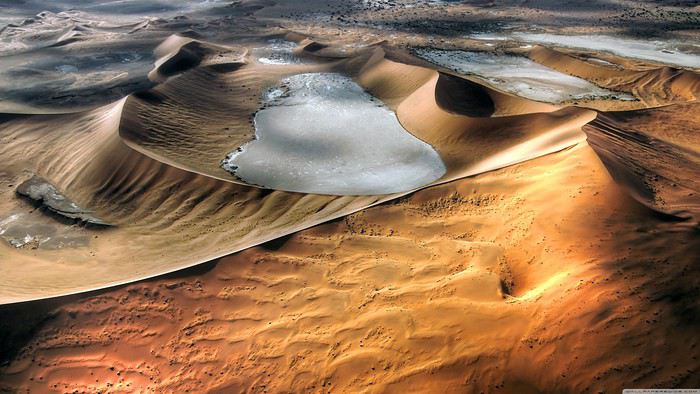
Le lien du concours est ici: https://voyageforum.com/v.f?post=7934276;live=1;#7934276
Celui du diaporama ici: https://goo.gl/photos/dNAaLt7THrjHLWCu5
Le lien du concours est ici: https://voyageforum.com/v.f?post=7934276;live=1;#7934276
Celui du diaporama ici: https://goo.gl/photos/dNAaLt7THrjHLWCu5
Voyage à moto aux États-Unis English translation pending
Bonjour à tous, voilà mon problème.
Comme la plupart d'entre vous je suis passionné des voyages aux US et de la moto. Je suis de ce coté là un veinard car j'ai pu voyager et voir de superbe chose dans ce pays lors de mes voyages toujours en moto en 2001, 2007, 2009, 2011, 2013 (voir mon blog). Après 3 ans d'abstinence voilà que l'envie revient au galop mais....les prix de loc. de moto flambent depuis quelques années et le change ne nous est plus favorable. Reste la voiture...nettement moins cher, mais voilà je n'arrive pas à me décider de voyager ainsi et il me semble que l'envie n'en est que diminuée. Quelqu'un a t-il eu ce sentiment et que faire... voiture ou pas ?
Voyage dans le sud des USA English translation pending
Bonjour à tous,
Après quelques mois d'absence sur le forum, me voilà de retour avec une idée en tête :
Une boucle de 3 semaines Atlanta-Atlanta via les Great Smoky, Nashville, Tupelo, Memphis, New Orléans...pour les
grandes lignes. Tout cela reste à peaufiner. Je connais bien l'Ouest et le Nord Ouest, mais...pour le Sud quel est la bonne période pour un trip...en moto of course. Les prix des vols semblent flamber depuis mon dernier voyage.
Toutes les infos sont bonnes à prendre. Merci et un grand bonjour à tous mes amis du forum.
Tremblement de terre lors d'un voyage dans l'Ouest américain? English translation pending
Hello la compagnie😛
Cette nuit un tremblement de terre de magnitude 6.5 a touché le nord de la Californie, au large de Eureka, endroit très habituel pour ce genre de 'plaisir'... je me demandais si vous aviez déjà pensé à cette possibilité de catastrophe lors de vos voyages dans l'ouest??
Cette nuit un tremblement de terre de magnitude 6.5 a touché le nord de la Californie, au large de Eureka, endroit très habituel pour ce genre de 'plaisir'... je me demandais si vous aviez déjà pensé à cette possibilité de catastrophe lors de vos voyages dans l'ouest??
États-Unis en septembre: le rêve vire au cauchemar English translation pending
Hello vous tous,
Depuis 10 mois que je préparais ce voyage, j'en pouvais plus d'attendre, convaincu que c'était un bon mois pour faire l'Ouest Américain. Au bout de 5 jours, vous ne me verrez plus écrire sur le forum que c'est une bonne idée. Pour l'instant : - j'ai davantage manié la manette d'essuie-glace que l'appareil photo - j'ai été bien plus aveuglé par les éclairs des orages que par le flash de l'appareil !!! 😕
Dès le premier matin, des gouttes sur Hollywood boulevard. Faut le faire, ça je crois !!! Suivies de 3 jours d'un ciel blanc laiteux sur L.A., bien pourri pour les photos. Puis l'arrêt à Seligman chez Delgadillo encore gâché par la pluie. Puis aujourd'hui, la moitié de la South Rim du GC sous la pluie et la partie Est sans s'y arrêter, à cause de l'orage. Et depuis, des trombes d'eau sur le trajet entre Grand Canyon et Page. Je ne sais même pas si demain nous pourrons faire Antelope Canyon. Je suis dégoûté. Quant aux prévisions météo à venir sur Moab (le jour de Arches) et Yellowstone, je vais m'ouvrir les veines !!!
J'avais préparé le canevas de mon carnet en l'appelant 'I have a dream'. Je vais le renommer à mon retour.... 😠
Pour l'instant, la déception est à la hauteur de ce pays : IMMENSE.
A bientôt.... si les orages ne font pas sauter les connections wifi !!!! 🤪
Bye
Jérôme
Depuis 10 mois que je préparais ce voyage, j'en pouvais plus d'attendre, convaincu que c'était un bon mois pour faire l'Ouest Américain. Au bout de 5 jours, vous ne me verrez plus écrire sur le forum que c'est une bonne idée. Pour l'instant : - j'ai davantage manié la manette d'essuie-glace que l'appareil photo - j'ai été bien plus aveuglé par les éclairs des orages que par le flash de l'appareil !!! 😕
Dès le premier matin, des gouttes sur Hollywood boulevard. Faut le faire, ça je crois !!! Suivies de 3 jours d'un ciel blanc laiteux sur L.A., bien pourri pour les photos. Puis l'arrêt à Seligman chez Delgadillo encore gâché par la pluie. Puis aujourd'hui, la moitié de la South Rim du GC sous la pluie et la partie Est sans s'y arrêter, à cause de l'orage. Et depuis, des trombes d'eau sur le trajet entre Grand Canyon et Page. Je ne sais même pas si demain nous pourrons faire Antelope Canyon. Je suis dégoûté. Quant aux prévisions météo à venir sur Moab (le jour de Arches) et Yellowstone, je vais m'ouvrir les veines !!!
J'avais préparé le canevas de mon carnet en l'appelant 'I have a dream'. Je vais le renommer à mon retour.... 😠
Pour l'instant, la déception est à la hauteur de ce pays : IMMENSE.
A bientôt.... si les orages ne font pas sauter les connections wifi !!!! 🤪
Bye
Jérôme
Ouest américain: choix entre deux destinations de départ English translation pending
Bonjour à tous.
Voilà ma question:
Pour mon 2eme voyage dans l'Ouest, j'hesite entre 2 destinations de depart:
Arriver à Seattle pour poursuivre sur Vencouver ( Canada ) puis Yellowstone - Rapid city et redescendre par Cheyenne - Salk lake City et peut-être Las Vegas. Mais je me demande si le trajet Seattle _ Yellowstone vaut le coup ? ( Spokane _ Missoula ? ) Quelqu'un peu m'en dire plus sur le trajet par Spokane et Missoula, c'est bien comme endroit ?
Ne vaudrait-il pas mieux de faire l'inverse, c'est à dire arriver à Cheyenne ou Denver et zapper Seattle ?
Je compte à peu près sur une vingtaine de jours pour mon voyage.
Merci pour vos réponses .
Arriver à Seattle pour poursuivre sur Vencouver ( Canada ) puis Yellowstone - Rapid city et redescendre par Cheyenne - Salk lake City et peut-être Las Vegas. Mais je me demande si le trajet Seattle _ Yellowstone vaut le coup ? ( Spokane _ Missoula ? ) Quelqu'un peu m'en dire plus sur le trajet par Spokane et Missoula, c'est bien comme endroit ?
Ne vaudrait-il pas mieux de faire l'inverse, c'est à dire arriver à Cheyenne ou Denver et zapper Seattle ?
Je compte à peu près sur une vingtaine de jours pour mon voyage.
Merci pour vos réponses .
Un visa bientôt nécessaire pour les Canadiens (et Américains) souhaitant visiter l'Europe? English translation pending
Le Canada et les États-Unis n'octroyant plus une dispense de visa à tous les ressortissants de l'U.E. (cinq pays étant concernés), la Commission Européenne s'est donnée jusqu'en juillet 2016 pour statuer sur l'obligation faite aux Canadiens et Américains de se voir imposer un visa pour venir en Europe.
Lire la suite...
Continuer ses études aux États-Unis (venant de la Côte d'Ivoire) English translation pending
SALUT
Je suis titulaire d'un BTS en logistique et je vis en COTE D'IVOIRE et je pense continuer mes études aux USA .J'aimerais savoir si ce searait possible pour moi vu le fait que les moyens financiers dont disposent mes parents ne sont pas énormes.Devrais je m'engager tout en sachant que mes parents pourront payer que la premiere annee en community college.Croyez vous que je puisse m'en sortir une fois la bas .Donnez moi svp des conseils qui pourront m' aider merci.
Chicago, Détroit... en novembre? Neige et praticabilité des routes? English translation pending
Bonjour,
J’aurais besoin de quelques infos pour un trip dans le midwest en novembre.
Le paramètre de base, c’est que j’atterris à Chicago le 8/11 et je repars de Détroit le 18/11. Le plan étant de passer 4 jours à Chicago puis de louer une voiture et de passer par Indianapolis et Columbus avant de rejoindre Détroit.
Le grand problème, c’est que j’ai peur qu’il y ait de la neige à cette période... La question étant donc : est-ce que les routes sont praticables quand il neige ? Si ce n’est pas le cas, j’imagine que je prolongerai mon séjour à Chicago puis que je prendrai un train jusque Détroit, mais je serais déçue de passer à côté du reste.
Avez-vous un avis sur la question ? Des suggestions ?
Merci d’avance à tous.
Christine.
J’aurais besoin de quelques infos pour un trip dans le midwest en novembre.
Le paramètre de base, c’est que j’atterris à Chicago le 8/11 et je repars de Détroit le 18/11. Le plan étant de passer 4 jours à Chicago puis de louer une voiture et de passer par Indianapolis et Columbus avant de rejoindre Détroit.
Le grand problème, c’est que j’ai peur qu’il y ait de la neige à cette période... La question étant donc : est-ce que les routes sont praticables quand il neige ? Si ce n’est pas le cas, j’imagine que je prolongerai mon séjour à Chicago puis que je prendrai un train jusque Détroit, mais je serais déçue de passer à côté du reste.
Avez-vous un avis sur la question ? Des suggestions ?
Merci d’avance à tous.
Christine.
Cadeaux à un fils qui demeure aux USA English translation pending
Noua avons un fils qui demeure aux Etats-Unis depuis quelques années. Nous aimerions lui donner certains objets et équipements que nous possédons.
Qu'est-ce que je peux lui apporter sans avoir de problème aux douanes, je pense ici par exemple à une souffleuse.
Pour des objets usagés, peut-on avoir un problème?
Merci de votre aide
Partir un an aux États-Unis English translation pending
Bonsoir tout le monde,
Je me présente, j'ai 17 ans je suis en terminale ST2S (Sciences et Technologie du Sanitaire et Social), je ne sais pas du tout ce que je veux faire après le BAC c'est donc pour ça que depuis un bon moment que j'essai de convaincre mes parents pour partir 1 aux Etats-Unis. J'ai finalement finis par les convaincres (difficilement). Mais maintenant, je cherche une région. Si quelqu'un à une idée ? Merci d'avance Manon
Je me présente, j'ai 17 ans je suis en terminale ST2S (Sciences et Technologie du Sanitaire et Social), je ne sais pas du tout ce que je veux faire après le BAC c'est donc pour ça que depuis un bon moment que j'essai de convaincre mes parents pour partir 1 aux Etats-Unis. J'ai finalement finis par les convaincres (difficilement). Mais maintenant, je cherche une région. Si quelqu'un à une idée ? Merci d'avance Manon
Études aux USA English translation pending
salut
voici les trois Etats que mes parents et moi avons choisi pour mes études aux USA ainsi que les colleges référents:
l'Etat du Nebraska avec le college NORDFOLK
l'Etat du Oahio avec le college COLOMBUS
L'Etat de l'Iowa avec le college ELLSWORTH
Ces 03 Etats sont dans le Middwest..
Qu'en pensez vous sur ses écoles?
la région, est ce que le climat me sera favorable .j'ai besoin que vous m'éclairez merci.
Traversée des Etats-Unis en voiture English translation pending
Bonjour,
Je voudrais traverser les Etats Unis en voiture cet été (2008), d'ouest en est de préférence. Quelqu'un a-t-il des informations sur ce périple? Budget et temps impartis surtout!
Merci de votre réponse
Charlotte
Je voudrais traverser les Etats Unis en voiture cet été (2008), d'ouest en est de préférence. Quelqu'un a-t-il des informations sur ce périple? Budget et temps impartis surtout!
Merci de votre réponse
Charlotte