Results for "Morte+|+5"
52060 results found.
Venise, cité extra-ordinaire et cité témoin English translation pending
Venise est une destination époustouflante.
Nous avons tous vu au travers de reportages des villages lacustres. Mais ces villages sont restés des villages. Venise elle est devenue l’une des plus belles villes du monde. Ca vous questionne ?
Les premiers vénitiens se sont installés sur l’eau pour fuir l’hostilité ambiante de la terre ferme. Devenus prospères, pour des raisons qui me sont inconnues mais certainement très pragmatiques, ils ont préféré consolider sur place malgré les nombreux obstacles techniques. Et ces hommes ont bâti une cité sérénissime !
En 1000 ans et malgré l’absence de fortifications militaires, la cité n’a pas été envahie.
Telle que je l’imagine... ... les vénitiens étaient une population très riche, immensément riche, riche comme jamais ne l’a été avant et depuis un groupe d’hommes. Ils se sont appuyés sur cette richesse pour bâtir la ville que nous connaissons. Quand à partir du 16ème siècle, le déclin s’amorce au profit de nouvelles routes commerciales telles que l’Amérique, la ville a vécu quelques temps sur ses acquis. Mais le regain de splendeur n’est pas venu, et parce que le changement à Venise coûte extraordinairement cher, la ville s’est figée et conserve certainement le mieux les caractères qu’ont pu avoir dans les siècles passés les villes du continent.
Tout mon plaisir à Venise tient dans ces quelques considérations. Tout ce que l’on contemple à Venise est l’expression d’une aventure humaine audacieuse et extra-ordinaire et en porte visiblement les traits. Se promener à Venise, c’est aussi imaginer ce qu’ont pu être nos villes cinq siècles auparavant, des petites ruelles qui débouchent sur des places inimaginables quelques mètres plus tôt ou au contraire des ruelles qui se serrent contre des églises monumentales.
Mais comme souvent, Michel Tournier m’apporte la clef : "Point n’est besoin d’être allé à Venise pour connaître cette ville, tant elle fait partie du paysage imaginaire de chaque Européen. Tout au plus y va-t-on pour la reconnaître."
Enfin, de quoi emporter votre imagination :
"Les gondoles amarrées, ces chevaux incertains."
"A Venise, les maisons n’ont pour fondation que leur propre reflet." Michel Tournier
Nous avons tous vu au travers de reportages des villages lacustres. Mais ces villages sont restés des villages. Venise elle est devenue l’une des plus belles villes du monde. Ca vous questionne ?
Les premiers vénitiens se sont installés sur l’eau pour fuir l’hostilité ambiante de la terre ferme. Devenus prospères, pour des raisons qui me sont inconnues mais certainement très pragmatiques, ils ont préféré consolider sur place malgré les nombreux obstacles techniques. Et ces hommes ont bâti une cité sérénissime !
En 1000 ans et malgré l’absence de fortifications militaires, la cité n’a pas été envahie.
Telle que je l’imagine... ... les vénitiens étaient une population très riche, immensément riche, riche comme jamais ne l’a été avant et depuis un groupe d’hommes. Ils se sont appuyés sur cette richesse pour bâtir la ville que nous connaissons. Quand à partir du 16ème siècle, le déclin s’amorce au profit de nouvelles routes commerciales telles que l’Amérique, la ville a vécu quelques temps sur ses acquis. Mais le regain de splendeur n’est pas venu, et parce que le changement à Venise coûte extraordinairement cher, la ville s’est figée et conserve certainement le mieux les caractères qu’ont pu avoir dans les siècles passés les villes du continent.
Tout mon plaisir à Venise tient dans ces quelques considérations. Tout ce que l’on contemple à Venise est l’expression d’une aventure humaine audacieuse et extra-ordinaire et en porte visiblement les traits. Se promener à Venise, c’est aussi imaginer ce qu’ont pu être nos villes cinq siècles auparavant, des petites ruelles qui débouchent sur des places inimaginables quelques mètres plus tôt ou au contraire des ruelles qui se serrent contre des églises monumentales.
Mais comme souvent, Michel Tournier m’apporte la clef : "Point n’est besoin d’être allé à Venise pour connaître cette ville, tant elle fait partie du paysage imaginaire de chaque Européen. Tout au plus y va-t-on pour la reconnaître."
Enfin, de quoi emporter votre imagination :
"Les gondoles amarrées, ces chevaux incertains."
"A Venise, les maisons n’ont pour fondation que leur propre reflet." Michel Tournier
on ne parle que du paludisme mais pas de la dengue English translation pending
et moins souvent de la dengue. Pourtant j'ai appris hier que:
http://www.astrium.com/maladies/dengue.htm
Bref, ça n'a pas l'air très drôle.
A les en croire, on peut se faire piquer de jour comme de nuit par des moustiques qui résistent à tout, qui plus est urbains les moustiques, la mortalité atteint 15% des sujets non traités et 1 sur 20 des sujets traités et il n'existerait pas de prévention à ce jour (à part ne pas bouger de Monceau-les-Mines peut-être).
Je n'en reviens pas qu'un tel fléau (apparemment) soit si peu souvent évoqué.
En savez vous plus de votre côté? Ce qui m'inquiète notamment, c'est qu'il me parait impossible d'échapper aux piqures, sauf sous scaphandre, nulle tenue n'étant infaillible. Comment jurer qu'on échappera aux moustiques sur un séjour d'un mois ou deux?
http://www.astrium.com/maladies/dengue.htm
Bref, ça n'a pas l'air très drôle.
A les en croire, on peut se faire piquer de jour comme de nuit par des moustiques qui résistent à tout, qui plus est urbains les moustiques, la mortalité atteint 15% des sujets non traités et 1 sur 20 des sujets traités et il n'existerait pas de prévention à ce jour (à part ne pas bouger de Monceau-les-Mines peut-être).
Je n'en reviens pas qu'un tel fléau (apparemment) soit si peu souvent évoqué.
En savez vous plus de votre côté? Ce qui m'inquiète notamment, c'est qu'il me parait impossible d'échapper aux piqures, sauf sous scaphandre, nulle tenue n'étant infaillible. Comment jurer qu'on échappera aux moustiques sur un séjour d'un mois ou deux?
Fonctionnement du voyage dernière minute English translation pending
Bonjour à tous!
Je devrais partir à Cuba ou RD la première semaine d'avril. Je n'ai jamais acheté un voyage dernière minute, alors je ne sais trop comment m'y prendre! Comment ça fonctionne? Faut-il laisser un dépôt? Où récupère-t-on les billets d'avions? Quelle agence est la plus sûre? C'est pas mal de questions, mais comme je ne veux pas avoir de surprises...! Merci!
Karin 😊
Je devrais partir à Cuba ou RD la première semaine d'avril. Je n'ai jamais acheté un voyage dernière minute, alors je ne sais trop comment m'y prendre! Comment ça fonctionne? Faut-il laisser un dépôt? Où récupère-t-on les billets d'avions? Quelle agence est la plus sûre? C'est pas mal de questions, mais comme je ne veux pas avoir de surprises...! Merci!
Karin 😊
Allez dans le sud algérien! English translation pending
bonjour, ce n'est pas une question, c'est une affirmation: oui, allez-y!
Le tourisme avait repris dans le sud algerien depuis 5 ans, et patatras! voila que des "aventuriers", allemands, autrichiens se sont fait kidnappés, debut 2003.
Il faut savoir: que ces touristes étaient sans guides, étaient motorisés, et dans des zones fortement déconseillées, car frequentées par des contrebandiers, trafiquants..
Ainsi, ce ne sont pas des islamistes, anti occidentaux... mais des bandits qui ont vu, dans des touristes bien équipés, un moyen de gagner de l'argent. Ceci s'est passé à 400km au nord de Tam ou Djanet.
Tout ceci, a eu des incidences néfastes pour les treks à pieds, avec guide et chamelier, aussi bien en Algerie qu'au Niger.
Ne melangeons pas tout, et l'amalgame est facile.
Les guides et chameliers touaregs de Tam, djanet, Agadez... nous attendent pour nous faire partager les émotions du désert. Beaucoup, ont abandonné, les autres modes de revenus(agriculture, ...), pour le tourisme, et les temps sont durs..
Alors allez-y!Plusieurs TO(Nomades, Allibert, ...), sont intervenus dans ce sens pour que le ministere des affaires etrangeres ne soit pas alarmiste sur leur site .
Voila les peintures rupestres du tassili N'ajjer, n'attendent que vous.
Le tourisme avait repris dans le sud algerien depuis 5 ans, et patatras! voila que des "aventuriers", allemands, autrichiens se sont fait kidnappés, debut 2003.
Il faut savoir: que ces touristes étaient sans guides, étaient motorisés, et dans des zones fortement déconseillées, car frequentées par des contrebandiers, trafiquants..
Ainsi, ce ne sont pas des islamistes, anti occidentaux... mais des bandits qui ont vu, dans des touristes bien équipés, un moyen de gagner de l'argent. Ceci s'est passé à 400km au nord de Tam ou Djanet.
Tout ceci, a eu des incidences néfastes pour les treks à pieds, avec guide et chamelier, aussi bien en Algerie qu'au Niger.
Ne melangeons pas tout, et l'amalgame est facile.
Les guides et chameliers touaregs de Tam, djanet, Agadez... nous attendent pour nous faire partager les émotions du désert. Beaucoup, ont abandonné, les autres modes de revenus(agriculture, ...), pour le tourisme, et les temps sont durs..
Alors allez-y!Plusieurs TO(Nomades, Allibert, ...), sont intervenus dans ce sens pour que le ministere des affaires etrangeres ne soit pas alarmiste sur leur site .
Voila les peintures rupestres du tassili N'ajjer, n'attendent que vous.
Bons plans en Égypte English translation pending
Bonjour à tous
Je viens de découvrir ce site que je trouve vraiment génial!
En février, je vais faire un voyage en Égypte (et Israël) avec mon copain. Un voyage de type "routard" (sauf une superbe croisière sur le Steam Ship Sudan, en passant, si quelqu'un à déjà fait une croisière sur ce bateau, j'aimerais bien avoir un commentaire🙂)
1- Avez vous une suggestion d'hôtel...ou d'auberge? (pas trop cher, environ 40 LE/nuit), pour le Caire (4 nuits), Assouan (3 nuits) et Louxor (1 nuit)
2- Dans tous ces endroits, quel son & lumière est le + beau?
3- Nous prévoyons aller au Marché aux dromadaires de Birqach, est ce que ça en vaut le déplacement?
4- Si j'ai une nuit à passer au Sinaï...Dahab ou Noueiba?
5- Comment est la température en Février en Égypte? et est-ce que c'est la haute ou la basse saison?
J'ai 2 guides de voyages, Géo Guide et Routard...il y a plusieurs contradictions d'un à l'autre. Je prépare l'itinéraire depuis quelques temps, mais il y a tellement de belles choses à voir en Égypte!! Il y a plein de questions qui me traversent l'esprit, mais je ne veux pas vous "bombarder" en commençant hi!hi!
Merci de voler à mon secours...🤪
En février, je vais faire un voyage en Égypte (et Israël) avec mon copain. Un voyage de type "routard" (sauf une superbe croisière sur le Steam Ship Sudan, en passant, si quelqu'un à déjà fait une croisière sur ce bateau, j'aimerais bien avoir un commentaire🙂)
1- Avez vous une suggestion d'hôtel...ou d'auberge? (pas trop cher, environ 40 LE/nuit), pour le Caire (4 nuits), Assouan (3 nuits) et Louxor (1 nuit)
2- Dans tous ces endroits, quel son & lumière est le + beau?
3- Nous prévoyons aller au Marché aux dromadaires de Birqach, est ce que ça en vaut le déplacement?
4- Si j'ai une nuit à passer au Sinaï...Dahab ou Noueiba?
5- Comment est la température en Février en Égypte? et est-ce que c'est la haute ou la basse saison?
J'ai 2 guides de voyages, Géo Guide et Routard...il y a plusieurs contradictions d'un à l'autre. Je prépare l'itinéraire depuis quelques temps, mais il y a tellement de belles choses à voir en Égypte!! Il y a plein de questions qui me traversent l'esprit, mais je ne veux pas vous "bombarder" en commençant hi!hi!
Merci de voler à mon secours...🤪
Quel hôtel pour mariage en République Dominicaine? English translation pending
Bonjour à tous
Je désre me marier l'hiver prochain et cela peut-être en république dominicaine, mais je cherche le meilleur hôtel pour le faire. Est-ce qu'il y en a parmi vous qui se sont mariés o;u on assité à un mariage dans ce pays et simoui à quel hôtel et vos commentaires.
J'attends avec impatience vos réponses
Chaika
Je désre me marier l'hiver prochain et cela peut-être en république dominicaine, mais je cherche le meilleur hôtel pour le faire. Est-ce qu'il y en a parmi vous qui se sont mariés o;u on assité à un mariage dans ce pays et simoui à quel hôtel et vos commentaires.
J'attends avec impatience vos réponses
Chaika
El senador versus Tryp Cayo coco English translation pending
J'ai une hésitation entr le Tryp Cayo coco et le El senador... le critère donc je suis le plus difficile c'est la plage et la piscine....je veux une plage assez longue et large et une piscine assez grande et plein de recoin... puis j'hésite vraiment entre les deux car je trouve que les photos ne sont pas assez concluantes.. merci...de votre aide
Hôtel Fiesta Beach à Djerba English translation pending
😉😉😉 je cherche des infos sur cet hotel pour y passer mes prochaines vacances d'été 2004
connaissez vous le mini club?
merci de vos renseignements
isabelle
connaissez vous le mini club?
merci de vos renseignements
isabelle
Hôtel Dominican Bay English translation pending
Qui est allé à l'hotel Dominican Bay en RD et peut me dire ce qu'il en pense?
Merci.
Merci.
Situation politique au Népal English translation pending
Vous qui revennez juste du Népal, vos conseils sur la situation politique actuelle sont les bienvenus, afin de pouvoir répondre à la question suivante : Est-il inconcient de partir là-bas actuellement ?
QL
Budget moyen en Jordanie? English translation pending
Hello tlm,
J'aurai aimé savoir quel était le budget moyen pour un voyage de +/-9 nuits en Jordanie ? Il est préférable de loger où et à quel prix ? Qu'est ce qu'il coûte cher ?
Par ailleurs, pour ceux qui sont allé en Jordanie, qu'est ce qu'il n'est pas indispensable de visiter...étant donné qu'on ne passera qu'une dizaine de jours.
Toute adresse, info, conseil etc sont les bienvenue et d'avance je vous en remercie !
A+ Birzouki
J'aurai aimé savoir quel était le budget moyen pour un voyage de +/-9 nuits en Jordanie ? Il est préférable de loger où et à quel prix ? Qu'est ce qu'il coûte cher ?
Par ailleurs, pour ceux qui sont allé en Jordanie, qu'est ce qu'il n'est pas indispensable de visiter...étant donné qu'on ne passera qu'une dizaine de jours.
Toute adresse, info, conseil etc sont les bienvenue et d'avance je vous en remercie !
A+ Birzouki
Photos et infos d'Inde English translation pending
Salut a tous,
Je me dirige sur Darjeeling depuis Kathmandu apres etre passe par le Tibet.
Je suis pour 3 mois minimum dans le nord, n hesitez pas me poser des questions et a venir visiter mon site perso pour voir les photos :
http://www.karavane.com
a plus
Oliv
Je me dirige sur Darjeeling depuis Kathmandu apres etre passe par le Tibet.
Je suis pour 3 mois minimum dans le nord, n hesitez pas me poser des questions et a venir visiter mon site perso pour voir les photos :
http://www.karavane.com
a plus
Oliv
June 2026 Theme Thread: Such a Beautiful Landscape
This is where we chat.
Africa: A Heartfelt Love for a Continent
“When the Whites came to Africa, we had the land and they had the Bible. They taught us to pray with our eyes closed: when we opened them, the Whites had the land and we had the Bible.” Jomo Kenyatta (p.7)
The Maggi cube, an unchallenged hegemony, and so much more
“The hopeless continent,” headlined The Economist, a British magazine, in July 2000 about Africa. Eleven years later, the same magazine headlined “Africa rising” instead. Images of Africa in the prosperous North constantly oscillate between apocalyptic scenarios and enthusiastic projections. A key issue with such images lies in the generalization they entail. If you look at the continent, considerable contrasts emerge depending on space and time. It’s no surprise that a region of the world encompassing such diverse ecological zones, maintaining such varied ties with other continents, comprising nearly fifty nation-states in sub-Saharan Africa alone, and characterized by a great diversity of languages, belief systems, and historical paths, doesn’t share a single destiny.
And yet, for many people outside Africa, as well as for many Africans, the continent constitutes a single entity, defined by criteria such as skin color, a colonial past, poverty, and the art of survival. Until now, these perspectives were generally accompanied by the idea that Africa had to—or should have—followed a single path together, sometimes called development, sometimes modernization, sometimes liberation, then a market economy. None of these paths delivered on their promises.
The two writers Alain Mabanckou and Abdourahman Waberi—one from Congo, the other raised in Djibouti, both long settled in France and now professors at renowned North American universities (Los Angeles, Washington)—have had enough of pessimistic scenarios: “We are aware that Africa is in the world and the world is in Africa. The same goes for all other continents, as our destinies are inextricably linked for better or worse. We refuse to see Africa as a reservoir of misfortunes or a continent cursed by atavistic misfortune and characterized by ethnic conflicts. [...] It’s this passionate flame we wanted to capture in a book [...] a kind of stroll through African cultures, without any demands, each letter of the alphabet leading us to a notion, a practice, a concept, a moment in history, literature, painting, politics, economics, cuisine, etc.” (p.10-11). Africa, they write, is on the verge of “imposing a signature, a style, a way of being in the world and in relation to the rest of the world.” (p.11) To put words to the continent’s diversity and dynamism, the two authors created a “rambling ABC,” a kind of portrait—or more precisely, a mythography—that lets you see and feel the pulse of a vast continent whose cultural power is unfolding before our eyes. Once marginalized or even mocked, the voice and importance of the Continent in global affairs are now undeniable” (p.11), containing over a hundred entries, mostly concise, written in a relaxed and casual style. The optimistic, even exuberant tone is set from the brief introduction. The duo of authors wants to “sing a love song to the cultures of our continent, to its inhabitants past and present, to its exceptional resources and its spectacular globalization despite a certain pollution that still clouds our skies due to the unmatched duration of dictatorships in some of our regions.” (p.12) In doing so, they don’t want to be too distracted by today’s Afewerki-Biya-Bongo-Déby & Co. ...
Of course, you’ll find tributes to great precursors like Frantz Fanon (“[...] it was a love story and admiration that wasn’t dimmed by the four decades separating his birth from ours. Let’s add that we were born while the native of Fort-de-France had left the world’s stage four years earlier, in the prime of life” p.141), Mongo Beti (“You must read and reread Mongo Beti, a genius who used his fame to support often just causes in Africa, like defending oppressed groups. His place is already in History. His oppressors, like the dictators Ahmadou Ahidjo and Paul Biya, can’t compete in the same category” p.64), the Malian Amadou Hampâté Bâ
(“Posterity remembers him mainly as an tireless defender of African cultures. His plea for the collection and preservation of traditional African knowledge remains a major event for all men and women of good will. One day in 1960, at the UNESCO podium, the native of Bandiagara sounded the alarm: ‘[...] Since we’ve admitted that the humanity of each people is the heritage of all humanity, if African traditions aren’t collected in time and written down, they’ll one day be missing from the universal archives of humanity.’” p.51),
Kwame Nkrumah, “one of the founders of Pan-Africanism, father of Ghana’s independence” (p.239), as well as the historian Cheikh Anta Diop, the writer, poet, and politician Aimé Césaire, and the economist and thinker Samir Amin, but also very warm tributes to certain contemporary African intellectuals like Souleymane Bachir Diagne and Achille Mbembe
(“A few years ago, in dominant economic circles, a rumor often resurfaced, usually disguised as a cold and scientifically proven analysis: Africa is useless. It’s a burden for the rest of the human community. With its 2% share in world trade, it would disappear from stock market radars without anyone noticing. So? Maybe it’ll be pulled up by other continents. Wanting to surpass itself is a crazy bet for Africans, they concluded. Arrogant or clueless, President Nicolas Sarkozy declared before an audience of students and teachers at Cheikh Anta Diop University in Dakar: ‘The African man hasn’t entered history enough [...] He only knows the eternal repetition of time marked by the endless repetition of the same gestures and words.’ That was in 2007. For decades, armed only with reason, an intellectual often steps up to debunk prejudices, lazy readings, and dishonest frameworks used as false fronts by those who, like Nicolas Sarkozy or former journalist Stephen Smith, out of ignorance, contempt, or condescension, distort African reality. This intellectual is none other than the historian and political scientist Achille Mbembe. This heir of Frantz Fanon, Amílcar Cabral, Jean-Marc Ela, and Fabien Eboussi-Boulaga was born in 1957 in Cameroon, in the Bassa region. Marked early by the upheavals of a fratricidal war, Achille Mbembe became the guardian of the memory of martyrs. After brilliant studies in Paris, he went on to teach at the best American universities, but the call of the Continent was stronger than anything else. In Dakar, he once directed CODESRIA (Council for the Development of Social Science Research in Africa) before joining the University of the Witwatersrand in Johannesburg, South Africa. Even though the author of *Critique of Black Reason* (Éditions La Découverte, 2015) spends a few months at Duke University in North Carolina, his observation post remains South Africa. From Johannesburg, Achille Mbembe scrutinizes Africa and the whole world. A lucid observer with an elegant and generous pen, Achille Mbembe knows how to blend big and small history: ‘I was born one day in July, as the month was drawing to a close. It was 1957, in that part of Africa recently named ‘Cameroon,’ a memory of the wonder that seized Portuguese sailors in the 15th century when, sailing up the river near Douala, they couldn’t help but note the presence of a multitude of crustaceans, and named it *Rio dos Camarões*, meaning ‘River of Shrimp.’ I grew up in the shadow of this nameless land, since, in a way, the name it bears is only the product of someone else’s astonishment: a lexical mistake, if you will.’ From this mistake or wound, he made leaven, a springboard to compose a rich work, recognized worldwide. To denounce barriers and barbarians too. But that’s not enough. Among his peers in circles of thought and action, Achille Mbembe passionately and consistently defends human dignity and the beauty of the world. In doing so, he fulfills the mission Frantz Fanon entrusted to him.” (p.227-229),
as well as entries dedicated to lesser-known artists and intellectuals, like the French journalist and activist Rokhaya Diallo, daughter of Senegalese and Gambian parents, or the Ethiopian filmmaker Haile Gerima, who has long lived in the United States. Other names from politics, sports, music, art, and literature: Kofi Annan, p.36; Barack Obama, p.243; Thomas Sankara, p.277; Ousmane Sow, p.285; Yambo Ouologuem, p.250; Léopold Sédar Senghor, p.282; Muhammad Ali, p.30; Nuruddin Farah, p.146; Salif Keita, p.203; Ahmadou Kourouma, p.206; Ngũgĩ wa Thiong’o, p.236; Winnie Mandela, p.224; Kylian Mbappé, p.226 ...
The authors, who resolutely commit to a “mythography” (p.11) of Africa, also pay special attention to local social movements, cultural events, and aspects of daily life. *Y’en a marre*, “which also meant ‘we’re fed up with sitting on our hands’” (p.320-321), emerged about a decade ago in Senegal as a citizen movement of peaceful resistance and symbolizes, the authors emphasize, the fact that African youth are increasingly fed up “with the political circus deployed in Africa since independence, as our parents would say, ‘since the White man left’...” (p.321). A full entry is dedicated to the Maggi bouillon cube, which has flooded African markets for about forty years and enjoys immense popularity (“It’s everywhere in Africa, from Dakar to Djibouti, and from Tangier to Cape Town. It’s in every pot, every stew. Little hands put it in every sauce, every local or adapted dish. An unchallenged hegemony! You’ll find it in diasporas too. The culinary strolls in Paris, in the [...] neighborhood” p.90). Critics blame it not only for impoverishing the aromatic diversity of local dishes but also for being harmful to health. And yet, “he poorest Africans, those who eat only once a day, a few spoonfuls of white beans and a ball of *foufou*, for example, are the most fervent users of the magic cube.” (p.92-93)
For *fonio*, “the new trendy cereal. [...] From the millet family, fonio is probably the oldest cereal cultivated in West Africa, and mainly in its sub-Saharan part, for millennia. [...] Easy to grow, water-efficient, fonio grows everywhere except on clay soils. Long neglected because it was considered the poor man’s crop, fonio is now a source of pride for the farmers who cultivate it and cherish it like the apple of their eye” (p.156-157), the authors immediately offer a detailed recipe, letting the reader know that “e can’t resist sharing this fonio with chicken recipe from Mali with you:
Ingredients: 1 chicken 3 large ripe red tomatoes 4 tbsp tomato paste 4 large onions 1 garlic clove 1/2 cup oil 2 Maggi cubes or salt 2 large carrots 1 turnip 1 large cabbage 2 large potatoes 1 celery stalk 1 packet pre-cooked fonio 4 okra (or okra powder) salt, pepper
Preparation: 1. Prepare the sauce: wash and cut the chicken. Peel the onions, garlic, and vegetables. 2. In a pot, fry the chicken pieces. 3. Dice the onions, tomatoes, carrots, and turnip very small and add them to the pot. 4. Add the tomato paste, salt, and pepper. 5. Simmer for 15 min, then add 2 L of water and the cooked chicken pieces. 6. Simmer for 30 min, then add the crushed garlic and celery, plus the cabbage cut into 4 and the potatoes cut in half. 7. Prepare the fonio: cover it with warm water, let it rest for 15 min, and cook it over low heat. 8. In a small pot, boil the okra and crush them. 9. Mix the crushed okra with the cooked fonio, then salt. Serve hot.” (p.158-159)
The comedy *Black Mic Mac*, released in French theaters in 1986 and addressing France’s increasingly restrictive immigration policy at the time, also gets an entry, as do *Tintin in the Congo*, the popular comic, and *Jip’s Café* (“[...] a little Africa in the heart of Paris, with passersby stopping to admire the ‘ambianceurs’ on the dance floor or attend the cultural events offered by the place” (p.194), an African establishment in Paris that Alain Mabanckou already immortalized in one of his novels.
The duo of authors also tackles thorny subjects like jihadism (p.119), the Rwandan genocide (p.272), the CFA franc (p.82), and dictatorship (p.110). While the two strike the right tone here, many entries leave a slightly bitter taste. Two examples: why doesn’t the text on Barack Obama mention the great disappointment of many people in Africa, who expected more from the African policy of the first U.S. president with African roots than just occasional warm words? Why do the comments on Winnie Mandela gloss over the fact that she was a highly controversial icon of the anti-apartheid movement due to her involvement in kidnappings, acts of torture, and murders of alleged apartheid collaborators? Instead, there’s a compassion that brings tears to the eyes: “She was often reduced to a secondary role, the wife of a great man” or “When victory came, she didn’t taste its fruits. Divorced, isolated. She would never be a ‘first lady’ in an evening gown, posing before a bed of chrysanthemums. They’d keep her far from the circles of power” (p.224-225). At this point, I would’ve liked the authors to take a slightly more critical stance...
That said, these “weaknesses” (if you can call them that) shouldn’t overshadow the book as a whole. It remains an informative, sometimes very entertaining, and often even original work in its own way.
Book information (the original French and the German translation):
Alain Mabanckou/Abdourahman Waberi. Dictionnaire enjoué des cultures africaines. Fayard, 2019. Alain Mabanckou/Abdourahman Waberi. Der Puls Afrikas. Eine Liebeserklärung von A bis Z. Reclam, 2022.
Hery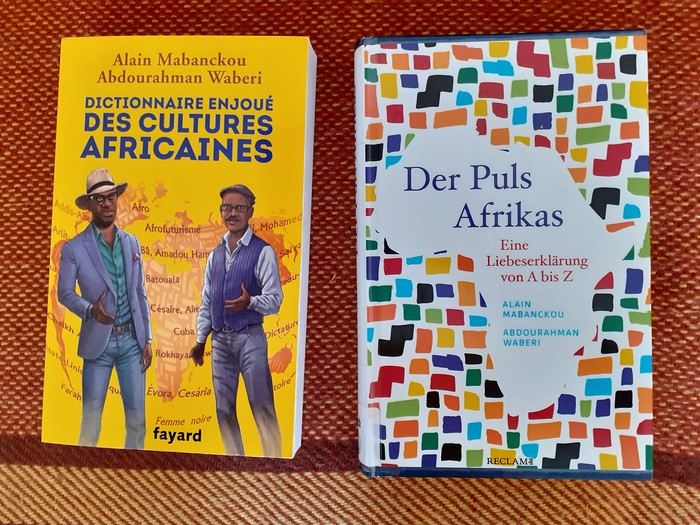
The Maggi cube, an unchallenged hegemony, and so much more
“The hopeless continent,” headlined The Economist, a British magazine, in July 2000 about Africa. Eleven years later, the same magazine headlined “Africa rising” instead. Images of Africa in the prosperous North constantly oscillate between apocalyptic scenarios and enthusiastic projections. A key issue with such images lies in the generalization they entail. If you look at the continent, considerable contrasts emerge depending on space and time. It’s no surprise that a region of the world encompassing such diverse ecological zones, maintaining such varied ties with other continents, comprising nearly fifty nation-states in sub-Saharan Africa alone, and characterized by a great diversity of languages, belief systems, and historical paths, doesn’t share a single destiny.
And yet, for many people outside Africa, as well as for many Africans, the continent constitutes a single entity, defined by criteria such as skin color, a colonial past, poverty, and the art of survival. Until now, these perspectives were generally accompanied by the idea that Africa had to—or should have—followed a single path together, sometimes called development, sometimes modernization, sometimes liberation, then a market economy. None of these paths delivered on their promises.
The two writers Alain Mabanckou and Abdourahman Waberi—one from Congo, the other raised in Djibouti, both long settled in France and now professors at renowned North American universities (Los Angeles, Washington)—have had enough of pessimistic scenarios: “We are aware that Africa is in the world and the world is in Africa. The same goes for all other continents, as our destinies are inextricably linked for better or worse. We refuse to see Africa as a reservoir of misfortunes or a continent cursed by atavistic misfortune and characterized by ethnic conflicts. [...] It’s this passionate flame we wanted to capture in a book [...] a kind of stroll through African cultures, without any demands, each letter of the alphabet leading us to a notion, a practice, a concept, a moment in history, literature, painting, politics, economics, cuisine, etc.” (p.10-11). Africa, they write, is on the verge of “imposing a signature, a style, a way of being in the world and in relation to the rest of the world.” (p.11) To put words to the continent’s diversity and dynamism, the two authors created a “rambling ABC,” a kind of portrait—or more precisely, a mythography—that lets you see and feel the pulse of a vast continent whose cultural power is unfolding before our eyes. Once marginalized or even mocked, the voice and importance of the Continent in global affairs are now undeniable” (p.11), containing over a hundred entries, mostly concise, written in a relaxed and casual style. The optimistic, even exuberant tone is set from the brief introduction. The duo of authors wants to “sing a love song to the cultures of our continent, to its inhabitants past and present, to its exceptional resources and its spectacular globalization despite a certain pollution that still clouds our skies due to the unmatched duration of dictatorships in some of our regions.” (p.12) In doing so, they don’t want to be too distracted by today’s Afewerki-Biya-Bongo-Déby & Co. ...
Of course, you’ll find tributes to great precursors like Frantz Fanon (“[...] it was a love story and admiration that wasn’t dimmed by the four decades separating his birth from ours. Let’s add that we were born while the native of Fort-de-France had left the world’s stage four years earlier, in the prime of life” p.141), Mongo Beti (“You must read and reread Mongo Beti, a genius who used his fame to support often just causes in Africa, like defending oppressed groups. His place is already in History. His oppressors, like the dictators Ahmadou Ahidjo and Paul Biya, can’t compete in the same category” p.64), the Malian Amadou Hampâté Bâ
(“Posterity remembers him mainly as an tireless defender of African cultures. His plea for the collection and preservation of traditional African knowledge remains a major event for all men and women of good will. One day in 1960, at the UNESCO podium, the native of Bandiagara sounded the alarm: ‘[...] Since we’ve admitted that the humanity of each people is the heritage of all humanity, if African traditions aren’t collected in time and written down, they’ll one day be missing from the universal archives of humanity.’” p.51),
Kwame Nkrumah, “one of the founders of Pan-Africanism, father of Ghana’s independence” (p.239), as well as the historian Cheikh Anta Diop, the writer, poet, and politician Aimé Césaire, and the economist and thinker Samir Amin, but also very warm tributes to certain contemporary African intellectuals like Souleymane Bachir Diagne and Achille Mbembe
(“A few years ago, in dominant economic circles, a rumor often resurfaced, usually disguised as a cold and scientifically proven analysis: Africa is useless. It’s a burden for the rest of the human community. With its 2% share in world trade, it would disappear from stock market radars without anyone noticing. So? Maybe it’ll be pulled up by other continents. Wanting to surpass itself is a crazy bet for Africans, they concluded. Arrogant or clueless, President Nicolas Sarkozy declared before an audience of students and teachers at Cheikh Anta Diop University in Dakar: ‘The African man hasn’t entered history enough [...] He only knows the eternal repetition of time marked by the endless repetition of the same gestures and words.’ That was in 2007. For decades, armed only with reason, an intellectual often steps up to debunk prejudices, lazy readings, and dishonest frameworks used as false fronts by those who, like Nicolas Sarkozy or former journalist Stephen Smith, out of ignorance, contempt, or condescension, distort African reality. This intellectual is none other than the historian and political scientist Achille Mbembe. This heir of Frantz Fanon, Amílcar Cabral, Jean-Marc Ela, and Fabien Eboussi-Boulaga was born in 1957 in Cameroon, in the Bassa region. Marked early by the upheavals of a fratricidal war, Achille Mbembe became the guardian of the memory of martyrs. After brilliant studies in Paris, he went on to teach at the best American universities, but the call of the Continent was stronger than anything else. In Dakar, he once directed CODESRIA (Council for the Development of Social Science Research in Africa) before joining the University of the Witwatersrand in Johannesburg, South Africa. Even though the author of *Critique of Black Reason* (Éditions La Découverte, 2015) spends a few months at Duke University in North Carolina, his observation post remains South Africa. From Johannesburg, Achille Mbembe scrutinizes Africa and the whole world. A lucid observer with an elegant and generous pen, Achille Mbembe knows how to blend big and small history: ‘I was born one day in July, as the month was drawing to a close. It was 1957, in that part of Africa recently named ‘Cameroon,’ a memory of the wonder that seized Portuguese sailors in the 15th century when, sailing up the river near Douala, they couldn’t help but note the presence of a multitude of crustaceans, and named it *Rio dos Camarões*, meaning ‘River of Shrimp.’ I grew up in the shadow of this nameless land, since, in a way, the name it bears is only the product of someone else’s astonishment: a lexical mistake, if you will.’ From this mistake or wound, he made leaven, a springboard to compose a rich work, recognized worldwide. To denounce barriers and barbarians too. But that’s not enough. Among his peers in circles of thought and action, Achille Mbembe passionately and consistently defends human dignity and the beauty of the world. In doing so, he fulfills the mission Frantz Fanon entrusted to him.” (p.227-229),
as well as entries dedicated to lesser-known artists and intellectuals, like the French journalist and activist Rokhaya Diallo, daughter of Senegalese and Gambian parents, or the Ethiopian filmmaker Haile Gerima, who has long lived in the United States. Other names from politics, sports, music, art, and literature: Kofi Annan, p.36; Barack Obama, p.243; Thomas Sankara, p.277; Ousmane Sow, p.285; Yambo Ouologuem, p.250; Léopold Sédar Senghor, p.282; Muhammad Ali, p.30; Nuruddin Farah, p.146; Salif Keita, p.203; Ahmadou Kourouma, p.206; Ngũgĩ wa Thiong’o, p.236; Winnie Mandela, p.224; Kylian Mbappé, p.226 ...
The authors, who resolutely commit to a “mythography” (p.11) of Africa, also pay special attention to local social movements, cultural events, and aspects of daily life. *Y’en a marre*, “which also meant ‘we’re fed up with sitting on our hands’” (p.320-321), emerged about a decade ago in Senegal as a citizen movement of peaceful resistance and symbolizes, the authors emphasize, the fact that African youth are increasingly fed up “with the political circus deployed in Africa since independence, as our parents would say, ‘since the White man left’...” (p.321). A full entry is dedicated to the Maggi bouillon cube, which has flooded African markets for about forty years and enjoys immense popularity (“It’s everywhere in Africa, from Dakar to Djibouti, and from Tangier to Cape Town. It’s in every pot, every stew. Little hands put it in every sauce, every local or adapted dish. An unchallenged hegemony! You’ll find it in diasporas too. The culinary strolls in Paris, in the [...] neighborhood” p.90). Critics blame it not only for impoverishing the aromatic diversity of local dishes but also for being harmful to health. And yet, “he poorest Africans, those who eat only once a day, a few spoonfuls of white beans and a ball of *foufou*, for example, are the most fervent users of the magic cube.” (p.92-93)
For *fonio*, “the new trendy cereal. [...] From the millet family, fonio is probably the oldest cereal cultivated in West Africa, and mainly in its sub-Saharan part, for millennia. [...] Easy to grow, water-efficient, fonio grows everywhere except on clay soils. Long neglected because it was considered the poor man’s crop, fonio is now a source of pride for the farmers who cultivate it and cherish it like the apple of their eye” (p.156-157), the authors immediately offer a detailed recipe, letting the reader know that “e can’t resist sharing this fonio with chicken recipe from Mali with you:
Ingredients: 1 chicken 3 large ripe red tomatoes 4 tbsp tomato paste 4 large onions 1 garlic clove 1/2 cup oil 2 Maggi cubes or salt 2 large carrots 1 turnip 1 large cabbage 2 large potatoes 1 celery stalk 1 packet pre-cooked fonio 4 okra (or okra powder) salt, pepper
Preparation: 1. Prepare the sauce: wash and cut the chicken. Peel the onions, garlic, and vegetables. 2. In a pot, fry the chicken pieces. 3. Dice the onions, tomatoes, carrots, and turnip very small and add them to the pot. 4. Add the tomato paste, salt, and pepper. 5. Simmer for 15 min, then add 2 L of water and the cooked chicken pieces. 6. Simmer for 30 min, then add the crushed garlic and celery, plus the cabbage cut into 4 and the potatoes cut in half. 7. Prepare the fonio: cover it with warm water, let it rest for 15 min, and cook it over low heat. 8. In a small pot, boil the okra and crush them. 9. Mix the crushed okra with the cooked fonio, then salt. Serve hot.” (p.158-159)
The comedy *Black Mic Mac*, released in French theaters in 1986 and addressing France’s increasingly restrictive immigration policy at the time, also gets an entry, as do *Tintin in the Congo*, the popular comic, and *Jip’s Café* (“[...] a little Africa in the heart of Paris, with passersby stopping to admire the ‘ambianceurs’ on the dance floor or attend the cultural events offered by the place” (p.194), an African establishment in Paris that Alain Mabanckou already immortalized in one of his novels.
The duo of authors also tackles thorny subjects like jihadism (p.119), the Rwandan genocide (p.272), the CFA franc (p.82), and dictatorship (p.110). While the two strike the right tone here, many entries leave a slightly bitter taste. Two examples: why doesn’t the text on Barack Obama mention the great disappointment of many people in Africa, who expected more from the African policy of the first U.S. president with African roots than just occasional warm words? Why do the comments on Winnie Mandela gloss over the fact that she was a highly controversial icon of the anti-apartheid movement due to her involvement in kidnappings, acts of torture, and murders of alleged apartheid collaborators? Instead, there’s a compassion that brings tears to the eyes: “She was often reduced to a secondary role, the wife of a great man” or “When victory came, she didn’t taste its fruits. Divorced, isolated. She would never be a ‘first lady’ in an evening gown, posing before a bed of chrysanthemums. They’d keep her far from the circles of power” (p.224-225). At this point, I would’ve liked the authors to take a slightly more critical stance...
That said, these “weaknesses” (if you can call them that) shouldn’t overshadow the book as a whole. It remains an informative, sometimes very entertaining, and often even original work in its own way.
Book information (the original French and the German translation):
Alain Mabanckou/Abdourahman Waberi. Dictionnaire enjoué des cultures africaines. Fayard, 2019. Alain Mabanckou/Abdourahman Waberi. Der Puls Afrikas. Eine Liebeserklärung von A bis Z. Reclam, 2022.
Hery
Back in Tunisia (live account)
Hi there,
On this forum, I shared my first trip to Tunisia from mid-February to early March (https://voyageforum.com/forum/impressions-tunisiennes-en-direct-d11460662/), a stay I enjoyed so much that six weeks later, I’m back in Tunisia for a full 15 days (I return on April 27).
This time, I landed in Monastir on a direct flight from Nice, again with Tunisair. We left about ten minutes late, and the flight lasted around 1 hour 30 minutes. A meal was served on board (cucumber salad with Edam-like cheese, carrots, and two small portions of dishes I couldn’t identify—semolina with peppers, olives, and parsley, two small rolls, a square of processed cheese, and a chocolate cake). It’s worth noting because it’s not common on flights this short.
In February, France and Tunisia were in the same time zone, but now Tunisia is one hour behind. This time difference and the flight duration work perfectly for a short 15-day trip since it takes me a few days to adjust to jet lag.
Luckily, I’d asked my hotel about the taxi fare from the airport because the drivers (there were several around me) didn’t hesitate to quote outrageous prices. The actual fare is 20 dinars, but one asked for 120 dinars. I refused, and another offered 60 dinars. I replied, "That’s too expensive—I’ll take the metro!" (Having tried the Tunis metro, I had no desire to repeat the experience in Monastir with a suitcase!). I started walking toward the metro, and one of the drivers caught up with me, saying, "20 dinars is fine!" I’ll skip the details, but the negotiation took a little while. When I arrived at the hotel, I told the receptionist someone had asked for 120 dinars. He put his hands to his head and said, "They’re awful!" He remembered our phone call two days earlier when I’d booked (he’s the one who told me I could take the metro).
The Mezri Hotel isn’t expensive. I got a sea-view room for 75 dinars (22 €). (I’d booked a balcony room for 90 dinars but wouldn’t have had time to enjoy it.) It’s well-located but noisy because there’s no double glazing. The receptionist is a very kind older gentleman. He called a friend whose wife is from Tozeur to find out if I should take a bus or a *louage* tomorrow and what time.
I arrived at the hotel around 7:00 PM and had time to stroll along the corniche to the ribat. Despite some run-down buildings, the seaside seemed livelier and cheerier than Sousse’s.
Monastir is the hometown of former president Bourguiba. I passed his mausoleum by taxi. There are Tunisian flags along the avenue by the sea because every year on April 6—the anniversary of Habib Bourguiba’s death—the president of the Republic visits the Bourguiba Mausoleum in Monastir to pay respects.
The taxi driver mentioned other Tunisian presidents. He complained about rising prices and insecurity, blaming President Kaïs Saïed (I’d already heard that security was better under Ben Ali).
At the end of my stay, I’ll take time to explore Monastir, but tomorrow morning, I’m off to Tozeur—a long bus ride awaits me.
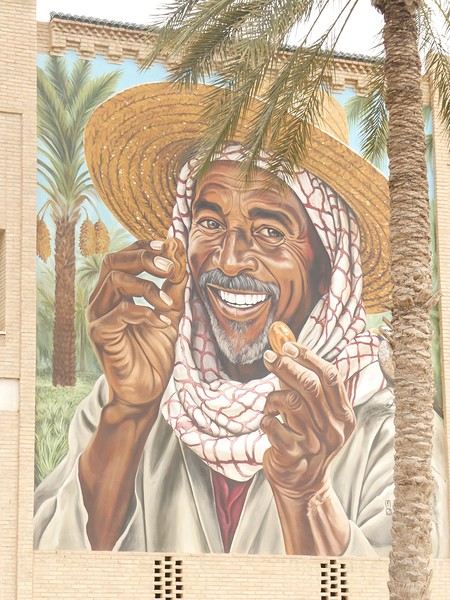

TO BE CONTINUED....
On this forum, I shared my first trip to Tunisia from mid-February to early March (https://voyageforum.com/forum/impressions-tunisiennes-en-direct-d11460662/), a stay I enjoyed so much that six weeks later, I’m back in Tunisia for a full 15 days (I return on April 27).
This time, I landed in Monastir on a direct flight from Nice, again with Tunisair. We left about ten minutes late, and the flight lasted around 1 hour 30 minutes. A meal was served on board (cucumber salad with Edam-like cheese, carrots, and two small portions of dishes I couldn’t identify—semolina with peppers, olives, and parsley, two small rolls, a square of processed cheese, and a chocolate cake). It’s worth noting because it’s not common on flights this short.
In February, France and Tunisia were in the same time zone, but now Tunisia is one hour behind. This time difference and the flight duration work perfectly for a short 15-day trip since it takes me a few days to adjust to jet lag.
Luckily, I’d asked my hotel about the taxi fare from the airport because the drivers (there were several around me) didn’t hesitate to quote outrageous prices. The actual fare is 20 dinars, but one asked for 120 dinars. I refused, and another offered 60 dinars. I replied, "That’s too expensive—I’ll take the metro!" (Having tried the Tunis metro, I had no desire to repeat the experience in Monastir with a suitcase!). I started walking toward the metro, and one of the drivers caught up with me, saying, "20 dinars is fine!" I’ll skip the details, but the negotiation took a little while. When I arrived at the hotel, I told the receptionist someone had asked for 120 dinars. He put his hands to his head and said, "They’re awful!" He remembered our phone call two days earlier when I’d booked (he’s the one who told me I could take the metro).
The Mezri Hotel isn’t expensive. I got a sea-view room for 75 dinars (22 €). (I’d booked a balcony room for 90 dinars but wouldn’t have had time to enjoy it.) It’s well-located but noisy because there’s no double glazing. The receptionist is a very kind older gentleman. He called a friend whose wife is from Tozeur to find out if I should take a bus or a *louage* tomorrow and what time.
I arrived at the hotel around 7:00 PM and had time to stroll along the corniche to the ribat. Despite some run-down buildings, the seaside seemed livelier and cheerier than Sousse’s.
Monastir is the hometown of former president Bourguiba. I passed his mausoleum by taxi. There are Tunisian flags along the avenue by the sea because every year on April 6—the anniversary of Habib Bourguiba’s death—the president of the Republic visits the Bourguiba Mausoleum in Monastir to pay respects.
The taxi driver mentioned other Tunisian presidents. He complained about rising prices and insecurity, blaming President Kaïs Saïed (I’d already heard that security was better under Ben Ali).
At the end of my stay, I’ll take time to explore Monastir, but tomorrow morning, I’m off to Tozeur—a long bus ride awaits me.
TO BE CONTINUED....
Morocco: How to travel while staying on a budget?
A lot of people find it important to stick to their budget when traveling—not to skimp, but to visit as many places as possible since traveling is their hobby.
In this post, I want to share some tips for those coming to Morocco who want their trip to be budget-friendly.
1. Prebook everything: hotels or riads, car rentals, or tours. If you book these in advance, it’ll make your life easier. You won’t have to deal with hagglers or people trying to overcharge you for services that are available online for free. Use platforms like Booking, Expedia, carsrental.ma, Airbnb, and other booking services to get this done properly.
2. Exchange your money to Moroccan dirhams as soon as you land. 1 € is always a little over 10 dirhams, but many people get charged as if it were exactly 10 dirhams per euro.
3. When visiting an old site or the old medina, avoid talking to vendors and shop owners—they’re really good at getting your attention and making you overpay for things.
4. Ask your tour guide to buy things for you. Yes, they do get a commission, but you’ll probably pay way more if you buy something yourself that they can get cheaply.
5. Walk everywhere. You don’t need a taxi for every little trip. Pick a good location and walk—most Moroccan cities are safe during normal hours.
6. Buy your food, drinks, etc., from supermarkets at normal prices. They can’t overcharge you since they scan every product.
I think that’s it for now.
Take care
In this post, I want to share some tips for those coming to Morocco who want their trip to be budget-friendly.
1. Prebook everything: hotels or riads, car rentals, or tours. If you book these in advance, it’ll make your life easier. You won’t have to deal with hagglers or people trying to overcharge you for services that are available online for free. Use platforms like Booking, Expedia, carsrental.ma, Airbnb, and other booking services to get this done properly.
2. Exchange your money to Moroccan dirhams as soon as you land. 1 € is always a little over 10 dirhams, but many people get charged as if it were exactly 10 dirhams per euro.
3. When visiting an old site or the old medina, avoid talking to vendors and shop owners—they’re really good at getting your attention and making you overpay for things.
4. Ask your tour guide to buy things for you. Yes, they do get a commission, but you’ll probably pay way more if you buy something yourself that they can get cheaply.
5. Walk everywhere. You don’t need a taxi for every little trip. Pick a good location and walk—most Moroccan cities are safe during normal hours.
6. Buy your food, drinks, etc., from supermarkets at normal prices. They can’t overcharge you since they scan every product.
I think that’s it for now.
Take care
Accommodation, hiking, and solo travel questions for Santo Antão
Hi there, for those who’ve been recently—is it possible to find other solo travelers in March on the island to share transport or room costs? It doesn’t seem easy to travel on a budget.
If you have any recommendations for simple lodgings or places with dorms, I’d love to hear them.
For those who’ve done multi-day treks while moving around: do you need to bring your own sleeping bag? I’d love to hear about itineraries you’ve done without a guide, just with a map and GPS.
Thanks, and have a great day!
Ideas for a one-week Andalusia itinerary
Hi everyone,
I’m sharing my draft itinerary with you because I just booked our flight tickets, and I feel like it’s quite late in the season. So, I’d like to be sure about my stops before reserving the hotels. I’ll be traveling alone with my two adult children. We want to prioritize outdoor walks, avoid too many indoor visits (both for budget and preference), and not spend too much time on the road.
D1: Arrival at 9 AM in Malaga, day in Malaga and overnight stay D2: Head straight to Nerja (1-hour drive) and spend the night there D3: Head straight to Granada (1.5-hour drive), spend the day and night there D4: Granada. Visit the Alhambra (Nasrid Palaces tour at 5 PM) and spend the night D5: Head to Ronda (2.5-hour drive) and spend the night D6: White Villages and overnight in Ronda D7: Head straight to the Costa del Sol (e.g., Estepona), spend the day and night there D8: Return to Malaga to catch our flight
There you go! This itinerary takes into account that we’d like to do a circuit starting from Seville in a few years. That said, it’d be a shame to miss something doable from Malaga.
Questions: Since the Alhambra visit is only at 5 PM, and we’d already have the day to explore Granada, would arriving the day before be a mistake? Or should we skip this day and dedicate it elsewhere (Costa del Sol? Head toward Tabernas?)? The old town appeals to me, but maybe the Sacromonte neighborhood isn’t essential... Same question for Ronda: should we dedicate a full day to it, or combine Ronda and the White Villages in one day? Note that we love wandering around villages outside, so that might answer my question! :)
Final question: Is it better to rent the car at Malaga Airport or in the city? If we rent at the airport, we’d need a hotel with parking, which doesn’t seem easy. Or stay outside the city and park for free near the center if possible? I’ve read comments about taking a taxi to Malaga and then picking up the rental car at the airport the next morning. The taxi would really need to be affordable...
Thanks so much for your feedback and suggestions for visits during this little circuit. Have a great day, everyone! Christine
D1: Arrival at 9 AM in Malaga, day in Malaga and overnight stay D2: Head straight to Nerja (1-hour drive) and spend the night there D3: Head straight to Granada (1.5-hour drive), spend the day and night there D4: Granada. Visit the Alhambra (Nasrid Palaces tour at 5 PM) and spend the night D5: Head to Ronda (2.5-hour drive) and spend the night D6: White Villages and overnight in Ronda D7: Head straight to the Costa del Sol (e.g., Estepona), spend the day and night there D8: Return to Malaga to catch our flight
There you go! This itinerary takes into account that we’d like to do a circuit starting from Seville in a few years. That said, it’d be a shame to miss something doable from Malaga.
Questions: Since the Alhambra visit is only at 5 PM, and we’d already have the day to explore Granada, would arriving the day before be a mistake? Or should we skip this day and dedicate it elsewhere (Costa del Sol? Head toward Tabernas?)? The old town appeals to me, but maybe the Sacromonte neighborhood isn’t essential... Same question for Ronda: should we dedicate a full day to it, or combine Ronda and the White Villages in one day? Note that we love wandering around villages outside, so that might answer my question! :)
Final question: Is it better to rent the car at Malaga Airport or in the city? If we rent at the airport, we’d need a hotel with parking, which doesn’t seem easy. Or stay outside the city and park for free near the center if possible? I’ve read comments about taking a taxi to Malaga and then picking up the rental car at the airport the next morning. The taxi would really need to be affordable...
Thanks so much for your feedback and suggestions for visits during this little circuit. Have a great day, everyone! Christine
From the Awakening to Travel to Morocco in the 90s
As I’ve mentioned elsewhere, I inherited my love of travel from my parents and some of my grandparents. A strong passion, but one that was unfortunately limited by our family’s modest resources. Back then, living in northern Alsace, a simple trip to the southern part of the region—with the Wine Route as our destination—felt like an extraordinary journey to a land of plenty for the little boy I was in the late 60s and early 70s.
Everything seemed so huge when you were still just a kid.
Back then, I was overwhelmed by countless sensations—I was already highly sensitive, with a keen mind and a nose and taste buds that were developing like a pro’s. Which, as I’d later realize, wasn’t always an advantage.
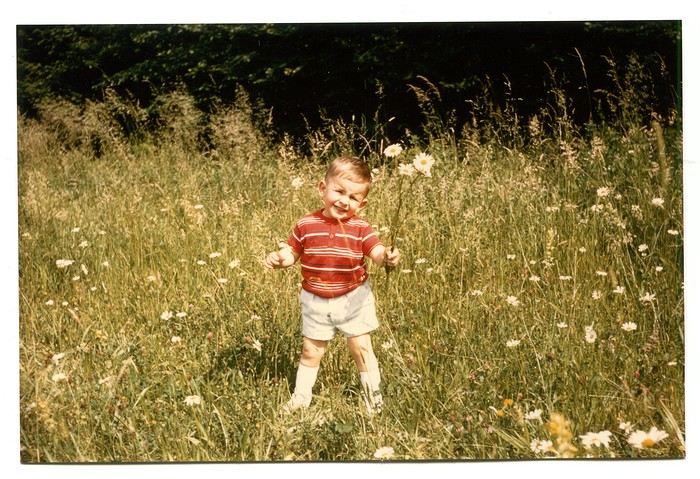
Those magical days always began with a gentle late-spring or midsummer morning. The interior of the white Peugeot 404, license plate 210 LZ 67, had already soaked up the sun before the engine purred to life, and the cabin gave off a scent I could still recognize today—a fragrance I found so pleasant. Back then, I had no idea it was just the smell of warm plastic from the car’s interior. Yes, the scents of the 404 on sunny days became my madeleine de Proust... What’s more, the whole family was unusually cheerful because those moments of relaxation and leisure were rare. Everyone worked, and no one had an easy job or was well paid. Without the *Trente Glorieuses*, these experiences might never have happened.
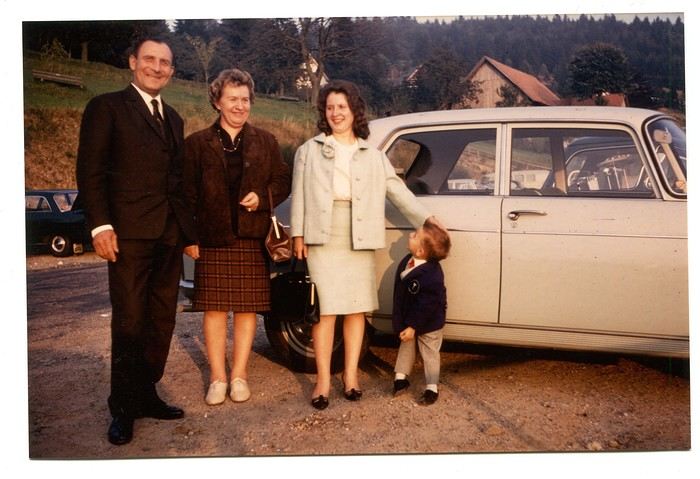
Once we crossed the canton’s borders, I felt like I was light-years away from my everyday surroundings, and every kilometer plunged me deeper into *terra incognita*. It was thrilling. Far from my so-called "medium-sized" town, wheat fields, cornfields, and cabbage patches stretched out, punctuated by tall poles connected by long wires and topped with vegetation—like giant clotheslines without laundry, where magical beanstalks might grow to touch the sky. Back then, I was still far from tasting their product, which was simply beer. At the time, there was still a significant local hop production. Fun fact: it wasn’t until 2002 that Anglo-Saxon scientists proved hops and cannabis belong to the same biological family.
After the fields, the landscape took another step up as it rolled past the little boy’s eyes, often glued to the windows. First came modest hills, then a succession of rolling slopes that soon formed an unbroken chain. Their 700 meters in altitude felt like Himalayan peaks to me—impressive, inert giants, a whole new world. Gazing at them, an intense emotion welled up somewhere between my stomach and lungs, nearly taking my breath away. What mysteries, what treasures did these heights hold? And then there were the cherries on top—the crowning touch that made the scene even more magical: proud, majestic castles perched on the summits like impassive sentinels. Monuments from the past, yet firmly rooted in the present on their rocky spurs. The little boy’s eyes sparkled—he’d been given a castle for Christmas, complete with battlements, towers, a drawbridge, and fully armed knights. He’d watched and lived *Ivanhoe* on the only French TV channel that existed back then.
Only once did my paternal grandfather join us on one of these trips. A tall, intelligent man with a face that could shift from stern to mischievous, clearly full of humor and charisma. Sadly, his relationship with alcohol had taken a toll on his life and, by extension, those of his loved ones. He had a strong personality—if his boss crossed the line, he wouldn’t hesitate to punch him, which meant he went through a lot of different jobs. Back then, you could quit one job and easily find another. It was quite something to see him in his final stages, hallucinating pink elephants and even drinking perfume when he had nothing else left. The last time I saw him, he’d slipped away from the doctors and nurses while hospitalized in pretty bad shape—at least, I assume his liver was the issue. We were sitting down for a family lunch when the door burst open, and there he stood in his pajamas, eyes twinkling with mischief, clearly pleased with the dramatic entrance. That theatrical moment didn’t spare us from burying him a few months later at the age of 71. One day, my mother told me the family doctor had quietly remarked that it was a shame—with his robust constitution, he could’ve lived to be a hundred. Yes, the family doctor—this was the man who’d come treat you any day, at almost any hour, just for a phone call. It really existed, it’s not a myth!
That day, his wife—my paternal grandmother—was also along for the ride. Everyone agreed that Jeannette was a good woman. She worked as a waitress at *Le Tigre*, the biggest brasserie in town, right in the center. Most customers preferred to be served by her, including local dignitaries and even the mayor. As a kid, I didn’t find her very fun, open, or warm—she seemed a bit stern. Back then, women in their fifties already had the face and build of grandmothers. Same went for men, don’t get me wrong. I had no idea about the struggles she faced because of her husband. I didn’t know that 30 years earlier, she’d had to flee Alsace while pregnant, under threat from Nazi fighter-bombers. I didn’t know she’d had several miscarriages, and that my father—her only surviving child, born prematurely in March 1940 at the other end of France—weighed less than a kilo at birth and was so tiny he could fit in a shoebox. Hard to imagine he’d grow into a strapping man nearly 1.80 meters tall, tipping the scales at 100 kilos. When you come back from summer camp in early August and ask why she didn’t pick you up with your parents, and they gently tell you she’s "in heaven," you don’t realize she passed away at 54 after suffering greatly from stomach cancer that had spread.
Back to that family outing, that enchanted parenthesis. I even remembered where we’d had lunch when I passed through Dambach-la-Ville decades later. One of those charming, flower-filled towns Alsace produces in abundance—and preserves so well. This one sits high on a hill, and I was a bit stunned on the parking lot because the view stretched far, revealing the Alsace plain below—its fields, villages, hills, and forests. The world seemed so vast and enticing that day, even though I was only glimpsing a tiny fraction of it.
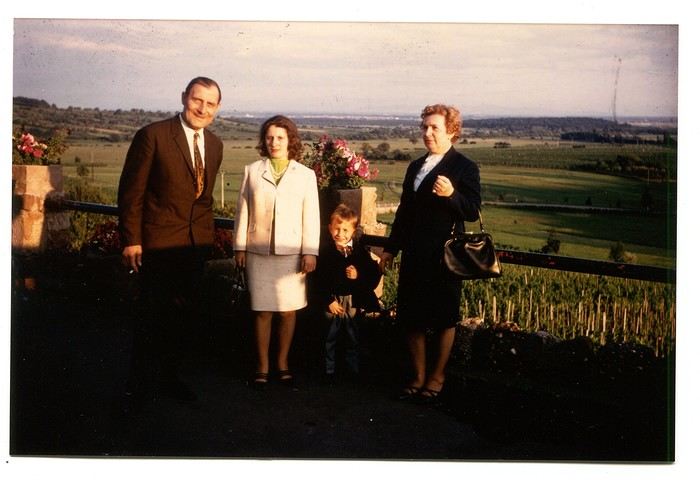
The region was already very touristy, but I wouldn’t notice the downsides until much later. That Sunday noon, I discovered a large restaurant filled with diners. I can still see the enormous piece of meat they served me, decorated with a little wooden skewer topped with a flag. I kept that one for a long time. Those were the golden days of rich, flowing, thick sauces—so flavorful—and the era of the world’s best fries, made on the spot with the best potatoes. To top it off, I was *exceptionally* allowed a small bottle of apple juice, Orangina, or—even better if possible—Sinalco. Yes, Sinalco—like Orangina, but better. A brand that must’ve disappeared in the 70s, but why, and what a shame! Since then, Orangina’s little bubbles have taken the brand to the other side of the planet—it’s now Japanese.
Year after year, I’d eagerly await that ecstatic moment when the most beautiful castle in Alsace, the Haut-Koenigsbourg, appeared in my field of vision. The perfect model, the archetype that blended into the landscape at the height of a child’s dreams. The trip home always felt like a reality check—less jarring than an alarm clock, but more diffuse and melancholic. From then on, there was only one wish: *When do we leave again?*
Those magical days always began with a gentle late-spring or midsummer morning. The interior of the white Peugeot 404, license plate 210 LZ 67, had already soaked up the sun before the engine purred to life, and the cabin gave off a scent I could still recognize today—a fragrance I found so pleasant. Back then, I had no idea it was just the smell of warm plastic from the car’s interior. Yes, the scents of the 404 on sunny days became my madeleine de Proust... What’s more, the whole family was unusually cheerful because those moments of relaxation and leisure were rare. Everyone worked, and no one had an easy job or was well paid. Without the *Trente Glorieuses*, these experiences might never have happened.
Once we crossed the canton’s borders, I felt like I was light-years away from my everyday surroundings, and every kilometer plunged me deeper into *terra incognita*. It was thrilling. Far from my so-called "medium-sized" town, wheat fields, cornfields, and cabbage patches stretched out, punctuated by tall poles connected by long wires and topped with vegetation—like giant clotheslines without laundry, where magical beanstalks might grow to touch the sky. Back then, I was still far from tasting their product, which was simply beer. At the time, there was still a significant local hop production. Fun fact: it wasn’t until 2002 that Anglo-Saxon scientists proved hops and cannabis belong to the same biological family.
After the fields, the landscape took another step up as it rolled past the little boy’s eyes, often glued to the windows. First came modest hills, then a succession of rolling slopes that soon formed an unbroken chain. Their 700 meters in altitude felt like Himalayan peaks to me—impressive, inert giants, a whole new world. Gazing at them, an intense emotion welled up somewhere between my stomach and lungs, nearly taking my breath away. What mysteries, what treasures did these heights hold? And then there were the cherries on top—the crowning touch that made the scene even more magical: proud, majestic castles perched on the summits like impassive sentinels. Monuments from the past, yet firmly rooted in the present on their rocky spurs. The little boy’s eyes sparkled—he’d been given a castle for Christmas, complete with battlements, towers, a drawbridge, and fully armed knights. He’d watched and lived *Ivanhoe* on the only French TV channel that existed back then.
Only once did my paternal grandfather join us on one of these trips. A tall, intelligent man with a face that could shift from stern to mischievous, clearly full of humor and charisma. Sadly, his relationship with alcohol had taken a toll on his life and, by extension, those of his loved ones. He had a strong personality—if his boss crossed the line, he wouldn’t hesitate to punch him, which meant he went through a lot of different jobs. Back then, you could quit one job and easily find another. It was quite something to see him in his final stages, hallucinating pink elephants and even drinking perfume when he had nothing else left. The last time I saw him, he’d slipped away from the doctors and nurses while hospitalized in pretty bad shape—at least, I assume his liver was the issue. We were sitting down for a family lunch when the door burst open, and there he stood in his pajamas, eyes twinkling with mischief, clearly pleased with the dramatic entrance. That theatrical moment didn’t spare us from burying him a few months later at the age of 71. One day, my mother told me the family doctor had quietly remarked that it was a shame—with his robust constitution, he could’ve lived to be a hundred. Yes, the family doctor—this was the man who’d come treat you any day, at almost any hour, just for a phone call. It really existed, it’s not a myth!
That day, his wife—my paternal grandmother—was also along for the ride. Everyone agreed that Jeannette was a good woman. She worked as a waitress at *Le Tigre*, the biggest brasserie in town, right in the center. Most customers preferred to be served by her, including local dignitaries and even the mayor. As a kid, I didn’t find her very fun, open, or warm—she seemed a bit stern. Back then, women in their fifties already had the face and build of grandmothers. Same went for men, don’t get me wrong. I had no idea about the struggles she faced because of her husband. I didn’t know that 30 years earlier, she’d had to flee Alsace while pregnant, under threat from Nazi fighter-bombers. I didn’t know she’d had several miscarriages, and that my father—her only surviving child, born prematurely in March 1940 at the other end of France—weighed less than a kilo at birth and was so tiny he could fit in a shoebox. Hard to imagine he’d grow into a strapping man nearly 1.80 meters tall, tipping the scales at 100 kilos. When you come back from summer camp in early August and ask why she didn’t pick you up with your parents, and they gently tell you she’s "in heaven," you don’t realize she passed away at 54 after suffering greatly from stomach cancer that had spread.
Back to that family outing, that enchanted parenthesis. I even remembered where we’d had lunch when I passed through Dambach-la-Ville decades later. One of those charming, flower-filled towns Alsace produces in abundance—and preserves so well. This one sits high on a hill, and I was a bit stunned on the parking lot because the view stretched far, revealing the Alsace plain below—its fields, villages, hills, and forests. The world seemed so vast and enticing that day, even though I was only glimpsing a tiny fraction of it.
The region was already very touristy, but I wouldn’t notice the downsides until much later. That Sunday noon, I discovered a large restaurant filled with diners. I can still see the enormous piece of meat they served me, decorated with a little wooden skewer topped with a flag. I kept that one for a long time. Those were the golden days of rich, flowing, thick sauces—so flavorful—and the era of the world’s best fries, made on the spot with the best potatoes. To top it off, I was *exceptionally* allowed a small bottle of apple juice, Orangina, or—even better if possible—Sinalco. Yes, Sinalco—like Orangina, but better. A brand that must’ve disappeared in the 70s, but why, and what a shame! Since then, Orangina’s little bubbles have taken the brand to the other side of the planet—it’s now Japanese.
Year after year, I’d eagerly await that ecstatic moment when the most beautiful castle in Alsace, the Haut-Koenigsbourg, appeared in my field of vision. The perfect model, the archetype that blended into the landscape at the height of a child’s dreams. The trip home always felt like a reality check—less jarring than an alarm clock, but more diffuse and melancholic. From then on, there was only one wish: *When do we leave again?*
Havana, Cuba / January 2026
I got into music with the will
To light up many hearths like Che could do,
To circulate ideas, to advance utopia
Alternating barricades, sharp thought, and poetry.
Mc Solaar, Guérilla
Subscribing without a fight to the slightest line of my itinerary sometimes feels like an illusion. Because there are countries where, despite the fever and enthusiasm, despite the triumphant revolution, certain elements block my path. And if I had planned, for F. and me, a beautiful ascent up Tabouret Hill (Loma del Taburete, 453m), it was without accounting for vegetation as dense as it was thorny, which barred our way after just a few quarters of an hour of walking. Exhausted, I had to face the facts: we wouldn’t go any further. I needed to come up with some kind of Plan B.
But what is this country, an unwitting laboratory of the worst that white civilization has done during its reign? What is this magnificent place—yet another—entrusted to the care of oblivion, just 150 km from the land of freedom? According to Donald Trump, a country supporting terrorism; according to the locals, the vast battlefield of 20th-century ideologies; according to the average tourist, a hot country, a beautiful country, a country where the last illusions of a lost paradise are dying.
On the other side of Havana Bay, we love that statue of Christ blessing the city. There’s something gentle, soothing, in that patriarchal gesture. You’d almost be tempted to forget that at the dawn of the 16th century, those who claimed to represent the Church had no scruples about eradicating the Ciboney and Taíno populations. Worse, you’ll find magnificent this cathedral dedicated to the Virgin Mary, right in the heart of the old city. Under the guise of a civilizing necessity, Havana became, like so many other places, the gilded seat of European pretensions, at the expense of local populations doomed to extermination, then enslaved populations—more or less indigenous—who, you can imagine, didn’t often set foot in this holy place.
Lost in my thoughts, I try to push through this tangled vegetation. Nature reclaims its rights; nature abhors a vacuum. Yes, the well-trodden path of revolution couldn’t stay free of weeds! The road is buried. We give up and turn back, until that fork I’d noted before leaving, which would let us reach the top of the hill by skirting its northern slope.
So the white man arrives, settles, and gets rid of everything that bothers him. He has two unstoppable forces at his disposal: gunpowder and the spiritual certainty of being on the side of an all-powerful god. While the first gives him an unmatched material advantage over his new enemy, the second lets him use the first without feeling too guilty. That’s the magic of this supreme Church: it condemns all forms of pleasure—calling them impurity—while promoting plunder and crime under the cover of evangelization.
Walking through the city, you find a bit of Algiers, except that here, the decay is almost irreversible. You feel the splendor of the past, a disconcerting image of all vanity, from an era when men knew how to build beauty—especially if they didn’t have to share it. We’ll debate the benefits of colonialism for a long time, while glossing over the fact that those benefits often stopped at the city limits, limits all too obvious to the indigenous people. Havana isn’t just one or a few buildings; it’s an impressive collection of works of art built one after another, in what I think was a spirit of healthy competition. Yes, you find Algiers in this exuberance. As if these distant cities were the receptacle of everything that was best in the lands of origin. Atlantes and lintels, golds, blues, ogives, and monumental windows—exceptional architecture in an exceptional place.
Some streets are clean, swept with care; others are not, scattered here and there with potholes filled with water. A rather persistent smell of urine invades us regularly. We move on. And we look up: Havana is visited with your nose in the air. Because the beauty is truly up there, on those magnificent balconies and terracotta arches. Also because it’s not impossible that a piece of that balcony might suddenly detach, hurling our ends into an overseas tragedy we’d rather avoid. On the ground, here and there, rubble. Inexorably, this city is returning to dust.
My Plan B turns out to be no more successful than the first attempt. After a cheerful progression of a few hundred meters, same outcome, same struggle—the vegetation opposes any revolution: impossible to go around the hill! Once again, we have to turn back. We’ll try Plan C. I reassure myself by convincing myself to stay in the logic of this country: Cuba has been searching for itself for five centuries.
Coffee, tobacco, and sugarcane—the green gold of the colonies—so that money could flow and Europe could enjoy itself. Cuba’s history isn’t original. In reality, all the hot lands at these latitudes suffer the same fate: to serve the white man. While waiting for the awakening of consciences, UN Resolution 1514 and more or less affirmed revolutionary desires. Except that—and this reflection is just my own—if the awakening of consciences and the revolutionary will don’t play into what Resolution 1514 hides, there’s a good chance the said state will become a pariah. Those who don’t follow the American doctrine risk a lot; those who decide to follow Moscow risk everything. Independence was only the barely discreet instrument of American views. Patrice Lumumba will gladly enlighten us on the subject.
Turning back is good. Setting up Plan C is better. I won’t deviate from my goal: we will reach the top of Tabouret, whatever the cost! Near a small country road, I hesitate to change the program. Time is ticking—is it really reasonable to attempt the ascent? Then a tricycle taxi appears, a kind of tuk-tuk powered by an electric moped. I take it as a sign from fate, and we board for the starting point of Plan C.
In Cuba, even before Resolution 1514, independence was assured by a pawn of the United States, Fulgencio Batista. There’s no need to go over the whole history here; we’ll just remember that if you know how to give without counting to your former masters, you can enjoy a facade of freedom. Fidel Castro, on the other hand, didn’t know how to give. It never even occurred to him. That’s why the United States harbors such terrible hatred for this rebellious state, opposed to capitalist values and political prostitution. From there to slowly killing its people for nearly seventy years, one can legitimately cry injustice. But there are other priorities. Oh yes! Greenland...
Do Cubans eat their fill? Does seeing overweight people mean opulence? Food grows, no doubt about it. The soil is fertile, the climate favorable. No, what shocks here is the absolute precarity, the feeling of a people living in survival mode, and the decay of both goods and hope. Where to go? What’s the point? The stubbornness of the United States in wanting to impose its views on the Cuban government is felt much more by an overwhelmed people than by those few elites—caricatures of communism—who instill their vision of happiness with a crowbar. The embargo imposed in 1960; the false-flag attacks—American planes flying the colors of the Cuban revolution during the Bay of Pigs invasion in 1961—the exasperation of placing Cuba on the list of countries supporting terrorism. More recently, Donald Trump decided to heavily tax countries supplying Cuba with fuel. The last time I saw such long lines near gas stations was during my first trip to Romania... in 1991. It’s not for me to judge whether Raúl and his clique are playing fair by thumbing their noses at the West. I don’t hold the ins and outs of this war of egos that keeps the world’s great powers awake. I only caught a glimpse of the poverty of an island in 2026, while we in Europe are buried under an avalanche of the useless and superficial.
At the start of the San Juan baths, we find the trailhead. It climbs steeply. But the weather is relatively mild, thanks to a cold wave hitting higher up in the United States. Dallas is under snow; we’re walking in 16°C, a stroke of luck. We climb over rocks, under fairly decent vegetation, sometimes low but passable. And we succeed in the ascent in an hour. Up there, the top of the hill is somewhat maintained, at a minimum, but maintained, as if to honor Che through an awful monument erected in his glory—a stubborn specimen from those years when good taste was inversely proportional to the delusional ideas of those being honored. Birds of prey (raptors?) circle overhead; the monument is dying, crumbling, falling into ruin. *Hasta siempre*—forever—will be for the words. Nature, erosion, life itself will have the last word over all revolutions.
Back at the foot of the hill, just before a memorable swim, we talk with a family living there in miserable shacks whose stability wasn’t unlike that of the Leaning Tower of Pisa. The grandmother holds an animal, a rodent, by its feet. The grandfather has just killed it; she’s plucking its fur. A few steps away, water boils in a pot. She plunges the beast into the container. Tonight, the family will eat ragondin stew. Further on, another shack where, in a disorder rivaling the filth, a mother breastfeeds while sitting on the edge of a bed. Then, on the way down, we’ll meet a middle-aged man carrying a large jerrycan of water on his shoulder. Are these people happy here, far from the cities and their stakes? Is it too much to ask that they at least have access to electricity, running water, and decent, safe housing?
Outside the old city, Havana reveals wide avenues serving imposing institutions here and there. But whether in the colorful alleys of the old town or on the majestic and austere Plaza de la Revolución, the same feeling moves me: sadness. Seeing that only chaos has come from ideas crushes me. We praise, we sing the revolution—above all, we impose it in people’s minds as a necessity, when it’s nothing of the sort. Revolution is just the fruit of a few tortured minds who, once in power, do nothing better than all those before them. Enjoy power. Impose their views. It’s just a matter of color. Fidel saw red and knew how to persuade—or silence forever—his many detractors. The West sees everything in white, through the prism of human rights, and also knows how to persuade and silence its slightest detractors forever.
Paradoxically, Cuba survives largely thanks to tourism, a key element—let’s not be afraid to say it—of capitalism. And when a few players pick up the crumbs from transactions, the lion’s share and the foreign currency go to the government. So we won’t go to Varadero, the high place of relaxation overrun by Canadians. Instead, we’ll limit ourselves to crossing the ocean 30 minutes from the capital, at Santa María del Mar, to get an idea of cheaper tourism and to splash around for a few minutes in turquoise water invaded by sargassum. At the heart of the tourist season, we’ll meet few people. Like Havana, and according to its inhabitants, the high season is rather dead. But we won’t have come for nothing: we particularly love this return where, feverish, the taxi driver pushes his Moskvitch 2140 to the max on the highway, singing karaoke versions of hits at the top of his lungs from an onboard DVD player. East/West, the culture clash with a hint of Latino.
It’s time to leave this country of resourcefulness where extremes are very present. We’re leaving a 5-star hotel in front of yet another crumbling building. We’ve known restaurants at 40,000 pesos while in the street people eat for 400. We’ve seen those countless cars from another era and another culture—Pontiac, Lada, Chevrolet, Moskvitch—being overtaken by gleaming Mercedes and other Porsche Cayennes, the prerogative—if it still needed to be demonstrated—of the newly rich in search of recognition. Boarding the plane, we also understand that we’re not just traveling with tourists: there’s undoubtedly a rich and prosperous diaspora, just as there are relatively wealthy Cubans—well, wealthy enough to travel comfortably in the front of the aircraft. Meanwhile, on all the country’s roads, other Cubans try hitchhiking, their wives and children perched on a suitcase by the roadside. The father holds out his arm and holds a few bills in his hand like a card game. Where are they going? Who will pick them up?
Behind me, the gold of the Capitol. I’m told this gold comes from Russia. Like Marx and Lenin’s smoky theories? Like Stalin’s subtle and delicate paternalism? Let’s bet that, like the other buildings crumbling around it, the Capitol will also collapse one day, to avenge the Indians who perished from the diseases and guns of the whites, to avenge the Africans who obliterated their lives so Europeans could enjoy themselves, finally, to avenge all this abandoned people, left to the arbitrariness of democratic or non-democratic elections.
A sign in the street: We understand history. This is the revolution! We understand history. That’s the revolution.
No comment.
Subscribing without a fight to the slightest line of my itinerary sometimes feels like an illusion. Because there are countries where, despite the fever and enthusiasm, despite the triumphant revolution, certain elements block my path. And if I had planned, for F. and me, a beautiful ascent up Tabouret Hill (Loma del Taburete, 453m), it was without accounting for vegetation as dense as it was thorny, which barred our way after just a few quarters of an hour of walking. Exhausted, I had to face the facts: we wouldn’t go any further. I needed to come up with some kind of Plan B.
But what is this country, an unwitting laboratory of the worst that white civilization has done during its reign? What is this magnificent place—yet another—entrusted to the care of oblivion, just 150 km from the land of freedom? According to Donald Trump, a country supporting terrorism; according to the locals, the vast battlefield of 20th-century ideologies; according to the average tourist, a hot country, a beautiful country, a country where the last illusions of a lost paradise are dying.
On the other side of Havana Bay, we love that statue of Christ blessing the city. There’s something gentle, soothing, in that patriarchal gesture. You’d almost be tempted to forget that at the dawn of the 16th century, those who claimed to represent the Church had no scruples about eradicating the Ciboney and Taíno populations. Worse, you’ll find magnificent this cathedral dedicated to the Virgin Mary, right in the heart of the old city. Under the guise of a civilizing necessity, Havana became, like so many other places, the gilded seat of European pretensions, at the expense of local populations doomed to extermination, then enslaved populations—more or less indigenous—who, you can imagine, didn’t often set foot in this holy place.
Lost in my thoughts, I try to push through this tangled vegetation. Nature reclaims its rights; nature abhors a vacuum. Yes, the well-trodden path of revolution couldn’t stay free of weeds! The road is buried. We give up and turn back, until that fork I’d noted before leaving, which would let us reach the top of the hill by skirting its northern slope.
So the white man arrives, settles, and gets rid of everything that bothers him. He has two unstoppable forces at his disposal: gunpowder and the spiritual certainty of being on the side of an all-powerful god. While the first gives him an unmatched material advantage over his new enemy, the second lets him use the first without feeling too guilty. That’s the magic of this supreme Church: it condemns all forms of pleasure—calling them impurity—while promoting plunder and crime under the cover of evangelization.
Walking through the city, you find a bit of Algiers, except that here, the decay is almost irreversible. You feel the splendor of the past, a disconcerting image of all vanity, from an era when men knew how to build beauty—especially if they didn’t have to share it. We’ll debate the benefits of colonialism for a long time, while glossing over the fact that those benefits often stopped at the city limits, limits all too obvious to the indigenous people. Havana isn’t just one or a few buildings; it’s an impressive collection of works of art built one after another, in what I think was a spirit of healthy competition. Yes, you find Algiers in this exuberance. As if these distant cities were the receptacle of everything that was best in the lands of origin. Atlantes and lintels, golds, blues, ogives, and monumental windows—exceptional architecture in an exceptional place.
Some streets are clean, swept with care; others are not, scattered here and there with potholes filled with water. A rather persistent smell of urine invades us regularly. We move on. And we look up: Havana is visited with your nose in the air. Because the beauty is truly up there, on those magnificent balconies and terracotta arches. Also because it’s not impossible that a piece of that balcony might suddenly detach, hurling our ends into an overseas tragedy we’d rather avoid. On the ground, here and there, rubble. Inexorably, this city is returning to dust.
My Plan B turns out to be no more successful than the first attempt. After a cheerful progression of a few hundred meters, same outcome, same struggle—the vegetation opposes any revolution: impossible to go around the hill! Once again, we have to turn back. We’ll try Plan C. I reassure myself by convincing myself to stay in the logic of this country: Cuba has been searching for itself for five centuries.
Coffee, tobacco, and sugarcane—the green gold of the colonies—so that money could flow and Europe could enjoy itself. Cuba’s history isn’t original. In reality, all the hot lands at these latitudes suffer the same fate: to serve the white man. While waiting for the awakening of consciences, UN Resolution 1514 and more or less affirmed revolutionary desires. Except that—and this reflection is just my own—if the awakening of consciences and the revolutionary will don’t play into what Resolution 1514 hides, there’s a good chance the said state will become a pariah. Those who don’t follow the American doctrine risk a lot; those who decide to follow Moscow risk everything. Independence was only the barely discreet instrument of American views. Patrice Lumumba will gladly enlighten us on the subject.
Turning back is good. Setting up Plan C is better. I won’t deviate from my goal: we will reach the top of Tabouret, whatever the cost! Near a small country road, I hesitate to change the program. Time is ticking—is it really reasonable to attempt the ascent? Then a tricycle taxi appears, a kind of tuk-tuk powered by an electric moped. I take it as a sign from fate, and we board for the starting point of Plan C.
In Cuba, even before Resolution 1514, independence was assured by a pawn of the United States, Fulgencio Batista. There’s no need to go over the whole history here; we’ll just remember that if you know how to give without counting to your former masters, you can enjoy a facade of freedom. Fidel Castro, on the other hand, didn’t know how to give. It never even occurred to him. That’s why the United States harbors such terrible hatred for this rebellious state, opposed to capitalist values and political prostitution. From there to slowly killing its people for nearly seventy years, one can legitimately cry injustice. But there are other priorities. Oh yes! Greenland...
Do Cubans eat their fill? Does seeing overweight people mean opulence? Food grows, no doubt about it. The soil is fertile, the climate favorable. No, what shocks here is the absolute precarity, the feeling of a people living in survival mode, and the decay of both goods and hope. Where to go? What’s the point? The stubbornness of the United States in wanting to impose its views on the Cuban government is felt much more by an overwhelmed people than by those few elites—caricatures of communism—who instill their vision of happiness with a crowbar. The embargo imposed in 1960; the false-flag attacks—American planes flying the colors of the Cuban revolution during the Bay of Pigs invasion in 1961—the exasperation of placing Cuba on the list of countries supporting terrorism. More recently, Donald Trump decided to heavily tax countries supplying Cuba with fuel. The last time I saw such long lines near gas stations was during my first trip to Romania... in 1991. It’s not for me to judge whether Raúl and his clique are playing fair by thumbing their noses at the West. I don’t hold the ins and outs of this war of egos that keeps the world’s great powers awake. I only caught a glimpse of the poverty of an island in 2026, while we in Europe are buried under an avalanche of the useless and superficial.
At the start of the San Juan baths, we find the trailhead. It climbs steeply. But the weather is relatively mild, thanks to a cold wave hitting higher up in the United States. Dallas is under snow; we’re walking in 16°C, a stroke of luck. We climb over rocks, under fairly decent vegetation, sometimes low but passable. And we succeed in the ascent in an hour. Up there, the top of the hill is somewhat maintained, at a minimum, but maintained, as if to honor Che through an awful monument erected in his glory—a stubborn specimen from those years when good taste was inversely proportional to the delusional ideas of those being honored. Birds of prey (raptors?) circle overhead; the monument is dying, crumbling, falling into ruin. *Hasta siempre*—forever—will be for the words. Nature, erosion, life itself will have the last word over all revolutions.
Back at the foot of the hill, just before a memorable swim, we talk with a family living there in miserable shacks whose stability wasn’t unlike that of the Leaning Tower of Pisa. The grandmother holds an animal, a rodent, by its feet. The grandfather has just killed it; she’s plucking its fur. A few steps away, water boils in a pot. She plunges the beast into the container. Tonight, the family will eat ragondin stew. Further on, another shack where, in a disorder rivaling the filth, a mother breastfeeds while sitting on the edge of a bed. Then, on the way down, we’ll meet a middle-aged man carrying a large jerrycan of water on his shoulder. Are these people happy here, far from the cities and their stakes? Is it too much to ask that they at least have access to electricity, running water, and decent, safe housing?
Outside the old city, Havana reveals wide avenues serving imposing institutions here and there. But whether in the colorful alleys of the old town or on the majestic and austere Plaza de la Revolución, the same feeling moves me: sadness. Seeing that only chaos has come from ideas crushes me. We praise, we sing the revolution—above all, we impose it in people’s minds as a necessity, when it’s nothing of the sort. Revolution is just the fruit of a few tortured minds who, once in power, do nothing better than all those before them. Enjoy power. Impose their views. It’s just a matter of color. Fidel saw red and knew how to persuade—or silence forever—his many detractors. The West sees everything in white, through the prism of human rights, and also knows how to persuade and silence its slightest detractors forever.
Paradoxically, Cuba survives largely thanks to tourism, a key element—let’s not be afraid to say it—of capitalism. And when a few players pick up the crumbs from transactions, the lion’s share and the foreign currency go to the government. So we won’t go to Varadero, the high place of relaxation overrun by Canadians. Instead, we’ll limit ourselves to crossing the ocean 30 minutes from the capital, at Santa María del Mar, to get an idea of cheaper tourism and to splash around for a few minutes in turquoise water invaded by sargassum. At the heart of the tourist season, we’ll meet few people. Like Havana, and according to its inhabitants, the high season is rather dead. But we won’t have come for nothing: we particularly love this return where, feverish, the taxi driver pushes his Moskvitch 2140 to the max on the highway, singing karaoke versions of hits at the top of his lungs from an onboard DVD player. East/West, the culture clash with a hint of Latino.
It’s time to leave this country of resourcefulness where extremes are very present. We’re leaving a 5-star hotel in front of yet another crumbling building. We’ve known restaurants at 40,000 pesos while in the street people eat for 400. We’ve seen those countless cars from another era and another culture—Pontiac, Lada, Chevrolet, Moskvitch—being overtaken by gleaming Mercedes and other Porsche Cayennes, the prerogative—if it still needed to be demonstrated—of the newly rich in search of recognition. Boarding the plane, we also understand that we’re not just traveling with tourists: there’s undoubtedly a rich and prosperous diaspora, just as there are relatively wealthy Cubans—well, wealthy enough to travel comfortably in the front of the aircraft. Meanwhile, on all the country’s roads, other Cubans try hitchhiking, their wives and children perched on a suitcase by the roadside. The father holds out his arm and holds a few bills in his hand like a card game. Where are they going? Who will pick them up?
Behind me, the gold of the Capitol. I’m told this gold comes from Russia. Like Marx and Lenin’s smoky theories? Like Stalin’s subtle and delicate paternalism? Let’s bet that, like the other buildings crumbling around it, the Capitol will also collapse one day, to avenge the Indians who perished from the diseases and guns of the whites, to avenge the Africans who obliterated their lives so Europeans could enjoy themselves, finally, to avenge all this abandoned people, left to the arbitrariness of democratic or non-democratic elections.
A sign in the street: We understand history. This is the revolution! We understand history. That’s the revolution.
No comment.
Exchanging Euros in Cape Verde
Hi,
We’re heading to Cape Verde in January. We’re scheduled to arrive in Praia on a Saturday around 11 AM.
I read somewhere that the exchange rate for Euros to Escudos is the same everywhere—110 escudos for 1 euro. Can anyone confirm this? If that’s the case, I assume there’s a currency exchange desk at the airport, and the rate isn’t too bad? So, it’s better to exchange at the airport, right? What do you think? I don’t want to use ATMs.
Otherwise, are banks in town open on Saturdays? I read they close by 3 PM?
CAPE VERDE 2025: 3 weeks, 4 islands.
And we still haven’t seen everything!
Before setting off for new horizons at the end of this year, it’s time for me to share my trip to Cape Verde this summer 2025.
I particularly love these spontaneous trips, and our stay in Cape Verde is one of those because it was only at the beginning of April that we decided on this getaway, which had been catching our eye for a while, given our love for the mountains.
As always—well, when it’s open—I turned to VF, and I want to immediately thank Marie, aka ptitortue, who helped me a lot in planning this trip through her travel journals and our exchanges!
Because Cape Verde is both small and vast! We decided not to rush from one airport to another, to enjoy the places and the people, but also to relax, since the work backlog from being stuck in May (see my previous travel journal 😅) had to be caught up on in June.
So, 4 islands will be our winners from 06/28 to 07/19:
Santiago first for logistical reasons, as round-trip flights from the capital Praia were the cheapest (650 €/person from Lyon via Lisbon with TAP, still!)
São Vicente, because it’s the gateway to the next one but ultimately more than that...
Santo Antão, pretty much the main goal of the trip since Marie (and the photos) had really sold it to me.
And finally, Sal Island, for some rest—a non-negotiable condition for my other half—and we’ll see that I should’ve listened to Marie...
That said, what a chatterbox I am—buckle up, flight attendants at the doors, off we go on new beautiful escapes! (Thanks to Sophie for the easy loan)
Last note for my eager fan club 😏: yes, there will be alcohol—how could there not be in the land of grogue!
It starts here:
https://voyageforum.com/v.f?post=10790234;a=10790234
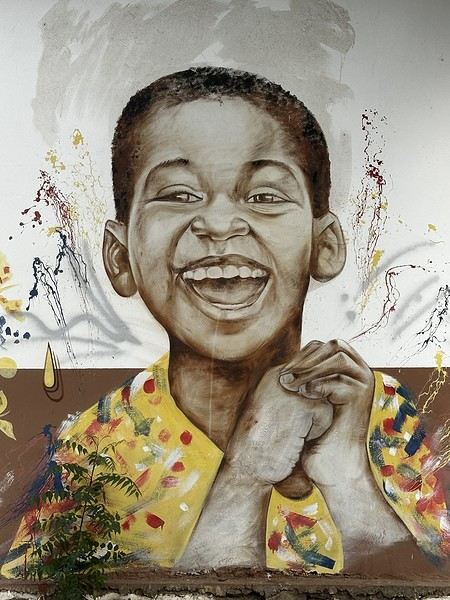
I particularly love these spontaneous trips, and our stay in Cape Verde is one of those because it was only at the beginning of April that we decided on this getaway, which had been catching our eye for a while, given our love for the mountains.
As always—well, when it’s open—I turned to VF, and I want to immediately thank Marie, aka ptitortue, who helped me a lot in planning this trip through her travel journals and our exchanges!
Because Cape Verde is both small and vast! We decided not to rush from one airport to another, to enjoy the places and the people, but also to relax, since the work backlog from being stuck in May (see my previous travel journal 😅) had to be caught up on in June.
So, 4 islands will be our winners from 06/28 to 07/19:
Santiago first for logistical reasons, as round-trip flights from the capital Praia were the cheapest (650 €/person from Lyon via Lisbon with TAP, still!)
São Vicente, because it’s the gateway to the next one but ultimately more than that...
Santo Antão, pretty much the main goal of the trip since Marie (and the photos) had really sold it to me.
And finally, Sal Island, for some rest—a non-negotiable condition for my other half—and we’ll see that I should’ve listened to Marie...
That said, what a chatterbox I am—buckle up, flight attendants at the doors, off we go on new beautiful escapes! (Thanks to Sophie for the easy loan)
Last note for my eager fan club 😏: yes, there will be alcohol—how could there not be in the land of grogue!
It starts here:
https://voyageforum.com/v.f?post=10790234;a=10790234
Langtang – Trekking in the Rain
We did the Langtang trek (hike) from September 10th to 17th, with the first and last days being the trip from Kathmandu and back—so 6 days of actual walking. It’s a fairly well-known trek but certainly not as famous or crowded as those in the Annapurna or Everest regions, which is why we chose it.
In theory, it’s mandatory to have a guide for this trek. In reality, it seems there are ways to bypass the regulations: we met at least two people hiking without a guide—a South Korean, a New Zealander, and possibly also a couple of English women and an American couple, though we’re not sure if they had a guide.
The agency we booked with had told us it was an affordable trek for relatively older people in good shape—which is our case (I’m 72 myself). I have to say upfront that we found it quite challenging, maybe because we didn’t have good weather—it was the end of the monsoon season. To be clear, no matter your fitness level, I’d say doing this trek in the middle of the monsoon season would be suicidal.
Day 1 – Journey from Kathmandu to Syapru Besi
On Monday, September 8th, there had been violent protests in Kathmandu against the government, which had, among other things, blocked access to social media and been accused of nepotism and corruption. There were 19 deaths. The situation was very tense on the day of our departure, Wednesday the 10th. The agency warned us that public transport was very unreliable. So, we decided to take a jeep, at an additional cost of $100 ($160 minus what was already budgeted for the bus).
We left a little before 7 a.m. and it took us a good hour just to reach the outskirts of Kathmandu. Along the way, we saw several houses and vehicles set on fire by protesters.
The road to Syapru Besi is only 120 km, but it’s frankly awful. It’s always narrow, winds through endless mountains, and the shoulders range from bad to confusing to nonexistent. Several sections are just dirt tracks. We didn’t regret opting for the jeep, as we could stop several times at our convenience—if only to let Y (my Thai partner) throw up everything she had. She’d taken her usual motion sickness medication, but the constant turns, accelerations, and braking eventually made her terribly carsick.
In Nuwakot, we stopped for breakfast at a nice little restaurant, Jimbu. It was around 8:30 a.m., and we’d barely covered 60 km. The restaurant has a lovely garden overlooking the Trishuli Ganga, the river flowing down from Syapru Besi. First photo: the river in the bottom right corner, mist and clouds over the mountain on the other side.
An hour later, my second photo: the hills along the Trishuli Ganga. You can see the different crops—lush green rice paddies in the lower right and corn, already yellowed and likely harvested, in the foreground on the left. And of course, the mist and clouds through which you can glimpse the mountain on the other side of the river.
In theory, it’s mandatory to have a guide for this trek. In reality, it seems there are ways to bypass the regulations: we met at least two people hiking without a guide—a South Korean, a New Zealander, and possibly also a couple of English women and an American couple, though we’re not sure if they had a guide.
The agency we booked with had told us it was an affordable trek for relatively older people in good shape—which is our case (I’m 72 myself). I have to say upfront that we found it quite challenging, maybe because we didn’t have good weather—it was the end of the monsoon season. To be clear, no matter your fitness level, I’d say doing this trek in the middle of the monsoon season would be suicidal.
Day 1 – Journey from Kathmandu to Syapru Besi
On Monday, September 8th, there had been violent protests in Kathmandu against the government, which had, among other things, blocked access to social media and been accused of nepotism and corruption. There were 19 deaths. The situation was very tense on the day of our departure, Wednesday the 10th. The agency warned us that public transport was very unreliable. So, we decided to take a jeep, at an additional cost of $100 ($160 minus what was already budgeted for the bus).
We left a little before 7 a.m. and it took us a good hour just to reach the outskirts of Kathmandu. Along the way, we saw several houses and vehicles set on fire by protesters.
The road to Syapru Besi is only 120 km, but it’s frankly awful. It’s always narrow, winds through endless mountains, and the shoulders range from bad to confusing to nonexistent. Several sections are just dirt tracks. We didn’t regret opting for the jeep, as we could stop several times at our convenience—if only to let Y (my Thai partner) throw up everything she had. She’d taken her usual motion sickness medication, but the constant turns, accelerations, and braking eventually made her terribly carsick.
In Nuwakot, we stopped for breakfast at a nice little restaurant, Jimbu. It was around 8:30 a.m., and we’d barely covered 60 km. The restaurant has a lovely garden overlooking the Trishuli Ganga, the river flowing down from Syapru Besi. First photo: the river in the bottom right corner, mist and clouds over the mountain on the other side.
An hour later, my second photo: the hills along the Trishuli Ganga. You can see the different crops—lush green rice paddies in the lower right and corn, already yellowed and likely harvested, in the foreground on the left. And of course, the mist and clouds through which you can glimpse the mountain on the other side of the river.
Trip to Israel / Holy Land in 2022
For once, given the destination, the author can’t set aside their religious beliefs, which inevitably shape this kind of journey.
The Trip
Early in the morning at Orly Airport, in the departure lounge for Tel Aviv, a group of about forty young men arrives, all looking identical! The same neatly trimmed beards, the same identical haircuts, the same outfits with a touch of whimsy… The effect of seeing these forty “clones” is striking and raises questions! Why such perfect uniformity among this group of guys? Do they belong to the same family, sports club, cultural association, or religious group? A mystery! At the same time, the waiting area fills up with men who are more expected, given our destination: they wear large felt hats and dress in black suits with white shirts—Hassidim? The ones I’ve glimpsed fleetingly in Paris or New York, who have always been a mystery to me. More discreet-looking women accompany them.
I’m already in Israel without even setting foot there! Plus, I witness the preparations for an improvised show.
The “clones” start a flash mob at seven in the morning in a Paris airport departure lounge! Some pull out musical instruments, others begin singing and dancing. A music with strange, unfamiliar sounds enchants the waiting passengers.
The flight crew finally arrives, cutting through the flash mob, bringing us back to the reality of the moment: waiting to take off soon for this so troubling and mysterious Middle East. We go through passport control, presenting our faces to the scanners that operate the exit gate. The group of “identical” young men gets held up by the system: logically, a scanner let the first one through but blocked the second because of his perfect resemblance to the first. To the machine, the same person shouldn’t be able to cross the border twice? But eventually, the whole group makes it through the glass doors, leaving the Republic behind. My simplistic explanation is left looking ridiculous.
At every new destination, I ask myself countless questions, revealing a certain anxiety tied to the unknown: fear of attacks (one just happened at a bus station in Jerusalem), possible police pressure, unexpected events. Israel isn’t known for being a relaxing destination. In reality, if I did face a serious difficulty in this country, it wasn’t one I had anticipated—and it wasn’t particularly tied to Israel!
I take my seat by the window, which is already occupied by a little girl. Her father, a Hassidic man, politely asks if I’d be willing to give up my seat for his daughter. I tell him I’d be happy to make her happy. Seeing me masked, he asks if I’d like him and his daughter to wear masks too. In response, I take off my mask so as not to impose any constraints on them and wish them a good flight.
It was the first time I’d approached and spoken to a Hassidic man. He didn’t speak the way I might have expected after watching *Rabbi Jacob* with Louis de Funès; he spoke perfectly without an accent, just like you and me! Beware of stereotypes! Throughout the flight, I sneak glances at my strange neighbor: he prayed silently without stopping for a minute. His daughter, as good as gold, never interrupted him. He used several religious accessories during his three-hour continuous prayer: a kippa, a prayer shawl, and a rosary?… I left that plane deeply impressed, me, who has a very distant relationship with my Creator and only prays now and then.
The Trip
Early in the morning at Orly Airport, in the departure lounge for Tel Aviv, a group of about forty young men arrives, all looking identical! The same neatly trimmed beards, the same identical haircuts, the same outfits with a touch of whimsy… The effect of seeing these forty “clones” is striking and raises questions! Why such perfect uniformity among this group of guys? Do they belong to the same family, sports club, cultural association, or religious group? A mystery! At the same time, the waiting area fills up with men who are more expected, given our destination: they wear large felt hats and dress in black suits with white shirts—Hassidim? The ones I’ve glimpsed fleetingly in Paris or New York, who have always been a mystery to me. More discreet-looking women accompany them.
I’m already in Israel without even setting foot there! Plus, I witness the preparations for an improvised show.
The “clones” start a flash mob at seven in the morning in a Paris airport departure lounge! Some pull out musical instruments, others begin singing and dancing. A music with strange, unfamiliar sounds enchants the waiting passengers.
The flight crew finally arrives, cutting through the flash mob, bringing us back to the reality of the moment: waiting to take off soon for this so troubling and mysterious Middle East. We go through passport control, presenting our faces to the scanners that operate the exit gate. The group of “identical” young men gets held up by the system: logically, a scanner let the first one through but blocked the second because of his perfect resemblance to the first. To the machine, the same person shouldn’t be able to cross the border twice? But eventually, the whole group makes it through the glass doors, leaving the Republic behind. My simplistic explanation is left looking ridiculous.
At every new destination, I ask myself countless questions, revealing a certain anxiety tied to the unknown: fear of attacks (one just happened at a bus station in Jerusalem), possible police pressure, unexpected events. Israel isn’t known for being a relaxing destination. In reality, if I did face a serious difficulty in this country, it wasn’t one I had anticipated—and it wasn’t particularly tied to Israel!
I take my seat by the window, which is already occupied by a little girl. Her father, a Hassidic man, politely asks if I’d be willing to give up my seat for his daughter. I tell him I’d be happy to make her happy. Seeing me masked, he asks if I’d like him and his daughter to wear masks too. In response, I take off my mask so as not to impose any constraints on them and wish them a good flight.
It was the first time I’d approached and spoken to a Hassidic man. He didn’t speak the way I might have expected after watching *Rabbi Jacob* with Louis de Funès; he spoke perfectly without an accent, just like you and me! Beware of stereotypes! Throughout the flight, I sneak glances at my strange neighbor: he prayed silently without stopping for a minute. His daughter, as good as gold, never interrupted him. He used several religious accessories during his three-hour continuous prayer: a kippa, a prayer shawl, and a rosary?… I left that plane deeply impressed, me, who has a very distant relationship with my Creator and only prays now and then.
Hitchhiking in the 70s-80s
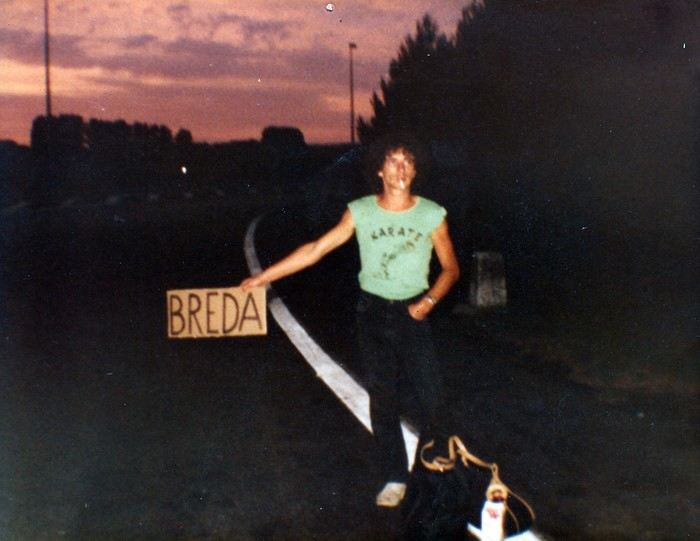
“Hey, your Marker... - My Marker? - The one you used to make hitchhiking signs.”
The marker in question is sitting proudly on the kitchen table. Marielle found it at the bottom of a moving box.
I’ve been meaning to tell the long story of my love affair with hitchhiking for years. Here we go.
To be honest, I’m not quite sure when it started. My earliest memory goes back to a fair with a bike race in my maternal grandparents’ village. I was with my cousin, my little sister, and three girl cousins. There were six of us, ages ranging from six or seven to thirteen or fourteen. Our parents stayed at the fair, and we’d had enough. So we decided to walk home. Only it was four kilometers away. So we hitchhiked. A guy driving an old car picked us all up and dropped us off at the farm. He probably found it amusing to see us thumbing a ride by the side of the road, but maybe it also worried him a bit. With everything you read in the papers...
Around fifteen or sixteen, I started hitchhiking regularly, alone or with a friend, to go to the nearby town. But it was especially when I started boarding school in Orléans that it became more regular. The first year, I’d leave Monday morning and come back Saturday noon by bus. It was an old, uncomfortable bus where we froze in winter. To make matters worse, I often got motion sickness if, as was too often the case, I ended up sitting in the back. In the spring, a high school friend suggested I hitchhike back. It meant a slight detour, but the advantage was taking only national roads.
So that’s how, from the end of tenth grade to twelfth grade, I’d thumb a ride every Saturday on the Pont de Bourgogne. Drivers were used to seeing young people hitchhiking, and it worked pretty well. Our biggest fear? Soldiers! At that time, military service was still mandatory, and on weekends, it wasn’t rare to see them competing with us. They’d keep their uniforms on to go home. That gave people confidence—with everything you read in the papers—and they’d rarely wait more than five minutes. We, with our long hair, were definitely less popular. From time to time, three big red-faced guys in a van coming back from a construction site would flip us off, yelling things like “go get a haircut, you bums!” Those were the good old days.
We still had a good laugh, though. Patrice, the friend I’d hitchhike back from school with on Saturdays, is a musician—I’d later discover he’s an excellent composer. A die-hard Beatles fan, he knows their repertoire by heart and spends his time singing at the top of his lungs while we thumb a ride. One Saturday late morning, we’d been waiting for a while at the exit of Châteauneuf-sur-Loire when a little lady came up to him and asked if he could please sing a little quieter: a baby was sleeping in the house. He put on the most sorry face: “Oh, sorry ma’am, we didn’t realize.” No sooner had the lady gone back inside than he started again. Luckily, a car stopped just then, sparing me the embarrassment of seeing the lady come back out.
Saturday was also the day when the cigarette pack was dangerously low. So before leaving, we’d go buy some “Parisiennes,” the “P4s” as we called them back then. They were slightly thinner cigarettes with a mix of tobacco scraps. Sometimes they tasted like light tobacco, sometimes like dark. Not great, but by the end of the week, our pocket money was gone. They were sold in small packs of four, hence the name P4. We’d only pay 20 centimes. On Saturdays, it was rare for the two of us to manage to scrape together 1.50 F to buy a whole pack of Gauloises...
The last twenty kilometers, I’d usually do alone, Patrice having reached his destination. From time to time, luck would smile on me: an acquaintance would just happen to pass by and stop. One January Saturday, at the exit of Gien, I ran into another guy from Argenton whom I knew a little. That day, the weather was nice, but the temperature was well below zero. It was around noon, and it was the off-peak hour. We were shivering, stamping our feet by the side of the road, when a Citroën “Tube” arrived: it was his father’s boss’s, a mason. They were both sitting in the front, but since they were obese, they had us climb onto the open back. Even though we huddled against the cab to shelter from the wind, the twenty kilometers felt very long, especially since we were only going sixty kilometers an hour. Our hands and cheeks were blue when we finally arrived.
The year I took my baccalaureate, a friend with a 2CV would take me Monday mornings with one or two others we’d pick up in nearby villages. We’d share the gas costs, but it was still cheaper than the bus. And in winter, the bus was my nightmare. You had to get up at five to catch it at six. Not enough sleep, and outside it was freezing or raining—or both. The 2CV was luxury. Plus, Philippe would pick me up at home. On the other hand, since I didn’t have class Saturday mornings—well, I did, but we only had PE the first two hours and nothing after—I’d skip class and slip out right after breakfast to thumb a ride at the Pont de Bourgogne.
Those three high school years were formative in this optional subject that was hitchhiking. Little by little, I learned the rules of the game. First, you shouldn’t walk along the road while thumbing. Cars go too fast and can’t stop easily. Accepting a ride that’s too short is also a no-go. The guy who offers to take you a little way but drops you off at some vague crossroads in the middle of nowhere? No thanks. You need to get dropped off in a town. If it’s a fairly big city, you often have to cross it from one end to the other, but it’s better. At the exit, you have to choose your spot well. Actually, you have to put yourself in the driver’s shoes: they need to see you early enough, not be going too fast, and be able to stop easily without risking an accident. So when leaving a city, it’s better not to go too far. It’s wiser to find a spot where cars go slowly and can stop easily. And preferably near a café. The café is for when you still have a few coins for a coffee and need to warm up. From time to time, you’d run into someone nice who’d make a detour to drop you off at a better spot to start again. Finally, if possible, avoid hitchhiking on Sundays. Cars are packed with whole families who, most of the time, aren’t going far. And then there’s the little worry of those people who rarely leave home: with everything you read in the papers...
During those high school years, it was only short trips, rarely exceeding a hundred kilometers. Later, I aimed bigger, and things were a bit different. In 1973-74, I crossed part of France for the first time on two or three occasions, coming back from the German border or returning to Bordeaux, where we lived briefly. Since there weren’t many highways back then, we took national roads. It was during these trips that I realized it was better to leave in the evening. As I said earlier, Sunday is to be avoided, but on weekdays, there’s another problem: if you leave in the morning, you only make short hops. First, it often takes longer to get going because drivers are people going to work nearby. Which brings us back to those who drop you off in a bad spot, far from everything. There, you have to know how to refuse. You thank the driver for stopping—oh, if only everyone could be like you—while explaining why you’d rather stay put. People don’t take offense, by the way. Those who pick up hitchhikers often hitchhiked themselves when they were in the military or before they had a car. In the late afternoon, you’d often run into salespeople or truckers, in other words, people who drive a lot. At that time, salespeople no longer had appointments and were more relaxed. They wanted to talk about something other than the merits of their products. On the radio, it was time for *Les Grosses Têtes*. You’d also quite often run into small business owners, professionals, or even hippies. The conversations were pleasant and often enriching. A little later in the evening, truckers would take over. They’d already driven a few hundred kilometers, and the depot or customs was still far away. So they’d gladly take a hitchhiker to stay awake at the wheel and chat. The radio with Max Ménier’s show *Les routiers sont sympas*, you’d eventually get tired of it. So a hitchhiker was a change. Others, who’d hit the road at midnight to be at their destination by morning, were nice and offered to let you lie down on the bunk while they drove. When you’d been hitchhiking since six in the evening, freezing in the wind between two vehicles, you weren’t unhappy to take a little nap.
Speaking of Max Ménier, he’d often make announcements for hitchhikers. One evening, I called him. It was getting late, and I still had quite a way to go. No luck: the show had ended for good the day before!
In short, it’s better not to rush, sleep in, and leave after lunch, or better yet, in the late afternoon. Obviously, I’m talking about when you have several hundred kilometers to cover. That’s when you have to play it pro.
First thing, especially at night, but it also applies in the middle of summer when the light is blinding: dress to be seen from far away. I’ll admit I have an advantage over most other hitchhikers: I’m small and don’t scare people. To balance that out, racist drivers often take me for an Arab and are less likely to pick me up, but overall, the balance tips in my favor. Back to the need to be seen: at night, I wear light-colored clothes. In headlights, you can see me from far away.
Second thing: travel light. Forget the big backpack with a frame. Drivers don’t always have room in the trunk or on the back seat, especially if it’s rained and the ground is wet. Plus, it forces them to get out of the car. If they’re nice enough to pick up a hitchhiker, you shouldn’t ask for too much either.
Third thing: bring a cardboard sign and a big marker—like the ones in the photo at the start of this post—to write the name of your destination. In the early 80s, I ran a tourist house in the Cher, but I lived in the Netherlands. In the off-season, it was only open on weekends. On Fridays, I’d leave Holland and return on Mondays. 1200 km round trip. On the way there, in Paris, I’d stand at Porte de la Chapelle. At that spot, the road is very wide, and drivers could stop easily. Obviously, on the sign, I didn’t write Eindhoven, which not everyone knows, and even less Amsterdam because of its seedy reputation. In that case, you’d expect to see a police car stop and two officers in kepis ask for your papers. So as a first destination, I’d write Compiègne. We were well out of Paris, and since it wasn’t too far, a trucker or salesperson was less reluctant to stop. Once past Compiègne, I’d take out my Lille sign. Once in Belgium, it wasn’t really necessary to use a sign anymore, since everyone was going in the same direction. Usually, the guy who picked me up at Porte de la Chapelle would say he wasn’t going far but could take me a little way. Before that, I’d still ask if there was a gas station on the highway where he could drop me off before exiting. While talking, the guy would realize he wasn’t dealing with a dangerous criminal. He’d pretend to check his watch, think for a moment, then say that actually, he was going to Belgium and could take me to the border or a little beyond. To leave Paris on the way back, I’d take the train to Melun, where it was easier to hitchhike than at Porte d’Italie.
Over all those years, I think I was pretty lucky. Or maybe philosophical enough not to imagine a car would stop after a few minutes. An hour’s wait was average. Sure, I sometimes waited three, four, or five hours. Most often at odd hours and in terrible weather. When it doesn’t work, it doesn’t work. But there’s always a moment when things pick up. Sure, when you’re soaked in freezing rain in the early morning after a sleepless night, you’re less philosophical than when I’m writing these lines comfortably at my computer, but it still holds true.
Earlier, I mentioned clothing and the importance of being well-rested before leaving. When you’ve eaten well and just gotten out of the shower, shaved, you’re in a better mood. And somehow, drivers sense it. Or at least, that’s the impression I’ve always had. It’s better to look in shape than disgusted at standing there, half-heartedly thumbing a ride. In short, when I’d start to get fed up with waiting, I’d go into the first café I saw for a coffee. Coming back out, I’d be refreshed, and most of the time, a car would stop within minutes. I’ve often said that when I stood by the side of the road thumbing a ride, I felt a bit like a gambler in front of a slot machine. It was a matter of giving luck a chance. And well, it worked out pretty well.
Then, there are countries where hitchhiking works really well and others where it’s harder. In the 70s-80s, it worked best in Germany and England. In the late afternoon, it wasn’t rare to be invited for tea. Well, that was in England. Tea meant being offered room and board. In Germany, they’d offer you coffee. Once there, they’d first show you the guest room and point out the bathroom before sitting you down in front of a big plate of cold cuts. In the evening, they’d go out in town, and the next morning, they’d usually drop you off at a good spot for hitchhiking. On the other hand, in Mediterranean and Scandinavian countries, you’d better be patient. In Spain or Italy, it’s better to take the train, which was dirt cheap back then. However, if you’re a couple traveling light, it’s already easier in most countries.
In 1982, I went on a trip around Turkey with my girlfriend. We only had two small bags, which was plenty. It was November-December, and we wore our warm, bulky clothes. Leaving Eindhoven at nine in the morning, we arrived in Graz, near the Yugoslav border, at eleven at night. 1300 km in a day! In just four or five vehicles. One to the German border, about fifty kilometers from Eindhoven, the second to Hagen in the Ruhr, the third to Salzburg, and the last to Graz at the Yugoslav border. Record broken. During the night crossing of Yugoslavia, we ran into a trucker close to retirement who lent us the truck’s bunk. So we arrived fresh and rested near Skopje the next morning. We continued to Thessaloniki in northern Greece before taking the train to Istanbul. In Turkey, we traveled a good part of the country by hitchhiking too. With truckers in old, overloaded, slow trucks that climbed hills at fifteen kilometers an hour, but also in cars where five or six people were already crammed in. And every time, we were invited for tea. Once, we were even picked up by a big shot in his Mercedes with a chauffeur. Until then, the average speed was around fifty kilometers an hour. There, we were going two hundred. On a national road, not a nice European highway.
I’ve also hitchhiked in Nepal, from Lumbini, Buddha’s birthplace, to a village on the way to Pokhara. It must have been midday. No bus until the next day. I gave it a try. A small truck overloaded with rice sacks, with two or three young people already perched on top, stopped. I rode on the roof of the cab. At fifty kilometers an hour when it was going well, with a breathtaking view. Coming back from India, I also crossed part of Iran by hitchhiking, from Tehran to the Turkish border. I did this trip with an Austrian I met at the hotel who, like me, had to watch his pennies. We gave it a shot. There was almost no traffic, but to our great surprise, the first car that passed in the area would always stop. They’d just ask for a modest contribution for gas, and it cost next to nothing.
Sometimes, you get scared too. After leaving Turkey in early December 82, we spent about two weeks in the southern Peloponnese harvesting olives. A few days before Christmas, we hitchhiked back to Holland. A girl picked us up in her little Fiat 500. We were driving on a mountain road, and that morning there was a bit of black ice. After crossing a pass, we saw the old Ford Taunus ahead of us at fifty meters start to skid. The driver let out a “heeee!” while grabbing my knees. I reflexively grabbed the wheel. Finally, the Taunus got back on track. And we didn’t swerve. But those few seconds felt very long.
In January 77, while I’d been living in Germany for a few months, I decided to spend a few days in Italy. By hitchhiking, of course. I left in the early afternoon, and by ten at night, I wasn’t far from Frankfurt. I saw a big Mercedes stop. The four or five young people crammed inside were listening to Schlager at full volume. Beer cans littered the floor. They didn’t have a precise destination, and as long as they were going south, that was fine with me. They’d finished their military service that very day and had clearly already celebrated their discharge. The driver was going 160, zigzagging dangerously from one side of the highway to the other. I should have realized he wasn’t entirely sober either. Luckily, there was almost no traffic. Finally, I managed to get dropped off at a gas station just before Frankfurt, relieved. I hope their trip didn’t end tragically.
Another time, coming back from Holland with my wife, we were picked up early in the morning near Senlis by two guys from Lille. They were going to work near Tours and could drop us off at Porte d’Italie. Apparently, they were coworkers but barely knew each other. The driver offered us a beer—at six in the morning, sure!—before opening another can for himself. He was clearly having trouble staying in the right lane. We politely declined, the passenger too. Everyone was tense. Luckily, it was rush hour on the ring road, and we were going slowly. When we got out of the car, the passenger said goodbye with the look of a guy being offered the condemned man’s rum and cigarette.
Finally, there are the annoying remarks from drivers who are either gay when you’re alone or turned on by the sight of your girlfriend when you’re a couple. In those cases, I’d get in the back so the guy wouldn’t feel too confident. And if the conversation got a little too suggestive, we’d deflect until we got dropped off.
And luckily, there are the times, not so rare after all, when you run into really nice people who invite you to eat and sleep at their place and drive you to a good spot the next morning. In Germany and England, that was common. And then there are the big strokes of luck, like during our trip to Turkey when we crossed most of Germany in one car, or that other time when some Germans drove me from the exit of Geneva all the way to the Costa Brava.
Going back to “with everything you read in the papers” and its variant “with everything you see on TV”—and now on the internet—it’s always left me perplexed. Personally, I’ve never heard of hitchhikers assaulting drivers, even if it may have happened. On the other hand, what was most common were hitchhikers being assaulted, especially girls. Anyway, even armed, it seems a bit stupid to assault the driver—wouldn’t that risk causing an accident?
Finally, since that time, I’ve occasionally wanted to hitchhike somewhere far away in France. Most often, too busy with work, it never happened, but the nostalgia hasn’t completely disappeared.
* * *
Other Hitchhikers
And then one day, I... settled down to become a driver myself. Ten years had passed, and you saw fewer and fewer hitchhikers. Or maybe I saw fewer because I had a regular job and wasn’t traveling the same way. And then I understood a few things.
Several times, I was tempted to pick up a hitchhiker, but they didn’t meet the required conditions. They were walking along the road instead of staying at the exit of the previous town. Hard to stop without risking an accident. Or the guy looked really scruffy. Or he was sulking, if not both. Then you think of that famous “with everything you read in the papers.” Not that I was scared, but unfortunately, the few hitchhikers I did pick up later were rarely interesting.
A few years ago, we picked up a young guy at the exit of a small town in Sologne. Not an easy spot for hitchhiking. Bad luck, he was a pretentious little jerk. He was barely 20 or 25 and talked like a bitter old man. He was a waiter in a restaurant. According to him, it was lucky he was there, otherwise the boss would have closed up shop long ago. You’d think he had thirty or forty years of professional experience behind him. As we approached Blois, he started ranting about Arabs, blaming them for all evils. And he laid it on thick. That morning, we were going to a teenager’s funeral who had just committed suicide, so he really got on our nerves, Mr. Know-It-All. Out of anger, I dropped him off next to a shopping center a few kilometers from downtown. Not nice, but it felt good.
Some time ago, we were driving around the Limousin on a Sunday to try out the used Twingo we’d just bought. We picked up a guy in his forties. A German who spoke French well. He started talking about the environment. He was a green Khmer. He got worked up all by himself with his pseudo-eco rant and, after a few kilometers, was almost yelling at us. As we were about to leave the main road for a small one, I dropped him off at a crossroads in the middle of nowhere. Normally, I would have made a little detour to take him to a better spot, but this time, I didn’t feel like doing the... eco-warrior a favor.
On the other hand, I’ve still done my good deed a few times. One June morning, coming back from Orléans, I saw a man in his sixties hitchhiking. The poor guy had had a rough time. He was from Montpellier and was coming back from Caen, where he’d been promised a job. Once there, they bluntly told him the position was already taken, and he had to go back. Except he didn’t have enough money left for the train. He’d spent the night hitchhiking without success. I could only take him as far as Lamotte-Beuvron, where I dropped him off near the fire station. Apparently, there was some vague shelter there or something, but it only opened a few hours later. In the meantime, he settled on the grass in a corner to sleep a little. While he was doing that, I quickly went to the train station to check the price of a ticket to Montpellier. It was within my means. Since he was sound asleep, I slipped the train ticket and 100 francs into his pocket. I couldn’t imagine him continuing to hitchhike all the way to Montpellier. And I bet he didn’t even have a piece of cardboard and a marker!
When we go to Brazil, we usually rent a small car. One day, we were coming back from Paracuru to Fortaleza when we saw a whole family hitchhiking. Two adults and two or three small children. Here near the equator, the sun sets very quickly, and it would soon be night. There was little traffic, and trucks wouldn’t stop because there was no room in the cab. As for the rich people driving big 4x4s, they wouldn’t stoop to picking up the lower classes. The only hope for this kind of family was usually a farmer or artisan who’d let them ride in the back of his pickup. Obviously, they were a bit surprised to see us. Everyone crammed in as best they could in the back of our little car. When we dropped them off, we got a whole string of “Deus lhes abençõe”—God bless you.
Still in Brazil, we were on the road from Barreirinhas to São Luís do Maranhão. About 150 km of deserted road with an isolated mud house here and there. A young woman flagged us down. She was very pregnant and had to get to the clinic twenty or thirty kilometers away to give birth. Someone was supposed to drive her, but the first signs of labor started earlier than expected, and the driver was unavailable. Even driving fast, we weren’t feeling great: it would be just our luck if she gave birth in the car!
Today, we’re in the age of smartphones and carpooling apps. Safety. With everything you see on TV... Three or four years ago, we signed up on a platform. Our first, and only, “client” was a little jerk who didn’t say a word the whole trip. No hello, no goodbye, and certainly no thank you. The next day, we found his Ray-Bans in the car. We didn’t run after him to give them back. Ha!
September 2025 Contest Discussion: World Signs
For the contest, it's here !
Yet Another Travel Journal in this (Too) Familiar Rajasthan, But with Family and Kids
Prologue
This journal recounts a trip to Rajasthan that’s already over a year old and that I’ve only now found the chance to write about. The summer of 2024 marked my return to India—my tenth trip—after six long years away since my last solo wanderings in Tamil Nadu in 2018 (the journal of which is published on this site). That absence was partly (but not only) due to the long COVID and post-COVID period, which saw a complete halt and then a major slowdown in global tourism. To top it off, Voyage Forum announced its closure in an end-of-the-world atmosphere. A sad time for our favorite social activity…
A few weeks after returning from Rajasthan, I tried to motivate myself to start writing a journal to publish on a forum claiming to be VF’s successor, which I’d eventually signed up for out of desperation. But I kept hesitating and putting the project off because, for one, I no longer have the time I used to. For another, the vibe wasn’t really taking off on that forum—it was overrun with ads and not very active, contrary to what its host’s name suggested. Despite its good intentions and commendable role as a stopgap, it also turned out to be very impractical to use, especially when you don’t have much time like me. I’ll admit I’d occasionally check back on VF to see if anything was happening. But all the discussions remained frozen in time, stuck in that fateful year, 2020. Then, rumors swirled online about shady reasons behind its closure, leaving little room for hope.
And then, one fine morning, I got a message at work from Marien informing me that VF had reopened. What a huge surprise! Even though the forum’s “end” had played out in a somewhat apocalyptic atmosphere, the memories of passionate and heated discussions, the frank debates, and the useful exchanges that made this site a traveler’s goldmine and a unique hub of conviviality all came rushing back to me like a breath of fresh air. I finally saw a sign and tried to motivate myself to find the time to publish the journal of this tenth trip to India and fifth to Rajasthan. But in the end, I got bogged down in professional and family obligations and never managed to find the time to get started. That’s now fixed, though, because I had two reasons for wanting to do it: I find that looking back on a trip to tell others about it is a highly beneficial introspective exercise. Also, I thought this journal could be useful to other travelers on a few points.
Because, “do we really need yet another journal about Rajasthan?” you might rightly ask! Especially in a time when so many journals about the “Land of Kings” have been published since VF’s return, not to mention the countless stories you can already find online about this region, one of India’s most touristy. And I’d add, why go back to Rajasthan for a fifth time, where I’ve already dragged my feet more than enough—through its forts, deserts, temples, cities, villages, bumpy roads, train stations, tasty street food stalls, cheap guesthouses, and more? Where some might see just another overhyped tourist destination full of the same old *Arabian Nights* clichés, worn to a thread, that I mentioned earlier, when there’s so much else to see in India? Well, first because it’s a magnificent country I never tire of, where I started an academic study and made so many connections. It’s also packed with places where you won’t find a single tourist (right, Marie-Jo?), even in the heart of well-trodden paths and classic itineraries. And most importantly, as I said earlier, things have changed in recent years. First, after six years without traveling far, the urge to go back to India was getting stronger. But this time, no more solo trips (often) or duo adventures (sometimes)—now it’s a team of four that has to come along! And even if you can argue with that, what better place than Rajasthan to introduce India to people who’ve never seen it? To kids you want to amaze? Plus, traveling with your new little family to your favorite country isn’t the same as going solo in often spartan conditions that only affect you. It’s a different challenge, but ultimately probably much harder. So, is it really reasonable to take two kids to India, including a two-year-old baby? That’s one of the main goals of this journal (but not the only one)—to try to answer that question.
As you can tell, it’s not so much the destination but the slightly unusual setup of this trip that, in my opinion, will make this journal interesting. Despite my experience and expertise (yes, I dare say it) in India, there were plenty of questions before we finalized the plan and said, “Alright, let’s go!” The questions were flying for us parents. Is it wise to travel to India with a two-year-old? What would we do (it happened) if the kids got very sick? Would they be able to handle a road trip on Rajasthan’s bumpy, dusty roads using public transport? Could they handle the shock of such a different world—the dirt, poverty, pollution, noise (…and the smell, as they say), the spicy food, monkeys, mosquitoes, snakes, tigers, leopards, and so on? In short, all the clichés that I usually joke about suddenly became potential realities. Another concern: as a mixed Franco-African family (not me, but my partner and her oldest), wouldn’t we risk not always being well received, given what you sometimes hear about that in India? How would Indians react to seeing a mixed-race family, the ultimate taboo in a country of purity and social segregation, which would undoubtedly raise many questions for them? Of course, not everything went as expected… Because, as you know, with India—and what makes it charming for some—there are always complications: sometimes where you don’t expect them… and sometimes where you do. I’ll go into detail about that in the journal to come (not right away) and in the final review (even later). These experiences could be useful to travelers who find themselves in similar situations and have the same questions we did before embarking on such a journey. And maybe it’ll spark the curiosity of those who aren’t concerned and will read yet another Rajasthan journal, but with its own unique twists.
Despite my unchanged constraints, which mean I have little time to write this, I don’t want to rush the story, so I’ll take my time. There will probably be lulls. I hope that won’t stop people from coming to react, debate, share their impressions, or ask for information.
This journal recounts a trip to Rajasthan that’s already over a year old and that I’ve only now found the chance to write about. The summer of 2024 marked my return to India—my tenth trip—after six long years away since my last solo wanderings in Tamil Nadu in 2018 (the journal of which is published on this site). That absence was partly (but not only) due to the long COVID and post-COVID period, which saw a complete halt and then a major slowdown in global tourism. To top it off, Voyage Forum announced its closure in an end-of-the-world atmosphere. A sad time for our favorite social activity…
A few weeks after returning from Rajasthan, I tried to motivate myself to start writing a journal to publish on a forum claiming to be VF’s successor, which I’d eventually signed up for out of desperation. But I kept hesitating and putting the project off because, for one, I no longer have the time I used to. For another, the vibe wasn’t really taking off on that forum—it was overrun with ads and not very active, contrary to what its host’s name suggested. Despite its good intentions and commendable role as a stopgap, it also turned out to be very impractical to use, especially when you don’t have much time like me. I’ll admit I’d occasionally check back on VF to see if anything was happening. But all the discussions remained frozen in time, stuck in that fateful year, 2020. Then, rumors swirled online about shady reasons behind its closure, leaving little room for hope.
And then, one fine morning, I got a message at work from Marien informing me that VF had reopened. What a huge surprise! Even though the forum’s “end” had played out in a somewhat apocalyptic atmosphere, the memories of passionate and heated discussions, the frank debates, and the useful exchanges that made this site a traveler’s goldmine and a unique hub of conviviality all came rushing back to me like a breath of fresh air. I finally saw a sign and tried to motivate myself to find the time to publish the journal of this tenth trip to India and fifth to Rajasthan. But in the end, I got bogged down in professional and family obligations and never managed to find the time to get started. That’s now fixed, though, because I had two reasons for wanting to do it: I find that looking back on a trip to tell others about it is a highly beneficial introspective exercise. Also, I thought this journal could be useful to other travelers on a few points.
Because, “do we really need yet another journal about Rajasthan?” you might rightly ask! Especially in a time when so many journals about the “Land of Kings” have been published since VF’s return, not to mention the countless stories you can already find online about this region, one of India’s most touristy. And I’d add, why go back to Rajasthan for a fifth time, where I’ve already dragged my feet more than enough—through its forts, deserts, temples, cities, villages, bumpy roads, train stations, tasty street food stalls, cheap guesthouses, and more? Where some might see just another overhyped tourist destination full of the same old *Arabian Nights* clichés, worn to a thread, that I mentioned earlier, when there’s so much else to see in India? Well, first because it’s a magnificent country I never tire of, where I started an academic study and made so many connections. It’s also packed with places where you won’t find a single tourist (right, Marie-Jo?), even in the heart of well-trodden paths and classic itineraries. And most importantly, as I said earlier, things have changed in recent years. First, after six years without traveling far, the urge to go back to India was getting stronger. But this time, no more solo trips (often) or duo adventures (sometimes)—now it’s a team of four that has to come along! And even if you can argue with that, what better place than Rajasthan to introduce India to people who’ve never seen it? To kids you want to amaze? Plus, traveling with your new little family to your favorite country isn’t the same as going solo in often spartan conditions that only affect you. It’s a different challenge, but ultimately probably much harder. So, is it really reasonable to take two kids to India, including a two-year-old baby? That’s one of the main goals of this journal (but not the only one)—to try to answer that question.
As you can tell, it’s not so much the destination but the slightly unusual setup of this trip that, in my opinion, will make this journal interesting. Despite my experience and expertise (yes, I dare say it) in India, there were plenty of questions before we finalized the plan and said, “Alright, let’s go!” The questions were flying for us parents. Is it wise to travel to India with a two-year-old? What would we do (it happened) if the kids got very sick? Would they be able to handle a road trip on Rajasthan’s bumpy, dusty roads using public transport? Could they handle the shock of such a different world—the dirt, poverty, pollution, noise (…and the smell, as they say), the spicy food, monkeys, mosquitoes, snakes, tigers, leopards, and so on? In short, all the clichés that I usually joke about suddenly became potential realities. Another concern: as a mixed Franco-African family (not me, but my partner and her oldest), wouldn’t we risk not always being well received, given what you sometimes hear about that in India? How would Indians react to seeing a mixed-race family, the ultimate taboo in a country of purity and social segregation, which would undoubtedly raise many questions for them? Of course, not everything went as expected… Because, as you know, with India—and what makes it charming for some—there are always complications: sometimes where you don’t expect them… and sometimes where you do. I’ll go into detail about that in the journal to come (not right away) and in the final review (even later). These experiences could be useful to travelers who find themselves in similar situations and have the same questions we did before embarking on such a journey. And maybe it’ll spark the curiosity of those who aren’t concerned and will read yet another Rajasthan journal, but with its own unique twists.
Despite my unchanged constraints, which mean I have little time to write this, I don’t want to rush the story, so I’ll take my time. There will probably be lulls. I hope that won’t stop people from coming to react, debate, share their impressions, or ask for information.
Another side of my trip to Thailand: Villages, nature, countryside, mountains...
February 9th is a pivotal day during my trip to Thailand. Up until this date, my focus had been on cities, temples, and other urban landmarks. Starting February 10th, I’ll finally leave the city behind for the outskirts—one town, one life, farther from tourism, more real, more authentic... Then comes the bucolic surroundings of Chiang Mai, nature, the countryside, the mountains.
This morning, I head to visit the ethnographic museum. I’d been told about another one, but it’s permanently closed. I wonder if it’s the same one that might have changed its name and location.
I thoroughly enjoy visiting this museum. At first, I’m a bit annoyed because the place is packed with noisy school groups blocking the display cases without even showing the slightest interest. But soon, their chaperones manage to lead them into another room, giving me some peace. They maintain this distance throughout the tour, allowing me to explore the museum in complete tranquility. I really appreciate their tact.
I’m amazed by the absolutely stunning fabric displays and the countless everyday objects, especially the very old pottery. There’s so much beautiful basketry and intricately carved wood. The statues are also incredible... After seeing all of them, I no longer feel like buying any from the shops.
On my way back, not far from my hotel, I discover a rather unique place that only serves one drink, which they’ve made their specialty: egg coffee! A pretty surprising novelty. I have to try it.

At the bottom of the cup, they pour a layer of milk, topped with a layer of liquid coffee, followed by a layer of egg yolk, and finally a top layer that turns out to be a mix of coffee and cocoa powder. It’s a cold drink that, in the end, doesn’t have much flavor, and the price is pretty steep for such a small cup. You’re paying for the exclusivity!
Later in the day, I venture once again into small alleys, something I love doing when exploring a new city—no specific goal, just wandering east of the city, outside the walls.

I encounter very few tourists there and discover unsuspected little shops overflowing with lovely items, much cheaper than what you find in the heart of the tourist district. Then I wander through the floors of Warorot Market. I discover another kind of temple there: the temple of good deals. I love finding clothes that are really original for locals, not the flood of shirts and pants that tourists love but no Thai would ever buy, which invade the shops in the "Historic Square." I stop in my tracks in front of a stall with beautiful shirts featuring stunning geometric patterns in elegant color combinations and very short sleeves. Hmm, these would be perfect for showing off my biceps, one of which is adorned with the magnificent Ganesh tattoo I got last year in Bali. "When you’ve got nice things, you’ve got to show them off!" he said. 😜🙏💪 I pick out two for 380 baht and negotiate them down to 300. But the seller won’t go any lower. I understand I’ve reached the limit of her commercial possibilities. Just as I’m leaving the shop, happy with my purchase, my ever-helpful inner voice, Petite Voix, suggests: - You didn’t try them on because you were too lazy to take off the one you’re wearing and also because of the sweat, but you could just put one on over the one you’re wearing. It’s light enough that it won’t bother you.
I go back to the two sellers, who burst out laughing when I ask to try them on. - Oh no, it’s way too small for you! It’s a women’s shirt! - But they don’t look particularly feminine in style! And I chose XXL... I put the shirt on, and of course, it won’t close. Then I notice the buttons are on the wrong side. That’s why the sleeves seemed so short!!! They put the shirts back on the rack and refund me without any fuss, commenting amid total hilarity: - Well, thank goodness you tried it on just as you were leaving the shop!
Since I don’t want to walk too much before tomorrow’s first Big Outing with the driver, I end my stroll with a visit to two very pretty temples recommended by Joël.

I’d rather not post more temple photos. But these ones smell like village and countryside...


I’ve never seen anything like Wat Ket Karam, so extravagant...


And I end my day with two other lesser-known temples: Wat Noung Kham, simple and finally free of gold and glitter,

and Wat Dap Phai, where an intimate ceremony is taking place at the end of the day.
This morning, I head to visit the ethnographic museum. I’d been told about another one, but it’s permanently closed. I wonder if it’s the same one that might have changed its name and location.
I thoroughly enjoy visiting this museum. At first, I’m a bit annoyed because the place is packed with noisy school groups blocking the display cases without even showing the slightest interest. But soon, their chaperones manage to lead them into another room, giving me some peace. They maintain this distance throughout the tour, allowing me to explore the museum in complete tranquility. I really appreciate their tact.
I’m amazed by the absolutely stunning fabric displays and the countless everyday objects, especially the very old pottery. There’s so much beautiful basketry and intricately carved wood. The statues are also incredible... After seeing all of them, I no longer feel like buying any from the shops.
On my way back, not far from my hotel, I discover a rather unique place that only serves one drink, which they’ve made their specialty: egg coffee! A pretty surprising novelty. I have to try it.
At the bottom of the cup, they pour a layer of milk, topped with a layer of liquid coffee, followed by a layer of egg yolk, and finally a top layer that turns out to be a mix of coffee and cocoa powder. It’s a cold drink that, in the end, doesn’t have much flavor, and the price is pretty steep for such a small cup. You’re paying for the exclusivity!
Later in the day, I venture once again into small alleys, something I love doing when exploring a new city—no specific goal, just wandering east of the city, outside the walls.
I encounter very few tourists there and discover unsuspected little shops overflowing with lovely items, much cheaper than what you find in the heart of the tourist district. Then I wander through the floors of Warorot Market. I discover another kind of temple there: the temple of good deals. I love finding clothes that are really original for locals, not the flood of shirts and pants that tourists love but no Thai would ever buy, which invade the shops in the "Historic Square." I stop in my tracks in front of a stall with beautiful shirts featuring stunning geometric patterns in elegant color combinations and very short sleeves. Hmm, these would be perfect for showing off my biceps, one of which is adorned with the magnificent Ganesh tattoo I got last year in Bali. "When you’ve got nice things, you’ve got to show them off!" he said. 😜🙏💪 I pick out two for 380 baht and negotiate them down to 300. But the seller won’t go any lower. I understand I’ve reached the limit of her commercial possibilities. Just as I’m leaving the shop, happy with my purchase, my ever-helpful inner voice, Petite Voix, suggests: - You didn’t try them on because you were too lazy to take off the one you’re wearing and also because of the sweat, but you could just put one on over the one you’re wearing. It’s light enough that it won’t bother you.
I go back to the two sellers, who burst out laughing when I ask to try them on. - Oh no, it’s way too small for you! It’s a women’s shirt! - But they don’t look particularly feminine in style! And I chose XXL... I put the shirt on, and of course, it won’t close. Then I notice the buttons are on the wrong side. That’s why the sleeves seemed so short!!! They put the shirts back on the rack and refund me without any fuss, commenting amid total hilarity: - Well, thank goodness you tried it on just as you were leaving the shop!
Since I don’t want to walk too much before tomorrow’s first Big Outing with the driver, I end my stroll with a visit to two very pretty temples recommended by Joël.
I’d rather not post more temple photos. But these ones smell like village and countryside...
I’ve never seen anything like Wat Ket Karam, so extravagant...
And I end my day with two other lesser-known temples: Wat Noung Kham, simple and finally free of gold and glitter,
and Wat Dap Phai, where an intimate ceremony is taking place at the end of the day.
Cantal—have you heard of it?
...
After Southern Tanzania, I’m sharing a travel story about the Cantal region with you...
...
For us, at the start of 2025, Le CANTAL was a true “Terra Incognita”!!
After seeing some tempting TV reports, we decided to fill this gap—especially in terms of landscapes. On the same trip, we’ll also head to the Arcachon Basin, the International Seaplane Gathering in Biscarrosse, and my native Landes region...
So, on May 20th, we left Marseille in the rain and thunder, heading toward Nîmes, Saint-Hippolyte, Mont Aigoual, Florac, and stopping in Marvejols to give my arthritic back a break for the night.
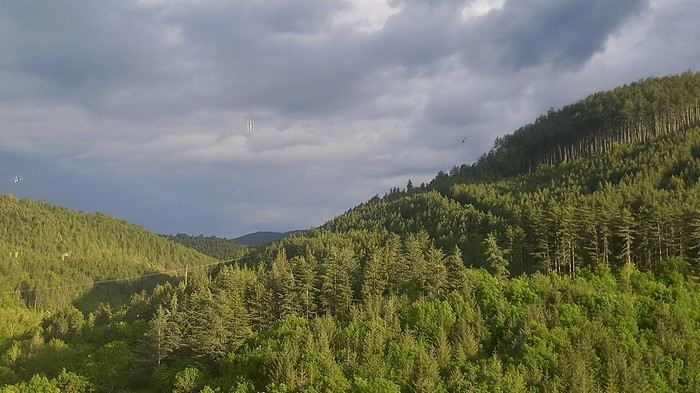
The next morning, we decided to revisit the Parc aux Loups du Gévaudan (Europe’s largest wolf park). As someone used to photo safaris in the wilds of East Africa, I’m not a fan of zoos at all—but I *do* have a deep admiration for wolves!!
Since it’s pretty unlikely I’ll ever see one in the wild, I’ll settle for this Parc aux Loups in Marvejols. This will be our third visit to this incredible gathering of these fascinating canines.
Some are still finishing their chilly night...
...
After Southern Tanzania, I’m sharing a travel story about the Cantal region with you...
...
For us, at the start of 2025, Le CANTAL was a true “Terra Incognita”!!
After seeing some tempting TV reports, we decided to fill this gap—especially in terms of landscapes. On the same trip, we’ll also head to the Arcachon Basin, the International Seaplane Gathering in Biscarrosse, and my native Landes region...
So, on May 20th, we left Marseille in the rain and thunder, heading toward Nîmes, Saint-Hippolyte, Mont Aigoual, Florac, and stopping in Marvejols to give my arthritic back a break for the night.
The next morning, we decided to revisit the Parc aux Loups du Gévaudan (Europe’s largest wolf park). As someone used to photo safaris in the wilds of East Africa, I’m not a fan of zoos at all—but I *do* have a deep admiration for wolves!!
Since it’s pretty unlikely I’ll ever see one in the wild, I’ll settle for this Parc aux Loups in Marvejols. This will be our third visit to this incredible gathering of these fascinating canines.
Some are still finishing their chilly night...
...
5 days in Saint Petersburg in May 2019
Hello there!
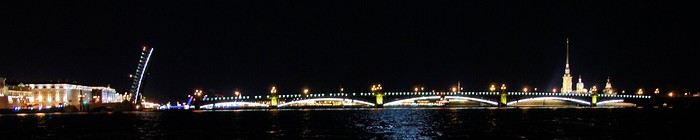
Here’s the recap of a little week we spent as a couple in Saint Petersburg in early May 2019, just before the *annus horribilis* of Covid. Since then, there’s also been the war in Ukraine, which has made things quite complicated, but tourist stays in Russia are still possible (see the discussion thread for the post-2022 situation). Looking back, early May was a bit too soon in the season—the trees were just starting to bud, and the wind was pretty chilly. It’s better to go at the end of May to enjoy the gardens.
Below is our 5-day itinerary. I’d brought along the inevitable Lonely Planet and the Blue Guide to Saint Petersburg, just to get a basic understanding of the architecture of the buildings I’d be admiring. I’d prepared two complementary routes on G**gle Maps in advance to cover the essentials of the city center in two days. That left the other days completely free for the big highlights: the Hermitage Museum and Peterhof Palace. We tried to adapt based on the weather, visiting Peterhof and its gardens on what was *supposed* to be the nicest day. We’d saved the Hermitage for a day when the weather was really bad, but in the end, we had more or less the same weather every day (sunny but windy and chilly).
Itinerary:
Day 1: City center north of Nevsky Prospect, up to the fortress (Route 1 on the map) Day 2: Peterhof Day 3: City center south of Nevsky Prospect up to Mariinsky (Route 2) Day 4: Canal boat tour during the day + nighttime boat ride on the Neva Day 5: Hermitage
Evening activities:
On the 3rd day, we saw an opera at the Mariinsky I, On the 4th day, we saw a ballet at the Mariinsky II, then headed back to the embankments at half past midnight for a nighttime cruise on the Neva—magical!
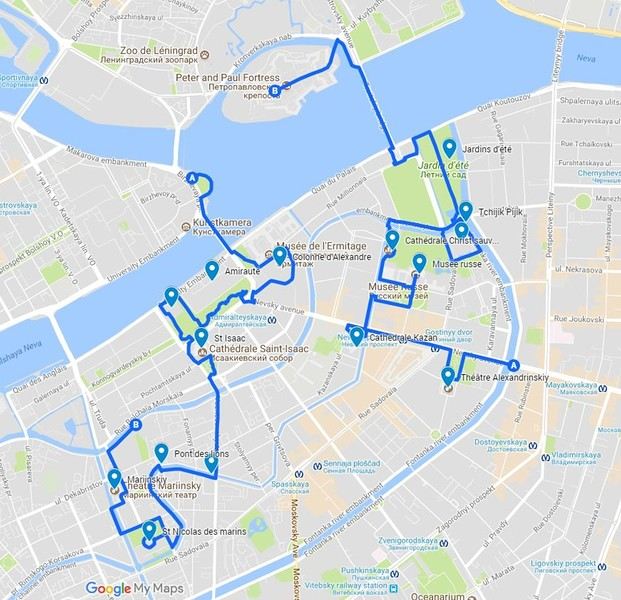
Here’s the recap of a little week we spent as a couple in Saint Petersburg in early May 2019, just before the *annus horribilis* of Covid. Since then, there’s also been the war in Ukraine, which has made things quite complicated, but tourist stays in Russia are still possible (see the discussion thread for the post-2022 situation). Looking back, early May was a bit too soon in the season—the trees were just starting to bud, and the wind was pretty chilly. It’s better to go at the end of May to enjoy the gardens.
Below is our 5-day itinerary. I’d brought along the inevitable Lonely Planet and the Blue Guide to Saint Petersburg, just to get a basic understanding of the architecture of the buildings I’d be admiring. I’d prepared two complementary routes on G**gle Maps in advance to cover the essentials of the city center in two days. That left the other days completely free for the big highlights: the Hermitage Museum and Peterhof Palace. We tried to adapt based on the weather, visiting Peterhof and its gardens on what was *supposed* to be the nicest day. We’d saved the Hermitage for a day when the weather was really bad, but in the end, we had more or less the same weather every day (sunny but windy and chilly).
Itinerary:
Day 1: City center north of Nevsky Prospect, up to the fortress (Route 1 on the map) Day 2: Peterhof Day 3: City center south of Nevsky Prospect up to Mariinsky (Route 2) Day 4: Canal boat tour during the day + nighttime boat ride on the Neva Day 5: Hermitage
Evening activities:
On the 3rd day, we saw an opera at the Mariinsky I, On the 4th day, we saw a ballet at the Mariinsky II, then headed back to the embankments at half past midnight for a nighttime cruise on the Neva—magical!