Results for "parapente+|+4+>+128"
1947 results found.
Tour d'Europe à vélo pour l'été 2009: matériel indispensable, budget? English translation pending
🙂Bonjour, je me présente, je m'appelle Julien VITRY, j'ai 22 ans et j'habite sur l'ile de la Réunion et j'envisage de faire un tour d'Europe en vélo entre mas et juin 2009 sur un parcours d'environ 10 000 km sur 4 mois donc (120 km/jour environ repos inclus)sur près d'une quinzaine de pays en Europe occidentale, du Sud, centrale et de l'Est
C'est ma première grande sortie (je sais que certains me prendront pour un fou car j'ai jamais fait de vélo en dehors de mon ile (200 km pour en faire le tour mais de la côte partout !!! mais je sais en etre capable!)
le billet d'avion étant bien trop cher, je me dois de visiter le maximum de pays : mon projet brievement décrit, je vais passer aux interrogations que je me pose afin que vous, chers amis cyclotouristes, puissiez m'apporter des réponses basées sur vos expériences personelles! quel est le matériel indispensable à ne surtout pas oublier pour un voyage à vélo de 4 mois sachant que, dans la mesure du possible, je ferais du camping sauvage (je dors sans matelas ni tapis, à l'ancienne quoi!), et à combien estimez vous le poids des charges (vélo exclus) pensez vous qu'un budget de 4000 euros soit suffisant quelque soit les pays traversées, considéranr bien que certains pays ont un niveau de vie plus élevé que d'autres et en sachant que je me contente du strict minimum voire moins?
Pour l'instant, je me contenterais volontiers des réponses à ces 2 questions et vous demanderais des précisions au fil des messages.
Merci à tous ceux qui auront pris le temps de lire cette requête et je vous remercie d'avance de me faire profiter de vos expériences respectives pour permettre à un jeune de 22 ans de réaliser un de ces reves!
C'est ma première grande sortie (je sais que certains me prendront pour un fou car j'ai jamais fait de vélo en dehors de mon ile (200 km pour en faire le tour mais de la côte partout !!! mais je sais en etre capable!)
le billet d'avion étant bien trop cher, je me dois de visiter le maximum de pays : mon projet brievement décrit, je vais passer aux interrogations que je me pose afin que vous, chers amis cyclotouristes, puissiez m'apporter des réponses basées sur vos expériences personelles! quel est le matériel indispensable à ne surtout pas oublier pour un voyage à vélo de 4 mois sachant que, dans la mesure du possible, je ferais du camping sauvage (je dors sans matelas ni tapis, à l'ancienne quoi!), et à combien estimez vous le poids des charges (vélo exclus) pensez vous qu'un budget de 4000 euros soit suffisant quelque soit les pays traversées, considéranr bien que certains pays ont un niveau de vie plus élevé que d'autres et en sachant que je me contente du strict minimum voire moins?
Pour l'instant, je me contenterais volontiers des réponses à ces 2 questions et vous demanderais des précisions au fil des messages.
Merci à tous ceux qui auront pris le temps de lire cette requête et je vous remercie d'avance de me faire profiter de vos expériences respectives pour permettre à un jeune de 22 ans de réaliser un de ces reves!
Petit périple d'un mois en Inde du Nord et Népal English translation pending
Namaste !! bonjour tout le monde !!
je pars en inde et au népal (pour la 1ère fois les 2) du 27.09 au 25.10... à priori tout seul (peut-être qu'une amie m'accompagnera...rien de sûr) j'arrive a delhi le 27 au soir, le lendemain je pars sur agra histoire d'aller voir le taj, le fort, etc.. et peut-être un ptit tour à fatehpur... ensuite je pars sur varanasi où je resterai plusieurs jours pour après remonter sur le népal via sunauli je m'arrêterai une ou deux journées à lumbini je pense puis direction pokhara (je m'y arrêterai peut-être quelques jours) puis ktm ! je reste quelques jours à ktm et alentours puis je repasse la frontière côté est du népal pour me retrouver vers darjeeling j'y reste quelques jours encore et reprends l'avion pour delhi pour également y passer quelques jours avant de rentrer en france :(
si des gens sont dans le coin au même moment on pourrait se croiser ?
sinon je me demandais...entre lumbini et ktm, je sais pas trop quoi faire... pokhara vaut-il le coup (le lac ?) ? directement de lumbini à ktm ? ou ya des ptits coins sympa à faire un peu reculés de la route principale ?
j'ai cru lire je sais plus où que c'était possible d'aller passer la journée au bhoutan quand on est vers darjeeling...quelqu'un l'a t'il déjà fait ? est-ce que ça vaut le coup ou on se ballade en troupeau de touriste ? le prix ?
si vous avez des conseils sur l'itinéraire, des choses à voir, des ptites guesthouses sympa, des bonnes adresses, etc... jsuis preneur :D
à bientôt sur les routes ;)
je pars en inde et au népal (pour la 1ère fois les 2) du 27.09 au 25.10... à priori tout seul (peut-être qu'une amie m'accompagnera...rien de sûr) j'arrive a delhi le 27 au soir, le lendemain je pars sur agra histoire d'aller voir le taj, le fort, etc.. et peut-être un ptit tour à fatehpur... ensuite je pars sur varanasi où je resterai plusieurs jours pour après remonter sur le népal via sunauli je m'arrêterai une ou deux journées à lumbini je pense puis direction pokhara (je m'y arrêterai peut-être quelques jours) puis ktm ! je reste quelques jours à ktm et alentours puis je repasse la frontière côté est du népal pour me retrouver vers darjeeling j'y reste quelques jours encore et reprends l'avion pour delhi pour également y passer quelques jours avant de rentrer en france :(
si des gens sont dans le coin au même moment on pourrait se croiser ?
sinon je me demandais...entre lumbini et ktm, je sais pas trop quoi faire... pokhara vaut-il le coup (le lac ?) ? directement de lumbini à ktm ? ou ya des ptits coins sympa à faire un peu reculés de la route principale ?
j'ai cru lire je sais plus où que c'était possible d'aller passer la journée au bhoutan quand on est vers darjeeling...quelqu'un l'a t'il déjà fait ? est-ce que ça vaut le coup ou on se ballade en troupeau de touriste ? le prix ?
si vous avez des conseils sur l'itinéraire, des choses à voir, des ptites guesthouses sympa, des bonnes adresses, etc... jsuis preneur :D
à bientôt sur les routes ;)
Itinéraire entre Cape Town et Johannesburg? English translation pending
Bonjour, j'ai besoins d'un peu d'aide. Je suis déja allé en Afrique du Sud l'année dernière ( j'ai fais un " overland trip" pendant trois semaines, safari, camping, saut à l'elastique ...) mais je n'avais fais que 5 jours à Cape town et 15 jours des chutes Victoria jusqu'a Zanzibar. Maintenant, je voudrais vraiment faire un safari focalisé sur l'Afrique du Sud. Je partirai de Cape town pour revoir les amis et je voudrais aller à Jo'burg.
Je voudrais vraiment faire la route entre Jo'burg et Cape town mais je voudrais voir des choses differentes que ce que j'ai vu pendant mon Safari de l'année dernière. La question est donc : comment faire ? y'a t'il des points incontournables, pas trop touristiques et en dehors des park nationaux à voir entre johannesbourg et Cape town ?
j'espere trouver des gens qui ont déja fait cet itinéraire mais sans emprunter les routes trop touristiques ..
Merci d'avance
j'espere trouver des gens qui ont déja fait cet itinéraire mais sans emprunter les routes trop touristiques ..
Merci d'avance
Randonnée dans le Queyras (France) English translation pending
Bonjour à tous!
Je pars le 16 juillet randonner dans le Queyras pour 10 jours et je manque cruellement d'informations sur ce lieu...
Je n'ai trouvé aucun guide, ne serait-ce que sur les Alpes, alors pour moi c'est un peu l'aventure. Quelqu'un pourrait-il me guider? Quels sont les balades à faire absolument? Quelqu'un a t-il expérimenté les campings (prix, equipement...) Nous serons à pied et nous avons entendu parler d'une carte "escarton" pour se déplacer gratuitement d'un village à l'autre. Toute autre information me sera utile, alors n'hésitez pas...
Merci. Marie
Itinéraire pour grimper au sommet du Maromokotro? (Madagascar) English translation pending
Bonjour,
l'un de vous a-t-il gravi le plus haut sommet de Mada et si oui par quel itinéraire et dans quelles ciconstances (y a-t-il de l'escalade, de quel niveau..., de quelle ville faut-il démarer ?) .
d'avance merci pour vos réponses,
nono
Itinéraire et astuce entre Montpellier et Barcelone à vélo? English translation pending
Bonjour à tous!
Je prévois de réaliser une virée à vélo pour mi-juillet, départ de Montpellier (voir Perpignan) jusqu´a Barcelone. Je compte rouler environ 60 km par jour, ayant une vingtaine de jours a ma disposition de facon a profiter du chemin et des rencontres; munie de quoi dormir dans un camping ou dans le champ d´un paysan charitable... Si quelqu´un pouvait donc m´indiquer un itinéraire agréable longant la côte et offrant des routes et des paysages agréables... Je vous en remercie d´avance.
Oliver
Je prévois de réaliser une virée à vélo pour mi-juillet, départ de Montpellier (voir Perpignan) jusqu´a Barcelone. Je compte rouler environ 60 km par jour, ayant une vingtaine de jours a ma disposition de facon a profiter du chemin et des rencontres; munie de quoi dormir dans un camping ou dans le champ d´un paysan charitable... Si quelqu´un pouvait donc m´indiquer un itinéraire agréable longant la côte et offrant des routes et des paysages agréables... Je vous en remercie d´avance.
Oliver
Trek de l'ascension du Toubkal en autonomie (Maroc) English translation pending
Salut à tous!!!
Voilà avec mon amie, nous partons au maroc du 6 au 13 mai 2008, ne connaissant pas la région de l'atlas nous avons décidé de tenter l'ascension du mont Toubkal depuis Imlil, mais sans guide ni muletier juste en binôme, nous sommes bien equipés niveau carte et materiel et avons l'habitude de la haute montagne, d'apres ce que j'ai lu, la plupart d'entre vous a deja realisé cette rando mais souvent organisé par l'intermediaire de guides depuis imlil ou ailleurs! D'où ma question est ce que quelqu'un a déjà tenté cette aventure sans guide ni muletier? le balisage de la piste est il correct? faut il reserver au refuge du Toubkal avant de s'y rendre (au mois de mai) et enfin derniere question à cette periode de l'année, est il possible de rencontrer de la neige sur les versants du Toubkal (histoire qu'on prévoit le materiel adèquat, piolets, crampons......mais s'il n'etait pas necessaire, pour eviter de se le trimballer pour rien...) Voilà toutes vos experiences sont bonnes à prendre, ainsi que vos conseils sur d'autres trekks dans la région, on aimerait marcher 3-4 jours dans cette région donc si vous avez de bonnes alternatives, nous sommes preneurs 😉, nous sommes juste arrêtés pour le moment sur l'ascension du Toubkal (qui d'apres mes recherches peut s'effectuer en 2 jours pour bons marcheurs).
Merci à vous
Voilà avec mon amie, nous partons au maroc du 6 au 13 mai 2008, ne connaissant pas la région de l'atlas nous avons décidé de tenter l'ascension du mont Toubkal depuis Imlil, mais sans guide ni muletier juste en binôme, nous sommes bien equipés niveau carte et materiel et avons l'habitude de la haute montagne, d'apres ce que j'ai lu, la plupart d'entre vous a deja realisé cette rando mais souvent organisé par l'intermediaire de guides depuis imlil ou ailleurs! D'où ma question est ce que quelqu'un a déjà tenté cette aventure sans guide ni muletier? le balisage de la piste est il correct? faut il reserver au refuge du Toubkal avant de s'y rendre (au mois de mai) et enfin derniere question à cette periode de l'année, est il possible de rencontrer de la neige sur les versants du Toubkal (histoire qu'on prévoit le materiel adèquat, piolets, crampons......mais s'il n'etait pas necessaire, pour eviter de se le trimballer pour rien...) Voilà toutes vos experiences sont bonnes à prendre, ainsi que vos conseils sur d'autres trekks dans la région, on aimerait marcher 3-4 jours dans cette région donc si vous avez de bonnes alternatives, nous sommes preneurs 😉, nous sommes juste arrêtés pour le moment sur l'ascension du Toubkal (qui d'apres mes recherches peut s'effectuer en 2 jours pour bons marcheurs).
Merci à vous
Idée d'un circuit au départ de Zagora? (Maroc) English translation pending
Bonjour
Nous partons avec ma copine a ZAGORA via OURZAZATE le 8/03 pour 5 jours de desert avec un ami touareg ce qui va nous emmener aux environs du 14/3, en sachant que notre avion de retour decole de Marrakech le 19 au soir que me conseillez vous comme circuit;je pensais louer une voiture et rentrer tranquille sur Marrakech(est ce une bonne idée) il doit y avoir moyen de faire un petit cicuit sympa qui sans faire 15h de voiture /jour nous fera decouvrir les incontournables de la region.Pas trop touristique quand même.Sachant que nous nous considerons plutot comme des visiteurs et non des touristes.Nous sommes ouvert a toute propositions.je sais que beaucoup de marocains se connectent sur le site.
Donc merci d'avance et Inch allha.
Francis et josy
Circuit de trek, surf et plongée au Panama English translation pending
Hello everybody,
voilà nous partons au pied levé au panama mercredi, rien de preparé, on a achete le guide ulysse ce matin ( j'ai du mal a m'y retrouver d'ailleurs dans ce guide.....)donc on est dans le flou complet pour savoir exactement quoi faire.......
Donc on est plutot branché par un trek dans la jungle, un peu de surf pour lui, de la plongée bouteille pour moi, tout çà saupoudré d'un peu de culturel.....des idees????😛
Coins à ne pas rater en Colombie English translation pending
Bonjour,
Nous sommes actuellement au Panama et venons de mettrel e 4X4 en container pour la Colombie que nous allons traverser du Nord au Sud. Pourriez-vous nous indiquer SVP les parcs à visiter, les villes... pour rendre le séjour plus agréable qu'une grande traversée rapide sur la panam? Merci d'avance pour vos réponses.
Valérie.
Nous sommes actuellement au Panama et venons de mettrel e 4X4 en container pour la Colombie que nous allons traverser du Nord au Sud. Pourriez-vous nous indiquer SVP les parcs à visiter, les villes... pour rendre le séjour plus agréable qu'une grande traversée rapide sur la panam? Merci d'avance pour vos réponses.
Valérie.
Quel hôtel choisir? English translation pending
Bonjour a tous mon chum et moi voudrion partir pour Cuba en amoureux mais nous ne savon pas du tout dans quel hotel allé on ne veux pas seulement faire de la plage on voudrait faire de la plongé et nager avec les dauphin et faire du tourisme aussi.Bien sur nous voudrion un hotel sur la plage ou il y a de l'animation.
Merci a l'avance 😉
Avis sur circuit sud Pérou/Bolivie English translation pending
Bonjour à tous!
Voilà, ma moitié et moi même envisageons de partir du 28 juin au 28 juillet 2007. Je prépare actuellement le circuit grâce aux guides et aux conseils que je lis ici mais j'ai besoin d'aide.... 😕 Voici donc le détail:
1. Arrivée à Lima 2. Lima 3. Bus pour Pisco 4. Islas Ballestas + bus de nuit pour Arequipa 5. Arequipa 6 & 7. Randonnée alentour (d'ailleurs si vous avez quelques suggestions pour de bonnes ballades sans passer par une agence, sanchant que nous ne sommes pas des pro, je prends!) 8. Cuzco par avion 9. Cuzco 10. Cuzco & Sacsahuaman 11. Chinchero, Pisac, Ollantaytambo 12. Machu Picchu 13. Bus vers Puno 14. Île Taquile (ou Amantani) et îles flotantes 15. Bus pour Copacabana 16. Bus pour la Paz 17. La Paz 18. Bus pour Oruro 19. Bus de nuit pour Uyuni 20, 21, 22, 23: Salar & Sud Lipez 24. Bus pour Potosi 25. Potosi 26. Bus vers Sucre 27. Sucre 28. Bus vers La Paz 29. La Paz 30. Vol retour
Qu'en pensez-vous??? On voudrait faire plein de choses mais aussi avoir le temps de trainer un peu et de rencontrer des gens alors toute proposition de modification est la bienvenue: en ce qui concerne les moyens de transport utilisés, les étapes....
Merci d'avance pour vos précieux conseils!!!!!!!! 🙂
Voilà, ma moitié et moi même envisageons de partir du 28 juin au 28 juillet 2007. Je prépare actuellement le circuit grâce aux guides et aux conseils que je lis ici mais j'ai besoin d'aide.... 😕 Voici donc le détail:
1. Arrivée à Lima 2. Lima 3. Bus pour Pisco 4. Islas Ballestas + bus de nuit pour Arequipa 5. Arequipa 6 & 7. Randonnée alentour (d'ailleurs si vous avez quelques suggestions pour de bonnes ballades sans passer par une agence, sanchant que nous ne sommes pas des pro, je prends!) 8. Cuzco par avion 9. Cuzco 10. Cuzco & Sacsahuaman 11. Chinchero, Pisac, Ollantaytambo 12. Machu Picchu 13. Bus vers Puno 14. Île Taquile (ou Amantani) et îles flotantes 15. Bus pour Copacabana 16. Bus pour la Paz 17. La Paz 18. Bus pour Oruro 19. Bus de nuit pour Uyuni 20, 21, 22, 23: Salar & Sud Lipez 24. Bus pour Potosi 25. Potosi 26. Bus vers Sucre 27. Sucre 28. Bus vers La Paz 29. La Paz 30. Vol retour
Qu'en pensez-vous??? On voudrait faire plein de choses mais aussi avoir le temps de trainer un peu et de rencontrer des gens alors toute proposition de modification est la bienvenue: en ce qui concerne les moyens de transport utilisés, les étapes....
Merci d'avance pour vos précieux conseils!!!!!!!! 🙂
Photos d'Ariège en France English translation pending
Bonjour.
Ca fait quelques années que je pars en Ariège pendant les vacances, et je suis vraiment tomber amoureuse de ce département. Et donc, pour ceux qui y sont déjà allés je vous propose de mettre ici vos plus belles photos d'Ariège. Je vous met déjà 3 jolies paysages...
1° :La tour Lafont en octobre. Vu sur les vallées du couserans 2° : Cominac en Hiver ( février ) 3° : La tour Lafont en été
Ca fait quelques années que je pars en Ariège pendant les vacances, et je suis vraiment tomber amoureuse de ce département. Et donc, pour ceux qui y sont déjà allés je vous propose de mettre ici vos plus belles photos d'Ariège. Je vous met déjà 3 jolies paysages...
1° :La tour Lafont en octobre. Vu sur les vallées du couserans 2° : Cominac en Hiver ( février ) 3° : La tour Lafont en été
Champagny-en-Vanoise en fin août avec un bébé d'un an? English translation pending
Hello à tous,
J'ai l'opportunité d'aller passer une semaine à Champagny-en-Vanoise fin aout. Qui connait cette localité ? Qu'est-ce qu'on peut y faire sachant que j'ai un bébé d'un an ?
Hôtel Kervansaray Kundu à Lara English translation pending
Salut tout le monde!!
Voilà après un séjour décevant fin mai à l'hôtel LIMAK LIMRA de Kiris, je me suis lancée dans un last minute exceptionnel (224€ de réduc par personne) et cela pour le tout nouvel hôtel qui a ouvert ses portes en avril dernier : le "KERVANSARAY KUNDU" à LARA.
Donc si quelqu'un a déjà séjourné dans cet hôtel, j'aimerais avoir quelques informations ainsi que des photos. Celà me fait un peu peur car c'est tout nouveau, sur internet il n'y a encore aucun commentaire de touristes par rapport à cet hôtel et de plus, cette grosse réduction m'épate tout de même (je pars le 31 juillet pour une sem en all in pour 660€ et c'est un 5 étoiles!!)
Si vous pouvez me rassurer ce serait génial!
Et aussi petit message pour les fanas de l'hôtel LIMAK LIMRA, je ne sais pas vous, mais moi j'ai été TRES TRES déçue lors de mon dernier séjour fin mai dernier... J'y suis allée 4 fois mais la 4ème aura été la dernière ... C'est envahi de russes que je trouve vraiment impolis et sans gène!! Et de plus, la nouvelle équipe d'animation laisse vraiment à désirer!! Vraiment NULE!! Enfin voilà mon ptit coup de gueule... 😄
BONNES VACANCES A TOUS!!
Voilà après un séjour décevant fin mai à l'hôtel LIMAK LIMRA de Kiris, je me suis lancée dans un last minute exceptionnel (224€ de réduc par personne) et cela pour le tout nouvel hôtel qui a ouvert ses portes en avril dernier : le "KERVANSARAY KUNDU" à LARA.
Donc si quelqu'un a déjà séjourné dans cet hôtel, j'aimerais avoir quelques informations ainsi que des photos. Celà me fait un peu peur car c'est tout nouveau, sur internet il n'y a encore aucun commentaire de touristes par rapport à cet hôtel et de plus, cette grosse réduction m'épate tout de même (je pars le 31 juillet pour une sem en all in pour 660€ et c'est un 5 étoiles!!)
Si vous pouvez me rassurer ce serait génial!
Et aussi petit message pour les fanas de l'hôtel LIMAK LIMRA, je ne sais pas vous, mais moi j'ai été TRES TRES déçue lors de mon dernier séjour fin mai dernier... J'y suis allée 4 fois mais la 4ème aura été la dernière ... C'est envahi de russes que je trouve vraiment impolis et sans gène!! Et de plus, la nouvelle équipe d'animation laisse vraiment à désirer!! Vraiment NULE!! Enfin voilà mon ptit coup de gueule... 😄
BONNES VACANCES A TOUS!!
Guide/carte routière et sécurité au Pakistan English translation pending
J'envisage d'aller au Pakistan, j'ai déja fait quelques séjour en inde (imachal pradesh) et je suis tenté par le côté pakistanai. Seul problème le Pakistan a mauvaise réputation en matière de sécurité et n'ayant rien d'un cow boy, je déteste les mésaventures. Quelqu'un pourraît-il me dire si les conditions pour voyager sont bonnes en tout cas pas du genre flippant. Y a-t-il un guide ou deux que je pourraît acheter en France? voire une carte routière? Merci de tout coeur et bonne année à tous !!!🙂
Des suggestions de destination? English translation pending
Bonjour,
Moi et mon copain se cherchont une destination pour un voyage de 3 semaines en mai prochain. Nous voulons principalement: Que ca coute max 2800 pour lavion et tous nos besoins là bas, pour les 3 semaine (2800 chacun) Être dépaysé, côté facon de vivre dans une culture completement différente Pouvoir parler un peu anglais (nous savons que des réseaux de guides existent dans certains pays, cela nous suffirait) Être quand même en sécurité, que la police ne soit pas comrompue, et qu'il n'y ait pas de risques d'enlevement, ou de se faire tuer sans avertissement pour notre agent Visiter des villes dépaysantes, pas de building comme à Mtl Idéalement bien manger, pas que ca soit uniquement de la friture, j'aime bien les fruits et légumes frais Visiter des grandes merveilles du mondes, des montagnes, canyons, volcans, muraille Nous ne sommes pas vraiment attirées par les musées et l'architecture (donc pas l'Europe) Que les habitants ne soient pas hostiles envers les étrangers, à la limite qu'ils aiment voir des blancs Faire de la rando pédestre dans les montages, pour voir des points de vue époustoufflants Voir des animaux typiques du pays (pas trop de tarentules ou dinsectes dangereux idéalement) Au début on pensait à l'Amérique du sud, mais finalement, on hésitait côté sécurité (à moins que certains paysa soient tr;es surs? Lesquels?)
Nous pensons peu-être à la Chine, dépaysement maximum, mais il nous faudrait des suggestions de rando à faire idéalement... Et je suis pas trop sur côté salubrité. Au moins la sécurité est ok car il y a plein de police partout...
Des suggestions?
Merci beaucoup!
Moi et mon copain se cherchont une destination pour un voyage de 3 semaines en mai prochain. Nous voulons principalement: Que ca coute max 2800 pour lavion et tous nos besoins là bas, pour les 3 semaine (2800 chacun) Être dépaysé, côté facon de vivre dans une culture completement différente Pouvoir parler un peu anglais (nous savons que des réseaux de guides existent dans certains pays, cela nous suffirait) Être quand même en sécurité, que la police ne soit pas comrompue, et qu'il n'y ait pas de risques d'enlevement, ou de se faire tuer sans avertissement pour notre agent Visiter des villes dépaysantes, pas de building comme à Mtl Idéalement bien manger, pas que ca soit uniquement de la friture, j'aime bien les fruits et légumes frais Visiter des grandes merveilles du mondes, des montagnes, canyons, volcans, muraille Nous ne sommes pas vraiment attirées par les musées et l'architecture (donc pas l'Europe) Que les habitants ne soient pas hostiles envers les étrangers, à la limite qu'ils aiment voir des blancs Faire de la rando pédestre dans les montages, pour voir des points de vue époustoufflants Voir des animaux typiques du pays (pas trop de tarentules ou dinsectes dangereux idéalement) Au début on pensait à l'Amérique du sud, mais finalement, on hésitait côté sécurité (à moins que certains paysa soient tr;es surs? Lesquels?)
Nous pensons peu-être à la Chine, dépaysement maximum, mais il nous faudrait des suggestions de rando à faire idéalement... Et je suis pas trop sur côté salubrité. Au moins la sécurité est ok car il y a plein de police partout...
Des suggestions?
Merci beaucoup!
Voyage de noces en Europe - Vos conseils!! English translation pending
Bonjour a tous !
Nous partons en voyage de noces les 15 premiers jours de juillet. Pour des raisons pratiques (decalage horaire entre autres) nous souhaitons partir en Europe...
On aime bien bouger et visiter, passer ce voyage en sac a dos ne nous fait pas peur - on est pas du style hotel 4 etoiles, palmiers et sable fin - donc le voyage idéal serait : Quelques jours sur une plage sympa (3 maxi) pour commencer en douceur ;) Une ou des randonnées : treks, montagne, paysages merveilleux, lacs. On adore la jolie nature ! de la bonne cuisine dans des petits restos adorables Des activités insolites (voir des animaux, nager avec des dauphins, bapteme de l'air en hélico....) Des activités sympas (Quad, ballades, Kayak, descente de riviere en canoe ....) et tout ca pour pas trop cher ;)
Tout cela est possible sans forcément partir a perpete ! Le tout est de le faire en 12 jours donc dans un périmetre assez restreint !!
Si quelqu'un connait un pays qui recelle tous ces bonheurs, on est preneurs !!!
Nous attendons vos conseils, et expériences avec impatience, Un grand merci d'avance !
Anna & Chris
On aime bien bouger et visiter, passer ce voyage en sac a dos ne nous fait pas peur - on est pas du style hotel 4 etoiles, palmiers et sable fin - donc le voyage idéal serait : Quelques jours sur une plage sympa (3 maxi) pour commencer en douceur ;) Une ou des randonnées : treks, montagne, paysages merveilleux, lacs. On adore la jolie nature ! de la bonne cuisine dans des petits restos adorables Des activités insolites (voir des animaux, nager avec des dauphins, bapteme de l'air en hélico....) Des activités sympas (Quad, ballades, Kayak, descente de riviere en canoe ....) et tout ca pour pas trop cher ;)
Tout cela est possible sans forcément partir a perpete ! Le tout est de le faire en 12 jours donc dans un périmetre assez restreint !!
Si quelqu'un connait un pays qui recelle tous ces bonheurs, on est preneurs !!!
Nous attendons vos conseils, et expériences avec impatience, Un grand merci d'avance !
Anna & Chris
Parcours Afrique du Sud juin 2005 English translation pending
Bonjour,
Je vais commencer mon Tour du Monde par l'Afrique du Sud où je compte rester environ un mois (en juin).
Après un premier épluchage des guides, le programme que j'ai ébauché serait : le Cap et ses environs, Karoo National Park, Garden Road, Addo Elephant National Park (selon timing ?), Drakensberg et royal natal national park, ladysmith, eshowe, route des batailles, Hluhluwe, Swaziland, Blyde River Canyon, Pilgrim's rest, Lisbon Falls et Mac Mac Falls, Parc Kruger.
Qu’en pensez-vous ? Est-ce que tout ça vous paraît faisable en un mois ? Est-ce que je rate quelque chose d’essentiel ? Avez-vous des conseils ?...
D’autre part est-ce que tout ça est faisable sans louer de voiture ? Je voyage seule, et louer une voiture toute seule ca ne me tente pas trop !
A bientôt
Estelle
Je vais commencer mon Tour du Monde par l'Afrique du Sud où je compte rester environ un mois (en juin).
Après un premier épluchage des guides, le programme que j'ai ébauché serait : le Cap et ses environs, Karoo National Park, Garden Road, Addo Elephant National Park (selon timing ?), Drakensberg et royal natal national park, ladysmith, eshowe, route des batailles, Hluhluwe, Swaziland, Blyde River Canyon, Pilgrim's rest, Lisbon Falls et Mac Mac Falls, Parc Kruger.
Qu’en pensez-vous ? Est-ce que tout ça vous paraît faisable en un mois ? Est-ce que je rate quelque chose d’essentiel ? Avez-vous des conseils ?...
D’autre part est-ce que tout ça est faisable sans louer de voiture ? Je voyage seule, et louer une voiture toute seule ca ne me tente pas trop !
A bientôt
Estelle
Infos la route entre la France et le Népal? English translation pending
Bonjour à tous, Je suis actuellement en train de préparer un voyage en camionnette entre la France et le Népal. Nous passerons par l'Italie, la Croatie, la Serbie, le Montenegro, la Bulgarie, la Turquie, l'Iran, le Pakistan et l'Inde. Le départ est prévu pour le mois de septembre ou Octobre... Notre équipe rassemble pour l'instant 6 personnes: David, un artiste plastique qui a un projet humanitaire au Népal; Magalie et Jérémy, membres actifs de l'association Indreni qui s'occupe d'un orphelinat à Katmandou; Allen, un voyageur Algérien; et Alex, qui reviendra surement par l' autre coté de la terre; Ben, photographe. Il nous manque donc deux personnes pour que "le convoi de l'humanité" puisse lever l' encre. Avis donc, a toutes personnes ayant un projet humanitaire, de voyage ou d'étude, etc... contacter moi! (bourses possibles, si on s'y prend maintenant) La camionnette sera peinte de l'itinéraire pour que le contact puisse ce faire facilement avec les populations locales... Le master roule au diesel et est en exelent état... Merci a tous pour toutes infos et suggestions a propo d' un tel voyage...
Entre l'Alsace et la Provence English translation pending
Bonjour à tous,
Que me suggérez-vous pour passer de l'Alsace à la Provence ? Je cherche un itinéraire intéressant et suis hésitante.
De Paris (quelques jours) - Champagne (Reims et environs, Epernay) - Alsace (de Strasbourg à Colmar, route des vins) - ?? Suisse (Lauzanne, Genève), Franche-Comté pour Besançon ou retour sur Bourgogne pour Dijon et les vins ?? - Annecy (semble très intéressant), Mont-Blanc - Rhones-Alpes (pour Grenoble) - Alpes et Provence (pour presque tout !!)
Votre avis s.v.p.
Je suis attirée surtout par les beaux paysages et les villages typiques. Les villes m'intéressent lorsque les attraits touristiques ne devraient pas être manqués.
Aussi, le Mont Blanc (montés en téléphériques, Aiguille du Midi et Mer de Glace) est-il le meilleur endroit pour savourer une vision époustouflante des Alpes ? Est-ce trop touristique ?
Merci infiniement, Isabelle
Que me suggérez-vous pour passer de l'Alsace à la Provence ? Je cherche un itinéraire intéressant et suis hésitante.
De Paris (quelques jours) - Champagne (Reims et environs, Epernay) - Alsace (de Strasbourg à Colmar, route des vins) - ?? Suisse (Lauzanne, Genève), Franche-Comté pour Besançon ou retour sur Bourgogne pour Dijon et les vins ?? - Annecy (semble très intéressant), Mont-Blanc - Rhones-Alpes (pour Grenoble) - Alpes et Provence (pour presque tout !!)
Votre avis s.v.p.
Je suis attirée surtout par les beaux paysages et les villages typiques. Les villes m'intéressent lorsque les attraits touristiques ne devraient pas être manqués.
Aussi, le Mont Blanc (montés en téléphériques, Aiguille du Midi et Mer de Glace) est-il le meilleur endroit pour savourer une vision époustouflante des Alpes ? Est-ce trop touristique ?
Merci infiniement, Isabelle
australie visa vacances travail English translation pending
depart mi mars .
6 mois prevus en australie.
travailler, decouvrir, echanger cote est de sydney a darwin, alice springs.
voila en qq mots mon voyage ou au moins la base de mon programme.
si qq un veut faire un bout de chemin ou pour faire de la coloc ou autre....
Accommodation in Pokhara
Hi everyone!
I’m planning a short visit to Pokhara around mid-February 2027 (it’ll be my 4th time in Nepal 😊, over 40 years!). I’d like to book a room in advance rather than looking when I arrive. I’ve checked a bit on Bxxking.com and see lots of options. I’m used to scoping out the surroundings of places listed, just to avoid ending up in areas that are either unappealing or far from everything.
So, I see quite a few offers around the lake (Lakeside?), but every time I check what it looks like, the streets seem really uninviting. It’s kind of like a construction site with buildings everywhere… Nothing like Bhaktapur (for example) or even Thamel, where the streets seem way more pleasant.
Could anyone give me some advice?
Also, I don’t really get the impression that Pokhara is worth a visit of several days. The lake, sure, but once you’ve seen it—what else is there?
I’m planning a short visit to Pokhara around mid-February 2027 (it’ll be my 4th time in Nepal 😊, over 40 years!). I’d like to book a room in advance rather than looking when I arrive. I’ve checked a bit on Bxxking.com and see lots of options. I’m used to scoping out the surroundings of places listed, just to avoid ending up in areas that are either unappealing or far from everything.
So, I see quite a few offers around the lake (Lakeside?), but every time I check what it looks like, the streets seem really uninviting. It’s kind of like a construction site with buildings everywhere… Nothing like Bhaktapur (for example) or even Thamel, where the streets seem way more pleasant.
Could anyone give me some advice?
Also, I don’t really get the impression that Pokhara is worth a visit of several days. The lake, sure, but once you’ve seen it—what else is there?
Campervan Road Trips: Freedom and Adventure in New Zealand
Ah! New Zealand, the ultimate road trip destination. If you've been dreaming of trying out a campervan adventure, it's definitely one of the best places in the world to take the plunge. With its diverse landscapes—white sand beaches, volcanoes, glaciers, fjords, and glacial lakes—the country also boasts top-notch infrastructure for campers, making it ideal for campervan circuits, even for beginners!
Why is New Zealand the perfect country for your first campervan trip?
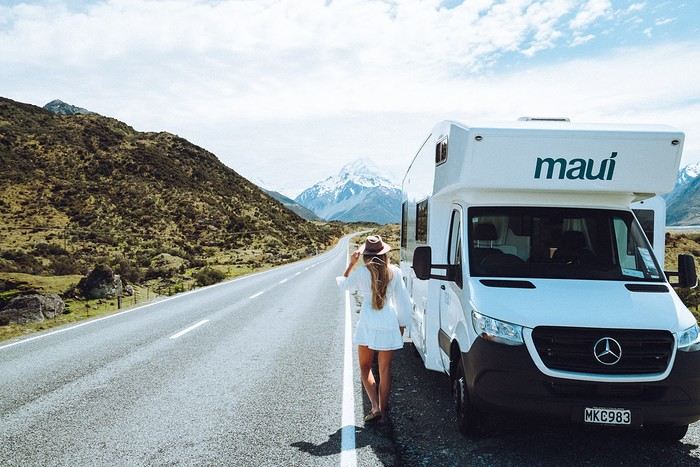
Safe and Scenic Roads
New Zealand offers a well-maintained road network, usually not too busy outside major cities. This is a huge plus if you're new to driving a campervan. The routes often feature spectacular viewpoints. You'll also find a vast network of campgrounds, and while freedom camping is regulated, there are still plenty of spots where you can sleep for free. Speed limits are reasonable, and the driving culture is pretty relaxed.
Adapted Infrastructure
There are plenty of campervan rental companies offering different models, from converted vans to large family motorhomes. You'll find rental depots in major cities (Auckland, Christchurch, Queenstown), along with shuttle services between the airport and the depot. Campgrounds in New Zealand, whether private or managed by the Department of Conservation (DOC), are easy to find and well-marked. Plus, since New Zealand is a country of campers, you'll often get helpful tips from the locals.
Diverse and Accessible Landscapes
Beaches, volcanoes, deep fjords, or subtropical forests—you can experience a completely different setting in just a few hours of driving. No need to be a 4x4 expert: most roads leading to these stunning sites are campervan-friendly. This variety of landscapes, combined with easy access, makes New Zealand a top choice for a first road trip experience.
The Most Beautiful Places to Discover in a Campervan
To give you an idea, here’s a selection of must-see spots to inspire your next adventure.
1. The Coromandel Peninsula (North Island)
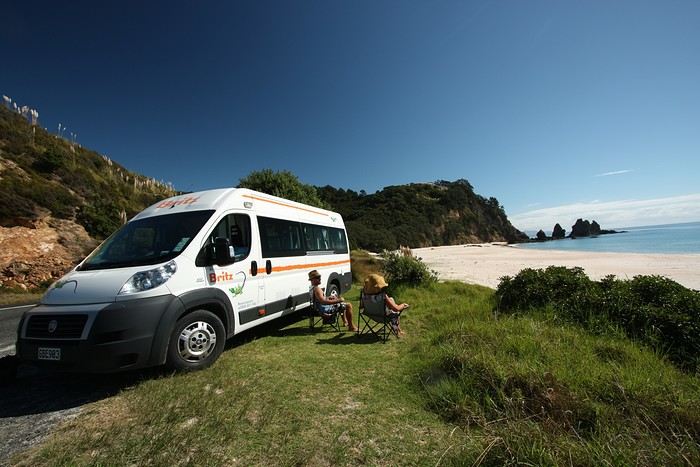
Just a few hours from Auckland, the Coromandel Peninsula is famous for its white sand beaches, hot springs, and lush vegetation. Hot Water Beach is a must-visit—dig your own "thermal bath" on the shore at low tide. You’ll easily find campgrounds by the ocean, perfect for your first taste of campervan life.
2. Rotorua and the Geothermal Wonders (North Island)
A little further south, Rotorua is the geothermal heart of New Zealand. Geysers, bubbling pools, and sulfur lakes with amazing colors—there’s no shortage of things to do. It’s also a major hub for Māori culture. Take the time to visit a traditional village or watch a haka performance. In the evening, relax at a campground with natural hot pools.
3. Tongariro National Park (North Island)
A UNESCO World Heritage site, this volcanic park is a paradise for hikers, especially with the famous Tongariro Alpine Crossing. Even if you're not an experienced hiker, you can enjoy stunning views from the roads or short marked trails. The campgrounds in the area will immerse you in a postcard-worthy setting.
4. Abel Tasman, Coastal Gem (South Island)
After taking the ferry from Wellington to Picton, head to Abel Tasman National Park. Its golden beaches, crystal-clear waters, and coastal trails are perfect for unwinding. One of the perks of a campervan is exploring at your own pace, choosing spots near the beaches or deeper in the forest.
5. Punakaiki and the Pancake Rocks (South Island)
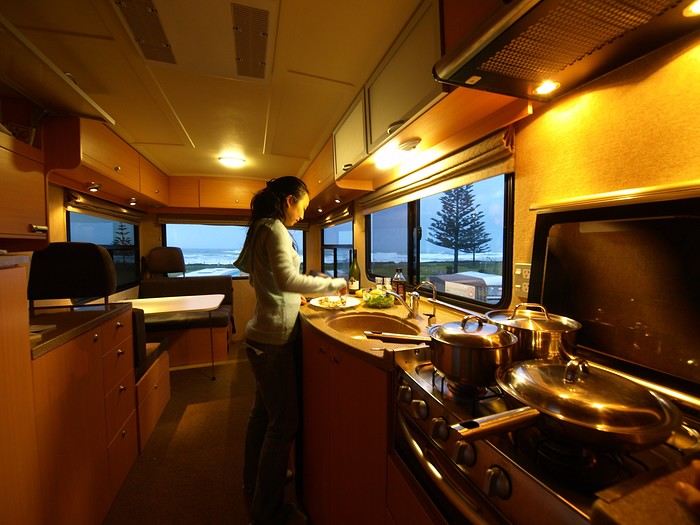
As you drive along the West Coast’s thick rainforests and wild beaches, stop at Punakaiki to see the Pancake Rocks—surprising rock formations that look like stacks of pancakes. A marked trail runs along the coast, letting you watch waves crash into the "blowholes" (marine geysers). Spending the night at a seaside campground, lulled by the sound of waves, is an experience not to be missed.
6. The Franz Josef and Fox Glaciers (South Island)
Further south, the glacier region is a must for lovers of breathtaking landscapes. You can admire the icy giants from a distance on an easy trail or take a helicopter to fly over them—or even walk on them. The campgrounds in Franz Josef or Fox Glacier let you wake up in an alpine atmosphere, contrasting with the lush vegetation around you.
7. Queenstown and Wanaka (South Island)
Queenstown, on the shore of a sparkling lake surrounded by majestic peaks, is known as the adventure capital: bungee jumping, paragliding, rafting—anything’s possible. If you prefer a quieter vibe, Wanaka is just as charming, with its beautiful lake and accessible walks. The road between these two towns is stunning, with plenty of perfect spots for a picnic stop.
8. Te Anau and Milford Sound (South Island)
New Zealand’s fjords are world-famous. Te Anau is the gateway to exploring Milford Sound or, for something wilder, Doubtful Sound. A cruise through these deep fjords, surrounded by towering cliffs, is one of the highlights of any trip to New Zealand. Staying overnight in a campervan in Te Anau saves you a long round trip in a day and lets you set off at dawn for more adventures.
9. Lake Tekapo and Mount Cook (South Island)
In the heart of the Southern Alps, Lake Tekapo charms with its unique turquoise color and its picturesque church by the water. The area is known for its starry skies (it’s an International Dark Sky Reserve). Mount Cook, the country’s highest peak, stands majestically in the background. Several campgrounds offer views of these mountains.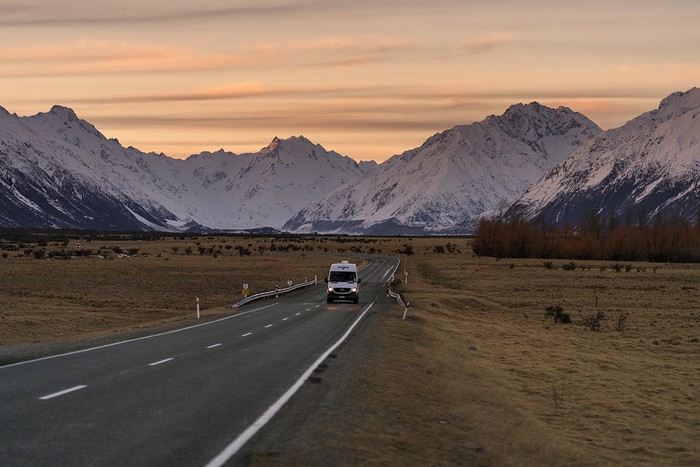
Practical Tips for a Successful Campervan Road Trip
Where to start? Between choosing the right vehicle, the best time to go, parking rules, and tips for where to sleep, here are our practical tips to plan your road trip stress-free.
Duration and Itinerary Choices
Less than 15 days: Focus on one island to avoid spending too much time on the road.
More than 15 days: Consider a North-South combo with a one-way trip (e.g., Auckland to Christchurch).
Book Early
In peak season (November to March), demand is high, especially for family-sized vehicles. Book your campervan ideally 6 to 8 months in advance.
Opt for full insurance to avoid high excess fees and hassles in case of issues. Standard bank insurance rarely covers campervans.
Choosing the Right Vehicle
Watch out for campervans over 3 years old—they can be "tired" in terms of both equipment and driving. If your budget allows, go for a newer model for better reliability and comfort.
Check the depot’s opening hours for pick-up. If you arrive late or after a long trip, it’s better to spend the first night in accommodation rather than driving straight away.
Where to Spend the Night
Freedom camping: Allowed in some remote areas but heavily regulated. Fines for breaking the rules can reach $200. Use comprehensive apps to identify legal spots and avoid penalties!
Basic campsites / DOC: Basic facilities but often in idyllic settings. These are campgrounds managed by the Department of Conservation, perfect for getting close to nature.
Private campgrounds: More expensive but offer hot showers, electricity, playgrounds for kids, pools, and laundry. Ideal for recharging—both your campervan’s batteries and your own.
Respect Nature
New Zealand is known for its pristine landscapes. Manage your waste, use designated dumping areas, and follow local signage. New Zealanders care deeply about keeping their environment clean and warmly welcome responsible tourists. For support, consider a local French-speaking agency like Frogs, which can help with administrative steps, planning your itinerary, and of course, renting a campervan.
Why is New Zealand the perfect country for your first campervan trip?
Safe and Scenic Roads
New Zealand offers a well-maintained road network, usually not too busy outside major cities. This is a huge plus if you're new to driving a campervan. The routes often feature spectacular viewpoints. You'll also find a vast network of campgrounds, and while freedom camping is regulated, there are still plenty of spots where you can sleep for free. Speed limits are reasonable, and the driving culture is pretty relaxed.
Adapted Infrastructure
There are plenty of campervan rental companies offering different models, from converted vans to large family motorhomes. You'll find rental depots in major cities (Auckland, Christchurch, Queenstown), along with shuttle services between the airport and the depot. Campgrounds in New Zealand, whether private or managed by the Department of Conservation (DOC), are easy to find and well-marked. Plus, since New Zealand is a country of campers, you'll often get helpful tips from the locals.
Diverse and Accessible Landscapes
Beaches, volcanoes, deep fjords, or subtropical forests—you can experience a completely different setting in just a few hours of driving. No need to be a 4x4 expert: most roads leading to these stunning sites are campervan-friendly. This variety of landscapes, combined with easy access, makes New Zealand a top choice for a first road trip experience.
The Most Beautiful Places to Discover in a Campervan
To give you an idea, here’s a selection of must-see spots to inspire your next adventure.
1. The Coromandel Peninsula (North Island)
Just a few hours from Auckland, the Coromandel Peninsula is famous for its white sand beaches, hot springs, and lush vegetation. Hot Water Beach is a must-visit—dig your own "thermal bath" on the shore at low tide. You’ll easily find campgrounds by the ocean, perfect for your first taste of campervan life.
2. Rotorua and the Geothermal Wonders (North Island)
A little further south, Rotorua is the geothermal heart of New Zealand. Geysers, bubbling pools, and sulfur lakes with amazing colors—there’s no shortage of things to do. It’s also a major hub for Māori culture. Take the time to visit a traditional village or watch a haka performance. In the evening, relax at a campground with natural hot pools.
3. Tongariro National Park (North Island)
A UNESCO World Heritage site, this volcanic park is a paradise for hikers, especially with the famous Tongariro Alpine Crossing. Even if you're not an experienced hiker, you can enjoy stunning views from the roads or short marked trails. The campgrounds in the area will immerse you in a postcard-worthy setting.
4. Abel Tasman, Coastal Gem (South Island)
After taking the ferry from Wellington to Picton, head to Abel Tasman National Park. Its golden beaches, crystal-clear waters, and coastal trails are perfect for unwinding. One of the perks of a campervan is exploring at your own pace, choosing spots near the beaches or deeper in the forest.
5. Punakaiki and the Pancake Rocks (South Island)
As you drive along the West Coast’s thick rainforests and wild beaches, stop at Punakaiki to see the Pancake Rocks—surprising rock formations that look like stacks of pancakes. A marked trail runs along the coast, letting you watch waves crash into the "blowholes" (marine geysers). Spending the night at a seaside campground, lulled by the sound of waves, is an experience not to be missed.
6. The Franz Josef and Fox Glaciers (South Island)
Further south, the glacier region is a must for lovers of breathtaking landscapes. You can admire the icy giants from a distance on an easy trail or take a helicopter to fly over them—or even walk on them. The campgrounds in Franz Josef or Fox Glacier let you wake up in an alpine atmosphere, contrasting with the lush vegetation around you.
7. Queenstown and Wanaka (South Island)
Queenstown, on the shore of a sparkling lake surrounded by majestic peaks, is known as the adventure capital: bungee jumping, paragliding, rafting—anything’s possible. If you prefer a quieter vibe, Wanaka is just as charming, with its beautiful lake and accessible walks. The road between these two towns is stunning, with plenty of perfect spots for a picnic stop.
8. Te Anau and Milford Sound (South Island)
New Zealand’s fjords are world-famous. Te Anau is the gateway to exploring Milford Sound or, for something wilder, Doubtful Sound. A cruise through these deep fjords, surrounded by towering cliffs, is one of the highlights of any trip to New Zealand. Staying overnight in a campervan in Te Anau saves you a long round trip in a day and lets you set off at dawn for more adventures.
9. Lake Tekapo and Mount Cook (South Island)
In the heart of the Southern Alps, Lake Tekapo charms with its unique turquoise color and its picturesque church by the water. The area is known for its starry skies (it’s an International Dark Sky Reserve). Mount Cook, the country’s highest peak, stands majestically in the background. Several campgrounds offer views of these mountains.
Practical Tips for a Successful Campervan Road Trip
Where to start? Between choosing the right vehicle, the best time to go, parking rules, and tips for where to sleep, here are our practical tips to plan your road trip stress-free.
Duration and Itinerary Choices
Less than 15 days: Focus on one island to avoid spending too much time on the road.
More than 15 days: Consider a North-South combo with a one-way trip (e.g., Auckland to Christchurch).
Book Early
In peak season (November to March), demand is high, especially for family-sized vehicles. Book your campervan ideally 6 to 8 months in advance.
Opt for full insurance to avoid high excess fees and hassles in case of issues. Standard bank insurance rarely covers campervans.
Choosing the Right Vehicle
Watch out for campervans over 3 years old—they can be "tired" in terms of both equipment and driving. If your budget allows, go for a newer model for better reliability and comfort.
Check the depot’s opening hours for pick-up. If you arrive late or after a long trip, it’s better to spend the first night in accommodation rather than driving straight away.
Where to Spend the Night
Freedom camping: Allowed in some remote areas but heavily regulated. Fines for breaking the rules can reach $200. Use comprehensive apps to identify legal spots and avoid penalties!
Basic campsites / DOC: Basic facilities but often in idyllic settings. These are campgrounds managed by the Department of Conservation, perfect for getting close to nature.
Private campgrounds: More expensive but offer hot showers, electricity, playgrounds for kids, pools, and laundry. Ideal for recharging—both your campervan’s batteries and your own.
Respect Nature
New Zealand is known for its pristine landscapes. Manage your waste, use designated dumping areas, and follow local signage. New Zealanders care deeply about keeping their environment clean and warmly welcome responsible tourists. For support, consider a local French-speaking agency like Frogs, which can help with administrative steps, planning your itinerary, and of course, renting a campervan.
Questions about excursions around Marrakech
Hi there,
A group of 11 of us will be spending a week in Marrakech in May. I’d love your thoughts and advice on these excursions I’ve shortlisted—or any others I might not have considered:
- Visiting Marrakech: with or without a guide? Is one day enough for the main sights? - Essaouira: Is a day trip a good option? Is the journey scenic? - Ouzoud Waterfalls: Is the place worth the trip? - Agafay Desert: Any recommendations to avoid the tourist crowds? - Imlil Valley and Mount Toubkal: A worthwhile detour?
Of course, I don’t plan to do everything in one week, but your input will help me decide... Thanks in advance! !
A group of 11 of us will be spending a week in Marrakech in May. I’d love your thoughts and advice on these excursions I’ve shortlisted—or any others I might not have considered:
- Visiting Marrakech: with or without a guide? Is one day enough for the main sights? - Essaouira: Is a day trip a good option? Is the journey scenic? - Ouzoud Waterfalls: Is the place worth the trip? - Agafay Desert: Any recommendations to avoid the tourist crowds? - Imlil Valley and Mount Toubkal: A worthwhile detour?
Of course, I don’t plan to do everything in one week, but your input will help me decide... Thanks in advance! !
Nothing’s stopping you from going to Ampefy (Madagascar)
During these three big weeks in Madagascar, one week in Sainte Marie, a few days for a little loop in the west/south, and the rest in Tana.
This loop I’m talking about covers an area I’d never taken the time to visit before. A recent road in good condition, the chance to pass through beautiful highland landscapes, and a few free days made it the perfect opportunity. Destination: Ampefy, west of Tana via the RN1, then a turn south onto the recently rehabilitated RN43 to reach Antsirabe before heading back to Tana. Four days planned—perfect, since an extra day wouldn’t have been a problem given all the activities in Ampefy.
First day: a relaxed and fairly late departure for Ampefy. We weren’t in a rush and took our time. Traffic leaving Tana to get back on the RN1 cost us the head start we had on our original schedule. An hour and a half bumper-to-bumper with the *buxis*, inching painfully toward the roundabout and then the bridge that acts as a bottleneck—we dove in like all our fellow sufferers. It’s not our everyday reality, and we were early, so no big deal, but man, it’s long and slow. Once past that obstacle, traffic flowed smoothly, and the road was good (all the way to Ampefy). We moved through highland landscapes, bustling villages full of activity, and countless agricultural supply shops—clear proof, if any were needed, that we were crossing a prime farming region. Around Arivonimamo, we passed through a forest with a Mediterranean vibe: a single-species forest of stout little trees with glossy, elongated light-green leaves—these are *tapia*. An endemic tree in Madagascar, and a pretty unique forest as a result (you can see them elsewhere, like between Antsirabe and Ambositra). There are efforts to protect it from illegal logging because the wood is fire-resistant, which helps shield the forest from wildfires. Beyond its biodiversity value, the *tapia* hosts silkworms, giving it economic and cultural importance.
As we kept going, we started spotting a lake and mountains with the rounded shapes typical of extinct volcanoes worn down by time and the elements. We were approaching Lake Itasy and, by extension, Ampefy. We stopped at a *hotely* for a plate of *tongon’kisoa*—pig’s trotters caramelized by cooking, with thick, flavorful skin—along with the obligatory portion of rice, which we took the time to drizzle with cooking juices to make it a bit more appetizing. Full, we turned left to reach Ampefy and our hotel. The landscape was dotted with collapsed, dormant volcanic cones, and suddenly, the view opened up onto the lake. Shallow and expansive, we followed it, losing sight of it now and then before finding it again in Ampefy itself, which we entered after crossing the Lily, a beautiful river that drains the lake. Lots of hotels and restaurants, with plenty of options at all price points. We chose the *Farihy*, about 5 km past Ampefy. A gorgeous spot by the lake, with a pool and lovely bungalows—some with picture windows overlooking the lake. Really nice. In the evening, a drink and some *sak sak* for aperitif on the terrace. It wasn’t warm, there was a lot of wind, and a storm was brewing. Off to bed quickly to start the next day’s visits.
After buying some lychees—we hadn’t seen many this year, and these were fresh from the field, picked in Ampefy—we headed to the Lily Falls. Well signposted, with a paved road in great condition, we stopped at the kiosk for the entrance fee and parking (1 euro for one *vahiny* and 10 cents for one Malagasy). We set off down the path and quickly reached the first waterfall, then continued for maybe 1 km on a well-marked trail to the second. A guide led us to the third, which is harder to spot and isn’t actually on the Lily itself. Beautiful countryside scenery: fishermen straight out of *Tom Sawyer*, straw hats on their heads, lying down with one foot hooked to a fragile bamboo rod, their line dipping into the calm river. Men preparing rice paddies with their *angady*, women transplanting rice, bent over the water. At some points, we walked along the dikes between paddies almost ready for harvest. It’s peaceful and beautiful when you’re strolling or fishing, but working the paddies is grueling, especially under that beating sun. A really nice walk—2 hours and a bit, going at a leisurely pace. A guide isn’t mandatory; only the entrance fee is. We took one because it provides a bit of work and puts money in the hands of locals, giving them more incentive to protect the site. But you can easily skip it, like most people do. Lots of visitors since it was the weekend—Tananarivians with family or groups of young people, scout groups organized under their chaperones’ direction. Very few foreign tourists, though—that’s a general observation. It’s great to see this growth in domestic tourism, giving Malagasy people the chance to discover their own country and allowing those in the sector to rely less on foreign visitors, who’ve been scarce for years.
Next, we headed to the "geysers" (which aren’t actually geysers, but whatever). We had to go back to the RN1, head toward Tsiroanomandidy, and a few kilometers later, a well-marked sign and a newly paved track led us to a pretty site. Again, lots of people, another kiosk, more fees to pay, and guides available. This time, we skipped the guide. A downpour caught us in front of the "geysers," so we took shelter under a little shop, grabbing an ice cream and some drinks. We didn’t stay long—we weren’t interested in a massage or a dip in the thermal water. The countryside and barren mountain landscapes were stunning on the way back to the hotel. We noticed you could go paragliding right in front of the bungalow, so we booked a session for the next morning. After eating at the *Auberge* in the town center (it was good), we headed back to the hotel to turn in early. Once again, a storm rolled in during the afternoon, and the temperature dropped significantly.
The next morning, around 8 a.m., we walked to the takeoff zone near the hotel. Towed by a small boat, we took off for a flight over the lake and the volcanic domes before landing back at the same spot. Two companies handle this. I’m no expert, but it seemed safe and well-organized.
To be continued...
First day: a relaxed and fairly late departure for Ampefy. We weren’t in a rush and took our time. Traffic leaving Tana to get back on the RN1 cost us the head start we had on our original schedule. An hour and a half bumper-to-bumper with the *buxis*, inching painfully toward the roundabout and then the bridge that acts as a bottleneck—we dove in like all our fellow sufferers. It’s not our everyday reality, and we were early, so no big deal, but man, it’s long and slow. Once past that obstacle, traffic flowed smoothly, and the road was good (all the way to Ampefy). We moved through highland landscapes, bustling villages full of activity, and countless agricultural supply shops—clear proof, if any were needed, that we were crossing a prime farming region. Around Arivonimamo, we passed through a forest with a Mediterranean vibe: a single-species forest of stout little trees with glossy, elongated light-green leaves—these are *tapia*. An endemic tree in Madagascar, and a pretty unique forest as a result (you can see them elsewhere, like between Antsirabe and Ambositra). There are efforts to protect it from illegal logging because the wood is fire-resistant, which helps shield the forest from wildfires. Beyond its biodiversity value, the *tapia* hosts silkworms, giving it economic and cultural importance.
As we kept going, we started spotting a lake and mountains with the rounded shapes typical of extinct volcanoes worn down by time and the elements. We were approaching Lake Itasy and, by extension, Ampefy. We stopped at a *hotely* for a plate of *tongon’kisoa*—pig’s trotters caramelized by cooking, with thick, flavorful skin—along with the obligatory portion of rice, which we took the time to drizzle with cooking juices to make it a bit more appetizing. Full, we turned left to reach Ampefy and our hotel. The landscape was dotted with collapsed, dormant volcanic cones, and suddenly, the view opened up onto the lake. Shallow and expansive, we followed it, losing sight of it now and then before finding it again in Ampefy itself, which we entered after crossing the Lily, a beautiful river that drains the lake. Lots of hotels and restaurants, with plenty of options at all price points. We chose the *Farihy*, about 5 km past Ampefy. A gorgeous spot by the lake, with a pool and lovely bungalows—some with picture windows overlooking the lake. Really nice. In the evening, a drink and some *sak sak* for aperitif on the terrace. It wasn’t warm, there was a lot of wind, and a storm was brewing. Off to bed quickly to start the next day’s visits.
After buying some lychees—we hadn’t seen many this year, and these were fresh from the field, picked in Ampefy—we headed to the Lily Falls. Well signposted, with a paved road in great condition, we stopped at the kiosk for the entrance fee and parking (1 euro for one *vahiny* and 10 cents for one Malagasy). We set off down the path and quickly reached the first waterfall, then continued for maybe 1 km on a well-marked trail to the second. A guide led us to the third, which is harder to spot and isn’t actually on the Lily itself. Beautiful countryside scenery: fishermen straight out of *Tom Sawyer*, straw hats on their heads, lying down with one foot hooked to a fragile bamboo rod, their line dipping into the calm river. Men preparing rice paddies with their *angady*, women transplanting rice, bent over the water. At some points, we walked along the dikes between paddies almost ready for harvest. It’s peaceful and beautiful when you’re strolling or fishing, but working the paddies is grueling, especially under that beating sun. A really nice walk—2 hours and a bit, going at a leisurely pace. A guide isn’t mandatory; only the entrance fee is. We took one because it provides a bit of work and puts money in the hands of locals, giving them more incentive to protect the site. But you can easily skip it, like most people do. Lots of visitors since it was the weekend—Tananarivians with family or groups of young people, scout groups organized under their chaperones’ direction. Very few foreign tourists, though—that’s a general observation. It’s great to see this growth in domestic tourism, giving Malagasy people the chance to discover their own country and allowing those in the sector to rely less on foreign visitors, who’ve been scarce for years.
Next, we headed to the "geysers" (which aren’t actually geysers, but whatever). We had to go back to the RN1, head toward Tsiroanomandidy, and a few kilometers later, a well-marked sign and a newly paved track led us to a pretty site. Again, lots of people, another kiosk, more fees to pay, and guides available. This time, we skipped the guide. A downpour caught us in front of the "geysers," so we took shelter under a little shop, grabbing an ice cream and some drinks. We didn’t stay long—we weren’t interested in a massage or a dip in the thermal water. The countryside and barren mountain landscapes were stunning on the way back to the hotel. We noticed you could go paragliding right in front of the bungalow, so we booked a session for the next morning. After eating at the *Auberge* in the town center (it was good), we headed back to the hotel to turn in early. Once again, a storm rolled in during the afternoon, and the temperature dropped significantly.
The next morning, around 8 a.m., we walked to the takeoff zone near the hotel. Towed by a small boat, we took off for a flight over the lake and the volcanic domes before landing back at the same spot. Two companies handle this. I’m no expert, but it seemed safe and well-organized.
To be continued...
4x4 Expeditions in Southern Africa
Hi there,
Here’s a quick summary of six trips across Southern Africa, covering South Africa, Namibia, Botswana, Zimbabwe, and more. I traveled for a total of 23 months, over 100,000 km, and crossed 9 countries from South Africa to Tanzania. To do this, I bought an old Land Cruiser—a 1989 BJ 75 with a long chassis and a 3.4L turbo engine—which I converted into a bush camper set up for self-sufficiency in Africa: dual fuel tanks (235 L total) plus 2 x 20-liter jerry cans of diesel, 2 spare tires, a compressor, a toolbox with repair gear, a 50-liter water tank plus 2 x 30-liter and 2 x 10-liter jerry cans, a roof tent, multiple storage boxes, a sturdy roof rack, and even a paramotor. I also packed a first-aid kit and shipped the camper to South Africa by freight. My son joined me for part of the journey.
Key countries and highlights: South Africa in every direction, including its wildlife parks; in Namibia, the classics like Etosha, Fish River, Sossusvlei, Kaudum, but especially Damaraland and Kaokoland; in Botswana, a full loop of the Okavango, crossing the Makgadikgadi Pan, Moremi Park, the Linyanti River; and a tour of Zimbabwe with its national parks. During the last trip in 2020, due to COVID, we found refuge on a 250 km² Namibian farm with its own wildlife reserve. While crossing Damaraland and Kaokoland, we were completely self-sufficient, with supplies for over a month and 130 L of water.
In South Africa and Namibia, one issue that surprised us was the fences stretching for millions of kilometers along the tracks. Namibia is one and a half times the size of France but has a population of only about 2.5 million, mostly concentrated in a dozen small towns of 10,000 to 50,000 people—except for the capital, Windhoek (296,000). Paradoxically, compared to France, the space for freedom is extremely limited. Everything is private and requires payment. Even the Namib Desert is fenced... and you need a permit just to pick up a rock! For someone used to wild camping, it can get frustrating. Sometimes we ignored the rules, but the best solution is to ask a farmer (a real one, like a sheep or cattle rancher—not the ones with 3-meter electrified fences, which are lodges or private reserves) if you can camp on their land.
To truly enjoy freedom in Namibia, you need to venture into the northwest, along the Skeleton Coast, in Damaraland and Kaokoland. However, it’s essential to know your vehicle inside out, be a good mechanic, bring spare parts, and plan for potential breakdowns. Take care of your ride because a major issue out there can be a matter of survival. My motto: "Don’t break down, don’t break down, don’t break down..." Safari pros only venture into this region with two 4x4s. In Messum Crater, we met a couple waiting for rescue (thanks to a satellite device from their rental company) after their driveshaft broke. Keep in mind that in these areas, you’ll cover about 80 km in 8 hours.
Here are some of the issues we faced: a broken rear suspension leaf, several broken bolts on the front leaf springs, the spare tire mount breaking multiple times (replaced on the spot), a cracked water radiator in 1998 causing overheating and a seized valve stem in its guide, plus a bent rocker arm (field repair, valve adjustment, damaged head gasket, daily radiator refills, and a scratched cylinder—engine fully rebuilt upon return). Five roof rack mounts broke and were repaired at a technical high school in South Africa. The battery mount also broke (fixed with a steel plate found on the trail). The fuel filter clogged several times (changed or cleaned on the spot). A huge impact on the windshield from a piece of coal falling from a power plant supply truck (temporary repair with Araldite). The brake master cylinder failed in Marienfluss (repaired, seals replaced in Tsumeb). Multiple flat tires from acacia thorns. The rear door latch broke (homemade aluminum rod repair in Franschhoek). The voltmeter and ammeter failed (repaired on the spot). During the freight trip, despite locking the doors and having a partition between the front and back, someone managed to get in through the small side window, forced open the locks on two accessible storage boxes, and stole my tools (replaced later). A ball joint on the paramotor frame came loose mid-flight, damaging the wing and propeller (propeller shipped from France, homemade repair).
Health issues on the way to Tanzania: a painful sciatica and many sleepless nights (cortisone injection in Dodoma).
Kaokoland, Namibia—the northwest region: https://youtu.be/DzGepFsrnZs
Damaraland: https://youtu.be/DITQj8NvLZ4
Botswana: https://youtu.be/TEvDG0S62hg
Kaudom and Mohembo Parks: https://youtu.be/wq_Yf7jNLhw
Here’s a quick summary of six trips across Southern Africa, covering South Africa, Namibia, Botswana, Zimbabwe, and more. I traveled for a total of 23 months, over 100,000 km, and crossed 9 countries from South Africa to Tanzania. To do this, I bought an old Land Cruiser—a 1989 BJ 75 with a long chassis and a 3.4L turbo engine—which I converted into a bush camper set up for self-sufficiency in Africa: dual fuel tanks (235 L total) plus 2 x 20-liter jerry cans of diesel, 2 spare tires, a compressor, a toolbox with repair gear, a 50-liter water tank plus 2 x 30-liter and 2 x 10-liter jerry cans, a roof tent, multiple storage boxes, a sturdy roof rack, and even a paramotor. I also packed a first-aid kit and shipped the camper to South Africa by freight. My son joined me for part of the journey.
Key countries and highlights: South Africa in every direction, including its wildlife parks; in Namibia, the classics like Etosha, Fish River, Sossusvlei, Kaudum, but especially Damaraland and Kaokoland; in Botswana, a full loop of the Okavango, crossing the Makgadikgadi Pan, Moremi Park, the Linyanti River; and a tour of Zimbabwe with its national parks. During the last trip in 2020, due to COVID, we found refuge on a 250 km² Namibian farm with its own wildlife reserve. While crossing Damaraland and Kaokoland, we were completely self-sufficient, with supplies for over a month and 130 L of water.
In South Africa and Namibia, one issue that surprised us was the fences stretching for millions of kilometers along the tracks. Namibia is one and a half times the size of France but has a population of only about 2.5 million, mostly concentrated in a dozen small towns of 10,000 to 50,000 people—except for the capital, Windhoek (296,000). Paradoxically, compared to France, the space for freedom is extremely limited. Everything is private and requires payment. Even the Namib Desert is fenced... and you need a permit just to pick up a rock! For someone used to wild camping, it can get frustrating. Sometimes we ignored the rules, but the best solution is to ask a farmer (a real one, like a sheep or cattle rancher—not the ones with 3-meter electrified fences, which are lodges or private reserves) if you can camp on their land.
To truly enjoy freedom in Namibia, you need to venture into the northwest, along the Skeleton Coast, in Damaraland and Kaokoland. However, it’s essential to know your vehicle inside out, be a good mechanic, bring spare parts, and plan for potential breakdowns. Take care of your ride because a major issue out there can be a matter of survival. My motto: "Don’t break down, don’t break down, don’t break down..." Safari pros only venture into this region with two 4x4s. In Messum Crater, we met a couple waiting for rescue (thanks to a satellite device from their rental company) after their driveshaft broke. Keep in mind that in these areas, you’ll cover about 80 km in 8 hours.
Here are some of the issues we faced: a broken rear suspension leaf, several broken bolts on the front leaf springs, the spare tire mount breaking multiple times (replaced on the spot), a cracked water radiator in 1998 causing overheating and a seized valve stem in its guide, plus a bent rocker arm (field repair, valve adjustment, damaged head gasket, daily radiator refills, and a scratched cylinder—engine fully rebuilt upon return). Five roof rack mounts broke and were repaired at a technical high school in South Africa. The battery mount also broke (fixed with a steel plate found on the trail). The fuel filter clogged several times (changed or cleaned on the spot). A huge impact on the windshield from a piece of coal falling from a power plant supply truck (temporary repair with Araldite). The brake master cylinder failed in Marienfluss (repaired, seals replaced in Tsumeb). Multiple flat tires from acacia thorns. The rear door latch broke (homemade aluminum rod repair in Franschhoek). The voltmeter and ammeter failed (repaired on the spot). During the freight trip, despite locking the doors and having a partition between the front and back, someone managed to get in through the small side window, forced open the locks on two accessible storage boxes, and stole my tools (replaced later). A ball joint on the paramotor frame came loose mid-flight, damaging the wing and propeller (propeller shipped from France, homemade repair).
Health issues on the way to Tanzania: a painful sciatica and many sleepless nights (cortisone injection in Dodoma).
Kaokoland, Namibia—the northwest region: https://youtu.be/DzGepFsrnZs
Damaraland: https://youtu.be/DITQj8NvLZ4
Botswana: https://youtu.be/TEvDG0S62hg
Kaudom and Mohembo Parks: https://youtu.be/wq_Yf7jNLhw
Où iriez-vous "sur un coup de tête"? English translation pending
Admettons que vous traversiez une période très difficile de votre vie, et que des fois, pour aller mieux, la solution c'est de partir loin, se ressourcer, etc.
On est l'hiver, donc ça limite.
Vous avez des sous de côté mais c'est pas non plus le Pérou.
Vous iriez où, là comme ça ?
On est l'hiver, donc ça limite.
Vous avez des sous de côté mais c'est pas non plus le Pérou.
Vous iriez où, là comme ça ?
Recherche paysages à couper le souffle aux Îles Canaries English translation pending
Bonjour,
Nous sommes entrain de penser à un voyage pour début janvier, et nous avons arrêté notre choix sur les Canaries. Nous hésitons beaucoup concernant le choix de l'île, en sachant que nous voyageons en priorité pour la beauté de la nature.
Nous recherchons donc de magnifiques paysages, avec possibilité de randonner (plusieurs rando courtes avec de belles vues).
Nous hésitons entre Lanzarote, Fuerteventura ou Ténérife (les billets d'avions sont beaucoup plus chers par contre).
Quelle île conseilleriez-vous ? Et quels sont les endroits les plus beaux que vous ayez visité aux Canaries ?
Merci d'avance pour votre aide précieuse,
Emilie
Voyage 45 jours en Colombie English translation pending
Bonjour à tous,
Je pars seul en colombie en fevrier.
Est il facile d'acheter une sim card?
Que penser de viva air colombia?
Quelle est la meilleure ville pour commencer ce trip, Bogota, Medellin ou cartagene?
Gracias muchas