Results for "Juan-les-Pins+|+127"
6101 results found.
Quel partie de l'île et quel hôtel? English translation pending
salut à tous
Nous projetons de partir en république dominicaine début septembre 2003. Nous avons consultés les différentes discussions concernant cette destination (négatives et positives). Pourriez-vous nous donner des conseils concernant la meilleure destination de l'île et surtout quel hôtel choisir.
Mille fois merci d'avance
Nous projetons de partir en république dominicaine début septembre 2003. Nous avons consultés les différentes discussions concernant cette destination (négatives et positives). Pourriez-vous nous donner des conseils concernant la meilleure destination de l'île et surtout quel hôtel choisir.
Mille fois merci d'avance
Sirenis Cocotal Beach ou Capella Beach Resort? English translation pending
Bonjour, je voudrais des renseignements concernant des hotels en RD. Pour l'instant j'hesite entre le Sirenis Cocotal Beach et le Capella Beach Resort. Nous sommes trois fetards et nous recherchons le meilleur des deux ou un autre si vous en connaissez. En vous remerciant ... 🙂
Tour de l'île de République Dominicaine English translation pending
allant effectuer le tour de l ile pendant 7 semaines je recherche des infos (hotels pas cher et synpas, endroits ou boire un verretranquille, discotheques, plage tranquille, restos pas cher et synpas et tout ce que vous pouvez d interressant) sur les villes suivantes: santo domingo, boca chica, bayahibe, santiago, puerto plata, sosua, cabarete, las terrenas, bavaro. si vous avez aussi les tarifs des transports en guagua ou en bus (caribetours ou metro) entre ses villes, le tarifs pour se balader d un point a un autre en motoconcho merci pour tous ses renseignements
Dansons le Bachata English translation pending
Salut a tous
SI vous etes revenus de la republique tous comme moi et si vous aussi vous etes tombe sous le charme de la musique dominicaine...
Il a quelques morceaux (tubes) qui passent souvent en ce moment la bas (je dirai meme en boucles)
Savez vous me dire les titres et le noms de ses chanteurs (dont un est chante en duo!)
Merci de m'aider ce serait vraiment sympa ..
Bisous
Sandrine😎
SI vous etes revenus de la republique tous comme moi et si vous aussi vous etes tombe sous le charme de la musique dominicaine...
Il a quelques morceaux (tubes) qui passent souvent en ce moment la bas (je dirai meme en boucles)
Savez vous me dire les titres et le noms de ses chanteurs (dont un est chante en duo!)
Merci de m'aider ce serait vraiment sympa ..
Bisous
Sandrine😎
Location de voiture en République Dominicaine English translation pending
je cherche a louer un vehicule sur la republique dominicaine cette été et je cherche des tuyaux (facilités, prix...)
oxel
oxel
Cabarete paraiso del sol English translation pending
bonjour à tous,
Je pars le 25/05 à cabarete en RD avec mon mari pour une semaine et je souhaiterais savoir quel temps il fait à cette période et quelles sont les choses à voir dans le coin
et si vous avez des infos sur l'hotel ?
merci d'avance
Je pars le 25/05 à cabarete en RD avec mon mari pour une semaine et je souhaiterais savoir quel temps il fait à cette période et quelles sont les choses à voir dans le coin
et si vous avez des infos sur l'hotel ?
merci d'avance
1ere fois en République Dominicaine: hôtel, argent, climat English translation pending
Bonjour,
je pars avec mon mai pour la premiere fois en RD après demain, jeudi 24/4.
n' y étant jamais allée, j ai besoin de qlqes renseignemnts svp!
déjà, qqn connais t il Juan Dolio? Est ce bien? auriez vous des infos, des conseils, des trucs symap à faire dans la région?
Pour le rhum, tous mes amis veulent que je leur ramene une bouteille ne souvenir! Prtaique.. mais... à ombien de bouteille sommes nous limiter par personne, svp?
Coté climat, je vois partout qu il pleut ( pluie diluviennes meme sur certains sites!!!) va t on passer notre séjour sous un parapluie?
Pour l argent, ; les pesos correspondent à combien de francs? on peut faire le change à l aéroports d atterissage? y a t il des distributeurs automatique ou ont peut retirer de l argent avec une visa?
merci d avance de vos réponses!
Zazou
je pars avec mon mai pour la premiere fois en RD après demain, jeudi 24/4.
n' y étant jamais allée, j ai besoin de qlqes renseignemnts svp!
déjà, qqn connais t il Juan Dolio? Est ce bien? auriez vous des infos, des conseils, des trucs symap à faire dans la région?
Pour le rhum, tous mes amis veulent que je leur ramene une bouteille ne souvenir! Prtaique.. mais... à ombien de bouteille sommes nous limiter par personne, svp?
Coté climat, je vois partout qu il pleut ( pluie diluviennes meme sur certains sites!!!) va t on passer notre séjour sous un parapluie?
Pour l argent, ; les pesos correspondent à combien de francs? on peut faire le change à l aéroports d atterissage? y a t il des distributeurs automatique ou ont peut retirer de l argent avec une visa?
merci d avance de vos réponses!
Zazou
Votre avis sur l'Hôtel Coral Canoa Beach *** en République Dominicaine? English translation pending
Bonjour à tous!
Je suis en attente d'une confirmation de réservation de séjour du 7 au 23 avril 2003 à l'Hôtel Coral Canoa Beach *** en République Dominicaine?
Je souhaiterais l'avis de personnes y ayant séjourné svp (conseil et avis sur le site, les activités sportives, le logement, la nourriture, les excursions...)
Merci d'avance.
Je suis en attente d'une confirmation de réservation de séjour du 7 au 23 avril 2003 à l'Hôtel Coral Canoa Beach *** en République Dominicaine?
Je souhaiterais l'avis de personnes y ayant séjourné svp (conseil et avis sur le site, les activités sportives, le logement, la nourriture, les excursions...)
Merci d'avance.
A Bold Combo: Southern Peru, Bolivia, and Northern Chile
Hello everyone,
For our latest 3-week family trip (yes, the kids are growing up, and two of them are about to enter the working world), we’re heading to South America! For our first time on this continent, I had planned a classic 3-week loop in Peru.
But since we won’t be returning to this part of the world anytime soon, I thought: why not follow in the footsteps of Franck, aka Bibouns51, who, in 18 days, didn’t just stick to Peru but also added two of the planet’s most stunning landscapes to his itinerary... the Salar de Uyuni in Bolivia and its neighbor, the fabulous Atacama Desert in northern Chile !!
So, I set about the tricky task of limiting the regions we’d visit in Peru to those we considered must-sees, to avoid rushing too much. The visit schedules were optimized, including several comfortable overnight buses that have the huge advantage of letting us hop between regions.
So, we’re off on a somewhat adventurous trip with three domestic flights (two on the first day and one on the last), two overnight buses for quick hops, several car rentals, the services of a few drivers to make the trip more comfortable, and even a tour operator for crossing the Salar...
Our main concern is altitude sickness, and we’re bringing Diamox, aspirin, etc., just in case.
Our second worry before departure was not even getting off the ground... Yes, for once, we’re leaving from France—Marseille, to be exact. The week before our departure, with the surprise air traffic controllers’ strike, I remembered why we usually prefer to leave from abroad, like Turin or Barcelona... In the end, it wasn’t the air traffic controllers who made us nervous but the early July wildfires that paralyzed the airport a few days before our departure. Fortunately, the fires were quickly brought under control, and on the big day, everything was smooth sailing!
Detailed itinerary (which changed on Day 1 due to departure hiccups): Day 0: Flight Marseille - Madrid - Lima PERU Theoretical and abandoned Day 1: Flight Lima - Cuzco and visit Cuzco (Puka Pukara, Tambomachay, Cristo Blanco Observatory, Sacsayhuaman sunset) - Night in Cuzco Day 2: Taxi -> Chinchero - Moray - Maras Salt Mines - Ollantaytambo - Train to Aguas Calientes Day 3: Machu Picchu - Return train to Ollantaytambo Day 4: 2-day taxi -> Pisac - Tipon - Andahuaylillas - Huaro - Night in San Pedro Day 5: Palcoyo - Checacupe - Vinicunca - Return and night in Cuzco Day 6: Day in Cuzco (catch-up on Sacsayhuaman, San Blas district, Temple of the Sun) - Overnight bus to Arequipa Day 7: Rental car -> On the road to Colca Canyon, night in Cabanaconde Day 8: Descent to the bottom of Colca Canyon, night at Oasis Sangalle Day 9: Ascent from the canyon - Maca - Chivay - Return and night in Arequipa Day 10: Visit Arequipa (Santa Catalina Convent, La Recoleta Church and Monastery, La Compañía Church, Cathedral) - Overnight bus to Puno Day 11: Lake Titicaca - Night in Puno BOLIVIA Day 12: Shared taxi -> Road to La Paz, visit downtown La Paz - Night 1 in La Paz Day 13: Moon Valley and Las Animas Valley - Night 2 in La Paz Day 14: Day in La Paz - Night 3 in La Paz Day 15: Flight to Uyuni - Day 1 of Salar de Uyuni tour - Night at the edge of the Salar Day 16: Crossing the Lipez region and lagoons - Night near Laguna Colorada Day 17: Sol de Mañana CHILE Day 17 cont.: Pre-booked transfer to SPDA - 4x4 rental - Pukara de Quitor - Stargazing tour - Night 1 in SPDA Day 18: Death Valley and Moon Valley - Night 2 in SPDA Day 19: Miscanti and Miniques Lagoons, Salar de Aguas Calientes and its Piedra Roja, Tebenquiche Lagoon and Quebrada del Diablo - Night 3 in SPDA Day 20: Rainbow Valley and swim in the Puritama River - Night 4 in SPDA Day 21: Tebenquiche Lagoon - Bus to Calama - Flight to Santiago Day 22: Return Santiago - Madrid - Marseille
Day 0 - 11/07: Destination Lima
Our first flight from Marseille went smoothly to our Iberia layover in Madrid.
In Madrid, just after getting off the plane around 8 PM, and as we were walking through the terminal, we got a rude awakening!!
We saw the word "Cancelled" next to our flight number on the display boards. Thinking it must be a glitch, we checked another screen, but the system was stubborn, and the same dreaded word appeared !
So, we headed to the Iberia counter, where an agent confirmed that our Friday evening flight was canceled and rescheduled for the next morning. The reason? A breakdown and no replacement plane, even though we were in Madrid, Iberia’s home base!
To make matters worse, I remembered our super-tight schedule, planned to the minute, with no buffer day in Lima. Since I’m a bit phobic of megacities and hadn’t found anything appealing in the Peruvian capital in our guidebooks, we’d planned to leave Lima as soon as possible for Cusco, the heart of the Sacred Valley, to spend our first day there.
Bad idea, because we already knew the 4-hour buffer wouldn’t be enough, and we’d miss the domestic flight, which was, of course, non-refundable and non-changeable. So, we had to call LATAM from Madrid to find another flight for Saturday evening and negotiate a rate to recover some of our initial outlay.
After an hour on the phone with customer service, several endless holds, and three failed attempts to dictate our credit card number over the phone to a Spaniard speaking English with a thick accent, we finally managed to confirm the transaction, securing our new flight tickets for a moderate extra cost of just 150 € total.
At first, we were pretty bummed about losing a day and incurring extra fees to reschedule the domestic flight, but then, when we learned from an Iberia customer service rep that we’d receive the max compensation of 600 € per traveler, we even ended up grinning... because 3000 € in refunds for only losing the first day in Cusco? We’d sign up for that 10 times over!!
Iberia then took care of us, putting us up in a hotel where we had dinner before a short 5-hour night and an early morning departure. I took the opportunity to improvise a quick day of sightseeing in Lima, focusing on the Barranco and Miraflores districts.
For our latest 3-week family trip (yes, the kids are growing up, and two of them are about to enter the working world), we’re heading to South America! For our first time on this continent, I had planned a classic 3-week loop in Peru.
But since we won’t be returning to this part of the world anytime soon, I thought: why not follow in the footsteps of Franck, aka Bibouns51, who, in 18 days, didn’t just stick to Peru but also added two of the planet’s most stunning landscapes to his itinerary... the Salar de Uyuni in Bolivia and its neighbor, the fabulous Atacama Desert in northern Chile !!
So, I set about the tricky task of limiting the regions we’d visit in Peru to those we considered must-sees, to avoid rushing too much. The visit schedules were optimized, including several comfortable overnight buses that have the huge advantage of letting us hop between regions.
So, we’re off on a somewhat adventurous trip with three domestic flights (two on the first day and one on the last), two overnight buses for quick hops, several car rentals, the services of a few drivers to make the trip more comfortable, and even a tour operator for crossing the Salar...
Our main concern is altitude sickness, and we’re bringing Diamox, aspirin, etc., just in case.
Our second worry before departure was not even getting off the ground... Yes, for once, we’re leaving from France—Marseille, to be exact. The week before our departure, with the surprise air traffic controllers’ strike, I remembered why we usually prefer to leave from abroad, like Turin or Barcelona... In the end, it wasn’t the air traffic controllers who made us nervous but the early July wildfires that paralyzed the airport a few days before our departure. Fortunately, the fires were quickly brought under control, and on the big day, everything was smooth sailing!
Detailed itinerary (which changed on Day 1 due to departure hiccups): Day 0: Flight Marseille - Madrid - Lima PERU Theoretical and abandoned Day 1: Flight Lima - Cuzco and visit Cuzco (Puka Pukara, Tambomachay, Cristo Blanco Observatory, Sacsayhuaman sunset) - Night in Cuzco Day 2: Taxi -> Chinchero - Moray - Maras Salt Mines - Ollantaytambo - Train to Aguas Calientes Day 3: Machu Picchu - Return train to Ollantaytambo Day 4: 2-day taxi -> Pisac - Tipon - Andahuaylillas - Huaro - Night in San Pedro Day 5: Palcoyo - Checacupe - Vinicunca - Return and night in Cuzco Day 6: Day in Cuzco (catch-up on Sacsayhuaman, San Blas district, Temple of the Sun) - Overnight bus to Arequipa Day 7: Rental car -> On the road to Colca Canyon, night in Cabanaconde Day 8: Descent to the bottom of Colca Canyon, night at Oasis Sangalle Day 9: Ascent from the canyon - Maca - Chivay - Return and night in Arequipa Day 10: Visit Arequipa (Santa Catalina Convent, La Recoleta Church and Monastery, La Compañía Church, Cathedral) - Overnight bus to Puno Day 11: Lake Titicaca - Night in Puno BOLIVIA Day 12: Shared taxi -> Road to La Paz, visit downtown La Paz - Night 1 in La Paz Day 13: Moon Valley and Las Animas Valley - Night 2 in La Paz Day 14: Day in La Paz - Night 3 in La Paz Day 15: Flight to Uyuni - Day 1 of Salar de Uyuni tour - Night at the edge of the Salar Day 16: Crossing the Lipez region and lagoons - Night near Laguna Colorada Day 17: Sol de Mañana CHILE Day 17 cont.: Pre-booked transfer to SPDA - 4x4 rental - Pukara de Quitor - Stargazing tour - Night 1 in SPDA Day 18: Death Valley and Moon Valley - Night 2 in SPDA Day 19: Miscanti and Miniques Lagoons, Salar de Aguas Calientes and its Piedra Roja, Tebenquiche Lagoon and Quebrada del Diablo - Night 3 in SPDA Day 20: Rainbow Valley and swim in the Puritama River - Night 4 in SPDA Day 21: Tebenquiche Lagoon - Bus to Calama - Flight to Santiago Day 22: Return Santiago - Madrid - Marseille
Day 0 - 11/07: Destination Lima
Our first flight from Marseille went smoothly to our Iberia layover in Madrid.
In Madrid, just after getting off the plane around 8 PM, and as we were walking through the terminal, we got a rude awakening!!
We saw the word "Cancelled" next to our flight number on the display boards. Thinking it must be a glitch, we checked another screen, but the system was stubborn, and the same dreaded word appeared !
So, we headed to the Iberia counter, where an agent confirmed that our Friday evening flight was canceled and rescheduled for the next morning. The reason? A breakdown and no replacement plane, even though we were in Madrid, Iberia’s home base!
To make matters worse, I remembered our super-tight schedule, planned to the minute, with no buffer day in Lima. Since I’m a bit phobic of megacities and hadn’t found anything appealing in the Peruvian capital in our guidebooks, we’d planned to leave Lima as soon as possible for Cusco, the heart of the Sacred Valley, to spend our first day there.
Bad idea, because we already knew the 4-hour buffer wouldn’t be enough, and we’d miss the domestic flight, which was, of course, non-refundable and non-changeable. So, we had to call LATAM from Madrid to find another flight for Saturday evening and negotiate a rate to recover some of our initial outlay.
After an hour on the phone with customer service, several endless holds, and three failed attempts to dictate our credit card number over the phone to a Spaniard speaking English with a thick accent, we finally managed to confirm the transaction, securing our new flight tickets for a moderate extra cost of just 150 € total.
At first, we were pretty bummed about losing a day and incurring extra fees to reschedule the domestic flight, but then, when we learned from an Iberia customer service rep that we’d receive the max compensation of 600 € per traveler, we even ended up grinning... because 3000 € in refunds for only losing the first day in Cusco? We’d sign up for that 10 times over!!
Iberia then took care of us, putting us up in a hotel where we had dinner before a short 5-hour night and an early morning departure. I took the opportunity to improvise a quick day of sightseeing in Lima, focusing on the Barranco and Miraflores districts.
Some trips are born twice - Peru April - May 2025
Some trips are born twice.
Ours was supposed to happen in 2020. Everything was ready: the itinerary, the flight tickets, hotel reservations and Machu Picchu, the rental car, dreams of high altitudes and wide-open spaces. And then the world stopped.
Like so many other plans, our trip to Peru was put on hold. Disappointment was followed by a more concrete reality: paperwork, endless back-and-forth, and battles to recover some of the costs we’d already paid.
The years went by. Life moved on, with its shifting priorities and unexpected twists. Rescheduling this trip wasn’t possible until 2025.
The itinerary stayed mostly true to what we’d imagined five years earlier. One major difference, though—in 2020, we’d planned to rent a car and explore the roads completely independently. Most importantly, we hadn’t included the three-day Ausangate trek, due to lack of time.
For 2025, our plans evolved. 4x4 rental prices had skyrocketed, and when we looked at our schedule more closely, we realized quite a few days didn’t actually need a vehicle. So we made a different choice and opted for private drivers instead. A decision we never regretted. Always punctual, thoughtful, and available... they were so much more than just drivers.
All our reservations were made in January, except for the trek, which we booked in February.
Finding reliable drivers on our own was tough, so we asked Laurent from Tout Pérou to handle it for us. Going through Tout Pérou also gave us a discount on the train ride to Aguas Calientes, so Laurent booked those tickets too. He also bought our Machu Picchu entrance tickets at the same price we would’ve paid on the official website. When comparing domestic flight prices, we found it was cheaper to book from Peru, so Laurent took care of those as well.
This time, nothing was going to stop us. Peru was waiting. And we were ready. 🙂
Ours was supposed to happen in 2020. Everything was ready: the itinerary, the flight tickets, hotel reservations and Machu Picchu, the rental car, dreams of high altitudes and wide-open spaces. And then the world stopped.
Like so many other plans, our trip to Peru was put on hold. Disappointment was followed by a more concrete reality: paperwork, endless back-and-forth, and battles to recover some of the costs we’d already paid.
The years went by. Life moved on, with its shifting priorities and unexpected twists. Rescheduling this trip wasn’t possible until 2025.
The itinerary stayed mostly true to what we’d imagined five years earlier. One major difference, though—in 2020, we’d planned to rent a car and explore the roads completely independently. Most importantly, we hadn’t included the three-day Ausangate trek, due to lack of time.
For 2025, our plans evolved. 4x4 rental prices had skyrocketed, and when we looked at our schedule more closely, we realized quite a few days didn’t actually need a vehicle. So we made a different choice and opted for private drivers instead. A decision we never regretted. Always punctual, thoughtful, and available... they were so much more than just drivers.
All our reservations were made in January, except for the trek, which we booked in February.
Finding reliable drivers on our own was tough, so we asked Laurent from Tout Pérou to handle it for us. Going through Tout Pérou also gave us a discount on the train ride to Aguas Calientes, so Laurent booked those tickets too. He also bought our Machu Picchu entrance tickets at the same price we would’ve paid on the official website. When comparing domestic flight prices, we found it was cheaper to book from Peru, so Laurent took care of those as well.
This time, nothing was going to stop us. Peru was waiting. And we were ready. 🙂
Back from two months in Guatemala
Hi there,
I spent two months alone in Guatemala this summer, without a guide or agency, and I’d love to share a quick recap of my impressions.
● First off, it’s really easy to travel without a guide or agency. If you want a guide for excursions, you can easily find one through the many agencies in Antigua or Panajachel. In Flores, there are also plenty of agencies offering multi-day jungle treks.
● I got around by shuttle for part of the "classic" and more touristy route. To step off that path, I took "camionetas" (chicken buses) or minibuses.
For me, "camionetas" are the best way to get around Guatemala. They let you travel everywhere, fully immersed, at the local pace. They run all the time and are even an adventure in themselves.
Shuttles are direct, but local buses aren’t. No matter how you travel, trips take a while because roads are often in bad shape, and in the mountains, you can’t overtake.
● As for safety, there’s nothing unusual compared to other Latin American countries. Just keep in mind it’s not Europe. As a solo woman, I try not to draw too much attention—though traveling alone already does that. Like in other countries, I was often asked where my kids and husband were, and I just gave whatever answer I felt like.
● Budget-wise, Guatemala isn’t too expensive for French tourists, but Antigua and Panajachel—two very touristy spots—are pricier.
● Guatemala is a small country but incredibly rich in culture and nature (volcanoes, mountains, beaches, etc.). You can easily spend several days (or even weeks) in each region.
● My top picks ❤️:
- The Mayan markets, especially the one in San Francisco El Alto - The Ixil Triangle: Nebaj, Chajul, Acul - The stunning landscapes around Todos Santos Cuchumatán - Antigua, very touristy but beautiful - Lake Atitlán, also touristy but gorgeous
I planned to climb Pacaya Volcano, but early in my trip, there was an earthquake in Antigua, and by the end, I wasn’t in the mood. Climbing Acatenango is more spectacular but also more challenging.
● Biggest highlights ❤️ ❤️:
- Tikal—it’s THE must-see site, an incredible mix of archaeology and nature!
- The Joyabaj Fair, which I hadn’t planned to visit but ended up spending a week at: Mayan ceremonies, equestrian parades, diverse dances, processions with Mayan priests, and especially the "palo volador"—the highlight of the festival!
● Small letdown 👎:
- Ranchitos del Quetzal, where I went hoping to spot the quetzal. I knew it wasn’t the right season, but I was still disappointed—I didn’t see any other birds either, and the hiking options were limited. It also took me a slight detour from Cobán.
If you have any questions, I’d be happy to answer them.
● If you’re interested, I kept a more detailed travel journal, and I’m working on another one just about the Joyabaj Fair:
https://www.myatlas.com/borboleta/guatemala-deux-mois-au-pays-de-la-couleur
I spent two months alone in Guatemala this summer, without a guide or agency, and I’d love to share a quick recap of my impressions.
● First off, it’s really easy to travel without a guide or agency. If you want a guide for excursions, you can easily find one through the many agencies in Antigua or Panajachel. In Flores, there are also plenty of agencies offering multi-day jungle treks.
● I got around by shuttle for part of the "classic" and more touristy route. To step off that path, I took "camionetas" (chicken buses) or minibuses.
For me, "camionetas" are the best way to get around Guatemala. They let you travel everywhere, fully immersed, at the local pace. They run all the time and are even an adventure in themselves.
Shuttles are direct, but local buses aren’t. No matter how you travel, trips take a while because roads are often in bad shape, and in the mountains, you can’t overtake.
● As for safety, there’s nothing unusual compared to other Latin American countries. Just keep in mind it’s not Europe. As a solo woman, I try not to draw too much attention—though traveling alone already does that. Like in other countries, I was often asked where my kids and husband were, and I just gave whatever answer I felt like.
● Budget-wise, Guatemala isn’t too expensive for French tourists, but Antigua and Panajachel—two very touristy spots—are pricier.
● Guatemala is a small country but incredibly rich in culture and nature (volcanoes, mountains, beaches, etc.). You can easily spend several days (or even weeks) in each region.
● My top picks ❤️:
- The Mayan markets, especially the one in San Francisco El Alto - The Ixil Triangle: Nebaj, Chajul, Acul - The stunning landscapes around Todos Santos Cuchumatán - Antigua, very touristy but beautiful - Lake Atitlán, also touristy but gorgeous
I planned to climb Pacaya Volcano, but early in my trip, there was an earthquake in Antigua, and by the end, I wasn’t in the mood. Climbing Acatenango is more spectacular but also more challenging.
● Biggest highlights ❤️ ❤️:
- Tikal—it’s THE must-see site, an incredible mix of archaeology and nature!
- The Joyabaj Fair, which I hadn’t planned to visit but ended up spending a week at: Mayan ceremonies, equestrian parades, diverse dances, processions with Mayan priests, and especially the "palo volador"—the highlight of the festival!
● Small letdown 👎:
- Ranchitos del Quetzal, where I went hoping to spot the quetzal. I knew it wasn’t the right season, but I was still disappointed—I didn’t see any other birds either, and the hiking options were limited. It also took me a slight detour from Cobán.
If you have any questions, I’d be happy to answer them.
● If you’re interested, I kept a more detailed travel journal, and I’m working on another one just about the Joyabaj Fair:
https://www.myatlas.com/borboleta/guatemala-deux-mois-au-pays-de-la-couleur
A Series: June 2025 Photo Contest Theme
The theme for June is: A SERIES
"A series is a set of coherent images that share several common points while still being different from one another."
In 3 photos, posted simultaneously in the same message, I’d like you to tell me a little story with a few words. You’re allowed 2 series.
They can be narrative or thematic. For example: 3 shots representing 3 professions, 3 places of worship, 3 market stalls, 3 trains... the ideas are endless—whether in the same place or in different countries... or 3 images of the same place, photographed from 3 different angles, under 3 different lights... or 3 images where the predominant color is the same... Narrative and theme can, of course, overlap.
Practical details:
Participation Each VF member can submit up to 2 series, until Saturday, June 21 at 11:59 PM Paris time. Each series of 3 photos must be presented in a single message, with its number indicated (series 1, series 2).
Voting: Each VF member can vote for the 3 series they consider the best, based on their own criteria and the theme.
Voting will take place from Saturday, June 21 at midnight until Saturday, June 28 at 11:59 PM Paris time.
The selected series will be ranked in order of preference: - 1st series: 3 points - 2nd: 2 points - 3rd: 1 point
The winner is the author of the series with the most points.
Results will be published on June 29 during the day. In case of a tie, the number of first-place votes will decide. The winner will have the honor of organizing July 2025’s contest.
Photos that have won (1st, 2nd, or 3rd place) in another VF contest are not eligible for this one.
This thread is exclusively for series submitted to the contest. All discussions, comments, and other chatter should take place in this thread.
...................................................................
Narrative: In Bali, I took a cooking class. We went to the market to shop with the teacher. We cleaned and prepped the ingredients to make, among other things, a lovely salad.
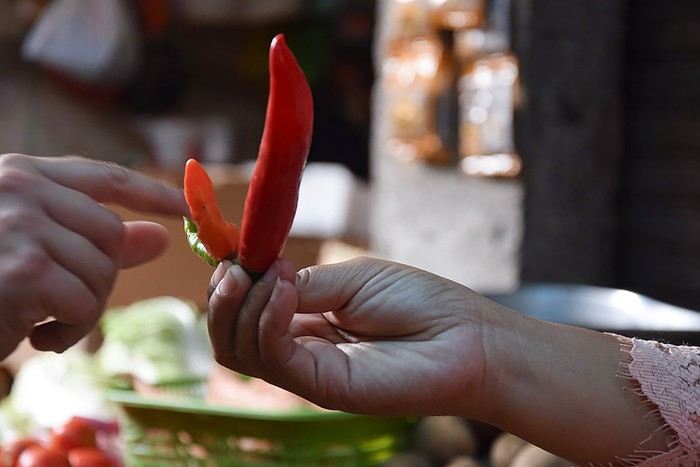
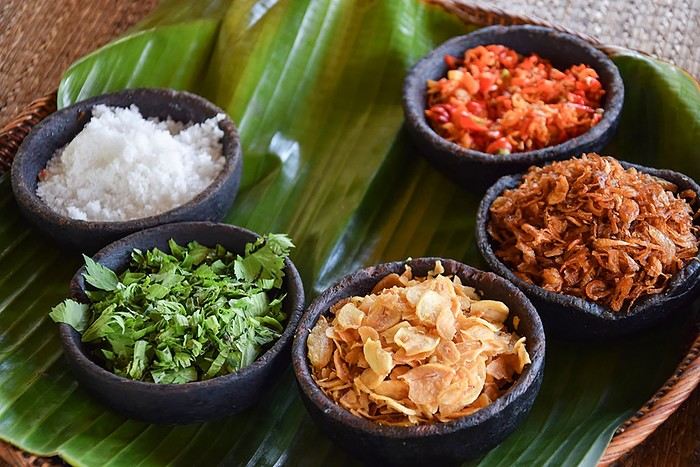
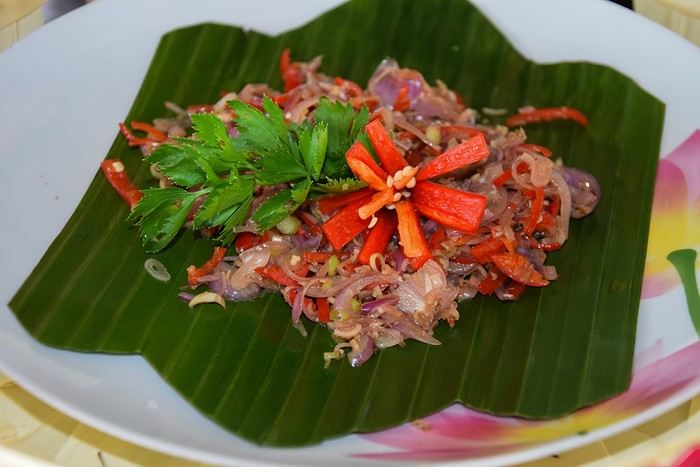
...........................................................................
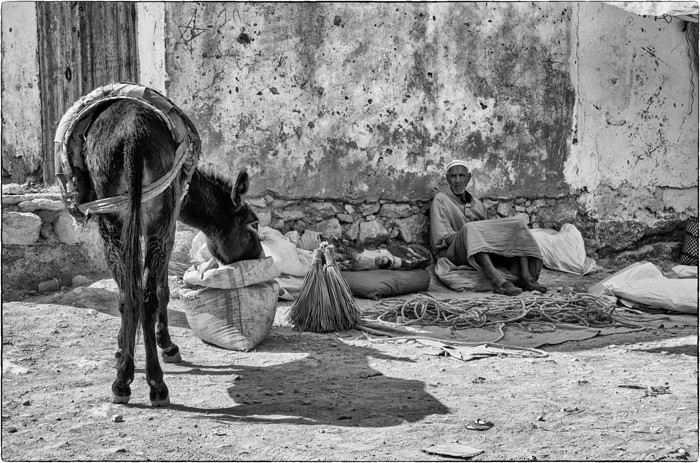
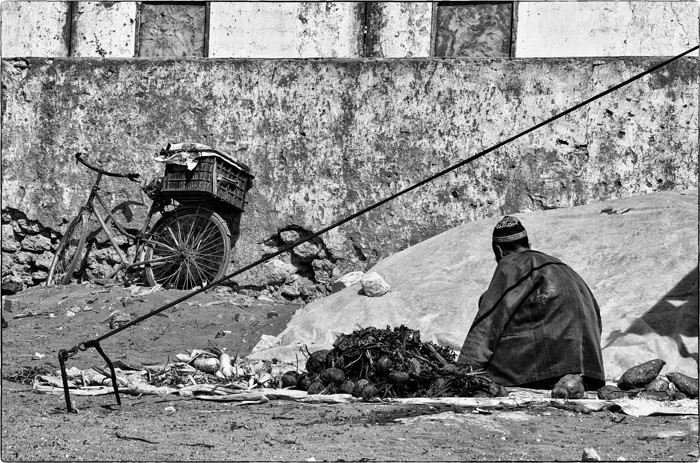
Narrative and thematic: I really loved this place 30 km from Essaouira. A little souk "just as it is," as they say. The souk of Ida Ougourd.
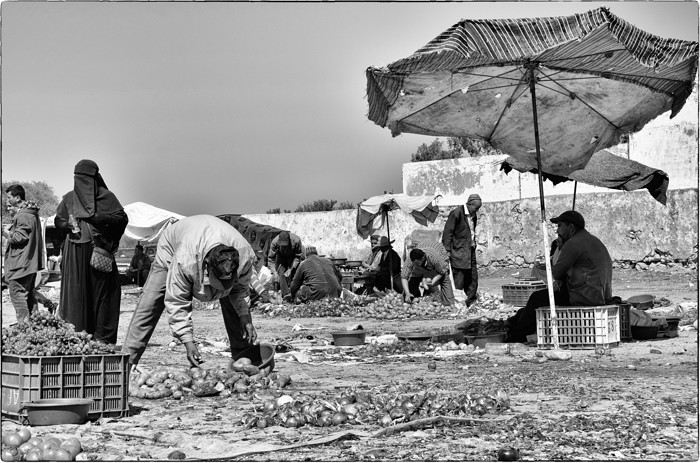
...........................................................................
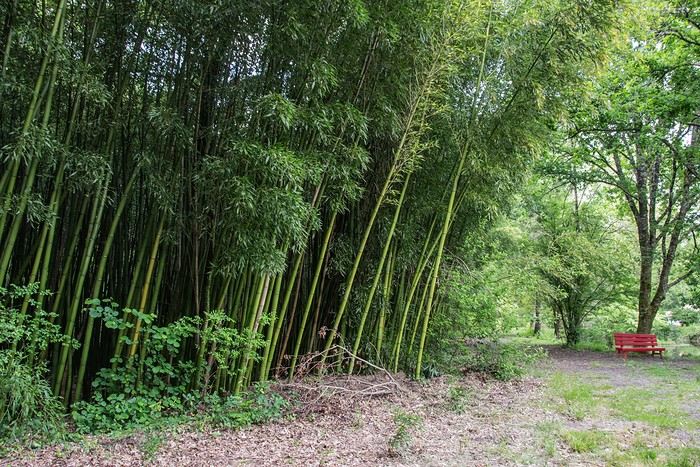
Thematic: Green in nature. The green of tea plantations in Munnar, a bamboo forest in Les Landes, and a park in Tokyo.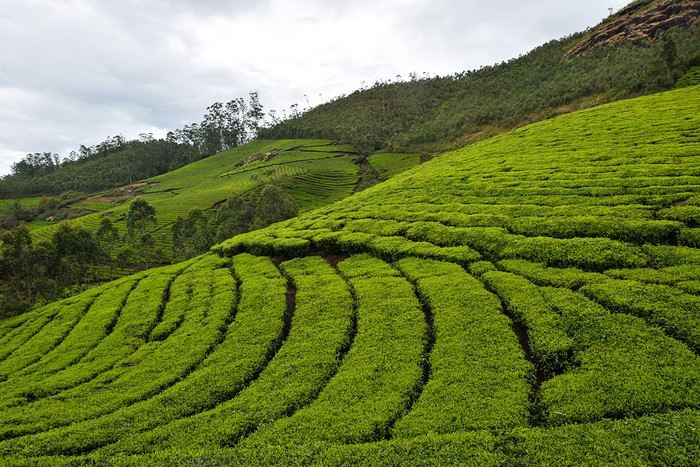
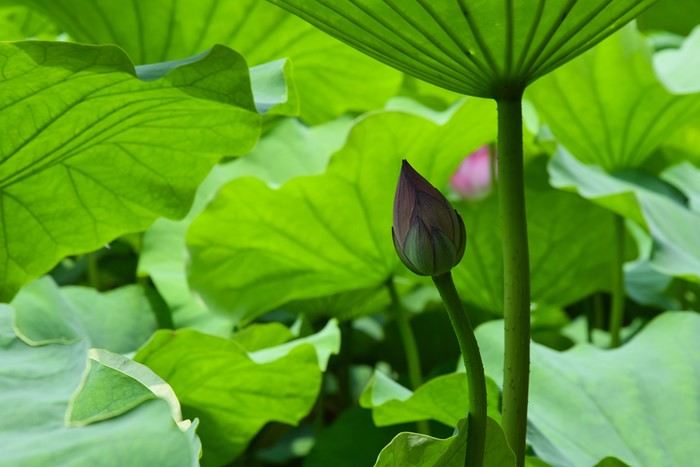
In 3 photos, posted simultaneously in the same message, I’d like you to tell me a little story with a few words. You’re allowed 2 series.
They can be narrative or thematic. For example: 3 shots representing 3 professions, 3 places of worship, 3 market stalls, 3 trains... the ideas are endless—whether in the same place or in different countries... or 3 images of the same place, photographed from 3 different angles, under 3 different lights... or 3 images where the predominant color is the same... Narrative and theme can, of course, overlap.
Practical details:
Participation Each VF member can submit up to 2 series, until Saturday, June 21 at 11:59 PM Paris time. Each series of 3 photos must be presented in a single message, with its number indicated (series 1, series 2).
Voting: Each VF member can vote for the 3 series they consider the best, based on their own criteria and the theme.
Voting will take place from Saturday, June 21 at midnight until Saturday, June 28 at 11:59 PM Paris time.
The selected series will be ranked in order of preference: - 1st series: 3 points - 2nd: 2 points - 3rd: 1 point
The winner is the author of the series with the most points.
Results will be published on June 29 during the day. In case of a tie, the number of first-place votes will decide. The winner will have the honor of organizing July 2025’s contest.
Photos that have won (1st, 2nd, or 3rd place) in another VF contest are not eligible for this one.
This thread is exclusively for series submitted to the contest. All discussions, comments, and other chatter should take place in this thread.
...................................................................
Narrative: In Bali, I took a cooking class. We went to the market to shop with the teacher. We cleaned and prepped the ingredients to make, among other things, a lovely salad.
...........................................................................
Narrative and thematic: I really loved this place 30 km from Essaouira. A little souk "just as it is," as they say. The souk of Ida Ougourd.
...........................................................................
Thematic: Green in nature. The green of tea plantations in Munnar, a bamboo forest in Les Landes, and a park in Tokyo.
One-month trip to Nicaragua – feedback
Hi everyone,
There’s not much info out there on Nicaragua in general, which is why I posted my questions here on the forum... but didn’t get many answers since it’s tough to find any anyway.
It’s a stunning country, but my experience was mixed.
There are areas with very few tourists (which is exactly what we were looking for), but as a result, there’s almost no way to get around (unless you walk, and even that’s not easy or always possible) and no real tourist infrastructure.
Finding info is nearly impossible—there’s practically nothing, so it’s hard to know what you’ll find in a given place, whether it’s worth taking a 12-hour bus ride across the country, only to turn around 48 hours later.
The easy and pleasant spots: Granada, Ometepe, San Juan del Sur and the Pacific beaches, León, and the Corn Islands. These are the places mentioned in guidebooks (the rest is jungle to the east, not many roads south of the lake, and no boats on the lake either—except for the Rivas-Ometepe connection). Venturing off the beaten path is really tough.
The Caribbean coast: aside from the Corn Islands (which are very touristy but not easy to reach by ferry from Bluefields), or if you want to take a flight with La Costeña, book in advance—there are often very few seats! The rest isn’t particularly satisfying, especially Pearl Lagoon, where swimming isn’t possible due to unsafe water. Don’t expect a postcard-perfect setting. But everything’s worth it if you have the time...
Buses: there are plenty, and they’re super cheap—but be warned, they stop everywhere, take forever, and are loud (though kind of charming in a vintage way). Too many buses can ruin a trip.
Lodges: affordable on a small budget, except in Managua and along the entire Caribbean coast! For example, beaches like El Tránsito (which is gorgeous) charge at least $50 or $60 per night for a basic room. Good to know.
In Matagalpa, we tried to rent a motorcycle to get around—impossible. I asked everywhere, but there was no way. So we cut our stay short because once you’ve explored Selva Negra, there’s not much else to do (an 8-hour bus ride to see a waterfall? No thanks). These might seem like small details, but they really matter when you want to enjoy where you are and discover nice spots—you end up stuck.
Bring plenty of mosquito spray + oral antihistamines: mosquitoes and bites are a *serious* nuisance. (I got over 200 bites in one go during a trip to a humid tropical forest, even though I was covered and protected.)
All in all, it’s an adventurous, exploratory trip. The people are great, and we never felt unsafe (even though some travelers have had *really* bad experiences). I thought there’d be a carnival since it was the right time of year—nothing. No dancing, not festive at all (compared to Brazil, for example, it’s the complete opposite).
We saw animals, but no toucans, for example!
For a beautiful, pristine, and well-organized trip, everyone agrees—go to Costa Rica, but be prepared to pay a lot more. Nicaragua is something else entirely. For surfers, though, it’s amazing! Personally, I love watching fish in clear, calm waters, hiking in nature, and swimming—I think I picked the wrong destination, but I’m glad I got to experience this totally wild side of Central America! :-)
24 days in Argentina in September: what to visit?
Hi there,
We’ll be in Argentina for 24 days starting mid-September 2025. I’m not sure where to go for this time of year—is Patagonia doable? Iguazu without a doubt, Salta, Peninsula Valdes to see the wildlife? Can we see penguins at that time? We love hiking, thanks for your tips!
Caraïbes: escales aux Îles Vierges English translation pending
Place au rêve, à l'évasion et au dépaysement … ce sont trois escales dans les Îles des Caraïbes que je vous propose de découvrir avec ce récit de voyage.
Des îles éparpillées dans le nord de l'arc antillais qui finalement ne sont pas totalement vierges, elles possèdent toutes un charme fou.
Des îles diverses, par leurs paysages mais aussi par leur histoire ou leur nationalités.
A « Grand Turk », nous serons en territoire britannique au milieu d'un camaïeu de bleu. Quant à « Saint Thomas », la seconde escale, l'île à tout d'un petit paradis … des USA ! après avoir été à une époque, terre d'un royaume scandinave . Et enfin, nous terminerons le périple à « Virgin Gorda », un île de la Grande Bretagne d'outremer dont on ne peut oublier les plages de rêve parsemées d'impressionnants rochers. Que d'agréables souvenirs !
--__
Grand Turk, entre bleu lagon et or blanc
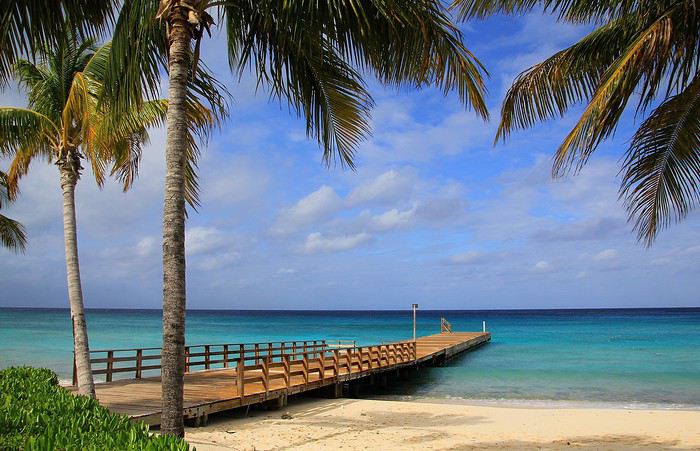
Voilà la vision tant attendue lorsqu'on débarque sur une île des Caraïbes ... A Grand Turk, ce décor de rêve est bien au rendez-vous : des plages de sable blanc et un horizon marin aux fascinantes nuances de bleu, et il y en a tout autour de l'île. Certes, la photo est un peu cliché mais avouons que contempler un tel paysage fait du bien, surtout en cette période où la moindre idée de voyage à l'étranger est à oublier … du moins pour un certain temps ! Sur votre écran, vous avez l'image, à vous de la compléter en imaginant l'environnement sonore. Entendez-vous maintenant le doux bruit des vaguelettes venant lécher ce rivage ?
Comme lors de tout voyage, il y a un temps pour des moments de contemplation et d'autres consacrés à la découverte … à nous à présent, la balade sur Grand Turk.
L'archipel de Grand Turk et Caïcos est situé au nord des Antilles, c'est un chapelet d'îles et d'îlots dans le prolongement des Bahamas et séparé de quelques 160 kilomètres, à vol d'oiseau (marin), du nord de Haïti.
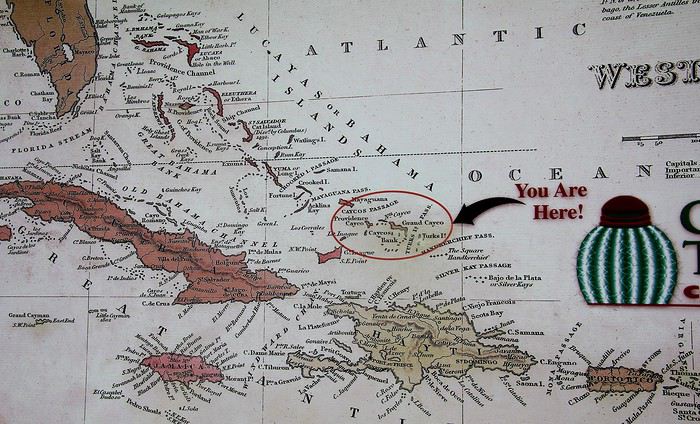
Cette carte apposée sur un mur du port de débarquement permet de mieux localiser l'archipel au milieu d'une myriade d'îles caribéennes. Donc nous voici « Here », facile à repérer notre situation avec ce cercle et cette patine bistre : que de doigts de visiteurs ont du pointer l'archipel ! Une trentaine d'îles dont huit seulement sont habitées constitue Grand Turk & Caïcos. Quant à Grand Turk, l'île n'a de grand que le nom. L'île ne mesure qu'une dizaine de kilomètres pour à peine deux/trois de large, mais c'est sur son territoire qu'est située la capitale du petit État : Cockburn Town.
En bonne place sur cette carte ainsi que sur les drapeaux flottants au vent, on le constate, le cactus est mis en avant. Cette plante a été choisie comme emblème de l'archipel.
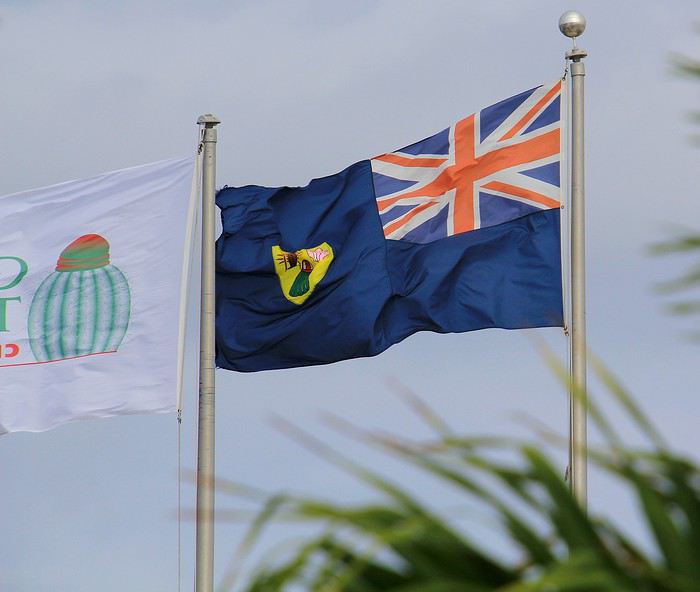
Avec toutes ses épines, on ne peut pas dire que l'aspect de ce cactus local soit particulièrement accueillant ... mais si ! il a quand même belle allure avec son drôle de pompon rouge.
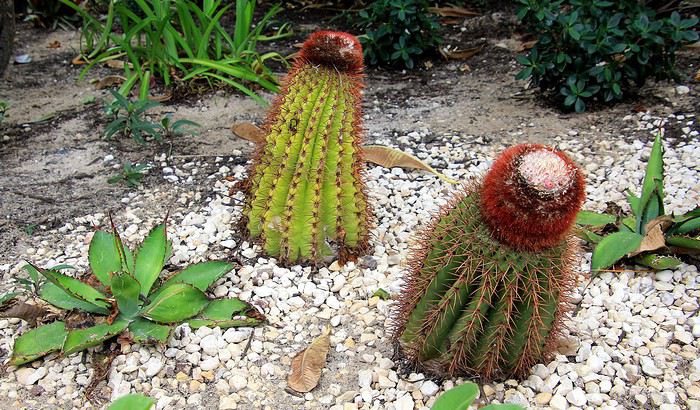
Nommé melocactus, ça fait savant, ou plus simplement Turk 's head in english, cette « Tête de Turc » végétale serait à l'origine du nom de l'archipel des Turks & Caïcos, enfin paraît-il ! Au sujet du drapeau, bien sûr on retrouve l'Union Jack, mère patrie oblige mais à côté figure aussi des armoiries aux couleurs plus locales : une conque, une langouste ainsi que l'incontournable cactus.
Quitté les environs du port, c'est à dire le sud de l'île, la route nous fait passer près de l'aéroport international de Grand Turk, il relie le territoire au reste du monde. Un aéroport à la taille modeste, on pouvait s'en douter, dont la piste est tracée sur une des seules parties parfaitement planes de l'île.
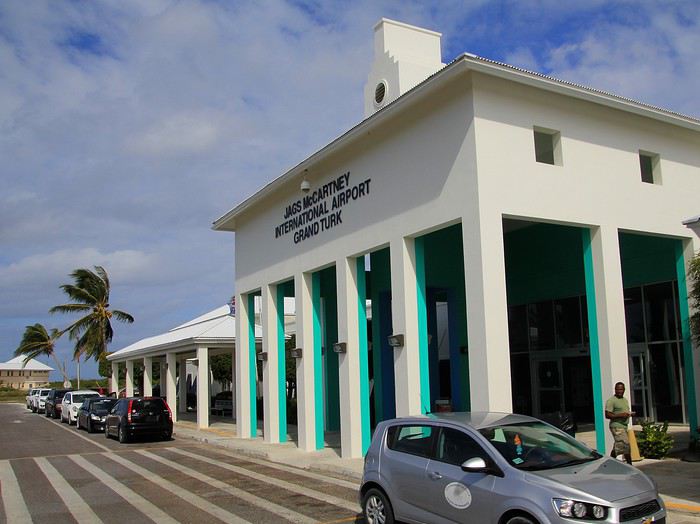
Mc Cartney Airport ? Non, ce n'est pas un hommage au célèbre Paul … des Beatles. JJAGS Mc Carney était un homme politique qui a marqué les T&C. Élu à la tête du territoire insulaire à l'âge de 31 ans, il a enthousiasmé les habitants par son charisme et son souhait d'autonomie pour l’administration de ses îles … mais le destin en a voulu autrement. En 1981 et à seulement 34 ans, l'homme trouva la mort lors d'un crash aérien.
Restons dans le domaine aérien et même bien au-delà … Au carrefour de l'aéroport, trône une ancienne capsule spatiale.
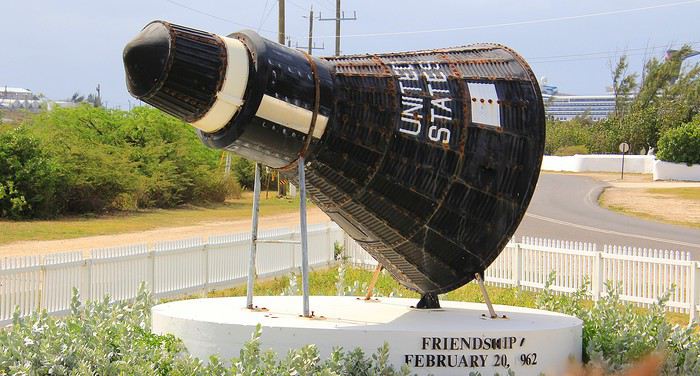
Sur l'île, on est très fier d'évoquer ce souvenir des débuts de la conquête spatiale. En 1962, c'est au large de Grand Turk que l'astronaute John Glenn a effectué son «splashdown », c'est à dire son amerrissage. A bord de Mercury, il venait de faire trois révolutions autour de la terre devenant ainsi le premier américain a effectué un vol en orbite. A l'époque, sur Grand Turk, il y avait une base militaire transformée pour l'occasion en mini NASA. Ainsi les Américains avec cette première avaient rattrapé les Russes dans la course à l'espace … des Russes qui avec Youri Gagarine les avaient devancé dans l'espace dix mois plutôt.
Bienvenue à Cockburn Town, la capitale officielle depuis 1766 des Turks & Caïcos Une capitale de poche avec seulement 3700 habitants sur les quelques 5000 que compte l'ensemble de l'île. Dans la ville, qui s'étire le long du littoral, on y trouve bien entendu quelques bâtiments administratifs. Celui-ci, sur la photo ci-dessous, regroupe dans une même construction la plupart des services administratifs : financiers, juridiques et sans doute encore quelques autres ...
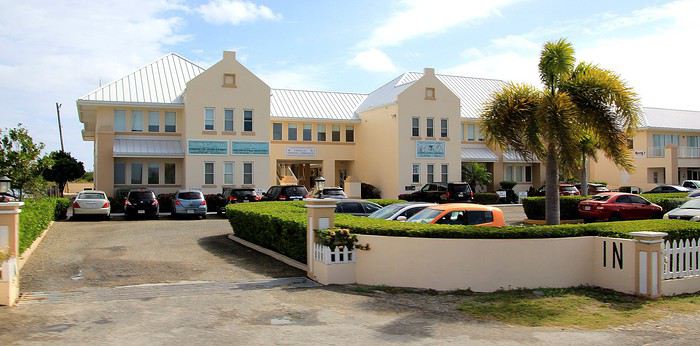
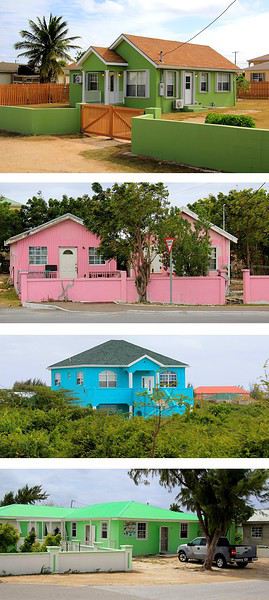
Dans cette capitale-bourgade, on voit surtout des résidences individuelles, un peu dans le style d'un lotissement balnéaire. De simples maisons toutes parées de couleurs aux infinies nuances, les tonalités vont du rose au bleu en passant par le vert …
Sur le front de mer, quelques coquettes villas coloniales semblent particulièrement accueillantes. Leur style architectural est le plus souvent inspiré des maisons bahaméennes.
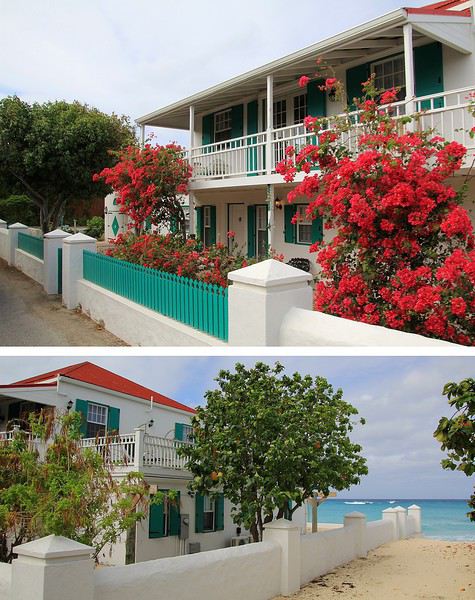
Si plusieurs ont été rénovées et sont ornées d'une profusion de bougainvilliers d'autres semblent presque à l'abandon, celle-ci par exemple.
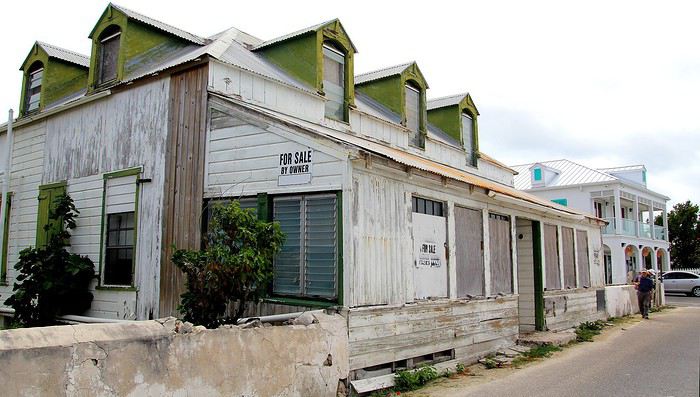
Cette ancienne bâtisse Miramar, autrefois le siège de bureaux est proposée à la vente. A bon entendeur, sachez qu'elle est idéalement située en face de la plage cependant, côté remise en état, bon courage pour le budget des travaux à prévoir !
A « Grand Turk », nous serons en territoire britannique au milieu d'un camaïeu de bleu. Quant à « Saint Thomas », la seconde escale, l'île à tout d'un petit paradis … des USA ! après avoir été à une époque, terre d'un royaume scandinave . Et enfin, nous terminerons le périple à « Virgin Gorda », un île de la Grande Bretagne d'outremer dont on ne peut oublier les plages de rêve parsemées d'impressionnants rochers. Que d'agréables souvenirs !
--__
Grand Turk, entre bleu lagon et or blanc
Voilà la vision tant attendue lorsqu'on débarque sur une île des Caraïbes ... A Grand Turk, ce décor de rêve est bien au rendez-vous : des plages de sable blanc et un horizon marin aux fascinantes nuances de bleu, et il y en a tout autour de l'île. Certes, la photo est un peu cliché mais avouons que contempler un tel paysage fait du bien, surtout en cette période où la moindre idée de voyage à l'étranger est à oublier … du moins pour un certain temps ! Sur votre écran, vous avez l'image, à vous de la compléter en imaginant l'environnement sonore. Entendez-vous maintenant le doux bruit des vaguelettes venant lécher ce rivage ?
Comme lors de tout voyage, il y a un temps pour des moments de contemplation et d'autres consacrés à la découverte … à nous à présent, la balade sur Grand Turk.
L'archipel de Grand Turk et Caïcos est situé au nord des Antilles, c'est un chapelet d'îles et d'îlots dans le prolongement des Bahamas et séparé de quelques 160 kilomètres, à vol d'oiseau (marin), du nord de Haïti.
Cette carte apposée sur un mur du port de débarquement permet de mieux localiser l'archipel au milieu d'une myriade d'îles caribéennes. Donc nous voici « Here », facile à repérer notre situation avec ce cercle et cette patine bistre : que de doigts de visiteurs ont du pointer l'archipel ! Une trentaine d'îles dont huit seulement sont habitées constitue Grand Turk & Caïcos. Quant à Grand Turk, l'île n'a de grand que le nom. L'île ne mesure qu'une dizaine de kilomètres pour à peine deux/trois de large, mais c'est sur son territoire qu'est située la capitale du petit État : Cockburn Town.
En bonne place sur cette carte ainsi que sur les drapeaux flottants au vent, on le constate, le cactus est mis en avant. Cette plante a été choisie comme emblème de l'archipel.
Avec toutes ses épines, on ne peut pas dire que l'aspect de ce cactus local soit particulièrement accueillant ... mais si ! il a quand même belle allure avec son drôle de pompon rouge.
Nommé melocactus, ça fait savant, ou plus simplement Turk 's head in english, cette « Tête de Turc » végétale serait à l'origine du nom de l'archipel des Turks & Caïcos, enfin paraît-il ! Au sujet du drapeau, bien sûr on retrouve l'Union Jack, mère patrie oblige mais à côté figure aussi des armoiries aux couleurs plus locales : une conque, une langouste ainsi que l'incontournable cactus.
Quitté les environs du port, c'est à dire le sud de l'île, la route nous fait passer près de l'aéroport international de Grand Turk, il relie le territoire au reste du monde. Un aéroport à la taille modeste, on pouvait s'en douter, dont la piste est tracée sur une des seules parties parfaitement planes de l'île.
Mc Cartney Airport ? Non, ce n'est pas un hommage au célèbre Paul … des Beatles. JJAGS Mc Carney était un homme politique qui a marqué les T&C. Élu à la tête du territoire insulaire à l'âge de 31 ans, il a enthousiasmé les habitants par son charisme et son souhait d'autonomie pour l’administration de ses îles … mais le destin en a voulu autrement. En 1981 et à seulement 34 ans, l'homme trouva la mort lors d'un crash aérien.
Restons dans le domaine aérien et même bien au-delà … Au carrefour de l'aéroport, trône une ancienne capsule spatiale.
Sur l'île, on est très fier d'évoquer ce souvenir des débuts de la conquête spatiale. En 1962, c'est au large de Grand Turk que l'astronaute John Glenn a effectué son «splashdown », c'est à dire son amerrissage. A bord de Mercury, il venait de faire trois révolutions autour de la terre devenant ainsi le premier américain a effectué un vol en orbite. A l'époque, sur Grand Turk, il y avait une base militaire transformée pour l'occasion en mini NASA. Ainsi les Américains avec cette première avaient rattrapé les Russes dans la course à l'espace … des Russes qui avec Youri Gagarine les avaient devancé dans l'espace dix mois plutôt.
Bienvenue à Cockburn Town, la capitale officielle depuis 1766 des Turks & Caïcos Une capitale de poche avec seulement 3700 habitants sur les quelques 5000 que compte l'ensemble de l'île. Dans la ville, qui s'étire le long du littoral, on y trouve bien entendu quelques bâtiments administratifs. Celui-ci, sur la photo ci-dessous, regroupe dans une même construction la plupart des services administratifs : financiers, juridiques et sans doute encore quelques autres ...
Dans cette capitale-bourgade, on voit surtout des résidences individuelles, un peu dans le style d'un lotissement balnéaire. De simples maisons toutes parées de couleurs aux infinies nuances, les tonalités vont du rose au bleu en passant par le vert …
Sur le front de mer, quelques coquettes villas coloniales semblent particulièrement accueillantes. Leur style architectural est le plus souvent inspiré des maisons bahaméennes.
Si plusieurs ont été rénovées et sont ornées d'une profusion de bougainvilliers d'autres semblent presque à l'abandon, celle-ci par exemple.
Cette ancienne bâtisse Miramar, autrefois le siège de bureaux est proposée à la vente. A bon entendeur, sachez qu'elle est idéalement située en face de la plage cependant, côté remise en état, bon courage pour le budget des travaux à prévoir !
Le tourisme de masse a fait son apparition à Horseshoe Bend English translation pending
Le tourisme de masse a fait son apparition à Horseshoe Bend
J'ai eu plaisir de visiter Horseshoe Bend en 2008 .Il y avait un petit parking en terre battu pour les voitures . Une petite pancarte indiquait la direction du site et il y avait peu de monde à franchir la colline pour arriver sur place et c’était gratuit. Maintenant très grand parking pour recevoir les cars du béton pour les gardes fou un nouveau chemin d’accès .Enfin l'etat sauvage du site a disparu en plein Gleen canyon . Le site se trouve sur Gleen Canyon mais le chemin d’Accès est privé donc payage.
https://www.arizona-dream.com/usa/blog-voyage-usa/travaux-horseshoe-bend/travaux-horseshoe-bend.php
J'ai eu plaisir de visiter Horseshoe Bend en 2008 .Il y avait un petit parking en terre battu pour les voitures . Une petite pancarte indiquait la direction du site et il y avait peu de monde à franchir la colline pour arriver sur place et c’était gratuit. Maintenant très grand parking pour recevoir les cars du béton pour les gardes fou un nouveau chemin d’accès .Enfin l'etat sauvage du site a disparu en plein Gleen canyon . Le site se trouve sur Gleen Canyon mais le chemin d’Accès est privé donc payage.
https://www.arizona-dream.com/usa/blog-voyage-usa/travaux-horseshoe-bend/travaux-horseshoe-bend.php
L’Argentine, le paradis des cyclistes English translation pending
Bonjour,
Entre le 28 février et le 13 août 2019, nous étions en Argentine à vélo. Nous arrivions de l'Uruguay et nous avons entamé un long périple à travers l'Argentine. Nous sommes 2 frères Kevin & Guillaume Taurin. Nous parcourons les routes du mondes à vélo depuis mai 2018 à travers un projet qui se nomme Hey Bro - Tour du Monde à vélo. Notre périple est pour l'instant en stop face aux événements récents mais nous sommes toujours motivé dans cette quête de parcourir le monde. Notre objectif promouvoir et communiquer notre passion pour l'aventure, le partage, le respect de l’environnement et l'image.
Voici notre résumé de l'Argentine
Nous avons réalisé une vidéo sur notre passage entre Buenos Aires et San Carlos de Bariloche.
D’immenses étendues de terrains où par moments la route est à nous. On s’est sentis libres, tranquilles et en harmonie avec la nature. Avec des paysages à couper le souffle, comme dans la région des lacs ou encore dans les montagnes des Andes. L’Argentine, un grand mais surtout un beau pays.
COUPS DE CŒUR
LA ROUTE DES 7 LACS C’est dans la Patagonie, à moitié dans la cordillère des Andes. Elle commence à San Martín de Los Andes pour se terminer à Villa la Angostura, pas loin de San Carlos de Bariloche. C’est une agréable route, avec la possibilité de découvrir bien plus de 7 lacs. Si les bonnes conditions sont réunies, on peut y admirer de magnifiques levers et couchers de soleil. Pendant la journée, c’est un festival de couleurs et une tranquillité reposante. La traversée a duré 4 jours.
Nous y étions à la fin de la saison sèche. Les températures étaient très basses. De plus, il n’y a pas ravitaillement sur la route. Les quelques campings ouverts ne disposaient pas de beaucoup de nourriture.
Cette route est un vrai bonheur !
LA RUTA 40 On avait hâte d’y être ! Un nouveau rêve qui se réalise. Rouler sur cette mythique route des voyageurs ! Bon, c’est surtout pour des voyageurs en van 😉
Une route tranquille où on peut faire plus de 100 km sans croiser un village avec des routes droites à ne plus en voir le bout. Un challenge et surtout des surprises tout le long. Le plus surprenant, c’était de découvrir des petits abris en libre accès permettant de faire un feu ou d’y dormir. C’est pour les voyageurs et ça fait du bien à nous cyclistes pour se protéger du vent ou s’y reposer.
On a pu voir le long de la route :
La région des lacs San Carlos de Bariloche Cafayate Quebrada de Humahuaca
CAFAYATE C’est dans la province de Salta légèrement en altitude (1 700 mètres). La particularité de ce lieu, c’est le vin. La terre permet de faire pousser des vignes. On trouve beaucoup de bodegas (établissement viticole). Il y a de quoi se régaler ! En prime, on peut y manger des empanadas de très bonne qualité dans la Casa de las empanadas ! Un délice.
ROUTES TRAVERSÉES On ne va pas parler de la Route des 7 lacs et de la Ruta 40 qui figurent dans nos coups de cœur.
RUTA 3 Une catastrophe, très fréquentée par des camions notamment. Si le vent s’ajoute au trafic, ça devient l’enfer. Il y a des routes parallèles forcément plus longues mais plus sûres ! C’est la route la plus dangereuse de notre voyage.
RN22 Ce n’est pas notre meilleur souvenir, très monotone avec des lignes droites et du vent ! Par contre, pas de trafic 🙂 On a le temps d’imaginer à quel point le monde est grand sur ce type de route.
RP13 PRIMEROS PINOS Notre première rencontre avec la cordillère des Andes et le froid des montagnes. C’est également le début de la découverte de la région des lacs. Splendide et sans trafic.
RN68 QUEBRADA DE LAS CONCHAS C’est une route très courte mais qui permet d’observer des formations rocheuses étonnantes. Malheureusement, c’est très touristique. Attention aux bus qui roulent rapidement dans le secteur.
SAISON/MÉTÉO Dans le pays, les températures étaient très fraîches. On a commencé à avoir froid en arrivant en Patagonie avec des vents parfois glacials. Certaines journées étaient agréables.
ENVIRONNEMENT Le pays contient des régions. Chaque région est découpée en provinces. On a traversé :
La Pampa (provinces de Buenos Aires et de Río Negro) La Patagonie (provinces de Río Negro et de Neuquén) Cuyo (provinces de Mendoza et San Juan) Le Nord-Ouest Argentin (provinces de La Rioja, Catamarca, Salta et Jujuy)
NOURRITURE
Empanadas : Surtout dans la Casa de las empanadas à Cafayate. C’est les meilleurs du pays. Asados : Comme en Uruguay et ça c’est une excellente nouvelle ! Choripan : Meilleur que le Mac Do. Dulce De Leche : En évitant les marques industrielles.
LES CHIFFRES CLÉS Distance 4708 km Ascension 32 km Nombre de nuits : Total 120 Bivouac 57 Warmshower 7 (chez 3 personnes) Chez l’habitant 40 AirBnb 6 Hôtel 6 Bateau 2 (à Buenos Aires dans le bateau du capitaine au port) Dortoirs 2
Voila pour ce premier morceau de l'Argentine. On parle de notre aventure sur notre blog.
Merci pour votre temps et à bientôt.
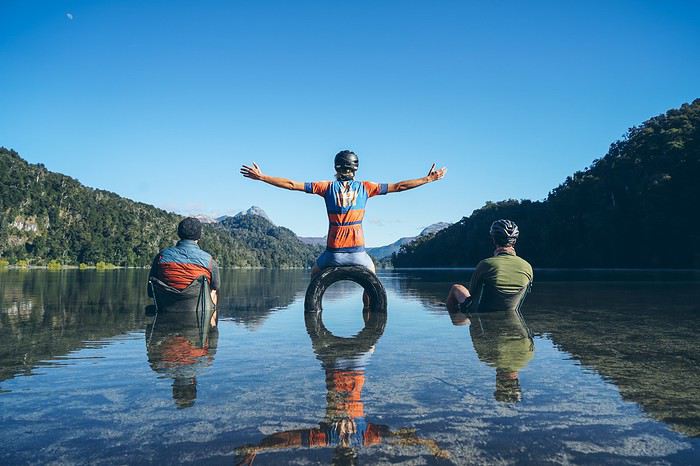
Entre le 28 février et le 13 août 2019, nous étions en Argentine à vélo. Nous arrivions de l'Uruguay et nous avons entamé un long périple à travers l'Argentine. Nous sommes 2 frères Kevin & Guillaume Taurin. Nous parcourons les routes du mondes à vélo depuis mai 2018 à travers un projet qui se nomme Hey Bro - Tour du Monde à vélo. Notre périple est pour l'instant en stop face aux événements récents mais nous sommes toujours motivé dans cette quête de parcourir le monde. Notre objectif promouvoir et communiquer notre passion pour l'aventure, le partage, le respect de l’environnement et l'image.
Voici notre résumé de l'Argentine
Nous avons réalisé une vidéo sur notre passage entre Buenos Aires et San Carlos de Bariloche.
D’immenses étendues de terrains où par moments la route est à nous. On s’est sentis libres, tranquilles et en harmonie avec la nature. Avec des paysages à couper le souffle, comme dans la région des lacs ou encore dans les montagnes des Andes. L’Argentine, un grand mais surtout un beau pays.
COUPS DE CŒUR
LA ROUTE DES 7 LACS C’est dans la Patagonie, à moitié dans la cordillère des Andes. Elle commence à San Martín de Los Andes pour se terminer à Villa la Angostura, pas loin de San Carlos de Bariloche. C’est une agréable route, avec la possibilité de découvrir bien plus de 7 lacs. Si les bonnes conditions sont réunies, on peut y admirer de magnifiques levers et couchers de soleil. Pendant la journée, c’est un festival de couleurs et une tranquillité reposante. La traversée a duré 4 jours.
Nous y étions à la fin de la saison sèche. Les températures étaient très basses. De plus, il n’y a pas ravitaillement sur la route. Les quelques campings ouverts ne disposaient pas de beaucoup de nourriture.
Cette route est un vrai bonheur !
LA RUTA 40 On avait hâte d’y être ! Un nouveau rêve qui se réalise. Rouler sur cette mythique route des voyageurs ! Bon, c’est surtout pour des voyageurs en van 😉
Une route tranquille où on peut faire plus de 100 km sans croiser un village avec des routes droites à ne plus en voir le bout. Un challenge et surtout des surprises tout le long. Le plus surprenant, c’était de découvrir des petits abris en libre accès permettant de faire un feu ou d’y dormir. C’est pour les voyageurs et ça fait du bien à nous cyclistes pour se protéger du vent ou s’y reposer.
On a pu voir le long de la route :
La région des lacs San Carlos de Bariloche Cafayate Quebrada de Humahuaca
CAFAYATE C’est dans la province de Salta légèrement en altitude (1 700 mètres). La particularité de ce lieu, c’est le vin. La terre permet de faire pousser des vignes. On trouve beaucoup de bodegas (établissement viticole). Il y a de quoi se régaler ! En prime, on peut y manger des empanadas de très bonne qualité dans la Casa de las empanadas ! Un délice.
ROUTES TRAVERSÉES On ne va pas parler de la Route des 7 lacs et de la Ruta 40 qui figurent dans nos coups de cœur.
RUTA 3 Une catastrophe, très fréquentée par des camions notamment. Si le vent s’ajoute au trafic, ça devient l’enfer. Il y a des routes parallèles forcément plus longues mais plus sûres ! C’est la route la plus dangereuse de notre voyage.
RN22 Ce n’est pas notre meilleur souvenir, très monotone avec des lignes droites et du vent ! Par contre, pas de trafic 🙂 On a le temps d’imaginer à quel point le monde est grand sur ce type de route.
RP13 PRIMEROS PINOS Notre première rencontre avec la cordillère des Andes et le froid des montagnes. C’est également le début de la découverte de la région des lacs. Splendide et sans trafic.
RN68 QUEBRADA DE LAS CONCHAS C’est une route très courte mais qui permet d’observer des formations rocheuses étonnantes. Malheureusement, c’est très touristique. Attention aux bus qui roulent rapidement dans le secteur.
SAISON/MÉTÉO Dans le pays, les températures étaient très fraîches. On a commencé à avoir froid en arrivant en Patagonie avec des vents parfois glacials. Certaines journées étaient agréables.
ENVIRONNEMENT Le pays contient des régions. Chaque région est découpée en provinces. On a traversé :
La Pampa (provinces de Buenos Aires et de Río Negro) La Patagonie (provinces de Río Negro et de Neuquén) Cuyo (provinces de Mendoza et San Juan) Le Nord-Ouest Argentin (provinces de La Rioja, Catamarca, Salta et Jujuy)
NOURRITURE
Empanadas : Surtout dans la Casa de las empanadas à Cafayate. C’est les meilleurs du pays. Asados : Comme en Uruguay et ça c’est une excellente nouvelle ! Choripan : Meilleur que le Mac Do. Dulce De Leche : En évitant les marques industrielles.
LES CHIFFRES CLÉS Distance 4708 km Ascension 32 km Nombre de nuits : Total 120 Bivouac 57 Warmshower 7 (chez 3 personnes) Chez l’habitant 40 AirBnb 6 Hôtel 6 Bateau 2 (à Buenos Aires dans le bateau du capitaine au port) Dortoirs 2
Voila pour ce premier morceau de l'Argentine. On parle de notre aventure sur notre blog.
Merci pour votre temps et à bientôt.
Discussion du concours photo du mois d'avril 2020: "En famille" English translation pending
Pour discuter, partager, c'est ici !
Le concours est là 🙂
Bus de/vers l'aéroport de Santo Domingo (ou Boca Chica) English translation pending
Bonjour. En 2020 y aura-t-il un bus ou une navette qui desservira l’aéroport de Santo Domingo ? (soit vers la ville de Santo Domingo, ou vers Boca Chica).
Jusqu’ici les bus ou ganguas ne s’arrêtaient qu’au niveau de l’autoroute, donc obligation de prendre un taxi pour se rendre au terminal de Las Americanas.
Fête des gitans aux Saintes-Maries-de-la-Mer du 24 mai 2020 English translation pending
Bonjour, je cherche à savoir si la veille du 24 mai 2020 jour où débute la fête, on peut déjà avoir le plaisir d'entendre les musiciens gitans dans les rues ou bien ne se passe t'il rien jusqu'au 24 ?
J'espère réussir à avoir quelques informations et je remercie dors et déjà les personnes de ces renseignements.
Itinéraire d'un mois avec 3 enfants de 7, 9 et 13 ans au Nicaragua en août English translation pending
Bonjour à tous.
Nous sommes une famille avec 3 enfants de 7, 9 et 13 ans.
Nous venons de prendre nos billets pour le Nicaragua, départ le 30 juillet de Bordeaux, retour le 25 aout. ( via Montreal et Houston)
Je commence à lire vos messages et le site de pveyrat pour préparer notre itinéraire.
Nous avons, grâce à ce forum, fait de superbes voyagse en famille par nos propres moyens ( Indonésie, Maroc, ex Yougoslavie, Mexique, crête USA...) en dehors des sentiers touristiques et nous sommes également allés au Pérou et en Bolivie avant d'avoir nos enfants.
Nous aimons les voyages avec une temporalité lente, des étapes de plusieurs jours afin de profiter des lieux et des gens.
Pour le Nicaragua, nous allons privilégier pour des questions de climats et de transports la cote pacifique. Idéalement, 4 a 6 étapes maxi de 3 à 5 jours à localiser (dans le désordre) aux alentours de Granada, Leon, Ometepe, lagune d'apoyo, cosiguina, san juan del sur ( si pas de trop de monde à cette époque..car le surf, les plages bondées et la music à gogo..pas trop pour nous ;-), El ostional, voir pourquoi pas envisager les iles solentiname ou le Rio San Juan ?
D'ors et déjà, je vous sollicite pour les lieux d'étapes qui pourraient permettre de graviter facilement sur plusieurs sites.
Également, je suis preneur des ballades/ randonnées accessibles avec des enfants, notamment pour les volcans.
Nous pensons prendre le bus, mais à 5, la voiture avec chauffeur peut-t-elle être intéressante ?
Une dernière question, il y a t'il un intérêt de passer au Honduras ou au costa rica pour qq jours ( site proche de la frontière ? )
merci d'avance de vos premiers conseils.
Sébastien
Nous sommes une famille avec 3 enfants de 7, 9 et 13 ans.
Nous venons de prendre nos billets pour le Nicaragua, départ le 30 juillet de Bordeaux, retour le 25 aout. ( via Montreal et Houston)
Je commence à lire vos messages et le site de pveyrat pour préparer notre itinéraire.
Nous avons, grâce à ce forum, fait de superbes voyagse en famille par nos propres moyens ( Indonésie, Maroc, ex Yougoslavie, Mexique, crête USA...) en dehors des sentiers touristiques et nous sommes également allés au Pérou et en Bolivie avant d'avoir nos enfants.
Nous aimons les voyages avec une temporalité lente, des étapes de plusieurs jours afin de profiter des lieux et des gens.
Pour le Nicaragua, nous allons privilégier pour des questions de climats et de transports la cote pacifique. Idéalement, 4 a 6 étapes maxi de 3 à 5 jours à localiser (dans le désordre) aux alentours de Granada, Leon, Ometepe, lagune d'apoyo, cosiguina, san juan del sur ( si pas de trop de monde à cette époque..car le surf, les plages bondées et la music à gogo..pas trop pour nous ;-), El ostional, voir pourquoi pas envisager les iles solentiname ou le Rio San Juan ?
D'ors et déjà, je vous sollicite pour les lieux d'étapes qui pourraient permettre de graviter facilement sur plusieurs sites.
Également, je suis preneur des ballades/ randonnées accessibles avec des enfants, notamment pour les volcans.
Nous pensons prendre le bus, mais à 5, la voiture avec chauffeur peut-t-elle être intéressante ?
Une dernière question, il y a t'il un intérêt de passer au Honduras ou au costa rica pour qq jours ( site proche de la frontière ? )
merci d'avance de vos premiers conseils.
Sébastien
Préparation croisière de Fort Lauderdale à Savone, départ 24 février 2020 English translation pending
Bonjour
Pour l'instant nous sommes 6 couples du forum à faire ce retour vers l'europe
Le circuit:
24/02 Fort lauderdale départ 23h
25/02 Freeport grand bahamas de 12 à 18h 26/02 en mer
27/02 amber cove de 8 à 15h
28/02 ocho rios de 12 à 18h
29/02 grand cayman de 9 h à 19h
01/03 en mer
02/03 Roatan de 8 à 16h
03/03 Cozumel de 8 à 19h
04/03 en mer
05/03 Port everglades de 6 à 23h 06/03 en mer 07/03 en mer
08/03 San juan de 8h à 18h
09/03 Antigua de 8 h à 17h
16/03 Santa cruz de tenerife de 9 à 17h 17/03 en mer
18/03 Malaga de 14h à 20h 19/03 en mer
20/03 Marseille de 13h à 18h
21/03 Savone arrivée 8h
En ce qui nous concerne arrivée à Miami le 19/02 5 jours de visites: miami et miami beach, keywest, les éverglades.
Pour l'instant pas de visites de calés pour le circuit mais à Cozumel nous irons à Tulum ( ferry pour playa del carmen + taxi ou bus pour tulum idem pour le retour )
Pour ocho rios: Turtle river falls
Pour les autres escales nous sommes preneur de toutes idées ou bons plans.
Par avance merci.
Pour l'instant nous sommes 6 couples du forum à faire ce retour vers l'europe
Le circuit:
24/02 Fort lauderdale départ 23h
25/02 Freeport grand bahamas de 12 à 18h 26/02 en mer
27/02 amber cove de 8 à 15h
28/02 ocho rios de 12 à 18h
29/02 grand cayman de 9 h à 19h
01/03 en mer
02/03 Roatan de 8 à 16h
03/03 Cozumel de 8 à 19h
04/03 en mer
05/03 Port everglades de 6 à 23h 06/03 en mer 07/03 en mer
08/03 San juan de 8h à 18h
09/03 Antigua de 8 h à 17h
16/03 Santa cruz de tenerife de 9 à 17h 17/03 en mer
18/03 Malaga de 14h à 20h 19/03 en mer
20/03 Marseille de 13h à 18h
21/03 Savone arrivée 8h
En ce qui nous concerne arrivée à Miami le 19/02 5 jours de visites: miami et miami beach, keywest, les éverglades.
Pour l'instant pas de visites de calés pour le circuit mais à Cozumel nous irons à Tulum ( ferry pour playa del carmen + taxi ou bus pour tulum idem pour le retour )
Pour ocho rios: Turtle river falls
Pour les autres escales nous sommes preneur de toutes idées ou bons plans.
Par avance merci.
Itinéraire voyage chez l'habitant Guatemala - Belize English translation pending
Bonjour
Je pars au Guatemala et au Bélize pendant 25 jours au mois de janvier
j'aurais besoin de quelque conseils et infos :
_ j'arrive et je pars de Guatemala City auriez-vous un itinéraire à me conseiller en incluant 4,5 jours au Bélize
_ auriez-vous des adresses pour loger chez l'habitant car je n'ai pas trouvé grand-chose sur internet ? À défaut des adresses pas trop cher
_ je souhaiterais faire la l'ascension de l'acatenango mais j'ai lu ici et là que c'était assez difficile j'ai 43 ans et une condition plutôt moyenne auriez-vous des retours ?, j'aimerais aussi savoir s'il est possible de louer le matériel pour l'ascension car je souhaite voyager léger et en sac à dos
_ au Bélize j'aimerais faire du snorkeling et un peu de plongée sachant que je n'ai aucun permis
_ auriez-vous des conseils pour Flores et Tikal pour ne pas tomber dans les attrapes touristes ?
Je vous remercie d'avance pour vos réponses
Olivier
Je vous remercie d'avance pour vos réponses
Olivier
Private driver for Nicaragua
hi everyone
has anyone had any experience traveling with a private driver to visit Nicaragua?
Thanks
Vol pour le Mexique avec Air Europa, compagnie mal noté English translation pending
qu en pensez vous????
j avais trouvé des vols et tarifs corrects mais tous disent de la fuir cette compagnie air europa!!!!!!!!!!!
mais quel plan trouvé?????, je pars de nice où barcelonne!!!!!!!!!!!!!!
vous aviez trouvé des bonnes compagnies vous???
l an passé pour Bogota j avais pris a barcelonne Avianca tres bien mais là ils ne font pas l amerique centrale?????????????
Cours d'espagnol à Granada avec hébergement English translation pending
bonjour le forum
je pars au nica dans environ 6 mois pour 6 semaines et
j aimerais prendre des cours d espagnol durant la 1ere
semaine.
quelqu un a une ecole a me conseiller??
je souhaiterai sejourné dans l ecole aussi histoire d etre
en immersion totale et je prefererai aussi etre a managua
merci pour vos retour
Really disappointed with Costa Rica!
Really disappointed with Costa Rica! Pura vida? The scam of the century!
(Costa Rica pure emptiness).
The country where animals are free and people are in cages. 3 weeks in December in this country and never again. Imagine the trailer of a movie that seems interesting, and when you go see it, you realize it’s a flop and the best moments were in the trailer. Well, that’s exactly how we felt with Costa Rica pure emptiness. My wife and I have traveled quite a bit and didn’t expect to be so wrong about a place. On the main routes, we visited: San José Alajuela Limón, Cahuita, Puerto Viejo, Manzanillo (Caribbean side) Jaco, Quepos, Manuel Antonio (Pacific side) And a few short stops in intermediate towns.
Our dissatisfaction grew gradually like this:
When we arrived at the hotel, the taxi dropped us off on a small street in front of a white metal gate with ground-floor windows barred. We looked at it skeptically, but the sign matched. He approached the gate, rang the bell, the buzzer sounded, and the door opened slightly. The hotel wasn’t bad for the price, a 10-minute walk from downtown, but with a "Fleury-Mérogis" vibe guaranteed.
So far, so good.
After showering and regaining our bearings, we headed downtown. What started to unsettle us on the way was seeing houses with bars on the ground-floor windows and even on the second floor. At first, we thought the hotel’s neighborhood wasn’t great.
Downtown San José: It’s a generic city, not very exotic, with a pedestrian street and a small mercado where you can eat local food without frills. Very few tourists—if any—which let you blend in with the locals. We had lunch and struggled to make ourselves understood because, aside from one or two shops, English wasn’t spoken. On the way back to the hotel, we took a different route, and while chatting and strolling, my wife pointed out a beautiful two-story white house completely barricaded like Fort Knox. From that moment, we started noticing the facades of houses and buildings, and wow, it was creepy—most looked like prisons, some even with barbed wire. Though put off, we told ourselves it was probably a big-city thing and the rest of the country couldn’t be like this.
So far, so good.
We relaxed at the hotel and had a drink at the bar. Night falls early, around 5:30 PM. By 7:30 PM, we headed back downtown for dinner. A bit unsettling for a capital—downtown was almost deserted, and aside from fast-food chains, very few restaurants were open, with hardly anyone on the streets. Bars with security guards out front. I won’t say we felt unsafe that night, but once it got dark, we realized the bars on the windows weren’t for nothing. First day in, and our impression was already mixed.
The next day, we explored the city and surroundings, and our feelings didn’t change.
So far, so good.
Off to Cahuita by bus—4 hours of travel. The landscapes are very green but quickly become monotonous. The road runs alongside the forest and passes through a few towns and villages, and even in the countryside, there were just as many prison-like houses. The bus dropped us off at Cahuita’s terminal station—only four of us got off. It’s a village, or rather, a small town. Cahuita is basically one straight road and a perpendicular one, and honestly, doubt started to creep in. A few restaurants that add 13% tax and 10% service charge—so 23% extra. We dropped our stuff at the hotel and went to explore. In 20 minutes, we’d seen it all. We had lunch and planned to check out the famous park. Entry is by donation—well, the "entry" is a joke. There’s a path along the forest by the sea, and that’s it.
Nothing’s going right anymore.
We thought it was a total scam, but since we hadn’t gone far, we decided to come back the next day to explore further. We returned to the hotel, relaxed, and around 8:00 PM, we went out for dinner. Only two restaurants were open, and the streets were deserted.
Creepy!
The next day, we explored the so-called park more thoroughly and really got it. A path along the forest by the sea—2 hours there and 2 hours back, where you see animals that feel like showing their faces. A total joke—"all that for this?"
The beach was full of wood debris and coconut husks. We wondered if the photos online were edited because the sea, very rough, wasn’t the azure blue we’d seen in pictures. But calling this a park is a joke—it’s like a new concept.
When we thought about the reviews online, we started to suspect that professionals with interests in the country were monitoring and countering any negative feedback that could harm their business. Too bad we didn’t check the negative reviews beforehand—we did while we were there, and it helped. We wondered if we’d become too demanding after all our travels, but no—when something’s bad, it’s bad.
Manuel Antonio’s park is even more ridiculous—there’s a short path along the sea for about 500 meters, and then nothing. You have to climb through mud and hack your way through the forest. We ended up barefoot because the mud was up to our calves. All that to see a raccoon and a few parrots flying overhead.
We didn’t expect Noah’s Ark, but we’ve seen more animals in Bali, Mexico, and Thailand while visiting temples or just walking around than in these so-called parks!
Puerto Viejo, not far from Cahuita and supposedly livelier—well, it couldn’t be worse! According to Lonely Planet, it had a Caribbean vibe and wild nights, but maybe that was a long time ago. The good reggae music playing everywhere isn’t enough.
In the evening, Puerto Viejo was a bit livelier than Cahuita, but that’s not saying much. Very few tourists—if any—no night market, just two or three shops open selling $20 T-shirts. Same vibe as San José.
No big deal—we enjoyed the beach and the sun, which was reliable. Our itinerary was supposed to include Tortuguero Park, but after talking to other travelers who’d just been, we changed our minds, knowing we’d be visiting Manuel Antonio Park on the Pacific side.
To get back to the Pacific side, you have to take the bus and go through San José again—5 hours this time—then switch bus terminals and another 4.5 hours to Quepos. A stopover town to get to Manuel Antonio’s beach and park! A town just like the others we’d seen—deserted as soon as the sun sets, and not exactly bustling during the day either. (Where are all the tourists?)
Still as many bars on the windows and that feeling of being in the wrong place.
7 km later: Manuel Antonio beach and park. The beach is very beautiful and quite large, but don’t expect turquoise blue water—the waves stir up the sand, giving the water a brownish color. Along the beach, shops and restaurants for about 300 meters, and then nothing. At night, after sunset, the town shuts down too.
Manuel Antonio Park is highly praised for its wildlife, so we were eager to see it. When you express dissatisfaction with Cahuita or Manzanillo parks, the response is always, "But you should’ve gone to Monteverde or Manuel Antonio!" No matter what you do or say, they’ll tell you, "You should’ve gone there or here."
Back to our famous park—entry was about $16, and contrary to what we’d heard, it wasn’t crowded! Guides at the entrance with spotting scopes offered their services for about $30. The park: a mix of boardwalk and dirt paths through the forest, sometimes running alongside beautiful coves and beaches. As soon as we entered, a crowd was taking photos of a deer eating leaves. A little further on, a guide with a group of five stopped. The guide raised his arm and set up his spotting scope! He showed them, about 100 meters away, a hummingbird perched on a branch. Some, looking through the scope, exclaimed, "Oh my God! Amazing! Incredible!" For a moment, we thought they’d discovered a unicorn or were in Jurassic Park and had just crossed paths with a T-Rex! The concept is comical—looking at a bird or another animal through a spotting scope because it’s too far away. Isn’t that what TV is for? For our part, we saw monkeys, ants, an armadillo, an iguana, and the backside of a sloth climbing a tree. Amazing, incredible!
We stayed a few days in Manuel Antonio to enjoy the beach, changing hotels often because prices varied wildly from one day to the next for shameful services. On top of that, they’d quote a price in dollars and convert it at their discretion—thieves!
Alajuela, a city near the airport, has a two-story mall and a local market downtown! No interest except its proximity to the airport.
What we liked:
The climate and, in hindsight, San José—the most authentic city we visited.
What we didn’t like, in addition to what we’ve already mentioned:
Costa Ricans aren’t very friendly or communicative. English is barely spoken, not even by doctors at Quepos Hospital, where my wife ended up with food poisoning (thanks, Google Translate). The widespread obesity among Costa Ricans, who eat like Americans. The insecurity. The eco-hipsters who leave their $150 lodges in minivans with guides to visit parks and other sites, then return to barricade themselves in their fortresses at nightfall (oh my God, amazing, incredible). The blue signs at the entrance of towns that accept this payment method: "We accept American Express." Parking lots that become paid just because a guy is watching your car. Prices displayed in dollars. The cost of living (hotels, restaurants, taxes). Landscapes that are too green and not flowery enough. Beaches—nothing exceptional. Pollution in cities where big American trucks rule. Sewage dumped directly into the sea. Aside from the jungle, there’s nothing to visit—no ruins, monuments, or anything worth seeing.
In short, my wife and I think the hype about this supposedly eco-friendly country is overrated. It’s just the trendy destination of the moment. There are much better, cheaper, and more authentic places. In hindsight, we keep the good memories and our beautiful photos, but if we had to do it over...
Before signing off, a little message to those who don’t like hearing opinions different from theirs: Well, some things aren’t up for debate. And to those who’d have us believe that in 3 weeks, we don’t have the right to criticize a country or express our feelings—how can you praise it in so little time? What a scam. Costa Rica is a money pit. Pura vida? Pure cosmic emptiness.
If you like spending your evenings barricaded in your cozy hotel after dark, this country is for you. For everyone else: run!
The country where animals are free and people are in cages. 3 weeks in December in this country and never again. Imagine the trailer of a movie that seems interesting, and when you go see it, you realize it’s a flop and the best moments were in the trailer. Well, that’s exactly how we felt with Costa Rica pure emptiness. My wife and I have traveled quite a bit and didn’t expect to be so wrong about a place. On the main routes, we visited: San José Alajuela Limón, Cahuita, Puerto Viejo, Manzanillo (Caribbean side) Jaco, Quepos, Manuel Antonio (Pacific side) And a few short stops in intermediate towns.
Our dissatisfaction grew gradually like this:
When we arrived at the hotel, the taxi dropped us off on a small street in front of a white metal gate with ground-floor windows barred. We looked at it skeptically, but the sign matched. He approached the gate, rang the bell, the buzzer sounded, and the door opened slightly. The hotel wasn’t bad for the price, a 10-minute walk from downtown, but with a "Fleury-Mérogis" vibe guaranteed.
So far, so good.
After showering and regaining our bearings, we headed downtown. What started to unsettle us on the way was seeing houses with bars on the ground-floor windows and even on the second floor. At first, we thought the hotel’s neighborhood wasn’t great.
Downtown San José: It’s a generic city, not very exotic, with a pedestrian street and a small mercado where you can eat local food without frills. Very few tourists—if any—which let you blend in with the locals. We had lunch and struggled to make ourselves understood because, aside from one or two shops, English wasn’t spoken. On the way back to the hotel, we took a different route, and while chatting and strolling, my wife pointed out a beautiful two-story white house completely barricaded like Fort Knox. From that moment, we started noticing the facades of houses and buildings, and wow, it was creepy—most looked like prisons, some even with barbed wire. Though put off, we told ourselves it was probably a big-city thing and the rest of the country couldn’t be like this.
So far, so good.
We relaxed at the hotel and had a drink at the bar. Night falls early, around 5:30 PM. By 7:30 PM, we headed back downtown for dinner. A bit unsettling for a capital—downtown was almost deserted, and aside from fast-food chains, very few restaurants were open, with hardly anyone on the streets. Bars with security guards out front. I won’t say we felt unsafe that night, but once it got dark, we realized the bars on the windows weren’t for nothing. First day in, and our impression was already mixed.
The next day, we explored the city and surroundings, and our feelings didn’t change.
So far, so good.
Off to Cahuita by bus—4 hours of travel. The landscapes are very green but quickly become monotonous. The road runs alongside the forest and passes through a few towns and villages, and even in the countryside, there were just as many prison-like houses. The bus dropped us off at Cahuita’s terminal station—only four of us got off. It’s a village, or rather, a small town. Cahuita is basically one straight road and a perpendicular one, and honestly, doubt started to creep in. A few restaurants that add 13% tax and 10% service charge—so 23% extra. We dropped our stuff at the hotel and went to explore. In 20 minutes, we’d seen it all. We had lunch and planned to check out the famous park. Entry is by donation—well, the "entry" is a joke. There’s a path along the forest by the sea, and that’s it.
Nothing’s going right anymore.
We thought it was a total scam, but since we hadn’t gone far, we decided to come back the next day to explore further. We returned to the hotel, relaxed, and around 8:00 PM, we went out for dinner. Only two restaurants were open, and the streets were deserted.
Creepy!
The next day, we explored the so-called park more thoroughly and really got it. A path along the forest by the sea—2 hours there and 2 hours back, where you see animals that feel like showing their faces. A total joke—"all that for this?"
The beach was full of wood debris and coconut husks. We wondered if the photos online were edited because the sea, very rough, wasn’t the azure blue we’d seen in pictures. But calling this a park is a joke—it’s like a new concept.
When we thought about the reviews online, we started to suspect that professionals with interests in the country were monitoring and countering any negative feedback that could harm their business. Too bad we didn’t check the negative reviews beforehand—we did while we were there, and it helped. We wondered if we’d become too demanding after all our travels, but no—when something’s bad, it’s bad.
Manuel Antonio’s park is even more ridiculous—there’s a short path along the sea for about 500 meters, and then nothing. You have to climb through mud and hack your way through the forest. We ended up barefoot because the mud was up to our calves. All that to see a raccoon and a few parrots flying overhead.
We didn’t expect Noah’s Ark, but we’ve seen more animals in Bali, Mexico, and Thailand while visiting temples or just walking around than in these so-called parks!
Puerto Viejo, not far from Cahuita and supposedly livelier—well, it couldn’t be worse! According to Lonely Planet, it had a Caribbean vibe and wild nights, but maybe that was a long time ago. The good reggae music playing everywhere isn’t enough.
In the evening, Puerto Viejo was a bit livelier than Cahuita, but that’s not saying much. Very few tourists—if any—no night market, just two or three shops open selling $20 T-shirts. Same vibe as San José.
No big deal—we enjoyed the beach and the sun, which was reliable. Our itinerary was supposed to include Tortuguero Park, but after talking to other travelers who’d just been, we changed our minds, knowing we’d be visiting Manuel Antonio Park on the Pacific side.
To get back to the Pacific side, you have to take the bus and go through San José again—5 hours this time—then switch bus terminals and another 4.5 hours to Quepos. A stopover town to get to Manuel Antonio’s beach and park! A town just like the others we’d seen—deserted as soon as the sun sets, and not exactly bustling during the day either. (Where are all the tourists?)
Still as many bars on the windows and that feeling of being in the wrong place.
7 km later: Manuel Antonio beach and park. The beach is very beautiful and quite large, but don’t expect turquoise blue water—the waves stir up the sand, giving the water a brownish color. Along the beach, shops and restaurants for about 300 meters, and then nothing. At night, after sunset, the town shuts down too.
Manuel Antonio Park is highly praised for its wildlife, so we were eager to see it. When you express dissatisfaction with Cahuita or Manzanillo parks, the response is always, "But you should’ve gone to Monteverde or Manuel Antonio!" No matter what you do or say, they’ll tell you, "You should’ve gone there or here."
Back to our famous park—entry was about $16, and contrary to what we’d heard, it wasn’t crowded! Guides at the entrance with spotting scopes offered their services for about $30. The park: a mix of boardwalk and dirt paths through the forest, sometimes running alongside beautiful coves and beaches. As soon as we entered, a crowd was taking photos of a deer eating leaves. A little further on, a guide with a group of five stopped. The guide raised his arm and set up his spotting scope! He showed them, about 100 meters away, a hummingbird perched on a branch. Some, looking through the scope, exclaimed, "Oh my God! Amazing! Incredible!" For a moment, we thought they’d discovered a unicorn or were in Jurassic Park and had just crossed paths with a T-Rex! The concept is comical—looking at a bird or another animal through a spotting scope because it’s too far away. Isn’t that what TV is for? For our part, we saw monkeys, ants, an armadillo, an iguana, and the backside of a sloth climbing a tree. Amazing, incredible!
We stayed a few days in Manuel Antonio to enjoy the beach, changing hotels often because prices varied wildly from one day to the next for shameful services. On top of that, they’d quote a price in dollars and convert it at their discretion—thieves!
Alajuela, a city near the airport, has a two-story mall and a local market downtown! No interest except its proximity to the airport.
What we liked:
The climate and, in hindsight, San José—the most authentic city we visited.
What we didn’t like, in addition to what we’ve already mentioned:
Costa Ricans aren’t very friendly or communicative. English is barely spoken, not even by doctors at Quepos Hospital, where my wife ended up with food poisoning (thanks, Google Translate). The widespread obesity among Costa Ricans, who eat like Americans. The insecurity. The eco-hipsters who leave their $150 lodges in minivans with guides to visit parks and other sites, then return to barricade themselves in their fortresses at nightfall (oh my God, amazing, incredible). The blue signs at the entrance of towns that accept this payment method: "We accept American Express." Parking lots that become paid just because a guy is watching your car. Prices displayed in dollars. The cost of living (hotels, restaurants, taxes). Landscapes that are too green and not flowery enough. Beaches—nothing exceptional. Pollution in cities where big American trucks rule. Sewage dumped directly into the sea. Aside from the jungle, there’s nothing to visit—no ruins, monuments, or anything worth seeing.
In short, my wife and I think the hype about this supposedly eco-friendly country is overrated. It’s just the trendy destination of the moment. There are much better, cheaper, and more authentic places. In hindsight, we keep the good memories and our beautiful photos, but if we had to do it over...
Before signing off, a little message to those who don’t like hearing opinions different from theirs: Well, some things aren’t up for debate. And to those who’d have us believe that in 3 weeks, we don’t have the right to criticize a country or express our feelings—how can you praise it in so little time? What a scam. Costa Rica is a money pit. Pura vida? Pure cosmic emptiness.
If you like spending your evenings barricaded in your cozy hotel after dark, this country is for you. For everyone else: run!
Quinze jours Chili - Bolivie - île de Pâques ou plan B English translation pending
Bonjour à tous,
Nous sommes en train d'organiser notre voyage de 2 semaines en décembre 2019 destination Chili / Bolivie. Envie de grands espaces, de nature, de balades et de plage (plongée).
Voici comment nous imaginons construire notre itinéraire, et j'ai donc besoin d'avis
Paris - Santiago -> AR à 900€ avec 1 escale, ça me semble correct sur la période ?
Santiago - Valparaiso : 3 J -> le mieux est-il de louer une voiture à l'aéroport de Santiago pour visiter la région ?
Santiago - Calama en avion puis location de voiture -> faut-il un guide local ou peut-on visiter les régions Atacama et Sud Lipez seul avec une voiture ?
Atacama 3J (vallée de la lune, toconao, salar d'atacama, laguna altiplanicas, geyser del tatio) Sud Lipez 3J (Laguna verde, laguna colorada, route des joyaux, san juan, uyuni, villamar)
Calama - Santiago - Ile de Pâques Ile de Pâques 4J (balade en vélo, plongée) -> avez-vous un plan B avec ce type d'activités (farniente, balade, plongée) sur la côte chilienne (car le prix du billet est 🏴☠️) ? Ile de Pâques - Santiago - Paris
Est-ce que cela vous semble équilibré, voyons-nous les principaux attraits sans trop courir ?
Merci de vos avis et de votre aide précieuse ! eva
Nous sommes en train d'organiser notre voyage de 2 semaines en décembre 2019 destination Chili / Bolivie. Envie de grands espaces, de nature, de balades et de plage (plongée).
Voici comment nous imaginons construire notre itinéraire, et j'ai donc besoin d'avis
Paris - Santiago -> AR à 900€ avec 1 escale, ça me semble correct sur la période ?
Santiago - Valparaiso : 3 J -> le mieux est-il de louer une voiture à l'aéroport de Santiago pour visiter la région ?
Santiago - Calama en avion puis location de voiture -> faut-il un guide local ou peut-on visiter les régions Atacama et Sud Lipez seul avec une voiture ?
Atacama 3J (vallée de la lune, toconao, salar d'atacama, laguna altiplanicas, geyser del tatio) Sud Lipez 3J (Laguna verde, laguna colorada, route des joyaux, san juan, uyuni, villamar)
Calama - Santiago - Ile de Pâques Ile de Pâques 4J (balade en vélo, plongée) -> avez-vous un plan B avec ce type d'activités (farniente, balade, plongée) sur la côte chilienne (car le prix du billet est 🏴☠️) ? Ile de Pâques - Santiago - Paris
Est-ce que cela vous semble équilibré, voyons-nous les principaux attraits sans trop courir ?
Merci de vos avis et de votre aide précieuse ! eva
Fiesta Sanjuaneras à Trinidad et belles plages English translation pending
Bonjour,
Je serai 9 jours à Cuba du 20 au 29 juin prochains. Une décision de dernière minute, petit détour sur le chemin du retour de Montréal à Paris.
J'hésite encore entre deux options, en plus de La Havane : Vinales ou Trinidad, et les régions accessibles facilement aux alentours de ces deux destinations. Les deux m'attirent, mais je n'ai aucune envie de courir. Il faudra donc choisir.
Deux questions se posent à moi pour faire ce choix : - du 24 au 29 juin se tiendront à Trinidad les Fiestas Sanjuaneras. Ca semble attirant sur le papier mais je trouve très très peu de retour d'expérience sur cet événement. Quelqu'un y est-il allé ? Est-ce une vraie opportunité de vivre un moment unique à Cuba ou vous apparaît-il difficile de profiter de la ville et de ses alentours pendant ces festivités ? - en plus de Vinales et de Trinidad, j'aimerais bien profiter de la plage, et me baigner !, pendant peut-être deux jours. J'aurais donc bien apprécié de pouvoir passer une nuit en bord d'océan. J'adore les plages quand elles sont le plus sauvage possible. Quid de Cayo Jutias versus Playa Ancon ? Et est-il possible de se loger à proximité de Cayo Jutias ?
Merci de vos retours
Je serai 9 jours à Cuba du 20 au 29 juin prochains. Une décision de dernière minute, petit détour sur le chemin du retour de Montréal à Paris.
J'hésite encore entre deux options, en plus de La Havane : Vinales ou Trinidad, et les régions accessibles facilement aux alentours de ces deux destinations. Les deux m'attirent, mais je n'ai aucune envie de courir. Il faudra donc choisir.
Deux questions se posent à moi pour faire ce choix : - du 24 au 29 juin se tiendront à Trinidad les Fiestas Sanjuaneras. Ca semble attirant sur le papier mais je trouve très très peu de retour d'expérience sur cet événement. Quelqu'un y est-il allé ? Est-ce une vraie opportunité de vivre un moment unique à Cuba ou vous apparaît-il difficile de profiter de la ville et de ses alentours pendant ces festivités ? - en plus de Vinales et de Trinidad, j'aimerais bien profiter de la plage, et me baigner !, pendant peut-être deux jours. J'aurais donc bien apprécié de pouvoir passer une nuit en bord d'océan. J'adore les plages quand elles sont le plus sauvage possible. Quid de Cayo Jutias versus Playa Ancon ? Et est-il possible de se loger à proximité de Cayo Jutias ?
Merci de vos retours
Voyage à Ténérife et climat fin novembre English translation pending
Bonjour,
Nous partons 10 jours fin Novembre sur l'île de Ténérife, avec location de voiture, mais dans le but de randonner un maximum à pieds.
Je compte réserver un (ou 2) logement(s) par Airbnb, mais suis indécise quant au choix de leur emplacement, pour bénéficier de la meilleure météo à cette période, et avoir des randos accessibles.
Nous voulons éviter les zones "surfaites" et recherchons la tranquillité et les villages typiques.
Auriez-vous, s'il vous plait, un conseil pour me guider dans ces choix?
Merci de votre aide.
Solmina