Results for "Plateau+Mont-Royal+|+128"
13466 results found.
Indonésie - De Yogya à Bali English translation pending
Yogyakarta - Volcan Merapi (derniers jours à Java)
Depuis une semaine, le Novotel est devenu notre second chez-nous. Nous sommes traités avec beaucoup de gentillesse par tous les employés qui gravitent dans ce petit palace accueillant . Chaque matin, les jeunes femmes et les serveurs nous apportent nos petits déjeuners sans poser la moindre question, les plateaux sont servis selon nos goûts dès qu'ils nous aperçoivent à la sortie de l'ascenseur. Quelques jeunes femmes apportent des photos de leurs enfants et racontent leur vie familiale. Afin de pouvoir améliorer un peu leurs revenus, certains occupent deux emplois successifs et cumulent de longues heures laborieuses. Ils n'ont jamais entendu parler de nos 35 heures... leurs semaines de travail en comptent souvent le double.
C'est très agréable de flâner tranquillement dans cette ville et nous l'avons visitée à notre rythme, selon nos envies. Les matinées sont réservées aux sites environnants, afin d'être sur place de bonne heure pour éviter à la fois l'afflux des visiteurs et le soleil brûlant. Mais les jours passent très vite et il faut préparer la suite du voyage, une dizaine de jours sur l'île de Bali...
Avant de quitter Java, nous avons rendez-vous avec le volcan Merapi, dont le chapeau orné d'un panache blanc émerge des brumes matinales. Une route sinueuse mène au redoutable sommet dont les éruptions fréquentes ont souvent provoqué des désastres mortels. Et pourtant les habitants n'ont pas renoncé à cultiver ses pentes fertiles malgré les soubresauts imprévisibles... Ils reconstruisent inlassablement leurs maisons après chaque catastrophe avec un entêtement surprenant. Il a l'air si calme, vu du belvédère, mais les profondes ravines qui sculptent le cône donnent une idée de l'énorme coulée de lave qui s'est échappée du cratère lors de la récente éruption. Quelques photos exposées donnent un aperçu de ce spectacle terrifiant...
A quelques kilomètres, le paysage verdoyant s'étale à perte de vue, une immense étendue de gazon vert, savamment ordonnée, attire notre regard. C'est un magnifique terrain de golf dessiné par deux architectes australiens à l'intention de résidents fortunés qui s'éparpillent dans la nature avec leurs caddies. Le gardien est un vieux monsieur qui nous reçoit et nous propose de visiter l'espace. On se contente d'admirer le panorama infini bordé par les contreforts montagneux.
Ce soir, un dîner japonais a été concocté par le cuisinier de l'hôtel pour nous dépayser encore un peu plus.
Dernière journée à Yogya : on déambule dans le quartier de Malioboro, centre commercial qui ressemble, de très loin, à celui de la Part-Dieu (Lyon), avec ses escalators desservant trois niveaux regorgeant de marchandises diverses, de l'informatique aux fringues.
D'un coup d'aile, un avion Garuda Indonesia nous transporte sur l'île des Dieux, Bali, atterrissage à Denpasar.
Le décalage horaire avec la France est maintenant de + 7 heures.
Un taxi nous dépose à Sanur, sur la côte est de Bali, et notre chambre d'hôtel donne sur l'océan, surplombant la grande plage de sable qui s'étale sur quelques centaines de mètres. Ce gigantesque hôtel a été construit, il y a quelques dizaines d'années, à l'intention des américains, style béton qui choque au milieu des pinèdes alentour. C'est le seul édifice de dix étages parmi les jolies paillottes blotties sous les palmiers. Ce n'est qu'une brève halte car dans deux jours nous serons installés au coeur de l'île, dans la cité des arts d'Ubud.
Un grand tour vers le sud, pour flâner au bord de mer et découvrir ce joli port de pêche, Jimbaran, et ses barques pointues et multicolores échouées sur le sable gris.
La presqu'île de Benoa abrite les plus beaux hôtels de Bali, qui rivalisent de luxe et de confort, dans un décor de rêve. Parmi ces palaces, voici le Novotel Benoa-Bali, fleuron de la chaîne française, dont l'architecture s'est inspirée des palais indonésiens. Des salons s'ouvrent sur l'océan, au bord d'une plage privée, sous les palmiers et les buissons de bougainvillées pourpres.
Les chambres sont des bungalows dispersés dans le jardin, en terrasses successives qui descendent jusqu'au rivage. Les plus beaux matériaux ont été utilisés : bois de teck, céramiques, tuiles vernissées, rotin, bambou, cuir, soies et lumignons de cristal taillé.
Impossible de résister à la carte du restaurant sous la pergola... Au menu, saumon sauce crème et vanille-fines herbes (chef d'oeuvre du chef français) et dessert exquis. Aïe, la note est particulièrement salée... mais on n'a qu'une vie, au diable l'avarice !
Gavés et repus, on a tout juste la force de remonter dans le taxi qui nous ramène à notre hôtel pour une sieste indispensable.
Une visite à la galerie marchande du grand Hyatt où j'ai repéré un sarong de coton fabriqué selon la méthode artisanale aux motifs de coquillages marine et blanc. Et départ en voiture vers Ubud, où nous avons retenu une chambre à l'hôtel "Villa Bukit Ubud".
infos sur la Namibie English translation pending
Bonjour
Je suis à la recherche d'infos sur la Namibie. Je compte y aller au mois d'aout avec une amie. Est ce que le voyage se fait bien à deux en autotour ? les routes sont elles sûres ? Un 4x4 est il nécessaire ? Merci pour toutes les infos que vous pourrez m'envoyer (notamment sur le parc d'Etosha et le désert). Valérie
Je suis à la recherche d'infos sur la Namibie. Je compte y aller au mois d'aout avec une amie. Est ce que le voyage se fait bien à deux en autotour ? les routes sont elles sûres ? Un 4x4 est il nécessaire ? Merci pour toutes les infos que vous pourrez m'envoyer (notamment sur le parc d'Etosha et le désert). Valérie
Itinéraire laos English translation pending
Qui a un itinéraire sympa à me conseiller au laos, c'est mon premier voyage en asie? J'ai 3 semaines mais j'attéris à Bangkok.
Qui a déjà pris l'avion au Laos? ca craint pas trop? (luang prabang-bangkok par ex)
Merci
Switch English translation pending
Ils ont été élu meilleur PME de france de l'année 2004 et décoré en plus !...
Alitalia pour l'Inde? English translation pending
Qui a déja voyagé avec "Aitalia", la célébre compagnie de nos amis transalpins, et qu'en avez vous penser ?
d'autant qu'en ce mloment je crois qu'ils ont de petits soucis financiers ...😛
merci de vos témoignages
d'autant qu'en ce mloment je crois qu'ils ont de petits soucis financiers ...😛
merci de vos témoignages
Revue technique mercedes 508 D (1985) English translation pending
Salut à tous
Pour la remise en état de mon fourgon mercedes 508 D de 1985 je recherche une revue technique (particuliérement les shémas électriques)
Naturellement tous les conseils sur ce genre de véhicule m'interessent
merci d'avance à tous les voyageurs 🙂
Pour la remise en état de mon fourgon mercedes 508 D de 1985 je recherche une revue technique (particuliérement les shémas électriques)
Naturellement tous les conseils sur ce genre de véhicule m'interessent
merci d'avance à tous les voyageurs 🙂
One-month road trip in Namibia
Here we go—finally, the big day has arrived! A trip the whole family (my two kids, my husband, and me) had been looking forward to for so long.
To keep it short, we left from Nice, arrived in Namibia on June 25, 2025, and left again on the 21st—four weeks later.
We used an agency for all the camping reservations, activities, and the car rental. At least that side of things was taken care of. Michaël was our contact throughout the planning and the trip itself.
We spent our first night at Londiningi BB. A bit out of the city center but very quiet. The rooms were spacious and clean, and we could eat on-site that evening. Perfect for recovering from the flight.
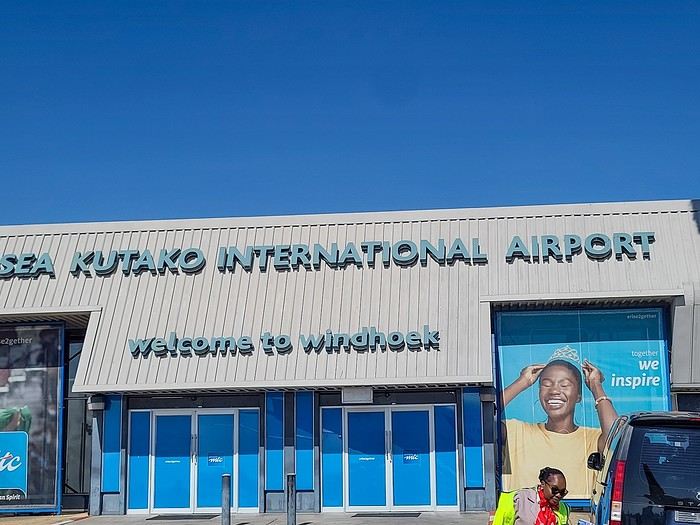
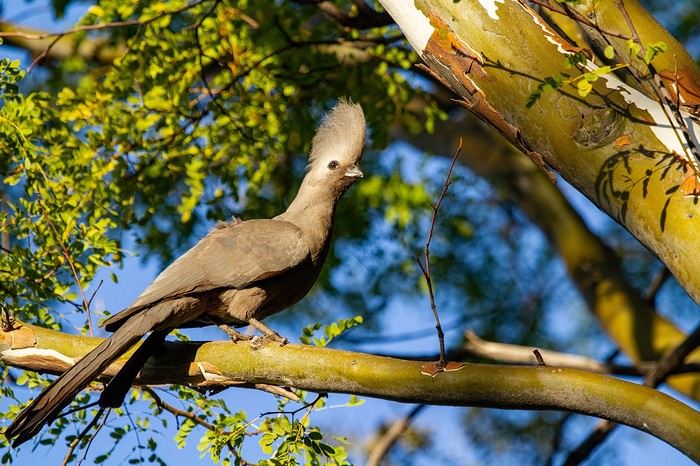
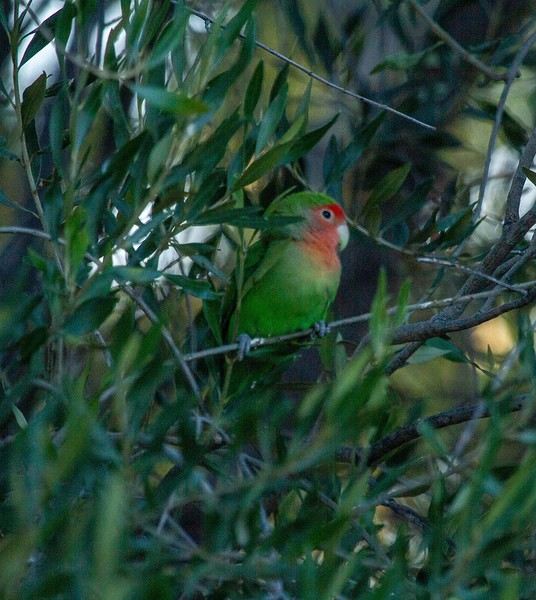
We spent our first night at Londiningi BB. A bit out of the city center but very quiet. The rooms were spacious and clean, and we could eat on-site that evening. Perfect for recovering from the flight.
April 2026 Theme Discussion: Feeling Peachy?
Hey there!
This is the spot where we can chill and chat about fishing at sea worldwide 😊
Here are two charming fishermen taking a well-deserved break near Zanzibar!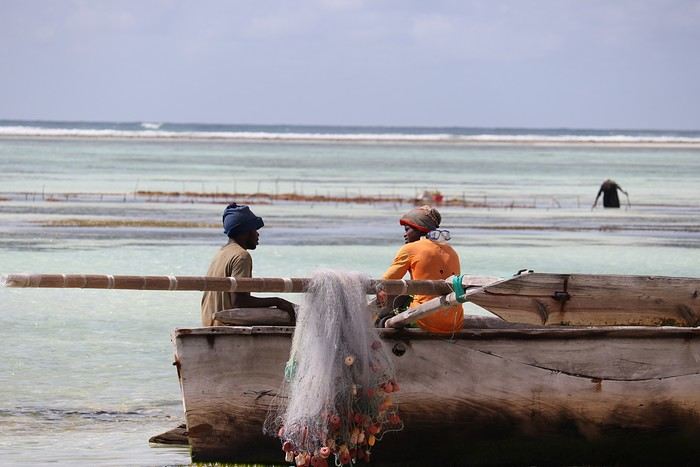
This is the spot where we can chill and chat about fishing at sea worldwide 😊
Here are two charming fishermen taking a well-deserved break near Zanzibar!
Bright red and a headache
Hello 🙂
I should be serving a warming drink to the participants in the discussion about gardens and parks that provide us with beautiful photos, I could mention the delicious buttery scent wafting from bakeries in the thread about returning to France, but my heart, its powerful pulse that nourishes my entire being, is elsewhere.
Dasht-e Lut, Yazd, Esfahan, Bam, Kerman, Qeshm, Hormuz—a melody, a prayer at the heart of desire.
A dream, an unattainable fantasy? No. Not anymore. A very serious Italian travel agency is organizing this trip for 6 people this winter. I’m signed up, I’m going, I’m living. Maybe.
"But you’re completely crazy!!!!"
I know... I know that every civilization, every society has a vital need to create scapegoats to define and justify itself, pathetically. And Iran is one of them, top of the list. I laugh or sigh, and it doesn’t bother me.
But that unchanging red, deep red and garnet, so beautiful in itself, in all the Western chancelleries repeats, whispers, shouts: don’t go, don’t go, don’t go, you’re putting yourself in danger and we can’t do anything for you. You’ll be turned into mere bargaining chips, into arguments for endless negotiations. Fear must be instilled, its power absolutely preserved, no concessions made to the enemy. The information (how many French hostages, real or fake, compared to the number of travelers?) is always lacking.
Traveling becomes a merciless confrontation between desire, the vital pulse, and anxiety, its ghosts.
Catherine
I should be serving a warming drink to the participants in the discussion about gardens and parks that provide us with beautiful photos, I could mention the delicious buttery scent wafting from bakeries in the thread about returning to France, but my heart, its powerful pulse that nourishes my entire being, is elsewhere.
Dasht-e Lut, Yazd, Esfahan, Bam, Kerman, Qeshm, Hormuz—a melody, a prayer at the heart of desire.
A dream, an unattainable fantasy? No. Not anymore. A very serious Italian travel agency is organizing this trip for 6 people this winter. I’m signed up, I’m going, I’m living. Maybe.
"But you’re completely crazy!!!!"
I know... I know that every civilization, every society has a vital need to create scapegoats to define and justify itself, pathetically. And Iran is one of them, top of the list. I laugh or sigh, and it doesn’t bother me.
But that unchanging red, deep red and garnet, so beautiful in itself, in all the Western chancelleries repeats, whispers, shouts: don’t go, don’t go, don’t go, you’re putting yourself in danger and we can’t do anything for you. You’ll be turned into mere bargaining chips, into arguments for endless negotiations. Fear must be instilled, its power absolutely preserved, no concessions made to the enemy. The information (how many French hostages, real or fake, compared to the number of travelers?) is always lacking.
Traveling becomes a merciless confrontation between desire, the vital pulse, and anxiety, its ghosts.
Catherine
Hitchhiking in the 70s-80s
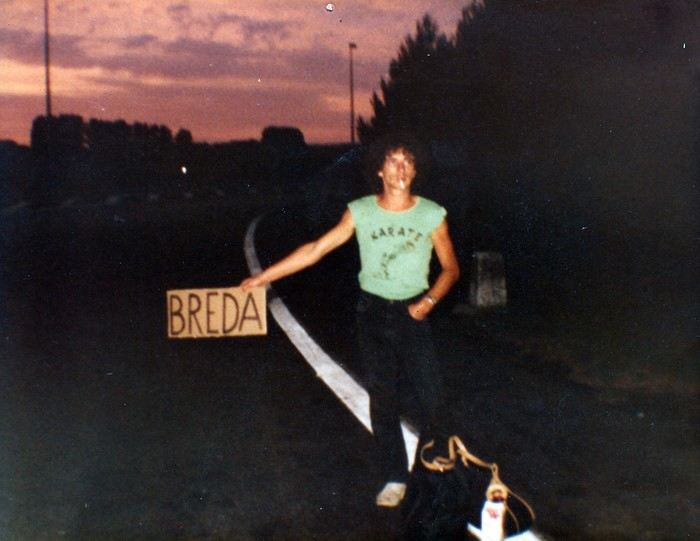
“Hey, your Marker... - My Marker? - The one you used to make hitchhiking signs.”
The marker in question is sitting proudly on the kitchen table. Marielle found it at the bottom of a moving box.
I’ve been meaning to tell the long story of my love affair with hitchhiking for years. Here we go.
To be honest, I’m not quite sure when it started. My earliest memory goes back to a fair with a bike race in my maternal grandparents’ village. I was with my cousin, my little sister, and three girl cousins. There were six of us, ages ranging from six or seven to thirteen or fourteen. Our parents stayed at the fair, and we’d had enough. So we decided to walk home. Only it was four kilometers away. So we hitchhiked. A guy driving an old car picked us all up and dropped us off at the farm. He probably found it amusing to see us thumbing a ride by the side of the road, but maybe it also worried him a bit. With everything you read in the papers...
Around fifteen or sixteen, I started hitchhiking regularly, alone or with a friend, to go to the nearby town. But it was especially when I started boarding school in Orléans that it became more regular. The first year, I’d leave Monday morning and come back Saturday noon by bus. It was an old, uncomfortable bus where we froze in winter. To make matters worse, I often got motion sickness if, as was too often the case, I ended up sitting in the back. In the spring, a high school friend suggested I hitchhike back. It meant a slight detour, but the advantage was taking only national roads.
So that’s how, from the end of tenth grade to twelfth grade, I’d thumb a ride every Saturday on the Pont de Bourgogne. Drivers were used to seeing young people hitchhiking, and it worked pretty well. Our biggest fear? Soldiers! At that time, military service was still mandatory, and on weekends, it wasn’t rare to see them competing with us. They’d keep their uniforms on to go home. That gave people confidence—with everything you read in the papers—and they’d rarely wait more than five minutes. We, with our long hair, were definitely less popular. From time to time, three big red-faced guys in a van coming back from a construction site would flip us off, yelling things like “go get a haircut, you bums!” Those were the good old days.
We still had a good laugh, though. Patrice, the friend I’d hitchhike back from school with on Saturdays, is a musician—I’d later discover he’s an excellent composer. A die-hard Beatles fan, he knows their repertoire by heart and spends his time singing at the top of his lungs while we thumb a ride. One Saturday late morning, we’d been waiting for a while at the exit of Châteauneuf-sur-Loire when a little lady came up to him and asked if he could please sing a little quieter: a baby was sleeping in the house. He put on the most sorry face: “Oh, sorry ma’am, we didn’t realize.” No sooner had the lady gone back inside than he started again. Luckily, a car stopped just then, sparing me the embarrassment of seeing the lady come back out.
Saturday was also the day when the cigarette pack was dangerously low. So before leaving, we’d go buy some “Parisiennes,” the “P4s” as we called them back then. They were slightly thinner cigarettes with a mix of tobacco scraps. Sometimes they tasted like light tobacco, sometimes like dark. Not great, but by the end of the week, our pocket money was gone. They were sold in small packs of four, hence the name P4. We’d only pay 20 centimes. On Saturdays, it was rare for the two of us to manage to scrape together 1.50 F to buy a whole pack of Gauloises...
The last twenty kilometers, I’d usually do alone, Patrice having reached his destination. From time to time, luck would smile on me: an acquaintance would just happen to pass by and stop. One January Saturday, at the exit of Gien, I ran into another guy from Argenton whom I knew a little. That day, the weather was nice, but the temperature was well below zero. It was around noon, and it was the off-peak hour. We were shivering, stamping our feet by the side of the road, when a Citroën “Tube” arrived: it was his father’s boss’s, a mason. They were both sitting in the front, but since they were obese, they had us climb onto the open back. Even though we huddled against the cab to shelter from the wind, the twenty kilometers felt very long, especially since we were only going sixty kilometers an hour. Our hands and cheeks were blue when we finally arrived.
The year I took my baccalaureate, a friend with a 2CV would take me Monday mornings with one or two others we’d pick up in nearby villages. We’d share the gas costs, but it was still cheaper than the bus. And in winter, the bus was my nightmare. You had to get up at five to catch it at six. Not enough sleep, and outside it was freezing or raining—or both. The 2CV was luxury. Plus, Philippe would pick me up at home. On the other hand, since I didn’t have class Saturday mornings—well, I did, but we only had PE the first two hours and nothing after—I’d skip class and slip out right after breakfast to thumb a ride at the Pont de Bourgogne.
Those three high school years were formative in this optional subject that was hitchhiking. Little by little, I learned the rules of the game. First, you shouldn’t walk along the road while thumbing. Cars go too fast and can’t stop easily. Accepting a ride that’s too short is also a no-go. The guy who offers to take you a little way but drops you off at some vague crossroads in the middle of nowhere? No thanks. You need to get dropped off in a town. If it’s a fairly big city, you often have to cross it from one end to the other, but it’s better. At the exit, you have to choose your spot well. Actually, you have to put yourself in the driver’s shoes: they need to see you early enough, not be going too fast, and be able to stop easily without risking an accident. So when leaving a city, it’s better not to go too far. It’s wiser to find a spot where cars go slowly and can stop easily. And preferably near a café. The café is for when you still have a few coins for a coffee and need to warm up. From time to time, you’d run into someone nice who’d make a detour to drop you off at a better spot to start again. Finally, if possible, avoid hitchhiking on Sundays. Cars are packed with whole families who, most of the time, aren’t going far. And then there’s the little worry of those people who rarely leave home: with everything you read in the papers...
During those high school years, it was only short trips, rarely exceeding a hundred kilometers. Later, I aimed bigger, and things were a bit different. In 1973-74, I crossed part of France for the first time on two or three occasions, coming back from the German border or returning to Bordeaux, where we lived briefly. Since there weren’t many highways back then, we took national roads. It was during these trips that I realized it was better to leave in the evening. As I said earlier, Sunday is to be avoided, but on weekdays, there’s another problem: if you leave in the morning, you only make short hops. First, it often takes longer to get going because drivers are people going to work nearby. Which brings us back to those who drop you off in a bad spot, far from everything. There, you have to know how to refuse. You thank the driver for stopping—oh, if only everyone could be like you—while explaining why you’d rather stay put. People don’t take offense, by the way. Those who pick up hitchhikers often hitchhiked themselves when they were in the military or before they had a car. In the late afternoon, you’d often run into salespeople or truckers, in other words, people who drive a lot. At that time, salespeople no longer had appointments and were more relaxed. They wanted to talk about something other than the merits of their products. On the radio, it was time for *Les Grosses Têtes*. You’d also quite often run into small business owners, professionals, or even hippies. The conversations were pleasant and often enriching. A little later in the evening, truckers would take over. They’d already driven a few hundred kilometers, and the depot or customs was still far away. So they’d gladly take a hitchhiker to stay awake at the wheel and chat. The radio with Max Ménier’s show *Les routiers sont sympas*, you’d eventually get tired of it. So a hitchhiker was a change. Others, who’d hit the road at midnight to be at their destination by morning, were nice and offered to let you lie down on the bunk while they drove. When you’d been hitchhiking since six in the evening, freezing in the wind between two vehicles, you weren’t unhappy to take a little nap.
Speaking of Max Ménier, he’d often make announcements for hitchhikers. One evening, I called him. It was getting late, and I still had quite a way to go. No luck: the show had ended for good the day before!
In short, it’s better not to rush, sleep in, and leave after lunch, or better yet, in the late afternoon. Obviously, I’m talking about when you have several hundred kilometers to cover. That’s when you have to play it pro.
First thing, especially at night, but it also applies in the middle of summer when the light is blinding: dress to be seen from far away. I’ll admit I have an advantage over most other hitchhikers: I’m small and don’t scare people. To balance that out, racist drivers often take me for an Arab and are less likely to pick me up, but overall, the balance tips in my favor. Back to the need to be seen: at night, I wear light-colored clothes. In headlights, you can see me from far away.
Second thing: travel light. Forget the big backpack with a frame. Drivers don’t always have room in the trunk or on the back seat, especially if it’s rained and the ground is wet. Plus, it forces them to get out of the car. If they’re nice enough to pick up a hitchhiker, you shouldn’t ask for too much either.
Third thing: bring a cardboard sign and a big marker—like the ones in the photo at the start of this post—to write the name of your destination. In the early 80s, I ran a tourist house in the Cher, but I lived in the Netherlands. In the off-season, it was only open on weekends. On Fridays, I’d leave Holland and return on Mondays. 1200 km round trip. On the way there, in Paris, I’d stand at Porte de la Chapelle. At that spot, the road is very wide, and drivers could stop easily. Obviously, on the sign, I didn’t write Eindhoven, which not everyone knows, and even less Amsterdam because of its seedy reputation. In that case, you’d expect to see a police car stop and two officers in kepis ask for your papers. So as a first destination, I’d write Compiègne. We were well out of Paris, and since it wasn’t too far, a trucker or salesperson was less reluctant to stop. Once past Compiègne, I’d take out my Lille sign. Once in Belgium, it wasn’t really necessary to use a sign anymore, since everyone was going in the same direction. Usually, the guy who picked me up at Porte de la Chapelle would say he wasn’t going far but could take me a little way. Before that, I’d still ask if there was a gas station on the highway where he could drop me off before exiting. While talking, the guy would realize he wasn’t dealing with a dangerous criminal. He’d pretend to check his watch, think for a moment, then say that actually, he was going to Belgium and could take me to the border or a little beyond. To leave Paris on the way back, I’d take the train to Melun, where it was easier to hitchhike than at Porte d’Italie.
Over all those years, I think I was pretty lucky. Or maybe philosophical enough not to imagine a car would stop after a few minutes. An hour’s wait was average. Sure, I sometimes waited three, four, or five hours. Most often at odd hours and in terrible weather. When it doesn’t work, it doesn’t work. But there’s always a moment when things pick up. Sure, when you’re soaked in freezing rain in the early morning after a sleepless night, you’re less philosophical than when I’m writing these lines comfortably at my computer, but it still holds true.
Earlier, I mentioned clothing and the importance of being well-rested before leaving. When you’ve eaten well and just gotten out of the shower, shaved, you’re in a better mood. And somehow, drivers sense it. Or at least, that’s the impression I’ve always had. It’s better to look in shape than disgusted at standing there, half-heartedly thumbing a ride. In short, when I’d start to get fed up with waiting, I’d go into the first café I saw for a coffee. Coming back out, I’d be refreshed, and most of the time, a car would stop within minutes. I’ve often said that when I stood by the side of the road thumbing a ride, I felt a bit like a gambler in front of a slot machine. It was a matter of giving luck a chance. And well, it worked out pretty well.
Then, there are countries where hitchhiking works really well and others where it’s harder. In the 70s-80s, it worked best in Germany and England. In the late afternoon, it wasn’t rare to be invited for tea. Well, that was in England. Tea meant being offered room and board. In Germany, they’d offer you coffee. Once there, they’d first show you the guest room and point out the bathroom before sitting you down in front of a big plate of cold cuts. In the evening, they’d go out in town, and the next morning, they’d usually drop you off at a good spot for hitchhiking. On the other hand, in Mediterranean and Scandinavian countries, you’d better be patient. In Spain or Italy, it’s better to take the train, which was dirt cheap back then. However, if you’re a couple traveling light, it’s already easier in most countries.
In 1982, I went on a trip around Turkey with my girlfriend. We only had two small bags, which was plenty. It was November-December, and we wore our warm, bulky clothes. Leaving Eindhoven at nine in the morning, we arrived in Graz, near the Yugoslav border, at eleven at night. 1300 km in a day! In just four or five vehicles. One to the German border, about fifty kilometers from Eindhoven, the second to Hagen in the Ruhr, the third to Salzburg, and the last to Graz at the Yugoslav border. Record broken. During the night crossing of Yugoslavia, we ran into a trucker close to retirement who lent us the truck’s bunk. So we arrived fresh and rested near Skopje the next morning. We continued to Thessaloniki in northern Greece before taking the train to Istanbul. In Turkey, we traveled a good part of the country by hitchhiking too. With truckers in old, overloaded, slow trucks that climbed hills at fifteen kilometers an hour, but also in cars where five or six people were already crammed in. And every time, we were invited for tea. Once, we were even picked up by a big shot in his Mercedes with a chauffeur. Until then, the average speed was around fifty kilometers an hour. There, we were going two hundred. On a national road, not a nice European highway.
I’ve also hitchhiked in Nepal, from Lumbini, Buddha’s birthplace, to a village on the way to Pokhara. It must have been midday. No bus until the next day. I gave it a try. A small truck overloaded with rice sacks, with two or three young people already perched on top, stopped. I rode on the roof of the cab. At fifty kilometers an hour when it was going well, with a breathtaking view. Coming back from India, I also crossed part of Iran by hitchhiking, from Tehran to the Turkish border. I did this trip with an Austrian I met at the hotel who, like me, had to watch his pennies. We gave it a shot. There was almost no traffic, but to our great surprise, the first car that passed in the area would always stop. They’d just ask for a modest contribution for gas, and it cost next to nothing.
Sometimes, you get scared too. After leaving Turkey in early December 82, we spent about two weeks in the southern Peloponnese harvesting olives. A few days before Christmas, we hitchhiked back to Holland. A girl picked us up in her little Fiat 500. We were driving on a mountain road, and that morning there was a bit of black ice. After crossing a pass, we saw the old Ford Taunus ahead of us at fifty meters start to skid. The driver let out a “heeee!” while grabbing my knees. I reflexively grabbed the wheel. Finally, the Taunus got back on track. And we didn’t swerve. But those few seconds felt very long.
In January 77, while I’d been living in Germany for a few months, I decided to spend a few days in Italy. By hitchhiking, of course. I left in the early afternoon, and by ten at night, I wasn’t far from Frankfurt. I saw a big Mercedes stop. The four or five young people crammed inside were listening to Schlager at full volume. Beer cans littered the floor. They didn’t have a precise destination, and as long as they were going south, that was fine with me. They’d finished their military service that very day and had clearly already celebrated their discharge. The driver was going 160, zigzagging dangerously from one side of the highway to the other. I should have realized he wasn’t entirely sober either. Luckily, there was almost no traffic. Finally, I managed to get dropped off at a gas station just before Frankfurt, relieved. I hope their trip didn’t end tragically.
Another time, coming back from Holland with my wife, we were picked up early in the morning near Senlis by two guys from Lille. They were going to work near Tours and could drop us off at Porte d’Italie. Apparently, they were coworkers but barely knew each other. The driver offered us a beer—at six in the morning, sure!—before opening another can for himself. He was clearly having trouble staying in the right lane. We politely declined, the passenger too. Everyone was tense. Luckily, it was rush hour on the ring road, and we were going slowly. When we got out of the car, the passenger said goodbye with the look of a guy being offered the condemned man’s rum and cigarette.
Finally, there are the annoying remarks from drivers who are either gay when you’re alone or turned on by the sight of your girlfriend when you’re a couple. In those cases, I’d get in the back so the guy wouldn’t feel too confident. And if the conversation got a little too suggestive, we’d deflect until we got dropped off.
And luckily, there are the times, not so rare after all, when you run into really nice people who invite you to eat and sleep at their place and drive you to a good spot the next morning. In Germany and England, that was common. And then there are the big strokes of luck, like during our trip to Turkey when we crossed most of Germany in one car, or that other time when some Germans drove me from the exit of Geneva all the way to the Costa Brava.
Going back to “with everything you read in the papers” and its variant “with everything you see on TV”—and now on the internet—it’s always left me perplexed. Personally, I’ve never heard of hitchhikers assaulting drivers, even if it may have happened. On the other hand, what was most common were hitchhikers being assaulted, especially girls. Anyway, even armed, it seems a bit stupid to assault the driver—wouldn’t that risk causing an accident?
Finally, since that time, I’ve occasionally wanted to hitchhike somewhere far away in France. Most often, too busy with work, it never happened, but the nostalgia hasn’t completely disappeared.
* * *
Other Hitchhikers
And then one day, I... settled down to become a driver myself. Ten years had passed, and you saw fewer and fewer hitchhikers. Or maybe I saw fewer because I had a regular job and wasn’t traveling the same way. And then I understood a few things.
Several times, I was tempted to pick up a hitchhiker, but they didn’t meet the required conditions. They were walking along the road instead of staying at the exit of the previous town. Hard to stop without risking an accident. Or the guy looked really scruffy. Or he was sulking, if not both. Then you think of that famous “with everything you read in the papers.” Not that I was scared, but unfortunately, the few hitchhikers I did pick up later were rarely interesting.
A few years ago, we picked up a young guy at the exit of a small town in Sologne. Not an easy spot for hitchhiking. Bad luck, he was a pretentious little jerk. He was barely 20 or 25 and talked like a bitter old man. He was a waiter in a restaurant. According to him, it was lucky he was there, otherwise the boss would have closed up shop long ago. You’d think he had thirty or forty years of professional experience behind him. As we approached Blois, he started ranting about Arabs, blaming them for all evils. And he laid it on thick. That morning, we were going to a teenager’s funeral who had just committed suicide, so he really got on our nerves, Mr. Know-It-All. Out of anger, I dropped him off next to a shopping center a few kilometers from downtown. Not nice, but it felt good.
Some time ago, we were driving around the Limousin on a Sunday to try out the used Twingo we’d just bought. We picked up a guy in his forties. A German who spoke French well. He started talking about the environment. He was a green Khmer. He got worked up all by himself with his pseudo-eco rant and, after a few kilometers, was almost yelling at us. As we were about to leave the main road for a small one, I dropped him off at a crossroads in the middle of nowhere. Normally, I would have made a little detour to take him to a better spot, but this time, I didn’t feel like doing the... eco-warrior a favor.
On the other hand, I’ve still done my good deed a few times. One June morning, coming back from Orléans, I saw a man in his sixties hitchhiking. The poor guy had had a rough time. He was from Montpellier and was coming back from Caen, where he’d been promised a job. Once there, they bluntly told him the position was already taken, and he had to go back. Except he didn’t have enough money left for the train. He’d spent the night hitchhiking without success. I could only take him as far as Lamotte-Beuvron, where I dropped him off near the fire station. Apparently, there was some vague shelter there or something, but it only opened a few hours later. In the meantime, he settled on the grass in a corner to sleep a little. While he was doing that, I quickly went to the train station to check the price of a ticket to Montpellier. It was within my means. Since he was sound asleep, I slipped the train ticket and 100 francs into his pocket. I couldn’t imagine him continuing to hitchhike all the way to Montpellier. And I bet he didn’t even have a piece of cardboard and a marker!
When we go to Brazil, we usually rent a small car. One day, we were coming back from Paracuru to Fortaleza when we saw a whole family hitchhiking. Two adults and two or three small children. Here near the equator, the sun sets very quickly, and it would soon be night. There was little traffic, and trucks wouldn’t stop because there was no room in the cab. As for the rich people driving big 4x4s, they wouldn’t stoop to picking up the lower classes. The only hope for this kind of family was usually a farmer or artisan who’d let them ride in the back of his pickup. Obviously, they were a bit surprised to see us. Everyone crammed in as best they could in the back of our little car. When we dropped them off, we got a whole string of “Deus lhes abençõe”—God bless you.
Still in Brazil, we were on the road from Barreirinhas to São Luís do Maranhão. About 150 km of deserted road with an isolated mud house here and there. A young woman flagged us down. She was very pregnant and had to get to the clinic twenty or thirty kilometers away to give birth. Someone was supposed to drive her, but the first signs of labor started earlier than expected, and the driver was unavailable. Even driving fast, we weren’t feeling great: it would be just our luck if she gave birth in the car!
Today, we’re in the age of smartphones and carpooling apps. Safety. With everything you see on TV... Three or four years ago, we signed up on a platform. Our first, and only, “client” was a little jerk who didn’t say a word the whole trip. No hello, no goodbye, and certainly no thank you. The next day, we found his Ray-Bans in the car. We didn’t run after him to give them back. Ha!
Questions for planning a Kazakhstan itinerary
hi everyone
I’m just starting to plan a trip to Kazakhstan—I’m thinking 4 weeks in summer ’26—and I’m totally in the dark! What route should I take? First off, for my flight ticket, where should I fly into and out of if I want to book soon?
Is it possible to rent a vehicle with a roof rack? Is that generally tolerated? (Maybe around Almaty?)
I love trains, so I’d prefer that mode of transport.
Anyway, I’m counting on your experiences since it’s tough to find practical info about this country. Thanks in advance for your tips
Is it possible to rent a vehicle with a roof rack? Is that generally tolerated? (Maybe around Almaty?)
I love trains, so I’d prefer that mode of transport.
Anyway, I’m counting on your experiences since it’s tough to find practical info about this country. Thanks in advance for your tips
From Delhi to Agra and the extraordinary stay in Chhattisgarh
My train to Mathura is at 2 PM, and we’ll arrive an hour late—all good. I booked a hotel on booking, but unfortunately, it’s really far from the ghats. Walking there is out of the question—what a shame.
The hotel itself is fine, and there are several restaurants right across the street, which will be handy for dinner. This won’t be an exception, though—starting at 10 PM, they must wake up because I can hear them talking loudly, and music is playing along. My room faces the entrance, so it’s going to be tough. At midnight, I ask them to lower the volume, but they don’t listen. By 1 AM, I lose my temper, and this time, everything stops. Finally, I can get some sleep—until 4 AM, when they start up again for a little while before quiet returns until 6 AM. But when do they sleep? The noise never seems to bother them—it’s unbelievable, and I’m finding it harder and harder to tolerate. It makes a huge difference.
The next morning, as I leave, they tell me they’ll give me another room for the following night. Oh, two nights like that wouldn’t be possible—I’m exhausted.
I head out to explore the ghats and take a rickshaw, which I share with a family, to Vrindavan, a city of temples dedicated to Krishna. I visit several while wandering through the lively streets, surrounded by a crowd of devotees. By 1 PM, I’m near the Bankey Bihari Temple, but I can’t go in—it just closed. Nearby, there are restaurants, so I take the opportunity to grab my usual aloo paratha with a lassi.

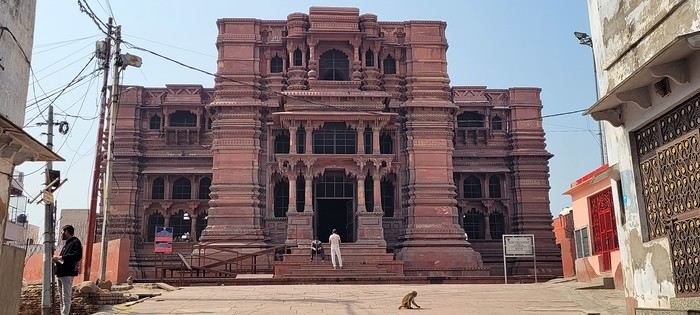
The work women do here is incredibly hard, and their pay must be miserable.

I want to leave Vrindavan for Govardhan. Two young guys on a motorcycle in front of the temple approach me, and the driver offers to take me part of the way. I’m pretty skeptical, but he insists, and I eventually agree. I didn’t fully understand what was happening. Once on the bike, his friend hops on too, and suddenly I’m sandwiched between them for a multi-kilometer ride—*travel Indian-style*. We quickly drop off the friend, and I breathe easier for the rest of the trip. At an intersection, he stops—Govardhan is straight ahead, but to get to his village, he needs to turn right. We wait for the bus for a few minutes, and he flags it down so I can hop on and continue my journey. What an adventure.
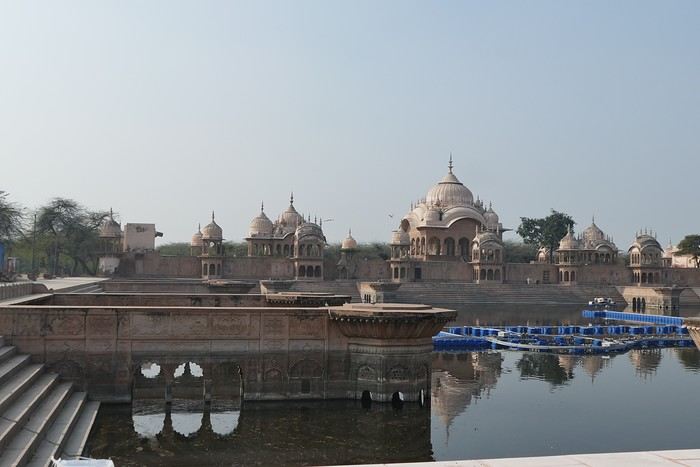
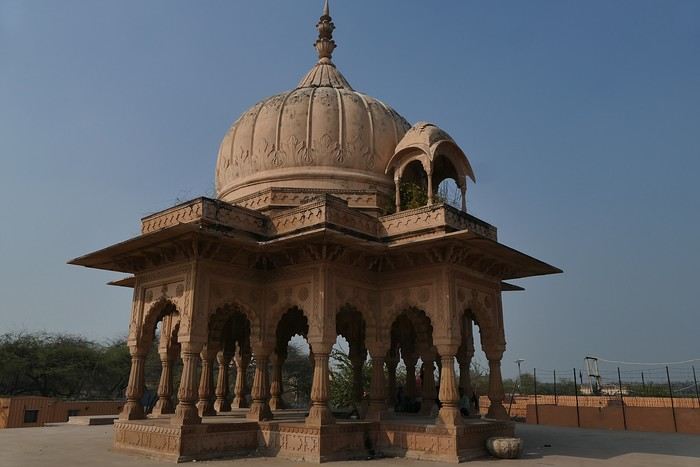
the neighbor with its beautiful dome.
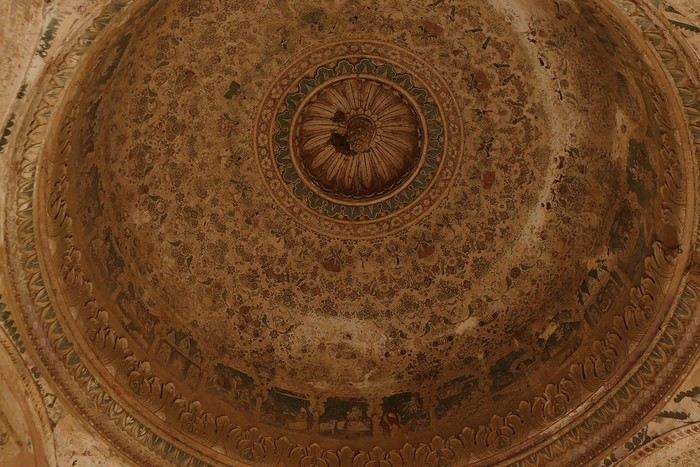
The work women do here is incredibly hard, and their pay must be miserable.
I want to leave Vrindavan for Govardhan. Two young guys on a motorcycle in front of the temple approach me, and the driver offers to take me part of the way. I’m pretty skeptical, but he insists, and I eventually agree. I didn’t fully understand what was happening. Once on the bike, his friend hops on too, and suddenly I’m sandwiched between them for a multi-kilometer ride—*travel Indian-style*. We quickly drop off the friend, and I breathe easier for the rest of the trip. At an intersection, he stops—Govardhan is straight ahead, but to get to his village, he needs to turn right. We wait for the bus for a few minutes, and he flags it down so I can hop on and continue my journey. What an adventure.
the neighbor with its beautiful dome.
Climbing Haut-Folin via the southern route, in stages
Hello everyone,
I’m so happy to share my climb with you, and if it inspires you to take it on, then it’ll be a success. Sometimes I’ll use the local language because I think it’s essential to connect with the people we meet along the way.
This adventure took place last year, just before winter, right after summer, and smack in the middle of autumn. That really sets the time of year. After climbing Mont-Beuvray—a story I shared here ages ago—I decided to tackle a much more adventurous peak: the summit of Haut-Folin, which rises to 901 m, and that’s no small feat, let’s be honest. It’s located in the Bois du Roi massif. Up there, you often brush against the clouds, which seem to take a mischievous pleasure in wrapping around you.
I’m going fully self-sufficient—no porters, no guide, no cook. I’m just treating myself to a very short approach flight. The flight is early in the morning on a small plane, the *Spirit of St Bernadette*, and it’s perfect. I’ll enjoy watching it deliver mail in the mountains. The pilot will drop me off at the hamlet of *La Pierre en Eau*, near Anost, a small village at the foot of this forest-covered giant.
Physical condition I’m now really seasoned for such an expedition because I’ve trained every day by walking to the village grocery store—round trip, in all weather, that’s 2.1 km. The 451 m elevation gain won’t be a problem for me. .../...
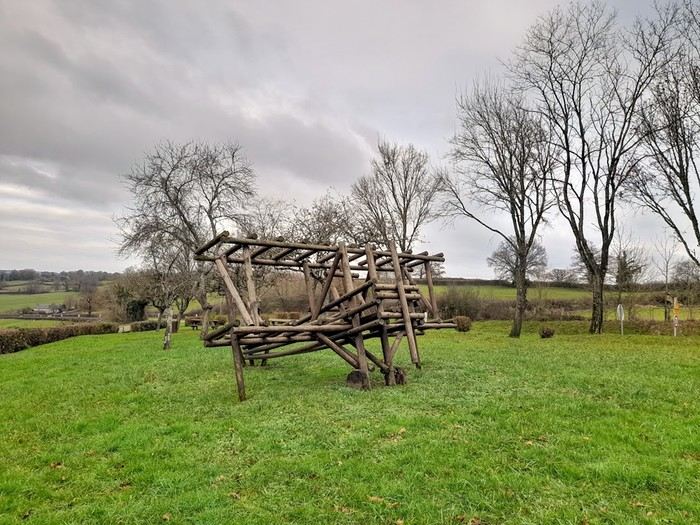
I’m so happy to share my climb with you, and if it inspires you to take it on, then it’ll be a success. Sometimes I’ll use the local language because I think it’s essential to connect with the people we meet along the way.
This adventure took place last year, just before winter, right after summer, and smack in the middle of autumn. That really sets the time of year. After climbing Mont-Beuvray—a story I shared here ages ago—I decided to tackle a much more adventurous peak: the summit of Haut-Folin, which rises to 901 m, and that’s no small feat, let’s be honest. It’s located in the Bois du Roi massif. Up there, you often brush against the clouds, which seem to take a mischievous pleasure in wrapping around you.
I’m going fully self-sufficient—no porters, no guide, no cook. I’m just treating myself to a very short approach flight. The flight is early in the morning on a small plane, the *Spirit of St Bernadette*, and it’s perfect. I’ll enjoy watching it deliver mail in the mountains. The pilot will drop me off at the hamlet of *La Pierre en Eau*, near Anost, a small village at the foot of this forest-covered giant.
Physical condition I’m now really seasoned for such an expedition because I’ve trained every day by walking to the village grocery store—round trip, in all weather, that’s 2.1 km. The 451 m elevation gain won’t be a problem for me. .../...
23-Day Itinerary in the Pacific Northwest (USA) and Western Canada
Hi everyone,
We’re heading to the Pacific Northwest (USA) and Western Canada this summer. We’ve made some progress planning, but we still have a few questions.
Our trip is mostly nature-focused—hiking, wildlife spotting (ideally bears, orcas/whales, otters, etc.), mountains, forests—and a few days in cities, though we’re not big on museums.
We’re looking at flying into Seattle (cheaper than Vancouver), then renting a car and staying in Airbnbs.
A few years ago, we traveled through eastern Canada/USA (Halifax/Montréal/Boston/Halifax) and ended up driving *way* too much and switching accommodations too often. This time, we’d like to settle in a bit more.
Here’s our current plan:
- 2 nights in Seattle to avoid hitting the road right after the flight. One day for a quick city visit, then we’ll leave early after the second night. -> Heading to Olympic National Park from the south.
- 4 nights near Olympic National Park, likely around Forks. -> Then to Port Angeles and a ferry to Vancouver Island via Victoria (maybe 1 night there).
- 7 nights in Port Alberni, which seems like a central base for exploring Vancouver Island (Tofino, Pacific Rim, Cathedral Grove, etc.). We really want to enjoy the area without constantly packing and unpacking.
The issue is, that brings us to 13–14 nights, and we’d like to spend 2 in Vancouver.
We’re wondering if we should head farther north on the island and add a few more days, or reduce our stay in Port Alberni to explore the north as well.
After that, we’d have about a week left. We’re considering a detour near the Canadian Rockies, then slowly making our way back to Seattle via North Cascades National Park.
Anyway, we’d love your input on all this!
Thanks for your suggestions,
Emilie and Thomas
We’re heading to the Pacific Northwest (USA) and Western Canada this summer. We’ve made some progress planning, but we still have a few questions.
Our trip is mostly nature-focused—hiking, wildlife spotting (ideally bears, orcas/whales, otters, etc.), mountains, forests—and a few days in cities, though we’re not big on museums.
We’re looking at flying into Seattle (cheaper than Vancouver), then renting a car and staying in Airbnbs.
A few years ago, we traveled through eastern Canada/USA (Halifax/Montréal/Boston/Halifax) and ended up driving *way* too much and switching accommodations too often. This time, we’d like to settle in a bit more.
Here’s our current plan:
- 2 nights in Seattle to avoid hitting the road right after the flight. One day for a quick city visit, then we’ll leave early after the second night. -> Heading to Olympic National Park from the south.
- 4 nights near Olympic National Park, likely around Forks. -> Then to Port Angeles and a ferry to Vancouver Island via Victoria (maybe 1 night there).
- 7 nights in Port Alberni, which seems like a central base for exploring Vancouver Island (Tofino, Pacific Rim, Cathedral Grove, etc.). We really want to enjoy the area without constantly packing and unpacking.
The issue is, that brings us to 13–14 nights, and we’d like to spend 2 in Vancouver.
We’re wondering if we should head farther north on the island and add a few more days, or reduce our stay in Port Alberni to explore the north as well.
After that, we’d have about a week left. We’re considering a detour near the Canadian Rockies, then slowly making our way back to Seattle via North Cascades National Park.
Anyway, we’d love your input on all this!
Thanks for your suggestions,
Emilie and Thomas
Brazil 2020: Amazon, Northeast, Chapada, and Boipeba – a winning combo!
Hello everyone.
Preamble:
Sooner or later, you’ve got to take the plunge! I thought lockdown would be the perfect time to start this travel journal, but between working from home and gardening, I just didn’t have the time (or the motivation). Plus, long-haul trips weren’t really on the cards back then... But then I stumbled upon my photos and thought, "I’ve got to share my latest adventure in Brazil—you guessed it!"
First, a little flashback: some of you (yes, really, in DMs!) pointed out the big gaps in my travel journals—India in 2019, Vietnam in 2018, so many missed opportunities!
Truth is, for India, I traveled with a private guide and honestly didn’t have much to add to the tons of well-documented journals already out there. Plus, I still haven’t decided if I love or hate India... So, how do you share your feelings when you’re not even sure yourself? As for Vietnam, I had plenty to say—even though the itinerary was pretty classic—but I’ll admit the vibe on this part of the forum at the time kinda put me off for a while... And time flies, and memories fade... Anyway, just wanted to clear that up for my (many or few) readers. *Tudo bem*, let’s get started!!
Preamble:
Sooner or later, you’ve got to take the plunge! I thought lockdown would be the perfect time to start this travel journal, but between working from home and gardening, I just didn’t have the time (or the motivation). Plus, long-haul trips weren’t really on the cards back then... But then I stumbled upon my photos and thought, "I’ve got to share my latest adventure in Brazil—you guessed it!"
First, a little flashback: some of you (yes, really, in DMs!) pointed out the big gaps in my travel journals—India in 2019, Vietnam in 2018, so many missed opportunities!
Truth is, for India, I traveled with a private guide and honestly didn’t have much to add to the tons of well-documented journals already out there. Plus, I still haven’t decided if I love or hate India... So, how do you share your feelings when you’re not even sure yourself? As for Vietnam, I had plenty to say—even though the itinerary was pretty classic—but I’ll admit the vibe on this part of the forum at the time kinda put me off for a while... And time flies, and memories fade... Anyway, just wanted to clear that up for my (many or few) readers. *Tudo bem*, let’s get started!!
Un voyage... une étape inattendue! English translation pending
Bonjour à tous,
Le voyage - pour ne pas trop sortir de VF - c'est bien sur la vie. L'étape inattendue, elle nous vient de l'orient et sans doute d' un Pangolin.
J'ai 72 ans, un peu d’hypertension, pas grand chose d'autre, alors, au delà du 11 mai je suis bon !
Bon pour continuer à voir mes petits enfants sur Skype, bon pour voir mes enfants masqués qui viennent nous voir de temps à autres à distance respectable, bon pour oublier les embrassades, les câlins, les gestes de tendresse, bon pour....un temps indéterminé à subir ces frustrations que portant je respecterait. Peu en parlent dans les médias, mais c'est une contrainte autre que de simplement porter un masque !!
Merci de m'avoir lu et belle journée confinée
Le voyage - pour ne pas trop sortir de VF - c'est bien sur la vie. L'étape inattendue, elle nous vient de l'orient et sans doute d' un Pangolin.
J'ai 72 ans, un peu d’hypertension, pas grand chose d'autre, alors, au delà du 11 mai je suis bon !
Bon pour continuer à voir mes petits enfants sur Skype, bon pour voir mes enfants masqués qui viennent nous voir de temps à autres à distance respectable, bon pour oublier les embrassades, les câlins, les gestes de tendresse, bon pour....un temps indéterminé à subir ces frustrations que portant je respecterait. Peu en parlent dans les médias, mais c'est une contrainte autre que de simplement porter un masque !!
Merci de m'avoir lu et belle journée confinée
Afrique du Sud 2019: retour en terres africaines et premier road-trip en famille English translation pending
Heureux de retrouver le forum d’Afrique australe pour me replonger dans notre voyage de l’été dernier et le partager avec vous.
Bien que ce fut déjà mon 4ème voyage en Afrique du Sud celui-ci eut, dès la préparation, une saveur toute particulière puisque ça allait être notre premier voyage en famille depuis une éternité, et cette fois-ci les rôles étaient inversés puisque c’est moi qui allais faire découvrir à mes parents ma destination de cœur, l’Afrique. 🙂
La concordance des temps dans cette dernière phrase m’a achevé… Ce carnet s’annonce compliqué. 😄
C’est un voyage que nous avons donc réalisé à 5, mes parents, mes 2 jeunes frères et moi-même. Ma sœur n’ayant pas pu se joindre à nous et Alison, ma copine, ayant gardé ses congés pour notre voyage de Septembre en Tanzanie.
C’est un rêve qui, enfin, se réalisait puisque cela faisait plusieurs années que j’essayais d’organiser quelque chose en famille et c’est en rentrant d’Alaksa en Aout 2018 que mes parents se sont motivés pour visiter l’Afrique du Sud. J’ai donc eu quasiment 1an pour préparer ce magnifique voyage en parallèle de celui en Tanzanie avec Alison.
Le circuit se voulait tant classique que magnifique. 24 jours à travers l’Afrique du Sud, à mes yeux le plus beau pays du monde, de Joburg à Capetown.
J0 (06/07/19) : Paris -> Madrid -> Johannesburg J1 (07/07/19) : OR Tambo Int Airport -> Forever Blyde Canyon J2 (08/07/19) : Blyde River Canyon J3 (09/07/19) : Forever Blyde Canyon –> Kruger National Park J4 (10/07/19) : Kruger National Park J5 (11/07/19) : Kruger National Park J6 (12/07/19) : Kruger National Park J7 (13/07/19) : Kruger National Park J8 (14/07/19) : Kruger National Park -> Santa Lucia J9 (15/07/19) : Isimangaliso wetland Park J10 (16/07/19) : Hluhluwe-iMfolozi J11 (17/07/19) : Hluhluwe-iMfolozi J12 (18/07/19) : Hluhluwe-iMfolozi -> Golden Gate NP J13 (19/07/19) : Golden Gate NP J14 (20/07/19) : Golden Gate NP -> Mountain Zebra NP J15 (21/07/19) : Mountain Zebra NP J16 (22/07/19) : Mountain Zebra NP J17 (23/07/19) : Mountain Zebra NP ->Cambedoo NP J18 (24/07/19) : Cambedoo NP -> Addo Elephant NP J19 (25/07/19) : Addo Elephant NP -> De Hoop NR J20 (26/07/19) : De Hoop NR J21 (27/07/19) : De Hoop NR - Capetown J22 (28/07/19) : Capetown J23 (29/07/19) : Capetown J24 (30/07/19) : Capetown - Johannesburg J25 (31/07/19) : Soweto – Départ
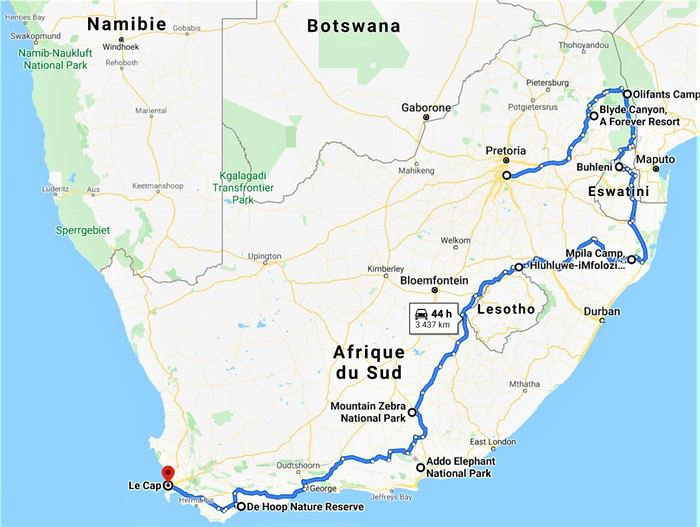
Étant 5 grands gabarits la question du véhicule était délicate puisque c’est dans ce véhicule que nous allions passer le plus de temps, en safari ou sur la route. Nous avons finalement opté pour la location d’un Hyundai H1 chez Budget, option la plus économique et la plus confortable avec 7 places et une plus haute garde au sol pour mieux voir les animaux et le paysage.
Après 11 mois d’attente, début des vacances scolaires et départ de Guadeloupe le vendredi 5 Juillet, pour mes parents et mes frères que je rejoindrai sur Paris le lendemain avant de décoller pour Madrid puis Joburg, tous ensemble, le samedi 6 au soir.
See you in the bush ! (Bilan conseils et budget en fin de carnet.)
Bien que ce fut déjà mon 4ème voyage en Afrique du Sud celui-ci eut, dès la préparation, une saveur toute particulière puisque ça allait être notre premier voyage en famille depuis une éternité, et cette fois-ci les rôles étaient inversés puisque c’est moi qui allais faire découvrir à mes parents ma destination de cœur, l’Afrique. 🙂
La concordance des temps dans cette dernière phrase m’a achevé… Ce carnet s’annonce compliqué. 😄
C’est un voyage que nous avons donc réalisé à 5, mes parents, mes 2 jeunes frères et moi-même. Ma sœur n’ayant pas pu se joindre à nous et Alison, ma copine, ayant gardé ses congés pour notre voyage de Septembre en Tanzanie.
C’est un rêve qui, enfin, se réalisait puisque cela faisait plusieurs années que j’essayais d’organiser quelque chose en famille et c’est en rentrant d’Alaksa en Aout 2018 que mes parents se sont motivés pour visiter l’Afrique du Sud. J’ai donc eu quasiment 1an pour préparer ce magnifique voyage en parallèle de celui en Tanzanie avec Alison.
Le circuit se voulait tant classique que magnifique. 24 jours à travers l’Afrique du Sud, à mes yeux le plus beau pays du monde, de Joburg à Capetown.
J0 (06/07/19) : Paris -> Madrid -> Johannesburg J1 (07/07/19) : OR Tambo Int Airport -> Forever Blyde Canyon J2 (08/07/19) : Blyde River Canyon J3 (09/07/19) : Forever Blyde Canyon –> Kruger National Park J4 (10/07/19) : Kruger National Park J5 (11/07/19) : Kruger National Park J6 (12/07/19) : Kruger National Park J7 (13/07/19) : Kruger National Park J8 (14/07/19) : Kruger National Park -> Santa Lucia J9 (15/07/19) : Isimangaliso wetland Park J10 (16/07/19) : Hluhluwe-iMfolozi J11 (17/07/19) : Hluhluwe-iMfolozi J12 (18/07/19) : Hluhluwe-iMfolozi -> Golden Gate NP J13 (19/07/19) : Golden Gate NP J14 (20/07/19) : Golden Gate NP -> Mountain Zebra NP J15 (21/07/19) : Mountain Zebra NP J16 (22/07/19) : Mountain Zebra NP J17 (23/07/19) : Mountain Zebra NP ->Cambedoo NP J18 (24/07/19) : Cambedoo NP -> Addo Elephant NP J19 (25/07/19) : Addo Elephant NP -> De Hoop NR J20 (26/07/19) : De Hoop NR J21 (27/07/19) : De Hoop NR - Capetown J22 (28/07/19) : Capetown J23 (29/07/19) : Capetown J24 (30/07/19) : Capetown - Johannesburg J25 (31/07/19) : Soweto – Départ
Étant 5 grands gabarits la question du véhicule était délicate puisque c’est dans ce véhicule que nous allions passer le plus de temps, en safari ou sur la route. Nous avons finalement opté pour la location d’un Hyundai H1 chez Budget, option la plus économique et la plus confortable avec 7 places et une plus haute garde au sol pour mieux voir les animaux et le paysage.
Après 11 mois d’attente, début des vacances scolaires et départ de Guadeloupe le vendredi 5 Juillet, pour mes parents et mes frères que je rejoindrai sur Paris le lendemain avant de décoller pour Madrid puis Joburg, tous ensemble, le samedi 6 au soir.
See you in the bush ! (Bilan conseils et budget en fin de carnet.)
Orléans - Berlin à vélo, à la découverte d'une Allemagne méconnue English translation pending
Eté 2017
- Papa, je quitte la France, je pars vivre à Berlin.
- Super ma fille, comme ça j'irai te voir à vélo
Ce qui n'était au départ qu'une boutade germe peu à peu dans mon esprit. Après tout, je peux profiter de tout le temps libre que me laisse ma retraite, je fais beaucoup de vélo toute l'année, j'ai déjà fait les chemins de Compostelle à VTT... Alors pourquoi ne pas tenter l'aventure !
Pour Berlin deux possibilités - Tracer une ligne droite de Bordeaux à Berlin et la suivre au plus près par les petites routes - Composer un itinéraire qui permet de traverser les plus beaux sites, par les petites routes et les pistes cyclables.
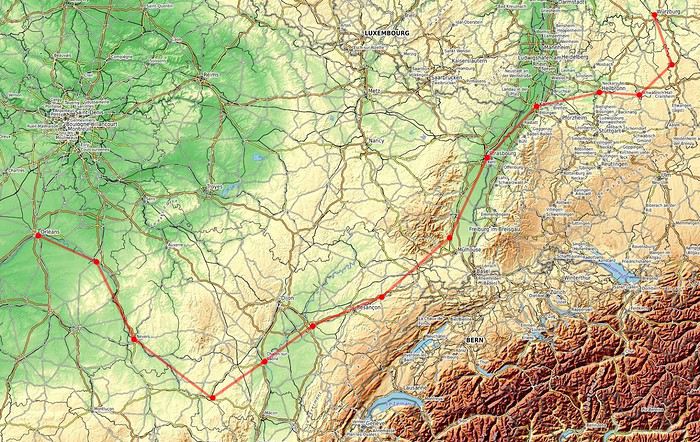
Va pour la deuxième option en suivant le plus possible fleuves, rivières et vallées. Ce sera donc la Loire, La Saône, le Doubs, le Rhin, le Main. Pour la partie française, ce sera surtout l'eurovélo 6 jusqu'aux portes de l'Alsace. Pour la partie allemande, je vais composer avec les nombreux itinéraires cyclables qu'offre le pays, et relier entre elles des jolies villes que j'ai envie de voir. Open Cycle Map, mon outil de prédilection, me permet de visualiser tout ça avant de partir.
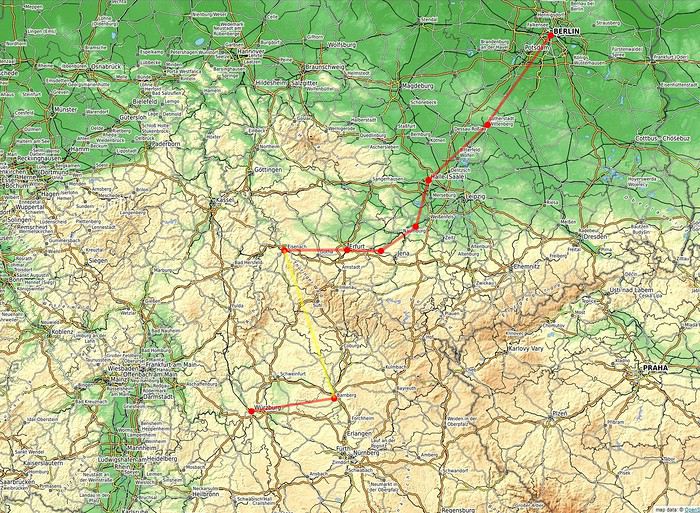
J'adapte mon vieux VTT qui a déjà beaucoup roulé : porte bagages de selle, sacoches, charge minimale. Pour l'hébergement, ce sera le réseau Warmshowers, Airbnb, ou Booking. Pas de tente, ça allège beaucoup. Pour le départ, ce sera Orléans.
Pour Berlin deux possibilités - Tracer une ligne droite de Bordeaux à Berlin et la suivre au plus près par les petites routes - Composer un itinéraire qui permet de traverser les plus beaux sites, par les petites routes et les pistes cyclables.
Va pour la deuxième option en suivant le plus possible fleuves, rivières et vallées. Ce sera donc la Loire, La Saône, le Doubs, le Rhin, le Main. Pour la partie française, ce sera surtout l'eurovélo 6 jusqu'aux portes de l'Alsace. Pour la partie allemande, je vais composer avec les nombreux itinéraires cyclables qu'offre le pays, et relier entre elles des jolies villes que j'ai envie de voir. Open Cycle Map, mon outil de prédilection, me permet de visualiser tout ça avant de partir.
J'adapte mon vieux VTT qui a déjà beaucoup roulé : porte bagages de selle, sacoches, charge minimale. Pour l'hébergement, ce sera le réseau Warmshowers, Airbnb, ou Booking. Pas de tente, ça allège beaucoup. Pour le départ, ce sera Orléans.
Découverte à vélo de Madagascar en septembre English translation pending
Bonjour,
Mon ami et moi avons comme projet de voyager à Madagascar 3 semaines en Septembre. Nous souhaiterions découvrir cette île et ses habitants à vélo. ((rêve d'enfance)). Nous avons 25 ans et sommes tout deux des randonneurs aguerris et des cyclises réguliers mais nous n'avons jamais préparé un voyage de la sorte. Nous avons commencé à regarder différents trajets/topo sur wikiloc et rando trek mais je trouve toujours qu'avoir un retour de vécu est plus instructif. Pourriez vous me donner des conseils sur des itinéraires entre 10-15j ? Nous avions dans l'idée de partir depuis les montagnes vers l'océan, bivouaquer ou dormir si cela est possible chez l'habitant tout en évitant les sentiers touristiques.
Merci d'avance pour vos conseils.
Mon ami et moi avons comme projet de voyager à Madagascar 3 semaines en Septembre. Nous souhaiterions découvrir cette île et ses habitants à vélo. ((rêve d'enfance)). Nous avons 25 ans et sommes tout deux des randonneurs aguerris et des cyclises réguliers mais nous n'avons jamais préparé un voyage de la sorte. Nous avons commencé à regarder différents trajets/topo sur wikiloc et rando trek mais je trouve toujours qu'avoir un retour de vécu est plus instructif. Pourriez vous me donner des conseils sur des itinéraires entre 10-15j ? Nous avions dans l'idée de partir depuis les montagnes vers l'océan, bivouaquer ou dormir si cela est possible chez l'habitant tout en évitant les sentiers touristiques.
Merci d'avance pour vos conseils.
Et c'était comment avant le voyage à vélo? English translation pending
Bonjour à tous,
Au fil des discussions ici, toujours intéressantes et riches, on constate que les progrès techniques sont souvent bénéfiques, alors que d'autres sont plus marketing.
Heureusement, les vélos actuels semblent plus performants , en tout cas, avec mon oeil de béotien.
Je lis aussi souvent qu'une cassette est mieux qu'une roue libre vissée, par exemple.
Mais comment c'était avant? A l'époque des roues libres vissées, des développements extraordinaires, des freins sur jantes ....
La fiabilité et l'efficacité n'étaient-ils pas encore au rendez-vous? Pourtant, les cyclo voyageurs existent depuis longtemps, et je crois que l'on a quelques exemples ici même.
Alors, possible, de partir avec des anciennes technologies aujourd'hui ou hérésie ? Fiabiliser et entretenir un vélo ancien (VTT, route, randonneuse) ne peut être une porte ouverte sur l'évasion?
Ces questions peuvent paraître surprenante pour le cycliste aguerri, mais je n'appartiens pas (encore ?) à cette catégorie. Merci de vos réponses bienveillantes et constructives, comme souvent
La fiabilité et l'efficacité n'étaient-ils pas encore au rendez-vous? Pourtant, les cyclo voyageurs existent depuis longtemps, et je crois que l'on a quelques exemples ici même.
Alors, possible, de partir avec des anciennes technologies aujourd'hui ou hérésie ? Fiabiliser et entretenir un vélo ancien (VTT, route, randonneuse) ne peut être une porte ouverte sur l'évasion?
Ces questions peuvent paraître surprenante pour le cycliste aguerri, mais je n'appartiens pas (encore ?) à cette catégorie. Merci de vos réponses bienveillantes et constructives, comme souvent
Un mois dans le nord du Pakistan English translation pending
1 mois au Pakistan, C’était GÉNIAL !
Un pays où le tourisme chinois, coréen et japonais est florissant. Du côté européen, 1 groupe de trekkeurs, et 2 individuels. C’est tout !
Nous étions 2 copines. Début janvier, achat du billet d’avion pour le Pakistan pour y passer un mois. Départ 31 juillet, retour 27 août avec une arrivée à Lahore et un départ d’Islamabad. Objectif : le nord du Pakistan.
Le visa : Pour entrer au Pakistan, il faut une invitation d’un pakistanais ou d’une agence française ou locale. Pour profiter au mieux de paysages et pouvoir s’arrêter où nous voulions, nous avions décidé de louer une voiture. Recherche de loueurs : nous n’avons pas trouvé de location sans chauffeur. Et j’ai envie de dire, avec du recul, aucun regret : notre chauffeur étant super, avec une parfaite connaissance du circuit que nous voulions faire. De plus, les routes sont souvent catastrophiques (en dehors des grands axes) et seules, nous aurions certainement renoncé à une bonne partie du périple !
Arrivée à Lahore où nous y avons passé 2 jours. Grande ville, bruyante à cause des motos mais avec une vieille ville très authentique. Pas de souci pour y passer 2 jours sans s’ennuyer (pourquoi pas 3). Et la population est accueillante, souriante. Une entrée en matière dans le pays très intéressante.
Puis nous avons pris un bus pour Islamabad. Nous n’avons pas du tout apprécié cette ville qui n’a aucune âme. Tracé au carré, avec des grands boulevards. Au centre de chaque quartier un centre commercial. Le seul intérêt : la mosquée.
C’est à Islamabad que nous avons été pris en charge par notre chauffeur. L’enjeu était de taille : il fallait s’entendre avec lui parce que 27 jours, cela peut être long avec quelqu’un avec qui il n’y a pas de complicité ! il nous a rapidement dit que nous étions des touristes « un peu spéciale » mais il s’est très vite adapté à nos attentes et à notre rythme. Le circuit avait été établi auparavant. Il a été respecté mais nous avons parfois modifié les étapes où nous avons dormi. Il faut le dire, c’est grâce à sa capacité d’adaptation, notre voyage a été formidable
cela commence mal, j'ai oublié les photos ! et maintenant, je ne sais pas les mettre en grand !
ISLAMABAD / CHILAS Journée longue. On a mis 5 h d’Islamabad pour arriver à l’intersection qui nous fasse rentrer dans la vallée de Kaghan. Route encombrée de voitures, camions… bruit, passage de villes sans intérêt. La vallée jusque Naran, je n’y ai pas trouvé d’intérêt, rien d’exceptionnel à mes yeux. Vallée fréquentée par les pakistanais qui viennent chercher la fraicheur et de Naran, faire la randonnée jusqu’au Glacier de Nanga Parbat. Après Naran, village touristique au milieu de la vallée, les paysages sont plus beaux. (Alors attention, à mes yeux car personnellement, je préfère les paysages arides. Donc sur mes photos, beaucoup de paysages arides. Ce qui ne veut pas dire que dans certains endroits il n’y a pas d’arbres mais comme je prends des photos pour me faire plaisir, de ce que j’aime, je fais peu de photos des paysages plus verts !) Au total, 12 h 30 de route !
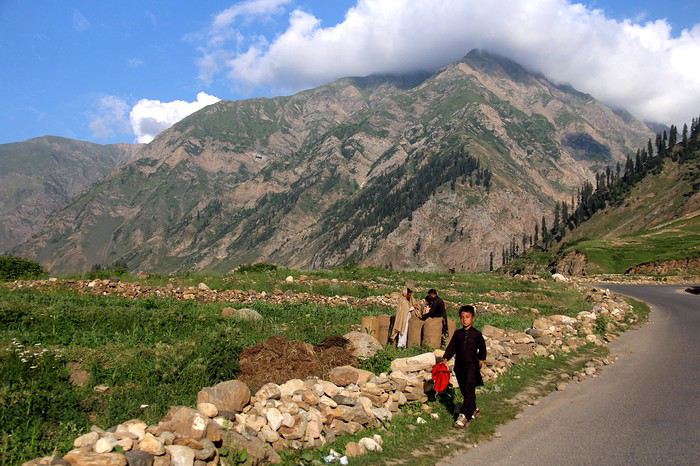
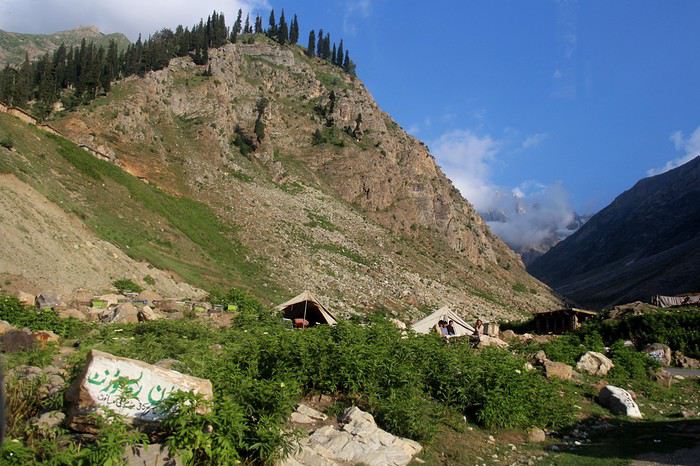 Nous n’avons connu de Chilas que la rue principale le soir, pas vraiment animée, car nous sommes reparties le lendemain matin pour traverser le plateau de Diosai. Avec du recul, nous aurions dû prendre le temps le matin de marcher dans la petite ville et profiter de l’environnement).
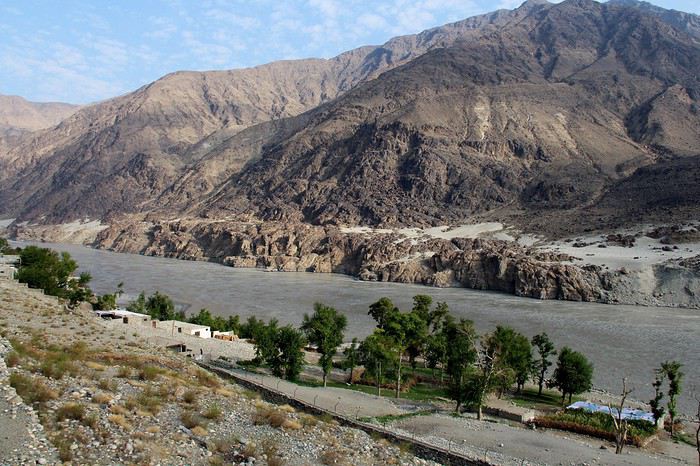
CHILAS /ASTORE La vallée de Chilas, jusque l’embranchement d’Astore est superbe. Après, c’est une vallée très resserrée.
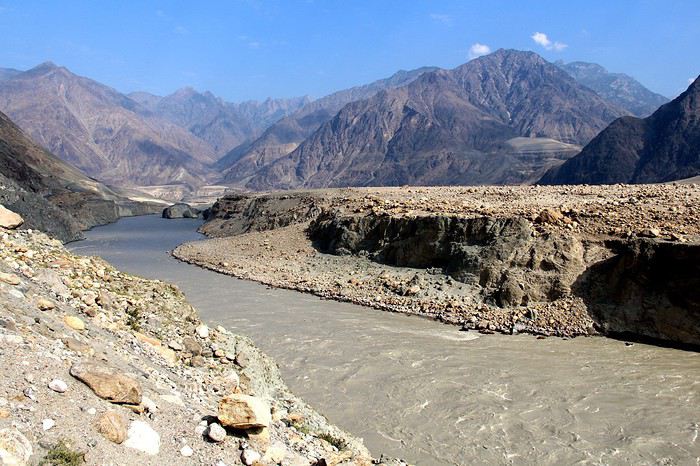
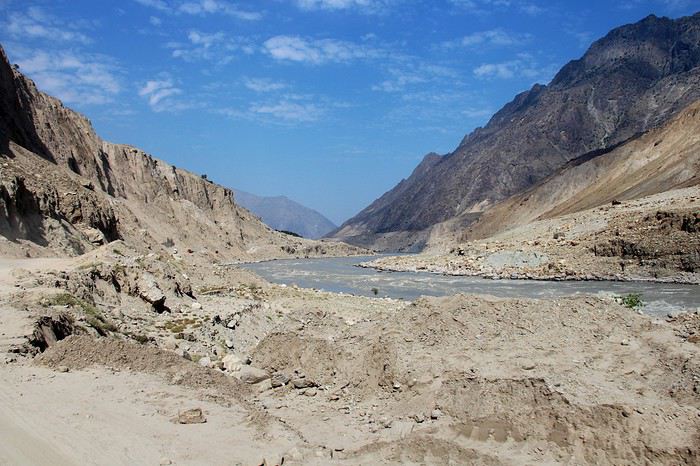
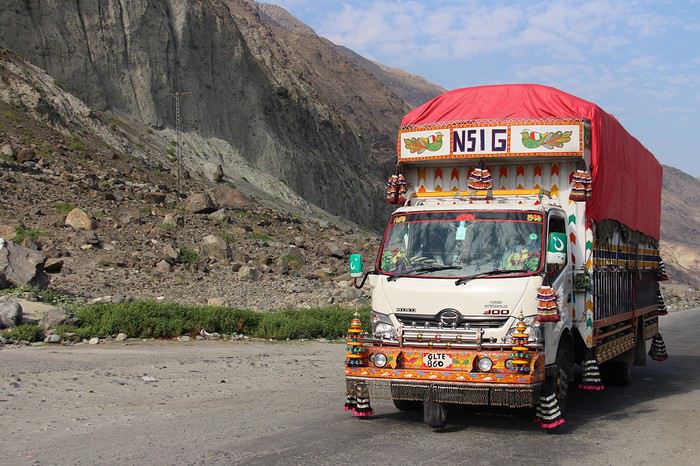
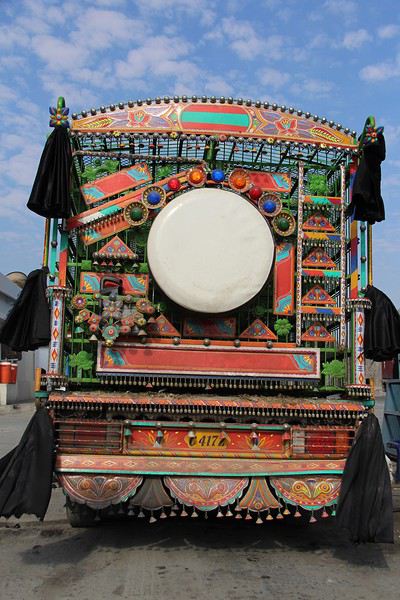
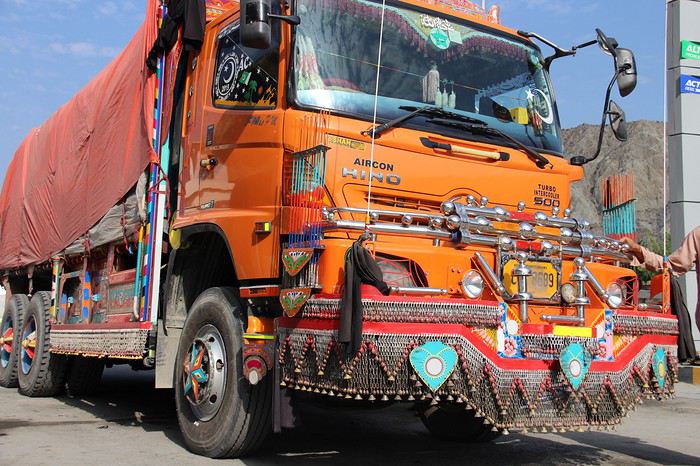
c'est l'occasion de voir nos premiers trucks pakistanais
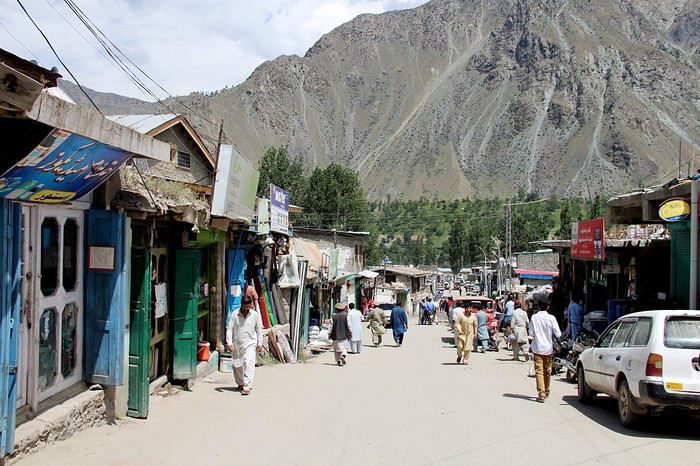
Astore : une rue principale avec le bazar. Du monde le matin. Peu de contact et on fait vite le tour ! Mais en même temps, l’occasion d’observer la vie, les tenues. Et aucun touriste de quelques nationalités qu’ils soient.
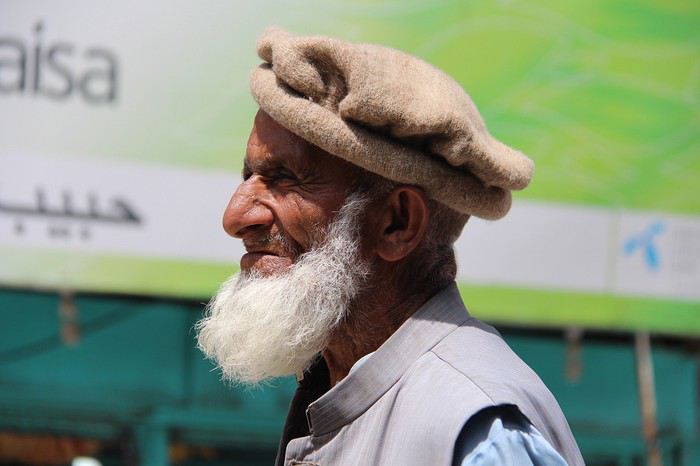
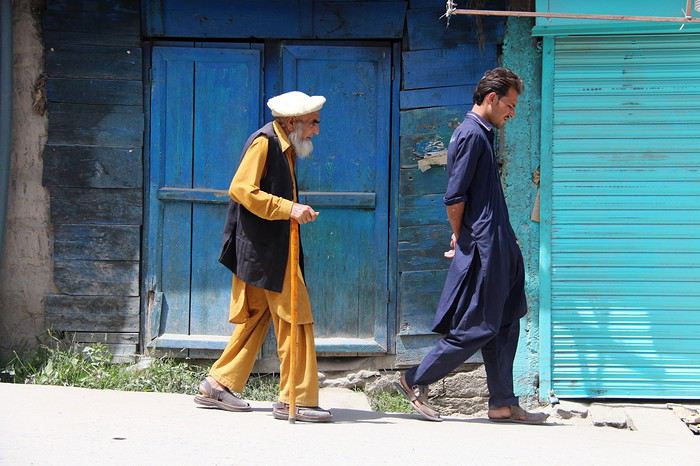
Dans l’après-midi, nous sommes allés dans la vallée de Rama (c’est vert !). Quelques familles y vivent, l’occasion de belles rencontres.
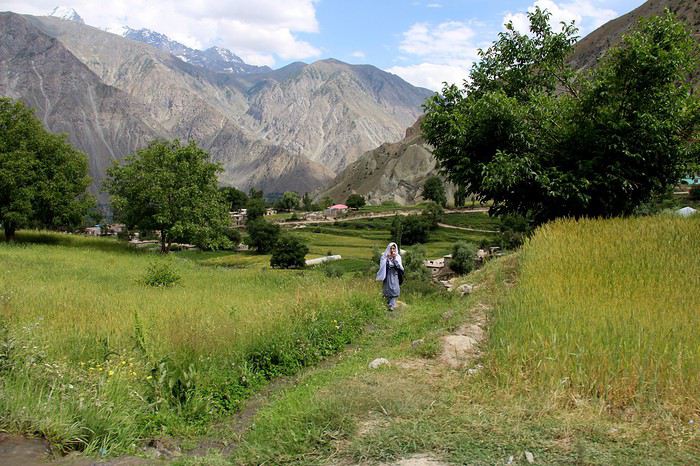
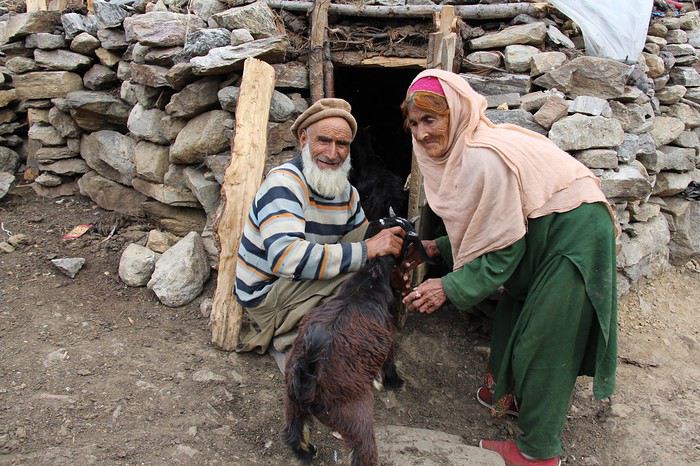
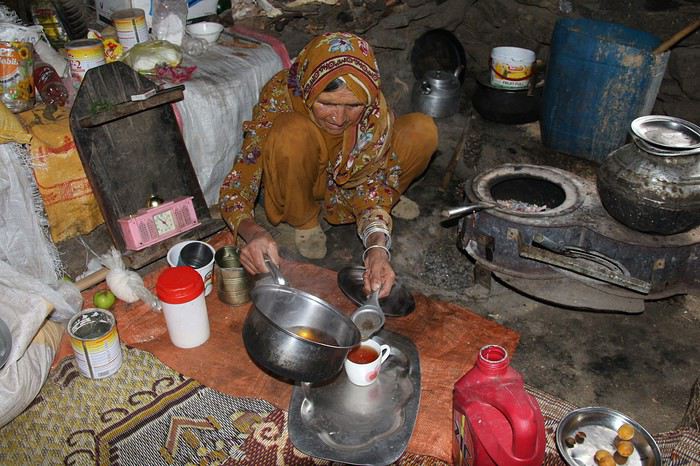
à suivre....
Un pays où le tourisme chinois, coréen et japonais est florissant. Du côté européen, 1 groupe de trekkeurs, et 2 individuels. C’est tout !
Nous étions 2 copines. Début janvier, achat du billet d’avion pour le Pakistan pour y passer un mois. Départ 31 juillet, retour 27 août avec une arrivée à Lahore et un départ d’Islamabad. Objectif : le nord du Pakistan.
Le visa : Pour entrer au Pakistan, il faut une invitation d’un pakistanais ou d’une agence française ou locale. Pour profiter au mieux de paysages et pouvoir s’arrêter où nous voulions, nous avions décidé de louer une voiture. Recherche de loueurs : nous n’avons pas trouvé de location sans chauffeur. Et j’ai envie de dire, avec du recul, aucun regret : notre chauffeur étant super, avec une parfaite connaissance du circuit que nous voulions faire. De plus, les routes sont souvent catastrophiques (en dehors des grands axes) et seules, nous aurions certainement renoncé à une bonne partie du périple !
Arrivée à Lahore où nous y avons passé 2 jours. Grande ville, bruyante à cause des motos mais avec une vieille ville très authentique. Pas de souci pour y passer 2 jours sans s’ennuyer (pourquoi pas 3). Et la population est accueillante, souriante. Une entrée en matière dans le pays très intéressante.
Puis nous avons pris un bus pour Islamabad. Nous n’avons pas du tout apprécié cette ville qui n’a aucune âme. Tracé au carré, avec des grands boulevards. Au centre de chaque quartier un centre commercial. Le seul intérêt : la mosquée.
C’est à Islamabad que nous avons été pris en charge par notre chauffeur. L’enjeu était de taille : il fallait s’entendre avec lui parce que 27 jours, cela peut être long avec quelqu’un avec qui il n’y a pas de complicité ! il nous a rapidement dit que nous étions des touristes « un peu spéciale » mais il s’est très vite adapté à nos attentes et à notre rythme. Le circuit avait été établi auparavant. Il a été respecté mais nous avons parfois modifié les étapes où nous avons dormi. Il faut le dire, c’est grâce à sa capacité d’adaptation, notre voyage a été formidable
cela commence mal, j'ai oublié les photos ! et maintenant, je ne sais pas les mettre en grand !
ISLAMABAD / CHILAS Journée longue. On a mis 5 h d’Islamabad pour arriver à l’intersection qui nous fasse rentrer dans la vallée de Kaghan. Route encombrée de voitures, camions… bruit, passage de villes sans intérêt. La vallée jusque Naran, je n’y ai pas trouvé d’intérêt, rien d’exceptionnel à mes yeux. Vallée fréquentée par les pakistanais qui viennent chercher la fraicheur et de Naran, faire la randonnée jusqu’au Glacier de Nanga Parbat. Après Naran, village touristique au milieu de la vallée, les paysages sont plus beaux. (Alors attention, à mes yeux car personnellement, je préfère les paysages arides. Donc sur mes photos, beaucoup de paysages arides. Ce qui ne veut pas dire que dans certains endroits il n’y a pas d’arbres mais comme je prends des photos pour me faire plaisir, de ce que j’aime, je fais peu de photos des paysages plus verts !) Au total, 12 h 30 de route !
Nous n’avons connu de Chilas que la rue principale le soir, pas vraiment animée, car nous sommes reparties le lendemain matin pour traverser le plateau de Diosai. Avec du recul, nous aurions dû prendre le temps le matin de marcher dans la petite ville et profiter de l’environnement).CHILAS /ASTORE La vallée de Chilas, jusque l’embranchement d’Astore est superbe. Après, c’est une vallée très resserrée.
c'est l'occasion de voir nos premiers trucks pakistanais
Astore : une rue principale avec le bazar. Du monde le matin. Peu de contact et on fait vite le tour ! Mais en même temps, l’occasion d’observer la vie, les tenues. Et aucun touriste de quelques nationalités qu’ils soient.
Dans l’après-midi, nous sommes allés dans la vallée de Rama (c’est vert !). Quelques familles y vivent, l’occasion de belles rencontres.
à suivre....
Visites des "tribus" en Afrique et dans le monde en général English translation pending
je me pose la question sur les visites aux "tribus" en afrique et dans le monde en general
nicolas hulot a ete le premier a faire des emissions a grande ecoute sur la vallee de l omo les himbas les san et autres nous donnant l impression a l epoque que tout ca n etait pas accessible
maintenant ca l est
des flopees de touristes defilent tous les ans a travers ces musees humains
on va se faire les himbas visiter les villages san
les autorites des pays interesses se foutent de ces minorites qu ils aimeraient voir disparaitre
l afrique en "marche" ce n est pas ces sauvages
mais bon si ca amene des touristes pourquoi pas
demande t on a ces gens si ils veulent nous voir
parce que on les payent d une certaine facon argent petits cadeaux produits de premiere necessite, notre necessite
je ne suis pas donneuse de lecons
j etais en equateur il y a 30 ans dans les marches ruraux mais je n ai pas ose prendre de photos etant les seuls touristes j etais genee
j ai ete dans la vallee de l omo il y a 25 ans quand le to m a dit qu il fallait se munir de billets de 1 birr pour prendre les photos alors la c etait le pompon j admire l inde qui pour des raisons que j ignore interdit l acces a une partie des andaman ou vivent des gens de l age de pierre
je prone l interdiction de certaines zones de cette planete y compris l antarctique
je ne suis pas militante mais j ai beaucoup voyage
depuis 16 ans au botswana je ne bouge plus
Il fallait que je revienne à Vienne (voyage en train et visites à vélo) English translation pending
Mes deux premiers séjours à Vienne (Autriche) remontent aux années 80'. De l'eau bleue a depuis coulé sous les ponts du canal du Danube et de la Wien et ma mémoire ne conserve plus guère de souvenirs et mes tiroirs aucunes photos. Il s'agissait à l'époque d'une voyage d'études urbaines avec rencontres d'architectes (Rob Krier entre autres) et d'urbanistes.
C'est sous la pluie que j'arrive, ce lundi 2 septembre 2019, en train depuis Bruxelles (départ à 10h25) à la gare centrale (Hauptbanhof - Südtiroler Platz). Il est environ 23h00 alors que l'horaire prévoyait une arrivée à 20h45 mais des problèmes sur le réseau ferroviaire allemand m'ont contraint à modifier mon horaire.
Prix du trajet en train aller/retour : 149,70 Euro. Temps de voyage : aller, 10h20 dont 50' de changement à Frankfurt; retour, 12h20 dont 2h50 de changement à Frankfurt.
Je loge à l'hôtel Motel One juste à côté de la gare, côté Sud, pour 70,78 Euro la nuit. Hautement recommandé.
Dés le lendemain matin, la découverte depuis la fenêtre de ma chambre du paysage urbain sous le soleil me motive à partir à la découverte de la ville.
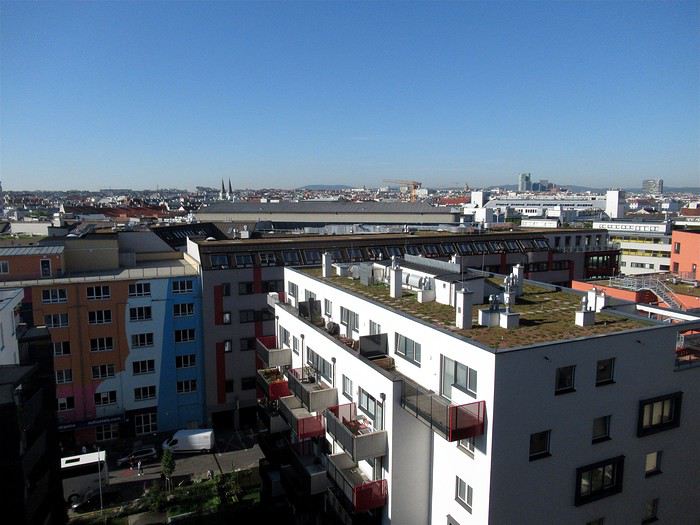
A deux pas et au Nord-Est de la gare centrale, après avoir traversé un large boulevard, le Gurtel - deuxième périphérique parallèle au célèbre Ring qui ceinture la vieille ville de Vienne, ...
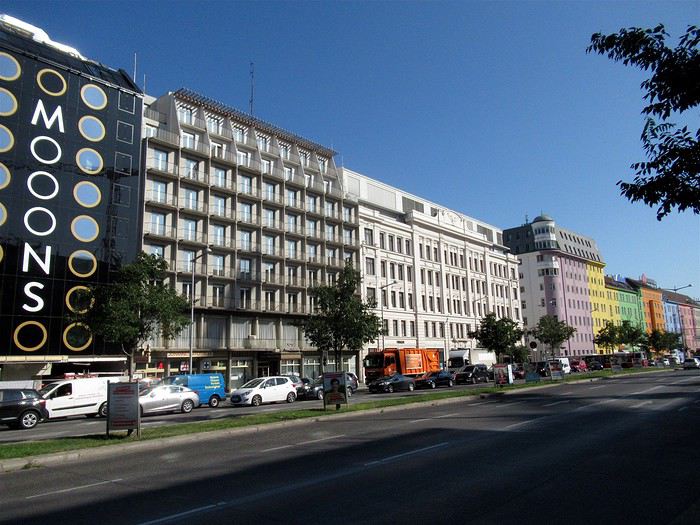
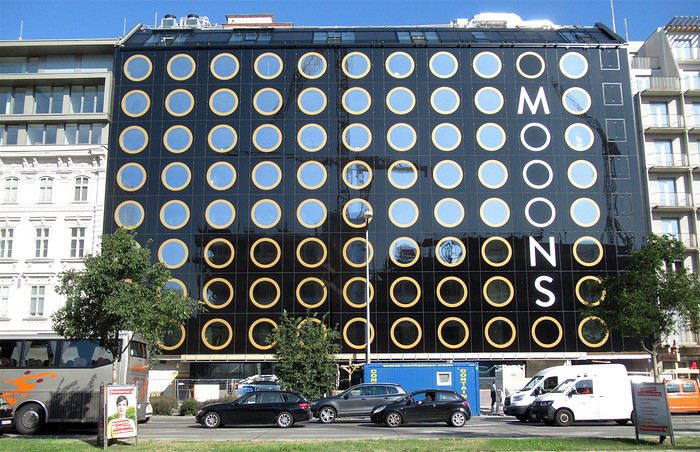
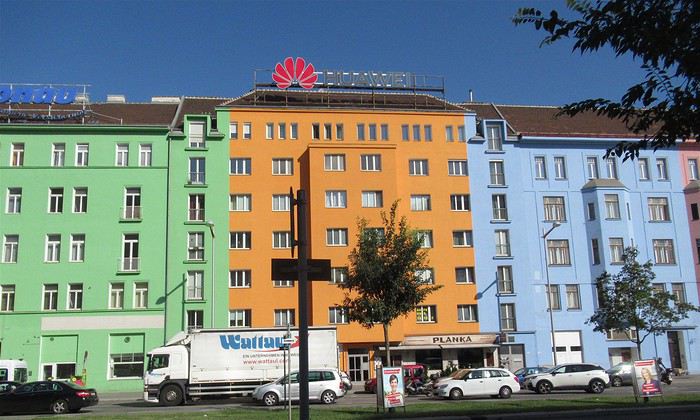
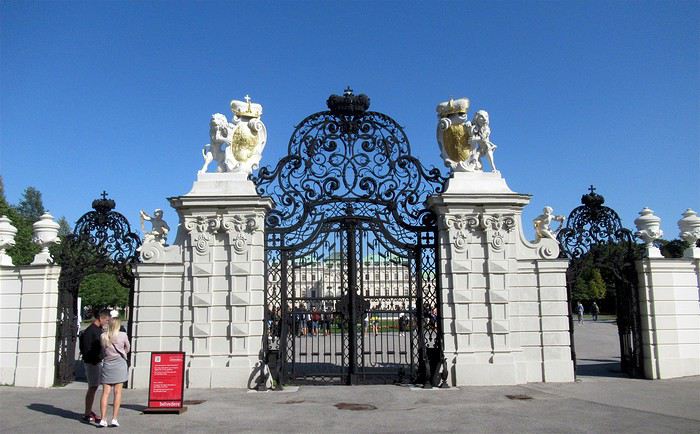
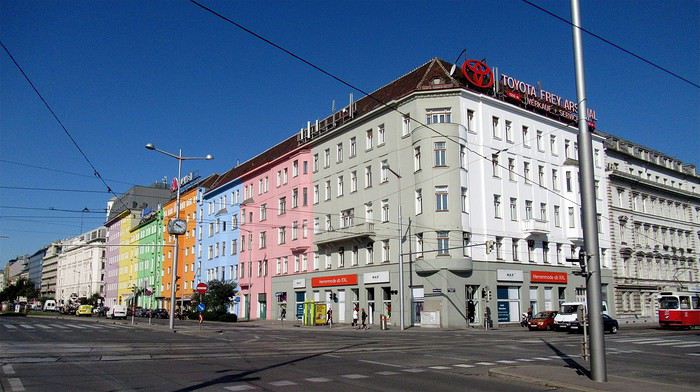 - se trouve le Belvédère et c'est par lui que j'entame mon itinéraire de ce Mardi 3 Septembre.
La porte d'entrée au Sud du Belvédère Supérieur
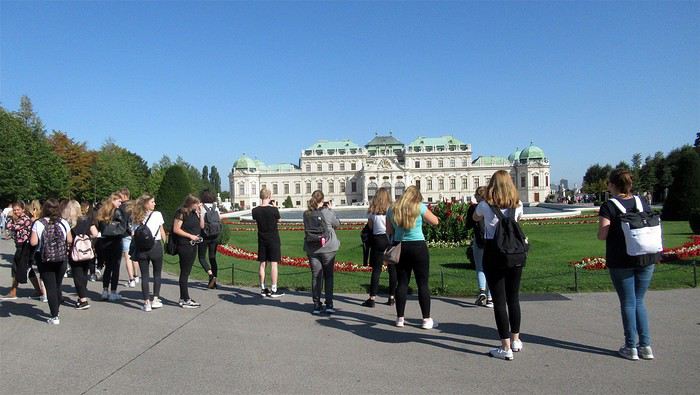
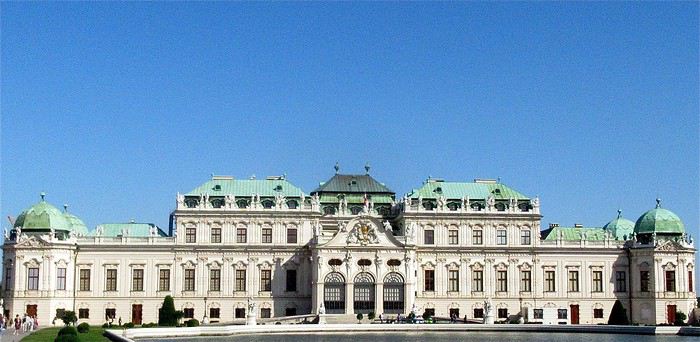
Le bâtiment vu depuis l'entrée Sud
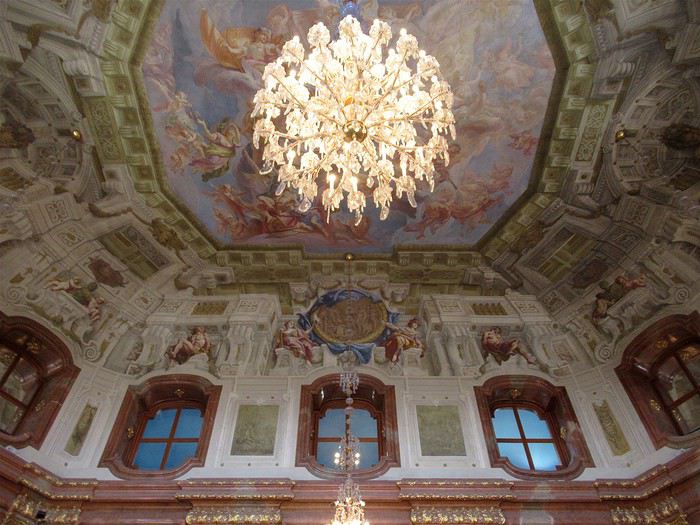
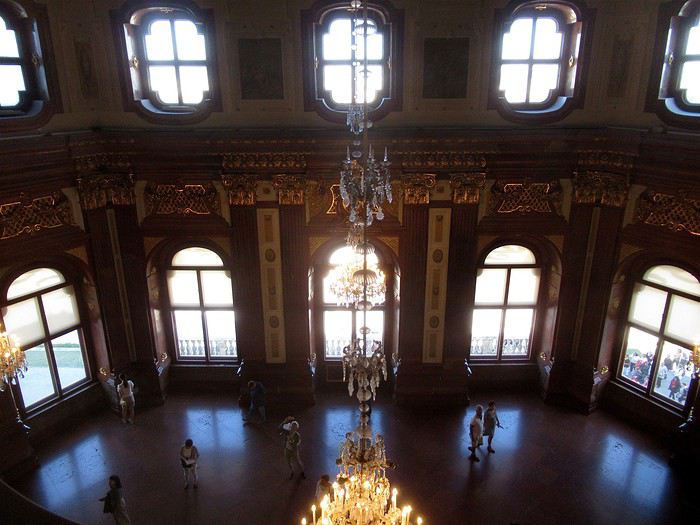
Vues intérieures
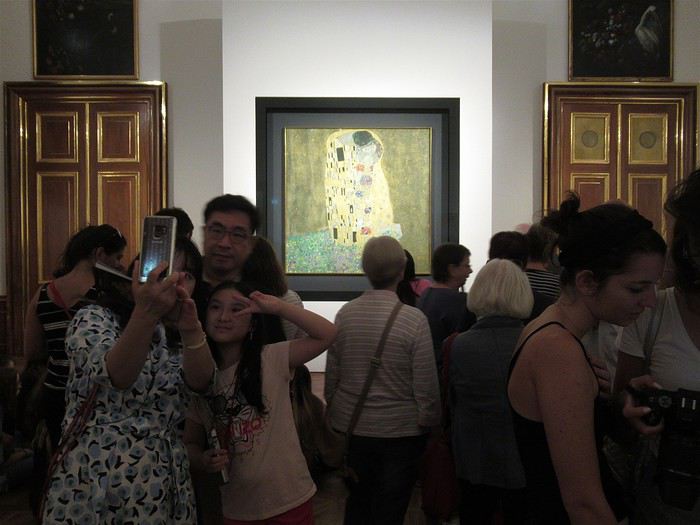
Le Baiser de Klimt est au Belvédère ce que la Joconde de Da Vinci est au Louvre.
Aimez-vous Klimt ?
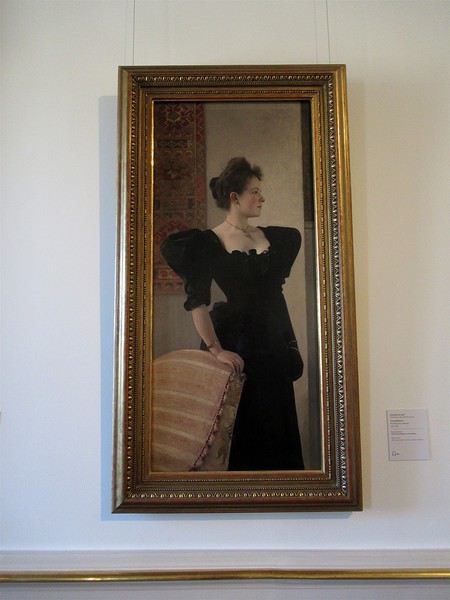
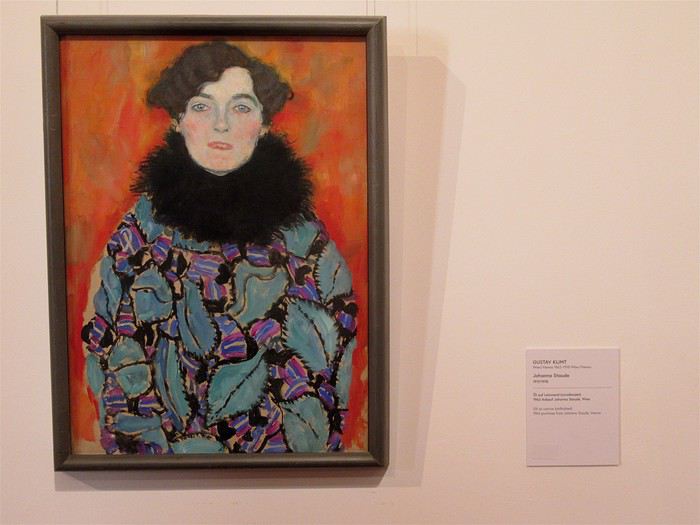
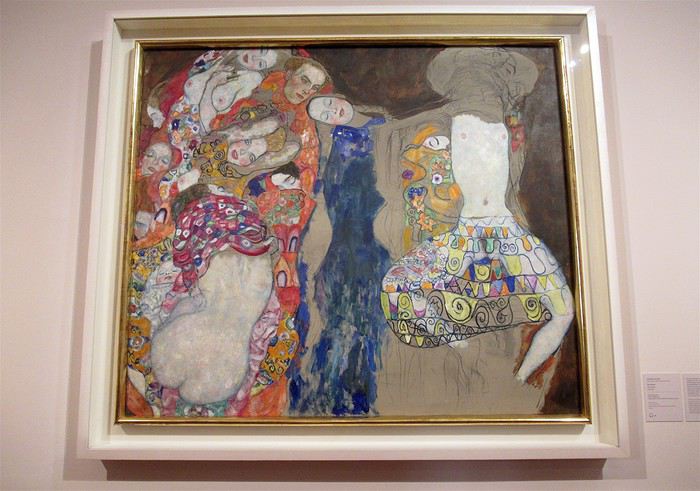
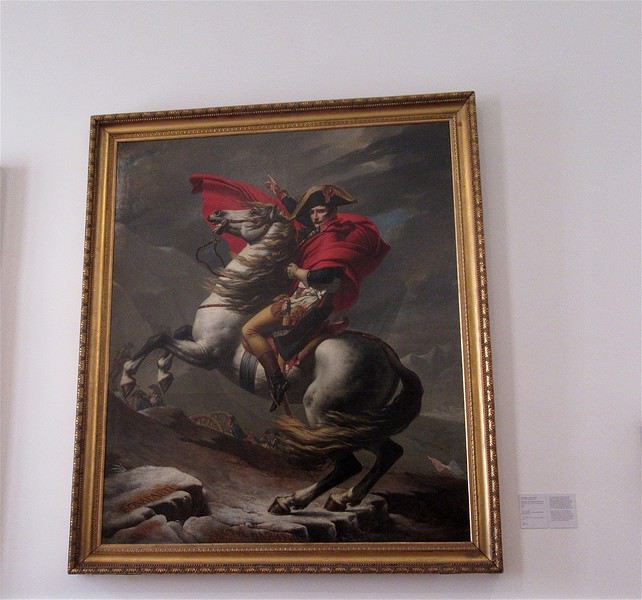
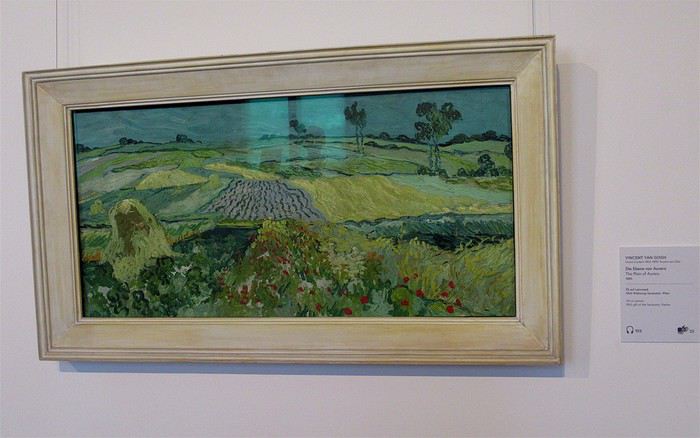
D'autres artistes sont également présents :
Egon Schiele
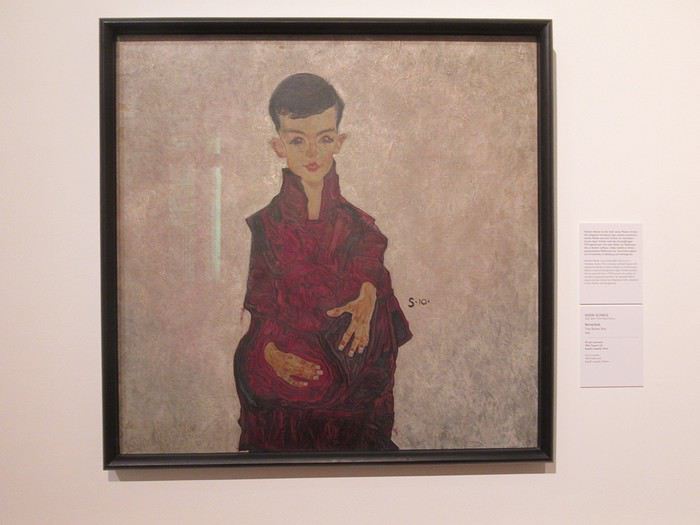
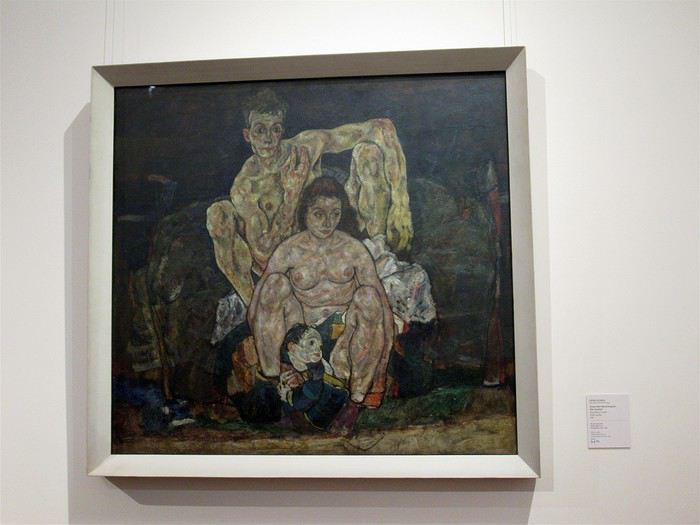
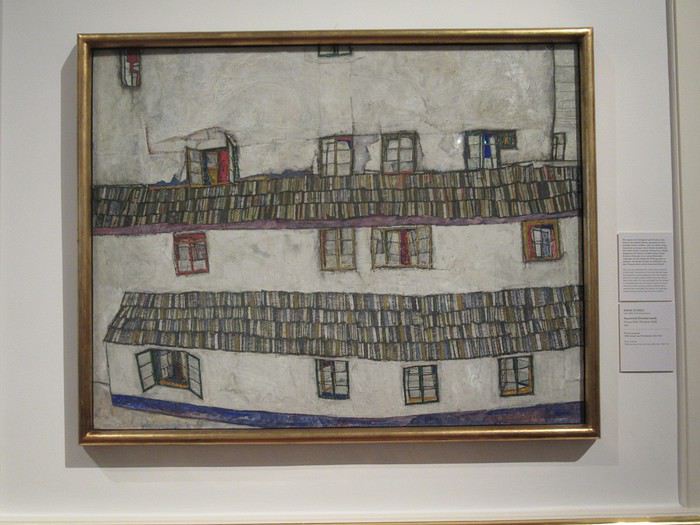
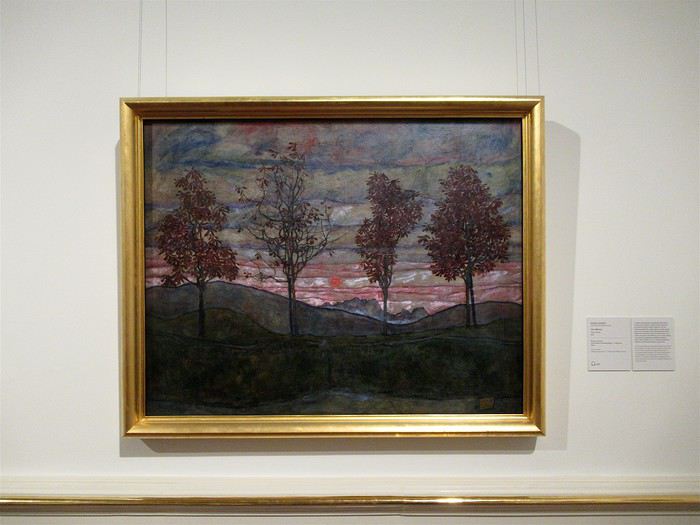
Oskar Kokoschka
O.K. (oublié d'en photographier 🤪)
Jacques-Louis David, Bonaparte franchissant le Grand-Saint-Bernard
et même un Van Gogh
C'est sous la pluie que j'arrive, ce lundi 2 septembre 2019, en train depuis Bruxelles (départ à 10h25) à la gare centrale (Hauptbanhof - Südtiroler Platz). Il est environ 23h00 alors que l'horaire prévoyait une arrivée à 20h45 mais des problèmes sur le réseau ferroviaire allemand m'ont contraint à modifier mon horaire.
Prix du trajet en train aller/retour : 149,70 Euro. Temps de voyage : aller, 10h20 dont 50' de changement à Frankfurt; retour, 12h20 dont 2h50 de changement à Frankfurt.
Je loge à l'hôtel Motel One juste à côté de la gare, côté Sud, pour 70,78 Euro la nuit. Hautement recommandé.
Dés le lendemain matin, la découverte depuis la fenêtre de ma chambre du paysage urbain sous le soleil me motive à partir à la découverte de la ville.
A deux pas et au Nord-Est de la gare centrale, après avoir traversé un large boulevard, le Gurtel - deuxième périphérique parallèle au célèbre Ring qui ceinture la vieille ville de Vienne, ...
- se trouve le Belvédère et c'est par lui que j'entame mon itinéraire de ce Mardi 3 Septembre.La porte d'entrée au Sud du Belvédère Supérieur
Le bâtiment vu depuis l'entrée Sud
Vues intérieures
Le Baiser de Klimt est au Belvédère ce que la Joconde de Da Vinci est au Louvre.
Aimez-vous Klimt ?
D'autres artistes sont également présents :
Egon Schiele
Oskar Kokoschka
O.K. (oublié d'en photographier 🤪)
Jacques-Louis David, Bonaparte franchissant le Grand-Saint-Bernard
et même un Van Gogh
État des rizières au Vietnam English translation pending
Salut ! Je pars en mars prochain au Vietnam, arrivée/départ depuis Saigon, selon l'état des rizières je ferai un trajet sud nord, avec un retour en avion hanoi /Saigon, connaissez vous l'etat des rizières, sapa ou mu can chai en mars ?
2 000 kilomètres sur les EuroVelos avec ce type de vélo? English translation pending
Bonjour 🙂
Comme l'indique le titre de ce sujet, je me prépare à effectuer environ 2000 kms sur un vélo que j'ai acheté il y a quelques temps mais dont je ne me suis pas beaucoup servi depuis. Voici le vélo en question : https://www.decathlon.fr/velo-route-triban-100-gris-id_8377732.html. Pour ceux qui auraient des problèmes pour afficher le lien, il s'agit du "vélo route cyclotouriste Triban 100 B'twin".
Mon trajet a été pensé en fonction des capacités que possèdent le vélo ou tout du moins de ce que j'en ai lu n'étant pas du tout un spécialiste. Il s'agira pour l'immense majorité de voies vertes et d'Eurovélos (la 5, 6, 15, 12 et 3). Que des routes bien bitumées selon les informations qu'on peut trouver (quoique j'ai un doute pour la partie de l'EV3 Maubeuge-Paris...). Je prévois de voyager au plus léger mais avec tout de même tente et tout le tralalala, étapes d'environ 75kms/jour.
Ma question est la suivante, ce vélo tiendra-t-il la longueur ? Si non, que me conseillez-vous ?
Au plaisir de vous lire
Comme l'indique le titre de ce sujet, je me prépare à effectuer environ 2000 kms sur un vélo que j'ai acheté il y a quelques temps mais dont je ne me suis pas beaucoup servi depuis. Voici le vélo en question : https://www.decathlon.fr/velo-route-triban-100-gris-id_8377732.html. Pour ceux qui auraient des problèmes pour afficher le lien, il s'agit du "vélo route cyclotouriste Triban 100 B'twin".
Mon trajet a été pensé en fonction des capacités que possèdent le vélo ou tout du moins de ce que j'en ai lu n'étant pas du tout un spécialiste. Il s'agira pour l'immense majorité de voies vertes et d'Eurovélos (la 5, 6, 15, 12 et 3). Que des routes bien bitumées selon les informations qu'on peut trouver (quoique j'ai un doute pour la partie de l'EV3 Maubeuge-Paris...). Je prévois de voyager au plus léger mais avec tout de même tente et tout le tralalala, étapes d'environ 75kms/jour.
Ma question est la suivante, ce vélo tiendra-t-il la longueur ? Si non, que me conseillez-vous ?
Au plaisir de vous lire
Randonner seul: on fait comment? English translation pending
Bonjour,
Dans le cadre d’un break professionnel, j’envisage une randonnée de 4 ou 5 jours seul. Un besoin de me recentrer, de réfléchir… J’envisage la montagne parce que j’adore les paysages et que cela me semble propice à la réflexion.
J’ai 44 ans, une bonne condition physique (course à pied 3 fois semaine, semi-marathon) mais je n’ai jamais randonné en montagne. Je suis débrouillard et le logement « à la dure » ne me fait pas peur : j’ai quelques années de mouvements de jeunesse derrière moi.
Ce sera pour début septembre 2019.
J’envisageais le parc de la Vanoise, mais toute autre suggestion est bonne .
Plusieurs questions :
Où trouver des parcours pour 4 ou 5 jours ? Idéalement une boucle ? J'ai bien sûr conscience que je n'ai aucune compétence pour envisager de la haute montagne. Je veux juste de beaux sentiers et paysages (un ou deux petits lacs seraient super!) Pour se loger, comment cela se passe : faut-il réserver les refuges à l’avance ? Puis-je dormir sous tente « à la sauvage » ? Quels sont vos conseils éventuels ?
Merci d’avance !
Gaetano
Dans le cadre d’un break professionnel, j’envisage une randonnée de 4 ou 5 jours seul. Un besoin de me recentrer, de réfléchir… J’envisage la montagne parce que j’adore les paysages et que cela me semble propice à la réflexion.
J’ai 44 ans, une bonne condition physique (course à pied 3 fois semaine, semi-marathon) mais je n’ai jamais randonné en montagne. Je suis débrouillard et le logement « à la dure » ne me fait pas peur : j’ai quelques années de mouvements de jeunesse derrière moi.
Ce sera pour début septembre 2019.
J’envisageais le parc de la Vanoise, mais toute autre suggestion est bonne .
Plusieurs questions :
Où trouver des parcours pour 4 ou 5 jours ? Idéalement une boucle ? J'ai bien sûr conscience que je n'ai aucune compétence pour envisager de la haute montagne. Je veux juste de beaux sentiers et paysages (un ou deux petits lacs seraient super!) Pour se loger, comment cela se passe : faut-il réserver les refuges à l’avance ? Puis-je dormir sous tente « à la sauvage » ? Quels sont vos conseils éventuels ?
Merci d’avance !
Gaetano
Votre avis sur mon vélo à la carte English translation pending
Salut la communauté VF et merci pour votre présence !
Je me permets d'ouvrir un sujet après avoir glaner pas mal d'infos sur le forum ou sur la toile en générale (petite pensée au "braquet de la liberté" 😉) pour vous demander vos avis et vos conseils sur un vélo que je voudrais me faire.
En termes d'utilisation voilà le topo : - Déplacements de tous les jours (entre 10 et 15km) principalement en ville ou sur des pistes cyclables. Et potentiellement avec de la charge pour le boulot ou les courses. - Déplacements loisirs et associatifs (naturaliste) chemins en terre/cailloux et foret (mais pas de grosse descente ou de trucs de casse-cou, juste du déplacement) - Voyages pour le moment je n'ai fait que des durées de 10 - 15j mais j'ai l'intention de partir au moins au mois.
Le but n'est d'avoir qu'une seule monture qui serait adapté à toutes ces utilisations. Jusqu'à présent j'ai un VTT Rockrider 540 de 2015 adapté en mode voyage (porte-bagage arrière, selle Brooks, poignées confort), mais je viens de quitter le statu étudiant et je voudrais donc me faire un peu plaisir avec mes premiers salaires 🙂
Voilà, pour le moment, ce que ça donne niveau équipement (tous les noms de modèles en gras sont des liens vers les pages de description si vous avez besoin d'infos) :
Roues :
- Jantes : Mavic XM 719 26" 36 rayons - Rayons : DT Swiss Alpine III - Moyeu arrière : SHIMANO Deore XT FH-M756-A - Moyeu avant : SHIMANO Deore XT HB-M756 - Pneus : Schwalbe MARATHON PLUS TOUR
Transmission :
- Dérailleur arrière : je n'arrive pas à trouver la différence entre ces deux modèles : - SHIMANO Deore XT RD-T8000 SGS Shadow - SHIMANO Deore XT RD-M781 SGS Shadow Et je vois que chaque dérailleur existe en chape longue, moyenne ou courte. Laquelle vous semble la plus adaptée ?
- Dérailleur avant : SHIMANO Deore XT FD-T8000-L-6 – Top Swing J'ai un doute sur cette pièce car il existe 36000 référence de dérailleurs avant XT....
- Manettes : j’hésite entre : - SHIMANO SLX SL-M7000 - SHIMANO Deore XT SL-M780 Je dirais que les SLX sont suffisantes. Qu'en pensez-vous ?
- Cassette : je pensais partir sur une 10 vitesses mais j'avoue être un peu perdu entre les différentes références
- Pédalier : je voulais prendre un triple plateau car sur ma monte actuelle j'utilise vraiment les 3. Je pensais donc prendre du 24/32/42 mais j'ai l'impression que cela ne se fait plus chez Shimano... Il n'y a plus que des 22/30/40. Ca ne doit pas changer grand chose, non ? Et en termes de gamme le XT est vraiment cher comparé au SLX
- Cuvettes : SHIMANO XT BB-MT800 BSA - Chaine : SHIMANO XT CN-HG95 HG-X chaîne
Freinage :
Je pensais partir sur des disques car leurs avantages (puissance de freinage constante quelque soient les conditions et non usure des jantes) prennent, selon moi, le dessus sur leurs inconvénients (poids et complexité). Les freins mécanique BB sembles plébiscités mais j'utilise actuellement des freins hydrauliques et j'apprécie vraiment leur "feeling" je pensais donc repartir sur cette technologie avec les SHIMANO XT BR-M8000 mais les SLX semblent pas mal aussi. Tout comme pour les cassettes, je suis un peu pommé parmi les références de disques ... Pourriez-vous me conseiller ?
Fourche :
Là aussi peut-être une petite particularité : je souhaiterais réutiliser ma fourche actuelle télescopique et verrouillable. Je trouve cette technologie top : de l'amortie et du confort en plat et terrain accidenté et possibilité de bloquer en montée pour ne pas perdre de puissance.
Selle : ma selle Brooks actuelle
Le point qui me reste à définir est celui du cadre. Le top du top serait d'avoir un cadre made in France. J'ai pris contact avec certains fabricants ( "Le Batard", Edelbikes, Cycle D.Guedon, Cycle Catin) à voir avec les tarifs qui me proposeront sinon je pensais me tourner vers un Surly Long Haul Trucker. Ce point reste encore très ouvert donc n'hésitez pas !
Et bien voilà je crois avoir fait le tour ! Merci au plus courageux qui m'ont lu jusque là 😎
Cette configuration reste entièrement ouverte et n'attend qu'à être modifiée/optimisée selon vos propositions. J'ai pas mal tapé dans du Shimano car je connais un peu cette marque mais c'est tout donc s'il y a mieux ou moins cher chez la concurrence pas de prob' pour changer.
Le but de cette configuration est d'être fiable et efficace mais sans superflus de gamme : je peux donc si cela vous semble pertinent monter en gamme sur certains composants (cela ne me dérange pas d'investir plus si cela me permet d'avoir un vélo qui dure) mais également baisser en gamme si la gamme initialement sélectionnée n'apporte rien de significatif dans mon cadre d'utilisation.
Encore une fois merci à vous de m'avoir lu et surtout un grand merci pour vos futurs conseils, remarques et proposition !!!
Je me permets d'ouvrir un sujet après avoir glaner pas mal d'infos sur le forum ou sur la toile en générale (petite pensée au "braquet de la liberté" 😉) pour vous demander vos avis et vos conseils sur un vélo que je voudrais me faire.
En termes d'utilisation voilà le topo : - Déplacements de tous les jours (entre 10 et 15km) principalement en ville ou sur des pistes cyclables. Et potentiellement avec de la charge pour le boulot ou les courses. - Déplacements loisirs et associatifs (naturaliste) chemins en terre/cailloux et foret (mais pas de grosse descente ou de trucs de casse-cou, juste du déplacement) - Voyages pour le moment je n'ai fait que des durées de 10 - 15j mais j'ai l'intention de partir au moins au mois.
Le but n'est d'avoir qu'une seule monture qui serait adapté à toutes ces utilisations. Jusqu'à présent j'ai un VTT Rockrider 540 de 2015 adapté en mode voyage (porte-bagage arrière, selle Brooks, poignées confort), mais je viens de quitter le statu étudiant et je voudrais donc me faire un peu plaisir avec mes premiers salaires 🙂
Voilà, pour le moment, ce que ça donne niveau équipement (tous les noms de modèles en gras sont des liens vers les pages de description si vous avez besoin d'infos) :
Roues :
- Jantes : Mavic XM 719 26" 36 rayons - Rayons : DT Swiss Alpine III - Moyeu arrière : SHIMANO Deore XT FH-M756-A - Moyeu avant : SHIMANO Deore XT HB-M756 - Pneus : Schwalbe MARATHON PLUS TOUR
Transmission :
- Dérailleur arrière : je n'arrive pas à trouver la différence entre ces deux modèles : - SHIMANO Deore XT RD-T8000 SGS Shadow - SHIMANO Deore XT RD-M781 SGS Shadow Et je vois que chaque dérailleur existe en chape longue, moyenne ou courte. Laquelle vous semble la plus adaptée ?
- Dérailleur avant : SHIMANO Deore XT FD-T8000-L-6 – Top Swing J'ai un doute sur cette pièce car il existe 36000 référence de dérailleurs avant XT....
- Manettes : j’hésite entre : - SHIMANO SLX SL-M7000 - SHIMANO Deore XT SL-M780 Je dirais que les SLX sont suffisantes. Qu'en pensez-vous ?
- Cassette : je pensais partir sur une 10 vitesses mais j'avoue être un peu perdu entre les différentes références
- Pédalier : je voulais prendre un triple plateau car sur ma monte actuelle j'utilise vraiment les 3. Je pensais donc prendre du 24/32/42 mais j'ai l'impression que cela ne se fait plus chez Shimano... Il n'y a plus que des 22/30/40. Ca ne doit pas changer grand chose, non ? Et en termes de gamme le XT est vraiment cher comparé au SLX
- Cuvettes : SHIMANO XT BB-MT800 BSA - Chaine : SHIMANO XT CN-HG95 HG-X chaîne
Freinage :
Je pensais partir sur des disques car leurs avantages (puissance de freinage constante quelque soient les conditions et non usure des jantes) prennent, selon moi, le dessus sur leurs inconvénients (poids et complexité). Les freins mécanique BB sembles plébiscités mais j'utilise actuellement des freins hydrauliques et j'apprécie vraiment leur "feeling" je pensais donc repartir sur cette technologie avec les SHIMANO XT BR-M8000 mais les SLX semblent pas mal aussi. Tout comme pour les cassettes, je suis un peu pommé parmi les références de disques ... Pourriez-vous me conseiller ?
Fourche :
Là aussi peut-être une petite particularité : je souhaiterais réutiliser ma fourche actuelle télescopique et verrouillable. Je trouve cette technologie top : de l'amortie et du confort en plat et terrain accidenté et possibilité de bloquer en montée pour ne pas perdre de puissance.
Selle : ma selle Brooks actuelle
Le point qui me reste à définir est celui du cadre. Le top du top serait d'avoir un cadre made in France. J'ai pris contact avec certains fabricants ( "Le Batard", Edelbikes, Cycle D.Guedon, Cycle Catin) à voir avec les tarifs qui me proposeront sinon je pensais me tourner vers un Surly Long Haul Trucker. Ce point reste encore très ouvert donc n'hésitez pas !
Et bien voilà je crois avoir fait le tour ! Merci au plus courageux qui m'ont lu jusque là 😎
Cette configuration reste entièrement ouverte et n'attend qu'à être modifiée/optimisée selon vos propositions. J'ai pas mal tapé dans du Shimano car je connais un peu cette marque mais c'est tout donc s'il y a mieux ou moins cher chez la concurrence pas de prob' pour changer.
Le but de cette configuration est d'être fiable et efficace mais sans superflus de gamme : je peux donc si cela vous semble pertinent monter en gamme sur certains composants (cela ne me dérange pas d'investir plus si cela me permet d'avoir un vélo qui dure) mais également baisser en gamme si la gamme initialement sélectionnée n'apporte rien de significatif dans mon cadre d'utilisation.
Encore une fois merci à vous de m'avoir lu et surtout un grand merci pour vos futurs conseils, remarques et proposition !!!
Bornéo: plutôt nord (Malaisie) ou plutôt sud (Indonésie)? English translation pending
Bonjour à tous,
Je vais peut-être aller à Borneo au mois de mai mais je ne sais pas lequel des 2 côtés vaut le plus le detour. Je n'aurai que 2 semaines et quelques sur place, ce qui me semble déjà bien court...
J'ai lu pas mal de retours sur la partie malaisienne, qui a l'air super, mais beaucoup moins sur la partie indonésienne.
Est-ce que quelqu'un connaît les deux côtés ?
Je cherche avant tout à observer la faune (balades diurnes ou nocturnes), randonner dans les forêts luxuriantes, voguer sur des fleuves/cours d'eau riches en animaux, et plonger.
Côté Malaisie, j'ai vu qu'il y avait pas mal de voyageurs qui allaient à l'est, zone rouge sur la carte de la diplomatie française. Jusque-là, j'ai "poussé" jusque dans l'orange, mais je n'ai jamais tenté le rouge. Quel a été votre ressenti ?
Merci !
Question subsidiaire : Si je me rabats sur la Malaisie continentale... Est-ce que ça vaut le coup ? Pour l'avoir survolée en avion, je redoute de ne voir que des kilomètres et des kilomètres de plantations de palmiers... Et bien qu'il y ait apparemment de superbes spots de plongée sur les îles à l'est, je ne veux pas faire que ça.
Merci ! 🙂
Je vais peut-être aller à Borneo au mois de mai mais je ne sais pas lequel des 2 côtés vaut le plus le detour. Je n'aurai que 2 semaines et quelques sur place, ce qui me semble déjà bien court...
J'ai lu pas mal de retours sur la partie malaisienne, qui a l'air super, mais beaucoup moins sur la partie indonésienne.
Est-ce que quelqu'un connaît les deux côtés ?
Je cherche avant tout à observer la faune (balades diurnes ou nocturnes), randonner dans les forêts luxuriantes, voguer sur des fleuves/cours d'eau riches en animaux, et plonger.
Côté Malaisie, j'ai vu qu'il y avait pas mal de voyageurs qui allaient à l'est, zone rouge sur la carte de la diplomatie française. Jusque-là, j'ai "poussé" jusque dans l'orange, mais je n'ai jamais tenté le rouge. Quel a été votre ressenti ?
Merci !
Question subsidiaire : Si je me rabats sur la Malaisie continentale... Est-ce que ça vaut le coup ? Pour l'avoir survolée en avion, je redoute de ne voir que des kilomètres et des kilomètres de plantations de palmiers... Et bien qu'il y ait apparemment de superbes spots de plongée sur les îles à l'est, je ne veux pas faire que ça.
Merci ! 🙂
In Search of Warmth in California, Utah, and Arizona in February
It all started last December, after another price alert from Gilou for United/Lufthansa flights at 250 € from Paris to San Francisco. Meanwhile, I was planning to spend a week alone with our three kids (Maxime, 14, Rachel, 12, and Timéo, 8) somewhere in France for the February break.
But this time, Gilou really outdid himself—way too tempting! 😮 His great tip worked for both the February and Easter breaks. I know April is the ideal month, especially if you love hiking! But for family reasons, only February would work for us.
Isn’t February a month to avoid for the Southwest? To keep our summer trip budget intact, I was thinking of camping as much as possible. After checking weather sites for temperature histories in key spots (Furnace Creek, Saint George, Page, Sedona), nighttime temps over the past two years ranged from +5 to -2°C. So, it seemed doable...
I started discussing (aka negotiating, even begging) with my better half. The kids caught on fast that there was a chance we’d go, and they were thrilled! She finally gave her consent to make the kids happy 😎. I quickly checked that our ESTAs were still valid, and 48 hours later, I had the tickets in hand 😎😎. But five days later, Laetitia changed her mind—her "Yes" turned back into a "No." No way were we going without her to her favorite country!!
Damn it 🤪! I had to tell her I’d already bought the four tickets (without bringing it up again, of course—a "Yes" is a "Yes," right?). And since the tickets were non-refundable, there was no going back... Apparently, with women, some "Yeses" mean *really* yes, but others mean, "I said yes in principle, but I wasn’t actually on board—and I never thought you’d have the nerve to buy the tickets without telling me!!" I had no idea 🤪!
Us guys? We’re way more straightforward—binary, even monetary... Yes means yes! And no can mean yes too 😏!! Anyway, in a lovely family atmosphere, I opened a thread to start planning and thanked Trois14 and Bluemesa for their help. On Trois14’s advice, I booked 5 nights in motels around St. George-Page at super tempting rates—around $35-40 a night...
On that note, Christmas cost me an arm and a leg... Gotta try to make up for it 😛!
Here’s the theoretical itinerary:
Death Valley (2 days) Valley of Fire The White Dome (hike up and down via Squirrel Canyon) 4 nights in the Kanab-Page area Sedona (2 days) Route 66 Alabama Hills / Trona Pinnacles Drive back to SFO via Highway 1
That’s the plan, at least...
In reality, it turned into a whole different story. I learned that in February, you’ve got to be flexible—*very* flexible sometimes—to dodge the weather. Halfway through, a cold snap made our second week (planned 100% camping) impossible, completely upending the itinerary.
So, a huge thanks to PapJ59, Noyellebis, and especially Caribou44 and Simonic. 🙂 A thousand thanks for your quick responses, availability, and sound advice, which let us have an original and unforgettable second week—Organ Pipe Cactus NM, Yuma, Salvation Mountain, Anza Borrego SP, a palm grove in Joshua Tree, then back to SFO!! Without you, we’d have been miserable on the spot, but instead... 😇
A big shout-out to Thibaut and his famous blog (rightfully praised on VF—it’s one of the few that details Organ Pipe), to travel journal writers for inspiration in general, and to those who helped me prep or during the trip (journals by Pong, Hiacinthe, Zitounet, and Laetitia).
Now, for the story...
But this time, Gilou really outdid himself—way too tempting! 😮 His great tip worked for both the February and Easter breaks. I know April is the ideal month, especially if you love hiking! But for family reasons, only February would work for us.
Isn’t February a month to avoid for the Southwest? To keep our summer trip budget intact, I was thinking of camping as much as possible. After checking weather sites for temperature histories in key spots (Furnace Creek, Saint George, Page, Sedona), nighttime temps over the past two years ranged from +5 to -2°C. So, it seemed doable...
I started discussing (aka negotiating, even begging) with my better half. The kids caught on fast that there was a chance we’d go, and they were thrilled! She finally gave her consent to make the kids happy 😎. I quickly checked that our ESTAs were still valid, and 48 hours later, I had the tickets in hand 😎😎. But five days later, Laetitia changed her mind—her "Yes" turned back into a "No." No way were we going without her to her favorite country!!
Damn it 🤪! I had to tell her I’d already bought the four tickets (without bringing it up again, of course—a "Yes" is a "Yes," right?). And since the tickets were non-refundable, there was no going back... Apparently, with women, some "Yeses" mean *really* yes, but others mean, "I said yes in principle, but I wasn’t actually on board—and I never thought you’d have the nerve to buy the tickets without telling me!!" I had no idea 🤪!
Us guys? We’re way more straightforward—binary, even monetary... Yes means yes! And no can mean yes too 😏!! Anyway, in a lovely family atmosphere, I opened a thread to start planning and thanked Trois14 and Bluemesa for their help. On Trois14’s advice, I booked 5 nights in motels around St. George-Page at super tempting rates—around $35-40 a night...
On that note, Christmas cost me an arm and a leg... Gotta try to make up for it 😛!
Here’s the theoretical itinerary:
Death Valley (2 days) Valley of Fire The White Dome (hike up and down via Squirrel Canyon) 4 nights in the Kanab-Page area Sedona (2 days) Route 66 Alabama Hills / Trona Pinnacles Drive back to SFO via Highway 1
That’s the plan, at least...
In reality, it turned into a whole different story. I learned that in February, you’ve got to be flexible—*very* flexible sometimes—to dodge the weather. Halfway through, a cold snap made our second week (planned 100% camping) impossible, completely upending the itinerary.
So, a huge thanks to PapJ59, Noyellebis, and especially Caribou44 and Simonic. 🙂 A thousand thanks for your quick responses, availability, and sound advice, which let us have an original and unforgettable second week—Organ Pipe Cactus NM, Yuma, Salvation Mountain, Anza Borrego SP, a palm grove in Joshua Tree, then back to SFO!! Without you, we’d have been miserable on the spot, but instead... 😇
A big shout-out to Thibaut and his famous blog (rightfully praised on VF—it’s one of the few that details Organ Pipe), to travel journal writers for inspiration in general, and to those who helped me prep or during the trip (journals by Pong, Hiacinthe, Zitounet, and Laetitia).
Now, for the story...
Cyclo-camping English translation pending
Bonjour à tous les cyclos ! J'ai bcp hésité à vous écrire, mais c'est plus fort que moi.... Depuis des années je suis "cloué" à la maison, après l'hôpital, où depuis 2015 j'ai subi de nombreuses et graves opérations chirurgicales ( stents de partout, trépanation, pont ages, etc.....); mon fidèle destrier n'a plus roulé depuis ces années, et tout comme moi, cela commence à faire long.... mais je revis, et j'imagine, je lis "Voyage-Forum", je planifie déjà mes prochains voyages... après le feu vert du chirurgien évidemment. Raison de mon message : je recherche des photos, fonds d'écran, vues de camping, de paysages boisés, montagneux, où trônent la tente et le vélo cyclo-, ça aide ! Merci et bonne route !🙂😉