★ 4 · last edited Dec 11, 2019
Atlas Mountains
Contributionsversion #1created Dec 11, 2019Report this pageLatest contributions in this guideContributors to this guide
Location verified location
 Atlas Mountains
Open the interactive map
Atlas Mountains
Open the interactive map
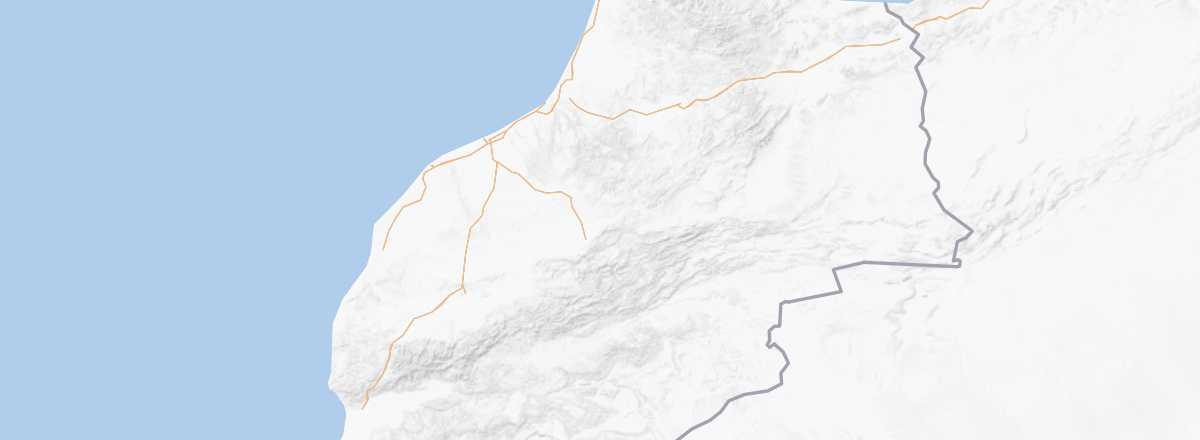
This mountain range stretching along Morocco and continuing into Algeria and Tunisia forms a "barrier" between the country's coastal and desert regions.
Overview
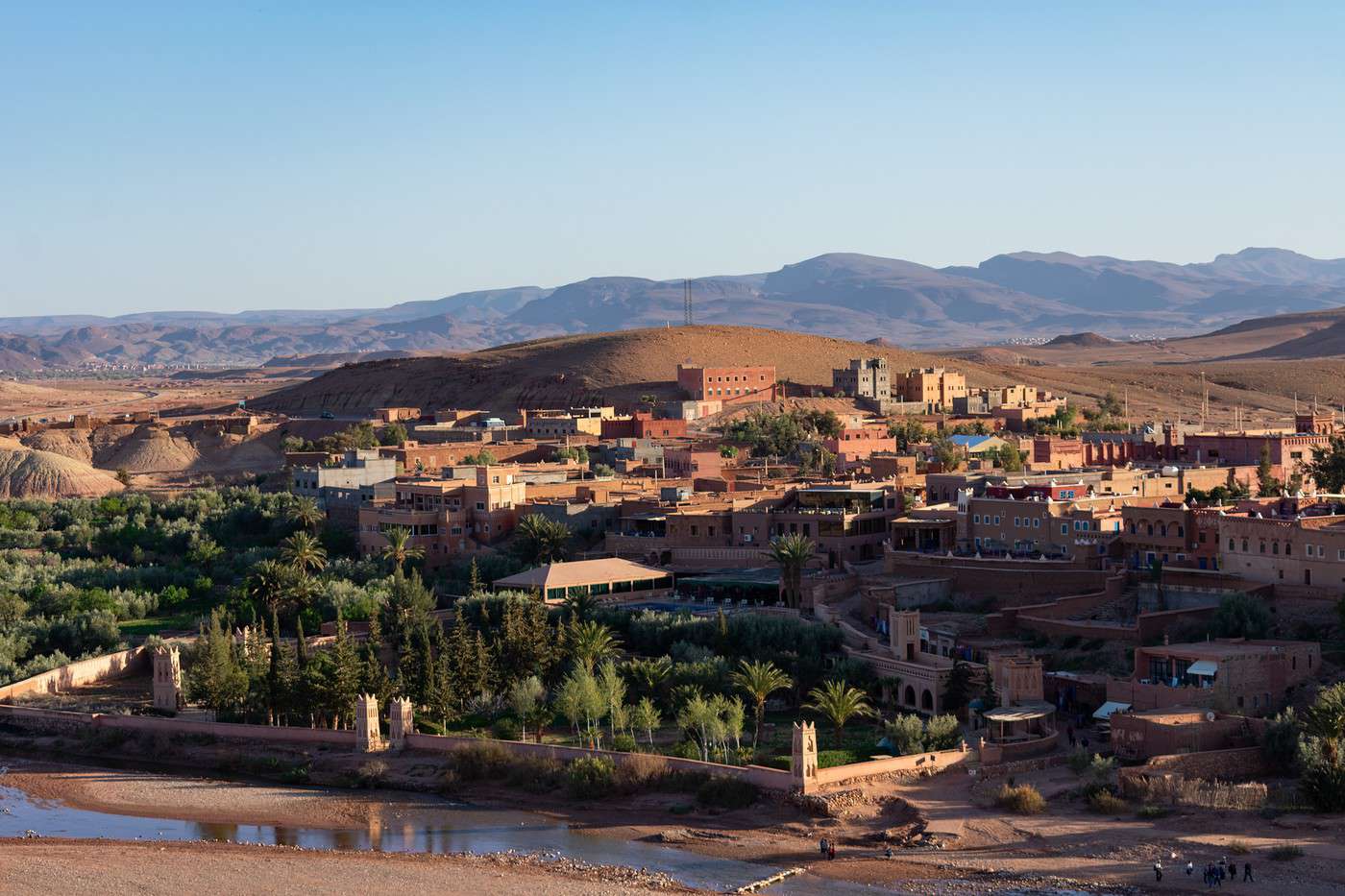
This mountain range stretching along Morocco and continuing into Algeria and Tunisia forms a "barrier" between the country's coastal and desert regions. In Morocco, it divides into three distinct parts.
The Middle Atlas (around Fez and Meknes) occupies the north with beautiful mountain landscapes, lakes, and several parks offering various outdoor activities. The High Atlas (around Marrakech), in the center, is the highest area, with Toubkal as its peak (4,167 m), and is also the most tourist-friendly due to the appeal of Marrakech and its surroundings, perfect for outdoor adventures. Finally, the Anti-Atlas lies in the southern region, heralding the vast desert expanses.
Main Cities
While this central Moroccan region includes several significant cities, Fez, Meknes, and especially Marrakech tend to overshadow the others, even in terms of tourism. However, other cities worth noting include: Beni Mellal, Ifrane, Moulay Idriss, Taroudant, Tata...
Tourist Attractions
Given its rich heritage and environment, it’s no surprise that the Atlas is one of Morocco’s most attractive regions for tourism. It will undoubtedly delight nature and culture enthusiasts alike.
Cities and Their Heritage
Three "gems" lie within the Atlas and rank among Morocco’s most important tourist sites.
The Middle Atlas is home to the imperial cities of Fez and Meknes, whose cultural heritage has earned them UNESCO status. Since they are very close to each other, visiting both is easy, as is exploring Volubilis (near the holy city of Moulay Idriss), one of North Africa’s best-preserved ancient sites. In a different vein, nestled in the mountains, Ifrane feels distinctly European in both its architecture and surrounding landscapes.
A highlight of the country, Marrakech sits at the heart of the High Atlas with its rich heritage and lively atmosphere. Heading toward Ouarzazate, you can visit two sites showcasing "traditional architecture": Telouet with its kasbah, and especially the ancient fortified village (ksar) of Aït Ben Haddou, a UNESCO World Heritage site. Further south, in the Anti-Atlas, Taroudant, nicknamed the "little Marrakech" with its ramparts and walled city, makes a great stop on the route between Agadir and Marrakech or Ouarzazate.
Nature and Activities
The Atlas is synonymous with mountains, so stunning landscapes and outdoor activities (trekking, fishing, skiing...) abound!
In the north, the entire Ifrane region is worth exploring through the Ifrane National Park with its breathtaking scenery, several lakes, and opportunities for hiking or mountain fishing. Nearby, the Tazekka National Park offers forests, waterfalls, caves, hiking, and caving.
Even more popular, the High Atlas around Marrakech attracts nature lovers in droves. The options are vast: you can discover the Ouzoud Waterfalls, which at 110 meters are the tallest in North Africa, the Lake Lalla Takerkoust, a favorite among swimmers, and above all, the Toubkal National Park, the Aït Bougmez Valley, and the Ourika Valley and Oukaïmeden, with their magnificent landscapes and hiking trails.
In the Anti-Atlas to the south, mountain scenery gradually blends into an environment hinting at the nearby desert. From this meeting point, you can enjoy the setting of the oasis of Amtoudi or Tafraout and the Ammeln Valley, which offer stunning landscapes and endless hiking possibilities.
Climate and Weather
The Atlas region is characterized by a mountain climate with snow and low winter temperatures in its central area. However, this is softened by the sea’s influence in the north (wetter) and the desert’s in the south (more arid). As a result, cities like Marrakech and Fez, with their continental climate, experience hot to very hot summers and winters with relatively mild temperatures.
- Fez
- Ifrane
- Meknes
- Taza
- Marrakech
- Tafraout
- Taroudant
- Toubkal National Park
- Aït Ben Haddou
- Ouzoud Waterfalls
- Aït Bougmez Valley
- Eastern High Atlas National Park
- Amtoudi
- Tata
- Moulay Idriss
- Volubilis
- Ifrane National Park
- Imilchil
- Khénifra National Park
- Tizi-n-Test Pass Road
- Lake Lalla Takerkoust
- Ammeln Valley
- Azrou
- Midelt
- Beni Mellal
- Sidi Harazem
- Zaouia d'Ifrane Waterfalls
- Imlil
- Ouirgane
- Tizi-n-Tichka Pass Road
- Telouet
- Icht
- Taliouine
- Ourika Valley and Oukaïmeden
- Amizmiz
- Oukaïmeden
- Tazekka National Park