Hello 😏
Four trips to Russia in our little camper van have allowed us to meet ordinary Russians, those who live far from the Westernized elites of the country's major western cities.
Even with our few words of Russian, we clearly understood what we were so often told: Russia is not just Moscow or St. Petersburg.
This post doesn’t claim to address the sociological realities of this magnificent country.
More modestly, it aims to take you on a visual journey to discover the three fundamentals that shape Russian identity: rural life, religion, and patriotism.
VoyageForum allows 20 photos per post, so we’ll stick to this selection.
They were taken during our fourth road trip, in April and May 2019.
RURAL LIFE
For this dive into rural Russia, we deliberately left the paved roads to take small dirt tracks and country lanes.
We traveled through the oblasts of Ulyanovsk (Ульяновск), Nizhny Novgorod (Нижний Новгород), and the Republic of Mordovia (Республика Мордовия).
1. We leave the main road to enter the first villages.
Very quickly, we find these splendid homes that make up the historical heritage of rural Russia.
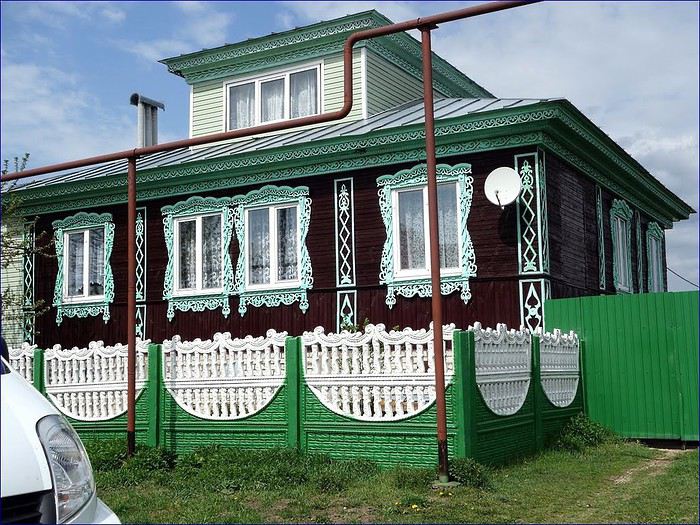
2. A little further on, we enter a village where time seems to have stood still.
A single street, izbas on either side, small plots of land behind, a few wells for water...

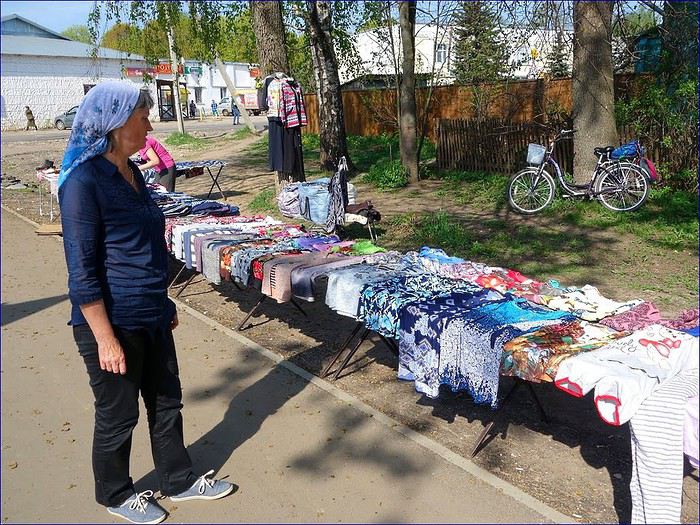
3. Shopping in rural Russia isn’t like GUM!
Here, no luxury boutiques—vendors set up right by the roadside!
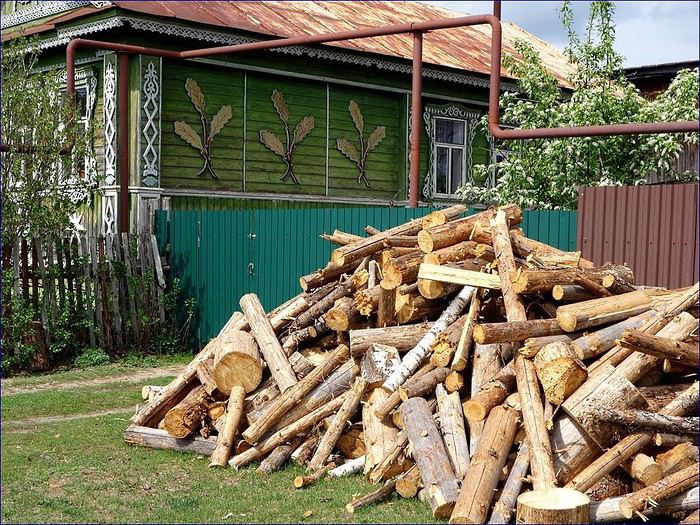
4. In another village, with a few words of Russian, I ask the owner of this house why he’s bringing in firewood in spring.
From what I understood, you shouldn’t wait for autumn when everyone needs it and prices go up.
5. In the Nizhny Novgorod Oblast, we stop near a small church
that the parishioners show us around.
To thank them, Sylvie buys them fruit juice and delicious honey cakes.
Generously, the priest gives us permission to sleep in the parking lot!
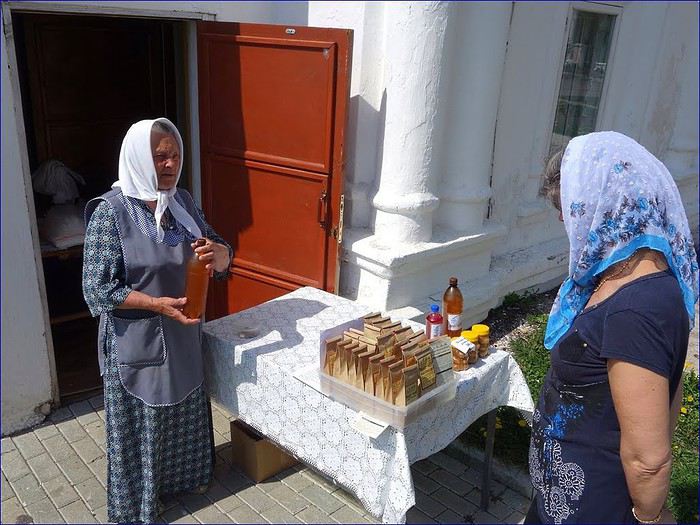
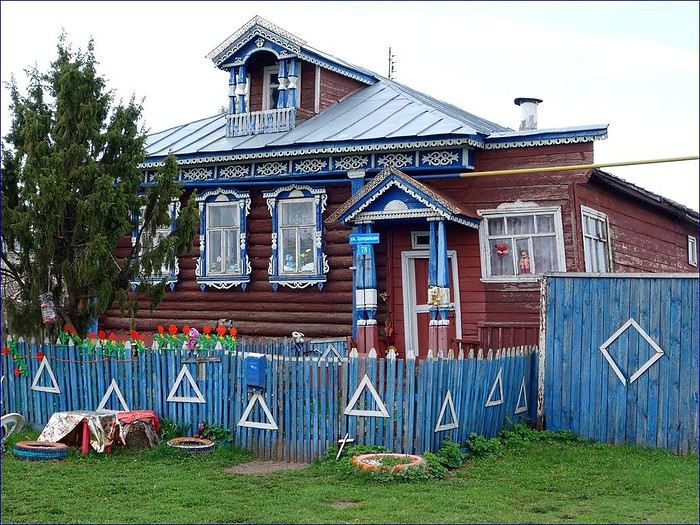
6. The next day, wandering rural roads, we admire this house for a long time, with its traditional wooden figurines behind the windows.
7. We hit the road again toward a small town where, of course, they sell local fish.
We know Russians are the biggest consumers of freshwater fish in the world.
And here, we’re in the central Volga basin with its dozens of tributaries!

RELIGION
A few years ago, we visited the Makaryevo Monastery.
That’s where we learned about the Saint Seraphimo convent for nuns.
It was hard to find, on the border of the Republic of Mordovia and the Nizhny Novgorod Oblast.
We discovered a place of pilgrimage, a space for religious expression, authentic, popular, and very Russian—where nuns, believers, and (most importantly) no tourists mix!
Just 500 km from Moscow and the Golden Ring, the monastery mainly welcomes groups and families staying in the huge pilgrim house.
We’d only planned a quick visit but ended up staying two full days!
Thanks to the staff for letting us park and sleep in the pilgrims’ parking lot.
8. The site is much larger than we imagined.
Over several hectares, religious buildings, the nuns’ living quarters, visitor accommodations, and schools all coexist...
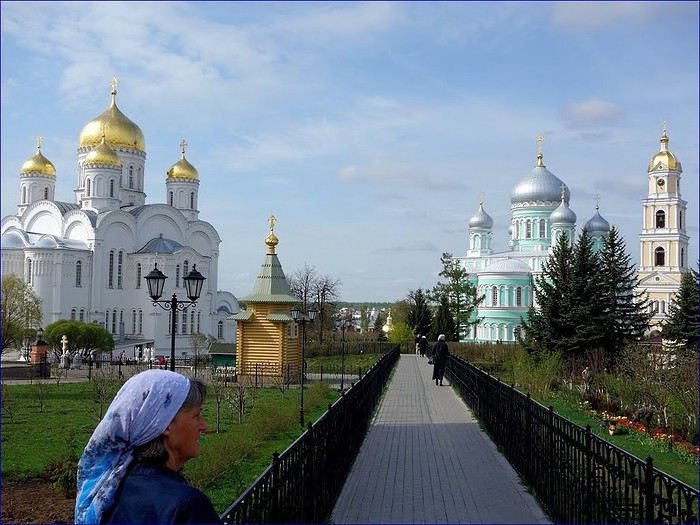
9. For two days, we mixed with kind religious figures and pilgrims—welcoming even to non-Orthodox folks like us!
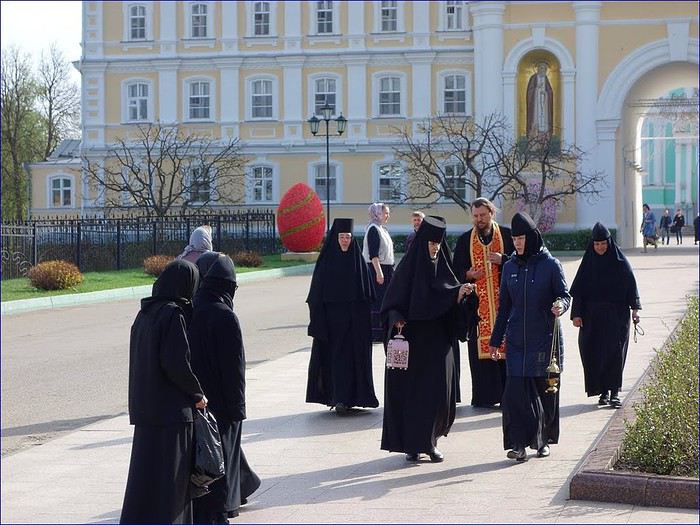
10. But what really stood out was the presence of groups of young people.
We were also struck by how young the religious figures we met were.
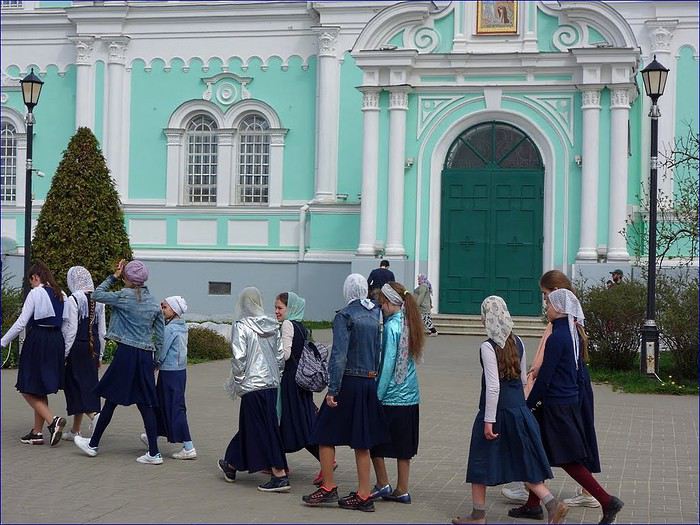
11. The next morning, having slept in the pilgrims’ parking lot, we were the first visitors.
It was a special moment to walk the grounds alone.
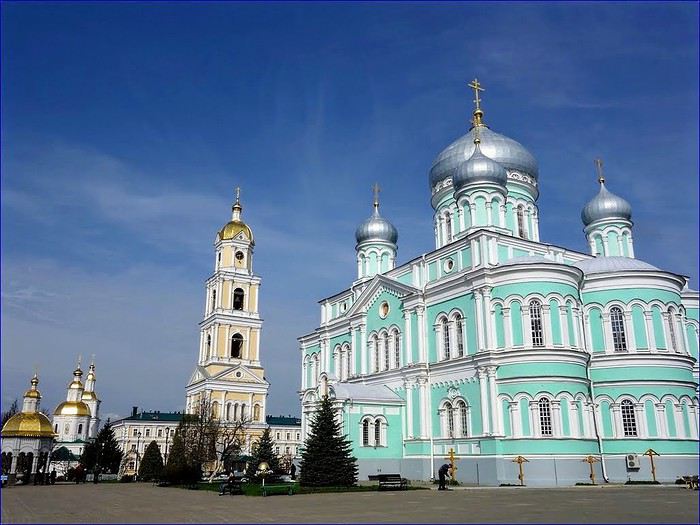
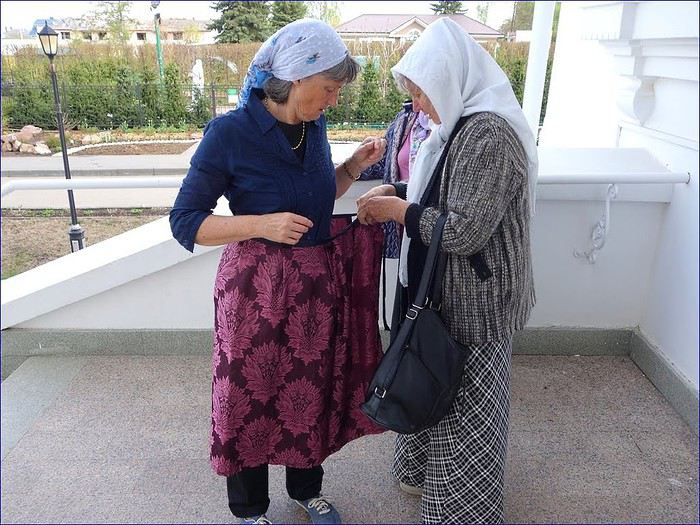
12. That morning was marked by an unlikely event.
Sylvie chats with a nun who speaks English.
Perhaps touched that we’d driven from France, she offers Sylvie a private tour.
She asks two parishioners to dress her and grants her the privilege of seeing the sacred places closed to the public.
Me? I got nothing—I was left outside!
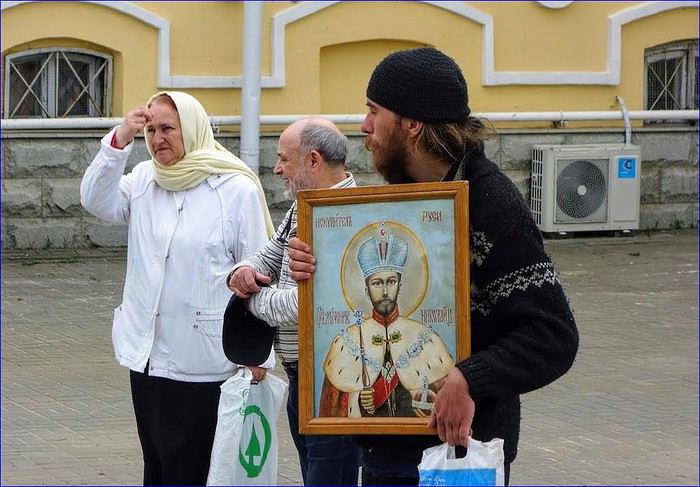
13. I take the chance to observe pilgrims in prayer.
I meet a small group of believers gathered around a portrait of Nicholas II, praying for him.
14. In the evening, after dinner, we attend the last service of the day.
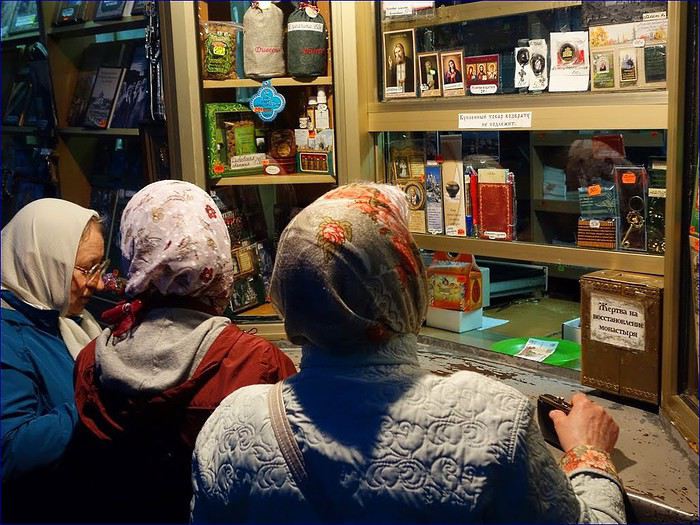
Until the site closes, we mingle with the *babushkas* buying icons, sacred images, and religious objects blessed by the priest—for just a few rubles.
PATRIOTISM
May 9, 1945, is the day Germany signed its surrender in Berlin.
In Russia, it’s celebrated as День Победы—Victory Day.
As we know, the Soviet Union paid the heaviest price: nearly 22 million dead.
Not a single Russian family was spared.
We wanted to share this special moment, but far from the official ceremonies of the military parade on Red Square.
We chose a provincial city, 180 km east of Moscow.
15. By 10 a.m., the crowd starts gathering downtown.
Right away, what stands out is the family makeup of the procession.
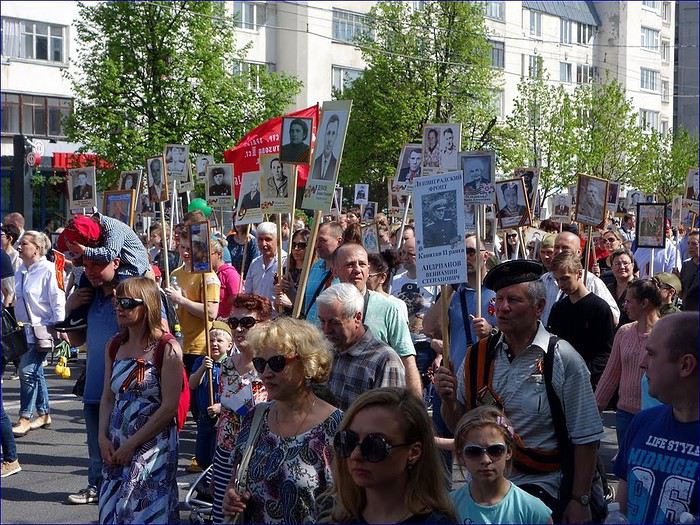
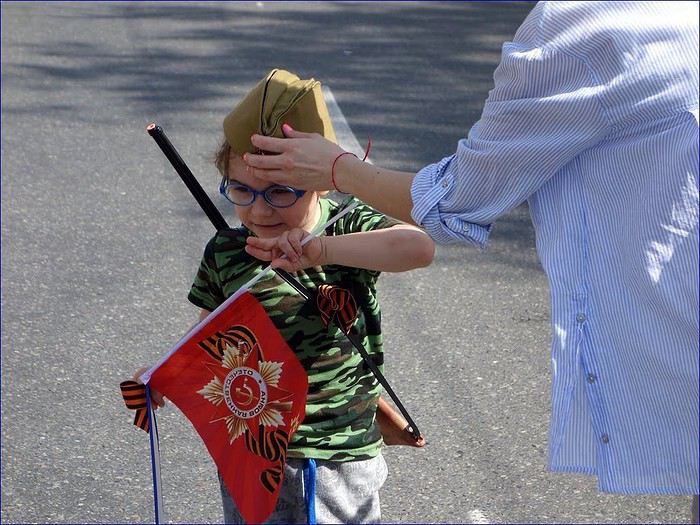
16. We walk among the families, like this mom adjusting her daughter’s cap.
The atmosphere is a mix of solemnity and reflection, punctuated by the joyful laughter of children.
17. This mother and daughter pose behind a portrait of their grandfather.
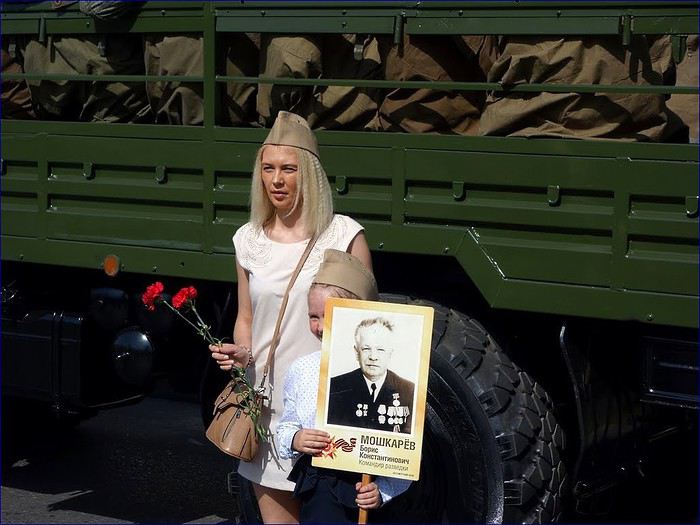
18. I spend a long time watching how patient and helpful the soldiers are.
They lift kids onto the vehicles, make sure they don’t slip, then hand them back to their parents.
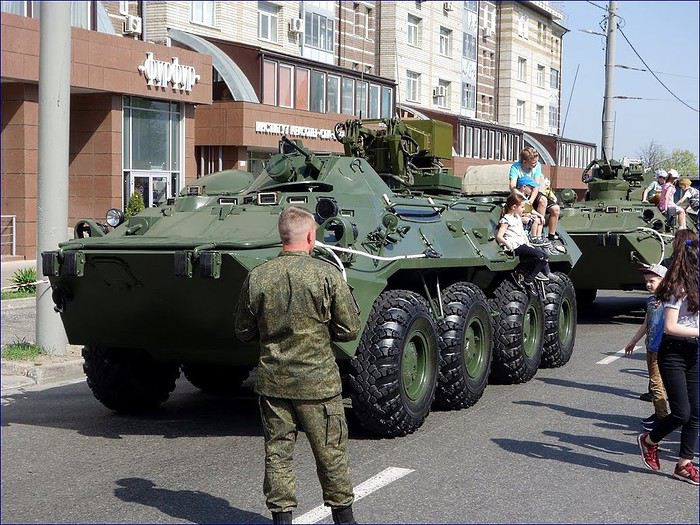
19. Around noon, we’re introduced to a tradition we didn’t know about.
On May 9, in some cities, neighborhood committees made up of volunteers offer meals and drinks to participants.
So we have lunch with families—parents, kids, and grandparents—all surprised we came from France.
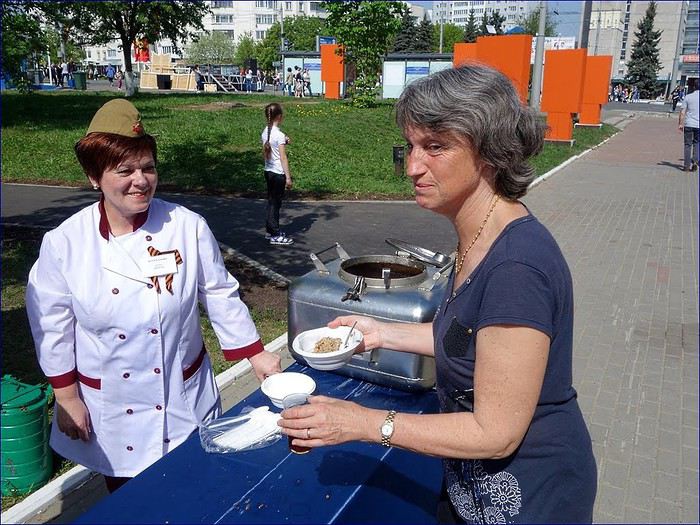
20. By afternoon, the crowd has grown dense, with a procession stretching over 2 km!
We stay until the end of the day, impressed by this authentic, popular demonstration of Russians’ attachment to the Motherland.
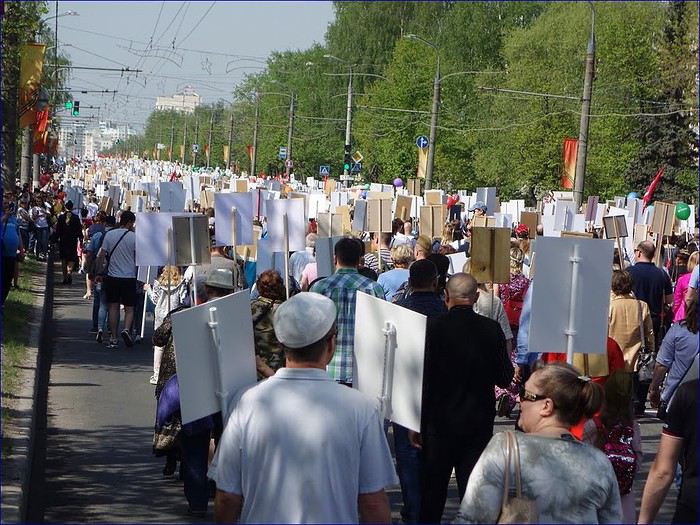
That’s all 😏
The full story is online here: ETERNAL RUSSIA.
Those who want to discover the world through the eyes of a plumber’s little van can check out Trafic Life.
Best regards,
Sylvie & Bernard