Hi everyone,
I’ve traveled a lot outside Europe before Covid, usually organizing my trips myself. In recent years, I’ve focused on Europe, which I’d neglected before. Now, I’d like to get back to long-haul trips and fill in some gaps on my world map.
At the moment, I’m considering a route in China—I’ve only been to Hong Kong (which isn’t really China)—for late April/early May 2026.
Here’s a first draft:
D1: Departure
D2: Arrive in Beijing in the morning – hutongs – night in Beijing
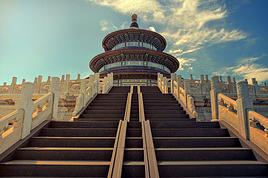
D3: Forbidden City – Temple of Heaven – night in Beijing
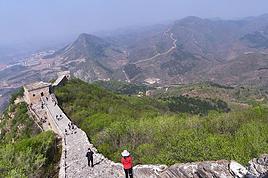
D4: Great Wall – night in Beijing
D5: Summer Palace – (Ming Tombs?) – night in Beijing
D6: Train to Datong – Yungang Grottoes – night in Datong
D7: Train to Pingyao – visit – night in Pingyao
D8: Train to Xi’an – Wild Goose Pagoda – night in Xi’an
D9: Terracotta Army – Xi’an city walls – night in Xi’an
D10: Flight to Zhangjiajie (or the night before) – Tianzi Mountain – night in Wulingyuan
D11: National park – night in Wulingyuan
D12: National park – night in Wulingyuan
D13: Train to Chongqing – night in Chongqing
D14: Explore Chongqing – night in Chongqing
D15: Return flight
I know it’s tight, but what do you think?
For the Great Wall section, what do you recommend? Jinshanling seems like the best option, or Simatai, but it’s far.
For the budget, I’m planning on 2,500 € per person.
Thanks for your feedback!
Phil
Hello everyone,
I’m planning a 5-week trip between Yunnan and Sichuan from mid-October to the end of November 2026: Arriving in Kunming, I’ll do a loop in the far south of Yunnan via Thonghai, Jhiansu, Zhemi, Yuanyang, Nafa, Jinping, Mengzi, and Shilin (visiting markets, villages, and hiking), then head to northern Yunnan/southern Sichuan on the same theme (passing through Kunming again) via Dongchuan, Huize, Qiaojia, Puge, Xichang, Lanba, Butuo, Huolie, Dimo, Riha, Niuniuba, Meigu, Mabian, and Leshan, before arriving in Chengdu (where I’ll take my return flight to Paris). This would be a trip with a strong ethnic/rural focus. Since I’ve never traveled in China, I’d love to hear your thoughts on doing this solo. Are there public transport options in the region? What tips do you have for traveling through this area as smoothly and enjoyably as possible? I’ve done quite a bit of backpacking in the mountains of northern Vietnam and really enjoyed using local motorbike drivers. Is something like that available in this region (through local tourist agencies or hotels)?
What should I be cautious about? Are local tourist agencies (or hotels) offering tours and guides reliable? If you know of any specialized sites sharing tips or experiences, or names of local agencies, hotels, etc., please don’t hesitate to share them! :)
In short, all your advice (on any topic that comes to mind!) is very welcome. Thanks so much!
I’m planning a 5-week trip between Yunnan and Sichuan from mid-October to the end of November 2026: Arriving in Kunming, I’ll do a loop in the far south of Yunnan via Thonghai, Jhiansu, Zhemi, Yuanyang, Nafa, Jinping, Mengzi, and Shilin (visiting markets, villages, and hiking), then head to northern Yunnan/southern Sichuan on the same theme (passing through Kunming again) via Dongchuan, Huize, Qiaojia, Puge, Xichang, Lanba, Butuo, Huolie, Dimo, Riha, Niuniuba, Meigu, Mabian, and Leshan, before arriving in Chengdu (where I’ll take my return flight to Paris). This would be a trip with a strong ethnic/rural focus. Since I’ve never traveled in China, I’d love to hear your thoughts on doing this solo. Are there public transport options in the region? What tips do you have for traveling through this area as smoothly and enjoyably as possible? I’ve done quite a bit of backpacking in the mountains of northern Vietnam and really enjoyed using local motorbike drivers. Is something like that available in this region (through local tourist agencies or hotels)?
What should I be cautious about? Are local tourist agencies (or hotels) offering tours and guides reliable? If you know of any specialized sites sharing tips or experiences, or names of local agencies, hotels, etc., please don’t hesitate to share them! :)
In short, all your advice (on any topic that comes to mind!) is very welcome. Thanks so much!
Bonjour à tous
Je voudrais me rendre à Leshan depuis Chengdu en train TGV un jour de la semaine du 25 au 29 septembre, jour pas encore fixé. J'ai vu qu'il y avait environ chaque jour 3 ou 4 trains dans la matinée.Ma question:dois-je réserver d'avance par internet(10 jours avant) ou puis-je me rendre à la gare la veille pour le lendemain? Le billet est-il (comme pour les bus de ville ou le métro) valable pour n'importe quelle heure ou bien est-ce vraiment pour une heure bien déterminée?Par ailleurs Nous serons deux.
Merci!
Bonjour, voici un retour sur le Huangshan, dans la province d'Anhui.
Nous nous sommes arrêtés à Huangschan bei, la gare de train. Par la suite, il faut prendre un bus dans cette meme gare, pour une heure qui vous mène à la ville de Tangkou D'ici, vous trouverez une ribambelle de foodstore, de restaurants et d'hôtel de tout niveau. De cette ville, vous prendrez un bus pour vous rendre au pied de la montagne, 20minutes.
La chaine de montagnes est divisée en quatre portes d'entrée. Celle-ci est la porte sud. Sur ce dernier bus il faut choisir de monter par le côté est ou ouest. Le premier est plus facile que le second et plus court. Nous dirons 2 h pour le premier et 3h30 pour le second. Néanmoins, dans les des deux cas vous devrez vous preparer à vivre une expérience plus culturelle que naturelle. La chaine de montagnes a été équipée de plus leurs téléphériques, qui vous amènent depuis les quatre portes situées à environ 900m d'altitude au "plateau" à 1700m (amas de pics rocheux néanmoins, où vous trouverez plusieurs hôtels avec dortoir ou chambres doubles). Vous y trouverez de quoi vous restaurer (restau et epicerie simple). La réservation me semble obligatoire pour l'hôtel. Ce "plateau" est rempli de monde. Il faut s'attendre à parfois avoir à marcher en fil indienne, à avoir un bruit de folie (discussion, notification de smartphone et micro des guides en permanence). Pour les quêteurs de nature, ce sera raté (à relativiser, nous y étions début août 2019). Nous n'avons été tranquilles que sur les zones couvertes par un funiculaire ou téléphérique. Les gens preferent les prendre qie de faire landescente ou l'ascension.Cela veut dire qu'en montant depuis la porte sud vers l'est ou l'ouest, vous aurez un peu de monde mais cela reste viable. Une fois arrivés vers 1700m, ce sera bouchon du matin au soir.
Durant cette ascension vous trouverez régulièrement de quoi acheter à boire soda, eau ou à manger, avec des toilettes gratuites. (Un peu moins côté est). Vous ne "randonnerez" que sur des marches d'escaliers en béton en armés. Aucun chemin ! Néanmoins, rembardes et marches sont recouvertes d'un enduit qui "fait" nature: c'est assez bien fait et vois avez presque l'impression de marcher sur des escaliers datant de plusieurs siècles.
Certains diront que ceci permet de limiter l'impact sur la nature (au sens où il n'y a pas de seconde trace de marche possible, où on ne coupe pas). Cela permet de faire accéder le tout venant à la montagne (personne âgées, enfants en bas âge) qui marchent, souvent entourés de barrières sur des marches bien faites, toujours planes. On sensibilise plus de gens... De l'autre côté, on dénature totalement le site en bétonnant (même joliment) le site, en créant une couverture réseau permanente (les gens montent en regardant des vidéos, en passant leur coup de fil), et en assumant les embouteillages. Ce "communisme de montagne" s'oppose à notre logique française où les paysages ne s'obtiennent qu'après effort, s'offrent àceux qui sont un minimum au point
C'est pour cela que je parle d'expérience culturelle et non naturelle.
Néanmoins, l'ascension, et la descente restent éprouvantes physiquement. Les marches ne font pas de lacets, et montent parfois à la verticale. Les pauses seront nombreuses. Mais en prenant le temps, ça passera Aller randonner au Huangschan, c'est accepter ce type de marche.
La marche du Défilé de la Mer de l'ouest est à faire. Elle n'est pas plus dangereuse que le reste même si certains passages sont impressionnants. En effet, les marches sont fixées à flanc de montagne, et il n'y a donc rien sous vos pieds. Pour notre part , cela a été un embouteillage permanent de l'hôtel (Payun Lou) jusqu'au départ du funiculaire (portion avec les deux rings). Nous avons même terminé à 300m de ce départ de funi, coincé dans la queue de 40min, avant de pouvoir sortir pour continuer la descente. Mais à partir de là nous avons été seuls sur la randonnée (6 personnes croisées sur 3h). Nous avons fini la descente jusqu'à 1000m puis remonter par le Fairy Bridge. C'était époustouflant. De retour à 1700m, de nouveau le monde. Cette dernière portion est très physique mais avec des pauses fréquentes... Ca passe. Surtout que le décor est tjs top. A noter que l'ancien sentier qui passe parfois sous la montagne est fermé. Il faut donc bien descendre à 1000m pour remonter à 1700.
Au final, selon la période sûrement, il faut savoir que se rendre là bas vous conduira à une randonnée très différente de vos standards français. Lorsque vous serez seuls, ce sera sur les portions parallèles au funi et au téléphérique. Sinon, ce sera cul à cul. L'entrée est à 40€, à payer lors de votre passage à la porte d'entrée. Compter 3€ pour le mini bus aller (15minutes) Les cartes de marche sont nécessaires mais sont très schématiques : pas d'échelle, pas forcément de respect des points cardinaux. Mais durant la rando, vous aurez suffisamment de panneaux. Vous devez juste avoir des points de repères réguliers car votre point de chute sera donné tardivement. Vous trouverez les cartes dans les hôtels, ou dans les magasins. Elles sont en lettres latine et chinoises, et vous pourrez demander régulièrement votre chemin aux personnes croisées. Prévoir un vêtement pour la pluie, il y a quasiment une averse par jour. Vous pouvez mettre votre tente en haut, mais sur une place publique, sur du béton (donc tente autoportante) et savoir que votre voisin peut être à 10cm face à votre porte. Là aussi c'est cul à cul, et pour un campeur "nature" ce sera compliqué. Fan de bivouac, les chemins pentus ne semblent pas le permettre, même une micro tente. Sur le "plateau" plus de place, plein de monde, cela me semble impossible de se cacher. Il n'est pas stipulé que c'est interdit, mais je ne suis pas sûr que cela soit autorisé pour autant
Pour notre part, nous sommes passé à l'aller par la porte sud, côté ouest. 6h de grimpe pauses comprises jusqu'au Payun Lou hotel (l'un des plus excentrés). Une nuit puis rando du Défilé de la mer de l'ouest (6h30). Re nuit puis descente par le côté est à la porte sud...qui nous a pris...2 h pour la descente. Il ne faut pas obligatoirement être une star du sport, mais savoir ne pas abandonner. Malgré le monde, je recommande vivement !
En espérant que cela puisse être utile.
Nous nous sommes arrêtés à Huangschan bei, la gare de train. Par la suite, il faut prendre un bus dans cette meme gare, pour une heure qui vous mène à la ville de Tangkou D'ici, vous trouverez une ribambelle de foodstore, de restaurants et d'hôtel de tout niveau. De cette ville, vous prendrez un bus pour vous rendre au pied de la montagne, 20minutes.
La chaine de montagnes est divisée en quatre portes d'entrée. Celle-ci est la porte sud. Sur ce dernier bus il faut choisir de monter par le côté est ou ouest. Le premier est plus facile que le second et plus court. Nous dirons 2 h pour le premier et 3h30 pour le second. Néanmoins, dans les des deux cas vous devrez vous preparer à vivre une expérience plus culturelle que naturelle. La chaine de montagnes a été équipée de plus leurs téléphériques, qui vous amènent depuis les quatre portes situées à environ 900m d'altitude au "plateau" à 1700m (amas de pics rocheux néanmoins, où vous trouverez plusieurs hôtels avec dortoir ou chambres doubles). Vous y trouverez de quoi vous restaurer (restau et epicerie simple). La réservation me semble obligatoire pour l'hôtel. Ce "plateau" est rempli de monde. Il faut s'attendre à parfois avoir à marcher en fil indienne, à avoir un bruit de folie (discussion, notification de smartphone et micro des guides en permanence). Pour les quêteurs de nature, ce sera raté (à relativiser, nous y étions début août 2019). Nous n'avons été tranquilles que sur les zones couvertes par un funiculaire ou téléphérique. Les gens preferent les prendre qie de faire landescente ou l'ascension.Cela veut dire qu'en montant depuis la porte sud vers l'est ou l'ouest, vous aurez un peu de monde mais cela reste viable. Une fois arrivés vers 1700m, ce sera bouchon du matin au soir.
Durant cette ascension vous trouverez régulièrement de quoi acheter à boire soda, eau ou à manger, avec des toilettes gratuites. (Un peu moins côté est). Vous ne "randonnerez" que sur des marches d'escaliers en béton en armés. Aucun chemin ! Néanmoins, rembardes et marches sont recouvertes d'un enduit qui "fait" nature: c'est assez bien fait et vois avez presque l'impression de marcher sur des escaliers datant de plusieurs siècles.
Certains diront que ceci permet de limiter l'impact sur la nature (au sens où il n'y a pas de seconde trace de marche possible, où on ne coupe pas). Cela permet de faire accéder le tout venant à la montagne (personne âgées, enfants en bas âge) qui marchent, souvent entourés de barrières sur des marches bien faites, toujours planes. On sensibilise plus de gens... De l'autre côté, on dénature totalement le site en bétonnant (même joliment) le site, en créant une couverture réseau permanente (les gens montent en regardant des vidéos, en passant leur coup de fil), et en assumant les embouteillages. Ce "communisme de montagne" s'oppose à notre logique française où les paysages ne s'obtiennent qu'après effort, s'offrent àceux qui sont un minimum au point
C'est pour cela que je parle d'expérience culturelle et non naturelle.
Néanmoins, l'ascension, et la descente restent éprouvantes physiquement. Les marches ne font pas de lacets, et montent parfois à la verticale. Les pauses seront nombreuses. Mais en prenant le temps, ça passera Aller randonner au Huangschan, c'est accepter ce type de marche.
La marche du Défilé de la Mer de l'ouest est à faire. Elle n'est pas plus dangereuse que le reste même si certains passages sont impressionnants. En effet, les marches sont fixées à flanc de montagne, et il n'y a donc rien sous vos pieds. Pour notre part , cela a été un embouteillage permanent de l'hôtel (Payun Lou) jusqu'au départ du funiculaire (portion avec les deux rings). Nous avons même terminé à 300m de ce départ de funi, coincé dans la queue de 40min, avant de pouvoir sortir pour continuer la descente. Mais à partir de là nous avons été seuls sur la randonnée (6 personnes croisées sur 3h). Nous avons fini la descente jusqu'à 1000m puis remonter par le Fairy Bridge. C'était époustouflant. De retour à 1700m, de nouveau le monde. Cette dernière portion est très physique mais avec des pauses fréquentes... Ca passe. Surtout que le décor est tjs top. A noter que l'ancien sentier qui passe parfois sous la montagne est fermé. Il faut donc bien descendre à 1000m pour remonter à 1700.
Au final, selon la période sûrement, il faut savoir que se rendre là bas vous conduira à une randonnée très différente de vos standards français. Lorsque vous serez seuls, ce sera sur les portions parallèles au funi et au téléphérique. Sinon, ce sera cul à cul. L'entrée est à 40€, à payer lors de votre passage à la porte d'entrée. Compter 3€ pour le mini bus aller (15minutes) Les cartes de marche sont nécessaires mais sont très schématiques : pas d'échelle, pas forcément de respect des points cardinaux. Mais durant la rando, vous aurez suffisamment de panneaux. Vous devez juste avoir des points de repères réguliers car votre point de chute sera donné tardivement. Vous trouverez les cartes dans les hôtels, ou dans les magasins. Elles sont en lettres latine et chinoises, et vous pourrez demander régulièrement votre chemin aux personnes croisées. Prévoir un vêtement pour la pluie, il y a quasiment une averse par jour. Vous pouvez mettre votre tente en haut, mais sur une place publique, sur du béton (donc tente autoportante) et savoir que votre voisin peut être à 10cm face à votre porte. Là aussi c'est cul à cul, et pour un campeur "nature" ce sera compliqué. Fan de bivouac, les chemins pentus ne semblent pas le permettre, même une micro tente. Sur le "plateau" plus de place, plein de monde, cela me semble impossible de se cacher. Il n'est pas stipulé que c'est interdit, mais je ne suis pas sûr que cela soit autorisé pour autant
Pour notre part, nous sommes passé à l'aller par la porte sud, côté ouest. 6h de grimpe pauses comprises jusqu'au Payun Lou hotel (l'un des plus excentrés). Une nuit puis rando du Défilé de la mer de l'ouest (6h30). Re nuit puis descente par le côté est à la porte sud...qui nous a pris...2 h pour la descente. Il ne faut pas obligatoirement être une star du sport, mais savoir ne pas abandonner. Malgré le monde, je recommande vivement !
En espérant que cela puisse être utile.
Hi everyone,
This trip report covers a journey along the Silk Road in China (see detailed description below) undertaken in October 2025. The goal isn’t to recount the trip but to provide information that might help those who want to take a similar journey. Much of the information is valid for any trip to China.
Who we are: a retired couple, aged 63 and 65 (age gives discounts on entry to various sites and museums in China, which is why I won’t list prices here—I don’t know them, but you can easily find them online). We’re used to traveling independently. We speak English, which is the only foreign language spoken in China, though by very few people. I speak and read a little Chinese, which helped, but you can easily get by without it (without any English at all, I think it would be more difficult).
Period: We arrived just after "Golden Week," when all of China is on vacation, and after the summer, when schools are out, so we encountered very few tourists (99.99% of whom were Chinese). Our experience with booking visits in advance (which we didn’t need to do) isn’t representative for those who want to travel in the summer! The October-November period was perfect for our trip—it wasn’t too hot or too cold (one day of snow on the Tibetan Plateau), though it was only a few degrees on the Tibetan part, with altitudes between 2,000 and 3,000 meters. The trees were beautifully colored.
General remarks: Everyone we dealt with was very kind and perfectly honest. If you order a meal without really understanding what to do and the person modifies your order, trust them—the result is what you need. If a taxi driver signals that they’ll wait for you to finish your visit and pick you up afterward, trust them. It means there aren’t many taxis where you are, and it’ll be more convenient. For prices at street vendors, we always found the right ballpark, and sometimes they even added a little extra to please us. A taxi driver treated us to lunch, and an employee drove us back to the hotel after a visit because there were no taxis. If you struggle to buy a ticket online because there’s no counter, someone will come to help. People even spontaneously ask if everything’s okay and if you need anything.
Everywhere we went was very clean, including restrooms (trains, stations, hotels, museums, tourist sites) and streets. The old stereotypes about this no longer apply.
The trip can be challenging for those who have difficulty walking. The distances to cover on foot in stations, to access sites, and within the sites themselves can sometimes be really long.
We used the Lonely Planet guide in English (published at the end of August 2025) a little for preparation, but mostly relied on the internet.
Before leaving: No visa is needed for French citizens for stays under 30 days. You get a stamp on your passport upon arrival and departure, and the formalities themselves are very quick in both directions (excluding any potential queues). Just a photo and fingerprints upon arrival, and welcome to China’s facial recognition system.
Money: All your payments (see below) will go through your Visa card—there will be hundreds, including many payments of 20 cents to a few euros. So, you need an international option that allows unlimited card transactions. Since cash is rarely needed, the allowed number of ATM withdrawals can be low. We made 3 withdrawals totaling 800 € for a month and could have managed with just 2. The exchange rate charged on our Visa card was 12 € for 100 RMB (yuan).
Install the following apps on your smartphone before leaving (otherwise, you’ll only have access to the Chinese versions, if available): - Alipay, which is used to pay everywhere in China (details below). You need to link it to your credit card, then provide proof of identity by uploading a passport photo and completing a facial recognition session. Alipay gives access to Didi (China’s Uber), public transport (metro/bus), and can also translate phrases. - WeChat (Weixin in Chinese, pronounced *weishin*), which is also used for payments but also replaces WhatsApp. Unfortunately, to activate your account, you need someone who already has WeChat to sponsor you (preferably a Chinese person). We asked someone at our first accommodations to do this—no problem. By sharing your WeChat number with accommodations, they can send you messages that are automatically translated, and you can communicate with people thanks to the translation (translation to French is very poor; it’s much better in English, but unfortunately, WeChat detects your phone’s language). Alipay and WeChat are accepted almost everywhere, but some places only accept WeChat. - Amap, the international version of Baidu Maps, which replaces Google Maps (not at all up-to-date in China). The English names of hotels often have little to do with the Chinese names except for a phonetic resemblance. To find them on Amap, it’s best to copy the Chinese name found on your Trip reservation under "show address in Chinese." - A VPN. We had CyberGhost, which didn’t work, but according to other travelers, NordVPN and Windscribe do. Without a VPN, you can’t access Google services, on WhatsApp you can send and receive text but not photos, and you can’t send or receive emails on Gmail addresses. We managed without a VPN by using Firefox as a browser and Bing as a search engine. - Trip, for booking trains and accommodations, and buying some tickets. It’s the equivalent of Booking for accommodations, but Booking has very few listings in China, while Trip has hundreds in every city. Most hotels and trains are exchangeable and refundable until the day before, with no or minimal fees.
You don’t need contactless (NFC) payment on your phone. Either you scan a barcode and enter the amount to pay, or you display a barcode, and they scan it with a scanner, and the amount is deducted directly.
Upon arrival: - Buy a Chinese SIM card: 100 RMB for 300 GB of data and several hours of talk time (we didn’t use it). Set the Chinese number as a reference on Alipay, WeChat, and Amap. - Find someone to sponsor you on WeChat.
Transportation: - **Plane**: China Eastern, Paris-Canton then Canton-Urumqi on the way out, and Xian-Canton then Canton-Paris on the way back. International flights were smooth, but the schedules for the two domestic flights were changed. It was fine on the way out because we had some leeway, but on the way back, we were notified the morning of that our flight was canceled and replaced with one that didn’t allow for the connection. We called and changed to an earlier flight (I think we were lucky to find available seats). - **Train**: Most long distances were covered by high-speed trains (called D or G in China) at 240 or 300 km/h. Second class is perfect—just as comfortable and clean as our TGVs. The only advantage of first class is the wider seats for larger people, but the downside is that seats are often booked in advance and thus less available. You can book trains long in advance on Trip, but they only go on sale in China 15 days before departure, so that’s when you’ll know if you have a ticket. Initially, we booked first class, but there were no seats available on the day, so we ended up booking everything in second class, which was perfect. There’s no paper ticket—if you’ve bought one, you go to the station, show your passport, and enter. You do the same to access the platform 15 minutes before the train, and that’s it. Our train was canceled twice, but no problem—we went to the ticket counter, got a refund, and were offered a replacement. It didn’t delay us by more than an hour (maybe it would be harder in peak season). For prices, check Trip.com, but it’s significantly cheaper than in France. - **Bus**: We took the bus between Xining and Tongren, Tongren to Xiahe, and Hezuo to Lanzhou—about 3 hours each time for 200 km, 6 € per person, and departures were right on time. - **Taxi**: For trips between the station and hotel, or hotel and visits. If you take a Didi via the Alipay app, you activate your location, enter your destination, and it offers several taxis. You accept, and you get the car’s license plate and its real-time position on the map. When you get in, the driver often asks for the last four digits of your phone number to confirm. Otherwise, you go to the taxi stand outside the station. The price per kilometer is around 20 cents, so for a 30 km trip from the station to the hotel, you’ll pay about 6 €. We never tried to save more by taking local buses, but since the metro in Xian costs 25 cents per trip, it’s probably in the same ballpark. Amap provides public transport routes like Google Maps. - **Driver**: We hired a taxi/driver for the day several times for sightseeing. Prices ranged from 350 to 1,000 RMB (the most expensive was arranged through the Sofitel Xining concierge) for trips ranging from a few hours to a full day, sometimes covering over 300 km (see the detailed trip description).
Accommodations: All booked in advance on Trip, but several were changed during the trip. Off-season, there were no issues. We mostly stayed in upscale places, but in China, that means 50 to 60 € per night in the most central or convenient neighborhood. Note: Almost all hotels have a 5/5 rating on Trip, but it seems the Chinese avoid giving lower ratings to be polite. So, you have to read the comments to realize that in France, we might have given a 2 or 3!
Food: At the table, you’re served hot water or a hot infusion, presumably made with purified water. We never got sick from drinking it, but don’t drink tap water. Purified or mineral water is easy to find.
In restaurants, you can manage by pointing to the dish you want from another diner, on the wall where there are photos, or on the menu with pictures. The food in the region isn’t often spicy, and people usually ask or signal before adding the red spicy sauce, so you should be able to handle it if you don’t like chili at all.
The "fake old quarters" in several cities are great places to find all kinds of restaurants (see detailed trip below).
Like Google Maps, Amap can show you nearby restaurants.
Shopping: For dried fruits, buy them in Turfan—you won’t find the same variety and quality even in Xian. Generally, if you like something, buy it. If you wait, you might not find it outside the region where you are.
In Xian, there’s a "Tea City" where you can find all kinds of tea (from cheap to very expensive).
The trip in more detail: I won’t dwell on the beauty or interest of the sites here since that’s a matter of personal taste. However, I will do so for lesser-known places to give an idea to those who might be interested.
For many sites, there are shuttles (sometimes not included in the ticket price but costing around 1 €) that take you to the interesting spots. We always took them—it saves you from walking past countless shops or along uninteresting paths.
- **Urumqi**: We spent only one night there, arriving in the middle of the afternoon and leaving the next morning. We stayed at the Dana Hotel in the bazaar. Given the size of the city, it’s a good option because I don’t think there are many other interesting places. The bazaar is brand new and not at all "typical" (Turfan’s bazaar is infinitely more interesting), but the dining area is very nice.
- **Turfan**: Stayed at the New Dap Hostel, which was great. The neighborhood is nice, not far from the city, and easy to find food. The museum is closed until 2026 (Amap provides museum hours and closures). We took a day trip (for the two of us) with a driver to the Bezeklik Caves, Flaming Mountains, the abandoned city of Gaochang, the Tuyuk Village Museum, and the Emin Minaret for 500 RMB from 9 AM to 8 PM (arranged by the hostel). The landscape during the excursion was quite fabulous. We also visited the Karez Museum and the abandoned city of Jiaohe on our own the next day. At this time of year, the sun sets around 6 PM, and there’s often haze after 5 PM, so for Jiaohe, for example, which takes about 3 hours to visit, it’s best to be there by 1 or 2 PM at the latest.
The Dahua Market area is perfect for dried fruits (including the famous grapes), and you can eat there among locals in their traditional costumes. Next to it, there are buildings full of shops selling made-in-China items—it kept us busy for a good half-day, if not more.
- **Dunhuang**: Stayed in a guesthouse near the dunes—the city center isn’t far but seems quite artificial. Visited the dunes, with a ticket valid for 3 days. Lots of Chinese tourists—very typical and interesting from an ethnological perspective 😊. We got up early one morning to climb the highest dune, just beyond the one everyone goes to. It’s a bit long and tiring, but the view is worth it. Visited the Mogao Caves, buying the ticket on-site (no chance in season without booking in advance). We met two other French people and got a French-speaking guide (by pretending not to understand English). It was really worth it—a group of 4 instead of 20, and they took their time (2 hours) for the visit. We took a day trip to the Yulin Caves (2.5 hours by road and 160 km one way) with a driver for 350 RMB. We liked it a lot, but if the Mogao Caves are enough for you, it’s not very different.
- **Jiayuguan**: Stayed in a city-center hotel. Visited the Wei and Jin tombs (actually just one)—that’s where we were told the taxi should wait to take us back to the city. We went down into a crypt with lots of decorated bricks from the 3rd century. We really liked it, but it’s not as spectacular as the fort if you’re not a fan. Visited the Jiayuguan Fort and, with the same ticket, climbed a small section of the Great Wall 10 km away. Plan at least 3 good hours for all this—there’s plenty to see.
- **Zhangye**: Stayed at The Silk Road Travelers Hostel, rustic but very nice and organizes excursions. Visited the Danxia (colored mountains)—just as spectacular as the photos. You can easily spend 3 hours there, so plan to finish before sunset to avoid the haze (you can always stay longer for the sunset if the weather’s nice). The next day, visited the Mati Si Temple in the cliff. The 10,000 Buddha Caves are under renovation, but the setting and the main temple are well worth the visit (the paths through the cliff tunnels must be hellish in peak season). You can probably organize these two excursions yourself by asking any taxi driver. Also visited the Giant Buddha Temple in the city center—really worth it.
- **Xining**: Stayed in a city-center hotel. Visited the Tibetan Medicine Museum to see the world’s largest thangka (1 km long), made over 40 years by renowned artists. It’s absolutely magnificent, on par with the virtuosity (but over 1 km) of the thangkas painted by famous artists in Xiahe (see below). Hired a female taxi driver for the day to visit Kumbum Monastery (Ta’er Si in Chinese) and the Danxia area in Guide, 50 km beyond the monastery. It’s less spectacular than Zhangye’s Danxia, but we really liked it (including the journey’s landscape). The next day, visited the old Ming-era Qutan Monastery—no visitors, with beautiful murals (half under renovation). Accessible by train to Haidong or Ledu, then a taxi. Xining’s mosque is of no interest, but there’s a pedestrian street with food stalls nearby that’s very nice.
- **Tongren**: Stayed near the main monastery. Visited Longwu Monastery (several hours), with lots of nice shops along the street leading to it. Then visited Wutun Monastery, which is less lively but beautiful and close to thangka workshops. You can go in and watch the painters at work. For a thangka made by a renowned artist, count about a year of work for 1 m² and around 10,000 €.
- **Xiahe**: Stayed in a city-center hotel. Visited Labrang Monastery—very nice but not as much as Tongren’s because many halls were closed. I think it’s better to go in season and take an English-guided tour (but it’s still worth the trip, even off-season).
- **Langmusi**: Took a taxi, but you can also take a bus (though very early in the morning and longer). Particularly beautiful for us because we woke up to bright sunshine and 5 cm of snow everywhere. Visited the two temples (really nice) and did the classic hike in the gorges starting at the Fairy Cave. For those interested, we continued along the canyon path, and after the meadow where marmots are clearly visible in summer, we climbed toward a pass on the left at 3,800 meters. The view of Langmusi and, above all, the vast grasslands and distant mountains was fabulous (3 hours round trip from the temple). You could probably reach the 4,000-meter summit by continuing up the valley instead of turning left, but according to guides, it’s better to count 7 hours round trip (no technical difficulty). You can leave Langmusi by bus, but off-season, you first have to take a taxi to a stop outside the city and wait for the bus. We didn’t try and took a taxi to Hezuo instead.
Note on this region: A high-speed train is under construction from Xining to Langmusi and beyond (never seen such an impressive construction site!). When it’s operational (in one or two years, I think), access to the area will be revolutionized, and perhaps some of the charm will be lost.
- **Hezuo**: Stopped on the way from Langmusi to Lanzhou. Visited the Milarepa Pagoda, entirely destroyed during the Cultural Revolution and since rebuilt. We liked it since we were passing through, but it doesn’t necessarily justify a long detour.
- **Lanzhou**: Reached by one of the many buses from Hezuo. Stayed in the "fake old quarter," which is extremely pleasant, especially in the evening with restaurants, groups of Chinese women dancing to loud music, etc. Visited Bingling Si with a driver, 120 km away—the landscape and site are absolutely magnificent, with no one around at our time of year. Visited the Gansu Museum (where the famous Flying Horse is, but it’s a replica). We bought the ticket on entry, but in season, you probably need to book in advance.
- **Yinchuan**: Stayed in the city center. A city we discovered by chance in the Lonely Planet—worth it if you have time. On the way, we stopped for a few hours in Zhongwei, where there’s an incredible Taoist temple (I’ll let you be surprised). Visited the Western Xia tombs—we took the short option, which visits Tomb 3. We think the others are similar but less impressive. The surrounding landscape and site are quite spectacular. Visited the film sets (really fun if you like Chinese movies), the short but interesting Ningxia Museum, and finally the modern art museum. The architecture is avant-garde, and there are some beautiful works (we like it, but it’s far from the center—hire a driver who waits, or you might have to wait for an employee to offer a ride back).
- **Tianshui**: Stayed in the suburbs, but you should find a hotel near the "fake old quarter" between the Fu Xi Temples and the Taoist temple—it’s a very nice area, and the two temples (especially the Taoist one) are within walking distance. Visited the Maijishan Caves—the ticket includes the shuttle to get there. Took a taxi from Lanzhou for about 10 € in 45 minutes. We found these caves fabulous.
- **Xi’an**: Stayed 500 meters from the Bell Tower at Hantang Inn—very convenient. We’d been before, so we didn’t revisit the Terracotta Army. The calligraphy district is worth it, as is the Muslim Quarter, though it’s very touristy. The area indicated on the Lonely Planet’s walking tour near the old fruit and vegetable market isn’t very interesting. To buy tea, you can go to the Northwest International Tea City, with dozens of shops. We chose one at random, tasted, and bought various teas. There’s everything from cheap to extremely expensive, but you can find reasonable prices even in seemingly luxurious shops. Along the street north of this area, there are large stores with tons of Chinese goods selling dishes, wedding items, etc. We spent hours there. In the city center, there are only malls with more or less international brands.
- **Longmen Grottoes**: Visited as a round trip by high-speed train from Xian—1 hour 15 minutes to Longmen’s high-speed train station, and the site entrance is 15 minutes by taxi.
We didn’t go to Mount Hua Shan, but there’s a high-speed train station nearby, and there were people on the train who were clearly going there. So, you can probably do this excursion in a day from Xian as well.
Conclusion: We hope this report makes you want to go or helps you if you’re already planning to. If you have questions that you can’t find the answer to by searching properly online and we can answer, don’t hesitate.
This trip report covers a journey along the Silk Road in China (see detailed description below) undertaken in October 2025. The goal isn’t to recount the trip but to provide information that might help those who want to take a similar journey. Much of the information is valid for any trip to China.
Who we are: a retired couple, aged 63 and 65 (age gives discounts on entry to various sites and museums in China, which is why I won’t list prices here—I don’t know them, but you can easily find them online). We’re used to traveling independently. We speak English, which is the only foreign language spoken in China, though by very few people. I speak and read a little Chinese, which helped, but you can easily get by without it (without any English at all, I think it would be more difficult).
Period: We arrived just after "Golden Week," when all of China is on vacation, and after the summer, when schools are out, so we encountered very few tourists (99.99% of whom were Chinese). Our experience with booking visits in advance (which we didn’t need to do) isn’t representative for those who want to travel in the summer! The October-November period was perfect for our trip—it wasn’t too hot or too cold (one day of snow on the Tibetan Plateau), though it was only a few degrees on the Tibetan part, with altitudes between 2,000 and 3,000 meters. The trees were beautifully colored.
General remarks: Everyone we dealt with was very kind and perfectly honest. If you order a meal without really understanding what to do and the person modifies your order, trust them—the result is what you need. If a taxi driver signals that they’ll wait for you to finish your visit and pick you up afterward, trust them. It means there aren’t many taxis where you are, and it’ll be more convenient. For prices at street vendors, we always found the right ballpark, and sometimes they even added a little extra to please us. A taxi driver treated us to lunch, and an employee drove us back to the hotel after a visit because there were no taxis. If you struggle to buy a ticket online because there’s no counter, someone will come to help. People even spontaneously ask if everything’s okay and if you need anything.
Everywhere we went was very clean, including restrooms (trains, stations, hotels, museums, tourist sites) and streets. The old stereotypes about this no longer apply.
The trip can be challenging for those who have difficulty walking. The distances to cover on foot in stations, to access sites, and within the sites themselves can sometimes be really long.
We used the Lonely Planet guide in English (published at the end of August 2025) a little for preparation, but mostly relied on the internet.
Before leaving: No visa is needed for French citizens for stays under 30 days. You get a stamp on your passport upon arrival and departure, and the formalities themselves are very quick in both directions (excluding any potential queues). Just a photo and fingerprints upon arrival, and welcome to China’s facial recognition system.
Money: All your payments (see below) will go through your Visa card—there will be hundreds, including many payments of 20 cents to a few euros. So, you need an international option that allows unlimited card transactions. Since cash is rarely needed, the allowed number of ATM withdrawals can be low. We made 3 withdrawals totaling 800 € for a month and could have managed with just 2. The exchange rate charged on our Visa card was 12 € for 100 RMB (yuan).
Install the following apps on your smartphone before leaving (otherwise, you’ll only have access to the Chinese versions, if available): - Alipay, which is used to pay everywhere in China (details below). You need to link it to your credit card, then provide proof of identity by uploading a passport photo and completing a facial recognition session. Alipay gives access to Didi (China’s Uber), public transport (metro/bus), and can also translate phrases. - WeChat (Weixin in Chinese, pronounced *weishin*), which is also used for payments but also replaces WhatsApp. Unfortunately, to activate your account, you need someone who already has WeChat to sponsor you (preferably a Chinese person). We asked someone at our first accommodations to do this—no problem. By sharing your WeChat number with accommodations, they can send you messages that are automatically translated, and you can communicate with people thanks to the translation (translation to French is very poor; it’s much better in English, but unfortunately, WeChat detects your phone’s language). Alipay and WeChat are accepted almost everywhere, but some places only accept WeChat. - Amap, the international version of Baidu Maps, which replaces Google Maps (not at all up-to-date in China). The English names of hotels often have little to do with the Chinese names except for a phonetic resemblance. To find them on Amap, it’s best to copy the Chinese name found on your Trip reservation under "show address in Chinese." - A VPN. We had CyberGhost, which didn’t work, but according to other travelers, NordVPN and Windscribe do. Without a VPN, you can’t access Google services, on WhatsApp you can send and receive text but not photos, and you can’t send or receive emails on Gmail addresses. We managed without a VPN by using Firefox as a browser and Bing as a search engine. - Trip, for booking trains and accommodations, and buying some tickets. It’s the equivalent of Booking for accommodations, but Booking has very few listings in China, while Trip has hundreds in every city. Most hotels and trains are exchangeable and refundable until the day before, with no or minimal fees.
You don’t need contactless (NFC) payment on your phone. Either you scan a barcode and enter the amount to pay, or you display a barcode, and they scan it with a scanner, and the amount is deducted directly.
Upon arrival: - Buy a Chinese SIM card: 100 RMB for 300 GB of data and several hours of talk time (we didn’t use it). Set the Chinese number as a reference on Alipay, WeChat, and Amap. - Find someone to sponsor you on WeChat.
Transportation: - **Plane**: China Eastern, Paris-Canton then Canton-Urumqi on the way out, and Xian-Canton then Canton-Paris on the way back. International flights were smooth, but the schedules for the two domestic flights were changed. It was fine on the way out because we had some leeway, but on the way back, we were notified the morning of that our flight was canceled and replaced with one that didn’t allow for the connection. We called and changed to an earlier flight (I think we were lucky to find available seats). - **Train**: Most long distances were covered by high-speed trains (called D or G in China) at 240 or 300 km/h. Second class is perfect—just as comfortable and clean as our TGVs. The only advantage of first class is the wider seats for larger people, but the downside is that seats are often booked in advance and thus less available. You can book trains long in advance on Trip, but they only go on sale in China 15 days before departure, so that’s when you’ll know if you have a ticket. Initially, we booked first class, but there were no seats available on the day, so we ended up booking everything in second class, which was perfect. There’s no paper ticket—if you’ve bought one, you go to the station, show your passport, and enter. You do the same to access the platform 15 minutes before the train, and that’s it. Our train was canceled twice, but no problem—we went to the ticket counter, got a refund, and were offered a replacement. It didn’t delay us by more than an hour (maybe it would be harder in peak season). For prices, check Trip.com, but it’s significantly cheaper than in France. - **Bus**: We took the bus between Xining and Tongren, Tongren to Xiahe, and Hezuo to Lanzhou—about 3 hours each time for 200 km, 6 € per person, and departures were right on time. - **Taxi**: For trips between the station and hotel, or hotel and visits. If you take a Didi via the Alipay app, you activate your location, enter your destination, and it offers several taxis. You accept, and you get the car’s license plate and its real-time position on the map. When you get in, the driver often asks for the last four digits of your phone number to confirm. Otherwise, you go to the taxi stand outside the station. The price per kilometer is around 20 cents, so for a 30 km trip from the station to the hotel, you’ll pay about 6 €. We never tried to save more by taking local buses, but since the metro in Xian costs 25 cents per trip, it’s probably in the same ballpark. Amap provides public transport routes like Google Maps. - **Driver**: We hired a taxi/driver for the day several times for sightseeing. Prices ranged from 350 to 1,000 RMB (the most expensive was arranged through the Sofitel Xining concierge) for trips ranging from a few hours to a full day, sometimes covering over 300 km (see the detailed trip description).
Accommodations: All booked in advance on Trip, but several were changed during the trip. Off-season, there were no issues. We mostly stayed in upscale places, but in China, that means 50 to 60 € per night in the most central or convenient neighborhood. Note: Almost all hotels have a 5/5 rating on Trip, but it seems the Chinese avoid giving lower ratings to be polite. So, you have to read the comments to realize that in France, we might have given a 2 or 3!
Food: At the table, you’re served hot water or a hot infusion, presumably made with purified water. We never got sick from drinking it, but don’t drink tap water. Purified or mineral water is easy to find.
In restaurants, you can manage by pointing to the dish you want from another diner, on the wall where there are photos, or on the menu with pictures. The food in the region isn’t often spicy, and people usually ask or signal before adding the red spicy sauce, so you should be able to handle it if you don’t like chili at all.
The "fake old quarters" in several cities are great places to find all kinds of restaurants (see detailed trip below).
Like Google Maps, Amap can show you nearby restaurants.
Shopping: For dried fruits, buy them in Turfan—you won’t find the same variety and quality even in Xian. Generally, if you like something, buy it. If you wait, you might not find it outside the region where you are.
In Xian, there’s a "Tea City" where you can find all kinds of tea (from cheap to very expensive).
The trip in more detail: I won’t dwell on the beauty or interest of the sites here since that’s a matter of personal taste. However, I will do so for lesser-known places to give an idea to those who might be interested.
For many sites, there are shuttles (sometimes not included in the ticket price but costing around 1 €) that take you to the interesting spots. We always took them—it saves you from walking past countless shops or along uninteresting paths.
- **Urumqi**: We spent only one night there, arriving in the middle of the afternoon and leaving the next morning. We stayed at the Dana Hotel in the bazaar. Given the size of the city, it’s a good option because I don’t think there are many other interesting places. The bazaar is brand new and not at all "typical" (Turfan’s bazaar is infinitely more interesting), but the dining area is very nice.
- **Turfan**: Stayed at the New Dap Hostel, which was great. The neighborhood is nice, not far from the city, and easy to find food. The museum is closed until 2026 (Amap provides museum hours and closures). We took a day trip (for the two of us) with a driver to the Bezeklik Caves, Flaming Mountains, the abandoned city of Gaochang, the Tuyuk Village Museum, and the Emin Minaret for 500 RMB from 9 AM to 8 PM (arranged by the hostel). The landscape during the excursion was quite fabulous. We also visited the Karez Museum and the abandoned city of Jiaohe on our own the next day. At this time of year, the sun sets around 6 PM, and there’s often haze after 5 PM, so for Jiaohe, for example, which takes about 3 hours to visit, it’s best to be there by 1 or 2 PM at the latest.
The Dahua Market area is perfect for dried fruits (including the famous grapes), and you can eat there among locals in their traditional costumes. Next to it, there are buildings full of shops selling made-in-China items—it kept us busy for a good half-day, if not more.
- **Dunhuang**: Stayed in a guesthouse near the dunes—the city center isn’t far but seems quite artificial. Visited the dunes, with a ticket valid for 3 days. Lots of Chinese tourists—very typical and interesting from an ethnological perspective 😊. We got up early one morning to climb the highest dune, just beyond the one everyone goes to. It’s a bit long and tiring, but the view is worth it. Visited the Mogao Caves, buying the ticket on-site (no chance in season without booking in advance). We met two other French people and got a French-speaking guide (by pretending not to understand English). It was really worth it—a group of 4 instead of 20, and they took their time (2 hours) for the visit. We took a day trip to the Yulin Caves (2.5 hours by road and 160 km one way) with a driver for 350 RMB. We liked it a lot, but if the Mogao Caves are enough for you, it’s not very different.
- **Jiayuguan**: Stayed in a city-center hotel. Visited the Wei and Jin tombs (actually just one)—that’s where we were told the taxi should wait to take us back to the city. We went down into a crypt with lots of decorated bricks from the 3rd century. We really liked it, but it’s not as spectacular as the fort if you’re not a fan. Visited the Jiayuguan Fort and, with the same ticket, climbed a small section of the Great Wall 10 km away. Plan at least 3 good hours for all this—there’s plenty to see.
- **Zhangye**: Stayed at The Silk Road Travelers Hostel, rustic but very nice and organizes excursions. Visited the Danxia (colored mountains)—just as spectacular as the photos. You can easily spend 3 hours there, so plan to finish before sunset to avoid the haze (you can always stay longer for the sunset if the weather’s nice). The next day, visited the Mati Si Temple in the cliff. The 10,000 Buddha Caves are under renovation, but the setting and the main temple are well worth the visit (the paths through the cliff tunnels must be hellish in peak season). You can probably organize these two excursions yourself by asking any taxi driver. Also visited the Giant Buddha Temple in the city center—really worth it.
- **Xining**: Stayed in a city-center hotel. Visited the Tibetan Medicine Museum to see the world’s largest thangka (1 km long), made over 40 years by renowned artists. It’s absolutely magnificent, on par with the virtuosity (but over 1 km) of the thangkas painted by famous artists in Xiahe (see below). Hired a female taxi driver for the day to visit Kumbum Monastery (Ta’er Si in Chinese) and the Danxia area in Guide, 50 km beyond the monastery. It’s less spectacular than Zhangye’s Danxia, but we really liked it (including the journey’s landscape). The next day, visited the old Ming-era Qutan Monastery—no visitors, with beautiful murals (half under renovation). Accessible by train to Haidong or Ledu, then a taxi. Xining’s mosque is of no interest, but there’s a pedestrian street with food stalls nearby that’s very nice.
- **Tongren**: Stayed near the main monastery. Visited Longwu Monastery (several hours), with lots of nice shops along the street leading to it. Then visited Wutun Monastery, which is less lively but beautiful and close to thangka workshops. You can go in and watch the painters at work. For a thangka made by a renowned artist, count about a year of work for 1 m² and around 10,000 €.
- **Xiahe**: Stayed in a city-center hotel. Visited Labrang Monastery—very nice but not as much as Tongren’s because many halls were closed. I think it’s better to go in season and take an English-guided tour (but it’s still worth the trip, even off-season).
- **Langmusi**: Took a taxi, but you can also take a bus (though very early in the morning and longer). Particularly beautiful for us because we woke up to bright sunshine and 5 cm of snow everywhere. Visited the two temples (really nice) and did the classic hike in the gorges starting at the Fairy Cave. For those interested, we continued along the canyon path, and after the meadow where marmots are clearly visible in summer, we climbed toward a pass on the left at 3,800 meters. The view of Langmusi and, above all, the vast grasslands and distant mountains was fabulous (3 hours round trip from the temple). You could probably reach the 4,000-meter summit by continuing up the valley instead of turning left, but according to guides, it’s better to count 7 hours round trip (no technical difficulty). You can leave Langmusi by bus, but off-season, you first have to take a taxi to a stop outside the city and wait for the bus. We didn’t try and took a taxi to Hezuo instead.
Note on this region: A high-speed train is under construction from Xining to Langmusi and beyond (never seen such an impressive construction site!). When it’s operational (in one or two years, I think), access to the area will be revolutionized, and perhaps some of the charm will be lost.
- **Hezuo**: Stopped on the way from Langmusi to Lanzhou. Visited the Milarepa Pagoda, entirely destroyed during the Cultural Revolution and since rebuilt. We liked it since we were passing through, but it doesn’t necessarily justify a long detour.
- **Lanzhou**: Reached by one of the many buses from Hezuo. Stayed in the "fake old quarter," which is extremely pleasant, especially in the evening with restaurants, groups of Chinese women dancing to loud music, etc. Visited Bingling Si with a driver, 120 km away—the landscape and site are absolutely magnificent, with no one around at our time of year. Visited the Gansu Museum (where the famous Flying Horse is, but it’s a replica). We bought the ticket on entry, but in season, you probably need to book in advance.
- **Yinchuan**: Stayed in the city center. A city we discovered by chance in the Lonely Planet—worth it if you have time. On the way, we stopped for a few hours in Zhongwei, where there’s an incredible Taoist temple (I’ll let you be surprised). Visited the Western Xia tombs—we took the short option, which visits Tomb 3. We think the others are similar but less impressive. The surrounding landscape and site are quite spectacular. Visited the film sets (really fun if you like Chinese movies), the short but interesting Ningxia Museum, and finally the modern art museum. The architecture is avant-garde, and there are some beautiful works (we like it, but it’s far from the center—hire a driver who waits, or you might have to wait for an employee to offer a ride back).
- **Tianshui**: Stayed in the suburbs, but you should find a hotel near the "fake old quarter" between the Fu Xi Temples and the Taoist temple—it’s a very nice area, and the two temples (especially the Taoist one) are within walking distance. Visited the Maijishan Caves—the ticket includes the shuttle to get there. Took a taxi from Lanzhou for about 10 € in 45 minutes. We found these caves fabulous.
- **Xi’an**: Stayed 500 meters from the Bell Tower at Hantang Inn—very convenient. We’d been before, so we didn’t revisit the Terracotta Army. The calligraphy district is worth it, as is the Muslim Quarter, though it’s very touristy. The area indicated on the Lonely Planet’s walking tour near the old fruit and vegetable market isn’t very interesting. To buy tea, you can go to the Northwest International Tea City, with dozens of shops. We chose one at random, tasted, and bought various teas. There’s everything from cheap to extremely expensive, but you can find reasonable prices even in seemingly luxurious shops. Along the street north of this area, there are large stores with tons of Chinese goods selling dishes, wedding items, etc. We spent hours there. In the city center, there are only malls with more or less international brands.
- **Longmen Grottoes**: Visited as a round trip by high-speed train from Xian—1 hour 15 minutes to Longmen’s high-speed train station, and the site entrance is 15 minutes by taxi.
We didn’t go to Mount Hua Shan, but there’s a high-speed train station nearby, and there were people on the train who were clearly going there. So, you can probably do this excursion in a day from Xian as well.
Conclusion: We hope this report makes you want to go or helps you if you’re already planning to. If you have questions that you can’t find the answer to by searching properly online and we can answer, don’t hesitate.
We just spent three weeks in Yunnan.
I’ve started writing up a travel journal about the trip.
We’ve just returned from a 30-day trip to China, 20 years after our last visit to this vast country.
What a transformation! So many new highways, high-speed trains, clean public restrooms, very comfortable and affordable hotels, and queues before boarding public transport… Has China really changed this much?
Language Technology has helped overcome—on a very small scale, of course—the language barrier thanks to translation apps on our phones. Unfortunately, very few Chinese people speak English, even in international hotels, which we find baffling, even frustrating, but that’s just how it is, and it’s up to us to adapt. It’s a shame, too, because no one makes an effort to communicate any other way than through their phone, which wasn’t the case when we were there 20 years ago. In restaurants, hotels, and some shops, they’ll show you a voice translation—usually in English—on a phone, and all you have to do is respond.
Payments We never withdrew cash in China. It’s possible to do so, but we never looked for an ATM. On the other hand, we tried to exchange 100 € as soon as we arrived in Xi’an, and it was a real ordeal. We had to do it at a specific bank, The Bank of China, and the administrative process took… an hour! So, no cash. Like everyone else, we used Alipay, one of the most popular online payment systems, and it’s super easy to use. WeChat also works well but is a bit more complicated to set up. It’s so convenient and used absolutely everywhere, even for purchases of 5 yuan, which is roughly the equivalent of about 55 euro cents. 10 yuan equals 1.22 €.
Phone As for the internet, I had installed a VPN before leaving—Let’s VPN—but it was completely useless since we had subscribed to an international plan with our carrier before the trip, which gave us 35 GB of data. No need to ask hotels for Wi-Fi; we only used roaming. It worked perfectly, no matter where we were. So, no VPN or SIM card for us.
TWO ESSENTIAL TOOLS FOR TRAVELING: your passport and your phone Traveling to China is much simpler than you might think. And let’s add that the Chinese, despite the language barrier, are very open and always ready to help.
The itinerary After carefully planning our route and considering the length of our stay (I had initially thought about applying for a visa longer than 30 days to stay for 6 weeks in China), we decided to take advantage of the recent option to stay for 30 days. Of course, we had to make some choices. I booked a one-way ticket from Paris to Xi’an and a return from Kunming to Paris once the itinerary was set: 9 days in northern Gansu 4 days in Hunan, specifically the well-known Zhangjiajie 15 days in Yunnan
Organization, transport, hotels This wasn’t a "backpacker" trip, as the hotels we booked were generally comfortable. I had arranged a car with a driver for the Yunnan portion through the Ciel Yunnan agency. Excellent choice—it allowed us to optimize our route. For the Gansu and Hunan portions, after much deliberation, we decided against hiring a driver. All our travel was by train and taxi. Taxis are available near train stations, airports, and some hotels in big cities. We also used "Didi," the Chinese equivalent of Uber. The app is available through Alipay. Getting around China by train is extremely easy. You just need to book your tickets on a travel site. I used trip.com and travelchina. Since we weren’t traveling during peak season, it was easy to get the tickets we wanted. You can buy train tickets up to 15 days before departure. You can book earlier, but there’s no guarantee you’ll get the time you want, especially during tourist seasons (usually the first week of October or May). Once at the station, you only need to show your passport, and you’ll need it again when leaving the station. Taxis are easy to find and not expensive. For day trips, we usually went through the hotel. Like everyone else, I had checked the prices of online tour agencies beforehand, and they were all overpriced. It’s better to wait until the last minute or, if possible, contact the hotel and ask them. I did this twice. We took domestic flights three times: Xi’an to Dunhuang Lanzhou to Changsha Changsha to Lijiang It’s best to buy flights shortly before departure, as prices are quite low then. There’s no point in booking months in advance. Often, flights only appear 2 months before departure. All hotel reservations were made on trip.com, except for three booked on Booking. Almost all exceeded our expectations in terms of comfort. Rooms were usually spacious, and new technology even makes its way into the rooms with "smart" toilets and automatic curtains… All for a very reasonable price.
The "attractions" That’s the term used on travel sites like trip.com for visits and activities, and it fits perfectly! Don’t expect to move freely around a natural tourist site. Cars aren’t allowed. The process is more or less the same everywhere: you arrive at the visitor center, pay the entrance fee, then, with your ticket or passport (always keep them on you!), you board a bus that takes you to the various viewpoints. The duration of the "tour" is usually indicated. It might seem confusing or even unnatural, but no one can avoid it unless you go to very remote, non-touristy places. Generally, the further west you go, the less this type of visit exists. The upside is that these places are better preserved since access is only by electric shuttle. On the downside, you sometimes have to deal with noisy tourist groups, their guides’ loudspeakers, and their non-stop chatter. But if you move a little further away, you’ll often find yourself alone.
Highlights of this trip:🙂 A 2-day escape to the Badan Jaran Desert—absolutely stunning. The colorful mountains near Zhangye. The Buddhist caves in Gansu. The breathtaking Hani and Yi rice terraces in Yuanyang. The architecture of the old towns, even if they sometimes feel a bit overdone. The warm welcome from the locals.
A little disappointed by: Zhangjiajie, despite its beauty. It was way too crowded, even though we were there in the off-season. And that’s nothing compared to the Stone Forest near Kunming… I also struggled with the food after a while. 😕
A few photos to come…
Language Technology has helped overcome—on a very small scale, of course—the language barrier thanks to translation apps on our phones. Unfortunately, very few Chinese people speak English, even in international hotels, which we find baffling, even frustrating, but that’s just how it is, and it’s up to us to adapt. It’s a shame, too, because no one makes an effort to communicate any other way than through their phone, which wasn’t the case when we were there 20 years ago. In restaurants, hotels, and some shops, they’ll show you a voice translation—usually in English—on a phone, and all you have to do is respond.
Payments We never withdrew cash in China. It’s possible to do so, but we never looked for an ATM. On the other hand, we tried to exchange 100 € as soon as we arrived in Xi’an, and it was a real ordeal. We had to do it at a specific bank, The Bank of China, and the administrative process took… an hour! So, no cash. Like everyone else, we used Alipay, one of the most popular online payment systems, and it’s super easy to use. WeChat also works well but is a bit more complicated to set up. It’s so convenient and used absolutely everywhere, even for purchases of 5 yuan, which is roughly the equivalent of about 55 euro cents. 10 yuan equals 1.22 €.
Phone As for the internet, I had installed a VPN before leaving—Let’s VPN—but it was completely useless since we had subscribed to an international plan with our carrier before the trip, which gave us 35 GB of data. No need to ask hotels for Wi-Fi; we only used roaming. It worked perfectly, no matter where we were. So, no VPN or SIM card for us.
TWO ESSENTIAL TOOLS FOR TRAVELING: your passport and your phone Traveling to China is much simpler than you might think. And let’s add that the Chinese, despite the language barrier, are very open and always ready to help.
The itinerary After carefully planning our route and considering the length of our stay (I had initially thought about applying for a visa longer than 30 days to stay for 6 weeks in China), we decided to take advantage of the recent option to stay for 30 days. Of course, we had to make some choices. I booked a one-way ticket from Paris to Xi’an and a return from Kunming to Paris once the itinerary was set: 9 days in northern Gansu 4 days in Hunan, specifically the well-known Zhangjiajie 15 days in Yunnan
Organization, transport, hotels This wasn’t a "backpacker" trip, as the hotels we booked were generally comfortable. I had arranged a car with a driver for the Yunnan portion through the Ciel Yunnan agency. Excellent choice—it allowed us to optimize our route. For the Gansu and Hunan portions, after much deliberation, we decided against hiring a driver. All our travel was by train and taxi. Taxis are available near train stations, airports, and some hotels in big cities. We also used "Didi," the Chinese equivalent of Uber. The app is available through Alipay. Getting around China by train is extremely easy. You just need to book your tickets on a travel site. I used trip.com and travelchina. Since we weren’t traveling during peak season, it was easy to get the tickets we wanted. You can buy train tickets up to 15 days before departure. You can book earlier, but there’s no guarantee you’ll get the time you want, especially during tourist seasons (usually the first week of October or May). Once at the station, you only need to show your passport, and you’ll need it again when leaving the station. Taxis are easy to find and not expensive. For day trips, we usually went through the hotel. Like everyone else, I had checked the prices of online tour agencies beforehand, and they were all overpriced. It’s better to wait until the last minute or, if possible, contact the hotel and ask them. I did this twice. We took domestic flights three times: Xi’an to Dunhuang Lanzhou to Changsha Changsha to Lijiang It’s best to buy flights shortly before departure, as prices are quite low then. There’s no point in booking months in advance. Often, flights only appear 2 months before departure. All hotel reservations were made on trip.com, except for three booked on Booking. Almost all exceeded our expectations in terms of comfort. Rooms were usually spacious, and new technology even makes its way into the rooms with "smart" toilets and automatic curtains… All for a very reasonable price.
The "attractions" That’s the term used on travel sites like trip.com for visits and activities, and it fits perfectly! Don’t expect to move freely around a natural tourist site. Cars aren’t allowed. The process is more or less the same everywhere: you arrive at the visitor center, pay the entrance fee, then, with your ticket or passport (always keep them on you!), you board a bus that takes you to the various viewpoints. The duration of the "tour" is usually indicated. It might seem confusing or even unnatural, but no one can avoid it unless you go to very remote, non-touristy places. Generally, the further west you go, the less this type of visit exists. The upside is that these places are better preserved since access is only by electric shuttle. On the downside, you sometimes have to deal with noisy tourist groups, their guides’ loudspeakers, and their non-stop chatter. But if you move a little further away, you’ll often find yourself alone.
Highlights of this trip:🙂 A 2-day escape to the Badan Jaran Desert—absolutely stunning. The colorful mountains near Zhangye. The Buddhist caves in Gansu. The breathtaking Hani and Yi rice terraces in Yuanyang. The architecture of the old towns, even if they sometimes feel a bit overdone. The warm welcome from the locals.
A little disappointed by: Zhangjiajie, despite its beauty. It was way too crowded, even though we were there in the off-season. And that’s nothing compared to the Stone Forest near Kunming… I also struggled with the food after a while. 😕
A few photos to come…
We’re a retired French couple.
We’ve just spent 4 weeks in China:
- 1. Exploring Yunnan in a group (12 people); a journey that took us from the Vietnamese border in the south to the edges of Tibet in the north.
- 2. A private trip to Guizhou with just a driver.
We’re absolutely delighted with what we discovered: a modern country with excellent infrastructure (especially the low level of urban pollution thanks to the high number of electric vehicles, the absence of diesel, and no noisy motorbikes in these two less industrialized provinces), friendly Chinese people who were always ready to help us when we had difficulties or questions, and a rich natural and cultural heritage.
The language barrier remains the biggest challenge, despite instant translation tools.
For both trips, we booked through the agency CIELCHINE, which we highly recommend.
The value for money is unbeatable.
The services were luxurious, especially for us since we usually travel alone on a tight budget for accommodation and food.
The agency’s staff were perfectly competent and, what’s more, warm and welcoming.
For Yunnan, our guide SEBASTIEN, who was experienced and knowledgeable, won everyone over.
In Guizhou, our driver HUANG was professionally flawless and guided us through villages he knows well. Friendly and full of humor, he’d spontaneously talk to people he met, which made us be treated with much more kindness and allowed us to exchange a few basic words.
As you can see, I haven’t ticked anything negative—not because I’m hiding anything or have any ulterior motive, but because I’m completely satisfied and the experience even exceeded all my expectations.
Bonjour à vous,
Je viens de faire un premier voyage en Chine pour remercier l'aide que j'ai eu sur le forum, voici un retour. Pour une première découverte j'ai voyagé avec ma fille et nous ne sommes pas sorties des sentiers battus. Nous avons choisi d'effectuer une partie de la route de la soie.
Nous sommes arrivées par Chengdu. Nous avons logés au Lazybones, très bien et les réceptionnistes parlent bien anglais ce qui facilite cette première approche.
Nous avons pris un tour organise pour aller voir les pandas. Nous avons été surprise par le nombre de visiteurs, la foule est dense. Nous avons pu profiter des pandas bien éveillés durant la mâtinées
Le jour suivant nous sommes allées a Leshan, il pleut et nous sommes une fois de plus impressionnées par la foule de visiteurs. Nous comprenons que le voyage sera fait de visites avec une foule dense. Nous en avions entendu parler mais nous ne pensions pas que cela était aussi dense. Ce jour la nous mangeons dans un restaurant typique un coq cuisiné au wok, excellent. Nous visitons en suite le village de Huaglagin, qui est payant et plutôt bien conserve mais pas vraiment authentique.
Le lendemain nous visitons le village tibétain, qui comme celui de la veille est un village touristique avec de nombreuses boutiques. Ensuite en fin de journée nous prenons la direction de la gare pour une première expérience de train de nuit. J'ai réservé depuis la suisse les billets nous devons aller au guichet échanger les billets Chengdu Lanzhou puis ceux pour la nuit suivante Lanzhou Dunhuang. Nous sommes munis de nos passeports et des réservations effectues: echange se fait au guichet, la file est raisonnable, il faut un peu jouer des coudes.
Le train part a l'heure et les compartiments de nuit sont confortables, les draps de lit s sont fournis.
Une precisions: avoir du papier WC avec soi.
Entre ces 2 nuits de train nous visitons Lanzhou. Nous avons pu laisser nos bagages a la consigne de la gare moyennant finance. Nous sommes allées en taxi, prendre le téléphérique qui emmène vers la pagode et nous sommes redescendu tranquillement vers le Yantse. Durant cette descente nous avons vu des gens s'entrainer aux arts martiaux, ou faire du tai chi, ou aller prier a la pagode...Puis nous sommes allées manger dans un restaurant local. J'avais demande a un jeune chinois de nous écrire le nom de la gare en chinois et je l'avais prise en photo: ce qui nous a permis de les montrer au chauffeur de taxi qui nous ramène a la bonne gare.
Nuit suivante parfaite. Quand nous montons dans le train le contrôleur prend nos tickets te donne en echange une carte plastic. Cela lui permet de nous réveiller avant d'arriver a la gare et d'être prêt a descendre du train.
Dunhuang, j'avais réservé un hôtel mais il s'avère qu'ils ne peuvent pas nous recevoir. Certains hôtels ne sont pas habilités a recevoir des étrangers et donc proposent d'autres GH autorisées.
Le premier jour nous irons nous promener sur les dunes de sable et ne penser pas être seul... mais des que vous vous éloigner des axes principaux, il y a moins de monde et donc plus de calme.
Ensuite les deuxième jours nous sommes allées réserver les entrées pour les grottes de Mogao. La réservation la veille pour le lendemain est obligatoire. Puis nos avons visiter les grottes au milles bouddhas, la il y a très peu de visiteurs, elles sont moins spectaculaires que Mogao.
les grottes de Mogao sont superbes, je vous conseille d'y aller tôt le matin, il y a déjà beaucoup de monde a 8h30. Sur ces sites tant visiter tout est très bien organiser au vu du nombres de visiteurs. Ici a Mogao nous avons pu bénéficier avec d'autres étrangers d'un guide parlant anglais.
Durant ce séjour nous avons gouté le vin de Mogao, le blanc et le rouge: ils sont excellents.
De la nous partons en train rapide a Zanghie. Nous logeons au Silk road traveller. La receptionist parle très bien anglais. La GH est située a cote du marché de nuit ou se succède les stand de nourriture, tout est excellent je vous recommande les petits pains fourrés a la viande et bien d'autre chose encore. Nous visitons depuis la Mati Si un temple bouddhiste superbe. Le jour suivant nous allons un canyon puis Danxia au terre de couleurs, magnifique mais une foule énorme. Nous choisissons de rester sur le premier site pour profiter du coucher de soleil, c'est superbe.
A Zanghie nous avons profiter de voir le bouddha coucher en bois et la pagode, mais surtout c'est la douceur de vivre dans les parcs comme partout en Chine ou les gens effectuent des activités physique ou de chant de musique.
Je regrette de ne pa être rester un jour de plus a Zanghie, cela nous aurait permis d'aller voir la muraille de chine.
de la nous sommes parties pour Xi'an. Mon coup de coeur en Chine. GH Hello++, parfait. C'est après une longue journée en TGV avec des pointes à 242 km/h. Je rêvais depuis longtemps d'aller voir cette armée des soldat de terre et voila je le réalise enfin. Nous visiterons 2 fois le site, une première avec une guide et une deuxième tôt le matin pour être un peu moins nombreux et profiter di site.
A Xi'an nous sommes allées marcher sur les remparts, flâner dans un parc et voir le temple bouddhiste et divers points d'intérêt de la ville ainsi que les rue très très animée du quartier musulman ou il fait bon manger.
De la nous nous sommes rendues a Zangjiajie, sur les lieux du tournage d'Avatar. Je vous conseille de résider au village qui est au porte de l'entrée du site. le billet d'entrée est valable 4 jours, pour ceux qui aime marcher je vous conseille de rester 4 jours. Nous ne sommes restées que 2 jours et avons regretté. Certes le site est couru par les touristes chinois, ces derniers restent sur les grands axes, des que vous prenez les chemins de traverses il y a nettement moins de monde. Il faut avoir un peu de patience car les chemins ne sont pas toujours bien indiqués. Je conseille vraiment ce lieu au randonneurs et aux autres pour la beauté du site.
Nous avons ensuite rejoints en bus Fenghuang. Il faut réserver ces tickets la veille, les places sont numérotées et les bus partent a l'heure. A Fenghuang nous avons loges a la GH Wang. Lorsque vous arrivé en bus demandé qu'il organise un transport. Il nous a été difficile de trouver un taxi. C'est un jeune étudiant qui nous a aide en toute gentillesse et a appeler le propriétaire de la GH qui ne parle pas anglais pour le prévenir de notre arrivée. Nous sommes très bien accueilli meme si de nouveau personne ne parle vraiment anglais. Nous profitons de l'après midi et du lendemain matin de cette agréable ville traditionnelle au bord de la rivière.
Nous sommes allées ensuite a Chongqing rejoindre la tante d'une de mes amies chinoise. Nous avons passe de moment inoubliables en compagnie d'une famille chinoise qui nous a fait gouter un hot pot traditionnel dans un restaurant spécialisé: panse de bovin, intestin entre autre autre
Le lendemain nous pourrons faire une dégustation de the et comprendre les subtilités de la dégustation. Le soir nous ferons un repas avec des amis de cette famille dans un restaurant typique avec de mets délicatement délicieux et de nombreux toast avec du vin français
Le lendemain nous rejoignons Guilin. Nous profiterons ici aussi de la douceur de vivre. Nous irons visiter en pays Dong la ville de Sanjiang et son pot traditionnel et la maison en rond.Les paysages sont beau pour rejoindre cette ville depuis Guilin.Nous sommes allées le dimanche au marché aux fleurs et a la brocante. Nous avons effectué un tour en vélo dans la ville, mais la circulation est dense et ce n'est pas réellement agréable
Nous rejoignons Hong Kong pour les dernier jours, nous en profiterons pour aller a Macau et retour a Chengdu que nous retrouverons avec plaisir. Nous passons le dernier après-midi autour du temple de Wenshu.
Nous avons vraiment apprécié ce voyage, la gentillesse et le désir d'entre aide des chinois. Et même si la communication n'est pas toujours simple nous n'avons pas eu de difficultés pour organiser toutes nos visites. Certes les lieux touristiques sont blindés de monde mais en se levant tôt il est possible d'éviter la foule. Oui il faut parfois jouer des coudes dans les queues mais cela fait partie du voyage et quand fermement on leur fait comprendre qu'il ne faut pas doubler ils respectent.
J'ai découvert le paiement par QR code et me suis dit que nous prenions du retard ici chez nous
J'ai aime la nourriture, la possibilité de trouver des fruits coupes un peu partout.
Je reste a disposition pour toutes questions
Merci a ceux qui m'ont conseillé pour ce voyage sur ce forum
Je retournerai en Chine avec plaisir
Bonjour!
10ème voyage en Chine dans quelques jours!! Et donc autant de fois à Beijing! C'est dire que j'ai visité la plupart (pour ne pas dire tous) des sites de la capitale, voire plusieurs fois pour certains!😉
Aussi cette fois je voudrais "sortir" de Beijing, et me promener dans un ou deux villages (s'il en existe encore..) hors de Beijing mais à pas plus de 1h30 voire 2 heures de Beijing.
En ce qui concerne les villages j'ai regardé un peu sur Internet et j'ai trouvé:
Jiuyua, Sanliushui, Beiji, lingshui, Chuangdixia, Beigou, lequel privilégier qui soit encore (si c'est possible!) un peu "authentique"et à2h maximum deBeijing? Si vous en avez d'autres à proposer...
Hormis les villages je compte me rendre à Jinshaling, est-ce accessible ?(travaux terminés?)La muraille à Jinshaling est-elle facilement praticable comme Badaling ou Mutianyu? Merci!
Hormis les villages je compte me rendre à Jinshaling, est-ce accessible ?(travaux terminés?)La muraille à Jinshaling est-elle facilement praticable comme Badaling ou Mutianyu? Merci!
Hi,
Well, I think the title says it all! I'm currently in Sapa and want to get to the Lao Cai border to head toward Kunming. For this route, I only see trains—one at 8:20 AM and the other at 9 AM. Are there any other means of transport to get to Kunming or go directly to Dali or Lijiang? Thanks for your quick replies since I'm leaving soon! Magos
Well, I think the title says it all! I'm currently in Sapa and want to get to the Lao Cai border to head toward Kunming. For this route, I only see trains—one at 8:20 AM and the other at 9 AM. Are there any other means of transport to get to Kunming or go directly to Dali or Lijiang? Thanks for your quick replies since I'm leaving soon! Magos
Bon, billets de train Beijing-Chengdu et billets d'avion Chengdu-Beijing achetés!
Mélissa (sur ce site) m'avait parlé de quelques villes autour de Chengdu: j'ai jeté mon dévolu sur Laodai, ou Pingle, voire Anren mais bon je verrai plus tard. En revanche pour Leshan j'ai vu qu'on pouvait prendre le train depuis Chengdu (gare de l'est ou du sud) puis à Leshan le bus n°3 pour aller à l'entrée du Grand Bouddha. Sur d'autres sites on me parle depuis Leshan prendre bus K1 ou 601, ou 605 ces 3 bus arrivent-ils à l'entrée du G Bouddha?Est-ce identique au bus n°3? (rapidité, pratique)
J'y suis allée en 95 (oui je suis une vieille dame!!) et nous avions pris une embarcation à Leshan, qui nous avait laissés aux pieds du Big Bouddha cela est-il encore possible? et où prendre ce bateau?En 1995 nous étions "cornaqués" par une personne de l'entreprise chinoise où travaillait mon mari, je n'ai donc rien vu de la partie pratique et je ne sais pas du tout où prendre les billets, à quelle heure les départs, les retours etc...
Merci d'avance
Hi there,
I’m scheduled to land in Guiyang on April 6th at 3:00 PM.
Since I don’t have much time there, I’d like to head straight to Zhenyuan.
Unfortunately, the last train leaves at 2:06 PM. Do you know if taxis go all the way to Zhenyuan?
Otherwise, there are buses, but I think I’d have to transfer in Kaili?
Thanks
Bonjour,
j'ai besoin d'aide pour trouver une nuit d'hôtel à Shanghai. Je ne sais pas à quel emplacement poser mes valises pour optimiser mon temps et mon argent, à l'aéroport ou au centre ville ?
J'arrive à l'aéroport de pudong à Shanghai via un bus en fin de matinée ou en début d'après mdi. Je souhaite déposer les valises à l'hôtel pour ensuite visiter shanghai avant de reprendre l'avion le lendemain (décollage 12H40)
est-il préférable de prendre une chambre près de l'aéroport, prendre le maglev pour aller visiter, rentrer avant 21H40 (car dernier départ) et le lendemain matin , etre sur place sans rien à faire ou
prendre le maglev avec tout les bagages pour trouver un hôtel proche du centre , visiter le soir et le matin et reprendre le maglev avec les valises jusqu'à l'aéroport ?
Merci pour votre aide précieuse ;-)
Valérie
j'ai besoin d'aide pour trouver une nuit d'hôtel à Shanghai. Je ne sais pas à quel emplacement poser mes valises pour optimiser mon temps et mon argent, à l'aéroport ou au centre ville ?
J'arrive à l'aéroport de pudong à Shanghai via un bus en fin de matinée ou en début d'après mdi. Je souhaite déposer les valises à l'hôtel pour ensuite visiter shanghai avant de reprendre l'avion le lendemain (décollage 12H40)
est-il préférable de prendre une chambre près de l'aéroport, prendre le maglev pour aller visiter, rentrer avant 21H40 (car dernier départ) et le lendemain matin , etre sur place sans rien à faire ou
prendre le maglev avec tout les bagages pour trouver un hôtel proche du centre , visiter le soir et le matin et reprendre le maglev avec les valises jusqu'à l'aéroport ?
Merci pour votre aide précieuse ;-)
Valérie
Bonjour, je pars avec un collègue en Chine pour le mois de mars notre itinéraire ça serai Pékin et Shanghai et la muraille de chine à visiter on aimerai savoir par où commencer les distances les différents transports train avion et bus interne le prix les hébergements et le prix du visa cordialement.
Que faire durant une journée à passer autour de Tangkou (autre que Hongcun et Xidi et les Huangshan déjà fait)
Nous sommes à 4 et avons une journée à passer que nous voudrions cool. Exemple en bus vers une destination pas trop loin de Tangkou et faire une balade à pied ou vélo durant la journée et retour vers Tangkou le soir. Départ le lendemain pour Tunxi puis Suzhou pour finir le séjour (programme déjà pratiquement bouclé)
Merci pour vos reponses
Joachim
Hello everyone,
Like Cedric13600, I’ve booked a flight ticket for 30 days / 29 nights in September 2026, from Beijing to Shanghai. We’re a couple in our sixties who love independent road trips.
I’d like to draw inspiration from the following private itinerary suggested by a travel agency:
Day 1: Arrival in Beijing Day 2 to 4: Beijing Day 5: Datong Day 6 & 7: Pingyao Day 8 to 10: Xi'an Day 11: Luoyang Day 12: Dengfeng flight Day 13 & 14: Chongqing flight Day 15 & 16: Lijiang Day 17: Dali Day 18: Kunming Day 19: Jianshui Day 20 & 21: Yuanyang Day 22: Travel via Guilin Day 23 & 24: Yangshuo Day 25: Guilin Day 26 & 27: Zhangjiajie flight Day 28 & 29: Shanghai Day 30: Departure from Shanghai
But to do this itinerary independently: 1. This schedule seems very ambitious to me—what do you think? 2. If it’s too packed, what would you remove as a priority? Thanks so much in advance for your help.
Day 1: Arrival in Beijing Day 2 to 4: Beijing Day 5: Datong Day 6 & 7: Pingyao Day 8 to 10: Xi'an Day 11: Luoyang Day 12: Dengfeng flight Day 13 & 14: Chongqing flight Day 15 & 16: Lijiang Day 17: Dali Day 18: Kunming Day 19: Jianshui Day 20 & 21: Yuanyang Day 22: Travel via Guilin Day 23 & 24: Yangshuo Day 25: Guilin Day 26 & 27: Zhangjiajie flight Day 28 & 29: Shanghai Day 30: Departure from Shanghai
But to do this itinerary independently: 1. This schedule seems very ambitious to me—what do you think? 2. If it’s too packed, what would you remove as a priority? Thanks so much in advance for your help.
Hi there!
I’ll be in Hong Kong from December 31 to January 3, 2027.
Any recommendations for things to see or do?
I’ll be staying in the Kowloon district.
I’d love to visit Lantau Island—what’s the best way to get there? And would you recommend buying a skip-the-line ticket for the cable car? Also, is there an entry fee for the Big Buddha?
I’ll be in Hong Kong from December 31 to January 3, 2027.
Any recommendations for things to see or do?
I’ll be staying in the Kowloon district.
I’d love to visit Lantau Island—what’s the best way to get there? And would you recommend buying a skip-the-line ticket for the cable car? Also, is there an entry fee for the Big Buddha?
Hi there, we’re planning to visit part of Zhangjiajie Park in one day soon. We’re staying in Wellington the night before. My question is about which entrance ticket to get on trip.com. They offer either just the ticket or a combo with the ticket, elevator, and cable car for Tianzi Mountain—not just the entrance and elevator. I’m a bit lost. :)
We want to make the most of the day, starting right when the park opens. If you have a recommended route, that’d be great. I’ve also heard to double-check the shuttle buses inside the park. Anyway, I’m not sure whether to start with the cable car or the elevator.
Thanks for your help, and if you have a map, that’d be awesome too.
Cheers, Olivier
We want to make the most of the day, starting right when the park opens. If you have a recommended route, that’d be great. I’ve also heard to double-check the shuttle buses inside the park. Anyway, I’m not sure whether to start with the cable car or the elevator.
Thanks for your help, and if you have a map, that’d be awesome too.
Cheers, Olivier
Hi there!
I’m heading to Hanoi next week and we’ve got a 16-hour layover in Shanghai. Is it worth leaving the airport? We’re Belgian, so no visa required.
Thanks! !
I’m heading to Hanoi next week and we’ve got a 16-hour layover in Shanghai. Is it worth leaving the airport? We’re Belgian, so no visa required.
Thanks! !
hi, I’ll be staying a few days in Chengdu or nearby and it wasn’t planned, so I don’t have much time to figure things out. Could someone suggest some nice places to visit that I can organize on my own, preferably using local transport? I know China has changed a lot since my last visit in 2000... thanks and have a great day, Aichatou
Bonjour je souhaiterai organiser un séjour en chine de Xi an jusqu'à Kasghar sur la route de la soir pour deux pour une durée de trois semaines. Pourriez-vous me donner vos conseils et vos expériences ? Merci et à bientôt de vous lire. Cathy et Stéphane
Bonjour à tous
L'un d'entre vous saurait-il comment rallier Pingyao après avoir visité le temple Shaolin ?
Faut-il revenir à Xian (que j'aurais au préalable visité) ?
L'idée est de rejoindre ensuite Datong puis Pékin.
Merci à tous ceux qui pourront m'aider
Christine
Bonjour
Nous partons en Chine 3 semaines, en août prochain.
C'est notre 2ème voyage, nous avions déjà parcouru en 2012 (au pas de course il est vrai) les grandes attractions de ce pays BEJING - DATONG - PINGYAO - XIAN - LUOYANG - ZHENGZHOU SUZHOU - SHANGHAI - GUILIN - LONGSHENG - YANGSHUO CANTON - HONGKONG
Nous sommes 4 (avec 2 grands ados) nous avons parcouru pas mal de pays (une quarantaine), par nos propres moyens à chaque fois.
Mais là, on sèche un peu.....que faire ?
Seuls impératifs AR depuis Beijing, du temps à ZHANGJIAJIE pour le reste, je sollicite humblement le forum et ses initiés.
Nous partons en Chine 3 semaines, en août prochain.
C'est notre 2ème voyage, nous avions déjà parcouru en 2012 (au pas de course il est vrai) les grandes attractions de ce pays BEJING - DATONG - PINGYAO - XIAN - LUOYANG - ZHENGZHOU SUZHOU - SHANGHAI - GUILIN - LONGSHENG - YANGSHUO CANTON - HONGKONG
Nous sommes 4 (avec 2 grands ados) nous avons parcouru pas mal de pays (une quarantaine), par nos propres moyens à chaque fois.
Mais là, on sèche un peu.....que faire ?
Seuls impératifs AR depuis Beijing, du temps à ZHANGJIAJIE pour le reste, je sollicite humblement le forum et ses initiés.
bonjour, j'ai l'intention de me rendre prochainement à Xian afin de visiter outre l'armée de terre cuite, les divers tombeaux impériaux (quinling, maoling, zhaoling, etc). ainsi que le temple de famen. Pour des raisons de timing et notamment pour arriver à la première heure à l'armée de terre cuite avant l'arrivée de la foule, j'envisage d'utiliser le taxi plutot que le bus. Mais j'ai cru comprendre qu'il y avait pénurie de taxi à Xian et qu'il était difficile d'en reserver. Quelqu'un peut il m'éclairer? Merci
Bonjour
Ne trouvant aucune info sur le forum, je viens partager mon expérience pour ceux qui auraient envie d'aller voir ces singes rares lors de leur séjour dans le Yunnan. Les black snub nosed monkeys ou rhinopitheques brun vivent dans cette région du sud de la Chine, et on peut les observer dans la Baima snow mountain reserve. Leurs cousins au pelage orange golden snob monkeys vivent quant a eux dans des provinces de chine plus au nord.
Pour accéder a cette reserve, déjà il faut rejoindre Tacheng, 2h30 de bus a l'ouest de Shangri-La direction Weixi (yen a un a 14h). Jolie route le long du fleuve Yangtze. On trouve quelques hôtels a Tacheng, meme s'ils sont rarement indiqués.
Les visites sont le matin, il faut se rendre au bureau du parc a 8h30 a 5km a ouest de Tacheng...dont 3km qui grimpe bien, en dehors de la route principale, donc le taxi semble nécessaire , payé 100yuan l aller retour attente inclus (15eur). Le ticket coute 110 ou 85y pour les étudiants , du moins en basse saison.
De la, il faut grimper encore 1-2km en voiturette (prix inclus dans le ticket) avec une quinzaine d autres touristes, tous chinois ce jour la. Puis marcher environ 10-15 minutes sur un sentier, toujours en grimpant, on approche des 3000m d altitude.
Bien que dans leur habitat naturel, sans enclos, les singes sont en rendez vous nombreux car les rangers du parc arrivent avec leur sac plein de lichen, nourriture favorite de ces primates. Nous pouvons les observer depuis un chemin de foret de pres, soit assis par terre ou en haut d une branche a manger, soit a sauter de branches en branches. Deux belles heures a regarder ces singes tranquilles, habitués aux touristes visiblement.
Retour de Tacheng a Lijiang: problème, les bus ne partent que le matin, donc soit faut attendre le lendemain pour repartir de Tacheng, soit prendre plusieurs véhicules, j'ai pu trouver un bus au bord du fleuve qui a mis 4h pour les 150 km de route.
Voici quelques photos de ces singes :
Ne trouvant aucune info sur le forum, je viens partager mon expérience pour ceux qui auraient envie d'aller voir ces singes rares lors de leur séjour dans le Yunnan. Les black snub nosed monkeys ou rhinopitheques brun vivent dans cette région du sud de la Chine, et on peut les observer dans la Baima snow mountain reserve. Leurs cousins au pelage orange golden snob monkeys vivent quant a eux dans des provinces de chine plus au nord.
Pour accéder a cette reserve, déjà il faut rejoindre Tacheng, 2h30 de bus a l'ouest de Shangri-La direction Weixi (yen a un a 14h). Jolie route le long du fleuve Yangtze. On trouve quelques hôtels a Tacheng, meme s'ils sont rarement indiqués.
Les visites sont le matin, il faut se rendre au bureau du parc a 8h30 a 5km a ouest de Tacheng...dont 3km qui grimpe bien, en dehors de la route principale, donc le taxi semble nécessaire , payé 100yuan l aller retour attente inclus (15eur). Le ticket coute 110 ou 85y pour les étudiants , du moins en basse saison.
De la, il faut grimper encore 1-2km en voiturette (prix inclus dans le ticket) avec une quinzaine d autres touristes, tous chinois ce jour la. Puis marcher environ 10-15 minutes sur un sentier, toujours en grimpant, on approche des 3000m d altitude.
Bien que dans leur habitat naturel, sans enclos, les singes sont en rendez vous nombreux car les rangers du parc arrivent avec leur sac plein de lichen, nourriture favorite de ces primates. Nous pouvons les observer depuis un chemin de foret de pres, soit assis par terre ou en haut d une branche a manger, soit a sauter de branches en branches. Deux belles heures a regarder ces singes tranquilles, habitués aux touristes visiblement.
Retour de Tacheng a Lijiang: problème, les bus ne partent que le matin, donc soit faut attendre le lendemain pour repartir de Tacheng, soit prendre plusieurs véhicules, j'ai pu trouver un bus au bord du fleuve qui a mis 4h pour les 150 km de route.
Voici quelques photos de ces singes :
Bonjour à tous,
Mon fils compte se rendre à Hong Kong et ensuite aller en Chine. Je voudrais vous demander si la situation à Hong Kong n'est pas un peu risquée, avec tout ce qu'on entend. Et pour la Chine, est-ce qu'il pourra facilement utiliser sa messagerie (il a un compte gmail).
Merci de vos réponses,
Momo
Mon fils compte se rendre à Hong Kong et ensuite aller en Chine. Je voudrais vous demander si la situation à Hong Kong n'est pas un peu risquée, avec tout ce qu'on entend. Et pour la Chine, est-ce qu'il pourra facilement utiliser sa messagerie (il a un compte gmail).
Merci de vos réponses,
Momo
Bonjour,
j'ai mon billet d'avion : du 1er avril 2020 (Ji'nan) au 19 avril (Xi'an)
Reste à savoir ce que je veux en faire... Pour le Shandong, je me disais 2-3/04 : visite de Jinan 4/04 : Taishan et nuit à Tai shan 5/04 : visite et nuit Qufu Le 6/04, partir vers Kaifeng.
Qu'en pensez-vous ?
Merci beaucoup par avance, FB
j'ai mon billet d'avion : du 1er avril 2020 (Ji'nan) au 19 avril (Xi'an)
Reste à savoir ce que je veux en faire... Pour le Shandong, je me disais 2-3/04 : visite de Jinan 4/04 : Taishan et nuit à Tai shan 5/04 : visite et nuit Qufu Le 6/04, partir vers Kaifeng.
Qu'en pensez-vous ?
Merci beaucoup par avance, FB
Bonjour,
Je suis sur le point de books un hotel pour mes 2 jours à Hong-Kong du côté de Mong Kok, à côté de la station MRT Prince Edward (lignes vert et rouge). Ca a pas l'air du tout direct depuis l'aéroport quand je regarde la carte du MRT, pas de correspondance directe entre ces lignes et celle de l'aéroport. Est-ce bien le cas ?
Nous voyageons à 4 (2 enfants), avec 3 valises. Bref, on n'a pas envie d'une mission galère dans le métro...
J'imagine que le taxi est la meilleur option, mais il nous faudrait un van... Y a-t-il un comptoir dédié ?
Merci 😉
Je suis sur le point de books un hotel pour mes 2 jours à Hong-Kong du côté de Mong Kok, à côté de la station MRT Prince Edward (lignes vert et rouge). Ca a pas l'air du tout direct depuis l'aéroport quand je regarde la carte du MRT, pas de correspondance directe entre ces lignes et celle de l'aéroport. Est-ce bien le cas ?
Nous voyageons à 4 (2 enfants), avec 3 valises. Bref, on n'a pas envie d'une mission galère dans le métro...
J'imagine que le taxi est la meilleur option, mais il nous faudrait un van... Y a-t-il un comptoir dédié ?
Merci 😉
Bonjour à tous !
Je pars mi-septembre trois semaines en Australie et au retour, je fais une longue escale à Hong-Kong (compagnie Cathay Pacific). Concrètement, j'atterris à 5h00 et je redécolle à 00h05.
J'ai donc toute la journée à ma disposition et j'entends bien la mettre à profit pour visiter au mieux la ville.
Ne connaissant pas du tout cette ville, auriez-vous des conseils quant à l'itinéraire à suivre et aux incontournables à voir, sachant qu'on n'a qu'une journée sur place ?
Est-ce exacte qu'aucun Visa n'est disponible pour sortir de l'aéroport ?
Quel est le moyen le plus rapide pour rejoindre la ville depuis l'aéroport ?
Merci d'avance pour votre aide !
Bonne soirée
Je pars mi-septembre trois semaines en Australie et au retour, je fais une longue escale à Hong-Kong (compagnie Cathay Pacific). Concrètement, j'atterris à 5h00 et je redécolle à 00h05.
J'ai donc toute la journée à ma disposition et j'entends bien la mettre à profit pour visiter au mieux la ville.
Ne connaissant pas du tout cette ville, auriez-vous des conseils quant à l'itinéraire à suivre et aux incontournables à voir, sachant qu'on n'a qu'une journée sur place ?
Est-ce exacte qu'aucun Visa n'est disponible pour sortir de l'aéroport ?
Quel est le moyen le plus rapide pour rejoindre la ville depuis l'aéroport ?
Merci d'avance pour votre aide !
Bonne soirée