Et voilà, la place commençant à manquer en Thailande, les carnassiers de la finance se rabattent sur les pays limitrophes et pourquoi pas sur le Cambodge .......
Un homme d'affaires russe souhaite investir à Koh Rong
AKP Phnom Penh, 20 janvier 2006 --
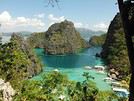
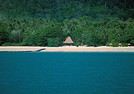
L'homme d'affaires russe Konstantin Kagalovski a exprimé son intention d'investir à Koh Rong ( l'île Rong), à l'ouest de Sihanouk-ville, lors de son entretien mardi dernier avec le Premier ministre Hun Sèn.
"Après cinq visites successives pendant 12 mois pour étudier les possibilités d'investir au Cambodge, cet homme d'affaires souhaite investir à Koh Rong en la transformant en une zone touristique, commerciale et de production d'appareils électroniques, des articles d'usage courants et des médicaments, a dit Ieng Sophalèt, assistant permanent de Samdech Hun Sèn.
Konstantin Kagalovsky a, a-t-il continué, fait des études détaillées sur des pays de l'Asie et de l'Amérique pour aboutir à la création d'une zone commerciale spéciale à Koh Rong.
Le Premier ministre cambodgien a, dans sa réponse, salué le projet d'investissement de l'homme d'affaires russe. Il lui a également conseillé de travailler avec Sok Chenda, secrétaire général du Conseil de développement du Cambodge pour transformer concrètement ce projet. -- AKP
Même au Cambodge, on ne peut pas être tranquille ......... 😕🏴☠️
Sans compter aussi ......
Selon une étude récente rédigée à l’attention du Pnud et du ministère de l’Economie et des finances, l’exploitation des ressources en pétrole et en gaz au Cambodge pourrait très largement - si elle se révèle viable - devenir la première source de richesses du pays : une production de 200 000 barils par jour devrait dégager un profit de 2 milliards de dollars sur l’année, alors que l’activité économique du pays ne pèse pour l’heure au total que 4 milliards de dollars. Bien qu’aucune confirmation officielle ne soit disponible pour l’heure, l’activité de prospection réalisée par Chevron/Texaco dans cinq puits d’une zone au large des côtes cambodgiennes désignée comme le “Bloc A” suggère la présence de réserves qui pourraient s’élever à 400-500 millions de barils de pétrole et 100 milliards de mètres cubes de gaz .......
De toute façon un ou l'autre il fallait s'y attendre, quand ça commence à s'ouvrir cela va très vite après, tout suit même les petits investisseurs .
Tu te rends compte en peu de temps sur le site d'Angkor comme nous avons connu comment c'est maintenant et dire que je me promener presque tout seul il y a peu !!!
Tu as raison... Ce russe ne s'installe sans doute pas au Cambodge par altruisme! Mais bon, j'ai croisé en Thailande des gens qui ont quand même plus de confort ou plutôt de possibilités de vivre. Et cette richesse relative, financière, est nécessaire et provient en grande partie des investissements étrangers. Quand je croise au Cambodge un enfant amputé car il manquait à sa famille les 5 dollars nécessaire à l'opération de sa fracture ouverte.... Je me demande si ce n'est pas souhaitable que des capitaux rappliquent...
Je ne suis pas idiot non plus et je me doute bien que l'argent ira surtout aux dirigeants et aux industriels... Mais peut-être, le peu qu'il restera servira aux cambodgiens à améliorer leur vie ou juste la maintenir.
Les cambodgiens sont fantastiques. Une richesse intérieure énorme. Mais bon, un moment il faut bien manger et se soigner... Ne soyons pas égoistes!
Ou peut-être y a-t-il d'autres moyens que les investissements étrangers? Je ne vois pas, éclairez moi!
Oui, même les experts s'inquiètent d'une brusque accélération de l'exploitation des richesses ..... voir aussi mon premier post, j'ai rajouté quelques ligne sur la future exploitation du pétrole au large des côtes cambodgiennes ......
Cambodge Soir d'aujourd'hui .....
Le démarrage à l’orée de la prochaine décennie d’une activité de production de pétrole, ressource la plus rentable, devrait amener dans les caisses du pays une manne financière dépassant largement, par exemple, les actuels montants de l’aide internationale. Cela n’ira pas sans conséquence profonde pour l’économie du pays. “Il faut d’ores et déjà que le gouvernement, ses partenaires, la société civile réfléchissent aux conséquences pratiques pour le Cambodge”, assure le Dr Michael Warner, de l’Overseas Development Institute. Ceci afin d’éviter que se produise ici un mal déjà connu dans d’autres pays en développement comme “la malédiction du pétrole”.
Afflux net de revenus, création d’emplois qualifiés... Evoquer l’idée d’une menace avec la présence de gisements pétroliers peut sembler de prime abord paradoxal. L’étude citée plus haut, dirigée par un expert américain, le Dr David O. Dapice, fait pourtant part des éventuels effets pervers que peut amener avec lui “l’or noir”. Au premier rang on trouve le risque d’une inflation non maîtrisée qui peut pénaliser l’ensemble des activités autres que pétrolifères. Les gains tirés des exportations de pétrole permettent en effet à l’Etat de maintenir une balance des changes constante, tout en augmentant ses dépenses. Ce surplus de dépenses entraîne une inflation des prix, des coûts et des salaires. Celle-ci peut pénaliser l’agriculture et l’industrie, qui perdent de leur compétitivité non seulement à l’exportation, mais également sur leur propre marché intérieur.
Ensuite, l’industrie pétrolière tend, notamment dans les pays pauvres, à former un secteur coupé du reste des activités économiques, offrant une manne sur laquelle repose en grande partie le budget, mais toujours soumis à un retournement de conjoncture, en cas de chute des prix sur les marchés internationaux. Un endettement important peut en résulter, surtout lorsque l’Etat avait anticipé des revenus supérieurs à ceux finalement atteints. Les auteurs de l’étude recommandent que les bénéfices de la rente pétrolière soient placés dans un fonds où ne seront puisées que les sommes réellement disponibles.
Enfin, le pétrole peut venir nourrir des problèmes de gouvernance, venant nourrir la compétition pour le pouvoir, afin de garder ainsi la haute main sur cette source de financement, et renforcer la dépendance des élites, qui s’attachent à se placer de façon à toucher les dividendes du pétrole, au détriment d’investissements sur le long terme et plus diversifiés. Dans le passé, des pays tels que le Nigeria ou l’Algérie ont été ainsi les victimes de ce vertige néfaste amené par le pétrole. Au Cambodge, la gestion longtemps opaque de cette autre ressource naturelle qu’est le bois peut sur ce plan amener à nourrir certaines inquiétudes. Le Dr David O. Dapice tempère néanmoins ce dernier point, soulignant que la déforestation massive fut selon lui surtout le fruit de la compétition des différentes factions durant la période du conflit, une époque révolue, mais invite néanmoins les acteurs de la société cambodgienne à se montrer à la hauteur des futurs bénéfices du pétrole, si l’actuelle prospection tient toutes ses promesses.
Samuel Bartholin
🤪 ..... donc, comme au Cambodge tout est compliqué, il ne faut guère rêver à qui profitera l'exploitation future de ces richesses ......
Rien que le titre en gras veut dire ce que ça veut dire, à suivre !!--
Cambodge - Economie - Le pétrole, une manne financière qui n’est pas sans danger 20-01-2006 Cambodge Soir - Selon une étude récente rédigée à l’attention du Pnud et du ministère de l’Economie et des finances, l’exploitation des ressources en pétrole et en gaz au Cambodge pourrait très largement - si elle se révèle viable - devenir la première source de richesses du pays : une production de 200 000 barils par jour devrait dégager un profit de 2 milliards de dollars sur l’année, alors que l’activité économique du pays ne pèse pour l’heure au total que 4 milliards de dollars. Bien qu’aucune confirmation officielle ne soit disponible pour l’heure, l’activité de prospection réalisée par Chevron/Texaco dans cinq puits d’une zone au large des côtes cambodgiennes désignée comme le “Bloc A” suggère la présence de réserves qui pourraient s’élever à 400-500 millions de barils de pétrole et 100 milliards de mètres cubes de gaz.
Je ne comprend pas très bien le titre de la discussion. "les envahisseurs arrivent....". Les envahisseurs (ou les destructeurs sont depuis longtemps au Cambodge. Les forêts sont détruites à grande vitesse par les exploitants (essentiellement thai) qui versent des pots de vin à qui vous savez pour obtenir des concessions (et on ne sait pas très bien si l'on parviendra à sauver cette réserve naturelle extraordinaire qu'est la chaine des cardamomes). Les hotels-casino des chinois envahisssent la cote. L'industrie textile (première industrie du pays) est aux mains des chinois. Et je ne parle pas de la manière dont le Cambodge est utilisé comme une vaste lessiveuse destinée à blanchir l'argent sale de tous les mafieux de la région.....
Alors, le pétrole dans tout cela, c'est plutôt plus clair et peut-être plus controlable (voir les pressions exercées sur Total à cause de leur présence en Birmanie).
PS Pour ceux qui ne le sauraient pas, la route qui va de PP jusqu'à la cote traversait jadis une vaste forêt de plusieurs milliers de km2 copmportant des essences d'arbres très rares. Il n'en reste absolument rien, comme vous avez pu le voir si vous y êtes allé.
Oui, ceux qui s'intéressent au Cambodge savent tout celà et en sont contrariés ...... si j'ai choisi ce titre, c'est pour tous les voyageurs qui ont un aperçu de ce pays qu'à travers Angkor, et afin que celui ci les bouscule un peu et leur donne l'envie de lire ce topic pour qu'ils aient une meilleure information de ce qui se passe là bas ......
Tout le monde ne s'intéresse pas forcément à ce pays, et si tu veux c'est une accroche ......
Bonjour a tous
Je suis bien d'accord, une grande magorité des touristes visitant ce pays prennent peut de temps, pour le decouvrir, seul le site d'Angkor, la cote et la catipal sont visité, c'est déja un voyage de deux semaines. Il en resort: c'est un pays magnifique, avec une belle et ancienne culture, de superbe paysage, et des gents d'une gentillesses tout ça est indéniables.....
D'un autre coté c'est un pays complètement détruit par les guerres, mais surtout par une corruption grandissante et oniprésente, et qui délaissent bien les richesses culturelles du pays qui se tarissent, la pauvreté qui fait partie du décor, et un marché de la chair.🏴☠️
Mais tous vas bien il y a toutes ces ong qui ramassent les morceaux (on se demande bien ou sont leurs interets)😕
Avec l'arrivé de ces groupes pétroliers, je ne pense pas qu'il l'améliorons la situation, (le pétrol est surement l'une des matières premières les plus corrompue) et je dirais que je suis bien péssimiste quant à la situation future de ce pays.
Je n'est fait qu'un mois dans ce pays, après un trip dans d'autre pays asiatique, et toutes ses choses ne me sont pas passé inaperçu, mais peut être n'ai je pas regarder la ou fallait.
On parle beaucoup de la situation de la birmanie, mais celle du Cambodge m'a rien à lui envier, et à l'inverse on insite à sa découverte????🤪
Et je me sent bien impuissant face à toutes ces machinations capitalistes.
En tant que touriste (?) jouons nous un rôle dans cette mascarade, ou avons nous un rôle a jouer???????
STOP STOP STOP
Arretez de pleurer pour les peuples que vous voyez et aimeriez toujours sous developpes.
Cela vous permettrait de venir passer vos vacances pour pas cher en admirant sinistrement leur misere.
Si le petrole et le gaz peuvent apporter quelquechose pour ces peuples, c'est tant mieux.
Quand je lis une analyse venant d'un soi disant expert predisant que les ressources nouvelles vont entrainer une inflation, ca me herisse les poils. L'inflation resulte plutot d'une depense superieure a ses recettes et pas le contraire.
Quand vous lisez ces experts, essayez d'etre un peu critique et ne vous ontentez pas d'etre un simple courroie de transmission subversive.
Pour conclure je vous invite a etre honnete par vous meme, en payant toutes les matieres premieres de ces pays au vrai prix et non pas a un prix maintenu artificiellement tres bas : essayez de payer votre kg de cafe 20 euros, votre kilo de banane 5 euros, votre litre de super a 20 euros, etc.... vous allez pouvoir inverser les riches et les pauvres et ce n'est que justice.
Bonjour Babyalone
Ta conclusion m'a laissé perplexe, j'ai pas reussi à comprendre ce que tu voullais dire par le "vrai prix", c'est le vrai prix de la banane... du pays ou mondiale? Et si il y a, où puis je trouver le guide du vrai prix, cela m'interesse😮
Deplus je ne pense pas que payer plus chère les produits réglera le problème de la différence des pauvres et des riches. L'argent me renvient pas aux cultivateurs, ouvriers, mais aux négociants (bourgeois) et pour finir aux propriètaires. C'est la définition de la justice actuelle 😕
Je suis assez d'accord avec toi. Il y a une certaine hypocrisie à critiquer le système, tout en profitant de ses avantages (prix faibles en occident et séjours vraiment pas chers dans des pays tels que le Cambodge). Et je suis également d'accord pour reconnaitre que l'on ne peut pas toujours tout critiquer sans rien proposer. La question est donc de savoir ce que nous pouvons faire, à notre niveau pour contribuer très modestement à l'évolution de la situation.
Il faudrait bien évidemment que les organisations internationales (ONU, Banque Mondiale) agissent enfin contre la corruption. Mais sur ce point nos moyens de pressions sont assez limitées.
Au niveau des entreprises capitalistes, il existe paradoxalement un levier plus important. De nombreux investisseurs dans le monde exigent désormais que les sociétés dans lesquelles elles investissent rendent des comptes sur leurs méthodes. La circulation des informations sur les comportements douteux de certaines firmes peut avoir une certaine efficacité.
les ONG font dans de nombreux pays du bon travail, et c'est probablement un moyen de contribuer à un développement de pays comme le Cambodge. Il faut juste bien choisir l'ONG que l'on veut aider, ce qui n'est pas très compliqué, il existe quelques critères précis qui permettent d'identifier les structures de qualité.
enfin le commerce equitable est une façon au quotidien de modifier la structure des filières de production/distribution. Mais il faut bien entendu accepter de payer ses produits plus chers.
Sur les deux derniers points, je crois que nous pouvons faire quelque chose. Je me suis personnellement interessé au problème des ONG dans le cas du Cambodge. Mais sur le commerce equitable, je n'ai pas vu beaucoup de produits cambodgiens. Si vous avez des idées.....je suis acheteur.
Après la lecture de cet article, on ne peut que craindre que l'exploitation du pétrole au Cambodge le fasse se rapprocher plus du Tchad que de la Norvège.
Comparaison interessante 🤪:
Norvege:
PNB/habitant: 37 600 $
Dette du pays/etranger : 0
Population sous le seuil de pauvrete: 0%
Production petroliere: 3 millions barils/jour
Producteur de petrole depuis la fin des annees 1970
Tchad:
PNB/habitant: 1 900 $ (incluant les premiers revenus du petrole)
Dette du pays/etranger : 1, 5 millards $. Fait partie des pays les plus endettes du monde
Population sous le seuil de pauvrete: 80%
Production petroliere: 0, 2 millions barils/jour
Producteur de petrole depuis 2003
Le Cambodge, comme le Tchad, a besoin de l'argent maintenant, pas dans 100 ans. La Norvege a les moyens d'economiser, pas le Tchad ni le Cambodge.
De plus, le fond norvegien a ete cree dans les annees 90, soit une vingtaine d'annee apres le debut de l'exploitation des reserves petrolieres. Pour le Tchad, ca doit etre des le debut de la production???
Les meilleurs exemples de producteurs de petrole sont probablement juste a cote: Thailande, Vietnam et, a plus grande echelle, Malaisie.
Par kho rong, entends-tu l'ile qui se trouve à un Km de la côte ou des chinois de malaisie projettaient déjà de construire un casino hotel avant la crise de 97, ou s'agit-il de l'ile de pêcheurs situé une quinzaine de miles plus au sud?
Il y a la bas quelques dizaines d'îles epargnées par le tourisme intensif et ce serait dommage qu'elles subissent le sort des îles thai voisines!
On appelle cela le progrès.. En plus, s'il y a du pétrole!
Je suis mitigé par cette nouvelle, d'un côté, il est clair que la richesse culturelle qui règne sur place est certainement de plus en plus rare et que c'est dommage que l'industrie, le tourisme, etc... débarque partout et que nous ne trouverons bientôt plus de sites "vierges".
Toutefois, c'est une opportunité, l'un dans l'autre, pour le pays de devenir industriel et d'avoir une économie, si bien sûr, ca peut permettre au peuple de gagner du confort, de la sécurité, de la qualité de vie simplement.
"Il faudrait bien évidemment que les organisations internationales (ONU, Banque Mondiale) agissent enfin contre la corruption. Mais sur ce point nos moyens de pressions sont assez limitées".
"Que celui qui n'a pas commis de peche, jette la premiere pierre"
Pourquoi ne pas reconnaitre que la corruption est pire ailleurs? En France, les hommes politiques qui sont reconnus et condamnes par la justice ne sont jamais mis en prison ni ecartes de la vie politique.
Quant aux ONG, les 3/4 de l'argent servent a leur fonctionnement interne et il ne reste presque rien pour une vraie action a la hauteur des dons.
Il reste le commerce equitable dont tu as bien pose le probleme. Et on est loin de pouvoir inverser la tendance. Il faut attendre que la regulation naturelle se fasse.
"Quant la Chine s'eveillera, le monde tremblera".
Beaucoup de pays asiatiques commencent a fixer le cours des prix. Cela dit il y aura encore d'autres pays qui restent encore a la traine.
Ce ne sera pas demain le paradis sur terre. Neanmoins, il vaudrait mieux de ne pas jeter de l'huile la ou il y a du feu.
Hello everyone! I’m heading off solo in February and wanted to share my rough itinerary with you. Does this sound doable?
PS: I’m not really into beaches.
D1 Departure on February 17, 2027
D2 Arrival in Kuala Lumpur – stroll through Chinatown and visit the Petronas Towers
D3: Kuala Lumpur – Chow Kit Market, Batu Caves, Little India, Bukit Bintang downtown area
D4: Early morning bus to Malacca. Explore Malacca in the afternoon and evening
D5: Another 2–3 hours in Malacca in the morning, then bus back to Kuala Lumpur. Merdeka Square area. Stay in Chinatown
D6: Bus trip to Kuala Tahan. Night tour
D7: Morning – canopy walk and Bukit Terisek hike. Afternoon – off to Lata Berkoh
D8 & D9: 2-day jungle trek in Taman Negara National Park
D10: Head to Cameron Highlands
D11: Morning hike through the plantations. Afternoon still to be decided
D12: Morning – excursion to Mossy Forest and Sungei Plantation. Afternoon bus to Ipoh
D13: Morning – Mirror Lake / Sam Poh Temple area. Afternoon – explore downtown Ipoh
D14: Morning train to Penang. Afternoon – wander around Georgetown
D15: Morning – Penang Hill and Keh Loh Temple. Afternoon – Georgetown
D16: Bus to Butterfly Garden and Spice Garden. Late afternoon – Burmese and Thai temples
D17: Morning flight to Singapore. Afternoon – Chinatown and Marina Bay tour
D18: Morning – Gardens by the Bay area. Afternoon – Boat Quay, Clarke Quay, Kampong Glam
D19: Morning – The Ridges area and Botanical Garden. Afternoon – Little India, then back to Chinatown before 11:15 PM return flight
D20: Morning arrival
Hi everyone,
I’ll be in western Malaysia for 20 days in January and February.
I’m coming from southern Thailand to Ipoh for the Thaipusam festivities.
Then it’s off to Pangkor Island.
I’ll finish up in Malacca for the Chinese New Year celebrations before heading to Singapore.
I’ve got a 6-day gap.
I was thinking of going to K.Lipis for the jungle train and heading to Dabong, but the caves might not be open.
Any suggestions around K.L.?
Day treks?
A stopover between K.L. and Malacca?
Thanks
Hi, I’ve read that these two volcanoes are super popular and that there are *tons* of people for sunrise, especially in July. I’m looking for firsthand accounts from anyone who’s done it later, around 9–10 a.m.
Thanks for your help!
Laëtitia
I’m heading to Cambodia at the end of December 2026 – January 2027 for 3-4 weeks. Since I’ve already visited Cambodia twice, my itinerary is a bit different this time—I’d love to explore Botum Sakor Park, Chi Pat, the Tatai region, and the Cardamom Mountains. I’m traveling solo. If you have any tips on transportation, excursions, treks, sights, or accommodations in the area, I’d really appreciate it. Thanks for your feedback!
Has anyone traveled with the Laos travel agency ADV ?
I’m planning a trip to Laos and have received several quotes. Among them, this agency’s seem very reasonable, and so far, the interactions have been positive.
I’ve found a few positive reviews online, but I’d love to hear from travelers who’ve actually booked with them: how’s the organization, guide quality, accommodations, on-the-ground responsiveness, etc.
Thanks for sharing your experiences!
First stop on our discovery of the peninsula: Amphawa. It’s our first night in Thailand (we arrived at Suvarnabhumi at 8:50 AM).
Our initial plan was to explore the area before heading further south. The Mae Klong Railway Market is tempting... but what else is there to do????
We’ll be there on a Wednesday, and from what I’ve read on the forum, some say there’s absolutely nothing to do during the week—no floating market, barely any shops open, no restaurants, etc.
Others, though, say the place is actually more charming without the weekend crowds.
Could you share your thoughts? Missing the floating market is one thing, but if it’s really a ghost town on Wednesdays, I might just drop our bags somewhere else.
Amphawa seemed like a good first stop, just 1.5 hours from the airport, but I’d still like to settle somewhere a bit lively for our first evening.
We’ll be there at the end of October.
Thanks!
Hi,
I wanted to visit the plantations in the morning with GetYourGuide or by just showing up.
How much time should I really plan for?
I’d like to catch either the 3 PM or 5 PM bus back to KL.
Thanks
Hi,
I wanted to get some info about the cable car and the bridge—I see lots of different options...
How much time should we allow for these two activities? If we arrive around 4 PM, will we have enough time to visit without rushing?
Thanks
Hi there,
I didn’t plan to return to Thailand this year, but my health conditions mean it’ll be the best place for me to stay between two trips to India. The tourism setup there is so well-organized that it’s the most "comfortable" country for a short visit. Thailand feels too sanitized for my taste, and there’s too much religion, Buddha, and the King, but it’s still the best option given how my health has been evolving. I’d considered two weeks in ThaTon for hiking, but I got too sick from the burn-offs during my trips to the mountains around Chiang Rai. So I’m not sure where to go this year. Definitely not the sea, touristy spots, or the mountains with burn-offs...
Hi,
On September 1st, we're heading to Kalimantan for six weeks, probably from Pontianak to the Derawan Islands.
I've scoured this site, which is usually my go-to 😉, and others like VoyageForum, but recent info is pretty scarce.
I'd love any tips on places you've visited—our itinerary is still a work in progress.
We're two couples traveling with backpacks, using buses, boats, guesthouses, and homestays.
Thanks in advance!
Hi fellow travelers,
First trip to Vietnam.
We’ll be arriving in Ho Chi Minh City during Tet.
Is it complicated to find accommodation and get around during this period?
Any tips would be welcome.
Thanks for your replies.
Hi! I’d like to split my trip into two parts: 15 days in Phuket and 15 days in Krabi. Do you know if I can rent a car and drop it off in Krabi when I fly back to France?
Thanks for your feedback!
Have a great Sunday!
Martine
Hello,
After 1 night in Khao Sok, I’d like to find a 2 Days 1 Night package on the lake.
After reading a lot, I decided to "break the bank" and treat ourselves to a private tour—mainly to avoid the crowds.
But after contacting several operators, they offer "private tours" that are very expensive (around 700 €), yet in the details, the boats can only leave from the pier at 10 AM like everyone else. (I was hoping to leave much earlier.) The morning program is the same for everyone too (private or not). They drop us off at noon at our floating hotel (I’d chosen Phupha Waree). Free afternoon (swimming or kayaking in front of the hotel). We head back by boat for a 1-hour sunset ride. And the next morning, we leave the hotel at 8 AM to be at the pier by 9:30 AM at the latest—end of the trip.
So basically, we’re paying a lot for a private tour just to do the same thing as everyone else at the same time.
Or maybe I just had bad luck in my search.
I contacted Panida Ladi, who’s very popular on forums. We’d agreed on a private tour that matched my request (departure from the pier at 8 AM, very personalized itinerary). We settled on the itinerary and price, she asked for a Wise transfer for a 30% deposit, confirmed receipt of the deposit. Then 30 minutes later, she messaged me to say she was canceling everything because it was impossible to do the requested tour—and promised a quick refund of my deposit.
So here’s my question: Who’s done a *real* private tour on this lake? Who can recommend a reliable agency? Is it even really possible to do a private tour here?
I’m searching for a real gem for my 3rd stay in Koh Lanta: a lovely, high-quality hotel right by an easily accessible beach in a lively spot.
If you know of anything that fits what I’m looking for and want to share, don’t hesitate!
Hi, is anyone there in Flores right now? According to some websites, everything is closed and the situation is tough. But our guide says it's fine. Who should we believe? We're supposed to leave on September 2nd. Thanks to anyone in Flores at the moment!
Hi dear community,
I'm planning to visit Cambodia this winter, right after Christmas, for my first solo trip and my first trip to Asia. For two weeks (yes, I know it's short, but I really can't do more...). I have two main desires: Siem Reap and the countryside, the villages, the Mekong...
What do you think of this itinerary? Arrival in Siem Reap, departure from Phnom Penh.
SR: 5 days (1 day for arrival, 3 for the temples, 1 for the lake and its villages)
Kratie (stop on the way to Mondolkiri): 3 days (1 day of travel, 2 days there)
Mondolkiri/Sen Monorom: 4 days (1 day of travel, 1 day there, 2 days of treks)
PP: 3 days (1 day of travel, 2 days of sightseeing)
I think I need to cut one day somewhere if I travel from Saturday to Saturday or Sunday to Sunday. In Kratie, maybe? Or in PP? And I'll miss the boat trip that everyone recommends (SR-Battambang), but I don't see where to fit it in. Unless I do a PP-PP loop starting in the east, skip Kratie or just stay one night, then SR, then PP.
In my timing, Mondolkiri seems closer than Ratanakiri, which also tempted me a lot! Will it be too complicated alone? I'm thinking of using local guides or a small local agency for a nature and village getaway.
I've read that Siem Reap is very crowded between Christmas and New Year's. I could also do the circuit in the opposite direction. But I thought it would be easier to get familiar with the country by arriving in a touristy area—I might be wrong...
Thanks for your advice and opinions!
Hi everyone.
I’m planning my trip, and based on all the posts I’ve read, this country is amazing.
Of course, I’ve got a ton of questions for you.
Here’s a possible itinerary: Vientiane - Vang Vieng - Phonsavan - Sam Neua - Nong Khiaw + villages - Phongsali - Luang Namtha and the area - Udomxai - Huay Xai - Luang Prabang and back to Vientiane.
What do you think?
We’re planning to prioritize local transport—is it possible to do this loop?
We’d also love to go kayaking, but I’m not sure if the season’s right or where the best spot is.
For trekking—I read that Phongsali is the most authentic spot to visit villages and see wildlife. Do you know of a reliable agency and a guesthouse with reasonable prices?
Is it worth taking a slow boat for a stretch on the Mekong, and if so, which route?
For accommodations, is it better to book through Booking.com and Agoda or look when we arrive?
Are mosquitoes bad in Laos, and should we take malaria prophylaxis?
What’s the average daily budget (accommodation, food, visits)?
Is renting scooters a good option for exploring towns, and if so, which ones?
From what I’ve read, it’s best to carry cash—euros or dollars? Is it risky to walk around with that much cash?
I’ve still got tons of questions. Thanks to anyone who can help, and I’m open to all tips, info, etc.
Thanks again
Hi there,
I’m planning a family trip (my wife and I, both 47, and our two sons, aged 5 and 12) to Malaysia for the last week of June and the first two weeks of July 2027.
We used to love road trips as a couple, then as a trio, but since our second child arrived, we’ve taken a break with "camping village" style trips.
Now feels like the right time to get back to our old habits, while adjusting the pace for the kids.
We’re craving Asia. We’ve been lucky enough to visit Thailand, Indonesia (Bali and Lombok), and Sri Lanka before.
Friends have raved about Malaysia, so we’re definitely tempted.
For those who know and love Malaysia, what would be a good itinerary starting from Kuala Lumpur, with a maximum of 3-4 stops? We’d like a mix of culture, nature, and relaxation (just to clarify, we’re not big beach fans). All of this without rushing, of course.
Hello,
We’re a family of four with two teens aged 16 and 18. We’re heading to Thailand this summer. We’ll arrive in Bangkok and plan to take a flight to Luang Prabang.
I’ve seen there are some great visits and excursions to do (temples, markets, waterfalls) and maybe even venture a bit north to places like Nong Khiaw, Muang Xay, Muang Ngoy, or Oudom Xay.
But I’ve also heard about the Bokeo region with the Gibbon Experience.
Since we won’t be able to do everything, I’d love to hear about your experiences, impressions, and advice on the two options I’m considering, especially since we’ll be meeting family in Chiang Mai, Thailand, afterward.
Option 1: A loop from Luang Prabang heading slightly north, then a flight from Luang Prabang to Chiang Mai.
Option 2: A few days in Luang Prabang, exploring within a few dozen kilometers around, then heading to Bokeo province for the 2-day/1-night Gibbon Experience. For this option, I saw on Rome2Rio that it’s possible to book a ferry trip on the Mekong from Luang Prabang to Huay Xay—they mention about 8 hours. But is that realistic? What type of boat is it?
Then, to get to Chiang Mai, there aren’t many options—bus or minivan—but how does crossing the border work?
Finally, for those of you who’ve been to Laos in August, what was the weather like?
We’ve already visited Thailand, Vietnam, and Cambodia during the same period over the past four years and weren’t really bothered by bad weather.
I’m starting a discussion about guides in the Mekong Delta because we’ve just finished our trip in this region and had a hard time finding a French-speaking guide. We had Thanh—she speaks French really well and travels all over the delta region, including Ho Chi Minh City. She’s super friendly and flexible. I recommend her wholeheartedly. If it can help someone...
Feel free to contact us for her number.
Hi everyone,
I couldn’t find any recent info on Kuching.
Can anyone recommend a hotel or guesthouse for under 100 RM that’s nice and affordable? No dorms, please.
Also, does it rain a lot in November, and is it still worth visiting Semenggoh or Bako?
We’ll be arriving in Phnom Penh this coming January and we’re thinking of starting our trip with a stop in Kampong Cham, then Kratie.
After Kratie, we’re considering heading toward Siem Reap with a stop in Kampong Thom.
That said, I’m not really sure how long the Kratie–Kampong Thom journey might take or how complicated it is.
Does this stop on the way to Siem Reap seem like a good idea to you?
If we don’t visit the Sambor Prei Kuk site, are there still any walks or sights worth checking out in Kampong Thom?
Silly question—backpack or hard-shell suitcase for the Sepilok, Kinabatangan, Tioman, KL trip?
I’m struggling to fit all my son’s and my stuff into the 70L backpack... and I’m thinking a suitcase would be easier, but I’m not sure if it’ll work for getting around.
After a stay on Koh Phayam this coming November, I’d like to spend 2 or 3 days on Koh Phra Thong before heading further south.
Do you think it’s doable to leave Koh Phayam early enough to catch the 10 AM boat from Khura Buri to Koh Phra Thong? The next one isn’t until 4 PM, which would cost me a whole day.
I’m planning a trip to Indonesia, specifically Sulawesi and Java, in September for 10 days.
I don’t know this part of the world at all—any advice is welcome!
I’ll be traveling solo and would also love tips on meeting other travelers or locals.
Hello everyone,
Not long ago, I used to travel as a couple, but my husband has since passed away, and I’ve decided to set off again. The trip I took to Cambodia in January 2025 did me a world of good.
I’m now considering Thailand, a destination we never included in our plans because even 15 years ago, people said it was too touristy. Still, I’m thinking about the itinerary below, but I don’t feel up to arranging buses, trains, or guides on my own while I’m there. I’m looking for one or more drivers and have been in touch with an agency, but their offers are just copy-paste group tours that I don’t want.
So, if you have any contacts, experiences, or advice, I’d be so grateful if you’d share them with me. Here’s my rough plan:
Arrival in Bangkok
Ayutthaya (2 nights)
Kanchanaburi (2 or 3 nights)
Sangkhlaburi/Sai Yok (3 nights)
Sukhothai (2 nights)
Lampang (I’ve planned 3 nights, but that might be a bit much—it depends on what time I arrive in the city)
Chiang Mai
Chiang Dao
Pai
Chiang Rai
I was thinking about the Mae Hong Son loop—thoughts?
What do you think about staying overnight at the Golden Triangle?
When I look online, of course, I can find agencies that organize tours to national parks, etc.
I’m retired but in great physical shape. I’d rather go hiking than sit in hot springs with crowds of tourists who’ve all arranged meet-ups. I don’t want to spend a day at an elephant camp, and I don’t want to visit Karen villages.
I’d love to hear your advice.
Thank you all,
Hi everyone,
Could you share your thoughts on my 3-week itinerary?
We’re a small group (family + friends) of 12 people, planning to leave around January 21, 2027.
Here’s my itinerary:
3 nights in Bangkok
4 nights in Chiang Mai
3 nights on Koh Samui
3 nights on Koh Phangan
4 nights in Krabi
4 nights in Phuket
I’m also open to any great tips you might have...
Thanks, everyone! Alain.
Hi there,
We’re planning a 3-week family trip next summer with our three kids, who’ll be 8, 8, and 7 years old.
After some research, we’re leaning toward Malaysia to combine nature/forests and paradise beaches. The idea is to introduce our kids to the country’s culture, nature, and wildlife.
We want a great trip but without splurging on luxury options like high-end lodges and resorts. We’re looking for comfort with a touch of authenticity—basically, a good middle ground.
I’ve started putting together an itinerary and would love your expert advice and tips to help us build this amazing trip with our little ones.
Day 1: Departure from France
Day 2: Kuala Lumpur
Stay at a hotel near the airport or KL Sentral.
Just one night.
Day 3: Morning flight to Sandakan (Borneo).
Stay in Sepilok
Day 4: Sepilok:
* Orangutan Center
* Malayan Sun Bear Center
* Rainforest Discovery Centre
Day 5: Depart for Kinabatangan.
Boat safari in the late afternoon.
Day 6: Sunrise safari.
Jungle walk.
Evening safari.
Day 7: Final safari.
Return to Sandakan.
Flight to Kuala Lumpur, then to Kota Bharu (or overnight transit depending on schedules).
Day 8: Transfer to the port.
Boat to the Perhentian Islands.
Days 9 to 13: Perhentian Besar
5 full days.
* Snorkeling
* Hiking
* Turtle watching
* Wild beaches
* Relaxation
Day 14: Return to the mainland.
Bus or private car to Taman Negara.


 20-01-2006 Cambodge Soir - Selon une étude récente rédigée à l’attention du Pnud et du ministère de l’Economie et des finances, l’exploitation des ressources en pétrole et en gaz au Cambodge pourrait très largement - si elle se révèle viable - devenir la première source de richesses du pays : une production de 200 000 barils par jour devrait dégager un profit de 2 milliards de dollars sur l’année, alors que l’activité économique du pays ne pèse pour l’heure au total que 4 milliards de dollars. Bien qu’aucune confirmation officielle ne soit disponible pour l’heure, l’activité de prospection réalisée par Chevron/Texaco dans cinq puits d’une zone au large des côtes cambodgiennes désignée comme le “Bloc A” suggère la présence de réserves qui pourraient s’élever à 400-500 millions de barils de pétrole et 100 milliards de mètres cubes de gaz.