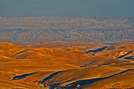
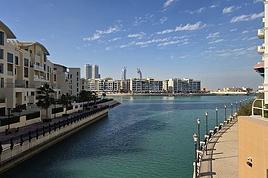
Voici un petit compte-rendu synthétique de mon voyage au Liban, fin juin 2015 (1 semaine sur place):
Jour 1
Arrivée à Beyrouth.
· Le visa est gratuit et obtenu à l’arrivée à l’aéroport. A noter qu'ils demandent s’il y a un visa israélien dans le passeport.
Trajet :
Taxi aéroport –> centre de Beyrouth : 25$ (c’est moins cher au retour : compter 15$ dans l’autre sens ). On l’avait réservé à l’avance par confort, mais on doit trouver moins cher en le prenant sur place.
Jour 2
· Visite des grottes de Jeita et de Byblos sur la journée. Nuit à Beyrouth.
Trajet :
Pour aller aux grottes : Bus Beyrouth direction le nord, et descendre à Marfa Jeita = 3.500 LBP/pers. Puis il faut nécessairement prendre un taxi ou un service (taxi partagé) de Marfa Jeita jusqu’aux grottes car on ne peut y accéder ni en bus ni en van. Taxi Marfa Jeita/grottes = 10.000 LBP en taxi privé (par voiture) x2 pour le retour.
Pour aller à Byblos : Mini-van Marfa Jeita /Byblos = 1.5000 LBP/pers
Jour 3
· Départ de Beyrouth vers Tripoli. Arrivée fin de matinée, et visite de Tripoli l’après-midi : les souks aux ambiances si envoutantes, les mosquées à chaque coin de ruelle, les fabriques de savon, les hammams désaffectés (ne pas rater le hammam Ezzedine et la visite très intéressante par l’adorable guide du lieu). La ville vaut vraiment le voyage, c’est un des endroits que j’ai préféré au Liban.
· Ballade à la foire internationale de Tripoli (un projet initié en 1962 par l’architecte brésilien Oscar Niemeyer pour accueillir une Exposition Universelle, abandonné en 1975 par la guerre civile). Un lieu totalement surréaliste… à voir.
· Nuit à Tripoli.
Note : éviter de visiter Tripoli le vendredi car tout est fermé.
Trajet :
Mini-van Beyrouth/Tripoli = 3000 LBP/pers
Jour 4
· Départ de Tripoli vers la vallée de la Qadisha : Tanourine et les forêts de Cèdres, la maison du Patriarche des maronites (Dimane), Bcharré, halte à Hasroun et ses vieilles maisons traditionnelles, musée Gibran, maison de St Charbel (un moine-ermite libanais figure emblématique des maronites dont le tombeau attire de nombreux pèlerins), Les Cèdres.
· Poursuite de la route vers Baalbeck. Nuit à Baalbek. Attention, la route de Bcharré à Baalbek n’est praticable qu’en été car un col peut être fermé en raison de la neige : bien se renseigner à l’avance. D’autant que de nombreux chauffeurs sont assez réticents pour faire cette route.
Trajet
En voiture (taxi privé). 200$ la journée. Le tarif est élevé en raison du nombre important de km sur la journée, et du fait que le chauffeur revenait à Tripoli après Baalbek. Pour une journée « normale », on trouvait du 120-150$ la journée.
Jour 5
· Visite du site archéologique de Baalbek : à ne pas manquer, c’est magnifique.
· Puis départ de Baalbek retour vers Beyrouth.
· Ballade dans Beyrouth : quartiers Mar Mikhael, Gemmazieh, palais Sursok, Mosquée Al-Amin, St Georges Maronite cathédrale.
· Nuit à Beyrouth.
Trajet
Mini-van direct Baalbek/Beyrouth : 5.000 LBP/pers
Jour 6
· Départ de Beyrouth vers Tyr.
· Ballade dans les petites ruelles de Tyr, le souk très agréable… (une version miniature de celui de Tripoli), puis plage publique pour profiter du soleil et de la mer :-)
· Nuit à Tyr.
Trajet
Taxi privé Beyrouth/Tyr (1h vs 2h/3h en van, suivant les bouchons) : 20.000 LBP pour toute la voiture.
Jour 7
· Visite du site archéologique de Tyr : le faire à la fraiche, vue magnifique le matin avec la mer en contre-plan…
· Départ de Tyr vers Saida.
· Visite de la vieille ville de Saida : les souks, hammam (passer la tête par la fenêtre du hammam Al Wadr désaffecté), la maison Debane, les mosquées…
· Retour à Beyrouth. Nuit à Beyrouth.
Trajet
Mini-Van Saida/Beyrouth : 2.000 LBP/pers
Jour 8
· Ballade dans le centre de Beyrouth : Gemmazieh, rue Gouraud, The Egg (un lieu complètement improbable, cinéma iconique abandonné au centre de la ville), front de mer, new Beyrouth waterhouse, St Georges hotel, la corniche, new lighthouse, Pigeon Rocks, Beirut Art Center. Ballade dans Ashrafieh.
· Nuit à Beyrouth
Jour 9
· Ballade dans le centre de Beyrouth : Hamra, le campus américain, petit itinéraire autour de buildings intéressants (Murr Tower, Gefinor building…)
· Piscine sur la Corniche pour la dernière aprem :-)
· Avion dans la nuit, back to France, fin d’un superbe voyage…
Ce que j’ai préféré :
· Tripoli & Saida pour leur ambiance, les ruelles hors du temps, les souks….
· Baalbek.
Mais globalement j'ai beaucoup apprécié la diversité des ambiances, des sites (archéologiques, naturels, villes) & des populations. Et ce formidable mélange d'orient et d'occident...
Trajet
Les différents modes possibles, suivant son budget et son temps :
· Les bus : gros coaches confortables, il y a la clim, peu de monde. Ils sont plus rapides et un peu plus chers que les mini-van. Mais il faut aller à la gare routière (station Charles Helou pour le Nord, ou Cola pour le Sud)
· Mini-van : inconfortables (mais pittoresques ! sans clim, musique à fond, souvent bondés). Très lents car ils s’arrêtent partout ! Conduite plus que sportive. Mais très peu chers. Et surtout on peut les héler sur le bord de la route, il y en a partout et tout le temps. On aurait préféré prendre les bus mais les van sont tellement répandus que c’est le plus pratique à prendre.
· Taxi privé : nécessaires pour certaines régions inaccessibles en transports collectifs, ou pour gagner du temps.
· Taxi service (collectif) : taxi partagé avec d’autres passagers.
Globalement, que ce soit pour les van ou taxi, les prix varient du simple ou double (voire au triple) suivant ses qualités de négociation J
Logement
· Beyrouth : guesthouse « Baffa House » que je recommande chaleureusement, quartier Mar Mikhael de Beyrouth, un quartier très vivant et agréable de la capitale.
· Autres nuits à Beyrouth : de nombreux Airbnb sont disponibles dans la capitale, dans tous les quartiers et à tous les prix.
· Tripoli : guesthouse « Beit El Nessim », un havre de paix et d’enchantement dans le quartier El Mina…
· Tyr : hotel El Fanar. A noter qu’en juin tout était complet à Tyr… essayer de réserver à l’avance car peu d’hôtels à Tyr et assez chers.
Pour ce type de logements (prestations de qualité supérieure), compter 100$ la chambre double. On peut trouver beaucoup moins cher, suivant les quartiers et avec des prestations bien moins élevées.
Budget
· Total de 700€ la semaine par personne (logement, repas, transports, visites) + 280€ de billet d’avion = 1.000€ la semaine tout compris, mais avec de bons restos et logement ++. Le budget peut donc être considérablement réduit en prenant des prestations inférieures.
· Détail pour la semaine : 220€ de repas/pers. 140€ pour les transports (dont une journée avec taxi privé, donc). 300€ de logement/pers.
Sécurité
Absolument aucun problème nulle part. Ni à Tripoli, ni à Baalbek. Bien se renseigner localement avant, car la situation peut évoluer rapidement.
Un immense merci à Mademoiselle Cocottte pour tous ses conseils judicieux et sa grande disponibilité. Mon voyage n’aurait pas été pareil sans tous ses conseils sur mon itinéraire, les lieux à visiter, et toutes les bonnes adresses. Merci encore Claire !
J’espère que ce petit compte rendu pourra vous être utile. Encore une fois, ce n’est que mon expérience de voyage, façonnée au gré de mes envies et centres d’intérêt. A vous de vous faire la vôtre 🙂
Je rentre de Jordanie et j'aimerais beaucoup partir une semaine au Liban!
Es tu sûr que tout est safe? A aucun moment n'as tu ressenti de l 'insécurité?
A ton avis, peut on louer une voiture en toute tranquillité?
Pour aller à Baalbek, n'y a t il pas un autre moyen que prendre un taxi privé à 200$?
Pas de problème pour louer une voiture, tant que tu es habitué à rouler avec de grands malades. Vraiment, si tu n'as jamais conduit dans un pays où les gens ne respectent aucune des règles élémentaires de conduite, ça va être compliqué!
Par contre, évite de te balader dans la plaine de la Bekaa en voiture. Et dans le Akkar. Sauf si tu connais du monde, bien sûr.
Pour Baalbek, tu peux passer par une agence, comme Nakhal.
Quant à "tout est safe".....
Avec Israël au Sud et la Syrie en guerre à l'est et au Nord...... Ben non, TOUT n'est pas safe. Mais une grande partie, oui.
Pas de problème pour louer une voiture, tant que tu es habitué à rouler avec de grands malades. Vraiment, si tu n'as jamais conduit dans un pays où les gens ne respectent aucune des règles élémentaires de conduite, ça va être compliqué!
Merci pour ton compte-rendu détaillé. Je pars au Liban le 22 octobre pour deux semaines et il me sera très utile, même si mon budget n'est pas du tout le même que le tien.
J'aimerais bien faire quelques étapes en solo du Lebanon Mountain Trail, aussi (un itinéraire suggéré par Cocotte, la spécialiste du pays!). Je suis en train de faire des recherches à ce sujet.
Concernant le LMT, regarde les vieilles discussions à ce sujet quand je suis participant.
J'ai amené des groupes sur place, je suis AEM.
C'est faisable sans souci. Il faut prendre les hébergements sur place et parfois un guide cela amène des sous dans la montagne libanaise !
Salut Sébastien, je te remercie pour ton message. Je randonne toujours en solo, donc pas de guide en ce qui me concerne. Mais je dormirai en gîte ou chez l'habitant et soutiendrai donc un peu l'économie locale.
Je pense faire entre 5 et 10 étapes (en 5-6 jours de marche). Me conseilles-tu une section du LMT en particulier? J'ai lu sur le site officiel que les étapes 1 à 5 n'étaient pas balisées. Sont-elles incontournables en termes d'intérêt paysager/culturel?
- il y a certaines sections du LMT que je te déconseille de faire, à fortiori sans accompagnement, notamment les premières et les dernières (situation tendue à cause de la proximité de la Syrie)
- même quand ils sont officiellement balisés, les chemins ne sont pas forcément..... balisés. Les terres peuvent avoir changé d'usage entre temps, et le trajet en être très perturbé.... et les balises avoir disparues! (vécu lors d'une rando de 3 jours dans la région de Tannourine, même notre guide en avait été déstabilisé)
- mieux vaut bien se renseigner avant, il y a encore des mines dans certaines régions, et faire du "hors chemin" peut ne pas être sûr (mais bon, j'imagine que ça a été fait autour des chemins de rando...... j'ai quand même le souvenir d'une rando dans la région de Jezzine où notre guide nous a interdit de sortir du chemin pour cette raison)
Perso, je ne conseille pas trop la rando sans guide au Liban, tu l'auras compris....
Merci pour ton message. J'ai pas mal d'expérience en montagne et je serai loin d'être le premier à marcher tout ou partie du LMT sans guide. Il n'est pas question de m'éloigner des sentiers et j'éviterai les premières et dernières étapes.
Après, je peux toujours aviser sur place en cas de souci.
J'ai étudié un peu la chose. Comme je vais de toute manière visiter la vallée de la Qadisha, jusqu'à Bcharré, ça serait un bon point de départ pour moi sur le LMT. De là, je pense me diriger vers le sud jusqu'à Beskinta (sept étapes, officiellement), voire jusqu'à Barouk (11 étapes). J'imagine qu'il est alors très facile de rejoindre Beyrouth.
Salam,
Je suis d'accord en tout point avec Cocotte.
Les passages du Nord et du Sud sont un peu coton question sécurité et mines.
Pour le reste, y a pas de souci particulier hormis le marquage très très aléatoire et les changements de sentiers (pas mal de problème avec des propriétaires de terrain au Liban).
Lors de mon premier repérage pour mes groupes au Liban j'avais les cartes précises du LMT mais elles ne sont pas si précises et surtout aussi simple à interpréter sur le terrain.
C'est pour cette raison que marcher sur le LMT avec un guide est intéressant car il connait la piste et surtout c'est un intermédiaire entre "le pays" et vous. Un moyen de mieux comprendre.
Par exemple avec un guide un jour et un autre le lendemain sur les fonds de vallée opposés vous pourrait avoir 2 histoires différentes !!! Chacun à la sienne au Liban. Et c'est cela qui fait la magie du pays.
Le secteur de Baskinta est superbe et bien développé pour le LMT car c'est un de ses foyers. Le guide Georges Hobeika sur Baskinta est un enfant du pays et un guide de très haute qualité (chrétien donc parlant le français).
En tout cas, merci à toi et à Cocotte pour les infos.
Je profite présentement du Sud Liban et de la région de Beyrouth. Le pays est en tous points fascinant et la réputation d'hospitalité de ses habitants largement méritée.
Hello Fellow Travelers,
I’ve just returned from a week-long trip to Azerbaijan, covering both Baku and the country’s main sights.
Contrary to what the "Travel Advisory" from the Ministry of Foreign Affairs says, you can travel everywhere safely—the Azerbaijanis are lovely to foreigners, and the police are absolutely helpful.
Just follow the local laws, as you would anywhere, to avoid any trouble.
I highly recommend visiting this stunning country.
Antoine
Hi,
We’re supposed to go to Oman from October 17th to 30th for a 4x4 road trip. We’d already bought our flight tickets before the war started... We’re looking for recent traveler feedback from anyone who’s been there lately. Obviously, we plan to avoid areas around American military bases as well as the Salalah, Duqm, Musandam regions, and the border with Yemen.
Thanks in advance for your input.
lili
Hello, we’re two senior couples who often travel with a guide and driver. For this trip to Oman, though, we’d like (for various reasons) to have a fixed base and visit the must-sees with a local guide but on a hub-and-spoke basis. Do you think that’s possible, and what would be the best place to stay?
We’ll be in Oman for 7 days in March 2026.
Thanks in advance for your suggestions.
Hi there,
This year we want to go to Georgia. We have a ticket to Istanbul and would prefer to avoid an Istanbul/Tbilisi flight to see a bit of Turkey, which I love.
I found a train from Ankara to Kars (25h): why not?
But how do we cross the border: which town? Is it easy (or not)?
I’m leaning toward Batumi, but I’m not sure about anything—thanks for your tips!
Thanks for your insights
I’m planning a two-week trip to Iran in September and I’m reaching out for some valuable tips....
After doing a bit of research, I’ve sketched out a rough itinerary.
I plan to spend 2–3 days in Tehran, then head down to Isfahan for 4–5 days with an overnight stop in Kashan. After that, I’m thinking of going to Shiraz for 2–3 days, including a visit to Persepolis.
Then back to Tehran with a 2-day stop in Yazd.
What do you think? Is this doable? Are there any other must-see spots?
The north, with Tabriz and Masuleh, also caught my eye, but what should I cut to fit them in?
If you have any recommendations for high-quality, authentic hotels, I’d love to hear them.
And one last (silly) question—I’m a smoker (unfortunately!), so is it allowed for women to smoke in Iran? If so, under what conditions?
Thanks in advance for your help, and I’m all ears for any advice!
hi,
do we absolutely have to get the ETA before traveling to Israel these days?
some people say it’s not mandatory, others say it is.
any feedback, please?
thanks
Hey everyone!
A comeback after so many years... but my question is simple:
"Has anyone wandered around these two countries recently? (The posts and travel journals I’ve read are a bit dated.) I’m planning a trip for late spring—one I had mapped out for 2023 but never got to do.
For any info on transportation, border crossings, cost of living, and interesting hostel/GH addresses, thanks in advance! 😉
Hi,
We’ve got flight tickets for a two-week trip to Georgia from April 8th to 23rd.
Should we go ahead with our trip or postpone it to September, given what’s been happening in the Persian Gulf since late February 2026?
Are there any impacts in Georgia?
Thanks for your help
Hi there, I’d like to spend a few days in these two countries. How many days do you recommend? Any ideas for things to see? Which airline should I take to go from one to the other? I think there are no more direct flights? Thanks
Hi,
We’re heading to Asia this summer, and to avoid arriving in the middle of the night, we’ve decided to stop over in Dubai for a day and a half on the way there and back. Any ideas for activities during this super-hot period? Bonus points if they’re reasonably priced 🙂 Which neighborhood is best to stay in?
Thanks in advance, and have a great day!
Bruno
We visited the northern/northeast part of Oman, the most touristy area, last February over 11 days there. It’s a great time to go because the temperatures are pleasant and there aren’t too many tourists, even though the country is only just starting to develop its image. 11 days was enough for us to see the essentials, but you can always extend your stay depending on what you want.
2 days in Muscat, 2 days in the desert—we would’ve happily stayed longer—2 days in the mountains, 3 days in the wadis, and the rest for the cities, villages, and the coast.
Oman offers stunning landscapes and a genuinely warm welcome. We always felt safe, never experienced any malicious looks or gestures.
As usual for our trips, we chose to organize everything ourselves but with a guide to better explore and soak up the local culture.
The point of my post isn’t to recount our journey but to encourage and reassure anyone considering this destination.
If I can be of help, I’m happy to answer your questions based on what I know.
Living in Amman, Jordan, I’d like to visit Jerusalem and the surrounding areas during the Christmas season.
I’d love to hear your thoughts on:
- the security conditions in Israel/Palestine,
- sightseeing in Jerusalem during the Christmas period.
Hi! If anyone has been to Georgia recently and could tell me if it's feasible to travel around the country using public transport. My itinerary would be Kutaisi (my arrival airport), Tbilisi, Mestia, Ushguli, Batumi, and back to Kutaisi (departure airport) in ten days. My flight arrives late at night, around 1 AM—would it be possible to take a taxi to get to the city center?
Any advice is welcome, and regarding the language, can you get by with English? Thanks in advance.
Hi everyone, I’m married to a Kurd from Iraq, and we’re heading to Kurdistan in November with our two-and-a-half-year-old son. Even though I’m really excited about this trip and happy to go, I’m a bit nervous because as a European woman, I feel like there’s nothing to do and I have this image of a dangerous country… To put my mind at ease, I’d love to chat with other Europeans who’ve been there. Thanks! !
Hi there
Does anyone know if it's allowed to use a drone (under 250 g) in Oman?
If so, is there any registration required for the device?
Thanks in advance for your feedback.
Laurent
Hi there,
We’re traveling from 12/23/2025 to 1/9/2025 in Oman.
However, our flight lands in Dubai.
So I’m looking for a car rental company that allows crossing the border into the Sultanate of Oman.
Thanks for your recommendations!
I think I saw there’s also the option of vehicles with rooftop tents…
Hello... nothing new for several
years now...
Can you go there independently from the rest of the country? Any recent experiences, either in Kurdistan or the rest of Iraq?
Thanks a lot
Hi, we’re traveling to Georgia soon and want to go to Azerbaijan. I’m having trouble finding info on crossing the border.
Is it possible to do it by car or train? Are the land borders between the two countries open? Or do we have to fly?
Thanks in advance
Since I had trouble finding up-to-date info, here’s an update on some key points for Jordan/Egypt ferries as of August 2025.
Right now, AB Maritime is the only company still operating ferries. Other companies sometimes mentioned (Jordan Sinaï Hotel and Tour, Sinaï Ferry, etc.) have stopped running (no response by phone or email, and confirmed on-site).
On the Jordanian side, the fast ferry doesn’t leave from the port of Aqaba but from Tala Bay (20 km further south). There’s supposedly a slow ferry that departs in the evening from Aqaba port (according to a taxi driver), but I couldn’t find any info about it.
Currently, there’s one ferry per day in each direction for Aqaba/Taba and another for Aqaba/Nuweiba. But the schedules aren’t great for backpackers—and they’re not the same every day.
On the Jordanian side at Tala Bay, you access the port by walking through a large resort, go through border control before boarding the ferry (+ luggage check). You have to pay the exit tax of 10 JOD (12 €) to "someone sitting on a bench in front"!!! It’s true—you need to ask who to pay, or customs won’t let you through without the magic coupon.
Oddly, I arrived early and managed to take a different ferry than the one I’d booked online by insisting (it wasn’t open for online reservations).
I bought the ticket on the AB Maritime website. Confirmation by email was brief. Then you have to find another person outside the port who has the passenger list and will give you the actual ticket. (What a joy this organization is!) Luckily, everyone’s really friendly with tourists.
On the Egyptian side, arrival in Taba isn’t in Taba itself but at Taba Heights (20 km further south), in a hotel zone. Immigration can be more or less quick depending on your place in the queue at the single office... (free Sinai visa or paid Egypt visa). And outside... nothing. Nothing: no exchange bureau, no ATM, no drink or SIM vendor... A nightmare. No bus station. One or two taxis at prohibitive prices. Personally, I walked about fifteen minutes to the Strand Hotel to find someone who could actually help me (ATM out of service in that big resort). From there, two bus companies currently operate: Webus in small vans but you have to book at least 2 days in advance (frequent, fast, reasonable prices) or GoBus with large buses (only one per day, even cheaper). They head south to Nuweiba, Sharm El Sheikh, etc. A taxi from Taba to Sharm was quoted at 120 USD at the port exit!
For me, the ferry and GoBus schedules didn’t align at all. If I’d known about Webus earlier, I could’ve saved 6 hours of waiting...
On another note, a Taiwanese traveler I met also mentioned that the Hurghada-Sharm El Sheikh ferry is no longer running.
Basically, these border crossings and ferries are more suited to organized tours than backpackers, but it’s still doable.
Hello everyone,
We’re just back from a wonderful adventure exploring Wadi Rum.
We spent 3 days and 2 unforgettable nights there. Our guide, Mohamad, introduced us to the desert—its beauty, its mysteries—with rare skill, kindness, and generosity. We hiked through breathtakingly beautiful places, slept in a Bedouin tent and under the stars, enjoyed delicious meals, and shared moments of incredible quality.
Mohamad honored us by sharing songs, poems, and stories, and introducing us to his family. His humor, life philosophy, and empathy will stay with us forever.
Without a doubt, one of the most beautiful experiences we’ve ever had.
Mohamad’s contact details can be shared via private message.
I’m also happy to provide any info about this unforgettable trip.
Michèle
So happy to be back with you all that I’m rushing to share my trip report!
We chose to stay exactly 14 days to avoid paying for a visa. As a result, we didn’t have time to explore the south—we’ll be back because Oman is a great destination in January. Temperatures were a perfect 25–27°C during the day. No rain for us, but it can happen.
We bought the *Évasion Oman* guidebook. We started with the Jebels (the mountains), abandoned villages, then the desert, wadis along the coast, and finished in the capital. For us, it was easier to go from cold (2,000 meters, after all) to hot before returning to our freezing Normandy in January.
The people were incredibly welcoming and lovely. We camped in natural camping areas where you can make a fire (free, no facilities or water). Easy to find—just search "camping" on Google Maps (an essential app). We traveled as a group of five and rented a 4x4 seven-seater from Europcar before leaving (price included our insurance): 800 euros for 14 days. Essential for getting everywhere, as there are lots of dirt tracks. We brought our camping gear from France since the baggage allowance is 30 kg. Oh, and also two liters of rum and a box of white wine—also essential.
Food was tricky if you don’t like spicy dishes or just chicken. You have to eat at international restaurants, which cost about the same as back home. We’d packed vacuum-sealed meat for the first three days and a few cans. For beaches, stick to the ones marked on Google for swimming—otherwise, they can be dirty and full of oil.
We arrived at 6:30 AM, bought a SIM card (make sure to remove yours before arriving and tape it to the back of your phone), exchanged money (not great rates at the airport—better in malls or souks; no exchanges in banks), and picked up the car. Then we headed to a Carrefour supermarket, but it was closed. We drove to Jebel Al Akhdar, the Sayq Plateau, where we found markets along the way. There are also bazaar shops where you can get gas bottles—they’re everywhere in mid-sized towns. There are even hypermarkets.
We hiked the well-marked old Sayq trail (red and white markings). Our return was improvised. We camped on the plateau and got cold—bring 0°C sleeping bags! The next day, we visited the abandoned villages of Wadi Bani Habib: juniper forests, canyon viewpoints. Then Birkat Al Maws on the way down—a beautiful palm grove. Next, Nizwa Hotel. The beds were really hard there—ask to see the rooms and test the beds before booking. There’s always availability, with prices starting at 35 euros for two.
On the third day, we went to Jebel Shams. Hiked along the canyon starting from Ghul, then descended. Camped on the road to Balha Fortress, which we visited the next morning (stunning!). Then we explored Nizwa before heading to the Wahiba Desert. Camped along the way, then drove to our accommodation: two days in the desert. We found the Thousand Nights Camp 40% cheaper a month before. Note: you have to leave by 1 PM in a convoy to reach the hotel.
On the sixth day, we hiked in the desert on our own because the activity prices were outrageous.
On the seventh day, we headed to a wadi, Bani Khalid, then to Sur, a seaside hotel. We booked just one room for five of us—hotel apartments are huge, and since we had our camping mattresses, it wasn’t a problem to set up in the living room. There’s even a kitchen. In cities, camping spots are poorly located—near intersections, etc.
Beach time and sightseeing on the eighth day, then we drove to the white sand beach in Fins, where we stayed for two nights (we left the tents set up but empty). This was our favorite campsite—go all the way to the end of the road, there’s a small cove and a stunning spot.
On the ninth day, we visited Wadi Shab and the Salma Plateau to find the tombs. The hike up from Fins was way too long—probably better to take the route suggested in the guidebook for a round trip. Meh, no one really enjoyed it.
On the tenth day, we went to Wadi Al Arbiyyin and drove to Seeb Al Mouj to book a diving trip. Stayed at Al Ferdous Hotel Apartments until the end—well-located for visiting Muscat and a great value. Just make sure to check the room first, as some beds are very hard and others aren’t.
Eleventh day: diving and beach time.
Twelfth day: visited the Grand Mosque (unlucky—first day it became paid, and not just a little: 8 OMR). Then explored the old city.
Thirteenth day: the Grand Opera and beach at The Village, where we found a great pizzeria: pizzawifi.com.
Fourteenth day: And that’s it—back home, thrilled to have discovered this magical country. We’ll be back!
Hi everyone!
I’m giving this a shot, hoping to get some answers that can help clear things up.
We’re planning a trip to Oman in February and want to rent a car.
The catch is we probably won’t have received our international driving permits in time.
After some research, we still can’t figure out if there are any rental companies that only require a French license...
or possibly a certified translation of it.
Given that the French license is recognized in Oman, we’re hoping for some advice.
Any tips would be hugely appreciated, and thanks in advance to those who can help!
Best regards,
Olyana
Hi there, 😄
my friend and I are leaving in 15 days for Kurdistan, by road, in our little converted van... The only thing we're sure of (well, the only thing we've actually thought about! The adventures will take care of the rest!) is that we're planning to take a month to get there, 15 days on site to visit my sister-in-law who's been living there as a teacher for a year! and 15 days to rush back, because my boyfriend has to go back to work on November 3rd!! After that, the itinerary isn't set yet—I've just bought a map of Europe... and still haven't found one of Kurdistan! or Iraq! I just finished work yesterday... and until now, this trip felt so far away... I didn't imagine much about it... I kept telling myself, "You'll see when you're done working, your brain will be more available!" Well, now my brain is in "gooo go go!" mode 😮 and it's going fast! I've got tons of questions popping up all at once!
- The itinerary... (we're thinking of lingering a bit in Greece on the way there... and taking a more direct route back). I don't think we've fully grasped what it's going to be like to cover at least 5,000 km in such a short time! Bibi's tinkering with the van (a Peugeot Expert that goes anywhere) and I'm the tour guide!
- Camping in the van... where? Under what conditions? Areas to avoid? Places not to miss?
- The borders... especially the Iraqi one! What are the formalities? Visa or no visa?
- The political situation in the countries we'll cross... (with our entourage putting pressure on us—they're right, of course! How many times have we heard, "You're crazy! Oh, you're really going? We've been hearing about this for a year but didn't think it was so soon... and with everything going on right now, isn't it risky? Aren't you afraid of getting kidnapped?" 🤪 To be honest, we don't know much, we've been a bit out of the loop, working hard... and just craving adventure! But I admit, sometimes I get little waves of panic 😕 when I check official websites... then I go back to daydreaming!
- Why not Couchsurfing?
- Oh crap, the most annoying part... the paperwork, insurance, health stuff, blablabla...
- Will the van hold up? 😐
- Should we prepare for the possibility of not making it all the way, and accept that not as a failure but as a different kind of adventure? Well, there you have it—a little peek into the chaos in my brain! 🤪/😎
So if any of this resonates with you... if you feel like sharing ideas, advice, or stories... we're all ears! Well, I am, and I'll pass it on to Bibi, the fearless warrior, wrench in hand, new tires at the ready, changing the oil and fine-tuning the beast! When I ask him what he expects, what he thinks, what his fears are (with me being the eternal scaredy-cat about wild camping in places I can't picture when we arrive at night—apparently a typical female fear, according to my surveys!—and the wonder of waking up to discover our surroundings... we made the right choice!), his desires... he just says, "Well, we'll start the car, go straight ahead, and see what happens. What do you think could go wrong?!" We complement each other well!