Départ pour la Chine ( Yunnan) le 15 février, notre voyage est organisé depuis qq temps déjà, mais nous aurions quelques questions pratiques pour ceux qui sont des habitués de ces régions lointaines ...
- Trouve-t-on facilement des ATM pour retirer de l'argent ?
- Y-a-t-il un plafond pour la somme que l'on veut retirer ?
- Existe-t-il des pharmacies ou qqchose d'approchant où l'on peut trouver des médicaments basiques, genre aspirine, paracétamol ou immodium ?
- Peut-on manger la nourriture vendue dans la rue ?
- que mange-ton généralement au petit déjeuner ?
Merci pour vos réponses qui nous seront bien utiles !
Départ pour la Chine (Yunnan) le 15 février, notre voyage est organisé depuis qq temps déjà, mais nous aurions quelques questions pratiques pour ceux qui sont des habitués de ces régions lointaines...
Bonjour,
Le Yunnan, c'est grand; je ne garantis pas que mes réponses puissent être valables partout.
- Trouve-t-on facilement des ATM pour retirer de l'argent ?
Les choses changent vite, mais aux dernière nouvelles, il était possible d'utiliser les ATM de quatre grandes banques (Bank of China, China Construction Bank, Industrial and Commercial Bank of China, et une 4° dont j'ai oublié le nom). Dans les villes grandes et moyennes, on en trouve sans aucune difficulté. Dans les bourgades non touristiques, il n'y a souvent que des ATM de l'Agricultural Bank of China qui il y a quelques années ne prenaient pas les cartes étrangères.
- Y-a-t-il un plafond pour la somme que l'on veut retirer ?
Suivant les banques, le plafond par retrait va de 2500 à 4000 RMB, avec un plafond journalier de 20 000 RMB. En pratique, c'est plutôt le plafond de votre carte elle-même qui va vous limiter.
- Existe-t-il des pharmacies ou qqchose d'approchant où l'on peut trouver des médicaments basiques, genre aspirine, paracétamol ou immodium ?
On trouve des pharmacies facilement, mais le problème est de communiquer. Je me souviens avoir ramé pour faire comprendre qu'un ami voulait du liquide pour lentilles de contact. La bonne volonté et la patience des Chinois(es) est néanmoins souvent admirable face à un fossé linguistique.
- Peut-on manger la nourriture vendue dans la rue ?
Merci pour ces réponses précises.
S'il y a des choses que nous devons savoir pour ne pas faire d'impair, on est évident intéressés.
Quelle est l'attitude des chinois (en général) envers les touristes ?
Quant au petit déjeuner, certaines choses ne donnent pas vraiment envie, mais bon, on est plutôt du genre à essayer ...
Bonne journée.
Quant au petit déjeuner, certaines choses ne donnent pas vraiment envie, mais bon, on est plutôt du genre à essayer ...
Bonne journée.
Le 7 C'est le zhou( 粥) il est en effet omniprésent mais l' essayer ce n' est pas l ' adopter!😛 le reste est plutôt très bon.
Dans les endroits n' ayant pas l 'habitude des touristes étrangers le matin vous sera servi de l ' eau chaude qu' il convient de laisser tiédir avant de la boire ( c' est meilleur pour la santé!)
Bon voyage!
Quelle est l'attitude des chinois (en général) envers les touristes ?
Bonjour,
Vous serez étonnés par la bonne volonté et surtout la patience des Chinois(es) face à un fossé linguistique avec des touristes occidentaux.
Par ailleurs, la cote d'amour de la France et des Français est exceptionnelle parmi les Chinois de tout niveau social (alors que les relations diplomatiques sont très mauvaises, illustration de la non-représentativité des dirigeants chinois), y compris ceux avec lesquels un touriste ordinaire sera confronté : employés d'hôtels et de restaurants, chauffeurs de taxi, etc. Il y a beaucoup de clichés derrière cette bonne image, mais peu importe, autant profiter de ce capital de sympathie. Apprenez à dire "France" (法国) ou Français(e) (法国人), avec les tons corrects : cela devait faire partie du vocabulaire de survie indispensable.
Ce qui va sans dire va mieux en le disant : ne dégradez pas ce capital de sympathie pour les suivants !
Pas de soucis avec nous (pour les voyageurs suivants), nous avons tous quatre beaucoup voyagé (et respectons les gens et les coutumes locales) mais la Chine reste une grand inconnue.
Ca fait qd mm plaisir d'entendre un peu de positif sur les chinois ( nous avons lu pas mal de commentaires désobligeants) mais le mieux est evidemment d'aller voir par soi-même!
Nous aurons l'avantage d'avoir une interprète et avons aussi appris un peu de phrases chinoises pour communiquer un minimum.
"..nous avons lu pas mal de commentaires désobligeants..."
C'est certain que ce sera différent de chez vous. Certains s'accommodent moins bien lorsqu'ils sont en territoire inconnu. Quand on voyage, il faut accepter les gens comme ils sont sinon on devrait rester chez soi. Et la Chine c'est grand et diversifié. Comme plusieurs pays dans un. Il y aura d'importantes différences dans le comportement des gens selon l'endroit, l'âge des gens et leur niveau d'éducation. En bout de ligne c'est mathématique. Comme il y a beaucoup de gens, il y a beaucoup de tout, le bon et le moins bon.
La différence d'attitude et les habitudes entre ma copine et ses parents assez âgés est très grande. Ils sont vécus différentes périodes et différentes choses qui expliquent leurs comportements. Il faut connaître le pays et l'histoire pour comprendre certaines choses.
Comme touristes, on en sait assez peu même si on se prépare et il faut accepter les gens comme ils sont, sans juger. Sinon c'est un voyage terrible. En Chine ou ailleurs.
Pas de soucis avec nous (pour les voyageurs suivants), nous avons tous quatre beaucoup voyagé (et respectons les gens et les coutumes locales) mais la Chine reste une grand inconnue.
Ca fait qd mm plaisir d'entendre un peu de positif sur les chinois ( nous avons lu pas mal de commentaires désobligeants) mais le mieux est evidemment d'aller voir par soi-même!
Nous aurons l'avantage d'avoir une interprète et avons aussi appris un peu de phrases chinoises pour communiquer un minimum.
Bonjour,
Je plussoie la réponse de Jianadaren.
Les commentaires désobligeants me semblent souvent fondés sur (suivant le cas) :
- l'ignorance du passé récent de la Chine
- l'ignorance de la réalité de la Chine actuelle, tant la description ressassée par les media occidentaux est partielle et réductrice
- le refus d'imaginer que l'on puisse faire autrement que chez soi
- l'incompréhension de traditions culturelles
- l'incapacité à démentir des clichés bien établis
- peut-être aussi un racisme sous-jacent.
Quand on a fait son travail, avant et pendant le voyage, pour éviter ces biais, alors on peut critiquer ce qui à ses yeux ne va pas en Chine , car il faut également être lucide.
A lire votre profil, je pense que vous saurez éviter ces écueils.
nous avons lu pas mal de commentaires désobligeants
Je ne pourrais que confirmer la disponibilité et l'amabilité des Chinois. Toutefois pour être réaliste, il faut s'attendre à ce que dans les zones ultra touristiques l'étranger soit pris quelquefois comme un porte-monnaie ambulant. Mais ont-ils tort ? Il arrive aussi que certains chauffeurs de taxi se montrent un peu filous. Cela dit, si vous avez un interprète le risque de petites filouteries est bien diminué.
Mais pour mon expérience personnelle, je n'ai à l'esprit que la convivialité et la disponibilité de certains d'entre eux dès lors qu'un début de relation est établi. Ils sont prêts même dans des zones envahies de touristes, à perdre toute une journée juste pour vous rendre service.
Mais aussi dans des villages perdus qui n'ont pratiquement jamais vu passer un touriste, j'ai été accueilli dans leur maison et à leur table simplement parce que c'est une tradition dans les familles paysannes de veiller à ce que tout le monde mange à sa faim, même les étrangers de passage. Dans ces circonstances, j'étais souvent gêné de ne rien pouvoir leur rendre en retour. D'aillleurs ils vous disent rarement "tu vas bien ?", mais plutôt "as-tu mangé ?" pour engager la conversation.
On peut aussi ajouter que la Chine est un pays plus sûr que beaucoup d'autres, question sécurité et tranquillité des touristes. Il s'en dégage un sentiment de confiance que j'apprécie beaucoup.
Merci à vous tous pour vos réponses et vos conseils.
J'aurais bien encore une ou deux questions, si vous avez le temps ...
Que sont exactement les maisons de thé ? qui y va ? quand ? on n'y boit que du thé ( ce qui perso me va très bien) ?
D'autre part, peux-t-on acheter des cartes SIM chinoises qui vont dans nos téléphones ? est-ce que c'est cher ?
Merci et bonne soirée!
D'autre part, peux-t-on acheter des cartes SIM chinoises qui vont dans nos téléphones ? est-ce que c'est cher ?
Bonjour,
Les cartes SIM prépayées et rechargeables s'achètent dans les kiosques à journaux et des boutiques de centres commerciaux (on voit des listes de n° de téléphone disponibles, car les Chinois sont très attentifs à avoir un "bon" numéro). C'est très facile et bon marché.
D'autre part, peux-t-on acheter des cartes SIM chinoises qui vont dans nos téléphones ? est-ce que c'est cher ?
La téléphonie en Chine est assez compliquée.
D'abord il est très difficile de trouver un point de vente qui accepte de vendre une sim à un étranger. Depuis l'obligation depuis fin 2016 de présenter un passeport pour acquérir une sim, toutes les petites boutiques vous le refuseront. (Certainement parce qu'elles ne sont pas encore équipées pour enregistrer votre passeport.)
Essayez d'abord la vente sur internet chez China Mobile ou China Unicom, puis ensuite à l'aéroport si il y a une boutique. Sinon il faudra peut-être sacrifier une demi-journée pour trouver un vendeur en ville. (demandez une carte prépayée chōngzhí kǎ 充值卡)
Oubliez la possibilité de joindre la France par téléphone et utilisez uniquement les data (c'est-à-dire les transferts de données autres que la téléphonie classique). Pour joindre vos amis en France, vous utiliserez Skype en prenant soin de l'installer avant de partir et le testez avec vos amis.
Et enfin, utilisez un VPN tel que ExpressVPN (ou autre) que vous installerez en France avant de partir. Cela vous permettra d'avoir accès à l'ensemble du Web tout en étant en Chine.
Prévoyer à partir de 20 € jusqu'à très cher selon la quantité de data disponible.
PS : j'ai trouvé en novembre un vendeur qui m'a vendu une sim sans me demander mon passeport. Peut-être lui restait-il un vieux stock à écouler.
Avant de partir appelle la centrale des CB pour les prevenir sinon les retraits sont bloqué.
Demande le plafond qui t'est attribué et fait le changer si tu as des achats a faire.
J'avais prevenu mon agence bancaire, mais arrivee a Chengdu mes deux cartes etait bloquées. Obligée d'appeler la centrale des CB depuis la Chine. Il vaut mieux prevoir.
Pour les restaurant de rue, ca depend de ta resistance.
Bon voyage.
Merci à tous pour vos réponses et vos conseils.
Le départ approche et je vais commencer à préparer les bagages ...
Retour deuxième quinzaine de mars ... je viendrai faire un petit commentaire.
@ bientôt ... sur nos lignes
Travailler, étudier et vivre à l'étranger › Chine · 2 replies
J'aurais besoin de vos conseils. je vis en Thaïlande comme professeur de français depuis 3 ans et je m'installe à Shanghai en aout. C'est une ville qui me…
Je vais vivre à Pékin à partir du 5 avril. Je voulais savoir comment était la vie la bas? et surtout la communauté gay, est il facile de rencontrer du monde?…
Travailler, étudier et vivre à l'étranger › Chine · 1 reply
Je pars à Zhengzhou pour un an et plus si affinité. Je me pose plein de questions (bien sûr) notamment sur le prix des loyers, de la vie en général et puis...…
Travailler, étudier et vivre à l'étranger › Chine · 1 reply
Je dois partir bientot pour 1 an en Chine, pour effectuer un stage de 6 mois. Mais auparavant, je compte apprendre des bases de mandarin entre novembre et…
We’re arriving as a group of three in Tokyo on Saturday, October 17th, then heading straight to Kyoto by direct train.
On Sunday and Monday, we’ll explore Kyoto, and in the evening, we’ll take a train to Osaka to spend the night.
On Tuesday, we’ll pick up a rental car at Itami Airport for a 6-day/5-night road trip around Shikoku:
- 2 nights in the Iya Valley
- Thursday morning, we’ll head to Matsuyama for 2 nights.
- Saturday, we’ll visit Mima (town, a few temples + overnight stay) and return on Sunday to drop off the car in Osaka.
We’ll leave very early on Monday the 26th by plane for Aomori in northern Honshu, where we’ll pick up another rental car at the airport for a 5-day/4-night trip:
- Day 1: Tsugaru Peninsula (Takayam Inari, Cape Tappi, Kanita); overnight in Kanita
- Day 2: Ferry transfer to the Mutsu Peninsula (cliffs, Lake Usori); overnight in Shimofuro
- Day 3: Head to the Hakkoda Mountains and onsens galore; overnight TBD
- Day 4: Return the car in Aomori by noon and explore the city before taking the train to Tokyo in the evening
We’ll spend Friday night in Tokyo, wander around on Saturday, and head home on Sunday.
Thoughts on the road feasibility of this trip? We’ll be there right in the middle of Koyo season, so it’ll be busy...
I know it’s a lot of driving, but there are two of us who can take turns. We’re not afraid of driving, even in the mountains and on the left side! Just wondering, are we going to be rushing, or is this manageable? AI says it’s all good, but it’s not the one driving...
Any tips for booking accommodations in the Iya Valley? Not many places have email addresses or websites (I know Booking.com exists, but not all listings are on there... and given the season, I think it’s better to book ahead!). Same question applies for northern Honshu.
For the rental car, I’m thinking of going with Alamo since at least it’s in French and straightforward, but are there any direct rental companies with user-friendly websites (Toyota Rentacar, ugh... 🏴☠️)?
Another question: With so many trains, is it even necessary to book them in advance? Can we just go to the ticket counter and grab seats on the spot?
For paying for the rental car, do we need a credit or debit card?
I’m starting to look at neighborhoods in Seoul, and I’m leaning toward staying in a hotel in Insa-Dong—I’ve spotted one really close to Unhyeongung.
Is this a good area—nice and convenient for exploring the city?
Otherwise, I’ve also found another hotel in Yongsan-Gu, right near the station of the same name. Is that station useful for getting around Seoul?
Since I’ll be in South Korea for nearly two months, I plan to spend at least a week in Seoul to recover from jet lag (it takes me a while to adjust...). So, I’d love a neighborhood that’s pleasant and a hotel not too far from a subway station.
Hi,
My departure is coming up soon—two months backpacking in Taiwan, so much to discover! I’d love to hear about your travel experiences.
My main interests are meeting people, understanding how things work, hiking, and nature in general. I’ve also done a lot of reading about Taiwan’s complex situation.
I do stone sculpture.
I also want to visit Orchid Island for its history.
Marie
We’re back from a one-month trip to China and wanted to share our itinerary. Hopefully, this can give future travelers some ideas for exploring this beautiful country.
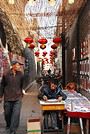
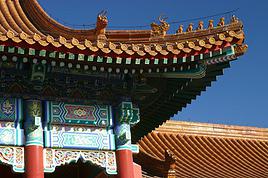
Beijing → Temple of Heaven / Forbidden City
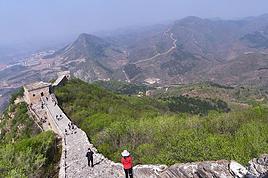
Jinshanling → Great Wall
Zhangjiajie → Tianmen Mountain and Heaven’s Gate
Wulingyuan → Avatar Mountains / sandstone pillars
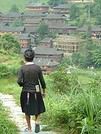
Fenghuang → riverside houses
Ping’an → terraced rice fields
Tiantouzhai → village / rice terraces
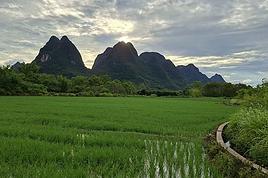
Yangshuo → Li River / karst mountains
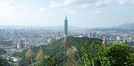
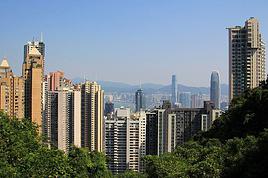
Shanghai → skyline with the Oriental Pearl Tower
Our travel journal is available on our travel journal, written day by day. You’ll find lots of photos and some travel tips there.
I could really use your help to finalize our trip to Japan.
We’re heading there for three weeks with my partner, starting November 10th. Our plan was to visit Tokyo, Kyoto, and a few stops in between (nothing too original so far…).
However, we’re more into nature and hiking, so even though we do want to explore Tokyo and Kyoto, we’d like to maximize nature stops between the two. Initially, we’d considered places like Kamikochi, but I understand it’s not accessible this late in the season.
Hi there,
I’d like to do this cycling route over 2 or 3 days. I’m struggling to figure out and find a (good) bike rental that lets me start in Onomichi and drop off in Imabari. Can anyone help with great tips for rentals and accommodations along the route? How do I get back to Onomichi afterward?
Next year, we’re celebrating 20 years of marriage (and travel 🙂), and we’re looking for something new, pretty legendary, and something the teens will enjoy too.
The family council has settled on Japan for now. And it’d have to be a summer trip—no choice there.
The catch: I keep reading that August isn’t the right season for southern Japan. It’s hot, humid, and there’s a risk of typhoons… Okay, but what does that *actually* mean in practice? Are there any travelers who’ve been there during this time? Is it *that* unbearable?
We’re pretty familiar with Southeast Asia—last year, we dealt with scorching heat in Vietnam and insane humidity, plus a typhoon we experienced from a distance, and visiting Angkor in the blazing sun. Is it worse than that?
I’m back with my detailed itinerary for 20 days in South Korea—it’s my first trip to the country. Our idea is to experience a more rural and cultural Korea. Here’s the rough plan: Seoul for 4 nights at the start and 1 night at the end, Gurye for 4 nights, Suncheon for 4 nights, Namhae for 4 nights, and Gyeongju for 2 nights. The goal is to pick a base and explore the surrounding areas. What do you think of this itinerary? Anything you’d change?
thanks
hi everyone, we're heading out for a 12-day trek in the Japanese Alps. We're bringing freeze-dried meals like we always do. We just found out that importing meat is banned, even freeze-dried. Is that true? We already bought them. They're commercially made freeze-dried meals. Online, it's not specified that they have to be "commercially made" because you can make your own freeze-dried food. And since we've heard they're really strict in Japan, can anyone confirm this for us? thanks
I haven’t found what I’m looking for despite my searches!
For a 15-day trip next spring, I’d like to buy a card (preferably an eSIM, but a physical SIM is fine too) that also lets me make calls in the country (to contact a hotel, a tourist spot, etc.).
You can easily find options just for data, but I haven’t come across any that include calls, texts, or even MMS.
Could you recommend something?
hi there
I’m planning a trip in September—here’s my rough itinerary. What do you think? Is it easy to rent a car to get around between my stops? Thanks so much!
Philippe
StopNightsFull daysSeoul44Gurye (Jirisan)43Suncheon43Namhae43Gyeongju21Seoul1—
Hi,
July 2026: I’m writing to you from Dali.
First, I got scammed on Booking—AI-retouched photos. No tourists at this hotel (Yishanju Designer Hotel), and the reality was horrible: dirty, with a disgusting breakfast. It’s better to use Trip.com here.
Next, the old town was an infernal cacophony, packed with tourists who shoved past without a care. Some vendors harassed you to buy things. All the stalls sold the same cheap plastic junk or other uninteresting stuff. The beautiful scenery was ruined by vendors lining 100% of the alleys. Impossible to walk, crushing heat, nothing good to eat except fresh fruit. Horrible experience.
Day 2: We went to Cangshan Mountain by cable car—the ride was short and nothing spectacular. We were at 2,600 m.
My plan was to see Erhai Lake. Unfortunately, I followed the advice of an AI chatbot: take the boat at Langkan Dock. The Didi dropped us off in the nearest area, which was full of charming little alleys but packed with Chinese tourists. The three-wheeled yellow cabs zoomed through the narrow streets, forcing you to hug the walls, on top of the scooters and other pedestrians to deal with. Crossing the neighborhood was hellish and suffocating. Once out, we hit the "corniche," which was also packed with Chinese tourists. The lake’s edge was all pebbles, and everyone was standing around taking photos. I was with my 5-year-old son. I would’ve liked to sit down and let him play with stones by the water, but it was clear we didn’t belong. They were even shoving each other for a shot! There were no boats in sight. In short, we’d had enough, and there was nothing interesting there either.
On the way back, we had to cross that maze again under the scorching sun. My son was braver than me—I even had a little dizzy spell from all the chaos. Add to that Dali’s altitude (2,200 m), so altitude insomnia, fatigue, and vulnerability during the day...
The restaurants weren’t inviting—the staff served sticky rice in a little bucket. The dishes were wrapped, and you had to figure it out yourself. After that, they ignored you completely, even if you were the only tourist.
On the 3rd day, it was time to leave for Shaxi. I hope to see beautiful villages. But honestly, I’m exhausted by this atmosphere where everything is complicated, communication is never smooth, noise is everywhere, and the behavior of some Chinese people is abusive...
Silver lining: not a drop of rain in 4 days and blue skies.
I couldn’t visit the villages in southern Yunnan because of rain and storms there...
But I was expecting to see a few more tourists.
We’re planning a 17-day trip to South Korea in October 2026 with my husband and our daughters, who’ll be 9 years old.
I’d love to get your thoughts on our draft itinerary.
First, some key details:
1/ Jeju Island is a must for us. I’ve personally dreamed of going there for years after reading a novel about it.
2/ Our girls are used to road-trip style travel since they were born, so this kind of trip won’t be an issue for them.
3/ We plan to travel by train, except on Jeju where we’ll rent a car (we already have an international driver’s permit).
Itinerary:
Seoul: 1 arrival day at 10 AM + 4 full days
Gyeongju: 2 days
Busan: 3 days
Jeju: 4 days
Seoul: 2 days
Hi there,
My girlfriend (23) and I (24) are heading to Japan for the first time from October 20th to November 6th. Here’s our itinerary:
6 nights in Tokyo
1 night in Hakone (ryokan already booked)
4 nights in Kyoto (hotel already booked)
2 nights in Osaka
4 nights back in Tokyo
I’d like to book hotels for Tokyo (both stays) and Osaka, but I’ve gotten so many different recommendations.
I’ve read that Shinjuku is the place to be for its huge hub, accessibility, and things to do, but I’ve also heard about Shibuya, Asakusa, and Ueno.
I’ve looked at hotels, and first off, I’m surprised by the prices compared to what I’ve seen on forums (I guess inflation’s hit here too… and maybe I’m late to the booking game?). I’m feeling a bit overwhelmed with all the options.
For our first stay in Tokyo, I’d prefer a hotel (not a residence or Airbnb) since we’ll be arriving at night, and it’s our first time in Japan. It’d be great to have a place with a reception, staff who speak at least a little English, and can give us some guidance. For the second stay, we could consider other options if it’s better.
Budget-wise, we can go up to 150–180 € per night, but if we can save some money to spend elsewhere, that’d be amazing!
I’m open to all recommendations, hotel suggestions, or any other tips for Tokyo (first stay), Osaka, and Tokyo (second stay).
Hi there,
I’m getting ready for a classic tourist trip to China in May 2026.
The "Terres Lointaines" itinerary looks good to me, and the price is interesting.
Has anyone traveled with them before? Any feedback?
Is there a better option?
Thanks so much for sharing your experiences on this!
Michel
I just booked my hotel in Seoul—it’ll be near Unhyeongung, on Samil-Daero 30-Gil—and I’m wondering if there’s public transport from the airport to this address (bus or subway)? If not, what’s the taxi fare? I read it’s around 50 or 60 €.
I’m traveling to Japan with a young adult with autism (ASD) from July 28 to August 8, following a pretty classic route: Osaka, Hiroshima, Kyoto, and Tokyo. I’m looking for a schedule of the most spectacular fireworks displays during that time. So far, the dates for the major *hanabi* events aren’t available online yet. If anyone has them, I’d really appreciate it if you could share!
We’ll be doing a self-drive trip using public transport in May 2026.
On Day 6, we’ll arrive in Hakone by train from Tokyo in late morning. We’ll spend the night in Hakone before heading to Kyoto.
The main goal of this stop is clearly the view (no hiking) of Mount Fuji, not so much exploring Hakone, where the sights seem limited.
I’ve read on the forum that the view is great from Gotemba, but it also takes a good hour by bus to get there. And, apart from that view, there’s nothing else to see in Gotemba!
So, I’m not sure what to choose. Any thoughts? Or alternatives to suggest?
Maybe some spots in Hakone or Gotemba for a great view?
Hi everyone, I’m Julien!
This summer, from late June to late July, I’m planning a one-month solo trip to Japan—my first time!
I’d love to hear your thoughts and advice on the itinerary I’ve put together to explore this amazing country.
Here are the routes I’m considering:
**Option 1: More mountain and nature-focused**
Tokyo: 8 nights, with day trips to Nikko and maybe the Izu Peninsula
Kawaguchiko (Lake Kawaguchi/Mt. Fuji): 1 night. The place looks stunning, but I’m worried Mt. Fuji might not be visible due to the weather
Kyoto: 6–7 nights (including a trip to Nara)
Osaka: 1–2 nights, where I’d like to drop off my things to make the Kumano Kodo easier
Kumano Kodo: 3 nights—an experience I haven’t seen much elsewhere, but I thought it sounded really interesting
Hiroshima: 2 nights
Miyajima: 1 night
Takayama: 3 days
Kanazawa: 3 days (From what I understand, the Osaka–Takayama–Kanazawa–Tokyo route is convenient for transport)
Tokyo: 1 night (return)
**Option 2: More varied but a bit vague in parts**
Tokyo: 8 nights
Kyoto: 7 nights (+ Nara)
Osaka: 2 nights
Kobe + Himeji: just passing through—I’m not sure if it’s worth a night
Naoshima: 1 night—still pretty unclear for me
Takamatsu: 2 nights. An interesting city, but I’m not sure how long to stay
Shimanami Kaido: biking from Imabari to Onomichi, then heading to Hiroshima
Hiroshima: 2 nights
Miyajima: 1 night
Kyushu road trip (Aso + onsens + Fukuoka): 5 nights (also pretty vague—I could fly from Fukuoka back to Tokyo)
Tokyo: 1 night
**Option 3: More balanced/simplified**
Tokyo: 8 nights
Kawaguchiko: 1 night
Kyoto: 7 nights (+ Nara)
Osaka: 2 nights
Koya-san: 1 night
Kumano Kodo: 3 nights
Takayama: 3 nights
Kanazawa: 3 nights
Tokyo: 1 night
A few key points:
I haven’t made any reservations yet, except for the flight tickets.
I know my plans are too packed and will need to be adjusted.
I’m specifically looking for advice on which stops to cut or shorten.
Hello everyone,
Like Cedric13600, I’ve booked a flight ticket for 30 days / 29 nights in September 2026, from Beijing to Shanghai. We’re a couple in our sixties who love independent road trips.
I’d like to draw inspiration from the following private itinerary suggested by a travel agency:
Day 1: Arrival in Beijing
Day 2 to 4: Beijing
Day 5: Datong
Day 6 & 7: Pingyao
Day 8 to 10: Xi'an
Day 11: Luoyang
Day 12: Dengfeng
flight
Day 13 & 14: Chongqing
flight
Day 15 & 16: Lijiang
Day 17: Dali
Day 18: Kunming
Day 19: Jianshui
Day 20 & 21: Yuanyang
Day 22: Travel via Guilin
Day 23 & 24: Yangshuo
Day 25: Guilin
Day 26 & 27: Zhangjiajie
flight
Day 28 & 29: Shanghai
Day 30: Departure from Shanghai
But to do this itinerary independently:
1. This schedule seems very ambitious to me—what do you think?
2. If it’s too packed, what would you remove as a priority?
Thanks so much in advance for your help.
I’m planning a 5-week trip between Yunnan and Sichuan from mid-October to the end of November 2026:
Arriving in Kunming, I’ll do a loop in the far south of Yunnan via Thonghai, Jhiansu, Zhemi, Yuanyang, Nafa, Jinping, Mengzi, and Shilin (visiting markets, villages, and hiking), then head to northern Yunnan/southern Sichuan on the same theme (passing through Kunming again) via Dongchuan, Huize, Qiaojia, Puge, Xichang, Lanba, Butuo, Huolie, Dimo, Riha, Niuniuba, Meigu, Mabian, and Leshan, before arriving in Chengdu (where I’ll take my return flight to Paris).
This would be a trip with a strong ethnic/rural focus. Since I’ve never traveled in China, I’d love to hear your thoughts on doing this solo. Are there public transport options in the region? What tips do you have for traveling through this area as smoothly and enjoyably as possible? I’ve done quite a bit of backpacking in the mountains of northern Vietnam and really enjoyed using local motorbike drivers. Is something like that available in this region (through local tourist agencies or hotels)?
What should I be cautious about? Are local tourist agencies (or hotels) offering tours and guides reliable? If you know of any specialized sites sharing tips or experiences, or names of local agencies, hotels, etc., please don’t hesitate to share them! :)
In short, all your advice (on any topic that comes to mind!) is very welcome.
Thanks so much!
While researching South Korea, I came across the term "templestay," which refers to a Korean program that lets you stay in a traditional temple to discover Buddhism and Korean culture by living like the temple residents and doing activities like making lanterns.
A templestay isn’t just for foreign tourists—on the booking site, I saw that some temples are more geared toward foreigners, with English-speaking monks.
I was wondering if it’s still worth it, especially in temples where the monks don’t speak English?
I'm 69 years old and heading to China, where most tourist sites are free or discounted for me. However, trip.com either refuses to let me book because the sites are free or doesn’t apply the discount. Does WeChat apply this discount if I book through them? How can I just reserve without paying and pay on-site? Is that possible?
I’d love to get some feedback on our 30-day / 29-night itinerary in China. We’ll be there in September as a family with two kids (6 and 10 years old).
Do you think I should cut a few nights between Wulingyuan (Avatar Mountain) and Yangshuo? I’ve planned 15 nights total there.
We’ll be on a round-the-world trip starting May 2026 and will need to do schoolwork with the kids. Hoping to fit it in during train rides!!
Ever since I started planning this China itinerary, I’ve been discovering completely mind-blowing places I’d never heard of before—30 days feels way too short for China!!!
Here’s our itinerary:
Beijing - 4 nights
Forbidden City
Great Wall of China
Temple of Heaven
Xi’an - 3 nights
Terracotta Army
Muslim Quarter & Great Mosque
Chengdu - 3 nights
Zoo - Research Base of Giant Panda Breeding
Wenshu Yuan Temple
Hi there,
We just got back from a 2-week trip to China as a couple, and before we left, the budget was the hardest thing to picture concretely. We found plenty of info on visas, apps, transport, and itineraries, but way fewer detailed breakdowns of what you *actually* spend on the ground.
So, we took the time to share our real budget for 14 days. In our case, we spent around 1,800 € per person, with a big chunk of that going toward round-trip flights at about 600 € per person. We were also pretty surprised by how affordable China can be once you’re there—transport is often cheap, and a lot of everyday expenses stay reasonable.
The trickiest part, in the end, was figuring out how to pay while you’re there, since it’s not always obvious if you’re not prepared. But once everything’s set up and you get the hang of it, it’s really smooth.
If this can help other travelers get a better idea before they go, we’ve broken it all down here:
https://aventures-sans-mesaventure.com/budget-2-semaines-de-voyage-en-chine/
Hi everyone,
I’ve been planning several itineraries for a trip to Japan with my wife but would love your insights before we start booking!
In short, we want to go during Golden Week, see late-blooming cherry trees, and have the freedom to get around with a rental car.
Here’s the plan:
18-day itinerary in Japan (April 25 → May 12)
Goal: freedom, late cherry blossoms, culture & nature
---
Days 1–3: Tokyo (April 25–27)
Arrival and adjustment (no car needed yet).
Neighborhoods to visit: Shinjuku, Asakusa, Meiji Jingu, Shibuya, Odaiba.
Suggested activities: Ghibli Museum, Sumida River cruise, izakaya meals.
Late cherry blossoms (yaezakura) possible at Shinjuku Gyoen.
Pick up the rental car on the morning of April 27.
---
Days 4–5: Mount Fuji & Hakone (April 27–28)
Route: Tokyo → Kawaguchiko/Hakone (~2 h).
Activities:
Lake Kawaguchi, Chureito Pagoda (Fuji views + late cherry blossoms)
Onsen baths, Hakone Open-Air Museum.
Stay: ryokan with onsen and views of Mount Fuji.
Activities:
Preserved old town, sake breweries, UNESCO village of Shirakawa-go.
Stay: traditional minshuku (thatched-roof house).
Cherry blossoms are finishing at this altitude — beautiful mountain/nature contrasts.
---
Days 8–10: Kyoto & Nara (May 1–3)
Route: Takayama → Kyoto (~4 h 30).
Activities in Kyoto:
Fushimi Inari (red torii gates), Golden Pavilion, Arashiyama, Gion (geisha district).
Day trip to Nara:
Free-roaming deer in Nara Park, Todai-ji Temple, Kasuga Taisha Shrine.
Stay: Kyoto (3 nights).
---
Day 11: Osaka or Himeji (May 4)
Route: Kyoto → Osaka (~1 h) or Himeji (~1 h 30).
Option 1: Osaka → modern vibe, street food, castle.
Option 2: Himeji → stunning UNESCO-listed castle.
Stay: Osaka.
---
Days 12–13: Kanazawa (May 5–6)
Route: Osaka → Kanazawa (~4 h 30).