
Hi everyone,
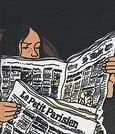
I’m trying to figure out what the tattoo in the attached photo means.
It looks like Tibetan script, but I’m not entirely sure.
Does anyone recognize this inscription and could help me transcribe and translate it?
Thanks in advance for your help!
Website to learn the basics of Chinese?
by Apinel
Translated into English.
Of course, it depends on the context when the question contains the verb SHI—the answer is indeed *shi de* or *bu shi*.
But anyway, all of this is certainly subject to other rules I don’t know yet...
I think it's best to avoid spreading yourself too thin. Learning with multiple methods might confuse you. Find one method that suits you best and go for it.
Regarding the link you shared earlier, I’m not convinced 😊. The words and short phrases are too disconnected from each other. Memorizing them is fine, but if you're starting from scratch, will you be able to use them in sentences? Chinese is a tonal language—it’s not easy for us to grasp. Getting familiar with the melody of Chinese tones is essential. You’ll pick it up faster by listening to dialogues, for example. That’s just my take, though.
If you like movies, watch Chinese films. There are some great ones from the PRC, but also from Taiwan (the Taiwanese accent is delightful). It’s an excellent way to train your ear to the language.
apinel, definitely take this helpful tip into account.............
Hey! 😊
What an awesome plan to spend a year in China—it’s going to be amazing for immersing yourself in the language and culture! And yes, a year is *totally* enough time to get the hang of basic conversation and even understand a lot of everyday stuff.
For those "super basic" things you’re looking for (pinyin alphabet, characters, sentence structure), I’ve got a little tip: I created a free course 100% designed for absolute beginners (just like you!). It’s made specifically for people who want to speak and read first, without spending hours on complicated writing.
And the best part? It’s practical learning, not boring theoretical lessons. You can go at your own pace, even if you’ve never studied Chinese before.
The link to the course is directly on my profile picture—just click it, and you’ll get instant access. It’ll be a great starting point before your trip! You’ll see, with this + immersion on the ground, you’ll be chatting with locals in just a few months 😄.
Good luck with your prep for your adventure in China!
Log in first, then come back to this page.
You might also like
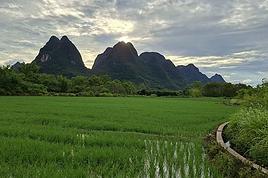 Travel Journal - 28 Days in China in August 2025
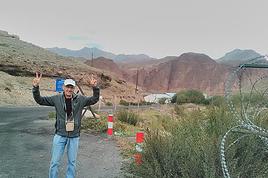 On the Silk Road: Chronicles of a Sixty-Something Traveling Completely Independently
 Two Sides of China: Urban Shanghai and Rural Yangshuo
 A Few Days in Turkmenistan from Uzbekistan
 Slovak travel journal
 14 Days in Japan – September-October 2026
 Hiking in Norway: Jotunheimen and Dovrefjell, you’ll adapt to the rain...
 CARIBBEAN: The island of SAINT-MARTIN, a different perspective
More discussions

Hi there,
I’m thinking of doing a short language-stay this summer to practice Russian. Given the current situation, I’d prefer to stay in Europe if possible (no visa). And I don’t think Ukraine is really a good idea either—I’d feel weird being a tourist while they have more important concerns right now. Any ideas where I could go?
Thanks so much!
Hi,
I want to do a trip to practice my Russian this summer. Since it’s simpler, I’d rather stay in Europe (no visa). And I’m not sure Ukraine is a good idea—being a tourist there right now doesn’t feel quite right to me. Do you have any destination ideas?
Thanks!

"I created the African Languages Universe for a proud, playful, and accessible reclaiming of our languages in homes and imaginations, from ages 7 to 77" (Diaddou Cissé, founder of Univers des Langues Africaines)
A bridge between generations, continents, and languages
Since its beginnings, Univers des Langues Africaines, an independent publishing house, has had a simple yet powerful dream: to bring African languages to life in homes, schools, games, and everyday conversations. This dream grows with every word passed on, every language rediscovered, every child who speaks their first words in Soninke, Lingala, Bambara, Wolof, Pulaar...
Today, Univers des Langues Africaines has become:
an educational, accessible, and multilingual publishing house,
a brand committed to intergenerational transmission,
a lively, playful, and reality-connected learning space.
Children of the African diaspora, regardless of their level in Soninke, Wolof, Bambara, Lingala..., all face the same issue: the lack of books in their heritage languages tailored to them. Univers des Langues Africaines was born to fill this gap by offering simple and fun books and supporting them in learning African languages. Whether you're a minor, an adult beginner, a parent wanting to pass on their language to their child, or an African language enthusiast, Univers des Langues Africaines has a program suited to your needs!
At Univers des Langues Africaines, we offer:
conversation manuals or guides (Bambara, Lingala, Soninke, Wolof, Pulaar...); the books consist of lessons accessible to everyone, with exercises, reviews, and audio to easily speak the language.
games for children; tools adapted for kids to gently discover African languages.
online language courses, tailored for adults and children, interactive and immersive; they allow you to master an African language while discovering its cultural richness.
In short: manuals, games, and online courses—everything you need to learn (or relearn) an African language, at any age and at your own pace.
LAfrican languages deserve more than just a memory: they deserve to be lived, spoken, and loved.
A real gem for those who want to connect with their roots or discover an African language. The explanations are simple, and I really appreciated the cultural examples included in the book. Highly recommended. (Fatoumata T)
Manual: "Bambara in 30 Days"
Bambara in 30 Days is a manual and conversation guide specifically designed to help learners communicate in many everyday situations. This educational tool is aimed at anyone wanting to learn Bambara (bamanankan), regardless of their level: from beginners to advanced speakers looking to improve.
Several themes are covered: greetings, how to introduce yourself and apologize, family, numbers from 1 to 100, meals, emotions, transportation, currency, shopping, parts of the human body, days of the week, how to ask a question, how to ask for the price or age, how to count money, other types of questions, colors, traveling, blessing formulas for Muslim holidays: e.g., Tabaski (seliba) or Korité (selifiitinin or selidennin), and family events: e.g., birth (bangeli), marriage (furu), death (saya or fatuli)... ultimately, tools needed to communicate in many everyday situations.
The lessons (kalansen) are organized by theme, ranging from the alphabet to common expressions. All lessons include corrections (jaabi) to reinforce learning and correct mistakes. They cover various topics like greetings, numbers, family, etc. (see above) and are designed to be progressive, allowing for skill development. Each lesson is accompanied by practical exercises to apply the knowledge. After every set of 5 lessons, there’s a review (seginkanni) to consolidate what’s been learned.
In summary, the manual consists of...
30 lessons with 6 reviews
Over 50 audio files available online
Over 100 exercises (baarakɛ) with answer keys
A small vocabulary section in each lesson
Blank "notes" page at the end of every lesson
The audio files help facilitate learning. They are accessible via a specific link that should only be used by the manual’s purchaser.
African languages, like Bambara, play a crucial role in the culture and identity of African peoples. Learning them helps preserve traditions and local knowledge. Bambara is the most widely spoken language in Mali and a key lingua franca for communication in West Africa. It’s rich in idiomatic expressions and proverbs, reflecting the wisdom and culture of the Manding peoples. Moreover, it’s taught in schools and used in local media (to learn more, see here). In general, linguistic diversity in Africa is immense, with thousands of languages spoken across the continent.
Malle, Tahirou / Oumou Coulibaly / Issoufou Keïta (authors) Bambara in 30 Days. Conversation Guide 184 pages ISBN 978-2-49304713-7 21.90 €
L'Univers des Langues Africaines 38 rue de Bonneuil 77100 MEAUX/France https://universdeslanguesafricaines.com
hgb
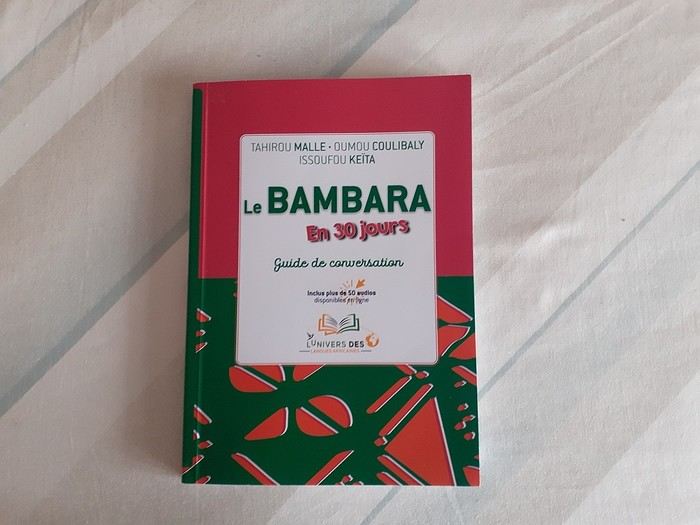
Manual: "Bambara in 30 Days"
Bambara in 30 Days is a manual and conversation guide specifically designed to help learners communicate in many everyday situations. This educational tool is aimed at anyone wanting to learn Bambara (bamanankan), regardless of their level: from beginners to advanced speakers looking to improve.
Several themes are covered: greetings, how to introduce yourself and apologize, family, numbers from 1 to 100, meals, emotions, transportation, currency, shopping, parts of the human body, days of the week, how to ask a question, how to ask for the price or age, how to count money, other types of questions, colors, traveling, blessing formulas for Muslim holidays: e.g., Tabaski (seliba) or Korité (selifiitinin or selidennin), and family events: e.g., birth (bangeli), marriage (furu), death (saya or fatuli)... ultimately, tools needed to communicate in many everyday situations.
The lessons (kalansen) are organized by theme, ranging from the alphabet to common expressions. All lessons include corrections (jaabi) to reinforce learning and correct mistakes. They cover various topics like greetings, numbers, family, etc. (see above) and are designed to be progressive, allowing for skill development. Each lesson is accompanied by practical exercises to apply the knowledge. After every set of 5 lessons, there’s a review (seginkanni) to consolidate what’s been learned.
In summary, the manual consists of...
30 lessons with 6 reviews
Over 50 audio files available online
Over 100 exercises (baarakɛ) with answer keys
A small vocabulary section in each lesson
Blank "notes" page at the end of every lesson
The audio files help facilitate learning. They are accessible via a specific link that should only be used by the manual’s purchaser.
African languages, like Bambara, play a crucial role in the culture and identity of African peoples. Learning them helps preserve traditions and local knowledge. Bambara is the most widely spoken language in Mali and a key lingua franca for communication in West Africa. It’s rich in idiomatic expressions and proverbs, reflecting the wisdom and culture of the Manding peoples. Moreover, it’s taught in schools and used in local media (to learn more, see here). In general, linguistic diversity in Africa is immense, with thousands of languages spoken across the continent.
Malle, Tahirou / Oumou Coulibaly / Issoufou Keïta (authors) Bambara in 30 Days. Conversation Guide 184 pages ISBN 978-2-49304713-7 21.90 €
L'Univers des Langues Africaines 38 rue de Bonneuil 77100 MEAUX/France https://universdeslanguesafricaines.com
hgb
hi
Could someone translate the following sentence into Moroccan Arabic for me?
I think of you every day
thanks
Could someone translate the following sentence into Moroccan Arabic for me?
I think of you every day
thanks
Hi, I’d like to know how to say in Fang: “Mom, I want to give you this souvenir from my trip to Annecy.”
Hi everyone, I’d love to know if anyone has tips for learning English easily. Thanks in advance to anyone who shares theirs!
English: Hello everyone, I’d like to know if anyone has tips for learning English easily. Thanks to all who share them with me.
English: Hello everyone, I’d like to know if anyone has tips for learning English easily. Thanks to all who share them with me.
Hi there!
I’d love to hear about your experiences!
So, I’d like to learn Chinese with a SIMPLE and fairly quick method.
I won’t be able to study full-time, so I need a method I can pick up and put down depending on my schedule.
In addition to this personal learning method, have any of you taken classes? Are they essential?
Thanks for your replies here or via private messages!
See you soon! 😉
Hi everyone,
I’m thinking about going on a language trip in the next few months and I’m wondering how to prepare well before leaving.
I feel like going without at least some basics can be frustrating at first, especially for speaking.
So, I have a few questions:
Have any of you prepared for your trip with a specific course or method? What helped you the most before leaving (classes, online platforms, exchanges, partial immersion, etc.)? Has anyone used Clic Campus or a similar platform to prepare for a stay abroad? If so, did it help once you were there?
I’m mainly looking for real feedback, not marketing 😊 Thanks in advance for your thoughts and experiences!
Hi everyone!
I’m Tina, and I’ve organized French group trips to China for over 10 years. Over the years, I’ve noticed that the language barrier is the biggest stress for travelers—especially when ordering food, asking for directions, or negotiating in markets!
Today, I want to share 5 essential Chinese phrases I’ve taught my travelers—they’re simple, easy to pronounce, and work in 90% of travel situations:
你好 (Nǐ hǎo) = Hello → Polite and useful with everyone (locals, drivers, vendors). 谢谢 (Xiè xie) = Thank you → Chinese people really appreciate this politeness—it makes communication smoother. 多少钱 (Duō shǎo qián) = How much does it cost → Essential for local markets or small shops (menus in French are rare!). 请问,地铁站在哪? (Qǐng wèn, dì tiě zhàn zài nǎ lǐ?) = Excuse me, where is the subway station? → Swap “subway station” for “hotel” or “restaurant”—it works! 我要这个 (Wǒ yào zhè ge) = I want this → Point at the item and say this phrase—no more misunderstandings!
Bonus tip: Pinyin (the Chinese phonetic alphabet) is super helpful for reading street signs or menus. For example, “Nǐ hǎo” is pronounced “Nee how”—easy to remember!
If you’re planning a trip to China and want more practical phrases or pronunciation tips (to avoid embarrassing mistakes), feel free to send me a private message. I’ve put together a little traveler-friendly guide that I’m happy to share with anyone who wants to prepare stress-free. Don’t hesitate to ask your questions in the comments either—if you’re unsure about a specific communication situation (e.g., in a temple, at the train station), I’d be happy to help! Happy planning for your trip to China—it’s going to be amazing!
I want to improve my English. Are there any free learning or improvement websites?
Thanks for your reply
Hi, I'm looking for someone who could teach me Kabyle, thanks.
Hi everyone,
I’d like a translation into Guadeloupean Creole for:
- "Because I love you, my love"
Thanks in advance for your replies
Thanks in advance for your replies
Hi everyone, and thanks in advance for your help! I know this forum is really great, and I feel a bit awkward posting this request... I speak a little Polish, but not that well, especially when it comes to slang or colloquial speech... Someone said to me the other day: "kurwa ty kurwa". Of course, I know what the word "kurwa" means, but when someone is really angry, I’m not sure how to interpret this phrase. Could you please help me by giving the French equivalent? I’m really sorry for this somewhat unusual request, but it’s very important to me. Thanks!
Hi everyone, my partner is Malian and I’d love to be able to say sweet things to him in Bambara, as well as learn some polite phrases. Thanks for your help! 😊
Here are a few examples: I love you My love My heart My life You’re the man of my life I care about you I want to live with you Kiss me I miss you Thank you Please Hello See you soon
Here are a few examples: I love you My love My heart My life You’re the man of my life I care about you I want to live with you Kiss me I miss you Thank you Please Hello See you soon
Hi everyone. Can anyone tell me what the inscription in Nepali or Tibetan on my bracelet means? I forgot! 😅
Hey everyone,
I’m heading to Georgia for a month in October. I’m currently looking for a Georgian Assimil course, but it seems like it’s no longer published. I’ve scoured the internet but can’t find a used one. So my questions are:
- Do you know where I might find a used one somewhere?
- Do you know of a nice equivalent to Assimil for Georgian?
It’s just to get a few basic phrases, be able to read some signs, etc., because with only English and French, I think I might be a bit stuck sometimes.
Thanks!
simon
Hi there! I’m currently working on a project and came across a text that seems to be in Khmer. Would anyone know how to translate it or at least point out the main themes/info it contains? There are a lot of "garbage" characters in it. Thanks!
ៀលៀលឪើឪើឪើឪ់ឪើ។ឪ។ឪើឪឪុំៀកឥក្០្០ក០ក០្ផក០្០ៀ្្ផ០ុ០ិឥិ០ុ០ុ០ុ០ុ០ុ០យ០យ៩ង៩០្ៀកឪលឪឪុំៀនផបោងិងិិថុដុីទួ((ួ៍(័)័៍ីគញ)ះភភះភះភណពភណឿណឿណឿំភណោះំឡឡភឡឿឡភឡឿំភណោញភញភគី)ីឿៅភីឿញភីឿីញភញភូភូភូឿូ)ូ៌ី)៍(%(ឬ)ឰីគីឰឰភទៅឬីែឺឈឡលើឡឯុះឯគ៉ញ៉ញោះះឡអអធញញណពជឡជឡឃឃឃជេះំព៕ណណ៕ណណ៉ណ៉ញ៉ញ៉អភអីឌឌួាំឈឈ៍ៗៗ"ួ៌ូ)៍៍(%៛"(ៗ៏ៗ៏៏ៗ៏ឺីឰីឰឰឰូឰូឿះអភឬភឬៅីឌីឺឺពោពឡពជណជណះជជេះំពុះេពេះេឃឃគជឡឡឡគឡឡឡគឡឡឡឡឡឡឡឡឡឡឡុះុឡោះឡំំ៕៕៕៕ំំំអអធធអធអអអំំអអអអអអំំំធអំំ៕ុះុ៕ុះុពញញះះះអធធឬទអធឬឬគភុះឡោះោឰឿឰឿភភភឡឡឡឡឡុះុឡឡុះុគឡគគគឡៅភៅៅៅញញណពះេះអអជជជធឌឌែៃឺឈឺឺឺៗ!ៗៗៗ"៛%%%%៍៍័((៌៌ឿភឡឡគឝញួភូអភអ៌អ)៍ធ័៌ឌភួឌ៍)ៃ)ួឌ)៏ធញភញភំភគភណៅពៅះៅញៅញៅីះ(ះូ)ូ(ួ៏៍%))((%ឬទ(ួ៏ទ៏៏ទ៏ទ៏ទ៏៏ទ៏ទីទ៏ឬ៏៏%ឬ័ឬ័%%ឬែ៍"!ឈ៏អធីទអទទីធធញភទអភួៅអះោះហោតិេះគេពះពុះពុះណណុះណ៕ណ៕ព៕ព៕៕ណពឡពោះពណពឡពណះះៅភញភូញពោះពពុះពេះេ។ ព ព ព៕។ េះេជឃឍឍធៅធឌូែែឈឈែ%៌៏ឰូឿួឬឺឺឈ៍ឺឺឈឈឈួឺឈួាំឈួឈួឡឰគឯគ៕អឡធគឌឡជឃឃំជេះ៕ពេះលគឰញញូឿីឰៅៅ៎)ួ)ទៅ(%(%៏៛័ឺ!ែឺ៍ឈឈទភូូឿឰគ៉ញឯញ៉ះអលកញគឃគឃគជំេះលើញ៉ណឿញឿញ៌ូ))%%៛"ៗ!%ឺលើ(៌ីឰួួៅទីឬូឺឺឈឈឺូាឈួាំឈឈឈឈឈឈឈឈឈឈឈឈឈឺូឈូឈ៍ឈឺ័ឈឈាំ័ឈូឈាំ័ឈឈាឈឈឈឈឈាំឈឈឈឈឈឈឈឈឈំឈាំឈឈឈាំឈឈឈាំឈាំសេលើឡទឺាំភួឺភៃោភភភឈភឈភឈភឿឌូភឌូភៃូភូោះភៃោះភៃូភាំភៃភឈូភួភាំឈភឈឈទឈ%ឈទឈទឺទីឺទឈឬីីឈទីឈទៅ%(ទួៅឺទទឺៅាទៅទៃៅទឺឈួៅ(ៅឈទឡឈអគឈទអឡឺឡៃភួៅទឈឈឈ%ឺគទះៅៃឈអឡៅៃីឈៅឈឈទីាំឈ(ឬឺៅាទឈទាំទឈ(ៅឈៅឈីទ៏ទឺទីឈីឬឺីឈីឈូទីឺទឈឬឈឈឈឈឬ%(ឺៅទ(ឺឈឈឈឺឺឈឈទឺ៍(ឈភូឈភឺឿឈឈៅៜឈឺៅួឈួៅឈ))()(៙)៍)ឈ)៍)ឈ៌័)៍)៍ឺ)៌៌័ឈ៎ឈឈ៎៎ឈ័ឈ៌័៎ឈ៌ឈ))៍)៌ឈ)))))ូទ{័ោះណធធះីីធ(ៅទ៏ទ×ូឿធធភធភឌភឌភូឌភឌៅែ(ែ)៍ៃៅ%ឈ%ឺ(ែ(ួឺទៅភភែ៍()៌ែ័)៍ែ)ែ)ឬឬ៏ឬទឬឬឬឬឬធភធធអៅះៅញៅពោះពោះណឡណំោះភុះុឰុះ៉ណោះគជធឌធទ%((((ឈ(%ឺ៏ឈ៏ឈ%៏ឺ()័ែ)័ឬធឬធ៎៏៌ឬ៎៏ឬ៌ឬ័ធូឿូភធូ)័ឬឬ)ឬ)ឬឬឬ)៍័ឬ័៌ទទ)ទ័ព)័))៍៌័ទ៌ះីឰះីឰញៅឰីះឿទ៌ទទ))ញោណឰុះឿឡឿុះឯុះ៉ឡំ៉ុណំ៉ណណពពភណណណណណណញណញញ៌ញឿ៌គ៌ីី((អ)ូ)ួី៏ណពពះះះញគគណេះពឞពញ៙មនស្សិត្ថិយា
ៀលៀលឪើឪើឪើឪ់ឪើ។ឪ។ឪើឪឪុំៀកឥក្០្០ក០ក០្ផក០្០ៀ្្ផ០ុ០ិឥិ០ុ០ុ០ុ០ុ០ុ០យ០យ៩ង៩០្ៀកឪលឪឪុំៀនផបោងិងិិថុដុីទួ((ួ៍(័)័៍ីគញ)ះភភះភះភណពភណឿណឿណឿំភណោះំឡឡភឡឿឡភឡឿំភណោញភញភគី)ីឿៅភីឿញភីឿីញភញភូភូភូឿូ)ូ៌ី)៍(%(ឬ)ឰីគីឰឰភទៅឬីែឺឈឡលើឡឯុះឯគ៉ញ៉ញោះះឡអអធញញណពជឡជឡឃឃឃជេះំព៕ណណ៕ណណ៉ណ៉ញ៉ញ៉អភអីឌឌួាំឈឈ៍ៗៗ"ួ៌ូ)៍៍(%៛"(ៗ៏ៗ៏៏ៗ៏ឺីឰីឰឰឰូឰូឿះអភឬភឬៅីឌីឺឺពោពឡពជណជណះជជេះំពុះេពេះេឃឃគជឡឡឡគឡឡឡគឡឡឡឡឡឡឡឡឡឡឡុះុឡោះឡំំ៕៕៕៕ំំំអអធធអធអអអំំអអអអអអំំំធអំំ៕ុះុ៕ុះុពញញះះះអធធឬទអធឬឬគភុះឡោះោឰឿឰឿភភភឡឡឡឡឡុះុឡឡុះុគឡគគគឡៅភៅៅៅញញណពះេះអអជជជធឌឌែៃឺឈឺឺឺៗ!ៗៗៗ"៛%%%%៍៍័((៌៌ឿភឡឡគឝញួភូអភអ៌អ)៍ធ័៌ឌភួឌ៍)ៃ)ួឌ)៏ធញភញភំភគភណៅពៅះៅញៅញៅីះ(ះូ)ូ(ួ៏៍%))((%ឬទ(ួ៏ទ៏៏ទ៏ទ៏ទ៏៏ទ៏ទីទ៏ឬ៏៏%ឬ័ឬ័%%ឬែ៍"!ឈ៏អធីទអទទីធធញភទអភួៅអះោះហោតិេះគេពះពុះពុះណណុះណ៕ណ៕ព៕ព៕៕ណពឡពោះពណពឡពណះះៅភញភូញពោះពពុះពេះេ។ ព ព ព៕។ េះេជឃឍឍធៅធឌូែែឈឈែ%៌៏ឰូឿួឬឺឺឈ៍ឺឺឈឈឈួឺឈួាំឈួឈួឡឰគឯគ៕អឡធគឌឡជឃឃំជេះ៕ពេះលគឰញញូឿីឰៅៅ៎)ួ)ទៅ(%(%៏៛័ឺ!ែឺ៍ឈឈទភូូឿឰគ៉ញឯញ៉ះអលកញគឃគឃគជំេះលើញ៉ណឿញឿញ៌ូ))%%៛"ៗ!%ឺលើ(៌ីឰួួៅទីឬូឺឺឈឈឺូាឈួាំឈឈឈឈឈឈឈឈឈឈឈឈឈឺូឈូឈ៍ឈឺ័ឈឈាំ័ឈូឈាំ័ឈឈាឈឈឈឈឈាំឈឈឈឈឈឈឈឈឈំឈាំឈឈឈាំឈឈឈាំឈាំសេលើឡទឺាំភួឺភៃោភភភឈភឈភឈភឿឌូភឌូភៃូភូោះភៃោះភៃូភាំភៃភឈូភួភាំឈភឈឈទឈ%ឈទឈទឺទីឺទឈឬីីឈទីឈទៅ%(ទួៅឺទទឺៅាទៅទៃៅទឺឈួៅ(ៅឈទឡឈអគឈទអឡឺឡៃភួៅទឈឈឈ%ឺគទះៅៃឈអឡៅៃីឈៅឈឈទីាំឈ(ឬឺៅាទឈទាំទឈ(ៅឈៅឈីទ៏ទឺទីឈីឬឺីឈីឈូទីឺទឈឬឈឈឈឈឬ%(ឺៅទ(ឺឈឈឈឺឺឈឈទឺ៍(ឈភូឈភឺឿឈឈៅៜឈឺៅួឈួៅឈ))()(៙)៍)ឈ)៍)ឈ៌័)៍)៍ឺ)៌៌័ឈ៎ឈឈ៎៎ឈ័ឈ៌័៎ឈ៌ឈ))៍)៌ឈ)))))ូទ{័ោះណធធះីីធ(ៅទ៏ទ×ូឿធធភធភឌភឌភូឌភឌៅែ(ែ)៍ៃៅ%ឈ%ឺ(ែ(ួឺទៅភភែ៍()៌ែ័)៍ែ)ែ)ឬឬ៏ឬទឬឬឬឬឬធភធធអៅះៅញៅពោះពោះណឡណំោះភុះុឰុះ៉ណោះគជធឌធទ%((((ឈ(%ឺ៏ឈ៏ឈ%៏ឺ()័ែ)័ឬធឬធ៎៏៌ឬ៎៏ឬ៌ឬ័ធូឿូភធូ)័ឬឬ)ឬ)ឬឬឬ)៍័ឬ័៌ទទ)ទ័ព)័))៍៌័ទ៌ះីឰះីឰញៅឰីះឿទ៌ទទ))ញោណឰុះឿឡឿុះឯុះ៉ឡំ៉ុណំ៉ណណពពភណណណណណណញណញញ៌ញឿ៌គ៌ីី((អ)ូ)ួី៏ណពពះះះញគគណេះពឞពញ៙មនស្សិត្ថិយា
Hi friends,
I’m putting together a multilingual card game and need help translating and transcribing 16 words into Hindi. Could anyone lend a hand?
Thanks, and happy gaming,
Dan
Here are the words:
TREE BOAT CHAIR HAT HEART STAR FlOWEr BOOK HAND HOUSE WATCH CLOUD EYE FISH WHEEL CAR
I’m putting together a multilingual card game and need help translating and transcribing 16 words into Hindi. Could anyone lend a hand?
Thanks, and happy gaming,
Dan
Here are the words:
TREE BOAT CHAIR HAT HEART STAR FlOWEr BOOK HAND HOUSE WATCH CLOUD EYE FISH WHEEL CAR