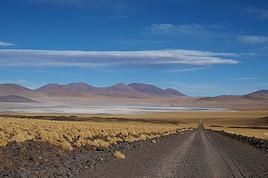
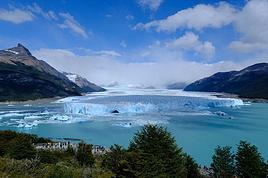
This travel journal summarizes a trip I took in March to Argentine and Chilean Patagonia. It starts in El Calafate and ends in Ushuaia. During my planning, I considered looking into the Australis cruise from Punta Arenas to Ushuaia, as well as the W trek in Torres del Paine National Park. In both cases, I was put off by the prices. Instead of the cruise, I found two interesting wildlife excursions from Punta Arenas: whale watching in the Strait of Magellan and observing king penguins in Tierra del Fuego. The journey to Ushuaia was by bus. For Torres del Paine, things were a bit confusing, so I reached out to two agencies. In the end, I went with a rental car option, overnight stays on-site, and day hikes. I shared my full itinerary with the agency and ended up being taken care of by a local Argentine agency and a Chilean one.
So, here we go...
I’d like to share my family trip to Colombia with kids aged 8. After spending hours browsing the forum and only having two weeks there, we decided to focus on two regions: the Coffee Zone for one week and the Caribbean coast for another. We traveled from August 8 to 23.
Day 1 – First stop: Bogotá
We arrived in Bogotá in the evening on an Air France flight—nothing to complain about, decent service, comfortable, and on time. However, the first night was a miss. We’d booked a hotel near the airport (Abitel Prime) for convenience, but the soundproofing was almost nonexistent; we heard planes as if we were on the runway. Luckily, exhaustion helped us sleep well anyway.
Day 2 – Off to the Coffee Zone and Salento
The next morning, we headed to the airport for a domestic flight to Pereira with LATAM. No issues: punctual and efficient, and in 30 minutes, we landed in Pereira. The landing already set a different mood: lush valleys, endless plantations, and humid air.
We picked up our rental car from Localiza. Unfortunately, the experience wasn’t smooth—the paperwork took forever, and the wait tested our patience. Finally free, we hit the road to Salento, one of Quindío’s gems.
We arrived in the late afternoon and discovered a colorful village bustling with artisan shops and cafés. Our first stroll helped us soak in the atmosphere before dinner at Bambú restaurant—a great surprise with careful cooking and local flavors. We spent the night at Casa Serafín, a charming little hotel, nicely decorated and well-located… but unfortunately very noisy.
Day 3 – The magic of Cocora Valley
This was one of the trip’s highlights. We set off early for Cocora Valley, famous for its giant wax palms, Colombia’s emblem. We chose the 12 km loop recommended by the *Routard*. The landscapes were spectacular: towering palms, rivers, suspension bridges. It felt like walking through a postcard. The weather was perfect.
That evening, we dined at Barnabé restaurant—pleasant setting, decent food, but the bill was a bit steep for what it was. Back to Casa Serafín.
Day 4 – Coffee and panoramic views
The plan was a visit to Finca El Ocaso. For 1.5 hours, we followed a passionate guide who explained the entire coffee process, from harvest to cup. Very educational, accessible for both kids and adults, all in a stunning setting. The tour was in English for us, and we translated for our kids, who aren’t bilingual yet.
In the afternoon, we climbed to Salento’s viewpoint. The valley view was superb. That evening, we ate at Veggie Garden, a simple and pleasant spot that was a nice change from the heavier meals of previous days.
Day 5 – Horseback ride to Santa Rita Waterfall
We booked a horseback ride with Cocora Magic. It was a real success: calm horses, a beautiful trail, mountain and meadow landscapes, and finally the refreshing and wild Santa Rita Waterfall. Without a doubt, one of the best moments of our time in the region. We even got a bonus ride up a 300-meter hill.
We then headed to Filandia, less known than Salento but just as charming. We spent the late afternoon enjoying the pool at MuchoSur Filandia. The hotel is beautiful, in an idyllic setting. However, we also had soundproofing issues and could hear our neighbors.
Day 6 – Rainy detour through Filandia and Manizales
Rain caught up with us in the early morning: torrents of water made it impossible to go out. We stayed at the hotel, reading quietly. By noon, the rain let up: a quick walk in Filandia, a quick lunch, then off to Manizales. We chose to stay at El Otoño hot springs. Great choice: as soon as we arrived, we plunged into the hot pools, perfect after hours on the road.
Day 7 – Hiking and hot springs
In the morning, we hiked the Camino de Super Coco (found somewhat randomly on Google). A pleasant trail with mountain views and a peaceful atmosphere. The afternoon was spent in the hotel’s thermal pools, with a short marked hike down to the river. Dinner on-site at the hot springs’ restaurant. A simple but very relaxing day.
Day 8 – Rain, jacuzzi, and games
We continued to Finca Los Alpes. The rain greeted us again, but this time it turned into an asset: nothing like a steaming jacuzzi with a view of the misty mountains. The kids enjoyed the facilities too: mini-golf, ping-pong, billiards. Dinner and night at the hotel, cozy vibes.
Day 9 – Off to the Caribbean coast
Back to the airport to return the car (still a bit long). Flight to Cartagena with Avianca: punctual and comfortable. Upon arrival, we picked up another car and headed straight to the Hyatt Regency, a modern hotel with a pool. That evening, we dined at the hotel—practical after a travel day.
Day 10 – Colonial Cartagena
We set off to explore Cartagena’s old town. It was enchanting: colorful facades, flowered balconies, colonial charm—just magical. However, the heat was stifling and very humid. Afternoon relaxation by the pool. Dinner at Gestlani, a good restaurant in town.
Day 11 – Road to Barú
A hearty breakfast, then one last swim in the pool before heading to Barú. We checked into Las Islas Hotel. The setting was enchanting: wooden cabins nestled in the vegetation, a private beach, turquoise sea, impeccable service. Dinner at the hotel’s restaurant.
Day 12 – Beach and relaxation
A full beach day in Barú. Warm water, white sand, coconut trees, peace and quiet. A real postcard scene with iguanas and birds.
Day 13 – On to Santa Marta
Another morning at the beach before hitting the road to Santa Marta. The drive was a bit long (6 hours), especially with traffic jams in Barranquilla. It was the longest car ride of the trip. We spent the night at Villa María Tayrona, a beautiful place near the park.
Day 14 – Tayrona Park
We left early for Tayrona Park. We entered through **El Zaino**, parked the car, and set off on a hike to La Piscina (about 2 hours). We stopped along the way at Playa Arenilla, a stunning little beach, to rest. Lunch on-site, a swim, then back by 4 PM. The hike was a bit tiring, but the nature was spectacular: dense jungle, the sound of waves, and even a monkey encounter along the way. Evening and dinner at the hotel.
Day 15 – Last swim and return flight to Bogotá
Our last morning was split between the pool and the beach (the hotel has direct access via a 7-minute trail through vegetation and flowers)—hard to leave this paradise. We drove to Santa Marta’s airport to return the car, then flew back to Bogotá. We spent the night at Casa Dann Carlton, a comfortable hotel. We simply ordered room service, arriving too late to go out.
Day 16 – Bogotá and the end of the trip
Our last day in Colombia. After a good breakfast, we explored La Candelaria. Its cobbled streets and colorful houses were worth the visit. We visited the Botero Museum (free) and the Gold Museum, both fascinating. Back to the airport for our 11:55 PM Air France flight.
That’s a wrap on a varied trip—lush mountains, colorful villages, dream beaches, and tropical jungle.
The pace was pretty relaxed, well-suited for our kids. They absolutely loved the trip to Colombia.
Driving in Colombia was very easy, and we didn’t regret renting a car at all—it gave us more freedom to get around.
If I were to do it again, here’s what I’d change:
- I’d spend less time in the Coffee Zone to stay a bit longer on the Caribbean coast, which was more relaxing for the kids. Or I’d head to Medellín, but I didn’t think the city was very kid-friendly.
- Bogotá is a city that deserves a day’s visit, but it’s not a must-see. Maybe I’d have taken the KLM flight from Cartagena to Amsterdam instead.
Foreword
This text has been proofread many times.
Sorry if some points in this A to Z have already been covered on this forum.
Text and drawings by the author.
Peru is still a very vast country, with so much to see, and obviously this text can't list all the attractions of the country.
*Abiseo (River)
A national park that's very hard to access and doesn’t seem open to visitors.
Includes the Gran Pajaten site (see below).
Personally, it really sparks my imagination
(not visited personally)
*Aguas Calientes
the town next to Machu Picchu, more precisely below the archaeological site.
As far as I know, you can only get there by train.
Reminds me of the market where stalls line both sides of the tracks near Bangkok.
I love it
*Altiplano: somewhere the "heart" of the Andes.
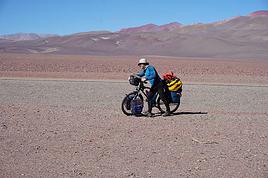
I was able to trek across it on foot, starting from Caracollo in Bolivia, and of course, it’s vast plains to explore.
This is where people live in a very rural way.
Andean populations are quite austere compared to those in the lowlands or on the coast.
You really have to appreciate the harshness of life to live there.
Life is anything but superficial.
I set a compass heading and found myself walking west toward the expanse of water near a place called La Joya.
For pitching the tent, the nights were still chilly
*Canyon del Colca
One of the deepest canyons in the world.
Personally, I hiked down and back up on foot.
The toughest stretch I’ve ever covered in my life.
*Ceviche
More or less the national dish.
A marinade of fish, shellfish, and lime.
But you can find it in some restaurants in Europe, France, and certainly in Belgium or Switzerland.
In the small restaurants of Pisco, you can eat excellent ceviche
*Cerro Sechín:
Mostly bas-reliefs. A site little known to travelers in the Casma province.
The first vestiges of a pre-Inca civilization with iconography similar to that of Chavín
(not visited personally)
*Chan Chan
A large city of the Chimú civilization and relatively vast to visit.
You can see adobe walls with bas-reliefs.
Visit from Trujillo, take a colectivo.
Plan for the whole day
*Charango: a small guitar widely used in Andean music
*Chauchilla
A necropolis near Nazca where you can see mummies exposed on the ground.
YouTubers can do paranormal experiments there.
And for anyone wondering about the fate of the soul and body after death, here’s the answer: the body remains after death.
You can imagine your own flesh and body exposed to the winds of the Pampa and before eternity...
(not visited personally)
*Chavín de Huántar (Lanzón) The site’s appeal lies in its mountainous surroundings, the Lanzón stela, and the sculpted heads on the façades.
What few people know is that the Chavín civilization began its expansion centuries before the Incas.
Unfortunately, you can’t get too close to see the Lanzón—the day I was there, it was protected by grilles.
To get there: minibus from Huaraz or trek from Olleros.
Then cross a high pass (over 5,000m). If you do it solo on foot, be careful—the path isn’t obvious from Olleros
*Chullpa: funerary tower, notably at Sillustani in the Lake Titicaca region
*Chimú: pre-Inca civilization whose center was Chan Chan.
*Chola/Cholitas (Bolivia): typical clothing style of women from the Andean plateaus
*Chompa: pronounce it *Chompaaa!* A common term for a wool sweater with vicuña patterns, often knitted from alpaca wool.
If you dress like this, it’s a bit kitschy around the edges
*Cuy That one isn’t a guinea pig like in Guyana but an actual guinea pig.
During a trip to Peru, I was hiking near a village north of Quillabamba (the terminus of the train line that passes through Aguas Calientes), and I was invited to stay in a house.
The family raised a few of these pets. Apparently, the locals eat them.
Since I’m not much of a meat-eater, it doesn’t really tempt me. How about you?
*Pacific Coast or how to talk about a place you haven’t visited?
Except for the coast near Pisco and San Andrés, I haven’t visited any coastal cities.
But that doesn’t mean these places lack interest or poetry.
For fans of clichéd images, pelicans, seabirds, and fishing boats appear by the sea.
*Gran Pajaten: also closed to the public. Features anthropomorphic bas-reliefs.
(not visited personally)
*Huaca.
Visit the Huaca del Sol and Huaca de la Luna, especially near Trujillo.
However, you can skip them—Chan Chan is still more interesting.
Don’t forget to spend time visiting Chan Chan
*Huacachina
A small oasis in the desert near Ica.
Yes, we’re talking about an oasis because for those who’ve never traveled to Peru, the coastal strip along the Pacific is almost entirely desert, from north to south.
Peru is territorially made up of three different regions: the desert coast, the Altiplano stretching north to south with mountain ranges (the Cordilleras), and the Amazon basin to the east.
(not visited personally)
*Inca Kola
It’s neither Coca-Cola nor Pepsi but a unique cola with a slightly orange color.
Tastes like bubble gum
*Intiwatana: a carved rock shaped like a parallelepiped.
Is it a sundial?
*Ballestas Islands: a highlight in Peru, though very touristy.
You can only get there by boat from the port of San Andrés, a few kilometers from Pisco.
It’s a surreal place to me—actually islets with cavities where sea lions and fur seals live.
Since it’s a protected area, you’re not allowed to disembark.
Guano is harvested there, which can be used as fertilizer.
*Kuelap: a fortress built by the Chachapoyas people.
Rarely visited by travelers.
(not visited personally)
*Larco Museum: an iconic museum in Lima with a large collection of pieces from archaeological and pre-Columbian sites.
From what I remember, it has many pieces from the Moche civilization.
As for the Moche statuettes, the prudish might look away.
Probably a veneration of the god Priapus without knowing it.
*Nazca Lines
Discovered by German archaeologist Maria Reiche, they stretch for kilometers.
The designs in the desert around Nazca depict animals and cabalistic signs.
The question I ask myself is why the creators of these lines represented a monkey and a hummingbird—species endemic to the tropical forest, not the desert plains around Nazca.
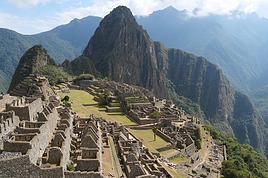
*Machu Picchu: means "old mountain" in Quechua.
There’s also Wayna Picchu.
The ruins of the site emerge from a sort of small plateau above Aguas Calientes.
When the mist rises above the site and the bend of the Urubamba River, it’s truly magical...
Also the starting point of the Inca Trail.
*Coca tea
A decoction/infusion of the coca plant, meant to ease altitude sickness or *soroche*
*Chullo A rough translation would be a Peruvian wool hat.
*Moche: a civilization established in the Moche Valley, hence the term *Mochica*.
What characterizes this civilization are the distinctive clay pieces representing faces and erotic statuettes
*Papa a la Huancaína
A local potato dish
*Pisac: a typical market near Cusco
*Pisco Sour: perhaps the Peruvian equivalent of the *caipirinha* you drink in Brazil.
*Puya Raimondii
A Bromeliaceae that still looks like a cactus, endemic to the Altiplano
*Quechua
The language spoken by the indigenous people of the high plateaus (as well as Aymara in Bolivia)
*Quipu A knotted string used for counting. Widely used by the Inca administration.
*Sacsayhuamán (Q’enqo, Inca Bath)
From Cusco’s Plaza de Armas, take the streets that climb above the city.
Sacsayhuamán is called a fortress and is made up of large stone blocks. You wonder how the Incas could cut such huge blocks to assemble them—just like some streets in Cusco.
The Q’enqo block is enigmatic; no one really knows what it represents.
*Savia Andina An Andean folk group.
*Tambo (=> Ollantaytambo)
The Inca emperor (Atahualpa, Manco Capac) had the mission of controlling a vast empire.
An empire that was still very extensive.
Hence the importance of these *tambos* or relay stations.
Napoleon created the civil code; the Incas invented the *tambos* and *quipus*.
*Tawantinsuyu: the Inca Empire
*Tinku: a warrior dance practiced mainly in Bolivia
*Golden Tumi: a sacrificial weapon. Often featured in Peru travel guides.
See illustration
*Terra X: a documentary series from the German TV channel that aired on Arte.
Some episodes focused on pre-Inca and Inca Peru.
I must have some old recording tapes.
In memory of Gottfried Kirchner as a source of inspiration.
*Uros: I checked—it actually refers to the people who live on these floating islands.
Even if it’s touristy, it’s a must-visit because it’s incredible how people can live on islets made from nothing.
Take the boat from Puno
*Vicuña, llama, guanaco: camelids characteristic of the Altiplano
*Wayna Picchu The young Picchu mountain.
In the first minutes of *Aguirre, the Wrath of God*, you see Klaus Kinski—well, Aguirre—making his way along the Inca Trail. Werner Herzog must have broken his back filming those sequences.
Ours was supposed to happen in 2020. Everything was ready: the itinerary, the flight tickets, hotel reservations and Machu Picchu, the rental car, dreams of high altitudes and wide-open spaces. And then the world stopped.
Like so many other plans, our trip to Peru was put on hold. Disappointment was followed by a more concrete reality: paperwork, endless back-and-forth, and battles to recover some of the costs we’d already paid.
The years went by. Life moved on, with its shifting priorities and unexpected twists. Rescheduling this trip wasn’t possible until 2025.
The itinerary stayed mostly true to what we’d imagined five years earlier. One major difference, though—in 2020, we’d planned to rent a car and explore the roads completely independently. Most importantly, we hadn’t included the three-day Ausangate trek, due to lack of time.
For 2025, our plans evolved. 4x4 rental prices had skyrocketed, and when we looked at our schedule more closely, we realized quite a few days didn’t actually need a vehicle. So we made a different choice and opted for private drivers instead. A decision we never regretted. Always punctual, thoughtful, and available... they were so much more than just drivers.
All our reservations were made in January, except for the trek, which we booked in February.
Finding reliable drivers on our own was tough, so we asked Laurent from Tout Pérou to handle it for us. Going through Tout Pérou also gave us a discount on the train ride to Aguas Calientes, so Laurent booked those tickets too. He also bought our Machu Picchu entrance tickets at the same price we would’ve paid on the official website. When comparing domestic flight prices, we found it was cheaper to book from Peru, so Laurent took care of those as well.
This time, nothing was going to stop us. Peru was waiting. And we were ready. 🙂
Sooner or later, you’ve got to take the plunge!
I thought lockdown would be the perfect time to start this travel journal, but between working from home and gardening, I just didn’t have the time (or the motivation). Plus, long-haul trips weren’t really on the cards back then...
But then I stumbled upon my photos and thought, "I’ve got to share my latest adventure in Brazil—you guessed it!"
First, a little flashback: some of you (yes, really, in DMs!) pointed out the big gaps in my travel journals—India in 2019, Vietnam in 2018, so many missed opportunities!
Truth is, for India, I traveled with a private guide and honestly didn’t have much to add to the tons of well-documented journals already out there. Plus, I still haven’t decided if I love or hate India... So, how do you share your feelings when you’re not even sure yourself?
As for Vietnam, I had plenty to say—even though the itinerary was pretty classic—but I’ll admit the vibe on this part of the forum at the time kinda put me off for a while...
And time flies, and memories fade...
Anyway, just wanted to clear that up for my (many or few) readers. *Tudo bem*, let’s get started!!
For our latest 3-week family trip (yes, the kids are growing up, and two of them are about to enter the working world), we’re heading to South America!
For our first time on this continent, I had planned a classic 3-week loop in Peru.
But since we won’t be returning to this part of the world anytime soon, I thought: why not follow in the footsteps of Franck, aka Bibouns51, who, in 18 days, didn’t just stick to Peru but also added two of the planet’s most stunning landscapes to his itinerary... the Salar de Uyuni in Bolivia and its neighbor, the fabulous Atacama Desert in northern Chile !!
So, I set about the tricky task of limiting the regions we’d visit in Peru to those we considered must-sees, to avoid rushing too much. The visit schedules were optimized, including several comfortable overnight buses that have the huge advantage of letting us hop between regions.
So, we’re off on a somewhat adventurous trip with three domestic flights (two on the first day and one on the last), two overnight buses for quick hops, several car rentals, the services of a few drivers to make the trip more comfortable, and even a tour operator for crossing the Salar...
Our main concern is altitude sickness, and we’re bringing Diamox, aspirin, etc., just in case.
Our second worry before departure was not even getting off the ground... Yes, for once, we’re leaving from France—Marseille, to be exact. The week before our departure, with the surprise air traffic controllers’ strike, I remembered why we usually prefer to leave from abroad, like Turin or Barcelona... In the end, it wasn’t the air traffic controllers who made us nervous but the early July wildfires that paralyzed the airport a few days before our departure. Fortunately, the fires were quickly brought under control, and on the big day, everything was smooth sailing!
Detailed itinerary (which changed on Day 1 due to departure hiccups):
Day 0: Flight Marseille - Madrid - Lima
PERU
Theoretical and abandoned Day 1: Flight Lima - Cuzco and visit Cuzco (Puka Pukara, Tambomachay, Cristo Blanco Observatory, Sacsayhuaman sunset) - Night in Cuzco
Day 2: Taxi -> Chinchero - Moray - Maras Salt Mines - Ollantaytambo - Train to Aguas Calientes
Day 3: Machu Picchu - Return train to Ollantaytambo
Day 4: 2-day taxi -> Pisac - Tipon - Andahuaylillas - Huaro - Night in San Pedro
Day 5: Palcoyo - Checacupe - Vinicunca - Return and night in Cuzco
Day 6: Day in Cuzco (catch-up on Sacsayhuaman, San Blas district, Temple of the Sun) - Overnight bus to Arequipa
Day 7: Rental car -> On the road to Colca Canyon, night in Cabanaconde
Day 8: Descent to the bottom of Colca Canyon, night at Oasis Sangalle
Day 9: Ascent from the canyon - Maca - Chivay - Return and night in Arequipa
Day 10: Visit Arequipa (Santa Catalina Convent, La Recoleta Church and Monastery, La Compañía Church, Cathedral) - Overnight bus to Puno
Day 11: Lake Titicaca - Night in Puno
BOLIVIA
Day 12: Shared taxi -> Road to La Paz, visit downtown La Paz - Night 1 in La Paz
Day 13: Moon Valley and Las Animas Valley - Night 2 in La Paz
Day 14: Day in La Paz - Night 3 in La Paz
Day 15: Flight to Uyuni - Day 1 of Salar de Uyuni tour - Night at the edge of the Salar
Day 16: Crossing the Lipez region and lagoons - Night near Laguna Colorada
Day 17: Sol de Mañana
CHILE
Day 17 cont.: Pre-booked transfer to SPDA - 4x4 rental - Pukara de Quitor - Stargazing tour - Night 1 in SPDA
Day 18: Death Valley and Moon Valley - Night 2 in SPDA
Day 19: Miscanti and Miniques Lagoons, Salar de Aguas Calientes and its Piedra Roja, Tebenquiche Lagoon and Quebrada del Diablo - Night 3 in SPDA
Day 20: Rainbow Valley and swim in the Puritama River - Night 4 in SPDA
Day 21: Tebenquiche Lagoon - Bus to Calama - Flight to Santiago
Day 22: Return Santiago - Madrid - Marseille
Day 0 - 11/07: Destination Lima
Our first flight from Marseille went smoothly to our Iberia layover in Madrid.
In Madrid, just after getting off the plane around 8 PM, and as we were walking through the terminal, we got a rude awakening!!
We saw the word "Cancelled" next to our flight number on the display boards. Thinking it must be a glitch, we checked another screen, but the system was stubborn, and the same dreaded word appeared !
So, we headed to the Iberia counter, where an agent confirmed that our Friday evening flight was canceled and rescheduled for the next morning. The reason? A breakdown and no replacement plane, even though we were in Madrid, Iberia’s home base!
To make matters worse, I remembered our super-tight schedule, planned to the minute, with no buffer day in Lima. Since I’m a bit phobic of megacities and hadn’t found anything appealing in the Peruvian capital in our guidebooks, we’d planned to leave Lima as soon as possible for Cusco, the heart of the Sacred Valley, to spend our first day there.
Bad idea, because we already knew the 4-hour buffer wouldn’t be enough, and we’d miss the domestic flight, which was, of course, non-refundable and non-changeable. So, we had to call LATAM from Madrid to find another flight for Saturday evening and negotiate a rate to recover some of our initial outlay.
After an hour on the phone with customer service, several endless holds, and three failed attempts to dictate our credit card number over the phone to a Spaniard speaking English with a thick accent, we finally managed to confirm the transaction, securing our new flight tickets for a moderate extra cost of just 150 € total.
At first, we were pretty bummed about losing a day and incurring extra fees to reschedule the domestic flight, but then, when we learned from an Iberia customer service rep that we’d receive the max compensation of 600 € per traveler, we even ended up grinning... because 3000 € in refunds for only losing the first day in Cusco? We’d sign up for that 10 times over!!
Iberia then took care of us, putting us up in a hotel where we had dinner before a short 5-hour night and an early morning departure. I took the opportunity to improvise a quick day of sightseeing in Lima, focusing on the Barranco and Miraflores districts.
The idea of traveling to Bolivia came to me after seeing Jean-François (Max68)’s photos on his website. I thought we *had* to see those stunning landscapes with the colorful lagoons for ourselves. But a self-drive trip didn’t seem doable at first. A few years ago, everyone advised against going to the South Lipez with just one car.
Laguna Kara
It was only after reading Laurent (Lolobe) and Pascal (Pepe874)’s travel journals—who explored the South Lipez solo with a car from Biz Rent a Car—that I thought we might be able to do the same. Meanwhile, we’d already contacted a local agency to organize a trip with a driver and guide. But the idea of a self-drive adventure really appealed to us. With encouragement and tips from Thierry (Tbernay) and Jean-François (Max68), we decided to plan our own self-drive trip. I’d like to thank them for their advice—it was *super* helpful. And a big thanks to all the other forum members for the info shared during our prep!
Laguna Colorada
Planning this trip happened during a tough time for our family. My mother-in-law’s illness and passing, plus a few health issues of my own, made us doubt the trip multiple times and nearly scrap the whole thing.
We booked our international flights in February with Swiss. They offered the best balance of travel time and price from Switzerland. Swiss operates Zurich–São Paulo with their own fleet, and São Paulo–Santa Cruz with GOL. In June, GOL canceled the Saturday flight and rebooked us on Sunday. Spending over 24 hours in that huge Brazilian city didn’t work for us at all, so we asked Swiss to put us on the next Zurich–São Paulo flight. Too bad—we lost a day in Bolivia and had to skip the Tarabucco market on Sunday.
Right after, we also booked the car in February. After contacting Imbex and Biz, we went with Biz. Not speaking Spanish, we were relieved to communicate with Alejandra in French. The contact was great—she answered all our questions patiently. Sometimes it took a few days to get a reply, but we could also reach her on WhatsApp. After our trip, we can *only* recommend Biz for rentals in Bolivia. The cars are well-prepped for the South Lipez tracks. The agency is reliable, and the vehicles are new and well-maintained.
“Our” car, a Toyota Hilux
While planning, we realized the presidential elections would happen while we were in Bolivia. The risk of *bloqueos* (roadblocks and protests) was very real. But in Bolivia, *bloqueos* seem common—you always have to account for that kind of hassle. In late August/early September, Uyuni and the Salar region were blocked for days, leading to food, fuel, and cash shortages. Worried about a blockade in Uyuni and missing the Salar, we decided to visit it first *just in case*.
On election day, the whole country shut down. Planes were grounded, buses and taxis couldn’t circulate, and private cars were banned. There were a few exceptions—ambulances, police, or certain professions—but as tourists, we couldn’t get permission to drive. We asked the embassy, and Biz even requested a permit from the electoral office. So we had to plan to be somewhere with things to do *without* the car.
We decided not to book any accommodations in advance—a first for us. Usually, we plan our stops and reserve lodges, hotels, or campgrounds well ahead. This time, only the room in Sucre was booked, so we’d have a base when we arrived.
In July, Alex (Delhenry) reached out to propose joining part of the trip. He didn’t realize we were leaving in October. Still, we got fresh updates when he returned from the South Lipez. Thanks, Alex—your tips, especially about the Guadalupe–Tupiza stretch, were *super* useful.
In September, we connected with Jean-Louis (Avx) and Anne (Xeta), who were also heading to Bolivia in October, one and two weeks after us. We had dinner with Jean-Louis and his friend after our South Lipez trip and stayed in touch with Anne. It was great to chat with them! Unfortunately, Anne and her husband had a much rockier trip—they got hit hard by post-election issues.
Climbing Volcán Tunupa
Our itinerary wasn’t set in stone—we decided to wing it on the spot. Two weeks before departure, I reconnected with Alejandra at Biz to move the car rental up by a day. With the elections, we wanted to leave Sucre ASAP and focus on the South Lipez. Outside Uyuni and Tupiza, the risk of blockades was zero. We also planned a two-night buffer in Sucre before our flights, just in case. It might sound overcautious, but in hindsight, we made the right call. If we’d left Sucre a day later, we wouldn’t have made it to Potosí—it was completely blocked. On the way back, we *just* dodged blockades in Potosí and elsewhere. Sometimes, you’ve gotta trust your gut.
Here’s our route—only the first two nights in Sucre were booked ahead:
D1 Departure from Switzerland
D2 Sucre (La Selenita)
D3 Sucre (La Selenita)
D4 Colchani (Hotel de Sal Luna Salada)
D5 Jirira (Auberge Doña Lupe)
D6 On the Salar (in the car)
D7 A few kilometers from Estancia Catal (in the car)
D8 Laguna Hedionda (Hotel Los Flamencos)
D9 Laguna Colorada (Lodge by the lagoon)
D10 Middle of nowhere, en route Laguna Verde–Mina Horsu–Quetena Chico (in the car)
D11 Quetena Chico (Lamphaya Lodge Andino)
D12 Quetena Chico (Lamphaya Lodge Andino)
D13 Guadalupe (Guest room at Celia’s)
D14 Along the Rio Grande (in the car)
D15 Tupiza (Hotel Mitru)
D16 Tupiza (Hotel Mitru)
D17 Sucre (La Selenita)
D18 Sucre (La Selenita)
D19 Santa Cruz (Hotel Sun)
D20 Departure from Santa Cruz
D21 Arrival in Switzerland
As you can see, we spent 13 nights in the South Lipez. Initially, we’d planned for nine, but Jean-François (Max68) suggested staying longer. Great advice—we didn’t regret it one bit. We could’ve even added 2–3 more days without getting bored.
Self-driving in the South Lipez takes some prep and a good GPS. We kept it simple and used maps.me to navigate. It’s a solid app—just save your waypoints ahead of time. For some stretches, I used Google Earth to visualize the tracks and sites. If you stick to the tour operator routes, you *almost* can’t get lost. But we often veered off the beaten path and took different routes. Some days, we didn’t see another car. So in case of a breakdown, it’s key to have water and food for several days. In some spots, there’s *zero* signal—your phone won’t work. Another must: it gets *cold* in the South Lipez, and a good sleeping bag is essential. We brought down sleeping bags rated for -10°C and didn’t regret it during our car nights.
The Dalí Desert
Some tracks are *super* rocky—flat tires are a real risk. On those stretches, maps.me’s estimated travel time was way off. Some sections barely let us go over 15 km/h.
Lots of forum members recommend doing the South Lipez “loop” from Tupiza to Uyuni—ending with the Salar—to avoid Uyuni’s crowds. That might work for organized tours, but for self-drive, the direction *doesn’t* matter. I’ll say this: the few vehicles we saw mostly came from Tupiza and Chile, not Uyuni. So if starting from Uyuni works better for you, go for it! Ending in Tupiza means heading toward warmer weather. For our planned stops and climbs, starting in Uyuni helped with acclimatization. Spending a few nights between 3,600–3,800 m before going over 4,000 m is a smart move.
Uyuni Salt Flats in the morning
Overall, we barely saw anyone—except at Laguna Hedionda and Chalviri. There were several tour groups at Hotel Los Flamencos (Laguna Hedionda), but we didn’t cross paths during the day. Hardly anyone on the Salar, on the roads, or at the lodges in the evenings. The *only* place that shocked us was Chalviri. We’d planned to stay there, but it was fully booked—and we counted *forty* tour jeeps on-site. This was around noon! At the Polques hot springs (Chalviri), it was *packed*—we quickly nixed the idea of a dip. Plus, the vibe wasn’t great: soaking right by the road with lodges and restaurants in the background? Meh. Still, lots of tourists love it, so it’s up to you.
For the photos, I kept the colors and mood we saw. The lagoons’ hues are often stunning, but some online photos are *way* over-edited and oversaturated. The South Lipez’s landscapes are breathtaking—no need for excessive retouching.
If you don’t want to read all the details, the start of the travel journal is here: https://voyageforum.com/v.f?post=9888761;a=9888761
This quick summary of our trip follows a project I posted on VF back in March 2016. I can answer more specific questions, but here I’m highlighting the points that seem most important. Generally, we started our days early (~7 AM or even earlier), had lunch on the go—often in the street—and dinner at somewhat rustic restaurants (< 100 Bs for two). The hotels (unbooked except for our arrival day in La Paz) had so-called "matrimonial" rooms with private bathrooms, usually costing 150–200 Bs or less.
We had a few cold sweats right off the bat: our debit cards only worked at the last ATM (out of 12!) at the airport… and the next day, our flight to Rurrenabaque was grounded, leaving us stranded for a day. We found decent lodging at Hotel Avenida. The following morning, our plane was finally fixed and crossed the Cordillera without issue. Our stay (5 days / 4 nights in the jungle & pampa) with Mashaquipe was great (our guide Domingo played a big part in that). Very interesting and a reliable agency. We saw quite a few animals, though spotting them in the jungle is tricky. In the savanna, though, it’s easier, and Mashaquipe seems to be one of the few agencies with a site in the pampa (near Santa Rosa).
We flew back to La Paz that evening and got lucky—within an hour, we caught a flight to Santa Cruz. The next morning, our first encounter with bus stations: Santa Cruz’s is huge, and we got a little lost. But we found a bus to San José. We visited the church in the late morning, then headed to the bus station, where schedules seemed random and buses only left in the late afternoon at best. We decided to walk to the outskirts of town toward San Rafael and try hitchhiking. It worked—every (rare) vehicle stopped, and we hopped into the first one heading to San Rafael. When we arrived, we gave the driver half the bus fare (~60 Bs). The next morning, we visited the church early and positioned ourselves at the village exit. A pickup truck quickly picked us up and took us to San Miguel (for free). Then, the same thing happened on the way to San Ignacio, but this time it was a *collectivo* that stopped. We arrived in San Ignacio in the early afternoon, but it was Saturday, and the church was closed. It was supposed to open… but never did. Since the *flota* bus left for Concepción around 7 PM, we took it without getting to visit. The next day, we toured the church and attended mass (++) with a choir and musicians. Then, we took a bus to San Javier, visited the church, and caught a *flota* back to Santa Cruz that evening. It might seem a little rushed, but we were lucky. Verdict: the churches are hidden gems in this somewhat off-the-beaten-path province (almost no tourists). We loved the last two the most, but the others were great too.
The next morning, we flew to Sucre, a beautiful city (though I didn’t connect with it), especially compared to the others, at a moderate altitude for the country… except for the central market, the Museum of Indigenous Art, and the San Felipe Neri convent. By chance, we ended up at *Le Petit Parisien*, a café two steps from the main square (65 c. estudiante). Christian, the owner, is originally from Paris and serves French food. His wife, Anna, is Bolivian and organizes visits to the Jal’qa community west of Sucre. You have to enjoy walking (~35 km in 2 days) and be okay with a *camione* (truck) ride and rustic lodging. We said yes for the next morning (cost: 600 Bs for two). A great memory, especially our night with a Quechua family who had just harvested corn… and the otherworldly landscapes.
Then, an overnight bus to Tupiza, where we checked out agencies for a 4-day loop through Sud Lípez and the salt flats, returning to Uyuni. We were really impressed by *Granero del Oro* (though there were only two of us), but we ultimately went with *Tupiza Tours*, the biggest agency, which had other clients so we could leave as a group of four (it was late June, and there weren’t many tourists yet; cost: 2,600 Bs for two). No regrets—this agency seemed solid, with a well-maintained vehicle and a serious driver (Freddy) who stopped whenever we asked. With our +5°C sleeping bags, we weren’t cold since the hotels (which the Bolivians call *basico*) provided blankets. The landscapes were mind-blowing in color, variety, and scale… even though the weather was pretty variable. We saw quite a few vicuñas.
In Uyuni, we took an overnight bus to La Paz, then another to Puno less than two hours later, arriving in the afternoon. That gave us time to head to the port to find lodging on Amantani. We avoided the street vendors and found an office run by locals from the island. We left the next day with an Italian couple and stayed two nights in Occopampa with a host family. Instead of returning via Taquile, we took a boat to Chifrón, then a bus to Juliaca, and from there to Cusco. The island was nice, and we did a lot of walking. At one point, we ran into a horde of tourists (and the second night, there was a dance with quite a few tourists… but also some locals, though I didn’t connect much). I got the impression the northern part of the island is less touristy… but you don’t get to choose your lodging.
In Cusco, we stayed at Suecia 2 (almost quiet, since it’s on the edge of the happy-hour bars and nightclubs) and across from the excellent restaurant *Victor Victoria*. On Sunday, we took a *collectivo* to the Chinchero market. It was touristy but still fun. There were great textile deals, but we were broke and couldn’t find an ATM. Some regrets… We met two young Spanish women and shared a taxi to Moray (we didn’t visit because you need the *boleto turistico*) and Salinas. The taxi dropped us off for an hour—it was nice, especially in the late afternoon. The next day, though, we were really disappointed by Pisac, which felt 100% touristy and New Age… we’d recommend avoiding it. On the way back from Pisac, we asked the bus to stop at Sacsayhuamán, which we explored a bit without a ticket before walking back down to Cusco. The city itself was nice but nothing extraordinary. We only got the *boleto religioso* (cathedral + Iglesia San Blas + San Cristóbal). The Inca Museum and Qorikancha were highlights.
We’d booked the Lares Trek + Machu Picchu (MP) over 4 days with *Sam Travel Perú*. There were five couples and two guides (Eddy & Julian). Great organization, great guides, and the food… no complaints. The landscapes were stunning… and no altitude issues (we’d acclimatized well with Lípez and Lake Titicaca) or breathing problems since we were in shape. That wasn’t the case for the other participants, but it wasn’t a problem since we had two guides, and on the last day, we split into two groups. We stopped in Aguas Calientes before Lares, then took a car and train to Aguas Calientes. On the guide’s advice, we decided to line up at 4:30 AM (there were already hundreds of people) for the bus to MP. At the top, Eddy guided us until 9 AM, then we explored on our own. At first, it was peaceful with clouds clinging to the peaks, but then it got crowded and hot. We escaped with two other couples to climb Wayna Picchu (it’s steep, but with dry weather, no problem). Still, I’d recommend being in shape for the trek and the climb to WP to really enjoy it. We returned to Cusco in the late afternoon, and the next morning, we flew (booked in advance) to La Paz, where we explored a bit (cable car, San Francisco, Calle Jaén…).
My buddy Christian and I (Patrick) are off for 28 days in Argentina in March.
We’ve already shared several trips as a duo (Bolivia Peru, Namibia, Laos, Costa Rica).
Since we’re starting from the idea that at our age (65) we won’t be coming back here—there are just too many other corners of the world to discover—we did the "grand tour" of Argentina, with 6 domestic flights to make the most of our 28 days.
Here are our stops:
1) Departure from Brussels to Buenos Aires via Madrid
2) Arrival and first contact with Buenos Aires
3) Early morning flight to Ushuaia. Boat trip on the Beagle Channel
4) Ushuaia: hikes in Tierra del Fuego National Park
5) Ushuaia: last hike and flight to El Calafate
6) El Calafate to El Chaltén by bus. First hike
7) El Chaltén: hike
8) El Chaltén: hike
9) El Chaltén: hike and bus back to El Calafate
10) El Calafate: Perito Moreno Glacier
11) Flight to Bariloche. Car rental and surrounding areas
12) Seven Lakes Region
13) Nahuel Huapi National Park region
14) Flight to Salta. Car rental
15) To Tilcara
16) To Humahuaca
17) To Purmamarca
18) To Jujuy via the salt flats
19) To Cafayate
20) Around Cafayate
21) To Cachi
22) Back to Salta
23) Flight to Iguazu
24) Waterfalls on the Argentine side
25) Waterfalls on the Brazilian side and flight to Buenos Aires
26) Buenos Aires
27) Return flight
28) Morning arrival
Happy reading!..
Hi everyone,
The years go by and Machu Picchu has been on our "to-do list" for a few decades now...
But Peru is, fortunately, so much more than this legendary site...
We went as a couple for a 15-day trip.
For the first time, we delegated the logistics to a local agency (Paprika in Arequipa). This agency offers "classic" small-group tours and the option to do it privately, which we chose.
No complaints—they were perfect for organizing transportation, hotels, and French-speaking guides.
The "classic" southern Peru loop is: Lima, Paracas, Nazca, Arequipa, Colca, Titicaca, Cusco, Sacred Valley, Cusco. Nothing very original... but why get creative when there’s already so much beauty to discover?
We opted for a shorter loop, skipping Paracas/Nazca because the small planes in Nazca weren’t a unanimous hit, and it saved us dozens of hours on the bus.
But we added a stop at Palccoyo (the rainbow mountains) between Titicaca and Cusco.
It might seem like a shame, but we don’t regret it at all.
I’ll repost here the comments I gave in reply to Camidav – see their post https://voyageforum.com/forum/partir-10-jours-bresil-en-autonomie-d10702249/.
As we’ve said several times, 10 days is short for Brazil! But it’s still enough for a “little introduction.” My very recent experience (April 2025) with a 2½-week itinerary might give you some ideas. To start, here’s the route:
- - Saturday, March 29: departure from Lisbon and arrival in São Paulo with LATAM
- - 2 nights in São Paulo
- - Monday, March 31: bus from São Paulo to Paraty
- - Monday 31, Tuesday 1st, and Wednesday, April 2: 3 nights in Paraty
- - Thursday, April 3: bus from Paraty to Angra dos Reis, then ferry > Ilha Grande
- - Thursday 3, Friday 4, and Saturday, April 5: 3 nights in Abraão, on Ilha Grande
- - Sunday, April 6: speedboat > Conceição de Jacareí, then bus > Rio de Janeiro
- - Sunday 6, Monday 7, Tuesday 8, and Wednesday, April 9: 4 nights in Rio
- - Thursday, April 10: flight with LATAM from Rio to Foz do Iguaçu
- - Thursday, April 10: one night in Foz do Iguaçu
- - Friday, April 11: visit to Iguaçu Falls on the Brazilian side, then crossing the border to Puerto Iguazu
- - Friday 11 and Saturday, April 12: 2 nights in Puerto Iguazu
- - Saturday, April 12: visit to the falls on the Argentine side
- - Sunday, April 13: return to Brazil, LATAM flight > São Paulo
- - Sunday 13 and Monday, April 14: 2 nights in São Paulo
- - Tuesday, April 15: flight from São Paulo > Lisbon with LATAM, arriving Wednesday the 16th.
So, it’s clear I’m writing this now from Puerto Iguazu (Argentina), and the end of the trip is near: back to São Paulo and then the flight to Lisbon. I’ll of course share more about all this in the following messages.
Why Colombia?
It's quite simple. For the past few years, my daughter has been living with a Colombian from Bogotá. The idea was to discover his country, meet his family, and do part of the trip all four of us together.
We’re heading out first as scouts, then they’ll join us to continue the journey.
The itinerary was shared in another post—now it’s time for the impressions.
No photos, as for me, it’s video and nothing more!
Day 1: The big departure
What was planned: A flight from Lyon Saint-Exupéry late morning heading to Frankfurt. Two hours of waiting in Frankfurt (just enough time to eat a pretzel!!) and then off to Bogotá for an arrival around 7 PM local time.
I hadn’t done the Check-Mig (to be done 72 hours before the flight). I did it on my phone, giving a fake arrival date in Colombia, and the attendant told me there wouldn’t be any issues in Bogotá.
Actually, two hours of delay at departure in Lyon because a sick passenger was on the plane—they had to evacuate him, and the ambulance that was supposed to be there didn’t have permission to come near the plane. Ah, French administrative formalities!!!!!
Flight to Frankfurt with Lufthansa went smoothly.
A sprint through the airport—very well organized. Connection secured, so we boarded the plane, and two hours later than scheduled, we took off for an 11-hour flight!
Arrival in Bogotá, and the immigration process took over an hour and a half because of the crowds. However, no issues with the Check-Mig—they barely glanced at it.
Our daughter’s father-in-law ended up waiting over 3 hours at the airport because of this!!!
Surprise: No luggage. Luckily, we had packed essentials in our carry-ons!
Quick administrative paperwork, and Lufthansa informed me our bags would be on the next flight, so no big deal.
Off to our hotel in La Candelaria and a good night’s rest.
The plus: We’re in Bogotá!
The minus: Flight delays are becoming more and more common.
This summer, we spent 3 weeks in northern Colombia. A vibrant trip that complemented our southern Peru adventure from the previous year perfectly.
Two neighboring countries, but completely different.
To start, we had to make a choice because the country is vast.
So we focused on 3 different regions for our 3 weeks:
- Week 1: Bogotá and the colonial villages (Villa de Leyva, Barichara)
- Week 2: Medellín and the Coffee Region
- Week 3: the Caribbean coast
We entrusted the organization to a small local agency that handled accommodations, guides, and transportation.
Transportation is key. The country is large, the road network isn’t very efficient, and we spent a lot of time traveling (cars, planes, and boats...), but it was the price to pay to explore it.
The overall budget isn’t exactly "backpacker" level.
We spent 7,500 € (excluding Air France) for our 3-week stay (hotels, drivers, guides, flights, visits, meals).
But we treated ourselves to nice accommodations—you’ll see as we share more posts.
For vacations, I try to follow Philippe Noiret’s motto: "Travel is short. Let’s try to do it first class."
It’s been almost a month since we got back, and my head is still over there... Just like every time...
For my own sake, I know travel journals are useful for travelers planning a trip to a country. But selfishly, they’re also helpful for me—to put the final stone on each journey and revisit it from time to time, just for the memories...
So, this trip won’t be any different, and I invite you to follow along on our Andean adventure, from Lima to the Southern Lipez, from December 16, 2016, to January 14, 2017.
It’s a chronological journal because I don’t know how to approach it any other way. It doesn’t hold any absolute truths—just my experiences and feelings, which are obviously personal and not objective!
But if it inspires you to visit these magical countries (and I assume you’re already interested if you’re here) or gives you a couple of tips, then I’ll consider it a win!
So, let’s hit the road for the land of wide-open spaces!
Alright, this year, we're heading back to South America!
The initial plan was to retrace the route we imagined in the summer of 2020: a trip to northern Argentina starting from Córdoba.
Unfortunately, the flight to Córdoba no longer exists, and airfares to Javier Milei’s country are both outrageously priced and involve multiple layovers.
So, I tweaked Google Flights every which way and finally found a flight within my budget—departing from Clermont-Ferrand!
Not to Argentina, though...
Our transatlantic flight will cross the snow-capped Andes, landing in Santiago, Chile, with a return from Lima!
In between, two domestic flights and a big road trip loop starting from the coastal city of Arica to explore the treasures of northern Chile.
Our mode of transport: a pseudo 4x4 that won’t take us through sand dunes or devilish tracks but will let us tackle the entire secondary network, including unpaved main roads, while still being insured.
Is the suitcase packed with all-season clothes?
Are the driver’s license and passport ready?
Bank cards and a few euros too?
Off we go for just over 3 weeks of southern wanderings!
--/--
To keep all my esteemed readers on track, here are a few maps outlining the Arica-Arica loop!
1- From Arica to San Pedro de Atacama via Pica and the Salar de Huasco
2- Around San Pedro
3- From San Pedro to Cariquima
4- From Cariquima to Putre
5 - From Putre to Arica
Gas stations in this part of Chile are located in Arica, Iquique, Pozo Almonte, Pica, Calama, and San Pedro de Atacama.
A little recap of my 28-day solo trip from mid-November to mid-December 2024.
CDG to Santiago with Air France, first night near the airport at City Express by Marriott Airport. No shuttle as planned, but I expected it, so on the advice of a kind Chilean, I took Trans Vip at the airport counter. It was great—I’ll download the app—easy, cheap, and on time. The hotel arranged the return trip to the airport the next morning for my flight to Easter Island. I booked my flight with Latam via Booking, as well as my accommodation: Hare o Koro (formerly Vai Kapua, French spoken). Warm welcome with a flower lei and a quick city tour with Marieta and her husband. The place was clean, well-located, and included breakfast. All the tours were done with the family for a very reasonable price (personalized service with fun anecdotes!!). They even gave me souvenirs for the trip back—a great place to recommend! 🙂.
Back to Santiago for a night at Quinta by Wyndham. Again, no shuttle, the room was very comfortable, but no hot water or breakfast due to an early departure. The airport shuttle was fine, but I won’t stay here again. Off to Ushuaia with Aerolíneas Argentinas—I booked the flight directly on their site with a longer layover due to a plane change (tip from a fellow traveler). Took a taxi to Isla Bella, which included lunch. The place was clean, heated, and a nice surprise—Monica speaks French! It’s 15 minutes from the center, but the way back is a steep climb. I booked 3 excursions with the agency Brasileiros em—great experience! Next door, there’s a clothing store where I rented waterproof shoes for the Laguna Esmeralda trek, and I’m glad I did!! After 4 nights, back to Santiago for 1 night at Happy Hostel (breakfast included).
For the experience, I took the Bus Ciktur to Calama—a 22h30 semi-cama ride with a toilet, movies, and TV in the evening, then a 1h30 bus to San Pedro de Atacama. Stayed at Hotel Sonchek, well-located, no breakfast but a shared kitchen with coffee and tea available. Moïssa speaks French and recommended the agency Gato Andino for my excursions—great choice! I ended with the Geysers del Tatio without taking altitude meds, just coca leaf tea! Spent 4 nights there, then back to Santiago with Sky Airlines. Returned to Happy Hostel since it’s well-located in the historic center.
Took the Turistik bus for 2 days (48 €), including the teleferico for Cerro San Cristóbal (the funicular wasn’t working). Valparaíso and Viña del Mar with the same agency—Valparaíso is stunning, but the guide wasn’t great. SKY COSTANERA had an impressive view (18 €). Near the hotel in the Brazil neighborhood, you can eat local and cheap at Foxtim Burger.
All in all, great encounters—the Chileans are friendly and helpful!!!!
After about 12 hours of flying from Toulouse (via Paris), we landed in Bogotá six years after our first trip to Colombia. This time, our journey will be very different, with only this stop in the Colombian capital in common.
Our travel itinerary
Bogotá / La Macarena (Caño Cristales) / Villa de Leyva / Barichara / San Gil / Girón / Mompox / Ciénaga and the Santa Marta lagoon / Minca / Los Naranjos (Tayrona Park) / Bogotá.
Step 1: Bogotá (and Nemecon)
Bogotá (1/3)
This morning, we had a meet-up with Flora from Aventure Colombia, who helped me organize one of our stops, a few transfers, and tomorrow’s day trip, the program of which I changed at the last minute after deciding to skip the visit to the Salt Cathedral of Zipaquirá. Flora is a kind and lovely person, always available, and she did everything to answer my questions and give me advice.
She’s a local contact I highly recommend. Flora can help you plan your trip, whether you want a fully organized tour or, like us, just need assistance with a specific stop or one or more transfers between cities.
We left Flora after setting a meet-up for our return to Bogotá in a month. As we walked out of her agency, we headed to the wonderful Gold Museum, located just a hundred meters away. I was excited to revisit this amazing museum.
Note: Free entry for those over 60, regardless of nationality. Just show your passport.
Like six years ago, I was amazed by its museography, the beauty of the pieces on display, and that breathtaking shamanic room.
About two hours later, we decided to walk (careful, it’s a climb!) to the Monserrate cable car (3152m). Long wait to buy tickets and board the cable car! Once we arrived, a few raindrops, an impressive panoramic view of Bogotá’s vastness, a quick visit to the basilica (a pilgrimage site for Colombians), a walk through the tourist market, and at the top, plenty of small restaurants where we had our first Colombian meal.
After our hearty lunch, we were lucky to see the sun return!
No line for the descent. We then headed back to the hotel because Justine wanted to rest and recover from the trip. As for me, I continued my walk. I discovered a really nice craft market recommended by Flora, Pasaje Rivas, returned to Bolívar Square, and wandered through different streets, including the main pedestrian avenue (Calle 7), where there’s always something to see.
Tomorrow, a change of scenery as we head out for a hike in a small desert (Desierto de Chueca), located about 2 hours from Bogotá in the village of Nemecon.
For this outing from Bogotá, with Flora’s help, we booked a car with a driver for the day. Flora also took care of booking the guide (since the site can only be visited with one).
Nemecon (2/3)
Today, we went to Nemecon to hike about 7.5 km in the ‘Desert of Checua.’ It’s nothing like sandy deserts! Instead, it’s geological formations sculpted by time, wind, and water.
After two hours on the road—almost one of them spent navigating traffic jams with cars, trucks, buses, and a continuous flow of motorcycles on either side of our taxi—we reached Nemecon! The village center is really (too?) quiet. We met up with Deisy and headed toward the ‘desert,’ about twenty minutes away on a bumpy dirt road.
Once there, a quick briefing, and off we went!
Deisy didn’t stop talking (in Spanish) for over 3 hours!!! She told us so much about her region (flower farming, water management, traditions, songs, etc.), the origin of the site, and even mentioned Antonio Banderas, who filmed *The 33* in the village’s salt mine (the story of the survival of 33 Chilean miners after a collapse in their copper and gold mine).
One hour of walking to reach the site, one hour to explore it, and one hour to return.
The advantage of this non-stop chatter was that it forced us to brush up on our Spanish at lightning speed. I even wondered if the effort to concentrate wasn’t more exhausting than the physical effort! Especially since on the way back, I got an oral quiz. Deisy wanted to make sure I remembered some of the information she’d given me during the visit: why is this rock white, that one red, and that one black?
Back in the village, we had lunch at a restaurant recommended by Deisy before visiting the Nemecon salt mine. Before entering, a guide spent a good half-hour explaining the origin of the salt and the presence of many fossils in the area.
Again, concentrating was tough because all the comments were exclusively in Spanish!
An hour and a half wandering through the tunnels with a ‘lovely miner’s helmet’ on our heads!
We met our driver at the mine entrance. The return to Bogotá was a bit faster, but traffic in the city center was still heavy! We arrived in front of our hotel between 8:00 and 8:30 PM.
It’s been a pretty intense start to the trip! Tonight, our legs are tired. Hopefully, tomorrow will be a bit more relaxed!
Bogotá (3/3)
We started the day by visiting the Santa Clara Church Museum, located next to the presidential palace. Alejandra (from the local agency ‘Gaia Tours Colombia,’ which organized our stay in Caño Cristales (La Macarena)) had recommended this visit for its rich mural paintings.
A few hundred meters further, after crossing the Plaza Mayor again, we visited the cultural complex housing the Botero Museum, the Mint Museum, and the Bank of the Republic Art Museum.
Note that entry is free for all three museums.
Botero Museum: There are fewer works by Botero here than in the Medellín museum, but more paintings and sculptures by other artists, all from Botero’s private collection (donated to Colombia).
Mint Museum: We limited ourselves to visiting one room (on Flora’s advice) where three gold and gemstone monstrances and a Christ with a crown of emerald thorns are displayed. Photos are not allowed.
Art Museum: We visited two temporary exhibitions.
Lunchtime came quickly. We had a good meal at a reasonably priced small restaurant in the La Candelaria micro-district, near the Chorro de Quevedo square.
We decided to spend the afternoon wandering the streets and alleys of the historic center to discover local street art.
We also passed through very lively pedestrian streets. I also decided to revisit Pasaje Rivas to show Justine all the shops selling more or less artisanal products.
Tomorrow morning, we fly to La Macarena at 10:30 AM. Not to dance (you’d be surprised if I told you we were going to take a South American dance class, right?!), but to visit the fabulous Caño Cristales, a river naturally colored by aquatic plants. The planned program includes hiking, horseback riding, canoeing, and swimming among these plants.
This site was long inaccessible because the area was controlled by the FARC. Access and tourism development became possible after agreements and amnesty measures between the Colombian government and paramilitary groups.
As in other regions, former FARC members have been able to transition into various tourism-related activities.
Hello,
We’re a couple in our sixties and we’ve just spent 22 days in Brazil, from October 29th to November 21st.
We flew from Marseille via Lisbon—outbound to Rio, and back from Recife.
Our itinerary:
4 days in Rio
4 days on Ilha Grande
2 days in Paraty
4 days in Salvador
4 days on Boïpeba
4 days in Olinda
The transfer between Boïpeba and Recife took us 2 days—boats, taxis, and a flight.
We stayed in Airbnbs except in Paraty, where we were in a pousada, and during the Boïpeba–Recife transfer, when we booked a hotel near the airport.
Our flights were with Gol and Azul.
Transfers from Rio were arranged through Paraty Tour.
In Rio, we used a local agency to visit Corcovado and Sugarloaf Mountain.
Hi there,
After our Paris/Beijing/Istanbul camper van trip got canceled due to Covid and then the political situation, we decided to go on a journey through South America in 2023-2024. We crossed and visited Uruguay, Argentina, made a quick detour to Brazil to see the Iguazu Falls, Chile, Bolivia, crossed La Paz, Peru to visit Machu Picchu, and Paraguay.
Hello,
Here’s our account of our two weeks in Brazil’s Northeast from March 25 to April 9, 2017. We’re two couples in our fifties. Our itinerary: São Paulo, São Luís, Lençóis Maranhenses Park, the Parnaíba Delta, Jericoacoara, Icaraí de Amontada, Pipa, Olinda, and back to São Paulo.
Our budget came to 1400 € per person, excluding international flights.
For food, in a restaurant, a fish or meat dish for two people served with rice, black beans in sauce, and cassava flour costs an average of 80 BRL. You can eat more cheaply on the street, in self-service spots, or in ‘per kilo’ restaurants.
At all the pousadas, breakfast was included: it was always very good, hearty, and doubled as our midday meal.
Bottled water (1.5 liters): between 2 and 4 BRL
Caipirinha: between 5 and 10 BRL
For organization, we used a local guide, Danielisson, to arrange the "Route of Emotions" from São Luís to Jericoacoara (Days 3 to 7). He’s reliable, speaks French very well, and is passionate about his country. The organization was flawless. We highly recommend him.
For the rest of the trip, we used cars with drivers or taxis instead of public transport. With four of us, it wasn’t too expensive and was much simpler. We don’t regret not renting a car at all—many roads are unpaved or in very poor condition.
Danielisson Pereira: danielissonpereira@yahoo.co.uk
Skype: danielissonpereira (Facebook)
Phone: 55 (98) 991634424 / 981721946
Weather-wise, March-April is the rainy season, so it’s the low season. Downsides: occasional heavy storms, not everything is open (hotels, restaurants, shops…), but upsides: hardly any tourists and lower prices.
Temperature-wise: between 25-30°C year-round, 24/7.
Health-wise: a few mosquitoes, nothing serious, but bring protection.
Day 1: International flight from Lyon to Paris to São Paulo. We went through São Paulo because my husband was there for work.
Hotel: Monreale Hotel: 20 minutes from the airport (free shuttle). For those extending a business trip with a vacation, you can leave your luggage at the hotel for free with no time constraints.
Day 2: São Luís
Flight from São Paulo to São Luís (3.5 hours). We arrived in São Luís in the rain. It felt very strange—the city was deserted. It was Sunday, so everything was closed (don’t count on a currency exchange office or travel agency being open). We struggled to find a restaurant for the evening. Half a day is more than enough to explore the city, but we really liked all the colorful colonial houses.
Flight São Paulo/São Luís: 118 €
Taxi from airport to pousada: 50 BRL for 4
Pousada Portas da Amazônia: 33 € per room
Day 3: Journey to Atins
Shared minibus to Barreirinhas (about 4 hours—paved road) where we left our big bags, then a private boat down the Preguiças River to Atins. Stop at Vassouras, where we discovered our first lagoons and enjoyed excellent fish prepared by locals, then at Mandacaru to climb the lighthouse for a 360-degree view.
Atins is a small fishing village lost in the sand. During our visit in the low season, almost everything was closed, so it was very quiet.
Day 4: Trek in Lençóis Maranhenses Park
At 4 AM, we set off for a two-day trek in the Lençóis Park. One hour by 4x4 to reach the starting point. The sun was just rising. At first, there was some vegetation, but then it was just white sand and lagoons, which, contrary to what we thought, were already quite full for the season. As we went on, the landscapes got more and more beautiful. We never got tired of it. The weather was a bit cloudy but no rain, which was ideal to avoid the heat. We took occasional dips in the clear freshwater. Around noon, we arrived at Baixa Grande oasis. Rest and overnight in hammocks with a local family.
Day 5: Trek in Lençóis Maranhenses Park
We left the oasis at 5 AM. Compared to the day before, we walked higher up, along the dune ridges, and it was even more stunning. Plus, the sun was shining. It was simply magical. Around noon, we climbed the last dune—on the other side, there was no more sand, just vegetation. A 4x4 was waiting to take us back to Barreirinhas (17 km).
A few notes on the trek:
- The 6-7 hours of walking are easy. The sand is hard, nothing like walking on a beach. We wore sandals or sneakers. We often got our feet wet crossing lagoons: at first, we took off our shoes, but later, we crossed fully dressed. Everything dries in 5 minutes!
- Even with clouds, we got sunburned, so it’s best to wear long sleeves and pants (in addition to a cap, sunscreen, lip balm, water…).
- It’s impossible to navigate the desert alone. With the wind, the dunes change shape and position regularly. A guide is essential.
Day 6: Parnaíba Delta
A Jeep took us to Tutoia, where we boarded a boat for the Parnaíba Delta. Nothing exceptional. Normally, you can see red ibises at sunset, but we weren’t lucky—they were in their breeding season, so we couldn’t get close. We slept on Canary Island, next to a pretty fishing village.
Day 7: Journey to Jericoacoara
Boat to Tatus port, then a car to Jericoacoara (via Parnaíba and Camocim). From Camocim onward, it’s a sandy track. We arrived in Jericoacoara in the late afternoon—it was a brutal return to civilization 😅: tourists, shops, restaurants, pousadas, and that’s during the low season!
Pousada Capim Verde: 120 BRL (basic rooms but well-located and cheap)
Day 8: Buggy tour
Classic buggy tour (offered by all Jeri agencies) to Lagoa do Paraíso. Unfortunately, it rained a lot, and we cut our ride short. That was the only day slightly "ruined" by the weather.
Buggy: 270 BRL
Day 9: Icaraí de Amontada
To find some "peace," we headed to Icaraí de Amontada. On the way, alternating wind farms and coconut plantations. Icaraizinho is a village with a stunning beach (as long as you look toward the coconut trees, not the wind turbines). Little wind at this time of year, so no tourists.
Pousada Pais Tropical (run by French owners): very nice, right on the beach.
Taxi Jericoacoara–Icaraí de Amontada: 340 BRL
Day 10: Transfer day to Pipa
Taxi Icaraí–Fortaleza: 350 BRL
Flight Fortaleza–Natal: 37 € per person
Taxi Natal–Pipa: 180 BRL
Pousada in Pipa: Aconchego, run by French owners. Great welcome, quiet, perfectly located in the city center.
Day 11: Pipa – Dolphin Beach
Skeptical, we set off in the morning before high tide (afterward, it’s hard to pass) to try and see dolphins. And we saw them! Mothers with their calves swimming in the waves, appearing where and when you least expect them. They’re not afraid of humans and pop up just a few meters away. It’s unforgettable. No need to take a boat tour—they come to the same spot and stay for 5-10 minutes. For those who don’t want to swim (there were waves and surf when we were there), the dolphins are visible from the beach.
Day 12: Pipa – Tibau do Sul via the beaches
A lovely hike where you go from one beach to another until Tibau do Sul: 2 hours of brisk walking! We stayed a while by the lagoon before taking a shuttle back to Pipa.
Shuttle: 2.5 BRL per person
Day 13: Pipa – Dolphin Beach
We wanted more—it was too good, and we saw them all day long.
Day 14: Recife
A taxi took us to Olinda, where we’d booked a pousada. In the afternoon, we took the bus to Recife: some pretty facades, but nothing unforgettable.
Taxi Pipa–Olinda: 400 BRL
Bus Olinda–Recife: about 4 BRL per person per trip (45 min)
Pousada Villa Olinda (in Olinda): 99 BRL—very well located
Day 15: Olinda
All day walking around Olinda, a small town with colorful houses and many churches. In the late evening, we flew to São Paulo.
Uber Olinda–Recife airport: 32 BRL
Flight Recife–São Paulo: 123 €
Day 16: São Paulo
The hotel in Guarulhos is about an hour by public transport from downtown São Paulo. Short on time, we didn’t see much of the city. We went to Avenida Paulista: it was a Sunday, with lots of cultural and sports events, and the avenue was closed to cars. It was nice. Then we walked down to Ibirapuera Park, but it was marathon day, and we couldn’t get in.
Bus Guarulhos–first metro station: 4.70 BRL
Metro ticket: 3.8 BRL
Conclusion:
With this second trip to Brazil, we discovered another side of the country—a poorer region with fewer infrastructures than the Rio area. The trek in Lençóis Maranhenses Park was the highlight of the trip—landscapes you won’t see anywhere else in the world, worth the trip on their own. We also won’t forget swimming with the dolphins in Pipa.
J’ai enfin réalisé un vieux rêve, celui de visiter la Colombie. Jusqu’ici, le seul pays d’Amérique du Sud que j’avais visité, quelques 4 ou 5 fois, était le Brésil. Pourquoi la Colombie ? Une bonne question, vu qu’il y a d’autres destinations attirantes et populaires, semble-t-il : l’Equateur, le Pérou, la Bolivie entre autres. La réponse la plus simple est qu’il faut bien commencer quelque part.
J’avais cependant d’autres motivations pour choisir la Colombie. C’est un pays réputé pour l’amabilité de ses habitants et pour sa beauté naturelle (mais quel autre pays en Amérique du Sud ne l’est pas ?).
La Colombie est connue pour la pureté de l’Espagnol qu’on y parle, et c’est une langue qui m’a de plus en plus intéressé au fil des années. Puisque nous y sommes, n’oublions pas de mentionner que la Colombie est le pays de Gabriel García Marquez, un auteur que j’ai lu et relu en Français aussi bien qu’en Espagnol (j’ai même lu « Cem Anos de Solidão » en Portugais !). Je sais que la fiction magico-réaliste, dont il est le représentant le plus célèbre, n’est pas du goût de tout le monde, mais je le trouve suffisamment divertissant pour lui pardonner quelques excès d’imagination, et l’idée d’aller voir sur place si je pouvais retrouver la Colombie qu’il décrit dans ses romans me titillait.
Certes, le pays reste encore grevé par une mauvaise réputation sur le plan sécuritaire : la FARC, les cartels, les kidnappings, les vols, les agressions etc. Mais il semble qu’un processus de « nettoyage » de l’environnement social et politique s’est enclenché ces dernières années. Moi-même et mon fils A, qui m’a accompagné dans ce voyage, nous ne sommes d’ailleurs pas des voyageurs néophytes ou inexpérimentés, et le fait que la Colombie n’est pas encore submergée par des vagues de tourisme n’était qu’une raison supplémentaire pour y aller. De plus, le pays est bien assez grand pour qu’on puisse éviter les régions qui restent insécures.
Joignant nos deux agendas, moi et mon fils, nous disposions de 5 semaines et demie pour ce voyage. Nous ne voulions pas couvrir plusieurs pays dans un marathon effréné. Disons-le d’entrée, notre style de voyage n’est pas de « faire » un maximum de sites en un temps record, ni de cocher les cases dites « incontournables ». Ce qui nous intéresse le plus, c’est de rencontrer les gens du pays, et pour A qui est un photographe professionnel, de tirer des portraits de personnes. Cependant, le choix du périple en Colombie nous avait fait inclure quelques derniers jours en Equateur, pour prendre notre vol de retour à Quito.
Je vais commencer par quelques commentaires d’ordre général et quelques statistiques budgétaires et autres, avant de passer à un narratif plus détaillé.
Commentaires généraux et statistiques
Pour les 33 jours passés en Colombie (presque 5 semaines), nous avons parcouru 2600 kms en bus. Voici le résumé du budget par personne :
- Bus : 195 Euros (en moyenne 7.5 Euros pour chaque 100 kms)
- Hôtels et « hostales » : 405 Euros (en moyenne 12 Euros par nuit)
- Repas : 395 Euros (en moyenne 12 Euros par jour)
- Taxis (et quelques téléfériques) : 60 Euros
- Extras : 145 Euros
- Cadeaux : 150 Euros
D’où un total par personne de 1350 Euros, soit une moyenne de 40 Euros par jour.
A cela, il faut ajouter l’avion que nous avons pris de Cartagena à Cali, une distance de quelques 1000 kms, avec LATAM, ce qui nous a coûté 102 Euros par personne.
Quelques commentaires :
- Logement :
o Les prix des hôtels ont pas mal varié, de 15 à plus de 30 Euros par nuit pour une chambre à 2 lits séparés (ci-dessus, je compte les frais coupés en deux). Souvent avec petit déjeuner compris et même une fois, pour 1 jour, en pension complète. Il se peut qu’une chambre double, pour un couple, coûterait un peu moins cher.
- Transport :
o En général, les bus sont en général assez propres et confortables. Les terminaux le sont aussi, ils sont parfois même « nickel ». Ils sont faciles d’usage et nous n’avons jamais eu à attendre plus d’une demi-heure pour prendre le bus suivant.
o Les routes ne sont pas mauvaises, à part quelques exceptions. En revanche, il ne faut pas s’attendre à de belles Nationales Françaises, et nous n’avons jamais vu une seule autoroute.
o Contre toute attente et en dépit de tous les commentaires émis par d’autres voyageurs, nous n’avons jamais trouvé que les gens roulaient mal ou qu’ils étaient frénétiques sur la route.
o Pour ceux qui auraient des critiques concernant les routes et le style de conduite en Colombie, je dirais d’aller voir comment c’est en Inde, ou (pour ce qui est du style de conduite) en Thaïlande !
o Vu l’absence de « Nationales » à la Française et le nombre ahurissant de virages dans les montagnes, les trajets en bus ne sont pas à conseiller pour tout le monde.
o Les paysages qui défilent sont souvent à couper le souffle et on aurait envie de prendre des photos et des vidéos toutes les 2 ou 3 minutes. Tenant compte de mes commentaires positifs sur la qualité des routes et le style de conduite des gens, louer une voiture serait une alternative intéressante au bus, permettant de s’arrêter où on veut et de prendre quelques belles photos, justement.
o Les taxis : nous n’avons jamais eu de problèmes avec les taxis. On nous a toujours scrupuleusement rendu la monnaie (comme partout ailleurs). Les quelques fois où il ne semblait pas y avoir de compteur, nous avons fixé le prix au préalable, parfois avec une petite négociation (mais jamais rien de dramatique). Ah oui, nous avons pris souvent des taxis en pleine rue et même la nuit : aucun problème.
- Repas :
o Les petits déjeuners étaient simples. Typiquement des œufs brouillés ou sur le plat (« huevos revueltos » ou « huevos fritos »), une « arepa » (galette de mais, fade sauf si elle est frite ou grillée), du café. Parfois aussi un jus de fruit.
o Le café est une grande déception en Colombie. A part quelques rarissimes exceptions, le « tinto » est ce qu’il y a de pire dans le genre café soluble dilué au maximum. Je reviendrai là-dessus.
o Pour le midi aussi bien que le soir, surtout de la viande (porc, poulet, bœuf) avec des haricots (« frijoles »), un œuf sur le plat, une « arepa ». Bonne viande. Portions gigantesques pour le prix. Attention aux prises de poids, surtout si on abuse des « bandejas paisas » ! Nourriture copieuse donc, parfois bien goûteuse mais un peu monotone à la longue. Cependant, je vais donner une mention spéciale pour les soupes presque toujours servies en entrée, les « sopitas » : elles sont toujours bonnes et souvent la meilleure partie du repas … bien que souvent un tantinet trop salées à mon goût.
- Extras :
o Bières : que des canettes ou des bouteilles (Club Colombia, Aguila), jamais de pression. Bière acceptable sans plus, mais certes pas cher, le plus souvent à 1 Euro (3500 COP) ou moins.
o Cafés : presque invisible sur le budget. Le « tinto » est servi entre 500 et 1000 COP, c.-à-d. 0.15 à 0.3 Euro. J’allais oublier : sucré d’office 1 fois sur 2 (9 fois sur 10 ?), pouah quelle horreur !
o Les « empanadas », sortes de chaussons faits à partir de farine de maïs et farcis de viande et de légumes, sont ce qui nous a servi de rattrapage quand nous avons fait court sur le petit déjeuner. Vendus très bon marché un peu partout dans la rue et les terminaux routiers, ça cale bien pour quelques heures et ce n’est parfois pas mauvais non plus !
Nous sommes partis le 30 octobre et rentrés le 14 décembre 2019, entre Chli et Argentine
Je vais vous présenter le circuit et si vous avez des questions, je ferais au mieux pour vous aider.
Nous sommes un couple de 65 et 64 ans
Santiago (2 nuits)
Valparaiso (2 nuits) - Nous avions prévu le trajet en bus, mais cela a été finalement en taxi. Tout était un peu compliqué avec les événements au Chili et en plus c'est aussi férié le 1er novembre.
Zappalar (1 nuit) pas nécessaire de se rendre là-bas, mais avons été contraints de modifier notre circuit pour prendre le ferry à Punta Arenas pour nous rendre à Puerto Williams.
Nous avions loué une voiture à Vina Del Mar pour nous rendre sur Zappalar et sommes revenus sur Santiago pour prendre l'avion pour Puerto Montt (Avons loué une voiture à l'aéroport de Puerto Montt que nous avons rendue à Punta Arenas.)
De Puerto Mont, nous nous sommes rendus à Puerto Varas (1 nuit)
Ensuite ferry pour nous rendre sur Chiloe (3 nuits)
Retour Puerto Varas (1 nuit)
Sommes partis ensuite vers l'Argentine pour faire la route des 7 lacs
Villa Angostura (1 nuit)
San Martin de Los Andes (2 nuits)
San Carlos de Bariloche (1 nuit)
Retour sur le Chili pour faire un peu de la route australe
Futaleufu (2 nuits)
Puyuhuapi (2 nuits)
Coyhaique (1 nuit)
Puerto Rio Tranquilo (2 nuits)
Retour sur Argentine
Los Antiguos (1 nuit)
Estancia Santa Thelma (2 nuits)
El Chaten (3 nuits)
el Calafate (3 nuits)
Retour au Chili
Torres del Paine (2 nuits mais nous avons dormi à l'extérieur du parc)
Puerto Natales (1 nuit)
Punta Arenas (2 nuits)
Avons ensuite pris le ferry pour nous rendre à Puerto Williams (le bout du monde)
environ 32 heures de ferry et en plus 6h/ 8h de retard au départ)
Puerto Williams (2 nuits)
Ushuahia (1 nuit)
Vol entre Ushuahia et Puerto Iguazu (2 nuits) pour voir les chutes. Il faut compter une journée pour celles côté Argentine et 1/2 journée pour celles côté Brésil.
Vol pour Buenos Aires (1 nuit)
Retour Paris
Nous avons eu une météo plutôt correcte pour cette période de l'année. Les cimes des montagnes sont encore enneigées et c'est très fleuri (lupins, genêts, et beaucoup d'arbres rouges), tout compte fait, une bonne période pour s'y rendre.
Au Chili comme en Argentine, les gens que nous avons rencontrés sont charmants, vous disent bonjour dans les villages, dans les rues.
Si vous cherchez l’aventure, le dépaysement total, les paysages extraordinaires, la rando, ce n’est pas en Uruguay qu’il faut aller. Je le savais avant de partir.
Simplement l’envie de découvrir un autre pays, un autre mode de vie. Trouver de la chaleur et du soleil pour les vacances de Noël, passer des vacances cool !
Côté paysage c’est un paysage de campagne comme on peut en trouver en France. Le pays est plat, vraiment plat !
Et pas de dépaysement avec la population : c’est un peuple issu de l’émigration européenne. Dans les faciès et les tenues, aucun étonnement, on pourrait se croire en Europe. (Sauf pour le maillot de bain string, c’est comme au Brésil !)
Dans un premier temps, je dois avouer, j’ai eu un peu peur. Où trouver mon contentement dans un environnement qui ne semblait pas vraiment différent de mon quotidien.
Mais si je fais maintenant le bilan, je suis très contente d’y être allée.
Voyage de 12 nuits sur place, location de voiture, et c’est parti….
Un petit récit, quelques photos pour illustrer et quelques infos pratiques pour ceux qui décideraient d'y aller !
Au fait, ce n’est pas une destination économique, à peu près les mêmes prix qu’en France !
COLONIA DEL SACRAMENTO (2 nuits)
Petite déception en arrivant en fin de journée : peu d’animation dans la vielle ville, la population ne semble plus vivre dans cette partie de la ville. Il y a beaucoup de restaurants et d’hôtels et pourtant, vraiment peu de monde dans les rues. Une grosse surprise pour moi qui m’attendait (en fonction de ce que j’avais lu) à y voir beaucoup de touristes. Et pourtant, nous étions en période de fêtes.
D’un côté, je suis super contente d’éviter la foule de touristes, mais en même temps, pas de population locale, cela fait un peu triste. Par contre, le soir, avec les éclairages, la vielle ville est superbe. zut, je n'ai pas de photos 😠
Le lendemain, belle découverte sous le soleil. Nous avons été charmés par toutes ces rues bordées de magnifiques platanes, par les rues pavées avec ses vieilles maisons, vieilles voitures, tags. C’est calme, pas de circulation.
Comparé à Paraty au Brésil près de Rio, rien à voir avec le tourisme de masse et toutes ces conséquences. Nous avons arpenté plusieurs fois la vieille ville et à chaque fois de nouvelles surprises. L’après-midi, nous avons marché sur les plages aux alentours. Rien d’exceptionnel car on est dans le delta du rio de la Plata et l’eau est marron. Mais de la belle végétation par endroit. Ce n’est pas désagréable. Bilan : je pensais trouver une ville remplie de touristes : non, il y en a un peu mais aucune gêne. Bonne entrée en matière dans le pays et nous avons beaucoup apprécié cette première étape.
MERCEDES (1 nuit)
Je ne voulais pas me contenter de la côte sud et je voulais faire une incursion au centre du pays. Nous remontons donc le long du rio Negro.
Quelques arrêts sur la route à Réal de San Carlos, avec les restes d’un complexe touristique du début du XXième siècle. Des bâtiments encore en très bon état avec arène, hôtel, casino… On y trouve une plage plus grande que celles de Colonia.
Arrêt à CONCHILLAS, petit village construit par les anglais avec des maisons typiques de l’époque et quelques bâtiments. Bon, on passait à côté. Pas désagréable.
Carmello : 3 étoiles dans le petit futé. Ben…. Je ne sais pas mais pour moi, rien à voir.
Plage de la agraciada : aucun intérêt
Mercedes : je dirais bof bof. Je pense que le problème vient du fait que c’était le jour de Noël, personne dans la ville, tout était fermé donc difficile d’apprécier une ville dans ces conditions.
Départ 10 h, arrivée 16 h, avec tous les arrêts. Journée sans intérêt. Paysage de campagne, monotone et rien de typique.
Bon, j’ai bien peur que vous ne continuiez pas à lire mon carnet de voyage. Pas eu l’envie de prendre des photos ce jour-là. Mais si si, accrochez-vous !
SAN GREGORIO DE PALANCO (1 nuit)
Départ 11 h, arrivée 16 h. on se dirige vers le centre du pays.
Pluie torrentielle toute la route. Difficile d’apprécier un paysage !
En résumé : c’est plat, soit des plantations d’arbres, soit des champs céréaliers. De la piste, quelques haciendas.
Mais on a vu personne, peu de voiture. A priori, ce n’est pas le moment du travail aux champs. Je pensais voir des troupeaux d’animaux, des gauchos. Rien. Mais nous sommes le surlendemain de Noël, c’est peut-être la raison ?
Arrivée à San Gregorio à 16 h, heure où tout est fermé et personnes dans les rues.
On s’est pris au jeu du principal centre d’intérêt de cette ville : LE STREET ART. Nous partons à la recherche des peintures murales éparpillées dans la ville. Un plan très bien fait permet de déambuler et les retrouver. L’occasion de marcher à travers les habitations et se retrouver dans un monde rural. Très diffèrent de notre approche à Colonia del Sacramento. Le niveau de vie semble ici très bas.
Notre déambulation nous amène en fin de journée à la belle plage de San Grégorio. Il est 18 H 30 et comme partout en Uruguay, c’est l’heure où tout le monde sort pour terminer la journée. Les couleurs sont belles. Grand malecom pour se promener, agréable.
La première fois que j’ai entendu parler de la Colombie – comme destination touristique, j’entends –, c’était lors de notre voyage en Equateur au cours de notre hâlte à La Rana canto(que je recommande chaleureusement d’ailleurs pour qui voudrait faire un stop à la campagne. C’est vraiment très bien). Nadine et Pascal nous ont dit qu’ils commençaient à accueillir des backpackers venant de Colombie et que ces derniers trouvaient cela vraiment super.
Puis un podcast de Voyageurs du Monde m’a persuadée que la Colombie était le pays à visiter rapidement.
Ma fille (19 ans à l’époque) n’a pas été difficile à convaincre. Elle adore l’Amérique latine et une de ses meilleures amies a passé de nombreuses années en Colombie. Les garçons (mon tendre et cher, et notre fils - 17 ans) étaient loin d’être convaincus. Il faut dire que le site du ministère des affaires étrangères était tout sauf rassurant avec plein de rouge partout et un peu de jaune. Mais grâce à un travail de lobbying acharné et astucieux des filles, la promesse de bien rester dans les zones jaunes, ils ont fini par se laisser entraîner. (Entre notre décision et le voyage, le rouge du MAE a été largement réduit).
Restait à établir le parcours. La Colombie c’est grand, très grand. Et les routes sont lentes, très lentes. Pas question de vouloir trop en faire. Notre choix s’est porté sur la région du café, Medellin, Carthagène - parce que Carthagène a beau être très touristique, il nous paraissait difficilement envisageable de passer outre – et la Santander (avec Saint-Gil) que nous avons privilégié au parc de Tayrona (qui nous paraissait davantage semblable à ce que nous avions pu découvrir au cours de nos précédents voyages).
J’ai été guidée dans mes choix par les posts de Intothetrees -merci mille fois à lui- et le blog de Mars56 - merci aussi mille fois. Quelques blogs de voyageurs en tour du monde aussi (peu de sites évoquaient la Colombie à l’époque et j’ai découvert que les blogs de TDM étaient une bonne source d’information dans ce cas).
Pour optimiser les trajets, j’ai choisi une arrivée dans la région du café et un départ de Bogota. Trouver les billets au meilleur prix a été un peu compliqué et j’ai dû me résoudre à passer par un site de grossiste, chose que je ne fais jamais, en croisant les doigts pour ne pas avoir de problèmes. Deux vols intérieurs (Medellin – Carthagène et Carthagène – Bucaramanga) ont permis d’alléger les trajets.
Pour les hôtels, je n’ai pas eu le temps de potasser et puis à vrai dire, il n’y avait pas vraiment de quoi potasser. Je les ai choisis quelques jours à l’avance sur Booking en fonction des différents commentaires. Bien m’en a pris : en réservant depuis l’étranger – et Booking fait partie de « réserver depuis l’étranger », même nous étions déjà en Colombie lors de la réservation – on ne paye pas la TVA.
Au final, le trajet a donné cela.
5 août : trajet Paris - Perreira
6 août : Trajet pour Salamina – Salamina
7 août : Salamina - Balade aux alentours
8 août : Salamina - San Felix-vallée de Samaria
9 août : en route pour Jardin de Antoquia
10 août : Jardin de Antoquia
11 août : Jardin de Antoquia
12 août : trajet pour Medellín - musée de Antoquia
13 août : Guatape
14 août : Medellín - Free tour- Metrocable et Comuna 13
15 août : trajet pour Carthagène - Carthagène
16 août : Carthagène
17 août : Carthagène – les îles de Rosaire
18 août : Carthagène – La Boquhttp://illa
19 août : En route pour San Gil. Non ! pour Bogota !
20 août : San Gil
21 août : Barichara- Guane
22 août : Rafting à San Gil
23 août : San Gil- Guadalupe
24 août : Guadalupe
25 août : Trajet pour Bogotá
26 août : Bogotá – bike tour – La calendelaria- musée de l’or
27 août : Bogotá - Montserrat- retour sur Paris
Tant pis pour la carte que j'ai faite sur Google earth : je ne peux pas la télécharger, pas assez de pixels!!
Nous avons donc adopté un rythme cool, nous laissant le temps de la découverte mais aussi du repos entre des trajets qui ont été souvent chaotiques voire complétement chamboulés. J’y reviendrai.
Un petit bilan, avant de passer au détail du récit : nous avons tout quatre bien apprécié la Colombie et les Colombiens. Le très bon espagnol de notre fille nous a beaucoup aidé à la fois pour nous débrouiller – mais nous aurions pu faire sans – mais aussi pour échanger avec les gens, notamment dans le bus. Le Colombie est un pays vraiment très chouette et mon seul regret, partagé par au moins un autre membre de la famille (je vous laisse deviner lequel), est de ne pas avoir eu plus de temps pour, par exemple, aller à Mompox ou encore Mongi.
Quant à la sécurité, souvent source d’interrogations, jamais nous ne nous sommes sentis menacés. Bien sûr nous avons pris les précautions d’usage et, dans les villes, Medellín et Bogotá, j’avais choisi pour nous loger les quartiers les plus sécures, peut-être moins typiques mais plus simples à gérer. Evidemment, cela ne veut pas dire qu’il n’y pas de problèmes, mais nous n’avons pas eu de soucis pour voyager. Dans la région du café, nous avons croisé maints militaires dûment armés, un peu impressionnant quand même.
Nous sommes rentrés il y a quelques mois d'un tour du monde en famille avec nos 3 enfants et j'ai enfin pris le temps de rédiger au propre nos carnets de voyage. Voici pour commencer le récit de nos 23 jours au Pérou en juillet 2019.
Jour 1
Après un départ chaotique, une correspndance loupée à Madrid, une courte dans la capitale espagnole, un 2ème vol non prévu pour Amsterdam, nous décollons enfin pour Lima.
12h de vol plus tard, nous y voilà. Même s'il n'est que 18h là-bas quand nous arrivons, il est 1h du matin en France. On trouve nos bagages et un bus rapidement mais les enfants sont crevés et s'écroulent dans le bus. La ville est bien embouteillée et il nous faut 1h pour rejoindre notre quartier. Les 500 mètres à faire à pied sont compliqués, ça râle dans tous les sens ! Il faut dire qu’il fait nuit, il bruine, ça fait 10 fois qu’on réveille les enfants pendant leur sommeil, mais on n’a pas le choix ! Nous prenons rapidement nos chambres, pas le top du confort cette 1ère auberge mais ça fera l'affaire pour une nuit. Il est presque 21h, tout le monde dors.
Jour 2
Malgré la fatigue, le décalage horaire nous fait réveiller assez tôt. On en profite pour réserver notre bus pour le soir.
Après une petite discussion avec le gérant de l'auberge pour quelques conseils, on part à la recherche d'un endroit où prendre un petit déjeuner. On trouve un café local qui nous parait pas mal, de bons jus de fruits frais et quelques sandwichs. Nous ne sommes encore pas très à l'aise avec l'espagnol et comme la personne ne parle pas du tout anglais, on prend plusieurs choses au hasard et on se retrouve avec un sandwich au fromage, à l'œuf et à l'avocat. Surprenant mais très bon !
Nous n'avons pas beaucoup de temps à consacrer à Lima alors on se contente de se promener dans notre quartier, Miraflores. On va jusqu'à l'océan, on y trouve une aire de jeux pour les enfants.
Retour à l’auberge, on saute dans un taxi direction la gare routière. On apprend que le repas du soir ainsi que le petit déjeuner sont servis à bord. On avait prévu quelques courses, tant pis ou tant mieux ! Nous embarquons donc pour Arequipa, notre prochaine étape, 19h de bus plus loin.
Jour 3
Nous nous réveillons en douceur dans le bus qui roule toujours. Les paysages qui défilent sont plutôt désertiques. On sait que la route est encore longue mais ça se passe bien. On nous sert un petit déjeuner basique mais appréciable. La grisaille laisse place peu à peu à un joli ciel bleu.
Il est midi lorsque nous arrivons à Arequipa. Un coup de taxi plus tard, nous découvrons notre hôtel pour les 3 prochaines nuits, une grande chambre confortable qui donne sur une jolie terrasse.
L’ambiance change complètement ici, il fait un grand soleil et une douce chaleur. Nous découvrons une ville plutôt calme avec des rues pavées et des bâtiments dans un style coloniale. C’est super sympa, on sent qu’on va s’y plaire ! Après avoir grignoté un morceau on part découvrir le centre-ville, on flâne, on boit du jus de fruit frais.
Le soir, on dîne dans un bar/restaurant qui diffuse la demi-finale de la Copa America, le Pérou joue contre le Chili, il y a de l’ambiance… Et c’est le Pérou qui se qualifie pour la finale 3-0 ! Déjà que les péruviens klaxonnent à longueur de journée, alors là c’était une symphonie !
Jour 4
On découvre le copieux petit déjeuner de notre hôtel, on se régale et on prend des forces !
On part ensuite visiter le monastère Santa Catalina. C’était le lieu de résidences de religieuse jusqu’en 1969. Il est très bien préservé, ses murs sont colorés et l’endroit est très fleuri. C’est vraiment très beau. Les enfants ont aimé se perdre dans les nombreuses pièces qui communiquent entre-elles, jouer avec le grand lavoir ou encore se promener dans les étroites allées de ce beau monastère. On a bien pu se rendre compte de leurs conditions de vie.
Pour le déjeuner, nous testons une adresse qui nous a été recommandé par d’autres voyageurs, le restaurant Ratatouille. Ils font de la cuisine française et les murs sont couverts de vieilles affiches de la côte d’Azur. On y mange très bien pour pas très cher. On reviendra !
Les enfants fatiguent et on décide de rentrer pour une sieste. C’est l’occasion d’avancer les carnets de bord de chacun et pour d’autre de jouer avec le drone. On repart ensuite à la découverte des marchés couverts de souvenirs, un lieu de torture pour les enfants car ils voudraient tout acheter mais on ne peut plus rien mettre dans les sacs.
Jour 5
Nouveau petit déjeuner au calme sur notre terrasse. On se sent bien ici ! Ce matin, on décide de partir à la découverte d’un autre quartier d’Arequipa. On sort de la vieille ville. L’ambiance n’est pas la même, ça grouille de véhicules en tous genres, c’est bruyant et ça sent la pollution comme dirait Baptiste. On se dirige vers le quartier de Yanahueva qui a la particularité d’avoir une jolie petite place mais aussi un mirador avec une belle vue dégagée sur les volcans de la région. On confirme que la vue est superbe !
Puis les après-midis se suivent et se ressemblent, Julia fait la sieste, les garçons jouent aux cartes, on traîne et ça fait du bien après les semaines un peu speed d’avant le départ. On ressort ensuite se balader, cette ville est vraiment agréable, on découvre de nouveaux passages, on visite l’église de la Plaza de Armas.
Puis il est temps de rentrer faire nos sacs, demain nous reprenons le bus pour une nouvelle destination : Yanque (dans un prochain article) !
Pour plus d'infos sur nos adresses et infos technique ICI.
Bonjour à tous,
Ce carnet, je ne pensais pas le rédiger, à mon retour de Bolivie. Certains d’entre vous le savent d’ailleurs. Trop amère, trop choquée.
Et puis heureusement, le temps fait son affaire et estompe les mauvais souvenirs pour laisser principalement les bons. Rédiger ce carnet m’aide aussi je pense à tourner la page sur certains (très) mauvais moments, quand bien même ils datent déjà de huit mois. Certains épisodes auront été riches en émotions….
La Bolivie, j’en rêvais depuis plusieurs années.
Envie de grands espaces, de nature, de kaléidoscope coloré.
Envie de voir des lamas, des viscaches, des vigognes, des condors.
Envie de voir les lagunes, LE salar, les couleurs du désert de Dali.
Envie de découvrir l’Amérique du Sud et ce pays encore peu prisé des touristes.
Envie de réaliser ce voyage tel que nous le pouvons sans nos enfants : peu de réservations d’hôtels, du camping sauvage et un itinéraire décidé pour les grandes étapes mais ajusté au jour le jour selon nos coups de cœur.
Les carnets lus au fil des mois confirmaient que le Sud Lipez reste accessible en individuel et autonome, même s’il est évidemment préférable de voyager à deux voitures.
Mes beaux-parents acceptant de venir garder nos fils quelques jours avant le début des vacances scolaires de la Toussaint, je commence à organiser dès le mois de mai un périple de 16 jours entiers sur place. Depuis plusieurs mois, je m’étais forgé un début d’itinéraire selon ces différents critères :
J’exclus La Paz. Nous visiterons la capitale lors d’un futur voyage au Pérou où nous ajouterons quelques étapes nord-boliviennes.
Je choisis d’atterrir à Santa Cruz de la Sierra avant de reprendre dans la foulée un avion pour Sucre. En effet, notre loueur de voiture, Biz Rent a Car, est situé à Sucre et a bonne réputation sur forum, notamment grâce à l’une des employées, Alejandra et sa maîtrise du français.
Je prévois la majorité de notre temps dans le Sud Lipez afin de pouvoir admirer notamment les lagunes et le salar.
Le carnet d’AirOne me donne envie de découvrir Tajira, région viticole et par conséquent plus verdoyante que le Sud Lipez désertique. Je réserve auprès de Vicente deux nuits dans sa ferme-auberge à Rosillas et un trek d’une journée permettant d’observer les condors
Difficultés d’acclimatation liées à l’altitude : ne pas atterrir à La Paz permet déjà d’éviter une mise dans le bain d’entrée à 3600 mètres. Il sera plus aisé d’atterrir à Santa Cruz (416 mètres) et même Sucre (2750 mètres), d’autant que nous prévoyons de partir rapidement sur la région de Tajira (1900 mètres).
L’Amérique du Sud offrant plusieurs pays nous attirant depuis quelques années, mon mari a commencé à apprendre l’espagnol deux ans auparavant. Heureusement, car nous n’avons rencontré que très peu de Boliviens parlant (un peu) l’anglais.
Comme beaucoup de voyageurs, nous avions téléchargé des cartes sous Maps.me qui une fois stockées sur les téléphones permettent de circuler sans accès au réseau.
J’apprends dans le courant de l’été 2019 que les élections présidentielles auront lieu pendant notre séjour. Soit ! Ce ne sera pas notre premier voyage en pleine campagne présidentielle. Au départ, je n’y prête pas tellement attention. Et puis fin août, Carmen (Ticapi) m’apprend qu’il sera interdit de circuler lors du premier tour des élections, le dimanche 20 octobre. Après consultation de mon ébauche d’itinéraire, nous avions justement prévu de repartir ce jour-là de Rosillas pour rejoindre Tupiza avant d’enchaîner sur le Sud Lipez. Avec seize jours sur place, nous n’avions pas envie de « perdre » une journée à Rosillas et reporter notre départ d’une journée. Il était également difficile de prévoir le trek le dimanche 20 car Vincent nous a précisé qu’en raison des élections, les villageois ne seraient pas disponibles pour faire office de guide dans la montagne. Il nous fallait trouver un endroit où nous pourrions passer la journée entière sans utiliser la voiture. Pas si simple. Alors finalement, plutôt qu’entamer notre séjour par Rosillas, cette étape sera la dernière de notre voyage. Nous devons atterrir à Sucre le matin du mercredi 17 et je prévois d’y séjourner deux jours. Direction ensuite Tupiza puis Guadalupe et enfin la laguna Celeste où nous resterons la fameuse journée des élections présidentielles à randonner dans les environs.
Ça, c’était le programme initial. Ça ne s’est pas tout à fait déroulé ainsi !
Allez, quelques photos pour, peut-être, vous donner envie de poursuivre la lecture de ce carnet 🙂
Je suis un peu en retard pour commencer ce carnet - et je n'ai d'ailleurs pas le courage de me lancer maintenant dans un récit complet...
Je vais donc vous donner quelques orientations générales :
- Ayant déjà passé le mois de décembre 2018 à explorer la Carretera Austral à partir de Puerto Montt (où nous avons loué une voiture), jusqu'à Cochrane, nous avons voulu y revenir en décembre 2019 (les paysages de cette région sont extraordinaires !).
- Si l'on part de Puerto Montt, il faut tout de suite prendre un ferry à Hornopiren, ce qui pose quelques problèmes : il est recommandé de réserver d'avance, ce qui n'est pas très facile (site Internet confus, infos à fournir sur la voiture, horaires non garantis, etc...).
- Passé le trajet en ferry, on traverse les Parcs Pumalin et Queulat, superbes, mais... fort arrosés... Le climat est par contre beaucoup plus sec lorsqu'on arrive du côté de Coyhaique : cela se constate facilement en regardant la végétation. Notre expérience l'a confirmé.
- Nous avons donc décidé de prendre l'avion jusqu'à Balmaceda (Coyhaique) et de rester autour de cette ville. Parfait ! A refaire !
Notre principe de voyage : nous organisons tout nous-mêmes, en campant 2 à 3 nuits de suite, puis en nous reposant dans une cabaña.
- Cette année, nous avons campé en "sauvage" plusieurs fois (aucun danger), et les autres fois, dans des campings de Parcs Nationaux (Jeinimeini, Parque Patagonia, Reserva Tamango). Nous y étions presque toujours seuls, ou presque... Puis nous allions dans une cabaña : il y en a beaucoup, qui étaient presque toutes disponibles, à cette période de l'année. Il n'y avait qu'à choisir...
- La voiture était un SUV Renault Duster, absolument parfait, car avec une bonne garde au sol.
- Nous faisions nos courses dans les villages, où les prix sont certes élevés par rapport au reste du pays, mais pas plus qu'en France.
Nous sommes d'abord allés au Lago Carro :
Puis nous sommes allés passer deux nuits dans une cabaña extraordinaire, au bord du Lago Tamango :
Nous voulions ensuite prendre le ferry de Puerto Ingeniero Ibanez jusqu'à Chile Chico, mais il était réservé pour un camion citerne de la COPEC... Il aurait fallu attendre le lendemain soir... Nous avons donc fait le tour du lac General Carrera.
Mais, auparavant, nous avons exploré la piste menant à proximité des montagnes situées à l'Ouest : Los Leones.
Au début de la route, nous avons campé dans une ferme, qui nous a ouvert l'accès à leurs sanitaire : parfait !
Puis nous sommes revenus sur la 7, pour prendre l'embranchement vers Chile Chico. Superbe route ! Les arrêts photo sont fréquents...
Nous sommes allés directement à la Réserve Jenimeini (qui fait maintenant partie du Parque Patagonia), où nous avons campé 3 nuits : superbe endroit !
Retour sur Chile Chico, puis sur la route vers Puerto Guadal, et direction du Parque Patagonia, où nous avons d'abord campé au camping West Winds :
Puis, nous sommes allés camper au camping Alto Valle :
Avec de nombreux arrêts pour regarder les guanacos...
Un petit arrêt à Cochrane, pendant lequel nous avons approché le Lago Cochrane
Pour aller ensuite essayer de voir le sommet du San Lorenzo... Pas facile...
Nous avons même planté la tente sur le belvédère du glacier Calluqueo... mais le ciel ne s'est pas découvert... (en fait, le lendemain, il pleuvait... Dommage... Il faudra y retourner...).
Nous avons un peu attendu que le temps s'améliore, en campant dans la vallée, dans un champ de lupins, en vain :
Nous sommes donc revenus à Cochrane, et de là à la réserve Tamango :
Et nous sommes allés passer deux nuits dans une cabaña où nous étions déjà restés en 2018, le long du Rio Baker. Un endroit de rêve...
Et nous sommes repartis vers le Nord, Puerto Rio Tranquilo, Baia Murta, et Puerto Sanchez, où nous espérions trouver une cabaña. Mais il n'y a absolument rien...
De plus, le temps était un peu bouché...
Un essai sur le route des Exploradores... mais encore un temps bouché...
Alors, ce sera Puerto Ingeniero Ibanez, en attendant notre vol de retour, à partir de Balmaceda. Un temps chaud, superbe... Et une cabaña de rêve... Dur de partir...
Je suis évidemment prêt à vous donner des précisions si vous le souhaitez, mais j'ai un projet en cours, qui me prendra du temps : faire un montage photo/video du type de ceux que j'ai mis sur ma chaine Vimeo (voir adresse dans ma signature). J'en ai déjà fait deux sur cette région, suite à mon voyage de 2018 : "Un Rêve ?" et "Parque Patagonia". Chacun dure une dizaine de minutes.
Faites de beaux rêves !
Daniel
5 jours de trek, de Cachora à Hornopampa, complété par la visite de Machu Picchu.
Ce trek du Choquequirao était le principal objectif de mon second voyage au Pérou (1er en 2006), avant qu'un téléphérique (projet retardé) assure un accès aisé au site archéologique, et donc son envahissement par un tourisme de masse.
(cité inca de Choquequirao photographiée depuis l'ushnu, pas un visiteur en vue alors qu'il est déjà 09h20)
Mes remerciements à Cocuy, Simon, et Mayakke dont les contributions sur VoyageForum ont facilité ma préparation.
Voici quel a été le déroulé général de ce trek.
J0 / 7-sept-16 : venant de Andahuaylas, transports via Abancay jusqu'à Limatambo, visite du beau site inca de Tarahuasi, puis du site inca Sayhuite, nuit à Cachora.
J1 / 8-sept-16 : marche Cachora -> Marampata
J2 / 9-sept-16 : visite de Choquequirao
J3 / 10-sept-16 : fin de visite de Choquequirao, marche -> Maizal
J4 / 11-sept-16 : Maizal -> Yanama
J5 / 12-sept-16 : Yanama -> Hornopampa, transport -> Santa Teresa
J6 / 13-sept-16 : Santa Teresa -> Hidroelectrica -> Aguas Calientes
J7 / 14-sept-16 ; Machu Picchu, La Montana, retour Santa Teresa
J8 / 15-sept-16 : transports Santa Teresa -> Santa Maria -> Cuzco
Ci-après, la relation de ce trek, réalisé en solo et sans portage. Sac-à-dos complet, car je ne revenais pas sur mes pas.
Fabrice
55 ans lors du trek, bonne condition physique (en dépit d'une spondyl-arthrite ankylosante), non sportif, expérience réduite du trekking (4 j pour une traversée express du Zanskar Nord, 2 j au Quilotoa/Equateur), bon marcheur en terrain plat et physiquement endurant.
Hello les aficionados de voyages ! Un nouveau petit carnet pour vous raconter ma vadrouille au Pérou, en Bolivie et au Chili en 18 jours. Voyage intense, fatigant, mais au combien dépaysant... Je te laisse découvrir ça même si tu peux déjà retrouver la version complète ici :
onpartenvadrouille.over-blog.com/...-pas-l-pero...
Bonne lecture et n'hésite pas à me faire part de tes éventuels remarques / commentaires...
23 octobre
C’est pas l’Pérou ? Si !
Quand j’étais petit, je n’étais pas grand… Normal, vas-tu me dire… Et quand j’étais petit, j’étais fasciné par la carte du monde. Comme mes vieux posters de Chris Waddle et de Jean-Pierre Papin, je la fixais comme un ahuri en me posant cette question toute bête : Qu’est-ce qu’il y a là-bas, de l’autre côté de la planète ? Mon envie de voyage a certainement commencé à poindre le bout de son nez à ce moment-là. Malheureusement pour mon porte-monnaie et pour ma femme, elle n’a fait que s’accroître avec le temps. Ma femme, justement, parlons-en !! Le jour (ou plus précisément la nuit) où nous avons dormi (ou plus précisément essayé de dormir) dans une maison (ou plus précisément dans une cabane) mal isolée (ou plus précisément pas isolée du tout) par une température revigorante (ou plus précisément glaciale) au fin fond de la Birmanie, elle a dit « Stop ! Finito ! Terminé ! Kaput ! Les voyages dans ces conditions, ce n’est plus de mon âge ! » Sauf que moi, premièrement, je ne fais pas son âge !!! S’en est donc suivi un voyage à Bali cet été dans des conditions à la brosser dans le sens du poil. Sauf que moi, deuxièmement, ça ne m’a pas comblé mon envie de dormir à l’arrache au milieu des cochons ! Et puis un voyage à quatre à Bali en conditions préférentielles, ça a un coup ! La cigale ayant dépensé tout l’été, se trouva fort dépourvue quand la bise fut venue. Sauf que moi, troisièmement, j’en ai gardé un peu sous le pied. Mais juste un tout p’tit peu… Juste pour une seule personne… Juste pour moi, en fait ! Sauf que moi, quatrièmement, je ne me vois pas partir en solo à l’assaut du monde pour dormir avec des cochons... Partenaire particulier, je cherche partenaire particulière, débloqué, pas trop timide et avec une bonne dose de savoir faire !
Et là, se pointe mon frère. Lors d’une soirée bien arrosée faisant suite à une journée de ski, il nous confesse que le générique des « Mystérieuses cités d’or » le hante au plus profond de son être depuis qu’il est tout petit et qu’il lui faut donc absolument étancher sa soif d’aller toiser le Machu Picchu en tête à tête. « Franck, pourquoi n’y emmènerais-tu pas ton frère ? » Incrédule ou femme parfaite, Dieu seul le sait ! En tout cas, Sandrine a prononcé ces quelques mots à 21h57. Sur le coup, je pense qu’elle ne perçoit pas la portée de ses mots. Crédule ou homme opportuniste, Dieu seul le sait ! En tout cas, je saisis l’opportunité par les deux mains et à 22h25, je suis scotché à mon écran en train de retourner le net pour y dénicher des billets d’avion pas chers. 22h49, emballé, c’est pesé, y’a plus rien à voir, cinq cents euros par personne, départ en octobre prochain !!! C’est ce qu’on appelle « battre le net tant qu’il est encore tôt ! » Je t’annonce donc solennellement que pour ce nouveau voyage, je prends la direction de l'Amérique du Sud, et plus précisément de la Cordillère des Andes, la plus longue chaîne de montagnes du monde... Une traversée de Lima au Pérou, jusqu’à San Pédro de Atacama au Chili en passant par La Paz en Bolivie, pour une durée totale de dix-huit jours sur place, du 23 octobre au 11 novembre. Au programme de ce roadtrip, des noms qui résonnent comme autant de lieux magiques… Les lignes de Nazca, l'incontournable Machu Picchu, la ville ancestrale de Cuzco, le Lac Titicaca, la tentaculaire capitale La Paz, le Salar d’Uyuni, le sud Lipez, le désert d'Atacama, … et bien d’autres de leurs amis qui riment avec Esteban, Tao et Zia ! Et tu l’as donc compris, dans la rubrique « C’est qui qui vient ? », je serai pour cette fois-ci accompagné par mon frère que je m’en vais te présenter de ce pas...
Pour commencer, soit-disant qu’il serait ma copie. Pâle, mais copie quand même dixit les personnes qui nous connaissent… Ensuite et c’est bien là le plus important, dormir avec des cochons ne le rebute pas du tout, bien au contraire ! Ne me fais pas dire ce que je n’ai pas dit, je parle bien de l’animal mâle… Enfin, sache qu’il a une dizaine d’années de moins que moi et qu’il se prénomme Sullivan. Voilà pour les présentations sommaires, tu en sauras plus sur lui en allant consulter son compte Tinder, ou tout au long de notre vadrouille qui débute… maintenant ! Car comme dirait ma grand-mère, « il y a de la route, faut y aller mes gamins ! » Trente minutes de voiture jusqu’à la gare TGV de Reims. Trente minutes supplémentaires de train pour gagner l’aéroport Charles de Gaulle. Neuf heures d’avion pour aller jusqu’à Atlanta, puis sept nouvelles heures de vol pour enfin atterrir à Lima. Ajoute à ça les temps d’attente dont les quatre heures d’escale à Atlanta, secoue le shaker et tu obtiens un résultat de vingt-et-une heures de transport !... Mais on est des oufs, nous ! Car je profite du fait d’être cette fois-ci exonéré de ralentisseurs plaintifs pour pousser le bouchon un peu plus loin. A cela, comprendre que je voyage léger, sans femme ni enfant. Pour gagner du temps, on enchaîne donc direct en arrivant à Lima avec une heure de taxi pour gagner la gare routière, trois heures d’attente sur un banc en pleine nuit, puis cinq heures de bus pour aller jusqu’à Ica. De là, on prend un nouveau taxi et terminus, tout le monde descend !!! Ouf, nous arrivons enfin à notre lieu de villégiature, Huacachina, pas moins de trente-trois heures après avoir regardé ma maison s’éloigner dans mon rétroviseur. Que retenir de ce voyage à part que ce fut extrêmement long ? Pas grand’chose à part qu’à l’immigration américaine, vu qu’on porte logiquement le même nom avec mon frère, on nous a demandé si nous étions mariés ensemble ; qu’on a tué le temps à l’aéroport d’Atlanta à boire des bières à la citrouille d’Halloween ; que nous avons été accueillis par des prostituées pratiquement nues dans les rues de Lima (merci à elles pour cette délicate attention), et que des affiches de Julien Clerc couvraient les murs de la ville. Oui, oui, « Lili voulait aller danser » a apparemment son public là-bas… Allez, maintenant, tu m’excuseras pour le caractère expéditif de cette fin de description de journée, mais le thermomètre ici affiche déjà près de trente degrés. Si on ajoute à l’équation le temps de transport, ainsi que les six heures de décalage horaire, on obtient deux français complètement crevés qui doivent aller se coucher pour être en forme demain. De toute façon, demain est une autre aventure...
J'ai déjà écrit un carnet sur mon premier trek au Népal, en janvier 1983: https://voyageforum.com/discussion/janvier-1983-premier-trek-nepal-d10111100/
En mai 1984, je poursuis mon périple, je n'ai fait aucune longue randonnée depuis le Népal et je voyage maintenant en Amérique latine depuis le Mexique, l'Amerique centrale, la Colombie et l'Equateur. Me voici au Pérou. J'utilise 2 guides de voyage, le South American Handbook de plus de 1000 pages, la 'Bible' pour ce continent et la première édition du Lonely Planet 'South America on a Shoestring', qui inclut des cartes systématiques et une courte description de 2 treks dans la Cordillera Blanca.
LLANGANUCO - SANTA CRUZ
L'actuel trek de Santa Cruz commençait aux lacs de Llanganuco.
6/5 Beau temps, on voit les sommets de 6000 mètres depuis Huaraz. Je transporte toujours ma tente et mon sac de couchage. Je prends le bus pour Yungay, je trouve un collectivo jusqu'aux derniers hameaux en hauteur, et je commence à monter sur la piste. Après 6 kilomètres, coup de chance. Un diplomate hongrois et sa famille en vacances me prennent en 4x4 jusqu'au 2ème lac de Llanganuco à 3860 mètres, avec son eau très verte, la piste devient trop hasardeuse pour continuer en 4x4. Beaucoup de nuages ici. J'établis mon camp 20 minutes plus loin entre 2 torrents. Je fais une ballade un peu plus loin dans la vallée, solitude totale dans le coin. Le soir, la vue s'ouvre sur les sommets blancs. J'ai loué un rechaud à gaz (plus one casserole) à une agence de Huaraz, il est un peu défectueux et je laisse échapper pas mal de gaz en vissant la cartouche, ce qui me met un peu en colère. Je prépare du riz avec un paquet de soupe. Avec le froid et l'altitude, je dors assez mal.
7/5 Je me lève à 6 heures 10, pain et Nescafe. Ma tente est humide, avec une fine couche de glace. A 7 heures 20, je pars, je coupe à travers tout pour rejoindre le grand chemin muletier pour une longue montée, pas trop raide, au col de Portachuelo à 4760 mètres, que j'atteins à 10 heures 10, avec une belle vue sur la face rocheuse Sud du Huandoy et le Huascaran blanc. La toute nouvelle piste fait de nombreux lacets, je vois un camion passer au loin avec les passagers dans la benne. Je cuisine de la soupe à un petit lac en contrebas du col. Je commence une longue descente, sur la piste et les raccourcis par l'ancien chemin, dans la vallée dénudée, avec une pente modérée. La je rattrape 2 autres randonneurs, Sue une Sud Africaine dans la trentaine et son compagnon Jose, un étudiant de Lima, nous allons tous trois bien profiter de cette rencontre fortuite ! Jose souffre du mal de l'altitude, il n'a jamais fait de randonnée et ne pratique même pas de sport, il n'a pas d'argent, il a emprunte des chaussures qui ne lui vont pas, et un sac à dos bricolé et cousu maison. Sue a rencontré Jose à Lima, l'a emmené ici mais le regrette maintenant ! Ma présence va alléger les tensions. Quant à moi, je profiterai du repas et de la soirée dans leur plus grande tente ou on peut s'asseoir à 3. Donc, nous restons ensemble, nous descendons dans l'environnement subit tropical de Huanpampa, passons des fermes et des moutons, évitons Colcabamba pour camper à l'écart. Sue prépare un bon spaghetti le soir, il tombe des greles, ici il ne fait pas très froid.
8/5 Une journée plus reposante après la longue marche d'hier. Nous ne partons qu'a 8 heures, nous marchons sur un faux plat pendant 1 heure 45, puis nous arrêtons pour un excellent porridge. Le ciel change continuellement, soleil, grêle, ... Ensuite cela monte, je prends beaucoup d'avance et je dois attendre les 2 autres. A 3 heures, nous nous arrêtons 300 mètres sous le col, dans un cirque avec une bonne vue sur les sommets enneigés. Le diner est plutôt raté, le riz n'est pas assez cuit. Je me couche tôt, je n'ai pas froid.
9/5 Comme Sue et Jose ne sont pas encore prêts, je pars seul et je monte facilement en une heure au sommet du col de Punta Union, ou je les attends. Des condors planent pas trop loin de moi, et je vois aussi un renard. Du cote Ouest, la vue embrasse le lac bleu Jatuncocha et plusieurs sommets. Nous descendons dans la vallée, le temps est redevenu variable, froid, nous mangeons du porridge comme déjeuner. Je trouve que Jose fait franchement preuve de courage avec son équipement inadapté. Nous parcourons encore quelques kilomètres dans la végétation fleurie, nous pataugeons un peu dans les marais et à 3 heures nous établissons le camp à l'abri dans des arbustes, avant le lac. Après un bon diner de nouilles au thon en boite, il pleut toute la nuit.
10/5 Le temps se dégage le matin. Il nous reste une longue descente de 17 kilomètres dans une vallée luxuriante avec des fleurs et des cascades, même des oiseaux mouches . Aujourd'hui Sue ne se sent pas trop bien et traine loin derrière. La fin est raide, caillouteuse et pénible, le sentier est coupé par des glissements de terrain, je dois contourner l'un d'entre eux en montant 50 mètres au dessus sur des pentes glissantes. A Cashapampa, je prépare de la soupe et j'attends les autres. Nous avons de la chance, un collectivo part encore à 15 heures 45, sur la piste vertigineuse à flanc de coteau. Nous devons descendre et franchir à pied un tronçon trop dangereux. A Carraz, nous changeons de suite pour un bus pullman à destination Lima jusque Huaraz, il s'arrête partout pour charger des passagers. Nous arrivons à 20 heures 15 à Huaraz, épuisés. Nous allons quand même encore diner ensemble au restaurant.
A suivre: le trek Olleros Chavin, le Chemin des Incas


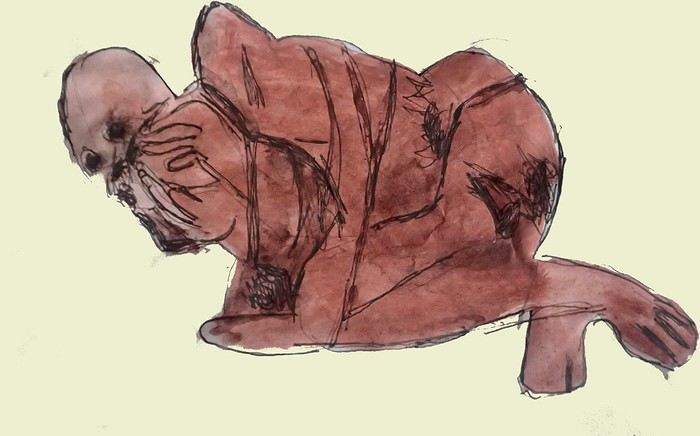
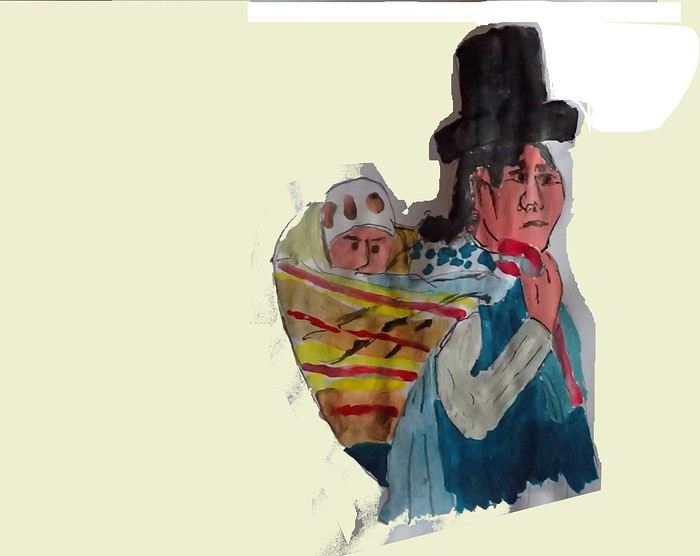
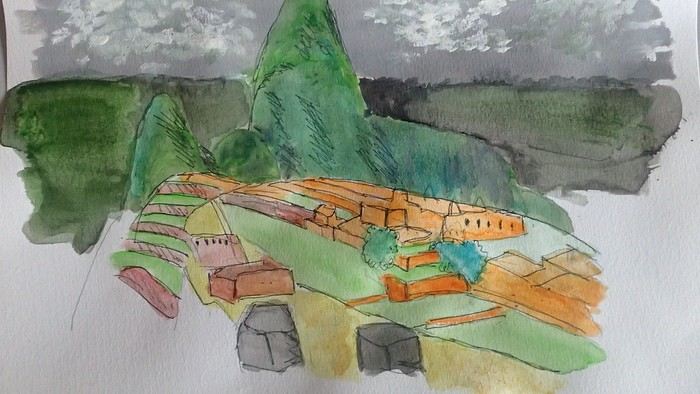
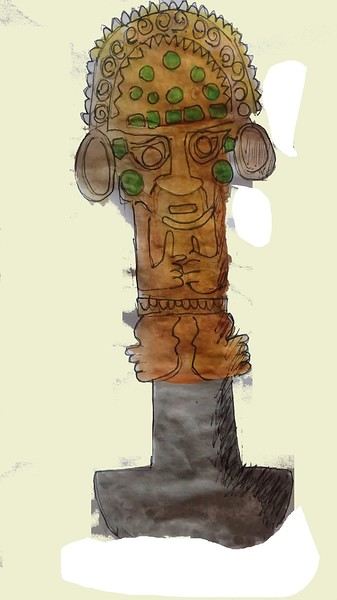
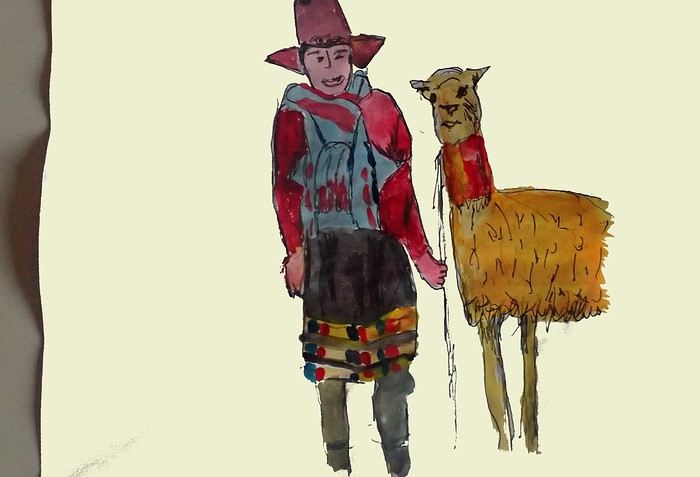


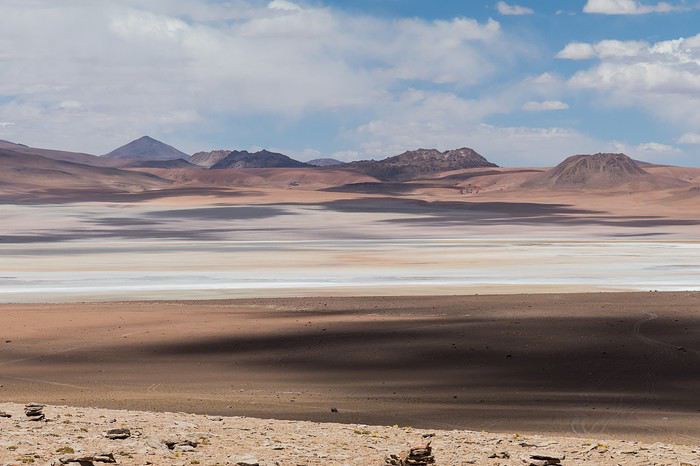 Laguna Kara
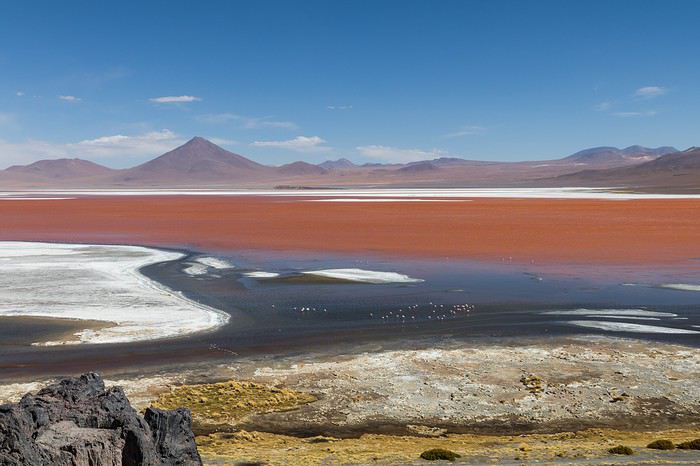 Laguna Colorada
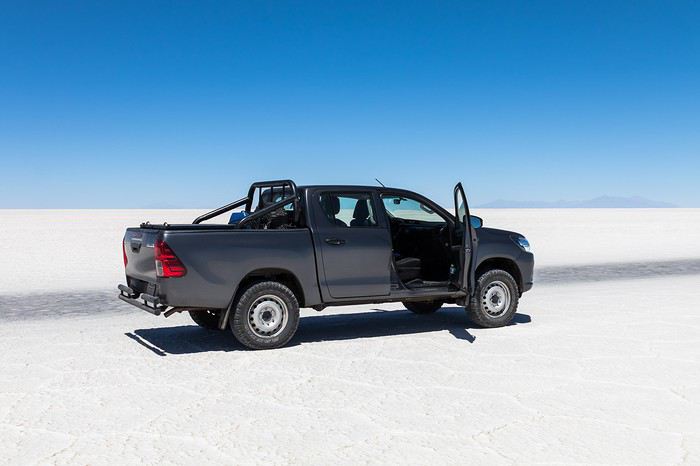 “Our” car, a Toyota Hilux
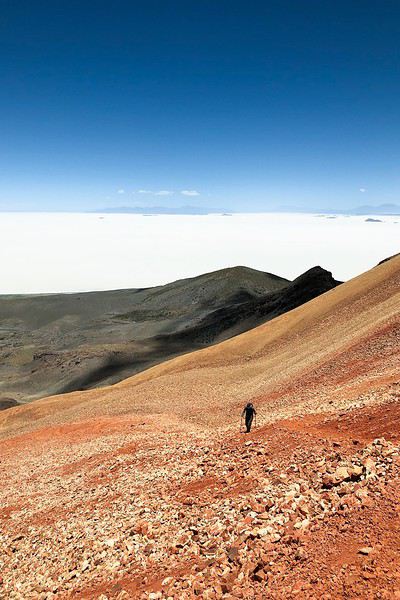 Climbing Volcán Tunupa
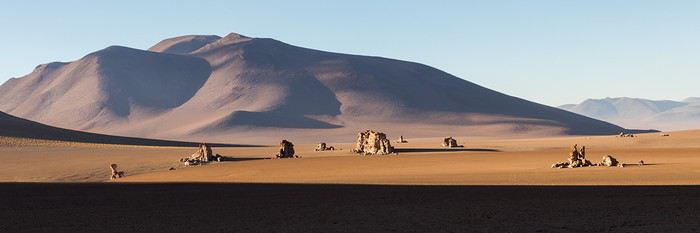 The Dalí Desert
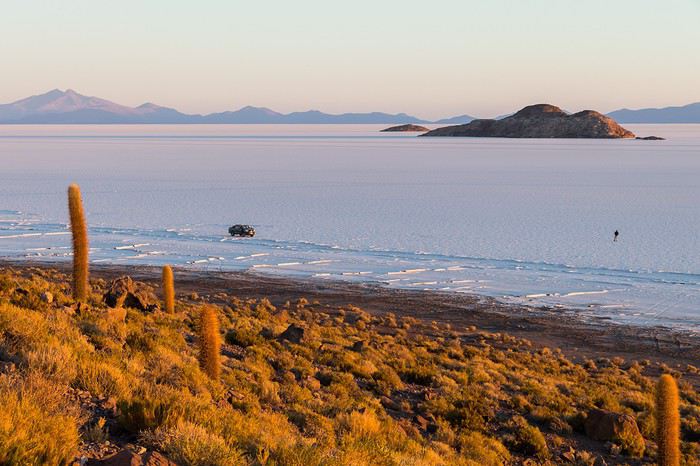 Uyuni Salt Flats in the morning

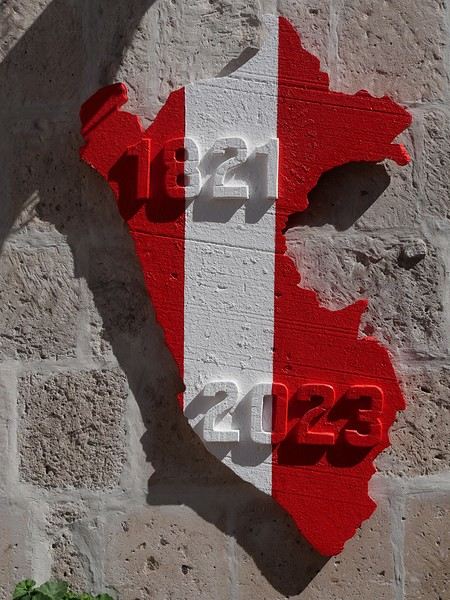


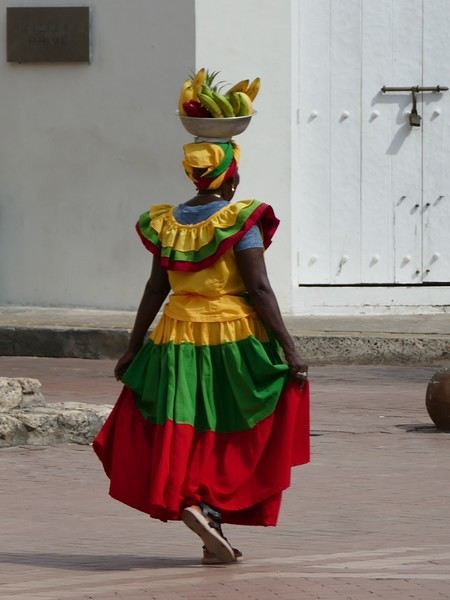
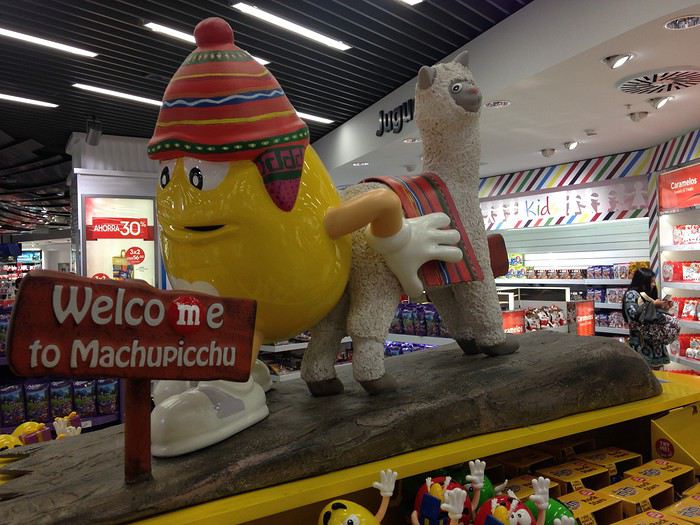
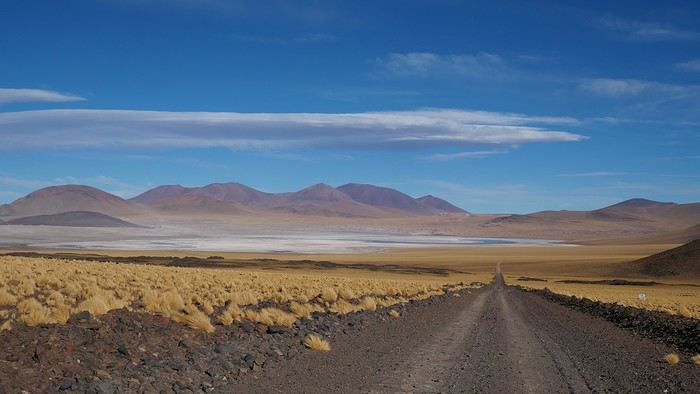
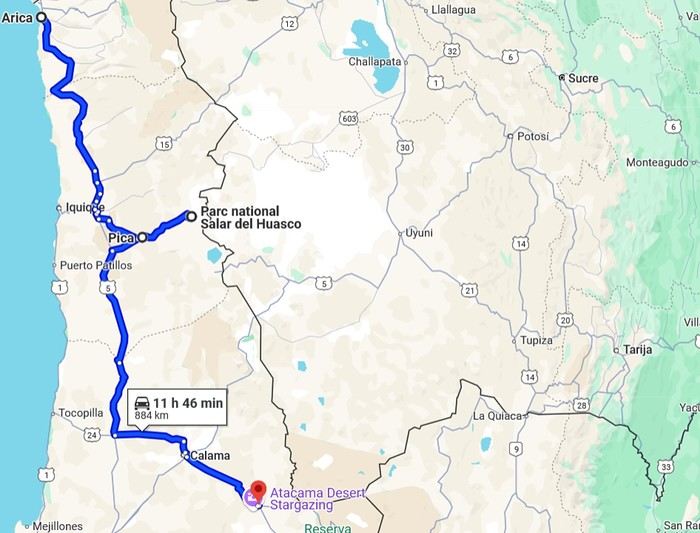 2- Around San Pedro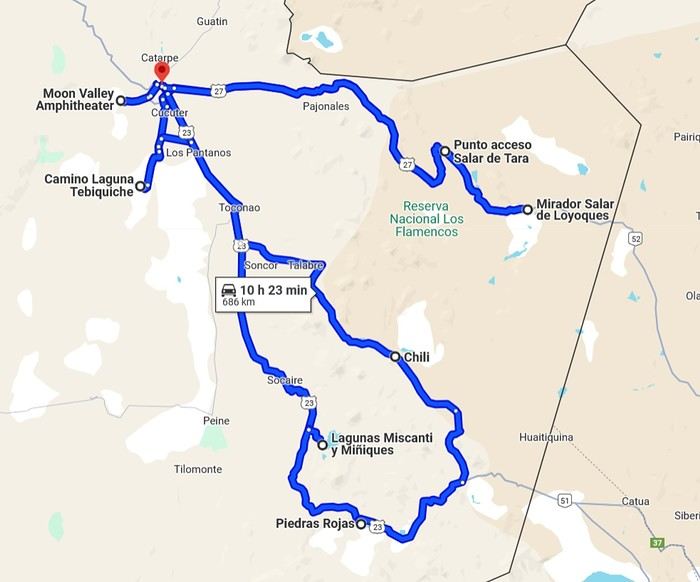
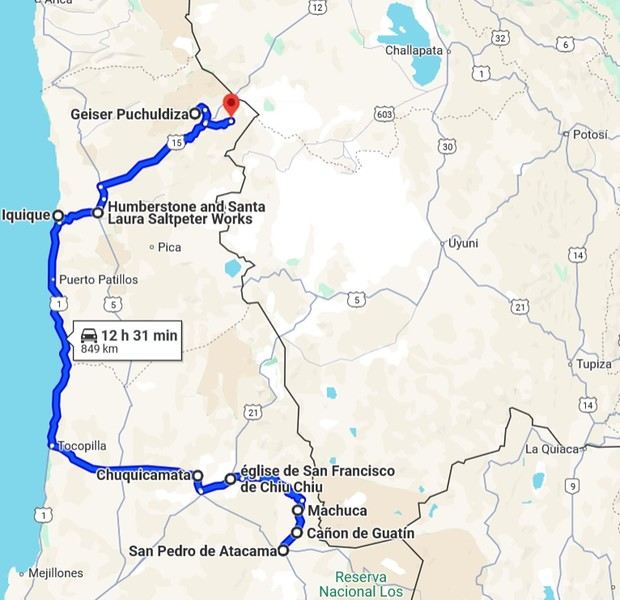
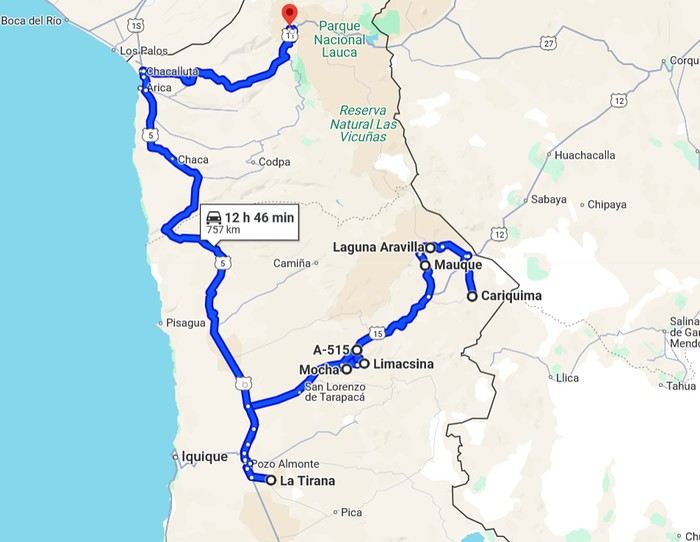
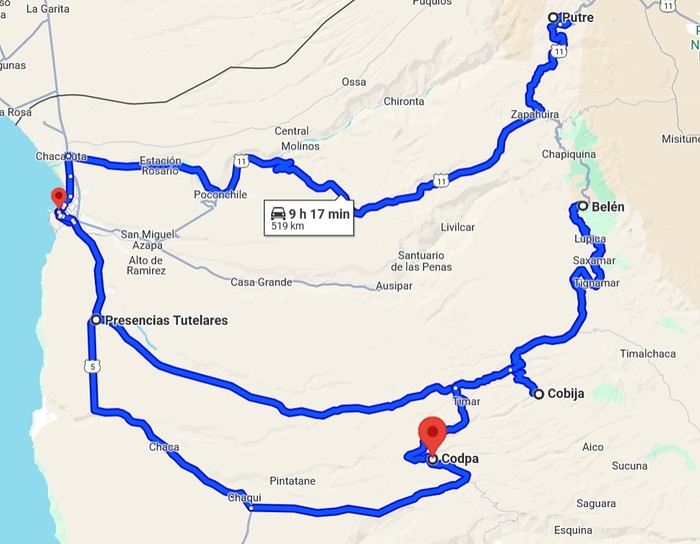
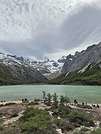

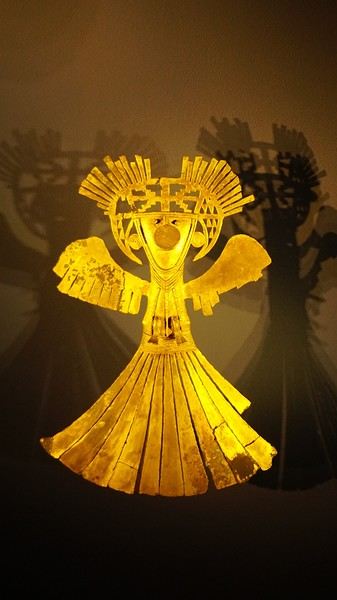
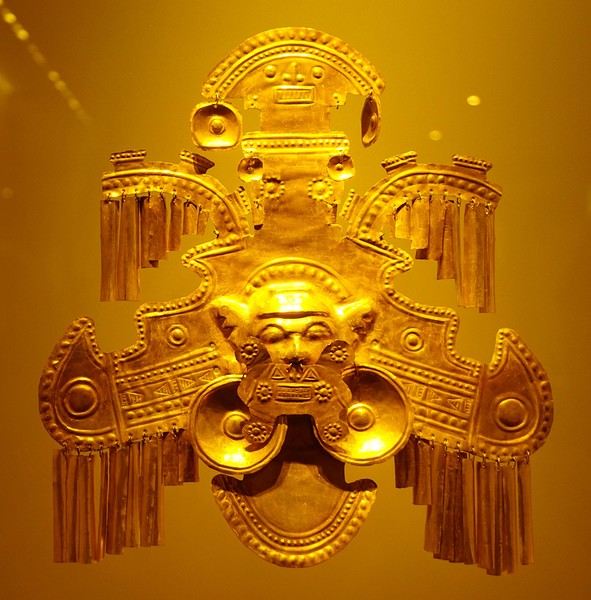
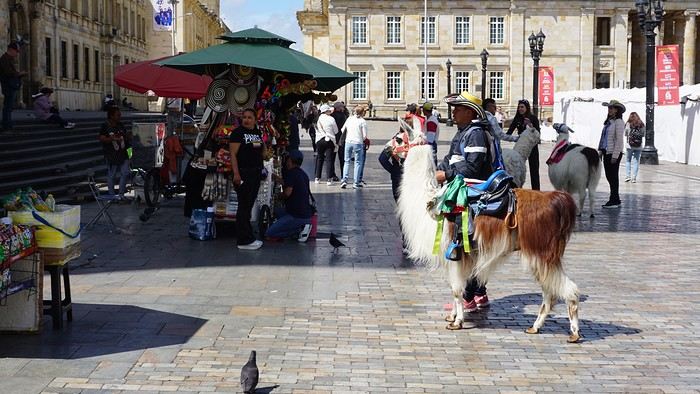
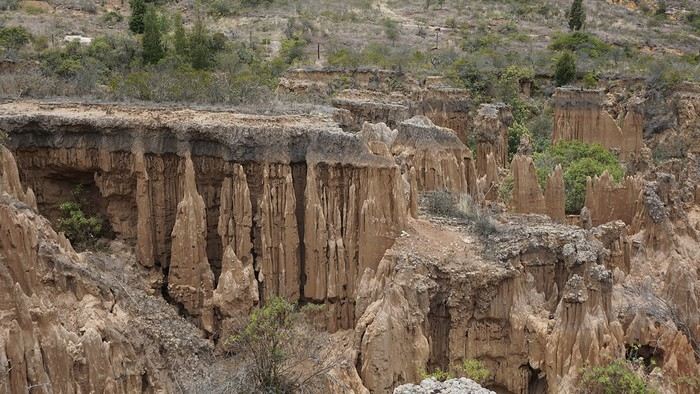
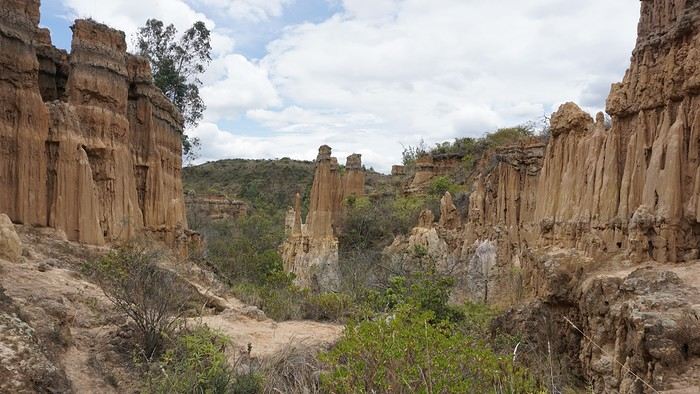
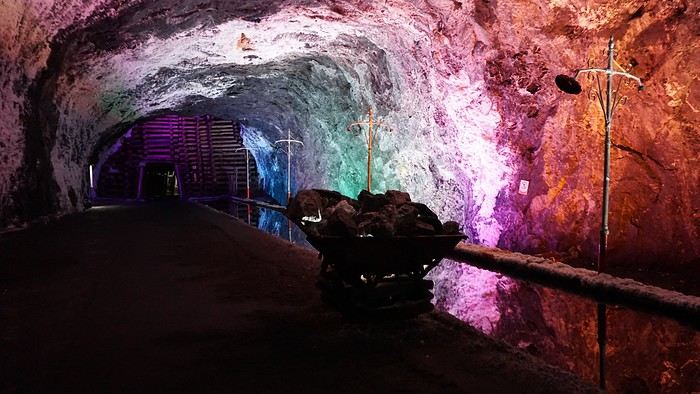
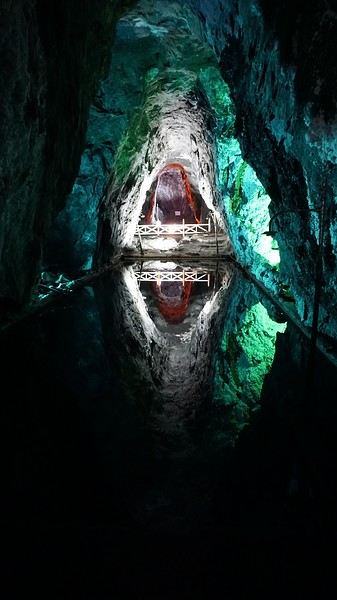
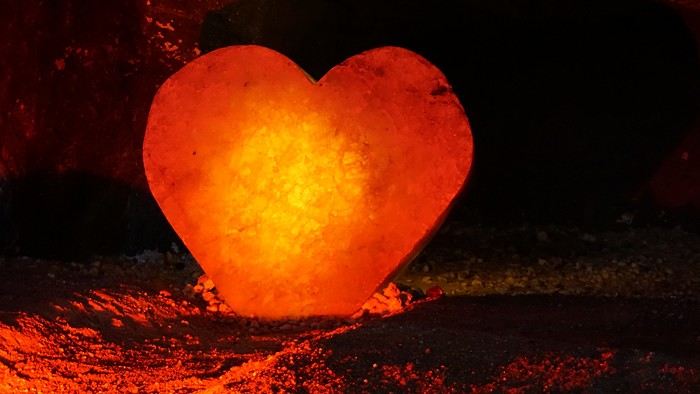
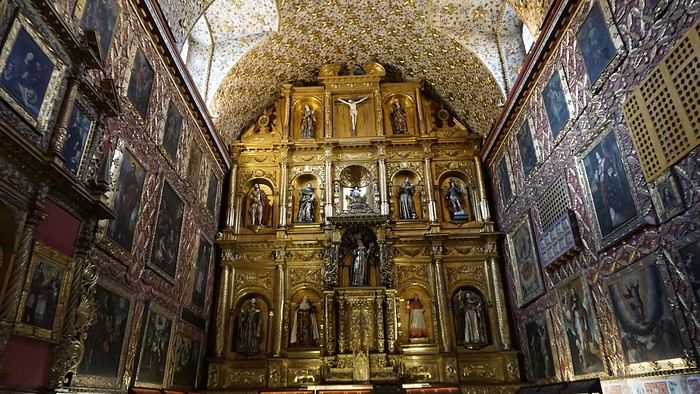
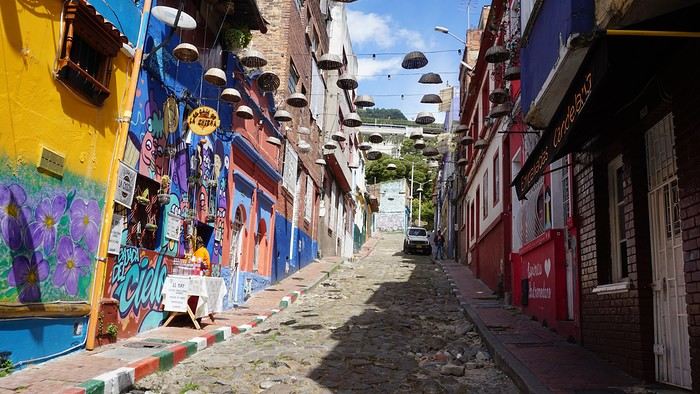
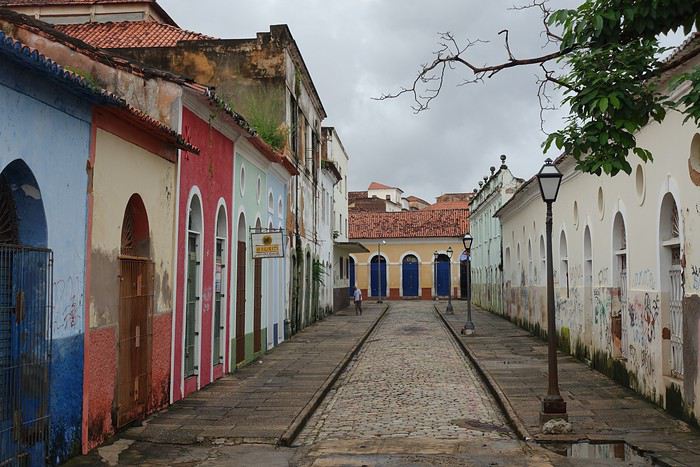
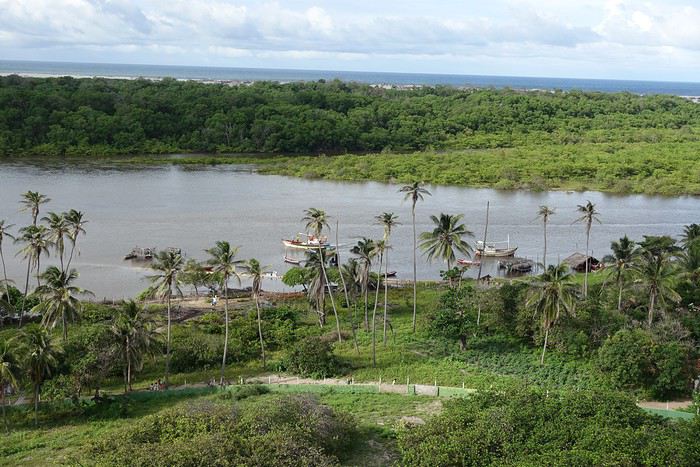
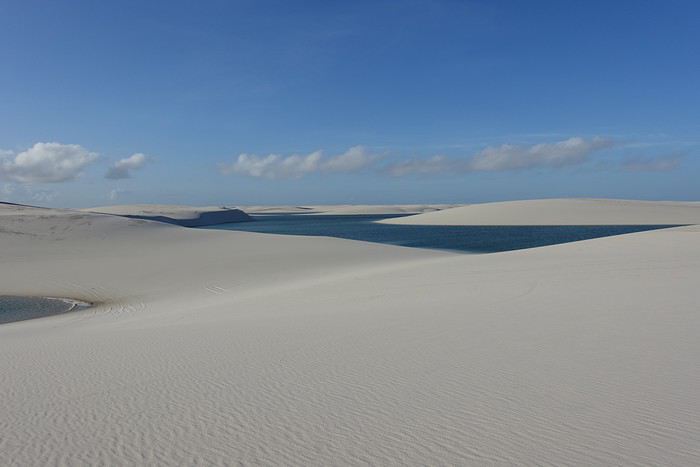
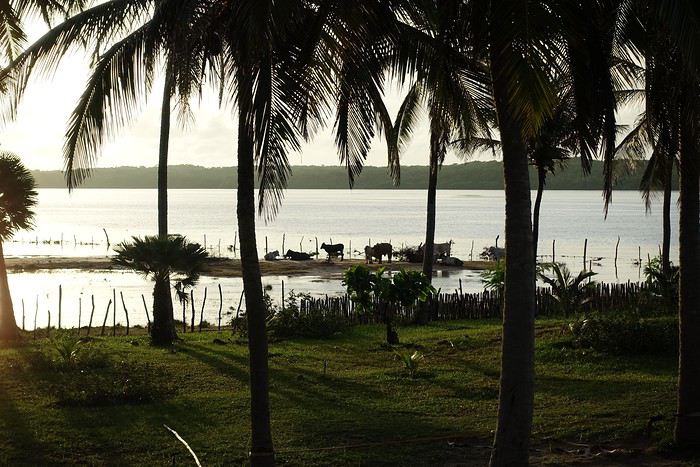
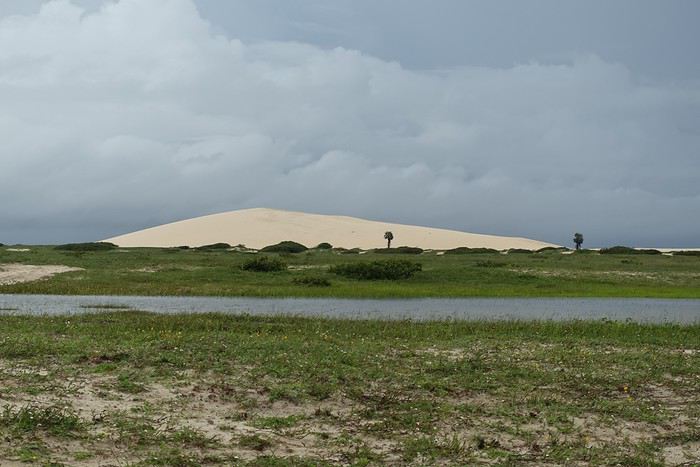
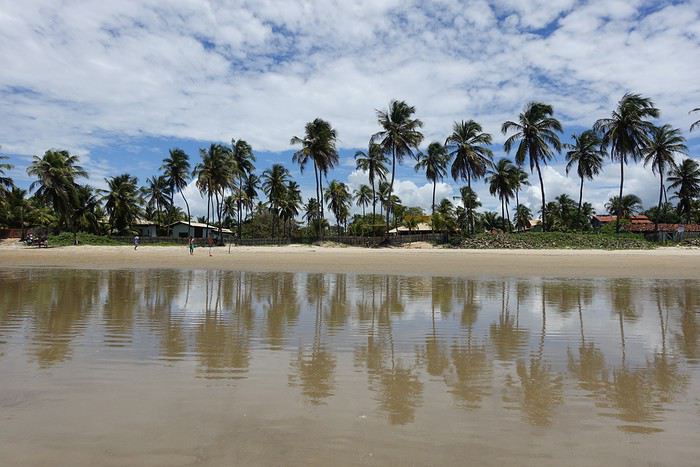 Day 10: Transfer day to Pipa
Taxi Icaraí–Fortaleza: 350 BRL
Flight Fortaleza–Natal: 37 € per person
Taxi Natal–Pipa: 180 BRL
Pousada in Pipa: Aconchego, run by French owners. Great welcome, quiet, perfectly located in the city center.
Day 10: Transfer day to Pipa
Taxi Icaraí–Fortaleza: 350 BRL
Flight Fortaleza–Natal: 37 € per person
Taxi Natal–Pipa: 180 BRL
Pousada in Pipa: Aconchego, run by French owners. Great welcome, quiet, perfectly located in the city center.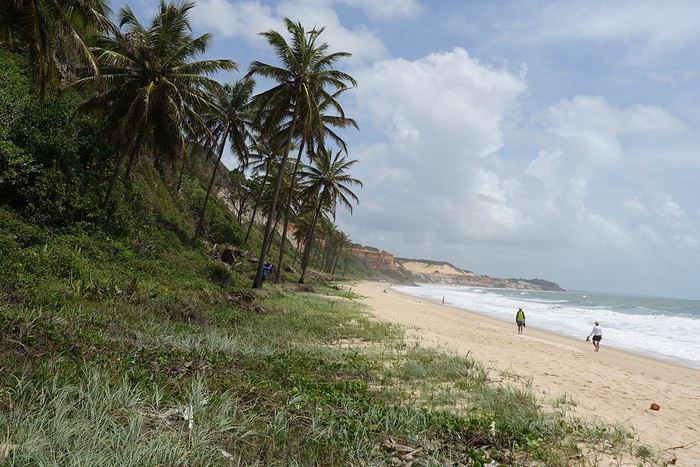
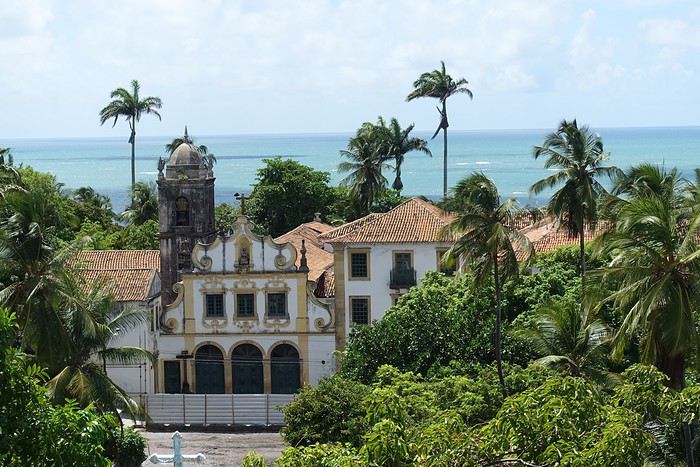

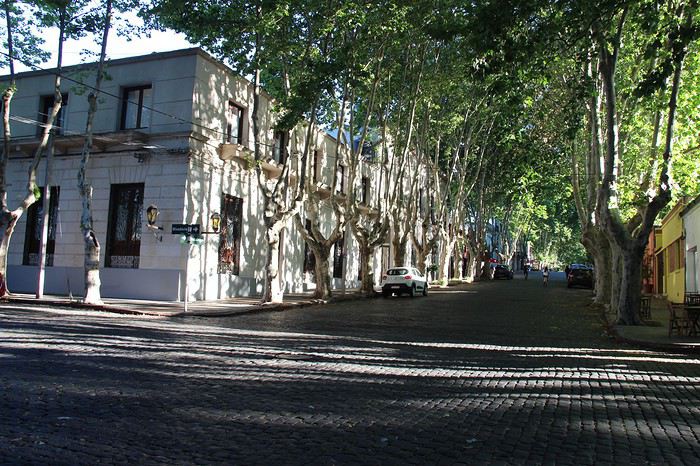
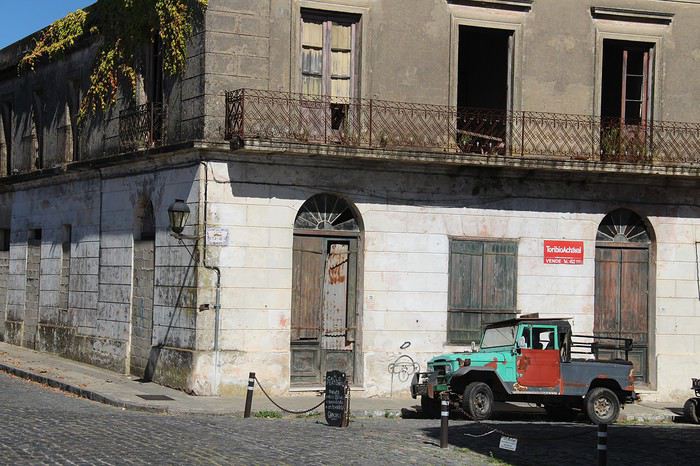
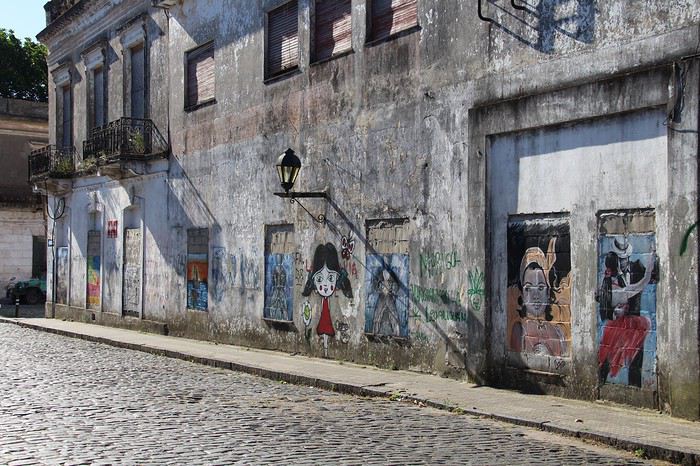
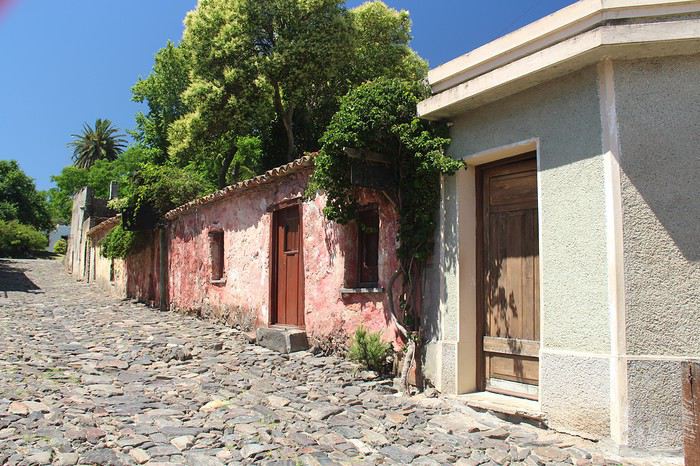
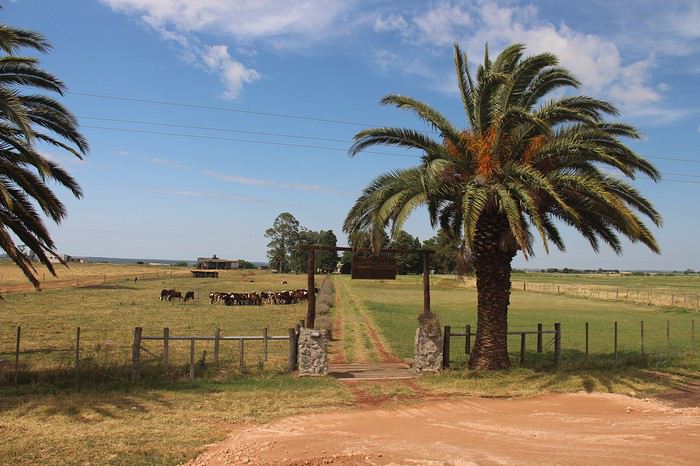
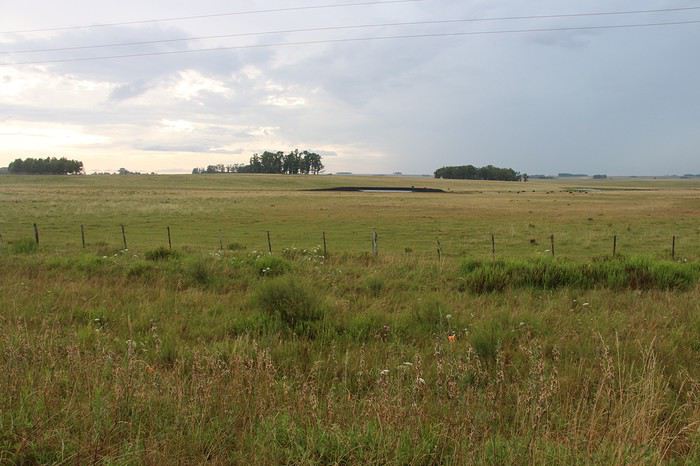
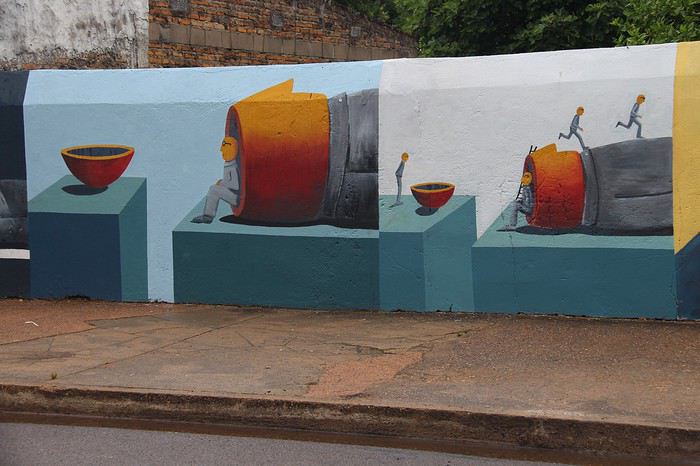
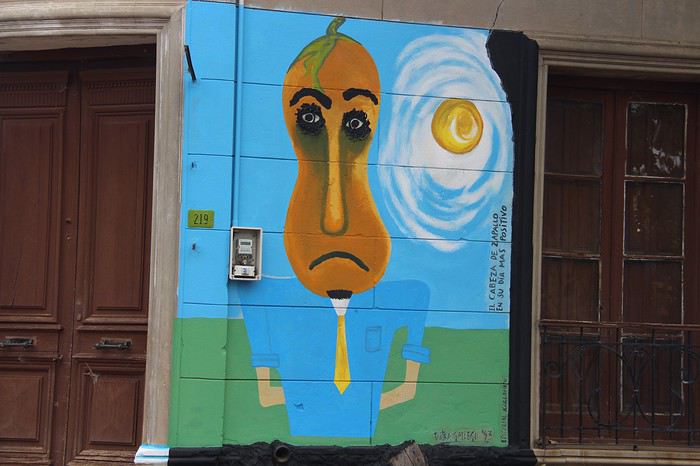
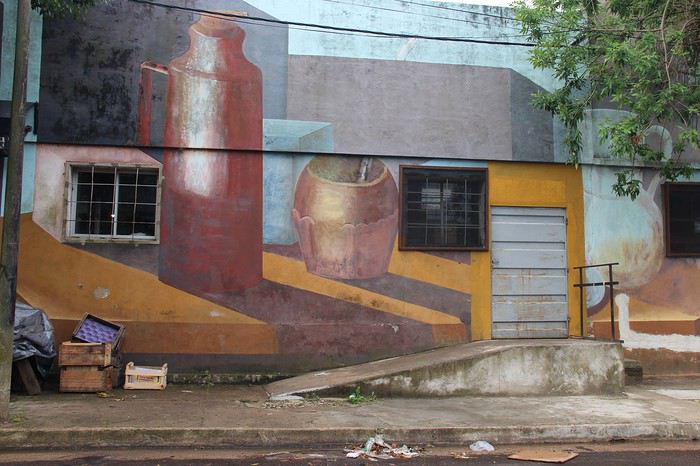
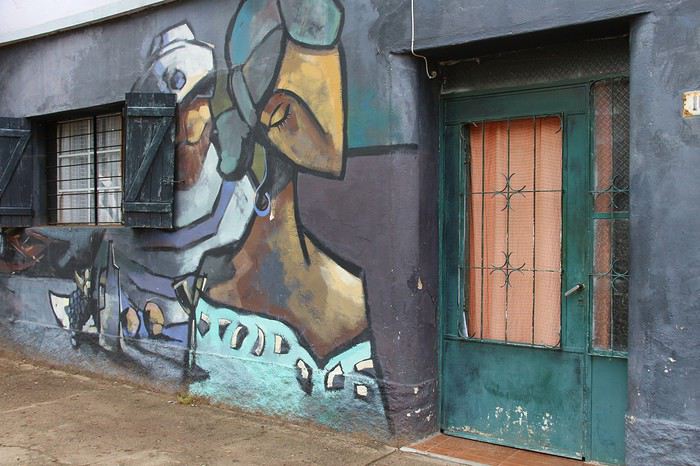
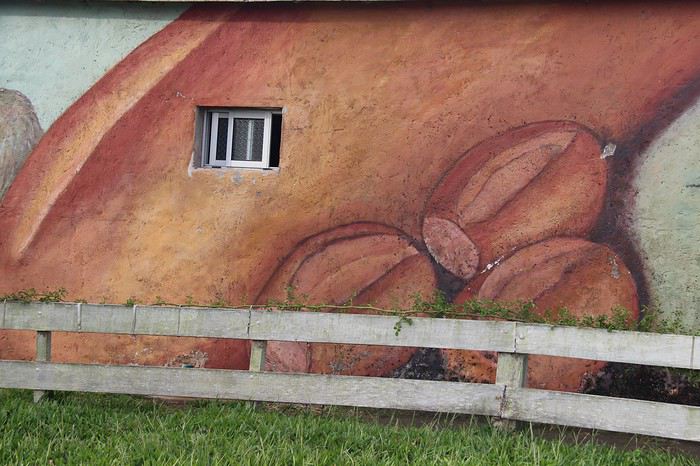
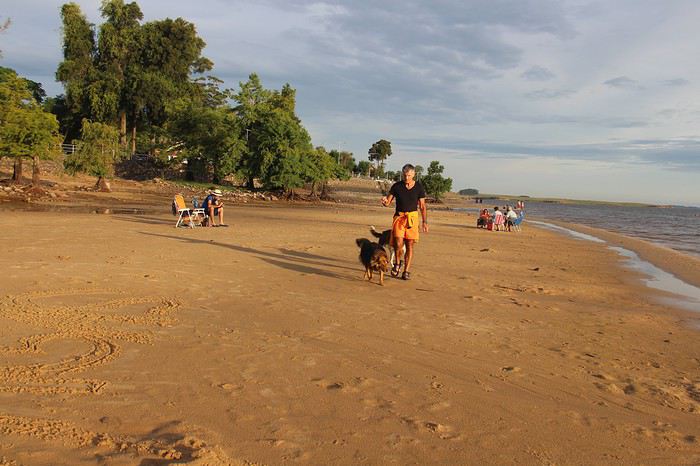
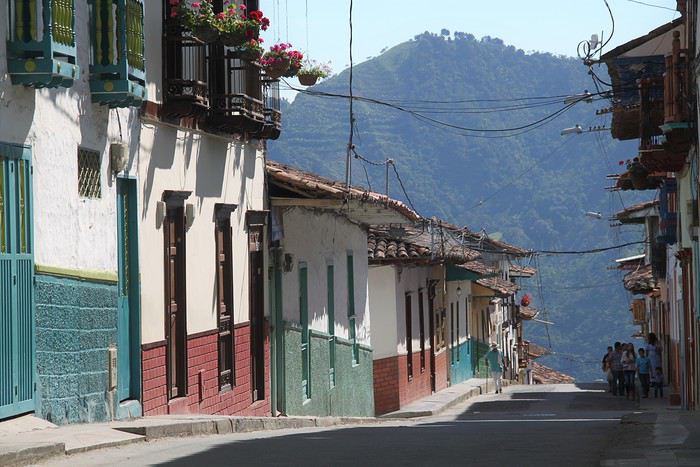
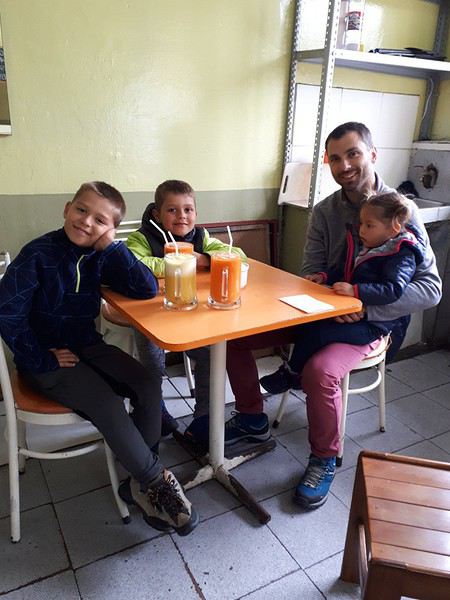
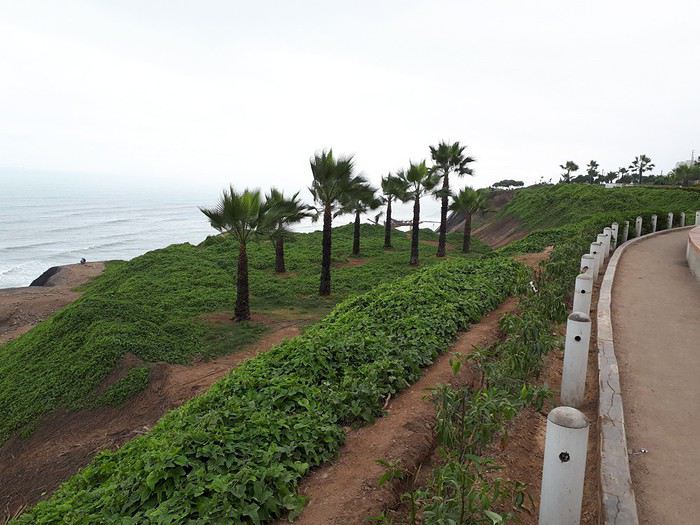
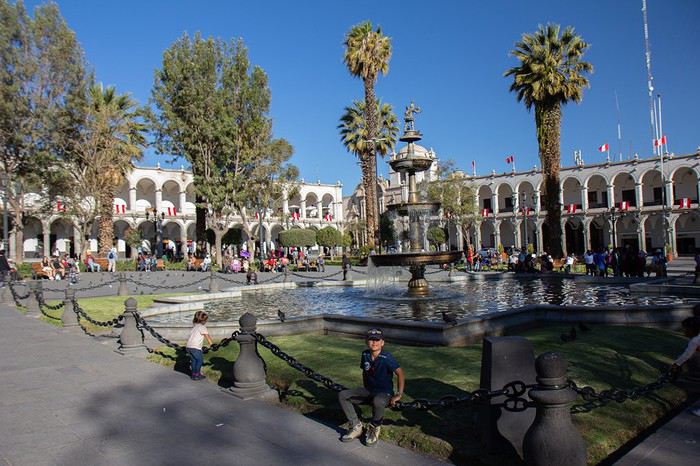
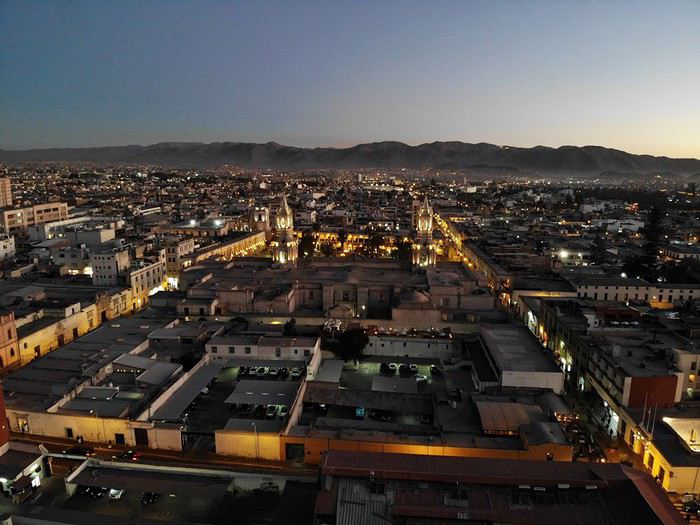
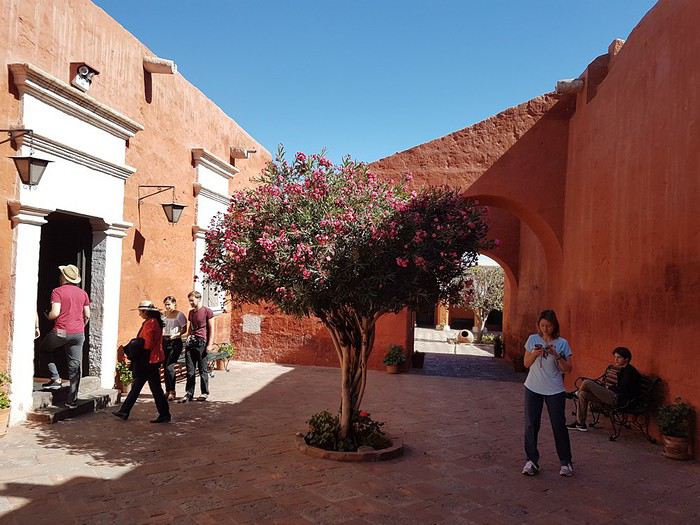
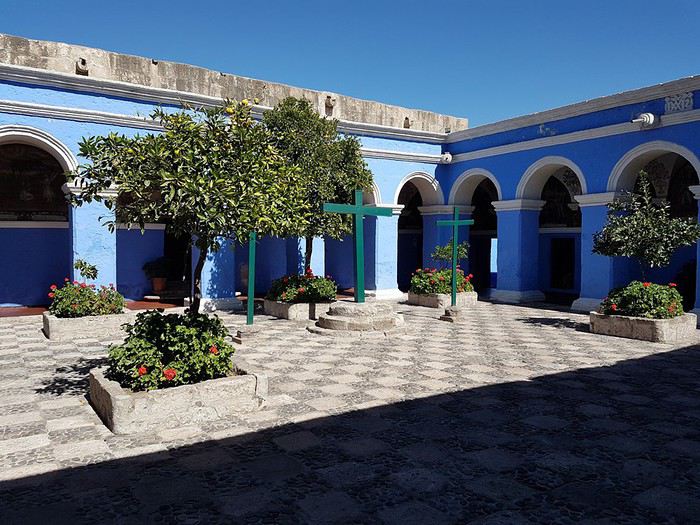
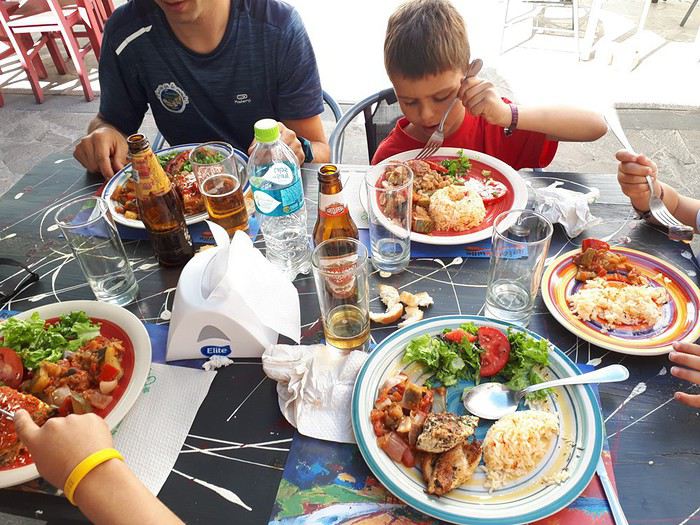
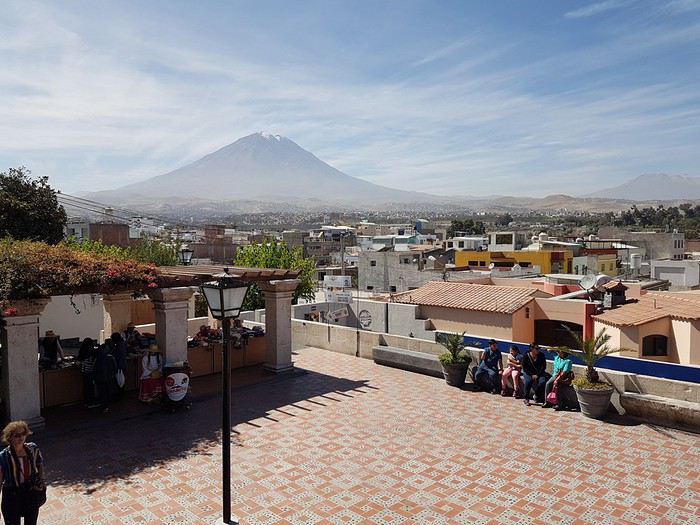
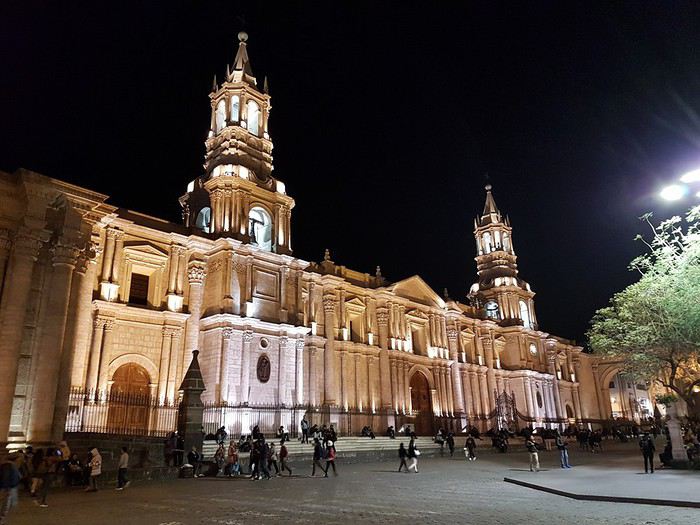

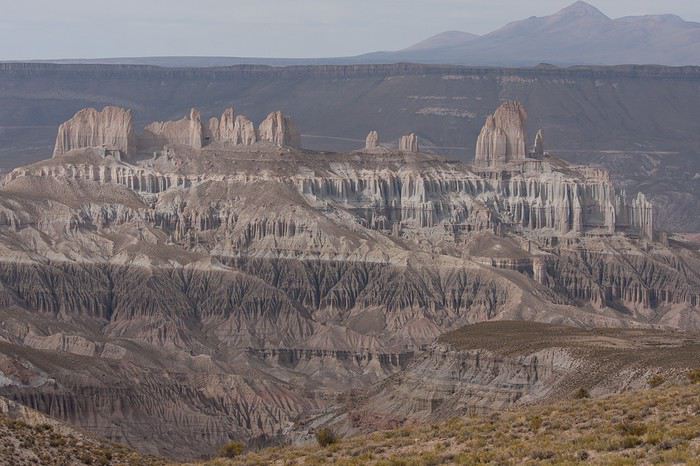
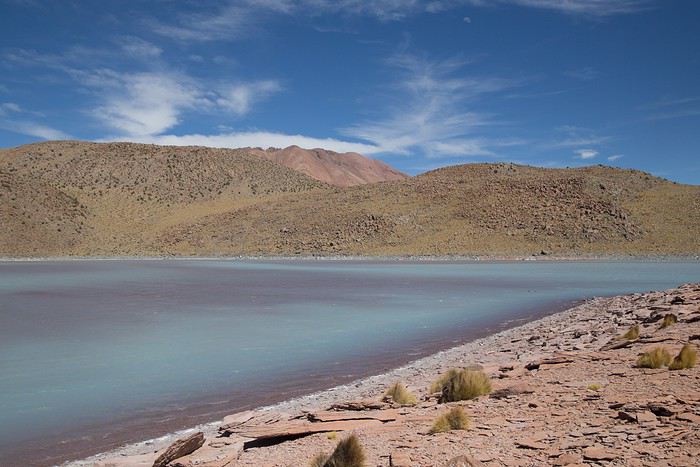
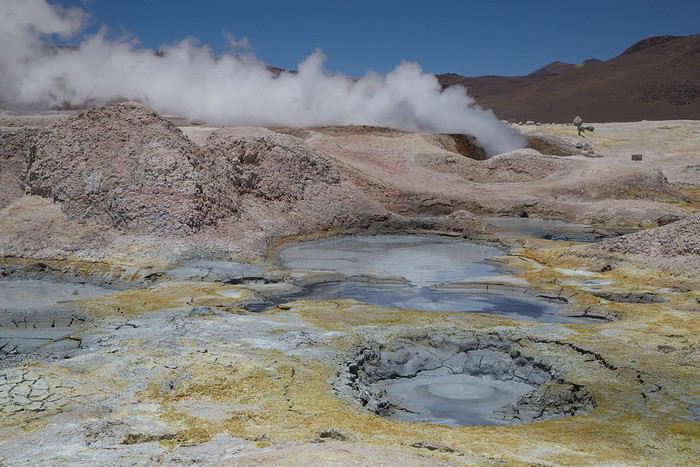
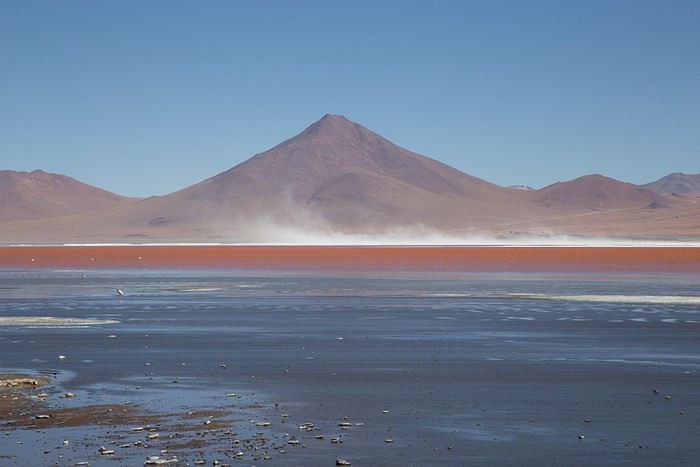
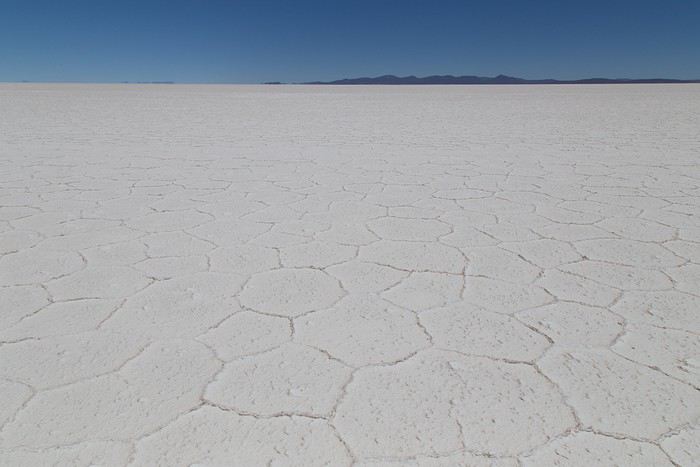
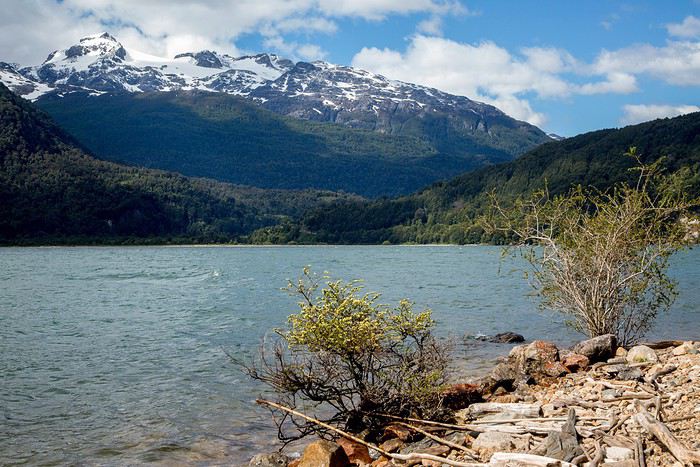
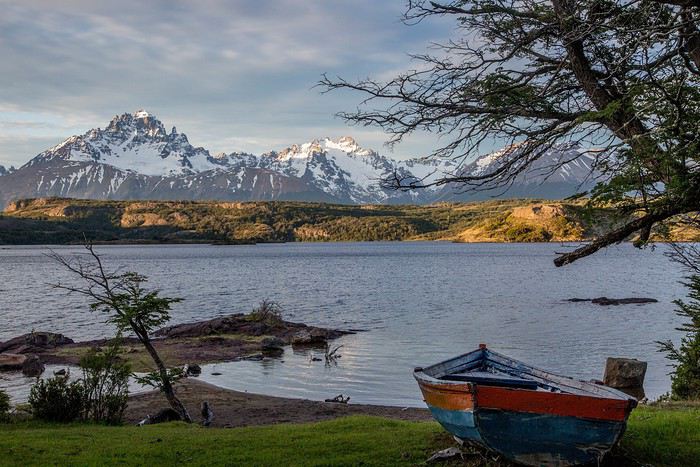
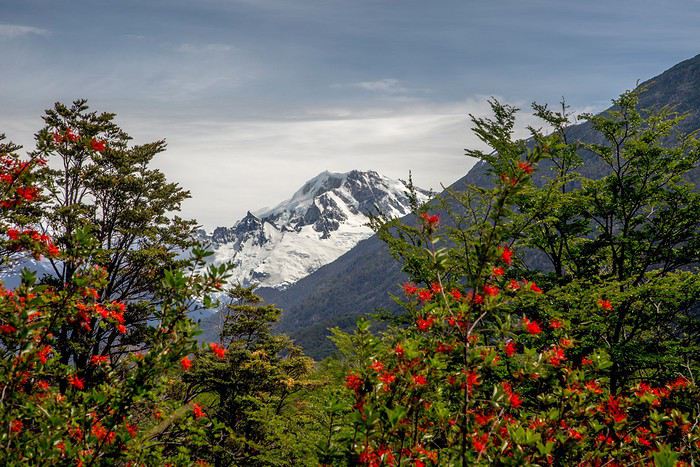
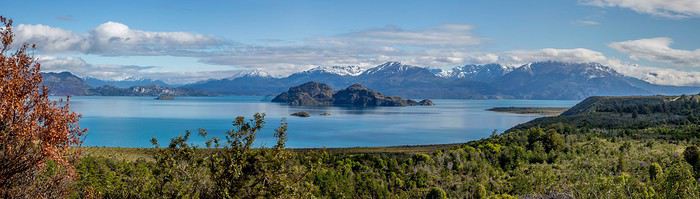
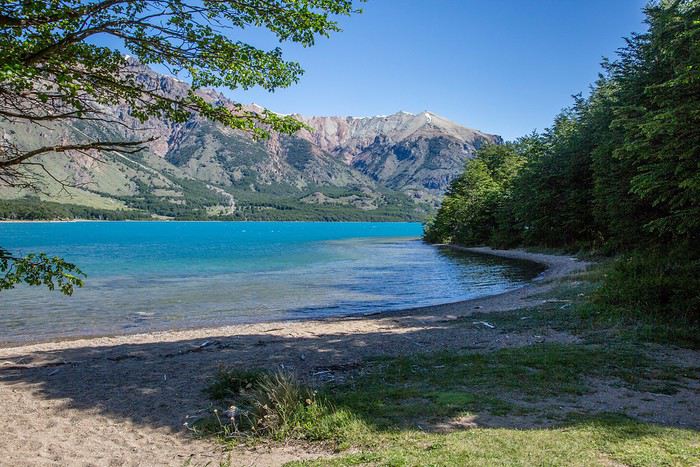
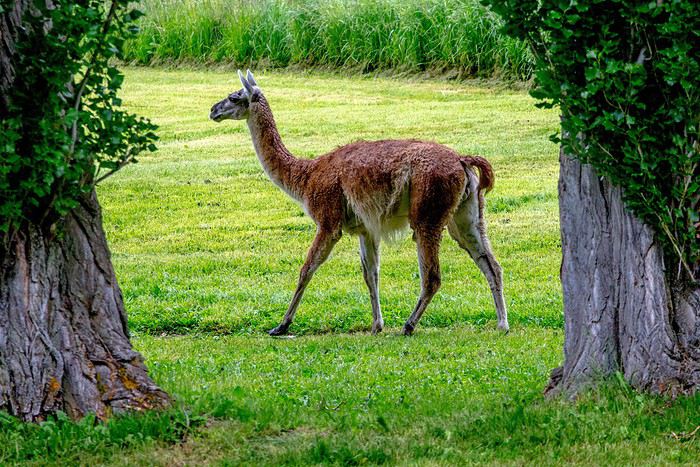
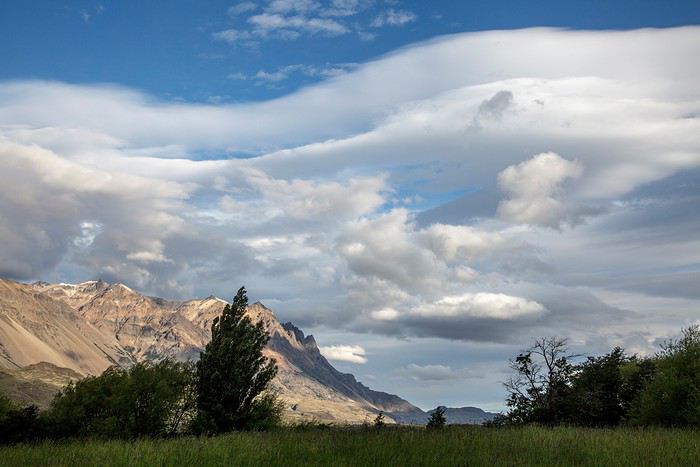
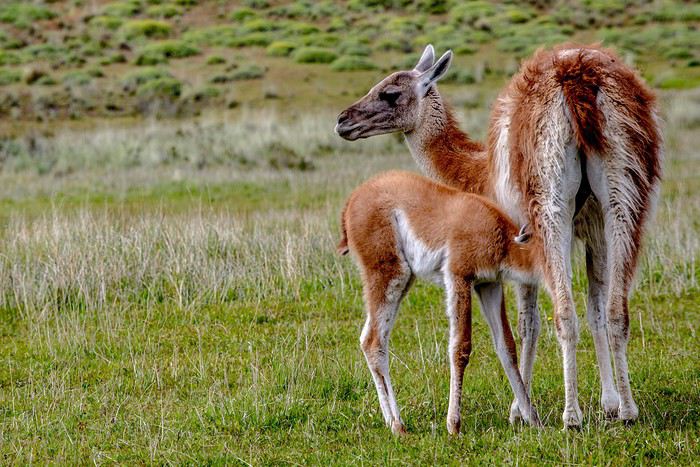
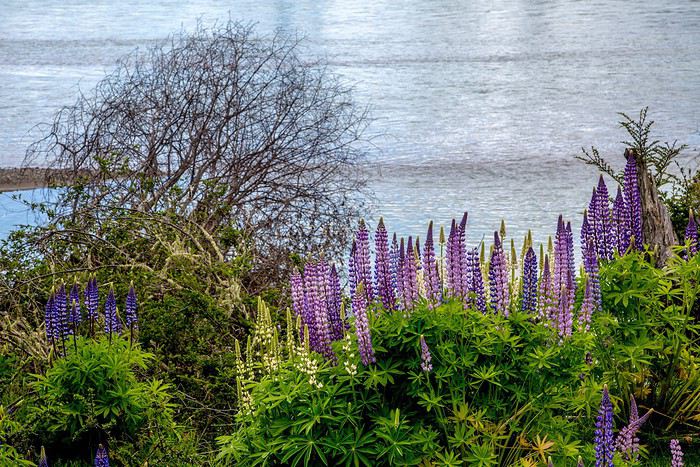
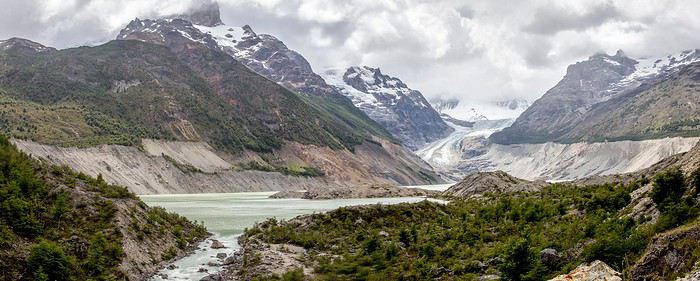 Nous avons un peu attendu que le temps s'améliore, en campant dans la vallée, dans un champ de lupins, en vain :
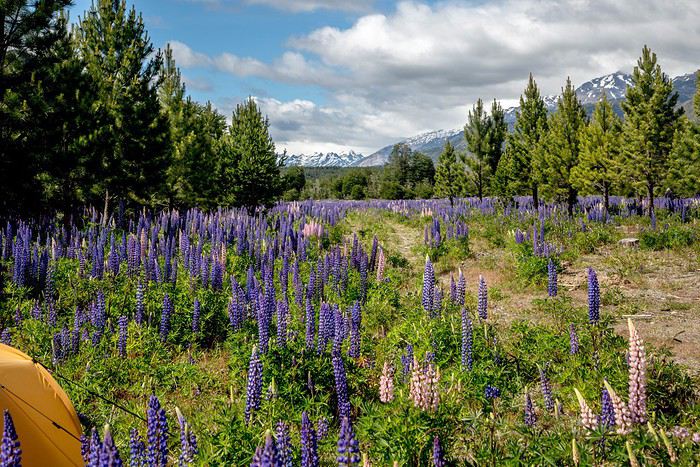 Nous sommes donc revenus à Cochrane, et de là à la réserve Tamango :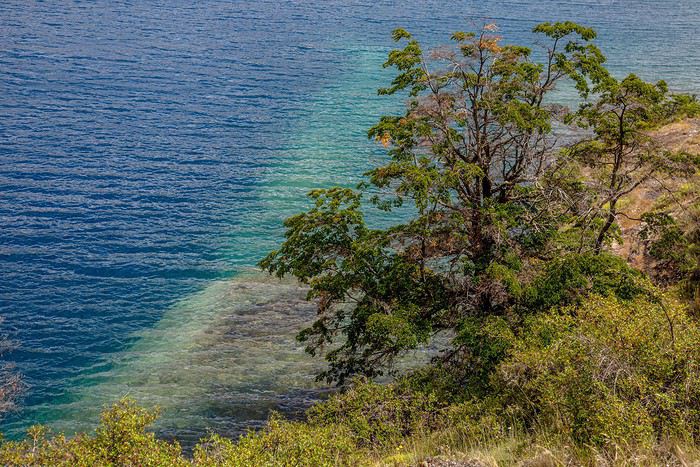
 Alors, ce sera Puerto Ingeniero Ibanez, en attendant notre vol de retour, à partir de Balmaceda. Un temps chaud, superbe... Et une cabaña de rêve... Dur de partir...

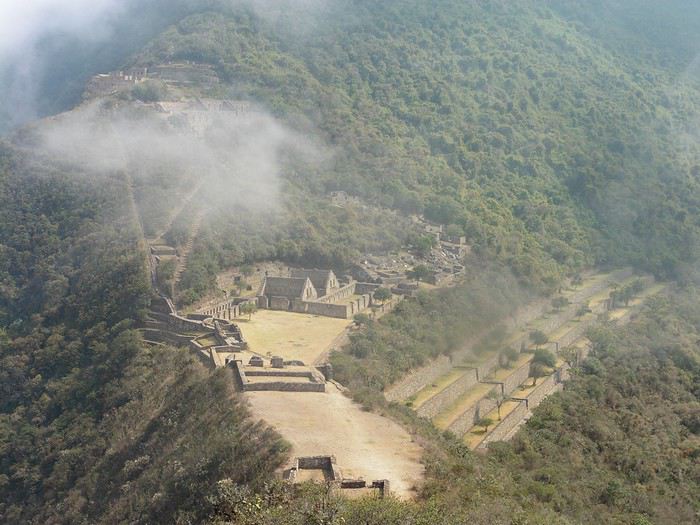 (cité inca de Choquequirao photographiée depuis l'ushnu, pas un visiteur en vue alors qu'il est déjà 09h20)